



DC260126
Based on 3 publication(s) in Google Scholar
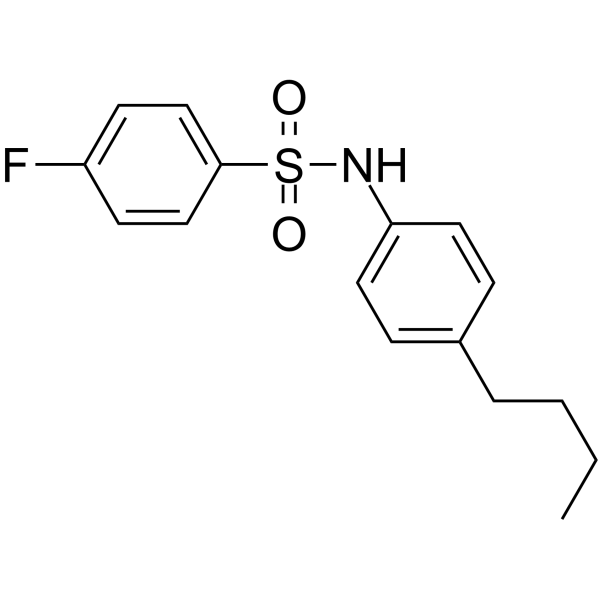
DC260126 is a potent antagonist of GPR40 (FFAR1). DC260126 dose-dependently inhibits GPR40-mediated Ca2+ elevations stimulated by linoleic acid, oleic acid, palmitoleic acid and lauric acid (IC50: 6.28, 5.96, 7.07, 4.58 μM, respectively). DC260126 could protect MIN6 β cells from palmitate-induced ER stress and apoptosis.
For research use only. We do not sell to patients.
- Purity : 99.57%
- CAS No.: 346692-04-4
- Formula: C16H18FNO2S
- Molecular Weight:307.38
-
Storage:Powder -20°C, 3 years , 4°C, 2 years ; In solvent -80°C, 2 years , -20°C, 1 year

To place orders, for customer services and technical support, please contact: MedChemExpress USA
Tel: 609-228-6898 E-mail: [email protected] [email protected]


-
 Biological Activity
-
Chemical Information
-
Solvent & Solubility
- Protocols
- Purity & Documentation
- References
-
 Help & FAQs


-
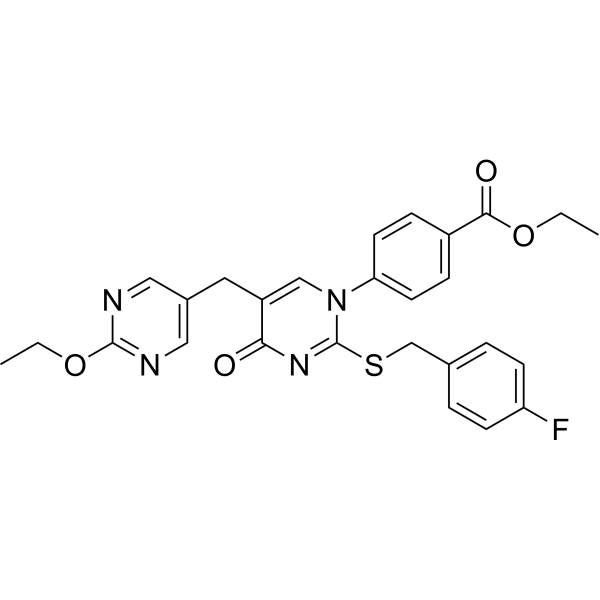
HY-50691
GW-1100Free Fatty Acid Receptor Antagonist -
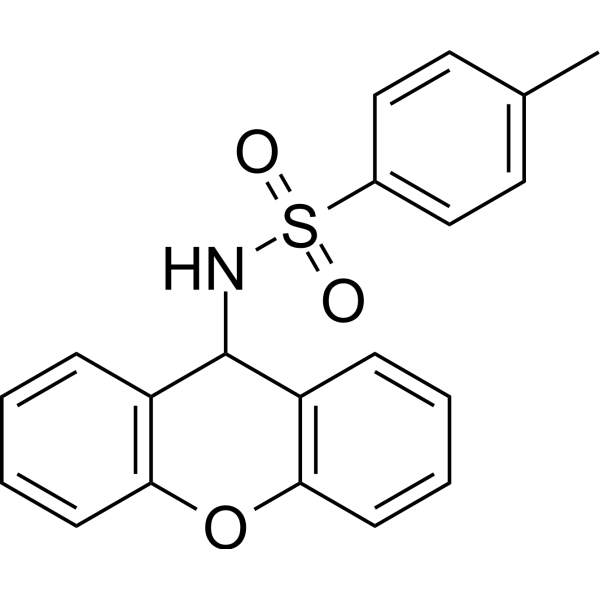
HY-19996
AH-7614FFA4 Antagonist -
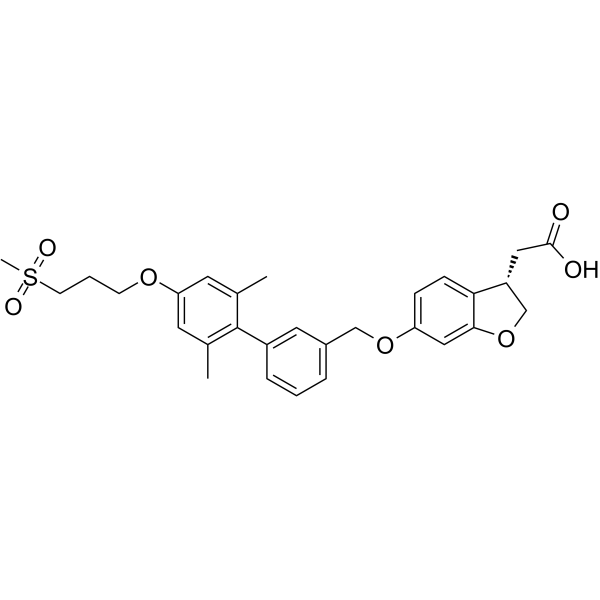
HY-10480
FasiglifamGPR40 Agonist -
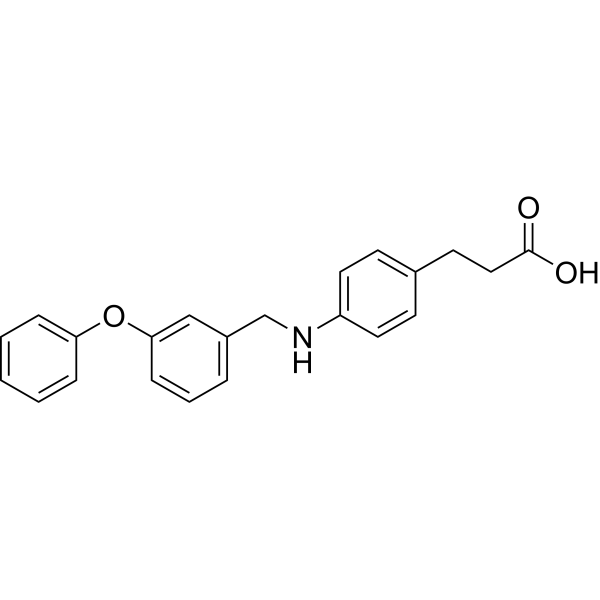
HY-15589
GW9508GPR40 Agonist -
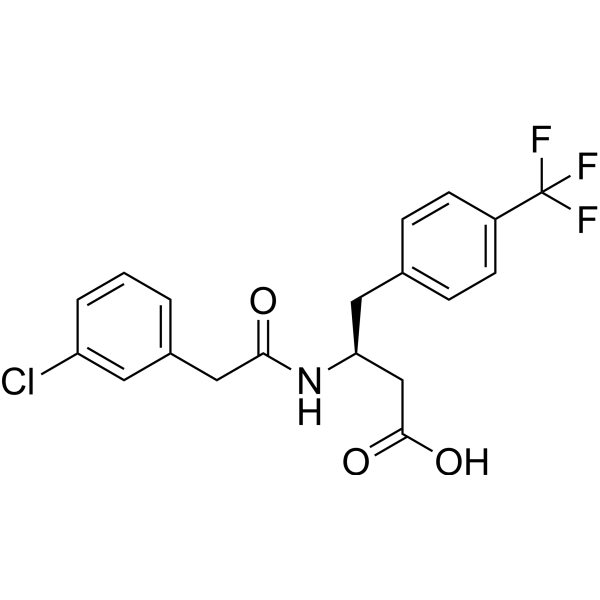
HY-116263
CATPBFFA2R Antagonist -
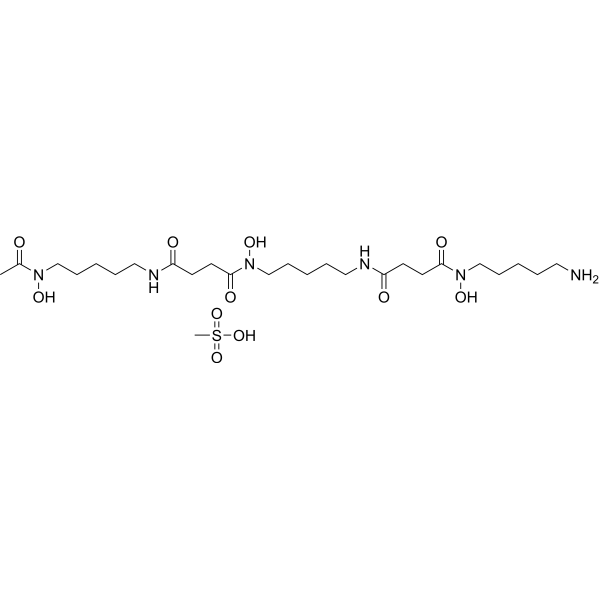
HY-B0988
Deferoxamine mesylateIron Chelator -
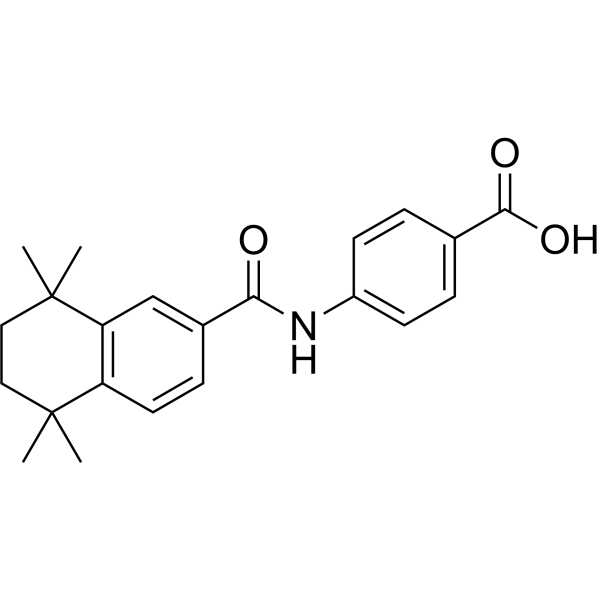
HY-10475
AM580RARα Agonist -

HY-101906R
DC260126 (Standard)Reference Standard -
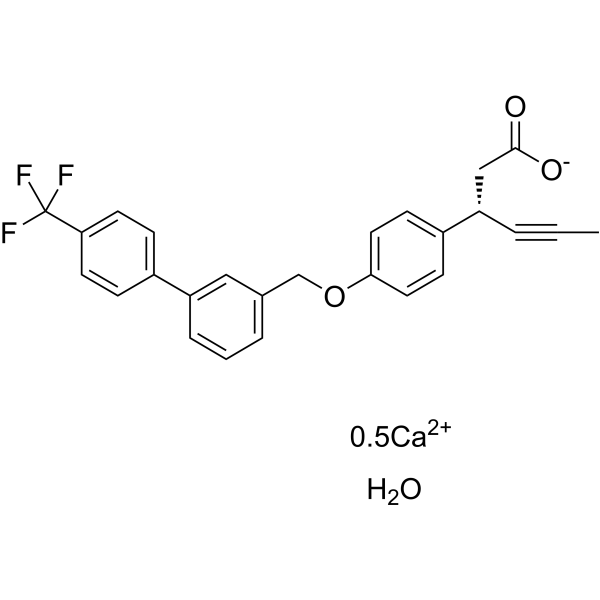
HY-13967B
AMG 837 calcium hydrateGPR40/FFA1 Agonist -
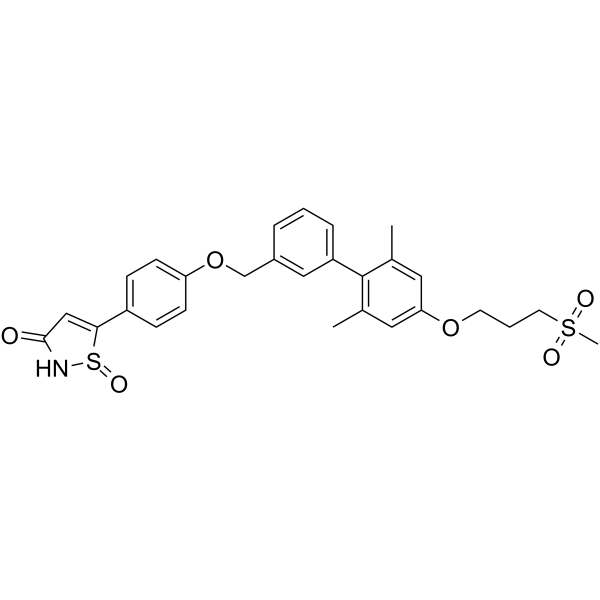
HY-12647
GPR40 Activator 2 -
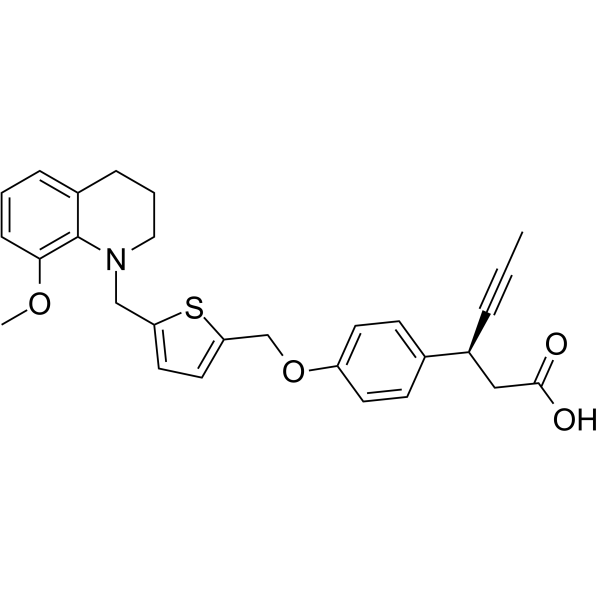
HY-19835
LY2922470GPR40 Agonist -
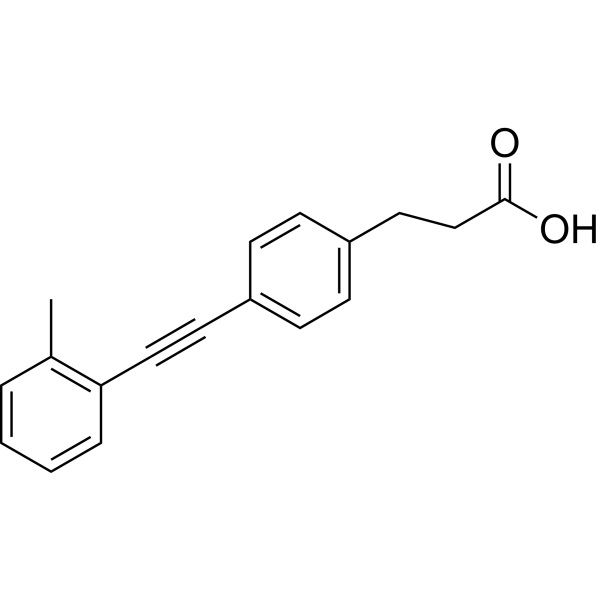
HY-14363
TUG-424Free Fatty Acid Receptor Agonist
Publications Citing Use of MedChemExpress (MCE) DC260126
More Customer Validation & Images

-
Cell Proliferation/Viability Assay
-
Histological Imaging/Staining
-
ELISA
-
RT-PCR
-
Flow Cytometry


Biological Activity
Description
In Vitro
DC260126 reduces GTP-loading and ERK1/2 phosphorylation stimulated by linoleic acid in GPR40-CHO cells, suppresses palmitic acid potentiated glucose-stimulated insulin secretion, and negatively regulates GPR40 mRNA expression induced by oleic acid in Min6 cells[1].
MedChemExpress (MCE) has not independently confirmed the accuracy of these methods. They are for reference only.


Chemical Information
-
CAS No. 346692-04-4
-
Appearance Solid
-
Molecular Weight 307.38
-
Formula C16H18FNO2S
-
Color White to off-white
-
SMILES
O=S(C1=CC=C(F)C=C1)(NC2=CC=C(CCCC)C=C2)=O
-
Shipping
Room temperature in continental US; may vary elsewhere.
-
Storage
Powder -20°C 3 years 4°C 2 years In solvent -80°C 2 years -20°C 1 year


Publications (3)
-
Journal Impact Factor
-
Most Recent
-
Cell Death Discov
2024 Jul 19;10(1):329. PMID: 39030174 -
Respir Res
Targeting of G-protein coupled receptor 40 alleviates airway hyperresponsiveness through RhoA/ROCK1 signaling pathway in obese asthmatic mice. [Abstract]2023 Feb 17;24(1):56. PMID: 36803977
DC260126 purchased from MedChemExpress. Usage Cited in: Respir Res. 2023 Feb 17;24(1):56. [Abstract]
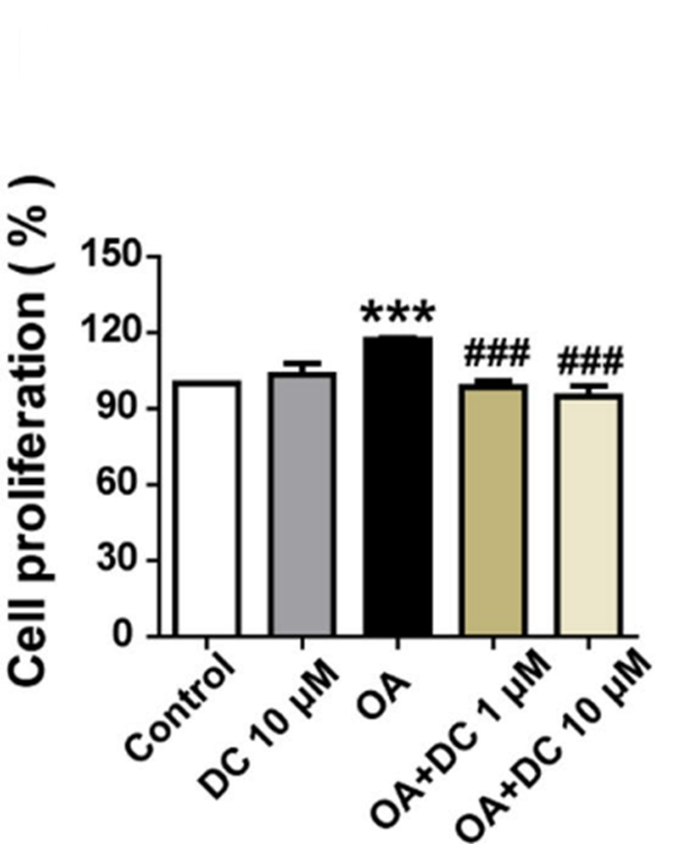
The cells were pretreated with 1 μM and 10 μM DC260126 for 0.5 h, then 24 h OA (10 μM)-induced cell proliferation was measured by CCK-8 kit.
DC260126 purchased from MedChemExpress. Usage Cited in: Respir Res. 2023 Feb 17;24(1):56. [Abstract]
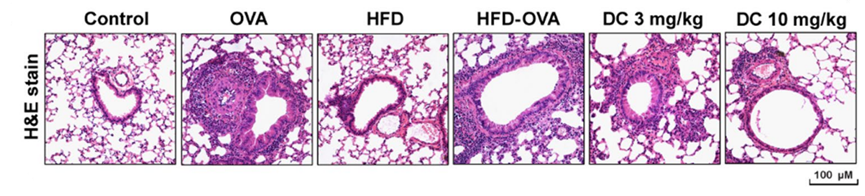
Pretreatment with DC260126 at 3 mg/kg or 10 mg/kg to HFD-OVA mice significantly alleviated the inflammatory cell infiltration by H&E staining.
DC260126 purchased from MedChemExpress. Usage Cited in: Respir Res. 2023 Feb 17;24(1):56. [Abstract]
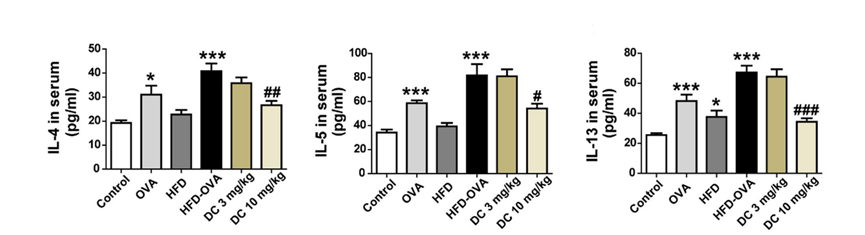
The levels of IL-4, IL-5, and IL-13 in serum were significantly increased in OVA and HFD-OVA mice compared to the control mice, however, these increases were significantly reduced in 10 mg/kg DC260126 treatment group by ELISA.
DC260126 purchased from MedChemExpress. Usage Cited in: Respir Res. 2023 Feb 17;24(1):56. [Abstract]
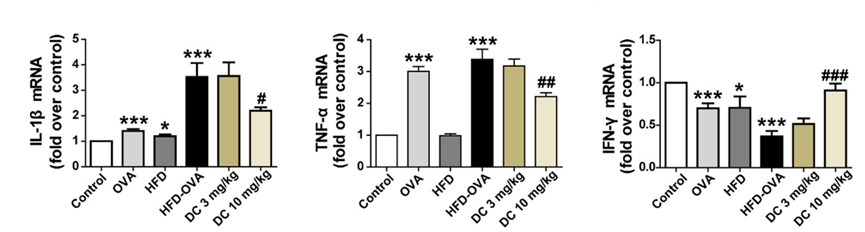
Pretreatment with DC260126 (10 mg/kg) could significantly reduce IL-1β, TNF-α and elevated IFN-γ expression in the lung tissue of mice by real-time PCR.
DC260126 purchased from MedChemExpress. Usage Cited in: Respir Res. 2023 Feb 17;24(1):56. [Abstract]
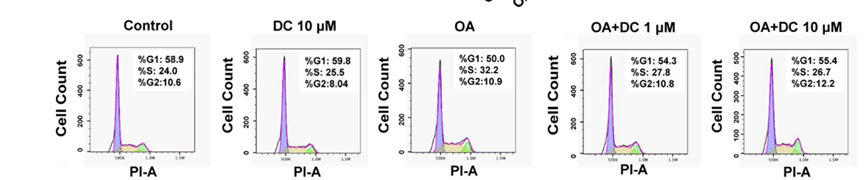
The cells were pretreated with 1 μM and 10 μM DC260126 for 0.5 h, the effects of OA (10 µM) on cell cycle were assessed by flow cytometry.
-
Pediatr Allergy Immunol
Dispersion and utilization of lipid droplets mediates respiratory syncytial virus-induced airway hyperresponsiveness. [Abstract]2022 Jan;33(1):e13651. PMID: 34383332


Solvent & Solubility
In Vitro:
DMSO : ≥ 100 mg/mL (325.33 mM; Hygroscopic DMSO has a significant impact on the solubility of product, please use newly opened DMSO)
* "≥" means soluble, but saturation unknown.
Please refer to the solubility information to select the appropriate solvent. Once prepared, please aliquot and store the solution to prevent product inactivation from repeated freeze-thaw cycles.
Storage method and period of stock solution: -80°C, 2 years; -20°C, 1 year. When stored at -80°C, please use it within 2 years. When stored at -20°C, please use it within 1 year.
Please refer to the solubility information to select the appropriate solvent. Once prepared, please aliquot and store the solution to prevent product inactivation from repeated freeze-thaw cycles.
Storage method and period of stock solution: -80°C, 2 years; -20°C, 1 year. When stored at -80°C, please use it within 2 years. When stored at -20°C, please use it within 1 year.
Concentration (start) × Volume (start) = Concentration (final) × Volume (final)
In Vivo:
Select the appropriate dissolution method based on your experimental animal and administration route.
- For the following dissolution methods, please ensure to first prepare a clear stock solution using an In Vitro approach and then sequentially add co-solvents:
- To ensure reliable experimental results, the clarified stock solution can be appropriately stored based on storage conditions. As for the working solution for In Vivo experiments, it is recommended to prepare freshly and use it on the same day.
- The percentages shown for the solvents indicate their volumetric ratio in the final prepared solution. If precipitation or phase separation occurs during preparation, heat and/or sonication can be used to aid dissolution.
Add each solvent one by one: 10% DMSO 90% (20% SBE-β-CD in Saline)
Solubility: ≥ 2.5 mg/mL (8.13 mM); Clear solution
This protocol yields a clear solution of ≥ 2.5 mg/mL (saturation unknown).
Taking 1 mL working solution as an example, add 100 μL DMSO stock solution (25.0 mg/mL) to 900 μL 20% SBE-β-CD in Saline, and mix evenly.
Preparation of 20% SBE-β-CD in Saline (4°C, storage for one week): 2 g SBE-β-CD powder is dissolved in 10 mL Saline, completely dissolve until clear.
In Vivo Dissolution Calculator
Please enter the basic information of animal experiments:
-
-
-
-
Recommended: Prepare an additional quantity of animals to account for potential losses during experiments.
Please enter your animal formula composition:
-
%DMSO +
Recommended: Keep the proportion of DMSO in working solution below 2% if your animal is weak.
-
%+
-
+%Tween-80 + +
-
%Saline +
The co-solvents required include: DMSO, . All of co-solvents are available by MedChemExpress (MCE). , Tween 80. All of co-solvents are available by MedChemExpress (MCE).
Working solution concentration: 0.22 mg/mL
Method for preparing stock solution: mg drug dissolved in μL DMSO. Stock solution concentration: mg/mL.
1. Take μL DMSO stock solution;
2. Add μL .
μL , mix evenly;
3. Then add μL Tween 80, mix evenly;
4. Then add μL
Please ensure that the stock solution in the first step is dissolved to a clear state, and add co-solvents in sequence. You can use ultrasonic heating (ultrasonic cleaner, recommended frequency 20-40 kHz), vortexing, etc. to assist dissolution.


Purity & Documentation
-
Data Sheet (275 KB)
-
SDS (396 KB)
- English - EN (396 KB)
- Français - FR (396 KB)
- Deutsch - DE (396 KB)
- Norwegian - NO (396 KB)
- Español - ES (396 KB)
- Swedish - SV (396 KB)
- Italian - IT (396 KB)
- Korean - KR (396 KB)
- Portuguese - PT (396 KB)
-
Handling Instructions (2659 KB)
References
[1]. Hu H, et al. A novel class of antagonists for the FFAs receptor GPR40. Biochem Biophys Res Commun. 2009;390(3):557-563. [Content Brief]
[2]. Wu J, et al. Inhibition of GPR40 protects MIN6 β cells from palmitate-induced ER stress and apoptosis [published correction appears in J Cell Biochem. 2013 May;114(5):1216]. J Cell Biochem. 2012;113(4):1152-1158. [Content Brief]


Complete Stock Solution Preparation Table
Please refer to the solubility information to select the appropriate solvent. Once prepared, please aliquot and store the solution to prevent product inactivation from repeated freeze-thaw cycles.
Storage method and period of stock solution: -80°C, 2 years; -20°C, 1 year. When stored at -80°C, please use it within 2 years. When stored at -20°C, please use it within 1 year.
| Optional Solvent | Concentration Solvent Mass | 1 mg | 5 mg | 10 mg | 25 mg |
|---|---|---|---|---|---|
| DMSO | 1 mM | 3.2533 mL | 16.2665 mL | 32.5330 mL | 81.3326 mL |
| 5 mM | 0.6507 mL | 3.2533 mL | 6.5066 mL | 16.2665 mL | |
| 10 mM | 0.3253 mL | 1.6267 mL | 3.2533 mL | 8.1333 mL | |
| 15 mM | 0.2169 mL | 1.0844 mL | 2.1689 mL | 5.4222 mL | |
| 20 mM | 0.1627 mL | 0.8133 mL | 1.6267 mL | 4.0666 mL | |
| 25 mM | 0.1301 mL | 0.6507 mL | 1.3013 mL | 3.2533 mL | |
| 30 mM | 0.1084 mL | 0.5422 mL | 1.0844 mL | 2.7111 mL | |
| 40 mM | 0.0813 mL | 0.4067 mL | 0.8133 mL | 2.0333 mL | |
| 50 mM | 0.0651 mL | 0.3253 mL | 0.6507 mL | 1.6267 mL | |
| 60 mM | 0.0542 mL | 0.2711 mL | 0.5422 mL | 1.3555 mL | |
| 80 mM | 0.0407 mL | 0.2033 mL | 0.4067 mL | 1.0167 mL | |
| 100 mM | 0.0325 mL | 0.1627 mL | 0.3253 mL | 0.8133 mL |


DC260126 Related Classifications
HY-101906 Related Classifications
 Powered by Bioz