Search Result
Results for "
Antibacterial compound-1
" in MedChemExpress (MCE) Product Catalog:
2
Biochemical Assay Reagents
1
Isotope-Labeled Compounds
| Cat. No. |
Product Name |
Target |
Research Areas |
Chemical Structure |
-
- HY-N0055
-
|
3-O-Caffeoylquinic acid; Heriguard; NSC-407296
|
HIF/HIF Prolyl-Hydroxylase
Reactive Oxygen Species (ROS)
Bacterial
Influenza Virus
Endogenous Metabolite
|
Infection
Cardiovascular Disease
Inflammation/Immunology
Cancer
|
|
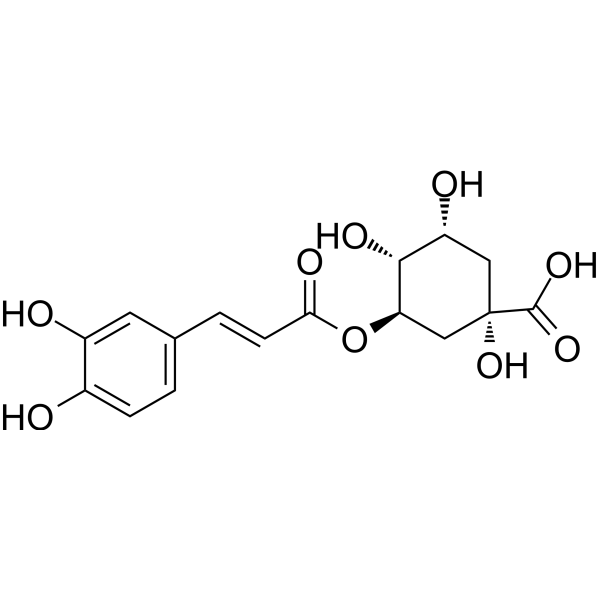
Chlorogenic acid is a major phenolic compound in Lonicera japonica Thunb. It is an orally active antioxidant activity, antibacterial, hepatoprotective, cardioprotective, anti-inflammatory, antipyretic, neuroprotective, anti-obesity, antiviral, anti-microbial, anti-hypertension compound .
|
-
-
- HY-N2922
-
|
|
Amyloid-β
NF-κB
|
Neurological Disease
Inflammation/Immunology
|
|
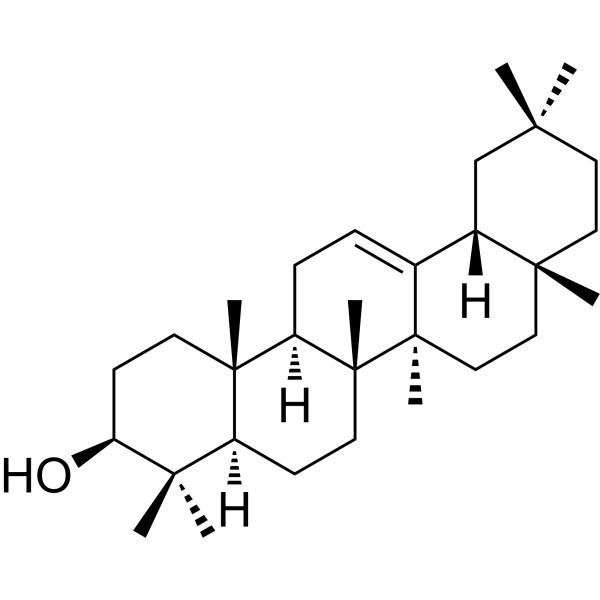
β-Amyrin shows effectively counteract amyloid β (Aβ)-induced impairment of long-term potentiation (LTP). β-Amyrin is a promising candidate for Alzheimer's disease (AD) research. β-Amyrin exhibits anti-inflammatory effects, protective activity against pulmonary fibrosis, and notable antibacterial capabilities. β-Amyrin is an orally active natural triterpenoid compound .
|
-
-
- HY-Y0191
-
|
2-Pyridone
|
Endogenous Metabolite
Bacterial
|
Infection
|
|
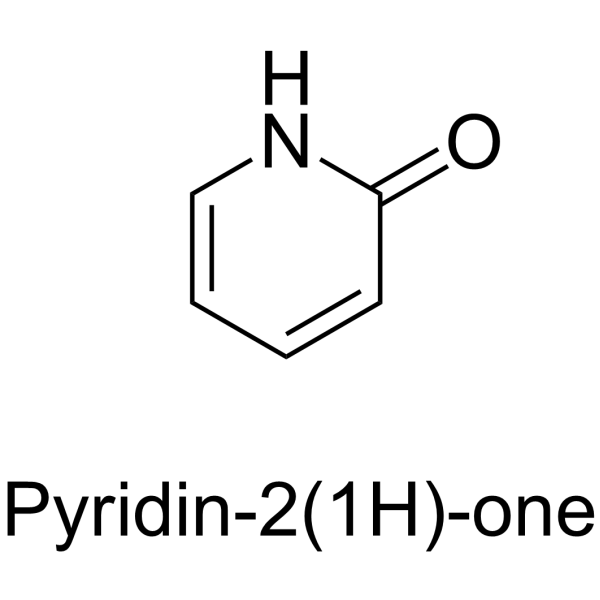
α-Pyridone (2-Pyridone) is an antibacterial agent that plays an important role in the field of biochemical research. α-Pyridone can serve as a scaffold compound to synthesize a variety of active compounds .
|
-
-
- HY-W016153
-
|
|
Biochemical Assay Reagents
Bacterial
Fungal
|
Infection
|
|
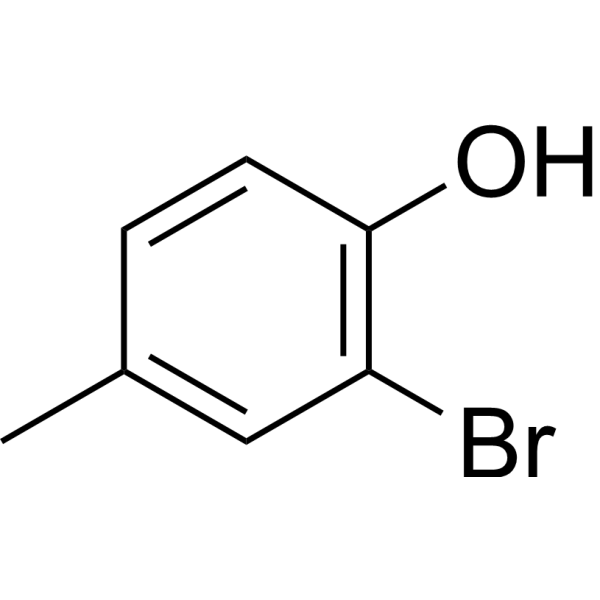
2-Bromo-4-methylphenol is a versatile compound. 2-Bromo-4-methylphenol produces an iodine-like odor in reverse osmosis water and red wine matrices. 2-Bromo-4-methylphenol exhibits antibacterial properties and effectively inhibits the growth of bacteria and fungal. 2-Bromo-4-methylphenol is an important intermediate for a variety of organic compounds .
|
-
-
- HY-N0055R
-
|
3-O-Caffeoylquinic acid (Standard); Heriguard (Standard); NSC-407296 (Standard)
|
Reference Standards
HIF/HIF Prolyl-Hydroxylase
Reactive Oxygen Species (ROS)
Bacterial
Influenza Virus
Endogenous Metabolite
|
Infection
Inflammation/Immunology
Cancer
|
|
Chlorogenic acid (Standard) is the analytical standard of Chlorogenic acid. This product is intended for research and analytical applications. Chlorogenic acid is a major phenolic compound in Lonicera japonica Thunb. It is an orally active antioxidant activity, antibacterial, hepatoprotective, cardioprotective, anti-inflammatory, antipyretic, neuroprotective, anti-obesity, antiviral, anti-microbial, anti-hypertension compound .
|
-

-
- HY-W041343
-
|
Benzoylbenzoicacid
|
Bacterial
Antibiotic
Photosensitizer
|
Infection
|
|
4-(Phenylcarbonyl)benzoic acid is a photooxidant. Upon light activation, 4-(Phenylcarbonyl)benzoic acid forms an electrophilic aromatic ketone that acts as an oxidant in organic synthesis or biological systems. 4-(Phenylcarbonyl)benzoic acid has been used in the study of amino acid oxidation, as well as the synthesis of photoactivated antibacterial and antiviral compounds 1 2 3.
|
-

-
- HY-101819
-
|
|
Bacterial
|
Infection
|
|
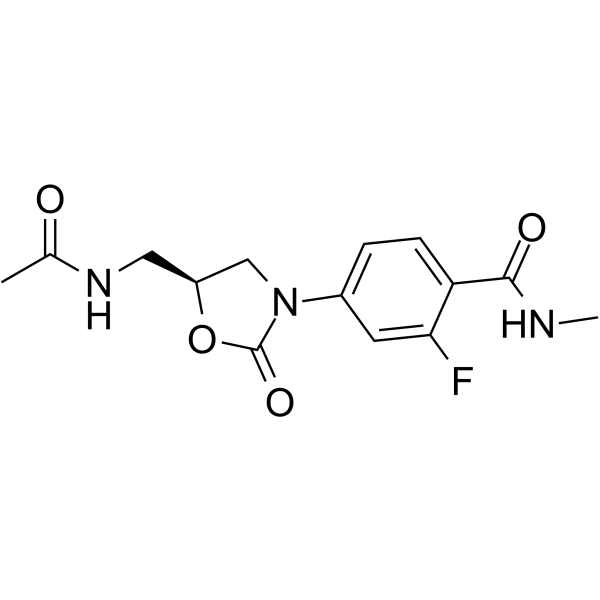
Antibacterial compound 1 is a oxazolidinone extracted from patent WO1999037630A1 with antibacterial activities.
|
-
-
- HY-126463
-
|
|
Bacterial
|
Infection
|
|
LolCDE-IN-4 (Compound 1) is exhibits antibacterial efficacy against gram negative bacteria Escherichia coli (MIC of 0.25-32 µg/ml) and Haemophilus influenzae, through inhibition LolCDE complex and disruption of lipoproteins release from the inner membrane .
|
-

-
- HY-142075
-
|
|
Bacterial
|
Infection
|
|
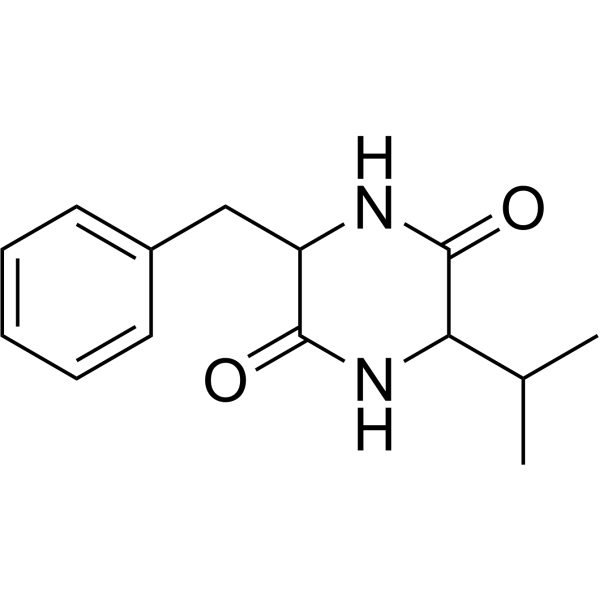
Antibacterial agent 134 (compound 1) is an diketopiperazine alkaloid with antimicrobial activity. Antibacterial agent 134 is the major metabolite in the culture of Hymeniacidon perleve associated bioactive bacterium Pseudomonas sp. NJ6-3-1 .
|
-
-
- HY-D0200
-
|
Adipodihydrazide
|
Bacterial
Drug Intermediate
Biochemical Assay Reagents
|
Infection
|
|
Adipic acid dihydrazide (Adipodihydrazide) is an antibacterial agent and crosslinking agent. Adipic acid dihydrazide can be used for the preparation of hydrogels. Adipic acid dihydrazide exhibits antibacterial activity against both Gram-positive and Gram-negative bacteria, such as Enterobacter aerogenes (MIC: 0.081 mg/mL) and Salmonella enterica (MIC: 0.99 mg/mL). Adipic acid dihydrazide is also an important intermediate that can be utilized in the synthesis of other active compounds .
|
-

-
- HY-146637
-
|
|
Beta-lactamase
Bacterial
|
Infection
|
|
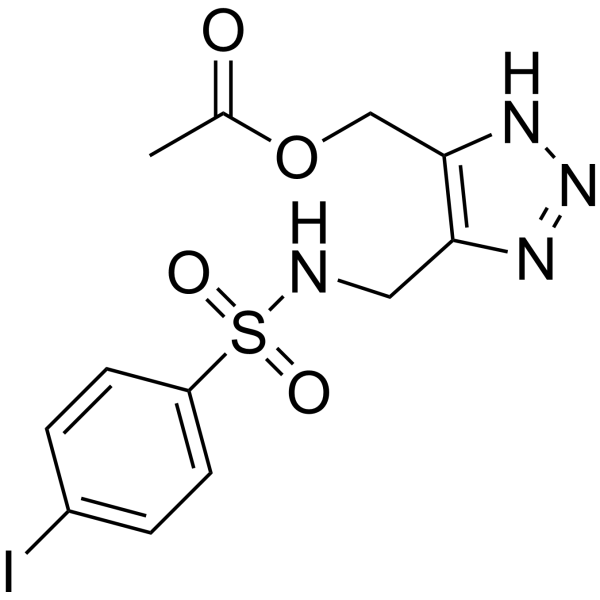
VIM-2-IN-1 (compound 1dj) is a β-lactamase inhibitor with antibacterial activities. VIM-2-IN-1 has moderate IC50 values of 23 µM, 48 µM and 231 µM for Verona integron-encoded metallo-β-lactamase (VIM-2), German imipenemase-1 (GIM-1) and New Delhi metallo-β-lactamase (NDM-1), respectively .
|
-
-
- HY-W007518
-
|
|
Drug Intermediate
|
Infection
|
|
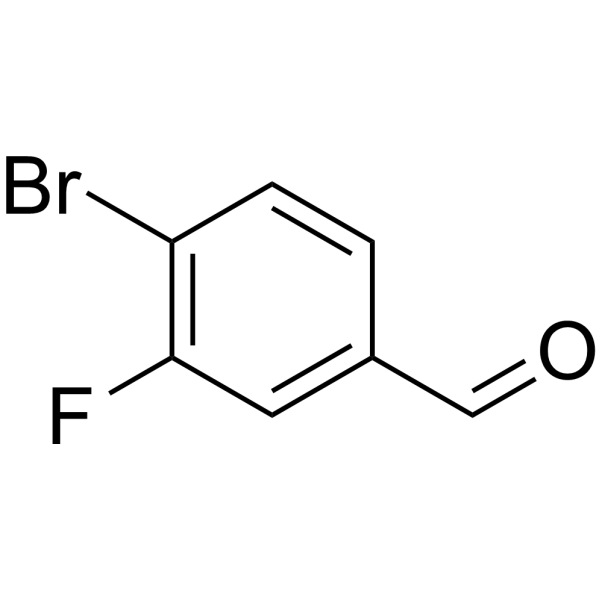
4-Bromo-3-fluorobenzaldehyde is a drug intermediate that can be used for the synthesis of triaryl dimer antibacterial compounds .
|
-
-
- HY-24547
-
|
|
Phospholipase
|
Infection
|
|
HpFabZ-IN-1 (Compound 1) is an inhibitor of the key enzyme FabZ in the Helicobacter pylori fatty acid synthesis pathway, with its IC50 value being 39.8 µM. HpFabZ-IN-1 does not possess antibacterial activity .
|
-

-
- HY-138247
-
|
EX-A4764; UUN51204
|
Beta-lactamase
Bacterial
Antibiotic
|
Infection
|
|
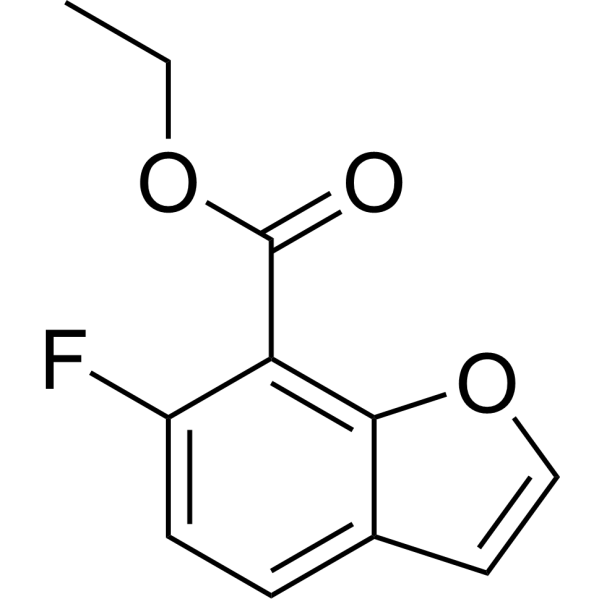
β-Lactamase-IN-2 is a beta-lactamase inhibitor, extracted from patent WO 2019075084 A1, compound 1. β-Lactamase-IN-2 has anti-microbial and anti-bacterial effects .
|
-
-
- HY-P11027
-
|
|
Bacterial
Antibiotic
|
Infection
|
|
Thiazoplanomicin (Compound 1) is a thiazolyl peptide antibiotic. Thiazoplanomicin can be isolated from the leaf-litter actinomycete Actinoplanes sp. MM794L-181F6. Thiazoplanomicin has potent antimicrobial activities against gonococcal strains (especially drug-resistant strains) and Gram-positive bacterium with MICs of 31.2-125 and 0.5-15.6 ng/mL, respectively. Thiazoplanomicin has no antibacterial activity against E.coli. Thiazoplanomicin can be used for bacterial infections research .
|
-

-
- HY-N16053
-
|
|
Bacterial
Fungal
|
Infection
|
|
Antibacterial agent 288 (Compound 1) has antibacterial and antifungal activities. Antibacterial agent 288 can be isolated from Mangrove fungus (No. B60) from the South China Sea .
|
-

-
- HY-113773
-
-

-
- HY-146199
-
|
|
Bacterial
|
Infection
|
|
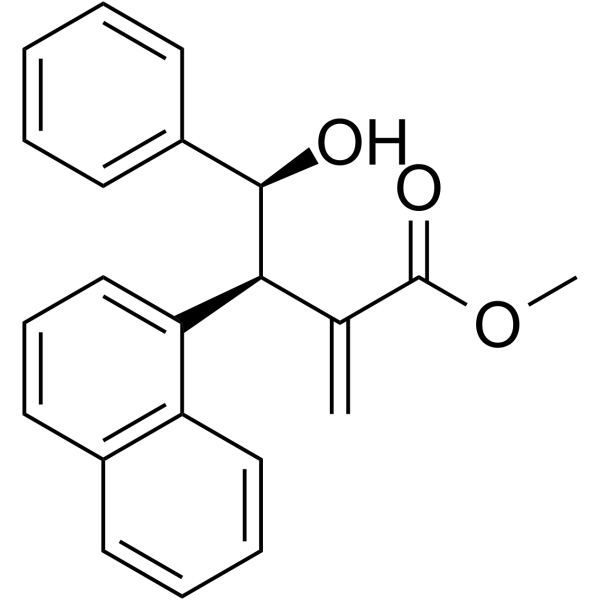
Antibacterial agent 108 (Compound 1h) is a potent antibacterial agent with a MIC of both 3 μM against MRSA and antibiotic resistance strains .
|
-
-
- HY-157141
-
|
|
Bacterial
|
Infection
|
|
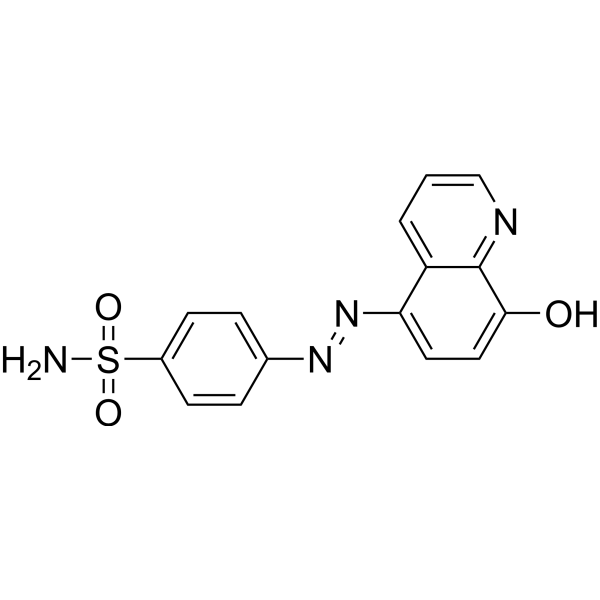
Antibacterial agent 163 (compound 1), a hydroxyquinoline derivative, is a potent bacterial inhibitor. Antibacterial agent 163 inhibits methicillin-resistant Staphylococcus aureus (MRSA) .
|
-
-
- HY-149353
-
|
|
Bacterial
|
Infection
|
|
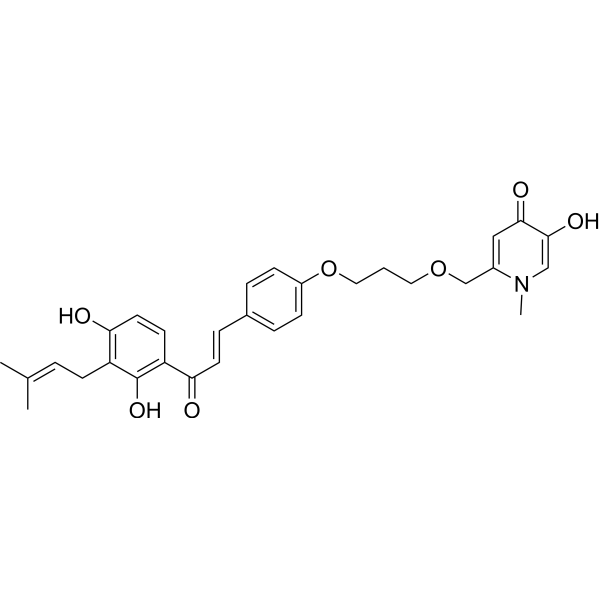
Antibacterial agent 145 (compound 1b) is an antibacterial agent depending on bacterial iron uptake pathway. Antibacterial agent 145 disrupts cytoplasmic membrane integrity and inhibits cell metabolism but exhibits low cytotoxic effects to normal cells .
|
-
-
- HY-147959
-
|
|
Bacterial
|
Infection
|
|
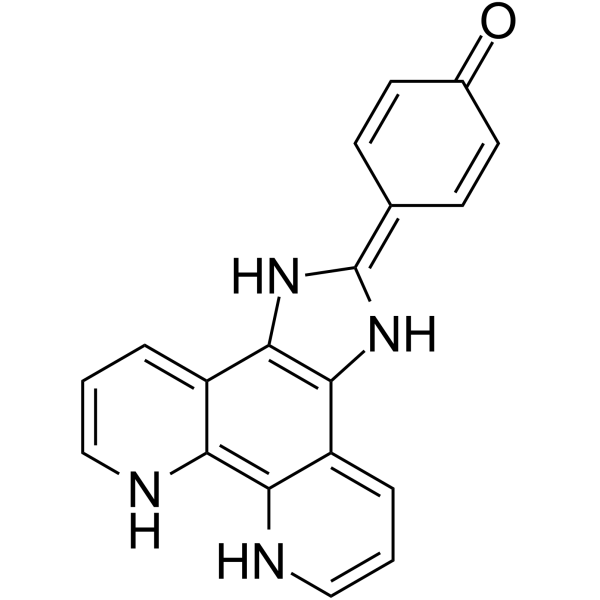
Antibacterial agent 114 (compound 1) is a potent antibacterial agent. Antibacterial agent 114 shows antibacterial activity against P.aeruginosa, B.subtilis, E.coli, E.faecalis, S.typhimuriumand, S.mutans, and S.aureus microorganisms, with MIC values of 625, 625, 625, 625, 625, 1250 and 1250 μM, respectively .
|
-
-
- HY-163399
-
|
|
Bacterial
|
Infection
|
|
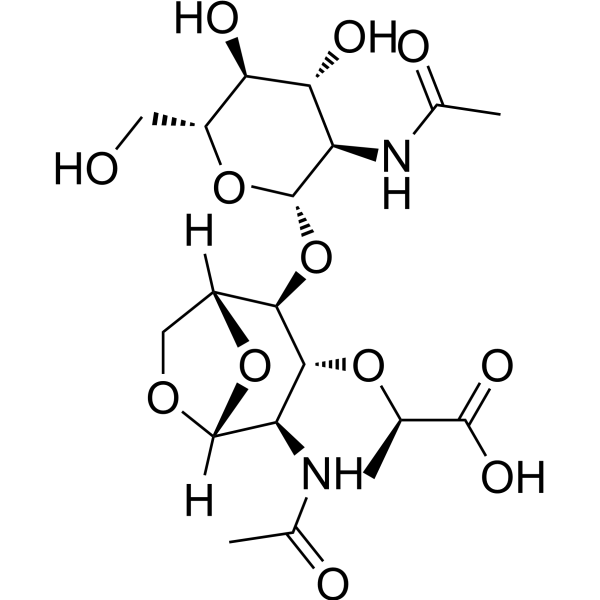
Antibacterial agent 197 (compound 1-deAA) is a termination inhibitor of non-classical anhydroglycosyl receptors and anhydrowall peptide-type peptidoglycan (PG) in bacterial TGase, with activity against Staphylococcus aureus. Antibacterial agent 197 synergizes with Vancomycin (HY-B0671) and is its antibacterial adjuvant .
|
-
-
- HY-162839
-
|
|
Bacterial
|
Infection
|
|
Cerastecin D (compound 1) is an antibacterial agent. Cerastecin D shows inhibition on Acinetobacter baumannii ATCC19606 with MITC95 values of 165 nM .
|
-

-
- HY-N12600
-
|
|
Bacterial
|
Infection
|
|
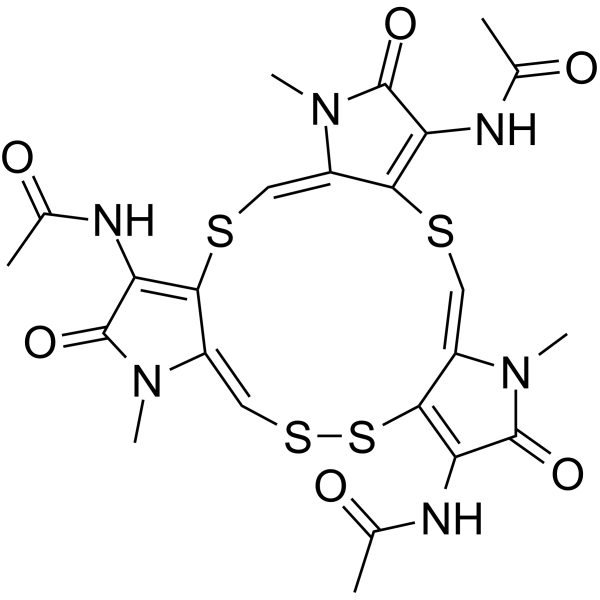
Thiolopyrrolone A (compound 1) exhibits antibacterial activities against BCG, M. tuberculosis and S. aureus with minimum inhibitory concentrations (MIC) of 10, 10 and 100 μg/mL, respectively .
|
-
-
- HY-N16065
-
|
|
Bacterial
|
Infection
|
|
Prenylterphenyllin (Compound 1) is an antibacterial agent. Prenylterphenyllin can be isolated from marine-derived fungus Aspergillus candidus IF10. Prenylterphenyllin has cytotoxic activity against KB3-1 cells with an IC50 of 8.5 mg/mL. Prenylterphenyllin also has antibacterial activities against Xanthomonas oryzae and Erwinia amylovora with MICs of both 20 μg/mL .
|
-

-
- HY-168511
-
|
|
DNA/RNA Synthesis
Bacterial
|
Infection
|
|
DNA Gyrase-IN-13 (compound 1b) is a DNA Gyrase inhibitor. DNA Gyrase-IN-13 has antibacterial activity. DNA Gyrase-IN-13 has an IC50 value of 1.81 μM for Staphylococcus aureus DNA gyrase .
|
-

-
- HY-118205
-
|
|
Bacterial
|
Infection
|
|
SCH-538415 is a novel acyl carrier protein synthase inhibitor isolated from an unknown bacterial microorganism. The structural elucidation of compound 1 was completed by analyzing spectral data including UV, MS and 2D-NMR spectra. Compound 1 showed inhibitory activity in the acyl carrier protein synthase (AcpS) test with an IC50 value of 4.19 μM and exhibited antibacterial activity against Staphylococcus aureus in the agar diffusion test.
|
-

-
- HY-N2922R
-
|
|
Reference Standards
Amyloid-β
|
Neurological Disease
|
|
β-Amyrin shows effectively counteract amyloid β (Aβ)-induced impairment of long-term potentiation (LTP). β-Amyrin is a promising candidate for Alzheimer's disease (AD) research. β-Amyrin exhibits anti-inflammatory effects, protective activity against pulmonary fibrosis, and notable antibacterial capabilities. β-Amyrin is an orally active natural triterpenoid compound .
|
-

-
- HY-135535
-
|
|
Endogenous Metabolite
Bacterial
Fungal
|
Infection
|
|
Sclerotioramine (Compound 1), a red pigment, is an antioxidant compound. Sclerotioramine can be isolated from the endolichenic fungus Penicillium sp.-strain 1322P. Sclerotioramine has potent antibacterial activity with MICs of 3.125, 3.125 and 6.25 μg/mL for Bacillus subtilis, Bacillus megaterium and Shigella dysentery, respectively. Sclerotioramine also has significant antifungal activity against Pestalotiopsis theae, Cochliobolus miyabeanus and Exserohilum turcicum .
|
-

-
- HY-Y0191R
-
|
2-Pyridone (Standard)
|
Reference Standards
Endogenous Metabolite
Bacterial
|
Infection
Metabolic Disease
|
|
α-Pyridone (Standard) is the analytical standard of α-Pyridone. This product is intended for research and analytical applications. α-Pyridone (2-Pyridone) is an antibacterial agent. α-Pyridone can be synthesized via the 1,4-addition of 2-(phenylsulfinyl)acetamide to α,β-unsaturated ketones followed by cyclization and sulfoxide elimination. α-Pyridone can also be used to synthesize a wide range of heterocyclic compounds .
|
-

-
- HY-168674
-
|
|
Bacterial
|
Infection
|
|
Antibacterial agent 255 (compound (±)-1) is a potent antibacterial agent. Antibacterial agent 255 is a potent and selective 4-diphosphocytidyl-2-C-methyl-D-erythritol (IspE) inhibitor with IC50 values of 13.0, 8.0, 20 µM for EclspE, KplspE, AblspE, respectively .
|
-

-
- HY-N16443
-
|
|
Endogenous Metabolite
Fungal
Bacterial
|
Infection
|
|
Sporminarin A (Compound 1), a polyketide, is a microbial secondary metabolite. Sporminarin A can be isolated from the Sporormiella minimoides. Sporminarin A has significant antifungal activity against Aspergillus flavus with an MIC50 of 25 μg/mL. Sporminarin A also has antibacterial activity against Staphylococcus aureus (ATCC 29213) and Candida albicans (ATCC 14053) .
|
-

-
- HY-N12229
-
|
|
Endogenous Metabolite
Bacterial
|
Infection
|
|
Penipurdin A (Compound 1), an anthraquinone, is a microbial secondary metabolite. Penipurdin A can be isolated from the soil fungus Penicillium purpurogenum SC0070. Penipurdin A has no significant cytotoxicity against cancer cells, such as A549, HepG2 and Hela cells. Penipurdin A has antibacterial activity against Enterococcus faecalis and Staphylococcus aureus .
|
-

-
- HY-N19224
-
|
|
Drug Derivative
Bacterial
|
Infection
Neurological Disease
Cancer
|
|
Pulvinic acid dilactone (Compound 1) is a pulvinic acid derivative and Antibacterial agent. Pulvinic acid dilactone can be isolated from the lichen Candelaria concolor. Pulvinic acid dilactone moderately inhibits the growth of Bacillus subtilis. Pulvinic acid dilactone exerts positive inotropic effects. Pulvinic acid dilactone can be used in studies related to Bacillus subtilis infections and leukemia .
|
-

-
- HY-180118
-
|
|
Bacterial
|
Infection
|
|
Moxifloxacin prodrug-1 TFA (Compound 1e) is a Moxifloxacin (HY-66011A) prodrug and antibacterial agent. Moxifloxacin prodrug-1 TFA exhibits comparable potent activity as Moxifloxacin against E. coli, S. aureus, K. pneumoniae, A. baumannii, and P. aeruginosa. Moxifloxacin prodrug-1 TFA inhibits Mtb .
|
-

-
- HY-172390
-
|
|
Bacterial
|
Infection
|
|
Florfenicol-propanoate-piperidin (Compound 1) is the derivative of Florfenicol (HY-B1374). Florfenicol-propanoate-piperidin exhibits antibacterial activity, inhibits E. coli ATCC25922, Salmonella CICC110420, S. aureus ATCC29213, B. subtilis CMCC(B)63501, E. faecalis ATCC29212, S. suis CVCC606, and Haemophilus parasuis with MIC of 2-8 μM .
|
-

-
- HY-122262
-
|
|
Beta-lactamase
Bacterial
|
Infection
|
|
NDM-1-IN-6 (Compound 1) is a potent, selective and competitive New Delhi Metallo-β-lactamase-1 (NDM-1) inhibitor with a Ki of 0.72 μM. NDM-1-IN-6 has a synergistic antibacterial effect with the carbapenem antibiotic Meropenem (HY-13678). NDM-1-IN-6 is mainly used for research on NDM-1-mediated multidrug-resistant bacterial infections .
|
-

-
- HY-Y0191S
-
|
2-Pyridone-d5
|
Isotope-Labeled Compounds
Bacterial
Endogenous Metabolite
|
Infection
Metabolic Disease
|
|
α-Pyridone-d5 (2-Pyridone-d5) is the deuterium labeled α-Pyridone (HY-Y0191). α-Pyridone (2-Pyridone) is an antibacterial agent. α-Pyridone can be synthesized via the 1,4-addition of 2-(phenylsulfinyl)acetamide to α,β-unsaturated ketones followed by cyclization and sulfoxide elimination. α-Pyridone can also be used to synthesize a wide range of heterocyclic compounds .
|
-

| Cat. No. |
Product Name |
Type |
-
- HY-W016153
-
|
|
Biochemical Assay Reagents
|
|
2-Bromo-4-methylphenol is a versatile compound. 2-Bromo-4-methylphenol produces an iodine-like odor in reverse osmosis water and red wine matrices. 2-Bromo-4-methylphenol exhibits antibacterial properties and effectively inhibits the growth of bacteria and fungal. 2-Bromo-4-methylphenol is an important intermediate for a variety of organic compounds .
|
-
- HY-W007518
-
|
|
Biochemical Assay Reagents
|
|
4-Bromo-3-fluorobenzaldehyde is a drug intermediate that can be used for the synthesis of triaryl dimer antibacterial compounds .
|
| Cat. No. |
Product Name |
Target |
Research Area |
-
- HY-P11027
-
|
|
Bacterial
Antibiotic
|
Infection
|
|
Thiazoplanomicin (Compound 1) is a thiazolyl peptide antibiotic. Thiazoplanomicin can be isolated from the leaf-litter actinomycete Actinoplanes sp. MM794L-181F6. Thiazoplanomicin has potent antimicrobial activities against gonococcal strains (especially drug-resistant strains) and Gram-positive bacterium with MICs of 31.2-125 and 0.5-15.6 ng/mL, respectively. Thiazoplanomicin has no antibacterial activity against E.coli. Thiazoplanomicin can be used for bacterial infections research .
|
| Cat. No. |
Product Name |
Category |
Target |
Chemical Structure |
-
- HY-N0055
-
|
3-O-Caffeoylquinic acid; Heriguard; NSC-407296
|
Caprifoliaceae
Classification of Application Fields
Lonicera japonica Thunb.
Anti-aging
Plants
Endogenous metabolite
Infection
Human Gut Microbiota Metabolites
Microorganisms
Simple Phenylpropanols
Phenols
Polyphenols
Phenylpropanoids
Inflammation/Immunology
Disease Research Fields
Source Classification
Cancer
|
HIF/HIF Prolyl-Hydroxylase
Reactive Oxygen Species (ROS)
Bacterial
Influenza Virus
Endogenous Metabolite
|
|
Chlorogenic acid is a major phenolic compound in Lonicera japonica Thunb. It is an orally active antioxidant activity, antibacterial, hepatoprotective, cardioprotective, anti-inflammatory, antipyretic, neuroprotective, anti-obesity, antiviral, anti-microbial, anti-hypertension compound .
|
-
-
- HY-N2922
-
|
|
Monophenols
Celastrus hindsii Benth.
Celastraceae
Phenols
Plants
|
Amyloid-β
NF-κB
|
|
β-Amyrin shows effectively counteract amyloid β (Aβ)-induced impairment of long-term potentiation (LTP). β-Amyrin is a promising candidate for Alzheimer's disease (AD) research. β-Amyrin exhibits anti-inflammatory effects, protective activity against pulmonary fibrosis, and notable antibacterial capabilities. β-Amyrin is an orally active natural triterpenoid compound .
|
-
-
- HY-Y0191
-
-
-
- HY-N0055R
-
|
3-O-Caffeoylquinic acid (Standard); Heriguard (Standard); NSC-407296 (Standard)
|
Structural Classification
Human Gut Microbiota Metabolites
Microorganisms
Caprifoliaceae
Simple Phenylpropanols
Lonicera japonica Thunb.
Phenols
Polyphenols
Phenylpropanoids
Plants
Endogenous metabolite
Source Classification
|
Reference Standards
HIF/HIF Prolyl-Hydroxylase
Reactive Oxygen Species (ROS)
Bacterial
Influenza Virus
Endogenous Metabolite
|
|
Chlorogenic acid (Standard) is the analytical standard of Chlorogenic acid. This product is intended for research and analytical applications. Chlorogenic acid is a major phenolic compound in Lonicera japonica Thunb. It is an orally active antioxidant activity, antibacterial, hepatoprotective, cardioprotective, anti-inflammatory, antipyretic, neuroprotective, anti-obesity, antiviral, anti-microbial, anti-hypertension compound .
|
-
-
- HY-142075
-
|
|
Alkaloids
Microorganisms
Source Classification
|
Bacterial
|
|
Antibacterial agent 134 (compound 1) is an diketopiperazine alkaloid with antimicrobial activity. Antibacterial agent 134 is the major metabolite in the culture of Hymeniacidon perleve associated bioactive bacterium Pseudomonas sp. NJ6-3-1 .
|
-
-
- HY-N16053
-
-
-
- HY-N12600
-
-
-
- HY-N16065
-
|
|
Microorganisms
Phenols
Polyphenols
Source Classification
|
Bacterial
|
|
Prenylterphenyllin (Compound 1) is an antibacterial agent. Prenylterphenyllin can be isolated from marine-derived fungus Aspergillus candidus IF10. Prenylterphenyllin has cytotoxic activity against KB3-1 cells with an IC50 of 8.5 mg/mL. Prenylterphenyllin also has antibacterial activities against Xanthomonas oryzae and Erwinia amylovora with MICs of both 20 μg/mL .
|
-
-
- HY-N2922R
-
-
-
- HY-135535
-
|
|
Natural Products
Microorganisms
Source Classification
|
Endogenous Metabolite
Bacterial
Fungal
|
|
Sclerotioramine (Compound 1), a red pigment, is an antioxidant compound. Sclerotioramine can be isolated from the endolichenic fungus Penicillium sp.-strain 1322P. Sclerotioramine has potent antibacterial activity with MICs of 3.125, 3.125 and 6.25 μg/mL for Bacillus subtilis, Bacillus megaterium and Shigella dysentery, respectively. Sclerotioramine also has significant antifungal activity against Pestalotiopsis theae, Cochliobolus miyabeanus and Exserohilum turcicum .
|
-
-
- HY-Y0191R
-
-
-
- HY-N16443
-
-
-
- HY-N12229
-
|
|
Quinones
Microorganisms
Anthraquinones
Source Classification
|
Endogenous Metabolite
Bacterial
|
|
Penipurdin A (Compound 1), an anthraquinone, is a microbial secondary metabolite. Penipurdin A can be isolated from the soil fungus Penicillium purpurogenum SC0070. Penipurdin A has no significant cytotoxicity against cancer cells, such as A549, HepG2 and Hela cells. Penipurdin A has antibacterial activity against Enterococcus faecalis and Staphylococcus aureus .
|
-
-
- HY-N19224
-
|
|
Structural Classification
Natural Products
Microorganisms
Source Classification
|
Drug Derivative
Bacterial
|
|
Pulvinic acid dilactone (Compound 1) is a pulvinic acid derivative and Antibacterial agent. Pulvinic acid dilactone can be isolated from the lichen Candelaria concolor. Pulvinic acid dilactone moderately inhibits the growth of Bacillus subtilis. Pulvinic acid dilactone exerts positive inotropic effects. Pulvinic acid dilactone can be used in studies related to Bacillus subtilis infections and leukemia .
|
-
| Cat. No. |
Product Name |
Chemical Structure |
-
- HY-Y0191S
-
|
|
|
α-Pyridone-d5 (2-Pyridone-d5) is the deuterium labeled α-Pyridone (HY-Y0191). α-Pyridone (2-Pyridone) is an antibacterial agent. α-Pyridone can be synthesized via the 1,4-addition of 2-(phenylsulfinyl)acetamide to α,β-unsaturated ketones followed by cyclization and sulfoxide elimination. α-Pyridone can also be used to synthesize a wide range of heterocyclic compounds .
|
-
Your information is safe with us. * Required Fields.
Inquiry Information
- Product Name:
- Cat. No.:
- Quantity:
- MCE Japan Authorized Agent:








