Search Result
Results for "
DU-145 prostate cancer cells
" in MedChemExpress (MCE) Product Catalog:
1
Biochemical Assay Reagents
3
Isotope-Labeled Compounds
| Cat. No. |
Product Name |
Target |
Research Areas |
Chemical Structure |
-
- HY-16985
-
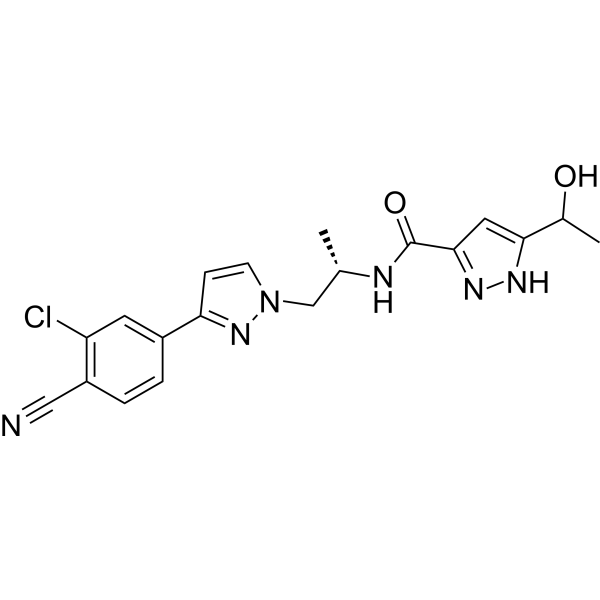
Darolutamide
Maximum Cited Publications
8 Publications Verification
ODM-201; BAY-1841788
|
Androgen Receptor
|
Cancer
|
|
Darolutamide (ODM-201) is an orally active competitive androgen receptor (AR) antagonist. Darolutamide has a Ki of 11 nM for rat wild-type AR (wtAR) and IC50 of 26 nM for human wild-type AR (hAR)-mediated transcriptional activation . Darolutamide inhibits testosterone-induced AR nuclear translocation and transcriptional activation . Darolutamide exerts selective effects on AR-positive cells by inhibiting AR-dependent signaling pathways, and its active metabolite retains full antagonistic activity against AR mutants . Darolutamide can be used for the research of prostate cancer, including androgen receptor-dependent prostate cancer .
|
-
-
- HY-147081
-
AS 1411
2 Publications Verification
AGRO-100
|
Histone Methyltransferase
Bcl-2 Family
|
Cancer
|
|
AS 1411 (AGRO-100) is an oligonucleotide aptamer targeting nucleoproteins. AS 1411 inhibits tumor cell proliferation by affecting the activity of nucleoprotein-containing complexes and can be used as a carrier to precisely deliver nanoparticles, oligonucleotides and small molecules to cancer cells. AS 1411 reduces PRMT5 expression to inhibit tumor growth in DU145 prostate cancer cells. AS 1411 works by blocking the binding of nucleoproteins to bcl-2 mRNA in MCF-7 breast cancer cells. AS 1411-coupled Jin nanospheres can inhibit breast cancer cell proliferation in vitro and in mouse models, has the ability to cross the blood-brain barrier with low tissue toxicity .
|
-

-
- HY-119272
-
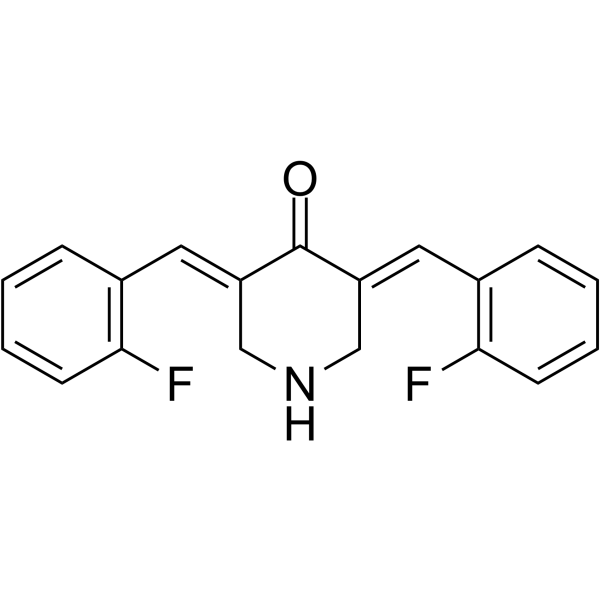
EF24
2 Publications Verification
|
ERK
Caspase
NF-κB
Apoptosis
p38 MAPK
Reactive Oxygen Species (ROS)
|
Inflammation/Immunology
Cancer
|
|
EF24, a curcumin analogue, is an NF-kB inhibitor with great anti-tumor efficacy and oral bioavailability via deactivation of the MAPK/ERK signaling pathway in oral squamous cell carcinoma (OSCC). EF24 is active against melanoma and breast cancer cell lines with GI50 values of 0.7 μM and 0.8 μM, respectively. EF24 induces cell cycle arrest and apoptosis in MDA-MB-231 human breast cancer cells and DU-145 human prostate cancer cells. EF24 increases the levels of activated caspase 3 and 9, and decreases the phosphorylated forms of MEK1 and ERK .
|
-
-
- HY-13610A
-
|
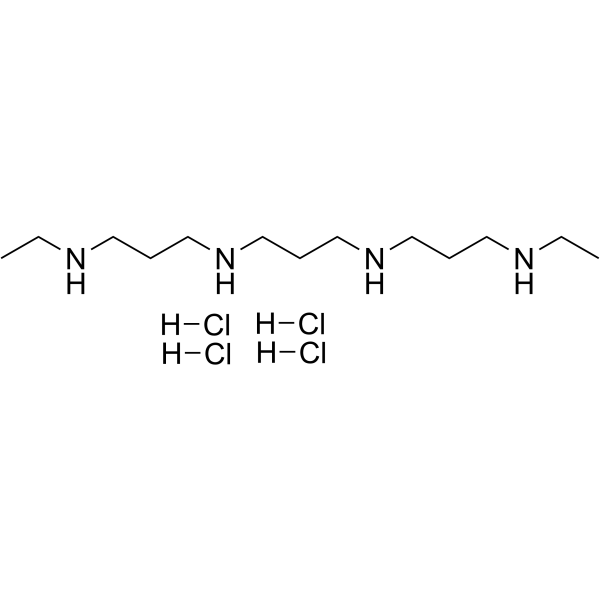
Diethylnorspermine tetrahydrochloride; DENSPM tetrahydrochloride; BENSPM tetrahydrochloride
|
Caspase
mTOR
|
Cancer
|
|
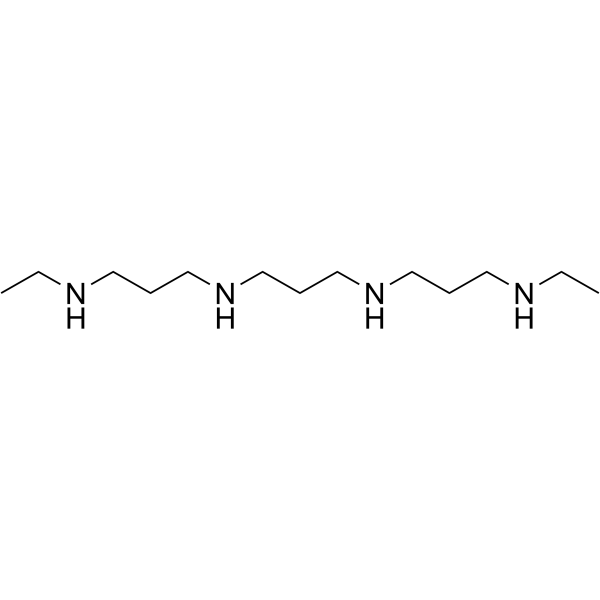
N1, N11-Diethylnorspermine tetrahydrochloride (DENSPM tetrahydrochloride) is a potent anticancer agent. N1,N11-Diethylnorspermine tetrahydrochloride activates polyamine catabolism and downregulates mTOR protein. N1,N11-Diethylnorspermine tetrahydrochloride induces the release of cytochrome c from mitochondria, resulting in activation of caspase 3. N1,N11-Diethylnorspermine tetrahydrochloride kills glioblastoma multiforme (GBM) through induction of SSAT (spermidine/spermine N1-acetyltransferase) coupled with H2O2 production .
|
-
-
- HY-12830
-
|
|
Pim
|
Cancer
|
|
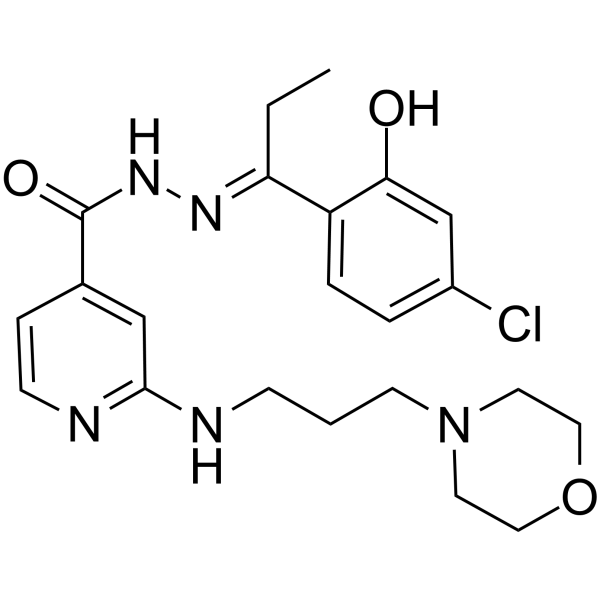
M-110 is a highly selective, ATP-competitive inhibitor of PIM kinases with a preference for PIM-3 (IC50=47 nM). M-110 inhibits PIM-1 and PIM-2 with similar IC50s of 2.5 μM. M-110 inhibits the proliferation of prostate cancer cell lines with IC50s of 0.6 to 0.9 μM .
|
-
-
- HY-118119
-
|
|
PGE synthase
YB-1
Apoptosis
JAK
STAT
TGF-β Receptor
TGF-beta/Smad
PI3K
Akt
|
Cancer
|
|
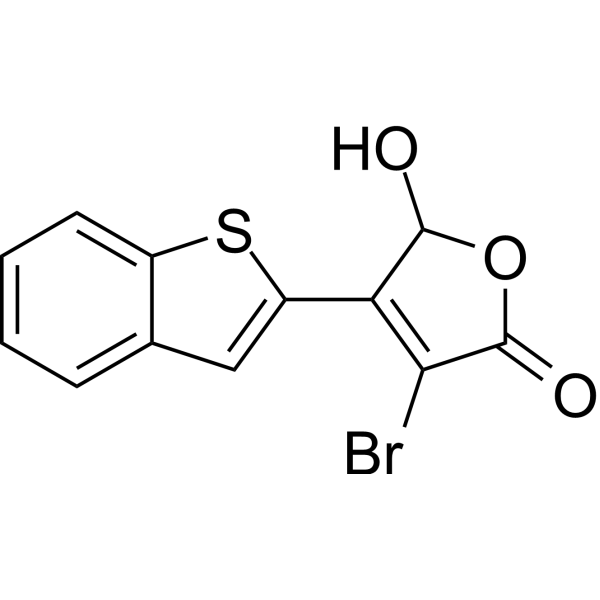
CAY10526 is an inhibitor of Y-box binding protein 1 (YB-1) and microsomal prostaglandin E2 synthase 1 (mPGES1). CAY10526 inhibits the production of PGE2 by suppressing YB-1 and mPGES1. CAY10526 induces cell apoptosis (apoptosis) and inhibits the JAK/STAT, TGF-β/Smad3 and PI3K/AKT signaling pathways. CAY10526 can be used in research related to melanoma, prostate cancer, esophageal adenocarcinoma, T-cell lymphoma, etc .
|
-
-
- HY-19337
-
|
BAY 1896953; ORM-15341
|
Androgen Receptor
|
Cancer
|
|
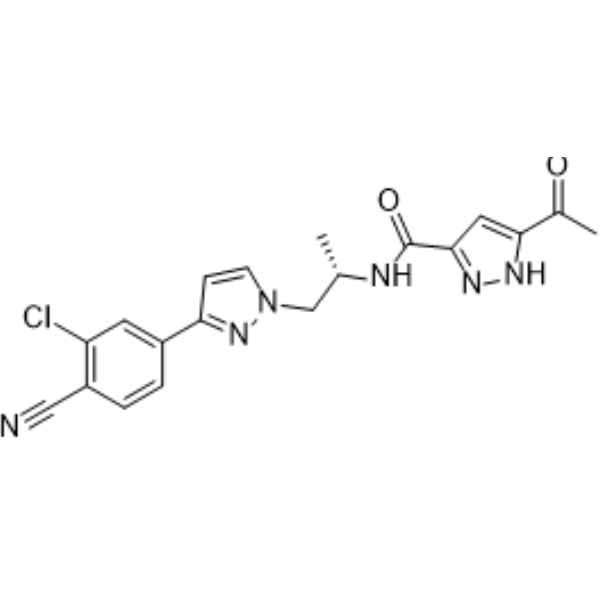
Ketodarolutamide (ORM-15341) is a potent, high-affinity nonsteroidal competitive full antagonist of androgen receptor (AR). Ketodarolutamide displays a Ki value of 8 nM for rat wild-type AR and an IC50 value of 38 nM in AR-HEK293 cells . Ketodarolutamide inhibits testosterone-induced nuclear translocation of the AR and antagonizes both overexpressed and mutant ARs . Ketodarolutamide specifically suppresses the proliferation of AR-dependent prostate cancer cells and exhibits antitumor activity in models of castration-resistant prostate cancer (CRPC) . Ketodarolutamide is suitable for the mechanistic and therapeutic research of prostate cancer .
|
-
-
- HY-145622
-
|
BA3011; CAB-Axl-ADC; CAB-anti-Axl-ADC
|
Antibody-Drug Conjugates (ADCs)
TAM Receptor
|
Cancer
|
|
Mecbotamab vedotin (BA3011) is a pH dependent antibody drug conjugate (ADC) targeting AXL. Mecbotamab vedotin can significantly inhibit AXL in DU145 cells and LCLC-103H cells and kills cells. Mecbotamab vedotin can be used for research on cancer such as lung cancer, pancreatic cancer and prostate cancer. The antibody component is Mecbotamab (HY-P9988), and the ADC toxin molecule is Monomethyl auristatin E (MMAE) (HY-15162) .
|
-

-
- HY-147081A
-
|
AGRO-100 sodium
|
Histone Methyltransferase
Bcl-2 Family
|
Cancer
|
|
AS 1411 (AGRO-100) sodium is an oligonucleotide aptamer targeting nucleoproteins. AS 1411 sodium inhibits tumor cell proliferation by affecting the activity of nucleoprotein-containing complexes and can be used as a carrier to precisely deliver nanoparticles, oligonucleotides and small molecules to cancer cells. AS 1411 sodium reduces PRMT5 expression to inhibit tumor growth in DU145 prostate cancer cells. S 1411 sodium works by blocking the binding of nucleoproteins to bcl-2 mRNA in MCF-7 breast cancer cells. S 1411 sodium-coupled Jin nanospheres can inhibit breast cancer cell proliferation in vitro and in mouse models, has the ability to cross the blood-brain barrier with low tissue toxicity
|
-

-
- HY-P1793
-
|
|
Opioid Receptor
Biochemical Assay Reagents
|
Neurological Disease
Inflammation/Immunology
Cancer
|
|
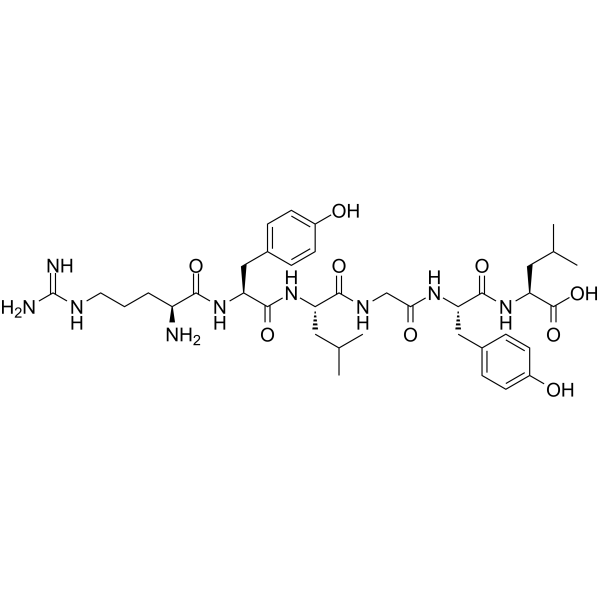
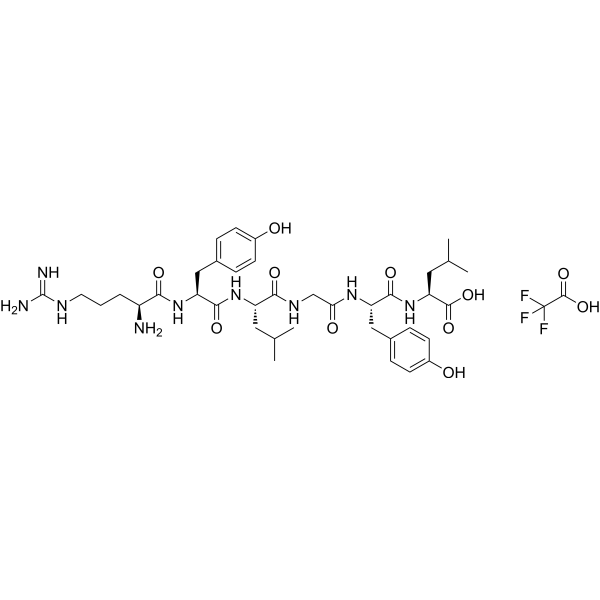
α-Casein (90-95) is a partial agonist of opioid receptors and a copper ion ligand, with opioid activity. α-Casein (90-95) inhibits the secretion of β-hexosaminidase by rat peritoneal mast cells (PMC) with IC50= 0.1 μM. α-Casein (90-95) inhibits the proliferation of prostate cancer cells LNCaP, DU145, and PC3 with IC50 of 0.94 nM, 137 nM, and 6.92 nM, respectively. α-Casein (90-95) activates Gi-like proteins through a membrane-assisted, receptor-independent pathway, or reversibly binds to opioid receptors, inducing intracellular calcium release and conformational changes, and exerts the activity of promoting mast cell secretion and inhibiting tumor cell proliferation. α-Casein (90-95) can be used in the study of the mechanisms of allergic diseases and prostate cancer .
|
-
-
- HY-173557
-
|
|
Histone Methyltransferase
Apoptosis
|
Cancer
|
|
PRMT7-IN-2 (A33) is a selective PRMT7 inhibitor with an IC50 of 0.50 μM. PRMT7-IN-2 arrests cell cycle at G0/G1 phase, induces cell apoptosis, and inhibits cell growth in vivo and in vitro. PRMT7-IN-2 decreases the monomethylarginine level of PRMT7, increases expression of epithelial marker (E-cadherin, and reduces expression of mesenchymal markers such as N-cadherin, Vimentin, and ZEB2 .
|
-

-
- HY-145312
-
|
|
ATM/ATR
|
Cancer
|
|
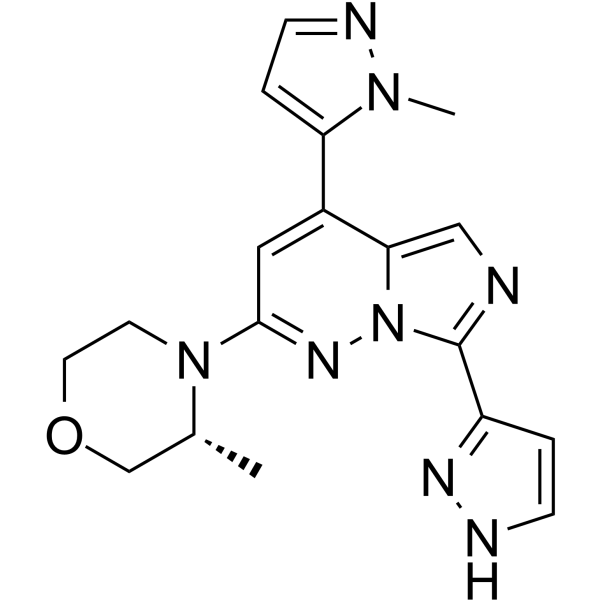
ATR-IN-4 is a potent ATR (Ataxia telangiectasia mutated gene Rad 3-associated kinase) inhibitor. ATR-IN-4 inhibits growth of human prostate cancer cells DU145 and human lung cancer cells NCI-H460 with IC50s of 130.9 nM and 41 .33 nM, respectively. (Patent CN112142744A, compound 13) .
|
-
-
- HY-155887
-
|
DSPE-PEG-NH2, MW 3400 ammonium
|
Liposome
|
Cancer
|
|
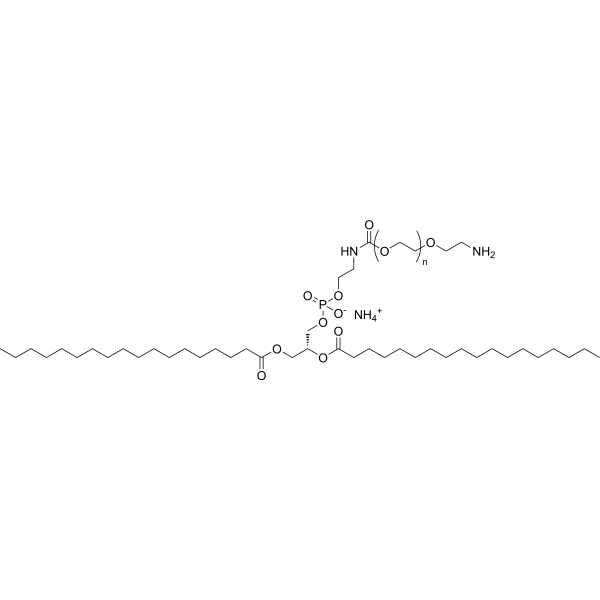
DSPE-PEG-Amine (DSPE-PEG-NH2), MW 3400 ammonium is an amino-functionalized PEGylated phospholipid. It serves not only as a key component for preparing σ receptor-targeted liposomes (such as anisamide-modified lipids) but also as a starting material for synthesizing click chemistry- and tumor-targeted lipids including DSPE-PEG-DBCO (HY-155788) and DSPE-PEG2000-TCO (HY-170704). DSPE-PEG-Amine, MW 3400 ammonium effectively modulates the ζ potential of nanoparticles, enables complexation with nucleic acids or proteins to protect DNA from nuclease degradation, and supports ligand conjugation on the nanoparticle surface. It is used in studies related to DU-145 tumors, breast cancer, and other relevant research .
|
-
-
- HY-175243
-
|
|
Adenosine Deaminase
Apoptosis
|
Cancer
|
|
ADAR1-IN-1 is a potent ADAR1 inhibitor. ADAR1-IN-1 significantly suppressed DU-145 cell proliferation (IC50 = 1.11 μM), clonogenicity, migration, and invasion, arrests cell cycle, and induces apoptosis. ADAR1-IN-1 safely and effectively inhibits tumor growth. ADAR1-IN-1 can be used for the study of prostate cancer (PCa) .
|
-

-
- HY-16985S
-
|
ODM-201-d4; BAY-1841788-d4
|
Isotope-Labeled Compounds
Androgen Receptor
|
Cancer
|
|
Darolutamide-d4 (ODM-201-d4) is deuterium labeled Darolutamide (HY-16985). Darolutamide (ODM-201) is an orally active competitive androgen receptor (AR) antagonist, with a Ki of 11 nM for rat wild-type AR (wtAR) and an IC50 of 26 nM for human wild-type AR (hAR)-mediated transcriptional activation . Darolutamide inhibits testosterone-induced AR nuclear translocation and transcriptional activation . Darolutamide exerts selective effects on AR-positive cells by inhibiting AR-dependent signaling pathways, and its active metabolite retains full antagonistic activity against AR mutants . Darolutamide can be used for the research of prostate cancer, including androgen receptor-dependent prostate cancer .
|
-

-
- HY-146396
-
|
|
MetAP
|
Cancer
|
|
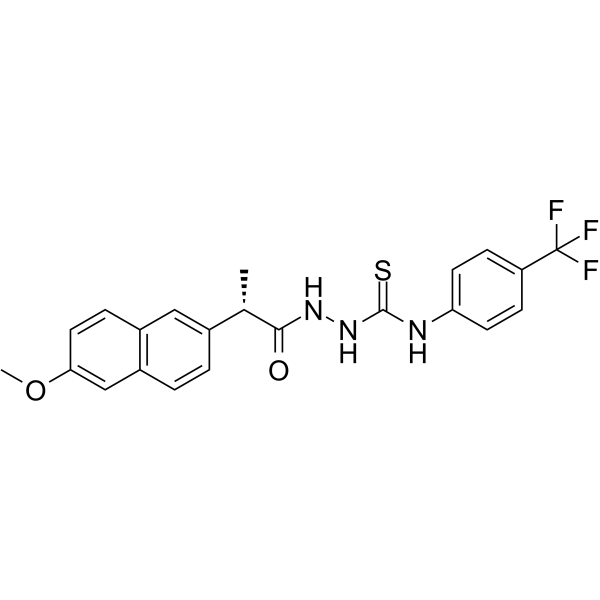
Anticancer agent 51 (compound 3d) is a potent anticancer agent with an Ki of 731.62 nM. Anticancer agent 51 shows anticancer activity. Anticancer agent 51 has the potential for the research of prostate cancer .
|
-
-
- HY-16985R
-
|
ODM-201 (Standard); BAY-1841788 (Standard)
|
Reference Standards
Androgen Receptor
|
Cancer
|
|
Darolutamide (Standard) is the analytical standard of Darolutamide (HY-16985). This product is intended for research and analytical applications. Darolutamide (ODM-201) is an orally active competitive androgen receptor (AR) antagonist, with a Ki of 11 nM for rat wild-type AR (wtAR) and an IC50 of 26 nM for human wild-type AR (hAR)-mediated transcriptional activation . Darolutamide inhibits testosterone-induced AR nuclear translocation and transcriptional activation . Darolutamide exerts selective effects on AR-positive cells by inhibiting AR-dependent signaling pathways, and its active metabolite retains full antagonistic activity against AR mutants . Darolutamide can be used for the research of prostate cancer, including androgen receptor-dependent prostate cancer .
|
-

-
- HY-P10992
-
|
|
PI3K
Akt
mTOR
Caspase
Apoptosis
Bcl-2 Family
|
Cancer
|
|
YVPGP is an oligopeptide exacted from Anthopleura anjunae. YVPGP has a significant antitumor activity by mediating PI3K/AKT/mTOR signaling pathway. YVPGP arrests DU-145 cells in the S phase and induces apoptosis via mitochondrial and death receptor pathways (caspase3, 7, 8, 9). YVPGP effectively inhibits tumor growth in DU-145 xenografts mice model, promising for prostate cancer research .
|
-

-
- HY-N15449
-
|
|
HSP
Caspase
Apoptosis
Reactive Oxygen Species (ROS)
Bcl-2 Family
|
Cancer
|
|
Vicanicin is a depsidone compound found in lichens. Vicanicin inhibits the expression of Hsp70, regulates the redox-sensitive mechanisms within cells, promotes the increase of reactive oxygen species (ROS) in cancer cells, changes the Bax/Bcl-2 ratio, activates caspase-3, and triggers apoptosis. Vicanicin inhibits cell growth and induces apoptosis in androgen-sensitive (LNCaP) and androgen-insensitive (DU-145) human prostate cancer cells. Vicanicin is promising for research of prostate cancer .
|
-

-
- HY-P1793A
-
|
|
Opioid Receptor
Biochemical Assay Reagents
|
Neurological Disease
Inflammation/Immunology
Cancer
|
|
α-Casein (90-95) TFA is a partial agonist of opioid receptors and a copper ion ligand, with opioid activity. α-Casein (90-95) TFA inhibits the secretion of β-hexosaminidase by rat peritoneal mast cells (PMC) with IC50= 0.1 μM. α-Casein (90-95) TFA inhibits the proliferation of prostate cancer cells LNCaP, DU145, and PC3 with IC50 of 0.94 nM, 137 nM, and 6.92 nM, respectively. α-Casein (90-95) TFA activates Gi-like proteins through a membrane-assisted, receptor-independent pathway, or reversibly binds to opioid receptors, inducing intracellular calcium release and conformational changes, and exerts the activity of promoting mast cell secretion and inhibiting tumor cell proliferation. α-Casein (90-95) TFA can be used in the study of the mechanisms of allergic diseases and prostate cancer .
|
-
-
- HY-N1252
-
|
|
Others
|
Cancer
|
|
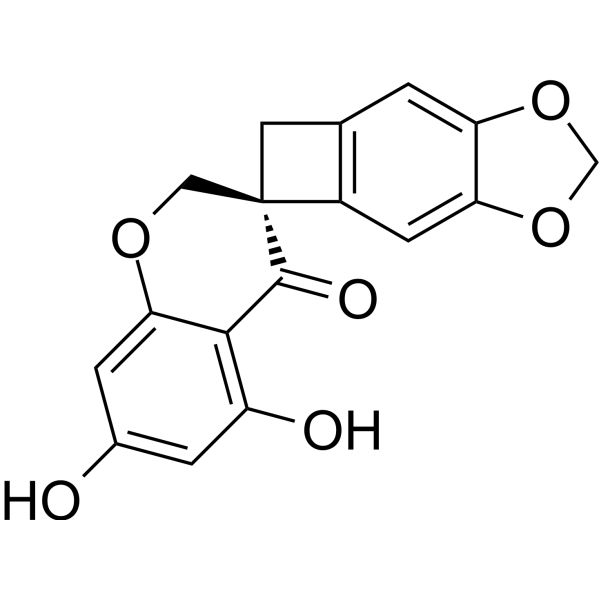
Scillascillin (compound 10) is a homoisoflavanone. Scillascillin can be isolated from S. scilloides. Scillascillin shows anticancer activity towards MCF-7 (breast cancer) and DU-145 (prostate cancer) cells with the IC50 of 9.59 and 11.32 ug/ml, respectively .
|
-
-
- HY-172173
-
|
|
Cytochrome P450
|
Cancer
|
|
CYP17A1-IN-1 (Compound 14) is the inhibitor for CYP17A1 with an IC50 of 26 nM. CYP17A1-IN-1 exhibits cytotoxicity in androgen-sensitive prostate cancer cell LNCaP, inhibits the migration of cell DU-145 .
|
-

-
- HY-P10511
-
|
|
Apoptosis
|
Infection
Cancer
|
|
Pantinin-3 is an antimicrobial peptide with antitumor activity found in the venom of the emperor scorpion (Pandinus imperator). Pantinin-3 shows selective toxicity against breast cancer cells (MDA-MB-231) and prostate cancer cells (DU-145). Pantinin-3 can induce apoptosis in tumor cells. Pantinin-3 can be used in cancer research .
|
-

-
- HY-172449
-
|
|
Hedgehog
|
Cancer
|
|
GLI1-IN-3 (Compound 11a), a triterpenoid analogue, can inhibit Hedgehog signaling in GLI1 overexpression cancer cells. GLI1-IN-3 inhibits the proliferation in NSCLC and prostate cancer cell lines exhibiting hyper-activated Hh signaling. GLI1-IN-3 can also decrease the expression of endogenous GLI1 protein and its target genes associated with tumor progression and proliferation in A549 and DU-145 cancer cells .
|
-

-
- HY-172872
-
|
|
CDK
Apoptosis
|
Cancer
|
|
CDK2-IN-45 (Compound 8f) is a CDK2 inhibitor (IC50: 0.64 μM). CDK2-IN-45 inhibits the proliferation of DU-145 and PC-3 cell lines with IC50 of 2.20 μM and 4.17 μM, respectively. CDK2-IN-45 induces G0/G1 cell cycle arrest and apoptosis. CDK2-IN-45 can be used in prostate cancer research .
|
-

-
- HY-13610
-
|
Diethylnorspermine; BENSPM; DENSPM; BE-333
|
Caspase
mTOR
|
Cancer
|
|
N1,N11-Diethylnorspermine is a synthetic analog of the naturally occurring polyamine spermine, can induce polyamine depletion and inhibit tumor cell growth. N1,N11-Diethylnorspermine activates polyamine catabolism and downregulates mTOR protein. N1,N11-Diethylnorspermine induces the release of cytochrome c from mitochondria, resulting in activation of caspase 3. N1,N11-Diethylnorspermine tetrahydrochloride kills glioblastoma multiforme (GBM) through induction of SSAT (spermidine/spermine N1-acetyltransferase) coupled with H2O2 production .
|
-
-
- HY-13610B
-
|
|
Caspase
|
Cancer
|
|
N1,N11-Diethylnorspermine hydrobromide is a potent anticancer agent. N1,N11-Diethylnorspermine hydrobromide is a spermine analog that activates polyamine catabolism. N1,N11-Diethylnorspermine hydrobromide induces the release of cytochrome c from mitochondria, resulting in activation of caspase 3. N1,N11-Diethylnorspermine hydrobromide kills glioblastoma multiforme (GBM) cells through induction of SSAT (spermidine/spermine N1-acetyltransferase) coupled with H2O2 production .
|
-

-
- HY-169098
-
|
|
HSP
Histone Demethylase
|
Cancer
|
|
HSP90/LSD1-IN-1 (compound 6) is a HSP90/LSD1 dual inhibitor. HSP90/LSD1-IN-1 inhibits the proliferation of prostate cancer cell lines PC-3 and DU145, with GI50 values of 0.24 and 0.30 μM, respectively .
|
-

-
- HY-123715
-
|
|
Apoptosis
|
Cancer
|
|
Anticancer agent 255 is a monocarbonylated curcumin-1,2,3-oxazole conjugate with significant anticancer activity. The IC50 values of Anticancer agent 255 in prostate cancer cells PC-3 and DU-145 are 8.8μM and 9.5μM respectively. The IC50 values of Anticancer agent 255 against breast cancer cells MCF-7, MDA-MB-231 and 4T1 are 6μM, 10μM and 6.4μM, showing good anti-cancer activity Effect. Anticancer agent 255 can induce mitochondria-mediated apoptosis in cancer cells and prevent cell cycle progression. Anticancer agent 255 down-regulated the cell proliferation marker PCNA and inhibited the activation of cell survival proteins. Anticancer agent 255 up-regulated the pro-apoptotic protein Bax and down-regulated the anti-apoptotic protein Bcl-2 .
|
-

-
- HY-162895
-
|
|
Polo-like Kinase (PLK)
Akt
CDK
Caspase
Apoptosis
|
Cancer
|
NL13 is a Polo-like kinase 4 (PLK4) inhibitor with an IC50 value of 2.32 μM. NL13 can inhibit the viability of PC3 and DU145 prostate cancer cells, with IC50 values of 3.51 μM and 2.53 μM, respectively. NL13 can lead to the inactivation of the AKT signaling pathway by downregulating CCNB1/CDK1, inducing G2/M cell cycle arrest, and triggering apoptosis through the cleavage of caspase-9/caspase-3. In prostate cancer mice, NL13 can inhibit tumor growth .
|
-

-
- HY-N17795
-
|
|
Others
|
Cancer
|
|
26-Hydroxyl-20(S)-protopanaxadiol is an inhibitor of prostate cancer cell proliferation, with an IC50 value of 27.2 μM against human prostate cancer cells DU-145 and an IC50 value of 18.5 μM against PC-3 cells .
|
-

-
- HY-139090
-
|
28-O-Acetyl-3-Oxobetulin; 3-oxo-28-O-Acetylbetulin
|
Bacterial
HIV
Drug Derivative
|
Cancer
|
|
3-Oxobetulin acetate (28-O-Acetyl-3-Oxobetulin; 3-oxo-28-O-Acetylbetulin) is a derivative of betulin (HY-N0083), a cholesterol biosynthesis inhibitor. 3-Oxobetulin acetate inhibits the growth of P388 murine lymphocytic leukemia cells (EC50=0.12 μg/mL) and human MCF-7 breast cancer, SF-268 CNS cancer, H460 lung cancer, and KM20L2 colon cancer cells (GI50s=8, 10.6, 5.2, and 12.7 μg/mL), but not BxPC-3 pancreatic cancer cells or DU145 prostate cancer cells (GI50s=>10 μg/mL for both). 3-Oxobetulin acetate inhibits the replication of X4-tropic recombinant HIV (NL4.3-Ren) in MT-2 lymphoblastoid cells (IC50=13.4 μM). 3-Oxobetulin acetate is also effective against Listeria donovani amastigotes.
|
-

-
- HY-13610AR
-
|
Diethylnorspermine tetrahydrochloride (Standard); DENSPM tetrahydrochloride (Standard); BENSPM tetrahydrochloride (Standard)
|
Caspase
mTOR
Reference Standards
|
Cancer
|
|
N1,N11-Diethylnorspermine (tetrahydrochloride) (Standard) is the analytical standard of N1,N11-Diethylnorspermine (tetrahydrochloride). This product is intended for research and analytical applications. N1, N11-Diethylnorspermine tetrahydrochloride (DENSPM tetrahydrochloride) is a potent anticancer agent. N1,N11-Diethylnorspermine tetrahydrochloride activates polyamine catabolism and downregulates mTOR protein. N1,N11-Diethylnorspermine tetrahydrochloride induces the release of cytochrome c from mitochondria, resulting in activation of caspase 3. N1,N11-Diethylnorspermine tetrahydrochloride kills glioblastoma multiforme (GBM) through induction of SSAT (spermidine/spermine N1-acetyltransferase) coupled with H2O2 production .
|
-

-
- HY-N16691
-
|
|
Others
|
Inflammation/Immunology
Cancer
|
|
Acrovestone (compound 4) is an Acronychia-type acetophenone dimer and a selective anticancer agent. Acrovestone has IC50 values ??of 0.38 μM and 0.93 μM against A2058 melanoma cells and DU145 prostate cancer cells, respectively. Acrovestone shows low inhibitory activity against normal human dermal fibroblasts (NHDF), with an IC50 >5 μM. Acrovestone can be used in anticancer research related to prostate cancer and melanoma. Acrovestone can be naturally extracted from the trunk bark of Acronychia pedunculata .
|
-

-
- HY-155949
-
|
|
|
Neurological Disease
Cancer
|
|
Bt354 is an orally active STAT3 inhibitor with IC50 values of 4.6 μM (DU145), 6.5 μM (MDA-MB-435) and 7.2 μM (MDA-MB-231), respectively. Bt354 induces cell cycle arrest and apoptosis, and downregulates epithelial-mesenchymal transition-related genes. Bt354 exhibits anti-angiogenic and anti-inflammatory activities, attenuates the polarization of M1 microglia and A1 astrocytes, suppresses inflammasome-related signaling pathways, and alleviates mechanical hyperalgesia and thermal hyperalgesia. Bt354 can be used in research related to glioblastoma multiforme, triple-negative breast cancer, prostate cancer and neuropathic pain .
|
-

-
- HY-19337S1
-
|
BAY 1896953-d6; ORM-15341-d6
|
Isotope-Labeled Compounds
Androgen Receptor
|
Cancer
|
|
Ketodarolutamide-d6 (BAY 1896953-d6) is the deuterium labeled Ketodarolutamide (HY-19337). Ketodarolutamide (ORM-15341) is a potent, high-affinity nonsteroidal competitive full antagonist of androgen receptor (AR). Ketodarolutamide displays a Ki value of 8 nM for rat wild-type AR and an IC50 value of 38 nM in AR-HEK293 cells . Ketodarolutamide inhibits testosterone-induced nuclear translocation of the AR and antagonizes both overexpressed and mutant ARs . Ketodarolutamide specifically suppresses the proliferation of AR-dependent prostate cancer cells and exhibits antitumor activity in models of castration-resistant prostate cancer (CRPC) . Ketodarolutamide is suitable for the mechanistic and therapeutic research of prostate cancer .
|
-

-
- HY-19337S
-
|
BAY 1896953-d3; ORM-15341-d3
|
Isotope-Labeled Compounds
Androgen Receptor
|
Cancer
|
|
Ketodarolutamide-d3 (BAY 1896953-d3) is the deuterium labeled Ketodarolutamide (HY-19337). Ketodarolutamide (ORM-15341) is a potent, high-affinity nonsteroidal competitive full antagonist of androgen receptor (AR). Ketodarolutamide displays a Ki value of 8 nM for rat wild-type AR and an IC50 value of 38 nM in AR-HEK293 cells . Ketodarolutamide inhibits testosterone-induced nuclear translocation of the AR and antagonizes both overexpressed and mutant ARs . Ketodarolutamide specifically suppresses the proliferation of AR-dependent prostate cancer cells and exhibits antitumor activity in models of castration-resistant prostate cancer (CRPC) . Ketodarolutamide is suitable for the mechanistic and therapeutic research of prostate cancer .
|
-

| Cat. No. |
Product Name |
Type |
-
- HY-145622
-
|
BA3011; CAB-Axl-ADC; CAB-anti-Axl-ADC
|
Fluorescent Dyes
|
|
Mecbotamab vedotin (BA3011) is a pH dependent antibody drug conjugate (ADC) targeting AXL. Mecbotamab vedotin can significantly inhibit AXL in DU145 cells and LCLC-103H cells and kills cells. Mecbotamab vedotin can be used for research on cancer such as lung cancer, pancreatic cancer and prostate cancer. The antibody component is Mecbotamab (HY-P9988), and the ADC toxin molecule is Monomethyl auristatin E (MMAE) (HY-15162) .
|
| Cat. No. |
Product Name |
Type |
-
- HY-155887
-
|
DSPE-PEG-NH2, MW 3400 ammonium
|
Biochemical Assay Reagents
|
|
DSPE-PEG-Amine (DSPE-PEG-NH2), MW 3400 ammonium is an amino-functionalized PEGylated phospholipid. It serves not only as a key component for preparing σ receptor-targeted liposomes (such as anisamide-modified lipids) but also as a starting material for synthesizing click chemistry- and tumor-targeted lipids including DSPE-PEG-DBCO (HY-155788) and DSPE-PEG2000-TCO (HY-170704). DSPE-PEG-Amine, MW 3400 ammonium effectively modulates the ζ potential of nanoparticles, enables complexation with nucleic acids or proteins to protect DNA from nuclease degradation, and supports ligand conjugation on the nanoparticle surface. It is used in studies related to DU-145 tumors, breast cancer, and other relevant research .
|
| Cat. No. |
Product Name |
Target |
Research Area |
-
- HY-P1793
-
|
|
Opioid Receptor
Biochemical Assay Reagents
|
Neurological Disease
Inflammation/Immunology
Cancer
|
|
α-Casein (90-95) is a partial agonist of opioid receptors and a copper ion ligand, with opioid activity. α-Casein (90-95) inhibits the secretion of β-hexosaminidase by rat peritoneal mast cells (PMC) with IC50= 0.1 μM. α-Casein (90-95) inhibits the proliferation of prostate cancer cells LNCaP, DU145, and PC3 with IC50 of 0.94 nM, 137 nM, and 6.92 nM, respectively. α-Casein (90-95) activates Gi-like proteins through a membrane-assisted, receptor-independent pathway, or reversibly binds to opioid receptors, inducing intracellular calcium release and conformational changes, and exerts the activity of promoting mast cell secretion and inhibiting tumor cell proliferation. α-Casein (90-95) can be used in the study of the mechanisms of allergic diseases and prostate cancer .
|
-
- HY-P10992
-
|
|
PI3K
Akt
mTOR
Caspase
Apoptosis
Bcl-2 Family
|
Cancer
|
|
YVPGP is an oligopeptide exacted from Anthopleura anjunae. YVPGP has a significant antitumor activity by mediating PI3K/AKT/mTOR signaling pathway. YVPGP arrests DU-145 cells in the S phase and induces apoptosis via mitochondrial and death receptor pathways (caspase3, 7, 8, 9). YVPGP effectively inhibits tumor growth in DU-145 xenografts mice model, promising for prostate cancer research .
|
-
- HY-P1793A
-
|
|
Opioid Receptor
Biochemical Assay Reagents
|
Neurological Disease
Inflammation/Immunology
Cancer
|
|
α-Casein (90-95) TFA is a partial agonist of opioid receptors and a copper ion ligand, with opioid activity. α-Casein (90-95) TFA inhibits the secretion of β-hexosaminidase by rat peritoneal mast cells (PMC) with IC50= 0.1 μM. α-Casein (90-95) TFA inhibits the proliferation of prostate cancer cells LNCaP, DU145, and PC3 with IC50 of 0.94 nM, 137 nM, and 6.92 nM, respectively. α-Casein (90-95) TFA activates Gi-like proteins through a membrane-assisted, receptor-independent pathway, or reversibly binds to opioid receptors, inducing intracellular calcium release and conformational changes, and exerts the activity of promoting mast cell secretion and inhibiting tumor cell proliferation. α-Casein (90-95) TFA can be used in the study of the mechanisms of allergic diseases and prostate cancer .
|
-
- HY-P10511
-
|
|
Apoptosis
|
Infection
Cancer
|
|
Pantinin-3 is an antimicrobial peptide with antitumor activity found in the venom of the emperor scorpion (Pandinus imperator). Pantinin-3 shows selective toxicity against breast cancer cells (MDA-MB-231) and prostate cancer cells (DU-145). Pantinin-3 can induce apoptosis in tumor cells. Pantinin-3 can be used in cancer research .
|
| Cat. No. |
Product Name |
Category |
Target |
Chemical Structure |
| Cat. No. |
Product Name |
Chemical Structure |
-
- HY-16985S
-
|
|
|
Darolutamide-d4 (ODM-201-d4) is deuterium labeled Darolutamide (HY-16985). Darolutamide (ODM-201) is an orally active competitive androgen receptor (AR) antagonist, with a Ki of 11 nM for rat wild-type AR (wtAR) and an IC50 of 26 nM for human wild-type AR (hAR)-mediated transcriptional activation . Darolutamide inhibits testosterone-induced AR nuclear translocation and transcriptional activation . Darolutamide exerts selective effects on AR-positive cells by inhibiting AR-dependent signaling pathways, and its active metabolite retains full antagonistic activity against AR mutants . Darolutamide can be used for the research of prostate cancer, including androgen receptor-dependent prostate cancer .
|
-
-
- HY-19337S1
-
|
|
|
Ketodarolutamide-d6 (BAY 1896953-d6) is the deuterium labeled Ketodarolutamide (HY-19337). Ketodarolutamide (ORM-15341) is a potent, high-affinity nonsteroidal competitive full antagonist of androgen receptor (AR). Ketodarolutamide displays a Ki value of 8 nM for rat wild-type AR and an IC50 value of 38 nM in AR-HEK293 cells . Ketodarolutamide inhibits testosterone-induced nuclear translocation of the AR and antagonizes both overexpressed and mutant ARs . Ketodarolutamide specifically suppresses the proliferation of AR-dependent prostate cancer cells and exhibits antitumor activity in models of castration-resistant prostate cancer (CRPC) . Ketodarolutamide is suitable for the mechanistic and therapeutic research of prostate cancer .
|
-
-
- HY-19337S
-
|
|
|
Ketodarolutamide-d3 (BAY 1896953-d3) is the deuterium labeled Ketodarolutamide (HY-19337). Ketodarolutamide (ORM-15341) is a potent, high-affinity nonsteroidal competitive full antagonist of androgen receptor (AR). Ketodarolutamide displays a Ki value of 8 nM for rat wild-type AR and an IC50 value of 38 nM in AR-HEK293 cells . Ketodarolutamide inhibits testosterone-induced nuclear translocation of the AR and antagonizes both overexpressed and mutant ARs . Ketodarolutamide specifically suppresses the proliferation of AR-dependent prostate cancer cells and exhibits antitumor activity in models of castration-resistant prostate cancer (CRPC) . Ketodarolutamide is suitable for the mechanistic and therapeutic research of prostate cancer .
|
-
| Cat. No. |
Product Name |
|
Classification |
-
- HY-169098
-
|
|
|
Alkynes
|
|
HSP90/LSD1-IN-1 (compound 6) is a HSP90/LSD1 dual inhibitor. HSP90/LSD1-IN-1 inhibits the proliferation of prostate cancer cell lines PC-3 and DU145, with GI50 values of 0.24 and 0.30 μM, respectively .
|
| Cat. No. |
Product Name |
|
Classification |
-
- HY-147081
-
AS 1411
2 Publications Verification
AGRO-100
|
|
Aptamers
|
|
AS 1411 (AGRO-100) is an oligonucleotide aptamer targeting nucleoproteins. AS 1411 inhibits tumor cell proliferation by affecting the activity of nucleoprotein-containing complexes and can be used as a carrier to precisely deliver nanoparticles, oligonucleotides and small molecules to cancer cells. AS 1411 reduces PRMT5 expression to inhibit tumor growth in DU145 prostate cancer cells. AS 1411 works by blocking the binding of nucleoproteins to bcl-2 mRNA in MCF-7 breast cancer cells. AS 1411-coupled Jin nanospheres can inhibit breast cancer cell proliferation in vitro and in mouse models, has the ability to cross the blood-brain barrier with low tissue toxicity .
|
-
- HY-147081A
-
|
AGRO-100 sodium
|
|
Aptamers
|
|
AS 1411 (AGRO-100) sodium is an oligonucleotide aptamer targeting nucleoproteins. AS 1411 sodium inhibits tumor cell proliferation by affecting the activity of nucleoprotein-containing complexes and can be used as a carrier to precisely deliver nanoparticles, oligonucleotides and small molecules to cancer cells. AS 1411 sodium reduces PRMT5 expression to inhibit tumor growth in DU145 prostate cancer cells. S 1411 sodium works by blocking the binding of nucleoproteins to bcl-2 mRNA in MCF-7 breast cancer cells. S 1411 sodium-coupled Jin nanospheres can inhibit breast cancer cell proliferation in vitro and in mouse models, has the ability to cross the blood-brain barrier with low tissue toxicity
|
-
- HY-155887
-
|
DSPE-PEG-NH2, MW 3400 ammonium
|
|
Pegylated Lipids
|
|
DSPE-PEG-Amine (DSPE-PEG-NH2), MW 3400 ammonium is an amino-functionalized PEGylated phospholipid. It serves not only as a key component for preparing σ receptor-targeted liposomes (such as anisamide-modified lipids) but also as a starting material for synthesizing click chemistry- and tumor-targeted lipids including DSPE-PEG-DBCO (HY-155788) and DSPE-PEG2000-TCO (HY-170704). DSPE-PEG-Amine, MW 3400 ammonium effectively modulates the ζ potential of nanoparticles, enables complexation with nucleic acids or proteins to protect DNA from nuclease degradation, and supports ligand conjugation on the nanoparticle surface. It is used in studies related to DU-145 tumors, breast cancer, and other relevant research .
|
Your information is safe with us. * Required Fields.
Inquiry Information
- Product Name:
- Cat. No.:
- Quantity:
- MCE Japan Authorized Agent:








