



Darolutamide
Based on 13 publication(s) in Google Scholar
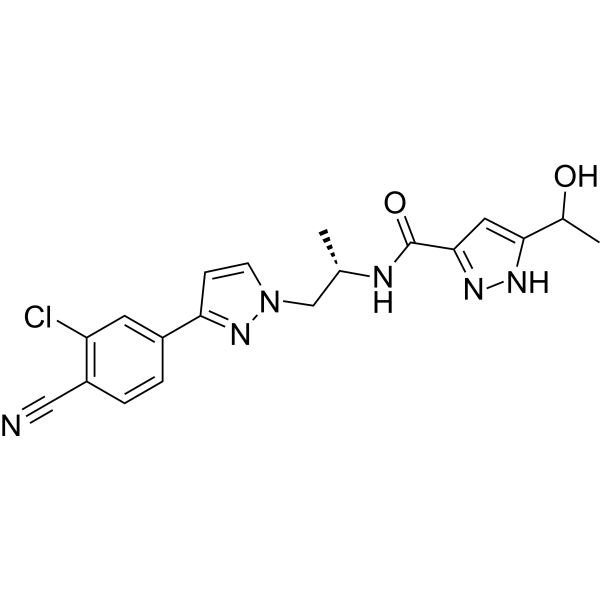
Darolutamide (ODM-201) is an orally active competitive androgen receptor (AR) antagonist. Darolutamide has a Ki of 11 nM for rat wild-type AR (wtAR) and IC50 of 26 nM for human wild-type AR (hAR)-mediated transcriptional activation. Darolutamide inhibits testosterone-induced AR nuclear translocation and transcriptional activation. Darolutamide exerts selective effects on AR-positive cells by inhibiting AR-dependent signaling pathways, and its active metabolite retains full antagonistic activity against AR mutants. Darolutamide can be used for the research of prostate cancer, including androgen receptor-dependent prostate cancer.
Nos produits utilisent uniquement pour la recherche. Nous ne vendons pas aux patients.
- Pureté : 99.49%
- CAS No.: 1297538-32-9
- Formule: C19H19ClN6O2
- Masse moléculaire:398.85
-
Stockage:Powder -20°C, 3 years , 4°C, 2 years ; In solvent -80°C, 1 year , -20°C, 6 months

To place orders, for customer services and technical support, please contact: MedChemExpress USA
Tel: 609-228-6898 E-mail: [email protected] [email protected]


-
 Activité biologique
-
Chemical Information
-
Solvant et solubilité
- Protocole
- Pureté et documentation
- Références
-
 Help & FAQs


-
HY-70002
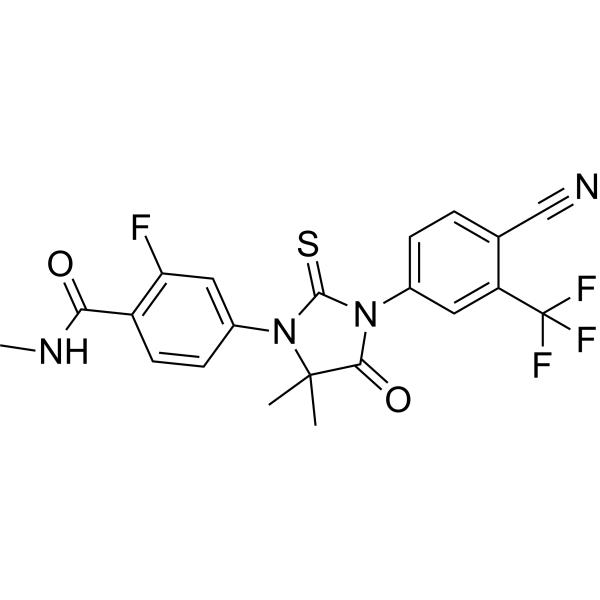
EnzalutamideAndrogen Receptor Antagonist -
HY-16060
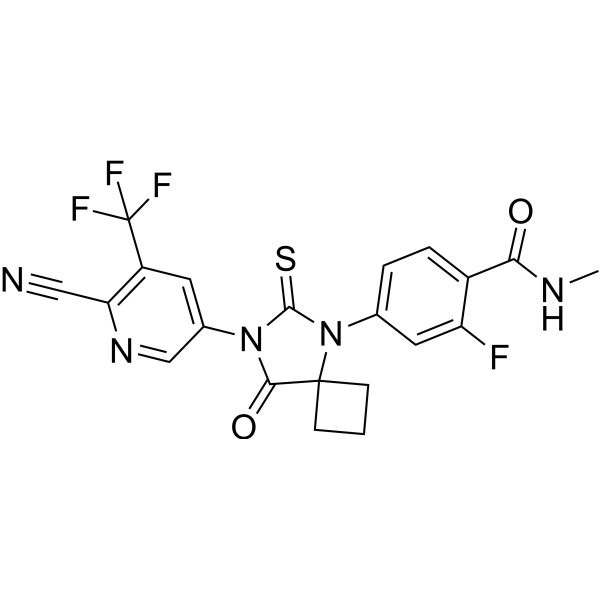
ApalutamideAR Antagonist -
HY-14249
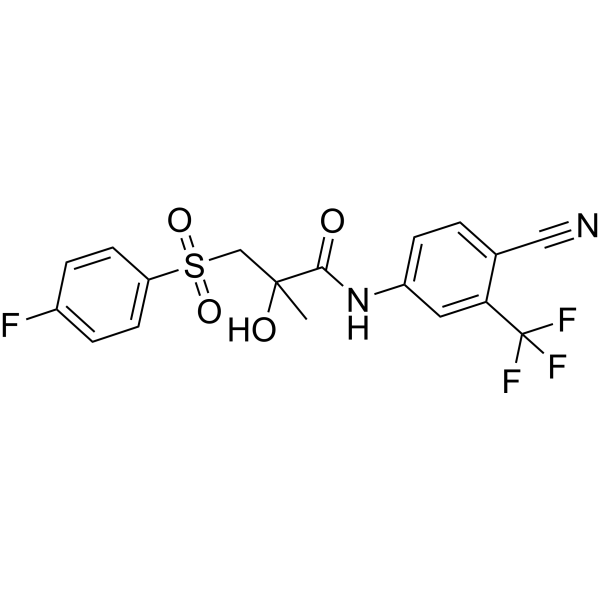
BicalutamideAndrogen Receptor Inhibitor -
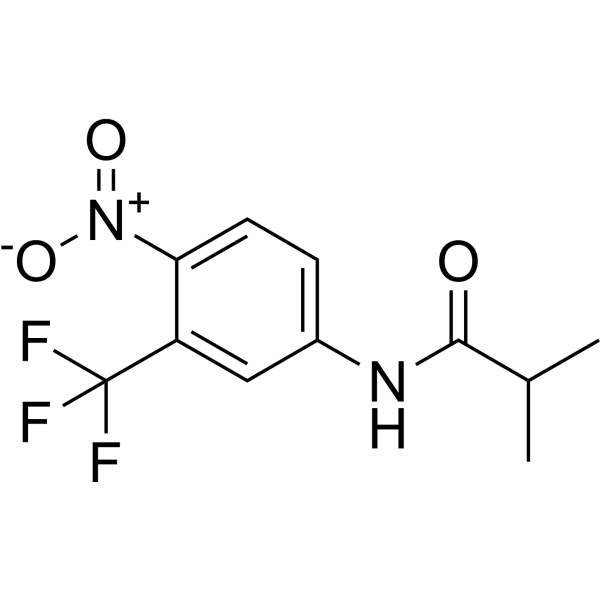
HY-B0022
FlutamideAntiandrogen Agent -
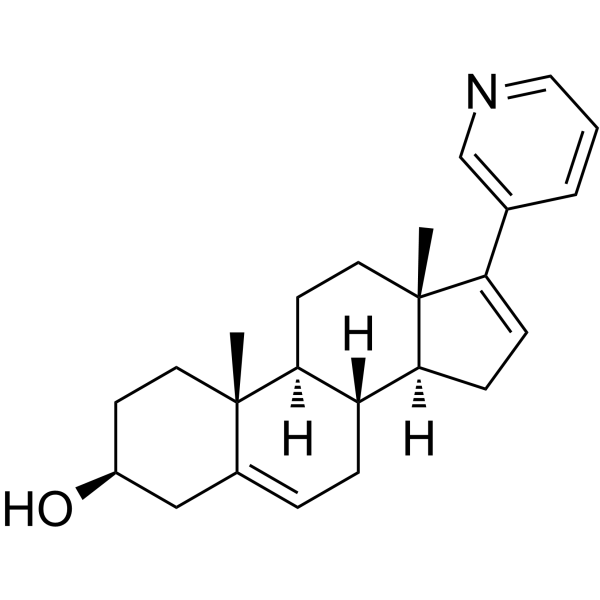
HY-70013
AbirateroneCYP17A1 Inhibitor -
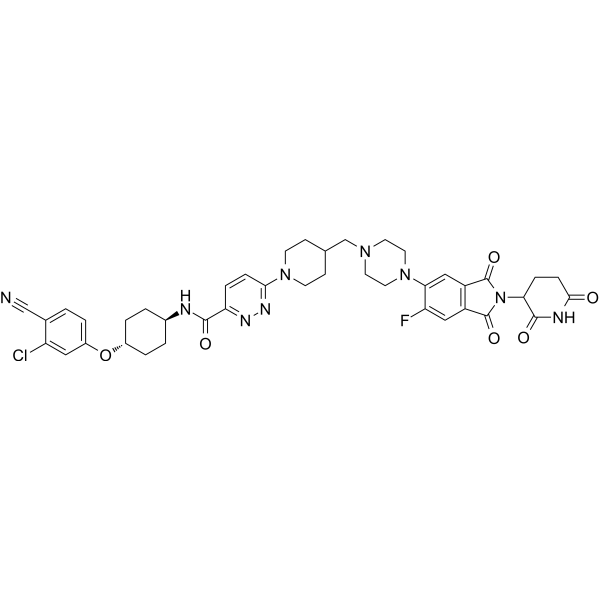
HY-138641
BavdegalutamideAR PROTAC Degrader -
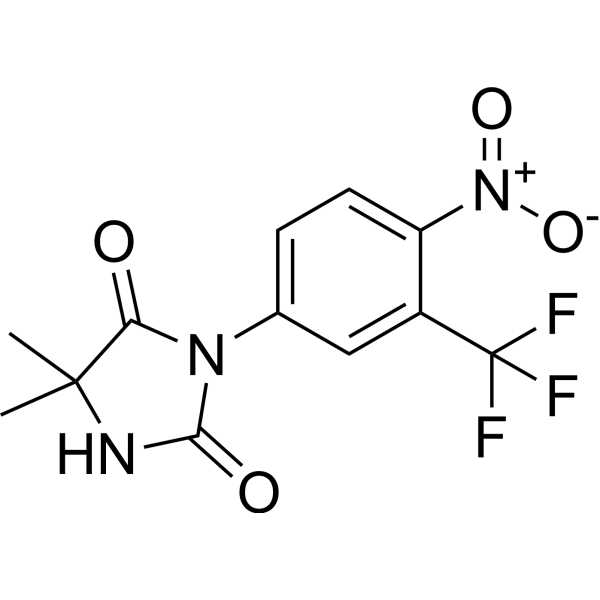
HY-13702
NilutamideAndrogen Receptor Antagonist -

HY-70002R
Enzalutamide (Standard)Androgen Receptor Antagonist -

HY-16985R
Darolutamide (Standard)Analytical Standard -
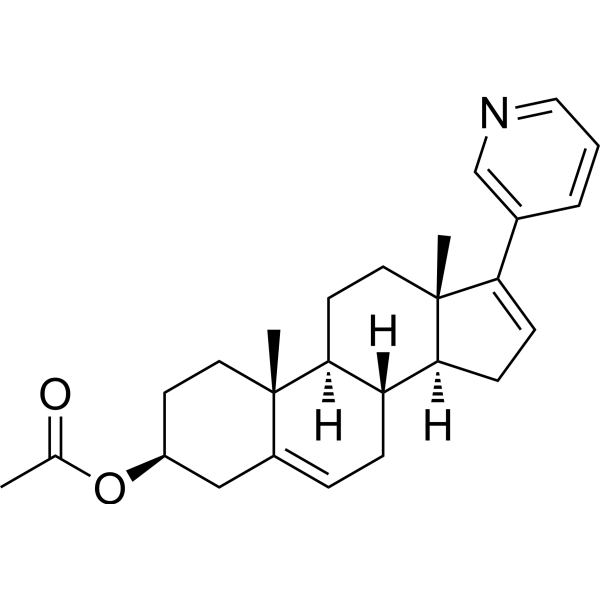
HY-75054
Abiraterone acetateCYP17A1 Inhibitor -
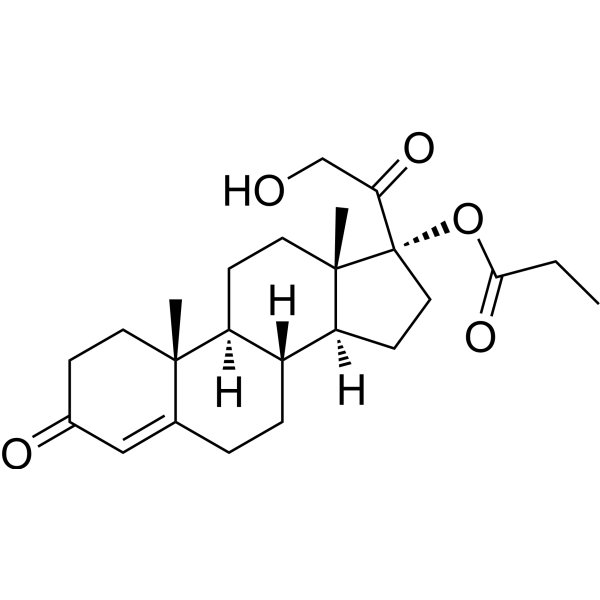
HY-13331
ClascoteroneAndrogen Receptor Inhibitor -
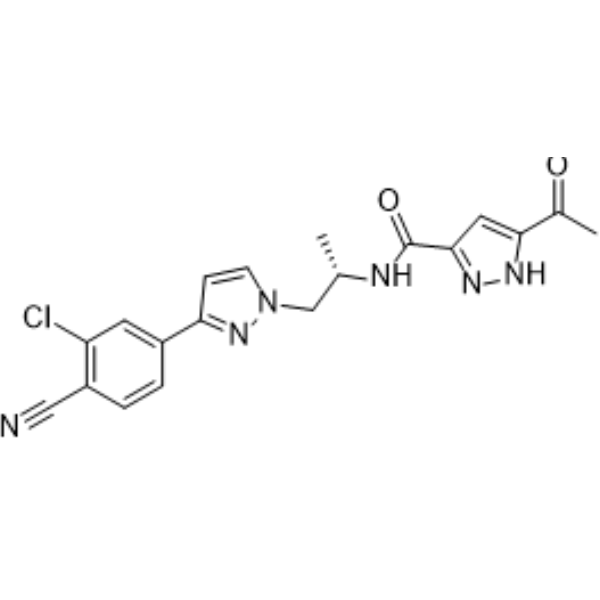
HY-19337
KetodarolutamideAndrogen Receptor Antagonist
Publications Citing Use of MedChemExpress (MCE) Darolutamide
More- Cancer Cell. 2025 Mar 18:S1535-6108(25)00079-0. [Abstract]
- J Control Release. 2026 Oct 10:398:115220.
- NPJ Breast Cancer. 2026 Feb 24. [Abstract]
- Br J Cancer. 2022 Sep;127(5):927-936. [Abstract]
- Biosensors (Basel). 2024 Apr 5;14(4):175. [Abstract]
- Cancer Sci. 2026 Jul 13:10.1111/cas.70477.
- Sci Rep. 2019 Sep 24;9(1):13786. [Abstract]
- J Dermatol Sci. 2023 Oct;112(1):23-30. [Abstract]
- Mol Oncol. 2024 Aug;18(8):1980-2000. [Abstract]
- Biomed Pharmacother. 2026 Sep:202:119803.
- University of Michigan. 2026.
- bioRxiv. 2026 May 5:2026.05.01.721995. [Abstract]
- bioRxiv. 2026 Mar 18.
 Customer Validation & Images

-
Cell Proliferation/Viability Assay
-
2D/3D Cell Culture and Differentiation
-
WB
-
Cell Proliferation/Viability Assay
-
Cell Proliferation/Viability Assay


Activité biologique
Description
IC50 & Target
IC50: 26 nM (AR-HEK293 cells, AR)[1]
Cellular Effect
|
Cell Line

|
Type | Value | Description | References |
|---|---|---|---|---|
| COS-7 | CC50 |
>50 μM
Compound: ODM-201
|
Antiproliferative activity against African green monkey COS-7 cells assessed as reduction in cell viability measured after 72 hrs by CCK-8 method
Antiproliferative activity against African green monkey COS-7 cells assessed as reduction in cell viability measured after 72 hrs by CCK-8 method
|
[PMID: 38385428] |
| CWR22R | CC50 |
>50 μM
Compound: ODM-201
|
Antiproliferative activity against human 22Rv1 cells assessed as reduction in cell viability measured after 72 hrs by CCK-8 method
Antiproliferative activity against human 22Rv1 cells assessed as reduction in cell viability measured after 72 hrs by CCK-8 method
|
[PMID: 38385428] |
| CWR22R | IC50 |
>30 μM
Compound: 1a; ODM-201
|
Antiproliferative activity against human 22Rv1 expressing AR assessed as reduction in cell viability incubated for 6 days by CCK-8 assay
Antiproliferative activity against human 22Rv1 expressing AR assessed as reduction in cell viability incubated for 6 days by CCK-8 assay
|
[PMID: 31437779] |
| DU-145 | CC50 |
>50 μM
Compound: ODM-201
|
Antiproliferative activity against human DU-145 cells assessed as reduction in cell viability measured after 72 hrs by CCK-8 method
Antiproliferative activity against human DU-145 cells assessed as reduction in cell viability measured after 72 hrs by CCK-8 method
|
[PMID: 38385428] |
| L02 | IC50 |
>30 μM
Compound: 1a; ODM-201
|
Cytotoxicity against human L02 assessed as reduction in cell viability incubated for 6 days by CCK-8 assay
Cytotoxicity against human L02 assessed as reduction in cell viability incubated for 6 days by CCK-8 assay
|
[PMID: 31437779] |
| LNCaP | CC50 |
7.04 μM
Compound: ODM-201
|
Antiproliferative activity against human LNCaP cells assessed as reduction in cell viability measured after 72 hrs by CCK-8 method
Antiproliferative activity against human LNCaP cells assessed as reduction in cell viability measured after 72 hrs by CCK-8 method
|
[PMID: 38385428] |
| LNCaP | IC50 |
1.65 μM
Compound: 1a; ODM-201
|
Antiproliferative activity against human LNCAP expressing AR assessed as reduction in cell viability incubated for 6 days by CCK-8 assay
Antiproliferative activity against human LNCAP expressing AR assessed as reduction in cell viability incubated for 6 days by CCK-8 assay
|
[PMID: 31437779] |
| LNCaP C4-2 | CC50 |
18.75 μM
Compound: ODM-201
|
Antiproliferative activity against human C4-2 cells assessed as reduction in cell viability measured after 72 hrs by CCK-8 method
Antiproliferative activity against human C4-2 cells assessed as reduction in cell viability measured after 72 hrs by CCK-8 method
|
[PMID: 38385428] |
| PC-3 | CC50 |
>50 μM
Compound: ODM-201
|
Antiproliferative activity against human PC-3 cells assessed as reduction in cell viability measured after 72 hrs by CCK-8 method
Antiproliferative activity against human PC-3 cells assessed as reduction in cell viability measured after 72 hrs by CCK-8 method
|
[PMID: 38385428] |
| PC-3 | IC50 |
>30 μM
Compound: 1a; ODM-201
|
Cytotoxicity against human PC3 assessed as reduction in cell viability incubated for 6 days by CCK-8 assay
Cytotoxicity against human PC3 assessed as reduction in cell viability incubated for 6 days by CCK-8 assay
|
[PMID: 31437779] |
In Vitro
Darolutamide (ODM-201) (0.1 nM-100 μM; 0-4 ℃ overnight) competitively binds to wild-type androgen receptor (wtAR) in cytosolic lysates from rat ventral prostates, with an inhibition constant (Ki) of 11 nM[1].
Darolutamide (0.1 nM-100 μM; 24 h) inhibits human wild-type AR (hAR)-mediated transcriptional activation in AR-HEK293 cells, with an IC50 of 26 nM[1].
Darolutamide (0.1 nM-100 μM; 24 h) acts as a full antagonist against mutant ARs (AR(F876L), AR(W741L), AR(T877A)) in transiently transfected U2-OS cells, with IC50 values of 66 nM, 1500 nM, and 1782 nM respectively[1].
Darolutamide (0.3 μM; 4 h) inhibits testosterone-induced AR nuclear translocation in AR-overexpressing HS-HEK293 cells[1].
Darolutamide (3 μM; 4 h) inhibits testosterone-induced AR nuclear translocation in AR-overexpressing LN-AR-C cells[1].
Darolutamide (10 nM-10 μM; 4 days) suppresses androgen-induced cell proliferation in VCaP cells (AR-overexpressing prostate cancer cells). Darolutamide also shows negligible cytotoxicity against AR-negative cells (DU-145 prostate cancer cells, H1581 lung cancer cells)[1].
MedChemExpress (MCE) has not independently confirmed the accuracy of these methods. They are for reference only.
-
Cell Line:VCaP cells (AR-overexpressing prostate cancer cells)
-
Concentration:10 nM, 100 nM, 1000 nM, 10000 nM (increasing concentration gradient)
-
Incubation Time:4 days
-
Result:Suppressed androgen-induced cell proliferation with an IC50 of 230 nM.
-
Cell Line:LNCaP cells
-
Concentration:3 μM
-
Incubation Time:4 h
-
Result:Blocked testosterone-induced AR nuclear translocation.
-
Cell Line:HS-HEK293 cells
-
Concentration:0.3 μM, 1 μM
-
Incubation Time:4 h (HCS reader), 5 h (confocal imaging)
-
Result:Inhibited testosterone-induced nuclear translocation of overexpressed AR.
Parmacokinetics
| Species | Dose | Route | AUC0-∞ | C0 | T1/2 | CL | Vd |
|---|---|---|---|---|---|---|---|
| Mice[2] | 1 mg/kg | i.v. | 1343 ng·h/mL | 2022 ng/mL | 1.74 h | 12.4 mL/min/kg | 1.87 L/kg |
In Vivo
Darolutamide (50 mg/kg; oral administration; twice a day; for 3 weeks) does not increase serum testosterone levels in intact nude mice bearing orthotopic VCaP tumors[1].
Darolutamide (25, 50, 100 mg/kg; oral administration; twice a day; for 7 days) shows negligible blood-brain barrier penetration with its major active metabolite Ketodarolutamide (HY-19337) having a brain/plasma ratio of 1.9-2.8% in mice[1].
MedChemExpress (MCE) has not independently confirmed the accuracy of these methods. They are for reference only.
-
Animal Model:Male castrated BALB/c nude mice (7 weeks old) were subcutaneously injected with VCaP cells (2 × 10⁶ cells per mouse in 0.1 mL RPMI-1640 medium (HY-K3004) and Matrigel at 1:1 ratio)[1].
-
Dosage:50 mg/kg
-
Administration:Oral administration; once or twice daily; for 37 days
-
Result:Exhibited potent antitumor activity, with 50 mg/kg twice daily showing more significant efficacy compared to castrated untreated mice.
-
Animal Model:Male intact athymic nude mice (7 weeks old) were orthotopically injected with VCaP cells (1 × 10⁶ cells per mouse in 20 μL RPMI-1640 medium) into the dorsal prostate lobes[1].
-
Dosage:50 mg/kg
-
Administration:Oral administration; twice daily; for 3 weeks
-
Result:Did not increase serum testosterone levels compared to the control group.
Significantly inhibited orthotopic VCaP tumor growth compared to the control group.
-
Animal Model:Male nude mice (BALB/c or Balb/cOlaHsd, 8-9 weeks old)[1].
-
Dosage:25, 50, 100 mg/kg
-
Administration:Oral administration; twice daily; for 7 days
-
Result:Showed negligible blood-brain barrier penetration, with a brain/plasma ratio of 1.9-2.8% across all tested doses, and no dose-response relationship.
Essai clinique
| NCT Number | Sponsor | Condition | Start Date |
Phase
|
|---|---|---|---|---|
| NCT01329991 | 2011-05 | PHASE1 |


Chemical Information
-
CAS No. 1297538-32-9
-
Appearance Solid
-
Masse moléculaire 398.85
-
Formule C19H19ClN6O2
-
Color White to off-white
-
SMILES
ClC1=C(C#N)C=CC(C2=NN(C[C@H](C)NC(C3=NNC(C(O)C)=C3)=O)C=C2)=C1
-
Synonyms
ODM-201; BAY-1841788
-
Livraison
Room temperature in continental US; may vary elsewhere.
-
Stockage
Powder -20°C 3 years 4°C 2 years In solvent -80°C 1 year -20°C 6 months


Publications (13)
-
Journal Impact Factor
-
Most Recent
-
Cancer Cell
2025 Mar 18:S1535-6108(25)00079-0. PMID: 40118049 -
-
NPJ Breast Cancer
Transcriptomic analysis to uncover the mechanism of radiosensitization of AR-positive triple-negative breast cancers with AR inhibition. [Abstract]2026 Feb 24. PMID: 41735341 -
Br J Cancer
Androgen and oestrogen receptor co-expression determines the efficacy of hormone receptor-mediated radiosensitisation in breast cancer. [Abstract]2022 Sep;127(5):927-936. PMID: 35618789
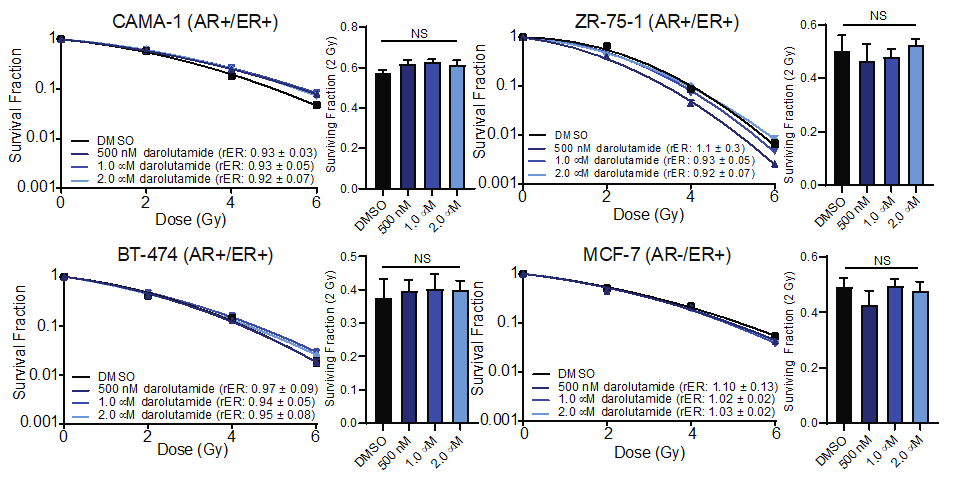
Darolutamide purchased from MedChemExpress. Usage Cited in: Br J Cancer. 2022 Sep;127(5):927-936. [Abstract]
Clonogenic survival assays were performed in AR+/ER+, CAMA-1, ZR-75-1, and BT-474 cells to assess radiosensitization with a one-hour pretreatment of Darolutamide (500 nM, 1 μM, and 2 μM, 1 h) prior to radiation treatment.
-
Biosensors (Basel)
An Extracellular Matrix Overlay Model for Bioluminescence Microscopy to Measure Single-Cell Heterogeneous Responses to Antiandrogens in Prostate Cancer Cells. [Abstract]2024 Apr 5;14(4):175. PMID: 38667168
Darolutamide purchased from MedChemExpress. Usage Cited in: Biosensors (Basel). 2024 Apr 5;14(4):175. [Abstract]
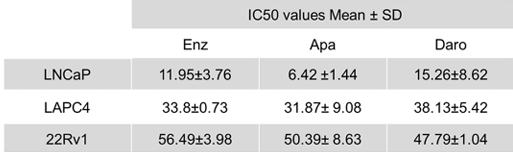
IC50 values of three antiandrogen drugs (Apa: apalutamide; Daro: darolutamide; DHT: dihydrotestosterone; Bica: bicalutamide; Enza: enzalutamide, Fluc: Firefly luciferase.) .PCa cell lines (LNCaP, LAPC4, and 22Rv1) were treated with antiandrogen drugs at various concentrations for 120 hours, and cell viability was determined using a colorimetric resazurin assay.
-
-
Sci Rep
2019 Sep 24;9(1):13786. PMID: 31551480
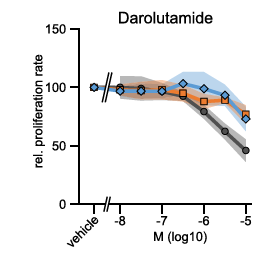
Darolutamide purchased from MedChemExpress. Usage Cited in: Sci Rep. 2019 Sep 24;9(1):13786. [Abstract]
Dose response curves showed the relative proliferation rate at increasing concentrations of the AR inhibitor darolutamide (ODM-201) in LNCaP cells. Measurements were normalized to vehicle-treated cells and set to 100.
-
J Dermatol Sci
Role of androgen signaling in androgen receptor-positive extramammary Paget's disease: Establishment of organoids and their biological analysis as a novel therapeutic target. [Abstract]2023 Oct;112(1):23-30. PMID: 37661472
Darolutamide purchased from MedChemExpress. Usage Cited in: J Dermatol Sci. 2023 Oct;112(1):23-30. [Abstract]
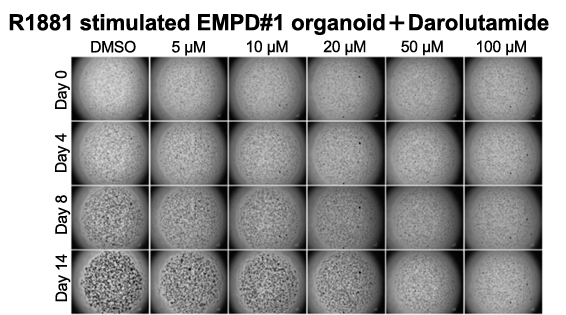
Darolutamide (5, 10, 20, 50, and 100 nM, 14 days) inhibited cell growth of androgen receptor-positive EMPD organoids after 4 days of pre-culture with 1 nM R1881.
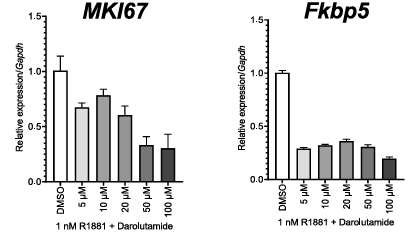
Darolutamide purchased from MedChemExpress. Usage Cited in: J Dermatol Sci. 2023 Oct;112(1):23-30. [Abstract]
Darolutamide (5, 10, 20, 50, and 100 nM, 24 h) decreased the expression levels of FKBP5 and MKI67 in androgen receptor-positive EMPD organoids.
-
Mol Oncol
TAS3681, an androgen receptor antagonist, prevents drug resistance driven by aberrant androgen receptor signaling in prostate cancer. [Abstract]2024 Aug;18(8):1980-2000. PMID: 38600681 -
-
-
bioRxiv
Profiling crystal engineered ligands for targeting treatment resistant androgen receptors. [Abstract]2026 May 5:2026.05.01.721995. PMID: 42146362 -


Solvant et solubilité
In Vitro:
DMSO : 100 mg/mL (250.72 mM; Need ultrasonic; Hygroscopic DMSO has a significant impact on the solubility of product, please use newly opened DMSO)
Please refer to the solubility information to select the appropriate solvent. Once prepared, please aliquot and store the solution to prevent product inactivation from repeated freeze-thaw cycles.
Storage method and period of stock solution: -80°C, 1 year; -20°C, 6 months. When stored at -80°C, please use it within 1 year. When stored at -20°C, please use it within 6 months.
Please refer to the solubility information to select the appropriate solvent. Once prepared, please aliquot and store the solution to prevent product inactivation from repeated freeze-thaw cycles.
Storage method and period of stock solution: -80°C, 1 year; -20°C, 6 months. When stored at -80°C, please use it within 1 year. When stored at -20°C, please use it within 6 months.
Concentration (start) × Volume (start) = Concentration (final) × Volume (final)
In Vivo:
Select the appropriate dissolution method based on your experimental animal and administration route.
- For the following dissolution methods, please ensure to first prepare a clear stock solution using an In Vitro approach and then sequentially add co-solvents:
- To ensure reliable experimental results, the clarified stock solution can be appropriately stored based on storage conditions. As for the working solution for In Vivo experiments, it is recommended to prepare freshly and use it on the same day.
- The percentages shown for the solvents indicate their volumetric ratio in the final prepared solution. If precipitation or phase separation occurs during preparation, heat and/or sonication can be used to aid dissolution.
Add each solvent one by one: 10% DMSO 40% PEG300 5% Tween-80 45% Saline
Solubility: ≥ 2.08 mg/mL (5.21 mM); Clear solution
This protocol yields a clear solution of ≥ 2.08 mg/mL (saturation unknown).
Taking 1 mL working solution as an example, add 100 μL DMSO stock solution (20.8 mg/mL) to 400 μL PEG300, and mix evenly; then add 50 μL Tween-80 and mix evenly; then add 450 μL Saline to adjust the volume to 1 mL.
Preparation of Saline: Dissolve 0.9 g sodium chloride in ddH₂O and dilute to 100 mL to obtain a clear Saline solution.
Add each solvent one by one: 10% DMSO 90% (20% SBE-β-CD in Saline)
Solubility: ≥ 2.08 mg/mL (5.21 mM); Clear solution
This protocol yields a clear solution of ≥ 2.08 mg/mL (saturation unknown).
Taking 1 mL working solution as an example, add 100 μL DMSO stock solution (20.8 mg/mL) to 900 μL 20% SBE-β-CD in Saline, and mix evenly.
Preparation of 20% SBE-β-CD in Saline (4°C, storage for one week): 2 g SBE-β-CD powder is dissolved in 10 mL Saline, completely dissolve until clear.
In Vivo Dissolution Calculator
Please enter the basic information of animal experiments:
-
-
-
-
Recommended: Prepare an additional quantity of animals to account for potential losses during experiments.
Please enter your animal formula composition:
-
%DMSO +
Recommended: Keep the proportion of DMSO in working solution below 2% if your animal is weak.
-
%+
-
+%Tween-80 + +
-
%Saline +
The co-solvents required include: DMSO, . All of co-solvents are available by MedChemExpress (MCE). , Tween 80. All of co-solvents are available by MedChemExpress (MCE).
Working solution concentration: 0.22 mg/mL
Method for preparing stock solution: mg drug dissolved in μL DMSO. Stock solution concentration: mg/mL.
1. Take μL DMSO stock solution;
2. Add μL .
μL , mix evenly;
3. Then add μL Tween 80, mix evenly;
4. Then add μL
Please ensure that the stock solution in the first step is dissolved to a clear state, and add co-solvents in sequence. You can use ultrasonic heating (ultrasonic cleaner, recommended frequency 20-40 kHz), vortexing, etc. to assist dissolution.


Pureté et documentation
-
Fiche technique (291 KB)
-
SDS (394 KB)
- English - EN (394 KB)
- Français - FR (394 KB)
- Deutsch - DE (394 KB)
- Norwegian - NO (394 KB)
- Español - ES (394 KB)
- Swedish - SV (394 KB)
- Italian - IT (394 KB)
- Korean - KR (394 KB)
- Portuguese - PT (394 KB)
-
Instruction de manipulation (2659 KB)
Références
[1]. Moilanen AM, et al. Discovery of ODM-201, a new-generation androgen receptor inhibitor targeting resistance mechanisms toandrogen signaling-directed prostate cancer therapies. Sci Rep. 2015 Jul 3;5:12007. doi: 10.1038/srep12007. [Content Brief]
[2]. Sulochana SP, et al. Validation of an LC-MS/MS method for simultaneous quantitation of enzalutamide, N-desmethylenzalutamide, apalutamide, darolutamide and ORM-15341 in mice plasma and its application to a mice pharmacokinetic study. J Pharm Biomed Anal. 2018 Jul 15;156:170-180. [Content Brief]


Complete Stock Solution Preparation Table
Please refer to the solubility information to select the appropriate solvent. Once prepared, please aliquot and store the solution to prevent product inactivation from repeated freeze-thaw cycles.
Storage method and period of stock solution: -80°C, 1 year; -20°C, 6 months. When stored at -80°C, please use it within 1 year. When stored at -20°C, please use it within 6 months.
| Optional Solvent | Concentration Solvent Mass | 1 mg | 5 mg | 10 mg | 25 mg |
|---|---|---|---|---|---|
| DMSO | 1 mM | 2.5072 mL | 12.5360 mL | 25.0721 mL | 62.6802 mL |
| 5 mM | 0.5014 mL | 2.5072 mL | 5.0144 mL | 12.5360 mL | |
| 10 mM | 0.2507 mL | 1.2536 mL | 2.5072 mL | 6.2680 mL | |
| 15 mM | 0.1671 mL | 0.8357 mL | 1.6715 mL | 4.1787 mL | |
| 20 mM | 0.1254 mL | 0.6268 mL | 1.2536 mL | 3.1340 mL | |
| 25 mM | 0.1003 mL | 0.5014 mL | 1.0029 mL | 2.5072 mL | |
| 30 mM | 0.0836 mL | 0.4179 mL | 0.8357 mL | 2.0893 mL | |
| 40 mM | 0.0627 mL | 0.3134 mL | 0.6268 mL | 1.5670 mL | |
| 50 mM | 0.0501 mL | 0.2507 mL | 0.5014 mL | 1.2536 mL | |
| 60 mM | 0.0418 mL | 0.2089 mL | 0.4179 mL | 1.0447 mL | |
| 80 mM | 0.0313 mL | 0.1567 mL | 0.3134 mL | 0.7835 mL | |
| 100 mM | 0.0251 mL | 0.1254 mL | 0.2507 mL | 0.6268 mL |


Darolutamide Related Classifications
HY-16985 Related Classifications
 Powered by Bioz
Keywords
- Darolutamide
- 1297538-32-9
- ODM-201
- BAY-1841788
- ODM201
- ODM 201
- BAY1841788
- BAY 1841788
- BAY-1841788
- Androgen Receptor
- androgen receptor (AR) competitive antagonist
- orally active
- inhibits AR nuclear translocation
- inhibits AR transcriptional activation
- selective for AR-positive cells
- full antagonist against AR mutants
- prostate cancer
- androgen receptor-dependent prostate cancer
- castration-resistant prostate cancer (CRPC)
- VCaP cells
- LNCaP cells (LN-AR-C cells)
- HS-HEK293 cells
- U2-OS cells
- DU-145 cells
- H1581 cells
- castrated male BALB/c nude mice
- intact athymic nude male mice
- male BalbC mice
- Balb/cOlaHsd mice
- Inhibitor
- inhibitor
- inhibit