Search Result
Results for "
Hydrogen sulfide
" in MedChemExpress (MCE) Product Catalog:
4
Biochemical Assay Reagents
| Cat. No. |
Product Name |
Target |
Research Areas |
Chemical Structure |
-
- HY-P2995
-
|
|
Biochemical Assay Reagents
Heme Oxygenase (HO)
|
Others
|
|
Hemoglobin is a iron-containing protein in red blood cells with oxygen binding properties. Hemoglobin is an inducer of HO-1. Hemoglobin consits of heme, which binds to oxygen. Hemoglobin also transports other gases, such as carbon dioxide, nitric oxide, hydrogen sulfide and sulfide. Hemoglobin absorbs unneeded oxygen in tissues, as an antioxidant .
|
-

-
- HY-134495
-
|
N-Acetylcysteine ethyl ester; NACET
|
Reactive Oxygen Species (ROS)
|
Metabolic Disease
|
|
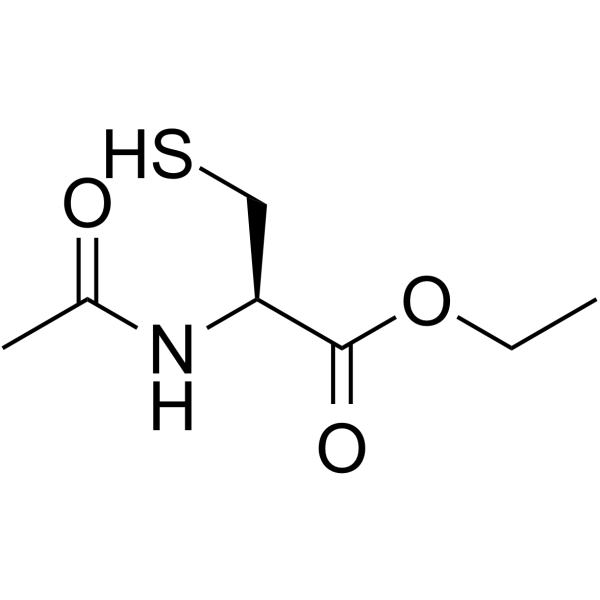
N-Acetyl-L-cysteine ethyl ester is an esterified form of N-acetyl-L-cysteine (NAC). N-Acetyl-L-cysteine ethyl ester exhibits enhanced cell permeability, and produce NAC and cysteine. N-Acetyl-L-cysteine ethyl ester increases circulating hydrogen sulfide (H2S) and can be used as an H2S producer. N-Acetyl-L-cysteine ethyl ester has the potential to substitute NAC as a mucolytic agent, and as a GSH-related antioxidant .
|
-
-
- HY-126124
-
|
|
Reactive Oxygen Species (ROS)
|
Cardiovascular Disease
Neurological Disease
|
|
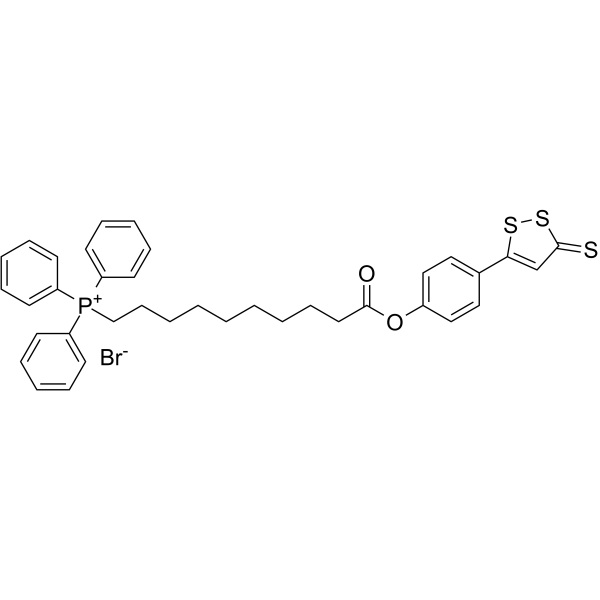
AP39 is a triphenylphosphonium derivatised anethole dithiolethione and mitochondria-targeting hydrogen sulfide (H2S) donor. AP39 increases intracellular H2S levels. AP39 exerts cytoprotective effects and maintains mitochondrial DNA integrity under oxidative stress conditions. AP39 protects against myocardial reperfusion injury in mice model and has the potential for Alzheimer's disease research .
|
-
-
- HY-109582
-
ADT-OH
4 Publications Verification
5-(4-Hydroxyphenyl)-3H-1,2-dithiole-3-thione; ACS 1
|
Apoptosis
FAK
|
Cancer
|
|
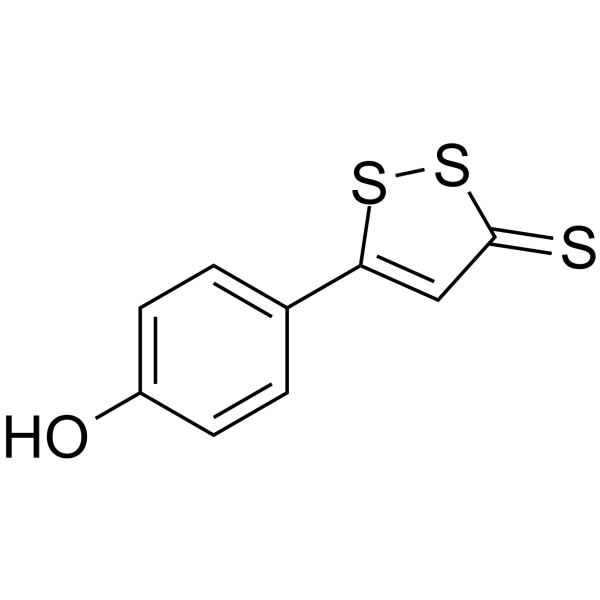
ADT-OH is a hydrogen sulfide-releasing donor. ADT-OH induces apoptosis and upregulates FADD. ADT-OH inhibits FAK/Paxillin. ADT-OH has the potential for the research of cancer diseases .
|
-
-
- HY-Y1282
-
|
|
Environmental Pollutants
Biochemical Assay Reagents
SOD
|
Cardiovascular Disease
Infection
Neurological Disease
|
|
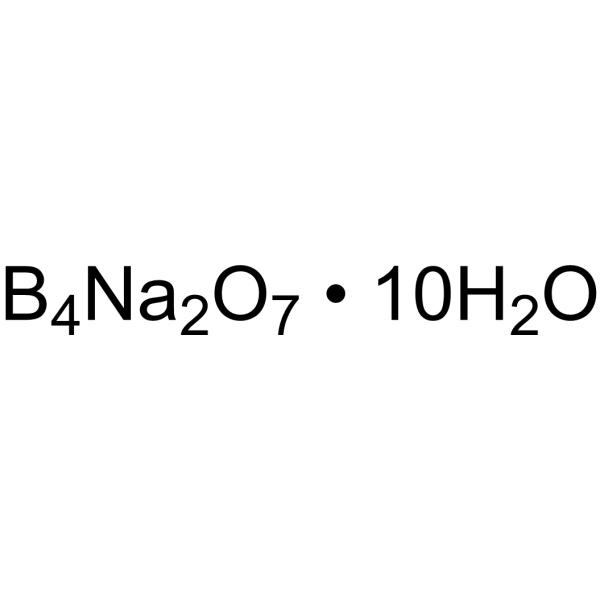
Sodium tetraborate decahydrate is an orally active biochemical reagent and antibacterial agent. Sodium tetraborate decahydrate leads to an increase in the activity of Catalase, Superoxide dismutase. Sodium tetraborate decahydrate reduces Hydrogen sulfide and the sulfate-reducing bacteria population of swine manure. Sodium tetraborate decahydrate serves as flame suppressant for wood cellulose. Sodium tetraborate decahydrate is a triglyceride transesterification catalyst. Sodium tetraborate decahydrate suppresses the formation of chlorinated by-products in Cl −-containing water. Sodium tetraborate decahydrate has a neuroprotective effect against chromium poisoning. Sodium tetraborate decahydrate can protect the heart from chromium damage at low doses. Sodium tetraborate in a low dose with an isolated application shows an antioxidant effect .
|
-
-
- HY-119323
-
|
|
Fluorescent Dye
|
Others
|
|
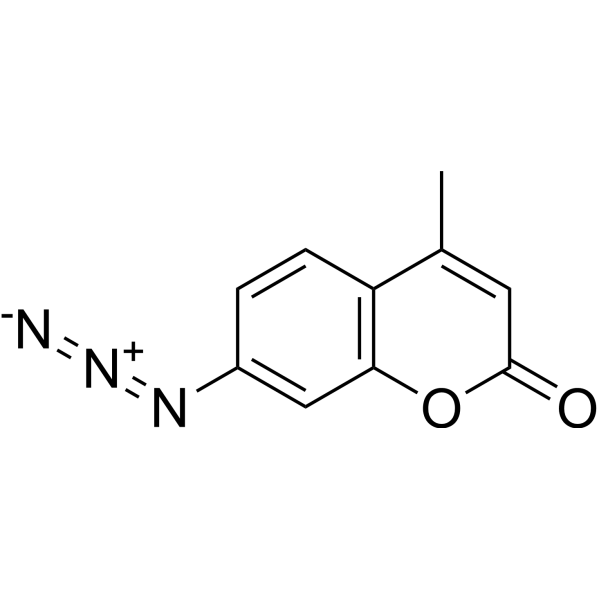
7-Azido-4-methylcoumarin is a selective coumarin-based fluorescent probe for hydrogen sulfide (H2S). In the presence of H2S, the aromatic azido group of 7-Azido-4-methylcoumarin is selectively reduced to produce the fluorescently active 7-amino-4-methylcoumarin (AMC). 7-Azido-4-methylcoumarin binds to the coumarin/phenol-binding site of BSA, the aglycone-binding site of UGT1A6, and the substrate-binding site of SULT1A1, respectively. 7-Azido-4-methylcoumarin retains its fluorescent properties after covalent binding, acts as a fluorescent H2S probe, and does not react with cysteine, homocysteine or glutathione (Ex/Em = 340/445 nm) .
|
-
-
- HY-144439
-
|
|
Mitochondrial Metabolism
|
Cardiovascular Disease
Cancer
|
|
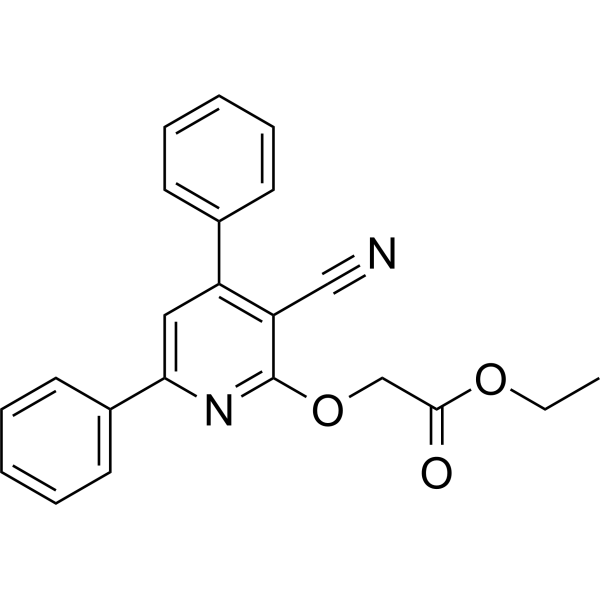
HTS07545 is a potent sulfide:quinone oxidoreductase (SQOR) inhibitor with an IC50 of 30 nM. HTS07545 reduces the decomposition rate of hydrogen sulfide (H2S). HTS07545 can be used in the research of heart failure and pancreatic ductal adenocarcinoma.
|
-
-
- HY-W024271
-
|
9-Formyl-8-hydroxyjulolidine
|
Fluorescent Dye
|
Cardiovascular Disease
Neurological Disease
|
|
8-Hydroxyjulolidine-9-carboxaldehyde (9-Formyl-8-hydroxyjulolidine) is a highly selective fluorescent probe for hydrogen sulfide (S 2−) and silicate (SiO3 2−). 8-Hydroxyjulolidine-9-carboxaldehyde operates via a mechanism of blocking intramolecular charge transfer (ICT), exhibiting significant fluorescence enhancement in the presence of weak acid ions. 8-Hydroxyjulolidine-9-carboxaldehyde is promising for research of fluorescence imaging of hydrogen sulfide within living cells .
|
-

-
- HY-106784A
-
|
|
Fungal
Apoptosis
|
Neurological Disease
|
|
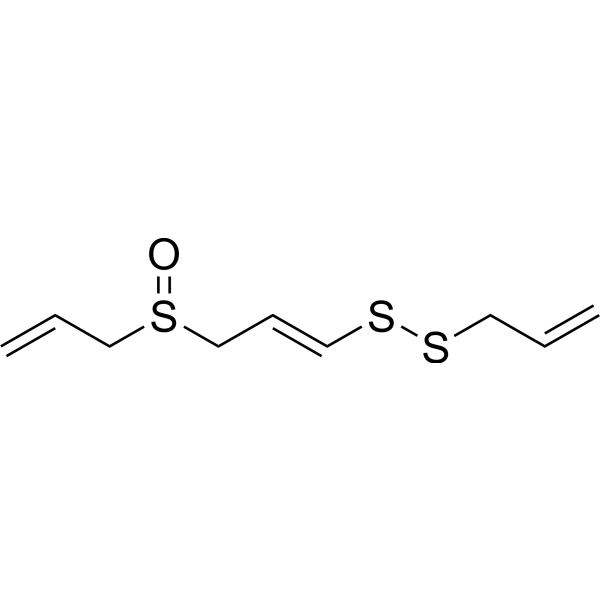
(E)-Ajoene is a oxygenated ajoene and organosulfur compound, which can be acquired via allicin decomposing. The polysulfides from garlic can be converted by human red blood cells into hydrogen sulfide (H2S) and allyl glutathione. (E)-Ajoene has been proved to show neuroprotective effects against ischemic damage. (E)-Ajoene is orally active to inhibit lipid peroxidation. (E)-Ajoene increases the number of cresyl violet-positive neurons and decreases the number of reactive gliosis in the CA1 region .
|
-
-
- HY-174790
-
|
|
mRNA
|
Cancer
|
|
Firefly Luciferase mRNA is a reporter mRNA that can be transfected into cells to express firefly luciferase protein. Firefly Luciferase mRNA induces cytotoxicity in cancer cells at low concentrations. In cancer cells, the expression level of luciferase shows a non-linear relationship with the dose of Firefly Luciferase mRNA. When combined with the H2S-responsive bioluminescent probe (H-Luc), Firefly Luciferase mRNA enables bioluminescence-based detection of endogenous hydrogen sulfide in non-transgenic NAFLD cell models and NAFLD mouse models. Firefly Luciferase mRNA can be used in studies related to non-alcoholic fatty liver disease .
|
-

-
- HY-D1275
-
|
|
Fluorescent Dye
|
Others
|
|
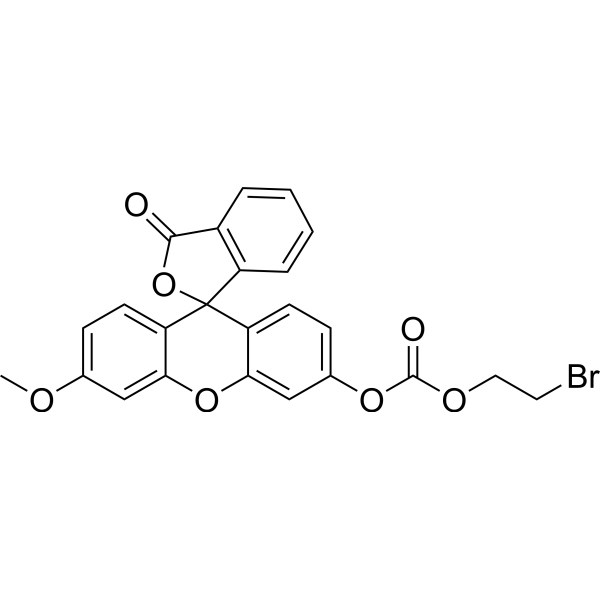
CAY10731 (compound 3) is a highly selective fluorescent probe for detection of hydrogen sulfide (H2S). CAY10731 is used to monitor exo- and endogenous H2S in both cancer and normal cells. CAY10731 is applied for imaging of H2S in living tissues at variable depths and in nematodes .
|
-
-
- HY-169331
-
|
|
Bacterial
|
Infection
|
|
H2S scavenger 1 triflate is a selective H2S scavenger and antibacterial adjuvant. H2S scavenger 1 triflate consumes hydrogen sulfide produced by H2S-producing bacteria via chemical scavenging, and does not act on H2S synthases. H2S scavenger 1 triflate enhances the clearance of H2S-producing bacteria mediated by macrophages and polymorphonuclear neutrophils. H2S scavenger 1 triflate inhibits the biofilm formation of H2S-producing bacteria and eliminates pre-formed biofilms. H2S scavenger 1 triflate can be used for the research of Pseudomonas aeruginosa-infected pneumonia and Pseudomonas aeruginosa-infected skin wounds .
|
-

-
- HY-E70078
-
|
|
Biochemical Assay Reagents
|
Others
|
|
Cystathionine β-synthase is an enzyme that catalyzes the condensation of serine and homocysteine to water and cystathionine. Cystathionine β-synthase is a prominent enzyme for the production of hydrogen sulfide (H2S) .
|
-
-
- HY-P2995B
-
|
|
Biochemical Assay Reagents
Heme Oxygenase (HO)
|
Others
|
|
Mouse Hemoglobin is a hemoglobin derived from mouse. Hemoglobin is a iron-containing protein in red blood cells with oxygen binding properties. Hemoglobin is an inducer of HO-1. Hemoglobin consits of heme, which binds to oxygen. Hemoglobin also transports other gases, such as carbon dioxide, nitric oxide, hydrogen sulfide and sulfide. Hemoglobin absorbs unneeded oxygen in tissues, as an antioxidant .
|
-

-
- HY-121955
-
FW1256
1 Publications Verification
|
NF-κB
Apoptosis
|
Cardiovascular Disease
Inflammation/Immunology
Cancer
|
|
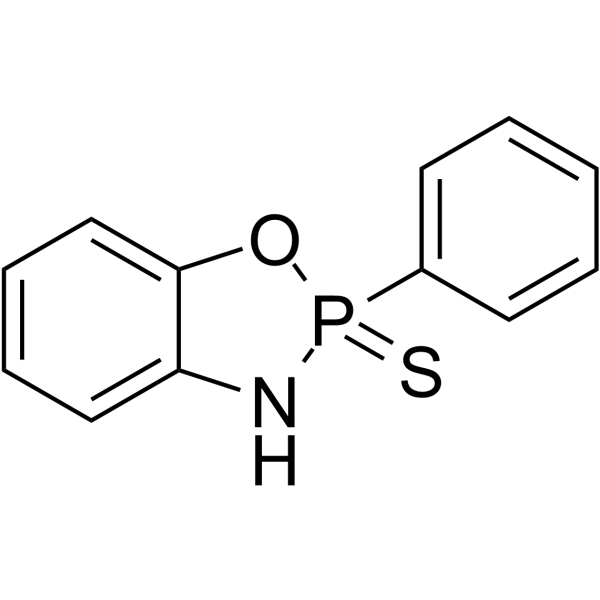
FW1256 is a phenyl analogue and a slow-releasing hydrogen sulfide (H2S) donor. FW1256 inhibits NF-κB activity and induces cell apoptosis. FW1256 exerts potent anti-inflammatory effects and has the potential for cancer and cardiovascular disease treatment .
|
-
-
- HY-20794
-
|
|
Fluorescent Dye
|
Others
|
|
8-Hydroxyjulolidine is a chromophore moiety of a fluorescent probe for the detection of weak acid ions. 8-Hydroxyjulolidine can be used to synthesize the salicylaldehyde derivative 9-formyl-8-hydroxyjulolidine, which exhibits sensitive detection ability to pH changes of hydrogen sulfide and silicate in aqueous solution .
|
-

-
- HY-D2476
-
|
|
Fluorescent Dye
|
Others
|
|
H2S Fluorescent probe 1 (Compound 2) is a fluorescent probe that detects hydrogen sulfide (H2S) with almost no cytotoxicity. Upon the addition of increasing amounts of HS - to DMSO solution of H2S Fluorescent probe 1, a new absorption peak appears gradually at 485 nm. H2S Fluorescent probe 1, the fluorescence intensity notes at 434 nm increasing rapidly by titration of HS - .
|
-

-
- HY-150038
-
|
NBS-1120
|
NF-κB
Apoptosis
|
Neurological Disease
Cancer
|
|
NOSH-aspirin (NBS-1120) is an orally active hybrid molecule that releases nitric oxide and hydrogen sulfide. NOSH-aspirin inhibits pancreatic cancer cell proliferation and induces apoptosis. NOSH-aspirin inhibits cancer cell growth and suppresses NF-κB and FoxM1 in a mouse model of pancreatic cancer. NOSH-aspirin also alleviates motor deficits and dopaminergic neuron degeneration in a rat model of Parkinson's disease. NOSH-aspirin reduces neuroinflammation caused by microglial and astrocytic activation. NOSH-aspirin can be used in research on cancers such as pancreatic cancer and neurological diseases such as Parkinson's disease .
|
-

-
- HY-D3003
-
|
|
Fluorescent Dye
|
Others
|
|
M-H2S is an endoplasmic reticulum-targeted ratio-type near-infrared fluorescent probe (Ex/Em : 480 nm/560 nm) specifically designed for the detection of hydrogen sulfide (H2S) in living cells and zebrafish. M-H2S exhibits detection limit for H2S of 39.1 nM, and the fluorescence intensity ratio (F₆₅₀/F₅₆₀) within the range of 0-40 μM shows a linear relationship with the H2S concentration. M-H2S responds best under pH = 7.2 (the normal physiological pH of the endoplasmic reticulum) conditions, making it suitable for the detection of the microenvironment of the endoplasmic reticulum. M-H2S can be used to study the role of H2S in endoplasmic reticulum function, stress response, and related diseases .
|
-

-
- HY-123615
-
-

-
- HY-160240
-
|
|
Fluorescent Dye
|
Others
Cancer
|
|
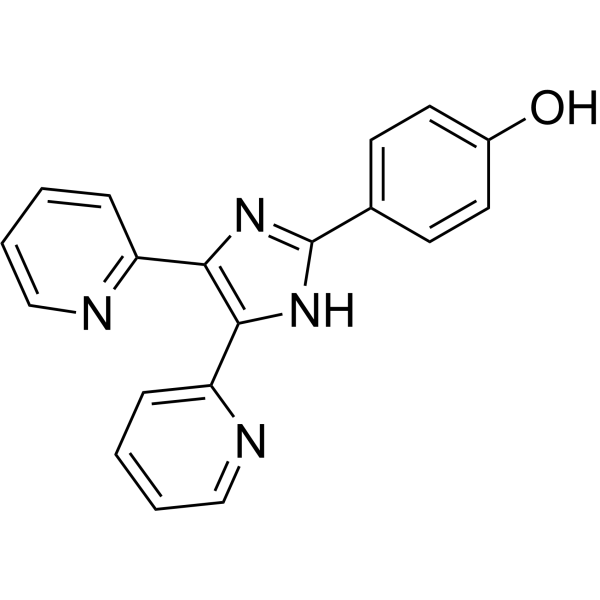
HPI is a HS - fluorescent probe (Ex/Em=280/410 nm). HPI can be used to detect the HS - form of hydrogen sulfide (H2S) gas in environmental water samples .
|
-
-
- HY-P2995C
-
|
|
Biochemical Assay Reagents
Heme Oxygenase (HO)
|
Others
|
|
Rabbit Hemoglobin is a hemoglobin derived from rabbit. Hemoglobin is a iron-containing protein in red blood cells with oxygen binding properties. Hemoglobin is an inducer of HO-1. Hemoglobin consits of heme, which binds to oxygen. Hemoglobin also transports other gases, such as carbon dioxide, nitric oxide, hydrogen sulfide and sulfide. Hemoglobin absorbs unneeded oxygen in tissues, as an antioxidant .
|
-

-
- HY-P2995E
-
|
|
Biochemical Assay Reagents
Heme Oxygenase (HO)
|
Others
|
|
Guinea Pig Hemoglobin is a hemoglobin derived from guinea pigs. Hemoglobin is a iron-containing protein in red blood cells with oxygen binding properties. Hemoglobin is an inducer of HO-1. Hemoglobin consits of heme, which binds to oxygen. Hemoglobin also transports other gases, such as carbon dioxide, nitric oxide, hydrogen sulfide and sulfide. Hemoglobin absorbs unneeded oxygen in tissues, as an antioxidant .
|
-

-
- HY-109582R
-
|
5-(4-Hydroxyphenyl)-3H-1,2-dithiole-3-thione (Standard); ACS 1 (Standard)
|
Apoptosis
FAK
Reference Standards
|
Cancer
|
|
ADT-OH (Standard) is the analytical standard of ADT-OH. This product is intended for research and analytical applications. ADT-OH is a hydrogen sulfide-releasing donor. ADT-OH induces apoptosis and upregulates FADD. ADT-OH inhibits FAK/Paxillin. ADT-OH has the potential for the research of cancer diseases .
|
-

-
- HY-129303
-
|
|
Endogenous Metabolite
|
Metabolic Disease
|
|
AP39 (Item No. 17100) is a compound used to increase the levels of hydrogen sulfide (H2S) within mitochondria. It consists of a mitochondria-targeting motif (triphenylphosphonium) coupled to an H2S-donating moiety (dithiolethione) by an aliphatic linker. AP219 is a control compound for AP39, containing the triphenylphosphonium scaffold but lacking the H2S-releasing portion.
|
-

-
- HY-B0380B
-
|
GIC-1001
|
Biochemical Assay Reagents
|
Others
|
|
Trimebutine 3-TCBS (GIC-1001) is an innovative formulation designed to release hydrogen sulfide (H2S) in vivo. This compound combines trimebutine with an H2S-releasing antagonist (phenyl 3-thiocarbamate) and exhibits enhanced anti-nociceptive effects in a mouse colonic distension model, superior to conventional trimebutine. GIC-1001 can reduce visceral pain and discomfort associated with lumen distension in a dose-dependent manner, showing potential superiority .
|
-

-
- HY-15026
-
|
|
Endogenous Metabolite
|
Inflammation/Immunology
|
|
ATB-429, a novel H2S-releasing derivative of mesalamine, demonstrates significant anti-nociceptive and anti-inflammatory effects in models of irritable bowel syndrome (IBS). By releasing hydrogen sulfide (H2S), ATB-429 modulates colorectal distension-induced hypersensitivity in both healthy and postcolitic rats. It attenuates abdominal withdrawal responses and suppresses spinal c-Fos mRNA expression, indicating its potential to alleviate pain associated with gastrointestinal inflammation. Moreover, ATB-429 down-regulates colonic cyclooxygenase-2 and interleukin-1β mRNA expression, effects not observed with mesalamine alone. The mechanism involves ATP-sensitive K+ (KATP) channels, as evidenced by reversal of ATB-429's effects with glibenclamide. These findings suggest ATB-429 could offer therapeutic benefits for managing painful intestinal disorders linked to inflammation .
|
-

-
- HY-W108862
-
|
|
Bacterial
|
Infection
|
|
3,3'-Methylenebis[5-methyloxazolidine] is a bisoxazolidine-based hydrogen sulfide scavenger and fungicide derived from monoisopropanolamine (MIPA). 3,3'-Methylenebis[5-methyloxazolidine] exists as a mixture of structural isomers. 3,3'-Methylenebis[5-methyloxazolidine] is oil-soluble and serves as an oil-soluble alternative to hydrated hexahydrotriazine-based scavengers. 3,3'-Methylenebis[5-methyloxazolidine] can scavenge hydrogen sulfide and methanethiol via chemical reactions, and its scavenging efficiency increases after hydrolysis to MIPA-triazine in water .
|
-
![3,3'-Methylenebis[5-methyloxazolidine]](//file.medchemexpress.com/product_pic/hy-w108862.gif)
-
- HY-181511
-
|
|
Cytochrome P450
Fungal
|
Infection
|
|
CYP51-IN-32 is an antifungal agent with an IC50 of 0.331 μM against CYP51 of Candida albicans. CYP51-IN-32 releases hydrogen sulfide (H2S) and inhibits hyphal formation and biofilm development of Candida albicans. CYP51-IN-32 can be formulated into PEG-based nanovesicles. CYP51-IN-32 is applicable to the research of Candida albicans infection .
|
-

-
- HY-E70894
-
|
|
Endogenous Metabolite
|
Metabolic Disease
|
|
α,γ-Homocysteinase, Trichomonas vaginalis is a pyridoxal-5’-phosphate dependent enzyme. α,γ-Homocysteinase, Trichomonas vaginalis is a mutant of homocysteinase from Trichomonas vaginalis encoded by mgl1 gene, containing three point mutations, such as; Phe47Leu, Asp172Glu, Ser308Tyr. α,γ-Homocysteinase, Trichomonas vaginalis can metabolize homocysteine into α-keto butyrate, hydrogen sulfide and ammonia.
|
-

-
- HY-180529
-
|
|
Keap1-Nrf2
Reactive Oxygen Species (ROS)
Potassium Channel
|
Cardiovascular Disease
|
|
4-Octyl itaconate-Bn-S-NH2 (Compound 8b) is a vasodilator. 4-Octyl itaconate-Bn-S-NH2 can slowly and stably release H₂S, and it alleviates oxidative stress through an antioxidant reaction that depends on the activation of Nrf2. 4-Octyl itaconate-Bn-S-NH2 inhibits the production of intracellular ROS caused by H₂O₂ damage and the cytotoxicity of cells, and activates potassium channel. 4-Octyl itaconate-Bn-S-NH2 can be used for research on hypertension .
|
-

-
- HY-181717
-
|
|
NF-κB
Apoptosis
Cadherin
Caspase
Bcl-2 Family
|
Neurological Disease
Cancer
|
|
TKL002 is a blood-brain barrier-permeable inhibitor of the CTH/H2S/NF-κB/EMT signaling axis. TKL002 induces G2/M phase cell cycle arrest and apoptosis in glioblastoma cells. TKL002 inhibits the migration and invasion of glioblastoma cells by upregulating E-cadherin and downregulating N-cadherin and vimentin. TKL002 is applicable to relevant research on glioblastoma .
|
-

-
- HY-W327027
-
|
|
Fluorescent Dye
|
Others
|
|
7-(2,4-Dinitrophenoxy)-4-methyl-2H-chromen-2-one (Compound 1) is a fluorescent probe for the detection of hydrogen sulfide (H2S). 7-(2,4-Dinitrophenoxy)-4-methyl-2H-chromen-2-one has a low detection limit (4×10 -6 mol/L), good selectivity and high sensitivity. 7-(2,4-Dinitrophenoxy)-4-methyl-2H-chromen-2-one shows almost no cytotoxicity at concentrations of 150 µg/mL. 7-(2,4-Dinitrophenoxy)-4-methyl-2H-chromen-2-one has the excitation peak of 331 nm, and the emission peak about 385 nm in DMSO solvent. Upon the addition of increasing amounts of HS -, the fluorescence intensity increases obviously at about 392 nm .
|
-

| Cat. No. |
Product Name |
Type |
-
- HY-D1275
-
|
|
Fluorescent Dyes
|
|
CAY10731 (compound 3) is a highly selective fluorescent probe for detection of hydrogen sulfide (H2S). CAY10731 is used to monitor exo- and endogenous H2S in both cancer and normal cells. CAY10731 is applied for imaging of H2S in living tissues at variable depths and in nematodes .
|
-
- HY-D2476
-
|
|
Fluorescent Dyes
|
|
H2S Fluorescent probe 1 (Compound 2) is a fluorescent probe that detects hydrogen sulfide (H2S) with almost no cytotoxicity. Upon the addition of increasing amounts of HS - to DMSO solution of H2S Fluorescent probe 1, a new absorption peak appears gradually at 485 nm. H2S Fluorescent probe 1, the fluorescence intensity notes at 434 nm increasing rapidly by titration of HS - .
|
-
- HY-D3003
-
|
|
Fluorescent Dyes
|
|
M-H2S is an endoplasmic reticulum-targeted ratio-type near-infrared fluorescent probe (Ex/Em : 480 nm/560 nm) specifically designed for the detection of hydrogen sulfide (H2S) in living cells and zebrafish. M-H2S exhibits detection limit for H2S of 39.1 nM, and the fluorescence intensity ratio (F₆₅₀/F₅₆₀) within the range of 0-40 μM shows a linear relationship with the H2S concentration. M-H2S responds best under pH = 7.2 (the normal physiological pH of the endoplasmic reticulum) conditions, making it suitable for the detection of the microenvironment of the endoplasmic reticulum. M-H2S can be used to study the role of H2S in endoplasmic reticulum function, stress response, and related diseases .
|
| Cat. No. |
Product Name |
Type |
-
- HY-P2995
-
|
|
Biochemical Assay Reagents
|
|
Hemoglobin is a iron-containing protein in red blood cells with oxygen binding properties. Hemoglobin is an inducer of HO-1. Hemoglobin consits of heme, which binds to oxygen. Hemoglobin also transports other gases, such as carbon dioxide, nitric oxide, hydrogen sulfide and sulfide. Hemoglobin absorbs unneeded oxygen in tissues, as an antioxidant .
|
-
- HY-P2995B
-
|
|
Biochemical Assay Reagents
|
|
Mouse Hemoglobin is a hemoglobin derived from mouse. Hemoglobin is a iron-containing protein in red blood cells with oxygen binding properties. Hemoglobin is an inducer of HO-1. Hemoglobin consits of heme, which binds to oxygen. Hemoglobin also transports other gases, such as carbon dioxide, nitric oxide, hydrogen sulfide and sulfide. Hemoglobin absorbs unneeded oxygen in tissues, as an antioxidant .
|
-
- HY-P2995C
-
|
|
Biochemical Assay Reagents
|
|
Rabbit Hemoglobin is a hemoglobin derived from rabbit. Hemoglobin is a iron-containing protein in red blood cells with oxygen binding properties. Hemoglobin is an inducer of HO-1. Hemoglobin consits of heme, which binds to oxygen. Hemoglobin also transports other gases, such as carbon dioxide, nitric oxide, hydrogen sulfide and sulfide. Hemoglobin absorbs unneeded oxygen in tissues, as an antioxidant .
|
-
- HY-P2995E
-
|
|
Biochemical Assay Reagents
|
|
Guinea Pig Hemoglobin is a hemoglobin derived from guinea pigs. Hemoglobin is a iron-containing protein in red blood cells with oxygen binding properties. Hemoglobin is an inducer of HO-1. Hemoglobin consits of heme, which binds to oxygen. Hemoglobin also transports other gases, such as carbon dioxide, nitric oxide, hydrogen sulfide and sulfide. Hemoglobin absorbs unneeded oxygen in tissues, as an antioxidant .
|
| Cat. No. |
Product Name |
Category |
Target |
Chemical Structure |
-
- HY-106784A
-
|
|
Natural Products
Allium sativum L.
Plants
Amaryllidaceae
Source Classification
|
Fungal
Apoptosis
|
|
(E)-Ajoene is a oxygenated ajoene and organosulfur compound, which can be acquired via allicin decomposing. The polysulfides from garlic can be converted by human red blood cells into hydrogen sulfide (H2S) and allyl glutathione. (E)-Ajoene has been proved to show neuroprotective effects against ischemic damage. (E)-Ajoene is orally active to inhibit lipid peroxidation. (E)-Ajoene increases the number of cresyl violet-positive neurons and decreases the number of reactive gliosis in the CA1 region .
|
-
| Cat. No. |
Product Name |
|
Classification |
-
- HY-119323
-
|
|
|
Labeling and Fluorescence Imaging
Azide
|
|
7-Azido-4-methylcoumarin is a selective coumarin-based fluorescent probe for hydrogen sulfide (H2S). In the presence of H2S, the aromatic azido group of 7-Azido-4-methylcoumarin is selectively reduced to produce the fluorescently active 7-amino-4-methylcoumarin (AMC). 7-Azido-4-methylcoumarin binds to the coumarin/phenol-binding site of BSA, the aglycone-binding site of UGT1A6, and the substrate-binding site of SULT1A1, respectively. 7-Azido-4-methylcoumarin retains its fluorescent properties after covalent binding, acts as a fluorescent H2S probe, and does not react with cysteine, homocysteine or glutathione (Ex/Em = 340/445 nm) .
|
| Cat. No. |
Product Name |
|
Classification |
-
- HY-Y1282
-
|
|
|
Others
|
|
Sodium tetraborate decahydrate is an orally active biochemical reagent and antibacterial agent. Sodium tetraborate decahydrate leads to an increase in the activity of Catalase, Superoxide dismutase. Sodium tetraborate decahydrate reduces Hydrogen sulfide and the sulfate-reducing bacteria population of swine manure. Sodium tetraborate decahydrate serves as flame suppressant for wood cellulose. Sodium tetraborate decahydrate is a triglyceride transesterification catalyst. Sodium tetraborate decahydrate suppresses the formation of chlorinated by-products in Cl −-containing water. Sodium tetraborate decahydrate has a neuroprotective effect against chromium poisoning. Sodium tetraborate decahydrate can protect the heart from chromium damage at low doses. Sodium tetraborate in a low dose with an isolated application shows an antioxidant effect .
|
-
- HY-174790
-
|
|
|
mRNA
Reporter Genes
|
|
Firefly Luciferase mRNA is a reporter mRNA that can be transfected into cells to express firefly luciferase protein. Firefly Luciferase mRNA induces cytotoxicity in cancer cells at low concentrations. In cancer cells, the expression level of luciferase shows a non-linear relationship with the dose of Firefly Luciferase mRNA. When combined with the H2S-responsive bioluminescent probe (H-Luc), Firefly Luciferase mRNA enables bioluminescence-based detection of endogenous hydrogen sulfide in non-transgenic NAFLD cell models and NAFLD mouse models. Firefly Luciferase mRNA can be used in studies related to non-alcoholic fatty liver disease .
|
Your information is safe with us. * Required Fields.
Inquiry Information
- Product Name:
- Cat. No.:
- Quantity:
- MCE Japan Authorized Agent:





![3,3'-Methylenebis[5-methyloxazolidine]](http://file.medchemexpress.com/product_pic/hy-w108862.gif)





