1. Search Result
Search Result
Results for "

K+channel

" in MedChemExpress (MCE) Product Catalog:

42

Inhibitors & Agonists

3

Screening Libraries

3

Peptides

7

Natural
Products

9

Isotope-Labeled Compounds

2

Antibodies

Cat. No. Product Name Target Research Areas Chemical Structure
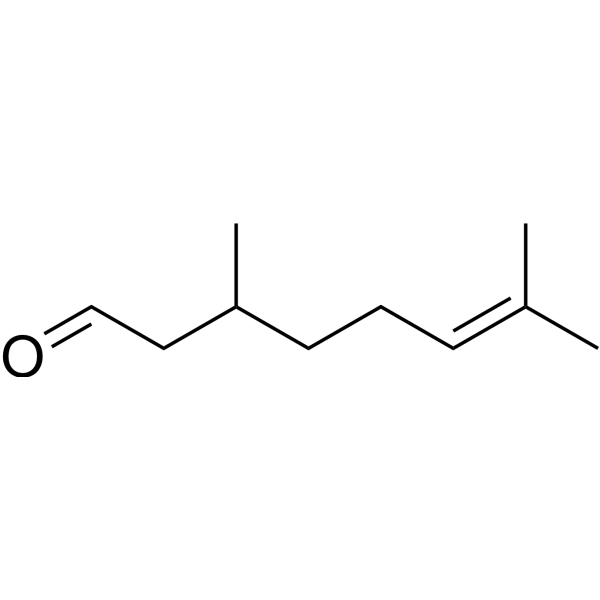
  • HY-N7126

    Environmental Pollutants Potassium Channel Neurological Disease
    Citronellal is a monoterpene that can be found in the essential oils in various aromatic species of plants, with antiinflammatory and antinociceptive properties. Citronellal attenuates mechanical nociception, mediated in part by the NO-cGMP-ATP-sensitive K+ channel pathway. Citronellal induces reduction of spontaneuous activity, ataxia, analgesia, and sedation in vivo. Citronellal can attenuate mechanical nociception response in mouse model .
    Citronellal
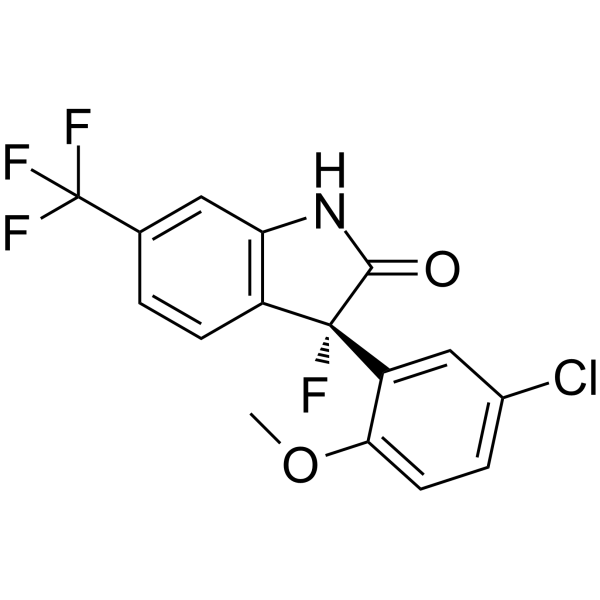
  • HY-108584

    BMS-204352

    Potassium Channel Neurological Disease
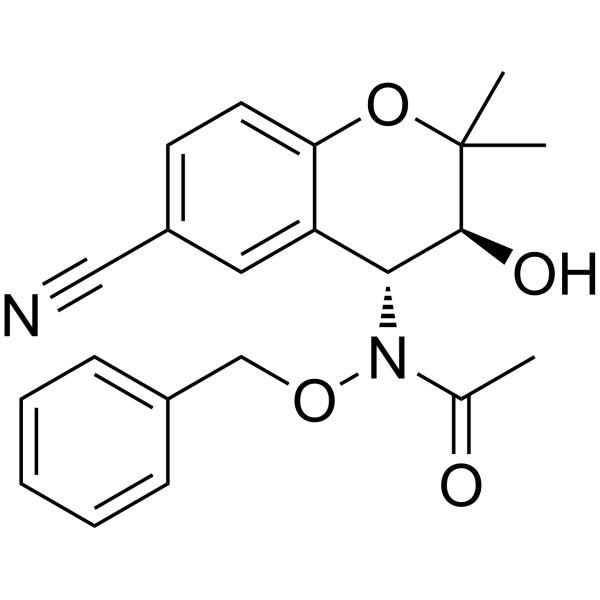
    Flindokalner (BMS-204352) is a potassium channel modulator. Flindokalner is a positive modulator of all neuronal Kv7 channel subtypes expressed in HEK293 cells. Flindokalner is also a large conductance calcium-activated K channel (BKca) positive modulator. Flindokalner shows a negative modulatory activity at Kv7.1 channels (Ki=3.7 μM), and acts as a negative modulator of GABAA receptors. Flindokalner shows anxiolytic efficacy in vivo .
    Flindokalner
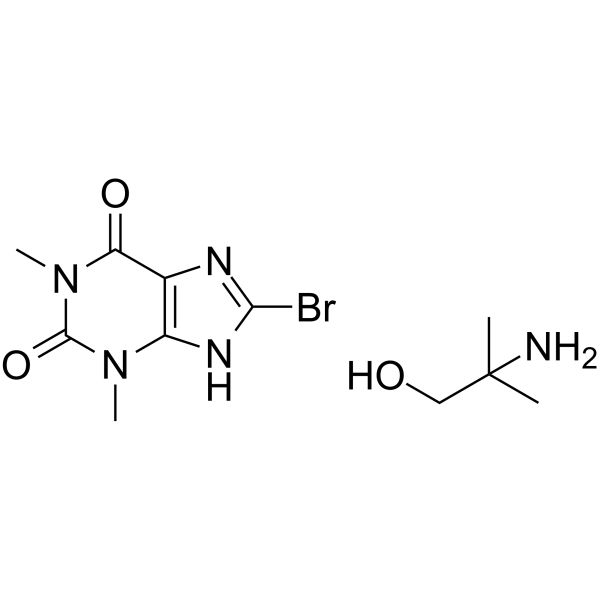
  • HY-17391

    Adenosine Receptor Endocrinology
    Pamabrom is a diuretic that acts on the opioid receptor-nitric oxide (NO) -cyclic guanosine monophosphate (cGMP) -K + channel pathway. Pamabrom exerts peripheral antinociceptive activity by activating this pathway. The mechanism involves activating opioid receptors, promoting the release of nitric oxide, and then influencing cyclic guanosine monophosphate and K channels to produce an analgesic effect. Pamabrom is orally active and is mainly used in the research and treatment of premenstrual syndrome and primary dysmenorrhea[1].
    Pamabrom
  • HY-N6688

    Potassium Channel Bacterial Infection Neurological Disease
    Verruculogen is a tremorgenic mycotoxin and inhibitor of the M phase of the mammalian cell cycle. Verruculogen is produced by Penicillium and Aspergillus species. Verruculogen enhances the binding of ChTX to maxi-k channels with a K1/2 value of 170 nM. Verruculogen inhibits the amplitude of Ca 2+-activated K + currents. Verruculogen induces severe tremors in infected animals .
    Verruculogen
  • HY-15206S1

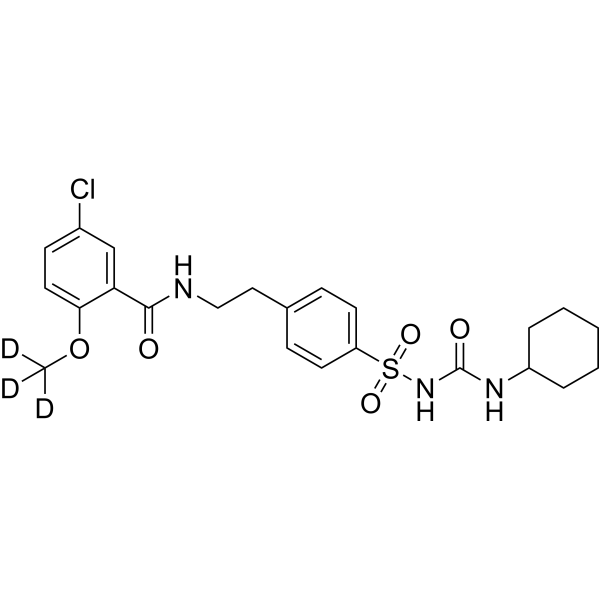
    Glyburide-d3

    Potassium Channel Mitochondrial Metabolism Autophagy CFTR P-glycoprotein Metabolic Disease
    Glyburide-d3 is the deuterium labeled Glibenclamide. Glibenclamide (Glyburide) is an orally active ATP-sensitive K+ channel (KATP) inhibitor and can be used for the research of diabetes and obesity[1]. Glibenclamide inhibits P-glycoprotein. Glibenclamide directly binds and blocks the SUR1 subunits of KATP and inhibits the cystic fibrosis transmembrane conductance regulator protein (CFTR)[3]. Glibenclamide interferes with mitochondrial bioenergetics by inducing changes on membrane ion permeability[4]. Glibenclamide can induce autophagy[5].
    Glyburide-d3
  • HY-16915
    RPR-260243
    1 Publications Verification

    Potassium Channel Cardiovascular Disease
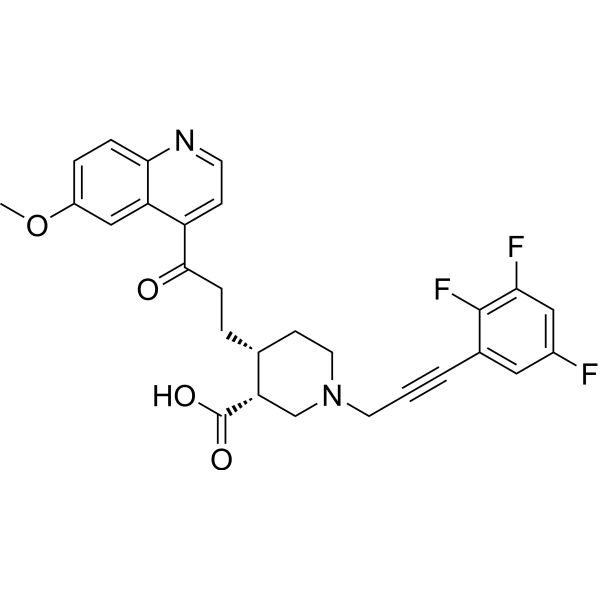
    RPR-260243, a potent activator of human ether-a-go-go-related gene (hERG), slows deactivation and attenuates inactivation of hERG1 channels. RPR260243-modified HERG currents are inhibited by Dofetilide (IC50=58 nM). RPR260243 displays no activator-like effects on other voltage-dependent ion channels, including the closely related ERG3 K+ channel . RPR-260243 is a click chemistry reagent, it contains an Alkyne group and can undergo copper-catalyzed azide-alkyne cycloaddition (CuAAc) with molecules containing Azide groups.
    RPR-260243
  • HY-107301

    Soyasaponin Be; DHS-I

    Potassium Channel Neurological Disease
    Dehydrosoyasaponin I (Soyasaponin Be;DHS-I), a triterpene glycoside, is a potent and reversible calcium-activated potassium (maxi-K) channels activator .
    Dehydrosoyasaponin I
  • HY-15206S

    Isotope-Labeled Compounds Potassium Channel Mitochondrial Metabolism Autophagy CFTR P-glycoprotein Metabolic Disease
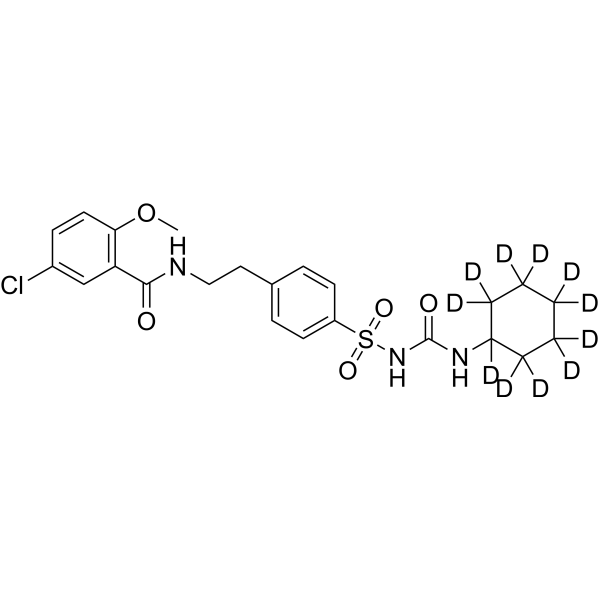
    Glyburide-d11 is the deuterium labeled Glibenclamide. Glibenclamide (Glyburide) is an orally active ATP-sensitive K+ channel (KATP) inhibitor and can be used for the research of diabetes and obesity . Glibenclamide inhibits P-glycoprotein. Glibenclamide directly binds and blocks the SUR1 subunits of KATP and inhibits the cystic fibrosis transmembrane conductance regulator protein (CFTR) . Glibenclamide interferes with mitochondrial bioenergetics by inducing changes on membrane ion permeability . Glibenclamide can induce autophagy .
    Glyburide-d11
  • HY-123824

    Sodium Channel Neurological Disease
    GNE-0439 is a novel Nav1.7-selective inhibitor with IC50 of 0.34 uM and inhibits Nav1.5 with an IC50 of 38.3 μM. GNE-0439 inhibits mutant N1742K channels (IC50=0.37 uM) in membrane potential assays. GNE-0439 possesses a carboxylic acid group, binds outside of the channel pore, and is unique compared with known selective VSD4 binders .
    GNE-0439
  • HY-A0135

    Potassium Channel Neurological Disease
    Enflurane, a volatile anaesthetic, is a potent inhibitor of high conductance Ca 2+-activated K+ channels of Chara australis. Enflurane is an internal standard in monitoring halogenated volatile anaesthetics by headspace gas chromatography-mass spectrometry .
    Enflurane
  • HY-151891
    TASK-1-IN-1
    2 Publications Verification

    Potassium Channel Cancer
    TASK-1-IN-1 is a potent and selective TASK-1 (Potassium Channel) inhibitor with an IC50 of 148 nM. TASK-1-IN-1 shows a reduced inhibition of TASK-3 channels (IC50 of 1750 nM) and not a significant effect on other K+ channels. TASK-1-IN-1 has anticancer effects.
    TASK-1-IN-1
  • HY-137952

    Potassium Channel TRP Channel Neurological Disease
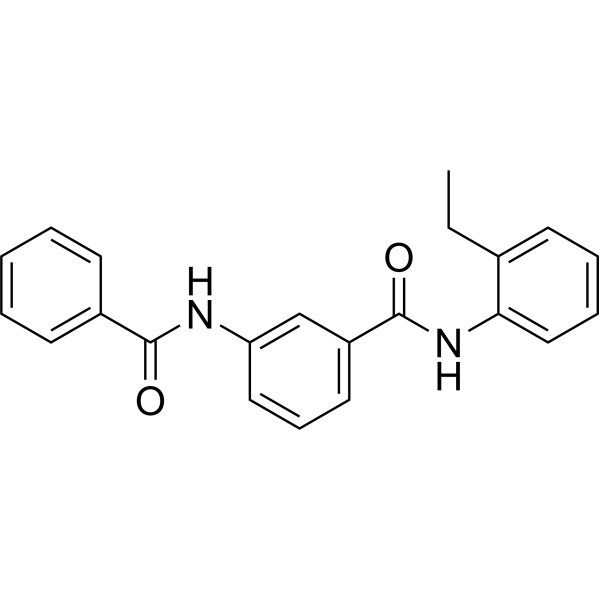
    NS8593 is an SK channel (small conductance Ca 2+-activated K+ channels) inhibitor. NS8593 reversibly inhibited recombinant SK3-mediated currents (human SK3 and rat SK3). NS8593 inhibits all the SK1-3 subtypes Ca 2+-dependently (Kd = 0.42, 0.60, and 0.73 μM, respectively, at 0.5 μM Ca 2+). NS8593 does not affect the Ca 2+-activated K channels of intermediate and large conductance (hlk and hBK channels, respectively). NS8593 can also inhibit TRPM7 (melastatin-related TRP cation channel 7) (IC50 = 1.6 mM). NS8593 can be used for the study of central nervous system (CNS) related diseases .
    NS8593
  • HY-B0341S

    Isotope-Labeled Compounds Potassium Channel Cardiovascular Disease
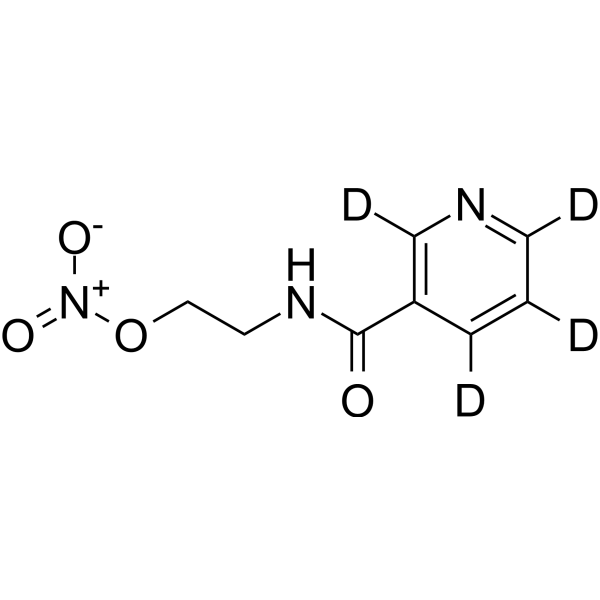
    Nicorandil-d4 (SG-75-d4) is the deuterium labeled Nicorandil. Nicorandil (SG-75) is a potent potassium channel activator and targets vascular nucleoside diphosphate-dependent K+ channels and cardiac ATP-sensitive K+ channels (KATP). Nicorandil is a nicotinamide ester with vasodilatory and cardioprotective effects and has the potential for angina and forischemic heart diseases .
    Nicorandil-d4
  • HY-P1282

    Potassium Channel Neurological Disease
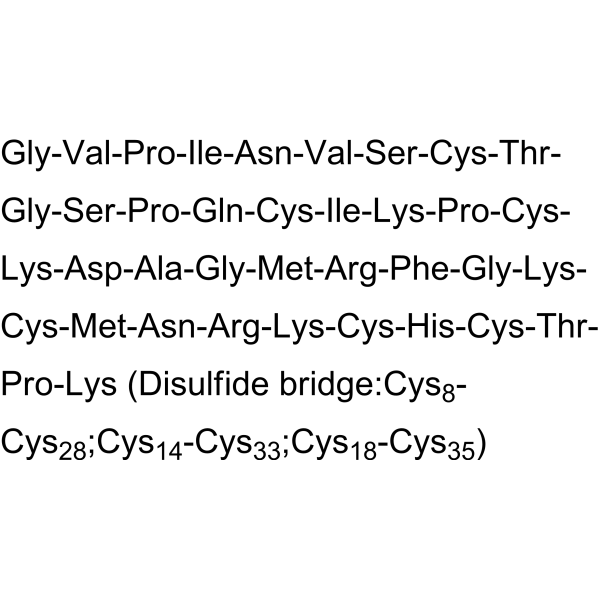
    Agitoxin-2 is a K+ channel inhibitor, with IC50 values of 201 pM and 144 pM for mKV1.3 and mKV1.1, respectively) .
    Agitoxin-2
  • HY-P4160

    THG113.31; ILGHXDYK

    Prostaglandin Receptor Endocrinology
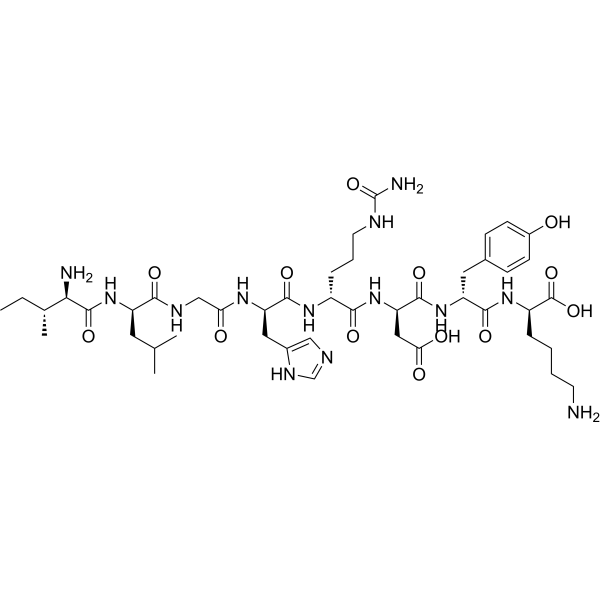
    PDC31 (THG113.31; ILGHXDYK) is an allosteric and non-competitive inhibitor of FP Prostaglandin Receptor. PDC31 is the D-amino acid-based oligopeptide, is used for smooth muscle contractile agent. PDC31 decreases the strength and duration of uterine contractions in vivo, which can be used for research of preterm labor and primary dysmenorrhea (PD). PDC31 also enhances Ca 2+-dependent large-conductance K +-channel in human myometrial cells .
    PDC31
  • HY-113066AR

    GDP disodium salt (Standard)

    Hepcidin Endogenous Metabolite Potassium Channel Reference Standards Neurological Disease Inflammation/Immunology Cancer
    Guanosine 5'-diphosphate (disodium salt) (Standard) is the analytical standard of Guanosine 5'-diphosphate (disodium salt). This product is intended for research and analytical applications. Guanosine 5'-diphosphate (GDP) disodium salt, a purine nucleoside diphosphate, is interconverted to guanosine by the action of exonucleotidase and phosphorylation of nucleoside to guanine. Guanosine 5'-diphosphate disodium salt activates adenosine 5'-triphosphate-sensitive K+ channel and is used to study the kinetics and characteristics of GTPases such as those associated with G-protein coupled receptors (GPCR). Guanosine 5'-diphosphate disodium salt is a potential iron mobilizer, which prevents the Hepcidin (HY-P70400)-ferroportin interaction and modulates the interleukin-6 (IL-6)/stat-3 pathway. Elevated levels of guanosine 5’-diphosphate are associated with the pathogenesis of neurological diseases. Guanosine 5'-diphosphate disodium salt is promising for the research of inflammation, such as anemia of inflammation (AI) .
    Guanosine 5'-diphosphate disodium salt (Standard)
  • HY-B0422S

    A4166 d5; Senaglinide d5

    Potassium Channel Dipeptidyl Peptidase Metabolic Disease
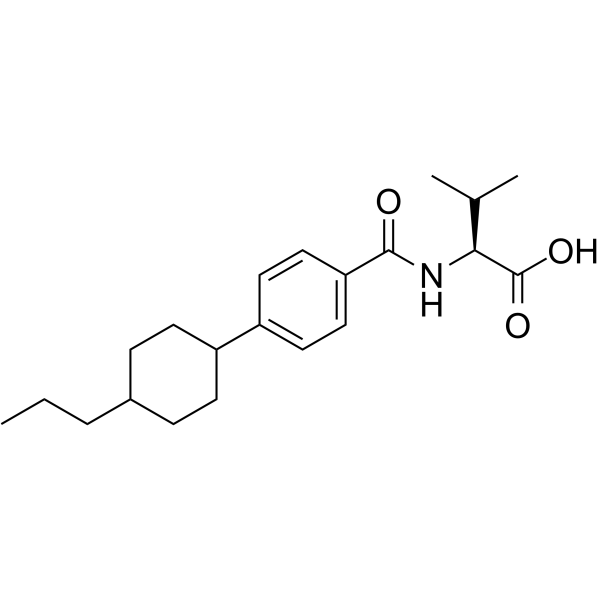
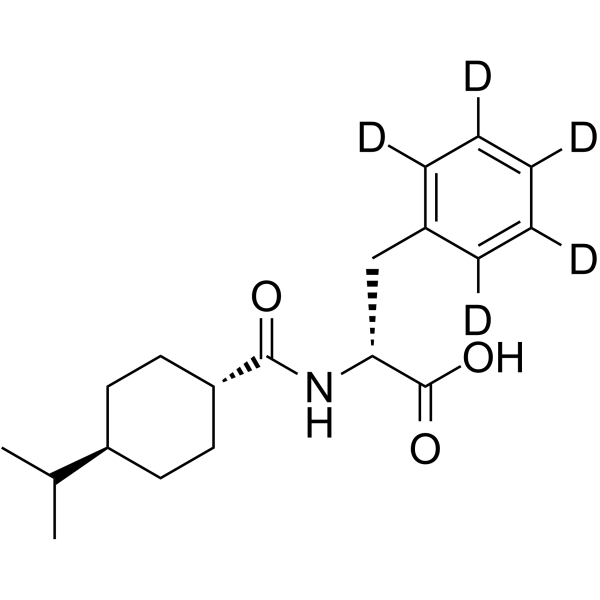
    Nateglinide-d5 is a deuterium labeled Nateglinide. Nateglinide, a D-phenylalanine derivative, is an orally active and short-acting insulinotropic agent and a DPP IV inhibitor. Nateglinide inhibits ATP-sensitive K+ channels in pancreatic β-cells. Nateglinide is used for the treatment of type 2 (non-insulin-dependent) diabetes mellitus[1][2].
    Nateglinide-d5
  • HY-12532S

    Isotope-Labeled Compounds Histamine Receptor Potassium Channel Inflammation/Immunology Endocrinology
    Astemizole-d3 is the deuterium labeled Astemizole. Astemizole (R 43512), a second-generation antihistamine drug to diminish allergic symptoms with a long duration of action, is a histamine H1-receptor antagonist, with an IC50 of 4 nM. Astemizole also shows potent hERG K+ channel blocking activity with an IC50 of 0.9 nM. Astemizole has antipruritic effects .
    Astemizole-d3
  • HY-B1751R

    Reference Standards Potassium Channel Cytochrome P450 Apoptosis Parasite Infection Cardiovascular Disease Cancer
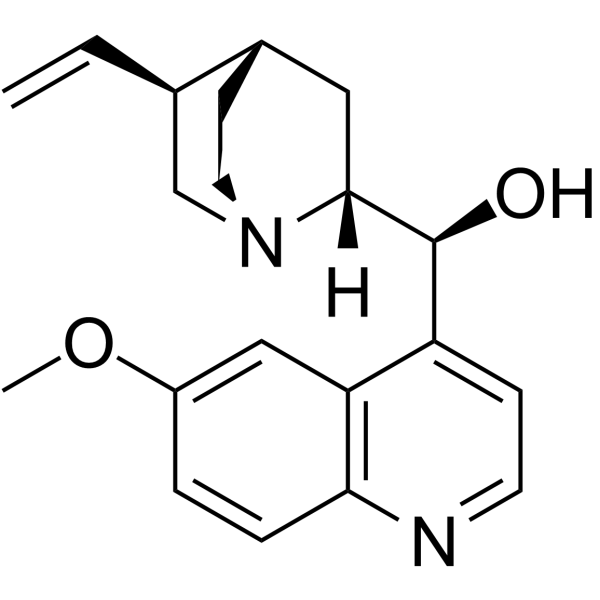
    Quinidine (15% dihydroquinidine) (Standard) is the analytical standard of Quinidine (15% dihydroquinidine). This product is intended for research and analytical applications. Quinidine (15% dihydroquinidine) is an antiarrhythmic agent. Quinidine is a potent, orally active, selective cytochrome P450db inhibitor. Quinidine is also a K+ channel blocker with an IC50 of 19.9 μM, and can induce apoptosis. Quinidine can be used for malaria research .
    Quinidine (15% dihydroquinidine) (Standard)
  • HY-122215

    N-696

    Adrenergic Receptor Endocrinology
    Tilisolol hydrochloride (N-696) is a non-selective β-adrenergic antagonist with vasodilatory and hypotensive activities. Tilisolol hydrochloride exerts its effects in canine coronary arteries by opening ATP-sensitive K+ channels. Tilisolol hydrochloride exhibits concentration-dependent relaxation in KCl-precontracted rat thoracic aorta. Tilisolol hydrochloride reduces diastolic blood pressure in a dose-dependent manner and slightly increases heart rate in spinal cord stimulated rats .
    Tilisolol hydrochloride
  • HY-B1302R

    Potassium Channel Parasite Reference Standards Infection Cardiovascular Disease
    Quinidine hydrochloride monohydrate (Standard) is the analytical standard of Quinidine hydrochloride monohydrate. This product is intended for research and analytical applications. Quinidine hydrochloride monohydrate is an anti-arrythmic agent which is also a potent blocker of K+ channel with an IC50 of 19.9 μM.
    Quinidine hydrochloride monohydrate (Standard)
  • HY-108582

    Potassium Channel Cardiovascular Disease
    Y-27152, a proagent of the KATP (Kir6) channel opener Y-26763, is a long-acting K+ channel opener with less tachycardia: antihypertensive effects in hypertensive rats and dogs in conscious state .
    Y-27152
  • HY-17437R

    Mefloquin (Standard)

    Parasite Autophagy SARS-CoV Potassium Channel ROS Kinase Reference Standards Infection Metabolic Disease Inflammation/Immunology Cancer
    Mefloquine (Standard) is the analytical standard of Mefloquine. This product is intended for research and analytical applications. Mefloquine (Mefloquin), an orally active and potent quinoline antimalarial agent, is an anti-SARS-CoV-2 entry inhibitor. Mefloquine is also a K+ channel (KvQT1/minK) antagonist with an IC50 of ~1 μM. Mefloquine can be used for malaria, systemic lupus erythematosus and cancer research .
    Mefloquine (Standard)
  • HY-176856

    Potassium Channel Neurological Disease
    Maxi-K modulator 1 (Example 1) is a Maximum conductance calcium-activated potassium (Maxi-K) channel modulator. Maxi-K modulator 1 has a potent stimulating effect on Maxi-K channel activity. Maxi-K modulator 1 can be used for fragile X syndrome research .
    Maxi-K modulator 1
  • HY-17451R

    Reference Standards Potassium Channel Metabolic Disease
    Glibornuride (Standard) is the analytical standard of Glibornuride. This product is intended for research and analytical applications. Glibornuride is a blocker of ATP-sensitive K+ channels (KATP channel) with a pKi of 5.75 . Antidiabetic agent .
    Glibornuride (Standard)
  • HY-P1282A

    Potassium Channel Neurological Disease
    Agitoxin-2 TFA is a K+ channel inhibitor, with IC50 values of 201 pM and 144 pM for mKV1.3 and mKV1.1, respectively) .
    Agitoxin-2 TFA
  • HY-135407S

    Isotope-Labeled Compounds Drug Metabolite Neurological Disease
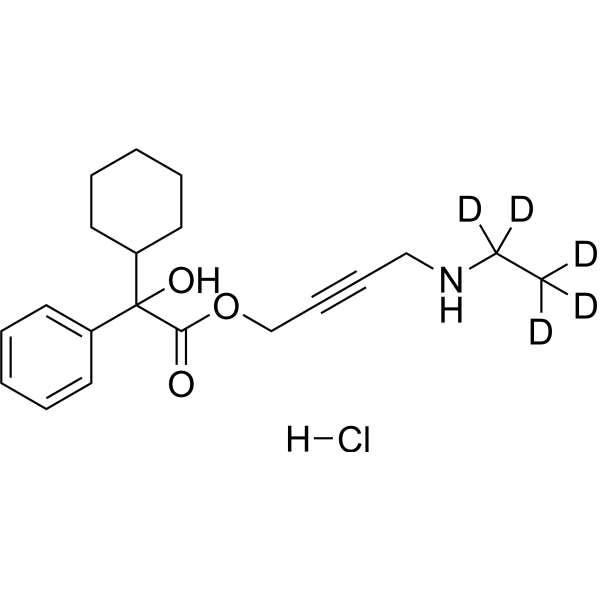
    N-Desethyl Oxybutynin-d5 (hydrochloride) is deuterium labeled N-Desethyl Oxybutynin hydrochloride. N-Desethyl Oxybutynin is the the active metabolite Oxybutynin. Oxybutynin is an anticholinergic agent that inhibits voltage-dependent K+ channels .
    N-Desethyl Oxybutynin-d5 hydrochloride
  • HY-147383

    Potassium Channel Endocrinology
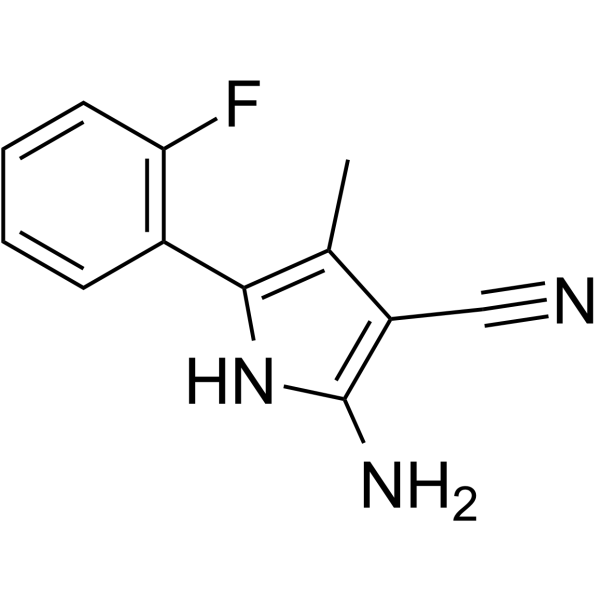
    NS-8, a pyrrole derivative, activates the Ca 2+-sensitive k +-channel. NS-8 can suppress the micturition reflex by decreasing afferent pelvic nerve activity. NS-8 can be used in the research of urinary frequency and incontinence .
    NS-8
  • HY-114029

    3-Epiquinine; Epivinylquinidine

    Parasite Infection Cardiovascular Disease
    Ep vinyl quinidine (3-Epiquinine) is an epi-vinyl stereoisomer of Quinidine. Quinidine is an antiarrhythmic agent. Quinidine is a potent, orally active, selective cytochrome P450db inhibitor. Quinidine is also a K+ channel blocker with an IC50 of 19.9 μM. Quinidine can be used for malaria research .
    Ep vinyl quinidine
  • HY-135131

    iGluR Neurological Disease
    Synthalin hydrochloride is a K+ channel blocker with neuronal excitability modulating activity. Synthalin hydrochloride has an effect on NMDA-mediated depolarization, possibly through receptor-mediated modulation of L-glutamate and serotonin (5-HT). The use of Synthalin hydrochloride can enhance the understanding of changes in membrane potential of different neurons and help study the role of polyamines in neuronal excitability .
    Synthalin hydrochloride
  • HY-17437AR

    Mefloquin hydrochloride (Standard)

    Reference Standards Parasite SARS-CoV Autophagy Potassium Channel ROS Kinase Infection Metabolic Disease Inflammation/Immunology Cancer
    Mefloquine (hydrochloride) (Standard) is the analytical standard of Mefloquine (hydrochloride). This product is intended for research and analytical applications. Mefloquine hydrochloride (Mefloquin hydrochloride), a quinoline antimalarial agent, is an anti-SARS-CoV-2 entry inhibitor. Mefloquine hydrochloride is also a K+ channel (KvQT1/minK) antagonist with an IC50 of ~1 μM. Mefloquine hydrochloride can be used for malaria, systemic lupus erythematosus and cancer research .
    Mefloquine hydrochloride (Standard)
  • HY-50694R

    ICA-17043 (Standard)

    Potassium Channel Reference Standards Others
    Senicapoc (Standard) is the analytical standard of Senicapoc. This product is intended for research and analytical applications. Senicapoc (ICA-17043) is a potent and selective Gardos channel (Ca2+-activated K+ channel; KCa3.1) blocker with an IC50 of 11 nM. Senicapoc blocks Ca2+-induced rubidium flux from human RBCs with an IC50 value of 11 nM and inhibits RBC dehydration with IC50 of 30 nM .
    Senicapoc (Standard)
  • HY-N7126R

    Reference Standards Potassium Channel Neurological Disease
    Citronellal (Standard) is the analytical standard of Citronellal. This product is intended for research and analytical applications.Citronellal is a monoterpene that can be found in the essential oils in various aromatic species of plants, with antiinflammatory and antinociceptive properties. Citronellal attenuates mechanical nociception, mediated in part by the NO-cGMP-ATP-sensitive K+ channel pathway. Citronellal induces reduction of spontaneuous activity, ataxia, analgesia, and sedation in vivo. Citronellal can attenuate mechanical nociception response in mouse model .
    Citronellal (Standard)
  • HY-B1221S1

    Isotope-Labeled Compounds COX AMPK Potassium Channel Chloride Channel Calcium Channel Parasite Inflammation/Immunology
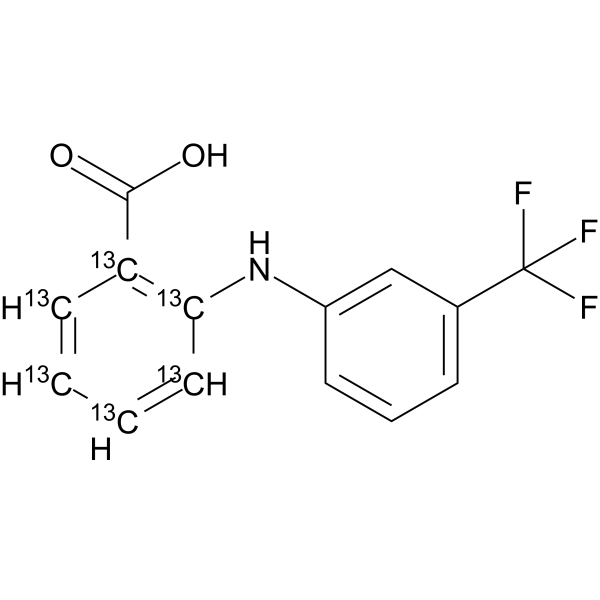
    Flufenamic acid- 13C6 is the 13C6 labeled Flufenamic acid. Flufenamic acid is a non-steroidal anti-inflammatory agent, inhibits cyclooxygenase (COX), activates AMPK, and also modulates ion channels, blocking chloride channels and L-type Ca 2+ channels, modulating non-selective cation channels (NSC), activating K+ channels. Flufenamic acid binds to the central pocket of TEAD2 YBD and inhibits both TEAD function and TEAD-YAP-dependent processes, such as cell migration and proliferation.
    Flufenamic acid-13C6
  • HY-B1221S

    Isotope-Labeled Compounds COX AMPK Potassium Channel Chloride Channel Calcium Channel Parasite Inflammation/Immunology
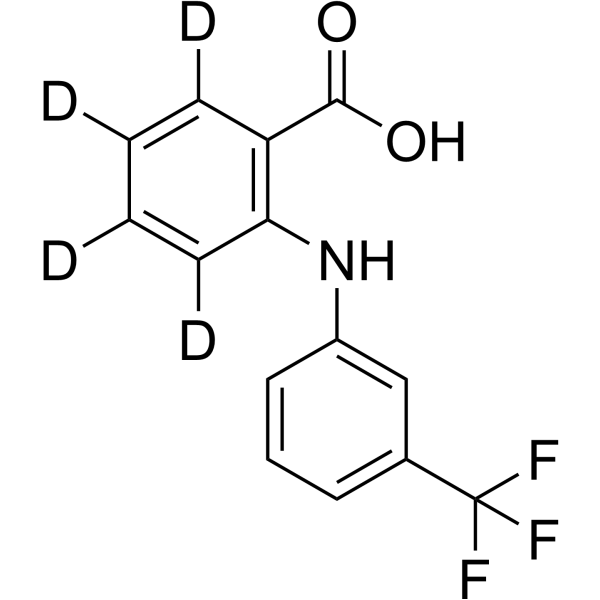
    Flufenamic acid-d4 is deuterium labeled Flufenamic acid. Flufenamic acid is a non-steroidal anti-inflammatory agent, inhibits cyclooxygenase (COX), activates AMPK, and also modulates ion channels, blocking chloride channels and L-type Ca 2+ channels, modulating non-selective cation channels (NSC), activating K+ channels. Flufenamic acid binds to the central pocket of TEAD2 YBD and inhibits both TEAD function and TEAD-YAP-dependent processes, such as cell migration and proliferation.
    Flufenamic acid-d4
  • HY-108584R

    BMS-204352 (Standard)

    Potassium Channel Reference Standards Neurological Disease
    Flindokalner (Standard) is the analytical standard of Flindokalner. This product is intended for research and analytical applications. Flindokalner (BMS-204352) is a potassium channel modulator. Flindokalner is a positive modulator of all neuronal Kv7 channel subtypes expressed in HEK293 cells. Flindokalner is also a large conductance calcium-activated K channel (BKca) positive modulator. Flindokalner shows a negative modulatory activity at Kv7.1 channels (Ki=3.7 μM), and acts as a negative modulator of GABAA receptors. Flindokalner shows anxiolytic efficacy in vivo .
    Flindokalner (Standard)
  • HY-107319R

    Almitrine bismesylate (Standard); Almitrine bismethanesulfonate (Standard); Almitrine dimesylate (Standard)

    Reference Standards Potassium Channel Cardiovascular Disease Neurological Disease
    Almitrine mesylate (Standard) (Almitrine bismesylate (Standard)) is the analytical standard of Almitrine mesylate (HY-107319). This product is intended for research and analytical applications. Almitrine mesylate, a peripheral chemoreceptor agonist, inhibits selectively the Ca2+-dependent K+ channel.
    Almitrine mesylate (Standard)
  • HY-W403607

    4-Chlorobenzo[f]isoquinoline

    Chloride Channel Potassium Channel Inflammation/Immunology
    CBIQ (4-Chlorobenzo[f]isoquinoline) is a benzoisoquinoline compound. CBIQ can activate the cystic fibrosis transmembrane conductance regulator (CFTR) Cl- ion channels and the intermediate-conductance calcium-sensitive K+ channel (KCNN4) with Kd values of 0.1 and 3.9 μM. CBIQ can be used for the research related to cystic fibrosis .
    CBIQ
  • HY-19044

    Potassium Channel Cardiovascular Disease
    SKF 95601 is a modulator of small conductive Ca2+-activated K+ channels with anti-atrial fibrillation (AF) activity. SKF 95601 may play a role in inhibiting atrial fibrillation by affecting the interaction between intracellular Ca2+ concentration and membrane potential. SKF 95601 has become a potential inhibitory target against atrial fibrillation due to its significant expression in various species, especially human atria .
    SKF 95601
  • HY-14290AR

    P-1134 monohydrate (Standard)

    Potassium Channel Reference Standards Cardiovascular Disease
    Pinacidil (monohydrate) (Standard) is the analytical standard of Pinacidil (monohydrate). This product is intended for research and analytical applications. Pinacidil (P-1134) monohydrate is a potent activator of ATP-sensitive potassium channel. Pinacidil monohydrate is an antihypertensive agent hyperpolarizes vascular smooth muscle by opening K+ channels. Pinacidil monohydrate enhances K+-efflux in smooth muscle. Pinacidil monohydrate has vasorelaxant properties. Pinacidil monohydrate is able to inhibit spontaneous tone and of reducing agonist induced contractions. Pinacidil monohydrate can be studied in research area such as cardiovascular diseases .
    Pinacidil monohydrate (Standard)
  • HY-135746S

    Isotope-Labeled Compounds Phosphodiesterase (PDE) Apoptosis Potassium Channel Drug Metabolite Cardiovascular Disease
    OR-1896-d3 is the deuterium labeled OR-1896 (HY-135746). OR-1896 is an active long-lived metabolite of Levosimendan. OR-1896 is a highly selective phosphodiesterase (PDE) III isoform inhibitor and a powerful vasodilator. OR-1896 can open ATP-sensitive K+ channels and has Ca2+-sensitizing effect. OR-1896 mitigates cardiomyocyte apoptosis, cardiac remodeling and myocardial inflammation .
    OR-1896-d3
  • HY-103474R

    (-)-Bicuculline methiodide (Standard)

    Reference Standards GABA Receptor Neurological Disease
    Bicuculline methiodide (Standard) is the analytical standard of Bicuculline methiodide (HY-103474). This product is intended for research and analytical applications. Bicuculline methiodide ((-)-Bicuculline methiodide) is a potent GABAA blocker. Bicuculline methiodide alters membrane properties and firing pattern. Bicuculline methiodide reduces the Apamin-sensitive afterhyperpolarization, while Apamin is a toxin isolated from bee venom to block small conductance Ca2+ -activated K+ channels. Bicuculline methiodide facilitates burst firing via blocking apamin-sensitive Ca2+ -activated K+ current .
    Bicuculline methiodide (Standard)

Inquiry Online

Your information is safe with us. * Required Fields.

Salutation


Country or Region *

Applicant Name *


Organization Name *

Department *


Email Address *


Product Name *

Cat. No.


Requested quantity *

Phone Number *


Remarks

Inquiry Online

Inquiry Information

Product Name:
Cat. No.:
Quantity:
MCE Japan Authorized Agent: