Search Result
Results for "
NO2
" in MedChemExpress (MCE) Product Catalog:
6
Biochemical Assay Reagents
| Cat. No. |
Product Name |
Target |
Research Areas |
Chemical Structure |
-
- HY-N1445
-
|
Isoquercetin; Quercetin 3-glucoside
|
NF-κB
NO Synthase
|
Inflammation/Immunology
Cancer
|
|
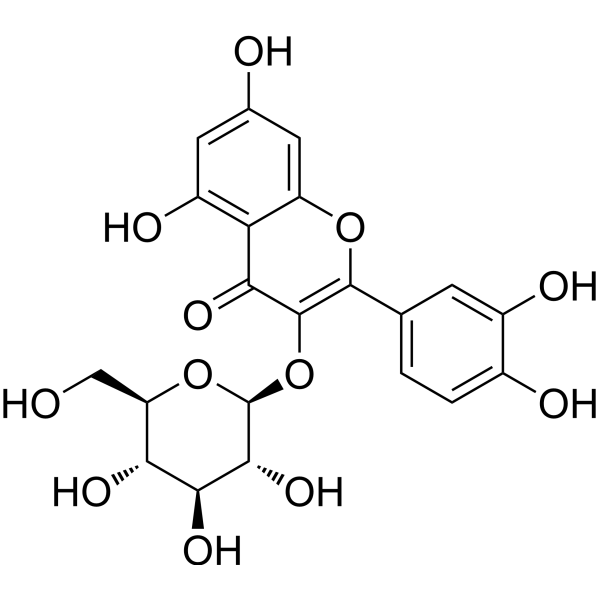
Isoquercetin (Quercetin 3-glucoside) is a naturally occurring polyphenol that has antioxidant, anti-proliferative, and anti-inflammatory properties. Isoquercetin alleviates ethanol-induced hepatotoxicity, oxidative stress, and inflammatory responses via the Nrf2/ARE antioxidant signaling pathway . Isoquercetin regulates the expression of nitric oxide synthase 2 (NO2) via modulating the nuclear factor-κB (NF-κB) transcription regulation system. Isoquercetin has high bioavailability and low toxicity, is a promising candidate agent to prevent birth defects in diabetic pregnancies [2].
|
-
-
- HY-18734A
-
-
-
- HY-D0073
-
|
|
Fluorescent Dye
|
Others
|
|
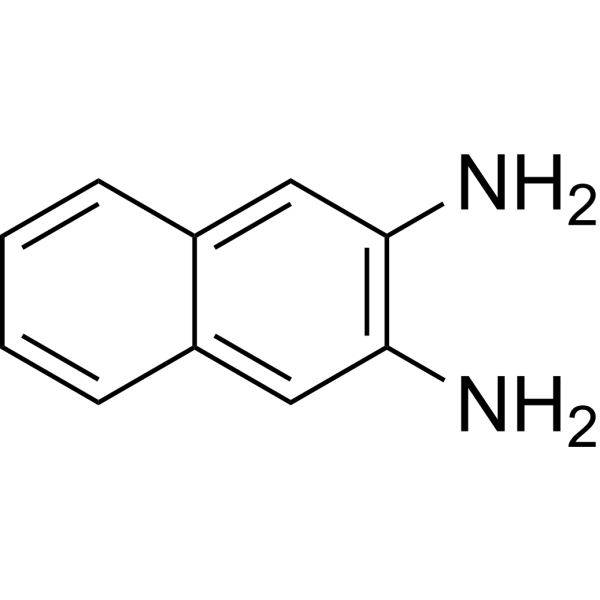
2,3-Diaminonaphthalene is a fluorescent reagent used to detect selenium and nitric oxide (NO). 2,3-Diaminonaphthalene binds to selenium to form pyrazolene selenol, with excitation/emission maxima at 365 nm and 525 nm, respectively. 2,3-Diaminonaphthalene binds to NO2− to form the fluorescent product, 1-(H)-napthotriazole, with excitation/emission maxima at 360 nm and 440 nm, respectively [2].
|
-
-
- HY-D0307A
-
-
-
- HY-131898
-
PTIO
1 Publications Verification
|
NO Synthase
Biochemical Assay Reagents
|
Others
|
|
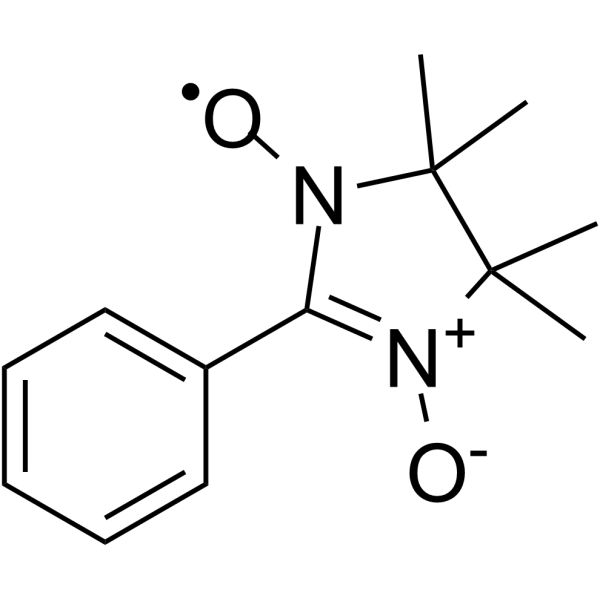
PTIO is a specific scavenger of NO and redox mediator. PTIO reacts with •NO to form the corresponding imino nitroxides and •NO2. PTIO enhances organic contaminants oxidation by permanganate [2] .
|
-
-
- HY-P1202
-
|
|
Somatostatin Receptor
|
Endocrinology
|
|
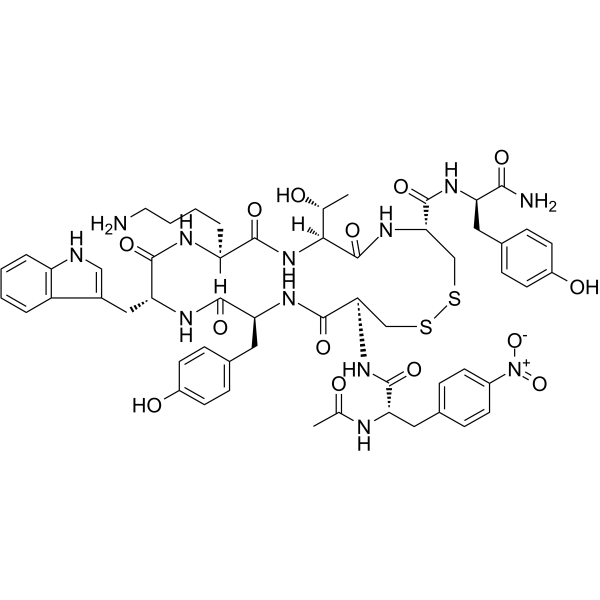
CYN 154806, a cyclic octapeptide, is a potent and selective somatostatin sst2 receptor antagonist, with pIC50 values of 8.58, 5.41, 6.07, 5.76 and 6.48 for human recombinant sst2, sst1, sst3, sst4 and sst5 receptors respectively [2].
|
-
-
- HY-P1202A
-
|
|
Somatostatin Receptor
|
Endocrinology
|
|
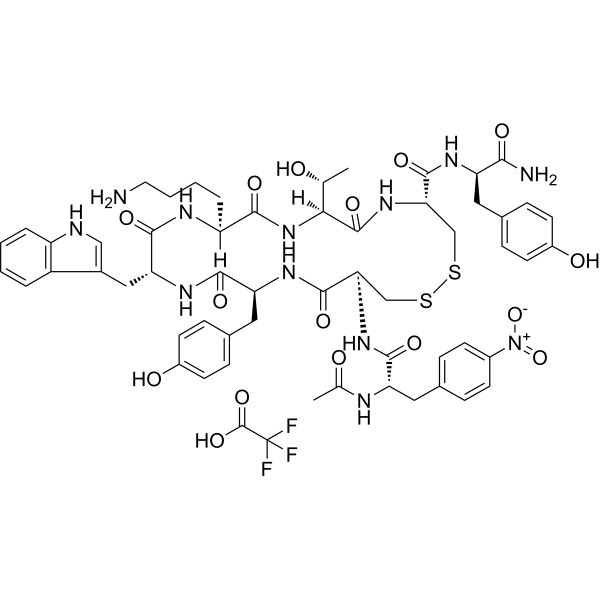
CYN 154806 TFA, a cyclic octapeptide, is a potent and selective somatostatin sst2 receptor antagonist, with pIC50 values of 8.58, 5.41, 6.07, 5.76 and 6.48 for human recombinant sst2, sst1, sst3, sst4 and sst5 receptors respectively [2].
|
-
-
- HY-P5313A
-
|
|
Dengue Virus
|
Infection
|
|
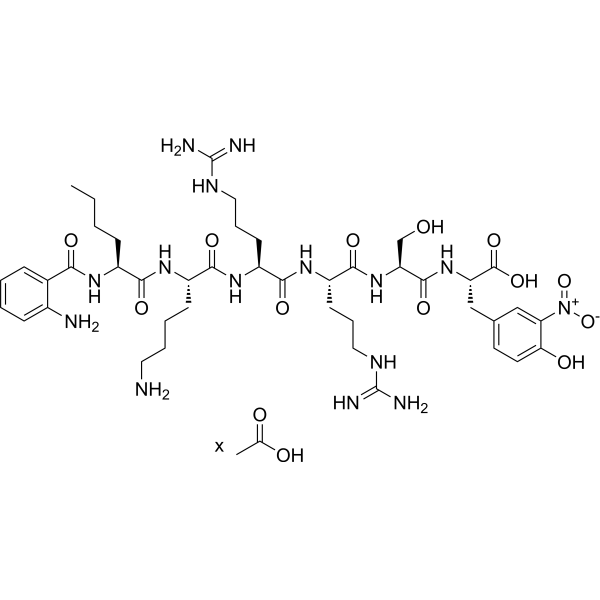
Abz-Nle-Lys-Arg-Arg-Ser-3-(NO2)Tyr acetate is a DEN protease substrate, which can be used in research related to dengue virus (drug development) .
|
-
-
- HY-W040067
-
-
-
- HY-N1445R
-
|
Isoquercetin (Standard); Quercetin 3-glucoside (Standard)
|
Reference Standards
NF-κB
NO Synthase
|
Inflammation/Immunology
Cancer
|
|
Isoquercetin (Standard) is the analytical standard of Isoquercetin. This product is intended for research and analytical applications. Isoquercetin (Quercetin 3-glucoside) is a naturally occurring polyphenol that has antioxidant, anti-proliferative, and anti-inflammatory properties. Isoquercetin alleviates ethanol-induced hepatotoxicity, oxidative stress, and inflammatory responses via the Nrf2/ARE antioxidant signaling pathway . Isoquercetin regulates the expression of nitric oxide synthase 2 (NO2) via modulating the nuclear factor-κB (NF-κB) transcription regulation system. Isoquercetin has high bioavailability and low toxicity, is a promising candidate agent to prevent birth defects in diabetic pregnancies [2].
|
-

-
- HY-W014405
-
-
-
- HY-W575237
-
|
|
Ligands for E3 Ligase
|
Cancer
|
|
Desamino lenalidomide-NO2 is an E3 ubiquitin ligase cereblon (CRBN) ligand used to recruit the cereblon protein. Desamino lenalidomide-NO2 can be linked to a target protein ligand via a linker to form a PROTAC.
|
-

-
- HY-131086
-
-
-
- HY-W717800A
-
-
-
- HY-P10934
-
|
LXY2
|
Integrin
|
Cancer
|
|
LXY3 (LXY2) is a VLA-3-blocking peptide that inhibits the interaction between integrin α3β1 (VLA-3) on neutrophil surfaces and laminin in the basement membrane, thereby preventing neutrophil migration across the tumor vascular basement membrane barrier. LXY3 is used to block neutrophil-mediated nanoparticle release from perivascular pools into the tumor interstitium. LXY3 is commonly employed for targeted imaging of breast cancer [2].
|
-

-
- HY-18734
-
-
-
- HY-130783
-
|
|
Fluorescent Dye
|
Others
|
|
LysoFP-NO2 is a turn-on fluorescent probe for carbon monoxide (CO) that localizes to the lysosome. In the presence of lysosomal CO, lysoFP-NO2 is transformed into lysoFP-NH2, which is highly fluorescent. LysoFP-NO2 is selective for CO over various reactive nitrogen, oxygen, and sulfur species. It displays excitation/emission maxima of 440/528 nm, respectively, and is not cytotoxic to HepG2 cells for up to five hours when used at a concentration of 30 μM.
|
-

-
- HY-P3725
-
-
-
- HY-P4021
-
-
-
- HY-D0307AR
-
|
Acid Red 27 (Standard); Azorubin S (Standard); FD & C Red Dye NO. 2 (Standard)
|
Fluorescent Dye
Reference Standards
|
Others
|
|
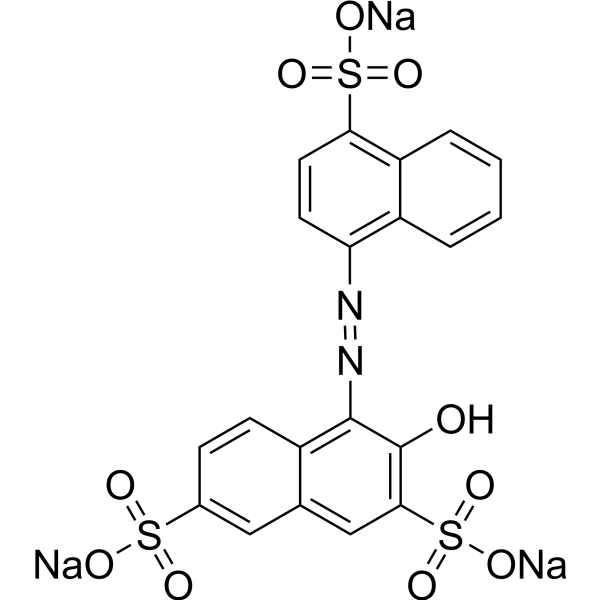
Amaranth (Standard) is the analytical standard of Amaranth. This product is intended for research and analytical applications. Amaranth is a dark red to purple azo dye used as a food dye and cosmetics. Amaranth is an anionic dye that can be applied to natural and synthetic fibers, leather, paper, and phenol-formaldehyde resins.
|
-

-
- HY-W014924
-
|
PheNOlindopheNOl
|
Biochemical Assay Reagents
|
Others
|
|
Indophenol (Phenolindophenol) can be used for quantification of the concentrations of ammoniacal nitrogen (eg: NH4 + and NO2 −) through spectrophotometric assay .
|
-

-
- HY-W007345
-
|
4-Fluoro-2-hydroxyaniline
|
Biochemical Assay Reagents
|
Others
|
|
2-Amino-5-fluorophenol is an isomer of aminofluorophenol and also a HONO generator. 2-Amino-5-fluorophenol reacts with nitrogen dioxide (NO2) via two pathways to form nitrous acid (HONO): hydrogen abstraction from the hydroxyl group and hydrogen abstraction from the amino group, with both the amino and hydroxyl groups participating in the reaction in the transition state .
|
-

-
- HY-W071007
-
|
|
ADC Linker
|
Cancer
|
|
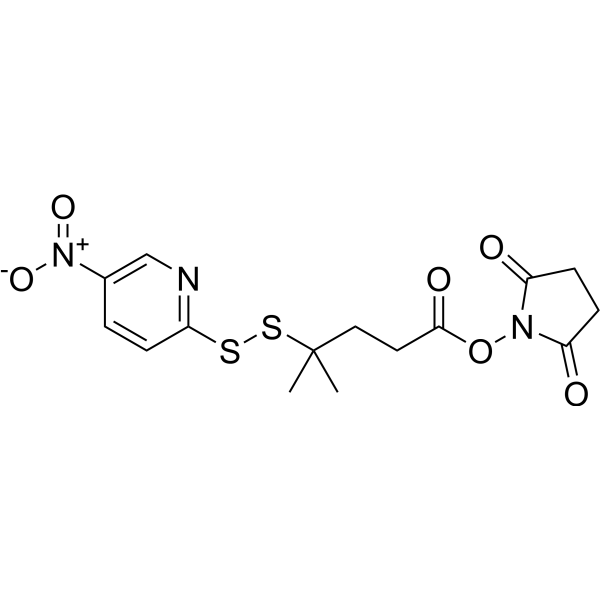
NO2-SPDMV is a cleavable ADC linker used in the synthesis of antibody-drug conjugates (ADCs) .
|
-
-
- HY-129876
-
|
D-NG-nitroarginine methyl ester hydrochloride; H-D-Arg(NO2)-OMe hydrochloride
|
NO Synthase
|
Neurological Disease
|
|
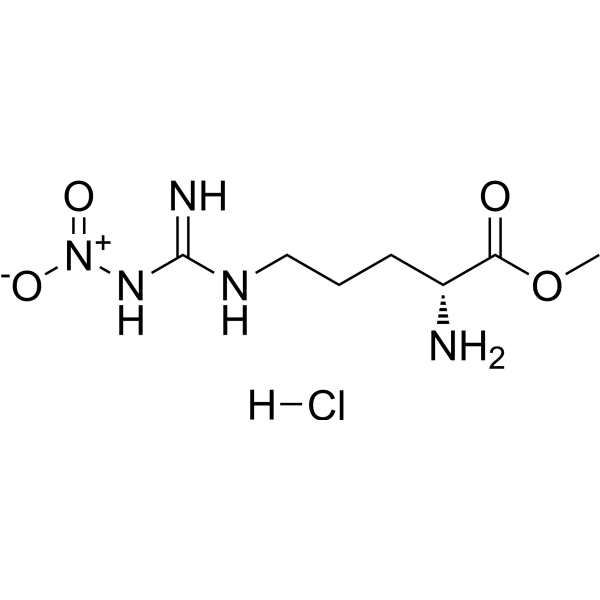
D-NAME (D-NG-nitroarginine methyl ester) hydrochloride is a potent nitric oxide synthase (NOS) inhibitor. D-NAME hydrochloride inhibits the activity of NOS, reducing the production of nitric oxide .
|
-
-
- HY-P5312A
-
|
|
Virus Protease
|
Infection
|
|
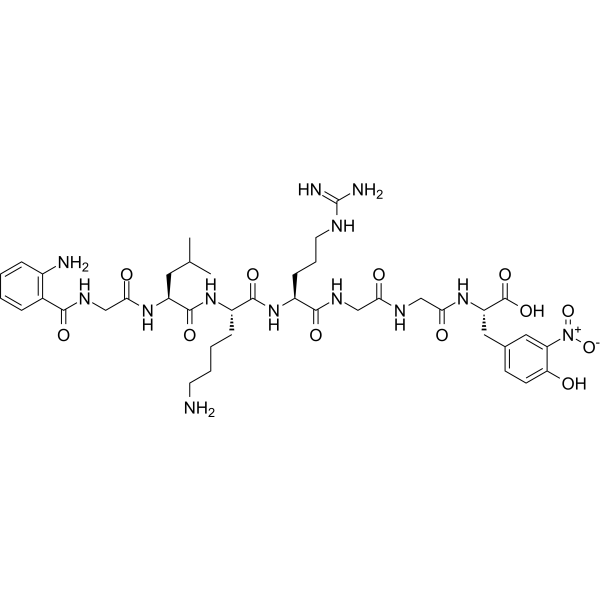
Abz-Gly-Leu-Lys-Arg-Gly-Gly-3-(NO2)Tyr acetate is the acetate salt form of Abz-Gly-Leu-Lys-Arg-Gly-Gly-3-(NO2)Tyr. Abz-Gly-Leu-Lys-Arg-Gly-Gly-3-(NO2)Tyr acetate is the substrate for WNV NS2B NS3 protease, which is utilized for the development of WNV protease substrate peptide selective inhibitor .
|
-

-
- HY-P5312
-
|
|
Virus Protease
|
Infection
|
|
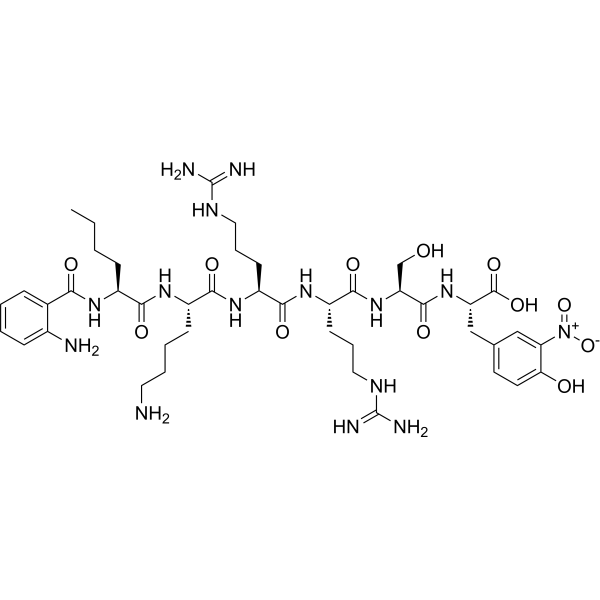
Abz-Nle-Lys-Arg-Arg-Ser-3-(NO2)Tyr is a WNV NS2B-NS3 protease substrate. Abz-Nle-Lys-Arg-Arg-Ser-3-(NO2)Tyr is used for WNV NS2B-NS3 protease substrate peptide selective inhibitor development .
|
-
-
- HY-P5313
-
|
|
Dengue Virus
|
Infection
|
|
Abz-Nle-Lys-Arg-Arg-Ser-3-(NO2)Tyr is a DEN protease substrate, which can be used in research related to dengue virus (drug development) .
|
-
-
- HY-156411
-
|
|
Bacterial
|
Cancer
|
|
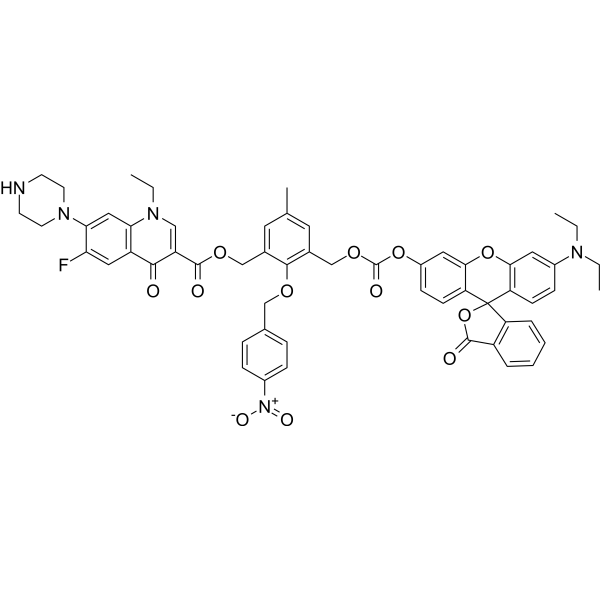
NR-NO2 is a potential drug with targeted release and imaging-based guidance in antitumor research. NR-NO2 has an anti-bacterial effect .
|
-
-
- HY-129367
-
|
|
ADC Linker
|
Cancer
|
|
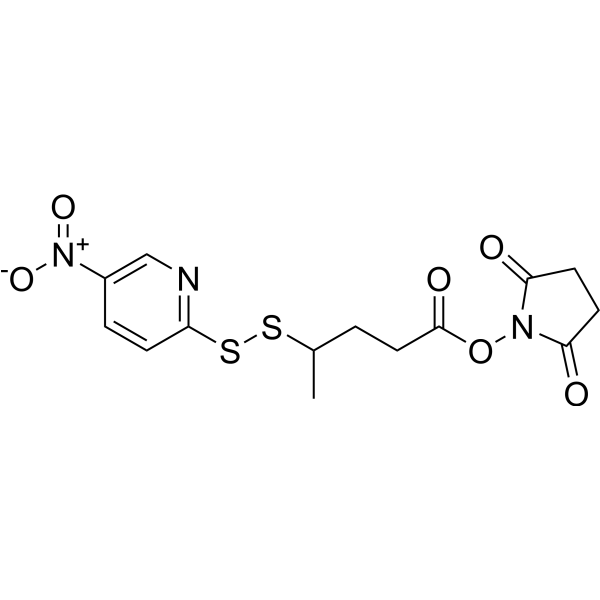
NO2-SPP is a cleavable linker that is used for making antibody-drug conjugate (ADC).
|
-
-
- HY-W782075
-
|
|
Biochemical Assay Reagents
|
Others
|
|
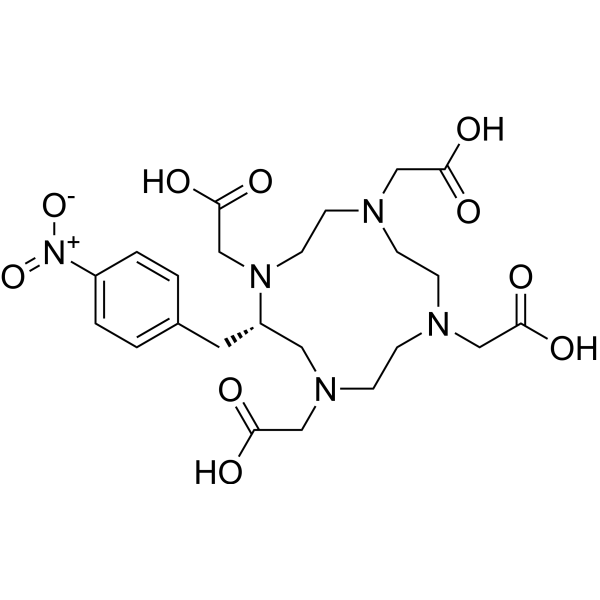
p-NO2-Bn-DOTAis a bifunctional chelator (Bifunctional Chelator; BFC) and a macrocyclic DOTA derivative used for tumor pre-targeting. p-NO2-Bn-DOTA can be used for conjugation of peptides and radionuclides.
|
-
-
- HY-W717742
-
|
|
Biochemical Assay Reagents
|
Others
|
|
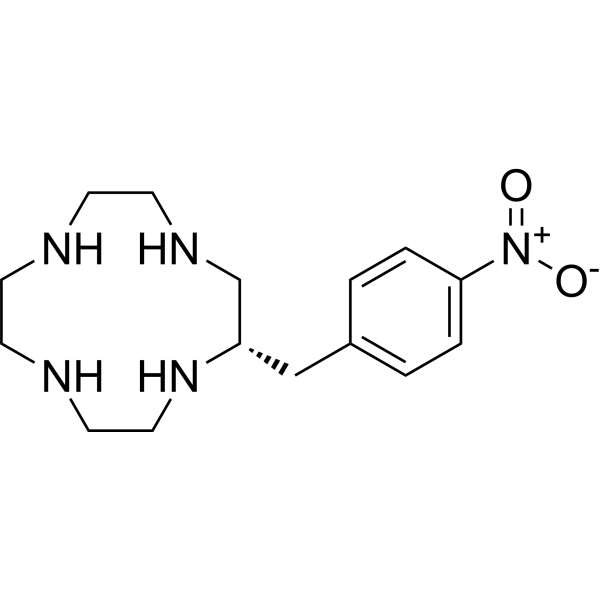
p-NO2-Bn-Cyclenis a bifunctional chelator (Bifunctional Chelator; BFC), which is a derivative of the macrocyclic ligand dodecane backbone Cyclen. p-NO2-Bn-Cyclen can be used for conjugation of peptides and radionuclides.
|
-
-
- HY-D2729
-
|
|
Fluorescent Dye
|
Infection
|
|
Cy3-NO2-Tre is a nitroreductase-responsive cyanine-based fluorescent probe that specifically labels Mycobacterium tuberculosis (Mtb). Cy3-NO2-tre generated fluorescence after activation by a specific nitroreductase, Rv3368c, which is conserved in the Mycobacteriaceae. Cy3-NO2-tre effectively imaged mycobacteria within infected host cells, tracked the infection process, and visualized Mycobacterium smegmatis being endocytosed by macrophages (Ex/Em= 540-550/575-625 nm) .
|
-

-
- HY-133547
-
|
|
ADC Linker
|
Cancer
|
|
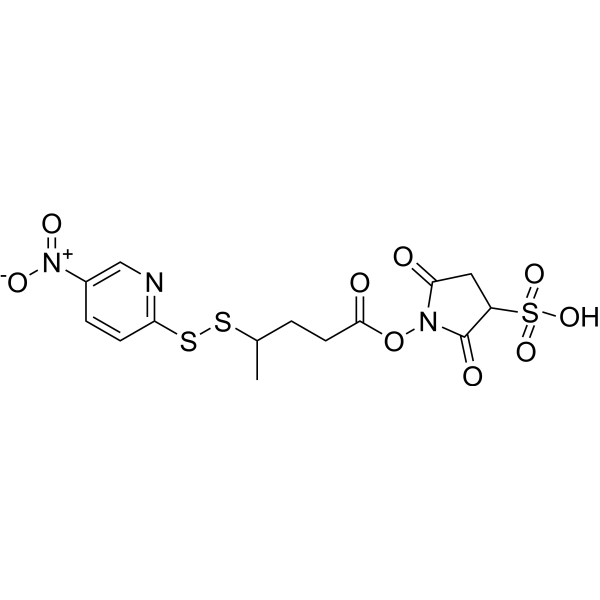
NO2-SPP-sulfo is a cleavable ADC linker used in the synthesis of antibody-drug conjugates (ADCs) .
|
-
-
- HY-133548
-
|
|
ADC Linker
|
Cancer
|
|
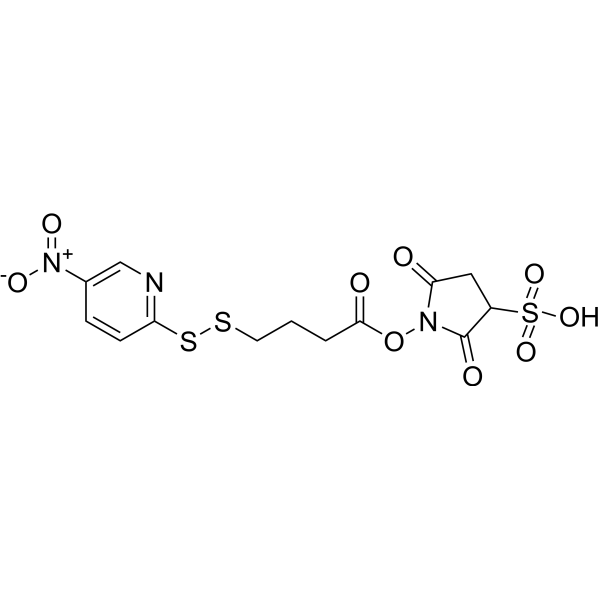
NO2-SPDB-sulfo is a cleavable ADC linker used in the synthesis of antibody-drug conjugates (ADCs) .
|
-
-
- HY-133549
-
|
|
ADC Linker
|
Cancer
|
|
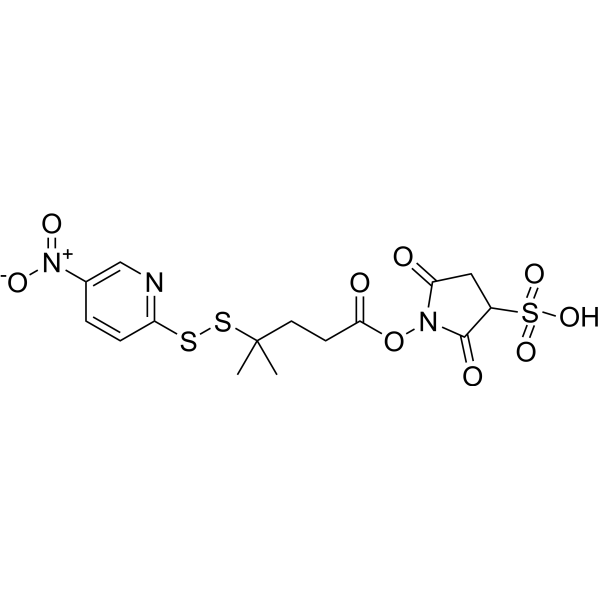
NO2-SPDMV-sulfo is a cleavable ADC linker used in the synthesis of antibody-drug conjugates (ADCs) .
|
-
-
- HY-129378
-
|
|
ADC Linker
|
Cancer
|
|
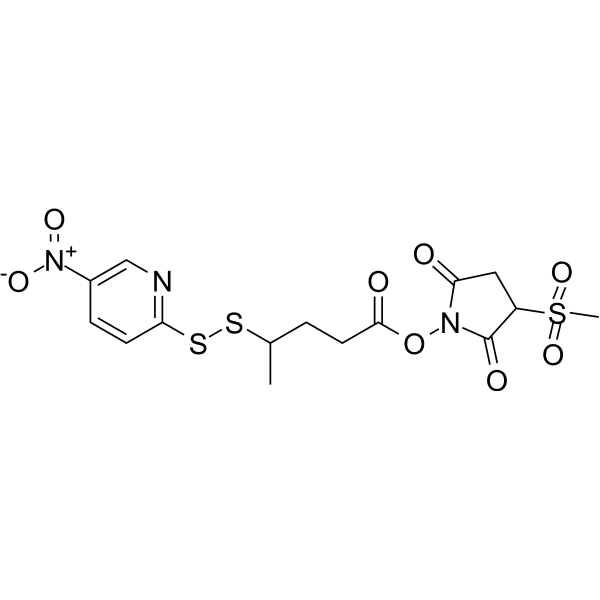
NO2-SPP-sulfo-Me is a cleavable linker that is used for making antibody-drug conjugate (ADC) .
|
-
-
- HY-141115
-
|
|
PROTAC Linkers
|
Cancer
|
|
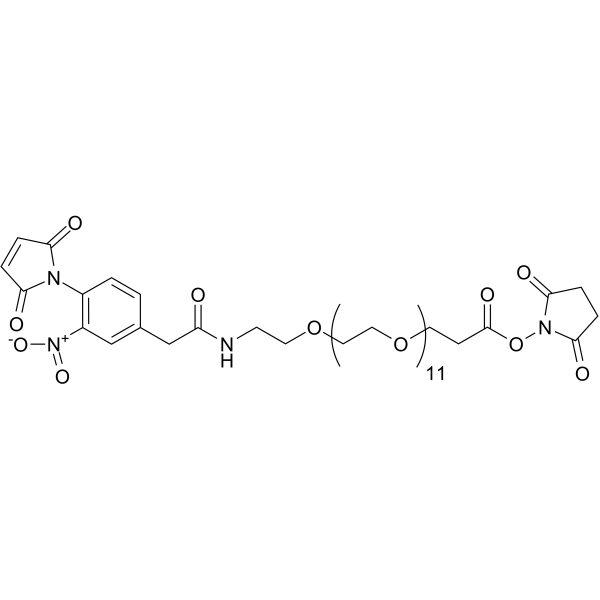
Mal-NO2-Ph-PEG12-NHS is a PEG-based PROTAC linker that can be used in the synthesis of PROTACs .
|
-
-
- HY-Z3727
-
|
Boc-D-Arg(NO2)-OH
|
Drug Intermediate
|
Others
|
|
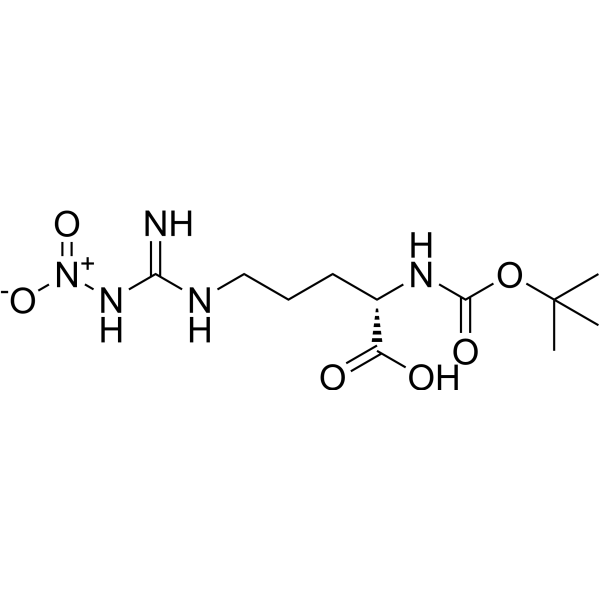
Afatinib impurity 7 (Boc-D-Arg(NO2)-OH) is an impurity of Afatinib (HY-10261).
|
-

-
- HY-161652
-
|
|
E3 Ligase Ligand-Linker Conjugates
|
Cancer
|
|
Thalidomide-NH-C3-O-Ph(NO2)-methylester-O-pyrrolidine-2,5-dione is the conjugate of a linker and a ligand for E3 ligase. Thalidomide-NH-C3-O-Ph(NO2)-methylester-O-pyrrolidine-2,5-dione can be used for synthesis of PROTAC BRD4 Degrader-26 (HY-161650) .
|
-

-
- HY-W099276
-
|
|
Biochemical Assay Reagents
|
Others
|
|
Ethyl (2R,4R)-4-methylpiperidine-2-carboxylate-Arg(NO2) hydrochloride is a biochemical reagent that can be used as a biological material or organic compound for life science related research.
|
-

-
- HY-161653
-
|
|
PROTAC Linkers
|
Cancer
|
|
Boc-NH-C3-O-Ph(NO2)-methylester-O-pyrrolidine-2,5-dione is a linker of PROTAC BRD4 Degrader-26 (HY-161650), and can be used for synthesis of PROTACs .
|
-

-
- HY-D0307
-
|
Acid Red 27 free acid; Azorubin S free acid; FD & C Red Dye NO. 2 free acid
|
Fluorescent Dye
|
Others
|
|
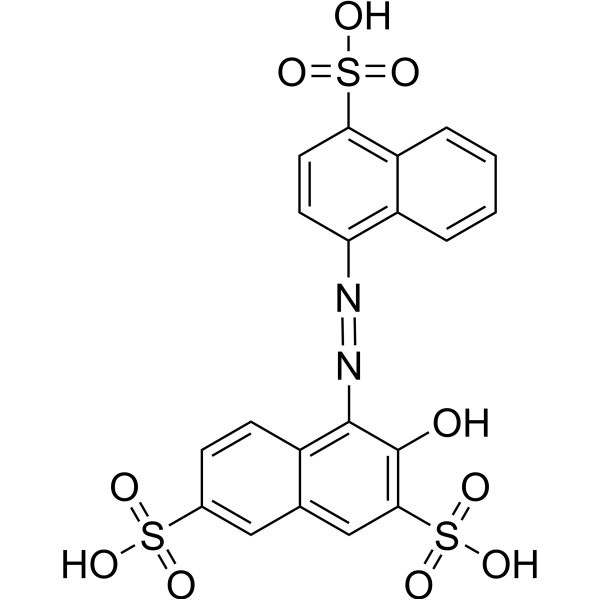
Amaranth free acid (Acid Red 27 free acid; Azorubin S free acid; FD & C Red Dye No. 2 free acid) is a multifunctional dye. Dyes are important tools in biological experiments. They can help researchers observe and analyze cell structures, track biomolecules, evaluate cell functions, distinguish cell types, detect biomolecules, study tissue pathology and monitor microorganisms. Their applications range from basic scientific research to clinical A wide range of diagnostics. Dyes are also widely used in traditional fields such as textile dyeing, as well as in emerging fields such as functional textile processing, food pigments and dye-sensitized solar cells.
|
-
-
- HY-131898R
-
|
|
NO Synthase
Biochemical Assay Reagents
|
Others
|
|
PTIO (Standard) is the analytical standard of PTIO. This product is intended for research and analytical applications. PTIO is a specific scavenger of NO and redox mediator. PTIO reacts with •NO to form the corresponding imino nitroxides and •NO2. PTIO enhances organic contaminants oxidation by permanganate [2] .
|
-

-
- HY-18734AR
-
|
|
NO Synthase
|
Cardiovascular Disease
Metabolic Disease
Inflammation/Immunology
|
|
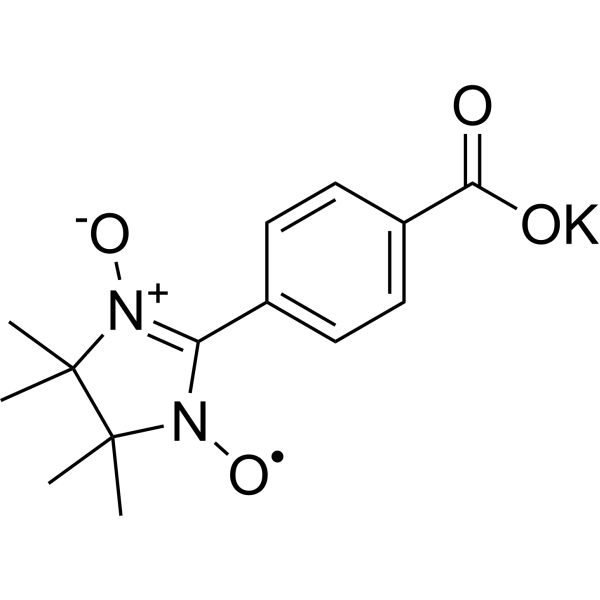
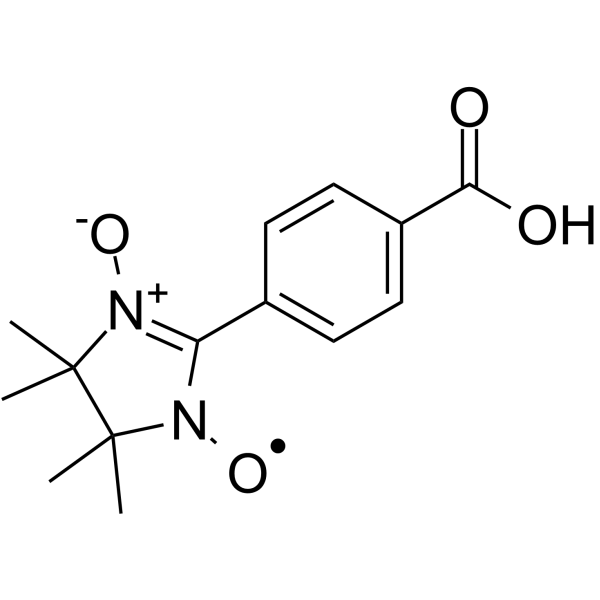
Carboxy-PTIO (potassium) (Standard) is the analytical standard of Carboxy-PTIO (potassium). This product is intended for research and analytical applications. Carboxy-PTIO potassium is a potent nitric oxide (NO) scavenger that can make a quick reaction with NO to produce NO2. Carboxy-PTIO potassium can prevent hypotension and endotoxic shock through the direct scavenging action against NO in lipopolysaccharide-stimulated rat model [2] .
|
-

-
- HY-D2731
-
|
|
Fluorescent Dye
|
Others
|
|
Cy3-NO2 is a cyanine-based probe. Cy3-NO2 can be excited by using a 554 nm laser and filtered with a 568 nm laser .
|
-

-
- HY-W249585
-
|
|
MOFs
|
Others
|
|
UiO-66-NO2 is a metal-organic framework (MOF).
|
-

-
- HY-168371
-
|
|
Scavenger Receptor Class B type I (SR-BI)
|
Metabolic Disease
|
|
1-Palmitoyl-2-13(S)-HODE-sn-glycero-3-PC (13-HODE-PC) is an oxidized phospholipid that contains Palmitic acid (HY-N0830) and 13(S)-HODE (HY-113884B) at the sn-1 and sn-2 positions, respectively. 1-Palmitoyl-2-13(S)-HODE-sn-glycero-3-PC has the ability to compete for the binding of 125I-NO2-LDL (5 g/mL) to CD36-transfected 293 cells, with the IC50 of > 200 μM .
|
-

-
- HY-W140442
-
|
|
PROTAC Linkers
|
Cancer
|
|
Methyl benzenesulfonic acid-PEG3-O-NO2 is a PROTAC linker that can be used in the synthesis of PROTACs.
|
-

-
- HY-177199
-
-

-
- HY-W249553
-
|
Diaquafluorotris[μ-[2-nitro-1,4-benzenedicarboxylato(2-)-κO1:κO′1]]-μ3-oxotrichromium; MOF&NO2-MIL-101(Cr)
|
MOFs
|
Others
|
|
NO2-MIL-101(Cr)(Diaquafluorotris[μ-[2-nitro-1,4-benzenedicarboxylato(2-)-κO1:κO′1]]-μ3-oxotrichromium; MOF&NO2-MIL-101(Cr)) is a metal-organic framework (MOF).
|
-

- HY-W749627
-
-
- HY-171045
-
-

- HY-W717833
-
-
- HY-W749614
-
-
- HY-136623
-
-

| Cat. No. |
Product Name |
Type |
-
- HY-D0073
-
|
|
Fluorescent Dyes
|
|
2,3-Diaminonaphthalene is a fluorescent reagent used to detect selenium and nitric oxide (NO). 2,3-Diaminonaphthalene binds to selenium to form pyrazolene selenol, with excitation/emission maxima at 365 nm and 525 nm, respectively. 2,3-Diaminonaphthalene binds to NO2− to form the fluorescent product, 1-(H)-napthotriazole, with excitation/emission maxima at 360 nm and 440 nm, respectively [2].
|
-
- HY-D0307A
-
|
Acid Red 27; Azorubin S; FD & C Red Dye NO. 2
|
Fluorescent Dyes
|
|
Amaranth is an organic azo dye. Amaranth inhibits cellular immune response. Amaranth can be used as a food additive [2] .
|
-
- HY-D0307AR
-
|
Acid Red 27 (Standard); Azorubin S (Standard); FD & C Red Dye NO. 2 (Standard)
|
Fluorescent Dyes
|
|
Amaranth (Standard) is the analytical standard of Amaranth. This product is intended for research and analytical applications. Amaranth is a dark red to purple azo dye used as a food dye and cosmetics. Amaranth is an anionic dye that can be applied to natural and synthetic fibers, leather, paper, and phenol-formaldehyde resins.
|
-
- HY-D2729
-
|
|
Fluorescent Dyes
|
|
Cy3-NO2-Tre is a nitroreductase-responsive cyanine-based fluorescent probe that specifically labels Mycobacterium tuberculosis (Mtb). Cy3-NO2-tre generated fluorescence after activation by a specific nitroreductase, Rv3368c, which is conserved in the Mycobacteriaceae. Cy3-NO2-tre effectively imaged mycobacteria within infected host cells, tracked the infection process, and visualized Mycobacterium smegmatis being endocytosed by macrophages (Ex/Em= 540-550/575-625 nm) .
|
-
- HY-D0307
-
|
Acid Red 27 free acid; Azorubin S free acid; FD & C Red Dye NO. 2 free acid
|
Fluorescent Dyes
|
|
Amaranth free acid (Acid Red 27 free acid; Azorubin S free acid; FD & C Red Dye No. 2 free acid) is a multifunctional dye. Dyes are important tools in biological experiments. They can help researchers observe and analyze cell structures, track biomolecules, evaluate cell functions, distinguish cell types, detect biomolecules, study tissue pathology and monitor microorganisms. Their applications range from basic scientific research to clinical A wide range of diagnostics. Dyes are also widely used in traditional fields such as textile dyeing, as well as in emerging fields such as functional textile processing, food pigments and dye-sensitized solar cells.
|
-
- HY-D2731
-
|
|
Fluorescent Dyes
|
|
Cy3-NO2 is a cyanine-based probe. Cy3-NO2 can be excited by using a 554 nm laser and filtered with a 568 nm laser .
|
| Cat. No. |
Product Name |
Type |
-
- HY-W717800A
-
|
|
Biochemical Assay Reagents
|
|
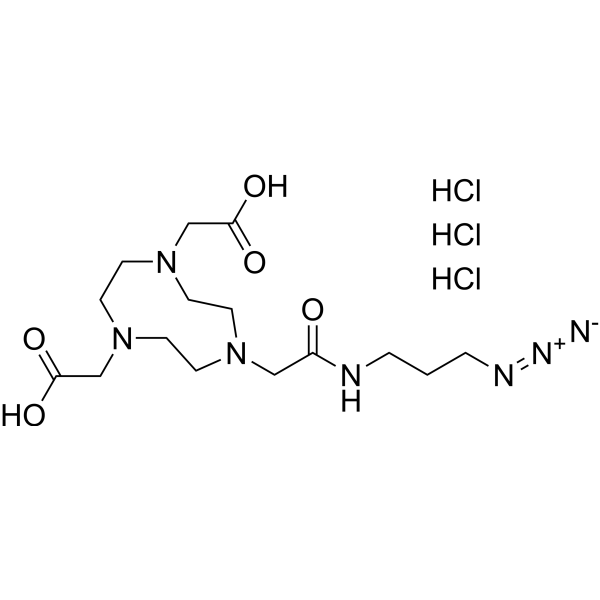
NO2A-Azide (trihydrochloride)is a bifunctional chelator (Bifunctional Chelator; BFC) and a macrocyclic NOTA derivative used for tumor pre-targeting. NO2A-Azide (trihydrochloride) can be used for conjugation of peptides and radionuclides.
|
-
- HY-W782075
-
|
|
Biochemical Assay Reagents
|
|
p-NO2-Bn-DOTAis a bifunctional chelator (Bifunctional Chelator; BFC) and a macrocyclic DOTA derivative used for tumor pre-targeting. p-NO2-Bn-DOTA can be used for conjugation of peptides and radionuclides.
|
-
- HY-W717742
-
|
|
Biochemical Assay Reagents
|
|
p-NO2-Bn-Cyclenis a bifunctional chelator (Bifunctional Chelator; BFC), which is a derivative of the macrocyclic ligand dodecane backbone Cyclen. p-NO2-Bn-Cyclen can be used for conjugation of peptides and radionuclides.
|
-
- HY-W749627
-
|
|
Biochemical Assay Reagents
|
|
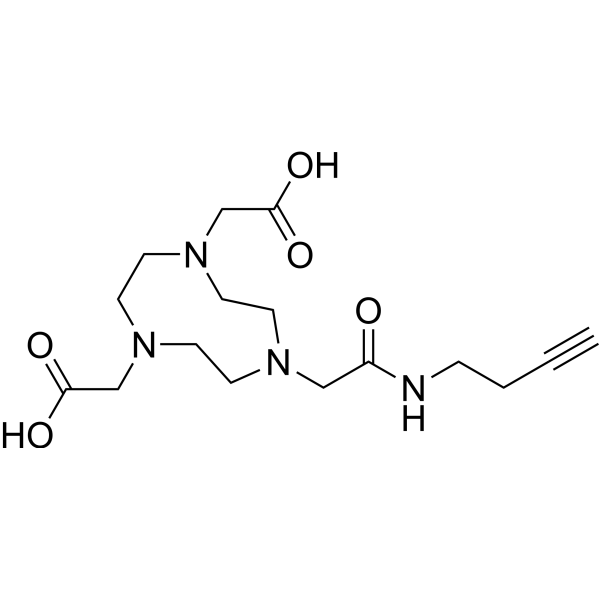
NO2A-Butyneis a bifunctional chelator (Bifunctional Chelator; BFC) and a macrocyclic NOTA derivative used for tumor pre-targeting. NO2A-Butyne can be used for conjugation of peptides and radionuclides.
|
-
- HY-W717833
-
|
|
Biochemical Assay Reagents
|
|
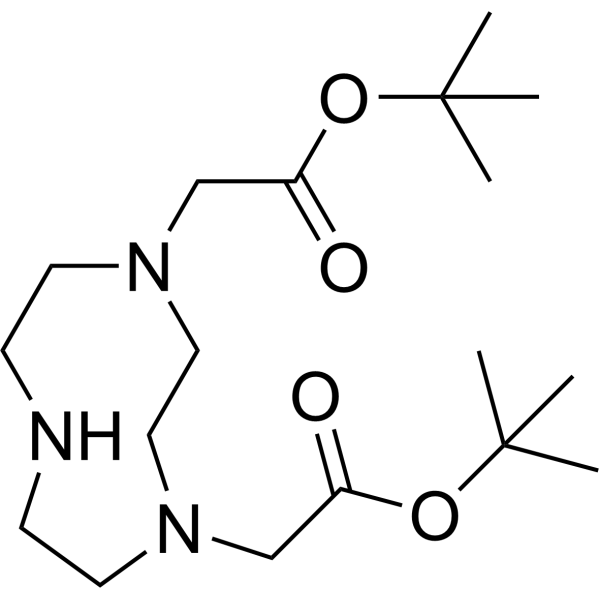
NO2A-(t-Bu ester)is a bifunctional chelator (Bifunctional Chelator; BFC) and a macrocyclic NOTA derivative used for tumor pre-targeting. NO2A-(t-Bu ester) can be used for conjugation of peptides and radionuclides.
|
-
- HY-W749614
-
|
|
Biochemical Assay Reagents
|
|
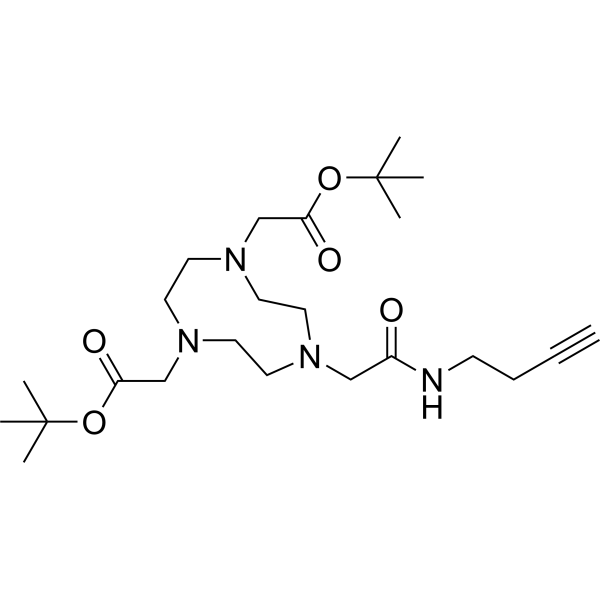
NO2A-Butyne-bis(t-Butyl ester)is a bifunctional chelator (Bifunctional Chelator; BFC) and a macrocyclic NOTA derivative used for tumor pre-targeting. NO2A-Butyne-bis(t-Butyl ester) can be used for conjugation of peptides and radionuclides.
|
| Cat. No. |
Product Name |
Target |
Research Area |
-
- HY-P1202
-
|
|
Somatostatin Receptor
|
Endocrinology
|
|
CYN 154806, a cyclic octapeptide, is a potent and selective somatostatin sst2 receptor antagonist, with pIC50 values of 8.58, 5.41, 6.07, 5.76 and 6.48 for human recombinant sst2, sst1, sst3, sst4 and sst5 receptors respectively [2].
|
-
- HY-P1202A
-
|
|
Somatostatin Receptor
|
Endocrinology
|
|
CYN 154806 TFA, a cyclic octapeptide, is a potent and selective somatostatin sst2 receptor antagonist, with pIC50 values of 8.58, 5.41, 6.07, 5.76 and 6.48 for human recombinant sst2, sst1, sst3, sst4 and sst5 receptors respectively [2].
|
-
- HY-P5313A
-
|
|
Dengue Virus
|
Infection
|
|
Abz-Nle-Lys-Arg-Arg-Ser-3-(NO2)Tyr acetate is a DEN protease substrate, which can be used in research related to dengue virus (drug development) .
|
-
- HY-W040067
-
-
- HY-W014405
-
-
- HY-P10934
-
|
LXY2
|
Integrin
|
Cancer
|
|
LXY3 (LXY2) is a VLA-3-blocking peptide that inhibits the interaction between integrin α3β1 (VLA-3) on neutrophil surfaces and laminin in the basement membrane, thereby preventing neutrophil migration across the tumor vascular basement membrane barrier. LXY3 is used to block neutrophil-mediated nanoparticle release from perivascular pools into the tumor interstitium. LXY3 is commonly employed for targeted imaging of breast cancer [2].
|
-
- HY-P3725
-
-
- HY-P4021
-
-
- HY-P5312A
-
|
|
Virus Protease
|
Infection
|
|
Abz-Gly-Leu-Lys-Arg-Gly-Gly-3-(NO2)Tyr acetate is the acetate salt form of Abz-Gly-Leu-Lys-Arg-Gly-Gly-3-(NO2)Tyr. Abz-Gly-Leu-Lys-Arg-Gly-Gly-3-(NO2)Tyr acetate is the substrate for WNV NS2B NS3 protease, which is utilized for the development of WNV protease substrate peptide selective inhibitor .
|
-
- HY-P5312
-
|
|
Virus Protease
|
Infection
|
|
Abz-Nle-Lys-Arg-Arg-Ser-3-(NO2)Tyr is a WNV NS2B-NS3 protease substrate. Abz-Nle-Lys-Arg-Arg-Ser-3-(NO2)Tyr is used for WNV NS2B-NS3 protease substrate peptide selective inhibitor development .
|
-
- HY-P5313
-
|
|
Dengue Virus
|
Infection
|
|
Abz-Nle-Lys-Arg-Arg-Ser-3-(NO2)Tyr is a DEN protease substrate, which can be used in research related to dengue virus (drug development) .
|
-
- HY-136623
-
| Cat. No. |
Product Name |
Category |
Target |
Chemical Structure |
-
- HY-N1445
-
-
-
- HY-N1445R
-
|
Isoquercetin (Standard); Quercetin 3-glucoside (Standard)
|
Apocynaceae
Flavonols
Structural Classification
Flavonoids
Phenols
Polyphenols
Plants
Apocynum venetum Linn.
Source Classification
|
Reference Standards
NF-κB
NO Synthase
|
|
Isoquercetin (Standard) is the analytical standard of Isoquercetin. This product is intended for research and analytical applications. Isoquercetin (Quercetin 3-glucoside) is a naturally occurring polyphenol that has antioxidant, anti-proliferative, and anti-inflammatory properties. Isoquercetin alleviates ethanol-induced hepatotoxicity, oxidative stress, and inflammatory responses via the Nrf2/ARE antioxidant signaling pathway . Isoquercetin regulates the expression of nitric oxide synthase 2 (NO2) via modulating the nuclear factor-κB (NF-κB) transcription regulation system. Isoquercetin has high bioavailability and low toxicity, is a promising candidate agent to prevent birth defects in diabetic pregnancies [2].
|
-
| Cat. No. |
Product Name |
|
Classification |
-
- HY-W717800A
-
|
|
|
Azide
|
|
NO2A-Azide (trihydrochloride)is a bifunctional chelator (Bifunctional Chelator; BFC) and a macrocyclic NOTA derivative used for tumor pre-targeting. NO2A-Azide (trihydrochloride) can be used for conjugation of peptides and radionuclides.
|
-
- HY-W749627
-
|
|
|
Alkynes
|
|
NO2A-Butyneis a bifunctional chelator (Bifunctional Chelator; BFC) and a macrocyclic NOTA derivative used for tumor pre-targeting. NO2A-Butyne can be used for conjugation of peptides and radionuclides.
|
-
- HY-W749614
-
|
|
|
Alkynes
|
|
NO2A-Butyne-bis(t-Butyl ester)is a bifunctional chelator (Bifunctional Chelator; BFC) and a macrocyclic NOTA derivative used for tumor pre-targeting. NO2A-Butyne-bis(t-Butyl ester) can be used for conjugation of peptides and radionuclides.
|
Your information is safe with us. * Required Fields.
Inquiry Information
- Product Name:
- Cat. No.:
- Quantity:
- MCE Japan Authorized Agent:








