1. Search Result
Search Result
Results for "

Na /Ca2 Exchanger

" in MedChemExpress (MCE) Product Catalog:

34

Inhibitors & Agonists

4

Peptides

1

Isotope-Labeled Compounds

2

Antibodies

Cat. No. Product Name Target Research Areas Chemical Structure
  • HY-101044
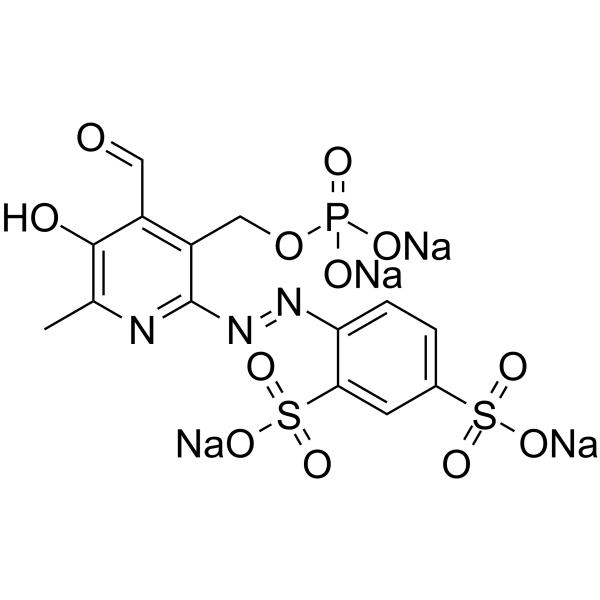
    PPADS tetrasodium
    5+ Cited Publications

    P2X Receptor Na+/Ca2+ Exchanger Neurological Disease
    PPADS tetrasodiuma is a non-selective P2X receptor antagonist. PPADS tetrasodiuma blocks recombinant P2X1, -2, -3, -5 with IC50s ranging from 1 to 2.6 μM. PPADS tetrasodiuma blocks native P2Y2-like (IC50~0.9 mM) and recombinant P2Y4 (IC50~15 mM) receptors. PPADS tetrasodiuma is an inhibitor of the reverse mode of the Na/Ca 2+ exchanger in guinea pig airway smooth muscle .
    PPADS tetrasodium
  • HY-15754
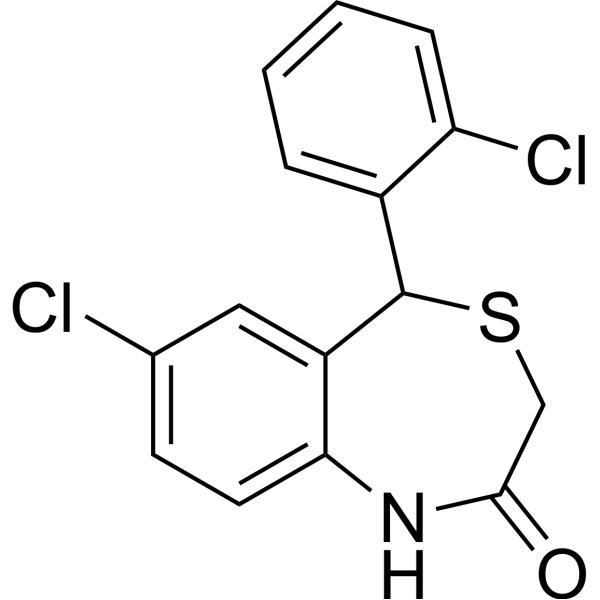
    CGP37157
    5+ Cited Publications

    Na+/Ca2+ Exchanger Neurological Disease Cancer
    CGP37157 is a potent, selective inhibitor of Na +/Ca 2+ exchanger, inhibiting the Na +-induced Ca 2+-release from guinea-pig heart mitochondria, with an IC50 of 0.8 μM.
    CGP37157
  • HY-15515
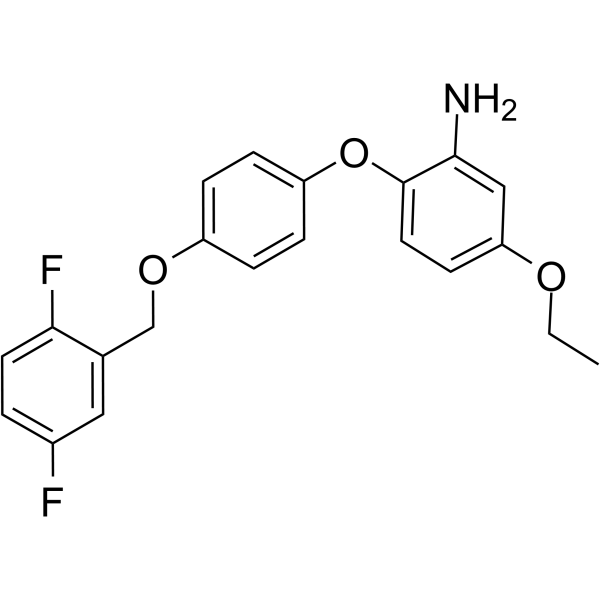
    SEA0400
    Maximum Cited Publications
    19 Publications Verification

    Na+/Ca2+ Exchanger Cardiovascular Disease
    SEA0400 is a novel and selective inhibitor of the Na +-Ca 2+ exchanger (NCX), inhibiting Na +-dependent Ca 2+ uptake in cultured neurons, astrocytes, and microglia with IC50s of from 5 to 33 nM.
    SEA0400
  • HY-15415
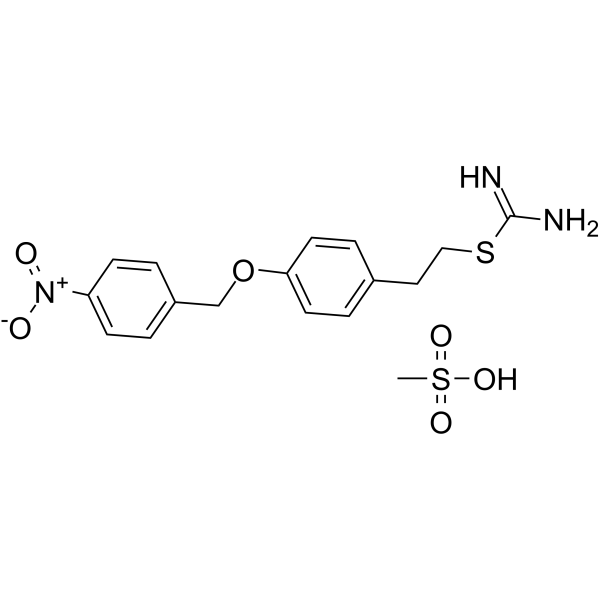
    KB-R7943 mesylate
    4 Publications Verification

    Na+/Ca2+ Exchanger Autophagy Cancer
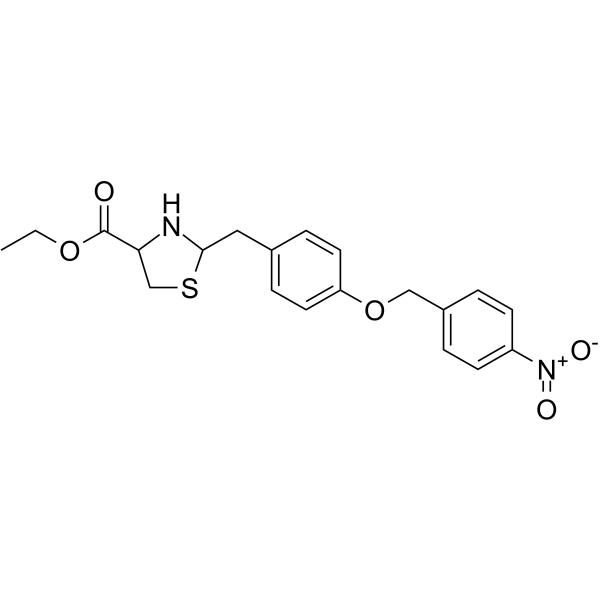
    KB-R7943 mesylate is a widely used inhibitor of the reverse Na +/Ca 2+ exchanger (NCXrev) with IC50 of 5.7±2.1 μM. KB-R7943 mesylate induces cancer cell death via activating the JNK pathway and blocking autophagic flux.
    KB-R7943 mesylate
  • HY-B1546A
    Benzamil hydrochloride
    1 Publications Verification

    Benzylamiloride hydrochloride

    Na+/Ca2+ Exchanger Sodium Channel Neurological Disease
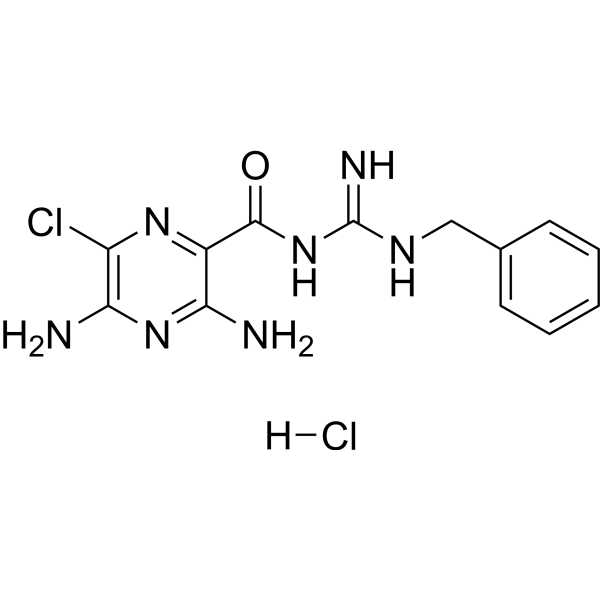
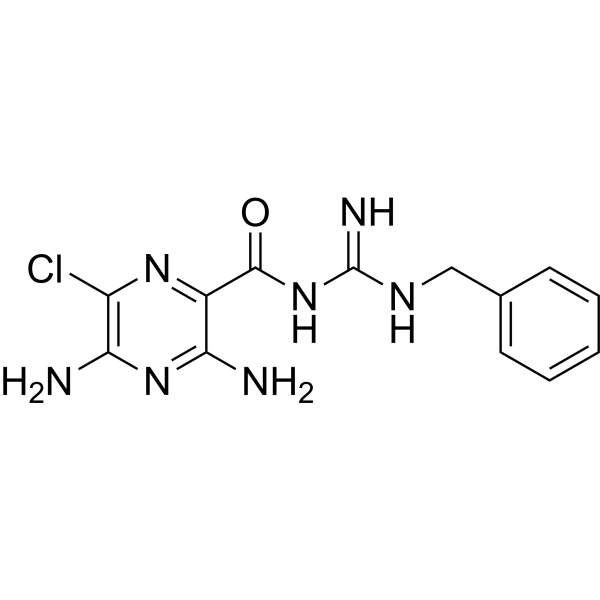
    Benzamil hydrochloride (Benzylamiloride hydrochloride), an Amiloride analogue, is a Na +/Ca 2+ exchanger (NCX) inhibitor (IC50~100 nM). Benzamil hydrochloride also is a non-selective Deg/epithelial sodium channels (ENaC) blocker, and can potentiate myogenic vasoconstriction. Benzamil hydrochloride inhibits TRPP3-mediated Ca 2+-activated currents, with an IC50 of 1.1 μM .
    Benzamil hydrochloride
  • HY-107658
    SN 6
    5+ Cited Publications

    Na+/Ca2+ Exchanger Cardiovascular Disease
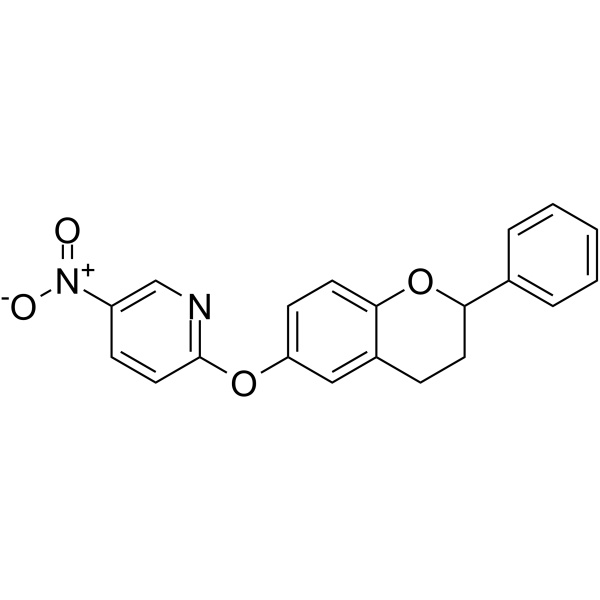
    SN 6 is a selective Na +/Ca 2+ exchanger (NCX) inhibitor, and inhibits 45Ca 2+ uptake by NCX1, NCX2, and NCX3, with IC50s of 2.9, 16, and 8.6 μM, respectively.
    SN 6
  • HY-W042301

    Anion Exchangers Carbonic Anhydrase Endothelin Receptor Cardiovascular Disease
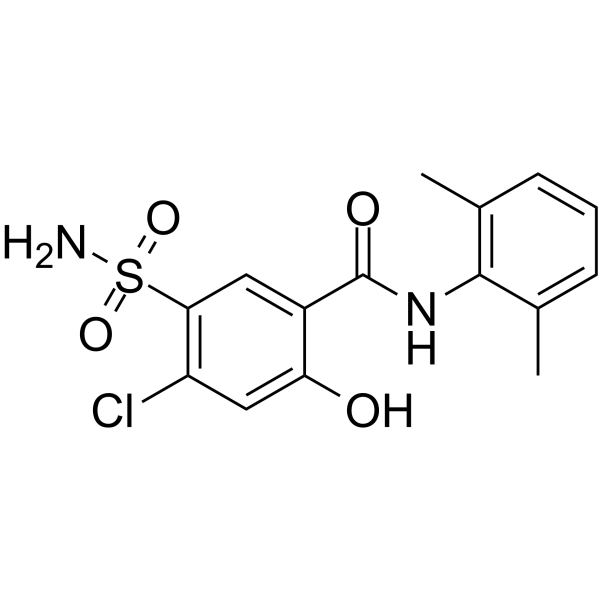
    Xipamide is an orally active carbonic anhydrase (CA) inhibitor and Na +/Cl --potassium transporter inhibitor with diuretic and antihypertensive effects. Xipamide reduces NaCl reabsorption by inhibiting the Cl -/NaCO3 - anion exchanger, and increases calcium reabsorption while promoting potassium and magnesium excretion. Xipamide is mainly cleared via the renal pathway and causes a temporary decrease in glomerular filtration rate under specific conditions. Xipamide does not affect Ca 2+ signaling induced by endothelin-1 and other factors, nor does it inhibit various ion cotransport or pump activities in red blood cells. Xipamide can be used in researches related to cardiovascular diseases, hypertension (especially with left ventricular hypertrophy), advanced renal failure, and liver cirrhosis with ascites .
    Xipamide
  • HY-128678

    Na+/Ca2+ Exchanger Cardiovascular Disease
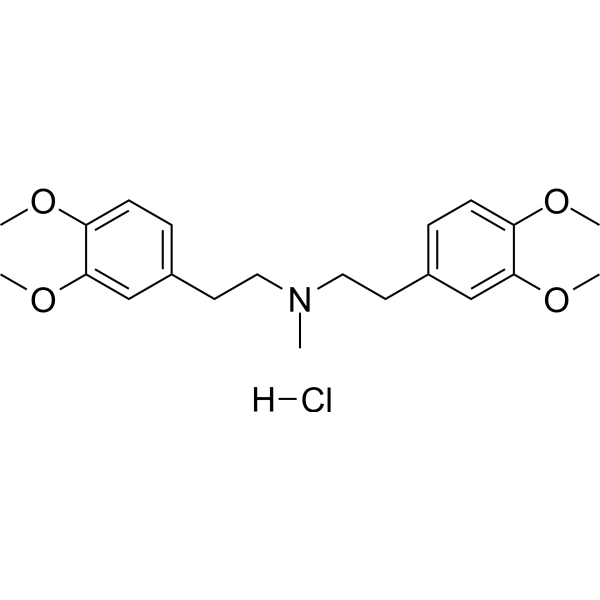
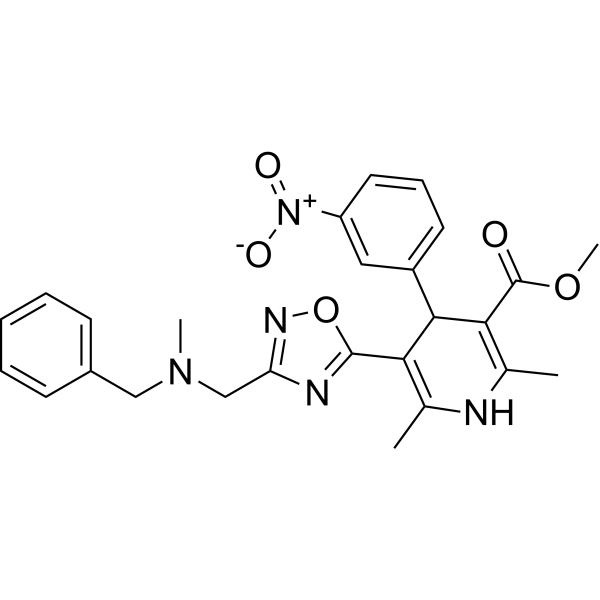
    ORM-10103 is a specific inhibitor of the Na+/Ca2+ exchanger (NCX), which decreases the NCX current with estimated IC50s of 55 and 67 nM at -80 and at 20 mV, respectively .
    ORM-10103
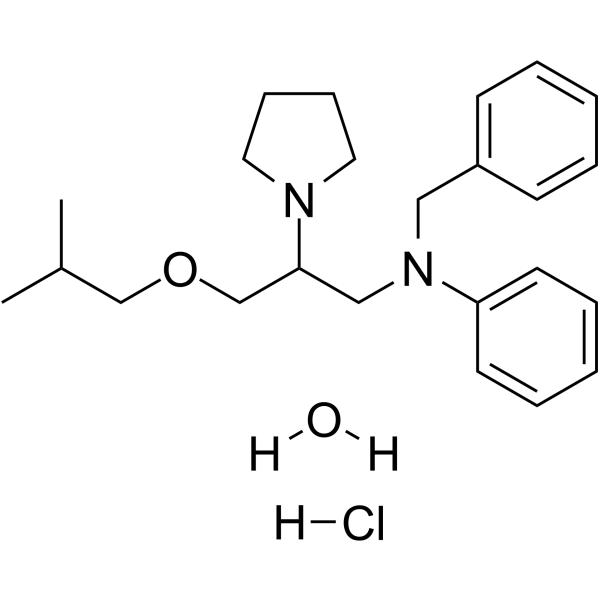
  • HY-16952A
    Bepridil hydrochloride hydrate
    5+ Cited Publications

    (±)-Bepridil hydrochloride hydrate; Org 5730 hydrochloride hydrate

    Calcium Channel Cardiovascular Disease
    Bepridil hydrochloride hydrate ((±)-Bepridil hydrochloride hydrate) is a non-selective, long-acting Ca + channel antagonist and Na +, K + channel inhibitor, with antianginal and type I antiarrhythmic effects. Bepridil hydrochloride hydrate also acts as a cardiac Na +/Ca2 + exchange (NCX1) inhibitor. Bepridil hydrochloride hydrate can be used for the research of cardiovascular disorders .
    Bepridil hydrochloride hydrate
  • HY-P1769

    Angiotensin Receptor Metabolic Disease Endocrinology
    Angiotensin II (5-8), human is an endogenous C-terminal fragment of the peptide vasoconstrictor angiotensin II . Angiotensin II binds the AT II type 1 (AT1) receptor, stimulating GPCRs in vascular smooth muscle cells and increasing intracellular Ca 2+ levels. Angiotensin II also acts at the Na +/H + exchanger in the proximal tubules of the kidney .
    Angiotensin II (5-8), human
  • HY-136182A

    Na+/Ca2+ Exchanger Cardiovascular Disease Neurological Disease
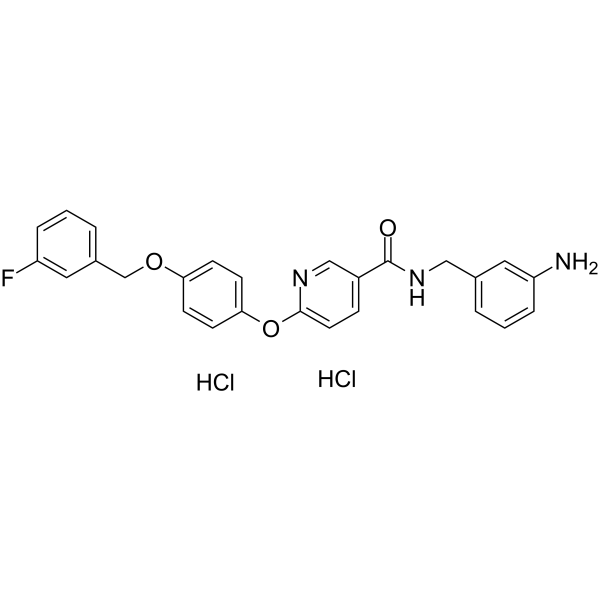
    YM-244769 is a potent, selective and orally active Na +/Ca 2+ exchanger (NCX) inhibitor. YM-244769 preferentially inhibits NCX3 and suppresses the unidirectional outward NCX current (Ca 2+ entry mode), with IC50s of 18 nM and 50 nM, respectively. YM-244769 efficiently protects against hypoxia/reoxygenation-induced SH-SY5Y neuronal cell damage. YM-244769 can also increase urine volume and urinary excretion of electrolytes in mice .
    YM-244769
  • HY-100298

    MCC-135

    Na+/Ca2+ Exchanger Cardiovascular Disease
    Caldaret is an intracellular Ca 2+ handling modulator that acts through reverse mode Na +/Ca 2+ exchanger inhibition.
    Caldaret
  • HY-A0236

    Sodium Channel Potassium Channel Calcium Channel Calmodulin Cardiovascular Disease
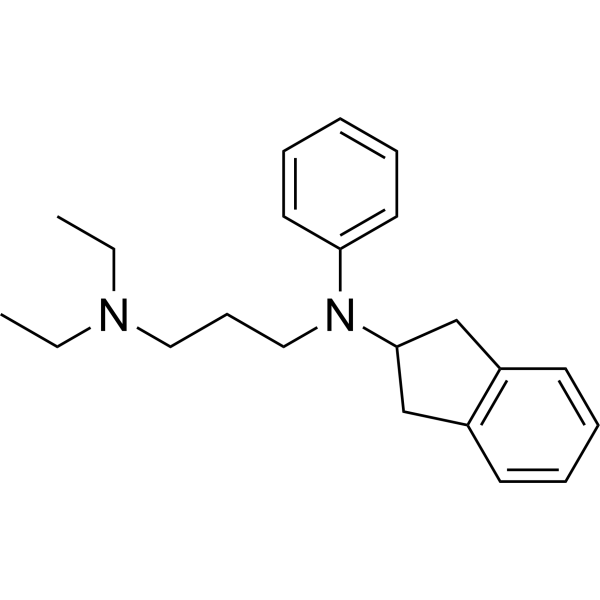
    Aprindine is an Ib-class anti-arrhythmic agent. Aprindine mainly exerts its effect by blocking sodium channels (INa), thereby reducing the excitability and conduction velocity of cardiac muscle cells. Aprindine significantly inhibits delayed potassium currents, which helps to prolong the atrial effective refractory period (AERP) and inhibit the occurrence of atrial fibrillation. Aprindine can also regulate intracellular calcium ion concentration by inhibiting Na +/Ca 2+ exchange current (INCX), thereby further stabilizing cardiac electrical activity. Aprindine can be used for the study of atrial fibrillation (AF) and ventricular arrhythmias .
    Aprindine
  • HY-15515R

    Na+/Ca2+ Exchanger Reference Standards Cardiovascular Disease
    SEA0400 (Standard) is the analytical standard of SEA0400. This product is intended for research and analytical applications. SEA0400 is a novel and selective inhibitor of the Na+-Ca2+ exchanger (NCX), inhibiting Na+-dependent Ca2+ uptake in cultured neurons, astrocytes, and microglia with IC50s of from 5 to 33 nM.
    SEA0400 (Standard)
  • HY-100928

    Calcium Channel Neurological Disease
    YS 035 hydrochloride is a Ca 2+ antagonist on cellular uptake and mitochondrial efflux of calcium ions. YS 035 hydrochloride inhibits Ca 2+ uptake by muscle cells and inhibits Na +/Ca 2+ exchange (Ki=28 µM). YS 035 hydrochloride is a useful tool for research on the mitochondrial Ca 2+ transport .
    YS 035 hydrochloride
  • HY-136182

    Na+/Ca2+ Exchanger Cardiovascular Disease Neurological Disease
    YM-244769 dihydrochloride is a potent, selective and orally active Na +/Ca 2+ exchanger (NCX) inhibitor. YM-244769 dihydrochloride preferentially inhibits NCX3 and suppresses the unidirectional outward NCX current (Ca 2+ entry mode), with IC50s of 18 nM and 50 nM, respectively. YM-244769 dihydrochloride efficiently protects against hypoxia/reoxygenation-induced SH-SY5Y neuronal cell damage. YM-244769 dihydrochloride can also increase urine volume and urinary excretion of electrolytes in mice .
    YM-244769 dihydrochloride
  • HY-A0236A

    Sodium Channel Potassium Channel Calcium Channel Calmodulin Cardiovascular Disease
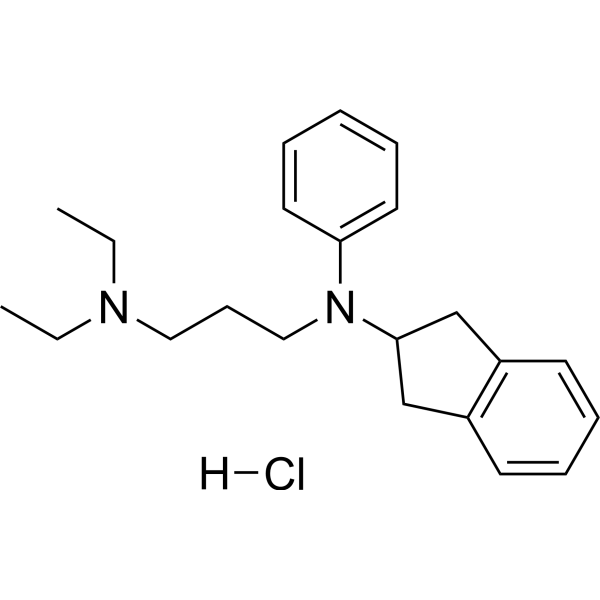
    Aprindine hydrochloride is an Ib-class anti-arrhythmic agent. Aprindine hydrochloride mainly exerts its effect by blocking sodium channels (INa), thereby reducing the excitability and conduction velocity of cardiac muscle cells. Aprindine hydrochloride significantly inhibits delayed potassium currents, which helps to prolong the atrial effective refractory period (AERP) and inhibit the occurrence of atrial fibrillation. Aprindine hydrochloride can also regulate intracellular calcium ion concentration by inhibiting Na +/Ca 2+ exchange current (INCX), thereby further stabilizing cardiac electrical activity. Aprindine hydrochloride can be used for the study of atrial fibrillation (AF) and ventricular arrhythmias .
    Aprindine hydrochloride
  • HY-P10811

    XIP

    Na+/Ca2+ Exchanger Neurological Disease
    Na +-Ca 2+ Exchanger inhibitory peptide (XIP) is a Na +-Ca 2+ exchanger inhibitor with a Ki of 200 nM. Na +-Ca 2+ Exchanger inhibitory peptide inhibits the Na +-dependent Ca 2+ uptake and the Na +-dependent Ca 2+ efflux of sarcolemmal vesicles in a noncompetitive manner .
    Na+-Ca2+ Exchanger
  • HY-105402

    Na+/H+ Exchanger (NHE) Cardiovascular Disease
    T 162559 is a potent and selective inhibitor of the Na+/H+ exchanger isoform NHE1 with IC50 values of 0.96 nM. T 162559 does not affect Na+/HCO3- cotransport and Na+/Ca2+ exchange. T 162559 can be used for the research of cardiovascular disease .
    T 162559
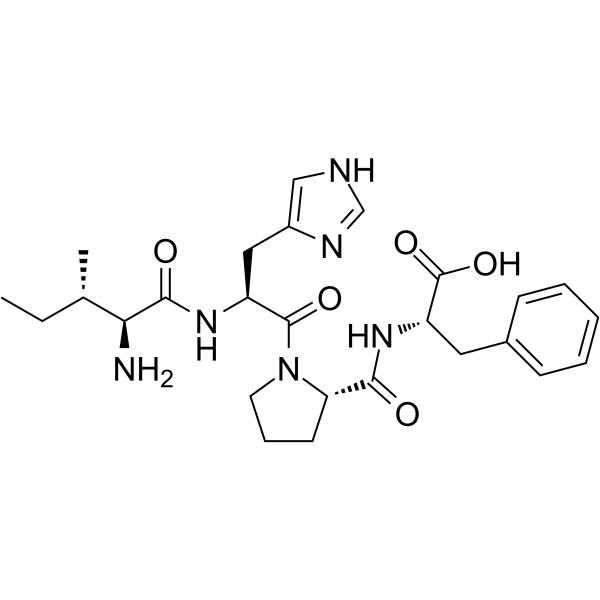
  • HY-P1792

    Angiotensin Receptor Metabolic Disease Endocrinology
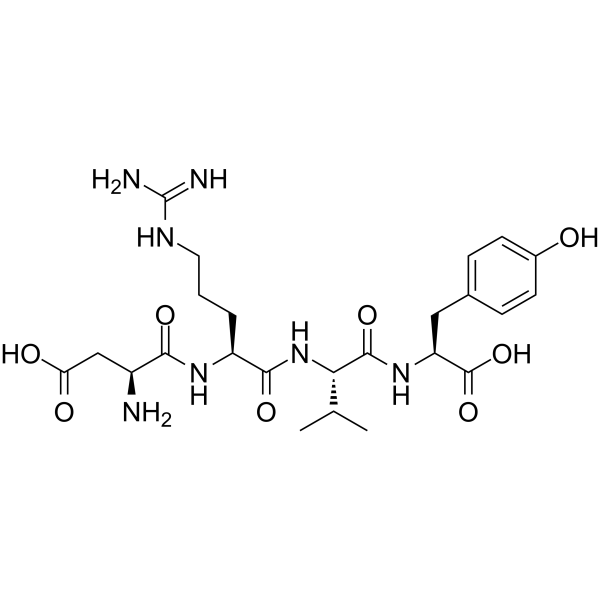
    Angiotensin II (1-4), human is an endogenous peptide produced from AT I by angiotensin-converting-enzyme (ACE). Angiotensin II binds the AT II type 1 (AT1) receptor, stimulating GPCRs in vascular smooth muscle cells and increasing intracellular Ca 2+ levels. Angiotensin II also acts at the Na +/H + exchanger in the proximal tubules of the kidney .
    Angiotensin II (1-4), human
  • HY-107659

    Na+/Ca2+ Exchanger Cardiovascular Disease Neurological Disease
    YM-244769 hydrochloride is a potent, selective and orally active Na +/Ca 2+ exchanger (NCX) inhibitor. YM-244769 hydrochloride preferentially inhibits NCX3 and suppresses the unidirectional outward NCX current (Ca 2+ entry mode), with IC50s of 18 nM and 50 nM, respectively. YM-244769 hydrochloride efficiently protects against hypoxia/reoxygenation-induced SH-SY5Y neuronal cell damage. YM-244769 hydrochloride can also increase urine volume and urinary excretion of electrolytes in mice .
    YM-244769 hydrochloride
  • HY-160508

    Na+/H+ Exchanger (NHE) Neurological Disease
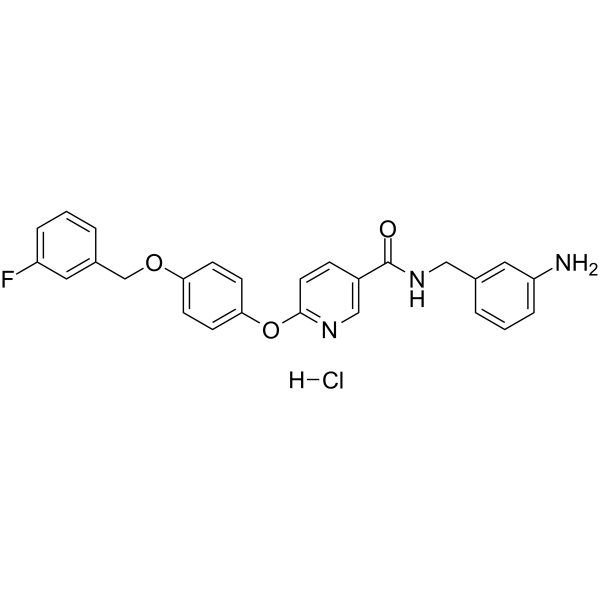
    NCX1-IN-1 (Compound 6) is the inhibitor for Na+/Ca2+ exchanger(NCX) .
    NCX1-IN-1
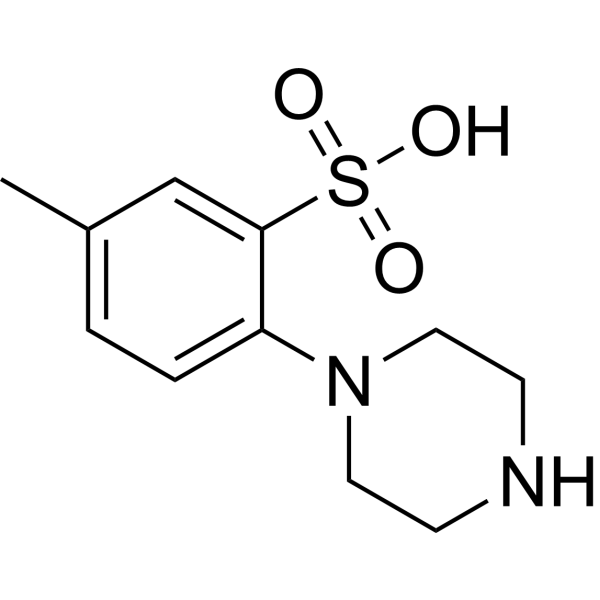
  • HY-19062

    Calcium Channel Na+/Ca2+ Exchanger Cardiovascular Disease
    SM-6586 is a calcium channel antagonist and inhibitor of Na +/H + and Na +/Ca 2+ exchange transport, potentially for the treatment of cerebrovasular diseases and hypertension.
    SM-6586
  • HY-B1546AR

    Benzylamiloride hydrochloride (Standard)

    Na+/Ca2+ Exchanger Sodium Channel Reference Standards Neurological Disease
    Benzamil (hydrochloride) (Standard) is the analytical standard of Benzamil (hydrochloride). This product is intended for research and analytical applications. Benzamil hydrochloride (Benzylamiloride hydrochloride), an Amiloride analogue, is a Na+/Ca2+ exchanger (NCX) inhibitor (IC50~100 nM). Benzamil hydrochloride also is a non-selective Deg/epithelial sodium channels (ENaC) blocker, and can potentiate myogenic vasoconstriction. Benzamil hydrochloride inhibits TRPP3-mediated Ca2+-activated currents, with an IC50 of 1.1 μM .
    Benzamil hydrochloride (Standard)
  • HY-B1546

    Benzylamiloride

    Na+/Ca2+ Exchanger Sodium Channel Neurological Disease
    Benzamil (Benzylamiloride), an Amiloride analogue, is a Na +/Ca 2+ exchanger (NCX) inhibitor (IC50~100 nM). Benzamil also is a non-selective Deg/epithelial sodium channels (ENaC) blocker, and can potentiate myogenic vasoconstriction. Benzamil inhibits TRPP3-mediated Ca 2+-activated currents, with an IC50 of 1.1 μM .
    Benzamil
  • HY-W710915

    Isotope-Labeled Compounds Potassium Channel Cardiovascular Disease
    Aprindine hydrochloride-d10 is the deuterium labeled Aprindine hydrochloride (HY-A0236A). Aprindine hydrochloride is a class I-b anti-arrhythmic agent and a hERG channel blocker with an IC50 of 0.23 μM. Aprindine hydrochloride has inhibitory effects on Na+/Ca2+ exchanger currents, which is partly responsible for their antiarrhythmic and cardioprotective effects. Aprindine hydrochloride is widely used for trial and ventricular tachyarrhythmias research research.
    Aprindine hydrochloride-d10
  • HY-100298R

    MCC-135 (Standard)

    Na+/Ca2+ Exchanger Reference Standards Cardiovascular Disease
    Caldaret (Standard) is the analytical standard of Caldaret (HY-100298). This product is intended for research and analytical applications. Caldaret is an intracellular Ca2+ handling modulator that acts through reverse mode Na+/Ca2+ exchanger inhibition.

    Caldaret (Standard)
  • HY-164684

    3',4'-Dichlorobenzamil; L-594881

    Calcium Channel Sodium Channel Na+/Ca2+ Exchanger Others
    Dichlorobenzamil (3',4'-Dichlorobenzamil; L-594881) is an effective Na/Ca exchange inhibitor. Dichlorobenzamil significantly inhibits 45Ca uptake mediated by reverse Na/Ca exchange in pancreatic islet cells (IC50 = 18 μM). Dichlorobenzamil can also block K + channels and voltage-sensitive Ca 2+ channels .
    Dichlorobenzamil
  • HY-P1792A

    Angiotensin Receptor Metabolic Disease Endocrinology
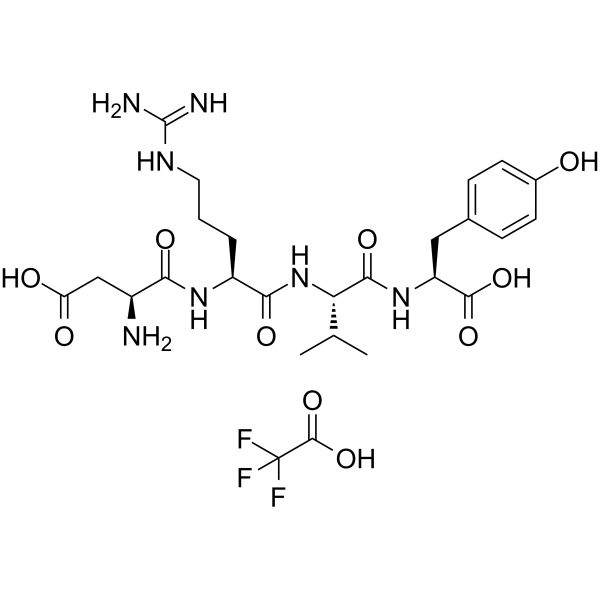
    Angiotensin II (1-4), human (TFA) is an endogenous peptide produced from AT I by angiotensin-converting-enzyme (ACE). Angiotensin II binds the AT II type 1 (AT1) receptor, stimulating GPCRs in vascular smooth muscle cells and increasing intracellular Ca 2+ levels. Angiotensin II also acts at the Na +/H + exchanger in the proximal tubules of the kidney .
    Angiotensin II (1-4), human TFA
  • HY-107658R

    Reference Standards Na+/Ca2+ Exchanger Cardiovascular Disease
    SN 6 (Standard) is the analytical standard of SN 6 (HY-107658). This product is intended for research and analytical applications. SN 6 is a selective Na+/Ca2+ exchanger (NCX) inhibitor, and inhibits 45Ca2+ uptake by NCX1, NCX2, and NCX3, with IC50s of 2.9, 16, and 8.6 μM, respectively.
    SN 6 (Standard)
  • HY-107659R

    Reference Standards Na+/Ca2+ Exchanger Cardiovascular Disease Neurological Disease
    YM-244769 hydrochloride (Standard) is the analytical standard of YM-244769 (hydrochloride) (HY-107659). This product is intended for research and analytical applications. YM-244769 hydrochloride is a potent, selective and orally active Na+/Ca2+ exchanger (NCX) inhibitor. YM-244769 hydrochloride preferentially inhibits NCX3 and suppresses the unidirectional outward NCX current (Ca2+ entry mode), with IC50s of 18 nM and 50 nM, respectively. YM-244769 hydrochloride efficiently protects against hypoxia/reoxygenation-induced SH-SY5Y neuronal cell damage. YM-244769 hydrochloride can also increase urine volume and urinary excretion of electrolytes in mice .
    YM-244769 hydrochloride (Standard)
  • HY-132227

    3',4'-Dichlorobenzamil hydrochloride; L-594881 hydrochloride

    Na+/Ca2+ Exchanger Others
    Dichlorobenzamil (3',4'-Dichlorobenzamil; L-594881) hydrochloride is a Na +-Ca 2+ Exchanger inhibitor. Dichlorobenzamil (hydrochloride) attenuates the Na +-Ca 2+ exchanger-mediated inward current induced by activation of type I metabotropic glutamate receptors in second-order baroreceptor neurons of the rat nucleus tractus solitarius .
    Dichlorobenzamil hydrochloride
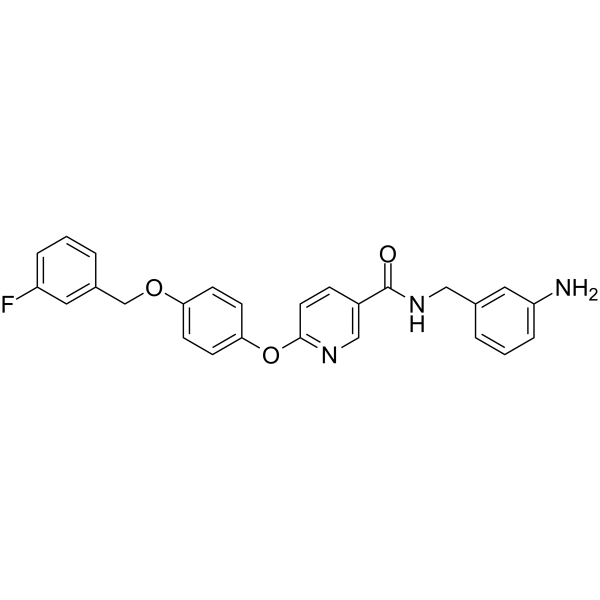
  • HY-182252

    Na+/Ca2+ Exchanger Cardiovascular Disease
    SAR296968 is a Na +/Ca 2+ exchanger (NCX) subtype inhibitor with an IC50 value of 74 nM against hNCX1. SAR296968 inhibits both forward and reverse modes of NCX current. SAR296968 enhances cardiac contractility and stroke volume. SAR296968 exerts antiarrhythmic effects. SAR296968 is applicable to research related to heart failure .
    SAR296968
  • HY-A0236AR

    Reference Standards Sodium Channel Potassium Channel Calcium Channel Calmodulin Cardiovascular Disease
    Aprindine hydrochloride (Standard) is the analytical reference standard of Aprindine hydrochloride (HY-A0236A). This product is used for research and analytical applications. Aprindine hydrochloride is an Ib-class anti-arrhythmic agent. Aprindine hydrochloride mainly exerts its effect by blocking sodium channels (INa), thereby reducing the excitability and conduction velocity of cardiac muscle cells. Aprindine hydrochloride significantly inhibits delayed potassium currents, which helps to prolong the atrial effective refractory period (AERP) and inhibit the occurrence of atrial fibrillation. Aprindine hydrochloride can also regulate intracellular calcium ion concentration by inhibiting Na +/Ca 2+ exchange current (INCX), thereby further stabilizing cardiac electrical activity. Aprindine hydrochloride can be used for the study of atrial fibrillation (AF) and ventricular arrhythmias.
    Aprindine hydrochloride (Standard)

Inquiry Online

Your information is safe with us. * Required Fields.

Salutation


Country or Region *

Applicant Name *


Organization Name *

Department *


Email Address *


Product Name *

Cat. No.


Requested quantity *

Phone Number *


Remarks

Inquiry Online

Inquiry Information

Product Name:
Cat. No.:
Quantity:
MCE Japan Authorized Agent: