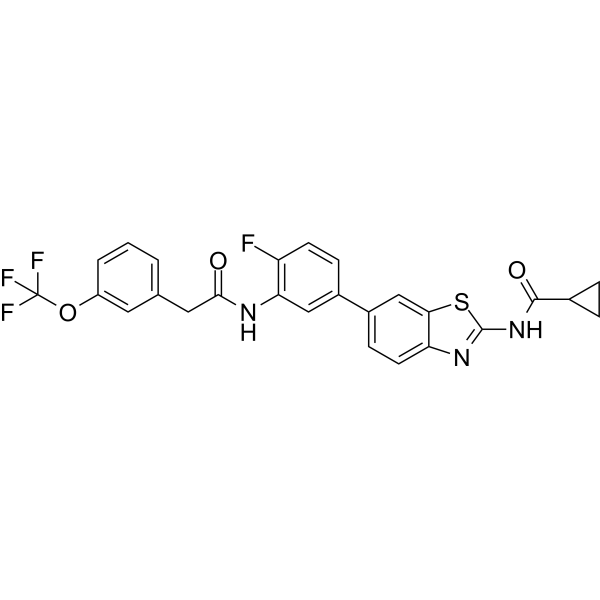
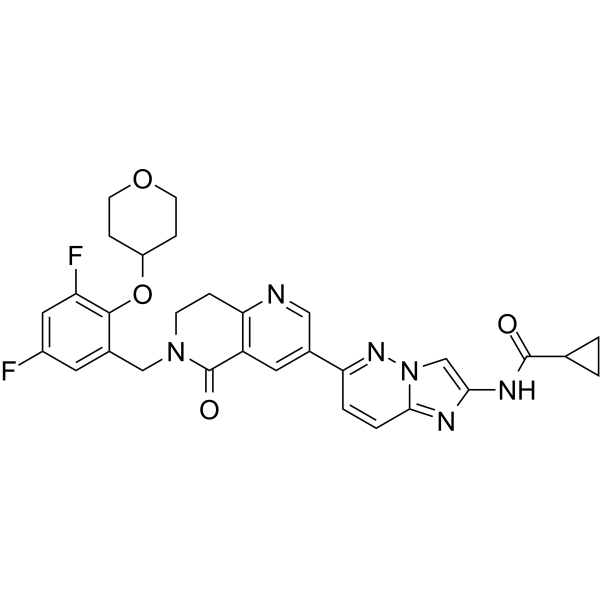
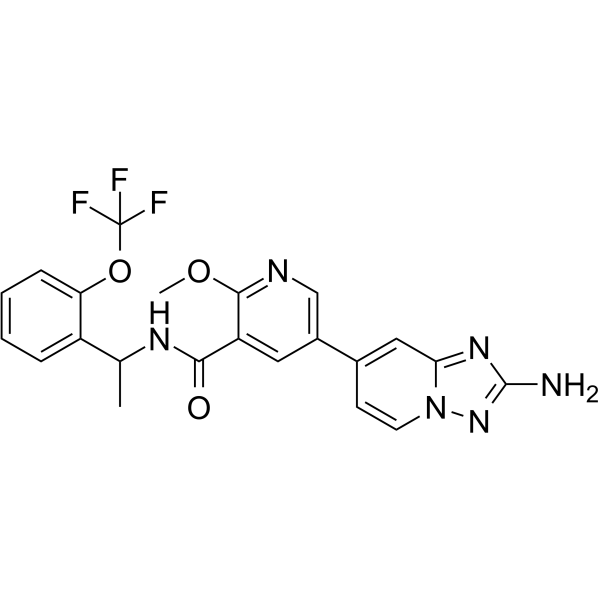
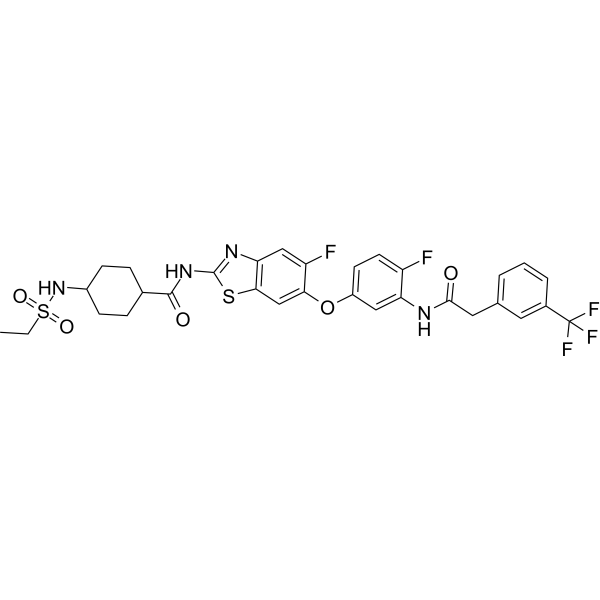
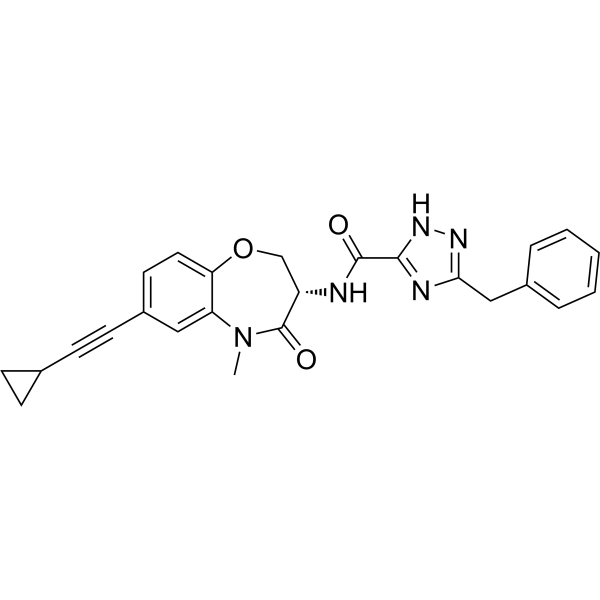
1. Search Result
Search Result
Results for "

RIPK1+inhibitor

" in MedChemExpress (MCE) Product Catalog:

45

Inhibitors & Agonists

1

Peptides

1

Natural
Products

1

Isotope-Labeled Compounds

Cat. No. Product Name Target Research Areas Chemical Structure
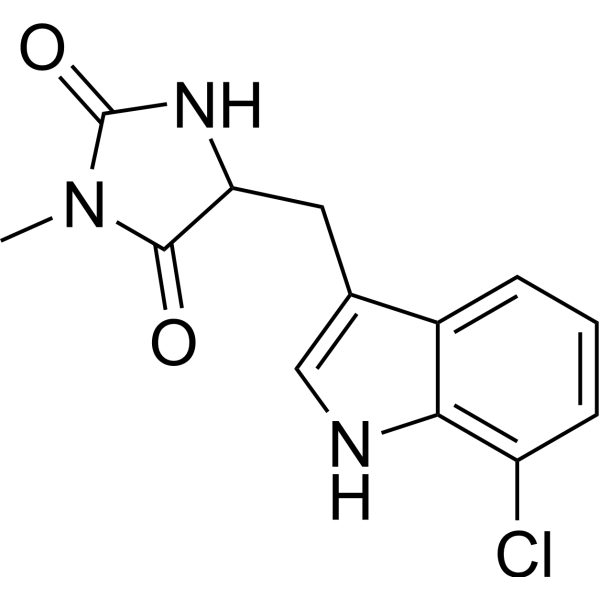
  • HY-14622A
    Necrostatin 2 racemate
    Maximum Cited Publications
    30 Publications Verification

    Necrostatin 1S; Nec-1S; 7-Cl-O-Nec1

    RIP kinase Cancer
    Necrostatin 2 racemate (Nec-1S), the Necrostatin-1 (HY-15760) stable, is a potent and specific RIPK1 inhibitor lacking the IDO-targeting effect [1].
    Necrostatin 2 racemate
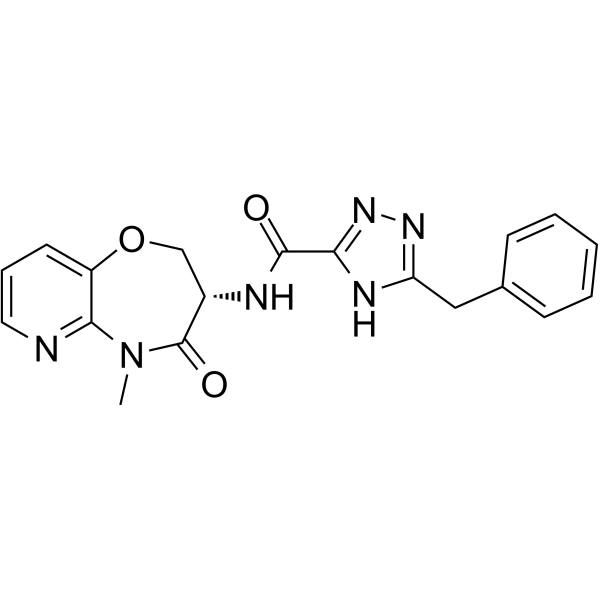
  • HY-114371

    DNL-758; SAR-443122

    RIP kinase Inflammation/Immunology
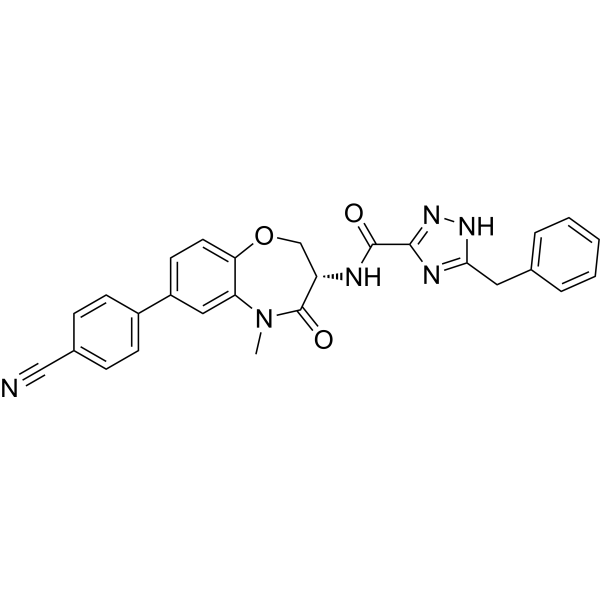
    Eclitasertib (DNL-758) is a potent receptor-interacting protein kinase 1 (RIPK1) inhibitor with an IC50 of 0.0375 µΜ [1].
    Eclitasertib
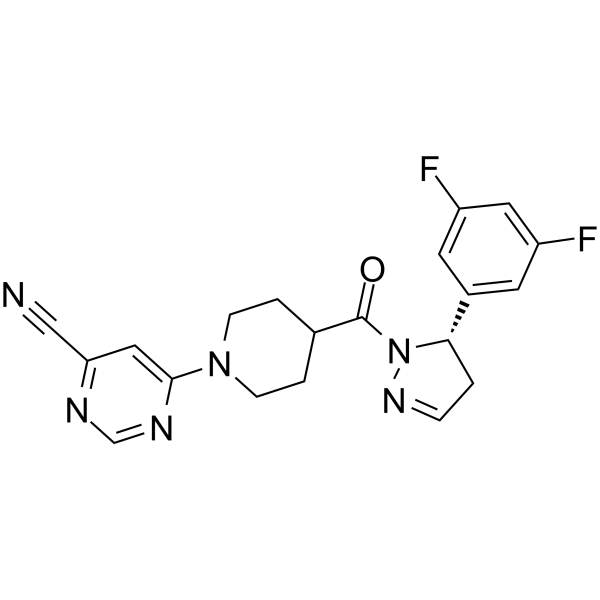
  • HY-114492

    GSK'547

    RIP kinase Cancer
    GSK547 (GSK'547) is a highly selective and potent inhibitor of receptor-interacting serine/threonine protein kinase 1 (RIPK1), inhibits macrophage-mediated adaptive immune tolerance in pancreatic cancer [1].
    GSK547
  • HY-148297

    LY3871801; R 552

    RIP kinase Inflammation/Immunology
    Ocadusertib is a potent Serine/Threonine kinase receptor-interacting protein kinase 1 (RIPK1) inhibitor [1].
    Ocadusertib
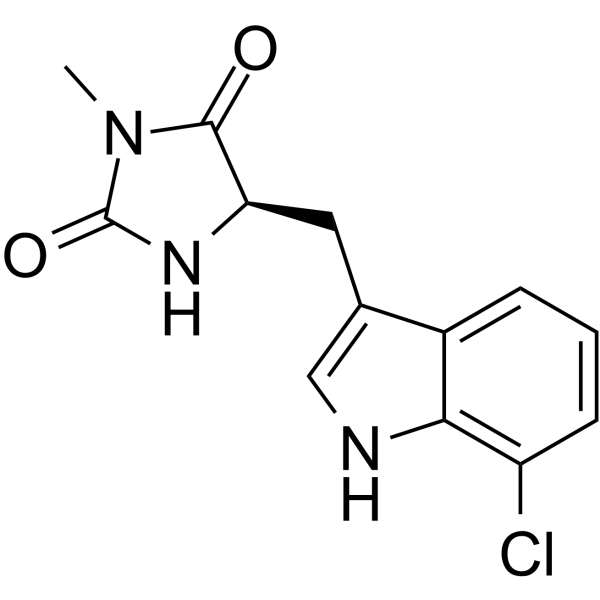
  • HY-14622
    Necrostatin 2
    10+ Cited Publications

    RIP kinase Cancer
    Necrostatin 2 is a potent necroptosis inhibitor. EC50 for inhibition of necroptosis in FADD-deficient Jurkat T cells treated with TNF-α is 0.05 μM. Necrostatin 2 is also a RIPK1 inhibitor.
    Necrostatin 2
  • HY-N1535
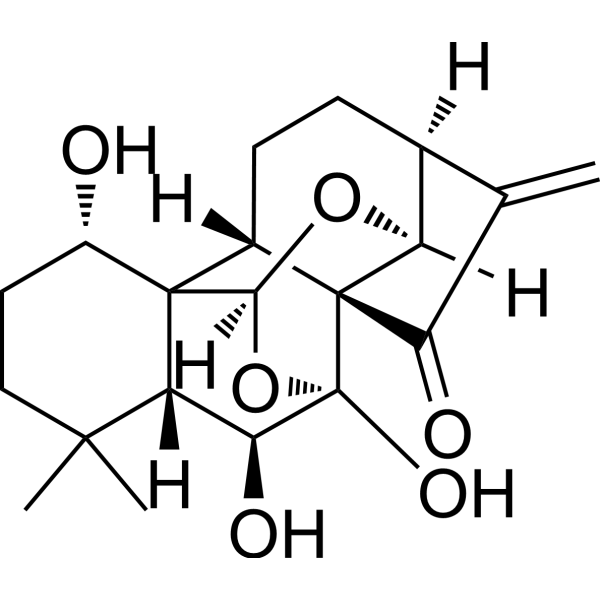
    Ponicidin
    4 Publications Verification

    Rubescensine B

    RIP kinase Apoptosis Reactive Oxygen Species (ROS) JAK STAT PI3K Akt Sirtuin Necroptosis Amyloid-β Neurological Disease Cancer
    Ponicidin (Rubescensine B) is an orally active RIPK1 inhibitor with a Kd value of 135 nM. Ponicidin inhibits the JAK2/STAT3 pathway to induce apoptosis, activates the PI3K/Akt pathway, upregulates SIRT1 expression, alleviates oxidative stress, suppresses inflammatory responses and necroptosis, and blocks cell cycle progression. Ponicidin induces ROS production to exert antiproliferative and antiviral effects, while also improving cognitive function and reducing plaque deposition. Ponicidin can be used in studies related to hepatocellular carcinoma, Alzheimer's disease, and gastric cancer [1] .
    Ponicidin
  • HY-119933

    RIP kinase Cancer
    RIPK1-IN-7 is a potent and selective RIPK1 inhibitor with a Kd of 4 nM and an enzymatic IC50 of 11 nM. RIPK1-IN-7 exhibits excellent antimetastasis activity in the experimental B16 melanoma lung metastasis model [1].
    RIPK1-IN-7
  • HY-151369

    RIP kinase Cardiovascular Disease Neurological Disease Metabolic Disease Inflammation/Immunology
    AV123 (compound 12) is a non-cytotoxic RIPK1 inhibitor (IC50=12.12 µM). AV123 blocks the TNF-α-induced necroptotic (EC50=1.7 μM) but not the apoptotic cell death. AV123 can be used in the study of necrotic chronic conditions such as ischemia-reperfusion injury of the brain, heart and kidney, inflammatory diseases, neurodegenerative diseases and infectious diseases [1].
    AV123
  • HY-148239

    RIP kinase Ser/Thr Protease Neurological Disease Inflammation/Immunology
    TP-030-2, a chemical probe, is a RIPK1 inhibitor (human Ki=0.43 nM; mouse IC50=100 nM) [1] .
    TP-030-2
  • HY-148382

    RIP kinase Necroptosis Neurological Disease Inflammation/Immunology
    RI-962 is a potent and selective receptor-interacting protein kinase 1 (RIPK1) inhibitor. RI-962 inhibits RIPK1 with an IC50 value of 35.0 nM. RI-962 can be used for the research of nervous system diseases and inflammatory diseases [1].
    RI-962
  • HY-151873

    RIP kinase Inflammation/Immunology Cancer
    SZM679 is a potent, orally active and selective RIPK1 inhibitor with Kd values of 8.6 nM and >5000 nM for RIPK1 and RIPK3, respectively. SZM679 reverses the tumor necrosis factor-induced systemic inflammatory response. SZM679 decreases the Tau hyperphosphorylation, neuroinflammation, and the RIPK1 phosphorylation level in the hippocampus and cortex. SZM679 can be used in research of Alzheimer's disease (AD) [1].
    SZM679
  • HY-157456

    RIP kinase Inflammation/Immunology
    RIPK1-IN-19 is a selective RIPK1 inhibitor (IC50=15 nM). RIPK1-IN-19 does not show obvious activity against RIPK2, RIPK3, and RIPK4. RIPK1-IN-19 displays potent protective activity in TNFα-induced systemic inflammatory response syndrome (SIRS) model and Imiquimod (IMQ)-induced psoriasis model. RIPK1-IN-19 can be used in research on inflammation and immune system diseases [1].
    RIPK1-IN-19
  • HY-143726

    RIP kinase Inflammation/Immunology
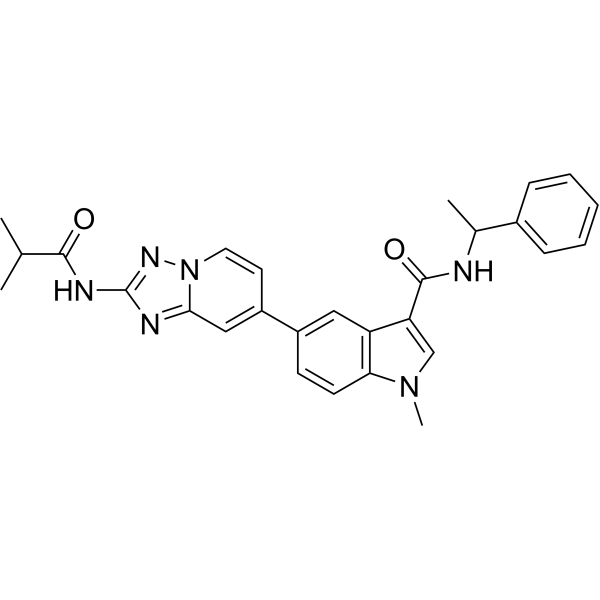
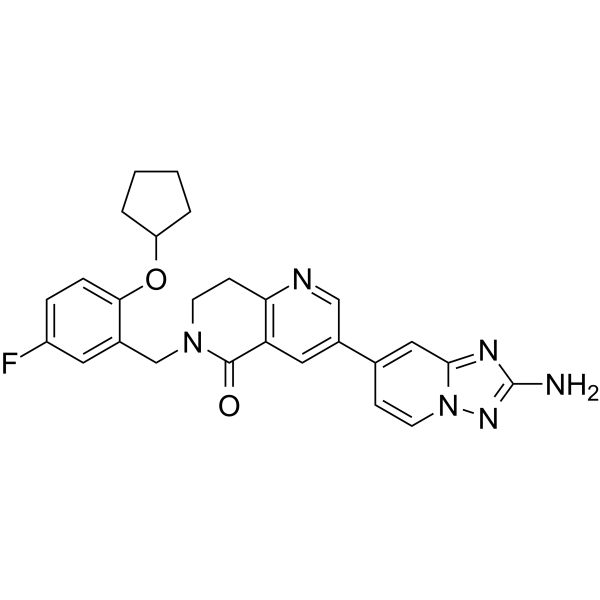
    RIPK1-IN-8 (example 16), an aminoimidazopyridine, is a potent and selective RIPK1 inhibitor with an IC50 of 4 nM. RIPK1-IN-8 has the potential for inflammatory diseases research [1].
    RIPK1-IN-8
  • HY-179235

    Ligands for Target Protein for PROTAC RIP kinase Cancer
    RIPK1-IN-37 is an RIPK1 inhibitor and a ligand for the target protein for PROTAC LD5097 (HY-179234). RIPK1-IN-37 can be used to synthesize PROTAC [1].
    RIPK1-IN-37
  • HY-175371

    RIP kinase Ligands for Target Protein for PROTAC Cancer
    RIPK1-ligand-2 is a RIPK1 inhibitor. RIPK1-ligand-2 can be used for synthesis of PROTAC RIPK1 Degrader-1 (HY-175370) [1].
    RIPK1-ligand-2
  • HY-14622AR

    Necrostatin 1S (Standard); Nec-1S (Standard); 7-Cl-O-Nec1 (Standard)

    RIP kinase Reference Standards Cancer
    Necrostatin 2 (racemate) (Standard) is the analytical standard of Necrostatin 2 (racemate). This product is intended for research and analytical applications. Necrostatin 2 racemate (Nec-1S), the Necrostatin-1 (HY-15760) stable, is a potent and specific RIPK1 inhibitor lacking the IDO-targeting effect [1].
    Necrostatin 2 racemate (Standard)
  • HY-157039

    RIP kinase Necroptosis Mixed Lineage Kinase Inflammation/Immunology
    RIPK1-IN-17 is an orally active, selective RIPK1 inhibitor (Kd = 17 nM) and shows no significant inhibition to RIPK3. RIPK1-IN-17 specifically inhibits necroptosis rather than apoptosis by inhibiting RIPK1, RIPK3, and MLKL phosphorylation. RIPK1-IN-17 protects mice from hypothermia and death. RIPK1-IN-17 can be used for the study of necroptosis-related diseases such as inflammatory response syndrome (SIRS) [1].
    RIPK1-IN-17
  • HY-178762S

    RIP kinase Necroptosis Inflammation/Immunology
    RIPK1-IN-35 is a selective and orally active RIPK1 inhibitor with an IC50 of 5.33 nM. RIPK1-IN-35 has a potent protective effect against necroptosis in both human and murine cells. RIPK1-IN-35 shows good therapeutic effects in both TNF-α-induced systemic inflammatory response syndrome and DSS (HY-116282C)-induced inflammatory bowel disease models. RIPK1-IN-35 can be used to the study of inflammatory diseases related to necroptosis [1].
    RIPK1-IN-35
  • HY-178464

    RIP kinase Mixed Lineage Kinase Necroptosis Neurological Disease Inflammation/Immunology
    RIPK1-IN-34 is a selective, brain-penetrant RIPK1 inhibitor (IC50 = 126.70 nM) with almost no inhibitory effect on RIPK3 (IC50 > 10, 000 nM). RIPK1-IN-34 offers substantial neuroprotection by inhibiting the phosphorylation of RIPK1, RIPK3, and mixed lineage kinase domain-like pseudokinase (MLKL) within the necroptosis pathway. RIPK1-IN-34 shows the neuroprotective effect in a rat middle cerebral artery occlusion (MCAO) model. RIPK1-IN-34 can be used for the study of anti-acute ischemic stroke (AIS) [1].
    RIPK1-IN-34
  • HY-168116

    RIP kinase Cancer
    RIPK1-IN-27 (compund 19) is a RIPK1 inhibitor [1].
    RIPK1-IN-27
  • HY-143728

    RIP kinase Inflammation/Immunology
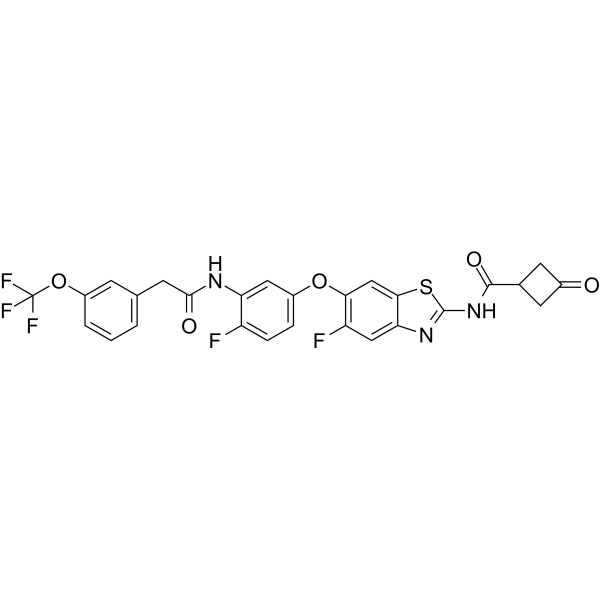
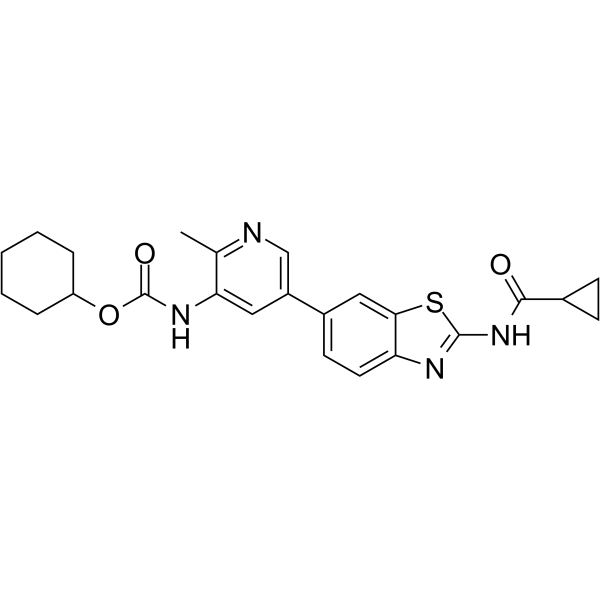
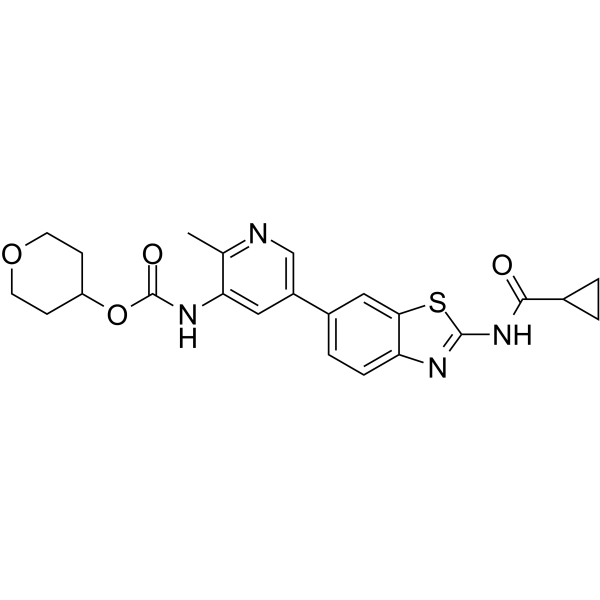
    RIPK1-IN-10 is a potent RIPK1 inhibitor, example 37, extracted from patent WO2021160109 [1].
    RIPK1-IN-10
  • HY-160216A

    RIP kinase Inflammation/Immunology
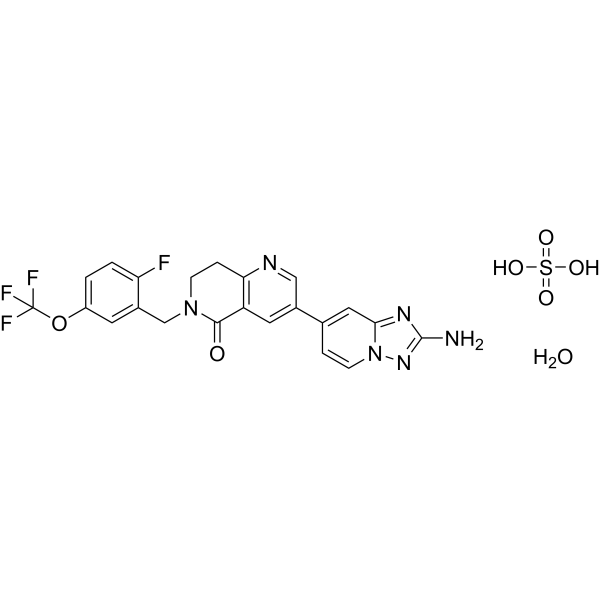
    RIPK1-IN-18 sulfate hydrate is a potent RIPK1 inhibitor that can be used in autoimmune diseases research (NZ748385A; compound i) [1].
    RIPK1-IN-18 sulfate hydrate
  • HY-126296

    RIP kinase Inflammation/Immunology
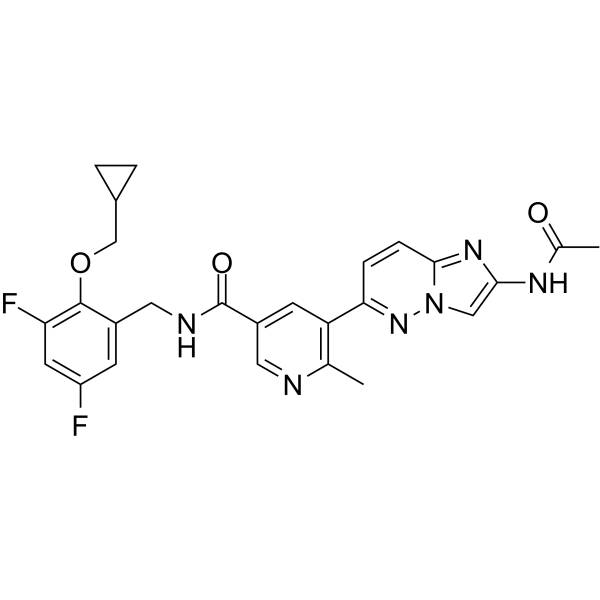
    RIPK1-IN-3 (Example 38), a RIPK1 inhibitor, extracted from patent WO2018148626A1, possesses anti-inflammatory proprieties [1].
    RIPK1-IN-3
  • HY-144277

    RIP kinase Necroptosis Inflammation/Immunology
    RIPK1-IN-12 is a potent RIPK1 inhibitor. RIPK1-IN-12 inhibits necroptosis in both human and mouse cells, with EC50 values of 1.6 and 2.9 nM, respectively [1].
    RIPK1-IN-12
  • HY-162880

    RIP kinase Inflammation/Immunology
    RIPK1-IN-24 is a receptor-interacting protein kinase 1 (RIPK1) inhibitor with an IC50 value of 1.3 μM. RIPK1-IN-24 can be used for research on inflammatory diseases [1].
    RIPK1-IN-24
  • HY-169107

    RIP kinase Neurological Disease
    RIPK1-IN-25 (WL8) is a blood-brain permeable RIPK1 inhibitor with EC50 and Kd values are 19.9 and 25 nM, respectively. RIPK1-IN-25 can be used in the study of neurometabolic diseases [1].
    RIPK1-IN-25
  • HY-157963

    RIP kinase Necroptosis Inflammation/Immunology Cancer
    RIPK1-IN-23 (compound 19) is a RIPK1 inhibitor with potent anti-necroptotic effects in HT-29 cells (EC50 of 1.7 nM). RIPK1-IN-23 shows anti-inflammatory activities [1].
    RIPK1-IN-23
  • HY-161843

    Necroptosis RIP kinase Inflammation/Immunology
    Necroptosis-IN-4, a potent necroptosis inhibitor, is a RIP kinase 1 (RIPK1) inhibitor. Necroptosis-IN-4 has no inhibitory activity against RIPK3 and weak inhibitory activity against VEGFR1/2 and PDGFR-α [1].
    Necroptosis-IN-4
  • HY-173445

    RIP kinase Inflammation/Immunology
    RIPK1-IN-30 (compound 24) is a potent RIPK1 inhibitor with an IC50 of 2.01 μM. RIPK1-IN-30 exhibits protective effects in HT-29 cell model of TSZ-induced necroptosis with an EC50 of 6.77 μM [1].
    RIPK1-IN-30
  • HY-143727

    RIP kinase Inflammation/Immunology
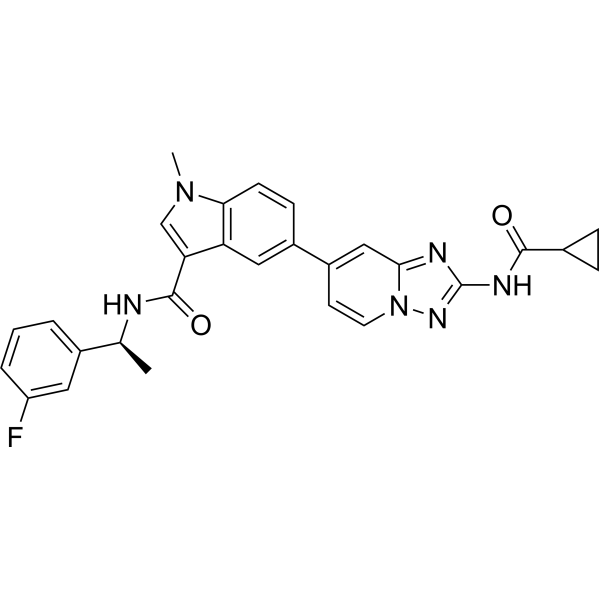
    RIPK1-IN-9 (example 45), a dihydronaphthyridone compound, is a potent and selective RIPK1 inhibitor. RIPK1-IN-9 inhibits U937 cell (IC50=2 nM) and L929 cell (IC50=1.3 nM) [1].
    RIPK1-IN-9
  • HY-170544

    RIP kinase Inflammation/Immunology
    RIPK1-IN-28 (compound 13) is an orally active RIPK1 inhibitor. RIPK1-IN-28 inhibits human I2.1 and Hepa1‐6 cells with IC50s of 0.4 and 1.2 nM, respectively [1].
    RIPK1-IN-28
  • HY-144276

    RIP kinase Inflammation/Immunology
    RIPK1-IN-11 is a potent and orally active RIPK1 inhibitor (Kd=9.2 nM; IC50=67 nM). RIPK1-IN-11 inhibits necroptosis in both human and mouse cells (EC50=17-30 nM). Anti-inflammatory activity [1].
    RIPK1-IN-11
  • HY-149052

    RIP kinase Mixed Lineage Kinase Necroptosis Inflammation/Immunology
    SZM-1209 is an orally active, potent and specific RIPK1 inhibitor, with a Kd of 85 nM. SZM-1209 exhibits high anti-necroptotic activity (EC50=22.4 ± 8.1 nM). SZM-1209 shows anti-SIRS (systemic inflammatory response syndrome), and anti-ALI (acute lung injury) effects [1].
    SZM-1209
  • HY-162928

    RIP kinase Neurological Disease
    RIPK1-IN-26 (Compound 8a) is a potent receptor-interacting serine/threonine-protein kinase 1 (RIPK1) inhibitor with cell anti-necroptosis potency. RIPK1-IN-26 demonstrats good metabolic stability and good binding specificity in mice. RIPK1-IN-26 is promising for research of PET imaging probe development and neurodegenerative disorders [1].
    RIPK1-IN-26
  • HY-161059

    RIP kinase Necroptosis Infection Inflammation/Immunology
    ZB-R-55 is an orally active and selective dual-mode RIPK1 inhibitor with RIPK1 IC50 values of 5.7 nM. ZB-R-55 occupies both the allosteric and ATP binding sites of RIPK1. ZB-R-55 inhibits necroptosis in cancer cells. ZB-R-55 can be used for the research of systemic inflammatory response syndrome and sepsis [1] .
    ZB-R-55
  • HY-170232

    RIP kinase Inflammation/Immunology
    RIPK1-IN-29 (Compound 22) is a RIPK1 inhibitor, with an IC50 of 6.9 nM. RIPK1-IN-29 exerts anti-necroptotic (Apoptosis) activity by inhibiting RIPK1. In a TNF-α-induced in vivo inflammation model, at a dose of 10 mg/kg, RIPK1-IN-29 can protect mice from hypothermia and death. RIPK1-IN-29 can be applied to the research field of inflammatory diseases [1].
    RIPK1-IN-29
  • HY-168770

    RIP kinase TNF Receptor Apoptosis Cardiovascular Disease
    Cl-Necrostatin-1 is a RIPK1 inhibitor. Cl-Necrostatin-1 can also inhibit TNF-α-induced necroptosis in Jurkat cells deficient in Fas-associated death domain protein (FADD; EC50 = 180 nM), a modification that prevents caspase activation in response to death-domain receptor signaling. Cl-Necrostatin-1 can also reduce infarct size in a mouse model of middle cerebral artery occlusion (MCAO). Cl-Necrostatin-1 is used for research in cardiovascular and cerebrovascular diseases [1] .
    Cl-Necrostatin-1
  • HY-175027

    RIP kinase Ferroptosis Neurological Disease
    RIPK1-IN-33 is a blood-brain barrier-permeable and orally active RIPK1 inhibitor, with an IC50 of 0.115 μM. RIPK1-IN-33 demonstrates remarkable anti-ferroptosis activity, radical scavenging capacity (IC50 = 123.3 μM), and anti-lipid peroxidation effects (IC50 = 9.72 μM). RIPK1-IN-33 markedly reduces cerebral infarction volume and improves neurological function scores in transient middle cerebral artery occlusion (tMCAO) model. RIPK1-IN-33 can be used for the study of ischemic stroke [1].
    RIPK1-IN-33
  • HY-179323

    RIP kinase Neurological Disease
    RIPK1-IN-36 (Example 4.1) is a RIPK1 inhibitor with an EC50 of <25 nM. RIPK1-IN-36 can be used for the study of RIPK1-related diseases [1].
    RIPK1-IN-36
  • HY-183781

    RIP kinase Necroptosis Inflammation/Immunology
    RIPK1-IN-41 is an orally active RIPK1 inhibitor with an IC50 of 92 nM and a KD of 106.8 nM. RIPK1-IN-41 reduces the phosphorylation level of RIPK1, inhibits necrosome formation, blocks the activation of RIPK3 and MLKL, maintains mitochondrial and lysosomal functions, preserves cell membrane integrity, and suppresses necroptosis. RIPK1-IN-41 alleviates hypothermia and multi-organ damage in a mouse model of systemic inflammatory response syndrome induced by mTNF-α. RIPK1-IN-41 is applicable to research related to systemic inflammatory response syndrome [1].
    RIPK1-IN-41
  • HY-181944

    RIP kinase Necroptosis Cancer
    RIPK1-IN-40 (Compound 51) is a RIPK1 inhibitor and anti-necroptotic agent (with an EC50 of 0.07 μM against necroptosis). RIPK1-IN-40 binds to the kinase domain of RIPK1, forms hydrogen bond interactions with Met95, and establishes additional polar contacts with Asp156 to stabilize binding, thereby inhibiting necroptosis. RIPK1-IN-40 can be used for the research of colorectal cancer [1].
    RIPK1-IN-40
  • HY-179680

    RIP kinase Necroptosis Mixed Lineage Kinase Lactate Dehydrogenase Interleukin Related Inflammation/Immunology
    RIPK1-IN-38 is an orally active RIPK1 inhibitor with an IC50 value of 27 nM. RIPK1-IN-38 can inhibit the phosphorylation of RIPK1 and its downstream signaling molecules RIPK3 and MLKL. RIPK1-IN-38 exhibits anti-necroptotic activity. RIPK1-IN-38 has excellent anti-inflammatory efficacy in both the SIRS model and GVHD model. RIPK1-IN-38 can be used for the research of inflammatory and immune-related diseases [1].
    RIPK1-IN-38
  • HY-184001

    RIP kinase Akt PI3K NF-κB Interleukin Related Necroptosis Metabolic Disease
    LT-1339-553 is a selective, orally active RIPK1 inhibitor with IC50 values of 4.32, 95.74 and 84.33 nM against RIPK1, RIPK2 and RIPK3, respectively. LT-1339-553 exerts anti-necroptotic activity by inhibiting the AKT/PI3K/NF-κB pathway and the IL-17 pathway. LT-1339-553 reduces liver injury, inflammatory responses and collagen deposition. LT-1339-553 can be used in studies related to schistosomiasis-induced liver fibrosis [1].
    LT-1339-553
  • HY-180806

    RIP kinase Apoptosis Cardiovascular Disease Neurological Disease
    RIPK1-IN-39 (compound 2) is a potent and selective RIPK1 inhibitor (IC50 = 69.40 nM) exhibiting >100-fold selectivity over RIPK3 (IC50 = 6946 nM). RIPK1-IN-39 protects HT-22 and HT-29 cells from necroptosis by inhibiting the phosphorylation and activation of the RIPK1-RIPK3-MLKL pathway. RIPK1-IN-39 demonstrates neuroprotective effects in a rat model of middle cerebral artery occlusion (MCAO). RIPK1-IN-39 can be used for acute ischemic stroke (AIS) research [1].
    RIPK1-IN-39
  • HY-181596

    RIP kinase Mixed Lineage Kinase Apoptosis Inflammation/Immunology
    WJH-C19 is an orally active RIPK1 inhibitor with an IC50 of 5.7 nM. WJH-C19 inhibits the RIPK1/RIPK3/MLKL signaling axis, blocks RIPK1 phosphorylation, suppresses the phosphorylation of downstream RIPK3 and MLKL, disrupts necrosome formation, and exhibits protective effects against necroptosis (Apoptosis) in multiple cell lines. WJH-C19 ameliorates symptoms of inflammatory bowel disease in a mouse colitis model by regulating the necroptosis pathway. WJH-C19 alleviates inflammation and bone destruction in a mouse model of rheumatoid arthritis. WJH-C19 is applicable to research related to inflammatory bowel disease and rheumatoid arthritis [1].
    WJH-C19

Inquiry Online

Your information is safe with us. * Required Fields.

Salutation


Country or Region *

Applicant Name *


Organization Name *

Department *


Email Address *


Product Name *

Cat. No.


Requested quantity *

Phone Number *


Remarks

Inquiry Online

Inquiry Information

Product Name:
Cat. No.:
Quantity:
MCE Japan Authorized Agent: