Search Result
Results for "
ROS+inducer
" in MedChemExpress (MCE) Product Catalog:
1
Isotope-Labeled Compounds
| Cat. No. |
Product Name |
Target |
Research Areas |
Chemical Structure |
-
- HY-12040
-
Elesclomol
Maximum Cited Publications
115 Publications Verification
STA-4783
|
Reactive Oxygen Species (ROS)
Apoptosis
Cuproptosis
|
Cancer
|
|
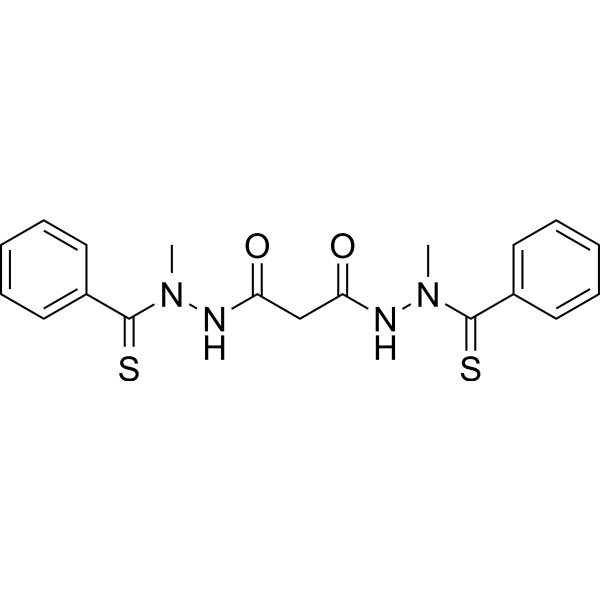
Elesclomol (STA-4783) is a potent copper ionophore and promotes copper-dependent cell death (cuproptosis). Elesclomol specifically binds ferredoxin 1 (FDX1) α2/α3 helices and β5 strand. Elesclomol inhibits FDX1-mediated Fe-S cluster biosynthesis. Elesclomol is an oxidative stress inducer that induces cancer cell apoptosis. Elesclomol is a reactive oxygen species (ROS) inducer. Elesclomol can be used for Menkes and associated disorders of hereditary copper deficiency research .
|
-
-
- HY-D1063
-
|
|
Fluorescent Dye
Apoptosis
Reactive Oxygen Species (ROS)
|
Cancer
|
|
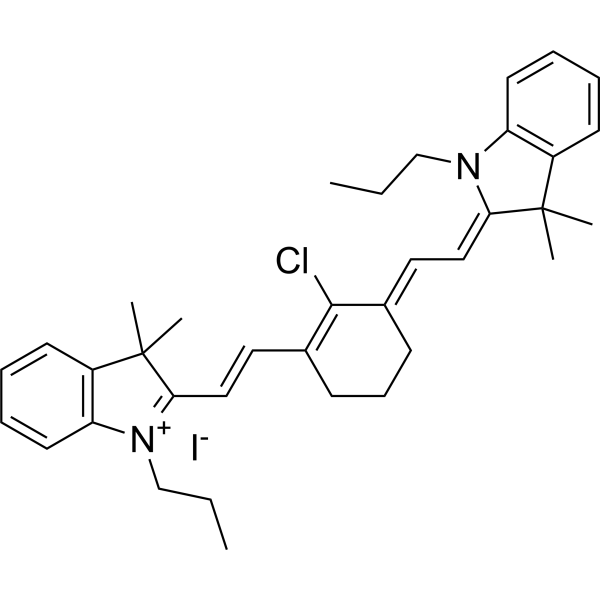
IR-780 is a near-infrared fluorescent probe for in vivo imaging of tumor cells. IR-780 is transported into tumor cells via OATPs and ABCB10, with uptake dependent on glycolytic activity and plasma membrane potential. IR-780 preferentially accumulates in tumor cell mitochondria, including those of drug-resistant cancer cells, without chemical conjugation. IR-780 generates reactive oxygen species (ROS), induces hyperthermia and apoptosis, inhibits tumor growth and recurrence, and modulates HSP70 expression upon ultrasound or 808 nm laser exposure. IR-780 acts as a sonosensitizer, photodynamic and photothermal agent, and drug delivery carrier, with low acute imaging-dose toxicity and rapid vital organ clearance. IR-780 can be used for the research of cancer, such as breast cancer, lung cancer, and non-small cell lung cancer (NSCLC) .
|
-
-
- HY-N0281
-
|
7,8-Dihydroxycoumarin
|
EGFR
PKA
PKC
Autophagy
Apoptosis
AMPK
Akt
mTOR
Reactive Oxygen Species (ROS)
Caspase
Bcl-2 Family
PARP
Parasite
|
Cardiovascular Disease
Inflammation/Immunology
Cancer
|
|
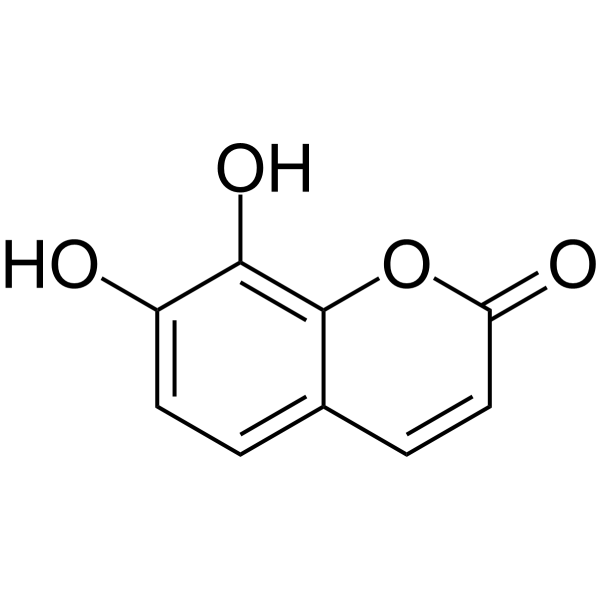
Daphnetin (7,8-dihydroxycoumarin), one coumarin derivative can be found in plants of the Genus Daphne, is a potent, oral active protein kinase inhibitor, with IC50s of 7.67 μM, 9.33 μM and 25.01 μM for EGFR, PKA and PKC in vitro, respectively. Daphnetin triggers ROS-induced cell apoptosis and induces cytoprotective autophagy by modulating the AMPK/Akt/mTOR pathway. Daphnetin has anti-inflammation activitity and inhibits TNF-α, IL-1β, ROS, and MDA production. Daphnetin has schizontocidal activity against malaria parasites. Daphnetin can be used for rheumatoid arthritis , cancer and anti-malarian research .
|
-
-
- HY-30267
-
|
4-HPA; 4-Acetoxyphenol
|
Quinone Reductase
Endogenous Metabolite
|
Others
|
|
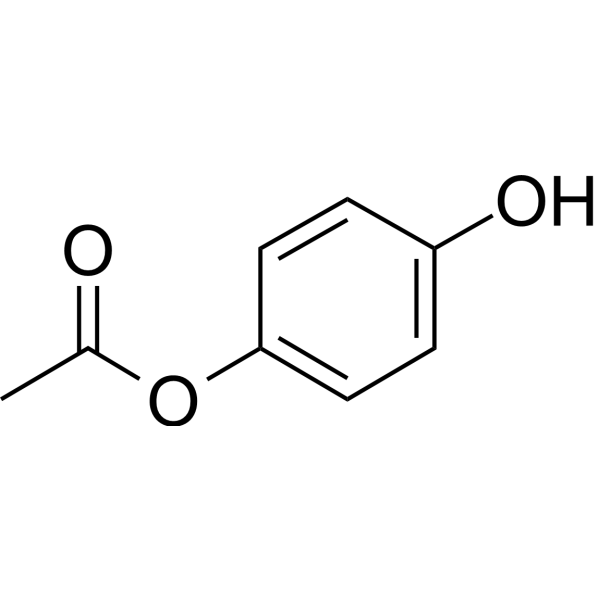
4-Hydroxyphenyl acetate (4-HPA) is a natural antioxidant and protects cells from oxidative stress-induced necrosis. 4-Hydroxyphenyl acetate blocks the increase of cellular ROS induced by oxidative stress, and up-regulates NQO1 and HO-1 genes by stabilizing and inducing the nuclear translocation of NRF2 transcription factor .
|
-
-
- HY-139369
-
QD394
1 Publications Verification
|
Reactive Oxygen Species (ROS)
|
Cancer
|
|
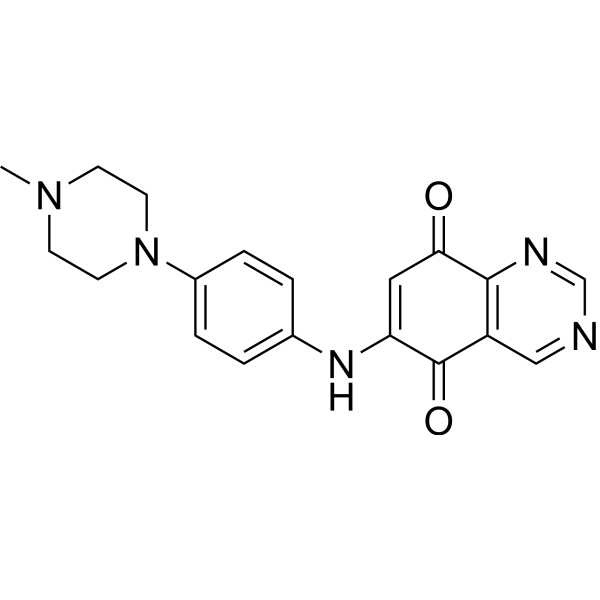
QD394 is a reactive oxygen species (ROS) inducer that can induce lipid peroxidation, increase intracellular ROS accumulation, inhibit STAT3 phosphorylation, and induce ferroptosis .
|
-
-
- HY-W661499
-
|
|
Phosphatase
Apoptosis
Reactive Oxygen Species (ROS)
Caspase
|
Cancer
|
|
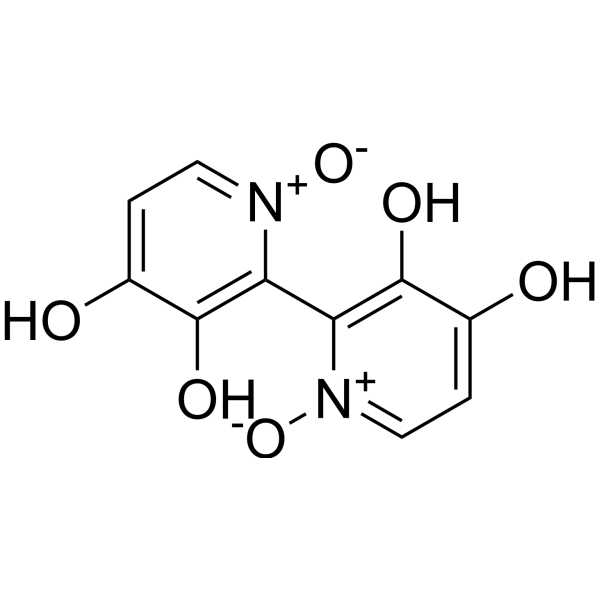
Orellanine, a nephrotoxic alkaloid found in Cortinarius orellanus, is an orally active and selective non-competitive inhibitor of alkaline phosphatase. Orellanine chelates iron, generates reactive oxygen species (ROS), induces DNA scission, forms ortho-semiquinone radicals, downregulates antioxidant defenses, and inhibits mitochondrial function. Orellanine induces caspase 8/9-mediated apoptosis. Orellanine inhibits synthesis of proteins, RNA, DNA, and mitochondrial protein synthesis, with metabolic activation required for cell-free protein synthesis inhibition. Orellanine can be used for the research of metastatic clear cell renal cell carcinoma, acute renal failure, chronic renal insufficiency, and kidney damage .
|
-
-
- HY-155644
-
|
|
Bacterial
Reactive Oxygen Species (ROS)
|
Infection
|
|
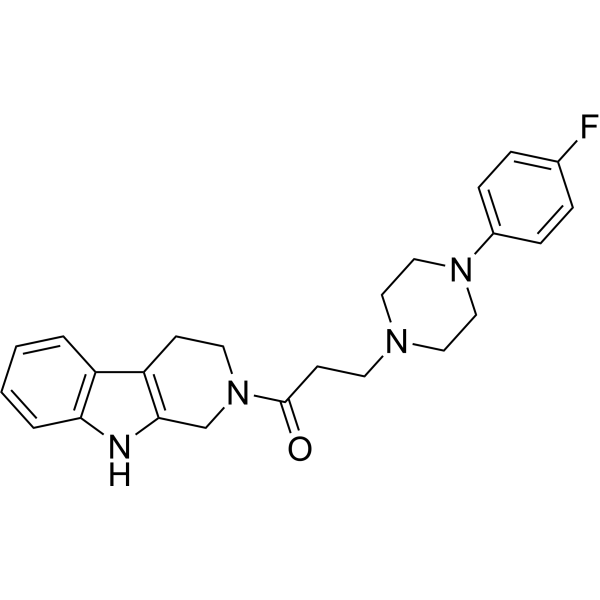
ROS inducer 1 (compound I29) is a fungicide, with EC50 against Xanthomonas axonopodis pv. citri (Xac), Xanthomonas oryzae pv. oryzae (Xoo), and Pseudomonas syringae pv. actinidiae (Psa) of 5.73, 6.62 and 9.05 μg/mL. ROS inducer 1 can effectively induce the production of ROS in Xanthomonas cells and inhibit rice bacterial blight. ROS inducer 1 has the potential to study bacterial infection in crops .
|
-
-
- HY-N7697C
-
|
|
Toll-like Receptor (TLR)
Interleukin Related
Reactive Oxygen Species (ROS)
|
Cardiovascular Disease
Metabolic Disease
Inflammation/Immunology
|
|
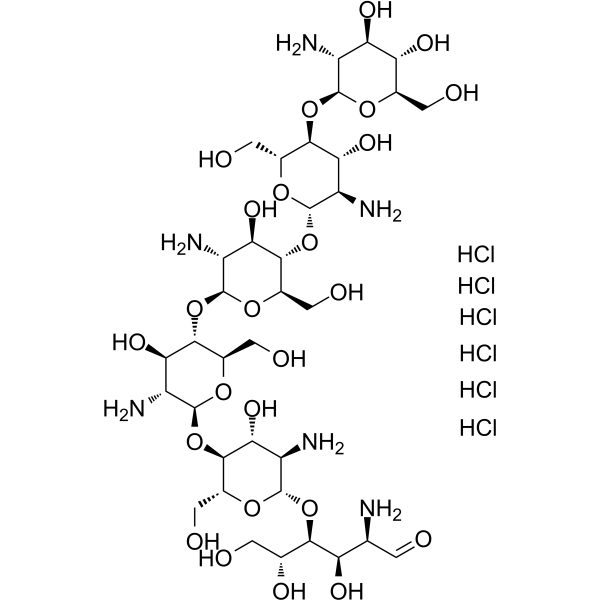
Chitohexaose hexahydrochloride is a small molecular polysaccharide. Chitohexaose hexahydrochloride inhibits the binding of AgW to TLR4. Chitohexaose hexahydrochloride upregulates IL-10, inhibits LPS-induced upregulation of ROS, induces alternative activation of macrophages/monocytes, and suppresses LPS-induced production of TNF-α, IL-1β and IL-6. Chitohexaose hexahydrochloride reverses the mortality of mice challenged with APAP or LPS. Chitohexaose hexahydrochloride can be used in research related to Acetaminophen (HY-66005)-induced hepatotoxicity and endotoxemia .
|
-
-
- HY-155661
-
|
|
Reactive Oxygen Species (ROS)
|
Infection
|
|
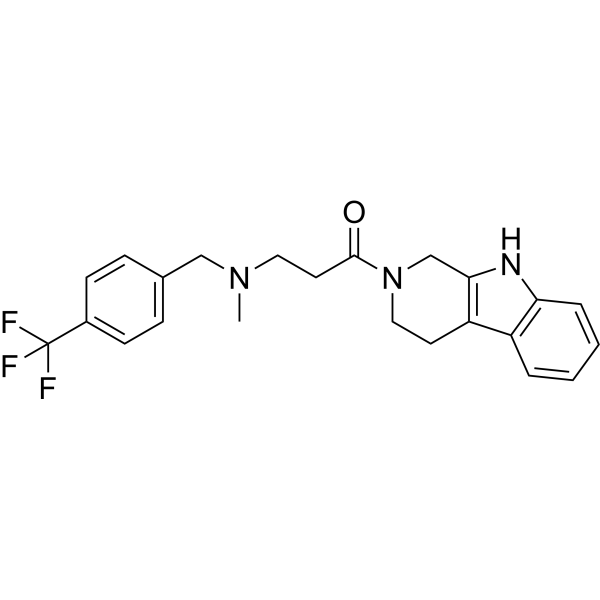
ROS inducer 2 (Compound I16) is a ROS inducer. ROS inducer 2 has good activity in vitro, with an EC50 of 3.43 μg/mL. ROS inducer 2 has outstanding bioactivities in vivo against Xanthomonas axonopodis pv. citri. ROS inducer 2, as a bactericidal agent, can be used for the research of intractable plant bacterial diseases .
|
-
-
- HY-155662
-
|
|
Reactive Oxygen Species (ROS)
|
Infection
|
|
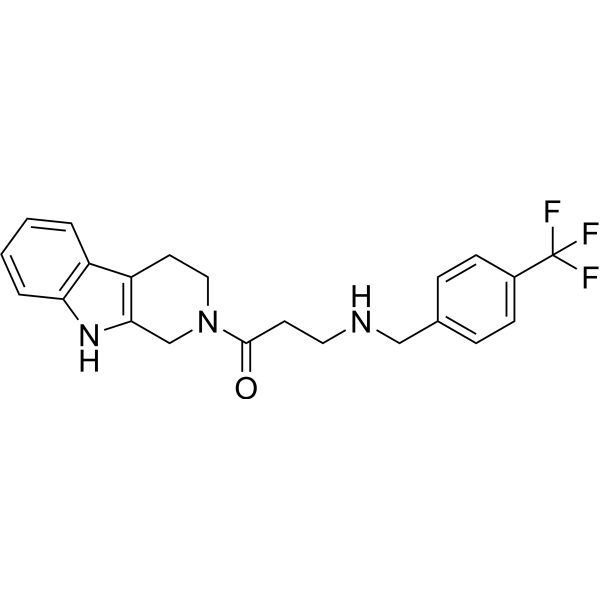
ROS inducer 3 (Compound I6) is a ROS inducer. ROS inducer 3 has excellent in vitro bioactivity with an EC50 of 2.86 μg/mL. ROS inducer 3 has significant protective activity for preventing Pseudomonas syringae pv. actinidiae. ROS inducer 2, as a bactericidal agent, can be used for the research of intractable plant bacterial diseases .
|
-
-
- HY-170416
-
|
|
Reactive Oxygen Species (ROS)
|
Cancer
|
|
ROS inducer 6 (compound 9) is a reactive oxygen species (ROS) inducer. ROS inducer 6 (compound 9) acts as an anticancer agent by inducing ROS generation through the depletion of intracellular glutathione .
|
-

-
- HY-169253
-
|
|
Reactive Oxygen Species (ROS)
Apoptosis
|
Cancer
|
|
ROS inducer 5 (compound 6e) can induce intracellular ROS accumulation and subsequent nuclear fragmentation. ROS inducer 5 can induce apoptosis in MCF-7 cells, with an IC50 value of 3.85 μM. ROS inducer 5 can be used in anticancer research .
|
-

-
- HY-172602
-
|
|
Antibiotic
Bacterial
Reactive Oxygen Species (ROS)
|
Infection
|
|
ROS inducer 9 (compound 4e) is an antibacterial agent with a MIC value of 0.25 μg/mL against E. coli. ROS inducer 9 kills bacteria by inhibiting GSH activity and increasing ROS levels. ROS inducer 9 shows low toxicity to erythrocytes and RAW 264.7 cells .
|
-

-
- HY-168960
-
|
|
Reactive Oxygen Species (ROS)
Bacterial
|
Infection
|
|
ROS inducer 8 (Compound 11g) is the inhibitor for glutathione (GSH), that induces the ROS accumulation in Enterococcus faecalis, thereby exhibiting antibacterial activity. ROS inducer 8 disrupts the biofilm, inhibits S. aureus and E. faecalis with MIC of 8 μg/mL and 2 μg/mL, exhibits post-antibiotic effect. ROS inducer 8 exhibits low hemolytic toxicity to sheep erythrocytes (HC50 > 1280 μg/mL) .
|
-

-
- HY-159518
-
|
|
Reactive Oxygen Species (ROS)
Mitochondrial Metabolism
Apoptosis
|
Cancer
|
|
ROS inducer 4 (compound TE3) is a mitochondrial inhibitor. ROS inducer 4 causes a series of mitochondria-related physiological changes in tumors, such as mitochondrial fragmentation, explosive generation and accumulation of ROS, decreased mitochondrial membrane potential, decreased ATP content, and activation of ROS-mediated apoptotic signaling in mitochondria .
|
-

-
- HY-149837
-
|
|
Fluorescent Dye
|
Inflammation/Immunology
|
|
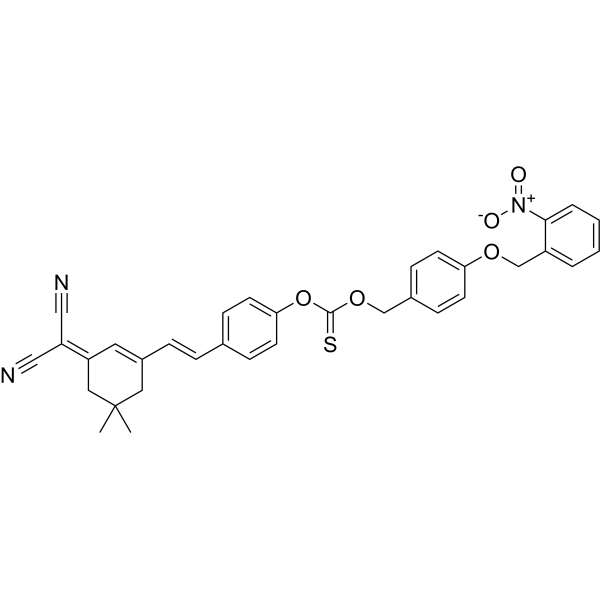
PRO-F is a photoactivable H2S donor with ROS scavenging ability. PRO-F can be activated by light to produce fluorescent signal, for real-time tracking of released H2S. PRO-F activation doesn’t consume endogenous substances. deliver H2S in an intracellular environment to protect cells from excessive reactive oxygen species (ROS) induced damage. PRO-F shows enhancement on chronic wound healing, researched in diabetic models as well .
|
-
-
- HY-12040S
-
|
STA-4783-d2
|
Isotope-Labeled Compounds
Reactive Oxygen Species (ROS)
Apoptosis
Cuproptosis
|
Cancer
|
|
Elesclomol-d2 (STA-4783-d2) is a deuterium labeled Elesclomol (HY-12040). Elesclomol (STA-4783) is a potent copper ionophore and promotes copper-dependent cell death (cuproptosis). Elesclomol specifically binds ferredoxin 1 (FDX1) α2/α3 helices and β5 strand. Elesclomol inhibits FDX1-mediated Fe-S cluster biosynthesis. Elesclomol is an oxidative stress inducer that induces cancer cell apoptosis. Elesclomol is a reactive oxygen species (ROS) inducer. Elesclomol can be used for Menkes and associated disorders of hereditary copper deficiency research .
|
-

-
- HY-N0281R
-
|
7,8-Dihydroxycoumarin (Standard)
|
Reference Standards
EGFR
PKA
PKC
Autophagy
Apoptosis
AMPK
Akt
mTOR
Reactive Oxygen Species (ROS)
Caspase
Bcl-2 Family
PARP
Parasite
|
Inflammation/Immunology
Cancer
|
|
Daphnetin (Standard) is the analytical standard of Daphnetin. This product is intended for research and analytical applications. Daphnetin (7,8-dihydroxycoumarin), one coumarin derivative can be found in plants of the Genus Daphne, is a potent, oral active protein kinase inhibitor, with IC50s of 7.67 μM, 9.33 μM and 25.01 μM for EGFR, PKA and PKC in vitro, respectively. Daphnetin triggers ROS-induced cell apoptosis and induces cytoprotective autophagy by modulating the AMPK/Akt/mTOR pathway. Daphnetin has anti-inflammation activitity and inhibits TNF-α, IL-1 , ROS, and MDA production. Daphnetin has schizontocidal activity against malaria parasites. Daphnetin can be used for rheumatoid arthritis , cancer and anti-malarian research .
|
-

-
- HY-122006
-
|
|
Reactive Oxygen Species (ROS)
|
Cancer
|
|
NPD926 is a small molecule that targets glutathione and induces cancer cell death. NPD926 causes cellular glutathione depletion and subsequent generation of reactive oxygen species (ROS), thereby sensitizing fibroblasts to Xc- system inhibitors. NPD926 is a ROS inducer with anticancer activity. .
|
-

-
- HY-144876
-
|
|
Reactive Oxygen Species (ROS)
|
Cancer
|
|
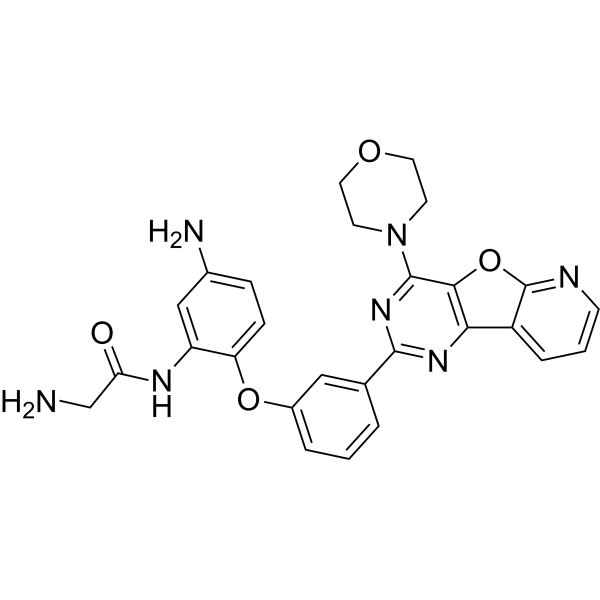
RIDR-PI-103 is a reactive oxygen species (ROS)-induced agent release proagent with a self-cyclizing moiety linked to a pan-PI3K inhibitor (PI-103). Doxorubicin and RIDR-PI-103 shows a synergistic effect in MDA-MB-361 and MDA-MB-231 cells to inhibit cancer cell proliferation .
|
-
-
- HY-176162
-
|
|
Reactive Oxygen Species (ROS)
Apoptosis
|
Cancer
|
|
BJ-13 is a reactive oxygen species (ROS) inducer that can lead to mitochondrial membrane potential collapse and caspase-dependent apoptosis. BJ-13 inhibits the proliferation of SGC-7901, U-87MG, and HepG-2 cancer cells (IC50 values of 15.33, 27.18, and 20.44 nM, respectively). BJ-13 can be used in the study of gastric cancer .
|
-

-
- HY-158368
-
|
|
Apoptosis
Reactive Oxygen Species (ROS)
|
Cancer
|
|
PRDX1-IN-2 (compound 15) is a selective inhibitor of the antioxidant enzyme Peroxiredoxin 1 (PRDX1) (IC50=0.35 μM). PRDX1-IN-2 decreases the mitochondria membrane potential of SW620 cells, probably due to ROS induced by PRDX1 inhibition, leading to cell apoptosis. PRDX1-IN-2 can be used for colorectal cancer research .
|
-

-
- HY-30267R
-
|
4-HPA (Standard); 4-Acetoxyphenol (Standard)
|
Endogenous Metabolite
Reference Standards
|
Others
|
|
4-Hydroxyphenyl acetate (Standard) is the analytical standard of 4-Hydroxyphenyl acetate. This product is intended for research and analytical applications. 4-Hydroxyphenyl acetate (4-HPA) is a natural antioxidant and protects cells from oxidative stress-induced necrosis. 4-Hydroxyphenyl acetate blocks the increase of cellular ROS induced by oxidative stress, and up-regulates NQO1 and HO-1 genes by stabilizing and inducing the nuclear translocation of NRF2 transcription factor .
|
-

-
- HY-N15536
-
|
|
Reactive Oxygen Species (ROS)
|
Cardiovascular Disease
Neurological Disease
|
|
N-trans-Feruloyltyramine 4′-O-β-D-glucopyranoside is a phenolic amide glycoside compound found in Suaeda japonica. N-trans-Feruloyltyramine 4′-O-β-D-glucopyranoside exhibits antioxidant activity, capable of effectively scavenging DPPH free radicals and reducing the production of ROS induced by H2O2 in cells, thus protecting cells from oxidative stress damage. N-trans-Feruloyltyramine 4′-O-β-D-glucopyranoside is promising for research of cardiovascular diseases and neurodegenerative diseases .
|
-

-
- HY-180114
-
|
|
Cholinesterase (ChE)
Monoamine Oxidase
Amyloid-β
Reactive Oxygen Species (ROS)
|
Neurological Disease
|
|
NSS-18 is a potent and reversible inhibitor of AChE and MAO-B, with IC50 values of 1.53 and 1.51 μM respectively. NSS-18 can inhibit the self-aggregation of Aβ. NSS-18 inhibits the intracellular generation of ROS induced by Aβ. NSS-18 shows a moderate neuroprotective effect against 6-OHDA (HY-B1081)-induced neurotoxicity. NSS-18 can form chelates with metal ions such as Cu²⁺, Fe³⁺, and Zn²⁺, with the strongest chelation being with Cu²⁺. NSS-18 can be used for the study of Alzheimer's disease .
|
-

-
- HY-120825
-
|
|
Apoptosis
DNA/RNA Synthesis
Reactive Oxygen Species (ROS)
Keap1-Nrf2
|
Cancer
|
|
QD 232 is a quinazolinedione-based ROS inducer and an apoptosis inducer with cytotoxicity and redox regulatory activity. QD 232 promotes ROS accumulation, activates the NRF2-mediated oxidative stress response and unfolded protein response pathways, and upregulates downstream antioxidant and stress response genes. QD 232 inhibits mtDNA transcription driven by HSP2 and LSP promoters, and impairs mitochondrial oxidative phosphorylation function. QD 232 induces apoptosis of pancreatic ductal adenocarcinoma cells and exerts cytotoxicity against gemcitabine (HY-17026)-resistant pancreatic ductal adenocarcinoma cells. QD 232 delays tumor growth in a mouse pancreatic cancer xenograft model .
|
-

| Cat. No. |
Product Name |
Type |
-
- HY-D1063
-
|
|
Fluorescent Dye
|
|
IR-780 is a near-infrared fluorescent probe for in vivo imaging of tumor cells. IR-780 is transported into tumor cells via OATPs and ABCB10, with uptake dependent on glycolytic activity and plasma membrane potential. IR-780 preferentially accumulates in tumor cell mitochondria, including those of drug-resistant cancer cells, without chemical conjugation. IR-780 generates reactive oxygen species (ROS), induces hyperthermia and apoptosis, inhibits tumor growth and recurrence, and modulates HSP70 expression upon ultrasound or 808 nm laser exposure. IR-780 acts as a sonosensitizer, photodynamic and photothermal agent, and drug delivery carrier, with low acute imaging-dose toxicity and rapid vital organ clearance. IR-780 can be used for the research of cancer, such as breast cancer, lung cancer, and non-small cell lung cancer (NSCLC) .
|
| Cat. No. |
Product Name |
Category |
Target |
Chemical Structure |
-
- HY-N0281
-
|
7,8-Dihydroxycoumarin
|
Daphne
Classification of Application Fields
Thymelaeaceae
Coumarins
Phenols
Polyphenols
Phenylpropanoids
Plants
Disease Research Fields
Source Classification
Cancer
|
EGFR
PKA
PKC
Autophagy
Apoptosis
AMPK
Akt
mTOR
Reactive Oxygen Species (ROS)
Caspase
Bcl-2 Family
PARP
Parasite
|
|
Daphnetin (7,8-dihydroxycoumarin), one coumarin derivative can be found in plants of the Genus Daphne, is a potent, oral active protein kinase inhibitor, with IC50s of 7.67 μM, 9.33 μM and 25.01 μM for EGFR, PKA and PKC in vitro, respectively. Daphnetin triggers ROS-induced cell apoptosis and induces cytoprotective autophagy by modulating the AMPK/Akt/mTOR pathway. Daphnetin has anti-inflammation activitity and inhibits TNF-α, IL-1β, ROS, and MDA production. Daphnetin has schizontocidal activity against malaria parasites. Daphnetin can be used for rheumatoid arthritis , cancer and anti-malarian research .
|
-
-
- HY-30267
-
-
-
- HY-W661499
-
|
|
Structural Classification
Natural Products
Microorganisms
Source Classification
|
Phosphatase
Apoptosis
Reactive Oxygen Species (ROS)
Caspase
|
|
Orellanine, a nephrotoxic alkaloid found in Cortinarius orellanus, is an orally active and selective non-competitive inhibitor of alkaline phosphatase. Orellanine chelates iron, generates reactive oxygen species (ROS), induces DNA scission, forms ortho-semiquinone radicals, downregulates antioxidant defenses, and inhibits mitochondrial function. Orellanine induces caspase 8/9-mediated apoptosis. Orellanine inhibits synthesis of proteins, RNA, DNA, and mitochondrial protein synthesis, with metabolic activation required for cell-free protein synthesis inhibition. Orellanine can be used for the research of metastatic clear cell renal cell carcinoma, acute renal failure, chronic renal insufficiency, and kidney damage .
|
-
-
- HY-N7697C
-
-
-
- HY-N0281R
-
|
7,8-Dihydroxycoumarin (Standard)
|
Structural Classification
Daphne
Thymelaeaceae
Coumarins
Phenols
Polyphenols
Phenylpropanoids
Plants
Source Classification
|
Reference Standards
EGFR
PKA
PKC
Autophagy
Apoptosis
AMPK
Akt
mTOR
Reactive Oxygen Species (ROS)
Caspase
Bcl-2 Family
PARP
Parasite
|
|
Daphnetin (Standard) is the analytical standard of Daphnetin. This product is intended for research and analytical applications. Daphnetin (7,8-dihydroxycoumarin), one coumarin derivative can be found in plants of the Genus Daphne, is a potent, oral active protein kinase inhibitor, with IC50s of 7.67 μM, 9.33 μM and 25.01 μM for EGFR, PKA and PKC in vitro, respectively. Daphnetin triggers ROS-induced cell apoptosis and induces cytoprotective autophagy by modulating the AMPK/Akt/mTOR pathway. Daphnetin has anti-inflammation activitity and inhibits TNF-α, IL-1 , ROS, and MDA production. Daphnetin has schizontocidal activity against malaria parasites. Daphnetin can be used for rheumatoid arthritis , cancer and anti-malarian research .
|
-
-
- HY-30267R
-
|
4-HPA (Standard); 4-Acetoxyphenol (Standard)
|
Structural Classification
Monophenols
Phenols
Endogenous metabolite
Source Classification
|
Endogenous Metabolite
Reference Standards
|
|
4-Hydroxyphenyl acetate (Standard) is the analytical standard of 4-Hydroxyphenyl acetate. This product is intended for research and analytical applications. 4-Hydroxyphenyl acetate (4-HPA) is a natural antioxidant and protects cells from oxidative stress-induced necrosis. 4-Hydroxyphenyl acetate blocks the increase of cellular ROS induced by oxidative stress, and up-regulates NQO1 and HO-1 genes by stabilizing and inducing the nuclear translocation of NRF2 transcription factor .
|
-
-
- HY-N15536
-
|
|
Piperaceae
Piper crocatum Ruiz & Pav.
Plants
Saccharides
Monosaccharides
Source Classification
|
Reactive Oxygen Species (ROS)
|
|
N-trans-Feruloyltyramine 4′-O-β-D-glucopyranoside is a phenolic amide glycoside compound found in Suaeda japonica. N-trans-Feruloyltyramine 4′-O-β-D-glucopyranoside exhibits antioxidant activity, capable of effectively scavenging DPPH free radicals and reducing the production of ROS induced by H2O2 in cells, thus protecting cells from oxidative stress damage. N-trans-Feruloyltyramine 4′-O-β-D-glucopyranoside is promising for research of cardiovascular diseases and neurodegenerative diseases .
|
-
| Cat. No. |
Product Name |
Chemical Structure |
-
- HY-12040S
-
|
|
|
Elesclomol-d2 (STA-4783-d2) is a deuterium labeled Elesclomol (HY-12040). Elesclomol (STA-4783) is a potent copper ionophore and promotes copper-dependent cell death (cuproptosis). Elesclomol specifically binds ferredoxin 1 (FDX1) α2/α3 helices and β5 strand. Elesclomol inhibits FDX1-mediated Fe-S cluster biosynthesis. Elesclomol is an oxidative stress inducer that induces cancer cell apoptosis. Elesclomol is a reactive oxygen species (ROS) inducer. Elesclomol can be used for Menkes and associated disorders of hereditary copper deficiency research .
|
-
| Cat. No. |
Product Name |
|
Classification |
-
- HY-180114
-
|
|
|
Alkynes
|
|
NSS-18 is a potent and reversible inhibitor of AChE and MAO-B, with IC50 values of 1.53 and 1.51 μM respectively. NSS-18 can inhibit the self-aggregation of Aβ. NSS-18 inhibits the intracellular generation of ROS induced by Aβ. NSS-18 shows a moderate neuroprotective effect against 6-OHDA (HY-B1081)-induced neurotoxicity. NSS-18 can form chelates with metal ions such as Cu²⁺, Fe³⁺, and Zn²⁺, with the strongest chelation being with Cu²⁺. NSS-18 can be used for the study of Alzheimer's disease .
|
Your information is safe with us. * Required Fields.
Inquiry Information
- Product Name:
- Cat. No.:
- Quantity:
- MCE Japan Authorized Agent:








