Search Result
Results for "
Sphingosine 1-phosphate
" in MedChemExpress (MCE) Product Catalog:
2
Isotope-Labeled Compounds
| Cat. No. |
Product Name |
Target |
Research Areas |
Chemical Structure |
-
- HY-12005
-
|
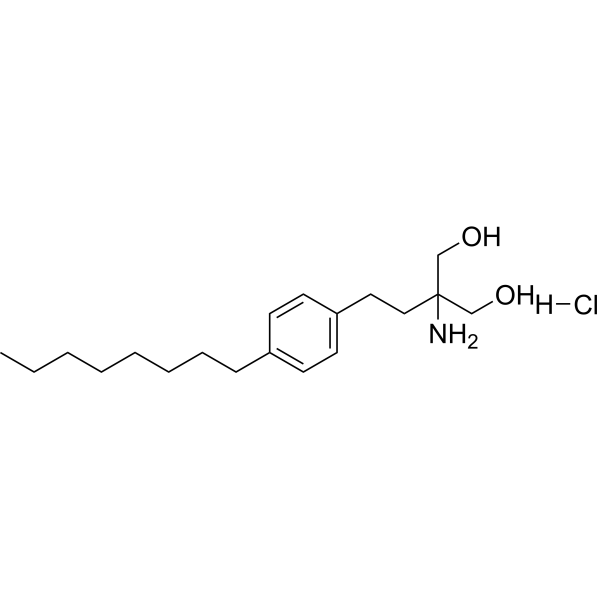
FTY720
|
LPL Receptor
PAK
|
Inflammation/Immunology
Cancer
|
|
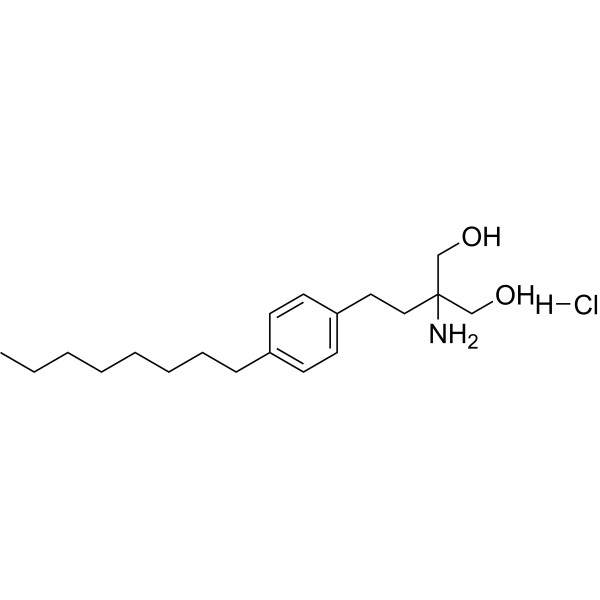
Fingolimod (FTY720) hydrochloride is a sphingosine 1-phosphate (S1P) antagonist with IC50 of 0.033 nM in K562 and NK cells. Fingolimod hydrochloride is also a pak1 activator and immunosuppressant .
|
-
-
- HY-12288
-
|
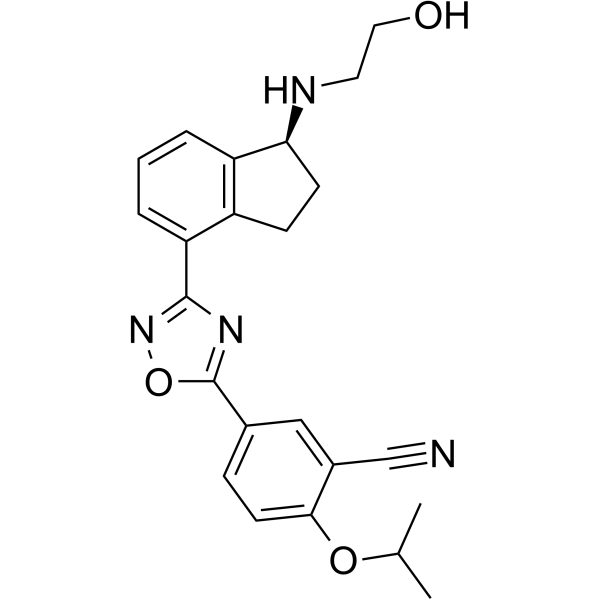
RPC-1063
|
LPL Receptor
|
Neurological Disease
Inflammation/Immunology
|
|
Ozanimod (RPC-1063) is a CNS-penetrant sphingosine 1-phosphate (S1P) receptor modulator that binds with high affinity selectively to S1P receptor subtypes 1 (S1P1) and 5 (S1P5). Ozanimod has modulate effect for hS1P1 and hS1P5 receptor with EC50s of 1.03 nM and 8.6 nM, respectively. Ozanimod can be used for the research of relapsing multiple sclerosis (MS) .
|
-
-
- HY-11063
-
-
-
- HY-15425
-
|
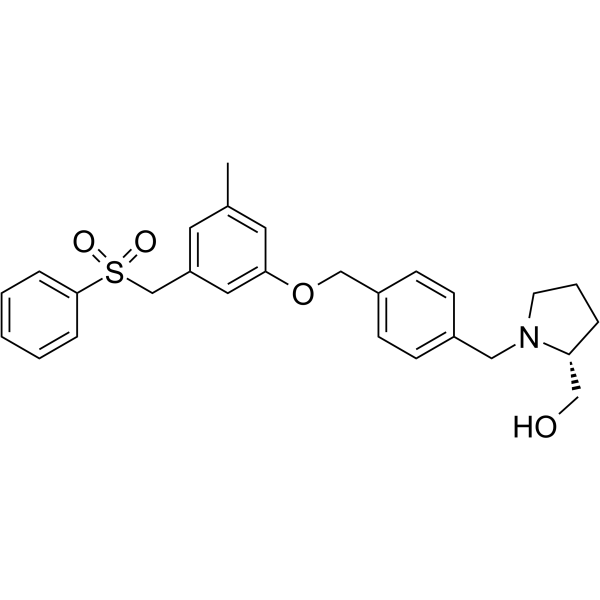
Sphingosine Kinase 1 Inhibitor II
|
SphK
LPL Receptor
Apoptosis
Autophagy
|
Cardiovascular Disease
Inflammation/Immunology
Cancer
|
|
PF-543 (Sphingosine Kinase 1 Inhibitor II) is a potent, selective, reversible and sphingosine-competitive SPHK1 inhibitor with an IC50 of 2 nM and a Ki of 3.6 nM. PF-543 is >100-fold selectivity for SPHK1 over SPHK2. PF-543 is an effective potent inhibitor of sphingosine 1-phosphate (S1P) formation in whole blood with an IC50 of 26.7 nM. PF-543 induces apoptosis, necrosis, and autophagy .
|
-
-
- HY-12288A
-
|
RPC-1063 hydrochloride
|
LPL Receptor
|
Neurological Disease
Inflammation/Immunology
|
|
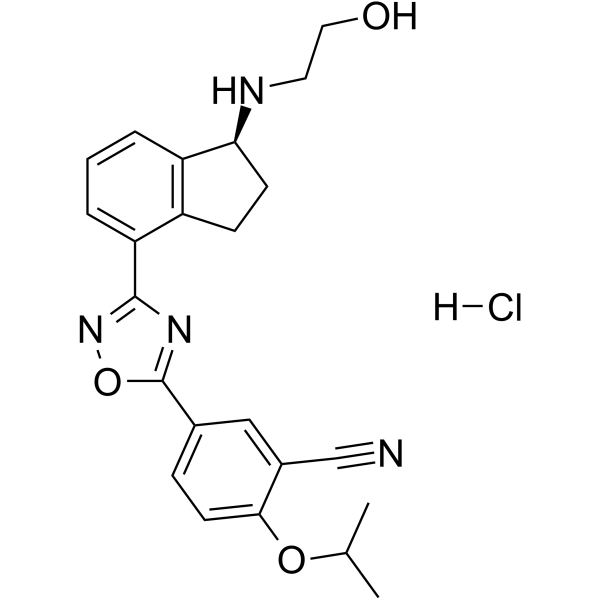
Ozanimod (RPC-1063) hydrochloride, a sphingosine 1-phosphate (S1P) receptor modulator that binds with high affinity selectively to S1P receptor subtypes 1 (S1P1) and 5 (S1P5). Ozanimod hydrochloride has modulate effect for hS1P1 and hS1P5 receptor with EC50s of 1.03 nM and 8.6 nM, respectively. Ozanimod hydrochloride can be used for the research of relapsing multiple sclerosis (MS) .
|
-
-
- HY-15381
-
|
FTY720 phosphate
|
LPL Receptor
|
Infection
Neurological Disease
Inflammation/Immunology
|
|
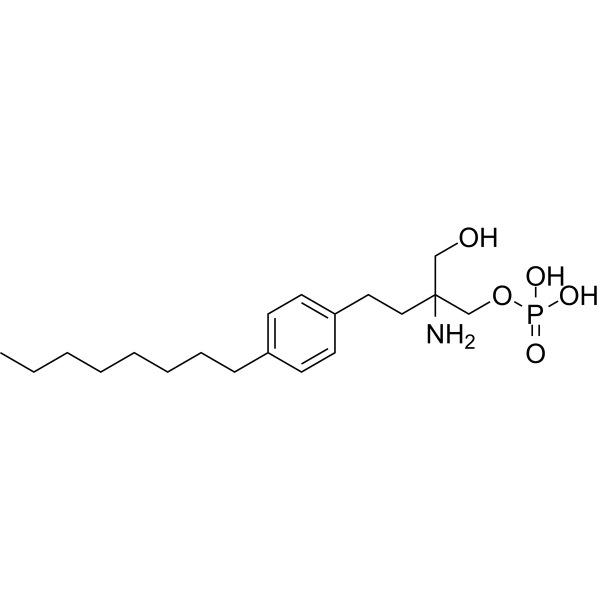
Fingolimod phosphate (FTY720 phosphate) is an orally active sphingosine 1-phosphate (S1P) receptor agonist. Fingolimod phosphate can promote the neuroprotective effects of microglia. Fingolimod phosphate can be used for the research of multiple sclerosis and neurologic diseases .
|
-
-
- HY-15425A
-
|
Sphingosine Kinase 1 Inhibitor II Citrate
|
SphK
LPL Receptor
Apoptosis
Autophagy
|
Cardiovascular Disease
Inflammation/Immunology
Cancer
|
|
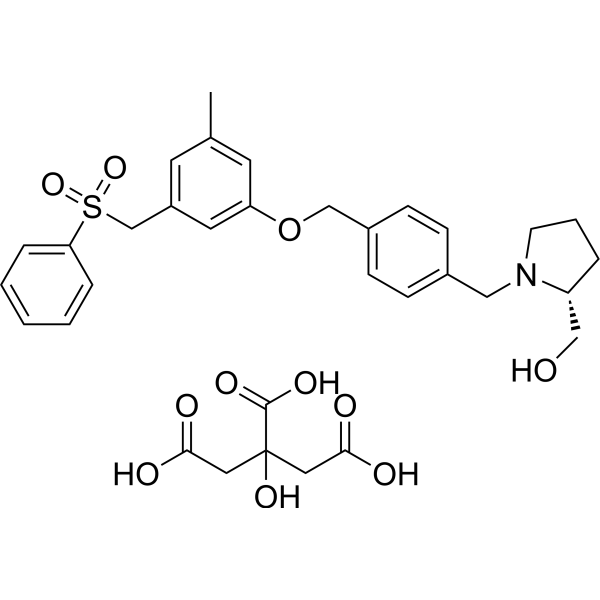
PF-543 Citrate (Sphingosine Kinase 1 Inhibitor II Citrate) is a potent, selective, reversible and sphingosine-competitive SPHK1 inhibitor with an IC50 of 2 nM and a Ki of 3.6 nM. PF-543 Citrate is >100-fold selectivity for SPHK1 over SPHK2. PF-543 Citrate is an effective potent inhibitor of sphingosine 1-phosphate (S1P) formation in whole blood with an IC50 of 26.7 nM. PF-543 Citrate induces apoptosis, necrosis, and autophagy .
|
-
-
- HY-16734A
-
|
MT-1303 hydrochloride
|
LPL Receptor
|
Cardiovascular Disease
Inflammation/Immunology
|
|
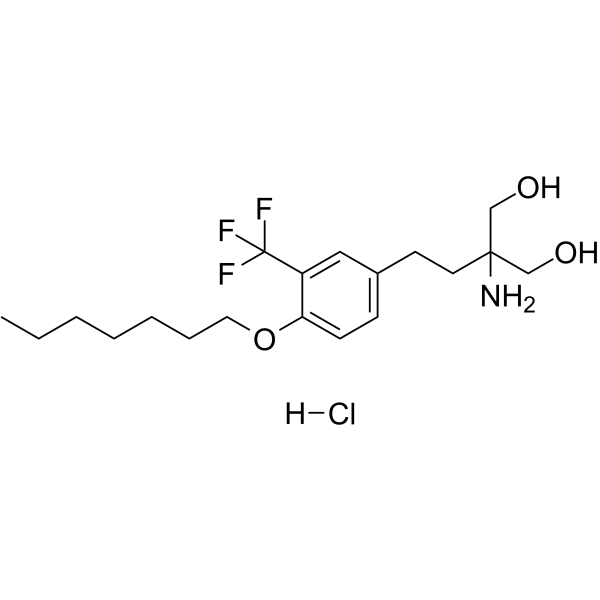
Amiselimod (MT-1303) hydrochloride is converted to its active metabolite Amiselimod phosphate by sphingosine kinases in vivo. Amiselimod hydrochloride is an orally active and high selectivity sphingosine 1-phosphate receptor-1 (S1P1) agonist, designed to reduce the bradycardia effects associated with fingolimod and other S1P receptor modulators. Amiselimod hydrochloride inhibits chronic colitis via inhibiting infiltration of colitogenic Th1 and Th17 cells into the colon. Amiselimod hydrochloride inhibits lupus nephritis by reducing the infiltration of autoreactive T cells into the kidneys. Amiselimod hydrochloride is promising for research of autoimmune diseases .
|
-
-
- HY-10968
-
CYM5442
3 Publications Verification
|
LPL Receptor
|
Neurological Disease
|
|
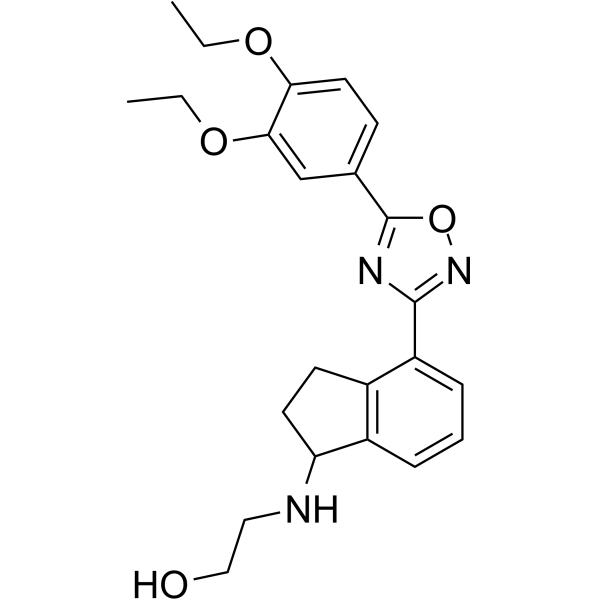
CYM5442 is a potent, highly-selective and orally active sphingosine 1-phosphate (S1P1) receptor agonist with an EC50 of 1.35 nM. CYM5442 is inactive against S1P2, S1P3, S1P4, and S1P5. CYM5442 activates S1P1-dependent p42/p44-MAPK phosphorylation. CYM5442 exerts retinal neuroprotection. CYM5442 can easily penetrate the central nervous system (CNS) .
|
-
-
- HY-108491
-
|
|
SphK
Apoptosis
|
Cancer
|
|
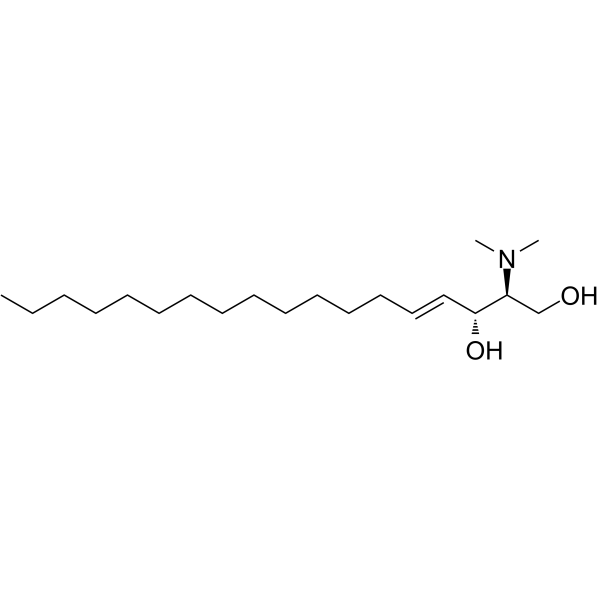
N,N-Dimethylsphingosine is a sphingosine kinase inhibitor. N,N-Dimethylsphingosine binds competitively to sphingosine kinase and blocks the conversion of sphingosine to sphingosine-1-phosphate. N,N-Dimethylsphingosine inhibits sphingosine-1-phosphate release and aggregation of platelets, and also exerts pro-apoptotic effects by resetting ceramide/sphingosine-1-phosphate homeostasis. N,N-Dimethylsphingosine can be used in cancer-related research .
|
-
-
- HY-117213
-
|
S1P1-IN-Ex26
|
LPL Receptor
|
Neurological Disease
Metabolic Disease
Inflammation/Immunology
|
|
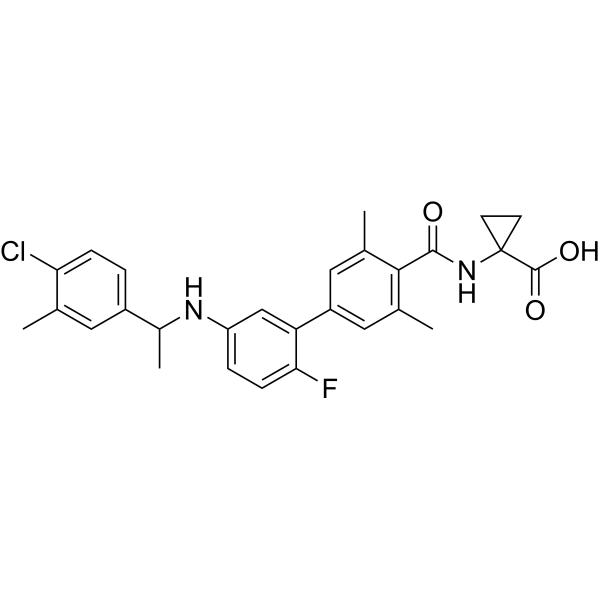
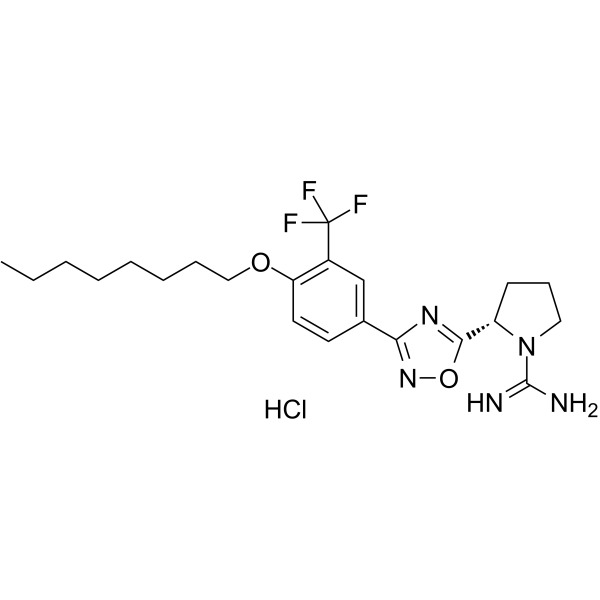
Ex26 (S1P1-IN-Ex26) is a potent and selective sphingosine 1-phosphate receptor 1 (S1P1) antagonist (IC50=0.93 nM). Ex26 shows >3,000-fold selectivity for S1P1 over other Sphingosine 1-phosphate receptors. Ex26 can be used in experimental autoimmune encephalomyelitis reseach .
|
-
-
- HY-12685
-
|
ONO-4641
|
LPL Receptor
|
Neurological Disease
|
|
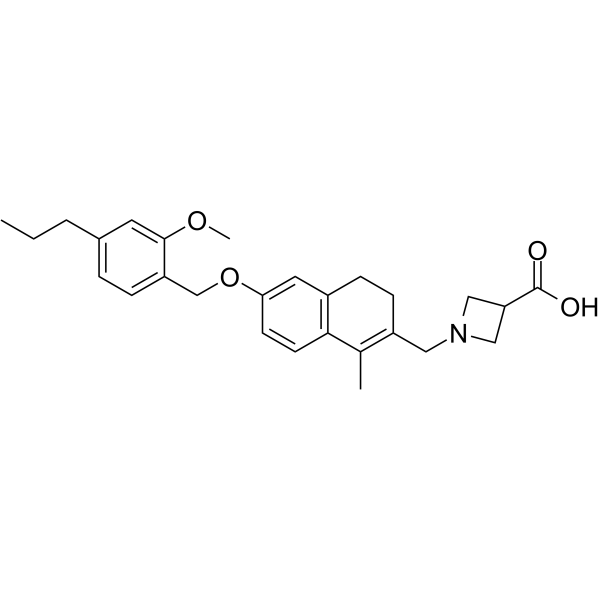
Ceralifimod (ONO-4641) is selective, high potent agonist for sphingosine 1-phosphate receptors 1 and 5, with EC50s of 27.3, 334 pM for human S1P receptor 1 and 5, respectively.
|
-
-
- HY-108490
-
|
|
LPL Receptor
|
Inflammation/Immunology
|
|
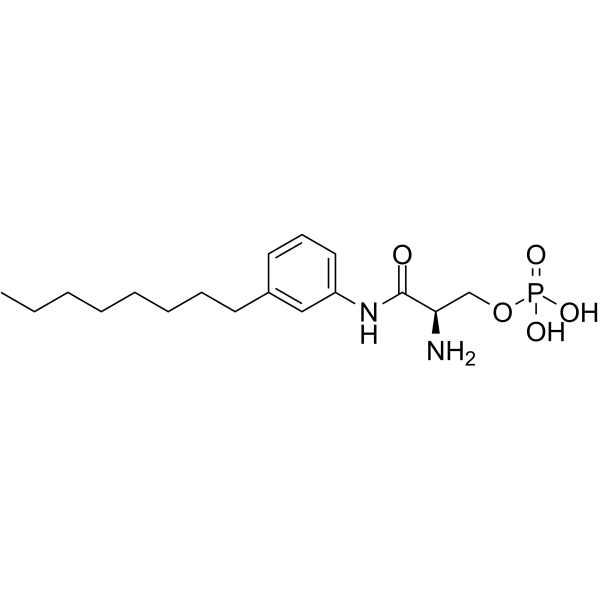
VPC 23019, an aryl amide-containing Sphingosine 1-phosphate (S1P) analog, is a competitive antagonist at the S1P1 and S1P3 receptors (pKi= 7.86 and 5.93, respectively) and an agonist at the S1P4 and S1P5 receptors (pEC50= 6.58 and 7.07, respectively) .
|
-
-
- HY-158783
-
|
|
Ceramidase
Bcl-2 Family
LPL Receptor
Apoptosis
|
Neurological Disease
|
|
SACLAC, a Ceramide analog, is a potent and covalent acid ceramidase (ASAH1; AC) inhibitor with a Ki of 97.1 nM. SACLAC effectively blocks AC activity and induces a decrease in sphingosine 1-phosphate (S1P) and total ceramide levels. SACLAC reduces the levels of splicing factor SF3B1 and alternative Mcl-1 mRNA splicing, increases pro-apoptotic Mcl-1S levels to induce apoptosis in acute myeloid leukemia (AML) cells. SACLAC reduces the leukemic burden in human AML xenograft mouse models .
|
-

-
- HY-141630
-
|
D-erythro-Sphingosine-C17-1-phosphate
|
Drug Derivative
|
Cancer
|
|
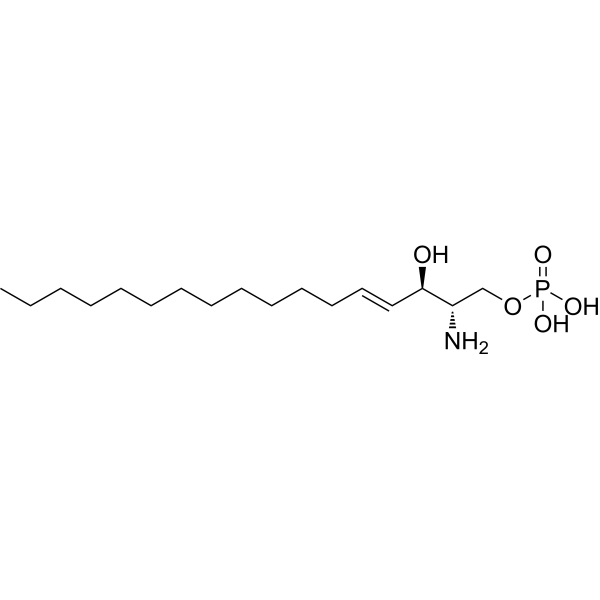
Sphingosine-1-phosphate d17:1 (D-erythro-Sphingosine-C17-1-phosphate) is a derivative of ceramide. Sphingosine-1-phosphate d17:1 can be used for the research of cancer .
|
-
-
- HY-158638
-
|
|
Fluorescent Dye
|
Others
|
|
NBD-FTY720 phenoxy hydrochloride is a fluorescently-labeled analog of FTY720. FTY720 (HY-12005) is a potent sphingosine 1-phosphate (S1P) receptors modulator .
|
-

-
- HY-158417
-
|
|
LPL Receptor
|
Inflammation/Immunology
|
|
KSI-6666 is an orally active, competitive antagonist for sphingosine 1-phosphate receptor 1 (S1PR1), with an IC50 of 6.4 nM. KSI-6666 exhibits anti-inflammatory efficacy in autoimmune encephalomyelitis model and T cell transfer colitis model .
|
-

-
- HY-11063R
-
|
FTY720 free base (Standard)
|
Reference Standards
LPL Receptor
PAK
|
Inflammation/Immunology
Cancer
|
|
Fingolimod (Standard) is the analytical standard of Fingolimod. This product is intended for research and analytical applications. Fingolimod (FTY720 free base) is a brain-penetrant sphingosine 1-phosphate (S1P) antagonist with an IC50 of 0.033 nM in K562 and NK cells. Fingolimod also is a pak1 activator, a immunosuppressant .
|
-

-
- HY-14370
-
|
|
LPL Receptor
|
Others
Inflammation/Immunology
|
|
LX2931 is an inhibitor of Sphingosine 1-Phosphate Lyase (S1PL). LX2931 works by increasing levels of S1P inside and outside the cell. The decrease in S1PL activity leads to a significant increase in S1P content in tissues, especially in lymphoid tissues which may lead to a restricted exodus of lymphocytes from secondary immune tissues, resulting in lymphocytopenic and immunosuppressive effects in the peripheral circulation. LX2931 can be used in research for the study of autoimmune diseases, especially rheumatoid arthritis .
|
-

-
- HY-120268A
-
|
|
SphK
|
Inflammation/Immunology
|
|
SLM6031434 hydrochloride is the hydrochloride salt form of SLM6031434 (HY-120268). SLM6031434 is a highly selective sphingosine kinase 2 (SphK2) inhibitor with an IC50 value of 0.4 μM for SphK2. SLM6031434 exerts anti-fibrotic effects by increasing sphingosine accumulation and Smad7 expression. SLM6031434 demonstrates effective anti-fibrotic efficacy in a unilateral ureteral obstruction (UUO)-induced tubulointerstitial fibrosis mouse model. SLM6031434 can be used for the study of proteinuric kidney diseases or chronic kidney disease (CKD) .
|
-
-
- HY-139094
-
|
|
LPL Receptor
|
Metabolic Disease
|
|
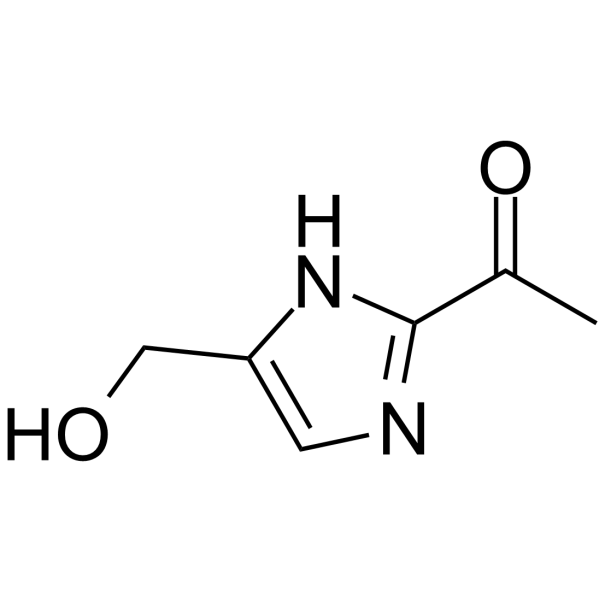
A6770 is an orally active, potent sphingosine 1-phosphate (S1P) lyase (S1PL) inhibitor. A6770 is phosphorylated and the phosphorylated form directly inhibits S1P lyased.A6770, a potential key metabolite of THI, induces a [ 3H]dhS1P increase .
|
-
-
- HY-15425B
-
|
Sphingosine Kinase 1 Inhibitor II hydrochloride
|
SphK
LPL Receptor
Apoptosis
Autophagy
|
Cardiovascular Disease
Inflammation/Immunology
Cancer
|
|
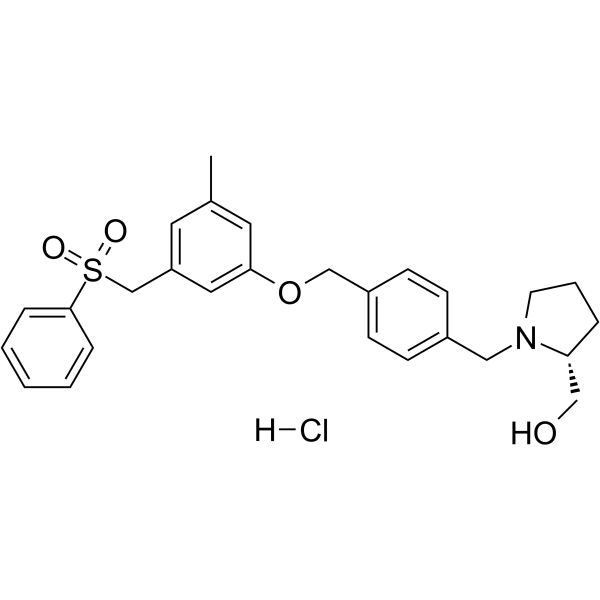
PF-543 hydrochloride (Sphingosine Kinase 1 Inhibitor II hydrochloride) is a potent, selective, reversible and sphingosine-competitive SPHK1 inhibitor with an IC50 of 2 nM and a Ki of 3.6 nM. PF-543 hydrochloride is >100-fold selectivity for SPHK1 over SPHK2. PF-543 hydrochloride is an effective potent inhibitor of sphingosine 1-phosphate (S1P) formation in whole blood with an IC50 of 26.7 nM. PF-543 hydrochloride induces apoptosis, necrosis, and autophagy .
|
-
-
- HY-111021
-
|
|
LPL Receptor
|
Inflammation/Immunology
|
|
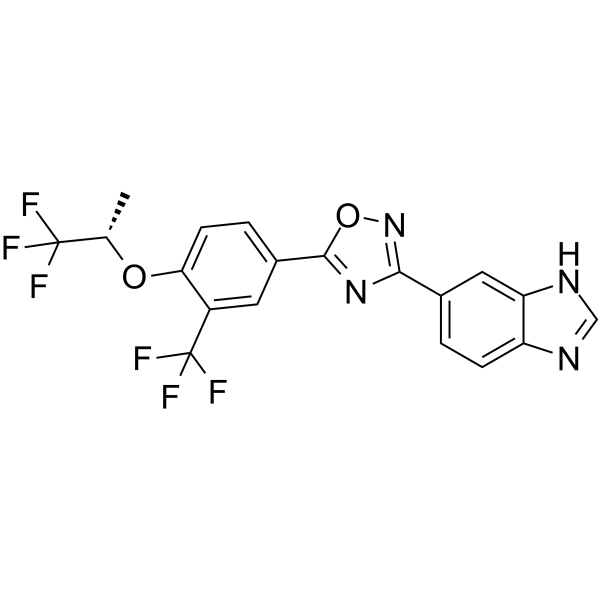
ASP-4058 is a next-generation, selective and oral bioactive agonist for Sphingosine 1-Phosphate receptors 1 and 5 (S1P1 and S1P5), ameliorates rodent experimental autoimmune encephalomyelitis with a favorable safety profile .
|
-
-
- HY-100953
-
|
|
LPL Receptor
|
Metabolic Disease
|
|
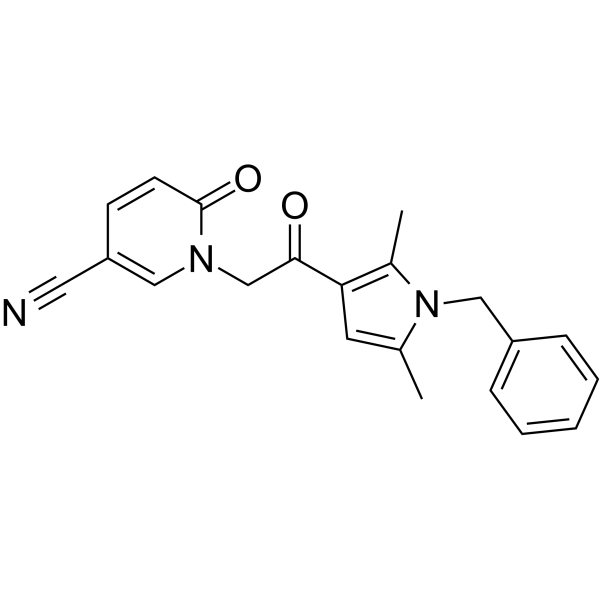
CYM-5520 is a selective and allosteric sphingosine 1-phosphate receptor 2 (S1PR2) agonist with an EC50 of 480 nM. CYM-5520 does not activate S1PR1, S1PR3, S1PR4 and S1PR5 receptors. CYM-5520 can co-bind in the S1PR2 receptor with S1P. CYM-5520 can be used for osteoporosis research .
|
-
-
- HY-11063S
-
|
FTY720 free based-d4
|
LPL Receptor
PAK
|
Inflammation/Immunology
Cancer
|
|
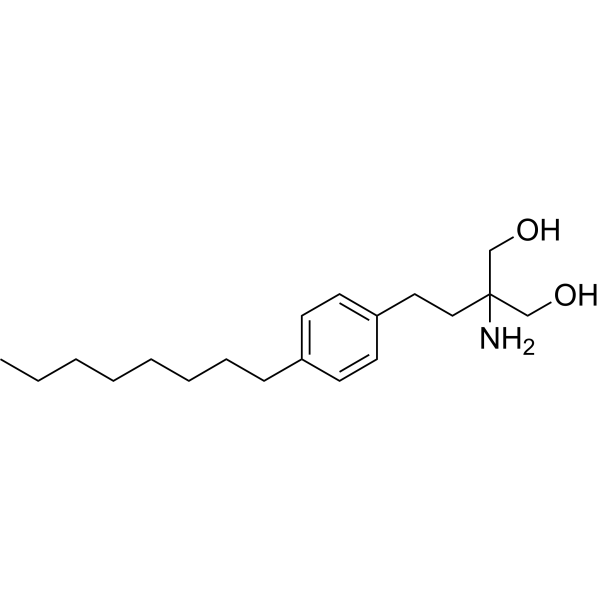
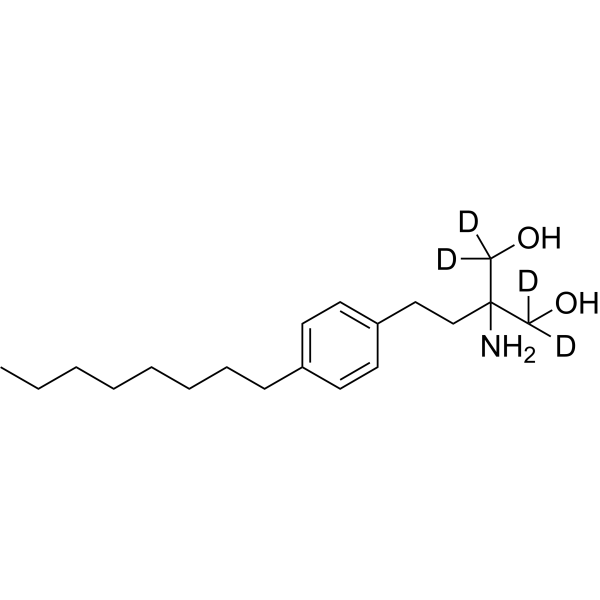
Fingolimod-d4 is the deuterium labeled Fingolimod. Fingolimod (FTY720 free base) is a brain-penetrant sphingosine 1-phosphate (S1P) antagonist with an IC50 of 0.033 nM in K562 and NK cells. Fingolimod also is a pak1 activator, a immunosuppressant .
|
-
-
- HY-12288R
-
|
RPC-1063 (Standard)
|
Reference Standards
LPL Receptor
|
Neurological Disease
Inflammation/Immunology
|
|
Ozanimod (Standard) is the analytical standard of Ozanimod. This product is intended for research and analytical applications. Ozanimod (RPC-1063), a sphingosine 1-phosphate (S1P) receptor modulator that binds with high affinity selectively to S1P receptor subtypes 1 (S1P1) and 5 (S1P5). Ozanimod has modulate effect for hS1P1 and hS1P5 receptor with EC50s of 1.03 nM and 8.6 nM, respectively. Ozanimod can be used for the research of relapsing multiple sclerosis (MS) .
|
-

-
- HY-14976
-
|
|
LPL Receptor
|
Inflammation/Immunology
|
|
CS-0777 is a selective, orally active sphingosine 1-phosphate receptor-1 modulator. CS-0777 can be used in the research of autoimmune diseases .
|
-

-
- HY-12005R
-
|
FTY720 (Standard)
|
Reference Standards
LPL Receptor
PAK
|
Inflammation/Immunology
Cancer
|
|
Fingolimod (hydrochloride) (Standard) is the analytical standard of Fingolimod (hydrochloride). This product is intended for research and analytical applications. Fingolimod hydrochloride (FTY720), an analog of sphingosine, is a potent sphingosine 1-phosphate (S1P) receptors modulator. Fingolimod hydrochloride is phosphorylated by sphingosine kinases, particularly by SK2, and then binds S1PR1, 3, 4, and 5. Fingolimod hydrochloride induces the internalization of S1P1, and consequently, inhibits S1P activity. Fingolimod hydrochloride also is a pak1 activator .
|
-
-
- HY-16734
-
|
MT-1303
|
LPL Receptor
|
Cardiovascular Disease
Inflammation/Immunology
|
|
Amiselimod (MT-1303) is converted to its active metabolite Amiselimod phosphate by sphingosine kinases in vivo. Amiselimod is an orally active and high selectivity sphingosine 1-phosphate receptor-1 (S1P1) agonist, designed to reduce the bradycardia effects associated with fingolimod and other S1P receptor modulators. Amiselimod inhibits chronic colitis via inhibiting infiltration of colitogenic Th1 and Th17 cells into the colon. Amiselimod inhibits lupus nephritis by reducing the infiltration of autoreactive T cells into the kidneys. Amiselimodis promising for research of autoimmune diseases .
|
-

-
- HY-120268
-
|
|
SphK
|
Inflammation/Immunology
|
|
SLM6031434 is a highly selective sphingosine kinase 2 (SphK2) inhibitor with an IC50 value of 0.4 μM for SphK2. SLM6031434 exerts anti-fibrotic effects by increasing sphingosine accumulation and Smad7 expression. SLM6031434 demonstrates effective anti-fibrotic efficacy in a unilateral ureteral obstruction (UUO)-induced tubulointerstitial fibrosis mouse model. SLM6031434 can be used for the study of proteinuric kidney diseases or chronic kidney disease (CKD) .
|
-

-
- HY-10968A
-
|
|
LPL Receptor
|
Neurological Disease
|
|
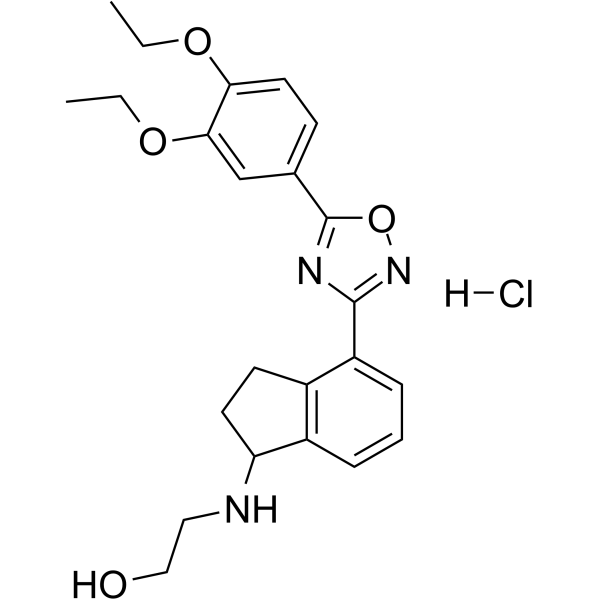
CYM5442 hydrochloride is a potent, highly-selective and orally active sphingosine 1-phosphate (S1P1) receptor agonist with an EC50 of 1.35 nM. CYM5442 hydrochloride is inactive against S1P2, S1P3, S1P4, and S1P5. CYM5442 hydrochloride activates S1P1-dependent p42/p44-MAPK phosphorylation. CYM5442 exerts retinal neuroprotection. CYM5442 hydrochloride can easily penetrate the central nervous system (CNS) .
|
-
-
- HY-15381R
-
|
FTY720 phosphate (Standard)
|
LPL Receptor
Reference Standards
|
Infection
Neurological Disease
Inflammation/Immunology
|
|
Fingolimod phosphate (Standard) is the analytical standard of Fingolimod phosphate. This product is intended for research and analytical applications. Fingolimod phosphate (FTY720 phosphate) is an orally active sphingosine 1-phosphate (S1P) receptor agonist. Fingolimod phosphate can promote the neuroprotective effects of microglia. Fingolimod phosphate can be used for the research of multiple sclerosis and neurologic diseases .
|
-

-
- HY-150513
-
|
|
SphK
|
Cancer
|
|
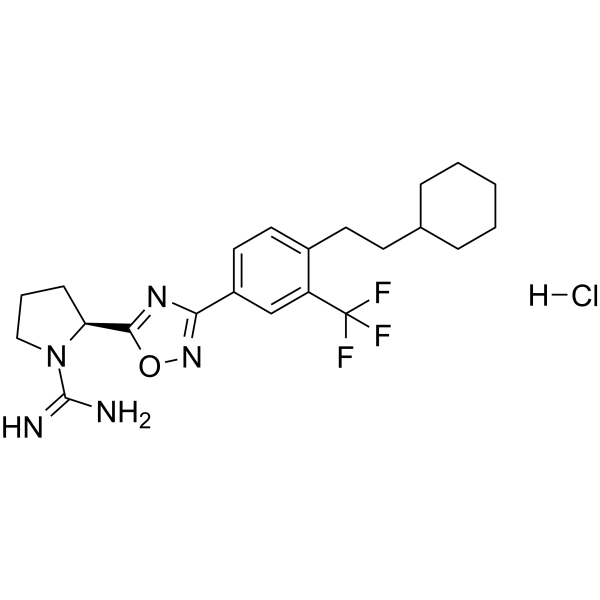
SLP9101555 (compound 14c) is a potent and selective SphK2 (sphingosine kinase 2) inhibitor (Ki=90 nM) with 200-fold selectivity over SphK1. SLP9101555 markedly decreases extracellular S1P (sphingosine 1-phosphate) levels .
|
-
-
- HY-157787
-
|
|
LPL Receptor
|
Neurological Disease
|
|
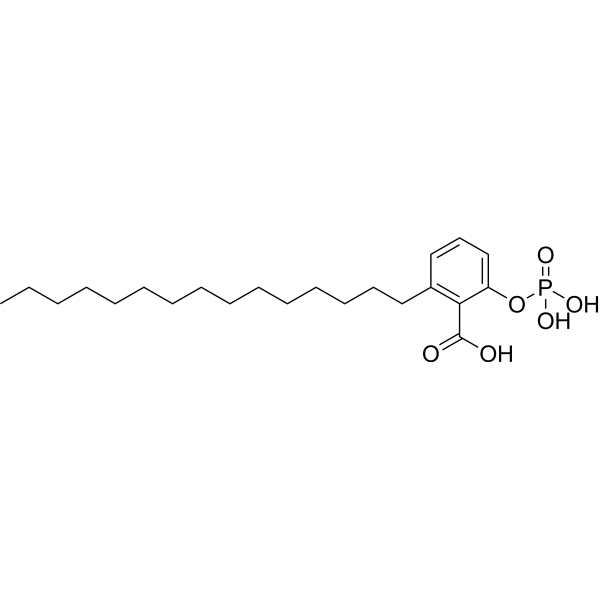
Ginkgolic acid 2-phosphate is a potent sphingosine 1-phosphate agonist. Ginkgolic acid 2-phosphate induces ERK phosphorylation. Ginkgolic acid 2-phosphate interactes with S1P1 .
|
-
-
- HY-111292
-
|
|
LPL Receptor
|
Cancer
|
|
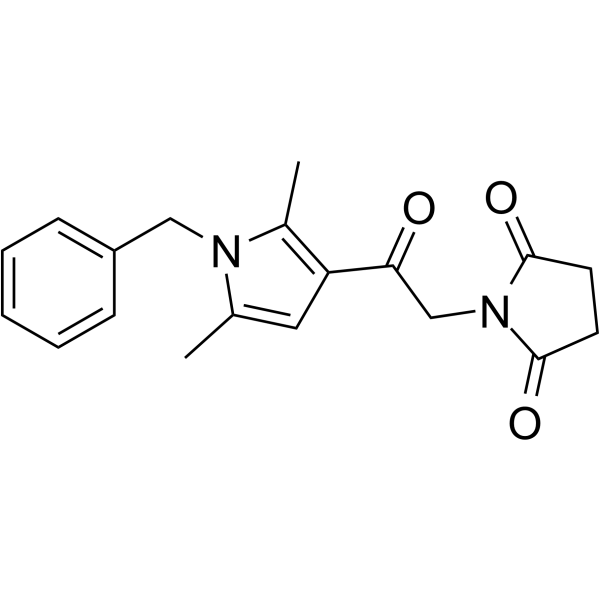
CYM-5482 is a potent and selective agonist Sphingosine 1-phosphate receptor 2 (S1PR2) with an IC50 and EC50 of 1.0 and 1.03 μM. CYM-5482 has the potential for the research of cancer diseases .
|
-
-
- HY-111021A
-
|
|
LPL Receptor
|
Inflammation/Immunology
|
|
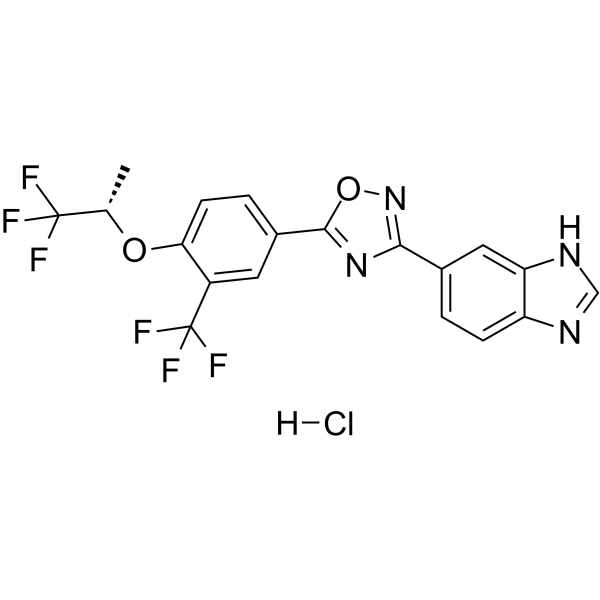
ASP-4058 hydrochloride is a next-generation, selective and orally active agonist for Sphingosine 1-Phosphate receptors 1 and 5 (S1P1 and S1P5), ameliorates rodent experimental autoimmune encephalomyelitis with a favorable safety profile .
|
-
-
- HY-116088
-
|
|
LPL Receptor
|
Inflammation/Immunology
|
|
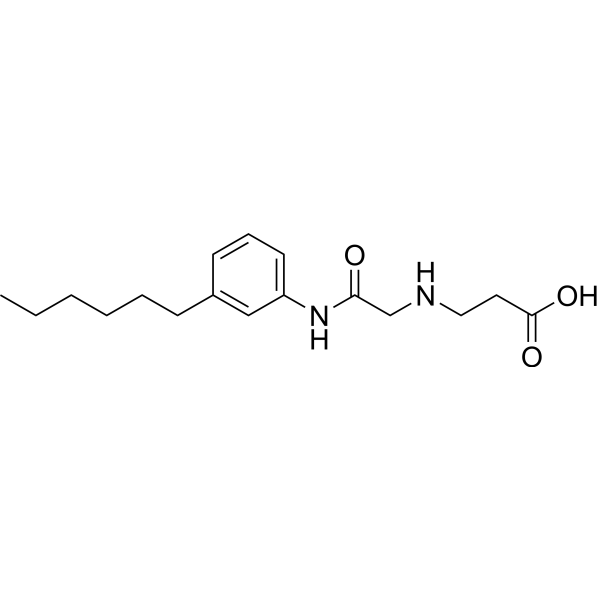
W123, a FTY720 analog, is a competitive sphingosine 1-phosphate type 1 (S1P1) receptor antagonist. W123 is measured by GTPγS activation, MAPK recruitment, cell migration, and ligand-induced receptor internalization .
|
-
-
- HY-11063S1
-
|
FTY720-d4
|
LPL Receptor
PAK
|
Inflammation/Immunology
Cancer
|
|
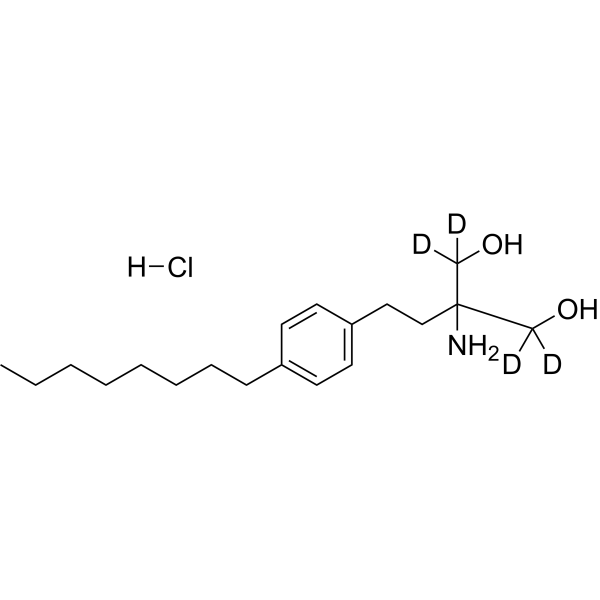
Fingolimod-d4 (hydrochloride) is the deuterium labeled Fingolimod hydrochloride. Fingolimod hydrochloride (FTY720) is a brain-penetrant sphingosine 1-phosphate (S1P) antagonist with an IC50 of 0.033 nM in K562 and NK cells. Fingolimod hydrochloride (FTY720) also is a pak1 activator, a immunosuppressant .
|
-
-
- HY-137973
-
|
|
LPL Receptor
|
Inflammation/Immunology
|
|
RP-1859 is a sphingosine 1-phosphate receptor (S1P) modulator. RP-1859 exerts anti-inflammatory and immunomodulatory activities. RP-1859 can be used for the research of iatrogenic autoimmune colitis .
|
-

-
- HY-10968R
-
|
|
LPL Receptor
|
Neurological Disease
|
|
CYM5442 (Standard) is the analytical standard of CYM5442. This product is intended for research and analytical applications. CYM5442 is a potent, highly-selective and orally active sphingosine 1-phosphate (S1P1) receptor agonist with an EC50 of 1.35 nM. CYM5442 is inactive against S1P2, S1P3, S1P4, and S1P5. CYM5442 activates S1P1-dependent p42/p44-MAPK phosphorylation. CYM5442 exerts retinal neuroprotection. CYM5442 can easily penetrate the central nervous system (CNS) .
|
-

-
- HY-W751034A
-
-

-
- HY-182618
-
|
|
LPL Receptor
|
Others
|
|
XAX-162 is a highly selective sphingosine 1-phosphate receptor 2 (S1PR2) agonist with a human EC50 of 0.55 μM. XAX-162 does not activate other S1P receptors. XAX-162 exhibits noncompetitive inhibition of activity by S1PR2 antagonist JTE-013 (HY-100675) .
|
-

-
- HY-12896
-
|
|
SphK
|
Cancer
|
|
SLR080811 is a guanidine-based selective sphingosine kinase 2 (SphK2) inhibitor with a Ki of 1.3 μM, exhibiting ~10-fold selectivity over SphK1 (Ki = 12 μM). SLR080811 reduces sphingosine 1-phosphate (S1P) levels in vitro, but drives a SphK1-dependent increase in S1P in mice. SLR080811 can be used for cancers and fibrosis research .
|
-

-
- HY-164584
-
|
|
LPL Receptor
|
Neurological Disease
|
|
S1P5 receptor antagonist 1 is a selective, blood-brain barrier-permeable S1P5 receptor antagonist with an EC50 of 0.1 nM and a Ki of 4.4 nM. S1P5 receptor antagonist 1 inhibits the migration of natural killer cells towards sphingosine 1-phosphate in vitro, with no effect on T cell migration. S1P5 receptor antagonist 1 can be used in the research of central nervous system diseases .
|
-

-
- HY-108490R
-
|
|
Reference Standards
LPL Receptor
|
Inflammation/Immunology
|
|
VPC 23019 (Standard) is the analytical standard of VPC 23019 (HY-108490). This product is intended for research and analytical applications. VPC 23019, an aryl amide-containing Sphingosine 1-phosphate (S1P) analog, is a competitive antagonist at the S1P1 and S1P3 receptors (pKi= 7.86 and 5.93, respectively) and an agonist at the S1P4 and S1P5 receptors (pEC50= 6.58 and 7.07, respectively) .
|
-

-
- HY-124368
-
|
|
SphK
|
Inflammation/Immunology
|
|
RB-042 is a SK1 and SK2 inhibitor with IC50 values of 5.3 μM and 5.0 μM, respectively. RB-042 is applicable to the research of inflammatory diseases .
|
-

-
- HY-119601
-
|
|
Phosphodiesterase (PDE)
|
Cancer
|
|
GRI918013 (compound 1) is a selective and competitive autotaxin (ATX/NPP2) inhibitor with anti-invasive and anti-metastatic activity. GRI918013 competitively binds to ATX, blocking lipid substrates such as lysophosphatidylcholine (LPC) from entering the ATX active site, thereby inhibiting ATX-mediated hydrolysis of LPC to lysophosphatidic acid (LPA), and consequently inhibiting ATX-LPA axis-related tumor cell invasion and metastasis. GRI918013 inhibits ATX-mediated hydrolysis of the LPL substrate FS-3 (IC50=31.42 nM, Ki=12.98 nM). GRI918013 can be used in research on cancer invasion and metastasis, such as melanoma, and can also serve as a tool compound for ATX-LPA axis-related diseases such as fibrotic diseases, neuropathic pain, and cholestatic pruritus .
|
-

| Cat. No. |
Compare |
Product Name |
Species |
Source |
Image |
Compare Products
|
| Products |
|
| Cat. No. |
|
| Species |
|
| Source |
|
| Tag |
|
| Accession |
|
| Gene ID |
|
| Molecular Weight |
|
| Purity |
|
| Endotoxin Level |
|
| Biological Activity |
|
| Appearance |
|
| Formulation |
|
| Storage & Stability |
|
| Shipping |
|
| Free Sample |
Yes
No
|
| Size |
* This product has been "discontinued".
Optimized version of product available:
|
| Cat. No. |
Product Name |
Chemical Structure |
-
- HY-11063S
-
|
|
|
Fingolimod-d4 is the deuterium labeled Fingolimod. Fingolimod (FTY720 free base) is a brain-penetrant sphingosine 1-phosphate (S1P) antagonist with an IC50 of 0.033 nM in K562 and NK cells. Fingolimod also is a pak1 activator, a immunosuppressant .
|
-
-
- HY-11063S1
-
|
|
|
Fingolimod-d4 (hydrochloride) is the deuterium labeled Fingolimod hydrochloride. Fingolimod hydrochloride (FTY720) is a brain-penetrant sphingosine 1-phosphate (S1P) antagonist with an IC50 of 0.033 nM in K562 and NK cells. Fingolimod hydrochloride (FTY720) also is a pak1 activator, a immunosuppressant .
|
-
| Cat. No. |
Compare |
Product Name |
Application |
Reactivity |
Image |
Compare Products
|
| Products |
|
| Cat. No. |
|
| Host |
|
| Reactivity |
|
| Application |
|
Dilution
Ratio |
|
| Molecular Weight |
|
| Conjugation |
|
| Clonality |
|
| Immunogen |
|
| Appearance |
|
| Isotype |
|
| Gene ID |
|
| SwissProt ID |
|
| Purity |
|
| Formulation |
|
| Free Sample |
Yes
No
|
| Size |
* This product has been "discontinued".
Optimized version of product available:
|
Your information is safe with us. * Required Fields.
Inquiry Information
- Product Name:
- Cat. No.:
- Quantity:
- MCE Japan Authorized Agent:











