



Ozanimod hydrochloride
Based on 4 publication(s) in Google Scholar
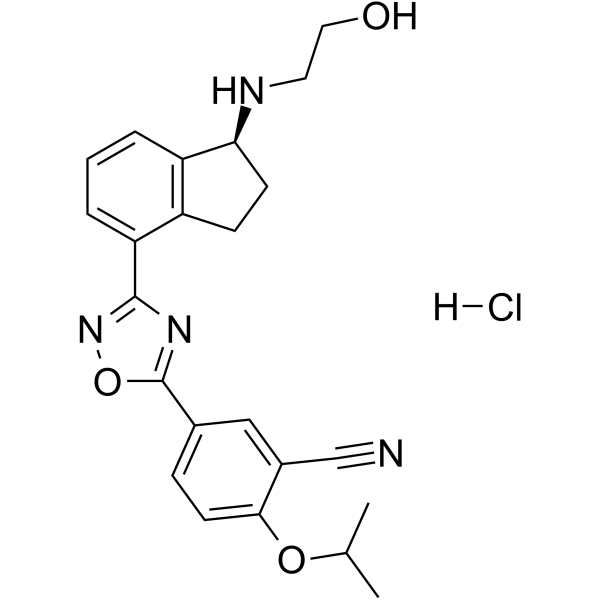
Ozanimod (RPC-1063) hydrochloride, a sphingosine 1-phosphate (S1P) receptor modulator that binds with high affinity selectively to S1P receptor subtypes 1 (S1P1) and 5 (S1P5). Ozanimod hydrochloride has modulate effect for hS1P1 and hS1P5 receptor with EC50s of 1.03 nM and 8.6 nM, respectively. Ozanimod hydrochloride can be used for the research of relapsing multiple sclerosis (MS) .
For research use only. We do not sell to patients.
- Purity : 98.10%
- CAS No.: 1618636-37-5
- Formula: C23H25ClN4O3
- Molecular Weight:440.92
-
Storage:
4°C, sealed storage, away from moisture
* In solvent : -80°C, 6 months; -20°C, 1 month (sealed storage, away from moisture)

To place orders, for customer services and technical support, please contact: MedChemExpress USA
Tel: 609-228-6898 E-mail: [email protected] [email protected]


-
 Biological Activity
-
Chemical Information
-
Solvent & Solubility
- Purity & Documentation
- References
-
 Help & FAQs


-
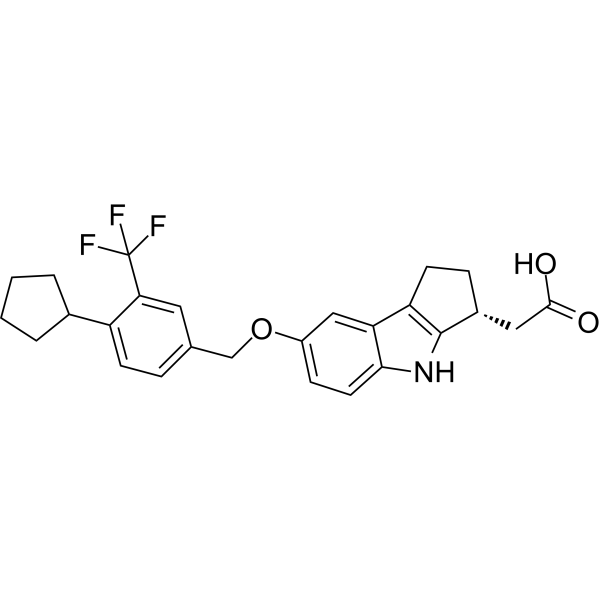
HY-12789
EtrasimodS1P1 Receptor Antagonist -
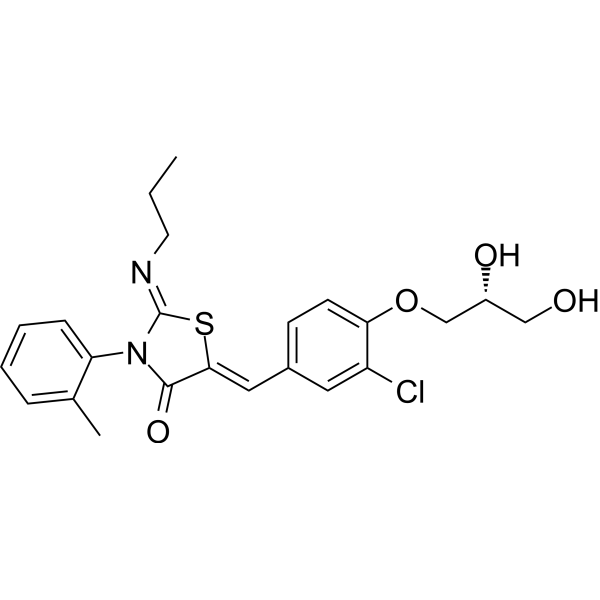
HY-10569
PonesimodS1P1 Agonist -
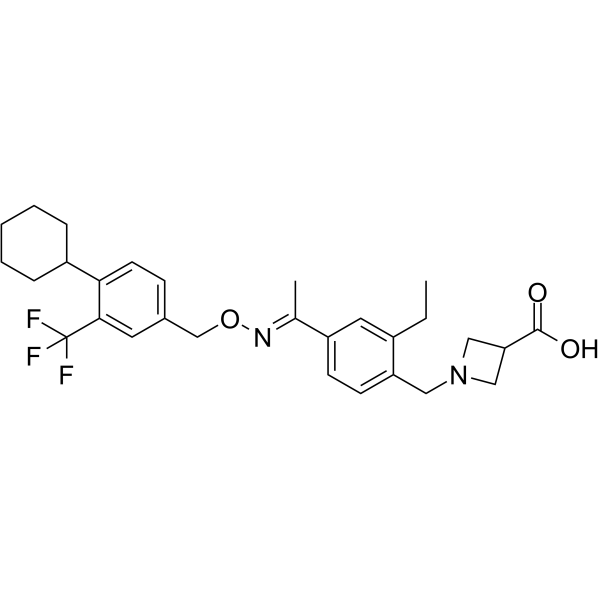
HY-12355
SiponimodS1P1/S1P5 Agonist -
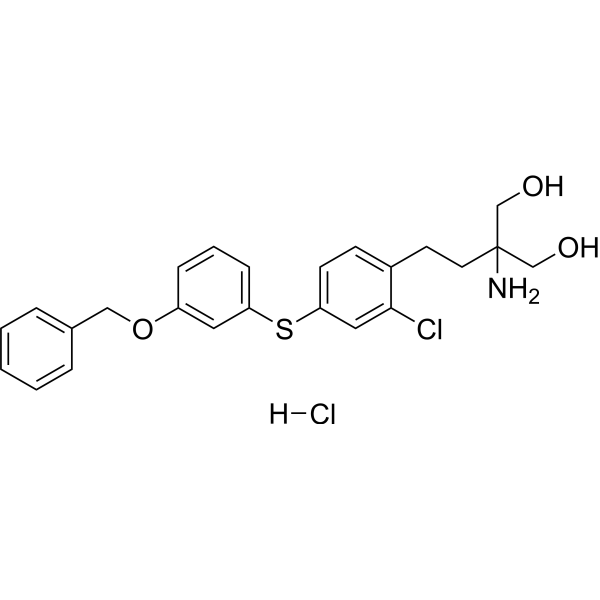
HY-13660
Mocravimod hydrochlorideS1PR Regulator -
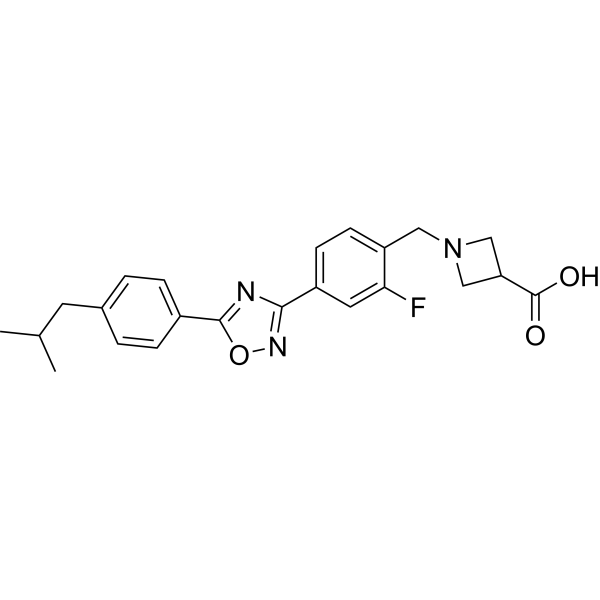
HY-101265
IcanbelimodS1P Receptor Agonist -
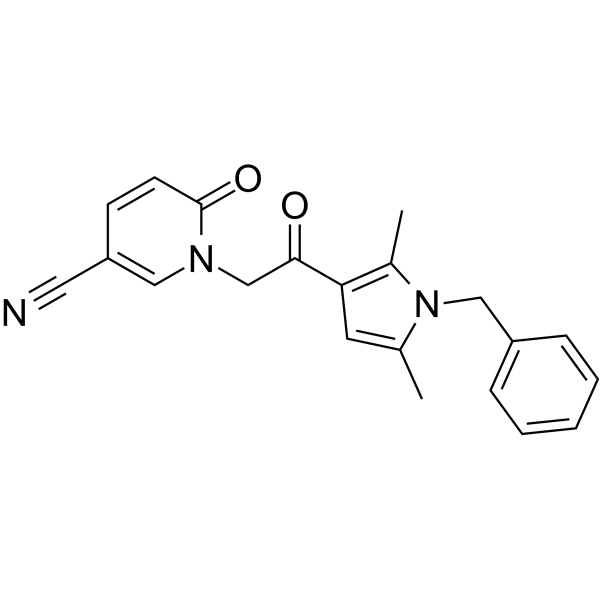
HY-100953
CYM-5520S1PR2 Agonist -
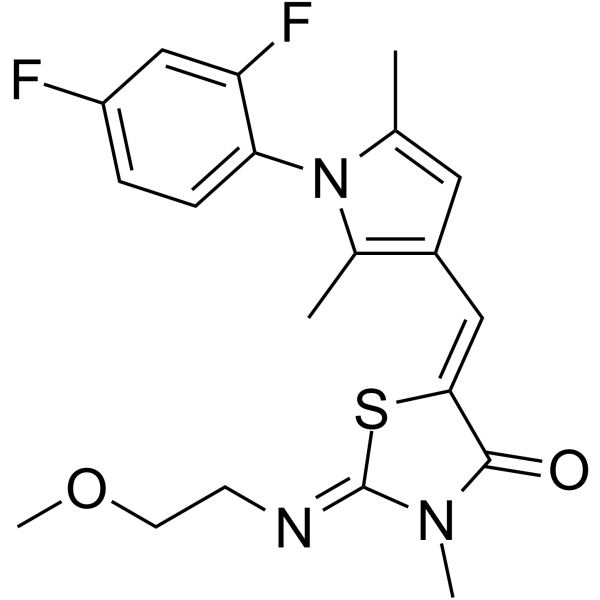
HY-108495
CYM50308S1P4 Receptor Agonist -
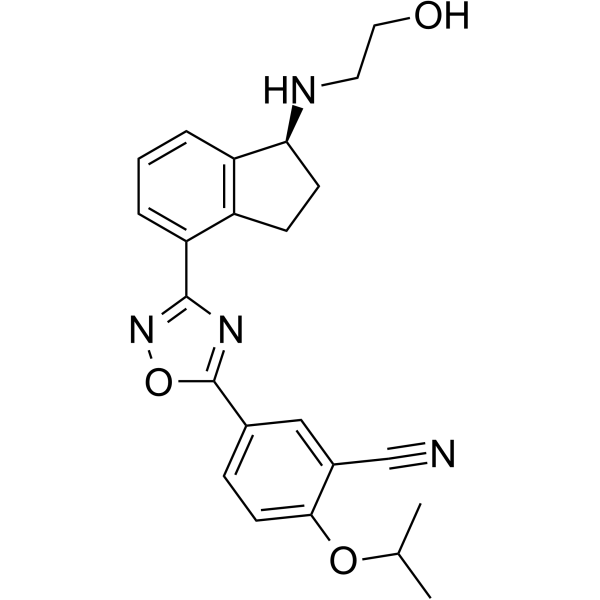
HY-12288
OzanimodS1P Receptor Modulator -
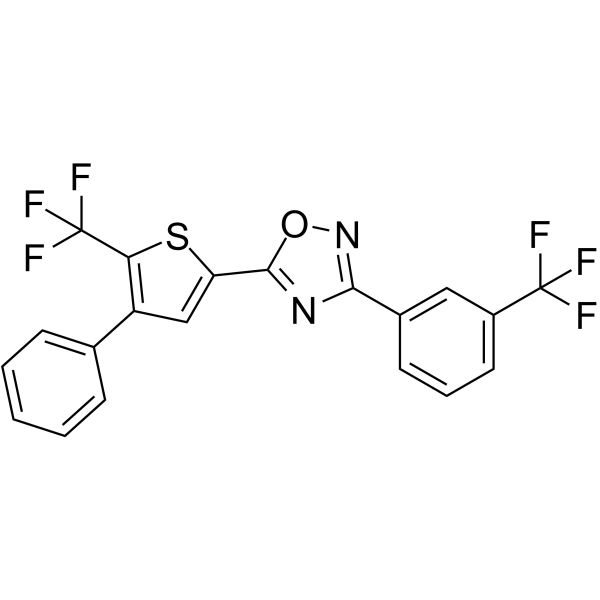
HY-W008947
SEW2871S1P1 Agonist -
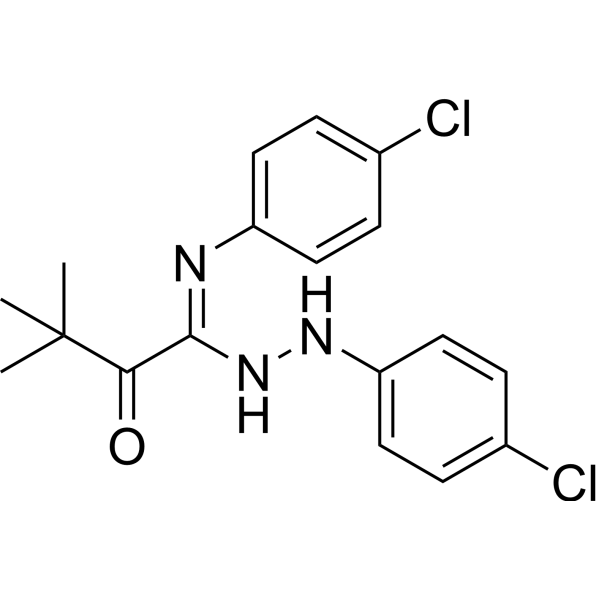
HY-19736
TY-52156LPL Receptor Antagonist -
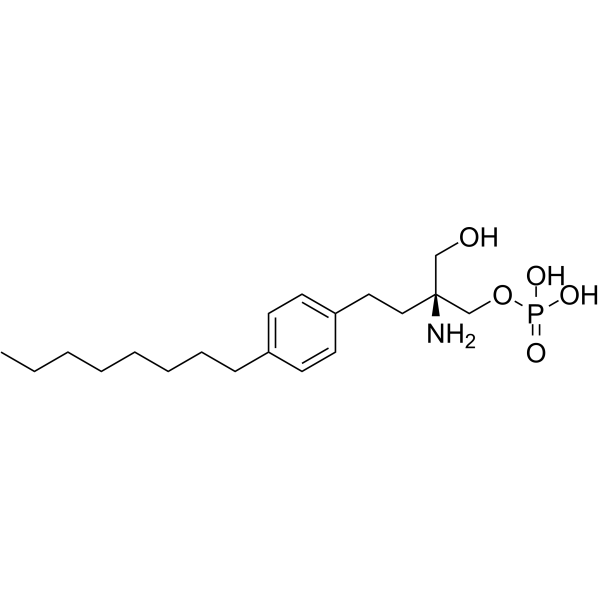
HY-15382
FTY720 (S)-PhosphateLPL Receptor Agonist -
HY-115831
SAR247799S1P1 Agonist
Publications Citing Use of MedChemExpress (MCE) Ozanimod hydrochloride
More Customer Validation & Images

-
Histological Imaging/Staining
-
WB
-
Histological Imaging/Staining
-
In Vivo Imaging
-
Cell Imaging/Staining


Biological Activity
Description
IC50 & Target
|
S1PR1 1.03 nM (EC50) |
S1PR5 8.6 nM (EC50) |
In Vitro
Ozanimod (RPC-1063) hydrochloride has potency and intrinsic activity of S1P receptor modulators for S1P5 across species with [35S]-GTPgS binding, and the EC50 values of 1.03 nM, 1.29 nM, 0.90 nM, 1.02 nM and 0.61 nM for Human S1P1, Cynomolgus monkey S1P1, Mouse S1P1, Rat S1P1 and Canine S1P1, respectively; and the EC50 values of 8.6 nM, 15.9 nM, 957.5 nM, 2032.7 nM and 1662.0 nM for Human S1P5, Cynomolgus monkey S1P5, Mouse S1P5, Rat S1P5 and Canine S1P5, respectively[1].
Ozanimod hydrochloride restores the potency with EC50 from 958 nM for mS1P5 to 6.7 nM for mS1P5_A120T to closely mirror the EC50 for hS1P5 of 8.6 nM by mutating the alanine in the mouse sequence[1].
Ozanimod hydrochloride has binding affinity with Ki values of 2.0 nM, 59.9 nM and 5.6 nM for hS1P5, mS1P5 and mS1P5 _A120T, respectively[1].
Ozanimod hydrochloride has saturation binding of [3H]-ozanimod to hS1P5, and mS1P5_A120T with KD values of 6.56 nM, 7.35 nM, respectively and also has saturation binding for [3H]-A971432 to S1P5D value of 8.75 nM[1].
MedChemExpress (MCE) has not independently confirmed the accuracy of these methods. They are for reference only.
In Vivo
Ozanimod hydrochloride (oral gavage; 5 mg/kg; once-daily) prevented axonal degradation and myelin loss during toxin challenge but did not facilitate enhanced remyelination after intoxication[1].
Ozanimod hydrochloride (oral, 1 or 5 mg/kg, for 7 days) has good pharmacokinetics in mice[1].
MedChemExpress (MCE) has not independently confirmed the accuracy of these methods. They are for reference only.
-
Animal Model:Experimental Autoimmune Encephalomyelitis Model[1]
-
Dosage:0.05, 0.2, or 1 mg/kg
-
Administration:oral gavage; 0.05, 0.2, or 1 mg/kg; once daily; for 14 consecutive days
-
Result:Attenuated body weight loss, terminal disease scores were significantly attenuated with the 0.2 and 1 mg/kg doses and ALCs were significantly reduced in all dose groups.
Reduced spinal cord inflammation and demyelination, as well as attenuated the number of spinal cord apoptotic cells, and significantly reduced the levels of circulating neurofilament light at the top dose of 1 mg/kg.
-
Animal Model:Cuprizone/Rapamycin Demyelination Model[1]
-
Dosage:5 mg/kg
-
Administration:oral gavage; 5 mg/kg; once-daily
-
Result:Protected neuronal axons, preventing breakage and ovoid formation in the corpus callosum of CPZ/Rapa treated mice.
Significantly attenuated the extent to which the corpus callosum demonstrated reduced myelin content as visualized by MRI.
Did not result in enhanced myelin content.
-
Animal Model:Animal Model C57BL/6J mice[1]
-
Dosage:1 or 5 mg/kg
-
Administration:oral, 1 or 5 mg/kg, for 7 days
-
Result:
Dose Terminal body weight % versus day 1 Spinal cord inflammation Foci per 20 cells Spinal cord demyelination Score 0–5 Spinal cord apoptotic cells Count per section Plasma NfL pg/ml Vehicle (5% DMSO, 5%Tween 20, 90% water) 86.4 ± 3.2 8.50 ± 1.21 2.00 ± 0.15 2.25 ± 0.53 4.37 ± 0.89 Ozanimod (0.05 mg/kg) 85.8 ± 2.7 5.00 ± 1.03* 0.91 ± 0.21*** 1.08 ± 0.23* 3.53 ± 0.46 Ozanimod (0.2 mg/kg) 95.7 ± 3.1* 3.54 ± 0.49*** 0.73 ± 0.14 *** 0.91 ± 0.28* 2.62 ± 0.46 Ozanimod (1 mg/kg) 102.8 ± 1.8* 2.67 ± 0.56*** 0.33 ± 0.14 *** 0.60 ± 0.19** 1.91 ± 0.34**


Chemical Information
-
CAS No. 1618636-37-5
-
Appearance Solid
-
Molecular Weight 440.92
-
Formula C23H25ClN4O3
-
Color White to off-white
-
SMILES
N#CC1=CC(C2=NC(C3=CC=CC4=C3CC[C@@H]4NCCO)=NO2)=CC=C1OC(C)C.[H]Cl
-
Synonyms
RPC-1063 hydrochloride
-
Shipping
Room temperature in continental US; may vary elsewhere.
-
Storage
4°C, sealed storage, away from moisture
* In solvent : -80°C, 6 months; -20°C, 1 month (sealed storage, away from moisture)


Publications (4)
-
Journal Impact Factor
-
Most Recent
-
Front Immunol
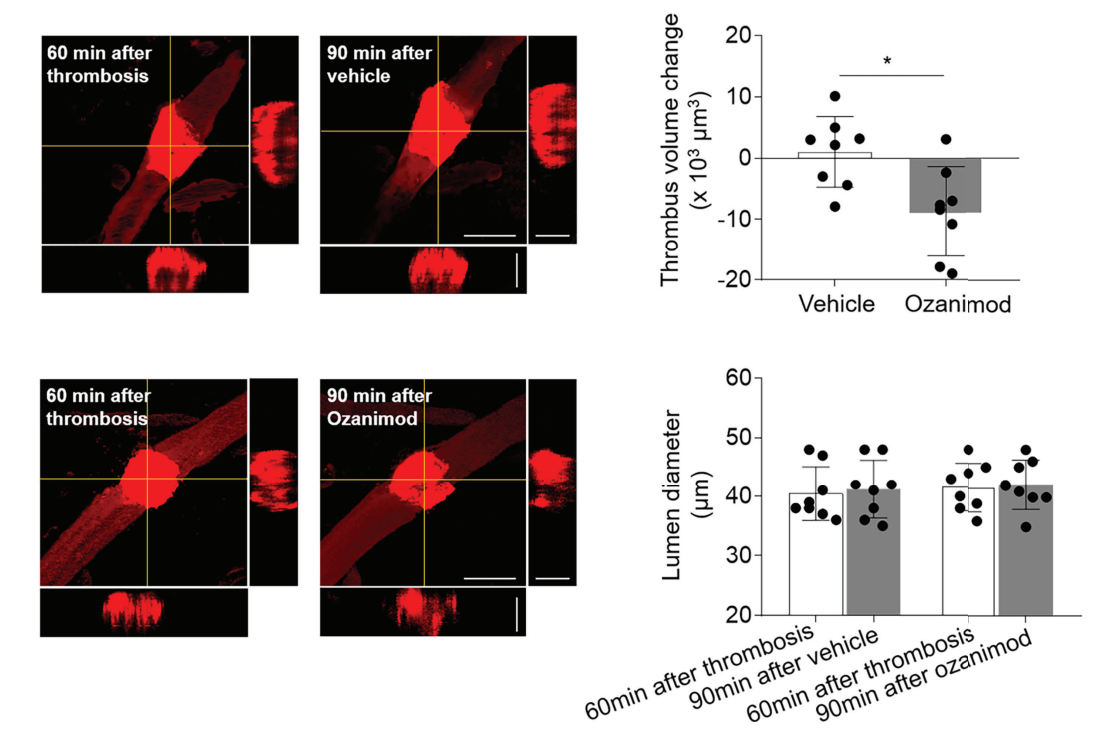
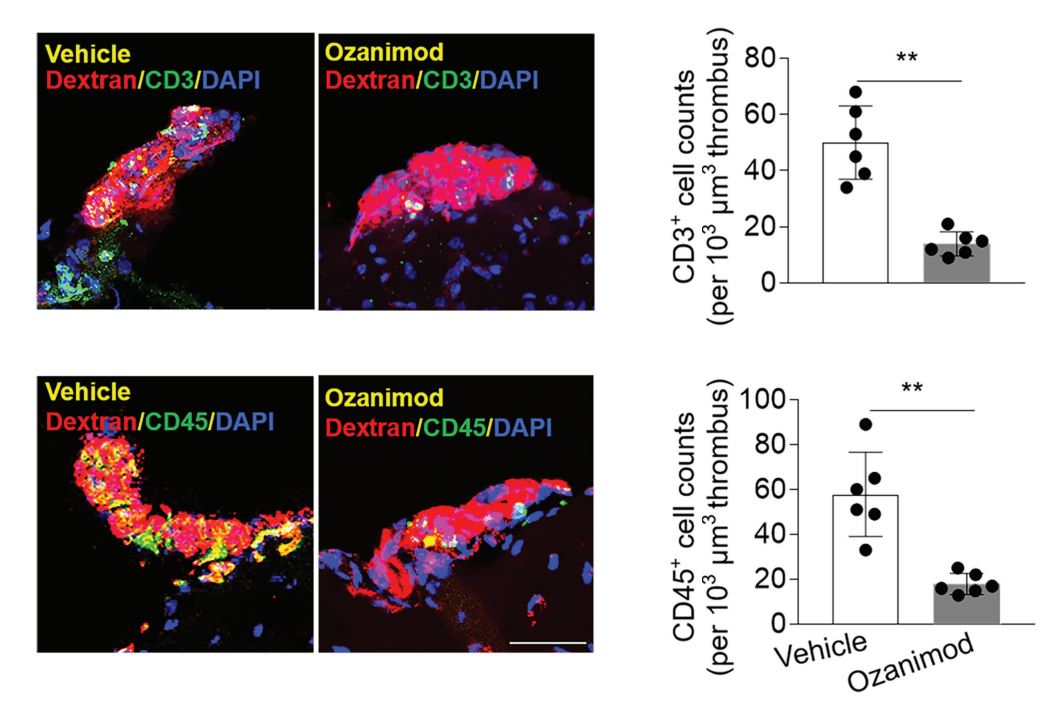
Selective Sphingosine 1-Phosphate Receptor 1 Modulation Augments Thrombolysis of Low-Dose Tissue Plasminogen Activator Following Cerebrovascular Thrombosis. [Abstract]2022 May 27:13:801727. PMID: 35720286
Ozanimod hydrochloride purchased from MedChemExpress. Usage Cited in: Front Immunol. 2022 May 27:13:801727. [Abstract]
Ketanserin (0.6 mg/kg; 50 µL; i.v.; 90 min) reduced thrombus volume in C57BL/6 mice treated with tPA.
Ozanimod hydrochloride purchased from MedChemExpress. Usage Cited in: Front Immunol. 2022 May 27:13:801727. [Abstract]
Ketanserin (0.6 mg/kg; 50 µL; i.v.; 90 min) reduced the counts of CD3+ T cells and CD45+ cells within thrombus of C57BL/6 mice.
-
Mol Neurobiol
Ozanimod-Dependent Activation of SIRT3/NF-κB/AIM2 Pathway Attenuates Secondary Injury After Intracerebral Hemorrhage. [Abstract]2023 Mar;60(3):1117-1131. PMID: 36417102
Ozanimod hydrochloride purchased from MedChemExpress. Usage Cited in: Mol Neurobiol. 2023 Mar;60(3):1117-1131. [Abstract]
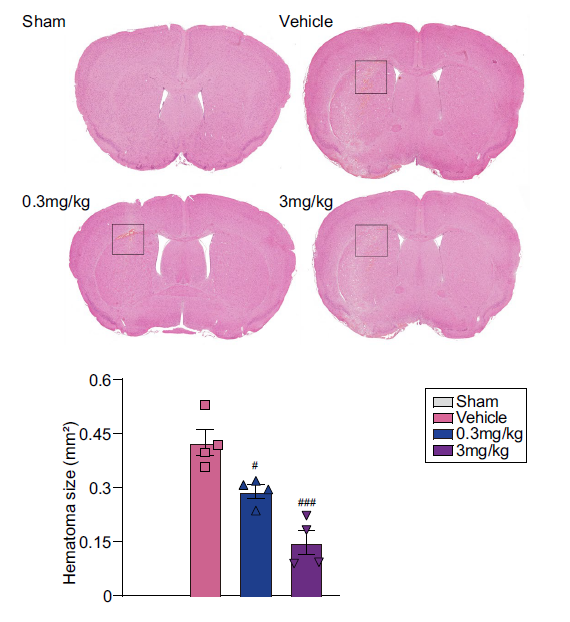
Ozanimod (0.3-3 mg/kg; i.p.; once daily for 2 d) decreased hematoma size of C57BL/6 mice in the acute phase of ICH.
Ozanimod hydrochloride purchased from MedChemExpress. Usage Cited in: Mol Neurobiol. 2023 Mar;60(3):1117-1131. [Abstract]
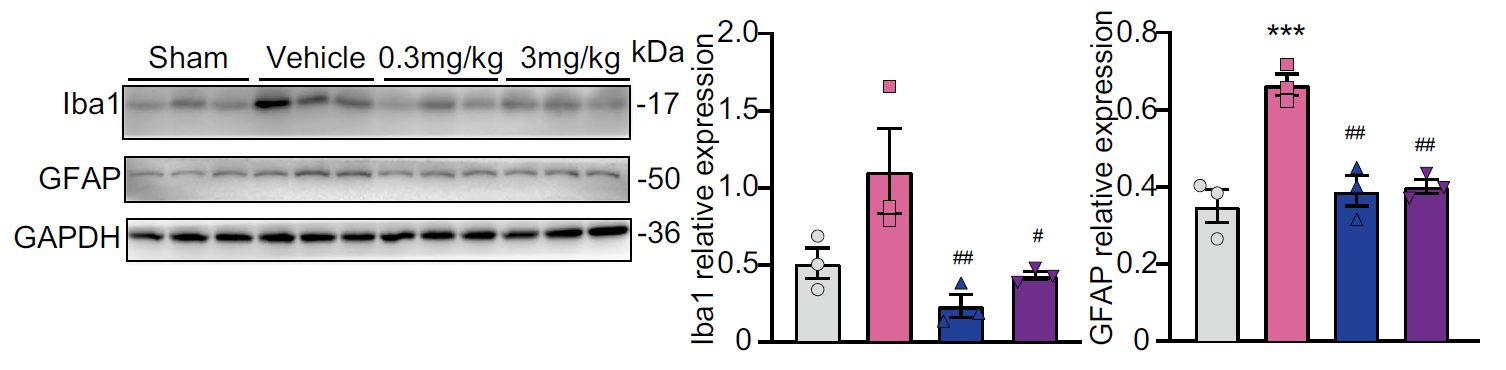
Ozanimod (0.3-3 mg/kg; i.p.; once daily for 2 d) downregulated Iba1 and GFAP protein expression in perihematomal brain tissues of C57BL/6 mice after ICH.
Ozanimod hydrochloride purchased from MedChemExpress. Usage Cited in: Mol Neurobiol. 2023 Mar;60(3):1117-1131. [Abstract]
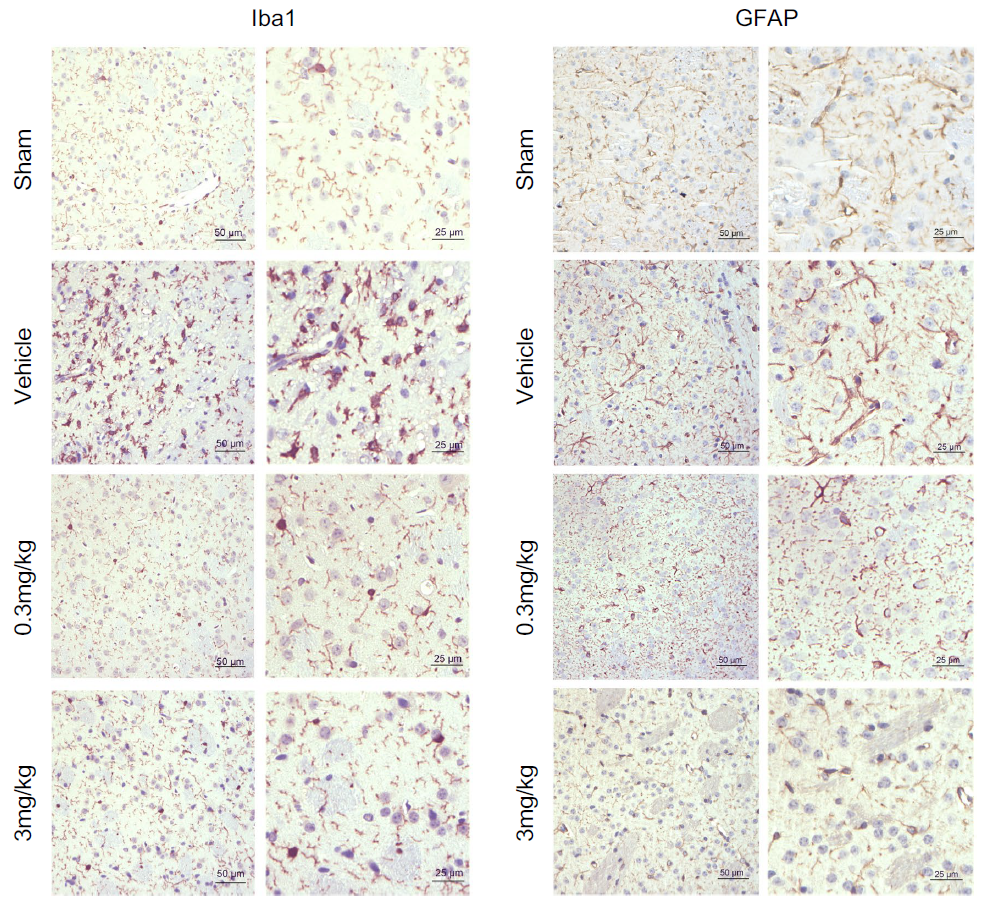
Ozanimod (0.3-3 mg/kg; i.p.; once daily for 2 d) reduced activated glial cells and transitioned microglia from the inflammatory amoeboid state to the ramified state in C57BL/6 mice after ICH.
-
Bioorg Chem
Identification of FTY720 and COH29 as novel topoisomerase I catalytic inhibitors by experimental and computational studies. [Abstract]2024 Jun:147:107412. PMID: 38696845 -
bioRxiv
Contribution of S1pr1 -featured astrocyte subpopulation to cisplatin-induced neuropathic pain. [Abstract]2025 Apr 5:2025.04.03.642851. PMID: 40236155


Solvent & Solubility
In Vitro:
DMSO : 200 mg/mL (453.60 mM; Need ultrasonic; Hygroscopic DMSO has a significant impact on the solubility of product, please use newly opened DMSO)
Please refer to the solubility information to select the appropriate solvent. Once prepared, please aliquot and store the solution to prevent product inactivation from repeated freeze-thaw cycles.
Storage method and period of stock solution: -80°C, 6 months; -20°C, 1 month (sealed storage, away from moisture). When stored at -80°C, please use it within 6 months. When stored at -20°C, please use it within 1 month.
Please refer to the solubility information to select the appropriate solvent. Once prepared, please aliquot and store the solution to prevent product inactivation from repeated freeze-thaw cycles.
Storage method and period of stock solution: -80°C, 6 months; -20°C, 1 month (sealed storage, away from moisture). When stored at -80°C, please use it within 6 months. When stored at -20°C, please use it within 1 month.
Concentration (start) × Volume (start) = Concentration (final) × Volume (final)
In Vivo:
Select the appropriate dissolution method based on your experimental animal and administration route.
- For the following dissolution methods, please ensure to first prepare a clear stock solution using an In Vitro approach and then sequentially add co-solvents:
- To ensure reliable experimental results, the clarified stock solution can be appropriately stored based on storage conditions. As for the working solution for In Vivo experiments, it is recommended to prepare freshly and use it on the same day.
- The percentages shown for the solvents indicate their volumetric ratio in the final prepared solution. If precipitation or phase separation occurs during preparation, heat and/or sonication can be used to aid dissolution.
Add each solvent one by one: 10% DMSO 40% PEG300 5% Tween-80 45% Saline
Solubility: ≥ 5 mg/mL (11.34 mM); Clear solution
This protocol yields a clear solution of ≥ 5 mg/mL (saturation unknown).
Taking 1 mL working solution as an example, add 100 μL DMSO stock solution (50.0 mg/mL) to 400 μL PEG300, and mix evenly; then add 50 μL Tween-80 and mix evenly; then add 450 μL Saline to adjust the volume to 1 mL.
Preparation of Saline: Dissolve 0.9 g sodium chloride in ddH₂O and dilute to 100 mL to obtain a clear Saline solution.
Add each solvent one by one: 10% DMSO 90% (20% SBE-β-CD in Saline)
Solubility: ≥ 5 mg/mL (11.34 mM); Clear solution
This protocol yields a clear solution of ≥ 5 mg/mL (saturation unknown).
Taking 1 mL working solution as an example, add 100 μL DMSO stock solution (50.0 mg/mL) to 900 μL 20% SBE-β-CD in Saline, and mix evenly.
Preparation of 20% SBE-β-CD in Saline (4°C, storage for one week): 2 g SBE-β-CD powder is dissolved in 10 mL Saline, completely dissolve until clear.
In Vivo Dissolution Calculator
Please enter the basic information of animal experiments:
-
-
-
-
Recommended: Prepare an additional quantity of animals to account for potential losses during experiments.
Please enter your animal formula composition:
-
%DMSO +
Recommended: Keep the proportion of DMSO in working solution below 2% if your animal is weak.
-
%+
-
+%Tween-80 + +
-
%Saline +
The co-solvents required include: DMSO, . All of co-solvents are available by MedChemExpress (MCE). , Tween 80. All of co-solvents are available by MedChemExpress (MCE).
Working solution concentration: 0.22 mg/mL
Method for preparing stock solution: mg drug dissolved in μL DMSO. Stock solution concentration: mg/mL. * In solvent : -80°C, 6 months; -20°C, 1 month (sealed storage, away from moisture)
1. Take μL DMSO stock solution;
2. Add μL .
μL , mix evenly;
3. Then add μL Tween 80, mix evenly;
4. Then add μL
Please ensure that the stock solution in the first step is dissolved to a clear state, and add co-solvents in sequence. You can use ultrasonic heating (ultrasonic cleaner, recommended frequency 20-40 kHz), vortexing, etc. to assist dissolution.


Purity & Documentation
-
Data Sheet (282 KB)
-
SDS (252 KB)
- English - EN (252 KB)
- Français - FR (252 KB)
- Deutsch - DE (252 KB)
- Norwegian - NO (252 KB)
- Español - ES (252 KB)
- Swedish - SV (252 KB)
- Italian - IT (252 KB)
- Korean - KR (252 KB)
- Portuguese - PT (252 KB)
-
Handling Instructions (2659 KB)
References


Complete Stock Solution Preparation Table
Please refer to the solubility information to select the appropriate solvent. Once prepared, please aliquot and store the solution to prevent product inactivation from repeated freeze-thaw cycles.
Storage method and period of stock solution: -80°C, 6 months; -20°C, 1 month (sealed storage, away from moisture). When stored at -80°C, please use it within 6 months. When stored at -20°C, please use it within 1 month.
| Optional Solvent | Concentration Solvent Mass | 1 mg | 5 mg | 10 mg | 25 mg |
|---|---|---|---|---|---|
| DMSO | 1 mM | 2.2680 mL | 11.3399 mL | 22.6799 mL | 56.6996 mL |
| 5 mM | 0.4536 mL | 2.2680 mL | 4.5360 mL | 11.3399 mL | |
| 10 mM | 0.2268 mL | 1.1340 mL | 2.2680 mL | 5.6700 mL | |
| 15 mM | 0.1512 mL | 0.7560 mL | 1.5120 mL | 3.7800 mL | |
| 20 mM | 0.1134 mL | 0.5670 mL | 1.1340 mL | 2.8350 mL | |
| 25 mM | 0.0907 mL | 0.4536 mL | 0.9072 mL | 2.2680 mL | |
| 30 mM | 0.0756 mL | 0.3780 mL | 0.7560 mL | 1.8900 mL | |
| 40 mM | 0.0567 mL | 0.2835 mL | 0.5670 mL | 1.4175 mL | |
| 50 mM | 0.0454 mL | 0.2268 mL | 0.4536 mL | 1.1340 mL | |
| 60 mM | 0.0378 mL | 0.1890 mL | 0.3780 mL | 0.9450 mL | |
| 80 mM | 0.0283 mL | 0.1417 mL | 0.2835 mL | 0.7087 mL | |
| 100 mM | 0.0227 mL | 0.1134 mL | 0.2268 mL | 0.5670 mL |


Ozanimod hydrochloride Related Classifications
HY-12288A Related Classifications
 Powered by Bioz