1. Search Result
Search Result
Results for "

VAS

" in MedChemExpress (MCE) Product Catalog:

36

Inhibitors & Agonists

1

Screening Libraries

5

Peptides

3

Natural
Products

8

Recombinant Proteins

1

Oligonucleotides

Cat. No. Product Name Target Research Areas Chemical Structure
  • HY-12804
    VAS2870
    Maximum Cited Publications
    18 Publications Verification

    NADPH Oxidase Cardiovascular Disease
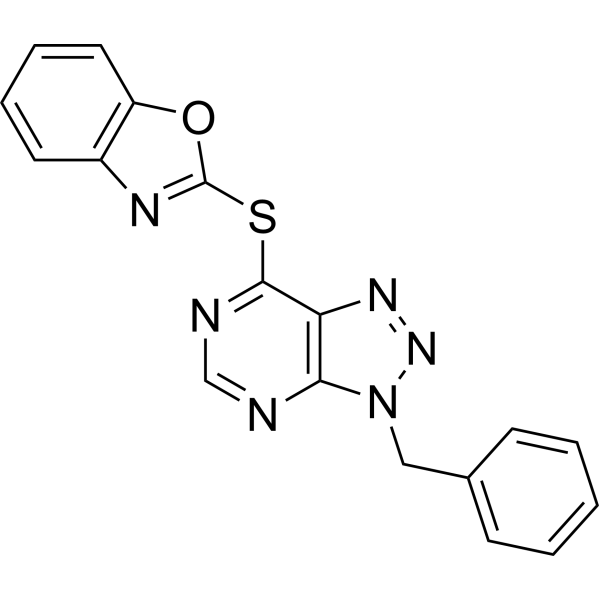
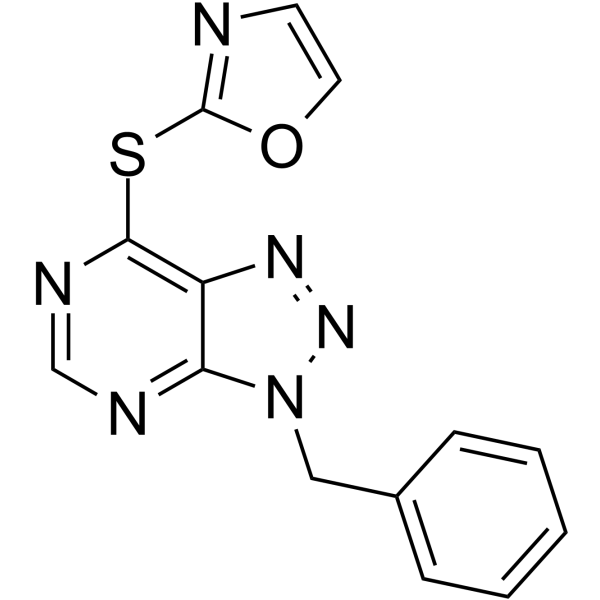
    VAS2870 is a NADPH oxidase (NOX) inhibitor.
    VAS2870
  • HY-15274
    L-798106
    1 Publications Verification

    CM9; GW671021

    Prostaglandin Receptor Cancer
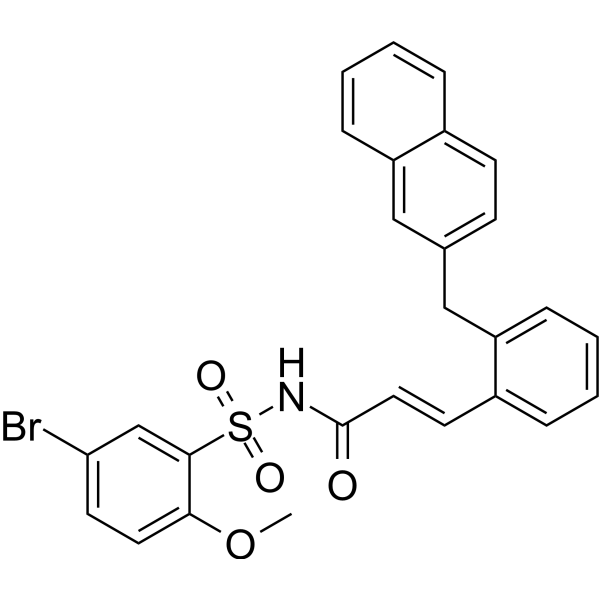
    L-798106 is potent and highly selective prostanoid EP3 receptor antagonist (Ki=0.3 nM), it also has micromolar activities at the EP4, EP1 and EP2 receptors with Ki values of 916 nM, >5000 nM and >5000 nM, respectively .
    L-798106
  • HY-117040
    nor-Binaltorphimine
    5+ Cited Publications

    Norbinaltorphimine; NorBNI

    Opioid Receptor Neurological Disease
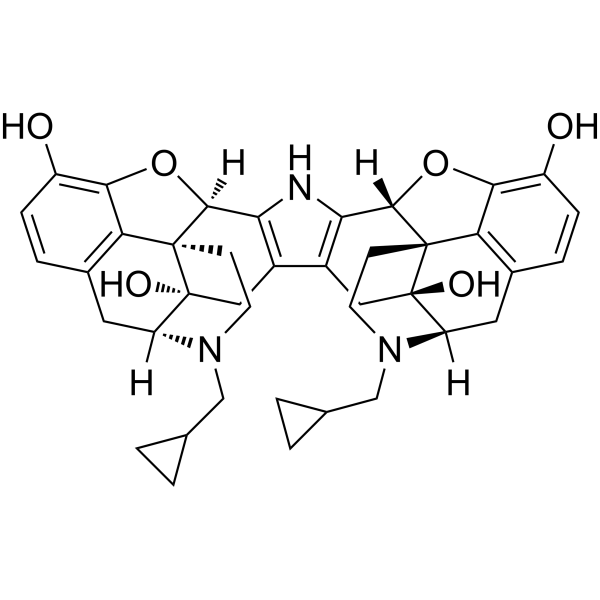
    nor-Binaltorphimine (Norbinaltorphimine; NorBNI) is a selective, long-acting competitive antagonist of the κ-opioid receptor. nor-Binaltorphimine blocks κ-opioid receptor-mediated analgesic effects, and inhibits butorphanol-induced changes in κ-opioid receptor binding kinetics, desensitization and down-regulation. nor-Binaltorphimine suppresses specific opioid withdrawal symptoms, precipitates withdrawal behaviors in butorphanol-dependent rats, and serves as a molecular probe for studying κ-opioid receptor-agonist interactions. nor-Binaltorphimine is applicable to research related to neurological disorders such as pain .
    nor-Binaltorphimine
  • HY-101366

    Adrenergic Receptor Endocrinology
    A-61603 is a selective α1A/α1a-adrenergic receptor agonist with Ki of 8.89 nM for rat submaxillary gland α1A, Ki of 30.5 nM for cloned bovine α1a. A-61603 potentiates Ca 2+ transients with EC50 of 6.9 nM. A-61603 stimulates phosphoinositide hydrolysis, induces contractile responses in vas deferens, prostate strips, and spleen strips, and exhibits low activity in aortic rings. A-61603 can be used for research on adrenergic function .
    A-61603
  • HY-12718A

    Adrenergic Receptor Endocrinology
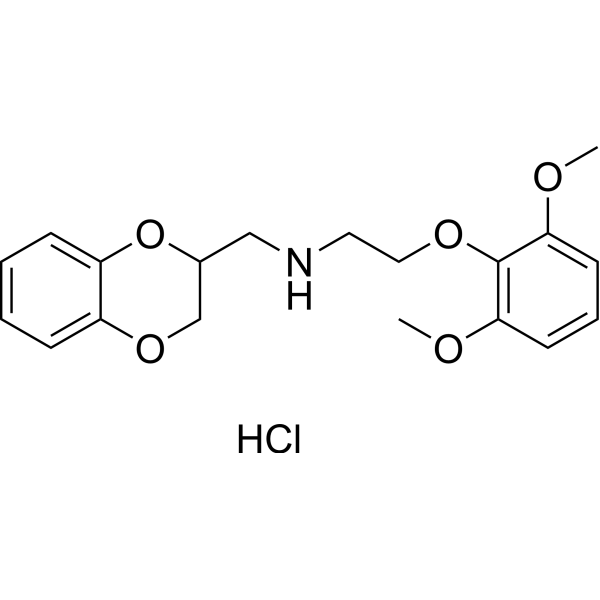
    (±)-WB 4101 is a potent antagonist of noradrenaline. (±)-WB 4101 interacts with protein in smooth muscle. (±)-WB 4101 makes drug and receptor bind tightly .
    (±)-WB 4101 hydrochloride
  • HY-111447

    NADPH Oxidase Apoptosis Cardiovascular Disease Cancer
    VAS 3947, a specific NADPH oxidase (NOX) inhibitor, exerts a potent antiplatelet effect. VAS3947 induces apoptosis independently of anti-NOX activity, via UPR activation, mainly due to aggregation and misfolding of proteins .
    VAS 3947
  • HY-129101

    Eseroline fumarate

    5-HT Receptor Neurological Disease
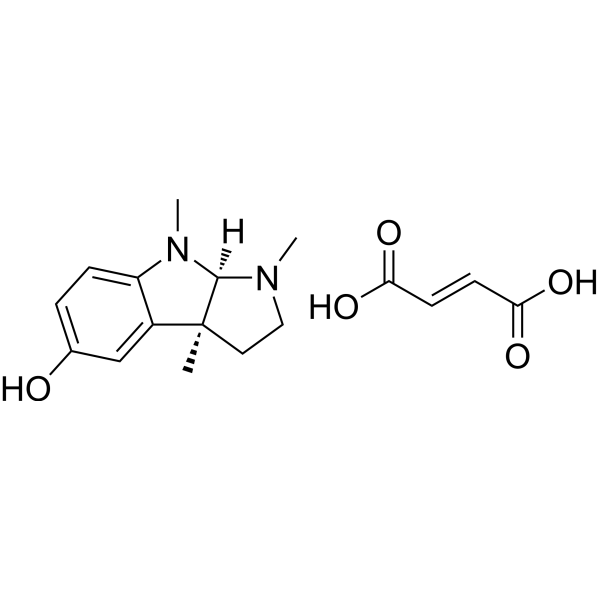
    (-)-Eseroline fumarate is a metabolic of Physostigmine (HY-N6608), an AChE inhibitor. (-)-Eseroline fumarate elicits a leakage of lactic acid dehydrogenase (LDH) from cancer cells. (-)-Eseroline fumarate also induces the release of adenine nucleotides and 5-hydroxytryptamine (5-HT) from neuronal cells, thus induce cell death. (-)-Eseroline fumarate inhibits the electrically evoked twitches of the mouse vas deferens and of the guinea-pig ileum .
    (-)-Eseroline fumarate
  • HY-139583

    S 117957; IMB 115

    Opioid Receptor Neurological Disease
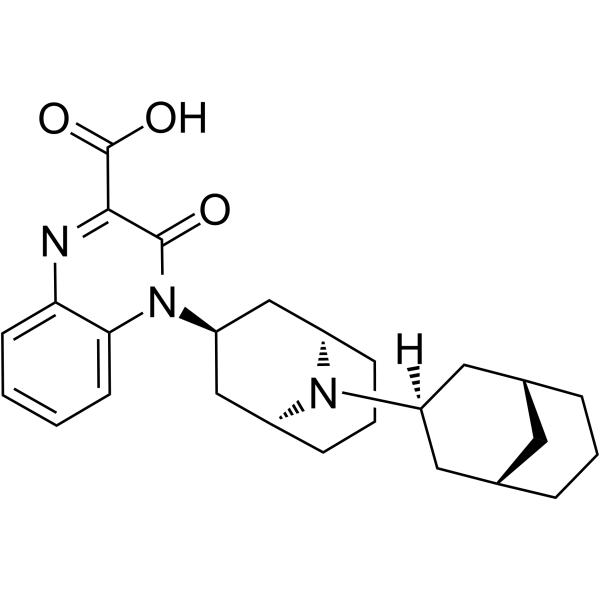
    Sunobinop (S 117957; IMB 115) is an orally active and blood-brain barrier-permeable selective partial agonist of the human nociceptin/orphanin FQ receptor (NOP), which exhibits high affinity for human targets (Ki=3.3 nM; EC50=4.03 nM; Emax=47.8%) without activating μ and κ opioid receptors. Sunobinop significantly reduces wakefulness time and increases non-rapid eye movement sleep in rats by activating NOP receptors, and produces no significant side effects on learning, memory, reward, respiration or intestinal function at effective doses. Sunobinop displays competitive antagonist properties in specific signaling pathways, such as β-arrestin 2 recruitment. With these unique pharmacological properties, Sunobinop can be used to investigate insomnia, moderate-to-severe alcohol use disorder, and urinary incontinence caused by overactive bladder .
    Sunobinop
  • HY-125743

    (S)-Methanandamide

    Cannabinoid Receptor Neurological Disease
    S-1 Methanandamide ((S)-Methanandamide), an Anandamide analog, is a CB1 receptor ligand with a Ki of 173 nM. S-1 Methanandamide inhibits electrically-evoked twitch response in mouse vas deferens with an IC50 value of 230 nM .
    S-1 Methanandamide
  • HY-P1317A

    Opioid Receptor Neurological Disease
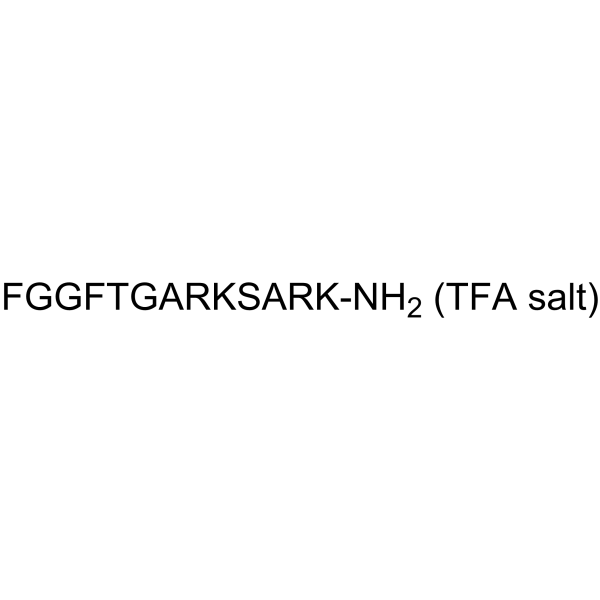
    Nociceptin (1-13), amide TFA is a potent ORL1 receptor (opioid receptor-like 1 receptor, OP4) agonist with a pEC50 of 7.9 for mouse vas deferens and a Ki of 0.75 nM for binding to rat forebrain membranes .
    Nociceptin (1-13), amide TFA
  • HY-118335

    SZL 49

    Adrenergic Receptor Cardiovascular Disease
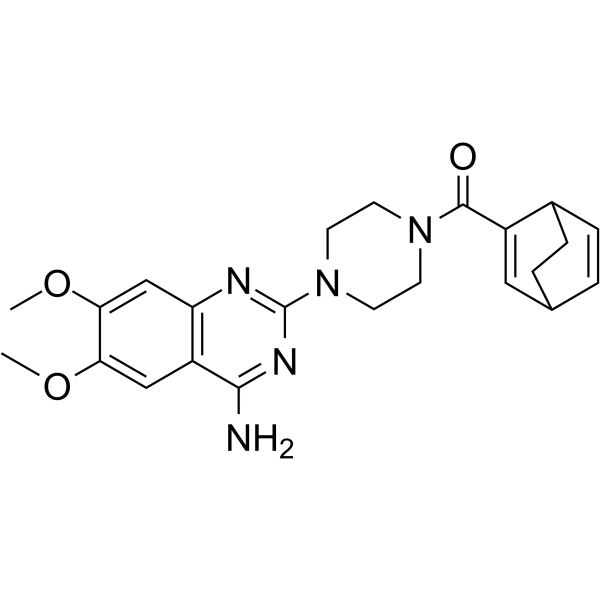
    Prazobind (SZL 49), a prazosin analog, is an irreversible α1-adrenoceptor antagonist. Prazobind competes for alpha 1-adrenoceptor binding sites with a similar potency (IC50 of 1 nM) in tissues enriched in both the alpha 1A (hippocampus) and alpha 1B (liver) subtypes. Prazobind partially inhibits the contractions of circular muscles, longitudinal muscles and smooth muscles of the spleen. Prazobind can be used for the study of blood pressure .
    Prazobind
  • HY-101230

    Opioid Receptor Neurological Disease
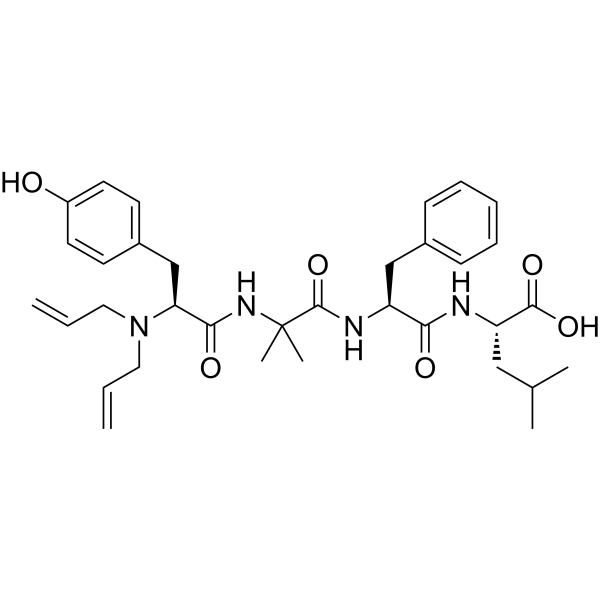
    ICI 174864 is a selective and brain-penetrant δ-opioid receptor antagonist with Ke values of 22.0 nM to 30.6 nM at δ-opioid receptor in mouse vas deferens. ICI 174864 selectively blocks biological effects mediated by the δ-opioid receptor agonist DPDPE (HY-P1334) after central administration. ICI 174864 reverses hypotension in rats with endotoxic shock and inhibits acetic acid-induced writhing in mice. ICI 174864 can be used for the research of opioid receptor subtypes, endotoxic hypotension and analgesic pathways .
    ICI 174864
  • HY-148614

    4-Methylpentanal; 4-Methylvaleraldehyde

    Others Metabolic Disease
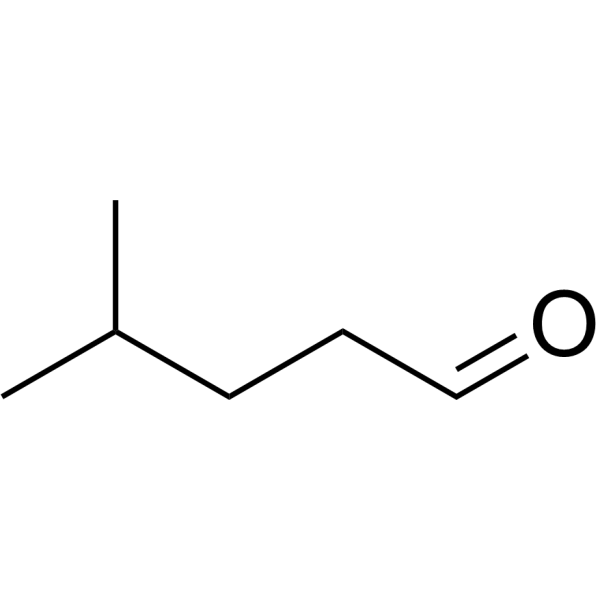
    Isocaproaldehyde is a product of side-chain cleavage of cholesterol. Isocaproaldehyde is an endogenous specific substrate of mouse vas deferens protein (MVDP) .
    Isocaproaldehyde
  • HY-116680

    5-HT Receptor Cardiovascular Disease Neurological Disease
    LY53857 is a potent antagonist of vasoconstriction and serotonin-mediated 5-HT2 receptors. LY53857 did not reduce mean arterial blood pressure in spontaneously hypertensive rats (SHR) at doses that blocked the depressor response to serotonin and blocked central serotonin receptors. In addition, LY53857 was able to enhance neurotransmitter release in rat vas deferens and guinea pig ileal nerves .
    LY53857
  • HY-12804R

    NADPH Oxidase Cardiovascular Disease
    VAS2870 (Standard) is the analytical standard of VAS2870. This product is intended for research and analytical applications. VAS2870 is a NADPH oxidase (NOX) inhibitor.
    VAS2870 (Standard)
  • HY-117212

    VAS203

    NO Synthase Neurological Disease Metabolic Disease
    Ronopterin (VAS203) is a NO Synthase inhibitor. Ronopterin can be used in research on diseases of the urogenital system and the nervous system .
    Ronopterin
  • HY-W982195

    Adrenergic Receptor 5-HT Receptor Neurological Disease
    Napamezole hydrochloride is an orally active α-2 adrenergic receptor antagonist and serotonin (5-HT Receptor) reuptake inhibitor, with Ki values of 28 nM and 93 nM for rat α-2 and α-1 adrenergic receptors, respectively. Napamezole hydrochloride can be used for the research of depression .
    Napamezole hydrochloride
  • HY-P3679

    Neuropeptide Y Receptor Neurological Disease
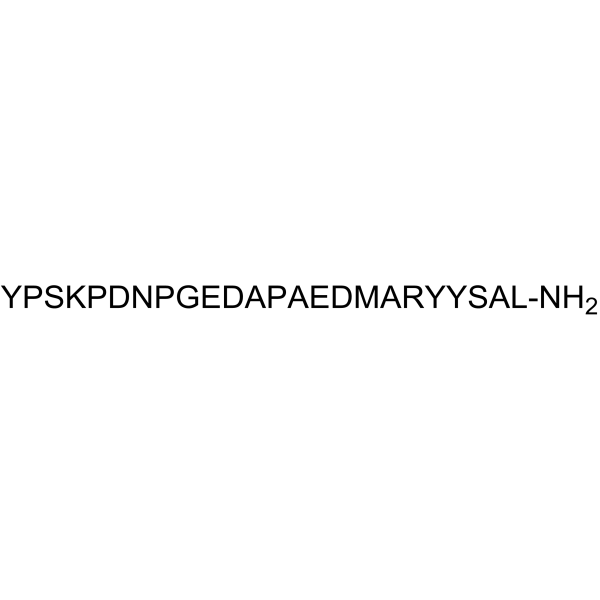
    Neuropeptide Y (1-24) (human) is a neuropeptide with potencies in inhibiting the electricity stimulated twitch response of rat vas deferens. Neuropeptide Y (1-24) (human) stimulates N-methyl-D-aspartate (NMDA)-induced neuronal activation in the rat CA3 region of the dorsal hippocampus in vivo .
    Neuropeptide Y (1-24) (human)
  • HY-136474

    (±)-Amidephrine

    Adrenergic Receptor Endocrinology
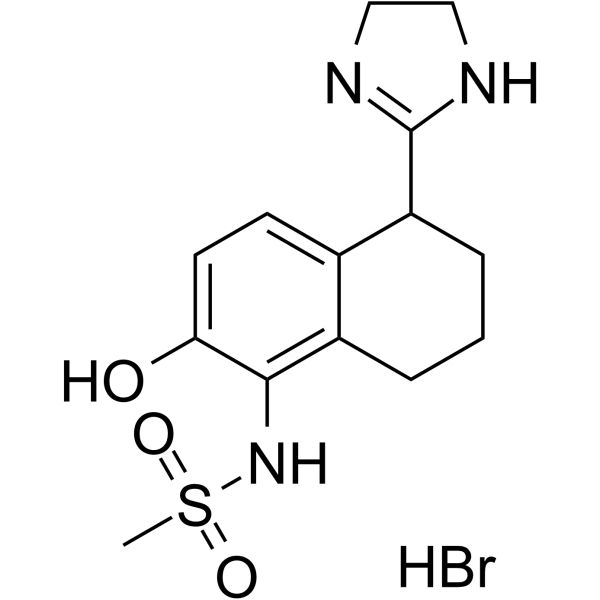
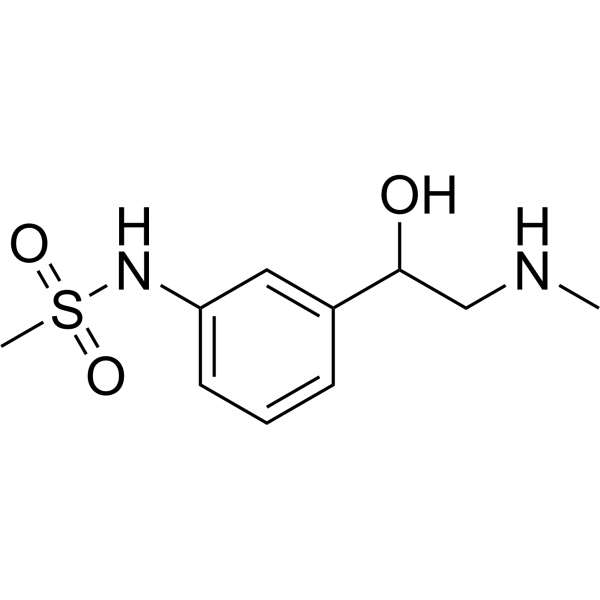
    Amidephrine is a selective agonist of alpha 1-adrenoceptor. Amidephrine inhibits inhibits monopulse field contraction of the vas deferens epithelium and prostate gland .
    Amidephrine
  • HY-RS23183

    Small Interfering RNA (siRNA) Others

    Avp Rat Pre-designed siRNA Set A contains three designed siRNAs for Avp gene (Rat), as well as a negative control, a positive control, and a FAM-labeled negative control.

    Avp Rat Pre-designed siRNA Set A
    Avp Rat Pre-designed siRNA Set A
  • HY-106949

    mAChR Neurological Disease
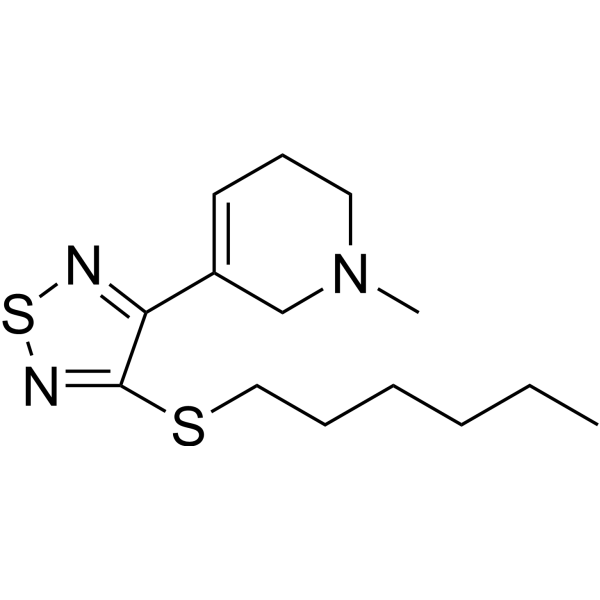
    Tazomeline is a selective M1 muscarinic receptor agonist. Tazomeline inhibits twitch height in rabbit vas deferens(IC50= 0.001 nM). Tazomeline can be used for research of neuropsychiatric disorders .
    Tazomeline
  • HY-134081

    mAChR Others
    Desiodomethyl 4-DAMP is a muscarinic receptor antagonist .
    Desiodomethyl 4-DAMP
  • HY-P1317

    Opioid Receptor Neurological Disease
    Nociceptin (1-13),amide is a potent ORL1 receptor (opioid receptor-like 1 receptor,OP4) agonist with a pEC50 of 7.9 for mouse vas deferens and a Ki of 0.75 nM for binding to rat forebrain membranes .
    Nociceptin (1-13), amide
  • HY-16489A

    mAChR Calcium Channel Neurological Disease
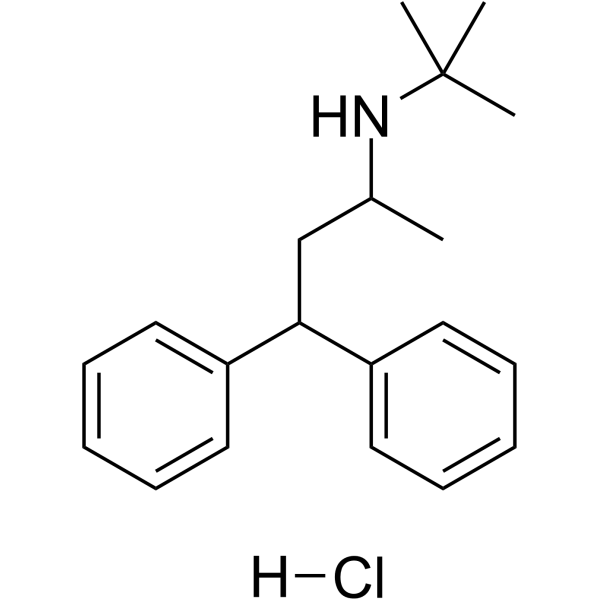
    Terodiline hydrochloride is an M1-selective muscarinic receptor (mAChR) antagonist with Kbs of 15, 160, 280, and 198 nM in rabbit vas deferens (M1), atria (M2), bladder (M3) and ileal muscle (M3), respectively. Terodiline hydrochloride also is a Ca 2+ blocker. Terodiline hydrochloride acts as a treatment for urinary frequency and urge incontinence .
    Terodiline hydrochloride
  • HY-160932

    Adrenergic Receptor Endocrinology
    RS-15385-198 is the enantiomer of Delequamine (RS-15385-197) (HY-106874). RS-15385-198 exhibits a pKi of 6.32 for α2-adrenoceptors in the rat cortex. RS-15385-198 is an antagonist for UK-14304 (HY-B0659) in the rat vas deferens and in the guinea-pig ileum .
    RS-15385-198
  • HY-110016

    DEA

    Endogenous Metabolite Cannabinoid Receptor Neurological Disease
    Docosatetraenylethanolamide (DEA) is a cannabinoid receptor 1 (CB1) agonist. Docosatetraenylethanolamide inhibits the specific binding of cannabinoid probe to rat synaptosomal membranes with a Ki value of 34.4 nM. Docosatetraenylethanolamide can be used in the research of nervous system .
    Docosatetraenylethanolamide
  • HY-108985

    EGYT-3615

    Others Neurological Disease
    Trazium esilate (EGYT-3615) is an antidepressant, which influences the central dopaminergic system. Trazium esilate synergizes amphetamine, potentiates stereotypy and hypermotility. Trazium esilate blocks Apomorphine (HY-12723)-induced hypothermic and the stereotypy, and Bulbocapnine (HY-W436270)-induced cataleptic state. Trazium esilate enhances the effect of Norepinephrine (HY-13715) on isolated vas deferens of the rat .
    Trazium esilate
  • HY-106388A

    Adrenergic Receptor Neurological Disease
    Fadolmidine hydrochloride is a novel, selective α2-adrenoceptor (α2-AR) agonist with EC50 values of 0.4 nM, 4.9 nM and 0.5 nM for 2A, 2B and 2C, respectively. Fadolmidine hydrochloride has been effective against various submodalities of pain such as heat pain, mechanical pain, and visceral pain. Fadolmidine hydrochloride inhibits also electrically evoked contractions in rat vas deferens .
    Fadolmidine hydrochloride
  • HY-167689

    Adrenergic Receptor Neurological Disease
    Parethoxycaine hydrochloride is an anesthetic with nerve conduction blocking activity. Parethoxycaine hydrochloride exhibits non-selective inhibitory effects on responses to various stimulants in rat vas deferens and guinea pig ileum muscles. Parethoxycaine hydrochloride has an enhanced effect on the action of norepinephrine, and its methyl bromide derivative also exhibits the same properties on the action of norepinephrine and potassium ions. Derivatives of parethoxycaine hydrochloride have significant effects on calcium dose-response curves, displaying different tissue and stimulant selectivities. The mechanism of action of Parethoxycaine hydrochloride involves the regulation of calcium transport processes .
    Parethoxycaine hydrochloride
  • HY-P2601A

    CGRP Receptor Others
    Tyr-α-CGRP (human) TFA is an N-terminally extended human α-CGRP analog. Tyr-α-CGRP (human) TFA can bind to membrane preparations from rat brain and spleen with IC50 values of 0.2 nM and 0.5 nM, respectively, and induce positive chronotropic and inotropic effects in isolated guinea pig right and left atria with EC50 values of 282 nM and 74 nM, respectively. Tyr-α-CGRP (human) TFA also inhibits contractile responses in rat vas deferens with an EC50 value of 1.9 nM .
    Tyr-α-CGRP (human) TFA
  • HY-136693

    Adrenergic Receptor Neurological Disease
    L-654284 is an α2-adrenergic receptor antagonist with significant selectivity. L-654284 competes with the binding of 3H-clonidine and 3H-rauwolscine in vitro and shows Ki values of 0.8 nM and 1.1 nM, respectively. L-654284 can block the protrusion effect of clonidine in isolated vas deferens in rats, with a pA2 value of 9.1. L-654284 exhibits remarkable selectivity for α2 and α1 adrenergic receptors, and exhibits a Ki of 110 nM in inhibiting 3H-prazosin binding. L-654284 can significantly increase the turnover rate of norepinephrine in rat cerebral cortex in vivo, showing α2-adrenergic receptor blocking activity in the central nervous system .
    L-654284
  • HY-182563

    Opioid Receptor Endocrinology
    Tyr-Ala-N-(1,3-dimethylbutyl)glycinamide is a μ/δ opioid receptor ligand with high μ opioid receptor selectivity and agonist activity. Tyr-Ala-N-(1,3-dimethylbutyl)glycinamide has an IC50 of 237 nM for μ receptors and 1050 nM for δ receptors. Tyr-Ala-N-(1,3-dimethylbutyl)glycinamide shows Ki values of 17 nM for μ receptors and 480 nM for δ receptors. Tyr-Ala-N-(1,3-dimethylbutyl)glycinamide inhibits electrically evoked contractions of guinea pig ileum and mouse vas deferens. Tyr-Ala-N-(1,3-dimethylbutyl)glycinamide serves as a starting compound for structure-activity relationship investigations of μ receptor recognition .
    Tyr-Ala-N-(1,3-dimethylbutyl)glycinamide
  • HY-W412336

    Biochemical Assay Reagents P2Y Receptor Others
    Acid blue 129 is an acidic dye and highly selective antagonist at the P2Y-receptor of the guinea pig taenia coli. Acid blue 129 does not show any effect at the P2X-receptor of the rat vas deferens. Acid blue 129 can be used for the dyeing of cotton, wool, silk, nylon, paper and leather .
    Acid blue 129
  • HY-106388

    Adrenergic Receptor Neurological Disease
    Fadolmidine is a novel, selective α2-adrenoceptor (α2-AR) agonist with EC50 values of 0.4 nM, 4.9 nM and 0.5 nM for 2A, 2B and 2C, respectively. Fadolmidine has been effective against various submodalities of pain such as heat pain, mechanical pain, and visceral pain. Fadolmidine inhibits also electrically evoked contractions in rat vas deferens .
    Fadolmidine
  • HY-N9554

    Neurokinin Receptor Endogenous Metabolite Calcium Channel Neurological Disease Inflammation/Immunology
    WIN-64821 is a secondary metabolite produced by Aspergillus species, and acts as a Neurokinin Receptor antagonist. The Ki values of WIN-64821 for NK1, NK2 and NK3 receptors are 0.24 (human astrocytoma cells), 0.26 (rat duodenum) and 15.2 (guinea pig forebrain) μM, respectively. WIN-64821 inhibits apamin-induced contraction of rat vas deferens, blocks substance P-induced contraction of guinea pig ileum and Ca 2+ efflux in human astrocytoma cells. WIN-64821 is applicable to analgesic and anti-inflammatory research .
    WIN-64821
  • HY-139583A

    S 117957 TFA; IMB 115 TFA

    Opioid Receptor Neurological Disease
    Sunobinop (S 117957) TFA is an orally active and blood-brain barrier-permeable selective partial agonist of the human nociceptin/orphanin FQ receptor (NOP), which exhibits high affinity for human targets (Ki=3.3 nM; EC50=4.03 nM; Emax=47.8%) without activating μ and κ opioid receptors. Sunobinop TFA significantly reduces wakefulness time and increases non-rapid eye movement sleep in rats by activating NOP receptors, and produces no significant side effects on learning, memory, reward, respiration or intestinal function at effective doses. Sunobinop TFA displays competitive antagonist properties in specific signaling pathways, such as β-arrestin 2 recruitment. With these unique pharmacological properties, Sunobinop TFA can be used to investigate insomnia, moderate-to-severe alcohol use disorder, and urinary incontinence caused by overactive bladder .
    Sunobinop TFA

Inquiry Online

Your information is safe with us. * Required Fields.

Salutation


Country or Region *

Applicant Name *


Organization Name *

Department *


Email Address *


Product Name *

Cat. No.


Requested quantity *

Phone Number *


Remarks

Inquiry Online

Inquiry Information

Product Name:
Cat. No.:
Quantity:
MCE Japan Authorized Agent: