

1. Search Result
Search Result
Results for "

erythema

" in MedChemExpress (MCE) Product Catalog:

33

Inhibitors & Agonists

1

Screening Libraries

2

Biochemical Assay Reagents

1

Peptides

5

Natural
Products

3

Isotope-Labeled Compounds

3

Oligonucleotides

Cat. No. Product Name Target Research Areas Chemical Structure
  • HY-132587

    ALN-AT3SC; SAR439774

    Factor Xa Small Interfering RNA (siRNA) Thrombin Cardiovascular Disease
    Fitusiran (ALN-AT3SC) is a siRNA strategy. Fitusiran delivers siRNA targeting the SERPINC1 gene in hepatocytes to inhibit antithrombin synthesis. Fitusiran enhances thrombin activity and increases Thrombin generation, thereby restoring hemostatic function. Fitusiran can be used in hemophilia-related research .
    Fitusiran
  • HY-D1005A10

    PEG-PPG-PEG, 2900 (Average)

    Environmental Pollutants Biochemical Assay Reagents Bacterial P-glycoprotein Infection Inflammation/Immunology
    Poloxamer 184 L64 is a block copolymer of polyethylene oxide and polypropylene oxide with an average molecular weight of 2900. Poloxamer has the ability to inhibit P-gp. Poloxamer 184 exhibits short-term skin toxicity, characterized by mild erythema and intradermal inflammatory reactions. Poloxamer 184 has antimicrobial activity, inhibiting 60% of Mycobacterium avium at a concentration of 1 mg/mL. Poloxamer 184 forms a thermoreversible hydrogel and is used as a food additive and as a drug delivery carrier in cosmetics and tissue engineering .
    Poloxamer 184 (L64)
  • HY-P10533

    Tyrosinase Others
    Cysteine peptide is a tyrosinase inhibitor with skin-whitening, antioxidant and multi-regulatory activities. Cysteine peptide inhibits enzyme activity and blocks melanin transport, effectively reducing UV-B-induced skin erythema and pigmentation. Cysteine peptide synergistically maintains skin health by quenching ROS, resisting oxidative stress and promoting pheomelanin production. Cysteine peptide safely prevents daily ultraviolet damage and supports moderate sun exposure for vitamin D synthesis. Cysteine peptide also acts as a plant signaling factor to regulate vegetative growth, development and stress resistance responses .
    Cysteine peptide
  • HY-171006
    IRF1-IN-1
    1 Publications Verification

    Caspase PARP Pyroptosis Interleukin Related IFNAR Infection Inflammation/Immunology
    IRF1-IN-1 (Compound I-2) is an IRF1 inhibitor. IRF1-IN-1 decreases the recruitment of IRF1 to the promoter of CASP1. IRF1-IN-1 inhibits cell death signaling pathway (i.e., cleavage of Caspase 1, GSDMD, IL-1 and PARP1). IRF1-IN-1 has a protective effect on ionizing radiation-induced inflammatory skin injury .
    IRF1-IN-1
  • HY-B1138
    Fenbufen
    1 Publications Verification

    CL-82204

    COX Caspase Infection Neurological Disease Inflammation/Immunology Cancer
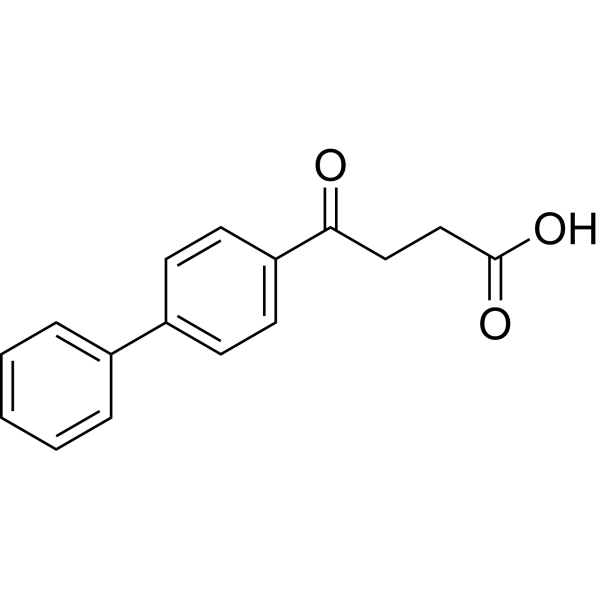
    Fenbufen (CL-82204) is an orally active non-steroidal anti-inflammatory drug (NSAID), with analgetic and antipyretic effects. Fenbufen has potent activity in a variety of animal model, including carageenin edema, UV erythema and adjuvant arthritis. Fenbufen has inhibitory activities against COX-1 and COX-2 with IC50s of 3.9 μM and 8.1 μM, respectively. Fenbufen is a caspases (caspase-1, 3, 4, 5, 9) inhibitor .
    Fenbufen
  • HY-141582

    N-Stearoyl phytosphingosine

    JNK NF-κB Interleukin Related TNF Receptor Inflammation/Immunology
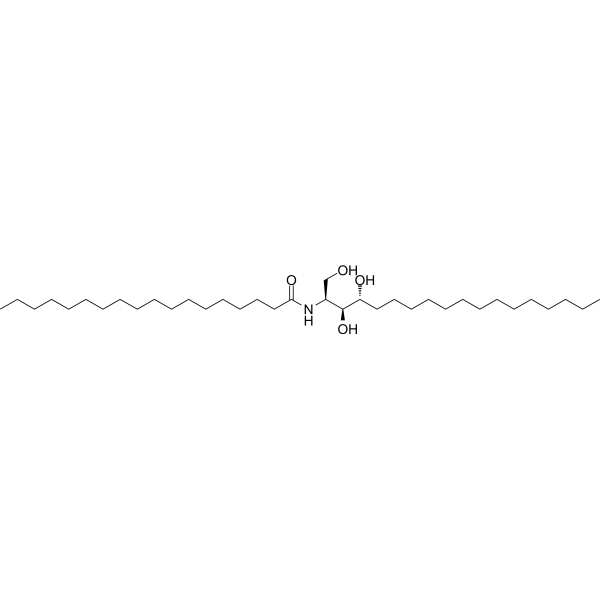
    Ceramide 3 (N-Stearoyl phytosphingosine) is an orally active major component of intercellular lipids in the stratum corneum of the skin, and belongs to the ceramide family. Ceramide 3 inhibits c-jun and NF-κB activation induced by Histamine (HY-B1204), and suppresses the expression of IL-4 and TNF-α. Ceramide 3 inhibits scratching behavior and vascular permeability in mice, and exhibits antihistamine effects in guinea pig ileum. Ceramide 3 improves skin barrier function, reduces transepidermal water loss, erythema and the number of circulating epidermal cells, and accelerates barrier repair of irritated or dysfunctional skin .
    Ceramide 3
  • HY-B1589A
    Carbinoxamine maleate salt
    1 Publications Verification

    Histamine Receptor Influenza Virus Infection Inflammation/Immunology
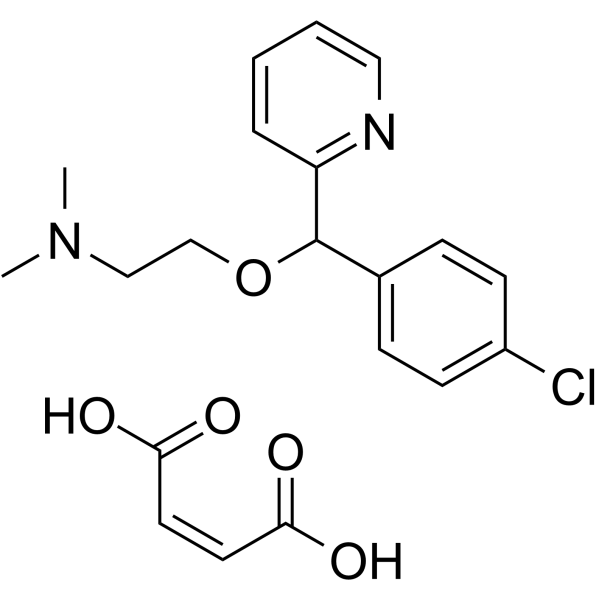
    Carbinoxamine maleate salt is a blood-brain barrier-permeable histamine H1 receptor antagonist. Carbinoxamine maleate salt blocks the action of histamine on H1 receptors, reducing symptoms such as sneezing, rhinitis, rhinorrhea, erythema, pruritus and urticaria. Carbinoxamine maleate salt inhibits influenza virus entry into cells via endocytosis, targets the early stage of the viral life cycle, and simultaneously reduces viral replication levels in the lungs, alleviating pathological damage and inflammatory responses in lung tissues. Carbinoxamine maleate salt can be used in research on allergic rhinitis, influenza, etc.
    Carbinoxamine maleate salt
  • HY-B1695

    Nicotinic acid methyl ester

    Others Cardiovascular Disease Inflammation/Immunology
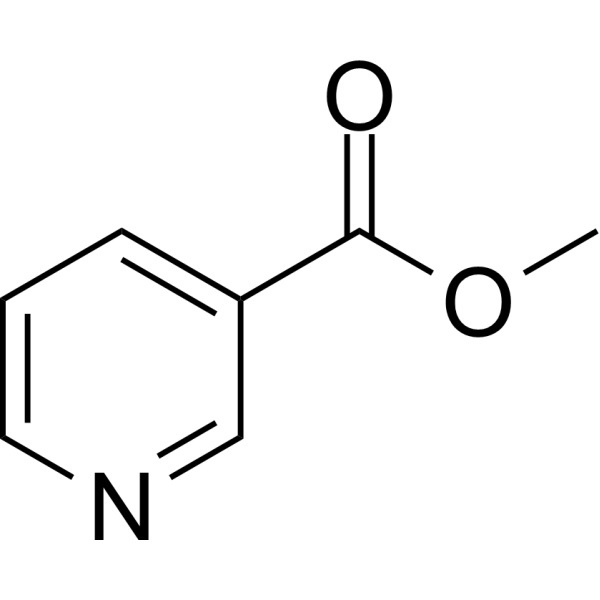
    Methyl nicotinate (Nicotinic acid methyl ester) is an orally active vasodilator. Methyl nicotinate has analgesic activity. Methyl nicotinate causes local skin erythema when applied topically to the skin. Methyl nicotinate is used as an active ingredient in over-the-counter topical preparations for the study of muscle and joint pain .
    Methyl nicotinate
  • HY-17361

    COX Inflammation/Immunology
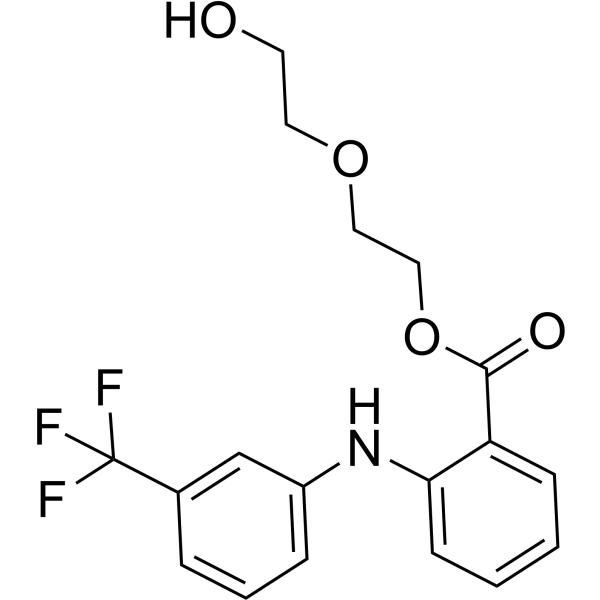
    Etofenamate, a non-steroid anti-inflammatory agent (NSAID) and a non-selective COX inhibitor, possesses analgesic, anti-rheumatic, antipyretic and anti-inflammatory properties. Etofenamate is used in the research for osteoarthritis, arthritis and other inflammatory diseases .
    Etofenamate
  • HY-171007
    IRF1-IN-2
    1 Publications Verification

    Caspase PARP Pyroptosis Interleukin Related Glutathione Peroxidase IFNAR Infection Inflammation/Immunology
    IRF1-IN-2 (Compound I-19) is an IRF1 inhibitor. IRF1-IN-2 decreases the recruitment of IRF1 to the promoter of CASP1. IRF1-IN-2 inhibits cell death signaling pathway (i.e., cleavage of Caspase 1, GSDMD, IL-1 and PARP1; inhibits the Pho of TKB1, upregulates GPX4 and downregulates FACL4). IRF1-IN-2 has a protective effect on ionizing radiation-induced inflammatory skin injury .
    IRF1-IN-2
  • HY-100009

    Flufenamic acid butyl ester; Butyl flufenamate

    COX Prostaglandin Receptor Inflammation/Immunology
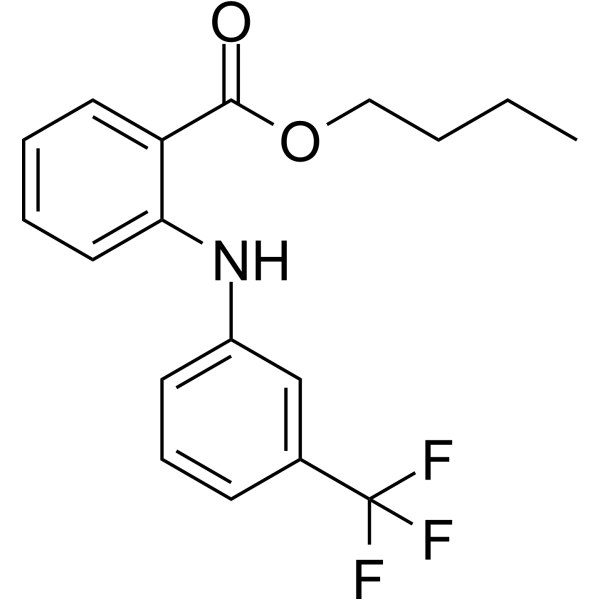
    Ufenamate (Flufenamic acid butyl ester) is an anthranilic acid-based anti-inflammatory drug that can be used in the study of skin diseases such as acute and chronic eczema, contact dermatitis, diaper dermatitis, miliary rashes and atopic dermatitis. Ufenamate has a certain photoprotective effect, reduces the degree of skin erythema and swelling in the photoaging model, downregulates the expression level of COX-2 and can promote the healing of mouse skull defects by secreting BMP2 .
    Ufenamate
  • HY-132587A

    ALN-AT3SC sodium; SAR439774 sodium

    Factor Xa Small Interfering RNA (siRNA) Thrombin Cardiovascular Disease
    Fitusiran (ALN-AT3SC) sodium is a siRNA strategy. Fitusiran delivers siRNA targeting the SERPINC1 gene in hepatocytes to inhibit antithrombin synthesis. Fitusiran sodium enhances thrombin activity and increases Thrombin generation, thereby restoring hemostatic function. Fitusiran sodium can be used in hemophilia-related research .
    Fitusiran sodium
  • HY-116691

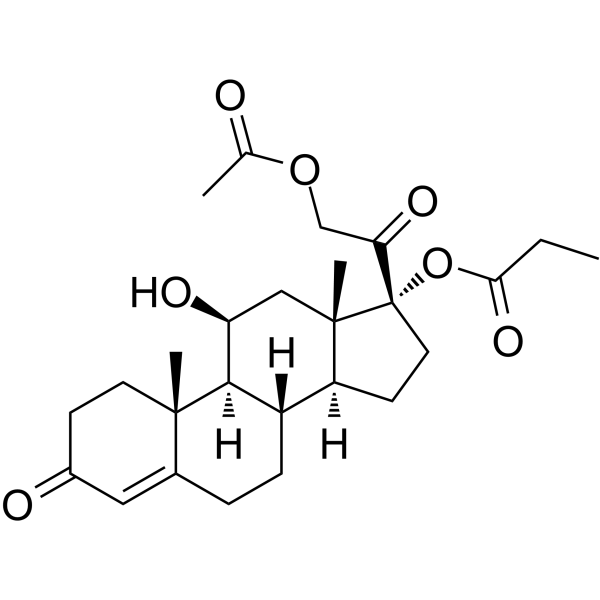
    Hydrocortisone 17-propionate 21-acetate

    Glucocorticoid Receptor Neurological Disease Inflammation/Immunology
    Hydrocortisone aceponate (Hydrocortisone 17-propionate 21-acetate) is a diester-based topical glucocorticoid. Hydrocortisone aceponate alleviates symptoms such as erythema, dryness/desquamation, pruritus, epidermal exfoliation, and exudation/crusting. Hydrocortisone aceponate causes extremely few adverse reactions. Hydrocortisone aceponate is applicable to various dermatological disease studies .
    Hydrocortisone aceponate
  • HY-177617

    IMO-8400

    Toll-like Receptor (TLR) Inflammation/Immunology
    Bazlitoran (IMO-8400) is an oligonucleotide-based TLR7/8/9 antagonist. Bazlitoran blocks the activation of Toll-like receptors 7, 8, and 9. Bazlitoran inhibits cytokine responses mediated by Toll-like receptors 7, 8, and 9. Bazlitoran is associated with injection site reactions. Bazlitoran improves moderate-to-severe plaque psoriasis .
    Bazlitoran
  • HY-B1695R

    Nicotinic acid methyl ester (Standard)

    Reference Standards Others Cardiovascular Disease Inflammation/Immunology
    Methyl nicotinate (Standard) is the analytical standard of Methyl nicotinate. This product is intended for research and analytical applications. Methyl nicotinate (Nicotinic acid methyl ester) is an orally active vasodilator. Methyl nicotinate has analgesic activity. Methyl nicotinate causes local skin erythema when applied topically to the skin. Methyl nicotinate is used as an active ingredient in over-the-counter topical preparations for the study of muscle and joint pain .
    Methyl nicotinate (Standard)
  • HY-W087907

    Drug Intermediate Inflammation/Immunology
    Acetylsalicylsalicylic acid exhibits immunogenicity that induces contact sensitivity and causes skin erythema and slight edema in guinea pigs .
    Acetylsalicylsalicylic acid
  • HY-148400

    TXC hydrochloride

    Ser/Thr Protease Drug Derivative Metabolic Disease
    Cetyl tranexamate (TXC) hydrochloride is an ester derivative of Tranexamic acid (HY-B0149). Cetyl tranexamate hydrochloride is an inhibitor of fibrinogen activation and can reduce the production of fibrinogen in keratinocytes induced by ultraviolet rays or damage, indirectly inhibiting the melanin production pathway. Cetyl tranexamate hydrochloride also targets melanin (dark spots) and hemoglobin (red spots), reducing vascular dilation and pigmentation by inhibiting inflammatory mediators (such as prostaglandins, platelet activating factors). Cetyl tranexamate hydrochloride can be used as a cosmetic ingredient and is suitable for epidermal pigment disorders such as photoaging, post-inflammatory hyperpigmentation (PIH), and melasma .
    Cetyl tranexamate hydrochloride
  • HY-W017428

    P-Ethyoxybenzaldehyde

    Interleukin Related Prostaglandin Receptor Inflammation/Immunology
    4-Ethoxybenzaldehyde (P-Ethyoxybenzaldehyde) is a derivative of benzaldehyde. 4-Ethoxybenzaldehyde can significantly inhibit the production of key inflammatory factors such as prostaglandin E2 (PGE2), IL-6, and IL-8 induced by ultraviolet radiation (UVR). 4-Ethoxybenzaldehyde shows significant efficacy and good safety in reducing facial redness when added to an oil-in-water emulsion at a concentration of 1%. 4-Ethoxybenzaldehyde can be used in the study of chronic inflammatory skin diseases .
    4-Ethoxybenzaldehyde
  • HY-141582S

    N-Stearoyl phytosphingosine-d3

    Isotope-Labeled Compounds Interleukin Related TNF Receptor NF-κB JNK Inflammation/Immunology
    Ceramide 3-d3 (N-Stearoyl phytosphingosine-d3) is deuterium labeled Ceramide 3. Ceramide 3 is an orally active major component of intercellular lipids in the stratum corneum of the skin, and belongs to the ceramide family. Ceramide 3 inhibits c-jun and NF-κB activation induced by Histamine (HY-B1204), and suppresses the expression of IL-4 and TNF-α. Ceramide 3 inhibits scratching behavior and vascular permeability in mice, and exhibits antihistamine effects in guinea pig ileum. Ceramide 3 improves skin barrier function, reduces transepidermal water loss, erythema and the number of circulating epidermal cells, and accelerates barrier repair of irritated or dysfunctional skin.
    Ceramide 3-d3
  • HY-116691R

    Hydrocortisone 17-propionate 21-acetate (Standard)

    Reference Standards Glucocorticoid Receptor Neurological Disease Inflammation/Immunology
    Hydrocortisone aceponate (Hydrocortisone 17-propionate 21-acetate) Standard is the analytical standard of Hydrocortisone aceponate (HY-116691). This product is intended for research and analytical applications. Hydrocortisone aceponate (Hydrocortisone 17-propionate 21-acetate) is a diester-based topical glucocorticoid. Hydrocortisone aceponate alleviates symptoms such as erythema, dryness/desquamation, pruritus, epidermal exfoliation, and exudation/crusting. Hydrocortisone aceponate causes extremely few adverse reactions. Hydrocortisone aceponate is applicable to various dermatological disease studies .
    Hydrocortisone aceponate (Standard)
  • HY-120621

    Phospholipase Inflammation/Immunology
    BMS-229724 is an orally active and tight-binding cytosolic phospholipase A2 (cPLA2) inhibitor with an IC50 of 2.8 μM. BMS-229724 can inhibit the production of arachidonic acid and eicosanoids in U937 cells, neutrophils, platelets, and other cells. BMS-229724 has anti-inflammatory activity and can be used in the research of diseases such as skin inflammation .
    BMS-229724
  • HY-W472451

    Biochemical Assay Reagents Inflammation/Immunology
    Linalyl isobutyrate is a fragrance ingredient. Linalyl isobutyrate produces very slight erythema .
    Linalyl isobutyrate
  • HY-17361R

    Reference Standards COX Inflammation/Immunology
    Etofenamate (Standard) is the analytical standard of Etofenamate. This product is intended for research and analytical applications. Etofenamate, a non-steroid anti-inflammatory agent (NSAID) and a non-selective COX inhibitor, possesses analgesic, anti-rheumatic, antipyretic and anti-inflammatory properties. Etofenamate is used in the research for osteoarthritis, arthritis and other inflammatory diseases .
    Etofenamate (Standard)
  • HY-106837

    Y 24180

    Platelet-activating Factor Receptor (PAFR) Inflammation/Immunology
    Israpafant (Y-24180) is a potent, selective and long-acting platelet activation factor (PAF) receptor antagonist with IC50s of 0.84 nM and 3.84 nM against PAF-induced human and rabbit platelet aggregation, respectively. Israpafant stimulates both extracellular Ca 2+ influx and intracellular Ca 2+ release in prostate cancer cells. Israpafant suppresses the allergic cutaneous reactions including eosinophilia, cytokine production, edema and erythema in mice .
    Israpafant
  • HY-B1589

    Histamine Receptor Infection Inflammation/Immunology
    (±)-Carbinoxamine is a blood-brain barrier-permeable histamine H1 receptor antagonist. (±)-Carbinoxamine blocks the action of histamine on H1 receptors, reducing symptoms such as sneezing, rhinitis, rhinorrhea, erythema, pruritus and urticaria. (±)-Carbinoxamine inhibits influenza virus entry into cells via endocytosis, targets the early stage of the viral life cycle, and simultaneously reduces viral replication levels in the lungs, alleviating pathological damage and inflammatory responses in lung tissues. (±)-Carbinoxamine can be used in research on allergic rhinitis, influenza, etc.
    (±)-Carbinoxamine
  • HY-B1138R

    CL-82204 (Standard)

    Reference Standards COX Caspase Inflammation/Immunology
    Fenbufen (Standard) is the analytical standard of Fenbufen. This product is intended for research and analytical applications. Fenbufen (CL-82204) is an orally active non-steroidal anti-inflammatory drug (NSAID), with analgetic and antipyretic effects. Fenbufen has potent activity in a variety of animal model, including carageenin edema, UV erythema and adjuvant arthritis. Fenbufen has inhibitory activities against COX-1 and COX-2 with IC50s of 3.9 μM and 8.1 μM, respectively. Fenbufen is a caspases (caspase-1, 3, 4, 5, 9) inhibitor .
    Fenbufen (Standard)
  • HY-B1138S

    Isotope-Labeled Compounds COX Caspase Inflammation/Immunology
    Fenbufen-d9 (CL-82204-d9) is the deuterium labeled Fenbufen. Fenbufen (CL-82204) is an orally active non-steroidal anti-inflammatory drug (NSAID), with antipyretic effects. Fenbufen has potent activity in a variety of animal model, including carageenin edema, UV erythema and adjuvant arthritis. Fenbufen has inhibitory activities against COX-1 and COX-2 with IC50s of 3.9 μM and 8.1 μM, respectively. Fenbufen is a caspases (caspase-1, 3, 4, 5, 9) inhibitor .
    Fenbufen-d9
  • HY-B1589AR

    Reference Standards Histamine Receptor Influenza Virus Infection Inflammation/Immunology
    Carbinoxamine maleate salt (Standard) is the analytical standard of Carbinoxamine maleate salt (HY-B1589A). This product is intended for research and analytical applications. Carbinoxamine maleate salt is a blood-brain barrier-permeable histamine H1 receptor antagonist. Carbinoxamine maleate salt blocks the action of histamine on H1 receptors, reducing symptoms such as sneezing, rhinitis, rhinorrhea, erythema, pruritus and urticaria. Carbinoxamine maleate salt inhibits influenza virus entry into cells via endocytosis, targets the early stage of the viral life cycle, and simultaneously reduces viral replication levels in the lungs, alleviating pathological damage and inflammatory responses in lung tissues. Carbinoxamine maleate salt can be used in research on allergic rhinitis, influenza, etc.
    Carbinoxamine maleate salt (Standard)
  • HY-122301

    Drug Derivative Inflammation/Immunology
    Sarcinaxanthin is a carotenoid present in various bacteria with antioxidant activity. Sarcinaxanthin scavenges singlet oxygen, thereby inhibiting oxidative degradation in the β-carotene/linoleic acid system. Sarcinaxanthin acts as a photoprotective agent against UVB radiation that induces erythema. Sarcinaxanthin can be applied in studies related to antioxidation and radiation resistance .
    Sarcinaxanthin
  • HY-119167

    F 1686

    COX Inflammation/Immunology
    Lotifazole (F 1686) is a non-steroidal anti-inflammatory agent. Lotifazole exhibits specific inhibition of delayed-type hypersensitivity and does not rely on the prostaglandin synthesis inhibition pathway at low doses. Lotifazole shows significant efficacy in treating paw edema induced by carrageenan in rats, erythema induced by ultraviolet radiation in guinea pigs, and pleurisy at high doses. Lotifazole can be used for the study of T-cell-mediated diseases .
    Lotifazole
  • HY-100009R

    Flufenamic acid butyl ester (Standard); Butyl flufenamate (Standard)

    Reference Standards COX Prostaglandin Receptor Inflammation/Immunology
    Ufenamate (Standard) is the analytical standard of Ufenamate (HY-100009). This product is intended for research and analytical applications. Ufenamate (Flufenamic acid butyl ester) is an anthranilic acid-based anti-inflammatory drug that can be used in the study of skin diseases such as acute and chronic eczema, contact dermatitis, diaper dermatitis, miliary rashes and atopic dermatitis. Ufenamate has a certain photoprotective effect, reduces the degree of skin erythema and swelling in the photoaging model, downregulates the expression level of COX-2 and can promote the healing of mouse skull defects by secreting BMP2 .
    Ufenamate (Standard)
  • HY-B1589S

    Isotope-Labeled Compounds Histamine Receptor Influenza Virus Infection Inflammation/Immunology
    (±)-Carbinoxamine-d6 is the deuterium labeled (±)-Carbinoxamine (HY-B1589) . (±)-Carbinoxamine is a blood-brain barrier-permeable histamine H1 receptor antagonist. (±)-Carbinoxamine blocks the action of histamine on H1 receptors, reducing symptoms such as sneezing, rhinitis, rhinorrhea, erythema, pruritus and urticaria. (±)-Carbinoxamine inhibits influenza virus entry into cells via endocytosis, targets the early stage of the viral life cycle, and simultaneously reduces viral replication levels in the lungs, alleviating pathological damage and inflammatory responses in lung tissues. (±)-Carbinoxamine can be used in research on allergic rhinitis, influenza, etc.
    (±)-Carbinoxamine-d6
  • HY-183326

    IDMF

    Keap1-Nrf2 Inflammation/Immunology
    Isosorbide di-(methyl fumarate) (IDMF), topical DMF (HY-17363) derivative, is an NRF2/ARE pathway activator. Isosorbide di-(methyl fumarate) downregulates ANCR targets, modulates epithelial differentiation, represses proinflammatory cytokine genes, IL-17A- and TNF-induced keratinocyte genes, psoriatic skin lesion-specific genes, and immune response genes. Isosorbide di-(methyl fumarate) stimulates oxidative stress response gene transcription, reduces erythema and scaling in Imiquimod (HY-B0180)-induced psoriasiform lesions. Isosorbide di-(methyl fumarate) exhibits no genotoxicity or radiation sensitivity in skin fibroblasts, is nonirritating and nonsensitizing in rodent models. Isosorbide di-(methyl fumarate) can be used for the research of psoriasis vulgaris .
    Isosorbide di-(methyl fumarate)

Inquiry Online

Your information is safe with us. * Required Fields.

Salutation


Country or Region *

Applicant Name *


Organization Name *

Department *


Email Address *


Product Name *

Cat. No.


Requested quantity *

Phone Number *


Remarks

Inquiry Online

Inquiry Information

Product Name:
Cat. No.:
Quantity:
MCE Japan Authorized Agent:

