Search Result
Results for "
gastrointestinal+disorders
" in MedChemExpress (MCE) Product Catalog:
9
Isotope-Labeled Compounds
| Cat. No. |
Product Name |
Target |
Research Areas |
Chemical Structure |
-
- HY-B0113
-
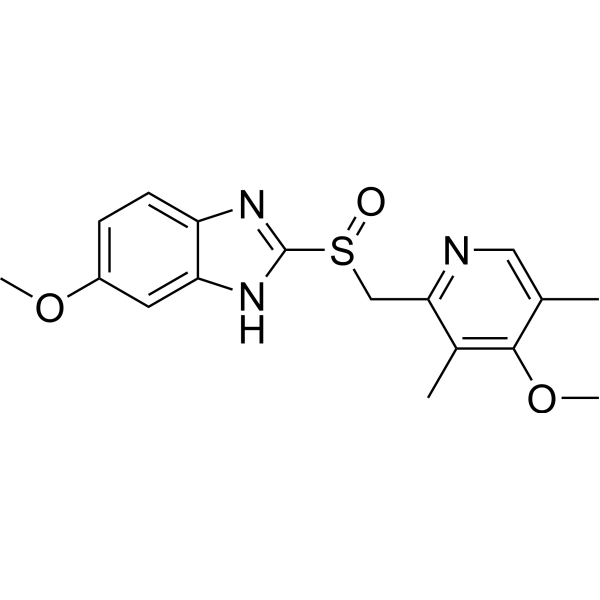
Omeprazole
Maximum Cited Publications
8 Publications Verification
H 16868
|
Na+/K+ ATPase
Proton Pump
Bacterial
Cytochrome P450
Apoptosis
Autophagy
Atg8/LC3
TNF Receptor
Interleukin Related
|
Infection
Neurological Disease
Inflammation/Immunology
Cancer
|
|
Omeprazole (H 16868) is an orally active H +,K +-ATPase inhibitor and a proton pump inhibitor. Omeprazole competitively inhibits CYP2C19, CYP3A4, and CYP2C9 activity. Omeprazole inhibits gastric acid secretion and can be used for acid-related gastrointestinal disorders. Omeprazole inhibits pancreatic cancer cell proliferation, induces apoptosis, autophagosome accumulation (elevated LC3-I and LC3-II levels), oxidative stress, and cytogenetic imbalance, modulates lysosomal transport, reduces inflammatory cytokines. Omeprazole alters small intestinal morphology and magnesium absorption, and induces gastric mucosa morphologic changes. Omeprazole aslo has neuroprotective and antibacterial effects .
|
-
-
- HY-106301
-
|
L-364,718; MK-329
|
Cholecystokinin Receptor
|
Metabolic Disease
|
|
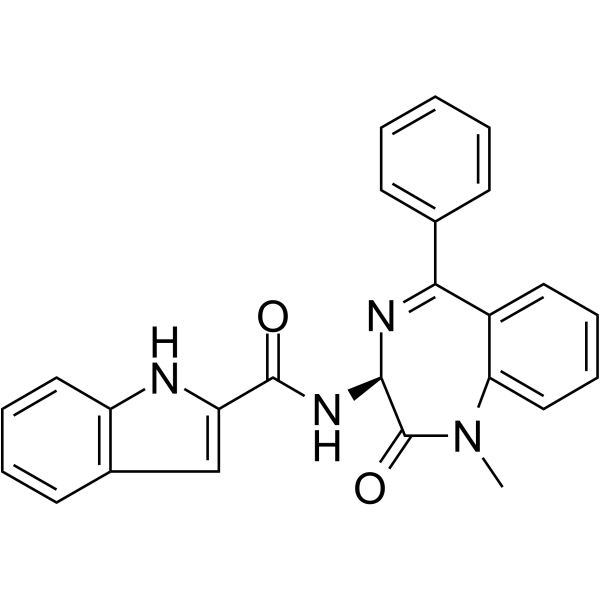
Devazepide (L-364,718) is a potent, competitive, selective and orally active nonpeptide antagonist of cholecystokinin (CCK) receptor, with IC50s of 81 pM, 45 pM and 245 nM for rat pancreatic, bovine gallbladder and guinea pig brain CCK receptors, respectively. Devazepide (L-364,718) is effective for gastrointestinal disorders .
|
-
-
- HY-B0113A
-
|
H 16868 sodium
|
Na+/K+ ATPase
Interleukin Related
Proton Pump
Cytochrome P450
Bacterial
Apoptosis
Autophagy
TNF Receptor
Atg8/LC3
|
Infection
Inflammation/Immunology
|
|
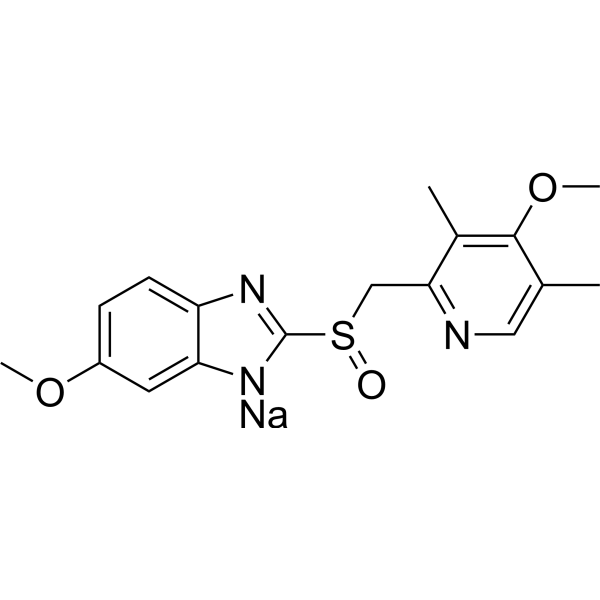
Omeprazole (H 16868) sodium is an orally active H +,K +-ATPase inhibitor and a proton pump inhibitor. Omeprazole sodium competitively inhibits CYP2C19, CYP3A4, and CYP2C9 activity. Omeprazole sodium inhibits gastric acid secretion and can be used for acid-related gastrointestinal disorders. Omeprazole sodium inhibits pancreatic cancer cell proliferation, induces apoptosis, autophagosome accumulation (elevated LC3-I and LC3-II levels), oxidative stress, and cytogenetic imbalance, modulates lysosomal transport, reduces inflammatory cytokines. Omeprazole sodium alters small intestinal morphology and magnesium absorption, and induces gastric mucosa morphologic changes. Omeprazole sodium aslo has neuroprotective and antibacterial effects .
|
-
-
- HY-B0380A
-
|
|
Opioid Receptor
Toll-like Receptor (TLR)
Calcium Channel
Potassium Channel
IRAK
ERK
JNK
NF-κB
Akt
Apoptosis
|
Neurological Disease
Metabolic Disease
Inflammation/Immunology
Cancer
|
|
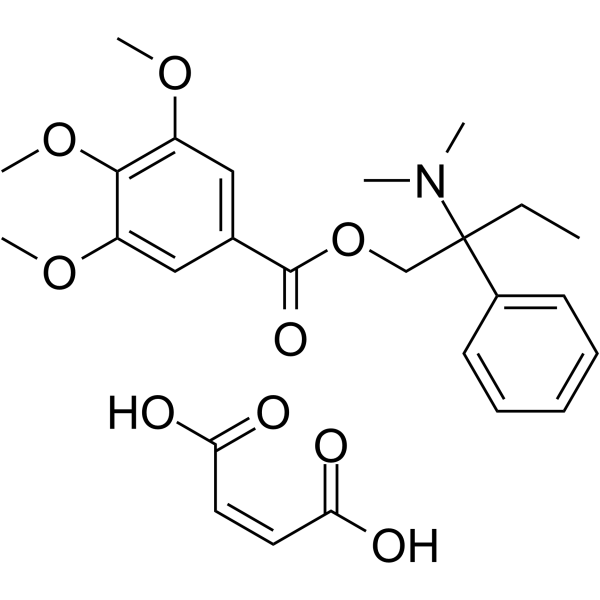
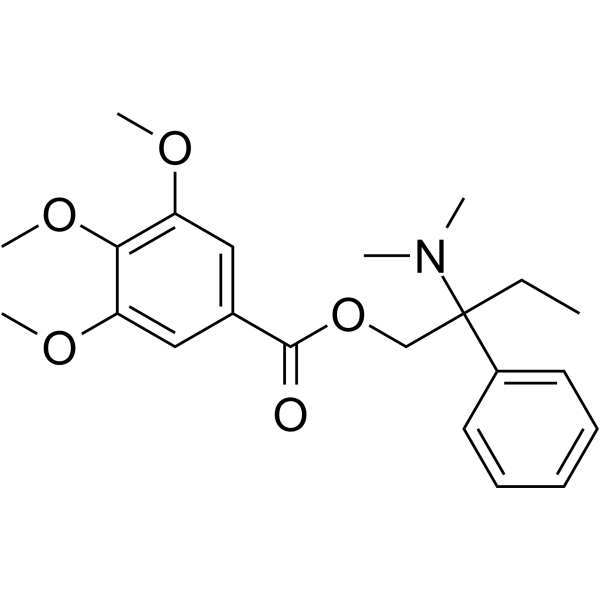
Trimebutine maleate is a multi-target inhibitor and opioid receptor agonist with antimuscarinic activity. Trimebutine maleate inhibits L-type Ca 2+ channels and large-conductance calcium-activated potassium channels (BKCa channels), thereby inhibiting extracellular calcium influx and potassium ion efflux. Trimebutine maleate also targets Toll-like receptors, inhibits Toll-like receptor 2/4/7/8/9 signals, and inhibits LPS-induced IRAK1 activation, as well as ERK1/2, JNK and NF-κB activation, thereby exerting anti-inflammatory effects. Trimebutine maleate also induces tumor cell apoptosis by inhibiting the AKT/ERK pathway. Trimebutine maleate also inhibits excessive contraction of smooth muscle and can be used in the study of gastrointestinal disorders such as irritable bowel syndrome (IBS) .
|
-
-
- HY-B0380
-
|
|
Opioid Receptor
Toll-like Receptor (TLR)
Calcium Channel
Potassium Channel
IRAK
ERK
JNK
NF-κB
Akt
Apoptosis
|
Neurological Disease
Metabolic Disease
Inflammation/Immunology
Cancer
|
|
Trimebutine is a multi-target inhibitor and opioid receptor agonist with antimuscarinic activity. Trimebutine inhibits L-type Ca 2+ channels and large-conductance calcium-activated potassium channels (BKCa channels), thereby inhibiting extracellular calcium influx and potassium ion efflux. Trimebutine also targets Toll-like receptors, inhibits Toll-like receptor 2/4/7/8/9 signals, and inhibits LPS-induced IRAK1 activation, as well as ERK1/2, JNK and NF-κB activation, thereby exerting anti-inflammatory effects. Trimebutine also induces tumor cell apoptosis by inhibiting the AKT/ERK pathway. Trimebutine also inhibits excessive contraction of smooth muscle and can be used in the study of gastrointestinal disorders such as irritable bowel syndrome (IBS) .
|
-
-
- HY-B1613A
-
|
|
Dopamine Receptor
Adrenergic Receptor
|
Metabolic Disease
|
|
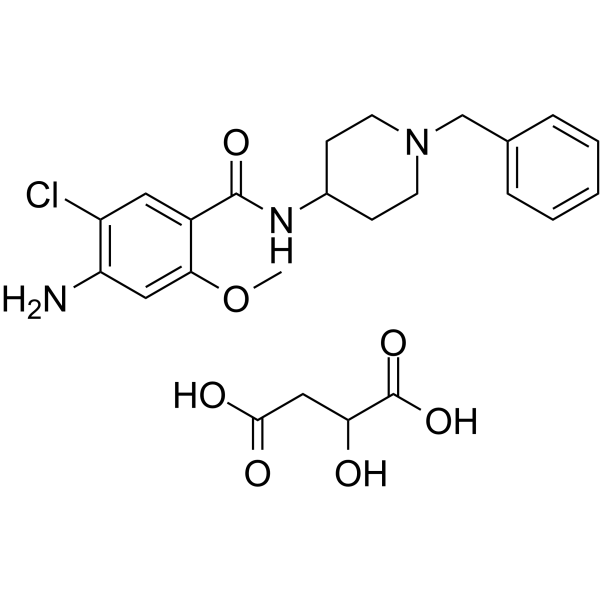
Clebopride malate is an orally active dopamine Receptor antagonist. Clebopride malate acts on dopamine D2 receptors and has antiemetic and prokinetic effects. Clebopride malate can be used in the study of functional gastrointestinal disorders .
|
-
-
- HY-B0189B
-
|
TAK-370 citrate dihydrate; AS-4370 citrate dihydrate
|
5-HT Receptor
Potassium Channel
Cytochrome P450
|
Metabolic Disease
Cancer
|
|
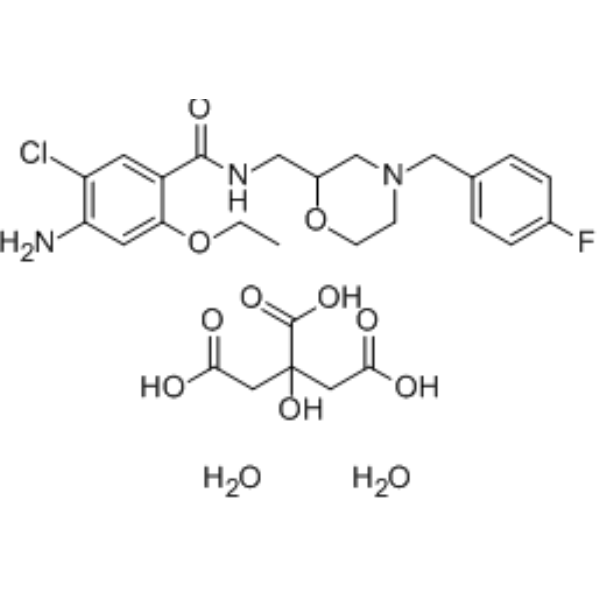
Mosapride (TAK-370) citrate dehydrate is a gastroprokinetic agent with 5-hydroxytryptamine4 receptor agonist activity and has been widely used in the research of a variety of gastrointestinal disorders. Mosapride citrate dihydrate potently inhibits Kv4.3 in a concentration-dependent manner with IC50 values of 15.2 μM . Mosapride citrate dihydrateselectively stimulates upper GI motility in vivo .
|
-
-
- HY-107642
-
|
|
Motilin Receptor
|
Metabolic Disease
|
|
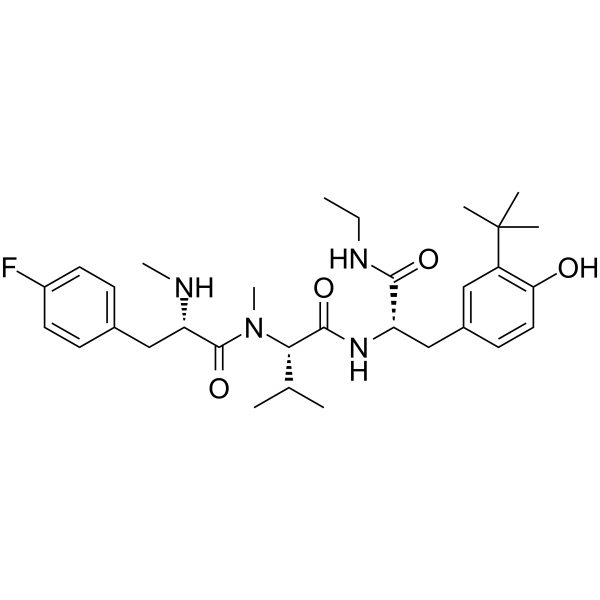
MA-2029 is a selective, orally active, and competitive motilin receptor antagonist (IC50=4.9 nM). MA-2029 is selective for the motilin receptor over various other receptors and ion channels. MA-2029 may be useful for gastrointestinal disorders associated with disturbed gastrointestinal motility .
|
-
-
- HY-B0113R
-
|
H 16868 (Standard)
|
Reference Standards
Na+/K+ ATPase
Interleukin Related
Proton Pump
Cytochrome P450
Bacterial
Apoptosis
Autophagy
TNF Receptor
Atg8/LC3
|
Infection
Metabolic Disease
Cancer
|
|
Omeprazole (Standard) is the analytical standard of Omeprazole. This product is intended for research and analytical applications. Omeprazole (H 16868) is an orally active H +,K +-ATPase inhibitor and a proton pump inhibitor. Omeprazole competitively inhibits CYP2C19, CYP3A4, and CYP2C9 activity. Omeprazole inhibits gastric acid secretion and can be used for acid-related gastrointestinal disorders. Omeprazole inhibits pancreatic cancer cell proliferation, induces apoptosis, autophagosome accumulation (elevated LC3-I and LC3-II levels), oxidative stress, and cytogenetic imbalance, modulates lysosomal transport, reduces inflammatory cytokines. Omeprazole alters small intestinal morphology and magnesium absorption, and induces gastric mucosa morphologic changes. Omeprazole aslo has neuroprotective and antibacterial effects .
|
-

-
- HY-B0113S
-
|
H 16868-d3
|
Na+/K+ ATPase
Interleukin Related
Proton Pump
Cytochrome P450
Bacterial
Apoptosis
Autophagy
TNF Receptor
Atg8/LC3
|
Infection
Metabolic Disease
Cancer
|
|
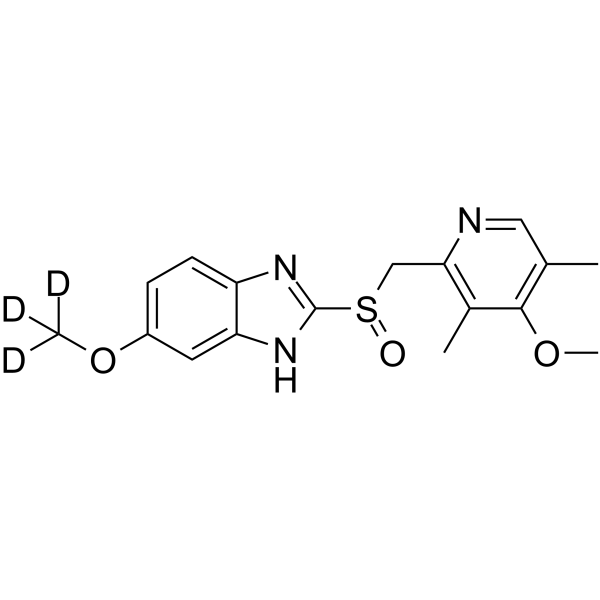
Omeprazole-d3 (H 16868-d3) is deuterium labeled Omeprazole. Omeprazole (H 16868) is an orally active H +,K +-ATPase inhibitor and a proton pump inhibitor. Omeprazole competitively inhibits CYP2C19, CYP3A4, and CYP2C9 activity. Omeprazole inhibits gastric acid secretion and can be used for acid-related gastrointestinal disorders. Omeprazole inhibits pancreatic cancer cell proliferation, induces apoptosis, autophagosome accumulation (elevated LC3-I and LC3-II levels), oxidative stress, and cytogenetic imbalance, modulates lysosomal transport, reduces inflammatory cytokines. Omeprazole alters small intestinal morphology and magnesium absorption, and induces gastric mucosa morphologic changes. Omeprazole aslo has neuroprotective and antibacterial effects .
|
-
-
- HY-U00382
-
-
-
- HY-B1667
-
|
|
mAChR
|
Metabolic Disease
|
|
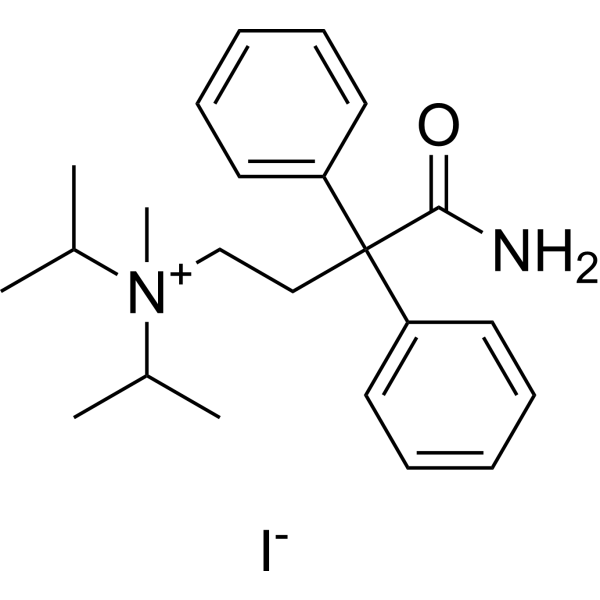
Isopropamide iodide is a long-acting quaternary anticholinergic agent. Isopropamide iodide is used in peptic ulcer and other gastrointestinal disorders marked by hyperacidity and hypermotility .
|
-
-
- HY-108283
-
|
AA 149; Supacal
|
Calcium Channel
|
Inflammation/Immunology
|
|
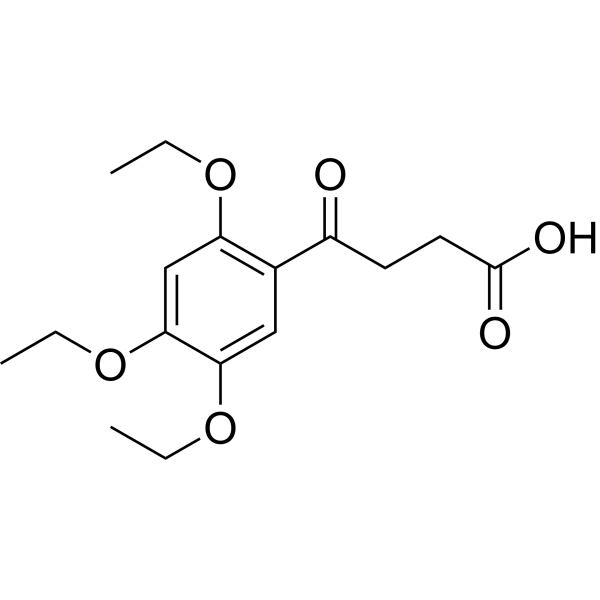
Trepibutone (AA 149) increases secretion of bile and pancreatic juice, and accelerates flaccidity of the smooth muscle in the gastrointestinal tract. Trepibutone can be used for the research of cholecystitis and functional gastrointestinal disorders .
|
-
-
- HY-109546
-
|
|
Na+/K+ ATPase
Interleukin Related
Proton Pump
Cytochrome P450
Bacterial
Apoptosis
Autophagy
TNF Receptor
Atg8/LC3
|
Infection
Metabolic Disease
Cancer
|
|
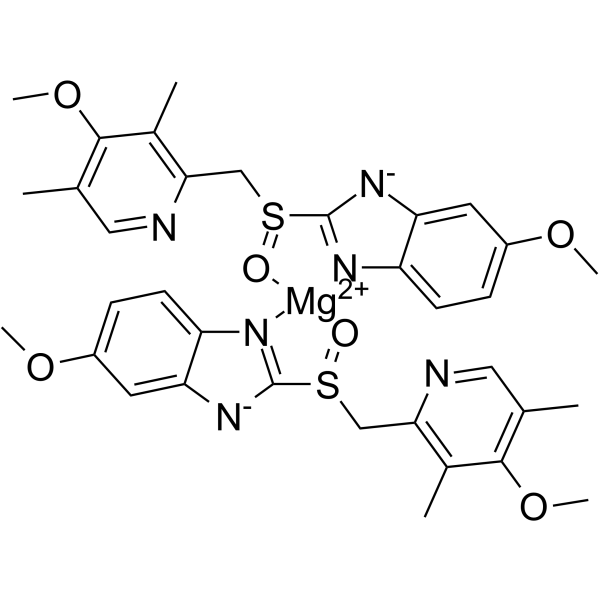
Omeprazole (H 16868) magnesium is an orally active H +,K +-ATPase inhibitor and a proton pump inhibitor. Omeprazole magnesium competitively inhibits CYP2C19, CYP3A4, and CYP2C9 activity. Omeprazole magnesium inhibits gastric acid secretion and can be used for acid-related gastrointestinal disorders. Omeprazole magnesium inhibits pancreatic cancer cell proliferation, induces apoptosis, autophagosome accumulation (elevated LC3-I and LC3-II levels), oxidative stress, and cytogenetic imbalance, modulates lysosomal transport, reduces inflammatory cytokines. Omeprazole magnesium alters small intestinal morphology and magnesium absorption, and induces gastric mucosa morphologic changes. Omeprazole magnesium aslo has neuroprotective and antibacterial effects .
|
-
-
- HY-B0113S3
-
|
H 16868-13C,d3
|
Isotope-Labeled Compounds
Na+/K+ ATPase
Interleukin Related
Proton Pump
Cytochrome P450
Bacterial
Apoptosis
Autophagy
TNF Receptor
Atg8/LC3
|
Infection
Metabolic Disease
Cancer
|
|
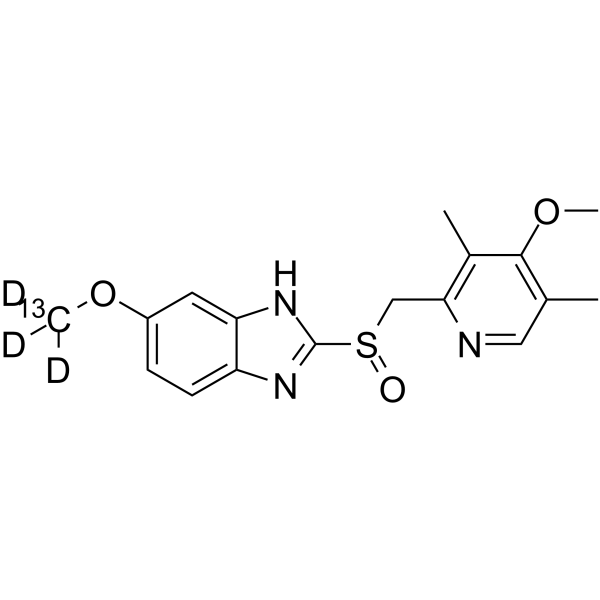
Omeprazole- 13C,d3 is a 13C-labeled and deuterium labeled Omeprazole. Omeprazole (H 16868) is an orally active H +,K +-ATPase inhibitor and a proton pump inhibitor. Omeprazole competitively inhibits CYP2C19, CYP3A4, and CYP2C9 activity. Omeprazole inhibits gastric acid secretion and can be used for acid-related gastrointestinal disorders. Omeprazole inhibits pancreatic cancer cell proliferation, induces apoptosis, autophagosome accumulation (elevated LC3-I and LC3-II levels), oxidative stress, and cytogenetic imbalance, modulates lysosomal transport, reduces inflammatory cytokines. Omeprazole alters small intestinal morphology and magnesium absorption, and induces gastric mucosa morphologic changes. Omeprazole aslo has neuroprotective and antibacterial effects .
|
-
-
- HY-113365R
-
|
4-Cholesten-3-one (Standard)
|
Reference Standards
Endogenous Metabolite
|
Infection
Metabolic Disease
|
|
Clebopride (malate) (Standard) is the analytical standard of Clebopride (malate). This product is intended for research and analytical applications. Clebopride malate is a dopamine antagonist used in the study of functional gastrointestinal disorders.
|
-

-
- HY-144401
-
|
|
Motilin Receptor
|
Metabolic Disease
|
|
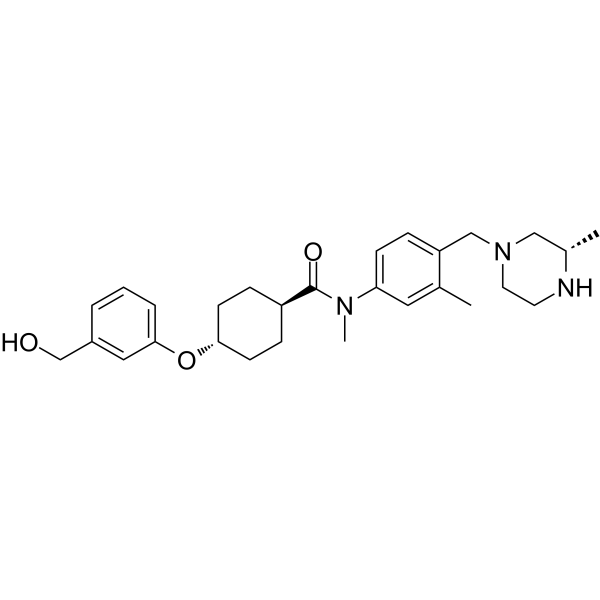
DS-3801b is a potent and non-macrolide agonist of GPR38. DS-3801b is expected to be novel gastrointestinal prokinetic agents for the research of functional gastrointestinal disorders such as gastroparesis and chronic constipation .
|
-
-
- HY-106525
-
|
|
Cholinesterase (ChE)
|
Inflammation/Immunology
|
|
Aclatonium napadisylate is a cholinergic agonist. Aclatonium napadisylate can increase amylase release and Ca 2+ efflux. Aclatonium napadisylate can stimulate pancreatic exocrine secretion and increase motility and peristalsis of the gastrointestinal tract. Aclatonium napadisylate can be used for the research of gastrointestinal disorders .
|
-

-
- HY-103146
-
|
|
5-HT Receptor
|
Neurological Disease
|
|
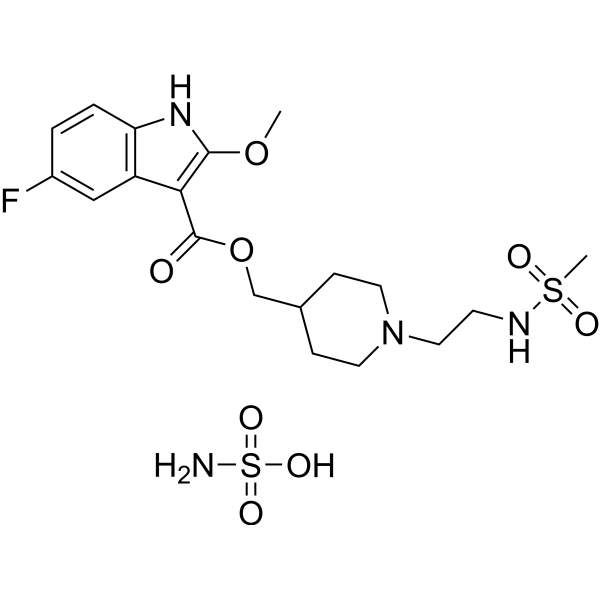
GR125487 sulfamate is an orally active and selective antagonist of 5-HT4R. GR125487 sulfamate effectively blocks the cognition enhancing effect. GR125487 sulfamate can be used to study memory disorders, gastrointestinal disorders, mood disorders and urinary tract dysfunction .
|
-
-
- HY-U00375
-
-
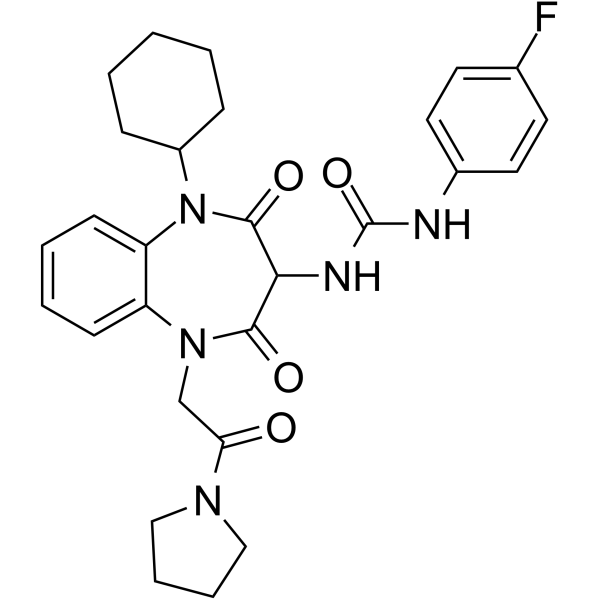
-
- HY-U00286
-
|
|
5-HT Receptor
|
Cardiovascular Disease
|
|
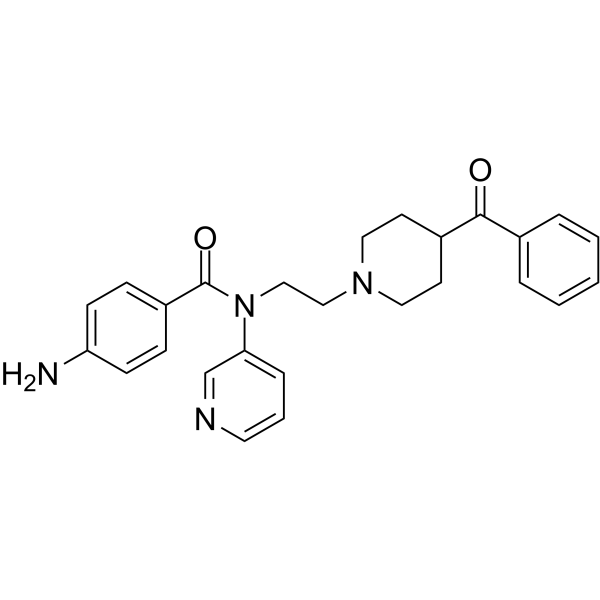
5-HT2A antagonist 1 is a 5-HT2A antagonist extracted from patent US5728835A and JP 1007727. 5-HT2A antagonist 1 may be useful in treatment of gastrointestinal disorders circulatory disorders.
|
-
-
- HY-135111
-
|
|
Drug Metabolite
|
Infection
Metabolic Disease
Cancer
|
|
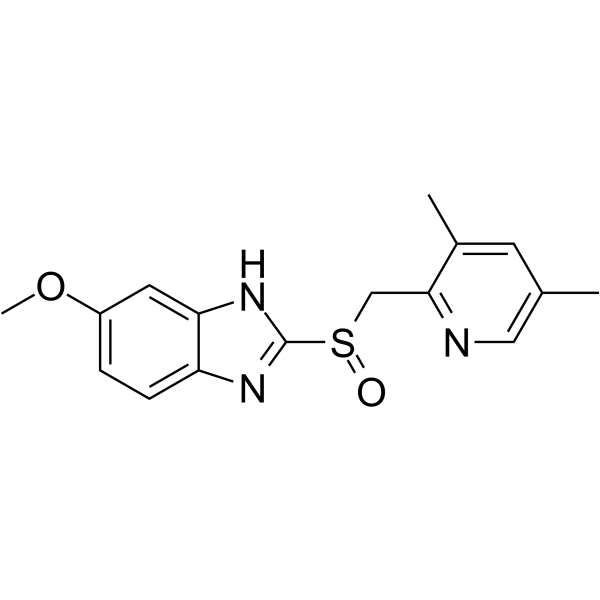
4-Desmethoxy Omeprazole is the active metabolite of Omeprazole. Omeprazole, a proton pump inhibitor (PPI), is available for treatment of acid-related gastrointestinal disorders. Omeprazole shows competitive inhibition of CYP2C19 activity with a Ki of 2 to 6 μM . Omeprazole also inhibits growth of Gram-positive and Gram-negative bacteria .
|
-
-
- HY-121020
-
|
|
SARS-CoV
|
Infection
Others
Inflammation/Immunology
|
|
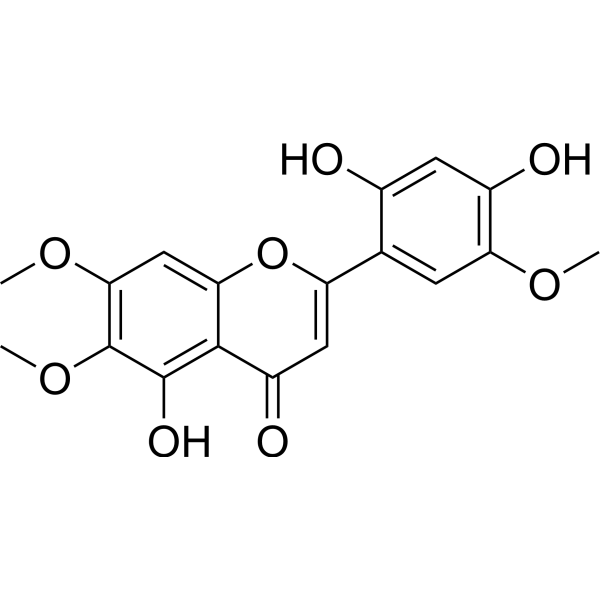
Arcapillin is a flavonoid that can be isolated from Artemisia capillaris Thunb. Arcapillin induces dose-dependent relaxation of ileum and pulmonary artery smooth muscle, causes slight urinary bladder smooth muscle contraction at highest tested concentrations. Arcapillin binds to the active site of SARS-CoV-2 Mpro via interactions with Gln139, His163, and His164, exhibits antiviral activity against SARS-CoV-2 and MERS-CoV. Arcapillin can be used for the research of gastrointestinal disorders, COVID-19, and Middle East respiratory syndrome (MERS) .
|
-
-
- HY-B0380S1
-
|
|
Isotope-Labeled Compounds
Opioid Receptor
Toll-like Receptor (TLR)
Calcium Channel
Potassium Channel
IRAK
ERK
JNK
NF-κB
Akt
Apoptosis
|
Neurological Disease
Metabolic Disease
Inflammation/Immunology
Cancer
|
|
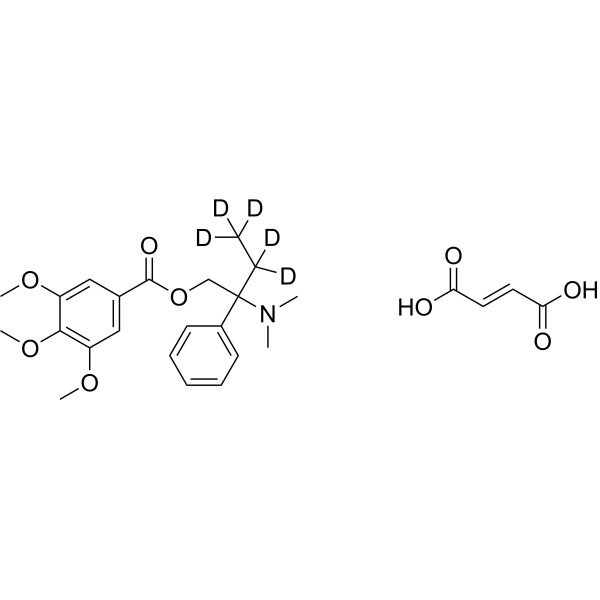
Trimebutine-d5 fumarate is deuterium labeled Trimebutine fumarate. Trimebutine fumarate is a multi-target inhibitor and opioid receptor agonist with antimuscarinic activity. Trimebutine fumarate inhibits L-type Ca 2+ channels and large-conductance calcium-activated potassium channels (BKCa channels), thereby inhibiting extracellular calcium influx and potassium ion efflux. Trimebutine fumarate also targets Toll-like receptors, inhibits Toll-like receptor 2/4/7/8/9 signals, and inhibits LPS-induced IRAK1 activation, as well as ERK1/2, JNK and NF-κB activation, thereby exerting anti-inflammatory effects. Trimebutine fumarate also induces tumor cell apoptosis by inhibiting the AKT/ERK pathway. Trimebutine fumarate also inhibits excessive contraction of smooth muscle and can be used in the study of gastrointestinal disorders such as irritable bowel syndrome (IBS) .
|
-
-
- HY-B0380AR
-
|
|
Reference Standards
Opioid Receptor
Apoptosis
Potassium Channel
NF-κB
Akt
IRAK
JNK
Toll-like Receptor (TLR)
ERK
Calcium Channel
|
Neurological Disease
Metabolic Disease
Inflammation/Immunology
Cancer
|
|
Trimebutine maleate (Standard) is the analytical standard of Trimebutine maleate (HY-B0380A). This product is intended for research and analytical applications. Trimebutine maleate is a multi-target inhibitor and opioid receptor agonist with antimuscarinic activity. Trimebutine maleate inhibits L-type Ca 2+ channels and large-conductance calcium-activated potassium channels (BKCa channels), thereby inhibiting extracellular calcium influx and potassium ion efflux. Trimebutine maleate also targets Toll-like receptors, inhibits Toll-like receptor 2/4/7/8/9 signals, and inhibits LPS-induced IRAK1 activation, as well as ERK1/2, JNK and NF-κB activation, thereby exerting anti-inflammatory effects. Trimebutine maleate also induces tumor cell apoptosis by inhibiting the AKT/ERK pathway. Trimebutine maleate also inhibits excessive contraction of smooth muscle and can be used in the study of gastrointestinal disorders such as irritable bowel syndrome (IBS) .
|
-

-
- HY-U00415
-
|
|
Dopamine Receptor
mAChR
|
Neurological Disease
|
|
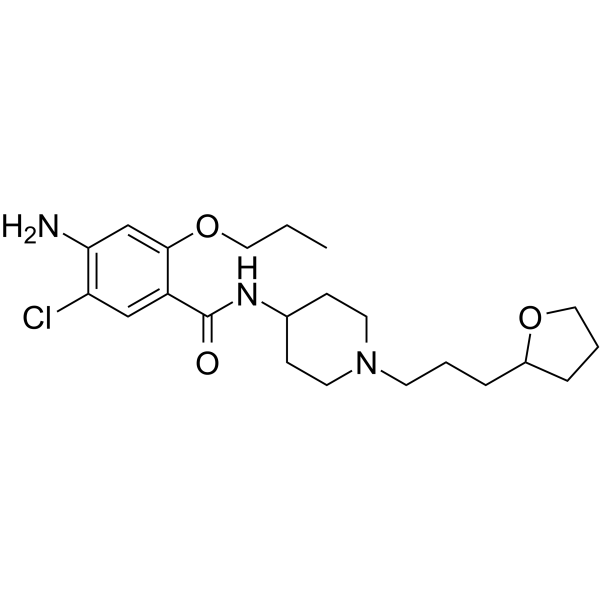
Benzamide Derivative 1 is a benzamide derivative from patent EP0213775A1, compound 18. Benzamide Derivative 1 may be useful in treatment of gastrointestinal disorders.
|
-
-
- HY-U00397
-
-
-
- HY-B1613
-
|
|
Dopamine Receptor
Adrenergic Receptor
|
Metabolic Disease
|
|
Clebopride is an orally active dopamine Receptor antagonist. Clebopride acts on dopamine D2 receptors and has antiemetic and prokinetic effects. Clebopride can be used in the study of functional gastrointestinal disorders .
|
-

-
- HY-B1667R
-
|
|
mAChR
Reference Standards
|
Metabolic Disease
|
|
Isopropamide (iodide) (Standard) is the analytical standard of Isopropamide (iodide). This product is intended for research and analytical applications. Isopropamide iodide is a long-acting quaternary anticholinergic agent. Isopropamide iodide is used in peptic ulcer and other gastrointestinal disorders marked by hyperacidity and hypermotility .
|
-

-
- HY-147563
-
|
|
RET
|
Cancer
|
|
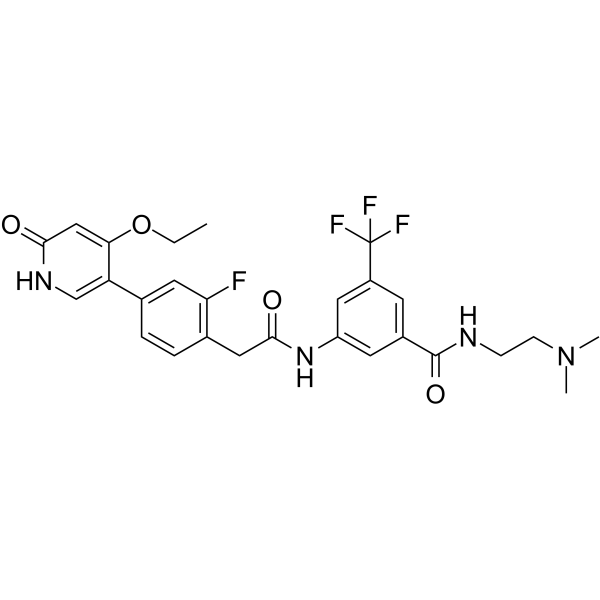
RET-IN-17 is a potent inhibitor of RET. RET-IN-17 has the potential for the research of pain associated with IBS and other gastrointestinal disorders and for the research of cancers with constitutive RET kinase activity (extracted from patent WO2016038552A1, compound 1) .
|
-
-
- HY-108283R
-
|
AA 149 (Standard); Supacal (Standard)
|
Calcium Channel
Reference Standards
|
Inflammation/Immunology
|
|
Trepibutone (Standard) is the analytical standard of Trepibutone. This product is intended for research and analytical applications. Trepibutone (AA 149) increases secretion of bile and pancreatic juice, and accelerates flaccidity of the smooth muscle in the gastrointestinal tract. Trepibutone can be used for the research of cholecystitis and functional gastrointestinal disorders .
|
-

-
- HY-122991
-
|
|
Histone Methyltransferase
|
Neurological Disease
|
|
Prospasmine hydrochloride is an anticholinergic drug that has the activity of inhibiting glandular secretions and relaxing smooth muscles. Prospasmine hydrochloride is mainly used to inhibit certain types of gastrointestinal disorders. Prospasmine hydrochloride helps relieve pain caused by smooth muscle spasms. Prospasmine hydrochloride is also used as an anesthetic adjuvant in some cases .
|
-

-
- HY-B1613AR
-
|
|
Reference Standards
Dopamine Receptor
Adrenergic Receptor
|
Metabolic Disease
|
|
Clebopride malate (Standard) is the analytical standard of Clebopride malate (HY-B1613A). This product is intended for research and analytical applications. Clebopride malate is an orally active dopamine Receptor antagonist. Clebopride malate acts on dopamine D2 receptors and has antiemetic and prokinetic effects. Clebopride malate can be used in the study of functional gastrointestinal disorders.
|
-

-
- HY-147564
-
|
|
RET
|
Neurological Disease
Cancer
|
|
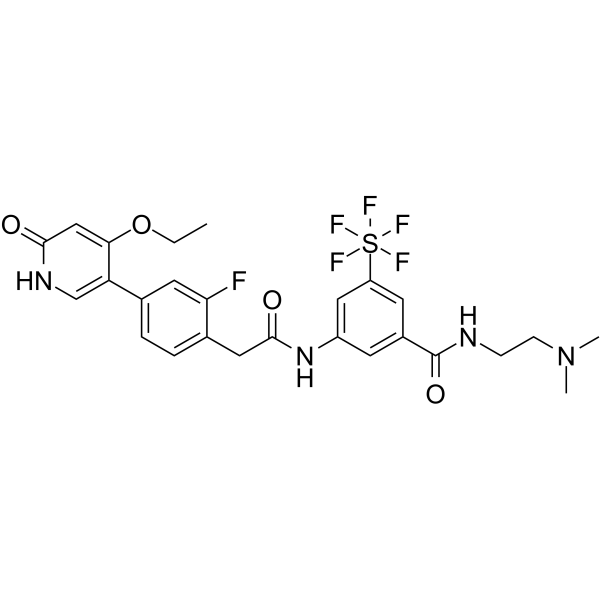
RET-IN-18 is a pyridone compound. is a potent inhibitor of RET. RET-IN-18 is a potent inhibitor of RET. RET-IN-18 has the potential for the research of diseases related to irritable bowel syndrome (IBS) and other gastrointestinal disorders, as well as cancers, and neurodegenerative diseases (extracted from patent WO2022017524A1, compound 1) .
|
-
-
- HY-106301R
-
|
L-364,718 (Standard); MK-329 (Standard)
|
Reference Standards
Cholecystokinin Receptor
|
Metabolic Disease
|
|
Devazepide (Standard) is the analytical standard of Devazepide. This product is intended for research and analytical applications. Devazepide (L-364,718) is a potent, competitive, selective and orally active nonpeptide antagonist of cholecystokinin (CCK) receptor, with IC50s of 81 pM, 45 pM and 245 nM for rat pancreatic, bovine gallbladder and guinea pig brain CCK receptors, respectively. Devazepide (L-364,718) is effective for gastrointestinal disorders .
|
-

-
- HY-135111S
-
|
|
Isotope-Labeled Compounds
Drug Metabolite
|
Infection
Metabolic Disease
Cancer
|
|
4-Desmethoxy Omeprazole-d3 is the deuterium labeled 4-Desmethoxy Omeprazole. 4-Desmethoxy Omeprazole is the active metabolite of Omeprazole. Omeprazole, a proton pump inhibitor (PPI), is available for treatment of acid-related gastrointestinal disorders. Omeprazole shows competitive inhibition of CYP2C19 activity with a Kiof 2 to 6 μM . Omeprazole also inhibits growth of Gram-positive and Gram-negative bacteria .
|
-

-
- HY-113371R
-
|
Methylcitric acid (Standard)
|
Reference Standards
Endogenous Metabolite
|
Metabolic Disease
|
|
Omeprazole (sodium) (Standard) is the analytical standard of Omeprazole (sodium). This product is intended for research and analytical applications. Omeprazole sodium (H 16868 sodium), a proton pump inhibitor (PPI), is available for treatment of acid-related gastrointestinal disorders. Omeprazole sodium shows competitive inhibition of CYP2C19 activity with a Ki of 2 to 6 μM . Omeprazole sodium also inhibits growth of Gram-positive and Gram-negative bacteria . Omeprazole is a potent brain penetrant neutral sphingomyelinase (N-SMase) inhibitor (exosome inhibitor) .
|
-

-
- HY-135111R
-
|
|
Reference Standards
Drug Metabolite
|
Infection
Metabolic Disease
Cancer
|
|
4-Desmethoxy Omeprazole (Standard) is the analytical standard of 4-Desmethoxy Omeprazole. This product is intended for research and analytical applications. 4-Desmethoxy Omeprazole is the active metabolite of Omeprazole. Omeprazole, a proton pump inhibitor (PPI), is available for treatment of acid-related gastrointestinal disorders. Omeprazole shows competitive inhibition of CYP2C19 activity with a Ki of 2 to 6 μM . Omeprazole also inhibits growth of Gram-positive and Gram-negative bacteria .
|
-

-
- HY-101225
-
|
|
5-HT Receptor
Histamine Receptor
|
Inflammation/Immunology
|
|
8 Hydroxy PIPAT oxalate is a selective 5-HT1A receptor agonist that promotes the release of histamine from enteric mast cells. 8 Hydroxy PIPAT oxalate activates serotonergic signaling pathways, leading to the degranulation of mast cells in both guinea pig and human intestinal preparations. 8 Hydroxy PIPAT oxalate enhances the spontaneous release of histamine, which may contribute to the regulation of gastrointestinal functions. 8 Hydroxy PIPAT oxalate has potential implications for understanding and treating functional gastrointestinal disorders such as irritable bowel syndrome.
|
-

-
- HY-B0113AR
-
|
H 16868 sodium (Standard)
|
Reference Standards
Na+/K+ ATPase
Interleukin Related
Proton Pump
Cytochrome P450
Bacterial
Apoptosis
Autophagy
TNF Receptor
Atg8/LC3
|
Infection
Metabolic Disease
Cancer
|
|
Omeprazole (sodium) (Standard) is the analytical standard of Omeprazole (sodium). This product is intended for research and analytical applications. Omeprazole sodium (H 16868) is an orally active H +,K +-ATPase inhibitor and a proton pump inhibitor. Omeprazole sodium competitively inhibits CYP2C19, CYP3A4, and CYP2C9 activity. Omeprazole sodium inhibits gastric acid secretion and can be used for acid-related gastrointestinal disorders. Omeprazole sodium inhibits pancreatic cancer cell proliferation, induces apoptosis, autophagosome accumulation (elevated LC3-I and LC3-II levels), oxidative stress, and cytogenetic imbalance, modulates lysosomal transport, reduces inflammatory cytokines. Omeprazole sodium alters small intestinal morphology and magnesium absorption, and induces gastric mucosa morphologic changes. Omeprazole sodium aslo has neuroprotective and antibacterial effects .
|
-

-
- HY-B0113S4
-
|
H 16868-d3 sodium
|
Isotope-Labeled Compounds
Na+/K+ ATPase
Interleukin Related
Proton Pump
Cytochrome P450
Bacterial
Apoptosis
Autophagy
TNF Receptor
Atg8/LC3
|
Infection
Metabolic Disease
Cancer
|
|
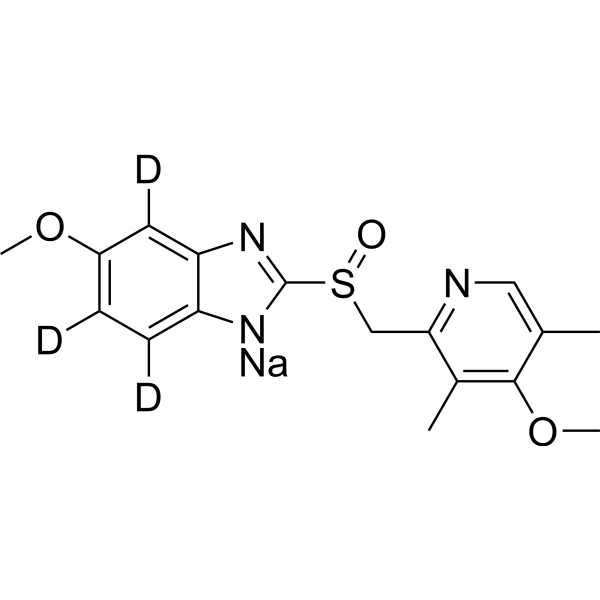
Omeprazole-d3 sodium is deuterated labeled Omeprazole (HY-B0113). Omeprazole sodium (H 16868) is an orally active H +,K +-ATPase inhibitor and a proton pump inhibitor. Omeprazole sodium competitively inhibits CYP2C19, CYP3A4, and CYP2C9 activity. Omeprazole sodium inhibits gastric acid secretion and can be used for acid-related gastrointestinal disorders. Omeprazole sodium inhibits pancreatic cancer cell proliferation, induces apoptosis, autophagosome accumulation (elevated LC3-I and LC3-II levels), oxidative stress, and cytogenetic imbalance, modulates lysosomal transport, reduces inflammatory cytokines. Omeprazole sodium alters small intestinal morphology and magnesium absorption, and induces gastric mucosa morphologic changes. Omeprazole sodium aslo has neuroprotective and antibacterial effects .
|
-
-
- HY-B0113S2
-
|
Omeprazole sulphone (methoxy-d3)
|
Isotope-Labeled Compounds
Na+/K+ ATPase
Interleukin Related
Proton Pump
Cytochrome P450
Bacterial
Apoptosis
Autophagy
TNF Receptor
Atg8/LC3
|
Infection
Cancer
|
|
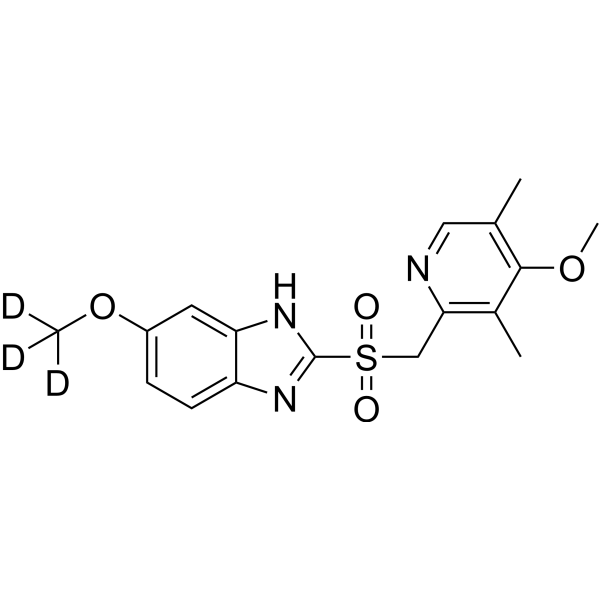
Omeprazole sulfone (methoxy-d3) is the deuterium labeled Omeprazole sulfone. Omeprazole sulfone (H 16868) is an orally active H +,K +-ATPase inhibitor and a proton pump inhibitor. Omeprazole sulfone competitively inhibits CYP2C19, CYP3A4, and CYP2C9 activity. Omeprazole sulfone inhibits gastric acid secretion and can be used for acid-related gastrointestinal disorders. Omeprazole sulfone inhibits pancreatic cancer cell proliferation, induces apoptosis, autophagosome accumulation (elevated LC3-I and LC3-II levels), oxidative stress, and cytogenetic imbalance, modulates lysosomal transport, reduces inflammatory cytokines. Omeprazole sulfone alters small intestinal morphology and magnesium absorption, and induces gastric mucosa morphologic changes. Omeprazole sulfone aslo has neuroprotective and antibacterial effects .
|
-
-
- HY-B0113S5
-
|
H 16868-d6
|
Isotope-Labeled Compounds
Na+/K+ ATPase
Interleukin Related
Proton Pump
Cytochrome P450
Bacterial
Apoptosis
Autophagy
TNF Receptor
Atg8/LC3
|
Infection
Metabolic Disease
Cancer
|
|
Omeprazole-d6 (H 16868-d6) is deuterium labeled Omeprazole. Omeprazole (H 16868) is an orally active H +,K +-ATPase inhibitor and a proton pump inhibitor. Omeprazole competitively inhibits CYP2C19, CYP3A4, and CYP2C9 activity. Omeprazole inhibits gastric acid secretion and can be used for acid-related gastrointestinal disorders. Omeprazole inhibits pancreatic cancer cell proliferation, induces apoptosis, autophagosome accumulation (elevated LC3-I and LC3-II levels), oxidative stress, and cytogenetic imbalance, modulates lysosomal transport, reduces inflammatory cytokines. Omeprazole alters small intestinal morphology and magnesium absorption, and induces gastric mucosa morphologic changes. Omeprazole aslo has neuroprotective and antibacterial effects .
|
-

-
- HY-B0380S2
-
|
|
Isotope-Labeled Compounds
Opioid Receptor
Toll-like Receptor (TLR)
Calcium Channel
Potassium Channel
IRAK
ERK
JNK
NF-κB
Akt
Apoptosis
|
Neurological Disease
Metabolic Disease
Inflammation/Immunology
Cancer
|
|
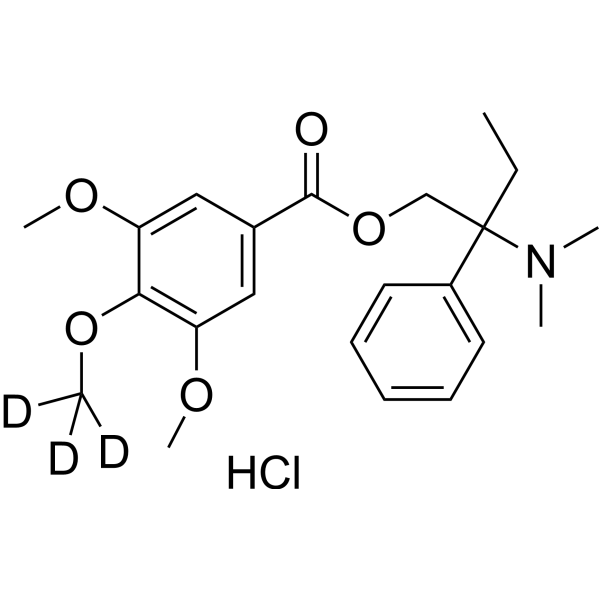
Trimebutine-d3 hydrochloride is deuterium labeled Trimebutine hydrochloride. Trimebutine hydrochloride is a multi-target inhibitor and opioid receptor agonist with antimuscarinic activity. Trimebutine hydrochloride inhibits L-type Ca 2+ channels and large-conductance calcium-activated potassium channels (BKCa channels), thereby inhibiting extracellular calcium influx and potassium ion efflux. Trimebutine hydrochloride also targets Toll-like receptors, inhibits Toll-like receptor 2/4/7/8/9 signals, and inhibits LPS-induced IRAK1 activation, as well as ERK1/2, JNK and NF-κB activation, thereby exerting anti-inflammatory effects. Trimebutine hydrochloride also induces tumor cell apoptosis by inhibiting the AKT/ERK pathway. Trimebutine hydrochloride also inhibits excessive contraction of smooth muscle and can be used in the study of gastrointestinal disorders such as irritable bowel syndrome (IBS) .
|
-
-
- HY-B0113S1
-
|
H 16868-d3-1
|
Na+/K+ ATPase
Interleukin Related
Proton Pump
Cytochrome P450
Bacterial
Apoptosis
Autophagy
TNF Receptor
Atg8/LC3
|
Infection
Metabolic Disease
Cancer
|
|
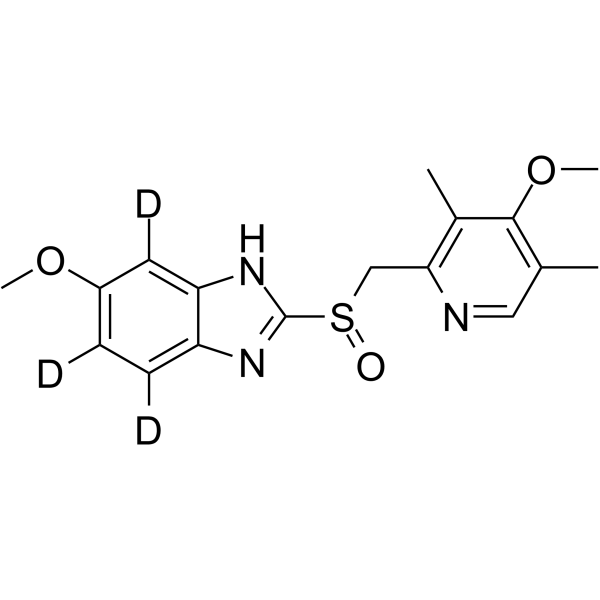
Omeprazole-d3-1 is the deuterium labeled Omeprazole. Omeprazole-1 (H 16868) is an orally active H +,K +-ATPase inhibitor and a proton pump inhibitor. Omeprazole-1 competitively inhibits CYP2C19, CYP3A4, and CYP2C9 activity. Omeprazole-1 inhibits gastric acid secretion and can be used for acid-related gastrointestinal disorders. Omeprazole-1 inhibits pancreatic cancer cell proliferation, induces apoptosis, autophagosome accumulation (elevated LC3-I and LC3-II levels), oxidative stress, and cytogenetic imbalance, modulates lysosomal transport, reduces inflammatory cytokines. Omeprazole-1 alters small intestinal morphology and magnesium absorption, and induces gastric mucosa morphologic changes. Omeprazole-1 aslo has neuroprotective and antibacterial effects .
|
-
-
- HY-B0380R
-
|
|
Opioid Receptor
Toll-like Receptor (TLR)
Calcium Channel
Potassium Channel
IRAK
ERK
JNK
NF-κB
Akt
Apoptosis
Reference Standards
|
Neurological Disease
Metabolic Disease
Inflammation/Immunology
Cancer
|
|
Trimebutine (Standard) is the analytical standard of Trimebutine (HY-B0380). This product is intended for research and analytical applications. Trimebutine is a multi-target inhibitor and opioid receptor agonist with antimuscarinic activity. Trimebutine inhibits L-type Ca 2+ channels and large-conductance calcium-activated potassium channels (BKCa channels), thereby inhibiting extracellular calcium influx and potassium ion efflux. Trimebutine also targets Toll-like receptors, inhibits Toll-like receptor 2/4/7/8/9 signals, and inhibits LPS-induced IRAK1 activation, as well as ERK1/2, JNK and NF-κB activation, thereby exerting anti-inflammatory effects. Trimebutine also induces tumor cell apoptosis by inhibiting the AKT/ERK pathway. Trimebutine also inhibits excessive contraction of smooth muscle and can be used in the study of gastrointestinal disorders such as irritable bowel syndrome (IBS) .
|
-

| Cat. No. |
Product Name |
Category |
Target |
Chemical Structure |
| Cat. No. |
Product Name |
Chemical Structure |
-
- HY-B0113S
-
1 Publications Verification
|
|
Omeprazole-d3 (H 16868-d3) is deuterium labeled Omeprazole. Omeprazole (H 16868) is an orally active H +,K +-ATPase inhibitor and a proton pump inhibitor. Omeprazole competitively inhibits CYP2C19, CYP3A4, and CYP2C9 activity. Omeprazole inhibits gastric acid secretion and can be used for acid-related gastrointestinal disorders. Omeprazole inhibits pancreatic cancer cell proliferation, induces apoptosis, autophagosome accumulation (elevated LC3-I and LC3-II levels), oxidative stress, and cytogenetic imbalance, modulates lysosomal transport, reduces inflammatory cytokines. Omeprazole alters small intestinal morphology and magnesium absorption, and induces gastric mucosa morphologic changes. Omeprazole aslo has neuroprotective and antibacterial effects .
|
-
-
- HY-B0113S3
-
|
|
|
Omeprazole- 13C,d3 is a 13C-labeled and deuterium labeled Omeprazole. Omeprazole (H 16868) is an orally active H +,K +-ATPase inhibitor and a proton pump inhibitor. Omeprazole competitively inhibits CYP2C19, CYP3A4, and CYP2C9 activity. Omeprazole inhibits gastric acid secretion and can be used for acid-related gastrointestinal disorders. Omeprazole inhibits pancreatic cancer cell proliferation, induces apoptosis, autophagosome accumulation (elevated LC3-I and LC3-II levels), oxidative stress, and cytogenetic imbalance, modulates lysosomal transport, reduces inflammatory cytokines. Omeprazole alters small intestinal morphology and magnesium absorption, and induces gastric mucosa morphologic changes. Omeprazole aslo has neuroprotective and antibacterial effects .
|
-
-
- HY-B0380S1
-
|
|
|
Trimebutine-d5 fumarate is deuterium labeled Trimebutine fumarate. Trimebutine fumarate is a multi-target inhibitor and opioid receptor agonist with antimuscarinic activity. Trimebutine fumarate inhibits L-type Ca 2+ channels and large-conductance calcium-activated potassium channels (BKCa channels), thereby inhibiting extracellular calcium influx and potassium ion efflux. Trimebutine fumarate also targets Toll-like receptors, inhibits Toll-like receptor 2/4/7/8/9 signals, and inhibits LPS-induced IRAK1 activation, as well as ERK1/2, JNK and NF-κB activation, thereby exerting anti-inflammatory effects. Trimebutine fumarate also induces tumor cell apoptosis by inhibiting the AKT/ERK pathway. Trimebutine fumarate also inhibits excessive contraction of smooth muscle and can be used in the study of gastrointestinal disorders such as irritable bowel syndrome (IBS) .
|
-
-
- HY-135111S
-
|
|
|
4-Desmethoxy Omeprazole-d3 is the deuterium labeled 4-Desmethoxy Omeprazole. 4-Desmethoxy Omeprazole is the active metabolite of Omeprazole. Omeprazole, a proton pump inhibitor (PPI), is available for treatment of acid-related gastrointestinal disorders. Omeprazole shows competitive inhibition of CYP2C19 activity with a Kiof 2 to 6 μM . Omeprazole also inhibits growth of Gram-positive and Gram-negative bacteria .
|
-
-
- HY-B0113S4
-
|
|
|
Omeprazole-d3 sodium is deuterated labeled Omeprazole (HY-B0113). Omeprazole sodium (H 16868) is an orally active H +,K +-ATPase inhibitor and a proton pump inhibitor. Omeprazole sodium competitively inhibits CYP2C19, CYP3A4, and CYP2C9 activity. Omeprazole sodium inhibits gastric acid secretion and can be used for acid-related gastrointestinal disorders. Omeprazole sodium inhibits pancreatic cancer cell proliferation, induces apoptosis, autophagosome accumulation (elevated LC3-I and LC3-II levels), oxidative stress, and cytogenetic imbalance, modulates lysosomal transport, reduces inflammatory cytokines. Omeprazole sodium alters small intestinal morphology and magnesium absorption, and induces gastric mucosa morphologic changes. Omeprazole sodium aslo has neuroprotective and antibacterial effects .
|
-
-
- HY-B0113S2
-
|
|
|
Omeprazole sulfone (methoxy-d3) is the deuterium labeled Omeprazole sulfone. Omeprazole sulfone (H 16868) is an orally active H +,K +-ATPase inhibitor and a proton pump inhibitor. Omeprazole sulfone competitively inhibits CYP2C19, CYP3A4, and CYP2C9 activity. Omeprazole sulfone inhibits gastric acid secretion and can be used for acid-related gastrointestinal disorders. Omeprazole sulfone inhibits pancreatic cancer cell proliferation, induces apoptosis, autophagosome accumulation (elevated LC3-I and LC3-II levels), oxidative stress, and cytogenetic imbalance, modulates lysosomal transport, reduces inflammatory cytokines. Omeprazole sulfone alters small intestinal morphology and magnesium absorption, and induces gastric mucosa morphologic changes. Omeprazole sulfone aslo has neuroprotective and antibacterial effects .
|
-
-
- HY-B0113S5
-
|
|
|
Omeprazole-d6 (H 16868-d6) is deuterium labeled Omeprazole. Omeprazole (H 16868) is an orally active H +,K +-ATPase inhibitor and a proton pump inhibitor. Omeprazole competitively inhibits CYP2C19, CYP3A4, and CYP2C9 activity. Omeprazole inhibits gastric acid secretion and can be used for acid-related gastrointestinal disorders. Omeprazole inhibits pancreatic cancer cell proliferation, induces apoptosis, autophagosome accumulation (elevated LC3-I and LC3-II levels), oxidative stress, and cytogenetic imbalance, modulates lysosomal transport, reduces inflammatory cytokines. Omeprazole alters small intestinal morphology and magnesium absorption, and induces gastric mucosa morphologic changes. Omeprazole aslo has neuroprotective and antibacterial effects .
|
-
-
- HY-B0380S2
-
|
|
|
Trimebutine-d3 hydrochloride is deuterium labeled Trimebutine hydrochloride. Trimebutine hydrochloride is a multi-target inhibitor and opioid receptor agonist with antimuscarinic activity. Trimebutine hydrochloride inhibits L-type Ca 2+ channels and large-conductance calcium-activated potassium channels (BKCa channels), thereby inhibiting extracellular calcium influx and potassium ion efflux. Trimebutine hydrochloride also targets Toll-like receptors, inhibits Toll-like receptor 2/4/7/8/9 signals, and inhibits LPS-induced IRAK1 activation, as well as ERK1/2, JNK and NF-κB activation, thereby exerting anti-inflammatory effects. Trimebutine hydrochloride also induces tumor cell apoptosis by inhibiting the AKT/ERK pathway. Trimebutine hydrochloride also inhibits excessive contraction of smooth muscle and can be used in the study of gastrointestinal disorders such as irritable bowel syndrome (IBS) .
|
-
-
- HY-B0113S1
-
|
|
|
Omeprazole-d3-1 is the deuterium labeled Omeprazole. Omeprazole-1 (H 16868) is an orally active H +,K +-ATPase inhibitor and a proton pump inhibitor. Omeprazole-1 competitively inhibits CYP2C19, CYP3A4, and CYP2C9 activity. Omeprazole-1 inhibits gastric acid secretion and can be used for acid-related gastrointestinal disorders. Omeprazole-1 inhibits pancreatic cancer cell proliferation, induces apoptosis, autophagosome accumulation (elevated LC3-I and LC3-II levels), oxidative stress, and cytogenetic imbalance, modulates lysosomal transport, reduces inflammatory cytokines. Omeprazole-1 alters small intestinal morphology and magnesium absorption, and induces gastric mucosa morphologic changes. Omeprazole-1 aslo has neuroprotective and antibacterial effects .
|
-
Your information is safe with us. * Required Fields.
Inquiry Information
- Product Name:
- Cat. No.:
- Quantity:
- MCE Japan Authorized Agent:








