Search Result
Results for "
ischemia/reperfusion (I/R)
" in MedChemExpress (MCE) Product Catalog:
| Cat. No. |
Product Name |
Target |
Research Areas |
Chemical Structure |
-
- HY-N2037
-
|
Norcoclaurine; Demethyl-Coclaurine
|
MAP3K
MDM-2/p53
Adrenergic Receptor
ROS Kinase
Apoptosis
|
Cardiovascular Disease
Endocrinology
|
|
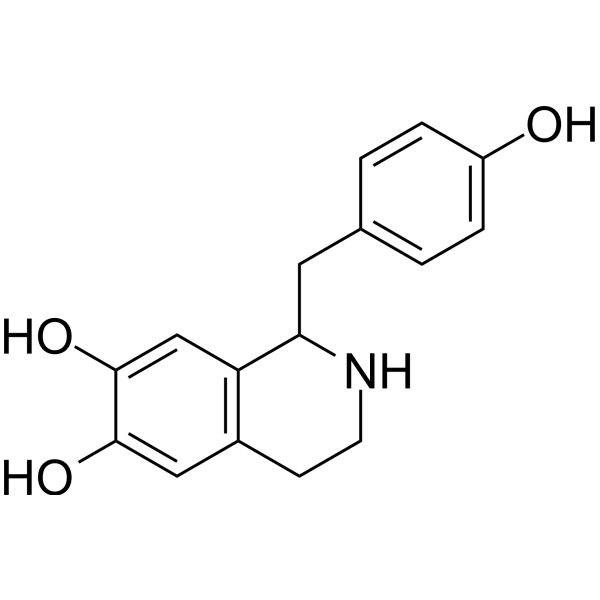
Higenamine (Norcoclaurine), a β2-AR agonist with antioxidant capability, is a key component of the Chinese herb aconite root that prescribes for treating symptoms of heart failure in the oriental Asian countries. Higenamine is also a α1-adrenergic receptor antagonist with hypotensive effect. is a selective LSD1 inhibitor (IC50=1.47 μM) that can be isolated from aconite. Higenamine hydrochloride has anti-inflammatory and antibacterial activity. Higenamine protects myocyte Apoptosis and ischemia/reperfusion (I/R) injury through selective activation of beta2-adrenergic receptor (β2-AR). Higenamine also reduces I/R-induced myocardial infarction in mice. Higenamine can attenuate IL-1β-induced Apoptosis through ROS-mediated PI3K/Akt signaling pathway. Higenamine protects brain cells from oxygen deprivation. Higenamine can promote bone formation in osteoporosis through the SMAD2/3 pathway. Higenamine can be used to study cancer, inflammation, cardiorenal syndrome and other diseases .
|
-
-
- HY-P99116
-
|
RG7716; RO-6867461
|
VEGFR
|
Cardiovascular Disease
Metabolic Disease
Inflammation/Immunology
|
|
Faricimab, an overall good safety and tolerability profile, is a bispecific antibody targeting Angiopoietin-2 (Ang-2) and vascular endothelial growth factor-A (VEGF-A). Faricimab prevents retinal vascular leakage, cell death and inflammation in retinal ischemia/reperfusion (I/R) injury and sCNV mouse models. Faricimab demonstrates statistically superior visual acuity gains versus Ranibizumab (HY-P9951). Faricimab can be used for retinal diseases, such as age-related macular degeneration (w-AMD), diabetic macular edema (DME) and macular edema following retinal vein occlusion (RVO) .
|
-
-
- HY-125773
-
|
Beta-cyano-l-alanine
|
Endogenous Metabolite
|
Neurological Disease
|
|
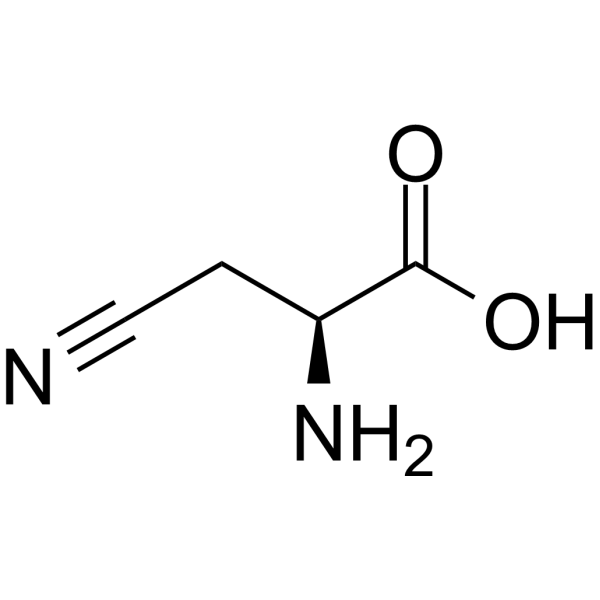
β-cyano-L-Alanine (Beta-cyano-l-alanine), a nitrile of widespread occurrence in higher plants, is enzymatically produced by cyanoalanine synthase from cyanide and cysteine as substrates . β-cyano-L-Alanine abolishes the protective effect of ethanol on cerebral ischemia/reperfusion (I/R) injury .
|
-
-
- HY-N0615
-
|
Sanchinoside R1; Sanqi glucoside R1
|
Amyloid-β
Apoptosis
|
Others
|
|
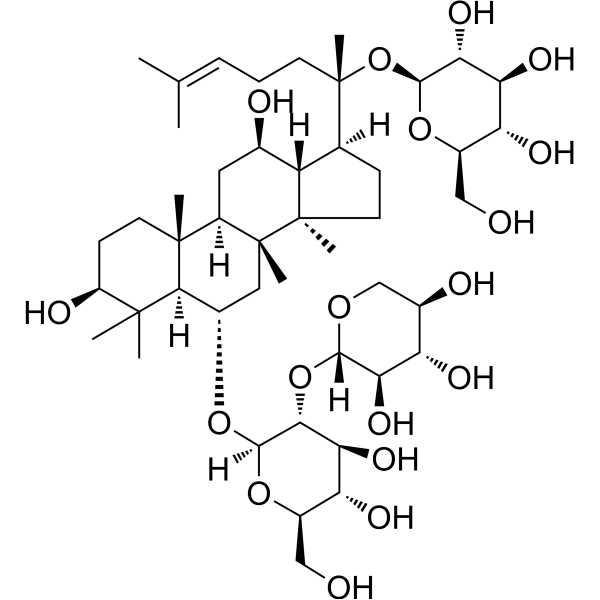
Notoginsenoside R1 (Sanchinoside R1), a saponin, is isolated from P. notoginseng. Notoginsenoside R1 exhibits anti-oxidation, anti-inflammatory, anti-angiogenic, and anti-apoptosis activities. Notoginsenoside R1 provides cardioprotection against ischemia/reperfusion (I/R) injury. Notoginsenoside R1 also provides neuroprotection in H2O2-induced oxidative damage in PC12 cells .
|
-
-
- HY-175032
-
-

-
- HY-N0507
-
|
|
TNF Receptor
Interleukin Related
|
Neurological Disease
Inflammation/Immunology
|
|
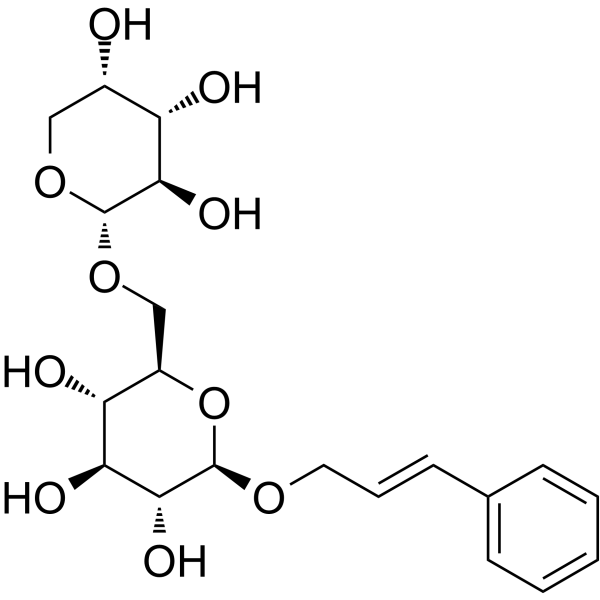
Rosavin, an orally bioactive phenylpropanoid from Rhodiola rosea L. (RRL), is an adaptogen that enhances the body’s response to environmental stress. Rosavin significantly influences bone tissue metabolism by inhibiting osteoclastogenesis and promoting osteoblast differentiation, also impacts various diseases, demonstrating antidepressant, adaptogenic, and anxiolytic effects in mouse models. Additionally, Rosavin improves survival, reducing intestinal damage in irradiated rats and Ischemia-reperfusion(I/R)-induced cerebral injury in vivo by regulating inflammation and oxidative stress, making it a promising candidate for research in radiation-induced intestinal injury, I/R-induced cerebral injury and osteoporosis .
|
-
-
- HY-178159
-
|
|
RNA MTase
|
Inflammation/Immunology
|
|
SA91-0178 is a METTL1 inhibitor. SA91-0178 inhibits m 7G methylation of RNA, reduces SARM1 stability, mitigates NAD + depletion and metabolic reprogramming in macrophages. SA91-0178 demonstrates excellent protective efficacy against multiple organ injury in cecal ligation and puncture (CLP)-induced and ischemia/reperfusion (I/R)-induced mice. SA91-0178 can be used for the study of systemic inflammatory diseases .
|
-

-
- HY-118530
-
|
SA96; Thiobutarit
|
VEGFR
|
Cardiovascular Disease
Inflammation/Immunology
|
|
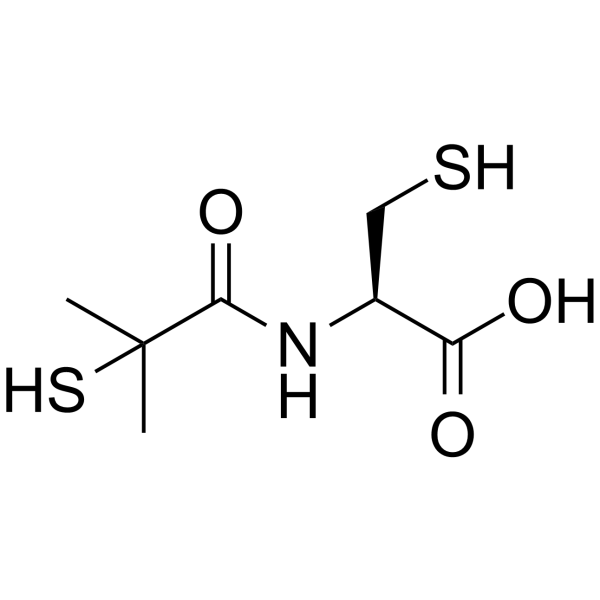
Bucillamine (SA96) is an orally active and potent sulfhydryl donor and antioxidant. Bucillamine is also an antirheumatic agent with antiangiogenic properties. Bucillamine can protect against Ischemia/reperfusion (I/R) injury in high-risk organ transplants. Bucillamine inhibits the production of VEGF. Bucillamine can be used for the research of choroidal neovascularization (CNV) and rheumatoid arthritis (RA) .
|
-
-
- HY-145237
-
BM213
3 Publications Verification
|
Complement System
Apoptosis
Reactive Oxygen Species (ROS)
|
Cancer
|
|
BM213 is a selective C5aR agonist, with an EC50 of 59 nM. BM213 specifically activates the C5a-C5aR1 axis, which in turn promotes neutrophil extracellular trap (NET) formation and exacerbates inflammatory responses. BM213 significantly induces ventricular dilationin, promotes myocardial ROS production, and induces cardiomyocyte apoptosis in rats. BM213 can be used for the study of myocardial ischemia/reperfusion (I/R) injury .
|
-
-
- HY-N2282
-
|
Zingiberensis newsaponin
|
Aldose Reductase
JAK
STAT
Autophagy
Apoptosis
NF-κB
SOD
Reactive Oxygen Species (ROS)
|
Cardiovascular Disease
Neurological Disease
Inflammation/Immunology
Cancer
|
|
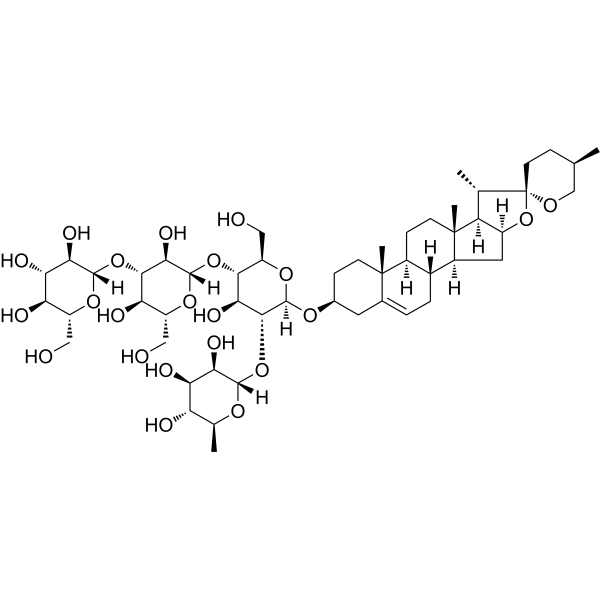
Zingiberen Newsaponin (Zingiberensis newsaponin) is an orally active type of steroid saponin compound. Zingiberen Newsaponin exerts anti-hepatocellular carcinoma (HCC) effects by inhibiting autophagy and the AKR1C1/JAK2/STAT3 pathway. Zingiberen Newsaponin activates oxidative stress (upregulates ROS and MDA) and mitochondrial pathways, promoting cancer cell apoptosis. Zingiberen Newsaponin alleviates cerebral ischemia-reperfusion (I/R) injury by decreasing the concentration of pro-inflammatory cytokines and inhibits NF-κB. Zingiberen Newsaponin can enhance the activity of SOD, eliminate free radicals and protect nerve cells. Zingiberen Newsaponin induces platelet aggregation .
|
-
-
- HY-115062
-
|
|
Phospholipase
NADPH Oxidase
p38 MAPK
Akt
NF-κB
AP-1
Reactive Oxygen Species (ROS)
|
Cardiovascular Disease
Inflammation/Immunology
Cancer
|
|
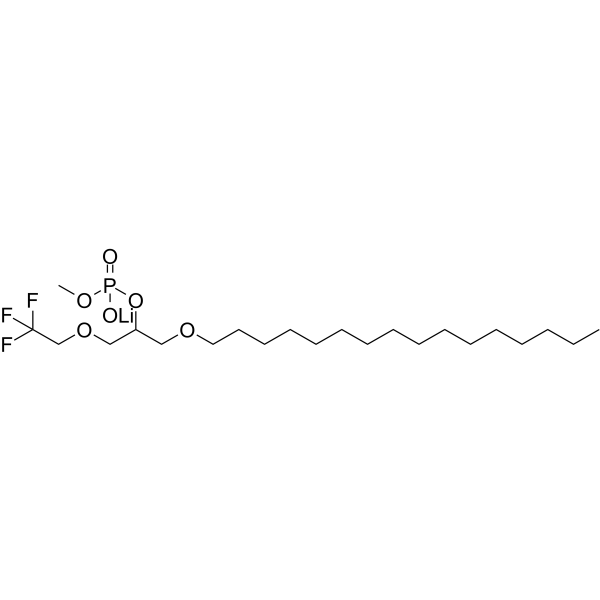
MJ-33 lithium salt is a competitive phospholipase A2 (PLA2) inhibitor with an IC50 of 0.3 μM. MJ-33 lithium salt inhibits NOX2 activation and reduces ROS production by blocking the PLA2 activity of Prdx6. MJ-33 lithium salt effectively inhibits the activity of acidic PLA2 (pH 4.0) and reduces the degradation of alveolar surfactant phosphatidylcholine (PC), but exerts no effect on alkaline PLA2 (pH 8.5). MJ-33 lithium salt significantly alleviates lung oxidative injury induced by ischemia-reperfusion (I/R). MJ-33 lithium salt significantly inhibits the invasion, migration and adhesion abilities of prostate cancer cells by suppressing the MAPK, AKT, NF-κB and AP-1 signaling pathways. MJ-33 lithium salt can be used for the research of ROS-related diseases and prostate cancer .
|
-
-
- HY-E70008
-
|
|
Sirtuin
|
Inflammation/Immunology
|
|
Lumbokinase attenuates myocardial ischemia-reperfusion (I-R) injury through the activation of Sirt1 signaling, and thus enhances autophagic flux and reduces I-R-induced oxidative damage, inflammation and apoptosis .
|
-

-
- HY-12829
-
-
-
- HY-135953
-
|
|
Apoptosis
|
Cancer
|
|
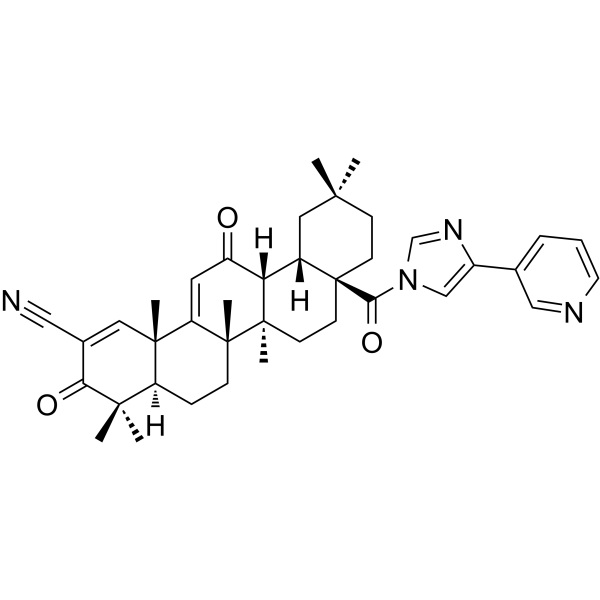
CDDO-3P-Im is an analogue of CDDO-Imidazolide with chemopreventive effect. CDDO-3P-Im can reduce the size and the severity of the lung tumors in mouse lung cancer model . CDDO-3P-Im is a orally active necroptosis inhibitor that can be used for the research of ischemia/reperfusion (I/R) .
|
-
-
- HY-P5875A
-
|
|
Protease Activated Receptor (PAR)
|
Cardiovascular Disease
Inflammation/Immunology
|
|
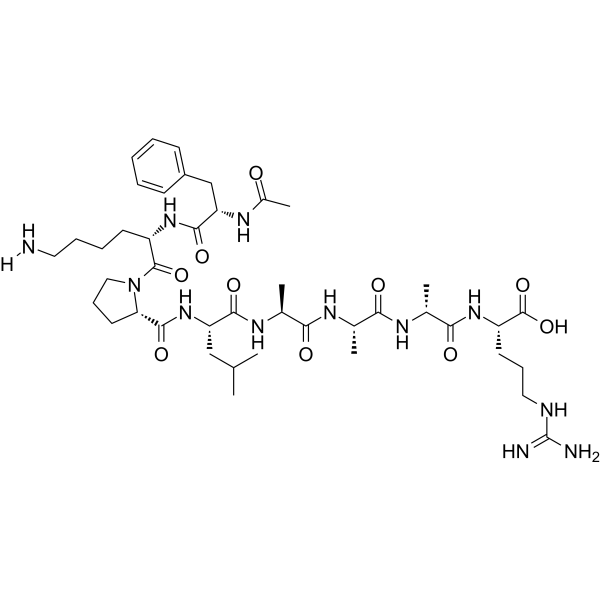
P4pal10 TFA is the TFA salt form of P4pal10 (HY-P5875). P4pal10 TFA is an antagonist for protease-activated receptor 4 (PAR4). P4pal10 TFA inhibits the platelet aggregation, inhibits tissue factor (TF)-induced thrombin generation, and exhibits anticoagulant and antithrombotic activities. P4pal10 TFA reduces the oedema and the granulocyte infiltration induced by Carrageenan (HY-125474). P4pal10 TFA ameliorates the injury in rats myocardial ischemia/reperfusion (I/R) models .
|
-

-
- HY-N0507R
-
|
|
Reference Standards
TNF Receptor
Interleukin Related
|
Neurological Disease
Inflammation/Immunology
|
|
Rosavin (Standard) is the analytical standard of Rosavin. This product is intended for research and analytical applications. Rosavin, an orally bioactive phenylpropanoid from Rhodiola rosea L. (RRL), is an adaptogen that enhances the body’s response to environmental stress. Rosavin significantly influences bone tissue metabolism by inhibiting osteoclastogenesis and promoting osteoblast differentiation, also impacts various diseases, demonstrating antidepressant, adaptogenic, and anxiolytic effects in mouse models. Additionally, Rosavin improves survival, reducing intestinal damage in irradiated rats and Ischemia-reperfusion(I/R)-induced cerebral injury in vivo by regulating inflammation and oxidative stress, making it a promising candidate for research in radiation-induced intestinal injury, I/R-induced cerebral injury and osteoporosis .
|
-

-
- HY-136271
-
|
|
Phospholipase
NADPH Oxidase
p38 MAPK
Akt
NF-κB
AP-1
Reactive Oxygen Species (ROS)
|
Cardiovascular Disease
Inflammation/Immunology
Cancer
|
|
MJ-33 is a competitive phospholipase A₂ (PLA₂) inhibitor with an IC50 of 0.3 μM. MJ-33 inhibits the activation of NOX2 by blocking the PLA₂ activity of Prdx6, thereby reducing the production of ROS. MJ-33 effectively inhibits the activity of acidic PLA₂ (pH 4.0), reduces the degradation of pulmonary surfactant phosphatidylcholine (PC), but has no effect on alkaline PLA₂ (pH 8.5). MJ-33 significantly alleviates lung oxidative damage induced by ischemia-reperfusion (I/R). MJ-33 significantly inhibits the invasive, migratory and adhesive abilities of prostate cancer cells by suppressing the MAPK, AKT, NF-κB and AP-1 signaling pathways. MJ-33 can be used to study ROS-related diseases and prostate cancer .
|
-

-
- HY-N2037R
-
|
Norcoclaurine (Standard); Demethyl-Coclaurine (Standard)
|
Reference Standards
MAP3K
MDM-2/p53
Adrenergic Receptor
ROS Kinase
Apoptosis
|
Cardiovascular Disease
Endocrinology
|
|
Higenamine (Norcoclaurine), a β2-AR agonist with antioxidant capability, is a key component of the Chinese herb aconite root that prescribes for treating symptoms of heart failure in the oriental Asian countries. Higenamine is also a α1-adrenergic receptor antagonist with hypotensive effect. is a selective LSD1 inhibitor (IC50=1.47 μM) that can be isolated from aconite. Higenamine hydrochloride has anti-inflammatory and antibacterial activity. Higenamine protects myocyte Apoptosis and ischemia/reperfusion (I/R) injury through selective activation of beta2-adrenergic receptor (β2-AR). Higenamine also reduces I/R-induced myocardial infarction in mice. Higenamine can attenuate IL-1β-induced Apoptosis through ROS-mediated PI3K/Akt signaling pathway. Higenamine protects brain cells from oxygen deprivation. Higenamine can promote bone formation in osteoporosis through the SMAD2/3 pathway. Higenamine can be used to study cancer, inflammation, cardiorenal syndrome and other diseases .
|
-

-
- HY-130272
-
|
|
Drug Derivative
|
Cardiovascular Disease
|
|
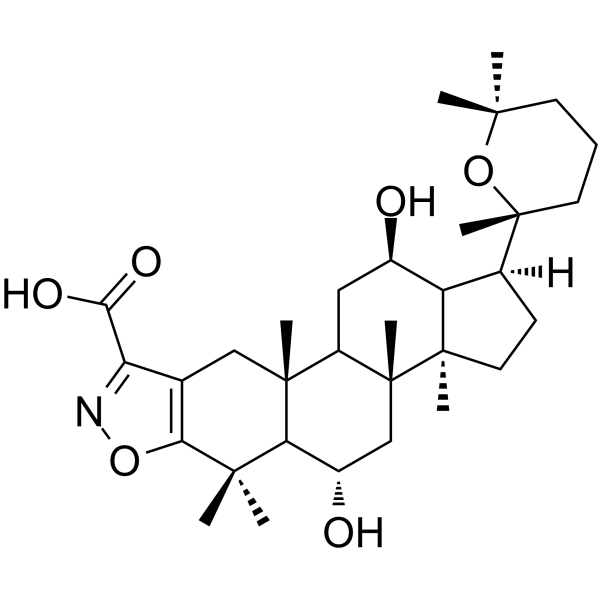
Anti-MI/R injury agent 1 (compound 18), a Panaxatriol derivative, is an orally active, potent anti-myocardial ischemia/reperfusion (anti-MI/R) injury agent. Anti-MI/R injury agent 1 enhances oxygen-glucose deprivation and reperfusion (OGD/R)-induced cardiomyocyte injury cell viability. Anti-MI/R injury agent 1 can markedly reduce myocardial infarction size, decrease circulating cardiac troponin I (cTnI) leakage, and alleviate cardiac tissue damage in the rats .
|
-
-
- HY-W783623
-
|
DG(22:6/0:0/22:6); 1,3-Didocosahexaenoin
|
Biochemical Assay Reagents
|
Cardiovascular Disease
|
|
1,3-Didocosahexaenoyl glycerol (DG(22:6/0:0/22:6); 1,3-Didocosahexaenoin) is an ω-3 polyunsaturated fatty acid, which exhibits cardioprotective effects in rat myocardial ischemia/reperfusion (I/R) injury model through conjugation with Poly-l-glutamic acid (PGA) .
|
-

-
- HY-N0615R
-
|
Sanchinoside R1 (Standard); Sanqi glucoside R1 (Standard)
|
Reference Standards
Amyloid-β
Apoptosis
|
Others
|
|
Notoginsenoside R1 (Standard) is the analytical standard of Notoginsenoside R1. This product is intended for research and analytical applications. Notoginsenoside R1 (Sanchinoside R1), a saponin, is isolated from P. notoginseng. Notoginsenoside R1 exhibits anti-oxidation, anti-inflammatory, anti-angiogenic, and anti-apoptosis activities. Notoginsenoside R1 provides cardioprotection against ischemia/reperfusion (I/R) injury. Notoginsenoside R1 also provides neuroprotection in H2O2-induced oxidative damage in PC12 cells .
|
-

-
- HY-168065
-
|
|
Keap1-Nrf2
|
Inflammation/Immunology
|
|
Keap1-Nrf2-IN-22 (compound 19) is a Keap1-Nrf2 inhibitor, with a KD2 value of 42.2 nM for Keap1. Keap1-Nrf2-IN-22 can be used for the study of acute lung injury (ALI) and cerebral ischemia/reperfusion (I/R) injury .
|
-

-
- HY-125773R
-
|
Beta-cyano-l-alanine (Standard)
|
Endogenous Metabolite
Reference Standards
|
Neurological Disease
|
|
β-cyano-L-Alanine (Standard) is the analytical standard of β-cyano-L-Alanine. This product is intended for research and analytical applications. β-cyano-L-Alanine (Beta-cyano-l-alanine), a nitrile of widespread occurrence in higher plants, is enzymatically produced by cyanoalanine synthase from cyanide and cysteine as substrates . β-cyano-L-Alanine abolishes the protective effect of ethanol on cerebral ischemia/reperfusion (I/R) injury .
|
-

-
- HY-118530R
-
|
SA96 (Standard); Thiobutarit (Standard)
|
Reference Standards
VEGFR
|
Cardiovascular Disease
Inflammation/Immunology
|
|
Bucillamine (Standard) is the analytical standard of Bucillamine. This product is intended for research and analytical applications. Bucillamine (SA96) is an orally active and potent sulfhydryl donor and antioxidant. Bucillamine is also an antirheumatic agent with antiangiogenic properties. Bucillamine can protect against Ischemia/reperfusion (I/R) injury in high-risk organ transplants. Bucillamine inhibits the production of VEGF. Bucillamine can be used for the research of choroidal neovascularization (CNV) and rheumatoid arthritis (RA) .
|
-

-
- HY-P5875
-
|
|
Protease Activated Receptor (PAR)
|
Cardiovascular Disease
Inflammation/Immunology
|
|
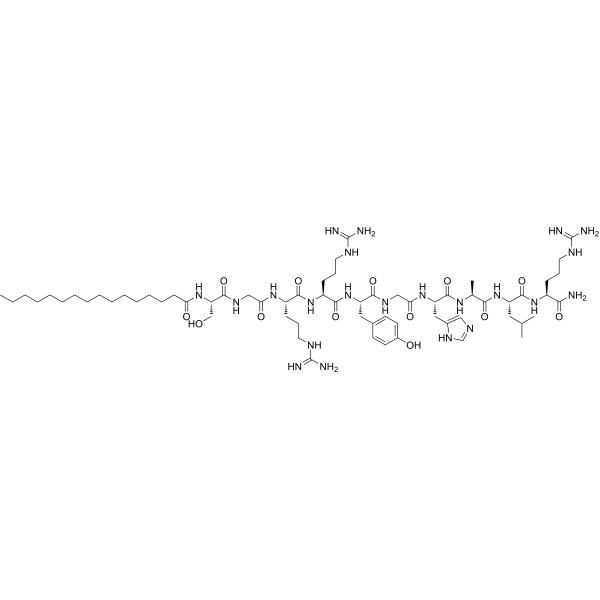
P4pal10 is an antagonist for protease-activated receptor 4 (PAR4). P4pal10 inhibits the platelet aggregation, inhibits tissue factor (TF)-induced thrombin generation, and exhibits anticoagulant and antithrombotic activities. P4pal10 reduces the oedema and the granulocyte infiltration induced by Carrageenan (HY-125474). P4pal10 ameliorates the injury in mice myocardial ischemia/reperfusion (I/R) models .
|
-
-
- HY-N0272R
-
|
|
Reference Standards
Others
|
Inflammation/Immunology
|
|
Eleutheroside E (Standard) is the analytical standard of Eleutheroside E. This product is intended for research and analytical applications. Eleutheroside E is an important component of Eleutheroside and has antioxidant, anti-fatigue, anti-inflammatory, antibacterial, immunomodulatory and cardioprotective effects. Eleutheroside E may inhibit the MAPK signaling pathway, thereby inhibiting H/R-induced NF-κB activation and oxidative stress, reducing metabolic reprogramming, and protecting myocardium from ischemia-reperfusion (I/R) injury. Eleutheroside E also counteracts the effects of high altitude hypobaric hypoxia (HAHI) by inhibiting inflammation and pyroptosis .
|
-

-
- HY-169059
-
|
|
Ferroptosis
|
Inflammation/Immunology
|
|
Ferroptosis-IN-12 (Cpd-A1) is a ferroptosis inhibitor. Ferroptosis-IN-12 exhibits effective ferroptosis inhibition in Erastin (HY-15763)-treated mouse tubular epithelial cells (mTECs) and improves kidney function, alleviates renal tubular damage, and reduces inflammation in a dose-dependent manner in acute kidney injury (AKI) mouse models induced by ischemia/reperfusion (I/R) or cecal ligation and puncture (CLP). Ferroptosis-IN-12 demonstrates good plasma stability and high distribution in kidney tissues in pharmacokinetic studies in mice. Ferroptosis-IN-12 holds promise for research in the field of acute kidney injury (AKI) .
|
-

| Cat. No. |
Product Name |
Target |
Research Area |
-
- HY-145237
-
BM213
3 Publications Verification
|
Complement System
Apoptosis
Reactive Oxygen Species (ROS)
|
Cancer
|
|
BM213 is a selective C5aR agonist, with an EC50 of 59 nM. BM213 specifically activates the C5a-C5aR1 axis, which in turn promotes neutrophil extracellular trap (NET) formation and exacerbates inflammatory responses. BM213 significantly induces ventricular dilationin, promotes myocardial ROS production, and induces cardiomyocyte apoptosis in rats. BM213 can be used for the study of myocardial ischemia/reperfusion (I/R) injury .
|
-
- HY-P5875A
-
|
|
Protease Activated Receptor (PAR)
|
Cardiovascular Disease
Inflammation/Immunology
|
|
P4pal10 TFA is the TFA salt form of P4pal10 (HY-P5875). P4pal10 TFA is an antagonist for protease-activated receptor 4 (PAR4). P4pal10 TFA inhibits the platelet aggregation, inhibits tissue factor (TF)-induced thrombin generation, and exhibits anticoagulant and antithrombotic activities. P4pal10 TFA reduces the oedema and the granulocyte infiltration induced by Carrageenan (HY-125474). P4pal10 TFA ameliorates the injury in rats myocardial ischemia/reperfusion (I/R) models .
|
-
- HY-P5875
-
|
|
Protease Activated Receptor (PAR)
|
Cardiovascular Disease
Inflammation/Immunology
|
|
P4pal10 is an antagonist for protease-activated receptor 4 (PAR4). P4pal10 inhibits the platelet aggregation, inhibits tissue factor (TF)-induced thrombin generation, and exhibits anticoagulant and antithrombotic activities. P4pal10 reduces the oedema and the granulocyte infiltration induced by Carrageenan (HY-125474). P4pal10 ameliorates the injury in mice myocardial ischemia/reperfusion (I/R) models .
|
| Cat. No. |
Product Name |
Target |
Research Area |
Image |
-
- HY-P99116
-
|
RG7716; RO-6867461
|
VEGFR
|
Cardiovascular Disease
Metabolic Disease
Inflammation/Immunology
|
|
Faricimab, an overall good safety and tolerability profile, is a bispecific antibody targeting Angiopoietin-2 (Ang-2) and vascular endothelial growth factor-A (VEGF-A). Faricimab prevents retinal vascular leakage, cell death and inflammation in retinal ischemia/reperfusion (I/R) injury and sCNV mouse models. Faricimab demonstrates statistically superior visual acuity gains versus Ranibizumab (HY-P9951). Faricimab can be used for retinal diseases, such as age-related macular degeneration (w-AMD), diabetic macular edema (DME) and macular edema following retinal vein occlusion (RVO) .
|
-

(5)
| Cat. No. |
Product Name |
Category |
Target |
Chemical Structure |
-
- HY-N2037
-
-
-
- HY-125773
-
-
-
- HY-N0615
-
-
-
- HY-N0507
-
|
|
Simple Phenylpropanols
Rhodiola rosea Linn.
Crassulaceae
Phenylpropanoids
Plants
Source Classification
|
TNF Receptor
Interleukin Related
|
|
Rosavin, an orally bioactive phenylpropanoid from Rhodiola rosea L. (RRL), is an adaptogen that enhances the body’s response to environmental stress. Rosavin significantly influences bone tissue metabolism by inhibiting osteoclastogenesis and promoting osteoblast differentiation, also impacts various diseases, demonstrating antidepressant, adaptogenic, and anxiolytic effects in mouse models. Additionally, Rosavin improves survival, reducing intestinal damage in irradiated rats and Ischemia-reperfusion(I/R)-induced cerebral injury in vivo by regulating inflammation and oxidative stress, making it a promising candidate for research in radiation-induced intestinal injury, I/R-induced cerebral injury and osteoporosis .
|
-
-
- HY-N2282
-
-
-
- HY-N0507R
-
|
|
Structural Classification
Simple Phenylpropanols
Rhodiola rosea Linn.
Crassulaceae
Phenylpropanoids
Plants
Source Classification
|
Reference Standards
TNF Receptor
Interleukin Related
|
|
Rosavin (Standard) is the analytical standard of Rosavin. This product is intended for research and analytical applications. Rosavin, an orally bioactive phenylpropanoid from Rhodiola rosea L. (RRL), is an adaptogen that enhances the body’s response to environmental stress. Rosavin significantly influences bone tissue metabolism by inhibiting osteoclastogenesis and promoting osteoblast differentiation, also impacts various diseases, demonstrating antidepressant, adaptogenic, and anxiolytic effects in mouse models. Additionally, Rosavin improves survival, reducing intestinal damage in irradiated rats and Ischemia-reperfusion(I/R)-induced cerebral injury in vivo by regulating inflammation and oxidative stress, making it a promising candidate for research in radiation-induced intestinal injury, I/R-induced cerebral injury and osteoporosis .
|
-
-
- HY-N2037R
-
|
Norcoclaurine (Standard); Demethyl-Coclaurine (Standard)
|
Alkaloids
Structural Classification
Ranunculaceae
Phenols
Polyphenols
Aconitum carmichaeli Debx.
Plants
Isoquinoline Alkaloids
Source Classification
|
Reference Standards
MAP3K
MDM-2/p53
Adrenergic Receptor
ROS Kinase
Apoptosis
|
|
Higenamine (Norcoclaurine), a β2-AR agonist with antioxidant capability, is a key component of the Chinese herb aconite root that prescribes for treating symptoms of heart failure in the oriental Asian countries. Higenamine is also a α1-adrenergic receptor antagonist with hypotensive effect. is a selective LSD1 inhibitor (IC50=1.47 μM) that can be isolated from aconite. Higenamine hydrochloride has anti-inflammatory and antibacterial activity. Higenamine protects myocyte Apoptosis and ischemia/reperfusion (I/R) injury through selective activation of beta2-adrenergic receptor (β2-AR). Higenamine also reduces I/R-induced myocardial infarction in mice. Higenamine can attenuate IL-1β-induced Apoptosis through ROS-mediated PI3K/Akt signaling pathway. Higenamine protects brain cells from oxygen deprivation. Higenamine can promote bone formation in osteoporosis through the SMAD2/3 pathway. Higenamine can be used to study cancer, inflammation, cardiorenal syndrome and other diseases .
|
-
-
- HY-N0615R
-
-
-
- HY-125773R
-
-
-
- HY-N0272R
-
|
|
Structural Classification
Lignans
Phenylpropanoids
Acanthopanax senticosus (Rupr. et Maxim.) Harms
Plants
Araliaceae
Source Classification
|
Reference Standards
Others
|
|
Eleutheroside E (Standard) is the analytical standard of Eleutheroside E. This product is intended for research and analytical applications. Eleutheroside E is an important component of Eleutheroside and has antioxidant, anti-fatigue, anti-inflammatory, antibacterial, immunomodulatory and cardioprotective effects. Eleutheroside E may inhibit the MAPK signaling pathway, thereby inhibiting H/R-induced NF-κB activation and oxidative stress, reducing metabolic reprogramming, and protecting myocardium from ischemia-reperfusion (I/R) injury. Eleutheroside E also counteracts the effects of high altitude hypobaric hypoxia (HAHI) by inhibiting inflammation and pyroptosis .
|
-
Your information is safe with us. * Required Fields.
Inquiry Information
- Product Name:
- Cat. No.:
- Quantity:
- MCE Japan Authorized Agent:








