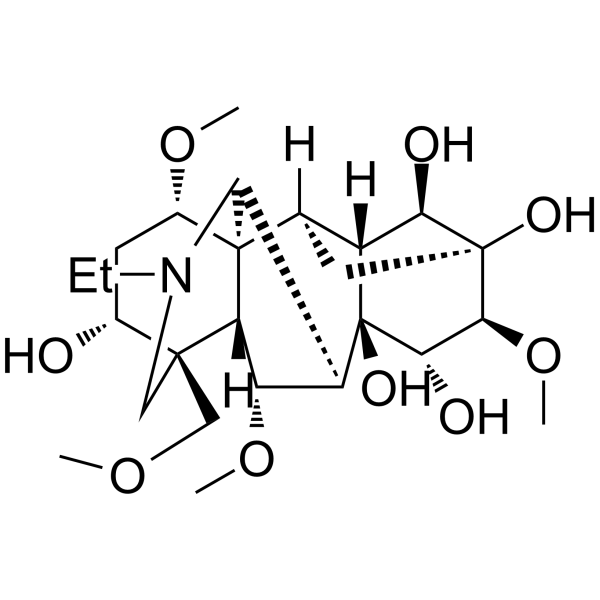
Ranunculaceae
-
- Aconitum carmichaelii> Debx. (57)
- Cimicifuga foetidai> Linn. (27)
- Pulsatilla chinensisi> (Bunge) Regel (22)
- Coptis chinensisi> Franch. (21)
- Actaea simplexi> (DC.) Wormsk. ex Fisch. & C. A. Mey. (16)
- Cimicifuga racemosai> (L.) Nutt. (13)
- Actaea dahuricai> Turcz. ex Fisch. & C. A. Mey. (11)
- Anemone raddeanai> Regel (6)
- Nigella sativai> L. (5)
- Pulsatilla cernuai> (Thunb.) Bercht. et Opiz. (5)
- Trollius chinensisi> Bunge (5)
- Aconitum nagarum var. acaulei> (Finet & Gagnep.) Q. E. Yang (4)
- Aconitum apetalumi> (Huth) B. Fedtsch. (3)
- Actaea japonicai>Thunb. (3)
- Anemone flaccidai> Fr. Schmidt (3)
- Clematis chinensisi> Osbeck (3)
- Delphinium pachycentrumi> Hemsl. (3)
- Nigella damascenai> Linn. (3)
- Ranunculus ternatusi> Thunb. (3)
- Semiaquilegia adoxoidesi>(DC. ) Mak. (3)
- Thalictrum delavayii> Franch. (3)
- Aconitum episcopalei> H. Lév. (2)
- Aconitum forrestiii> Stapf (2)
- Aconitum jaluensei> Kom. (2)
- Aconitum nagarumi> Stapf (2)
- Aconitum nagarumi> var. lasiandrum W. T. Wang (2)
- Aconitum soongaricumi> Stapf (2)
- Aconitum spicatumi> Stapf (2)
- Actaea heracleifoliai> (Kom.) J. Compton (2)
- Actaea racemosai> L. (2)
- Adonis amurensisi> Regel et Radde (2)
- Anemone altaicai> Fisch. (2)
- Caltha palustrisi> L. (2)
- Clematis armandii> Franch. (2)
- Clematis crassifoliai> Benth. (2)
- Coptis japonicai> Makino (2)
- Delphinium ajacisi> (2)
- Delphinium davidiii> Franch. (2)
- Delphinium staphisagriai> L. (2)
- Pulsatilla campanellai> Fisch. exRegel et Tiling. (2)
- Ranunculus repensi> L. (2)
- Ranunculus sceleratusi> L. (2)
- Ranunculus japonicusi> Thunb. (2)
- Thalictrum acutifoliumi> (Hand.-Mazz.) Boivin (2)
- Thalictrum dasycarpumi> Fisch., C.A.Mey. & Avé-Lall. (2)
- Thalictrum foliolosumi> DC. (2)
- Thalictrum minusi> Linn. (2)
- Trollius ledebouriii> Rchb. (2)
- Aconitum brachypodumi> Diels (1)
- Aconitum coreanumi> (Lévl.) Rapaics (1)
- Aconitum japonicumi> Thunberg (1)
- Aconitum kongboensei> Lauener (1)
- Aconitum kusnezoffiii> Rehder (1)
- Aconitum napellusi> ssp. neomontcinum (1)
- Aconitum racemulosumi> Franch. (1)
- Aconitum septentrionalei> Koelle (1)
- Aconitum sungpanensei> Hand.-Mazz. (1)
- Aconitum tanguticumi> (Maxim.) Stapf (1)
- Aconitum toxicumi> Rchb. (1)
- Aconitum variegatumi> L. (1)
- Aconitum bulleyanumi> Diels (1)
- Actaea asiaticai> Hara (1)
- Actaea pachypodai> Elliott (1)
- Anemone vitifoliai> Buch.-Ham. (1)
- Anemone cathayensisi> Kitag. (1)
- Callianthemum taipaicumi> W. T. Wang (1)
- Cimicifuga dahuricai> (Turcz. ex Fischer et C. A. Meyer) Maxim. (1)
- Clematis grandidentatai> (Rehder & E. H. Wilson) W. T. Wang (1)
- Clematis gratai> Wall. (1)
- Clematis graveolensi> Lindl. (1)
- Clematis parvilobai> Gard. et Champ. (1)
- Clematis puberulai> var. anpinianai> (H. Léveillé & Vaniot) W. T. Wang (1)
- Clematis tanguticai> (Maxim.) Korsh. (1)
- Clematis terniflorai> DC. (1)
- Clematis terniflorai> var. mandshuricai> (Rupr.) Ohwi (1)
- Clematis uncinatai> Champ. (1)
- Delphinium anthriscifoliumi> Hance (1)
- Delphinium barbeyii> (Huth) Huth (1)
- Delphinium bonvalotiii> Franch. (1)
- Delphinium delavayii> Franch. (1)
- Delphinium nordhageniii> Wendelbo (1)
- Delphinium scabriflorumi> D.Don (1)
- Delphinium siwanensei> Franch. (1)
- Delphinium stapeliosmumi> Brühl (1)
- Delphinium stapeliosumi> (1)
- Delphinium tatsienensei> Franch. (1)
- Helleborus nigeri> L. (1)
- Helleborus thibetanusi> Franch. (1)
- Pulsatilla pratensisi> (L.) Mill. (1)
- Ranunculus sieboldiii> Miq. (1)
- Thalictrum alpinumi> L. (1)
- Thalictrum angustifoliumi> L. (1)
- Thalictrum elegansi> Wall. (1)
- Thalictrum faberii> Ulbr. (1)
- Thalictrum fortuneii> S. Moore (1)
- Thalictrum glandulosissimumi> (1)
- Thalictrum isopyroidesi> C. A. Mey. in Ledebour (1)
- Thalictrum javanicumi> Blume (1)
- Thalictrum revolutumi> DC. (1)
- Thalictrum squarrosumi> Stephan ex Willd. (1)
- Thalictrum wangiii> Boivin (1)
-
Ranunculaceae (291)

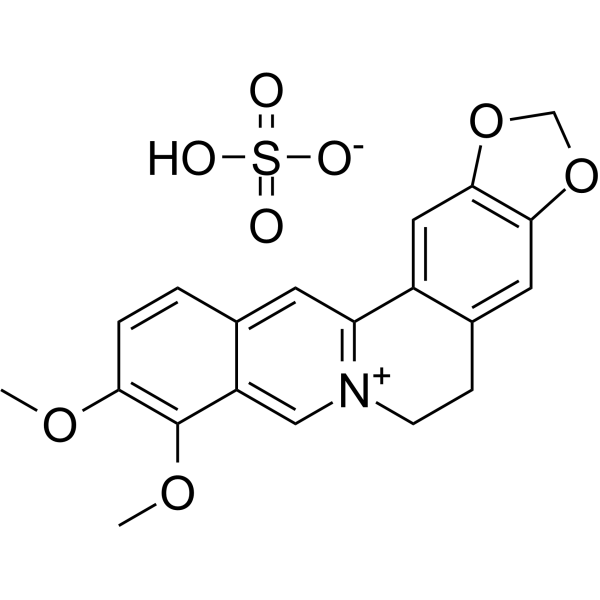
- Formula: C20H19NO8S
- Molecular Weight: 433.43
Berberine sulfate is an alkaloid isolated from the Chinese herbal medicine Huanglian, as an antibiotic. Berberine sulfate induces reactive oxygen species (ROS) generation and inhibits DNA topoisomerase. Berberine sulfate has antineoplastic properties. The sulfate form improves bioavailability.
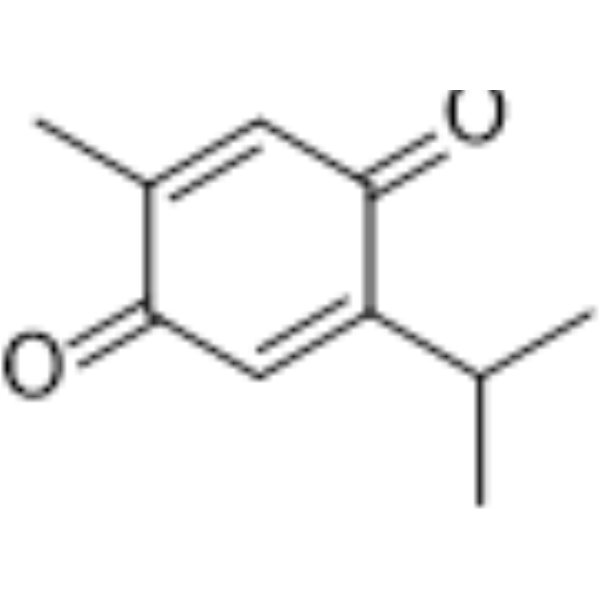
- Formula: C10H12O2
- Molecular Weight: 164.20
Thymoquinone is an orally active natural product isolated from N. sativa Thymoquinone down-regulates the VEGFR2-PI3K-Akt pathway. Thymoquinone has antioxidant, anti-inflammatory, anticancer, antiviral, anticonvulsant, antifungal, antiviral, antiangiogenic activity and hepatoprotective effects. Thymoquinone can be used to study Alzheimer's disease, cancer, cardiovascular disease, infectious disease and inflammation .
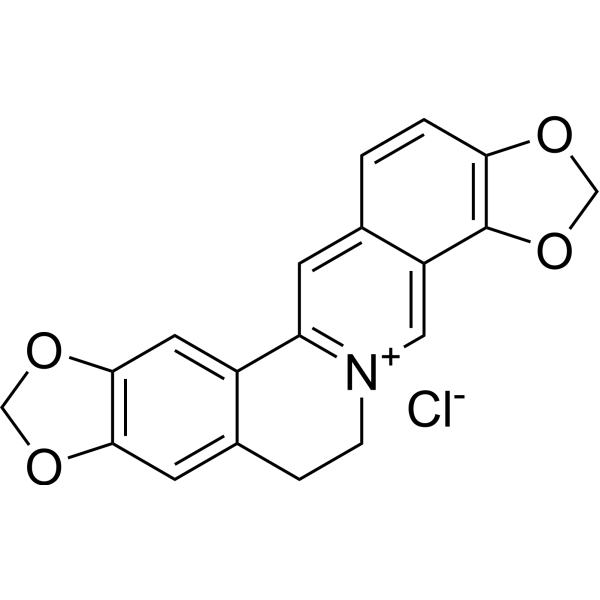
- Formula: C19H14ClNO4
- Molecular Weight: 355.77
Coptisine chloride is an alkaloid from Chinese goldthread, and acts as an efficient uncompetitive IDO inhibitor with a Ki value of 5.8 μM and an IC50 value of 6.3 μM. Coptisine chloride is a potent H1N1 neuraminidase (NA-1) inhibitor with an IC50 of 104.6?μg/mL and can be used for influenza A (H1N1) infection.

- Formula: C20H18NO4.1/2O4S
- Molecular Weight: 384.40
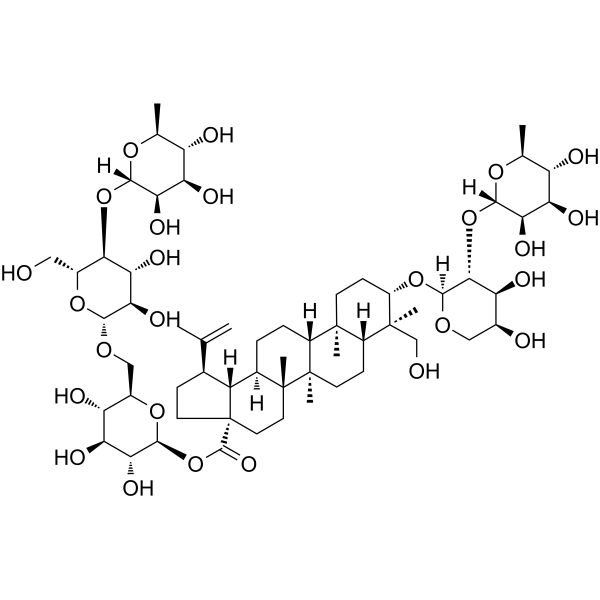
- Formula: C59H96O26
- Molecular Weight: 1221.38
Pulchinenoside C (Anemoside B4) is Pulsatilla koreana Nakai that have many numerous biological effects in vitro, including enhancing hypoglycemic, anti-tumor, neuroprotective and anti-angiogenic activity.

- Formula: C17H24O11
- Molecular Weight: 404.37
Secologanoside 7-methyl ester (compound 2) is an iridoid glycoside. Secologanoside 7-methyl ester can be found in the leaves of Syringa reticulata.


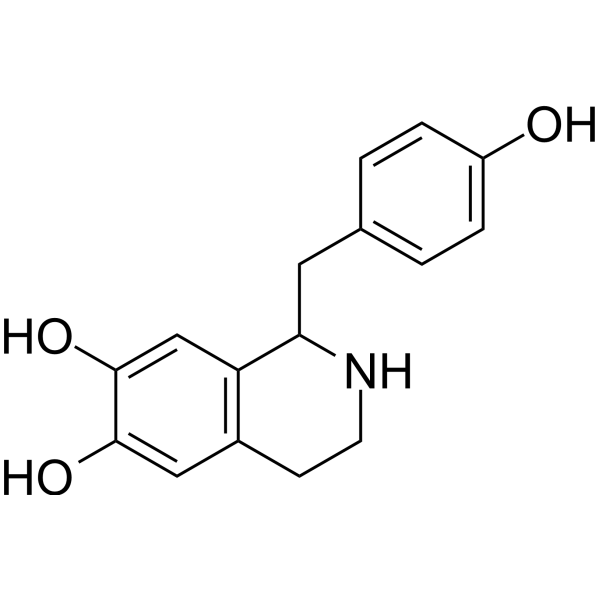
- Formula: C16H17NO3
- Molecular Weight: 271.31
Higenamine (Norcoclaurine), a β2-AR agonist with antioxidant capability, is a key component of the Chinese herb aconite root that prescribes for treating symptoms of heart failure in the oriental Asian countries. Higenamine is also a α1-adrenergic receptor antagonist with hypotensive effect. is a selective LSD1 inhibitor (IC50=1.47 μM) that can be isolated from aconite. Higenamine hydrochloride has anti-inflammatory and antibacterial activity. Higenamine protects myocyte Apoptosis and ischemia/reperfusion (I/R) injury through selective activation of beta2-adrenergic receptor (β2-AR). Higenamine also reduces I/R-induced myocardial infarction in mice. Higenamine can attenuate IL-1β-induced Apoptosis through ROS-mediated PI3K/Akt signaling pathway. Higenamine protects brain cells from oxygen deprivation. Higenamine can promote bone formation in osteoporosis through the SMAD2/3 pathway. Higenamine can be used to study cancer, inflammation, cardiorenal syndrome and other diseases.
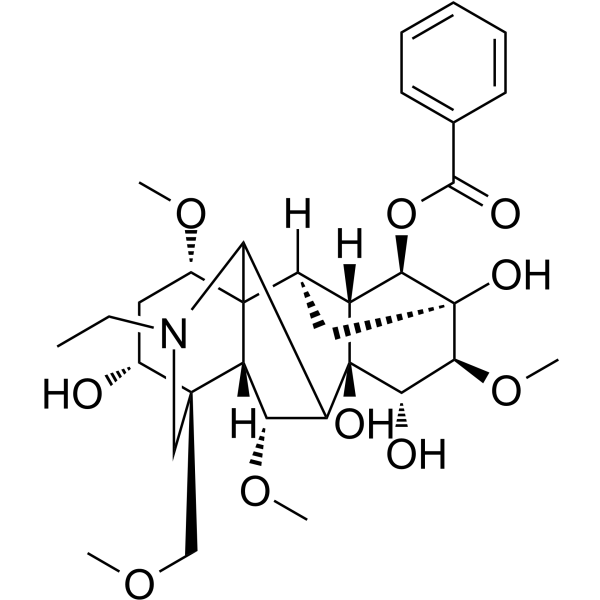
- Formula: C32H45NO10
- Molecular Weight: 603.70
Benzoylaconine (Benzoylaconitine) is an orally active monoester alkaloid found in the traditional Chinese medicine Aconitum carmichaelii. Benzoylaconine is an ACE2 agonist (EC50: 1.5 μM) with antihypertensive and anti-heart failure effects. Benzoylaconine inhibits TLR-induced MAPK and NF-κB pathways to exert anti-inflammatory effects. Benzoylaconine upregulates the protein levels of P-gp, MRP2, and has anti-tumor effects.
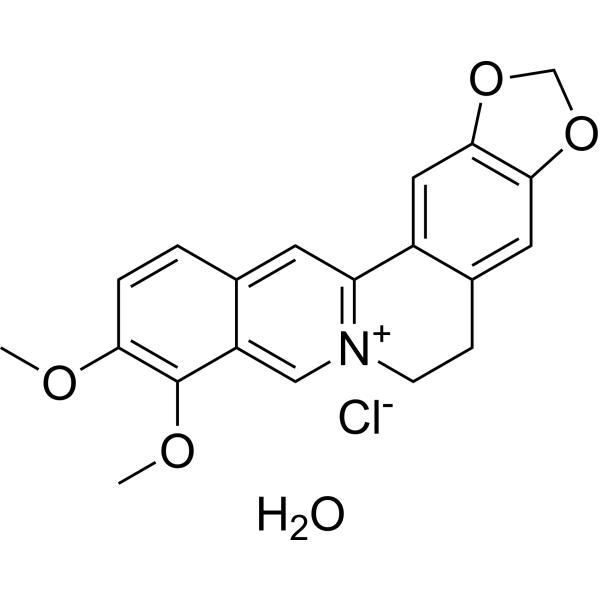
- Formula: C20H20ClNO5
- Molecular Weight: 389.83
Berberine chloride hydrate (Natural Yellow 18 chloride hydrate) is an alkaloid that acts as an antibiotic. Berberine chloride hydrate induces reactive oxygen species (ROS) generation and inhibits DNA topoisomerase. Antineoplastic properties.
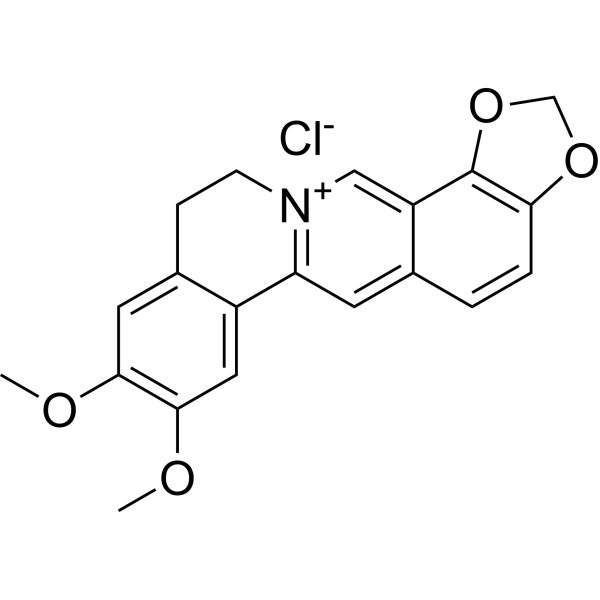
- Formula: C20H18ClNO4
- Molecular Weight: 371.81
Epiberberine chloride is an alkaloid isolated from Coptis chinensis, acts as a potent AChE and BChE inhibitor, and a non-competitive BACE1 inhibitor, with IC50s of 1.07, 6.03 and 8.55 μM, respectively. Epiberberine chloride has antioxidant activity, with peroxynitrite ONOO- scavenging effect (IC50, 16.83 μM), and may protect against Alzheimer disease. Epiberberine chloride inhibits the early stage of differentiation of 3T3-L1 preadipocytes, downregulates the Raf/MEK1/2/ERK1/2 and AMPKα/Akt pathways. Epiberberine has the potential effect in the research of diabetic disease.
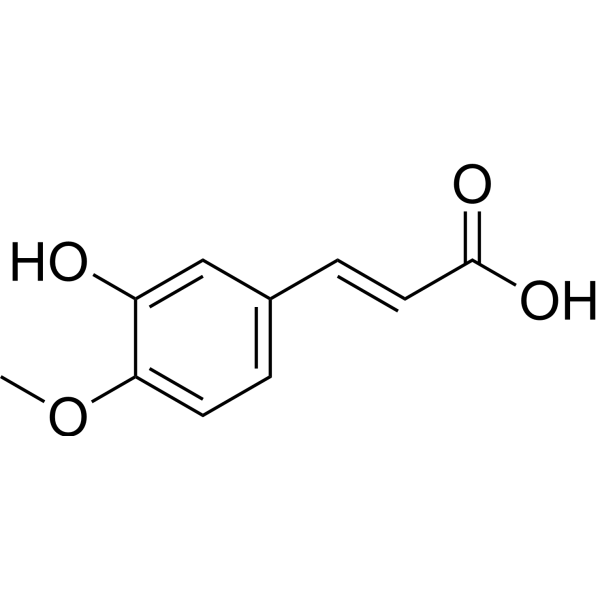
- Formula: C10H10O4
- Molecular Weight: 194.19
Isoferulic acid (3-Hydroxy-4-methoxycinnamic acid) is an orally active cinnamic acid derivative. Isoferulic acid exhibits hypoglycemic, antiviral, and antioxidant activities. Isoferulic acid can also inhibit fructose- and glucose-mediated protein glycation. Isoferulic acid can be used in the research of diseases such as diabetes.
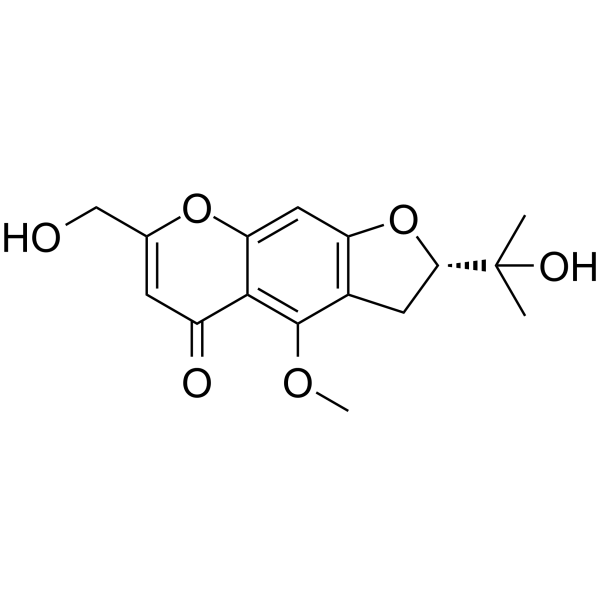
- Formula: C16H18O6
- Molecular Weight: 306.31
Cimifugin (Cimitin) is a bioactive component of Cimicifuga racemosa, a Chinese herb. Cimifugin suppresses allergic inflammation by reducing epithelial derived initiative key factors via regulating tight junctions. Cimifugin reduces the migration and chemotaxis of RAW264.7 cells and inhibits the release of inflammatory factors and activation of MAPKs and NF-κB signaling pathways induced by LPS.
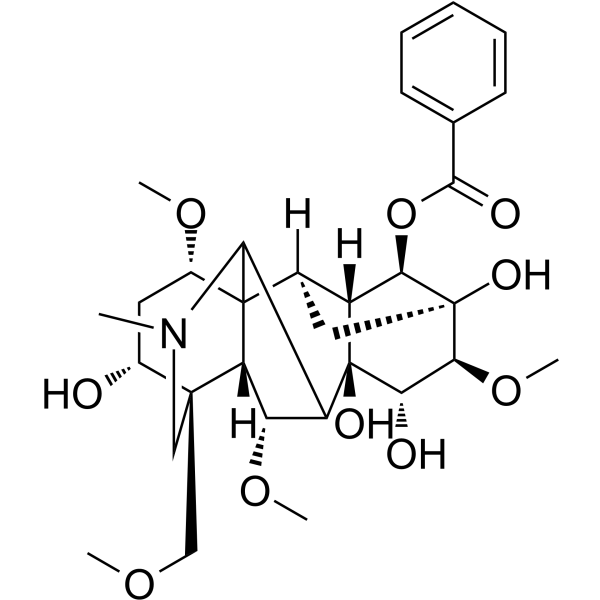
- Formula: C31H43NO10
- Molecular Weight: 589.67
Benzoylmesaconine is a monoester-type alkaloid and is the most abundant component of Wutou decoction, which is widely used in China for rheumatoid arthritis. Benzoylmesaconine exhibits potent anti-inflammatory properties by inhibiting NF-κB. Benzoylmesaconine can suppress NLRP3 inflammasome activation by inhibiting IL-1β secretion and GSDMD-N protein expression. Benzoylmesaconine reduces intracellular K+ efflux and disrupts NLRP3 inflammasome assembly.
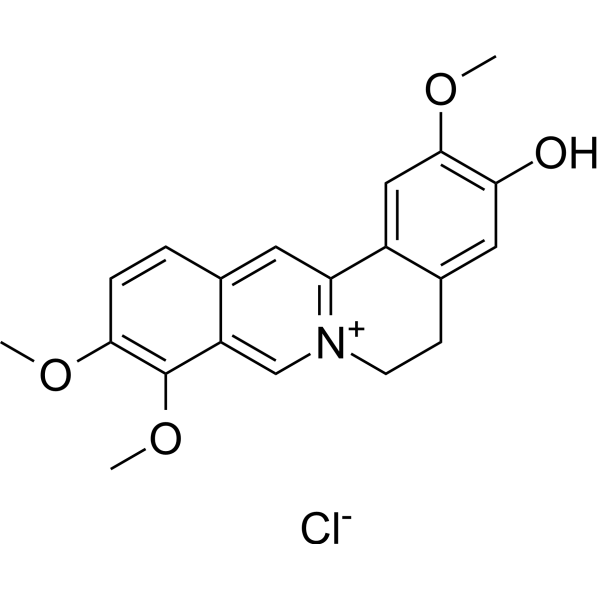
- Formula: C20H20ClNO4
- Molecular Weight: 373.83
Jatrorrhizine chloride is an alkaloid isolated from Coptis chinensis with neuroprotective, antimicrobial, antiplasmodial and antioxidant activities. Jatrorrhizine chloride is a potent and orally active inhibitor of AChE (IC50=872 nM) over >115-fold selectivity for BuChE. Jatrorrhizine chloride reduces uptake of serotonin (5-HT) and norepinephrine (NE) via inhibition of uptake-2 transporters.
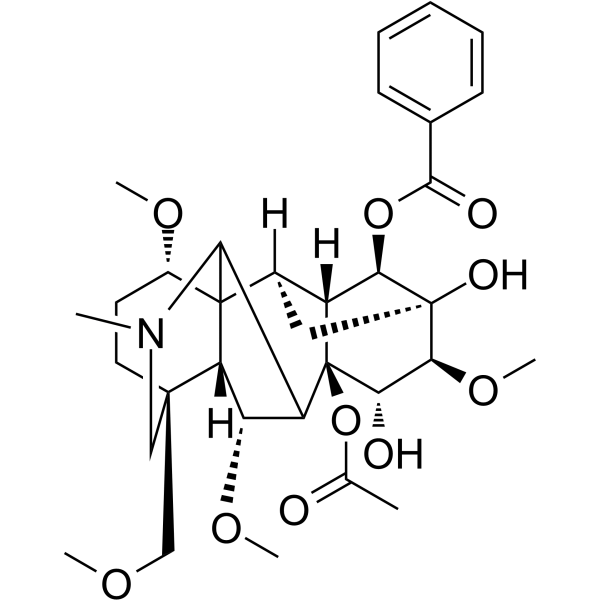
- Formula: C33H45NO10
- Molecular Weight: 615.71
Hypaconitine inhibits the KCNH2 current with an IC50 of 8.1 nM, and exhibits cardiotoxicity. Hypaconitine inhibits TGF-β1-induced epithelial-mesenchymal transition (EMT) in A549 cell through the inhibition of NF-κB nuclear translocation. Hypaconitine acts as the neuromuscular blocker. Hypaconitine is orally active.
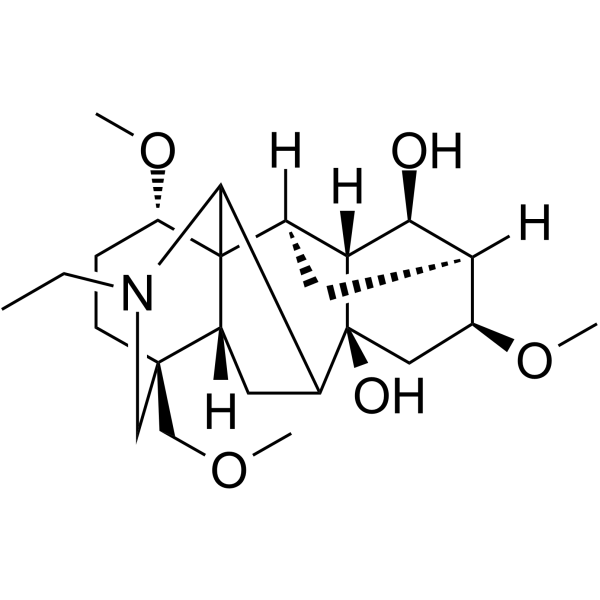
- Formula: C24H39NO5
- Molecular Weight: 421.57
Talatisamine is an orally active cyclophilin D activator isolated from the roots of Aconitum carmichaeli Debx. Talatisamine exerts biological functions by activating cyclophilin D, inhibiting Ca2+-dependent opening of the mitochondrial permeability transition pore (mPTP) (IC50=78 μM), and blocking delayed rectifier K+ channels (IC50=146 μM). Talatisamine possesses both antioxidant and membrane-stabilizing properties, effectively inhibits lipid peroxidation and protects mitochondrial membrane function. Talatisamine exhibits multiple activities including antiarrhythmic, hypotensive, anti-inflammatory, anticancer and neuroprotective effects. Talatisamine finds applications in the research of ischemic diseases, rheumatoid arthritis, inflammation-related diseases and Alzheimer's disease.
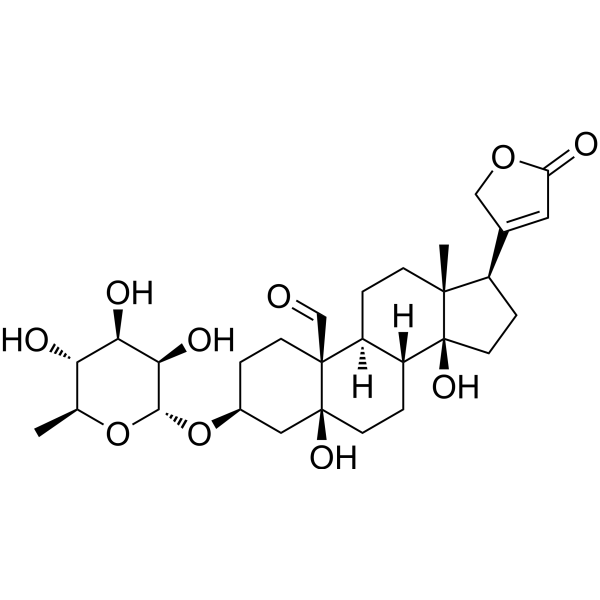
- Formula: C29H42O10
- Molecular Weight: 550.64
Convallatoxin is a cardiac glycoside isolated from Adonis amurensis Regel et Radde. Convallatoxin ameliorates colitic inflammation via activation of PPARγ and suppression of NF-κB. Convallatoxin is a P-glycoprotein (P-gp) substrate and recognized Val982 as an important amino acid involved in its transport. Convallatoxin is an enhancer of ligand-induced MOR endocytosis with high potency and efficacy. Anti-inflammatory and anti-proliferative properties.