



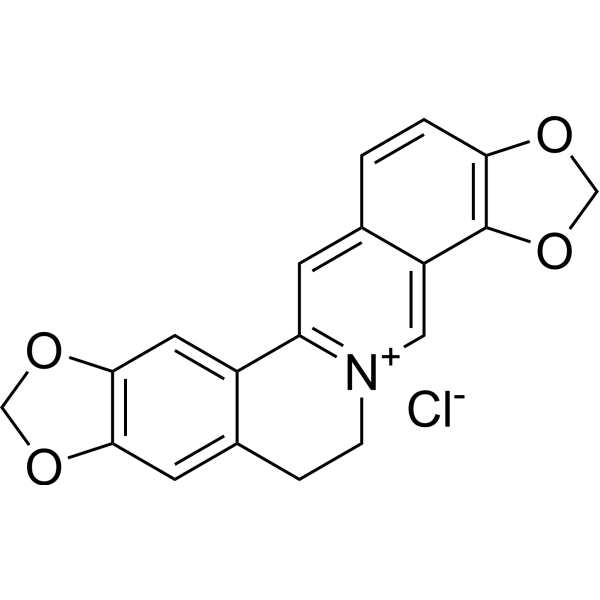
Coptisine chloride
Based on 12 publication(s) in Google Scholar
Coptisine chloride is an alkaloid from Chinese goldthread, and acts as an efficient uncompetitive IDO inhibitor with a Ki value of 5.8 μM and an IC50 value of 6.3 μM. Coptisine chloride is a potent H1N1 neuraminidase (NA-1) inhibitor with an IC50 of 104.6?μg/mL and can be used for influenza A (H1N1) infection.
For research use only. We do not sell to patients.
- Purity : 99.73%
- CAS No.: 6020-18-4
- Formula: C19H14ClNO4
- Molecular Weight:355.77
-
Storage:
4°C, sealed storage, away from moisture
* In solvent : -80°C, 6 months; -20°C, 1 month (sealed storage, away from moisture)

To place orders, for customer services and technical support, please contact: MedChemExpress USA
Tel: 609-228-6898 E-mail: [email protected] [email protected]


-
 Biological Activity
-
Chemical Information
-
Solvent & Solubility
- Protocols
- Purity & Documentation
- References
-
 Help & FAQs


-
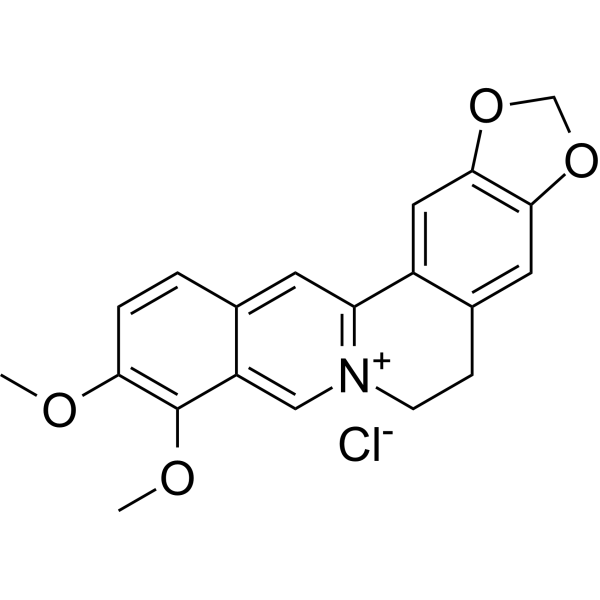
HY-18258
Berberine chlorideAntibiotic -
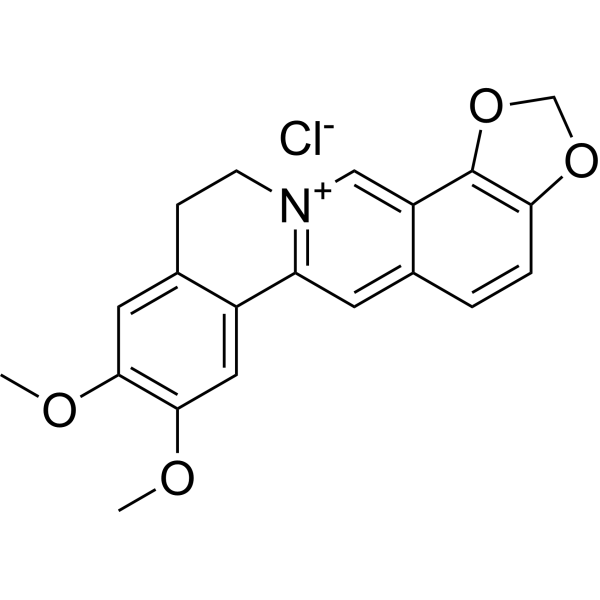
HY-N0226A
Epiberberine chlorideAChE/BChE Inhibitor -
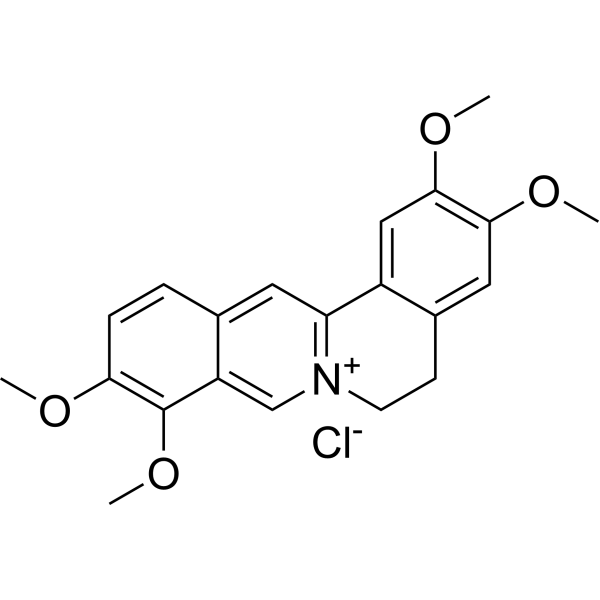
HY-N0110
Palmatine chlorideIDO-1/NS2B-NS3 Inhibitor -
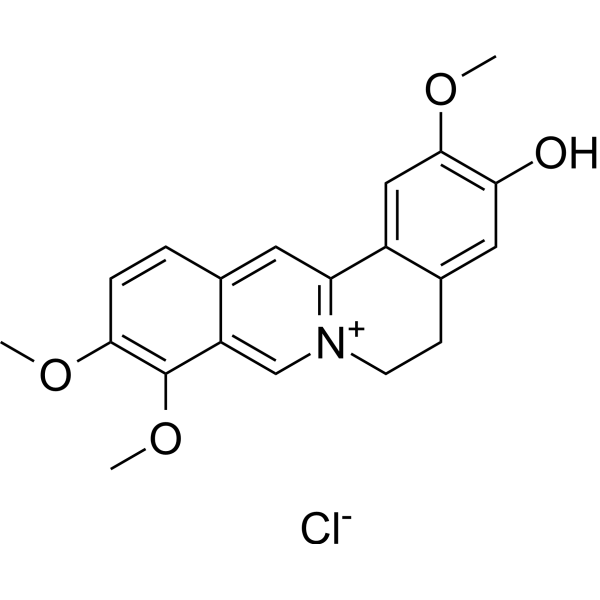
HY-N0740
Jatrorrhizine chlorideBioactive Alkaloid -
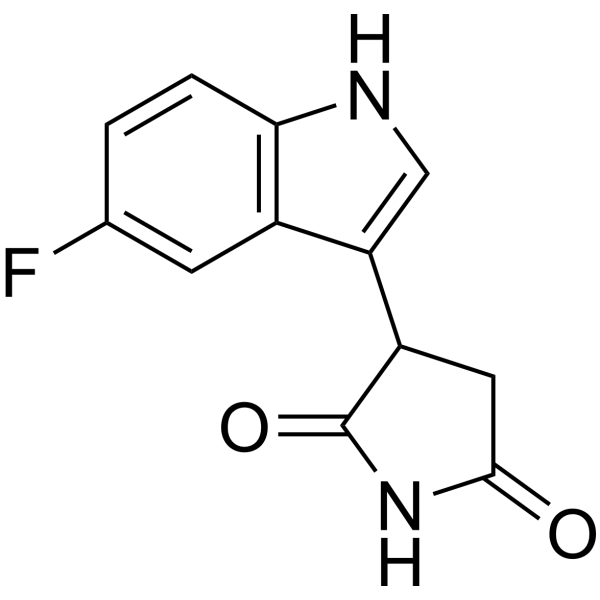
HY-101111
PF-06840003IDO-1 Inhibitor -
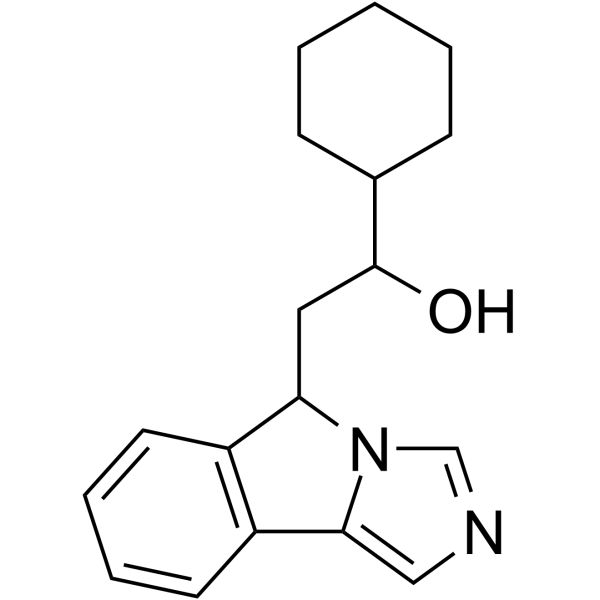
HY-13983
IDO-IN-7 -
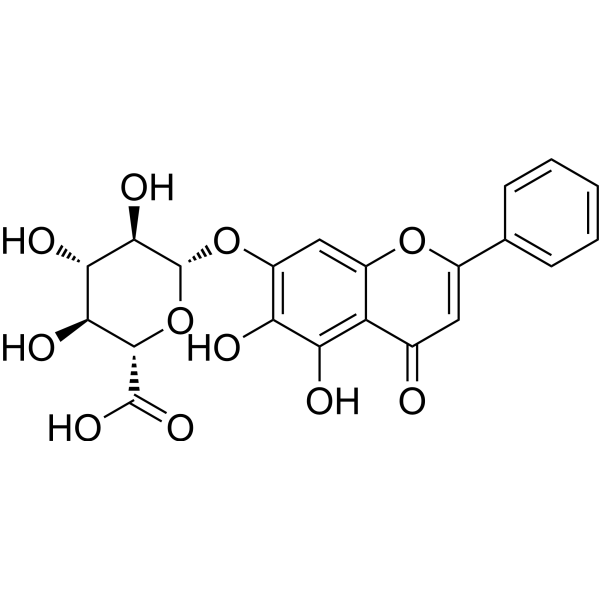
HY-N0197
BaicalinAutophagy Inducer -
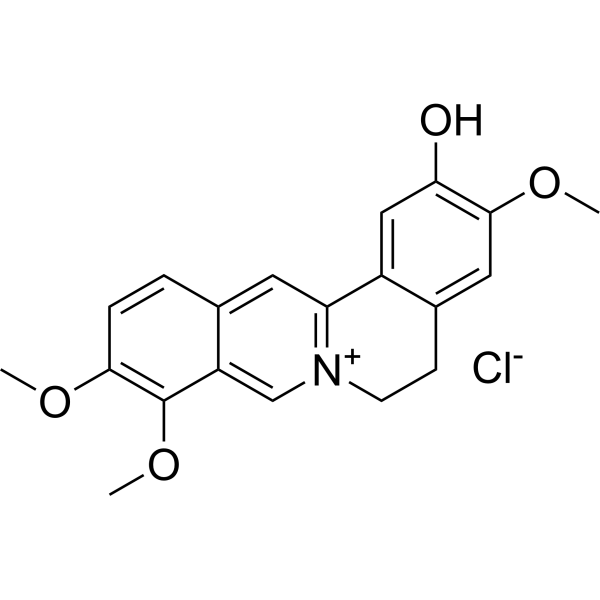
HY-N0926A
Columbamine chlorideQuaternary Isoquinoline Alkaloid -
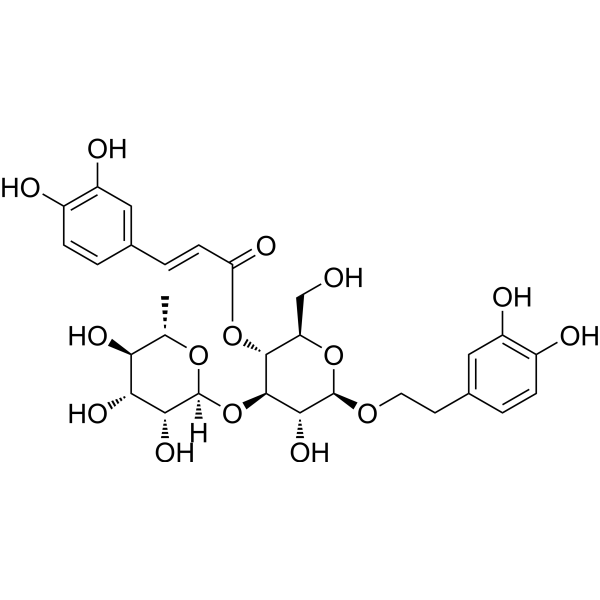
HY-N0021
VerbascosideBacterial Inhibitor -
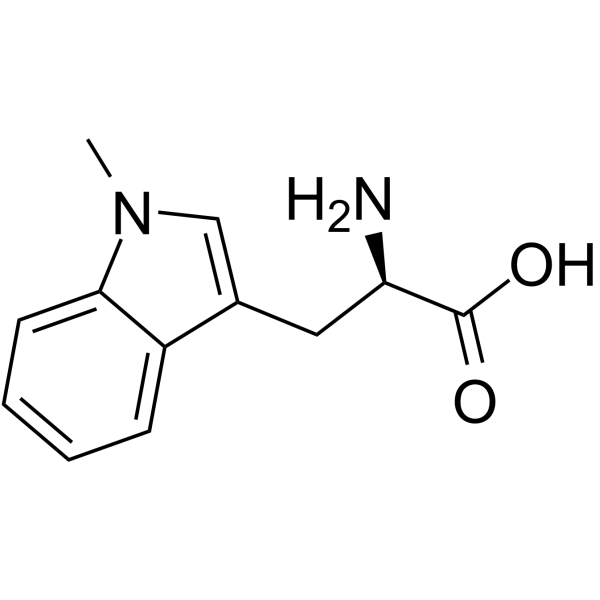
HY-16724
IndoximodIDO Inhibitor -
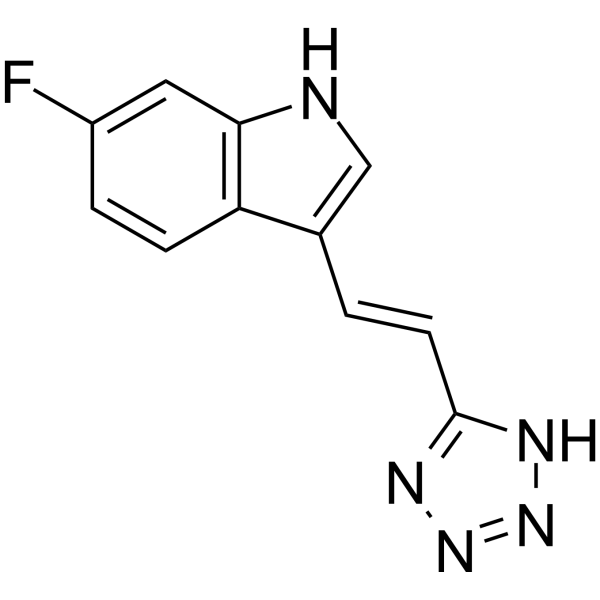
HY-33298
LM10TDO Inhibitor -
HY-100771
PCC0208009IDO Inhibitor
Publications Citing Use of MedChemExpress (MCE) Coptisine chloride
More- Phytomedicine. 2025 Nov 25:148:157446. [Abstract]
- Int Immunopharmacol. 2024 Feb 15:128:111433. [Abstract]
- Molecules. 2024 May 14;29(10):2304. [Abstract]
- Food Sci Nutr. 2026 Jul 15;14(7):e72107.
- Mater Technol (N Y N Y). 2026 Jan 27;41.
- Naunyn Schmiedebergs Arch Pharmacol. 2025 May;398(5):5465-5474. [Abstract]
- Vet Microbiol. 2026 May:316:110992. [Abstract]
- DNA Cell Biol. 2020 Oct 2. [Abstract]
- Biochem Biophys Res Commun. 2026 Mar 26:806:153415. [Abstract]
- Planta Med. 2024 Jun;90(7-08):523-533. [Abstract]
- SSRN. 2024 Apr 1.
- J Oncol. 2022 Jun 26:2022:9864411. [Abstract]
 Customer Validation & Images

-
WB

-
IF

-
WB

-
Others


Biological Activity
Description
IC50 & Target
[1]|
IDO 6.3 μM (IC50) |
IDO 5.8 μM (Ki) |
Cellular Effect
|
Cell Line

|
Type | Value | Description | References |
|---|---|---|---|---|
| A10 | GI50 |
4.49 μM
Compound: 1
|
Growth inhibition against rat A10 cells after 72 hrs by MTT assay
Growth inhibition against rat A10 cells after 72 hrs by MTT assay
|
[PMID: 21401114] |
| A549 | IC50 |
>14.05 μM
Compound: 1
|
Cytotoxicity against human A549 cells assessed as growth inhibition rate after 96 hrs by MTT assay
Cytotoxicity against human A549 cells assessed as growth inhibition rate after 96 hrs by MTT assay
|
[PMID: 25203783] |
| A549 | IC50 |
23.96 μM
Compound: 7
|
Cytotoxicity against human A549 cells by SRB assay
Cytotoxicity against human A549 cells by SRB assay
|
[PMID: 20594848] |
| Bel-7402 | IC50 |
>14.05 μM
Compound: 1
|
Cytotoxicity against human Bel7402 cells assessed as growth inhibition rate after 96 hrs by MTT assay
Cytotoxicity against human Bel7402 cells assessed as growth inhibition rate after 96 hrs by MTT assay
|
[PMID: 25203783] |
| C-33-A | IC50 |
>14.05 μM
Compound: 1
|
Cytotoxicity against human C33A cells assessed as growth inhibition rate after 96 hrs by MTT assay
Cytotoxicity against human C33A cells assessed as growth inhibition rate after 96 hrs by MTT assay
|
[PMID: 25203783] |
| G-402 | GI50 |
19.1 μM
Compound: 1
|
Growth inhibition against human G402 cells after 48 hrs by MTT assay
Growth inhibition against human G402 cells after 48 hrs by MTT assay
|
[PMID: 21401114] |
| HCT-15 | IC50 |
29.07 μM
Compound: 7
|
Cytotoxicity against human HCT15 cells by SRB assay
Cytotoxicity against human HCT15 cells by SRB assay
|
[PMID: 20594848] |
| HCT-8 | IC50 |
5.59 μM
Compound: 1
|
Cytotoxicity against human HCT8 cells assessed as growth inhibition rate after 96 hrs by MTT assay
Cytotoxicity against human HCT8 cells assessed as growth inhibition rate after 96 hrs by MTT assay
|
[PMID: 25203783] |
| SK-MEL-2 | IC50 |
>30 μM
Compound: 7
|
Cytotoxicity against human SK-MEL-2 cells by SRB assay
Cytotoxicity against human SK-MEL-2 cells by SRB assay
|
[PMID: 20594848] |
| SK-OV-3 | IC50 |
>30 μM
Compound: 7
|
Cytotoxicity against human SKOV3 cells by SRB assay
Cytotoxicity against human SKOV3 cells by SRB assay
|
[PMID: 20594848] |
| VSMC | GI50 |
3.3 μM
Compound: 1
|
Antiproliferative activity against rat VSMC assessed as cell growth inhibition
Antiproliferative activity against rat VSMC assessed as cell growth inhibition
|
[PMID: 21401114] |
| VSMC | GI50 |
3.35 μM
Compound: 1
|
Growth inhibition against rat VSMC after 72 hrs by MTT assay
Growth inhibition against rat VSMC after 72 hrs by MTT assay
|
[PMID: 21401114] |
In Vitro
Coptisine chloride is an efficient uncompetitive IDO inhibitor with a Ki value of 5.8 μM and an IC50 value of 6.3 μM[1]. Coptisine (0.1-100 μM) inhibits the proliferation of A549, H460, H2170, MDA-MB-231 and HT-29 cells, with IC50s of 18.09, 29.50, 21.60, 20.15 and 26.60?μM, respectively. Coptisine (12.5, 25, 50 μM) upregulates the expression of pH2AX and p21, reduces expression of cyclin B1, cdc2, and cdc25C, and induces G2/M arrest and apoptosis of A549 cells in a concentration-dependent manner. Coptisine (12.5, 25, 50 μM) also induces mitochondrial dysfunction and activates caspases activities in A549 cells. Furthermore, Coptisine (50 μM) increases ROS levels in a time-dependent manner (0.5, 1, 2, 4, 12, and 24?h)[3].
MedChemExpress (MCE) has not independently confirmed the accuracy of these methods. They are for reference only. Further protocols information, click here.
In Vivo
MedChemExpress (MCE) has not independently confirmed the accuracy of these methods. They are for reference only.


Chemical Information
-
CAS No. 6020-18-4
-
Appearance Solid
-
Molecular Weight 355.77
-
Formula C19H14ClNO4
-
Color Orange to reddish brown
-
SMILES
C1(C(CC[N+]2=C1C=C(C=C3)C(C4=C3OCO4)=C2)=C5)=CC6=C5OCO6.[Cl-]
-
Structure Classification
-
Initial Source
-
Shipping
Room temperature in continental US; may vary elsewhere.
-
Storage
4°C, sealed storage, away from moisture
* In solvent : -80°C, 6 months; -20°C, 1 month (sealed storage, away from moisture)


Publications (12)
-
Journal Impact Factor
-
Most Recent
-
Phytomedicine
Jiao-tai-wan and its component coptisine attenuate PCOS by regulating mitochondrial cholesterol import through suppression of SIRT1 ubiquitination. [Abstract]2025 Nov 25:148:157446. PMID: 41145090
Coptisine chloride purchased from MedChemExpress. Usage Cited in: Phytomedicine. 2025 Nov 25:148:157446. [Abstract]
Coptisine chloride (10 μM). Western blot analysis of StAR in the cytoplasm and mitochondria of theca cells.
Coptisine chloride purchased from MedChemExpress. Usage Cited in: Phytomedicine. 2025 Nov 25:148:157446. [Abstract]
Coptisine chloride (10 μM). Confocal imaging of COXIV/Filipin III/PI and colocalization analysis of COXIV and Filipin III in ovarian theca cells.
Coptisine chloride purchased from MedChemExpress. Usage Cited in: Phytomedicine. 2025 Nov 25:148:157446. [Abstract]
Western blot analysis of SIRT1 in theca cells treated with coptisine chloride (10 μM), MG132, and bafilomycin A1.
Coptisine chloride purchased from MedChemExpress. Usage Cited in: Phytomedicine. 2025 Nov 25:148:157446. [Abstract]
SPR results for coptisine chloride and the SIRT1 protein.
-
Int Immunopharmacol
Coptisine inhibits aggressive and proliferative actions of fibroblast like synoviocytes and exerts a therapeutic potential for rheumatoid arthritis. [Abstract]2024 Feb 15:128:111433. PMID: 38181676 -
Molecules
Discovery of Nine Dipeptidyl Peptidase-4 Inhibitors from Coptis chinensis Using Virtual Screening, Bioactivity Evaluation, and Binding Studies. [Abstract]2024 May 14;29(10):2304. PMID: 38792165 -
-
-
Naunyn Schmiedebergs Arch Pharmacol
Coptisine inhibits lipid accumulation in high glucose- and palmitic acid-induced HK-2 cells by regulating the AMPK/ACC/CPT-1 signaling pathway. [Abstract]2025 May;398(5):5465-5474. PMID: 39560754 -
Vet Microbiol
The Chinese medicine monomer Schisandrin C inhibits PRRSV infection by regulating the OGT-PI3K/AKT/mTOR signaling pathway. [Abstract]2026 May:316:110992. PMID: 41865607 -
DNA Cell Biol
Coptisine Blocks Secretion of Exosomal circCCT3 from Cancer-Associated Fibroblasts to Reprogram Glucose Metabolism in Hepatocellular Carcinoma. [Abstract]2020 Oct 2. PMID: 33001706 -
Biochem Biophys Res Commun
2026 Mar 26:806:153415. PMID: 41662796 -
Planta Med
Novel Approaches for the Analysis and Isolation of Benzylisoquinoline Alkaloids in Chelidonium majus. [Abstract]2024 Jun;90(7-08):523-533. PMID: 38843792 -
-
J Oncol
Pseudogene MSTO2P Interacts with miR-128-3p to Regulate Coptisine Sensitivity of Non-Small-Cell Lung Cancer (NSCLC) through TGF- β Signaling and VEGFC. [Abstract]2022 Jun 26:2022:9864411. PMID: 35794983


Solvent & Solubility
In Vitro:
DMSO : 7.94 mg/mL (22.32 mM; ultrasonic and warming and heat to 60°C; Hygroscopic DMSO has a significant impact on the solubility of product, please use newly opened DMSO)
H2O : < 0.1 mg/mL (insoluble)
Please refer to the solubility information to select the appropriate solvent. Once prepared, please aliquot and store the solution to prevent product inactivation from repeated freeze-thaw cycles.
Storage method and period of stock solution: -80°C, 6 months; -20°C, 1 month (sealed storage, away from moisture). When stored at -80°C, please use it within 6 months. When stored at -20°C, please use it within 1 month.
Please refer to the solubility information to select the appropriate solvent. Once prepared, please aliquot and store the solution to prevent product inactivation from repeated freeze-thaw cycles.
Storage method and period of stock solution: -80°C, 6 months; -20°C, 1 month (sealed storage, away from moisture). When stored at -80°C, please use it within 6 months. When stored at -20°C, please use it within 1 month.
Concentration (start) × Volume (start) = Concentration (final) × Volume (final)
In Vivo:
Select the appropriate dissolution method based on your experimental animal and administration route.
- For the following dissolution methods, please ensure to first prepare a clear stock solution using an In Vitro approach and then sequentially add co-solvents:
- To ensure reliable experimental results, the clarified stock solution can be appropriately stored based on storage conditions. As for the working solution for In Vivo experiments, it is recommended to prepare freshly and use it on the same day.
- The percentages shown for the solvents indicate their volumetric ratio in the final prepared solution. If precipitation or phase separation occurs during preparation, heat and/or sonication can be used to aid dissolution.
Add each solvent one by one: 10% DMSO 40% PEG300 5% Tween-80 45% Saline
Solubility: ≥ 0.8 mg/mL (2.25 mM); Clear solution
This protocol yields a clear solution of ≥ 0.8 mg/mL (saturation unknown).
Taking 1 mL working solution as an example, add 100 μL DMSO stock solution (8.0 mg/mL) to 400 μL PEG300, and mix evenly; then add 50 μL Tween-80 and mix evenly; then add 450 μL Saline to adjust the volume to 1 mL.
Preparation of Saline: Dissolve 0.9 g sodium chloride in ddH₂O and dilute to 100 mL to obtain a clear Saline solution.
Add each solvent one by one: 10% DMSO 90% (20% SBE-β-CD in Saline)
Solubility: ≥ 0.8 mg/mL (2.25 mM); Clear solution
This protocol yields a clear solution of ≥ 0.8 mg/mL (saturation unknown).
Taking 1 mL working solution as an example, add 100 μL DMSO stock solution (8.0 mg/mL) to 900 μL 20% SBE-β-CD in Saline, and mix evenly.
Preparation of 20% SBE-β-CD in Saline (4°C, storage for one week): 2 g SBE-β-CD powder is dissolved in 10 mL Saline, completely dissolve until clear.
In Vivo Dissolution Calculator
Please enter the basic information of animal experiments:
-
-
-
-
Recommended: Prepare an additional quantity of animals to account for potential losses during experiments.
Please enter your animal formula composition:
-
%DMSO +
Recommended: Keep the proportion of DMSO in working solution below 2% if your animal is weak.
-
%+
-
+%Tween-80 + +
-
%Saline +
The co-solvents required include: DMSO, . All of co-solvents are available by MedChemExpress (MCE). , Tween 80. All of co-solvents are available by MedChemExpress (MCE).
Working solution concentration: 0.22 mg/mL
Method for preparing stock solution: mg drug dissolved in μL DMSO. Stock solution concentration: mg/mL. * In solvent : -80°C, 6 months; -20°C, 1 month (sealed storage, away from moisture)
1. Take μL DMSO stock solution;
2. Add μL .
μL , mix evenly;
3. Then add μL Tween 80, mix evenly;
4. Then add μL
Please ensure that the stock solution in the first step is dissolved to a clear state, and add co-solvents in sequence. You can use ultrasonic heating (ultrasonic cleaner, recommended frequency 20-40 kHz), vortexing, etc. to assist dissolution.

Protocols
-
Research Protocol for Infectious Diseases
Infectious-disease experiments test how pathogens interact with host barriers, innate immune receptors, inflammatory signaling, pathogen replication, and tissue injury; pattern-recognition receptors such as TLRs, RIG-I-like receptors, NOD-like receptors, and inflammasomes detect microbial molecules and activate NF-κB, interferon, and cytokine responses. The central hypothesis is that infection severity reflects the balance between pathogen burden and host response: protective inflammation restricts pathogen growth, whereas excessive or mislocalized inflammation contributes to tissue damage and disease phenotype. Unresolved questions include which host pathways are protective versus pathogenic, why some infection models fail to translate to human disease, and which combined readouts best predict clinically relevant infection outcomes.
-
Cell Cytotoxicity Assay
Cytotoxicity assays are usually based on the assessment of cell membrane damage, which can also be indirectly detected by measuring cell viability. Detection methods include MTT assay, CKK-8 assay, LDH assay and ATP assay, etc.


Purity & Documentation
-
Data Sheet (284 KB)
-
SDS (394 KB)
- English - EN (394 KB)
- Français - FR (394 KB)
- Deutsch - DE (394 KB)
- Norwegian - NO (394 KB)
- Español - ES (394 KB)
- Swedish - SV (394 KB)
- Italian - IT (394 KB)
- Korean - KR (394 KB)
- Portuguese - PT (394 KB)
-
Handling Instructions (2659 KB)
References
[1]. Yu D, et al. The IDO inhibitor coptisine ameliorates cognitive impairment in a mouse model of Alzheimer's disease. J Alzheimers Dis. 2015;43(1):291-302. [Content Brief]
[2]. He K, et al. The safety and anti-hypercholesterolemic effect of coptisine in Syrian golden hamsters. Lipids. 2015 Feb;50(2):185-94. [Content Brief]
[3]. Rao PC, et al. Coptisine-induced cell cycle arrest at G2/M phase and reactive oxygen species-dependent mitochondria-mediated apoptosis in non-small-cell lung cancer A549 cells. Tumour Biol. 2017 Mar;39(3):1010428317694565. [Content Brief]
[4]. Zhou X, et al. Inhibition activity of a traditional Chinese herbal formula Huang-Lian-Jie-Du-Tang and its major components found in its plasma profile on neuraminidase-1. Sci Rep. 2017 Nov 14;7(1):15549. [Content Brief]


Complete Stock Solution Preparation Table
Please refer to the solubility information to select the appropriate solvent. Once prepared, please aliquot and store the solution to prevent product inactivation from repeated freeze-thaw cycles.
Storage method and period of stock solution: -80°C, 6 months; -20°C, 1 month (sealed storage, away from moisture). When stored at -80°C, please use it within 6 months. When stored at -20°C, please use it within 1 month.
| Optional Solvent | Concentration Solvent Mass | 1 mg | 5 mg | 10 mg | 25 mg |
|---|---|---|---|---|---|
| DMSO | 1 mM | 2.8108 mL | 14.0540 mL | 28.1080 mL | 70.2701 mL |
| 5 mM | 0.5622 mL | 2.8108 mL | 5.6216 mL | 14.0540 mL | |
| 10 mM | 0.2811 mL | 1.4054 mL | 2.8108 mL | 7.0270 mL | |
| 15 mM | 0.1874 mL | 0.9369 mL | 1.8739 mL | 4.6847 mL | |
| 20 mM | 0.1405 mL | 0.7027 mL | 1.4054 mL | 3.5135 mL |


Coptisine chloride Related Classifications
HY-N0736 Related Classifications
 Powered by Bioz