1. Search Result
Search Result
Results for "

kidney toxicity

" in MedChemExpress (MCE) Product Catalog:

30

Inhibitors & Agonists

1

Peptides

5

Natural
Products

2

Isotope-Labeled Compounds

1

Click Chemistry

2

Oligonucleotides

Cat. No. Product Name Target Research Areas Chemical Structure
  • HY-B0303A
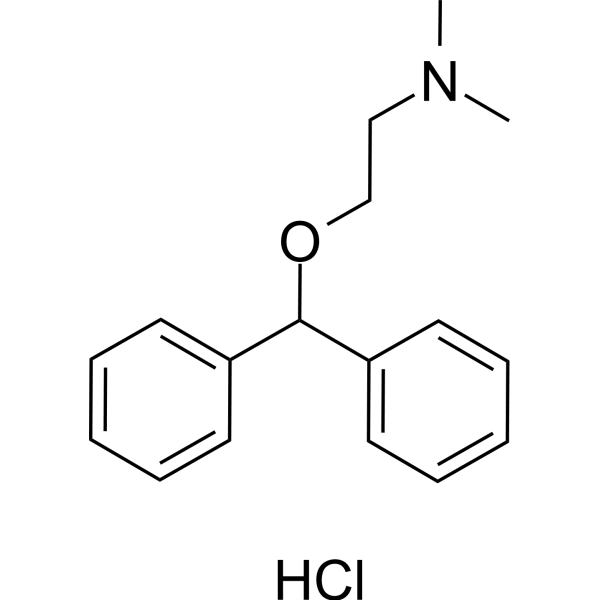
    Diphenhydramine hydrochloride
    5+ Cited Publications

    Histamine Receptor Endogenous Metabolite Bacterial Apoptosis Inflammation/Immunology Endocrinology Cancer
    Diphenhydramine hydrochloride is a first-generation histamine H1-receptor antagonist with anti-cholinergic effect. Diphenhydramine hydrochloride can across the ovine blood-brain barrier (BBB) .
    Diphenhydramine hydrochloride
  • HY-132588

    ALN-G01

    Small Interfering RNA (siRNA) Glycolate Oxidase Metabolic Disease
    Lumasiran (ALN-G01), a siRNA product, reduces hepatic oxalate production by targeting glycolate oxidase. By silencing the gene encoding glycolate oxidase, Lumasiran depletes glycolate oxidase and thereby inhibits the synthesis of oxalate, which is the toxic metabolite that is directly associated with the clinical manifestations of Primary hyperoxaluria type 1 (PH1) .
    Lumasiran
  • HY-132613

    Small Interfering RNA (siRNA) Glycolate Oxidase Metabolic Disease
    Lumasiran sodium, an investigational RNA interference (RNAi) therapeutic agent, reduces hepatic oxalate production by targeting glycolate oxidase. Lumasiran sodium reduces urinary oxalate excretion, the cause of progressive kidney failure in primary hyperoxaluria type 1 (PH1) .
    Lumasiran sodium
  • HY-B1022
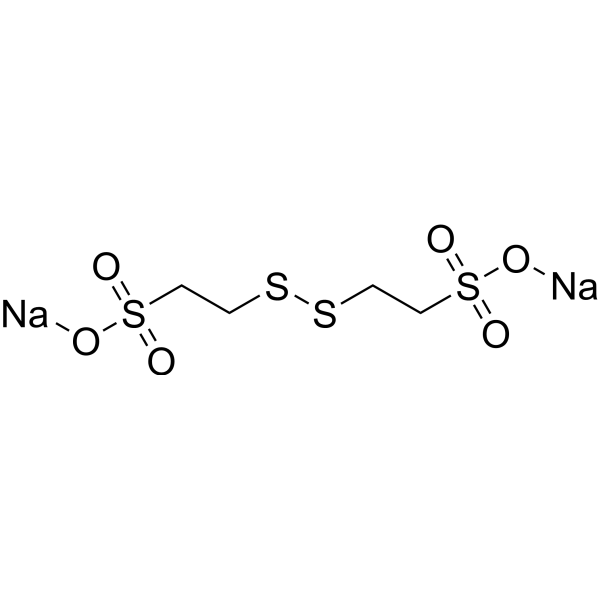
    Dimesna
    1 Publications Verification

    BNP-7787

    Drug Derivative Endocrinology Cancer
    Dimesna (BNP-7787), the disulfide form of Mesna (HY-13679), is a platinum-related toxicity protective agent. Dimesna converts to Mesna, which in turn inactivates toxic platinum substances. Dimesna does not interfere with the antitumor activity of platinum compounds. Dimesna does not affect the antiproliferative effects of Cisplatin (HY-17394) or Carboplatin (HY-17393). Dimesna counteracts Cisplatin-induced nephrotoxicity. Dimesna exerts selective protective effects on the kidneys. Dimesna can be used in studies related to ovarian cancer and Cisplatin-induced nephrotoxicity .
    Dimesna
  • HY-Y1840

    Drug Derivative Neurological Disease
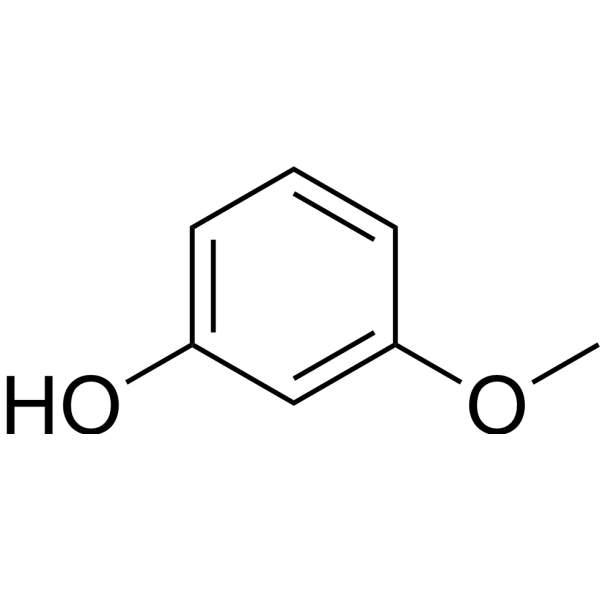
    3-Methoxyphenol is a phenolic compound that is biologically toxic. 3-Methoxyphenol is systemically absorbed, disrupts the function of the liver, kidneys, central nervous system, and redox processes, and increases levels of Hb, red blood cells, and white blood cells in the body.
    3-Methoxyphenol
  • HY-N125722

    Aabomycin A1

    ATP Synthase Antibiotic Infection
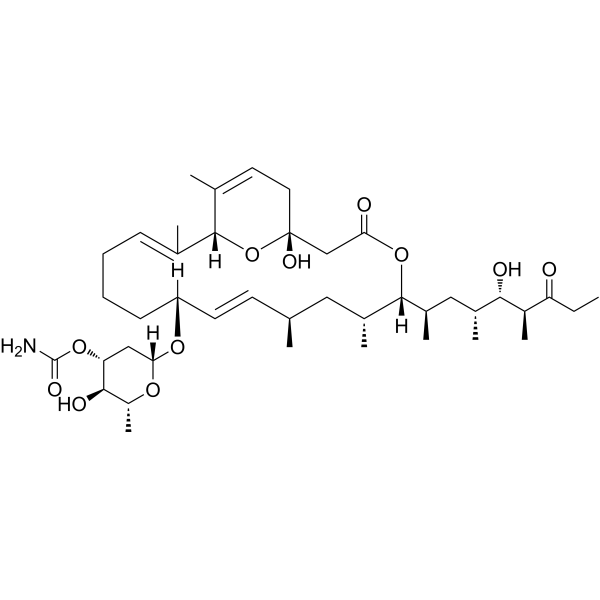
    Venturicidin A (Aabomycin A1), from actinomycetes, is a membrane-active natural product inhibitor of ATP synthase. Venturicidin A potentiates the aminoglycoside antibiotic gentamicin against multidrug-resistant clinical isolates of Staphylococcus, Enterococcus, and Pseudomonas aeruginosa. Venturicidin A shows noticeable toxicity toward human embryonic-kidney (HEK)cells with an IC50 of 31 μg/mL.
    Venturicidin A
  • HY-111054A

    MDCG sodium

    Endogenous Metabolite Others
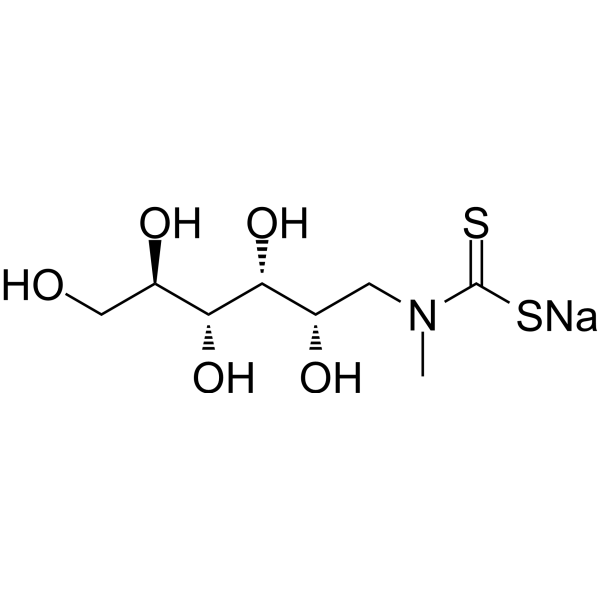
    N-methyl-N-dithiocarboxyglucamine (MDCG) sodium mobilizes and promotes excretion of metallothionein-bound 109Cd in mouse model. N-methyl-N-dithiocarboxyglucamine significantly lowers the Cd content of both the liver and kidney, which is organs most susceptible to Cd-induced toxicity .
    N-methyl-N-dithiocarboxyglucamine sodium
  • HY-W020788

    CGA 154281

    Environmental Pollutants Glutathione S-transferase Estrogen Receptor/ERR Pregnane X Receptor (PXR) FXR Metabolic Disease Cancer
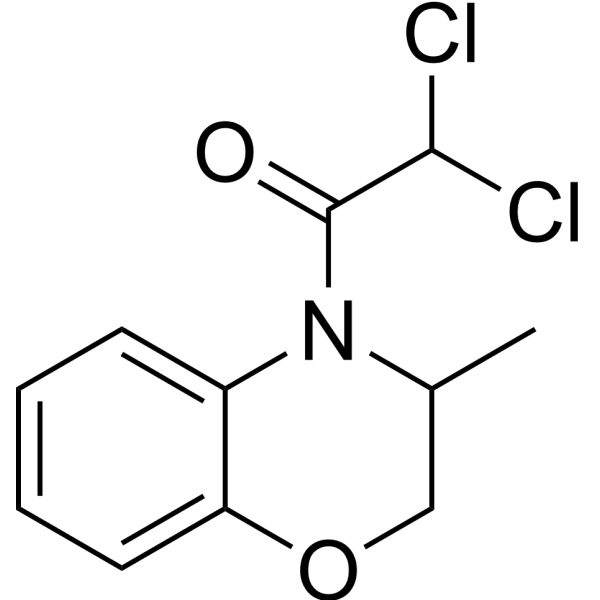
    Benoxacor (CGA 154281) is a herbicide safener and xenobiotic metabolism regulator. Benoxacor protects maize from the toxicity of metolachlor mainly by inducing detoxifying enzymes such as Glutathione S-transferase. Benoxacor also activates FXR, PXR and ERRα, and inhibits aromatase (aromatase). However, Benoxacor exhibits potential subacute oral toxicity and a high risk of hepatotoxicity in animal models. Benoxacor induces reactive oxygen species accumulation, interferes with embryonic heart development, and causes increased liver and kidney weights as well as alterations in gut microbiota in mice. Benoxacor can be used in studies related to hepatic steatosis, infertility, breast cancer and developmental toxicity .
    Benoxacor
  • HY-W016034

    p-Acetamidophenyl β-D-glucuronide sodium salt; p-AAPG sodium salt

    Drug Metabolite Infection
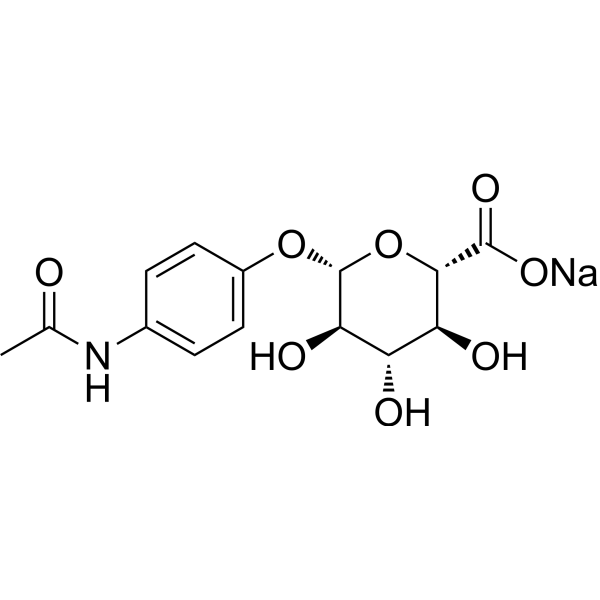
    Acetaminophen glucuronide is a safe and effective antipyretic analgesic. Acetaminophen glucuronide is potentially toxic to liver and kidney .
    Acetaminophen glucuronide sodium salt
  • HY-W020788R

    CGA 154281 (Standard)

    Reference Standards Glutathione S-transferase Estrogen Receptor/ERR Pregnane X Receptor (PXR) FXR Others
    Benoxacor (Standard) is the analytical standard of Benoxacor. This product is intended for research and analytical applications. Benoxacor (CGA 154281) is a herbicide safener and xenobiotic metabolism regulator. Benoxacor protects maize from the toxicity of metolachlor mainly by inducing detoxifying enzymes such as Glutathione S-transferase. Benoxacor also activates FXR, PXR and ERRα, and inhibits aromatase (aromatase). However, Benoxacor exhibits potential subacute oral toxicity and a high risk of hepatotoxicity in animal models. Benoxacor induces reactive oxygen species accumulation, interferes with embryonic heart development, and causes increased liver and kidney weights as well as alterations in gut microbiota in mice. Benoxacor can be used in studies related to hepatic steatosis, infertility, breast cancer and developmental toxicity .
    Benoxacor (Standard)
  • HY-178907

    Serotonin Transporter 5-HT Receptor Neurological Disease
    SERT/5-HT-IN-1 (compound D17) is an orally active and potent dual target inhibitor of SERT/5-HT3A (SERT IC50 = 1.5 nM, NET IC50 = 49 nM, DAT IC50 = 91 nM, 5-HT3A Ki = 12 nM). SERT/5-HT-IN-1 has an IC50 of 39 nM to 5-HT3A. SERT/5-HT-IN-1 has a lower risk of liver, kidney, and cardiac toxicity. SERT/5-HT-IN-1 can be used for research on depressive disorders .
    SERT/5-HT-IN-1
  • HY-N12008

    OAT Metabolic Disease
    OAT1/3-IN-2 (compound 8) is a dual inhibitor of OAT1 and OAT3. OAT1/3-IN-2 can reverse the toxicity of Cys-Hg on HEK-OAT1 cells (10 μM) and has a potential protective effect on the kidneys. OAT1/3-IN-2 can be used to study mercury-induced kidney damage .
    OAT1/3-IN-2
  • HY-N12007

    OAT Metabolic Disease
    OAT1/3-IN-1 (compound 7) is a dual inhibitor of OAT1 and OAT3. OAT1/3-IN-1 can reverse the toxicity of Cys-Hg on HEK-OAT1 cells (10 μM) and has a potential protective effect on the kidneys. OAT1/3-IN-1 can be used to study mercury-induced kidney damage .
    OAT1/3-IN-1
  • HY-162584

    TRP Channel Others
    TRPC5-IN-6 (Compound 12) is an orally effective transient receptor potential (TRPC5) inhibitor with a IC50 value of 81 nM. TRPC5-IN-6 has good biosafety and low liver and kidney toxicity, and is expected to play an important role in the treatment of chronic kidney disease (CKD) .
    TRPC5-IN-6
  • HY-164370

    Bacterial Infection
    Hesperidin dihydrochalcone is a non-toxic, high-sweetness, low-calorie sweetener. Hesperidin dihydrochalcone has many biological activities such as anti-oxidation, protection of liver and kidney, bacteriostasis and improvement of gastrointestinal tract .
    Hesperidin dihydrochalcone
  • HY-W016034R

    p-Acetamidophenyl β-D-glucuronide sodium salt (Standard); p-AAPG sodium salt (Standard)

    Drug Metabolite Reference Standards Infection
    Acetaminophen glucuronide (sodium salt) (Standard) is the analytical standard of Acetaminophen glucuronide (sodium salt). This product is intended for research and analytical applications. Acetaminophen glucuronide is a safe and effective antipyretic analgesic. Acetaminophen glucuronide is potentially toxic to liver and kidney .
    Acetaminophen glucuronide sodium salt (Standard)
  • HY-Y1840R

    Biochemical Assay Reagents Reference Standards Neurological Disease
    3-Methoxyphenol (Standard) is the analytical standard of 3-Methoxyphenol. This product is intended for research and analytical applications. 3-Methoxyphenol is a phenolic compound that is biologically toxic. 3-Methoxyphenol is systemically absorbed, disrupts the function of the liver, kidneys, central nervous system, and redox processes, and increases levels of Hb, red blood cells, and white blood cells in the body.
    3-Methoxyphenol (Standard)
  • HY-Y1840S

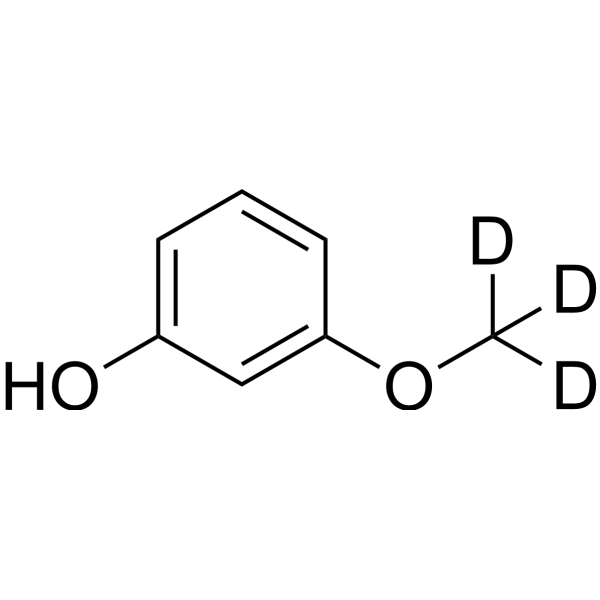
    Isotope-Labeled Compounds Neurological Disease
    3-Methoxyphenol-d3 is deuterated labeled 3-Methoxyphenol (HY-Y1840). 3-Methoxyphenol is a phenolic compound that is biologically toxic. 3-Methoxyphenol is systemically absorbed, disrupts the function of the liver, kidneys, central nervous system, and redox processes, and increases levels of Hb, red blood cells, and white blood cells in the body.
    3-Methoxyphenol-d3
  • HY-B1022A

    BNP-7787 free acid

    Drug Derivative Endocrinology Cancer
    Dimesna (BNP-7787) free acid, the disulfide form of Mesna (HY-13679), is a platinum-related toxicity protective agent. Dimesna free acid converts to Mesna, which in turn inactivates toxic platinum substances. Dimesna free acid does not interfere with the antitumor activity of platinum compounds. Dimesna free acid does not affect the antiproliferative effects of Cisplatin (HY-17394) or Carboplatin (HY-17393). Dimesna free acid counteracts Cisplatin-induced nephrotoxicity. Dimesna free acid exerts selective protective effects on the kidneys. Dimesna free acid can be used in studies related to ovarian cancer and Cisplatin-induced nephrotoxicity .
    Dimesna free acid
  • HY-176238

    Apoptosis Metabolic Disease Cancer
    CX116 is an orally active anti-inflammatory agent. CX116 exerts its effects by inhibiting the inflammatory response, reducing oxidative stress, protecting mitochondrial function, and counteracting apoptosis. CX116 bears acceptable toxicity, and can significantly protect renal tissue from Cisplatin (HY-17394)-induced damage. CX116 can be used for the study of Cisplatin-induced acute kidney injury (cis-AKI) .
    CX116
  • HY-144332

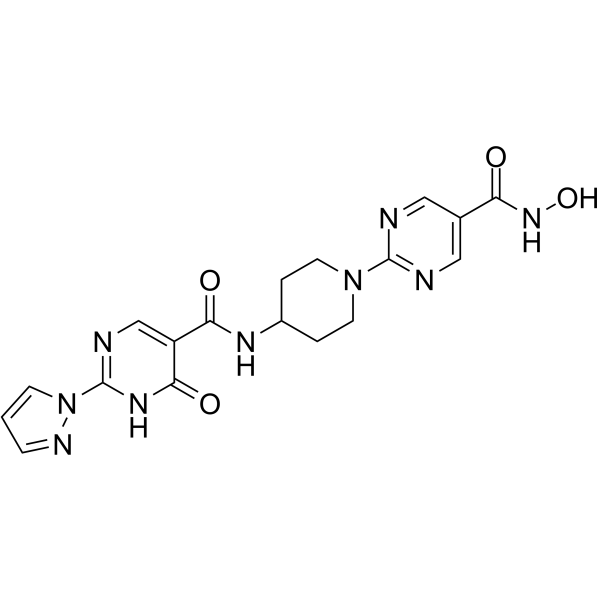
    HDAC HIF/HIF Prolyl-Hydroxylase Cancer
    PHD2/HDACs-IN-1 is a potent PHD2/HDACs hybrid inhibitor (IC50s of 1.15 μM, 19.75 μM, 26.60 μM and 15.98 μM for PHD2, HDAC1, HDAC2 and HDAC6, respectively). PHD2/HDACs-IN-1 is a low-toxicity renoprotective agent for research of cisplatin-induced acute kidney injury (AKI) .
    PHD2/HDACs-IN-1
  • HY-170561

    Cholinesterase (ChE) Neurological Disease
    AChE/BuChE-IN-6 (Compound 11f) is an inhibitor of AChE and BuChE, with IC50 values of 1.24 and 1.85 μg/mL, respectively. AChE/BuChE-IN-6 also exhibits strong DPPH free radical scavenging activity (IC50 = 3.15 μg/mL). In vivo toxicity studies indicate that AChE/BuChE-IN-6 is safe, showing no significant differences in blood and biochemical markers compared to the control group after long-term administration, and no abnormalities were observed in liver and kidney tissues. AChE/BuChE-IN-6 holds promise for research into Alzheimer's disease .
    AChE/BuChE-IN-6
  • HY-P11232

    Toll-like Receptor (TLR) Bacterial Infection
    NAB815 is a specific inhibitor of the Stx2a (Kd = 0.01 μM)/TLR4 interaction. NAB815 inhibits the neutrophil/Stx2a interaction (IC50 = 0.057 μg/mL). NAB815 inhibits the formation of Stx2-containing extracellular vesicles (EVs) produced by leukocytes and platelets and reduces their toxic effects in cellular (Vero cells) and animal models (CD-1 mice). NAB815 reduces bacterial loads in the kidneys, urine, and bladders of Escherichia coli-infected mice. NAB815 is useful in the study of hemolytic uremic syndrome (HUS) .
    NAB815
  • HY-W102352

    Drug Derivative Endocrinology
    Triethylene glycol diacetate is an orally active Triethylene glycol (HY-W017440) derivative with reproduction toxicity. Triethylene glycol diacetate reduces body weights of nursing mouse pups during lactation, with effects reversing by young adulthood, and increases combined kidney/adrenal weight in adult. Triethylene glycol diacetate can be used for the research of reproductive and developmental toxicity .
    Triethylene glycol diacetate
  • HY-W133921

    Others
    Dipropylene glycol is a mixture of three structural isomers (2-(2-hydroxypropoxy)-1-propanol, 1,1'-oxybis (2-propanol), and 2,2'-oxybis (1-propanol)), and is also a toxic substance used in plasticizers, polyester resins, cosmetics, fragrances, polyurethane polyols, and alkyd resins. Dipropylene glycol induces liver and kidney damage as well as reproductive toxicity in rodents .
    Dipropylene glycol
  • HY-124920

    Mercaptodimethur

    Insecticide SOD Glutathione Peroxidase Reactive Oxygen Species (ROS) Cholinesterase (ChE) Infection Inflammation/Immunology
    Methiocarb (Mercaptodimethur) is an orally active carbamate insecticide. Methiocarb exerts dose-dependent toxic effects on onions. In addition to inhibiting acetylcholinesterase to induce cholinergic excitation, Methiocarb can induce lipid peroxidation in liver, kidney, brain and testicular tissues and alter reduced glutathione levels by generating ROS. Methiocarb can be used for agricultural pest control and research on oxidative stress-related cellular damage in mammals .
    Methiocarb
  • HY-124920S

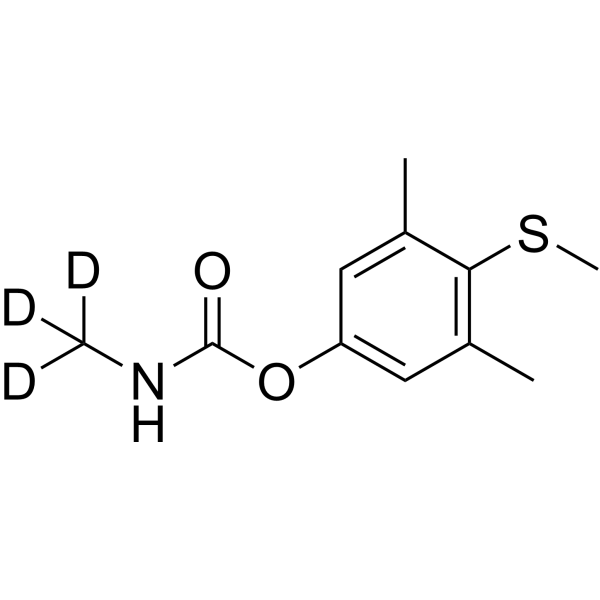
    Mercaptodimethur-d3

    Isotope-Labeled Compounds Infection Inflammation/Immunology
    Methiocarb-d3 is the deuterium labeled Methiocarb (HY-124920). Methiocarb (Mercaptodimethur) is an orally active carbamate insecticide. Methiocarb exerts dose-dependent toxic effects on onions. In addition to inhibiting acetylcholinesterase to induce cholinergic excitation, Methiocarb can induce lipid peroxidation in liver, kidney, brain and testicular tissues and alter reduced glutathione levels by generating ROS. Methiocarb can be used for agricultural pest control and research on oxidative stress-related cellular damage in mammals .
    Methiocarb-d3
  • HY-115464

    Endogenous Metabolite Inflammation/Immunology
    NC1153 is a Mannich base with the activity to block IL-2-induced JAK3 activation and its downstream substrate STAT5a/b. NC1153 effectively prolongs the survival of kidney transplants in MHC/non-MHC mismatched rats. NC1153 promotes long-term graft survival and includes multiple toxicity protection for recipients. NC1153 combined with cyclosporine A (CsA) can synergistically prolong graft survival without producing nephrotoxicity, myelotoxicity or lipotoxicity .
    NC1153
  • HY-119578

    Cytochrome P450 Cancer
    Imiprothrin is an inducer that induces CYP1A2 and metallothionein 1a, with significant genotoxicity and cytotoxicity. In rat hepatocytes, Imiprothrin initiates detoxification responses by triggering the overexpression of these two genes. Imiprothrin induces chromosomal aberrations and micronucleus formation in rat bone marrow cells, and causes DNA damage in hepatocytes. Imiprothrin triggers oxidative stress in rats, leading to lipid peroxidation, excessive reactive oxygen species production and redox imbalance, which in turn impairs liver and kidney functions and causes tissue damage. Imiprothrin inhibits weight gain in mice, and even causes high mortality in female mice at high doses. However, it shows no carcinogenicity in rat experiments; among relevant indicators, aspartate aminotransferase and total protein are identified as sensitive toxicity biomarkers .
    Imiprothrin
  • HY-180556

    mTOR PI3K Inflammation/Immunology
    PI3K/mTOR-IN-20 is a selective dual PI3K/mTOR inhibitor. PI3K/mTOR-IN-20 demonstrates nanomolar antiproliferative effects with IC50s of 0.380 and 0.090 μM for MRC-5 and Mlg2908 cells. PI3K/mTOR-IN-20 reduces Ashcroft scores, hydroxyproline content, collagen deposition, and downregulates fibrosis-related proteins, while restoring lung architecture in a Bleomycin-induced pulmonary fibrosis model. PI3K/mTOR-IN-20 shows a favorable safety profile with steady weight recovery and no distinct liver or kidney toxicity. PI3K/mTOR-IN-20 can be used for fetal lung fibroblasts research .
    PI3K/mTOR-IN-20

Inquiry Online

Your information is safe with us. * Required Fields.

Salutation


Country or Region *

Applicant Name *


Organization Name *

Department *


Email Address *


Product Name *

Cat. No.


Requested quantity *

Phone Number *


Remarks

Inquiry Online

Inquiry Information

Product Name:
Cat. No.:
Quantity:
MCE Japan Authorized Agent: