1. Search Result
Search Result
Results for "

mitochondrial β-oxidation

" in MedChemExpress (MCE) Product Catalog:

36

Inhibitors & Agonists

1

Fluorescent Dyes

7

Biochemical Assay Reagents

13

Natural
Products

6

Isotope-Labeled Compounds

2

Oligonucleotides

1

GMP Molecules

Cat. No. Product Name Target Research Areas Chemical Structure
  • HY-B0399
    L-Carnitine
    Maximum Cited Publications
    20 Publications Verification

    (R)-Carnitine; Levocarnitine

    Endogenous Metabolite Neurological Disease Cancer
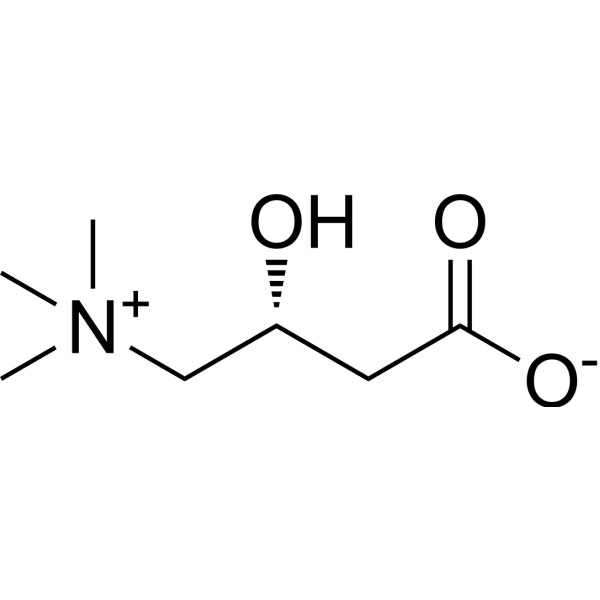
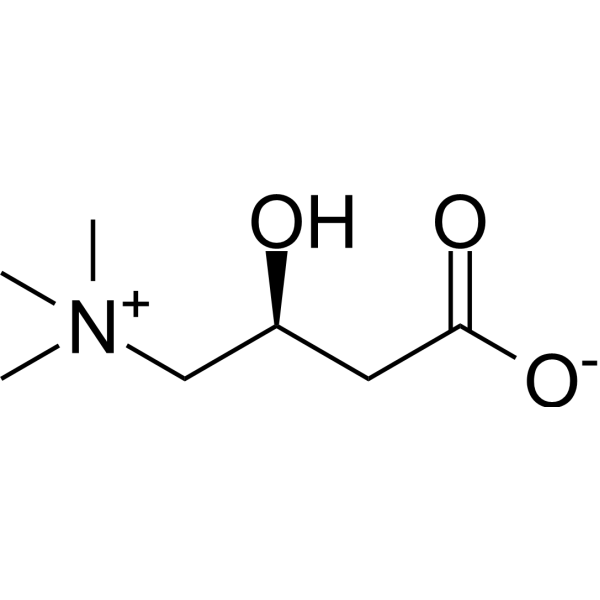
    L-Carnitine ((R)-Carnitine), a highly polar, small zwitterion, is an essential co-factor for the mitochondrial β-oxidation pathway. L-Carnitine functions to transport long chain fatty acyl-CoAs into the mitochondria for degradation by β-oxidation. L-Carnitine is an antioxidant. L-Carnitine can ameliorate metabolic imbalances in many inborn errors of metabolism .
    L-Carnitine
  • HY-134427
    Palmitoyl coenzyme A lithium
    2 Publications Verification

    Palmitoyl CoA lithium

    Endogenous Metabolite Metabolic Disease
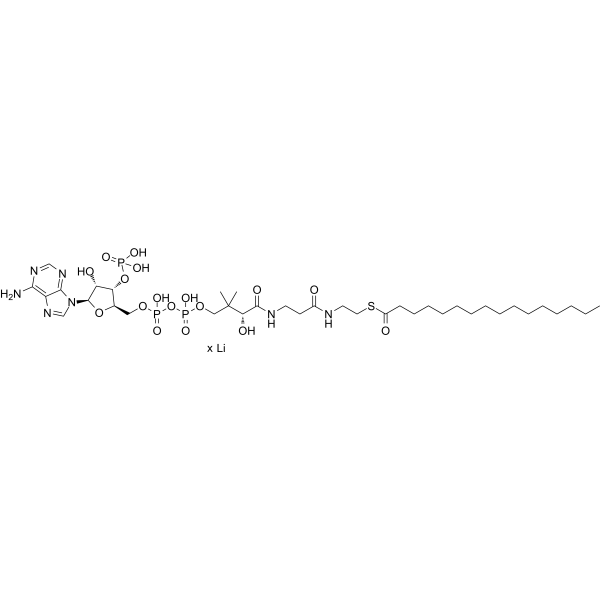
    Palmitoyl coenzyme A lithium is an acyl-CoA thioester that can be transported into the mitochondrial matrix via the carnitine shuttle system and is involved in β-oxidation. Palmitoyl coenzyme A lithium can also be used as a substrate for sphingosine biosynthesis .
    Palmitoyl coenzyme A lithium
  • HY-B0762
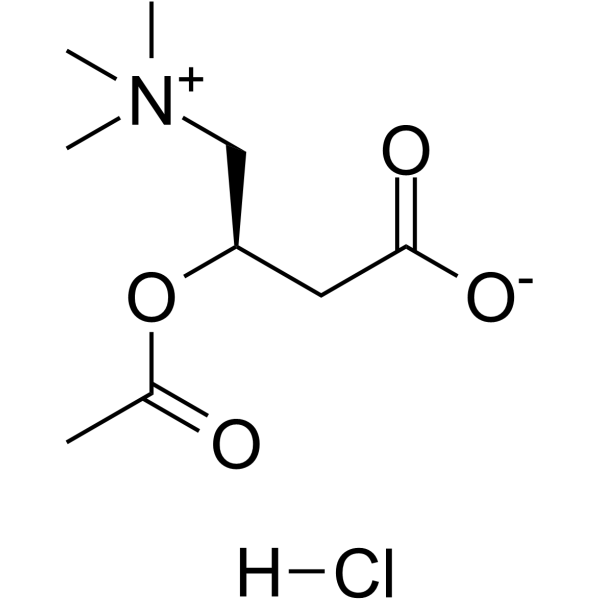
    Acetyl-L-carnitine hydrochloride
    2 Publications Verification

    O-Acetyl-L-carnitine hydrochloride; ALCAR hydrochloride

    Caspase Apoptosis Neurological Disease
    Acetyl-L-carnitine (O-Acetyl-L-carnitine; ALCAR) hydrochloride is an orally active mitochondrial energy metabolism regulator and neuroprotectant that can penetrate the blood-brain barrier. Acetyl-L-carnitine hydrochloride selectively enters cells and the brain through the organic cation transporter OCTN2. Acetyl-L-carnitine hydrochloride can participate in fatty acid β-oxidation, promote acetylcholine synthesis, regulate mitochondrial function and inhibit oxidative stress as an acetyl donor. Acetyl-L-carnitine hydrochloride exerts its activity by enhancing energy metabolism, protecting neurons and improving synaptic plasticity. Acetyl-L-carnitine hydrochloride is mainly used in the study of neurodegenerative diseases and metabolic disorder-related diseases such as neonatal hypoxic-ischemic brain damage, Alzheimer's disease, and depression .
    Acetyl-L-carnitine hydrochloride
  • HY-113218
    Acetyl-L-carnitine
    2 Publications Verification

    O-Acetyl-L-carnitine; ALCAR

    Caspase Apoptosis Neurological Disease
    Acetyl-L-carnitine (O-Acetyl-L-carnitine; ALCAR) is an orally active mitochondrial energy metabolism regulator and neuroprotectant that can penetrate the blood-brain barrier. Acetyl-L-carnitine selectively enters cells and the brain through the organic cation transporter OCTN2. Acetyl-L-carnitine can participate in fatty acid β-oxidation, promote acetylcholine synthesis, regulate mitochondrial function and inhibit oxidative stress as an acetyl donor. Acetyl-L-carnitine exerts its activity by enhancing energy metabolism, protecting neurons and improving synaptic plasticity. Acetyl-L-carnitine is mainly used in the study of neurodegenerative diseases and metabolic disorder-related diseases such as neonatal hypoxic-ischemic brain damage, Alzheimer's disease, and depression .
    Acetyl-L-carnitine
  • HY-113166
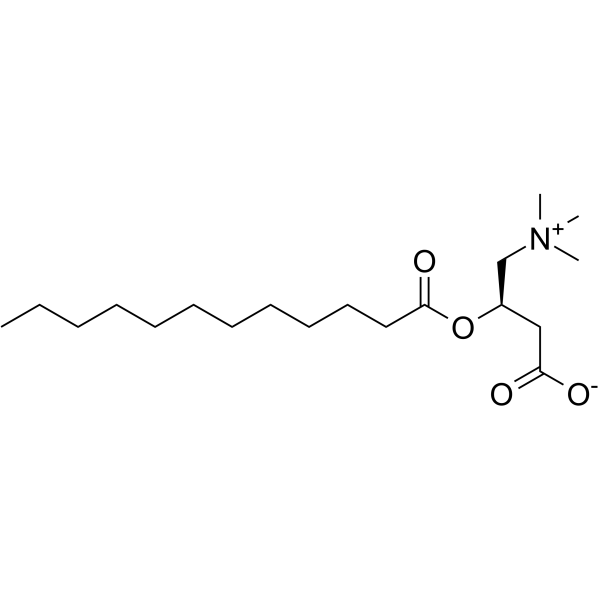
    Dodecanoylcarnitine
    1 Publications Verification

    (-)-Lauroylcarnitine

    Endogenous Metabolite Metabolic Disease Inflammation/Immunology
    Dodecanoylcarnitine ((-)-Lauroylcarnitine) is a medium long-chain acylcarnitine, an intermediate product in key energy metabolic pathways of fatty acid β-oxidation and amino acids catabolism. The abnormal decrease in the Dodecanoylcarnitine levels indicats that mitochondrial fuel metabolism, including fatty acid oxidation is significantly disturbed. Changes in plasma concentrations of Dodecanoylcarnitine are not only associated with type II diabetes, but also with pre-diabetes status. Dodecanoylcarnitine is present in fatty acid oxidation disorders such as long-chain acyl CoA dehydrogenase deficiency, carnitine palmitoyltransferase I/II deficiency, and is also associated with celiac disease. Dodecanoylcarnitine deomonstrates high sensitivities and specificities in predicting asthma. Combined model of Decanoylcarnitine (HY-113069), Dodecanoylcarnitine, PC (16:0/0:0), and Asp Arg Pro can be used as a potential biomarker for the diagnosis of Yin-deficiency-heat syndrome .
    Dodecanoylcarnitine
  • HY-B2246
    L-Carnitine hydrochloride
    Maximum Cited Publications
    20 Publications Verification

    (R)-Carnitine hydrochloride; Levocarnitine hydrochloride

    Endogenous Metabolite Metabolic Disease Cancer
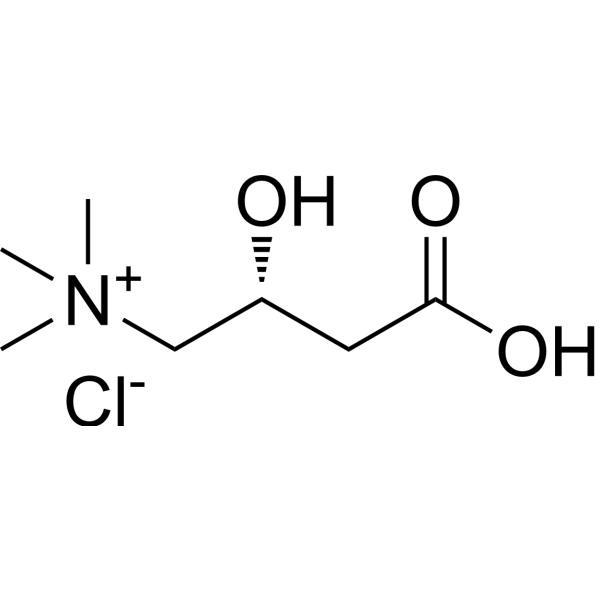
    L-Carnitine hydrochloride ((R)-Carnitine hydrochloride), a highly polar, small zwitterion, is an essential co-factor for the mitochondrial β-oxidation pathway. L-Carnitine hydrochloride functions to transport long chain fatty acyl-CoAs into the mitochondria for degradation by β-oxidation. L-Carnitine hydrochloride is an antioxidant. L-Carnitine hydrochloride can ameliorate metabolic imbalances in many inborn errors of metabolism .
    L-Carnitine hydrochloride
  • HY-B2004

    Environmental Pollutants Fungal Mitochondrial Metabolism Infection
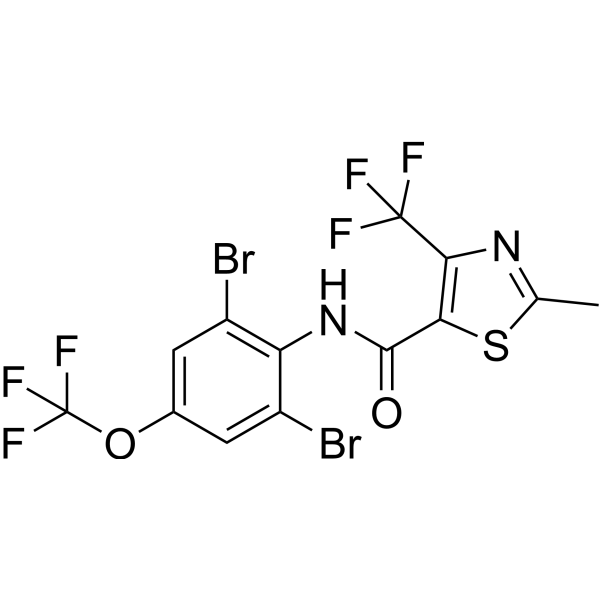
    Thifluzamide is a fungicide that inhibits fungal respiration by blocking the ubiquinone-binding site in mitochondrial complex II. Thifluzamide exhibits significant activity against Basidiomycota pathogens (such as Rhizoctonia cerealis, Ustilago and Puccinia genera) and is commonly used in studies on wheat sharp eyespot. Thifluzamide displays a dual mechanism in regulating lipid metabolism: it reduces fatty acid synthase activity to inhibit endogenous fatty acid synthesis, and increases carnitine palmitoyltransferase-I activity to accelerate fatty acid β-oxidation, thereby reducing total cholesterol and triglyceride levels in the liver. Thifluzamide also induces hepatotoxicity in zebrafish models and carries a risk of developmental toxicity. Thifluzamide inhibition of Rhizoctonia cerealis may result in low to moderate levels of drug resistance, leading to the generation of stable drug-resistant mutants .
    Thifluzamide
  • HY-W105518
    L-Carnitine tartrate
    15+ Cited Publications

    Endogenous Metabolite Neurological Disease
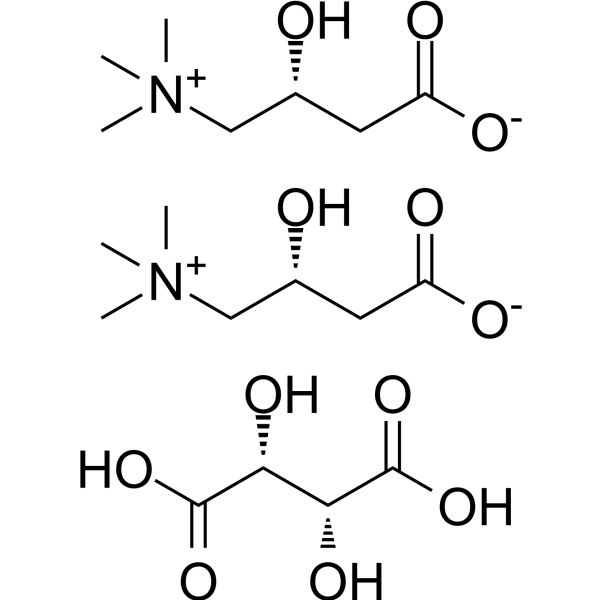
    L-Carnitine tartrate is a highly polar, small zwitterion. L-Carnitine tartrate is an essential co-factor for the mitochondrial β-oxidation pathway. L-Carnitine tartrate functions to transport long chain fatty acyl-CoAs into the mitochondria for degradation by β-oxidation. L-Carnitine tartrate is an antioxidant. L-Carnitine tartrate can ameliorate metabolic imbalances in many inborn errors of metabolism [3] .
    L-Carnitine tartrate
  • HY-113201

    Endogenous Metabolite Neurological Disease
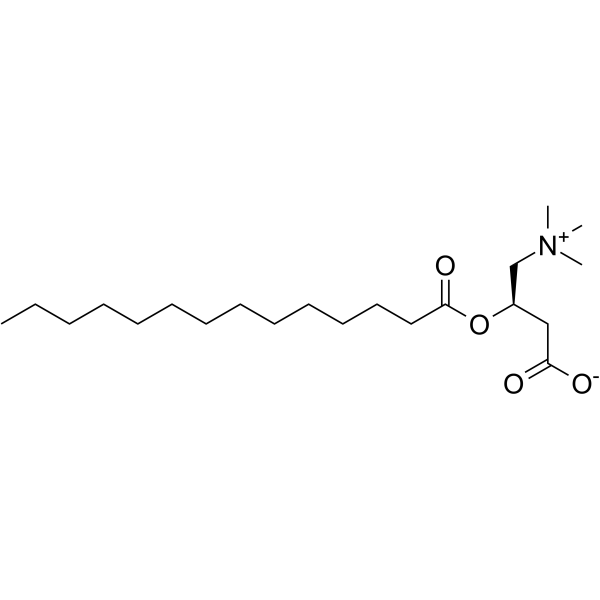
    Tetradecanoylcarnitine is an acylcarnitine involved in mitochondrial β-oxidation of long-chain saturated fatty acids and fatty acid metabolism. Tetradecanoylcarnitine serves as a biomarker for very long-chain acyl-CoA dehydrogenase deficiency and MPTP (HY-15608)-induced Parkinson's disease. Tetradecanoylcarnitine exhibits a characteristic significant elevation in plasma levels in patients with sarcopenia, including those complicated with hypertension, and this elevation is closely associated with an increased risk of death. Tetradecanoylcarnitine is widely used in research on the pathological mechanisms of diseases such as Parkinson's disease and sarcopenia .
    Tetradecanoylcarnitine
  • HY-B0762S

    O-Acetyl-L-carnitine-d3 hydrochloride

    Isotope-Labeled Compounds Caspase Apoptosis Neurological Disease
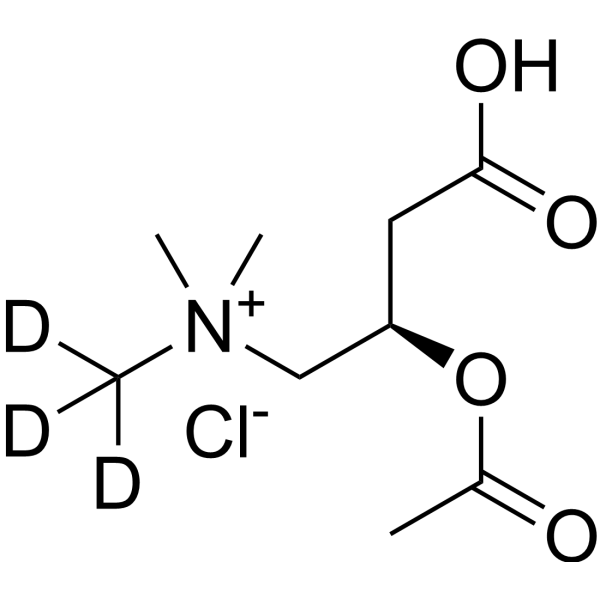
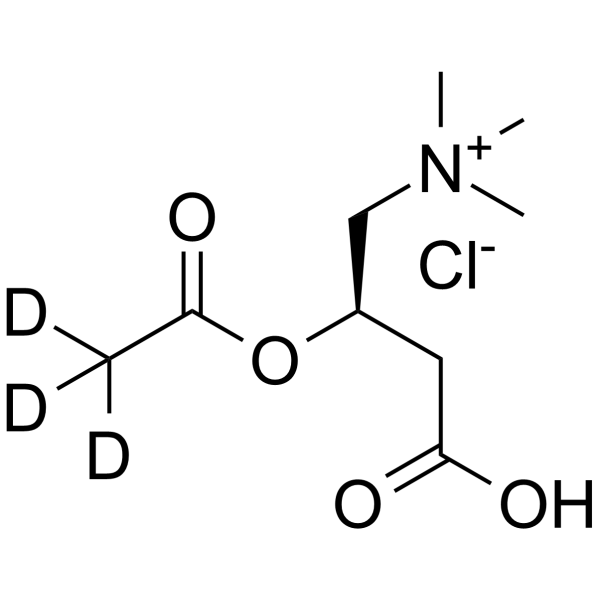
    Acetyl-L-carnitine-d3 (O-Acetyl-L-carnitine-d3) hydrochloride is the deuterium labeled Acetyl-L-carnitine hydrochloride (HY-B0762). Acetyl-L-carnitine (O-Acetyl-L-carnitine; ALCAR) hydrochloride is an orally active mitochondrial energy metabolism regulator and neuroprotectant that can penetrate the blood-brain barrier. Acetyl-L-carnitine hydrochloride selectively enters cells and the brain through the organic cation transporter OCTN2. Acetyl-L-carnitine hydrochloride can participate in fatty acid β-oxidation, promote acetylcholine synthesis, regulate mitochondrial function and inhibit oxidative stress as an acetyl donor. Acetyl-L-carnitine hydrochloride exerts its activity by enhancing energy metabolism, protecting neurons and improving synaptic plasticity. Acetyl-L-carnitine hydrochloride is mainly used in the study of neurodegenerative diseases and metabolic disorder-related diseases such as neonatal hypoxic-ischemic brain damage, Alzheimer's disease, and depression .
    Acetyl-L-carnitine-d3 hydrochloride
  • HY-113285

    3-Ureidopropionic acid

    Oxidative Phosphorylation Metabolic Disease
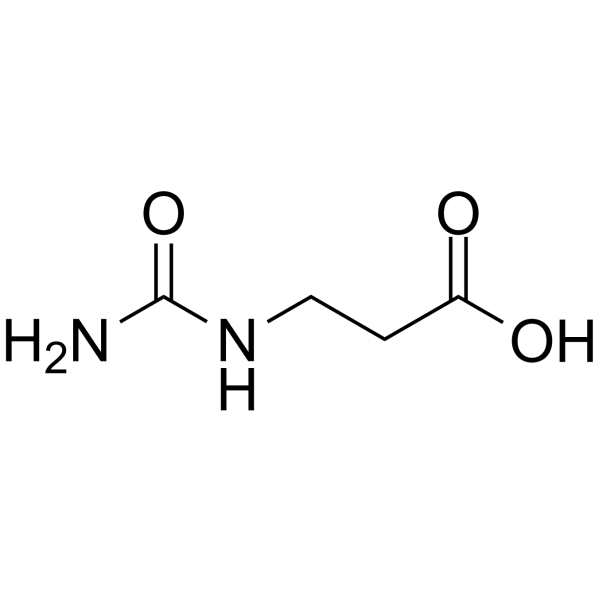
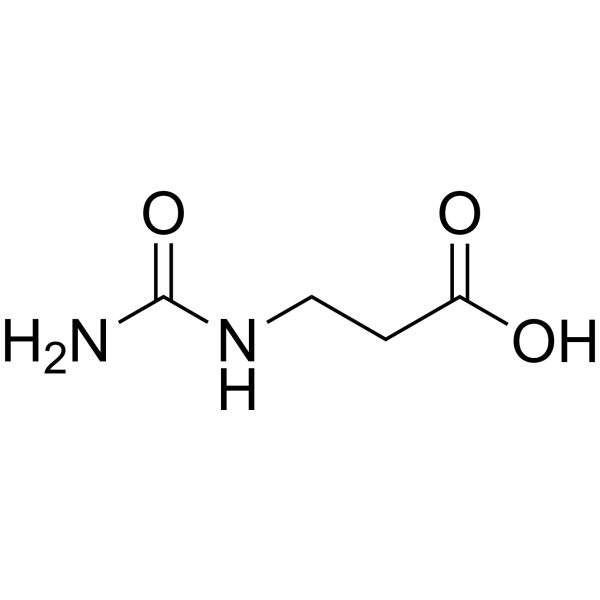
    Ureidopropionic acid is a mitochondrial respiratory chain complex V inhibitor that selectively inhibits the activity of mitochondrial respiratory chain complex V, with no effect on respiratory chain complexes I-IV or mitochondrial fatty acid β-oxidation. Ureidopropionic acid induces the production of reactive oxygen species, delayed elevation of intracellular calcium concentration, secondary energy-dependent excitotoxicity and neurodegeneration in neurons. Ureidopropionic acid promotes neuropathological changes by impairing mitochondrial energy metabolism, oxidative stress and excitotoxicity pathways. Ureidopropionic acid can be used in studies related to 3-ureidopropionase deficiency and severe propionic aciduria .
    Ureidopropionic acid
  • HY-B2246S
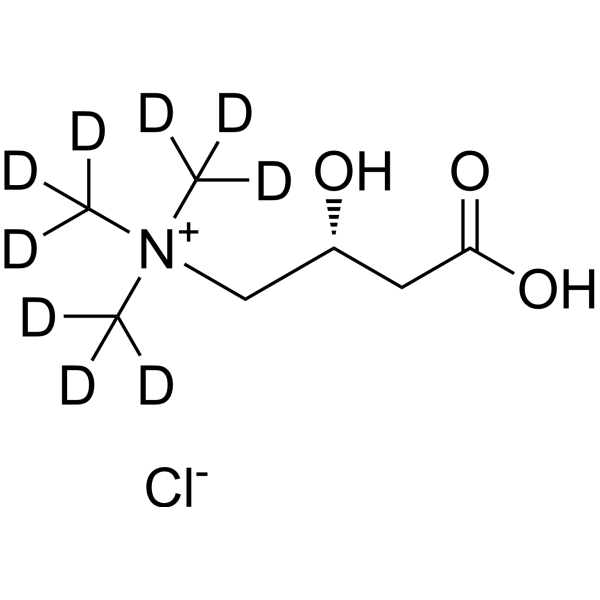
    L-Carnitine-d9 chloride
    1 Publications Verification

    (R)-Carnitine-d9 chloride; Levocarnitine-d9 chloride

    Isotope-Labeled Compounds Endogenous Metabolite Metabolic Disease
    L-Carnitine-d9 (chloride)e is the deuterium labeled L-Carnitine chloride. L-Carnitine chloride, a highly polar, small zwitterion, is an essential co-factor for the mitochondrial β-oxidation pathway. L-Carnitine chloride functions to transport long chain fatty acyl-CoAs into the mitochondria for degradation by β-oxidation. L-Carnitine chloride is an antioxidant. L-Carnitine chloride can ameliorate metabolic imbalances in many inborn errors of metabolism .
    L-Carnitine-d9 chloride
  • HY-B0399R

    (R)-Carnitine (Standard); Levocarnitine (Standard)

    Reference Standards Endogenous Metabolite Neurological Disease Cancer
    L-Carnitine (Standard) is the analytical standard of L-Carnitine. This product is intended for research and analytical applications. L-Carnitine ((R)-Carnitine), a highly polar, small zwitterion, is an essential co-factor for the mitochondrial β-oxidation pathway. L-Carnitine functions to transport long chain fatty acyl-CoAs into the mitochondria for degradation by β-oxidation. L-Carnitine is an antioxidant. L-Carnitine can ameliorate metabolic imbalances in many inborn errors of metabolism .
    L-Carnitine (Standard)
  • HY-W012550

    Parasite Infection
    D-Carnitine is an orally available isomer of the essential nutrient L-carnitine that promotes long-chain fatty acid transport into the mitochondrial matrix for beta-oxidation. D-Carnitine has antiparasitic activity .
    D-Carnitine
  • HY-E70523

    Valeryl-CoA; Valeryl-coenzyme A; Pentanoyl coenzyme A free acid

    Endogenous Metabolite Metabolic Disease
    Pentanoyl coenzyme A (Valeryl-CoA) is a short-chain fatty acyl-CoA that functions as an intermediate in mitochondrial β-oxidation and related metabolic pathways. Pentanoyl coenzyme A results from the formal condensation of the thiol group of coenzyme A with the carboxy group of pentanoic acid. Pentanoyl coenzyme A's levels can reflect changes in lipid metabolism under different physiological and pathological conditions. Pentanoyl coenzyme A can be used for research on lipid metabolism .
    Pentanoyl coenzyme A
  • HY-B0762S1

    O-Acetyl-L-carnitine-d3-1 hydrochloride

    Isotope-Labeled Compounds Caspase Apoptosis Neurological Disease
    Acetyl-L-carnitine-d3-1 (O-Acetyl-L-carnitine-d3-1) hydrochloride is the deuterium labeled Acetyl-L-carnitine hydrochloride (HY-B0762). Acetyl-L-carnitine (O-Acetyl-L-carnitine; ALCAR) hydrochloride is an orally active mitochondrial energy metabolism regulator and neuroprotectant that can penetrate the blood-brain barrier. Acetyl-L-carnitine hydrochloride selectively enters cells and the brain through the organic cation transporter OCTN2. Acetyl-L-carnitine hydrochloride can participate in fatty acid β-oxidation, promote acetylcholine synthesis, regulate mitochondrial function and inhibit oxidative stress as an acetyl donor. Acetyl-L-carnitine hydrochloride exerts its activity by enhancing energy metabolism, protecting neurons and improving synaptic plasticity. Acetyl-L-carnitine hydrochloride is mainly used in the study of neurodegenerative diseases and metabolic disorder-related diseases such as neonatal hypoxic-ischemic brain damage, Alzheimer's disease, and depression .
    Acetyl-L-carnitine-d3-1 hydrochloride
  • HY-175673

    Carnitine Palmitoyltransferase (CPT) Apoptosis Oxidative Phosphorylation Mitochondrial Metabolism Reactive Oxygen Species (ROS) Cancer
    LCB-2151 (Compound 2), a nucleoside analogue, is an anticancer agent. LCB-2151 disrupts the two primary sources of ATP production (glycolysis and mitochondrial oxidative phosphorylation), reducing the bioenergetic capacity of KRAS-mutated pancreatic cancer cells and inducing ROS formation. LCB-2151 effectively inhibits key enzymes (such as CACT and CPT2) in glycolysis, the TCA cycle and fatty acid β-oxidation. LCB-2151 has significant cytotoxicity and induces cells apoptosis. LCB-2151 can be used for radiation therapy of cancers research .
    LCB-2151
  • HY-N11262

    Phosphodiesterase (PDE) Sirtuin PGC-1α p38 MAPK HSP TNF Receptor NO Synthase Apoptosis Metabolic Disease Inflammation/Immunology
    Sudachitin is an orally active compound that potently inhibits mouse PDE1C and human PDE4B, with IC50 values of 5.0 μM and 15.0 μM, respectively. Sudachitin upregulates Sirt1 and PGC‑1α expression in skeletal muscle to regulate energy metabolism and promote mitochondrial biogenesis. Sudachitin improves lipid metabolism, glucose tolerance, insulin sensitivity, energy expenditure, and fatty acid β‑oxidation. Sudachitin activates p38MAPK signaling, induces HSP27 phosphorylation and caspase‑dependent apoptosis, and blocks EGF‑driven keratinocyte migration and proliferation. Sudachitin suppresses LPS‑induced TNF‑α, NO, and iNOS expression in macrophages and shows potent anti‑inflammatory activity. Sudachitin can be used for the research of metabolic syndrome, type 2 diabetes, and psoriasis. .
    Sudachitin
  • HY-137782

    Biochemical Assay Reagents Others
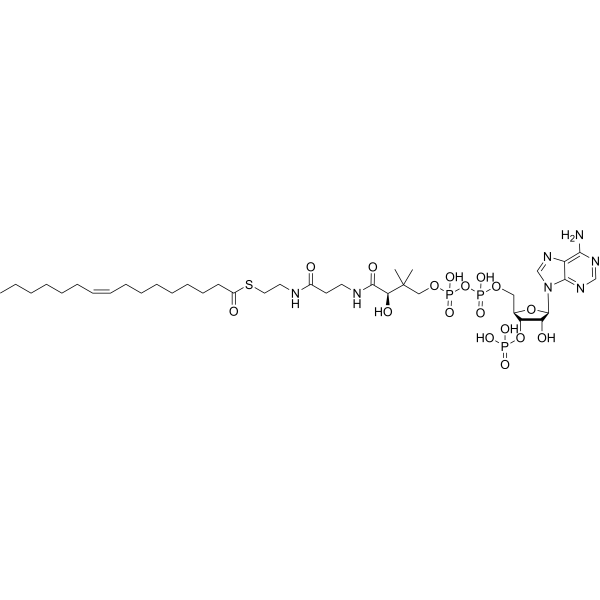
    Palmitoleoyl-CoA can be activated and transported into the mitochondria for metabolism, specifically for β-oxidation. Palmitoleoyl-CoA induces the cardiac mitochondrial membrane permeability transition, which causes mitochondrial dysfunction. Palmitoleoyl-CoA regulates metabolism via allosteric control of AMPK β1-isoforms .
    Palmitoleoyl-CoA
  • HY-126718

    Ketohypoglycin

    Mitochondrial Metabolism Metabolic Disease
    Methylenecyclopropylpyruvate (Ketohypoglycin) is an inhibitor for gluconeogenesis. Methylenecyclopropylpyruvate inhibits ketogenesis and affects the fatty acids metabolism. Methylenecyclopropylpyruvate may interfere with the mitochondrial β-oxidation pathway, affects the contents and composition of coenzyme A, and affects the glucose homeostasis .
    Methylenecyclopropylpyruvate
  • HY-B0399S2

    (R)-Carnitine-13C3; Levocarnitine-13C3

    Isotope-Labeled Compounds Endogenous Metabolite Neurological Disease Cancer
    L-Carnitine- 13C3 ((R)-Carnitine- 13C3) is the 13C--labeled L-Carnitine (HY-B0399). L-Carnitine ((R)-Carnitine), a highly polar, small zwitterion, is an essential co-factor for the mitochondrial β-oxidation pathway. L-Carnitine functions to transport long chain fatty acyl-CoAs into the mitochondria for degradation by β-oxidation. L-Carnitine is an antioxidant. L-Carnitine can ameliorate metabolic imbalances in many inborn errors of metabolism .
    L-Carnitine-13C3
  • HY-137782B

    Biochemical Assay Reagents Others
    Palmitoleoyl-CoA lithium is the lithium salt form of Palmitoleoyl-CoA (HY-137782). Palmitoleoyl-CoA lithium can be activated and transported into the mitochondria for metabolism, specifically for β-oxidation. Palmitoleoyl-CoA lithium induces the cardiac mitochondrial membrane permeability transition, which causes mitochondrial dysfunction. Palmitoleoyl-CoA lithium regulates metabolism via allosteric control of AMPK β1-isoforms .
    Palmitoleoyl-CoA lithium
  • HY-E70523A

    Valeryl-CoA sodium; Valeryl-coenzyme A sodium

    Endogenous Metabolite Metabolic Disease
    Pentanoyl coenzyme A (Valeryl-CoA) sodium is a short-chain fatty acyl-CoA that functions as an intermediate in mitochondrial β-oxidation and related metabolic pathways. Pentanoyl coenzyme A sodium results from the formal condensation of the thiol group of coenzyme A with the carboxy group of pentanoic acid. Pentanoyl coenzyme A sodium's levels can reflect changes in lipid metabolism under different physiological and pathological conditions. Pentanoyl coenzyme A sodium can be used for research on lipid metabolism .
    Pentanoyl coenzyme A sodium
  • HY-B2246R

    (R)-Carnitine hydrochloride (Standard); Levocarnitine hydrochloride (Standard)

    Reference Standards Endogenous Metabolite Metabolic Disease Cancer
    L-Carnitine (hydrochloride) (Standard) is the analytical standard of L-Carnitine (hydrochloride). This product is intended for research and analytical applications. L-Carnitine hydrochloride ((R)-Carnitine hydrochloride), a highly polar, small zwitterion, is an essential co-factor for the mitochondrial β-oxidation pathway. L-Carnitine hydrochloride functions to transport long chain fatty acyl-CoAs into the mitochondria for degradation by β-oxidation. L-Carnitine hydrochloride is an antioxidant. L-Carnitine hydrochloride can ameliorate metabolic imbalances in many inborn errors of metabolism .
    L-Carnitine hydrochloride (Standard)
  • HY-B0399G

    (R)-Carnitine; Levocarnitine

    Endogenous Metabolite Neurological Disease Cancer
    L-Carnitine (GMP) is L-Carnitine (HY-B0399) produced by using GMP guidelines. GMP small molecules work appropriately as an auxiliary reagent for cell therapy manufacture. L-Carnitine, a highly polar, small zwitterion, is an essential co-factor for the mitochondrial β-oxidation pathway. L-Carnitine functions to transport long chain fatty acyl-CoAs into the mitochondria for degradation by β-oxidation. L-Carnitine is an antioxidant. L-Carnitine can ameliorate metabolic imbalances in many inborn errors of metabolism .
    L-Carnitine
  • HY-W105518R

    Reference Standards Endogenous Metabolite Neurological Disease
    L-Carnitine (tartrate) (Standard) is the analytical standard of L-Carnitine (tartrate). This product is intended for research and analytical applications. L-Carnitine tartrate is a highly polar, small zwitterion. L-Carnitine tartrate is an essential co-factor for the mitochondrial β-oxidation pathway. L-Carnitine tartrate functions to transport long chain fatty acyl-CoAs into the mitochondria for degradation by β-oxidation. L-Carnitine tartrate is an antioxidant. L-Carnitine tartrate can ameliorate metabolic imbalances in many inborn errors of metabolism [3] .
    L-Carnitine tartrate (Standard)
  • HY-137782A

    Biochemical Assay Reagents Others
    Palmitoleoyl-CoA triammonium is the triammonium salt form of Palmitoleoyl-CoA (HY-137782). Palmitoleoyl-CoA triammonium can be activated and transported into the mitochondria for metabolism, specifically for β-oxidation. Palmitoleoyl-CoA triammonium induces the cardiac mitochondrial membrane permeability transition, which causes mitochondrial dysfunction. Palmitoleoyl-CoA triammonium regulates metabolism via allosteric control of AMPK β1-isoforms .
    Palmitoleoyl-CoA triammonium
  • HY-B0762R

    O-Acetyl-L-carnitine hydrochloride (Standard); ALCAR hydrochloride (Standard)

    Endogenous Metabolite Caspase Reference Standards Apoptosis Neurological Disease
    Acetyl-L-carnitine hydrochloride (Standard) is the analytical standard of Acetyl-L-carnitine hydrochloride. This product is intended for research and analytical applications. Acetyl-L-carnitine (O-Acetyl-L-carnitine; ALCAR) hydrochloride is an orally active mitochondrial energy metabolism regulator and neuroprotectant that can penetrate the blood-brain barrier. Acetyl-L-carnitine hydrochloride selectively enters cells and the brain through the organic cation transporter OCTN2. Acetyl-L-carnitine hydrochloride can participate in fatty acid β-oxidation, promote acetylcholine synthesis, regulate mitochondrial function and inhibit oxidative stress as an acetyl donor. Acetyl-L-carnitine hydrochloride exerts its activity by enhancing energy metabolism, protecting neurons and improving synaptic plasticity. Acetyl-L-carnitine hydrochloride is mainly used in the study of neurodegenerative diseases and metabolic disorder-related diseases such as neonatal hypoxic-ischemic brain damage, Alzheimer's disease, and depression .
    Acetyl-L-carnitine hydrochloride (Standard)
  • HY-W765177

    O-Acetyl-L-carnitine hydrochloride-13C3; ALCAR hydrochloride-13C3

    Isotope-Labeled Compounds Apoptosis Caspase Neurological Disease
    Acetyl-L-carnitine hydrochloride- 13C3 (O-Acetyl-L-carnitine hydrochloride- 13C3) is the 13C-labeled Acetyl-L-carnitine hydrochloride (HY-B0762). Acetyl-L-carnitine (O-Acetyl-L-carnitine; ALCAR) hydrochloride is an orally active mitochondrial energy metabolism regulator and neuroprotectant that can penetrate the blood-brain barrier. Acetyl-L-carnitine hydrochloride selectively enters cells and the brain through the organic cation transporter OCTN2. Acetyl-L-carnitine hydrochloride can participate in fatty acid β-oxidation, promote acetylcholine synthesis, regulate mitochondrial function and inhibit oxidative stress as an acetyl donor. Acetyl-L-carnitine hydrochloride exerts its activity by enhancing energy metabolism, protecting neurons and improving synaptic plasticity. Acetyl-L-carnitine hydrochloride is mainly used in the study of neurodegenerative diseases and metabolic disorder-related diseases such as neonatal hypoxic-ischemic brain damage, Alzheimer's disease, and depression .
    Acetyl-L-carnitine hydrochloride-13C3
  • HY-B2004R

    Reference Standards Fungal Mitochondrial Metabolism Infection
    Thifluzamide (Standard) is the analytical standard of Thifluzamide. This product is intended for research and analytical applications. Thifluzamide is a fungicide that inhibits fungal respiration by blocking the ubiquinone-binding site in mitochondrial complex II. Thifluzamide exhibits significant activity against Basidiomycota pathogens (such as Rhizoctonia cerealis, Ustilago and Puccinia genera) and is commonly used in studies on wheat sharp eyespot. Thifluzamide displays a dual mechanism in regulating lipid metabolism: it reduces fatty acid synthase activity to inhibit endogenous fatty acid synthesis, and increases carnitine palmitoyltransferase-I activity to accelerate fatty acid β-oxidation, thereby reducing total cholesterol and triglyceride levels in the liver. Thifluzamide also induces hepatotoxicity in zebrafish models and carries a risk of developmental toxicity. Thifluzamide inhibition of Rhizoctonia cerealis may result in low to moderate levels of drug resistance, leading to the generation of stable drug-resistant mutants .
    Thifluzamide (Standard)
  • HY-W012550R

    Reference Standards Parasite Infection
    D-Carnitine (Standard) is the analytical standard of D-Carnitine. This product is intended for research and analytical applications. D-Carnitine is an orally available isomer of the essential nutrient L-carnitine that promotes long-chain fatty acid transport into the mitochondrial matrix for beta-oxidation. D-Carnitine has antiparasitic activity .
    D-Carnitine (Standard)
  • HY-113166R

    (-)-Lauroylcarnitine (Standard)

    Reference Standards Endogenous Metabolite Metabolic Disease Inflammation/Immunology
    Dodecanoylcarnitine (Standard) is the analytical standard of Dodecanoylcarnitine (HY-113166). This product is intended for research and analytical applications. Dodecanoylcarnitine ((-)-Lauroylcarnitine) is a medium long-chain acylcarnitine, an intermediate product in key energy metabolic pathways of fatty acid β-oxidation and amino acids catabolism. The abnormal decrease in the Dodecanoylcarnitine levels indicats that mitochondrial fuel metabolism, including fatty acid oxidation is significantly disturbed. Changes in plasma concentrations of Dodecanoylcarnitine are not only associated with type II diabetes, but also with pre-diabetes status. Dodecanoylcarnitine is present in fatty acid oxidation disorders such as long-chain acyl CoA dehydrogenase deficiency, carnitine palmitoyltransferase I/II deficiency, and is also associated with celiac disease. Dodecanoylcarnitine deomonstrates high sensitivities and specificities in predicting asthma. Combined model of Decanoylcarnitine (HY-113069), Dodecanoylcarnitine, PC (16:0/0:0), and Asp Arg Pro can be used as a potential biomarker for the diagnosis of Yin-deficiency-heat syndrome .
    Dodecanoylcarnitine (Standard)
  • HY-W754236

    Isotope-Labeled Compounds Endogenous Metabolite Metabolic Disease
    (R)-Carnitine Hydrochloride- 13C3 is the 13C-labeled L-Carnitine hydrochloride (HY-B2246). L-Carnitine hydrochloride ((R)-Carnitine hydrochloride), a highly polar, small zwitterion, is an essential co-factor for the mitochondrial β-oxidation pathway. L-Carnitine hydrochloride functions to transport long chain fatty acyl-CoAs into the mitochondria for degradation by β-oxidation. L-Carnitine hydrochloride is an antioxidant. L-Carnitine hydrochloride can ameliorate metabolic imbalances in many inborn errors of metabolism .
    (R)-Carnitine Hydrochloride-13C3
  • HY-W400421

    3-Hydroxy VPA

    Endogenous Metabolite Metabolic Disease
    3-Hydroxyvalproic acid (3-Hydroxy VPA) is a metabolite of valproic acid. 3-Hydroxyvalproic acid is a weak inhibitor of enzymes related to the mitochondrial β-oxidation pathway. 3-Hydroxyvalproic acid is promising for research of diseases related to abnormal valproic acid metabolism .
    3-Hydroxyvalproic acid
  • HY-156184

    Endogenous Metabolite Neurological Disease Metabolic Disease Cancer
    Octanoylcarnitine is an orally active medium-chain acylcarnitine transport intermediate in fatty acid β-oxidation. Octanoylcarnitine is converted to octanoyl-CoA by carnitine acetyltransferase (CrAT), which then generates energy via β-oxidation in mitochondria of the heart and skeletal muscle. Octanoylcarnitine enhances grip strength and treadmill endurance, alleviates lactic acidosis, distributes in muscle and heart tissues, increases free carnitine levels, and mitigates mitochondrial stress. Octanoylcarnitine is associated with long-chain fatty acid metabolism, shows a positive correlation with subcutaneous fat area in patients with metastatic pancreatic ductal adenocarcinoma, and is closely related to central retinal artery occlusion (CRAO) .
    Octanoylcarnitine
  • HY-W750419

    Palmitoleoylcarnitine (C16:1)

    Endogenous Metabolite Metabolic Disease Inflammation/Immunology
    cis-9-Hexadecenoylcarnitine inner salt (Palmitoleoylcarnitine (C16:1)) is a long-chain acylcarnitine controlling fatty acid metabolism and mitochondrial function. cis-9-Hexadecenoylcarnitine inner salt accumulates in colorectal cancer cells. cis-9-Hexadecenoylcarnitine inner salt exists in plants and mediates lipid anabolic development. cis-9-Hexadecenoylcarnitine inner salt acts as a metabolic marker for type 1 diabetes and inflammatory bowel disease plasma. cis-9-Hexadecenoylcarnitine inner salt can be used for research on diabetes, metabolism, and inflammatory bowel disease .
    cis-9-Hexadecenoylcarnitine inner salt

Inquiry Online

Your information is safe with us. * Required Fields.

Salutation


Country or Region *

Applicant Name *


Organization Name *

Department *


Email Address *


Product Name *

Cat. No.


Requested quantity *

Phone Number *


Remarks

Inquiry Online

Inquiry Information

Product Name:
Cat. No.:
Quantity:
MCE Japan Authorized Agent:

