



Acetyl-L-carnitine hydrochloride
Based on 2 publication(s) in Google Scholar
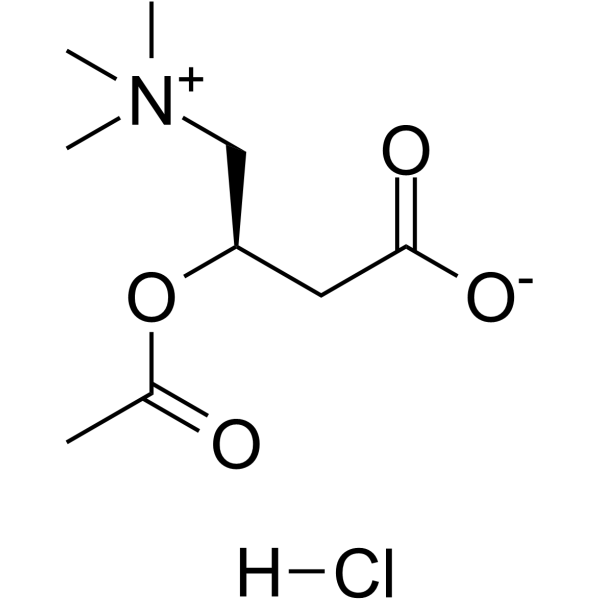
Acetyl-L-carnitine (O-Acetyl-L-carnitine; ALCAR) hydrochloride is an orally active mitochondrial energy metabolism regulator and neuroprotectant that can penetrate the blood-brain barrier. Acetyl-L-carnitine hydrochloride selectively enters cells and the brain through the organic cation transporter OCTN2. Acetyl-L-carnitine hydrochloride can participate in fatty acid β-oxidation, promote acetylcholine synthesis, regulate mitochondrial function and inhibit oxidative stress as an acetyl donor. Acetyl-L-carnitine hydrochloride exerts its activity by enhancing energy metabolism, protecting neurons and improving synaptic plasticity. Acetyl-L-carnitine hydrochloride is mainly used in the study of neurodegenerative diseases and metabolic disorder-related diseases such as neonatal hypoxic-ischemic brain damage, Alzheimer's disease, and depression.
For research use only. We do not sell to patients.
- Purity : 99.95%
- CAS No.: 5080-50-2
- Formula: C9H18ClNO4
- Molecular Weight:239.70
-
Storage:
4°C, sealed storage, away from moisture
* In solvent : -80°C, 6 months; -20°C, 1 month (sealed storage, away from moisture)

To place orders, for customer services and technical support, please contact: MedChemExpress USA
Tel: 609-228-6898 E-mail: [email protected] [email protected]


-
 Biological Activity
-
Chemical Information
-
Solvent & Solubility
- Protocols
- Purity & Documentation
- References
-
 Help & FAQs


-
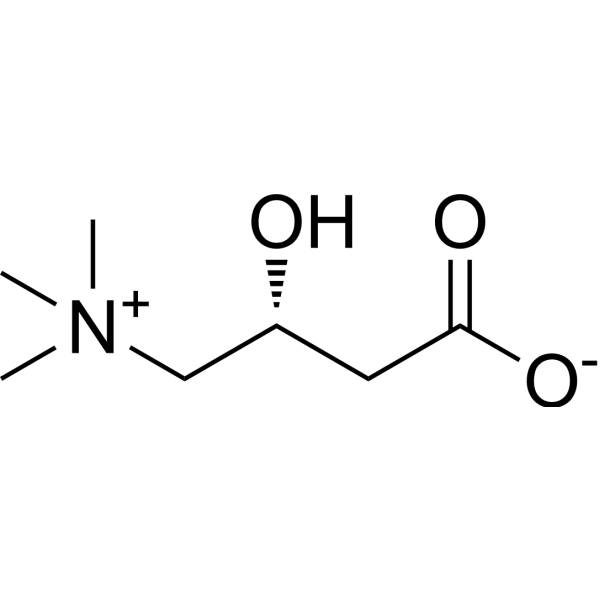
HY-B0399
L-CarnitineCo-factor for β-oxidation -
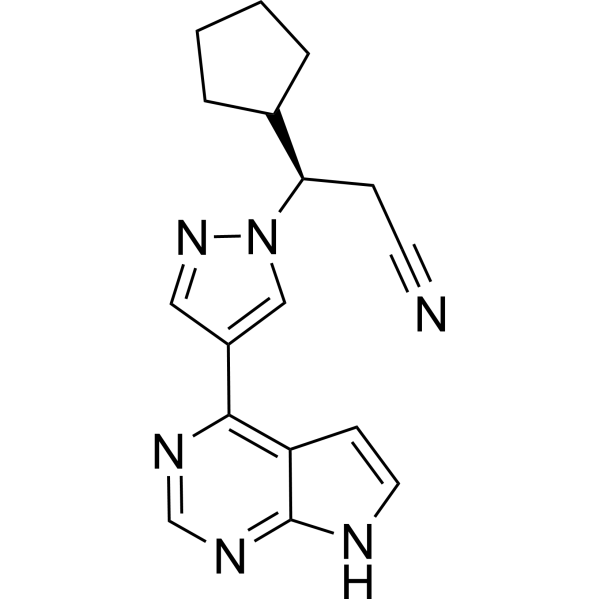
HY-50856
RuxolitinibJAK1/2 Inhibitor -
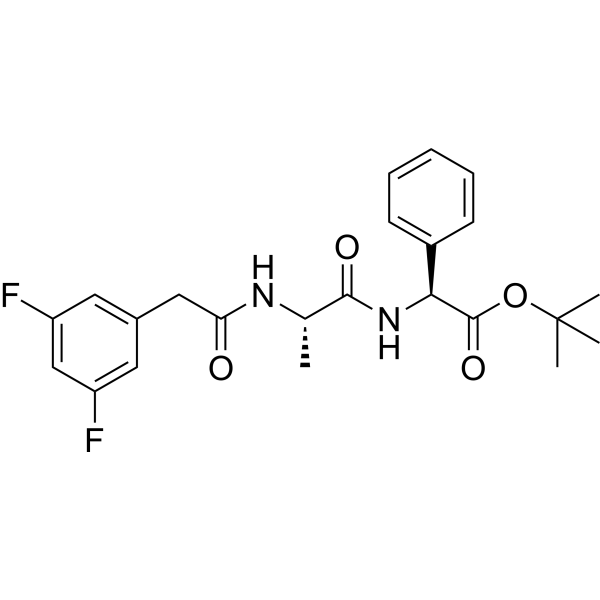
HY-13027
DAPTγ-secretase Inhibitor -
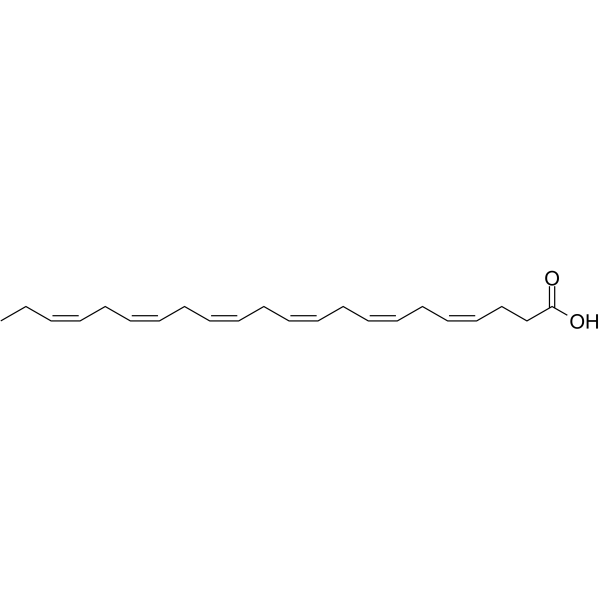
HY-B2167
Docosahexaenoic acidomega-3 Fatty Acid -
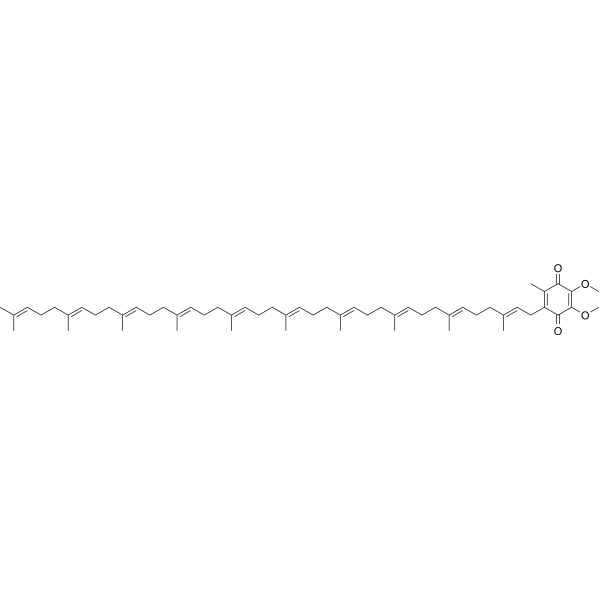
HY-N0111
Coenzyme Q10Antioxidant -
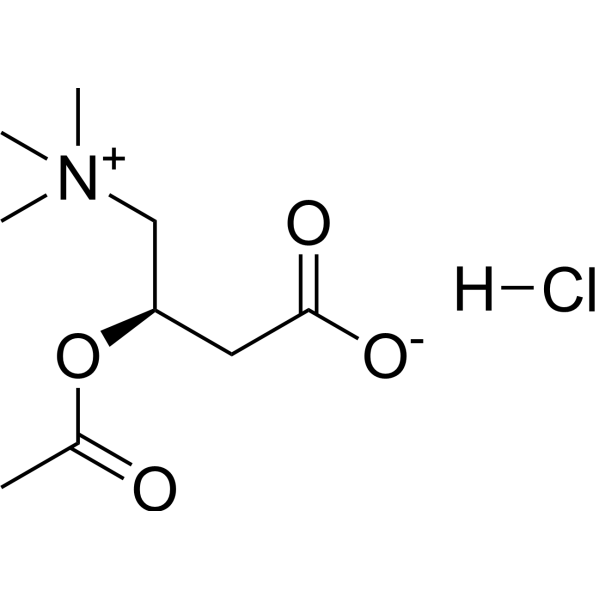
HY-B0762R
Acetyl-L-carnitine hydrochloride (Standard)Analytical Standard -
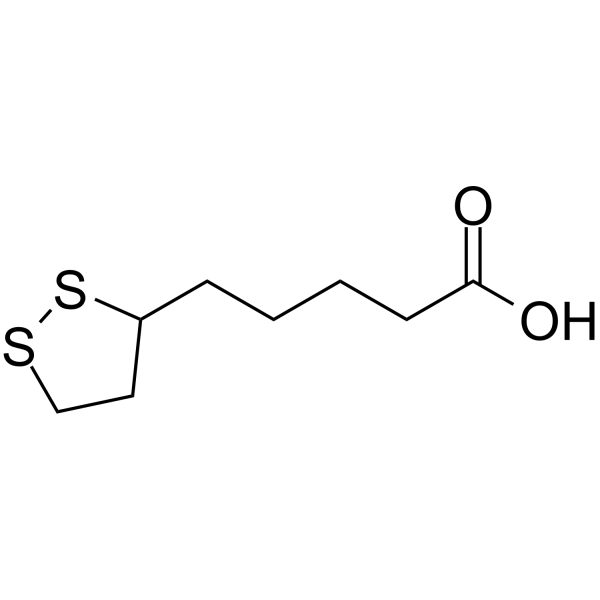
HY-N0492
α-Lipoic AcidAntioxidant -
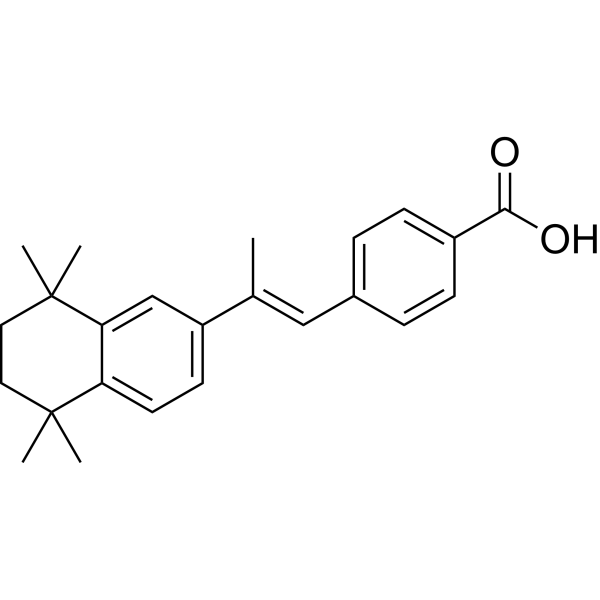
HY-15682
TTNPBApoptosis Inducer -
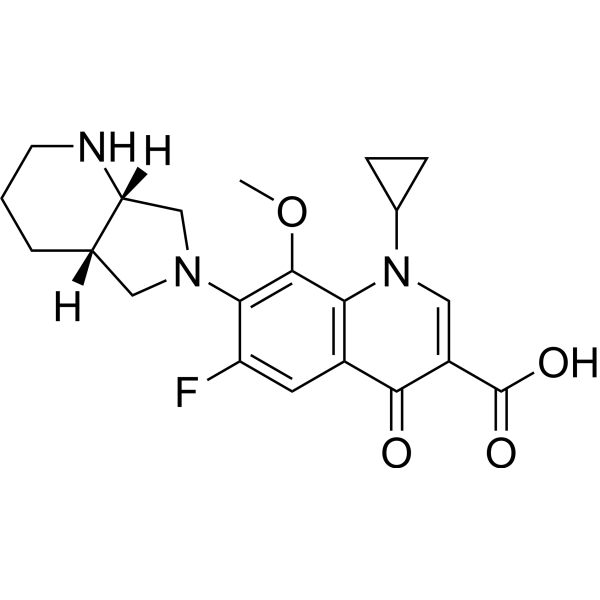
HY-66011A
MoxifloxacinAntibacterial Agent -
HY-B0143
NiacinB3 vitamin -
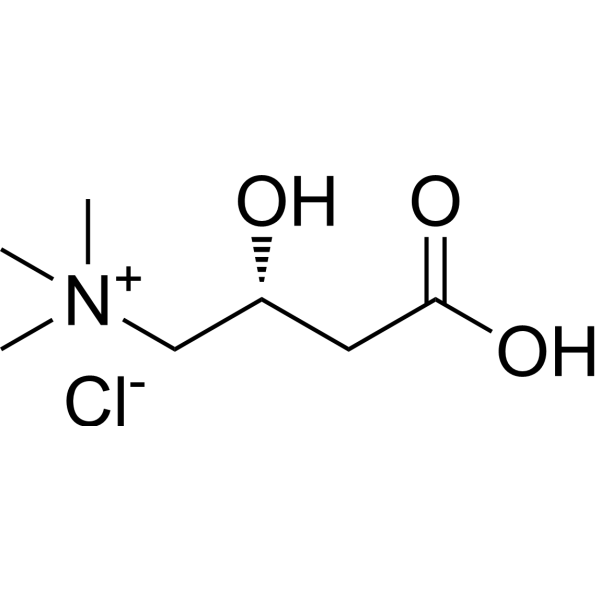
HY-B2246
L-Carnitine hydrochlorideCo-factor for β-oxidation -
HY-B0762S
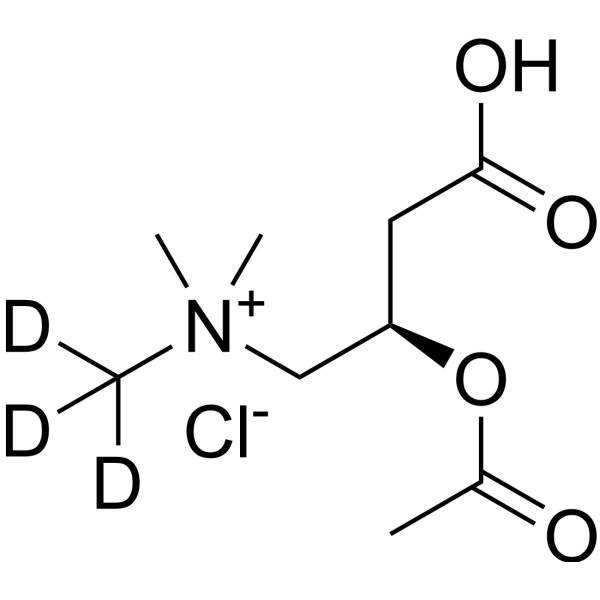
Acetyl-L-carnitine-d3 hydrochlorideStable Isotope
Publications Citing Use of MedChemExpress (MCE) Acetyl-L-carnitine hydrochloride
MoreAll Caspase Isoforms
More

Biological Activity
Description
IC50 & Target
[1]|
Human Endogenous Metabolite |
In Vitro
Cell Viability and Apoptosis:
Acetyl-L-carnitine hydrochloride (1 mM; 30 min) significantly inhibits 1 μg/mL Doxycycline (HY-N0565)-induced caspase-3/9 activation, reduces reactive oxygen species (ROS) generation and apoptosis, and maintains glutathione levels in thioredoxin TRX2-deficient DT40 cells[1].
MedChemExpress (MCE) has not independently confirmed the accuracy of these methods. They are for reference only. Further protocols information, click here.
-
Cell Line:Rat neuronal cells
-
Concentration:1-100 μM
-
Incubation Time:3 days
-
Result:Inhibited mitochondrial activity in all regions.
In Vivo
Acetyl-L-carnitine (300 mg/kg; oral gavage; once daily; 28 days) hydrochloride improves cognitive function in the cognitive impairment model of aged rats, enhances synaptic plasticity in the hippocampus, and increases the expression of brain-derived neurotrophic factor (BDNF)[3].
MedChemExpress (MCE) has not independently confirmed the accuracy of these methods. They are for reference only.
-
Animal Model:Zebrafish subjected to UCS[1]
-
Dosage:0.1 mg/L
-
Administration:diluted in water, 10 min per day for 7 days
-
Result:Protected from oxidative lipid damage and reversed decreased non-protein thiol (NPSH) levels and superoxide dismutase (SOD) activity induced by stress.
Clinical Trial
| NCT Number | Sponsor | Condition | Start Date |
Phase

|
|---|---|---|---|---|
| NCT01329991 | Plexxikon| | 2011-05 | PHASE1 |


Chemical Information
-
CAS No. 5080-50-2
-
Appearance Solid
-
Molecular Weight 239.70
-
Formula C9H18ClNO4
-
Color White to off-white
-
SMILES
C[N+](C)(C)C[C@H](OC(C)=O)CC([O-])=O.[H]Cl
-
Synonyms
O-Acetyl-L-carnitine hydrochloride; ALCAR hydrochloride
-
Initial Source
-
Shipping
Room temperature in continental US; may vary elsewhere.
-
Storage
4°C, sealed storage, away from moisture
* In solvent : -80°C, 6 months; -20°C, 1 month (sealed storage, away from moisture)


Publications (2)
-
Journal Impact Factor
-
Most Recent


Solvent & Solubility
In Vitro:
H2O : 100 mg/mL (417.19 mM; Need ultrasonic)
DMSO : 31.25 mg/mL (130.37 mM; Need ultrasonic; Hygroscopic DMSO has a significant impact on the solubility of product, please use newly opened DMSO)
Please refer to the solubility information to select the appropriate solvent. Once prepared, please aliquot and store the solution to prevent product inactivation from repeated freeze-thaw cycles.
Storage method and period of stock solution: -80°C, 6 months; -20°C, 1 month (sealed storage, away from moisture). When stored at -80°C, please use it within 6 months. When stored at -20°C, please use it within 1 month.
* Note: If you choose water as the stock solution, please dilute it to the working solution, then filter and sterilize it with a 0.22 μm filter before use.
Please refer to the solubility information to select the appropriate solvent. Once prepared, please aliquot and store the solution to prevent product inactivation from repeated freeze-thaw cycles.
Storage method and period of stock solution: -80°C, 6 months; -20°C, 1 month (sealed storage, away from moisture). When stored at -80°C, please use it within 6 months. When stored at -20°C, please use it within 1 month.
* Note: If you choose water as the stock solution, please dilute it to the working solution, then filter and sterilize it with a 0.22 μm filter before use.
Concentration (start) × Volume (start) = Concentration (final) × Volume (final)
In Vivo:
Select the appropriate dissolution method based on your experimental animal and administration route.
- For the following dissolution methods, please ensure to first prepare a clear stock solution using an In Vitro approach and then sequentially add co-solvents:
- To ensure reliable experimental results, the clarified stock solution can be appropriately stored based on storage conditions. As for the working solution for In Vivo experiments, it is recommended to prepare freshly and use it on the same day.
- The percentages shown for the solvents indicate their volumetric ratio in the final prepared solution. If precipitation or phase separation occurs during preparation, heat and/or sonication can be used to aid dissolution.
Add each solvent one by one: 10% DMSO 40% PEG300 5% Tween-80 45% Saline
Solubility: ≥ 2.08 mg/mL (8.68 mM); Clear solution
This protocol yields a clear solution of ≥ 2.08 mg/mL (saturation unknown).
Taking 1 mL working solution as an example, add 100 μL DMSO stock solution (20.8 mg/mL) to 400 μL PEG300, and mix evenly; then add 50 μL Tween-80 and mix evenly; then add 450 μL Saline to adjust the volume to 1 mL.
Preparation of Saline: Dissolve 0.9 g sodium chloride in ddH₂O and dilute to 100 mL to obtain a clear Saline solution.
Add each solvent one by one: 10% DMSO 90% (20% SBE-β-CD in Saline)
Solubility: ≥ 2.08 mg/mL (8.68 mM); Clear solution
This protocol yields a clear solution of ≥ 2.08 mg/mL (saturation unknown).
Taking 1 mL working solution as an example, add 100 μL DMSO stock solution (20.8 mg/mL) to 900 μL 20% SBE-β-CD in Saline, and mix evenly.
Preparation of 20% SBE-β-CD in Saline (4°C, storage for one week): 2 g SBE-β-CD powder is dissolved in 10 mL Saline, completely dissolve until clear.
For the following dissolution methods, please prepare the working solution directly:
It is recommended to prepare fresh solutions and use them promptly within a short period of time.
The percentages shown for the solvents indicate their volumetric ratio in the final prepared solution. If precipitation or phase separation occurs during preparation, heat and/or sonication can be used to aid dissolution.
Add each solvent one by one: PBS
Solubility: 100 mg/mL (417.19 mM); Clear solution; Need ultrasonic
In Vivo Dissolution Calculator
Please enter the basic information of animal experiments:
-
-
-
-
Recommended: Prepare an additional quantity of animals to account for potential losses during experiments.
Working solution concentration: 0.22 mg/mL
This product has good water solubility, please refer to the measured solubility data in water/PBS/Saline for details.

Protocols
-
Mitochondrial membrane-potential fluorescent assay
Mitochondrial membrane potential fluorescent assays estimate ΔΨm in living cells using lipophilic cationic dyes such as TMRM, TMRE, rhodamine 123, and JC-1, which accumulate in mitochondria according to membrane polarization; loss of signal after FCCP or CCCP treatment is interpreted as mitochondrial depolarization. TMRM/TMRE and rhodamine 123 are commonly used for semi-quantitative live-cell microscopy or flow cytometry, while JC-1 can report a shift from red aggregate fluorescence to green monomer fluorescence during depolarization; interpretation requires controls because dye concentration, quenching mode, cell type, dye efflux, and mitochondrial mass can affect fluorescence independently of ΔΨm.
-
ROS/oxidative-stress fluorescent staining
ROS/oxidative-stress fluorescent staining uses cell-permeant fluorogenic probes that become fluorescent after oxidation inside cells or tissues; commonly used examples include DCFH-DA/DCFDA for broad cellular oxidant detection, DHE for superoxide-related signal detection, MitoSOX for mitochondrial superoxide-related signal detection, and CellROX probes for oxidative-stress-associated fluorescence readouts. The assay detects probe oxidation rather than a single ROS species unless the probe and analysis method have been chemically validated for that species. DCFH-DA enters cells, is deacetylated by intracellular esterases to DCFH, and produces fluorescent DCF after oxidation, so the readout is used as an operational measure of total cellular oxidative stress rather than a species-specific ROS measurement. DHE and MitoSOX can report superoxide-related oxidation, but red fluorescence alone can include non-specific ethidium-like oxidation products; HPLC or optimized spectral approaches are
-
Mitochondrial membrane-potential and mitochondrial mass staining
Mitochondrial membrane potential staining measures the electrochemical polarization across the mitochondrial inner membrane in live cells using lipophilic cationic fluorescent probes; early rhodamine-based work showed that selective mitochondrial dye accumulation is lost when the mitochondrial transmembrane potential is dissipated. JC-1 reports mitochondrial polarization by shifting from green monomer fluorescence to red J-aggregate fluorescence as dye concentration increases within energized mitochondria; therefore, the red/green fluorescence ratio is used as a relative readout of mitochondrial membrane potential. TMRE or TMRM staining provides a single-channel relative readout because these cationic rhodamine esters accumulate in polarized mitochondria, and lower fluorescence indicates reduced mitochondrial polarization when acquisition and dye-loading conditions are controlled. Mitochondrial mass staining is commonly performed with MitoTracker Green FM or related MitoTracker dyes as
-
Research Protocol for Metabolic Diseases
AMP-activated protein kinase, AMPK, is a conserved cellular energy sensor that responds to reduced cellular energy status and coordinates metabolism by increasing ATP-generating catabolic pathways while suppressing ATP-consuming anabolic processes. In metabolic disease research, the AMPK pathway is experimentally relevant because it regulates hepatic lipid synthesis, fatty acid oxidation, glucose production, skeletal-muscle glucose disposal, mTORC1-linked biosynthesis, autophagy, mitochondrial homeostasis, and whole-body energy balance. The central pathway logic is that energy stress, metformin, exercise-like stimulation, or direct AMPK activators increase AMPKα Thr172 phosphorylation and downstream substrate phosphorylation, including ACC and RAPTOR. Phosphorylation of ACC suppresses lipogenesis and supports fatty acid oxidation, whereas phosphorylation of RAPTOR suppresses mTORC1 signaling and links cellular energy status to growth and protein synthesis control. The pathway is linked
-
Alzheimer’s Disease Modeling
Alzheimer’s Disease (AD) is a neurodegenerative disorder characterized by a progressive decline in cognitive functions and loss of specific types of neurons and synapses. Alzheimer's symptoms can be simulated in mice by injecting drugs (such as Aβ) or genetically modified.


Purity & Documentation
-
Data Sheet (290 KB)
-
SDS (393 KB)
- English - EN (393 KB)
- Français - FR (393 KB)
- Deutsch - DE (393 KB)
- Norwegian - NO (393 KB)
- Español - ES (393 KB)
- Swedish - SV (393 KB)
- Italian - IT (393 KB)
- Korean - KR (393 KB)
- Portuguese - PT (393 KB)
-
Handling Instructions (2659 KB)
References
[1]. Zhu X, et al. Acetyl-L-carnitine suppresses apoptosis of thioredoxin 2-deficient DT40 cells. Arch Biochem Biophys. 2008 Oct 15;478(2):154-60. [Content Brief]
[2]. Wang SM, et al. A review of current evidence for acetyl-l-carnitine in the treatment of depression. J Psychiatr Res. 2014 Jun;53:30-7. [Content Brief]
[3]. Ferreira GC, et al. L-Carnitine and Acetyl-L-carnitine Roles and Neuroprotection in Developing Brain. Neurochem Res. 2017 Jun;42(6):1661-1675. [Content Brief]


Complete Stock Solution Preparation Table
Please refer to the solubility information to select the appropriate solvent. Once prepared, please aliquot and store the solution to prevent product inactivation from repeated freeze-thaw cycles.
Storage method and period of stock solution: -80°C, 6 months; -20°C, 1 month (sealed storage, away from moisture). When stored at -80°C, please use it within 6 months. When stored at -20°C, please use it within 1 month.
| Optional Solvent | Concentration Solvent Mass | 1 mg | 5 mg | 10 mg | 25 mg |
|---|---|---|---|---|---|
| DMSO / H2O | 1 mM | 4.1719 mL | 20.8594 mL | 41.7188 mL | 104.2970 mL |
| 5 mM | 0.8344 mL | 4.1719 mL | 8.3438 mL | 20.8594 mL | |
| 10 mM | 0.4172 mL | 2.0859 mL | 4.1719 mL | 10.4297 mL | |
| 15 mM | 0.2781 mL | 1.3906 mL | 2.7813 mL | 6.9531 mL | |
| 20 mM | 0.2086 mL | 1.0430 mL | 2.0859 mL | 5.2149 mL | |
| 25 mM | 0.1669 mL | 0.8344 mL | 1.6688 mL | 4.1719 mL | |
| 30 mM | 0.1391 mL | 0.6953 mL | 1.3906 mL | 3.4766 mL | |
| 40 mM | 0.1043 mL | 0.5215 mL | 1.0430 mL | 2.6074 mL | |
| 50 mM | 0.0834 mL | 0.4172 mL | 0.8344 mL | 2.0859 mL | |
| 60 mM | 0.0695 mL | 0.3477 mL | 0.6953 mL | 1.7383 mL | |
| 80 mM | 0.0521 mL | 0.2607 mL | 0.5215 mL | 1.3037 mL | |
| 100 mM | 0.0417 mL | 0.2086 mL | 0.4172 mL | 1.0430 mL |
* Note: If you choose water as the stock solution, please dilute it to the working solution, then filter and sterilize it with a 0.22 μm filter before use.


Acetyl-L-carnitine hydrochloride Related Classifications
HY-B0762 Related Classifications
 Powered by Bioz