Search Result
Results for "
mycobacterium tuberculosis infection
" in MedChemExpress (MCE) Product Catalog:
| Cat. No. |
Product Name |
Target |
Research Areas |
Chemical Structure |
-
- HY-14881A
-
|
R403323; TMC207 fumarate; R207910 fumarate
|
Bacterial
Antibiotic
|
Infection
|
|
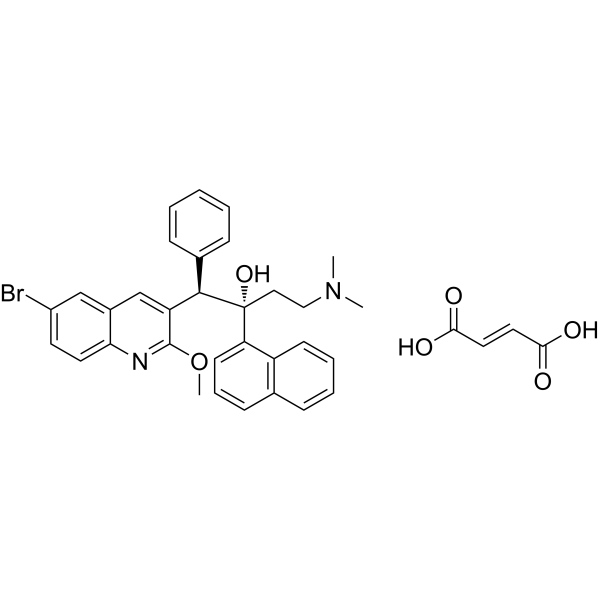
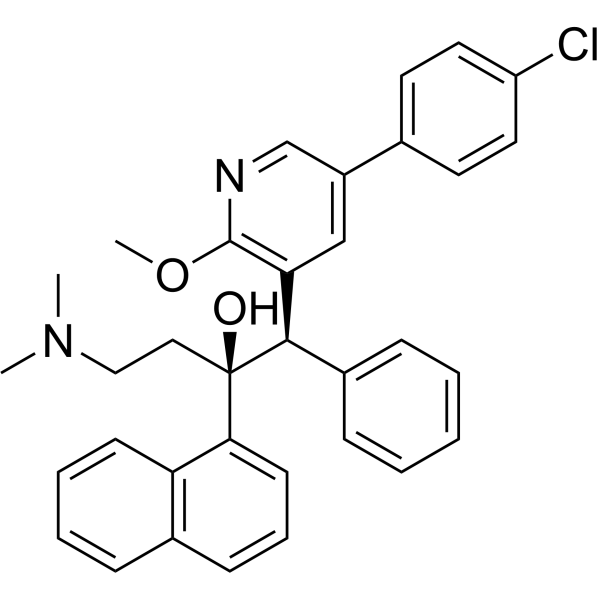
Bedaquiline fumarate, a diarylquinoline antibiotic that targets ATP synthase, is effective for the treatment of Mycobacterium tuberculosis infections.
|
-
-
- HY-B1907
-
|
Rifamycin SV sodium
|
Antibiotic
Bacterial
DNA/RNA Synthesis
|
Infection
Inflammation/Immunology
|
|
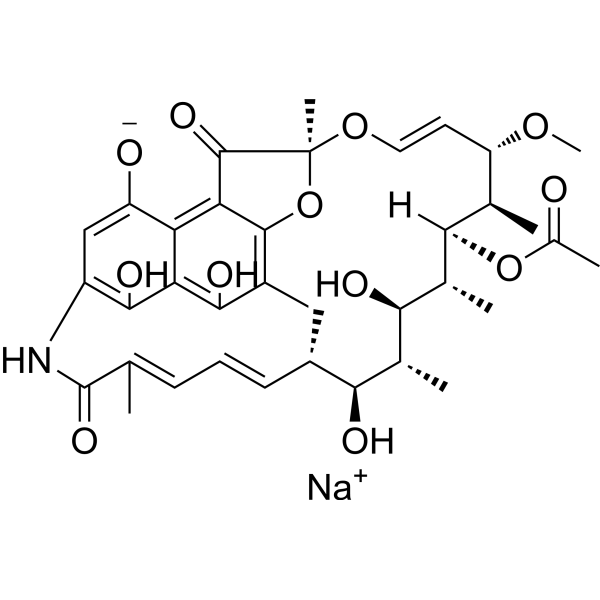
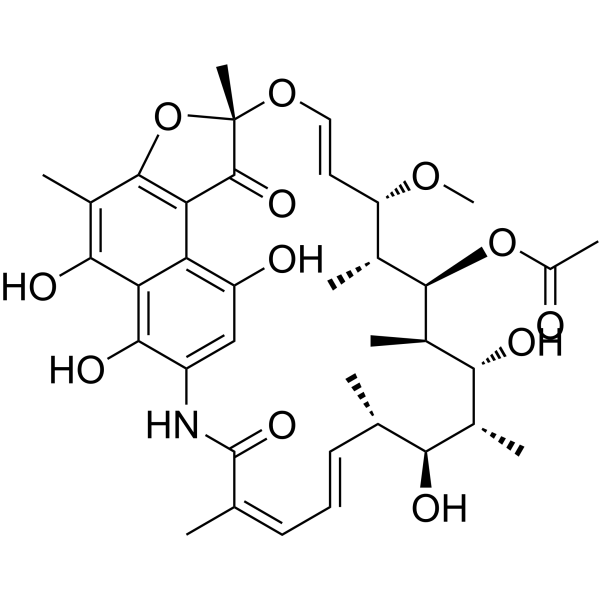
Rifamycin sodium (Rifamycin SV monosodium) is an orally active ansamycin antibiotic. Rifamycin sodium inhibits DNA-dependent RNA synthesis. Rifamycin sodium has antibacterial activity against Mycobacterium tuberculosis. Rifamycin sodium interferes with hepatic bile acid metabolism. Rifamycin sodium has anti-inflammatory effects. Rifamycin sodium can be used in the study of Mycobacterium tuberculosis, Bacteroides fragilis infection, and Lipopolysaccharide (HY-D1056B3)-induced inflammation .
|
-
-
- HY-10393
-
|
PNU-100592
|
Bacterial
Antibiotic
|
Infection
|
|
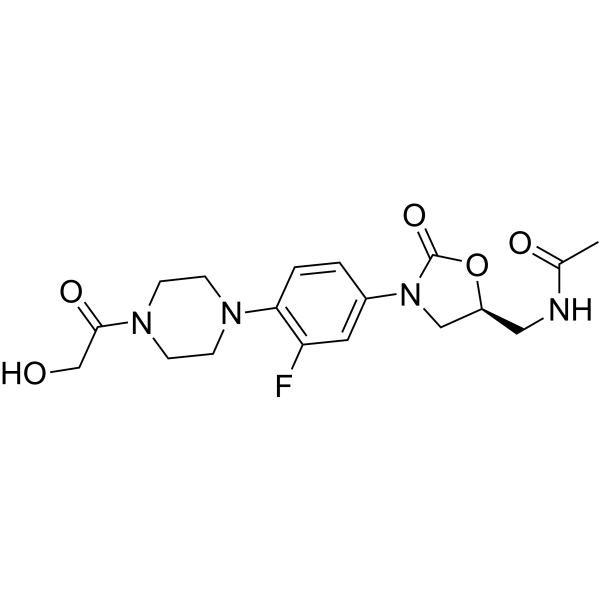
Eperezolid (PNU-100592) is an orally active protein synthesis inhibitor that targets the bacterial 50S ribosomal subunit. Eperezolid competitively binds to a specific site on the ribosomal 50S subunit (overlapping with the binding sites of chloramphenicol (HY-B0239) and lincomycin (HY-117660)) to inhibit the translation initiation stage and exert antibacterial activity. Eperezolid can induce host cell autophagy to enhance the clearance of intracellular mycobacteria, and its MIC90 for Staphylococcus aureus and Enterococcus is 1-4 μg/mL. Eperezolid is mainly used for antibacterial research on infections with Gram-positive bacteria such as methicillin-resistant (HY-121544) Staphylococci and vancomycin-resistant (HY-B0671) Enterococci, as well as infections with intracellular bacteria such as Mycobacterium tuberculosis .
|
-
-
- HY-W040128
-
|
|
Antibiotic
Autophagy
JNK
Bcl-2 Family
|
Infection
|
|
Kanamycins sulfate is a blood-brain barrier-permeable JNK1 and Bcl-2 modulator as well as an antibiotic, with broad-spectrum antibacterial, and biofilm-inhibiting activities, and it induces autophagy. Kanamycins sulfate promotes Bcl-2 phosphorylation to upregulate autophagy levels, triggering changes such as mitochondrial swelling and endoplasmic reticulum expansion. Consequently, it causes reversible neuronal damage in the dorsal cochlear nucleus without inducing significant neuronal apoptosis. In the presence of exogenous alanine or glucose, Kanamycins sulfate effectively kills drug-resistant bacteria, restores drug sensitivity of multidrug-resistant bacteria, and alleviates urinary tract and kidney infections in mice. Kanamycins sulfate can be applied to scientific research related to Mycobacterium tuberculosis, salmonellosis, brucellosis, shigellosis, urinary tract infections, and reversible neurotoxicity .
|
-
-
- HY-Y0191
-
|
2-Pyridone
|
Endogenous Metabolite
Bacterial
|
Infection
|
|
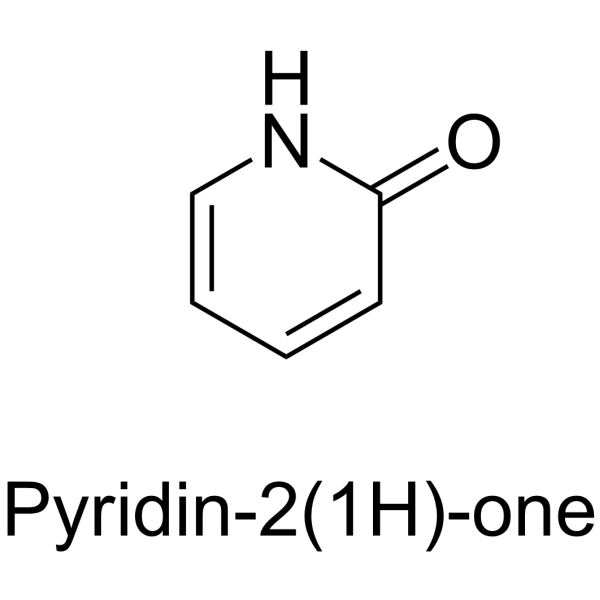
α-Pyridone (2-Pyridone) is an antibacterial agent that plays an important role in the field of biochemical research. α-Pyridone can serve as a scaffold compound to synthesize a variety of active compounds .
|
-
-
- HY-139398
-
TBI-223
1 Publications Verification
|
Antibiotic
Bacterial
|
Infection
|
|
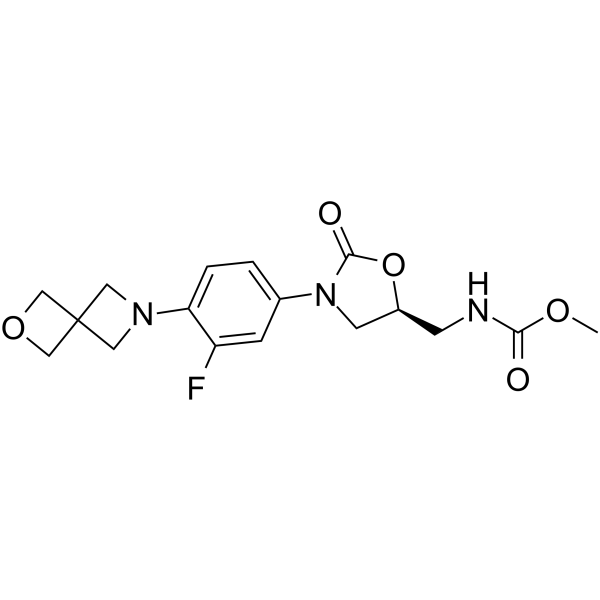
TBI-223 is an orally active oxazolidinone antibiotic and an antimicrobial. TBI-223 shows activity against Mycobacterium tuberculosis (Mtb). TBI-223 exhibits an IC50 of 68 μg/mL for inhibiting mitochondrial protein synthesis (MPS) in HepG2 cells. TBI-223 is effective in three mouse models (bloodstream infection, skin infection, and bone infection) of methicillin-resistant staphylococcus aureus infection. TBI-223 can be used for the study of tuberculosis .
|
-
-
- HY-B1907A
-
|
Rifamycin SV
|
Antibiotic
Bacterial
DNA/RNA Synthesis
|
Infection
|
|
Rifamycin (Rifamycin SV) is an orally active ansamycin antibiotic. Rifamycin inhibits DNA-dependent RNA synthesis. Rifamycin has antibacterial activity against Mycobacterium tuberculosis. Rifamycin interferes with hepatic bile acid metabolism. Rifamycin has anti-inflammatory effects. Rifamycin can be used in the study of Mycobacterium tuberculosis, Bacteroides fragilis infection, and Lipopolysaccharide (HY-D1056B3)-induced inflammation .
|
-
-
- HY-N15643
-
|
α-MA (C80)
|
Bacterial
|
Infection
|
|
α-Mycolic acid (C80) is a structural lipid component of mycobacterial cell wall. α-Mycolic acid (C80) can be isolated from Mycobacterium tuberculosis Canetti. α-Mycolic acid (C80) significantly modulates membrane permeability and stability, promising for mycobacterium tuberculosis infection research .
|
-
-
- HY-14881AR
-
|
R403323 (Standard); TMC207 fumarate (Standard); R207910 fumarate (Standard)
|
Reference Standards
Bacterial
Antibiotic
|
Infection
|
|
Bedaquiline (fumarate) (Standard) is the analytical standard of Bedaquiline (fumarate). This product is intended for research and analytical applications. Bedaquiline fumarate, a diarylquinoline antibiotic that targets ATP synthase, is effective for the treatment of Mycobacterium tuberculosis infections.
|
-
-
- HY-N15645
-
|
|
Bacterial
|
Infection
|
|
α-Mycolic acid, keto cis is a structural lipid component of mycobacterial cell wall. α-Mycolic acid, keto cis can be isolated from Mycobacterium tuberculosis Canetti. α-Mycolic acid, keto cis significantly modulates membrane permeability and stability, promising for mycobacterium tuberculosis infection research .
|
-
-
- HY-151549
-
|
|
Bacterial
|
Infection
|
|
Mtb-cyt-bd oxidase-IN-2 is an inhibitor of Mycobacterium tuberculosis cytochrome bd oxidase (Mtb cyt-bd oxidase) with an IC50 value of 0.67 μM. Mtb-cyt-bd oxidase-IN-2 inhibits the growth of Mycobacterium tuberculosis with a MIC value of 256 μM. Mtb-cyt-bd oxidase-IN-2 can be used for the research of infection .
|
-
-
- HY-172456
-
|
|
Bacterial
|
Infection
|
|
JSF-4898 is an orally active inhibitor of the MenG enzyme in Mycobacterium tuberculosis. JSF-4898 has MIC of 0.78 μM against Mycobacterium tuberculosis H37Rv. JSF-4898 can enhance the efficacy of Rifampicin (HY-B0272) in a subacute model of Mycobacterium tuberculosis infection in mice .
|
-
-
- HY-163181
-
|
|
Bacterial
|
Infection
|
|
MSU-43085 is an orally active MmpL3 inhibitor of Mycobacterium tuberculosis (Mtb). MSU-43085 effectively inhibits Mtb in an acute murine tuberculosis infection model. MSU-43085 can be used in tuberculosis research .
|
-
-
- HY-N15644
-
|
|
Bacterial
|
Infection
|
|
Mycolic acid IIa is a structural lipid component of mycobacterial cell wall. Mycolic acid IIa can be isolated from Mycobacterium bovis BCG. Mycolic acid IIa significantly modulates membrane permeability and stability, promising for mycobacterium tuberculosis infection research .
|
-
-
- HY-111402
-
|
Erizomycin; NSC 246134
|
Bacterial
Antibiotic
|
Infection
|
|
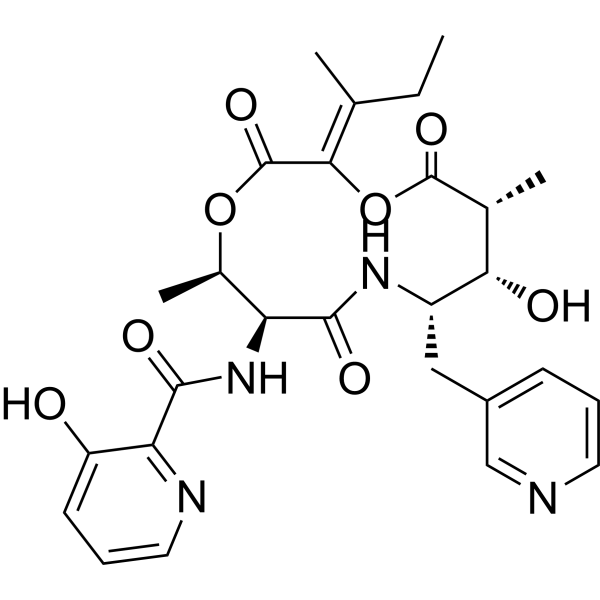
Pyridomycin (Erizomycin) is a selective and low cytotoxic inhibitor of Mycobacterium tuberculosis that effectively targets InhA. Pyrdomycin is also an antibiotic that can be obtained from metabolites of Dactylosporangium fulvum. Pyrdomycin can be used in the study of bacterial infections such as tuberculosis .
|
-
-
- HY-176909
-
|
|
|
Infection
|
|
Farnesyl phosphoryl-β-D-ribose is a phosphorylated sugar derivative that belongs to the class of polyprenylphosphoryl sugars. Farnesyl phosphoryl-β-D-ribose can be used for the study of Mycobacterium tuberculosis infection .
|
-
-
- HY-156022
-
|
|
Bacterial
|
Neurological Disease
|
|
Antitubercular agent-41 (Compound 106) is an antitubercular agent that can be used in the study of Mycobacterium tuberculosis infection .
|
-
-
- HY-N3700
-
|
Rutaceline
|
Bacterial
HIV
TNF Receptor
Interleukin Related
|
Infection
Inflammation/Immunology
|
|
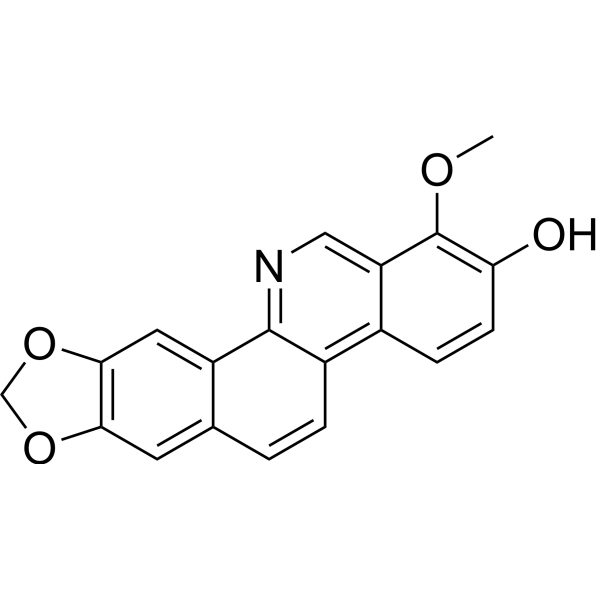
Decarine (Rutaceline) is a benzophenanthridine alkaloid found in Zanthoxylum species. Decarinewith shows anti-inflammatory, antimycobacterial, and anti-HIV activity. Decarine inhibits NO, TNF-α, IL-1β, IL-6, and IL-8 production in inflammatory cell models. Decarine inhibits growth of Mycobacterium tuberculosis strains, reduces intracellular Mycobacterium tuberculosis survival, and shows low cytotoxicity toward human macrophages. Decarine inhibits HIV replication in acutely infected lymphocytes. Decarine can be used for the researches of inflammation, tuberculosis, and HIV infection .
|
-
-
- HY-178436
-
|
|
Bacterial
|
Infection
|
|
Antituberculosis agent-16 is an orally active antituberculosis agent. Antituberculosis agent-16 exhibits stable antituberculosis activity with a MIC of 0.48 μg/mL against Mycobacterium tuberculosis H37Rv sensitive strain and 0.49 μg/mL against multidrug-resistant strain 14862. Antituberculosis agent-16 shows high Caco-2 permeability. Antituberculosis agent-16 can be used for the research of infection .
|
-
-
- HY-145741
-
|
|
Antibiotic
|
Infection
|
|
MptpB-IN-1 (Compound 13) is a potent and orally active inhibitor of MptpB. Mycobacterium tuberculosis protein-tyrosine-phosphatase B (MptpB) is a secreted virulence factor that subverts antimicrobial activity in the host. MptpB-IN-1 reduces multidrug-resistant mycobacterium tuberculosis survival and infection burden .
|
-
-
- HY-161065
-
|
|
Bacterial
|
Infection
|
|
HKI12134085 (compound 3) is an orally available antibacterial nitrobenzothiazinone (BTZ) derivative with activity against Mycobacterium tuberculosis. HKI12134085 has in vivo inhibitory potency in a BALB/c mouse model of Mycobacterium tuberculosis infection .
|
-
-
- HY-146373
-
|
|
Bacterial
|
Infection
|
|
The minimum inhibitory concentration (MIC) of a new 2- (quinoline-4-methoxy) acetamide antituberculotic agent against the reference strain of Mycobacterium tuberculosis H37Rv was as low as 0.3 μ M. It also inhibited the growth of Mycobacterium tuberculosis in the macrophage model of tuberculosis infection.
|
-
-
- HY-120777
-
|
|
Bacterial
|
Others
|
|
GSK729 is a THPP inhibitor with the activity of inhibiting EchA6 and inhibiting Mycobacterium tuberculosis. GSK729 can selectively pull down EchA6 in a stereospecific manner, inhibit its activity, inhibit fatty acid synthesis of Mycobacterium tuberculosis, and has a bactericidal effect in a mouse chronic tuberculosis infection model.
|
-
-
- HY-158570
-
|
|
Bacterial
|
Infection
|
|
(2E)-Eicosenoic acid is an inhibitor of Mycobacterium tuberculosis protein tyrosine phosphatase A (PtpA). (2E)-Eicosenoic acid exhibits strong inhibitory activity against PtpA with an IC50 value in the low micromolar range. (2E)-Eicosenoic acid can be used for research on Mycobacterium tuberculosis infection .
|
-
-
- HY-113834
-
|
|
Bacterial
|
Infection
|
|
(R,R)-Ethambutol is an antituberculosis compound with tuberculosis inhibitory activity. (R,R)-Ethambutol is often used in combination with other antituberculosis compounds to enhance the efficacy. (R,R)-Ethambutol can also be used to inhibit Mycobacterium avium complex infection and Mycobacterium kansasii infection .
|
-
-
- HY-N12823
-
|
|
Bacterial
|
Metabolic Disease
|
|
Caprazene is an antimycobacterial compound and precursor molecule for semi-synthetic antibacterial antibiotics, used for studies on tuberculosis and Mycobacterium avium complex infections, which can be isolated from the acid-treated caprazamycin (CPZ) A-G mixture .
|
-
-
- HY-169942
-
|
|
Bacterial
Antibiotic
|
Infection
|
|
3-(1-Carboxyvinyloxy)benzoic acid is an inhibitor of MbtI (Mycobacterium tuberculosis salicylate synthase) and AS (Serratia marcescens arginine synthase), with Ki values of 500 and 3.2 µM, respectively. 3-(1-Carboxyvinyloxy)benzoic acid has antibacterial activity and can be used in anti-infection research .
|
-
-
- HY-B1907R
-
|
Rifamycin SV sodium (Standard)
|
Reference Standards
Bacterial
Antibiotic
|
Infection
|
|
Rifamycin (sodium) (Standard) is the analytical standard of Rifamycin (sodium). This product is intended for research and analytical applications. Rifamycin sodium (Rifamycin SV sodium) is an orally active ansamycin antibiotic. Rifamycin sodium inhibits DNA-dependent RNA synthesis. Rifamycin sodium has antibacterial activity against Mycobacterium tuberculosis. Rifamycin sodium interferes with hepatic bile acid metabolism. Rifamycin sodium has anti-inflammatory effects. Rifamycin sodium can be used in the study of Mycobacterium tuberculosis, Bacteroides fragilis infection, and Lipopolysaccharide (HY-D1056B3)-induced inflammation .
|
-
-
- HY-153222
-
|
|
Bacterial
|
Infection
|
|
SEQ-9 is an orally active Mycobacterium tuberculosis (Mtb) 23S bacterial ribosome inhibitor with an IC50 of approximately 170 nM for unmethylated Mtb ribosomes. SEQ-9 also potently inhibits A2296 methylated ribosomes. SEQ-9 can be used to study bacterial infection and drug resistance .
|
-
-
- HY-151551
-
|
|
Bacterial
|
Infection
|
|
Mtb-cyt-bd oxidase-IN-4 (compound 1g) is a Mycobacterium tuberculosis cytochrome bd oxidase (Mtb cyt-bd oxidase) inhibitor with an IC50 value of 0.25 μM. Mtb-cyt-bd oxidase-IN-4 inhibits the growth of Mycobacterium tuberculosis (MIC=8 μM). Mtb-cyt-bd oxidase-IN-4 can be used in tuberculosis research .
|
-
-
- HY-D2729
-
|
|
Fluorescent Dye
|
Infection
|
|
Cy3-NO2-Tre is a nitroreductase-responsive cyanine-based fluorescent probe that specifically labels Mycobacterium tuberculosis (Mtb). Cy3-NO2-tre generated fluorescence after activation by a specific nitroreductase, Rv3368c, which is conserved in the Mycobacteriaceae. Cy3-NO2-tre effectively imaged mycobacteria within infected host cells, tracked the infection process, and visualized Mycobacterium smegmatis being endocytosed by macrophages (Ex/Em= 540-550/575-625 nm) .
|
-
-
- HY-N17621
-
|
|
Bacterial
|
Infection
|
|
Chinenol A is an antibacterial agent that can be found in the aerial part of Helwingia chinensis. Chinenol A can be used for the research of bacterial infections (staphylococcus aureus infection, mycobacterium tuberculosis infection, streptococcus pneumonia infection) .
|
-
-
- HY-180810
-
|
|
Antibiotic
Bacterial
|
Infection
|
|
T504 is an oxazolidinone antibiotic. T504 exhibits significant growth inhibitory effects on Mycobacterium tuberculosis H37Rv, Mycobacterium bovis BCG, and Mycobacterium abscessus, and the MIC value for the reference strain Mycobacterium tuberculosis H37Rv is 0.5-1.0 μg/mL. T504 effectively inhibits the growth of Mycobacterium tuberculosis within macrophages and does not show obvious cytotoxicity. T504 can be used in the research of mycobacterial infections .
|
-
-
- HY-12770R
-
|
Mebeverine metabolite Mebeverine alcohol (Standard)
|
Reference Standards
Drug Metabolite
|
Neurological Disease
|
|
Mebeverine alcohol (Standard) is an analytical standard for Mebeverine alcohol. This product is intended for research and analytical applications. Eperezolid (PNU-100592) is an orally active protein synthesis inhibitor that targets the bacterial 50S ribosomal subunit. Eperezolid competitively binds to a specific site on the ribosomal 50S subunit (overlapping with the binding sites of Chloramphenicol (HY-B0239) and Lincomycin (HY-117660)) to inhibit the translation initiation stage and exert antibacterial activity. Eperezolid can induce host cell autophagy to enhance the clearance of intracellular mycobacteria, and its MIC90 for Staphylococcus aureus and Enterococcus is 1-4 μg/mL. Eperezolid is mainly used for antibacterial research on infections with Gram-positive bacteria such as methicillin-resistant (HY-121544) Staphylococci and vancomycin-resistant (HY-B0671) Enterococci, as well as infections with intracellular bacteria such as Mycobacterium tuberculosis .
|
-
-
- HY-N13011
-
|
|
Bacterial
|
Infection
|
|
Maniladiol is a triterpenoid that can be isolated from the flowers of Chrysanthemum morifolium. Maniladiol exhibits antitubercular activity against Mycobacterium tuberculosis strain H37Rv with a MIC of 4 mg/mL. Maniladiol can be used for Mycobacterium tuberculosis infection research .
|
-
-
- HY-173205
-
|
|
Bacterial
|
Infection
|
|
Antimycobacterial agent - 11 (Compound QM7) is a bacteriostatic agent with anti-tuberculosis activity. Its minimum inhibitory concentration (MIC) against Mycobacterium tuberculosis (Mtb) is 5.58 μg/mL. Antimycobacterial agent - 11 can be used in the research of the anti - infection field, especially in the field of tuberculosis .
|
-
-
- HY-118647
-
|
Etisul
|
Bacterial
|
Infection
|
|
Ditophal is an orally active thiol ester anti-tuberculosis and anti-leprosy agent. Ditophal combats Mycobacterium tuberculosis infections in subcutaneous and intracerebral sites in guinea pigs, including isoniazid (HY-B0329)-resistant strains. Ditophal alters the staining characteristics of Mycobacterium leprae and reduces the bacterial index of leprosy. Ditophal causes ulcers at the injection site when administered subcutaneously to guinea pigs at high doses. Ditophal can be used in the research of tuberculosis and leprosy .
|
-
-
- HY-180854
-
|
|
Bacterial
|
Infection
|
|
Antitubercular agent-55 (Compound 2e) is an anti-tuberculous agent. Antitubercular agent-55 exhibits significant inhibitory activity against the standard strain of Mycobacterium tuberculosis H37Rv and also has moderate inhibitory activity against multidrug-resistant TB (MDR-TB). Antitubercular agent-55 has a strong affinity for the key enzyme InhA involved in the biosynthesis of mycotic acids. Antitubercular agent-55 can be used for research on tuberculosis infection caused by Mycobacterium tuberculosis.
|
-
-
- HY-181286
-
|
|
Cytochrome P450
|
Infection
|
|
ETX1975-3 is an orally active inhibitor and bactericide targeting the bd cytochrome oxidase of Mycobacterium tuberculosis. ETX1975-3 disrupts electron transfer between the b-heme centers of the target enzyme, and in combination with Q203 (HY-101040), exerts bactericidal activity against both replicating and non-replicating Mycobacterium tuberculosis, and reduces bacterial loads in acute mouse models. ETX1975-3 retains activity against clinical isolates of multidrug-resistant/extensively drug-resistant Mycobacterium tuberculosis and non-tuberculous mycobacteria, while possessing favorable preclinical ADMET properties. ETX1975-3 can be used in studies related to tuberculosis and non-tuberculous mycobacterial infections .
|
-
-
- HY-179529
-
|
|
EGFR
Bacterial
|
Infection
Cancer
|
|
EGFR/InhA-IN-1 (Compound 15) is an inhibitor of the anti-cancer target EGFR tyrosine kinase (1M17) (Ki = 0.05 μM) and the anti-tuberculosis target InhA enzyme (1OUZ) (Ki = 0.02 μM). EGFR/InhA-IN-1 exhibits anti-proliferative activity against A549 cells, with an IC50 of 10.38 μM. EGFR/InhA-IN-1 has inhibitory activity against Mycobacterium tuberculosis H37Rv, with a MIC of 6.25 μM. EGFR/InhA-IN-1 can be used for research on non-small cell lung cancer and Mycobacterium tuberculosis infection .
|
-
-
- HY-182552
-
-
-
- HY-120054
-
|
|
Bacterial
|
Infection
|
|
Antibacterial agent 322 is an antibacterial agent that inhibits the growth of various bacteria. Antibacterial agent 322 can be used in research on bacterial infections .
|
-
-
- HY-182074
-
|
|
Bacterial
Topoisomerase
|
Infection
|
|
DNA Gyrase-IN-18 (Compound 6B) is a DNA Gyrase inhibitor and Antibacterial agent. DNA Gyrase-IN-18 significantly inhibits the supercoiling activity of DNA Gyrase. DNA Gyrase-IN-18 inhibits biofilm formation by *Staphylococcus aureus*. DNA Gyrase-IN-18 exhibits excellent antibacterial activity, with a MIC of 0.125 μg/mL against Staphylococcus aureus and a MIC of 0.5 μg/mL against Mycobacterium tuberculosis .
|
-
-
- HY-182369
-
|
|
Toll-like Receptor (TLR)
TNF Receptor
Interleukin Related
IFNAR
Drug Derivative
|
Inflammation/Immunology
|
|
VA06 is a derivative of QS-21 (HY-101092A) that retains potent adjuvant activity while significantly reducing toxicity. VA06 self-assembles into flexible worm-like micelles with continuously elongated nanostructures and enhanced drug-loading encapsulation capacity. VA06 induces antigen-specific antibody production, enhances the secretion of TNF-α, IFN-γ and IL-2 in CD4 + and CD8 + T cells, and promotes the expression of immune-related and antiviral-related genes in mature dendritic cells. VA06 does not require liposome formulation, which simplifies production and storage processes. VA06 can be used in the research of varicella-zoster virus infection and Mycobacterium tuberculosis infection .
|
-
-
- HY-181282
-
|
|
Bacterial
|
Infection
|
|
MSU-44147 is an inhibitor and antimicrobial agent targeting MmpL3 in Mycobacterium abscessus, with low eukaryotic cytotoxicity, a narrow antimicrobial spectrum that is specific only to mycobacteria, and low drug resistance frequency. MSU-44147 reduces trehalose dimycolate levels by inhibiting MmpL3 function, disrupts biofilm formation and reduces the viability of related bacteria, while exerting bactericidal effects on intracellular Mycobacterium abscessus. MSU-44147 exhibits additive or synergistic effects with antibiotics and can be used in research on multidrug-resistant isolates and infections of Mycobacterium abscessus .
|
-
-
- HY-181674
-
|
|
Aminopeptidase
Bacterial
|
Infection
|
|
ZHO-197 is a dual bacterial peptide deformylase and methionine aminopeptidase inhibitor with antibacterial activity. ZHO-197 exhibits an Escherichia coli peptide deformylase IC50 of 0.021 μM and a human peptide deformylase IC50 of 3.289 μM. ZHO-197 displays broad-spectrum antibacterial activity against gram-positive and gram-negative bacterial strains. ZHO-197 can be used for the research of bacterial infection .
|
-
| Cat. No. |
Product Name |
Type |
-
- HY-D2729
-
|
|
Fluorescent Dyes
|
|
Cy3-NO2-Tre is a nitroreductase-responsive cyanine-based fluorescent probe that specifically labels Mycobacterium tuberculosis (Mtb). Cy3-NO2-tre generated fluorescence after activation by a specific nitroreductase, Rv3368c, which is conserved in the Mycobacteriaceae. Cy3-NO2-tre effectively imaged mycobacteria within infected host cells, tracked the infection process, and visualized Mycobacterium smegmatis being endocytosed by macrophages (Ex/Em= 540-550/575-625 nm) .
|
| Cat. No. |
Product Name |
Category |
Target |
Chemical Structure |
-
- HY-B1907
-
-
-
- HY-Y0191
-
-
-
- HY-N15643
-
|
α-MA (C80)
|
Microorganisms
Antibiotics
Other Antibiotics
Source Classification
|
Bacterial
|
|
α-Mycolic acid (C80) is a structural lipid component of mycobacterial cell wall. α-Mycolic acid (C80) can be isolated from Mycobacterium tuberculosis Canetti. α-Mycolic acid (C80) significantly modulates membrane permeability and stability, promising for mycobacterium tuberculosis infection research .
|
-
-
- HY-N15645
-
|
|
Microorganisms
Antibiotics
Other Antibiotics
Source Classification
|
Bacterial
|
|
α-Mycolic acid, keto cis is a structural lipid component of mycobacterial cell wall. α-Mycolic acid, keto cis can be isolated from Mycobacterium tuberculosis Canetti. α-Mycolic acid, keto cis significantly modulates membrane permeability and stability, promising for mycobacterium tuberculosis infection research .
|
-
-
- HY-N15644
-
-
-
- HY-111402
-
|
Erizomycin; NSC 246134
|
Natural Products
Microorganisms
Source Classification
|
Bacterial
Antibiotic
|
|
Pyridomycin (Erizomycin) is a selective and low cytotoxic inhibitor of Mycobacterium tuberculosis that effectively targets InhA. Pyrdomycin is also an antibiotic that can be obtained from metabolites of Dactylosporangium fulvum. Pyrdomycin can be used in the study of bacterial infections such as tuberculosis .
|
-
-
- HY-N3700
-
|
Rutaceline
|
Structural Classification
Alkaloids
Rutaceae
Plants
Isoquinoline Alkaloids
Zanthoxylum simulans Hance
Source Classification
|
Bacterial
HIV
TNF Receptor
Interleukin Related
|
|
Decarine (Rutaceline) is a benzophenanthridine alkaloid found in Zanthoxylum species. Decarinewith shows anti-inflammatory, antimycobacterial, and anti-HIV activity. Decarine inhibits NO, TNF-α, IL-1β, IL-6, and IL-8 production in inflammatory cell models. Decarine inhibits growth of Mycobacterium tuberculosis strains, reduces intracellular Mycobacterium tuberculosis survival, and shows low cytotoxicity toward human macrophages. Decarine inhibits HIV replication in acutely infected lymphocytes. Decarine can be used for the researches of inflammation, tuberculosis, and HIV infection .
|
-
-
- HY-N12823
-
|
|
Microorganisms
Antibiotics
Source Classification
|
Bacterial
|
|
Caprazene is an antimycobacterial compound and precursor molecule for semi-synthetic antibacterial antibiotics, used for studies on tuberculosis and Mycobacterium avium complex infections, which can be isolated from the acid-treated caprazamycin (CPZ) A-G mixture .
|
-
-
- HY-B1907R
-
|
Rifamycin SV sodium (Standard)
|
Structural Classification
Microorganisms
Antibiotics
Antibacterial
Disease Research
Other Antibiotics
Source Classification
|
Reference Standards
Bacterial
Antibiotic
|
|
Rifamycin (sodium) (Standard) is the analytical standard of Rifamycin (sodium). This product is intended for research and analytical applications. Rifamycin sodium (Rifamycin SV sodium) is an orally active ansamycin antibiotic. Rifamycin sodium inhibits DNA-dependent RNA synthesis. Rifamycin sodium has antibacterial activity against Mycobacterium tuberculosis. Rifamycin sodium interferes with hepatic bile acid metabolism. Rifamycin sodium has anti-inflammatory effects. Rifamycin sodium can be used in the study of Mycobacterium tuberculosis, Bacteroides fragilis infection, and Lipopolysaccharide (HY-D1056B3)-induced inflammation .
|
-
-
- HY-N17621
-
-
-
- HY-N13011
-
-
-
- HY-182552
-
-
Your information is safe with us. * Required Fields.
Inquiry Information
- Product Name:
- Cat. No.:
- Quantity:
- MCE Japan Authorized Agent:

