1. Search Result
Search Result
Results for "

oncoproteins

" in MedChemExpress (MCE) Product Catalog:

37

Inhibitors & Agonists

1

Screening Libraries

4

Peptides

2

Natural
Products

2

Oligonucleotides

Cat. No. Product Name Target Research Areas Chemical Structure
  • HY-12486
    FL118
    3 Publications Verification

    10,11-(Methylenedioxy)-20(S)-camptothecin

    Survivin Apoptosis IAP Cancer
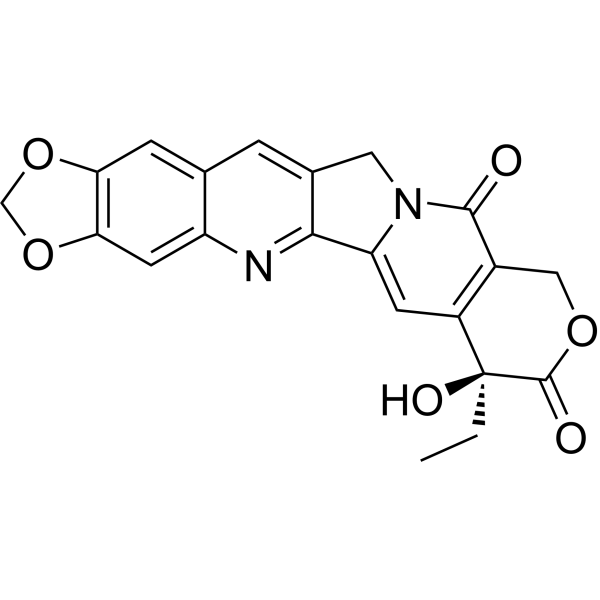
    FL118 (10,11-(Methylenedioxy)-20(S)-camptothecin), a Camptothecin (HY-16560) analogue, is a potent and orally active survivin inhibitor. FL118 binds to oncoprotein DDX5 (p68) to dephosphorylates and degrades DDX5. FL118 can be used for the research of cancer .
    FL118
  • HY-145898

    14-D-Valine-TPL

    c-Myc Molecular Glues Cancer
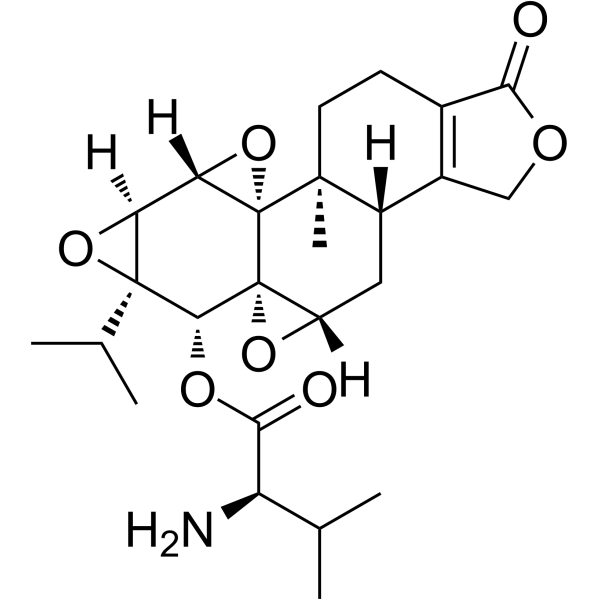
    WBC100 (14-D-Valine-TPL) is a potent, selective, and orally active c-Myc molecule glue degrader. WBC100 is a c-Myc degrader and targets ubiquitin E3 ligase CHIP mediated 26S proteasome pathway. WBC100 is used for c-Myc overexpressing tumors research .
    WBC100
  • HY-W1128879

    SKPer1

    Molecular Glues E1/E2/E3 Enzyme Cancer
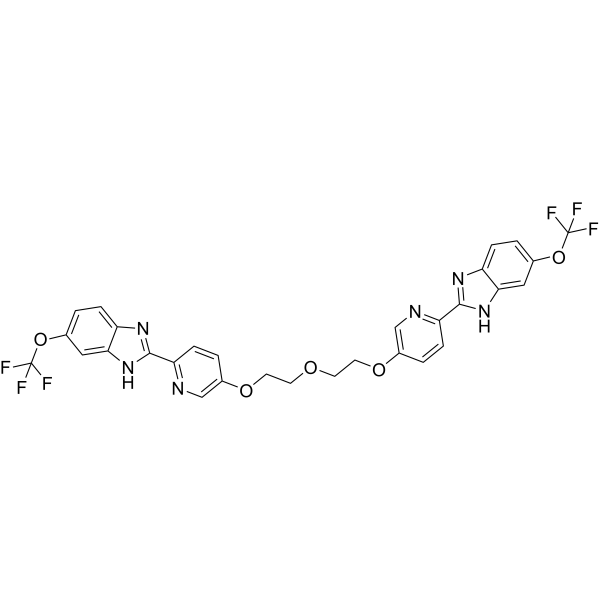
    XMU-MP-8 (SKPer1) is a potent molecular glue degrader that targets the oncoprotein SKP2. XMU-MP-8 simultaneously binds to the F-box domain of SKP2 (Kd ≈ 36 μM) and the N-terminal TPR domain of the E3 ligase STUB1 (Kd ≈ 2.5 μM), forming a stable SKP2-SKPer1-STUB1 ternary complex (Kd ≈ 8.9 nM) that induces SKP2 ubiquitination and proteasomal degradation. XMU-MP-8 selectively eliminates SKP2-expressing cancer cells. XMU-MP-8 exhibits substantial tumour suppression with good safety profiles in vivo. XMU-MP-8 can be used for cancer research, such as non-small cell lung adenocarcinoma (NSCLC) and prostatic adenocarcinoma .
    XMU-MP-8
  • HY-P1925A
    GO-203 TFA
    2 Publications Verification

    PI3K Reactive Oxygen Species (ROS) Apoptosis Cancer
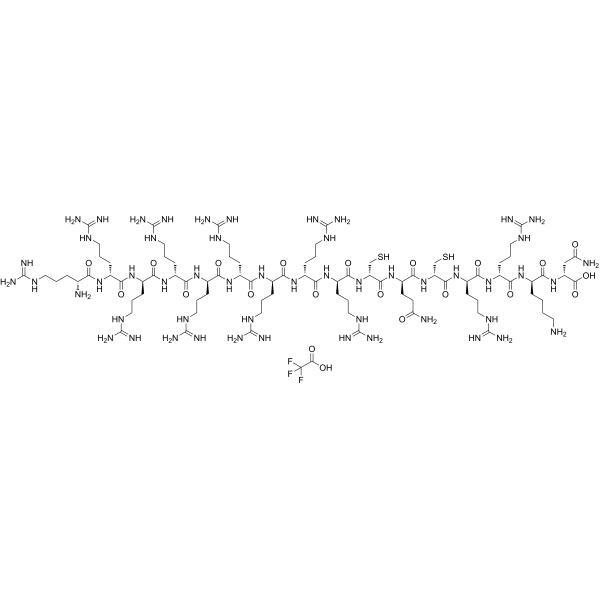
    GO-203 TFA is a potent MUC1-C oncoprotein inhibitor. GO-203 TFA is an all D-amino acid peptide that consists of a poly-R transduction domain linked to a CQCRRKN motif that binds to the MUC1-C cytoplasmic tail and blocks MUC1-C homodimerization. GO-203 TFA downregulates TIGAR (TP53-induced glycolysis and apoptosis regulator) protein synthesis by inhibiting the PI3K-AKT-S6K1 pathway. GO-203 TFA induces the production of ROS and loss of mitochondrial transmembrane potential. GO-203 TFA inhibits the growth of colon cancer cells in vitro and as xenografts in nude mice .
    GO-203 TFA
  • HY-116073

    Acyltransferase Infection Cancer
    L-Penicillamine is an orally active serine palmitoyltransferase (SPT) inhibitor. L-Penicillamine inactivates the PLP cofactor by forming adducts, thereby inhibiting SPT activity and reducing sphingolipid biosynthesis. L-Penicillamine not only blocks tumor access to vitamin B6, but also stabilizes the human papillomavirus 16 E6 oncoprotein monomer and inhibits its polymerization, exhibiting a unique anticancer mechanism. L-Penicillamine effectively delays the growth of Sarcoma-180, induces tumor necrosis and prolongs survival (though long-term use may lead to Pyridoxine (HY-B1328) deficiency and weight loss) .
    L-Penicillamine
  • HY-16786
    AI-10-49
    1 Publications Verification

    RUNX Inflammation/Immunology Cancer
    AI-10-49 is an inhibitor of leukemic oncoprotein CBFβ-SMHHC. AI-10-49 inhibits the binding of CBFβ-SMMHCto the RUNX1 Runt domain with IC50 value of 0.26 μM. AI-10-49 can be used for the research of leukemia .
    AI-10-49
  • HY-N10264

    (+)-Avrainvillamide; CJ-17,665

    Antibiotic Infection Cancer
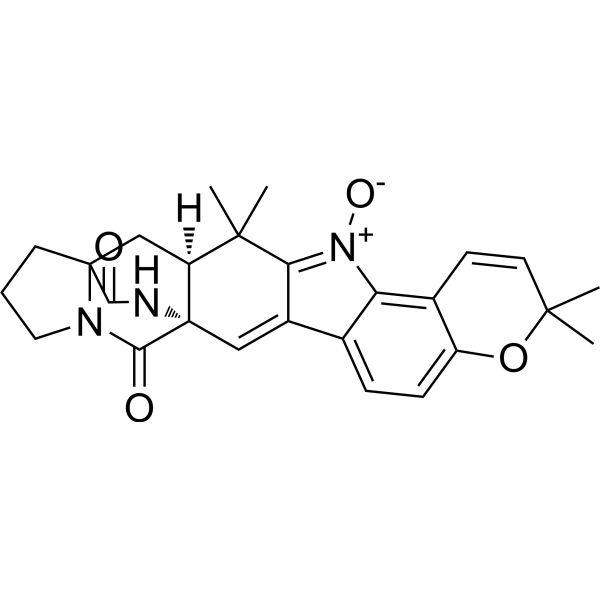
    Avrainvillamide ((+)-Avrainvillamide) is a naturally occurring alkaloid with antiproliferative effects, binds to the nuclear chaperone nucleophosmin, a proposed oncogenic protein that is overexpressed in many different human tumors. Avrainvillamide affects cell biology both by directly binding NPM1 and Crm1 as well as by inhibiting the association of these proteins with certain native cellular partners. Avrainvillamide, an antibiotic, inhibits growth of multi-agent resistant Staphylococcus aureus, Streptococcus pyogenes, and Enterococcus faecalis, with MICs of 12.5, 12.5 and 25 μg/ml, respectively .
    Avrainvillamide
  • HY-120356A
    T-1101 tosylate
    1 Publications Verification

    TAI-95 tosylate

    NEKs Apoptosis Cancer
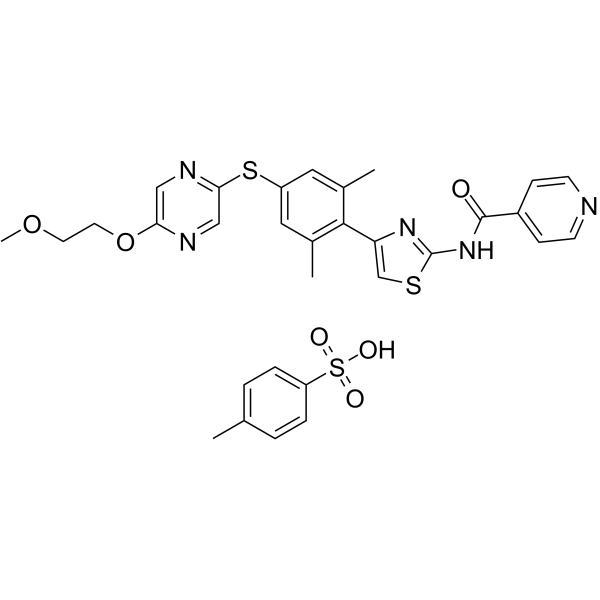
    T-1101 tosylate (TAI-95 tosylate) is the tosylate salt form of T-1101 (HY-120356). T-1101 tosylate is an orally active inhibitor for mitose regulating highly expressed oncoprotein 1 (Hec1). T-1101 tosylate blocks the interaction between Hec1 and NEK2, exhibits cytotoxicity in human liver cancer cells with GI50 of 15-70 nM. T-1101 tosylate induces apoptosis in Huh-7. T-1101 tosylate exhibits antitumor efficacy in mouse models .
    T-1101 tosylate
  • HY-19706
    ARS-853
    5 Publications Verification

    Ras Apoptosis Cancer
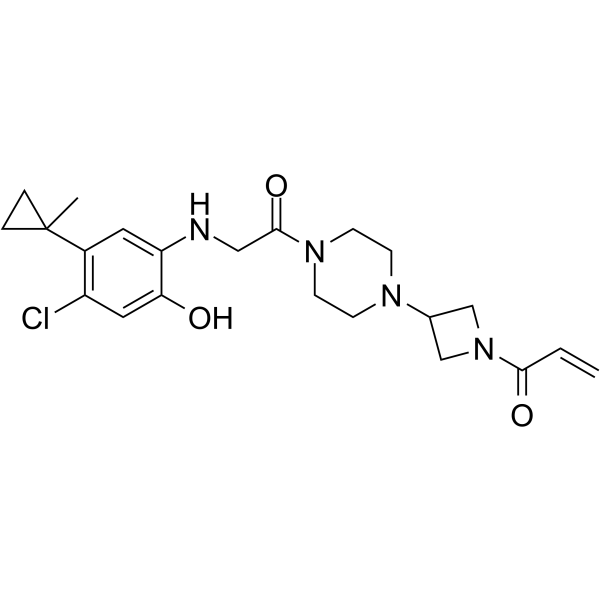
    ARS-853 is a cell-active, selective, covalent KRAS G12C inhibitor with an IC50 of 2.5 μM. ARS-853 inhibits mutant KRAS-driven signaling by binding to the GDP-bound oncoprotein and preventing activation .
    ARS-853
  • HY-148448

    Eukaryotic Initiation Factor (eIF) Cancer
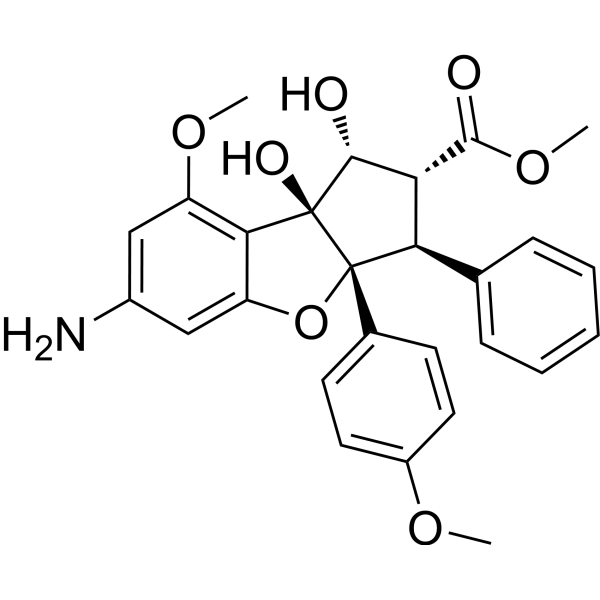
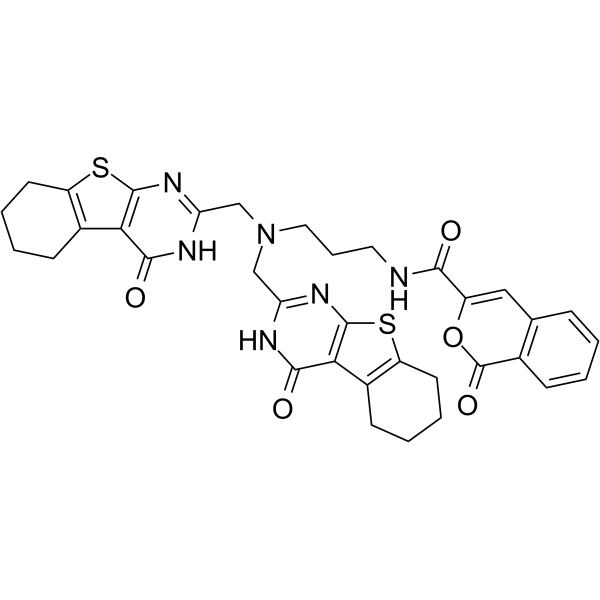
    eIF4A3-IN-9 is a Rocaglate analog. eIF4A3-IN-9 interferes with the assembly of the eIF4F translation complex, with EC50 values of 40 nM and > 2000 nM against myc-LUC and tub-LUC, respectively. eIF4A3-IN-9 can be used for the research of tumor pathogenesis .
    eIF4A3-IN-14
  • HY-176142

    CDK c-Myc Apoptosis Bcl-2 Family Cancer
    YX0798 is a selective and orally active CDK9 inhibitor (Kd: 0.28 nM). YX0798 downregulates the oncoprotein c-MYC and pro-survival protein MCL-1. YX0798 disrupts the cell cycle and results in transcriptomic reprogramming, eventually leading to cell apoptosis. YX0798 has antitumor activity .
    YX0798
  • HY-119271

    SDS-1-021

    c-Myc Apoptosis Cancer
    CMLD010509 (SDS-1-021) is a highly specific inhibitor of the oncogenic translation program supporting multiple myeloma (MM)-including key oncoproteins such as MYC, MDM2, CCND1, MAF, and MCL-1. CMLD010509 (SDS-1-021) shows an IC50 below 10 nM for most MM cell lines and induces apoptosis. CMLD010509 (SDS-1-021) is a potent and selective translation inhibitor through an eIF4E phosphorylation-independent mechanism .
    CMLD010509
  • HY-122641

    Phosphodiesterase (PDE) Cancer
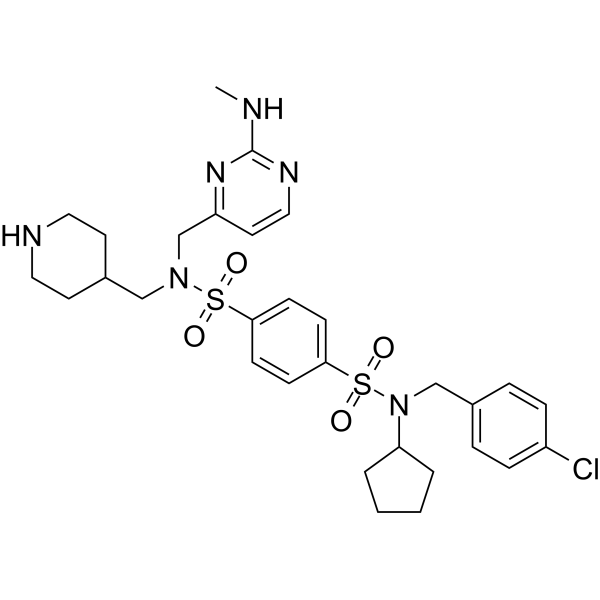
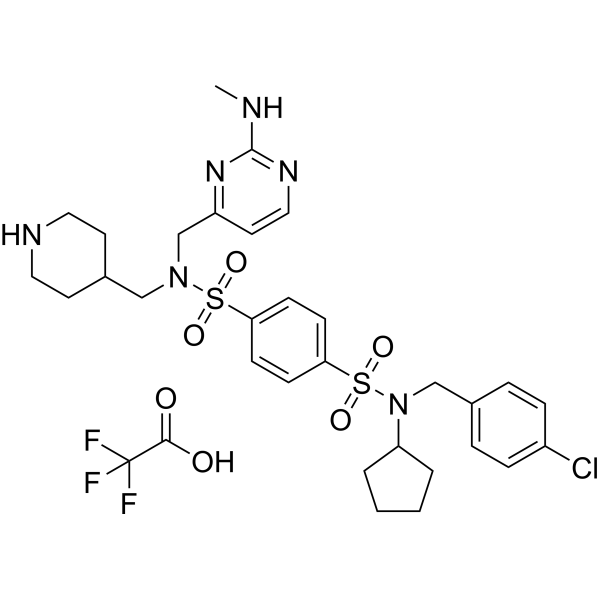
    Deltasonamide 1 is a PDE6δ-KRas inhibitor. Deltasonamide 1 can inhibit PDE6δ-KRas with a KD of 203 pM. Deltasonamide 1 can be used for the research of tumors .
    Deltasonamide 1
  • HY-146887

    Deubiquitinase Apoptosis Cancer
    USP7-IN-9 is a highly potent ubiquitin-specific protease 7 (USP7) inhibitor with an IC50 value of 40.8 nM. USP7-IN-9 can induce apoptosis and arrest cell progression at G0/G1 and S phases in RS4; 11 cells. USP7-IN-9 reduces the protein levels of oncoproteins MDM2 and DNMT1 and increases the protein levels of tumor suppressors p53 and p21 .
    USP7-IN-9
  • HY-125244

    Histone Methyltransferase Cancer
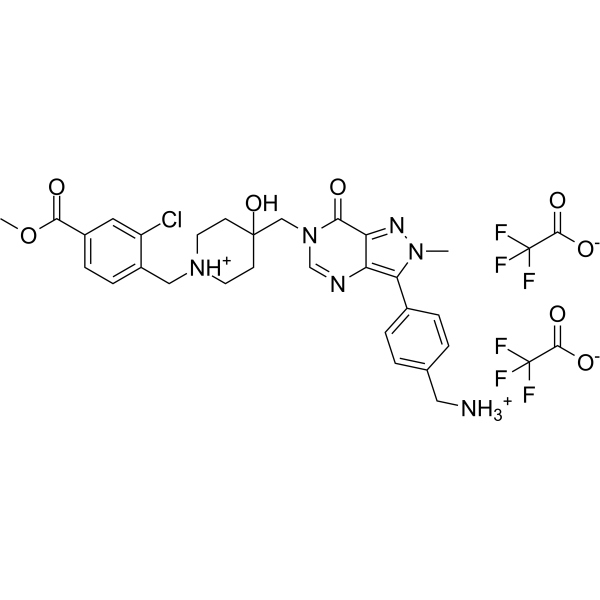
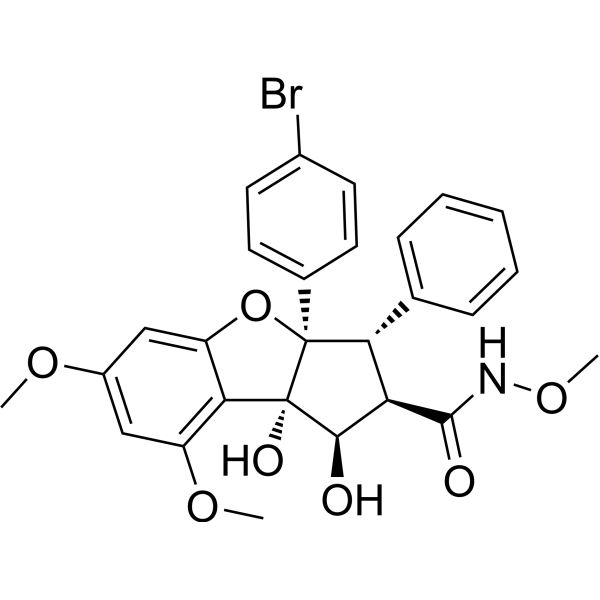
    LEM-14-1189, a LEM-14 (HY-114340) derivative, is a NSDs inhibitor with IC50s of 418 μM (NSD1), 111 μM (NSD2), and 60 μM (NSD3), respectively. The NSDs, histone lysine methyltransferases (HMTases), are oncoproteins, drivers of a number of tumors. LEM-14-1189 can be used for multiple myeloma (MM) research .
    LEM-14-1189
  • HY-P1925B

    Mucin Cancer
    L-GO-203 TFA is a potent MUC1-C oncoprotein inhibitor. L-GO-203 TFA is an anti-cancer peptide for targeting intracellular proteins .
    L-GO-203 TFA
  • HY-162469

    Aurora Kinase c-Myc Cancer
    6K465 is a pyrimidine-based Aurora A (AURKA) inhibitor. 6K465 can reduce the levels of c-MYC and N-MYC oncoproteins, demonstrating anticancer activity .
    6K465
  • HY-122641D

    Phosphodiesterase (PDE) Cancer
    Deltasonamide 1 TFA is a PDE6δ-KRas inhibitor. Deltasonamide 1 can inhibit PDE6δ-KRas with a KD of 203 pM. Deltasonamide 1 can be used for the research of tumors .
    Deltasonamide 1 TFA
  • HY-12316R
    20(S)-Hydroxycholesterol (Standard)
    3 Publications Verification

    20α-Hydroxycholesterol (Standard)

    Reference Standards Smo Endogenous Metabolite Cancer
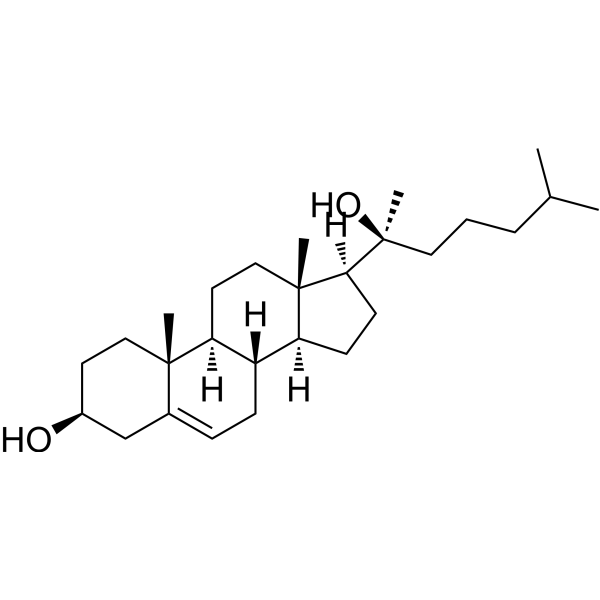
    20(S)-Hydroxycholesterol (Standard) is the analytical standard of 20(S)-Hydroxycholesterol. This product is intended for research and analytical applications. 20(S)-hydroxyCholesterol (20α-Hydroxycholesterol) is an allosteric activator of the oncoprotein smoothened (Smo) that activates the hedgehog (Hh) signaling pathway with an EC50 of 3 μM in a gene transcription reporter assay using NIH3T3 cells .
    20(S)-Hydroxycholesterol (Standard)
  • HY-177618A

    SPC2996 sodium

    Bcl-2 Family Cancer
    Beclanorsen sodium is an antisense oligonucleotide targeted to the mRNA of the Bcl-2 oncoprotein.
    Beclanorsen sodium
  • HY-177618

    SPC2996

    Bcl-2 Family Cancer
    Beclanorsen is an antisense oligonucleotide targeted to the mRNA of the Bcl-2 oncoprotein.
    Beclanorsen
  • HY-152247

    MAP3K Cancer
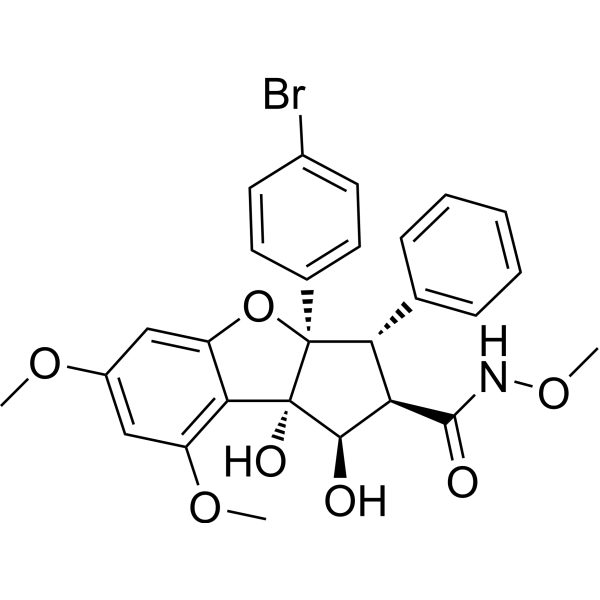
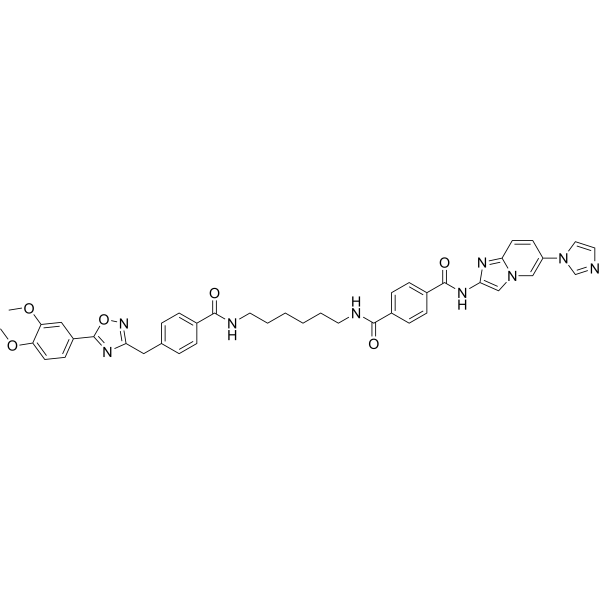
    DDO3711, a PP5-recruiting phosphatase recruitment chimeras (PHORCs), is formed by connecting a small molecular apoptosis signal-regulated kinase 1 (ASK1) inhibitor to a PP5 activator through a chemical linker. DDO3711 specifically inhibits ASK1 (IC50 =164.1 nM) not ASK2 (IC50>20 μM). DDO3711 significantly dephosphorylates p-ASK1 T838 by recruiting PP5 and shows the ASK1-dependent antiproliferative activity. DDO3711 has anti-cancer activity and has the potential for abnormally phosphorylated oncoproteins research .
    DDO3711
  • HY-34595

    RET Cancer
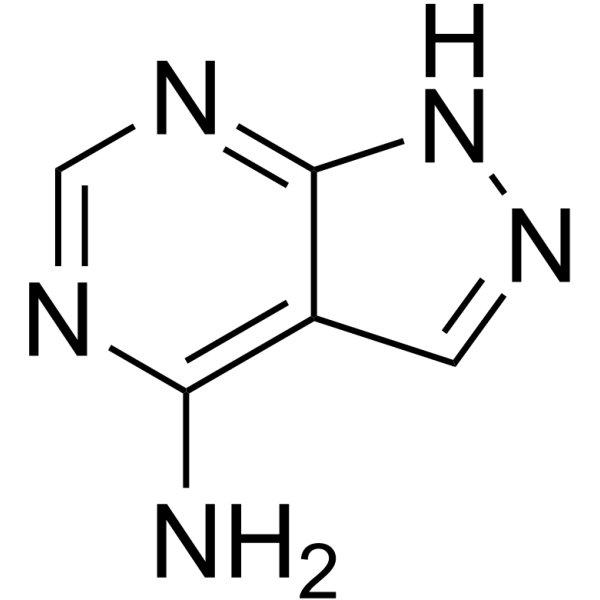
    Pyrazoloadenine is a potent RET (REarranged during Transfection) lung cancer oncoprotein inhibitor. Pyrazoloadenine shows anticancer activity .
    Pyrazoloadenine
  • HY-120356

    TAI-95

    Apoptosis NEKs Cancer
    T-1101 (TAI-95) is an orally active inhibitor for mitose regulating highly expressed oncoprotein 1 (Hec1). T-1101 blocks the interaction between Hec1 and NEK2, exhibits cytotoxicity in human liver cancer cells with GI50 of 15-70 nM. T-1101 induces apoptosis in Huh-7. T-1101 exhibits antitumor efficacy in mouse models .
    T-1101
  • HY-P10428

    HPV Infection
    E6AP-mimicking peptide (compound 13) is a high-affinity, selective, irreversible and potent peptide-based covalent HPV16 E6 inhibitor targeting the 16E6 oncoprotein using a cysteine-reactive acrylamide warhead. E6AP-mimicking peptide has a Ki of 17 nM. E6AP-mimicking peptide targets all residues appearing in the binding pocket of E6 to disrupt the binding interface of 16E6 and E6AP. E6AP-mimicking peptide selectively binds and crosslinks to MBP-16E6 in PBS or a protein mixture .
    E6AP-mimicking peptide
  • HY-34595R

    RET Cancer
    Pyrazoloadenine (Standard) is the analytical standard of Pyrazoloadenine. This product is intended for research and analytical applications. Pyrazoloadenine is a potent RET (REarranged during Transfection) lung cancer oncoprotein inhibitor. Pyrazoloadenine shows anticancer activity .
    Pyrazoloadenine (Standard)
  • HY-119271A

    (-)-SDS-1-021

    c-Myc Apoptosis Cancer
    (-)-CMLD010509 ((-)-SDS-1-021) is an isomer of CMLD010509 (SDS-1-021) (HY-119271). CMLD010509 (SDS-1-021) is a highly specific inhibitor of the oncogenic translation program supporting multiple myeloma (MM)-including key oncoproteins such as MYC, MDM2, CCND1, MAF, and MCL-1. CMLD010509 (SDS-1-021) shows an IC50 below 10 nM for most MM cell lines and induces apoptosis. CMLD010509 (SDS-1-021) is a potent and selective translation inhibitor through an eIF4E phosphorylation-independent mechanism .
    (-)-CMLD010509
  • HY-180550

    PROTACs RET Trk Receptor Endocrinology Cancer
    ZW-18-116 (compound 9) is a dual-target PROTAC degrader for the oncoproteins TRKA and RET. ZW-18-116 induces the degradation of oncoproteins TRKA and RET by recruiting the CRBN E3 ligase. ZW-18-116 exhibits potent anti-proliferative activity in various cancer cell lines harboring RET or TRKA fusions. ZW-18-116 can be used for RET or TRKA-derived cancer research, such as thyroid, lung, and colon cancers .
    ZW-18-116
  • HY-122686

    Deubiquitinase Cancer
    USP25/28-IN-2 (compound AZ2) is a selectivity dual USP25/USP28 inhibitor with USP28 IC50 values of 0.9 μM, USP28 Ka values of 0.9 μM, and USP25 IC50 values of 0.88 μM. USP25/28-IN-2 modulates USP25 and USP28 activity to affect downstream pathways, modulates c-Myc oncoprotein total levels and half-life, induces apoptosis, reduces cell viability. USP25/28-IN-2 can be used for the research of colorectal carcinoma, colorectal adenocarcinoma .
    USP25/28-IN-2
  • HY-E70664

    CDK Cancer
    CDK16/CycY Recombinant Human Active Protein Kinase is a PCTAIRE kinase and its activity is dependent on the Cyclin Y (CCNY) family. CCNY is an oncoprotein in various cancers .
    CDK16/CycY Recombinant Human Active Protein Kinase
  • HY-180551

    PROTACs RET Trk Receptor Endocrinology Cancer
    ZW-6-052 (compound 20), the derivative of ZW-18-116 (HY-180550), is a dual-target PROTAC degrader for the oncoproteins TRKA and RET. ZW-6-052 induces degradation of TMP3-TRKA in KM12 mouse xenograft models. ZW-6-052 can be used for RET or TRKA-derived cancer research, such as thyroid, lung, and colon cancers .
    ZW-6-052
  • HY-181098

    Reactive Oxygen Species (ROS) Apoptosis p38 MAPK CDK Caspase Bcl-2 Family Cancer
    FKA-9i is an orally active anticancer agent. FKA-9i directly binds to and promotes the degradation of oncoproteins LRPPRC (kd: 7.387 μM), YBX1 (kd: 16.52 μM) and RPN1 (kd: 26.82 μM). FKA-9i inhibits the MAPK signaling pathway and mitochondrial oxidative phosphorylation. FKA-9i also induces cancer cell cycle arrest, apoptosis, mitochondrial dysfunction and ROS accumulation. FKA-9i can be used in the research of tumors such as gastric cancer .
    FKA-9i
  • HY-183710

    CDK Androgen Receptor c-Myc Apoptosis DNA/RNA Synthesis Cancer
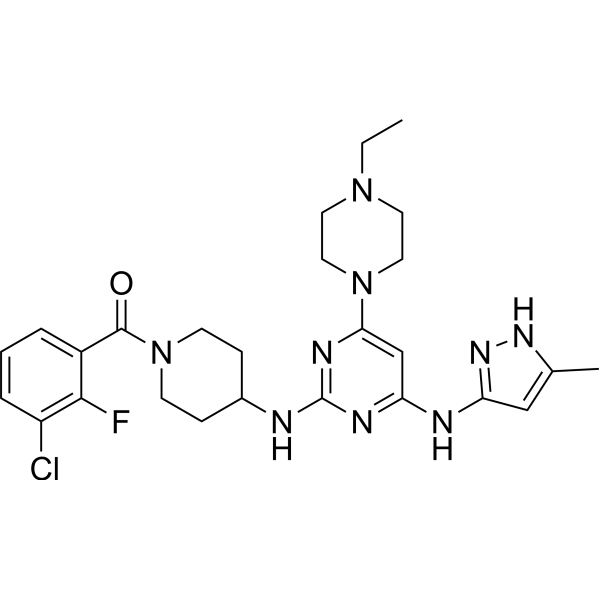
    CDK9-IN-50 is a selective and orally active CDK9 inhibitor with an IC50 of 2.2 nM. CDK9-IN-50 targets a distinct CDK9-specific subpocket to disrupt RNA polymerase II Ser2 phosphorylation and downregulate short-lived oncoproteins, including AR-V7 and Myc. CDK9-IN-50 exhibits antiproliferative activity against cancer cells, induces apoptosis and induces tumor growth inhibition in CRPC orthotopic mice models. CDK9-IN-50 can be used for the research of cancer, such as prostate cancer .
    CDK9-IN-50
  • HY-181687

    HSP CDK Cancer
    Hsp90-IN-46 is a Hsp90 inhibitor. Hsp90-IN-46 exhibits broad-spectrum antiproliferative activity against tumor cell lines. Hsp90-IN-46 inhibits breast cancer cell proliferation by reducing colony formation and downregulating the proliferation marker Ki-67. Hsp90-IN-46 inhibits Hsp90 and its ATPase activity, downregulates the downstream substrate oncoproteins HER2 and CDK4, and moderately induces the heat shock response. Hsp90-IN-46 shows significant antitumor activity in a mouse model of triple-negative breast cancer tumor xenografts. Hsp90-IN-46 can be used for research on various cancers including triple-negative breast cancer, leukemia, non-small cell lung cancer, colon cancer, ovarian cancer, renal cancer, prostate cancer .
    Hsp90-IN-46
  • HY-184106

    HSP Caspase Cancer
    HSP70-IN-9 (Compound 27g) is a Hsp70 inhibitor. HSP70-IN-9 activates Caspase-3 and -7. HSP70-IN-9 exerts anticancer effects against acute myeloid leukemia. HSP70-IN-9 can be used for the research of acute myeloid leukemia .
    HSP70-IN-9
  • HY-181078

    c-Myc Apoptosis Bcl-2 Family Cancer
    Cephalotaxine-ester-(R)-1-ethoxy-3-mercaptopropan-2-ol-Ph (3,4OMe) is an anti-leukemic agent with potent ribosome-targeting protein synthesis inhibition. Cephalotaxine-ester-(R)-1-ethoxy-3-mercaptopropan-2-ol-Ph (3,4OMe) downregulates short-lived oncoproteins, including c-Myc and Mcl-1, by inhibiting protein synthesis. Cephalotaxine-ester-(R)-1-ethoxy-3-mercaptopropan-2-ol-Ph (3,4OMe) induces cell cycle arrest at the G0/G1 phase and triggers mitochondrial pathway-mediated apoptosis in acute myeloid leukemia (AML) cells. Cephalotaxine-ester-(R)-1-ethoxy-3-mercaptopropan-2-ol-Ph (3,4OMe) is applicable for research on leukemia .
    Cephalotaxine-ester-(R)-1-ethoxy-3-mercaptopropan-2-ol-Ph(3,4OMe)
  • HY-183931

    RET VEGFR Trk Receptor c-Fms Cancer
    NPA101.3 is an orally active RET receptor tyrosine kinase and VEGFR2 inhibitor (RET IC50 = 0.001 μM, RET V804M IC50 = 0.008 μM, VEGFR2 IC50 = 0.003 μM). NPA101.3 inhibits purified TRKA (IC50 = 32 nM) and CSF1R (IC50 = 46 nM). NPA101.3 completely suppresses tumor formation in RET /C634Y-transformed cells and also attenuates tumor formation in HRAS /G12V-transformed cells. NPA101.3 can be used in the research of RET-driven cancers .
    NPA101.3

Inquiry Online

Your information is safe with us. * Required Fields.

Salutation


Country or Region *

Applicant Name *


Organization Name *

Department *


Email Address *


Product Name *

Cat. No.


Requested quantity *

Phone Number *


Remarks

Inquiry Online

Inquiry Information

Product Name:
Cat. No.:
Quantity:
MCE Japan Authorized Agent: