
1. Search Result
Search Result
Pathways Recommended: Neuronal Signaling JAK/STAT Signaling
Results for "

signal amplification

" in MedChemExpress (MCE) Product Catalog:

50

阻害剤およびアゴニスト

2

スクリーニングライブラリ

17

蛍光色素

1

生化学アッセイ試薬

1

ペプチド

1

MCE キット

2

阻害性抗体

1

同位体標識化合物

1

クリックケミストリー

1

オリゴヌクレオチド

Targets Recommended:
製品番号 製品名 Target 研究分野 構造式
  • HY-125658
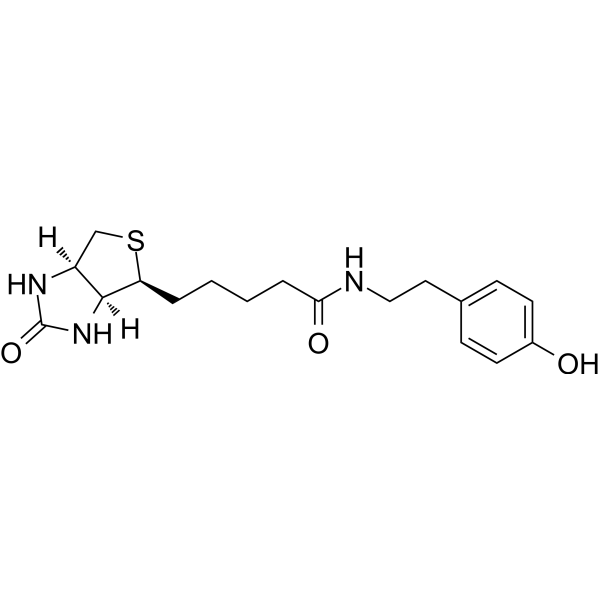
    Biotinyl tyramide
    5+ Cited Publications

    Fluorescent Dye Others
    Biotinyl tyramide is a biotin derivative used for tyramide signal amplification (TSA), as a reagent to amplify both immunohistochemical signals and in situ hybridization protocols. Biotinyl tyramide can be used for the research of tyramide signal amplification .
    Biotinyl tyramide
  • HY-173632

    Ras Cancer
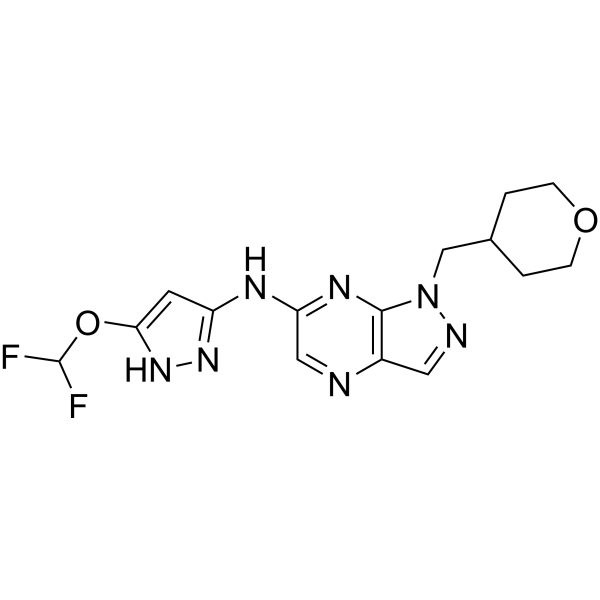
    AMG410 is a non-covalent and selective pan-KRAS inhibitor with IC50 values of 1-4 nM for KRAS G12D, KRAS G12V, and KRAS G13D. AMG410 shows greater than 100-fold selectivity against both HRAS and NRAS. AMG410 is a dual GTP(on)- and GDP(off)-state inhibitor (Kd(GDP-state) of 1 nM; Kd(GTP-state) of 22 nM). AMG410 blocks KRAS signaling in a cycling state-independent manner and also blocks proliferation in wildtype KRAS-amplified tumor cells. AMG410 can be used for the study of colorectal, pancreatic, and lung cancers .
    AMG410
  • HY-10966
    SB-590885
    Maximum Cited Publications
    8 Publications Verification

    Raf Apoptosis Neurological Disease Metabolic Disease Cancer
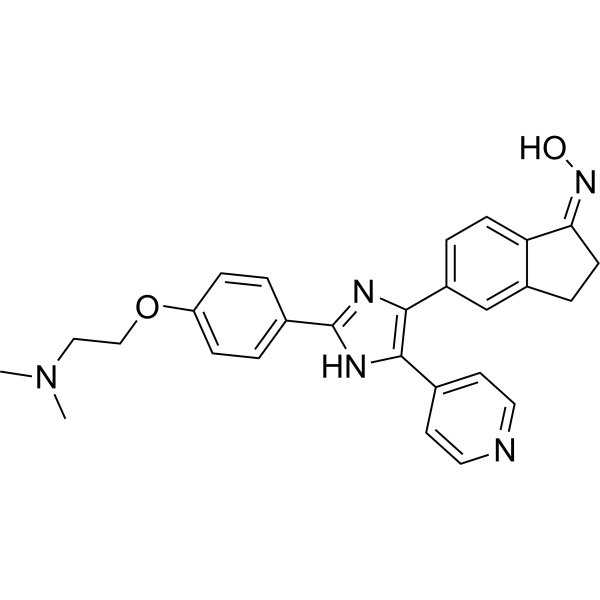
    SB-590885 is a BRAF/c-Raf kinase inhibitor that selectively targets B-Raf, and it amplifies the ERK/MAPK signaling pathway in RAS-activated cells. SB-590885 effectively inhibits the malignant proliferation, transformation and tumorigenicity of oncogenic B-Raf cells; it also induces the proliferation of erythroid progenitor cells, delays their differentiation and promotes hemoglobin synthesis, thereby improving ineffective erythropoiesis and reducing apoptosis. SB-590885 exerts a synergistic effect with TGF-β inhibitors and glucocorticoids, significantly promoting the formation of erythroid colonies in cells from patients with Diamond-Blackfan anemia (DBA). SB-590885 is mainly used in relevant studies on DBA, cisplatin-induced myelosuppression-related anemia, and pan-cancers such as melanoma and colorectal cancer .
    SB-590885
  • HY-E70005I
    Collagenase, Type VI
    1 Publications Verification

    Type VI collagenase

    MMP Cancer
    Collagenase, Type VI (EC 3.4.24.3) is a collagenase that can degrade type VI collagen. Type VI collagen is a component of cell membranes in various tissues (such as skin, heart, blood vessels, cartilage, and synovial fluid). Excessive collagenase can cause extracellular matrix lesions. Collagenase is also a biomarker for tumor invasion and metastasis. Collagenase, Type VI can specifically act on the peptide bond between proline and glycine. This feature can be used to quickly and sensitively detect its concentration level in experiments using corresponding modified electrodes .
    Collagenase, Type VI
  • HY-D1840
    Tyramide Amplification Buffer
    1 Publications Verification

    Biochemical Assay Reagents Others
    Tyramide Amplification Buffer is a ready-to-use buffer primarily intended for immunostaining of cells and tissues by the technique of tyramide signal amplification (TSA). Tyramide Amplification Buffer enables the reaction between tyramide-labeled antibodies and fluorescently labeled tyramide substitutes (tyramide) using peroxidase, resulting in a highly amplified fluorescent signal. Tyramide Amplification Buffer can be used for signal enhancement in detection methods such as immunofluorescence (IF), immunohistochemistry (IHC), or in situ hybridization (FISH) .
    Tyramide Amplification Buffer
  • HY-160701
    Cirtociclib
    2 Publications Verification

    BLU-222

    CDK Apoptosis Cancer
    Cirtociclib (BLU-222) is an orally active and highly selective CDK2 inhibitor. Cirtociclib disrupts Rb signaling and causes G1 arrest and apoptosis in CCNE1-amplified endometrial cancer cells .
    Cirtociclib
  • HY-111377
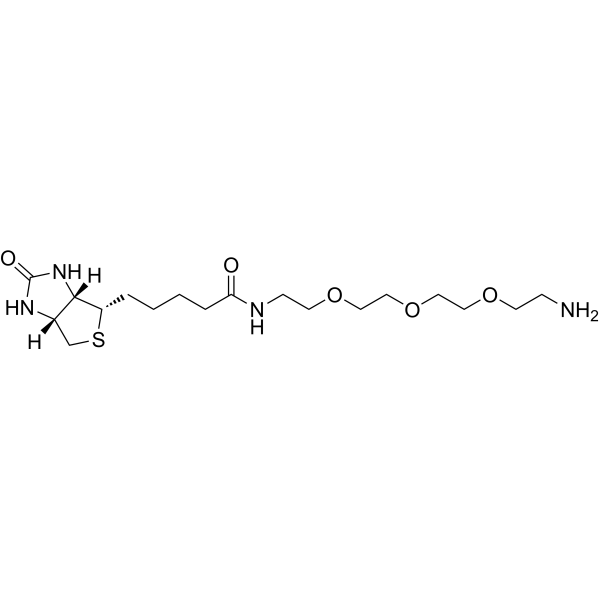
    Amine-PEG3-Biotin
    3 Publications Verification

    Fluorescent Dye Others
    Amine-PEG3-Biotin is a signal amplification label containing a biotin group and a terminal primary amine group .
    Amine-PEG3-Biotin
  • HY-134418

    Radionuclide-Drug Conjugates (RDCs) Cardiovascular Disease Cancer
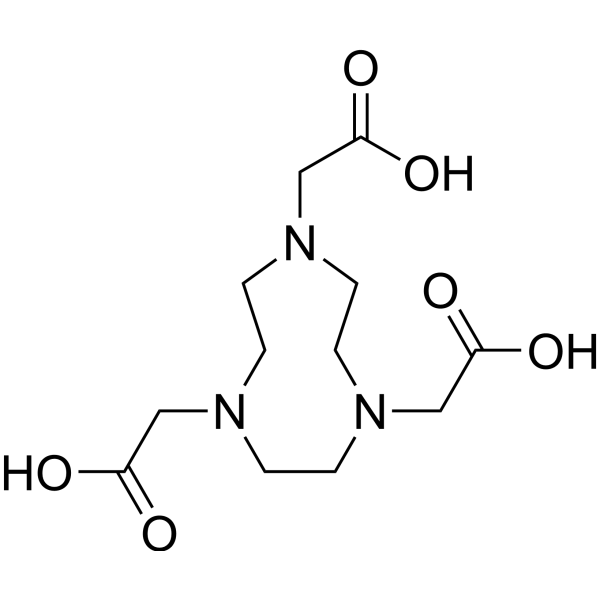
    NOTA is a bifunctional chelate which acts as the framework to construct PET imaging tools. NOTA also can be used for probe design and signal amplification via the multivalent effect. NOTA can be used in multiple myeloma, breast cancer, lymphoma and myocardial infarction research .
    NOTA
  • HY-D2468
    HRP-Streptavidin
    1 Publications Verification

    Fluorescent Dye Others
    Sulfonylurea Receptor HRP-Streptavidin is a biotin-binding signal amplifier designed to bind tightly with biotinylated anti-TSH monoclonal antibodies, thereby constituting a key component of the signal amplification system in immunoassays. HRP-Streptavidin is formed by the covalent coupling of Horseradish Peroxidase (HRP) with Streptavidin; it combines the highly efficient catalytic activity of the enzyme with the high affinity of Streptavidin for biotin, making it a potent and sensitive tool for signal amplification. HRP-Streptavidin is suitable for use in Western Blotting, ELISA, and other detection techniques .
    HRP-Streptavidin
  • HY-136247

    Tyramide-Cy5

    DNA Stain Others
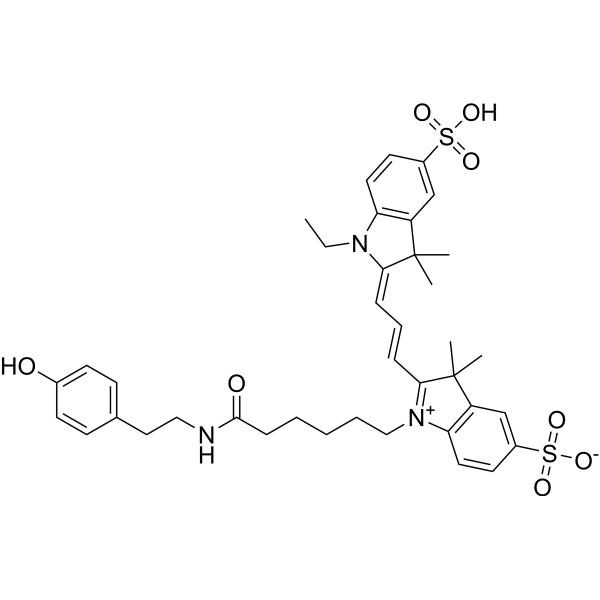
    Cyanine 5 Tyramide (Tyramide-Cy5), a red fluorescent dye, is utilized as reporter fluorescent substrate for horseradish peroxidase (HRP)-catalyzed deposition that is signal amplification technique in immunoassay and in situ hybridization of nucleic acids .
    Cyanine 5 Tyramide
  • HY-136248
    Cyanine 3 Tyramide
    1 Publications Verification

    Tyramide-Cy3

    DNA Stain Fluorescent Dye Others
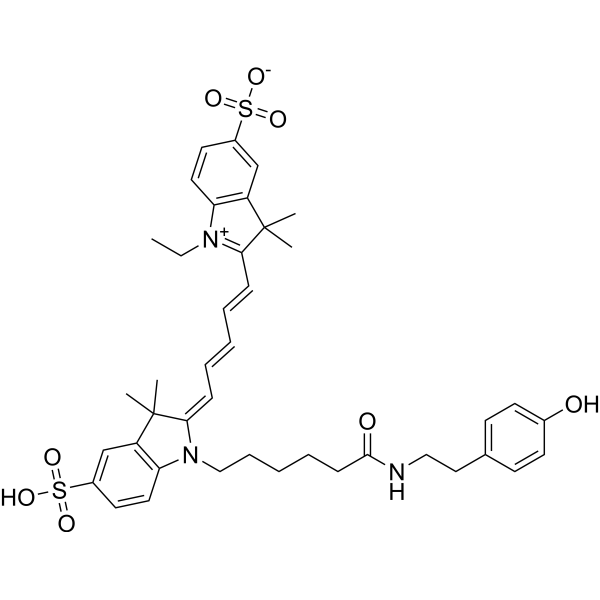
    Cyanine 3 Tyramide (Tyramide-Cy3) is an orange fluorescent dye used as a reporter fluorescent substrate for horseradish peroxidase (HRP)-catalyzed deposition, which serves as a signal amplification technique in immunoassays and in situ nucleic acid hybridization .
    Cyanine 3 Tyramide
  • HY-131008
    Fluorescein tyramide
    1 Publications Verification

    Fluorescent Dye Others
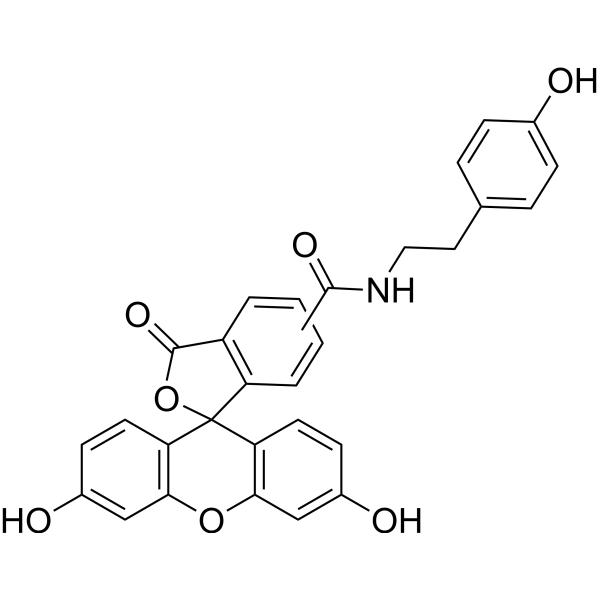
    Fluorescein tyramide is a green fluorescent reagent (λabs: 494 nm; λem: 517 nm). Fluorescein tyramide is widely used for tyramide signal amplification (TSA) with a low-abundance in IHC, ICC, in situ hybridization (FISH) and flow cytometry (FCM) applications .
    Fluorescein tyramide
  • HY-150750A

    Toll-like Receptor (TLR) Apoptosis Interleukin Related TNF Receptor IFNAR Inflammation/Immunology Cancer
    ODN M362 sodium is a TLR9 agonist that acts as a vaccine adjuvant. ODN M362 sodium activates mouse splenocytes, induces apoptosis in human hepatocellular carcinoma cells, upregulates proinflammatory cytokines in human hepatocellular carcinoma cells, and inhibits the proliferation of human hepatocellular carcinoma cells. ODN M362 sodium upregulates the expression of TLR9/TLR6, activates downstream signaling pathways via IRAK4 and IRF7, and strongly amplifies antigen-specific cellular immune responses to participate in innate immune activation. ODN M362 sodium can be used in research related to hepatocellular carcinoma and breast cancer .
    ODN M362 sodium
  • HY-D2875
    5-FITC tyramide
    1 Publications Verification

    Fluorescent Dye Others
    5-FITC tyramide is a green fluorescent dye composed of FITC (HY-66019) and tyramide (Ex=488 nm, Em=525 nm). 5-FITC tyramide is utilized as reporter fluorescent substrate of horseradish peroxidase (HRP)-catalyzed deposition for tyramide signal amplification (TSA). 5-FITC tyramide can be used for multiplex immunohistochemistry (mIHC) .
    5-FITC tyramide
  • HY-D2874

    Fluorescent Dye Others
    6-AF488 tyramide is a bright, green fluorescent dye (Ex=496 nm, Em=524 nm). 6-AF488 tyramide is utilized as reporter fluorescent substrate of horseradish peroxidase (HRP)-catalyzed deposition for tyramide signal amplification (TSA). 5-FITC tyramide can be used for multiplex immunohistochemistry (mIHC) .
    6-AF488 tyramide
  • HY-D2872

    Fluorescent Dye Others
    5-AF594 tyramide is a red fluorescent dye (Ex=590 nm, Em=618 nm). 5-AF594 tyramide is utilized as reporter fluorescent substrate of horseradish peroxidase (HRP)-catalyzed deposition for tyramide signal amplification (TSA). 5-AF594 tyramide can be used for multiplex immunohistochemistry (mIHC) .
    5-AF594 tyramide
  • HY-D2205

    Cy7 TSA

    Fluorescent Dye Others
    Cy7 tyramide, a red fluorescent dye, is utilized as reporter fluorescent substrate for horseradish peroxidase (HRP)-catalyzed deposition that is signal amplification technique in immunoassay and in situ hybridization of nucleic acids.
    Cy7 tyramide
  • HY-P2145

    EDF

    Bacterial Infection
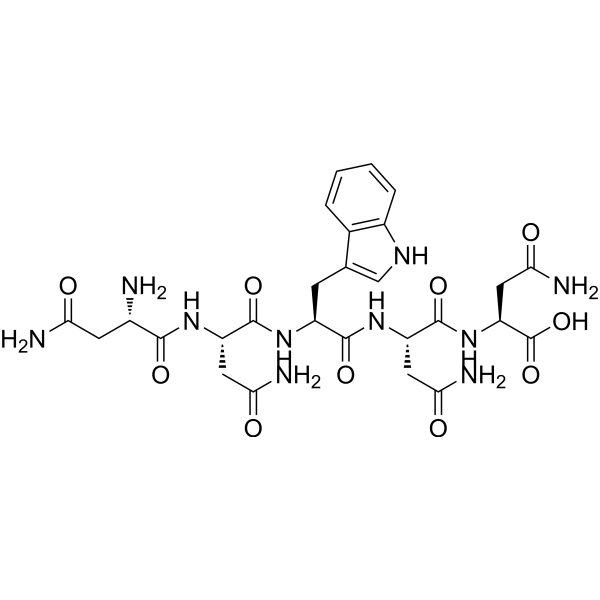
    Extracellular death factor (EDF) is the only single signaling molecule involved in Escherichia coli quorum sensing, and can initiate MAZEF-mediated cell death. Extracellular death factor significantly amplifies the endoribonucleolytic activities of both MazF and ChpBK .
    Extracellular death factor
  • HY-D2873

    Sulfo Cy7(Et) tyramide

    Fluorescent Dye Others
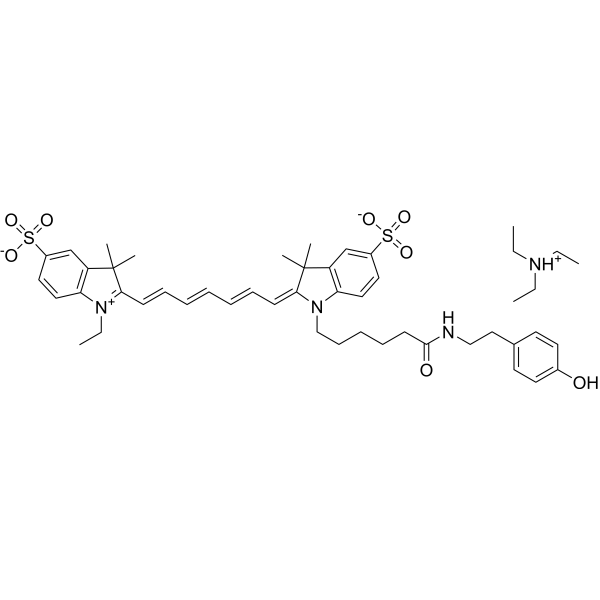
    Sulfo Cy7 tyramide, a red fluorescent dye (Ex=740 nm, Em=770 nm), is utilized as reporter fluorescent substrate of horseradish peroxidase (HRP)-catalyzed deposition for tyramide signal amplification (TSA). Sulfo Cy7 tyramide can be used for multiplex Immunohistochemistry (mIHC) .
    Sulfo Cy7 tyramide
  • HY-D1721

    Fluorescent Dye Thrombin Others
    Fluorescein-12-dATP is a fluorescein-labeled deoxyadenosine triphosphate and signal amplifier. Fluorescein-12-dATP can be incorporated into the 3'-end of exposed thrombin-binding aptamers via terminal deoxynucleotidyl transferase to form multi-labeled nucleic acid chains, which are used for signal amplification in thrombin detection. Fluorescein-12-dATP acts as a fluorescent detection probe in chip-based aptamer sandwich biosensors for the detection of thrombin in serum. Fluorescein-12-dATP can be used in studies related to thrombin detection .
    Fluorescein-12-dATP
  • HY-164548

    HSP Apoptosis PI3K Akt NF-κB Inflammation/Immunology Cancer
    WK88-1 is an apoptosis inducer and Hsp90 client protein inhibitor with antiproliferative and immunomodulatory activities. WK88-1 inhibits signaling pathways such as PI3K/Akt and NF-κB, and induces mitochondrial dysfunction and cell cycle arrest. WK88-1 effectively suppresses cancer cell migration and invasion, and reverses various EGFR mutations and resistance to Gefitinib (HY-50895). WK88-1 also regulates the differentiation of monocytes and dendritic cells, blocks the expression of multiple chemokines, inhibits immune cell migration and M1 marker transcription, and restores impaired endocytic activity. WK88-1 has been used in studies of breast cancer, non-small cell lung cancer with various EGFR mutations or Met amplification, and atherosclerosis and other related diseases .
    WK88-1
  • HY-134418R

    Radionuclide-Drug Conjugates (RDCs) Reference Standards Cardiovascular Disease Cancer
    NOTA (Standard) is the analytical standard of NOTA. This product is intended for research and analytical applications. NOTA is a bifunctional chelate which acts as the framework to construct PET imaging tools. NOTA also can be used for probe design and signal amplification via the multivalent effect. NOTA can be used in multiple myeloma, breast cancer, lymphoma and myocardial infarction research .
    NOTA (Standard)
  • HY-136247A

    DNA Stain Others
    Cyanine 5 Tyramide (Tyramide-Cy5) methyl indole is a red fluorescent dye. Cyanine 5 Tyramide is utilized as reporter fluorescent substrate for horseradish peroxidase (HRP)-catalyzed deposition that is signal amplification technique in immunoassay and in situ hybridization of nucleic acids . Storage: protect from light.
    Cyanine 5 Tyramide methyl indole
  • HY-W800701

    Biochemical Assay Reagents Others
    BP Fluor 546 DBCO is an azide-reactive probe that can be used for imaging azide-tagged biomolecules via a copper-free click reaction. The DBCO moiety reacts with azides to form a stable triazole and does not require a Cu-catalyst or elevated temperatures. In applications where the presence of copper is a concern, BP Fluor 546 DBCO is an ideal alternative to copper-requiring fluorescent alkynes. BP Fluor 546 is a water-soluble, pH-insensitive (from pH 4-10), orange-fluorescent dye with absorption and emission maxima at 554 and 570 nm, respectively. It can be used with the 488 nm and 532 nm laser lines. BP Fluor 546 dye conjugates to a variety of antibodies, peptides, proteins, tracers, and amplification substrates, which are often used for generating stable signals in imaging and flow cytometry.
    BP Fluor 546 DBCO
  • HY-E70758

    c-Met/HGFR Cancer
    Mesenchymal-to-epithelial transition (MET) is a receptor tyrosine kinase for hepatocyte growth factor (HGF). MET overactivation is strongly associated with angiogenesis, cellular motility, growth, and invasion. Aberrant MET signaling can drive tumorigenesis in several cancer types through various molecular mechanisms, including MET amplification, MET exon 14 skipping mutation, MET overexpression, and MET fusions. MET Y1235D is a mutant of MET. MET Y1235D Recombinant Human Active Protein Kinase is a recombinant MET Y1235D protein that can be used to study MET Y1235D-related functions .
    MET Y1235D Recombinant Human Active Protein Kinase
  • HY-E70751

    c-Met/HGFR Cancer
    Mesenchymal-to-epithelial transition (MET) is a receptor tyrosine kinase for hepatocyte growth factor (HGF). MET overactivation is strongly associated with angiogenesis, cellular motility, growth, and invasion. Aberrant MET signaling can drive tumorigenesis in several cancer types through various molecular mechanisms, including MET amplification, MET exon 14 skipping mutation, MET overexpression, and MET fusions. MET G1163R is a mutant of MET. MET G1163R Recombinant Human Active Protein Kinase is a recombinant MET G1163R protein that can be used to study MET G1163R-related functions .
    MET G1163R Recombinant Human Active Protein Kinase
  • HY-D2745

    Fluorescent Dye Others
    BP Fluor 594 NHS ester is the most popular tool for modifying proteins or antibodies through the primary amines (Lys), amine-modified oligonucleotides, and other amine-containing biomolecules with BP Fluor 594 label. The labeling occurs most efficiently at pH 7-9 and forms a stable, covalent amide bond. BP Fluor 594 dye can be used for proteins labeling at high molar ratios without significant self-quenching, enabling brighter conjugates and more sensitive detection. BP Fluor 594 is bright, water-soluble, and pH-insensitive from pH 4 to pH 10 red-fluorescent dye with absorption and emission maxima at 590 and 617 nm, respectively. It can be used with the 561 nm and 594 nm laser lines. BP Fluor 594 dye conjugated to a variety of antibodies, peptides, proteins, tracers, and amplification substrates often used for generation of stable signal in imaging and flow cytometry.
    BP Fluor 594 NHS ester
  • HY-D1839

    Biotin Tyramide

    Fluorescent Dye Others
    Biotin TSA (200×) (Biotin Tyramide) is a biotin derivative used for tyramide signal amplification (TSA), as a reagent to amplify both immunohistochemical signals and in situ hybridization protocols. Biotinyl tyramide can be used for the research of tyramide signal amplification .
    Biotin TSA(200×)
  • HY-125658S

    Isotope-Labeled Compounds Others
    Biotinyl tyramide-d4 is a deuterated labeled Biotinyl tyramide (HY-125658). Biotinyl tyramide is a biotin derivative used for tyramide signal amplification (TSA), as a reagent to amplify both immunohistochemical signals and in situ hybridization protocols. Biotinyl tyramide can be used for the research of tyramide signal amplification .
    Biotinyl tyramide-d4
  • HY-136248A

    Fluorescent Dye DNA Stain Others
    Cyanine 3 Tyramide methyl indole is a derivative of Cyanine 3 Tyramide (HY-136248). Cyanine 3 Tyramide is an orange fluorescent dye, and is utilized as reporter fluorescent substrate for horseradish peroxidase (HRP)-catalyzed deposition that is signal amplification technique in immunoassay and in situ hybridization of nucleic acids .
    Cyanine 3 Tyramide methyl indole
  • HY-12965B

    TAM Receptor Cancer
    (Z)-S49076 hydrochloride is an orally active inhibitor of MET and AXL that blocks the downstream signaling of these receptors both in vitro and in vivo, inhibiting the proliferation and migration of tumor cells and suppressing tumor growth in xenograft models. (Z)-S49076 hydrochloride is capable of overcoming the resistance to epidermal growth factor receptor (EGFR) tyrosine kinase inhibitors (TKIs) due to MET amplification in Erlotinib (HY-50896)-resistant cell lines both in vitro and in vivo. (Z)-S49076 hydrochloride can be used for research in non-small cell lung cancer (NSCLC) .
    (Z)-S49076 hydrochloride
  • HY-E70754

    c-Met/HGFR Cancer
    Mesenchymal-to-epithelial transition (MET) is a receptor tyrosine kinase for hepatocyte growth factor (HGF). MET overactivation is strongly associated with angiogenesis, cellular motility, growth, and invasion. Aberrant MET signaling can drive tumorigenesis in several cancer types through various molecular mechanisms, including MET amplification, MET exon 14 skipping mutation, MET overexpression, and MET fusions. MET Y1230A is a mutant of MET. MET Y1230A Recombinant Human Active Protein Kinase is a recombinant MET Y1230A protein that can be used to study MET Y1230A-related functions .
    MET Y1230A Recombinant Human Active Protein Kinase
  • HY-E70749

    c-Met/HGFR Cancer
    Mesenchymal-to-epithelial transition (MET) is a receptor tyrosine kinase for hepatocyte growth factor (HGF). MET overactivation is strongly associated with angiogenesis, cellular motility, growth, and invasion. Aberrant MET signaling can drive tumorigenesis in several cancer types through various molecular mechanisms, including MET amplification, MET exon 14 skipping mutation, MET overexpression, and MET fusions. MET D1228N is a mutant of MET. MET D1228N Recombinant Human Active Protein Kinase is a recombinant MET D1228N protein that can be used to study MET D1228N-related functions .
    MET D1228N Recombinant Human Active Protein Kinase
  • HY-E70748

    c-Met/HGFR Cancer
    Mesenchymal-to-epithelial transition (MET) is a receptor tyrosine kinase for hepatocyte growth factor (HGF). MET overactivation is strongly associated with angiogenesis, cellular motility, growth, and invasion. Aberrant MET signaling can drive tumorigenesis in several cancer types through various molecular mechanisms, including MET amplification, MET exon 14 skipping mutation, MET overexpression, and MET fusions. MET D1228H is a mutant of MET. MET D1228H Recombinant Human Active Protein Kinase is a recombinant MET D1228H protein that can be used to study MET D1228H-related functions .
    MET D1228H Recombinant Human Active Protein Kinase
  • HY-E70755

    c-Met/HGFR Cancer
    Mesenchymal-to-epithelial transition (MET) is a receptor tyrosine kinase for hepatocyte growth factor (HGF). MET overactivation is strongly associated with angiogenesis, cellular motility, growth, and invasion. Aberrant MET signaling can drive tumorigenesis in several cancer types through various molecular mechanisms, including MET amplification, MET exon 14 skipping mutation, MET overexpression, and MET fusions. MET Y1230C is a mutant of MET. MET Y1230C Recombinant Human Active Protein Kinase is a recombinant MET Y1230C protein that can be used to study MET Y1230C-related functions .
    MET Y1230C Recombinant Human Active Protein Kinase
  • HY-E70752

    c-Met/HGFR Cancer
    Mesenchymal-to-epithelial transition (MET) is a receptor tyrosine kinase for hepatocyte growth factor (HGF). MET overactivation is strongly associated with angiogenesis, cellular motility, growth, and invasion. Aberrant MET signaling can drive tumorigenesis in several cancer types through various molecular mechanisms, including MET amplification, MET exon 14 skipping mutation, MET overexpression, and MET fusions. MET L1195V is a mutant of MET. MET L1195V Recombinant Human Active Protein Kinase is a recombinant MET L1195V protein that can be used to study MET L1195V-related functions .
    MET L1195V Recombinant Human Active Protein Kinase
  • HY-E70756

    c-Met/HGFR Cancer
    Mesenchymal-to-epithelial transition (MET) is a receptor tyrosine kinase for hepatocyte growth factor (HGF). MET overactivation is strongly associated with angiogenesis, cellular motility, growth, and invasion. Aberrant MET signaling can drive tumorigenesis in several cancer types through various molecular mechanisms, including MET amplification, MET exon 14 skipping mutation, MET overexpression, and MET fusions. MET Y1230D is a mutant of MET. MET Y1230D Recombinant Human Active Protein Kinase is a recombinant MET Y1230D protein that can be used to study MET Y1230D-related functions .
    MET Y1230D Recombinant Human Active Protein Kinase
  • HY-E70757

    c-Met/HGFR Cancer
    Mesenchymal-to-epithelial transition (MET) is a receptor tyrosine kinase for hepatocyte growth factor (HGF). MET overactivation is strongly associated with angiogenesis, cellular motility, growth, and invasion. Aberrant MET signaling can drive tumorigenesis in several cancer types through various molecular mechanisms, including MET amplification, MET exon 14 skipping mutation, MET overexpression, and MET fusions. MET Y1230H is a mutant of MET. MET Y1230H Recombinant Human Active Protein Kinase is a recombinant MET Y1230H protein that can be used to study MET Y1230H-related functions .
    MET Y1230H Recombinant Human Active Protein Kinase
  • HY-E70753

    c-Met/HGFR Cancer
    Mesenchymal-to-epithelial transition (MET) is a receptor tyrosine kinase for hepatocyte growth factor (HGF). MET overactivation is strongly associated with angiogenesis, cellular motility, growth, and invasion. Aberrant MET signaling can drive tumorigenesis in several cancer types through various molecular mechanisms, including MET amplification, MET exon 14 skipping mutation, MET overexpression, and MET fusions. MET M1250T is a mutant of MET. MET M1250T Recombinant Human Active Protein Kinase is a recombinant MET M1250T protein that can be used to study MET M1250T-related functions .
    MET M1250T Recombinant Human Active Protein Kinase
  • HY-173390

    Drug Intermediate Biochemical Assay Reagents Others
    BCN-E-BCN is a strained cycloalkyne-based probe designed for detecting protein sulfenylation, the primary intermediate in protein oxidation. This structurally constrained cycloalkyne compound specifically recognizes sulfenic acid groups formed during thiol oxidation, while remaining completely unreactive toward other oxidative states (such as free thiols, sulfinic, or sulfonic acid groups). Researchers can leverage its efficient conjugation with azide-bearing tags through copper-free click chemistry to amplify detection signals. Compared to conventional detection methods, BCN-E-BCN demonstrates superior reaction kinetics and enhanced sensitivity. With these advantages, BCN-E-BCN shows great promise as an effective tool for protein oxidation research .
    BCN-E-BCN
  • HY-D2738

    Fluorescent Dye Others
    BP Fluor 532 NHS ester is an amine reactive, yellow-emitting dye routinely used to label proteins or antibodies through primary amines (Lys), amine-modified oligonucleotides, and other amine-containing biomolecules. The labeling occurs most efficiently at pH 7-9 and forms a stable, covalent amide bond. BP Fluor 532 is a bright yellow-fluorescent dye with pH insensitive emission from pH 4 to pH 10. The excitation of BP Fluor 532 is ideally suited for the frequency-doubled Nd:YAG laser line. BP Fluor 532 can be conjugated to a variety of antibodies, peptides, proteins, tracers, and amplification substrates, and is often used for the generation of stable signals in imaging and flow cytometry.
    BP Fluor 532 NHS ester
  • HY-10966R
    SB-590885 (Standard)
    Maximum Cited Publications
    8 Publications Verification

    Reference Standards Raf Apoptosis Cancer
    SB-590885 (Standard) is the analytical standard of SB-590885 (HY-10966). This product is intended for research and analytical applications. SB-590885 is a BRAF/c-Raf kinase inhibitor that selectively targets B-Raf, and it amplifies the ERK/MAPK signaling pathway in RAS-activated cells. SB-590885 effectively inhibits the malignant proliferation, transformation and tumorigenicity of oncogenic B-Raf cells; it also induces the proliferation of erythroid progenitor cells, delays their differentiation and promotes hemoglobin synthesis, thereby improving ineffective erythropoiesis and reducing apoptosis. SB-590885 exerts a synergistic effect with TGF-β inhibitors and glucocorticoids, significantly promoting the formation of erythroid colonies in cells from patients with Diamond-Blackfan anemia (DBA). SB-590885 is mainly used in relevant studies on DBA, cisplatin-induced myelosuppression-related anemia, and pan-cancers such as melanoma and colorectal cancer .
    SB-590885 (Standard)
  • HY-P991996

    Fc Receptor (FcR) Inflammation/Immunology
    SM201 is a monoclonal antibody that targets FcγRIIB. SM201 specifically binds to FcγRIIB, enhances ITIM phosphorylation of FcγRIIB in an immune complex-dependent manner, and acts synergistically with immune complexes to amplify inhibitory signals. SM201 does not induce apoptosis, activate NK cells, or deplete B cells. SM201 can be used for the research of autoimmune diseases .
    SM201
  • HY-167931

    Drug Derivative Metabolic Disease
    Cinnamohydrazide, an unsaturated carboxylic acid derivative, serves as a precursor to aspartame through enzyme-mediated amination to phenylalanine. This compound may offer potential benefits in the prevention and treatment of diabetes by facilitating insulin secretion, enhancing pancreatic β-cell function, inhibiting hepatic gluconeogenesis, promoting glucose uptake, amplifying insulin signaling pathways, delaying carbohydrate digestion and glucose absorption, and reducing protein glycation and insulin fibrillation.
    Cinnamohydrazide
  • HY-175076

    Endogenous Metabolite Metabolic Disease Inflammation/Immunology
    Globotriaosylceramide (non-hydroxy) (porcine RBC) is a glycosphingolipid found in the cell membranes of mammals. Globotriaosylceramide (non-hydroxy) (porcine RBC) is the core pathogenic molecule of Fabry disease, and its level can be downregulated by supplementing α-galactosidase A. Globotriaosylceramide (non-hydroxy) (porcine RBC) amplifies B-cell receptor signals by regulating the localization of co-receptor CD19, and can be used as a vaccine adjuvant, capable of guiding the generation of broad-spectrum and cross-protective antibody responses. Globotriaosylceramide (non-hydroxy) (porcine RBC) promotes wound healing and reduces scar formation by regulating fibroblast heterogeneity .
    Globotriaosylceramide (non-hydroxy) (porcine RBC)
  • HY-P992396

    c-Met/HGFR Cancer
    KTN0073 is a high-affinity MET receptor tyrosine kinase inhibitor. KTN0073 can be used in studies related to non-small cell lung cancer and human cancers driven by HGF, MET amplification, or exon 14 mutation. KTN0073 binds to the Sema/PSI domain to block the HGF-MET interaction, and induces ubiquitination and degradation of oncogenic MET receptors via an HGF-independent pathway, thereby inhibiting MET-dependent signal transduction. KTN0073 exhibits significant antitumor activity in vivo, and its tumor suppressive activity is superior to that of the IgG1 subtype when grafted to the IgG2 constant region .
    KTN0073
  • HY-E70750

    c-Met/HGFR Cancer
    Mesenchymal-to-epithelial transition (MET) is a receptor tyrosine kinase for hepatocyte growth factor (HGF). MET overactivation is strongly associated with angiogenesis, cellular motility, growth, and invasion. Aberrant MET signaling can drive tumorigenesis in several cancer types through various molecular mechanisms, including MET amplification, MET exon 14 skipping mutation, MET overexpression, and MET fusions. MET F1200I is a mutant of MET. MET F1200I Recombinant Human Active Protein Kinase is a recombinant MET F1200I protein that can be used to study MET F1200I-related functions .
    MET F1200I Recombinant Human Active Protein Kinase
  • HY-173632A

    Ras Cancer
    AMG410 diTFA is a non-covalent and selective pan-KRAS inhibitor with IC50 values of 1-4 nM for KRAS G12D, KRAS G12V, and KRAS G13D. AMG410 diTFA shows greater than 100-fold selectivity against both HRAS and NRAS. AMG410 diTFA is a dual GTP(on)- and GDP(off)-state inhibitor (Kd(GDP-state) of 1 nM; Kd(GTP-state) of 22 nM). AMG410 diTFA blocks KRAS signaling in a cycling state-independent manner and also blocks proliferation in wildtype KRAS-amplified tumor cells. AMG410 diTFA can be used for the study of colorectal, pancreatic, and lung cancers .
    AMG410 diTFA
  • HY-D2763

    Fluorescent Dye Others
    BP Fluor 532 maleimide is a photostable, bright yellow-fluorescent dye with pH insensitive emission from pH 4 to pH 10. The excitation of BP Fluor 532 is ideally suited for the frequency-doubled Nd:YAG laser line. BP Fluor 532 dye can be conjugated to a variety of antibodies, peptides, proteins, tracers, and amplification substrates, and is often used for the generation of stable signals in imaging and flow cytometry. Maleimide is the most popular sulfhydryl-reactive group for conjugating the dye to a thiol group on a protein, oligonucleotide thiophosphate, or low molecular weight ligand. The maleimide group specifically and efficiently reacts with reduced thiols (sulfhydryl groups, –SH) at pH 6.5 to 7.5 to form a stable thioether bond. The resulting conjugates exhibit brighter fluorescence and greater photostability than the conjugates of many other spectrally similar fluorophores.
    BP Fluor 532 maleimide
  • HY-10966G

    Raf Apoptosis Cardiovascular Disease Cancer
    SB-590885 GMP is SB-590885 (HY-10966) produced by using GMP guidelines. GMP small molecules works appropriately as an auxiliary reagent for cell therapy manufacture. SB-590885 is a BRAF/c-Raf kinase inhibitor that selectively targets B-Raf, and it amplifies the ERK/MAPK signaling pathway in RAS-activated cells. SB-590885 effectively inhibits the malignant proliferation, transformation and tumorigenicity of oncogenic B-Raf cells; it also induces the proliferation of erythroid progenitor cells, delays their differentiation and promotes hemoglobin synthesis, thereby improving ineffective erythropoiesis and reducing apoptosis. SB-590885 exerts a synergistic effect with TGF-β inhibitors and glucocorticoids, significantly promoting the formation of erythroid colonies in cells from patients with Diamond-Blackfan anemia (DBA). SB-590885 is mainly used in relevant studies on DBA, cisplatin-induced myelosuppression-related anemia, and pan-cancers such as melanoma and colorectal cancer .
    SB-590885

オンラインお問い合わせ

入力情報は安全に管理されます. 必須入力項目.

タイトル


国或いは地域 *

お名前 *


組纖名 *

デパートメント *


メールアドレス *


製品名 *

製品番号


カスタマ需要量 *

電話番号 *


必ず会社名を記載ください。個人への返信は行いません。

備考

バルクお問い合わせ

Inquiry Information

製品名:
製品番号:
数量:
MCE 日本正規代理店:

