Search Result
Results for "
the amyloid precursor protein (APP)
" in MedChemExpress (MCE) Product Catalog:
| Cat. No. |
Product Name |
Target |
Research Areas |
Chemical Structure |
-
- HY-19369
-
L-685458
Maximum Cited Publications
6 Publications Verification
L-685,458
|
γ-secretase
Apoptosis
|
Neurological Disease
Cancer
|
|
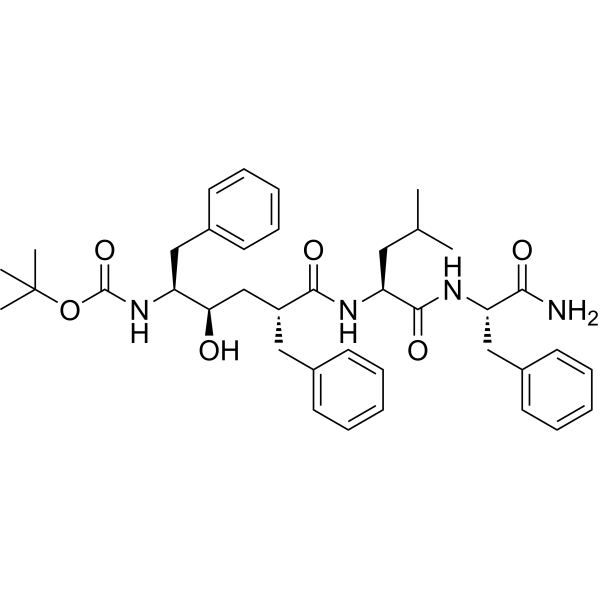
L-685458 is a potent transition state analog (TSA) γ-secretase inhibitor (GSI). L-685458 inhibits amyloid β-protein precursor γ-secretase activity with IC50 of 17 nM, shows greater than 50-100-fold selectivity over other aspartyl proteases tested. L685458 inhibits γ-secretase-mediated cleavage of APP-C99 and Notch-100 with IC50s of 301.3 nM and 351.3 nM, respectively. L-685458 can be used for the research of alzheimer’s disease (AD) and cancers .
|
-
-
- HY-16009
-
|
(+)-Phenserine; ANVS401
|
α-synuclein
|
Neurological Disease
Inflammation/Immunology
|
|
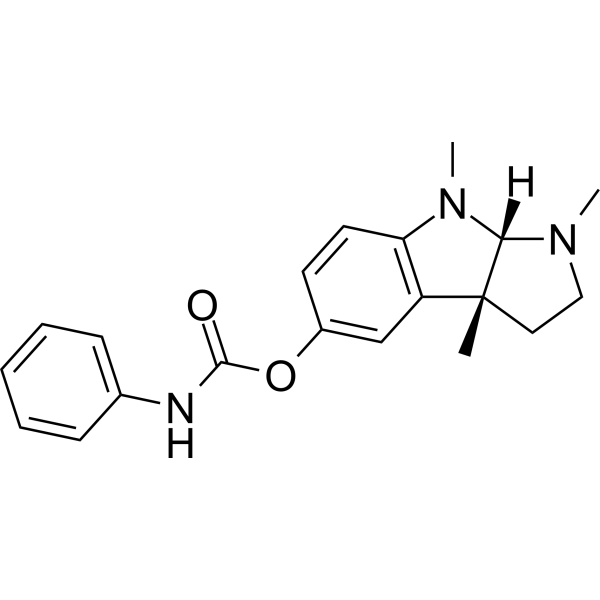
Buntanetap ((+)-Phenserine) is a selective acetylcholinesterase inhibitor. Buntanetap is a multiple neurotoxic protein translation inhibitor with oral activity, including amyloid precursor protein (APP), α-synuclein (αSYN) and huntingtin protein (HTT). Buntanetap reduces the production of β-amyloid precursor protein by blocking its mRNA translation. Buntanetap has anti-inflammatory effects and can be used in the study of Alzheimer's disease and Parkinson's disease .
|
-
-
- HY-13438
-
|
|
Beta-secretase
|
Neurological Disease
|
|
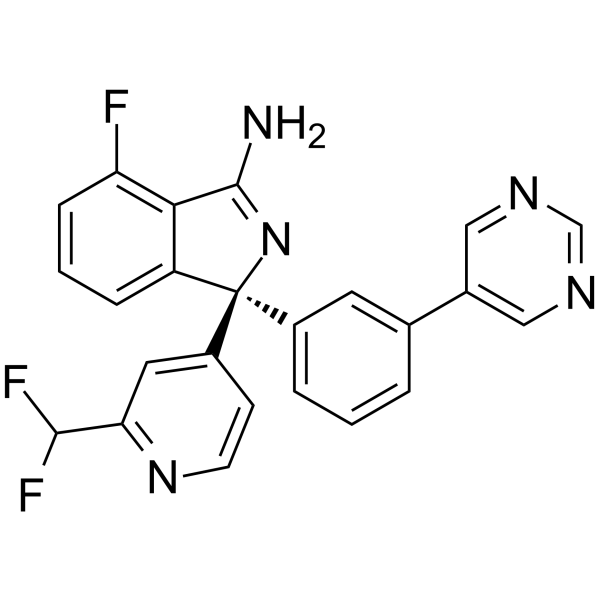
AZD3839 is an orally available, selective, reversible inhibitor of the β-site amyloid precursor protein cleaving enzyme BACE1 that can cross the blood-brain barrier. AZD3839 inhibits recombinant human BACE1 with a Ki=26.1 nM. AZD3839 inhibits A40 production in SH-SY5Y cells with an IC50 of 4.8 nM. AZD3839 binds to BACE1 and reduces the Aβ amyloid produced by the cleavage of amyloid precursor protein (APP) by BACE1 and γ-secretase. AZD3839 can be used in the field of Alzheimer's disease research .
|
-
-
- HY-50883
-
|
|
γ-secretase
|
Neurological Disease
|
|
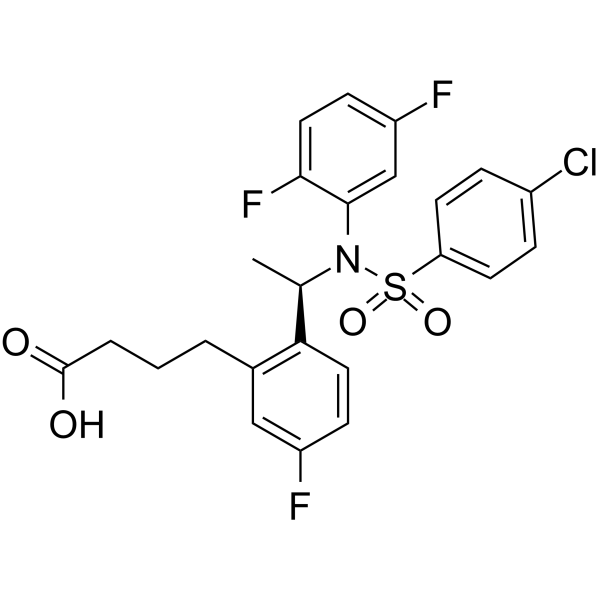
BMS 299897 is a sulfonamide γ-secretase inhibitor with an IC50 of 7 nM for Aβ production inhibition in HEK293 cells stably overexpressing amyloid precursor protein (APP).
|
-
-
- HY-13769A
-
|
NSC55712; TPU-260 Dihydrochloride
|
Drug Derivative
Amyloid-β
Beta-secretase
|
Cardiovascular Disease
Neurological Disease
Inflammation/Immunology
|
|
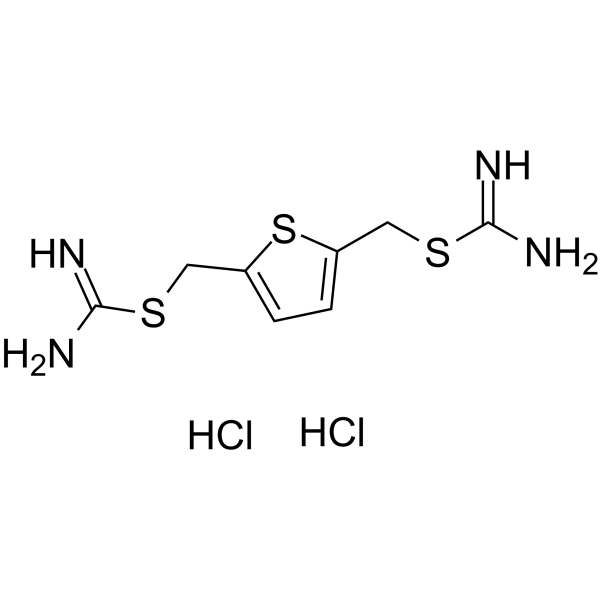
TPT-260 Dihydrochloride (NSC55712), a thiophene thiourea derivative, is a retromer complex stabilizer against thermal denaturation (Kd = ~5 µM). TPT-260 Dihydrochloride increases the levels of retromer proteins, shifts amyloid-precursor protein (APP) away from the endosome, and decreases the pathogenic processing of APP. TPT-260 Dihydrochloride inhibits TLR4 upregulation, IKKβ phosphorylation, NF-κB p65 nuclear translocation, and NLRP3 inflammasome formation. TPT-260 Dihydrochloride improves retromer-mediated cargo trafficking, reduces brain infarct area, and decreases amyloid plaque deposition. TPT-260 Dihydrochloride exhibits minimal cytotoxicity to primary microglia at tested concentrations. TPT-260 Dihydrochloride can be used for the research of inflammatory bowel disease, ischemic stroke and Alzheimer's disease .
|
-
-
- HY-14537
-
-
-
- HY-114174
-
|
|
Amyloid-β
|
Neurological Disease
|
|
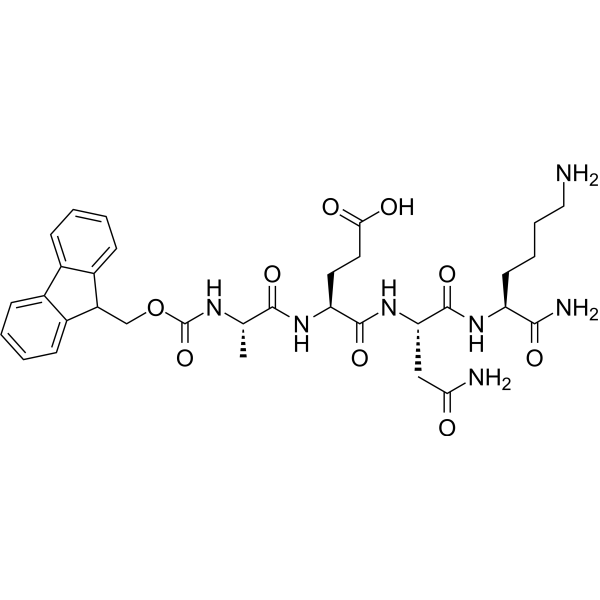
Fmoc-Ala-Glu-Asn-Lys-NH2 is a selective asparagine endopeptidase (AEP) inhibitor peptide and suppresses amyloid precursor protein (APP) cleavage. AEP, a pH-controlled cysteine proteinase, is activated during ageing and mediates APP proteolytic processing .
|
-
-
- HY-103374
-
|
(-)-Eseroline phenylcarbamate; (-)-Phenserine
|
Cholinesterase (ChE)
Amyloid-β
|
Neurological Disease
|
|
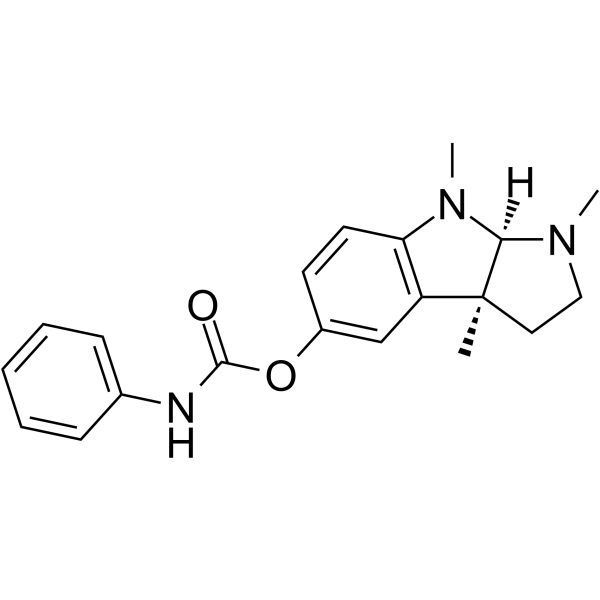
Phenserine ((-)-Eseroline phenylcarbamate) is a derivative of Physostigmine (HY-N6608) and is a potent, noncompetitive, long-acting and selective AChE inhibitor. Phenserine reduces β-amyloid precursor protein (APP) and β-amyloid peptide (Aβ) formation. Phenserine improves cognitive performance and attenuates the progression of Alzheimer's disease .
|
-
-
- HY-P990301
-
|
|
Amyloid-β
|
Neurological Disease
|
|
Anti-Human/Mouse/Rat Amyloid-beta Antibody (MOAB-2) is a mouse-derived IgG2b λ type antibody inhibitor, targeting to Amyloid-beta. Anti-Human/Mouse/Rat Amyloid-beta Antibody (MOAB-2) recognizes unaggregated, oligomeric or fibrillar forms of Aβ42 and unaggregated Aβ40. Anti-Human/Mouse/Rat Amyloid-beta Antibody (MOAB-2) is selective for human Aβ42 over Aβ40, but not amyloid precursor protein (APP). Anti-Human/Mouse/Rat Amyloid-beta Antibody (MOAB-2) can immunostain human or rat and mouse tissue. Anti-Human/Mouse/Rat Amyloid-beta Antibody (MOAB-2) can be used for detections of western blot, immunohistochemistry, immunofluorescence, immunoprecipitation and ELISA .
|
-
-
- HY-124832
-
|
|
Caspase
Amyloid-β
|
Neurological Disease
|
|
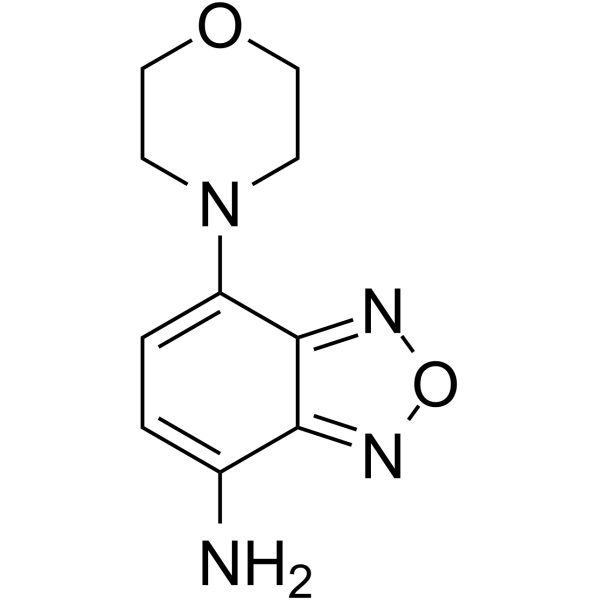
δ-Secretase inhibitor 11 (compound 11) is an orally active, potent, BBB-penetrated, non-toxic, selective and specific δ-secretase inhibitor, with an IC50 of 0.7 μM. δ-Secretase inhibitor 11 interacts with both the active site and allosteric site of δ-secretase. δ-Secretase inhibitor 11 attenuates tau and APP (amyloid precursor protein) cleavage. δ-Secretase inhibitor 11 ameliorates synaptic dysfunction and cognitive impairments in tau P301S and 5XFAD transgenic mouse models. δ-Secretase inhibitor 11 can be used for Alzheimer's disease research .
|
-
-
- HY-18292
-
|
|
Amyloid-β
|
Neurological Disease
|
|
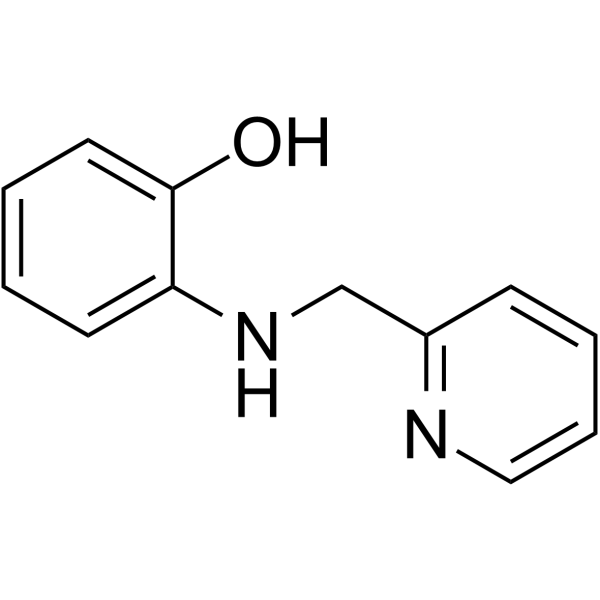
ARN2966 is a potent, orally active and cross the blood-brain barrier amyloid precursor protein (APP) translation modulator.
|
-
-
- HY-14862
-
-

-
- HY-161110
-
|
|
Amyloid-β
|
Neurological Disease
|
|
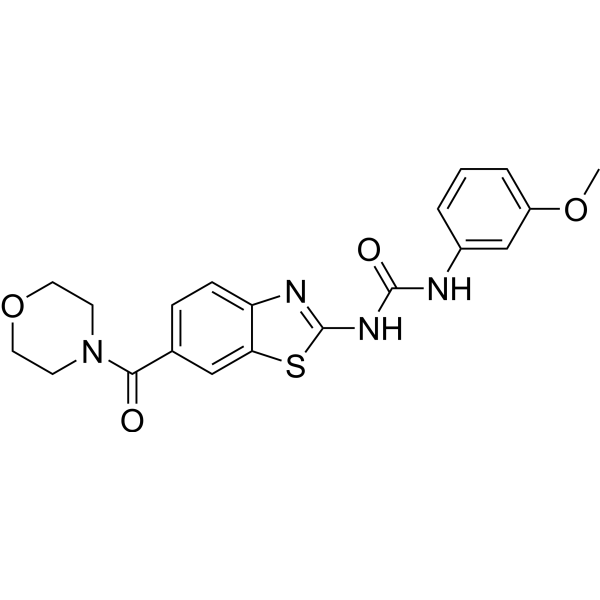
APP degrader-1 (Compound 0152) is an orally active amyloid precursor protein (APP) degrader that induces APP degradation and reduces the extracellular release of Aβ42. APP degrader-1 can bind to both CAPRIN1 and APP, and enhances their interaction as well as CAPRIN1-mediated APP degradation through the endosome-lysosome pathway .
|
-
-
- HY-171347
-
|
|
γ-secretase
Amyloid-β
|
Neurological Disease
|
|
gamma-secretase modulator 6 (Example 50) is a gamma-secretase modulator. gamma-secretase modulator 6 inhibits Aβ42 secretion in HEK cell line stably expressing APP (Aβ amyloid precursor protein) (pIC50: 8.1). gamma-secretase modulator 6 can be used for research of Alzheimer's disease .
|
-

-
- HY-161723
-
|
|
Dopamine Transporter
CDK
|
Neurological Disease
|
|
LH2-051, a lysosome-enhancing compound (LYEC), is a brain-penetrant dopamine transporter (DAT) inhibitor (Ki: 0.95 μM). LH2-051 inhibits DAT-mediated dopamine uptake with an IC50 of 3.0 μM. LH2-051 promotes nuclear translocation of TFEB and lysosome biogenesis. LH2-051 improves the memory of amyloid precursor protein (APP)/Presenilin 1 (PS1) mice. LH2-051 can be used for the study of Alzheimer’s disease .
|
-

-
- HY-P3779
-
|
Aβ(17-42)
|
Apoptosis
|
Neurological Disease
|
|
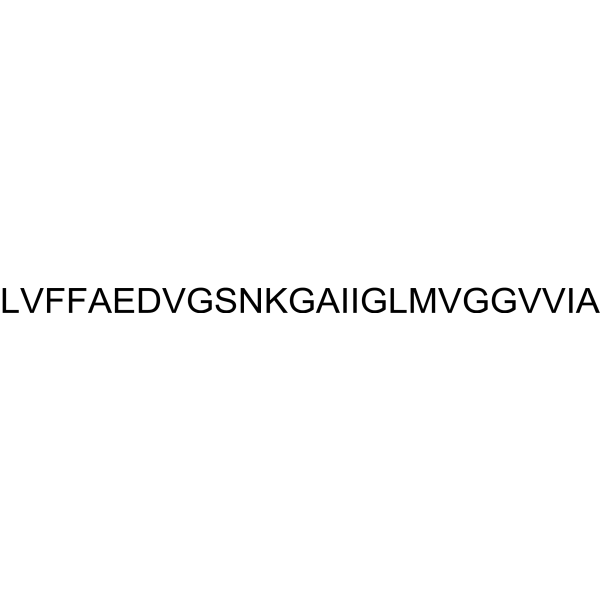
Amyloid 17-42 (Aβ(17-42)) is a major constituent of diffuse plaques in Alzheimer's disease and cerebellar pre-amyloid in Down's syndrome, derived by alpha- and gamma-secretase cleavage of the amyloid precursor protein (APP). Amyloid 17-42 can induce neuronal apoptosis via a Fas-like/caspase-8 activation pathway .
|
-
-
- HY-P4885
-
|
AβpE3-40
|
Amyloid-β
|
Neurological Disease
|
|
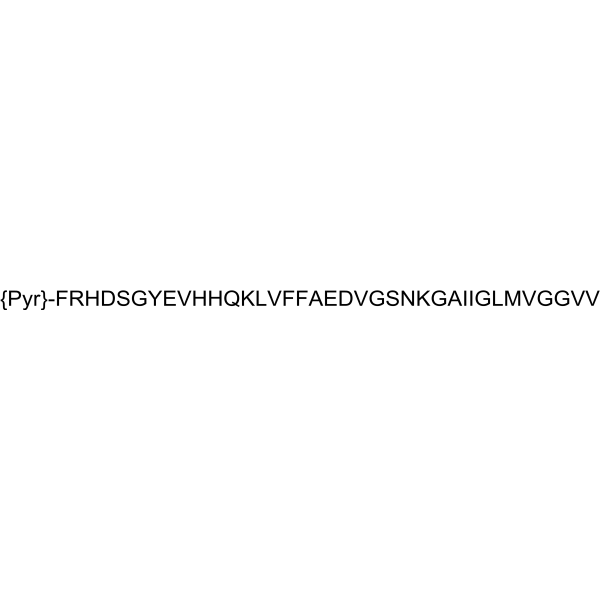
Glp-Amyloid-β (3-40) Peptide (human) (AβpE3-40) is a minor amounts of pyroglutamate-modified Aβ isolated from from 24-month-old Amyloid precursor protein (APP) transgenic Mice .
|
-
-
- HY-50882
-
|
|
γ-secretase
|
Neurological Disease
|
|
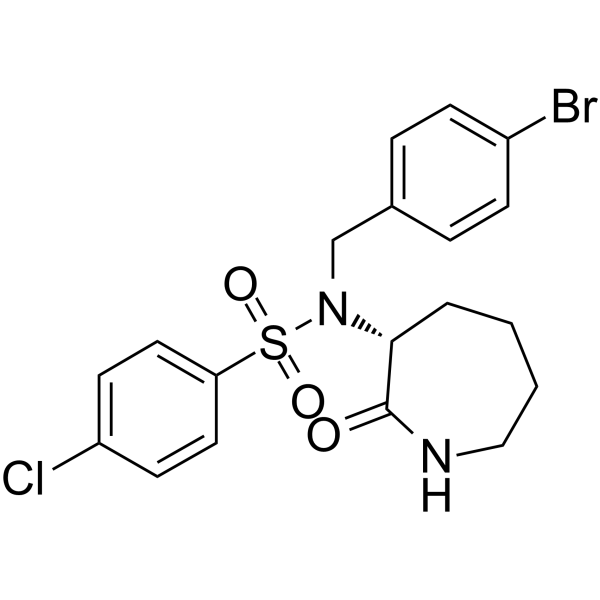
ELN318463 is an amyloid precursor protein (APP) selective γ-secretase inhibitor. ELN318463 shows differential inhibition of presenilin (PS1)- and PS2-comprised γ-secretase with EC50s of 12 nM and 656 nM for PS1 and PS2, respectively. ELN318463 is 51-fold more selective for PS1 .
|
-
-
- HY-P1894
-
|
|
Amyloid-β
|
Neurological Disease
|
|
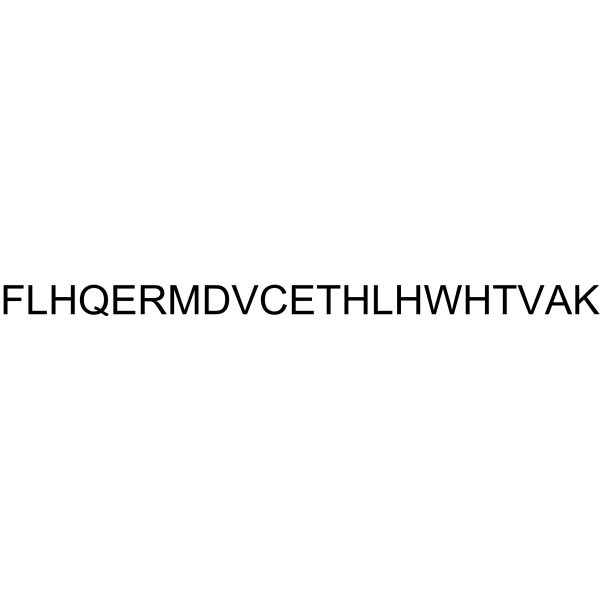
β-Amyloid Protein Precursor 770 (135-155) is a peptide of amyloid precursor protein isoform (APP 770). APP 770 produces Aβ40/42 .
|
-
-
- HY-177646
-
|
ALN-APP
|
Amyloid-β
|
Neurological Disease
|
|
Mivelsiran is a siRNA targeted to amyloid-beta precursor protein (APP). It is used for the study of Alzheimer's disease.
|
-

-
- HY-P991130
-
|
|
Amyloid-β
|
Neurological Disease
|
|
Dalidnetug is a humanized monoclonal antibody targeting human amyloid-beta precursor protein (APP). Dalidnetug specifically binds to APP to reduce the production of amyloid-beta (Aβ), thus exerting the activity of clearing amyloid-beta. Dalidnetug is promising for research of Alzheimer's disease .
|
-

-
- HY-16009B
-
|
(+)-Phenserine L-Tartrate; ANVS401 L-Tartrate
|
Amyloid-β
|
Neurological Disease
|
|
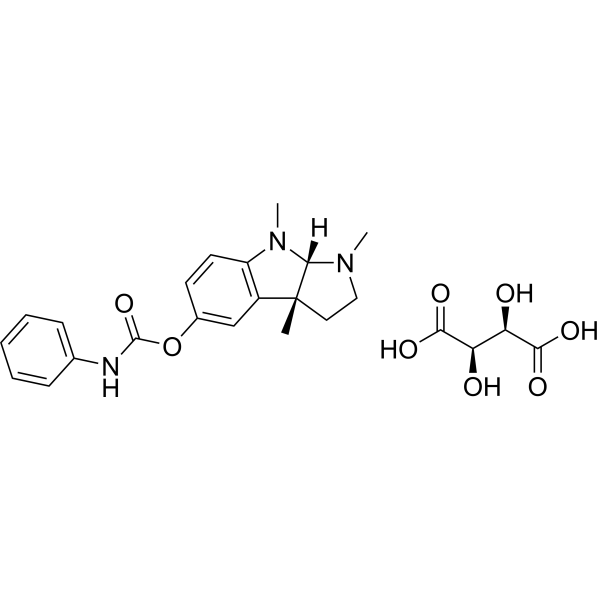
Buntanetap L-Tartrate (Phenserine L-Tartrate) is a selective AChE inhibitor (IC50 = 22.2 nM). Buntanetap is a multiple neurotoxic protein translation inhibitor with oral activity, including amyloid precursor protein (APP), α-synuclein (αSYN) and huntingtin protein (HTT). Buntanetap reduces the production of β-amyloid precursor protein by blocking its mRNA translation. Buntanetap has anti-inflammatory effects and can be used in the study of Alzheimer's disease and Parkinson's disease .
|
-
-
- HY-121817
-
|
|
Aldehyde Dehydrogenase (ALDH)
Drug Intermediate
Amyloid-β
|
Infection
Neurological Disease
|
|
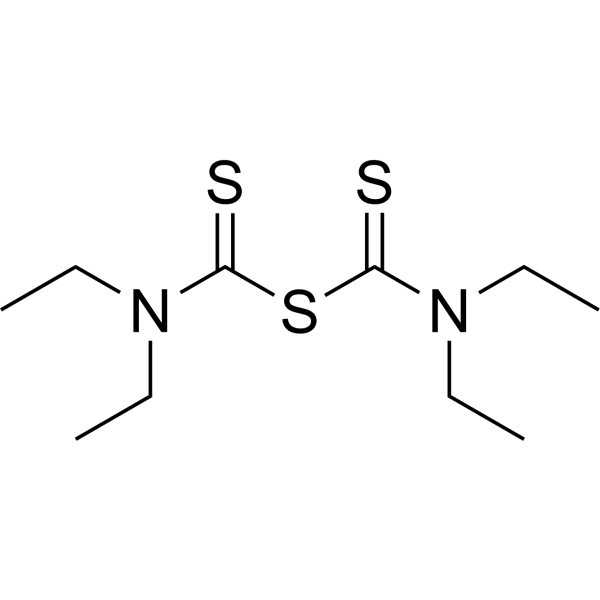
Sulfiram is a very weak aldehyde dehydrogenase (ALDH) inhibitor, with an IC50 value of 413 μM against Saccharomyces cerevisiae ALDH. As a photochemical precursor, Sulfiram undergoes photoconversion to form Disulfiram (HY-B0240), a potent ALDH inhibitor. Sulfiram inhibits the dimerization of the extracellular domain fragment (amino acid residues 230-624) of amyloid precursor protein (APP), alters the monomer-dimer equilibrium, induces conformational changes in the fragment, and enhances the production of sAPPα via α-cleavage of APP. Sulfiram can be used in research related to scabies and Alzheimer's disease .
|
-
-
- HY-P1894A
-
|
|
Amyloid-β
|
Neurological Disease
|
|
β-Amyloid Protein Precursor 770 (135-155) TFA is a peptide of amyloid precursor protein isoform (APP 770). APP 770 produces Aβ40/42 .
|
-

-
- HY-177646A
-
|
ALN-APP sodium
|
Amyloid-β
|
Neurological Disease
|
|
Mivelsiran sodium is a siRNA targeted to amyloid-beta precursor protein (APP). It is used for the study of Alzheimer's disease.
|
-

-
- HY-103538
-
|
|
Amyloid-β
|
Neurological Disease
|
|
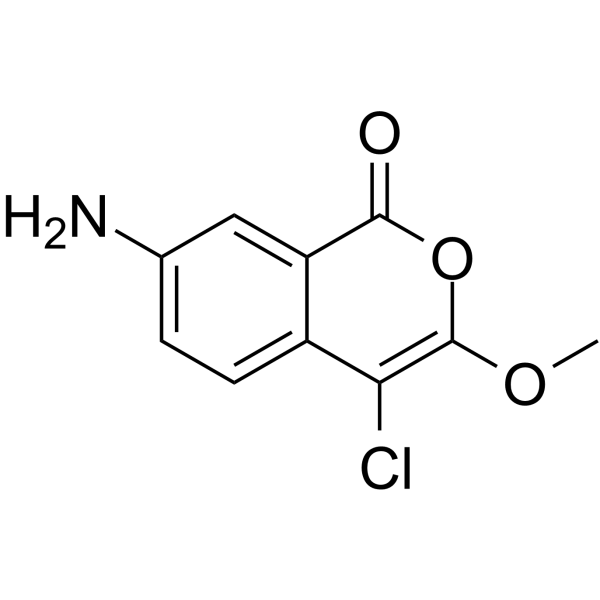
JLK-6 markedly reduce the production of amyloid β-peptide (Aβ) by amyloid-β Precursor protein (APP) expressing HEK293 cells by affecting the γ-secretase cleavage of APP, with no effect on the cleavage of the Notch receptor .
|
-
-
- HY-P4926
-
|
|
Amyloid-β
|
Neurological Disease
|
|
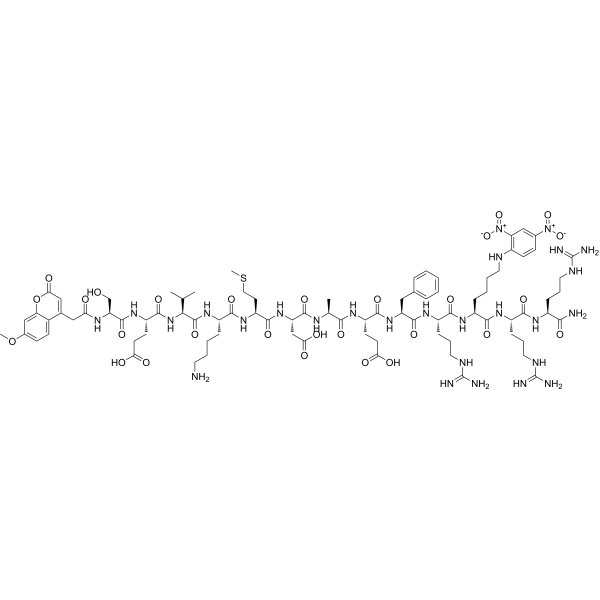
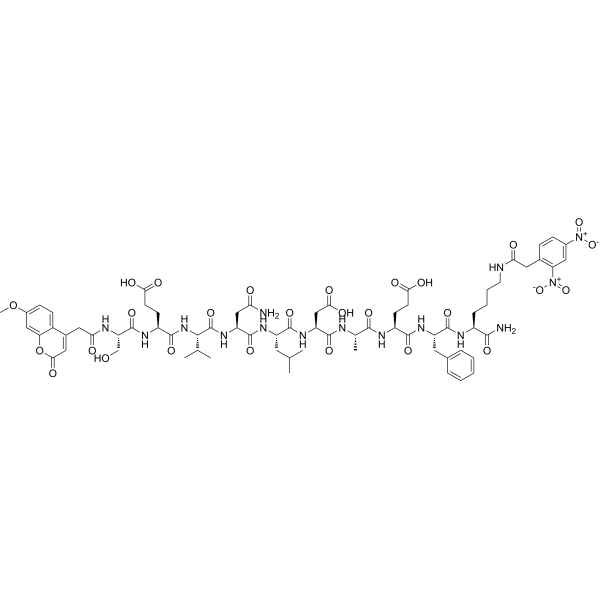
Mca-SEVKMDAEFRK(Dnp)RR-NH2, containing the wild-type amyloid precursor protein (APP) beta-secretase cleavage site, is the substrate of thimet oligopeptidase (TOP). It is used for Alzheimer's disease research .
|
-
-
- HY-13438A
-
|
|
Beta-secretase
|
Cancer
|
|
AZD3839 fumarate is an orally available, selective, reversible inhibitor of the β-site amyloid precursor protein cleaving enzyme BACE1 that can cross the blood-brain barrier. AZD3839 fumarate inhibits recombinant human BACE1 with a Ki=26.1 nM. AZD3839 fumarate inhibits A40 production in SH-SY5Y cells with an IC50 of 4.8 nM. AZD3839 fumarate binds to BACE1 and reduces the Aβ amyloid produced by the cleavage of amyloid precursor protein (APP) by BACE1 and γ-secretase. AZD3839 fumarate can be used in the field of Alzheimer's disease research .
|
-

-
- HY-19918A
-
|
|
NF-κB
Amyloid-β
nAChR
|
Neurological Disease
Inflammation/Immunology
|
|
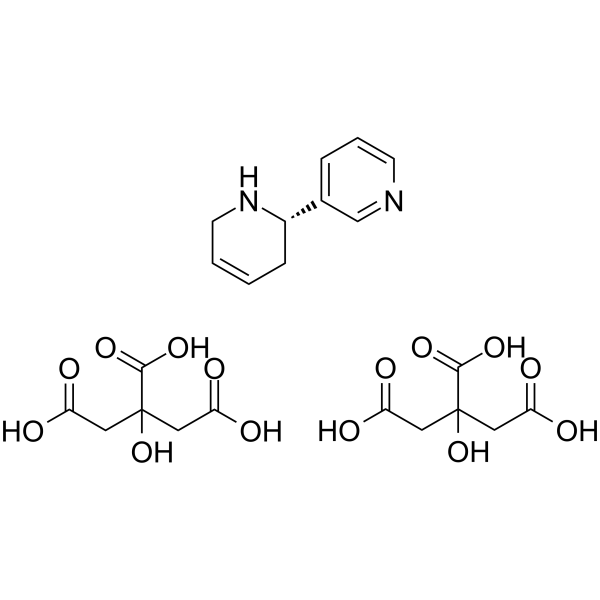
Anatabine dicitrate is a tobacco alkaloid that can cross the blood-brain barrier. Anatabine dicitrate is a potent α4β2 nAChR agonist. Anatabine dicitrate inhibits NF-κB activation lower amyloid-β (Aβ) production by preventing the β-cleavage of amyloid precursor protein (APP). Anatabine dicitrate has anti-inflammatory effects and has the potential for neurodegenerative disorders treatment .
|
-
-
- HY-13769
-
|
TPU260
|
Drug Derivative
Beta-secretase
Amyloid-β
|
Cardiovascular Disease
Neurological Disease
Inflammation/Immunology
|
|
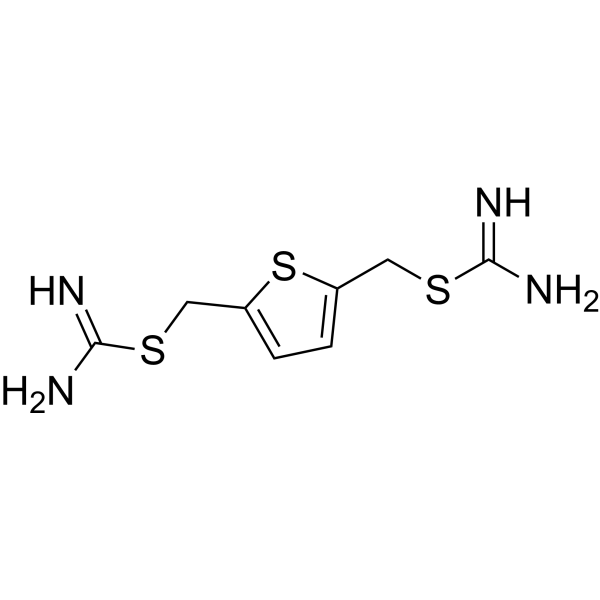
TPT-260 (TPU260), a thiophene thiourea derivative, is a retromer complex stabilizer against thermal denaturation (Kd = ~5 µM). TPT-260 increases the levels of retromer proteins, shifts amyloid-precursor protein (APP) away from the endosome, and decreases the pathogenic processing of APP. TPT-260 inhibits TLR4 upregulation, IKKβ phosphorylation, NF-κB p65 nuclear translocation, and NLRP3 inflammasome formation. TPT-260 improves retromer-mediated cargo trafficking, reduces brain infarct area, and decreases amyloid plaque deposition. TPT-260 exhibits minimal cytotoxicity to primary microglia at tested concentrations. TPT-260 can be used for the research of inflammatory bowel disease, ischemic stroke and Alzheimer's disease .
|
-
-
- HY-50882A
-
|
|
γ-secretase
|
Neurological Disease
|
|
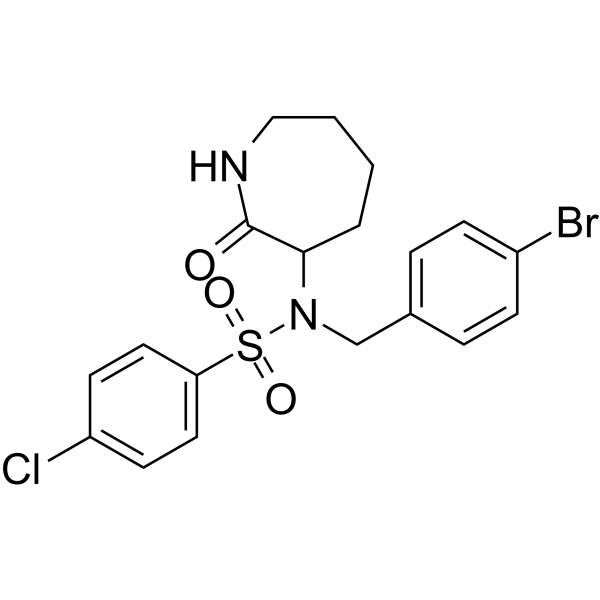
ELN318463 racemate is the racemate of ELN318463. ELN318463 is an amyloid precursor protein (APP) selective γ-secretase inhibitor. ELN318463 shows differential inhibition of presenilin (PS1)- and PS2-comprised γ-secretase with EC50s of 12nM and 656 nM for PS1and PS2, respectively. ELN318463 is 51-fold more selective for PS1 .
|
-
-
- HY-P10487
-
|
|
Amyloid-β
|
Neurological Disease
|
|
APP669-711 is a peptide segment from amino acid 669 to amino acid 711 of amyloid precursor protein (APP). APP669-711 can be used to diagnose the amyloid deposition in the brain, and is a biomarker for Alzheimer's disease (AD) research .
|
-

-
- HY-P10180
-
|
APP (319-335)
|
Amyloid-β
|
Neurological Disease
|
|
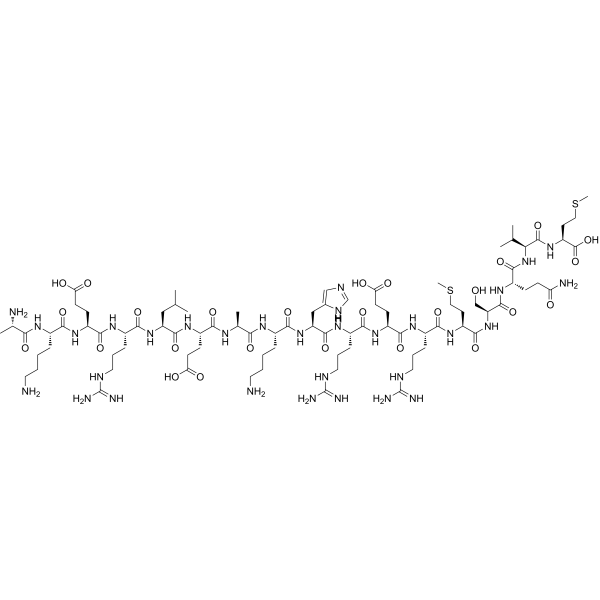
β-Amyloid/A4 Protein Precusor (319-335) (APP (319-335)) is a peptide fragment of β-Amyloid/A4 protein precursor (APP). β-Amyloid/A4 Protein Precusor (319-335) can recognize the heparinase-insensitive site that contains the neuritotropic activity of APP .
|
-
-
- HY-P10247
-
|
|
Mitochondrial Metabolism
|
Neurological Disease
|
|
Amyloid precursor C-terminal peptide is cleaved from the C-terminus of Amyloid Precursor Protein (APP). Amyloid precursor C-terminal peptide accumulation causes mitochondrial morphology alteration and basal mitophagy failure, which indicates that amyloid precursor protein C-terminal peptide may correspond to an etiological trigger of Alzheimer’s disease (AD) pathology .
|
-

-
- HY-P1729
-
-
-
- HY-P2551
-
|
|
Amyloid-β
|
Neurological Disease
|
|
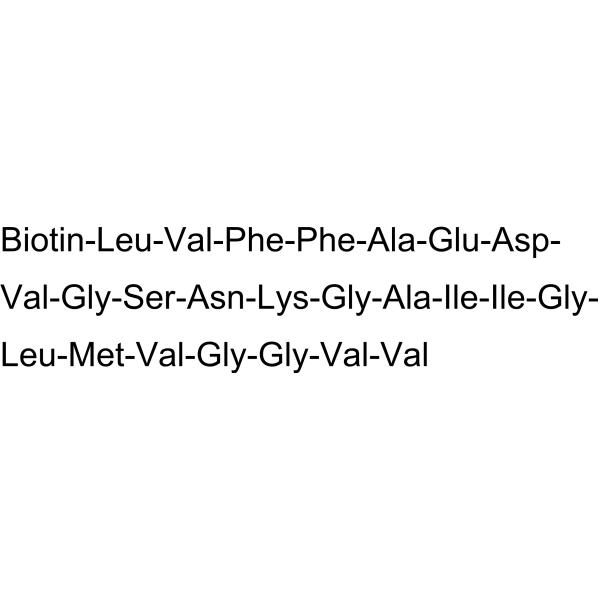
Biotin-β-Amyloid (17-40) is a N-terminal-labelled biotinylated amyloid-β(1-40) peptide. β-Amyloid (17-40) is a 24-residue fragment of the Aβ protein via post-translational processing of amyloid precursor protein (APP) .
|
-
-
- HY-161109
-
-
-
- HY-14537R
-
-

-
- HY-129133
-
|
|
Drug Isomer
|
Others
|
|
cis-Miyabenol C is an isomer of the resveratrol trimer Miyabenol C, which can be isolated from grape herbs. Miyabenol C is an inhibitor of β-amyloid (Aβ) and amyloid β precursor protein (APP) in Alzheimer's disease model mice, and inhibit β-secretase activity without changing the protein level of β-secretase BACE1 .
|
-

-
- HY-P10163
-
|
|
Fluorescent Dye
|
Others
|
|
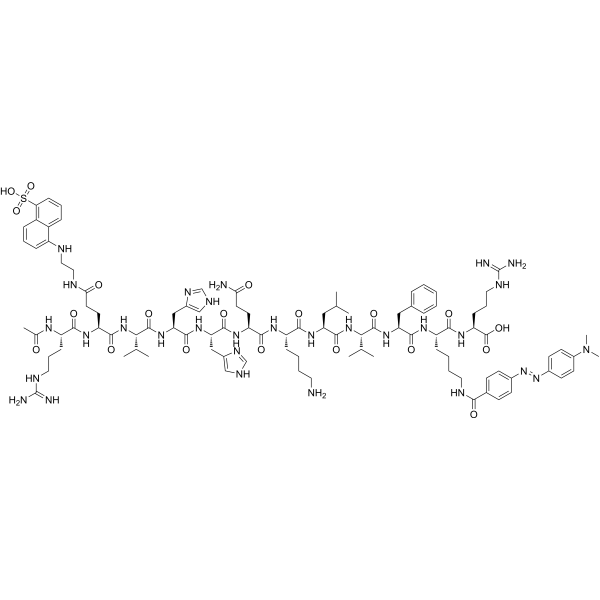
α-Secretase Substrate II, Fluorogenic is an internally quenched fluorogenic peptide substrate for α-Secretase that contains the α-secretase cleavage site of β-Amyloid precursor protein (APP) .Ex/Em = 340/490 nm
|
-
-
- HY-103374A
-
|
(-)-Eseroline phenylcarbamate tartrate; (-)-Phenserine (+)-tartrate
|
Cholinesterase (ChE)
Amyloid-β
|
Neurological Disease
|
|
Phenserine tartrate ((-)-Eseroline phenylcarbamate) is a derivative of Physostigmine (HY-N6608) and is a potent, noncompetitive, long-acting and selective AChE inhibitor. Phenserine tartrate reduces β-amyloid precursor protein (APP) and β-amyloid peptide (Aβ) formation. Phenserine tartrate improves cognitive performance and attenuates the progression of Alzheimer's disease .
|
-

-
- HY-126047B
-
|
|
NF-κB
Amyloid-β
nAChR
|
Neurological Disease
Inflammation/Immunology
|
|
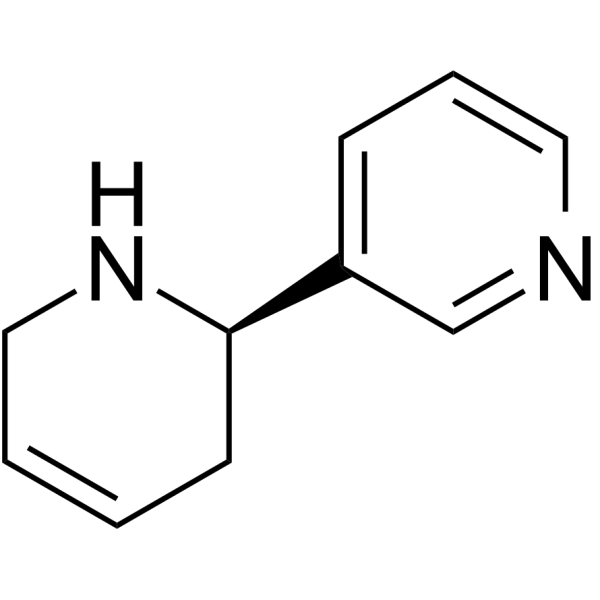
(R)-(+)-Anatabine is an less active R-enantiomer of Anatabine. Anatabine is a potent α4β2 nAChR agonist . Anatabine inhibits NF-κB activation lower amyloid-β (Aβ) production by preventing the β-cleavage of amyloid precursor protein (APP). Anatabine has anti-inflammatory effects and has the potential for neurodegenerative disorders treatment .
|
-
-
- HY-P4919
-
|
|
Beta-secretase
|
Others
|
|
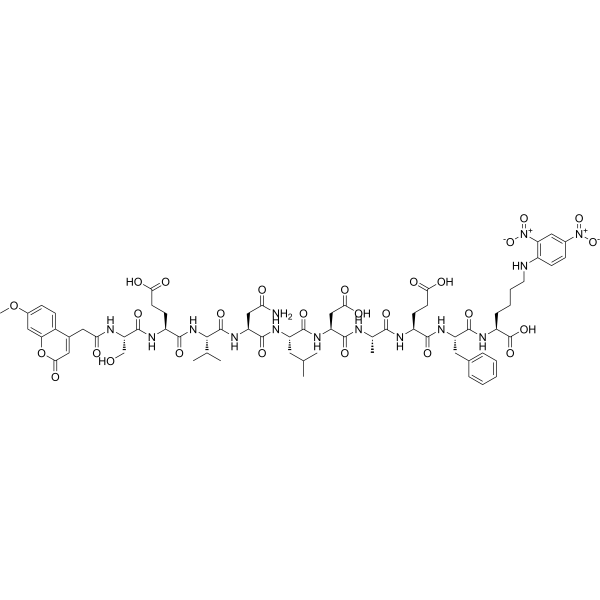
Mca-SEVNLDAEFK(Dnp) is a Beta-secretase 1 (BACE-1) peptide FRET substrate, containing the 'Swedish' Lys-Met/Asn-Leu mutation of the amyloid precursor protein (APP) β-secretase cleavage site. Cleavage at -Leu-Asp- of Mca-SEVNLDAEFK(Dnp) liberates the highly fluorescent 7-methoxycoumarin (Mca) fragment from the proximity quenching effect of the 2,4-dinitrophenyl (Dnp) internal quencher resulting in a large and easily detectable increase in fluorescence intensity.
|
-
-
- HY-118972
-
|
|
Amyloid-β
|
Neurological Disease
|
|
TPI-1917-49 is an agent that can cross the blood-brain barrier and reduce amyloid β (Aβ). TPI-1917-49 reduces the production of Aβ peptide segments by promoting the non-amyloidogenic pathway of amyloid precursor protein (APP) (increasing the generation of sAPPα mediated by α-secretase). TPI-1917-49 reduces amyloid plaques in mouse models. TPI-1917-49 can be used in Alzheimer's disease research .
|
-

-
- HY-103374B
-
|
(±)-Eseroline phenylcarbamate
|
Cholinesterase (ChE)
Amyloid-β
|
Neurological Disease
|
|
(±)Phenserine ((±)-Eseroline phenylcarbamate) is the racemic form of Phenserine (HY-103374). Phenserine is a derivative of Physostigmine (HY-N6608) and is an effective, non-competitive, long-acting and selective AChE inhibitor. Phenserine can reduce the formation of β-amyloid precursor protein (APP) and β-amyloid peptide (Aβ). Phenserine can improve cognitive ability and slow down the progression of Alzheimer's disease .
|
-

-
- HY-182429
-
|
|
Beta-secretase
Cathepsin
Amyloid-β
|
Neurological Disease
|
|
NB-533 is an orally active and brain-penetrant BACE-1 inhibitor with a human IC50 of 0.002 μM. NB-533 also inhibits human cathepsin D with an IC50 of 0.001 μM. NB-533 inhibits amyloidogenic amyloid precursor protein (APP) processing and reduces Aβ40 release. NB-533 reduces brain levels of APP metabolite C99 and Aβ40 in transgenic mice. NB-533 can be used for the research of Alzheimer’s disease .
|
-

-
- HY-N13064
-
|
|
Drug Derivative
Beta-secretase
Amyloid-β
|
Neurological Disease
|
|
2,2′,4,4′-Tetrahydroxychalcone (Compound 18) is a selective and potent BACE1 inhibitor with an IC50 of 0.62 μM. 2,2′,4,4′-Tetrahydroxychalcone is a derivative of Isoliquiritigenin (HY-N0102) found in Glycyrrhiza uralensis. 2,2′,4,4′-Tetrahydroxychalcone can block the β-cutting step of amyloid precursor protein (APP), thereby reducing the production of β-amyloid (Aβ) peptide. 2,2′,4,4′-Tetrahydroxychalcone can be used for research of Alzheimer’s disease .
|
-

| Cat. No. |
Product Name |
Target |
Research Area |
-
- HY-114174
-
|
|
Amyloid-β
|
Neurological Disease
|
|
Fmoc-Ala-Glu-Asn-Lys-NH2 is a selective asparagine endopeptidase (AEP) inhibitor peptide and suppresses amyloid precursor protein (APP) cleavage. AEP, a pH-controlled cysteine proteinase, is activated during ageing and mediates APP proteolytic processing .
|
-
- HY-P3779
-
|
Aβ(17-42)
|
Apoptosis
|
Neurological Disease
|
|
Amyloid 17-42 (Aβ(17-42)) is a major constituent of diffuse plaques in Alzheimer's disease and cerebellar pre-amyloid in Down's syndrome, derived by alpha- and gamma-secretase cleavage of the amyloid precursor protein (APP). Amyloid 17-42 can induce neuronal apoptosis via a Fas-like/caspase-8 activation pathway .
|
-
- HY-P4885
-
|
AβpE3-40
|
Amyloid-β
|
Neurological Disease
|
|
Glp-Amyloid-β (3-40) Peptide (human) (AβpE3-40) is a minor amounts of pyroglutamate-modified Aβ isolated from from 24-month-old Amyloid precursor protein (APP) transgenic Mice .
|
-
- HY-P1894
-
|
|
Amyloid-β
|
Neurological Disease
|
|
β-Amyloid Protein Precursor 770 (135-155) is a peptide of amyloid precursor protein isoform (APP 770). APP 770 produces Aβ40/42 .
|
-
- HY-P1894A
-
|
|
Amyloid-β
|
Neurological Disease
|
|
β-Amyloid Protein Precursor 770 (135-155) TFA is a peptide of amyloid precursor protein isoform (APP 770). APP 770 produces Aβ40/42 .
|
-
- HY-P4926
-
|
|
Amyloid-β
|
Neurological Disease
|
|
Mca-SEVKMDAEFRK(Dnp)RR-NH2, containing the wild-type amyloid precursor protein (APP) beta-secretase cleavage site, is the substrate of thimet oligopeptidase (TOP). It is used for Alzheimer's disease research .
|
-
- HY-P10487
-
|
|
Amyloid-β
|
Neurological Disease
|
|
APP669-711 is a peptide segment from amino acid 669 to amino acid 711 of amyloid precursor protein (APP). APP669-711 can be used to diagnose the amyloid deposition in the brain, and is a biomarker for Alzheimer's disease (AD) research .
|
-
- HY-P10180
-
|
APP (319-335)
|
Amyloid-β
|
Neurological Disease
|
|
β-Amyloid/A4 Protein Precusor (319-335) (APP (319-335)) is a peptide fragment of β-Amyloid/A4 protein precursor (APP). β-Amyloid/A4 Protein Precusor (319-335) can recognize the heparinase-insensitive site that contains the neuritotropic activity of APP .
|
-
- HY-P10247
-
|
|
Mitochondrial Metabolism
|
Neurological Disease
|
|
Amyloid precursor C-terminal peptide is cleaved from the C-terminus of Amyloid Precursor Protein (APP). Amyloid precursor C-terminal peptide accumulation causes mitochondrial morphology alteration and basal mitophagy failure, which indicates that amyloid precursor protein C-terminal peptide may correspond to an etiological trigger of Alzheimer’s disease (AD) pathology .
|
-
- HY-P1729
-
-
- HY-P2551
-
|
|
Amyloid-β
|
Neurological Disease
|
|
Biotin-β-Amyloid (17-40) is a N-terminal-labelled biotinylated amyloid-β(1-40) peptide. β-Amyloid (17-40) is a 24-residue fragment of the Aβ protein via post-translational processing of amyloid precursor protein (APP) .
|
-
- HY-P10163
-
|
|
Fluorescent Dye
|
Others
|
|
α-Secretase Substrate II, Fluorogenic is an internally quenched fluorogenic peptide substrate for α-Secretase that contains the α-secretase cleavage site of β-Amyloid precursor protein (APP) .Ex/Em = 340/490 nm
|
-
- HY-P5331
-
|
|
Peptides
|
Others
|
|
[Asn23]-beta-Amyloid (1-42), iowa mutation is a biological active peptide. (Several mutations in the beta amyloid precursor gene cause autosomal dominant Alzheimer's Disease in a number of kindreds. The Iowa mutation, where Asp 23 is replaced with Asn, is associated with severe cerebral amyloid beta-protein angiopathy (CAA). The affected individuals share a missense mutation in APP at position 694. The mutated beta-amyloid peptide aggregates more rapidly and forms toxic fibrils.)
|
-
- HY-P4919
-
|
|
Beta-secretase
|
Others
|
|
Mca-SEVNLDAEFK(Dnp) is a Beta-secretase 1 (BACE-1) peptide FRET substrate, containing the 'Swedish' Lys-Met/Asn-Leu mutation of the amyloid precursor protein (APP) β-secretase cleavage site. Cleavage at -Leu-Asp- of Mca-SEVNLDAEFK(Dnp) liberates the highly fluorescent 7-methoxycoumarin (Mca) fragment from the proximity quenching effect of the 2,4-dinitrophenyl (Dnp) internal quencher resulting in a large and easily detectable increase in fluorescence intensity.
|
-
- HY-P5365
-
|
|
Peptides
|
Others
|
|
[Asn23] β-Amyloid (1-40), Iowa mutation is a biological active peptide. (Several mutations in the beta amyloid precursor gene cause autosomal dominant Alzheimer's Disease in a number of kindreds. The Iowa mutation, where Asp 23 is replaced with Asn, is associated with severe cerebral amyloid beta-protein angiopathy (CAA). The affected individuals share a missense mutation in APP at position 694. The mutated beta-amyloid peptide aggregates more rapidly and forms toxic fibrils.)
|
| Cat. No. |
Product Name |
Target |
Research Area |
Image |
-
- HY-P990301
-
|
|
Amyloid-β
|
Neurological Disease
|
|
Anti-Human/Mouse/Rat Amyloid-beta Antibody (MOAB-2) is a mouse-derived IgG2b λ type antibody inhibitor, targeting to Amyloid-beta. Anti-Human/Mouse/Rat Amyloid-beta Antibody (MOAB-2) recognizes unaggregated, oligomeric or fibrillar forms of Aβ42 and unaggregated Aβ40. Anti-Human/Mouse/Rat Amyloid-beta Antibody (MOAB-2) is selective for human Aβ42 over Aβ40, but not amyloid precursor protein (APP). Anti-Human/Mouse/Rat Amyloid-beta Antibody (MOAB-2) can immunostain human or rat and mouse tissue. Anti-Human/Mouse/Rat Amyloid-beta Antibody (MOAB-2) can be used for detections of western blot, immunohistochemistry, immunofluorescence, immunoprecipitation and ELISA .
|
-

(5)
-
- HY-P991130
-
|
|
Amyloid-β
|
Neurological Disease
|
|
Dalidnetug is a humanized monoclonal antibody targeting human amyloid-beta precursor protein (APP). Dalidnetug specifically binds to APP to reduce the production of amyloid-beta (Aβ), thus exerting the activity of clearing amyloid-beta. Dalidnetug is promising for research of Alzheimer's disease .
|
-
(5)
| Cat. No. |
Product Name |
Category |
Target |
Chemical Structure |
-
- HY-129133
-
|
|
Vitis vinifera cv. Zalema
Phenols
Plants
Vitaceae
Source Classification
|
Drug Isomer
|
|
cis-Miyabenol C is an isomer of the resveratrol trimer Miyabenol C, which can be isolated from grape herbs. Miyabenol C is an inhibitor of β-amyloid (Aβ) and amyloid β precursor protein (APP) in Alzheimer's disease model mice, and inhibit β-secretase activity without changing the protein level of β-secretase BACE1 .
|
-
-
- HY-N13064
-
|
|
Structural Classification
Phenols
Polyphenols
Morus alba L.
Plants
Moraceae
Source Classification
|
Drug Derivative
Beta-secretase
Amyloid-β
|
|
2,2′,4,4′-Tetrahydroxychalcone (Compound 18) is a selective and potent BACE1 inhibitor with an IC50 of 0.62 μM. 2,2′,4,4′-Tetrahydroxychalcone is a derivative of Isoliquiritigenin (HY-N0102) found in Glycyrrhiza uralensis. 2,2′,4,4′-Tetrahydroxychalcone can block the β-cutting step of amyloid precursor protein (APP), thereby reducing the production of β-amyloid (Aβ) peptide. 2,2′,4,4′-Tetrahydroxychalcone can be used for research of Alzheimer’s disease .
|
-
| Cat. No. |
Product Name |
|
Classification |
-
- HY-177646
-
|
ALN-APP
|
|
siRNAs
siRNA drugs
|
|
Mivelsiran is a siRNA targeted to amyloid-beta precursor protein (APP). It is used for the study of Alzheimer's disease.
|
-
- HY-177646A
-
|
ALN-APP sodium
|
|
siRNAs
siRNA drugs
|
|
Mivelsiran sodium is a siRNA targeted to amyloid-beta precursor protein (APP). It is used for the study of Alzheimer's disease.
|
Your information is safe with us. * Required Fields.
Inquiry Information
- Product Name:
- Cat. No.:
- Quantity:
- MCE Japan Authorized Agent:








