


Search Result
Results for "
voltage-gated calcium channels
" in MedChemExpress (MCE) Product Catalog:
2
Biochemical Assay Reagents
3
Isotope-Labeled Compounds
| Cat. No. |
상품명 |
Target |
연구분야 |
Chemical Structure |
-
- HY-100001
-
|
|
TRP Channel
CRAC Channel
Autophagy
CaMK
Akt
Apoptosis
Na+/Ca2+ Exchanger
Calcium Channel
|
Neurological Disease
Inflammation/Immunology
Cancer
|
|
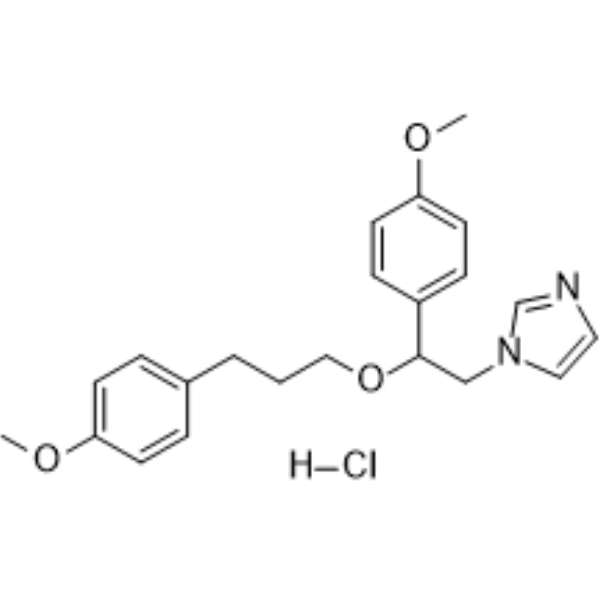
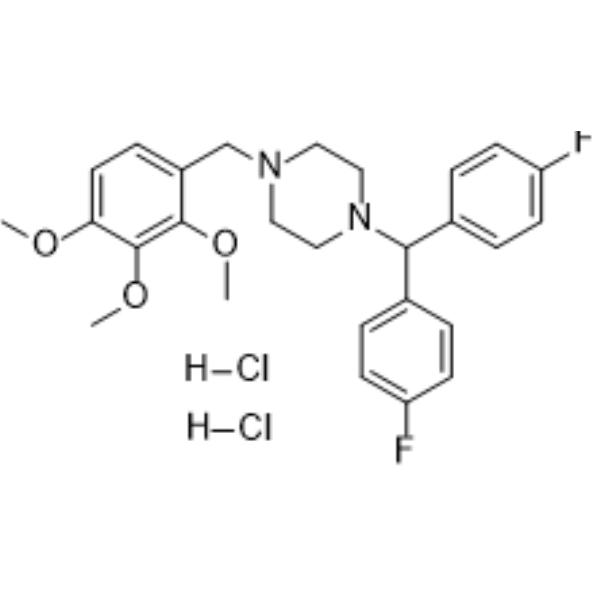
SKF-96365 hydrochloride is a TRPC channel antagonist and store-operated calcium entry (SOCE) inhibitor. SKF-96365 hydrochloride reduces calcium ion influx by inhibiting the activity and expression of TRPC6, STIM1 and Orai1. SKF-96365 hydrochloride inhibits voltage-gated sodium current (cardiac INa/NaV1.5) and slows myocardial conduction. SKF-96365 hydrochloride inhibits phosphorylation/activation of CaMKIIγ and suppresses the downstream AKT signaling pathway. SKF-96365 hydrochloride induces G2/M phase cell cycle arrest, apoptosis and cytoprotective autophagy in colorectal cancer cells. SKF-96365 hydrochloride alleviates allergic rhinitis symptoms by reducing inflammatory cytokine levels. SKF-96365 hydrochloride reduces intracellular calcium overload, inhibits Homer1 expression, prevents nuclear damage and suppresses apoptosis. SKF-96365 hydrochloride inhibits the growth of colorectal cancer xenografts in nude mice . SKF-96365 hydrochloride is applicable to research related to allergic rhinitis, colorectal cancer, Parkinson's disease, persistent spontaneous nociception and hyperalgesia .
|
-
-
- HY-Y0537E
-
|
|
Environmental Pollutants
Calcium Channel
Potassium Channel
Biochemical Assay Reagents
|
Neurological Disease
|
|
Potassium chloride, for cell culture is potassium chloride that can be used for cell culture. Potassium chloride, for cell culture increases extracellular potassium ion concentration to induce cellular depolarization, thereby activating voltage-gated calcium channels and regulating intracellular calcium signaling. Potassium chloride, for cell culture upregulates Brn-5. Potassium chloride, for cell culture inhibits the proliferation of neurons and some plant cells .
|
-
-
- HY-17402
-
|
BAY-k 5552
|
Calcium Channel
Reactive Oxygen Species (ROS)
|
Infection
Cardiovascular Disease
Neurological Disease
|
|
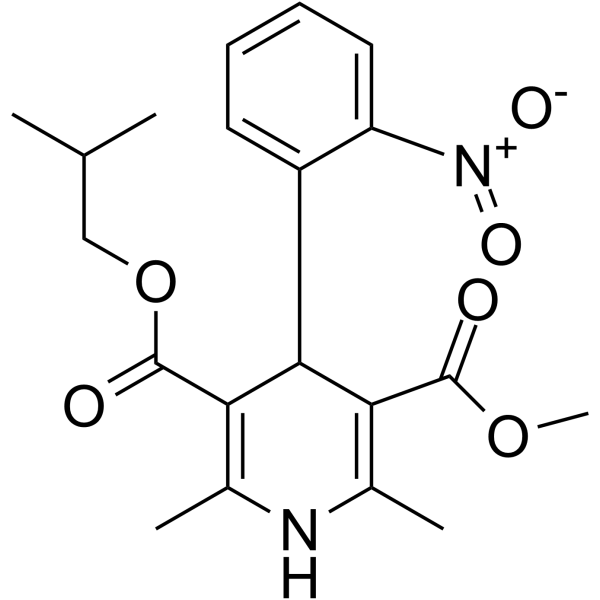
Nisoldipine (BAY-k 5552; Sular) is an orally active and blood-brain barrier-penetrating dihydropyridine calcium antagonist, with greater vascular selectivity than other calcium channel antagonists. Nisoldipine inhibits calcium influx and blocks voltage-gated calcium channels. Nisoldipine dilates coronary and systemic arteries. Nisoldipine has antihypertensive and anti-anginal activity. Nisoldipine also displays neuroprotective and antiviral activity .
|
-
-
- HY-108006
-
|
DS 5565 besylate
|
Calcium Channel
|
Neurological Disease
|
|
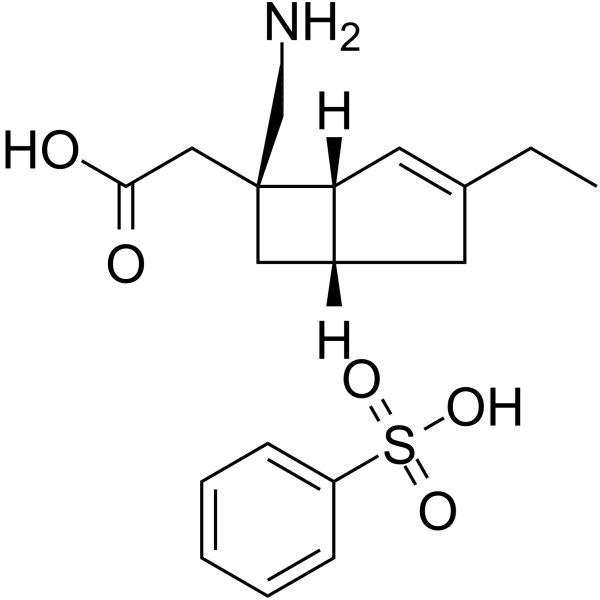
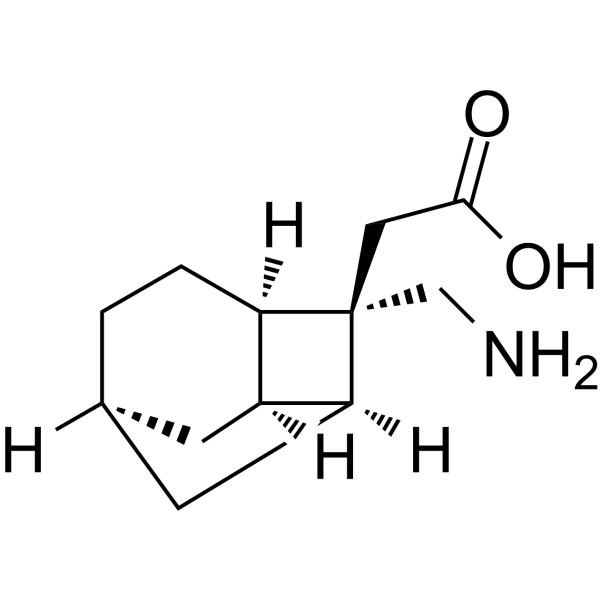
Mirogabalin besylate is a selective and orally available ligand for the α2δ subunit of voltage-gated calcium channels, with Kds of 13.5 nM, 22.7 nM, 27 nM, and 47.6 nM for human α2δ-1, human α2δ-2, rat α2δ-1, and rat α2δ-2, respectively.
|
-
-
- HY-142240
-
|
HSK16149
|
Calcium Channel
|
Neurological Disease
|
|
Crisugabalin is an orally active, selective ligand for the α2δ subunit of voltage-gated calcium channels, with a target IC50 of 3.96 nM in rats. Crisugabalin inhibits the binding of [ 3H]gabapentin to the α2δ subunit, reduces calcium influx, decreases neuronal excitability, and impairs nociceptive transmission. Crisugabalin alleviates mechanical allodynia, neuropathic pain and inflammatory pain in rats, and reduces phase II pain behaviors. Crisugabalin can be used in research related to chronic pain, neuropathic pain, diabetic neuropathy, fibromyalgia, inflammatory pain, diabetic peripheral neuropathy and postherpetic neuralgia.
|
-
-
- HY-111828
-
TTA-A2
1 Publications Verification
|
Calcium Channel
|
Neurological Disease
|
|
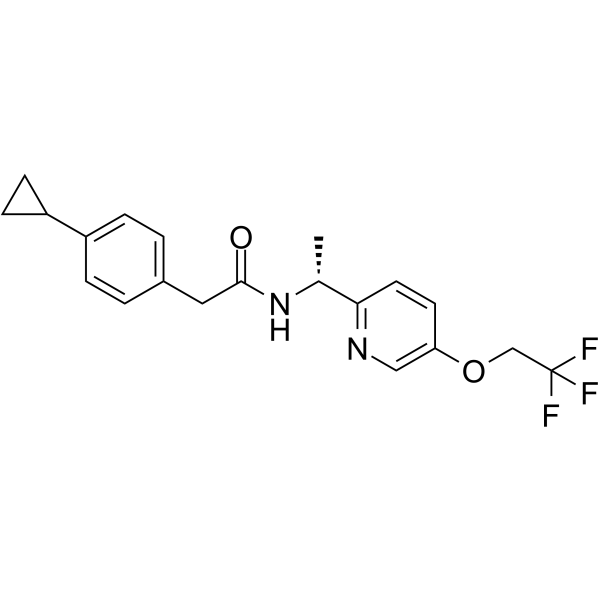
TTA-A2 is a potent, selective and orally active t-type voltage gated calcium channel antagonist with reduced pregnane X receptor (PXR) activation. TTA-A2 is equally potent against the Cav3.1 (a1G) and Cav3.2 (a1H) channels with IC50 values of 89 nM and 92 nM, respectively, at -80 and -100 mV holding potentials. TTA-A2 can be used for the research of a variety of human neurological diseases, including sleep disorders and epilepsy .
|
-
-
- HY-B0768A
-
-
-
- HY-132184
-
|
5,6-EET; (±)5,6-EpETrE
|
Adrenergic Receptor
Calcium Channel
|
Endocrinology
|
|
5,6-Epoxyeicosatrienoic acid (5,6-EET; (±)5,6-EpETrE) is a fully racemic version of the enantiomeric forms biosynthesized from arachidonic acid by cytochrome P450 enzymes. In solution, 5,6-Epoxyeicosatrienoic acid degrades into 5,6-DiHET and 5,6-δ-lactone, which can be converted to 5,6-DiHET and quantified by GC-MS. In neuroendocrine cells, such as the anterior pituitary and pancreatic islets, 5,6-Epoxyeicosatrienoic acid has been implicated in the mobilization of calcium and hormone secretion. 5,6-Epoxyeicosatrienoic acid is an inhibitor of T-type voltage-gated calcium channels (Cav3) that inhibits isoforms Cav3.1, Cav3.2 (IC50=0.54 μM), and Cav3. and decreases nifedipine-resistant phenylephrine-induced vasoconstriction in isolated mouse mesenteric arteries via Cav3.2 blockade when used at a concentration of 3 μM. In addition, it is a substrate of COX-1 and COX-2.
|
-
-
- HY-Y1667
-
|
|
Calcium Channel
Fungal
Parasite
|
Metabolic Disease
|
|
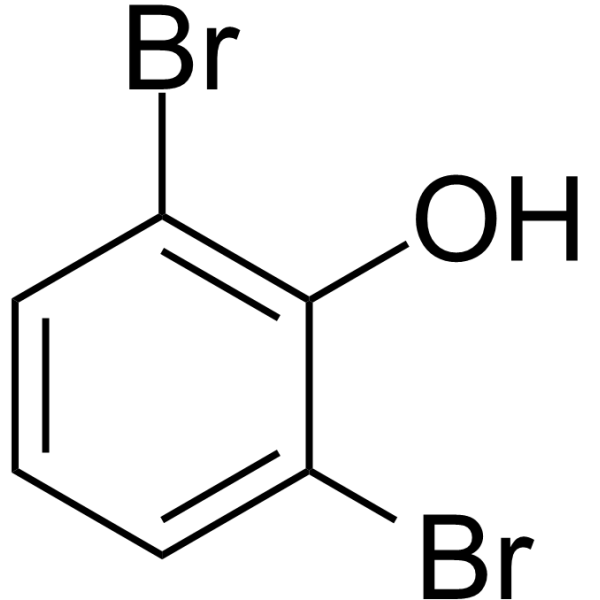
2,6-Dibromophenol (2,6-DBP) is a weak inhibitor targeting voltage-gated Ca 2+ channels. 2,6-Dibromophenol has no significant effect on potassium-induced calcium elevation in PC12 cells. 2,6-Dibromophenol shows a 48 h EC50 of 2.78 mg/L for Daphnia magna and a 96 h EC50 of 9.90 mg/L for algae (Scenedesmus quadricauda) .
|
-
-
- HY-P1651
-
SOR-C13
1 Publications Verification
|
TRP Channel
|
Cancer
|
|
SOR-C13, a carboxy-terminal truncated peptide, is a high-affinity TRPV6 antagonist with an IC50 value of 14 nM. TRPV6 is a non-voltage gated calcium channel that is associated with malignancy and poor prognosis in breast cancer. SOR-C13 has anticancer activity .
|
-
-
- HY-121235
-
|
SCH-10304
|
COX
Calcium Channel
TGF-β Receptor
|
Neurological Disease
Inflammation/Immunology
|
|
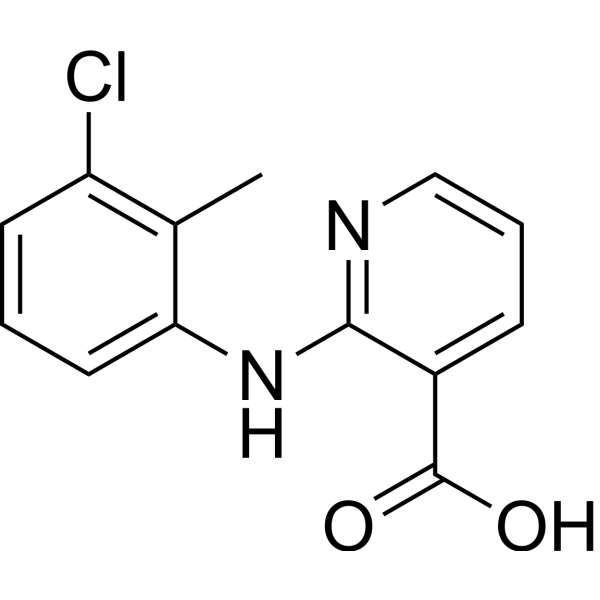
Clonixin (SCH-10304) is an orally active non-steroidal anti-inflammatory agent (NSAID) that inhibits COX synthesis. Clonixin acts as a voltage-gated L-type calcium channel blocker, exerts vasodilatory effects by antagonizing Ca 2+ in vascular smooth muscle. Clonixin inhibits TGF-β, reduces lung coefficient, immune cell infiltration level, oxidative stress response, airway resistance, hydroxyproline content and collagen deposition. Clonixin can be used in research related to inflammation such as idiopathic pulmonary fibrosis and moderate to severe pain .
|
-
-
- HY-106454
-
|
Norfludiazepam
|
Calcium Channel
|
Neurological Disease
|
|
N-Desalkylflurazepam (Norfludiazepam) is a long-acting metabolite of benzodiazepine compounds, such as Flurazepam. N-Desalkylflurazepam inhibits L-type voltage-gated calcium channels with IC50 values of 55 μM and 37 μM for Cav1.2 and Cav1.3, respectively .
|
-
-
- HY-P1604
-
ATX-II
1 Publications Verification
|
Sodium Channel
|
Cardiovascular Disease
Inflammation/Immunology
|
|
ATX-II is a selective sodium channel modulator toxin. ATX-II enhances late sodium current, prevents full sodium channel inactivation, and generates persistent current fractions. ATX-II has pro-arrhythmic effect. ATX-II slows intrinsic heart rate, prolongs QT interval and sinus node recovery time, and causes sinus pauses and arrests. ATX-II can be used for the research of atrial fibrillation, long QT syndrome, and long QT3 syndrome .
|
-
-
- HY-P1604A
-
|
|
Sodium Channel
|
Cardiovascular Disease
Inflammation/Immunology
|
|
ATX-II TFA is a selective sodium channel modulator toxin. ATX-II TFA enhances late sodium current, prevents full sodium channel inactivation, and generates persistent current fractions. ATX-II TFA has pro-arrhythmic effect. ATX-II TFA slows intrinsic heart rate, prolongs QT interval and sinus node recovery time, and causes sinus pauses and arrests. ATX-II TFA can be used for the research of atrial fibrillation, long QT syndrome, and long QT3 syndrome .
|
-
-
- HY-106345
-
|
|
FKBP
Calcium Channel
|
Neurological Disease
Inflammation/Immunology
|
|
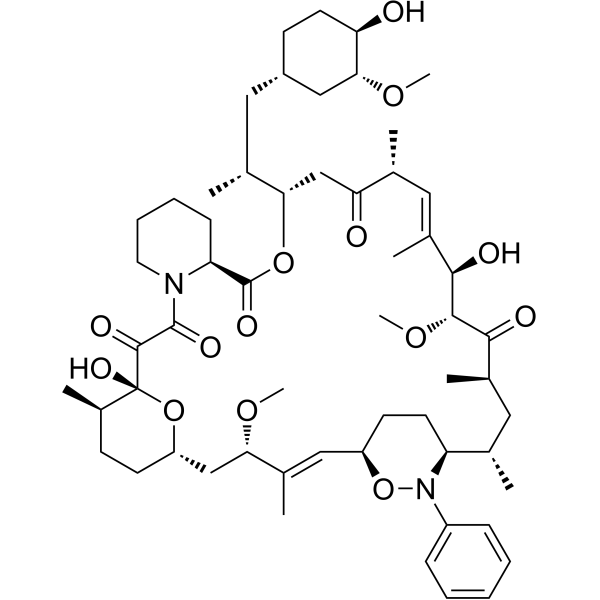
ILS-920 is a nonimmunosuppressive Rapamycin analog with reduced immunosuppressive activity and potent neuroprotective activity. ILS-920 binds selectively to the immunophilin FKBP52 and to the β1-subunit of L-type voltage-gated calcium channels (VGCC). ILS-920 shows 200-fold selectivity for FKBP52 versus FKBP12 .
|
-
-
- HY-125942
-
SKF-96365
Maximum Cited Publications
27 Publications Verification
|
CRAC Channel
TRP Channel
CaMK
Akt
Apoptosis
Autophagy
Na+/Ca2+ Exchanger
Calcium Channel
|
Neurological Disease
Inflammation/Immunology
Cancer
|
|
SKF-96365 is a TRPC channel antagonist and store-operated calcium entry (SOCE) inhibitor. SKF-96365 reduces calcium ion influx by inhibiting the activity and expression of TRPC6, STIM1 and Orai1. SKF-96365 inhibits voltage-gated sodium current (cardiac INa/NaV1.5) and slows myocardial conduction. SKF-96365 inhibits phosphorylation/activation of CaMKIIγ and suppresses the downstream AKT signaling pathway. SKF-96365 induces G2/M phase cell cycle arrest, apoptosis and cytoprotective autophagy in colorectal cancer cells. SKF-96365 alleviates allergic rhinitis symptoms by reducing inflammatory cytokine levels. SKF-96365 reduces intracellular calcium overload, inhibits Homer1 expression, prevents nuclear damage and suppresses apoptosis. SKF-96365 inhibits the growth of colorectal cancer xenografts in nude mice . SKF-96365 is applicable to research related to allergic rhinitis, colorectal cancer, Parkinson's disease, persistent spontaneous nociception and hyperalgesia .
|
-
-
- HY-P5142
-
|
ω-ACTX-Hv1; ω-Atracotoxin-HV1
|
Insecticide
Calcium Channel
Apoptosis
Necroptosis
|
Cardiovascular Disease
Neurological Disease
Inflammation/Immunology
|
|
ω-Hexatoxin-Hv1a (ω-ACTX-Hv1; ω-Atracotoxin-HV1) is an orally active insecticidal neurotoxin containing an inhibitor cystine knot motif and a selective calcium channel inhibitor. ω-Hexatoxin-Hv1a blocks L-type voltage-dependent Ca 2+ channels and reduces intracellular calcium ion concentration, thereby decreasing apoptosis, necroptosis and oxidative stress, and promoting cell recovery and energy level elevation. ω-Hexatoxin-Hv1a causes larval paralysis and death by impairing neurotransmission in the central nervous system of insects. It shows high injectable toxicity against insects of multiple orders, but exhibits weak oral toxicity. ω-Hexatoxin-Hv1a is widely applicable to studies related to ischemia-reperfusion injury, atopic dermatitis, and ischemic injury of cardiomyocytes and neurons .
|
-
-
- HY-P1427A
-
|
|
Potassium Channel
|
Neurological Disease
|
|
Guangxitoxin 1E TFA is the TFA salt form of Guangxitoxin 1E (HY-P1427). Guangxitoxin 1E TFA is a peptide toxin and a selective inhibitor for voltage-gated potassium channel KV2.1 and KV2.2 with IC50 of 1-3 nM. Guangxitoxin 1E TFA enhances glucose-stimulated intracellular calcium ion oscillations and increases insulin secretion in a glucose-dependent manner .
|
-
-
- HY-P1651A
-
|
|
TRP Channel
|
Cancer
|
|
SOR-C13 TFA, a carboxy-terminal truncated peptide, is a high-affinity TRPV6 antagonist with an IC50 value of 14 nM. TRPV6 is a non-voltage gated calcium channel that is associated with malignancy and poor prognosis in breast cancer. SOR-C13 TFA has anticancer activity .
|
-
-
- HY-148866
-
|
|
Calcium Channel
|
Neurological Disease
Endocrinology
|
|
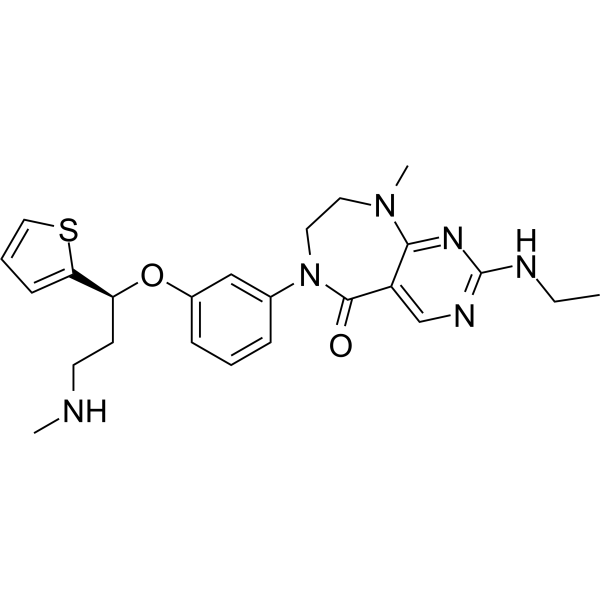
Cavα2δ1&NET-IN-3 (example 216) is an inhibitor of the subunit α2δ of voltage-gated calcium channels (VGCC) and noradrenaline transporter (NET). Cavα2δ1&NET-IN-3 has Kis of 100-500 nM for human α2δ-1 subunit of Cav2.2 calcium channel and NET, respectively .
|
-
-
- HY-105084A
-
|
|
Sodium Channel
Calcium Channel
|
Cardiovascular Disease
Infection
Neurological Disease
Cancer
|
|
Lubeluzole dihydrochloride is the dihydrochloride salt of Lubeluzole (HY-105084). Lubeluzole dihydrochloride is the S-isomer of benzothiazole derivative. Lubeluzole dihydrochloride can inhibit glutamate release, glutamate-activated NO synthesis and block voltage-gated Sodium Channel and Calcium Channel. Lubeluzole dihydrochloride exhibits anti-ischemic and neuroprotective effects. Lubeluzole dihydrochloride also shows anti-bacterial and anti-diarrheal potential. Lubeluzole dihydrochloride can inhibit cardiac sodium channel and prolong cardiac action potential. Lubeluzole dihydrochloride can inhibit cancer cells proliferation and invasion and shows chemosensitizing effect. Lubeluzole dihydrochloride can be used for the researches of cancer, infection, neurological and cardiovascular disease such as stroke, infectious diarrhea and ovarian .
|
-
-
- HY-170424
-
|
|
Biochemical Assay Reagents
|
Others
|
|
D-myo-Inositol-1,3,4,5-tetrakisphosphate potassium increases the extracellular Ca 2+ entry through upregulation of voltage-gated calcium channels .
|
-
-
- HY-148863
-
|
|
Calcium Channel
Monoamine Transporter
|
Inflammation/Immunology
|
|
Cavα2δ1&NET-IN-2 (Compound 45CS) is a dual inhibitor of the α2δ‑1 subunit of voltage-gated calcium channels (Cavα2δ-1) and the norepinephrine transporter (NET). Cavα2δ1&NET-IN-2 inhibits Cavα2δ-1 with a Ki of 454 nM. Cavα2δ1&NET-IN-2 inhibits NET with a Ki of 59 nM and IC50 of 7 nM. Cavα2δ1&NET-IN-2 can be used for research of pain .
|
-
-
- HY-169845
-
|
|
Calcium Channel
|
Neurological Disease
|
|
Calcium Channel antagonist 6 (Compound 328) is a highly selective antagonist of voltage-gated calcium channel CaV2.2 with an IC50 value of 0.37 μM. Calcium Channel antagonist 6 inhibits of neuron depolarization-induced Ca 2+ influx. Calcium Channel antagonist 6 is promising for research of neuropathic pain .
|
-
-
- HY-Y1667R
-
|
|
Calcium Channel
Fungal
Parasite
Reference Standards
|
Metabolic Disease
|
|
2,6-Dibromophenol (2,6-DBP) is a weak inhibitor targeting voltage-gated Ca2+ channels. 2,6-Dibromophenol has no significant effect on potassium-induced calcium elevation in PC12 cells. 2,6-Dibromophenol shows a 48 h EC50 of 2.78 mg/L for Daphnia magna and a 96 h EC50 of 9.90 mg/L for algae (Scenedesmus quadricauda) .
|
-
-
- HY-105084
-
|
|
Sodium Channel
Calcium Channel
|
Infection
Cardiovascular Disease
Neurological Disease
Cancer
|
|
Lubeluzole is the S-isomer of benzothiazole derivative. Lubeluzole can inhibit glutamate release, glutamate-activated NO synthesis and block voltage-gated Sodium Channel and Calcium Channel. Lubeluzole exhibits anti-ischemic and neuroprotective effects. Lubeluzole also shows anti-bacterial and anti-diarrheal potential. Lubeluzole can inhibit cardiac sodium channel and prolong cardiac action potential. Lubeluzole can inhibit cancer cells proliferation and invasion and shows chemosensitizing effect. Lubeluzole can be used for the researches of cancer, infection, neurological and cardiovascular disease such as stroke, infectious diarrhea and ovarian .
|
-
-
- HY-156664
-
-
-
- HY-156669
-
-
-
- HY-148862
-
|
|
Calcium Channel
Monoamine Transporter
|
Inflammation/Immunology
|
|
Cavα2δ1&NET-IN-1 (Compound 59S) is a dual inhibitor of the α2δ‑1 subunit of voltage-gated calcium channels (Cavα2δ-1) and the norepinephrine transporter (NET). Cavα2δ1&NET-IN-1 inhibits Cavα2δ-1 with a Ki of 112 nM. Cavα2δ1&NET-IN-1 inhibits NET with a Ki of 383 nM and IC50 of 67 nM. Cavα2δ1&NET-IN-1 can be used for research of pain .
|
-
-
- HY-P5179
-
|
HWTX-I
|
Calcium Channel
Sodium Channel
|
Neurological Disease
|
|
Huwentoxin I (HWTX-I) is a peptide toxin that inhibits voltage-gated sodium channels and N-type calcium channels. Huwentoxin I inhibits sodium channels in rat hippocampus and cockroach dorsal unpaired median (DUM) neurons with IC50 values of 66.1 and 4.80 nM, respectively .
|
-
-
- HY-D2266
-
|
|
Fluorescent Dye
|
Neurological Disease
|
|
FluoBar1 is an imaging fluorescence probe modified by a barbiturate ligand with fluorescent coumarin. FluoBar1 can monitor L-type voltage-gated calcium channels (LTCC) in living cells in real time for the study of neurological diseases .
|
-
-
- HY-P2699
-
|
GrTx; ω-GsTx SIA
|
Calcium Channel
|
Neurological Disease
|
|
ω-Grammotoxin SIA (GrTx) is P/Q and N-type voltage-gated Calcium channels inhibitor. ω-Grammotoxin SIA is also a protein toxin that can be obtained from spider venom. ω-Grammotoxin SIA has the potential to study neurological diseases as well as cardiovascular diseases .
|
-
-
- HY-132932
-
|
|
Calcium Channel
|
Others
|
|
Cavα2δ-IN-1 shows high selectivity for voltage-gated calcium channels Cavα2δ-1 (Ki 6 nM) versus Cavα2δ-2 (Ki > 10000 nM).
|
-
-
- HY-N7503R
-
-
-
- HY-106454R
-
|
Norfludiazepam (Standard)
|
Reference Standards
Calcium Channel
|
Neurological Disease
|
|
N-Desalkylflurazepam (Standard) is the analytical standard of N-Desalkylflurazepam. This product is intended for research and analytical applications. N-Desalkylflurazepam (Norfludiazepam) is a long-acting metabolite of benzodiazepine compounds, such as Flurazepam. N-Desalkylflurazepam inhibits L-type voltage-gated calcium channels with IC50 values of 55 μM and 37 μM for Cav1.2 and Cav1.3, respectively .
|
-
-
- HY-W701464
-
|
|
Isotope-Labeled Compounds
|
Others
|
|
N-Desalkylflurazepam-d4 is a deuterated labeled N-Desalkylflurazepam (HY-106454). N-Desalkylflurazepam (Norfludiazepam) is a long-acting metabolite of benzodiazepine compounds, such as Flurazepam. N-Desalkylflurazepam inhibits L-type voltage-gated calcium channels with IC50 values of 55 μM and 37 μM for Cav1.2 and Cav1.3, respectively .
|
-
-
- HY-B0768
-
-
-
- HY-P1078
-
|
|
Calcium Channel
|
Neurological Disease
|
|
Huwentoxin XVI, an analgesic, is a highly reversible and selective mammalian N-type calcium channel (IC50 of ~60 nM) antagonist from Chinese tarantula Ornithoctonus huwena. Huwentoxin XVI has no effect on voltagegated T-type calcium channels, potassium channels or sodium channels .
|
-
-
- HY-P1078A
-
|
|
Calcium Channel
|
Neurological Disease
|
|
Huwentoxin XVI TFA, an analgesic, is a highly reversible and selective mammalian N-type calcium channel (IC50 of ~60 nM) antagonist from Chinese tarantula Ornithoctonus huwena. Huwentoxin XVI TFA has no effect on voltagegated T-type calcium channels, potassium channels or sodium channels .
|
-
-
- HY-121235R
-
|
SCH-10304 (Standard)
|
Reference Standards
COX
Calcium Channel
TGF-β Receptor
|
Neurological Disease
Inflammation/Immunology
|
|
Clonixin (SCH-10304) (Standard) is the analytical standard of Clonixin. This product is intended for research and analytical applications. Clonixin is an orally active non-steroidal anti-inflammatory agent (NSAID) that inhibits COX synthesis. Clonixin acts as a voltage-gated L-type calcium channel blocker, exerts vasodilatory effects by antagonizing Ca 2+ in vascular smooth muscle. Clonixin inhibits TGF-β, reduces lung coefficient, immune cell infiltration level, oxidative stress response, airway resistance, hydroxyproline content and collagen deposition. Clonixin can be used in research related to inflammation such as idiopathic pulmonary fibrosis and moderate to severe pain .
|
-
-
- HY-B0768AR
-
|
KB-2796 (Standard)
|
Reference Standards
Calcium Channel
|
Neurological Disease
|
|
Lomerizine dihydrochloride (Standard) is the analytical standard of Lomerizine dihydrochloride. This product is intended for research and analytical applications. Lomerizine dihydrochloride is an antagonist of L- and T-type voltagegated calcium channels.
|
-
-
- HY-B0768S
-
-
-
- HY-W411193
-
|
|
Calcium Channel
|
Cardiovascular Disease
|
|
Pincainide is a calcium channel inhibitor. Pincainide inhibits voltage-gated calcium channel-mediated calcium influx in smooth muscle. Pincainide inhibits norepinephrine- and high potassium-induced contractile responses. Pincainide can be used in the research of heart diseases .
|
-
-
- HY-133240
-
|
|
DNA Alkylator/Crosslinker
Calcium Channel
Potassium Channel
Sodium Channel
|
Infection
|
|
trans-AzoTAB is a photoresponsive potassium/sodium/calcium channel modulator and DNA-binding agent. trans-AzoTAB undergoes trans-cis isomerization driven by light, with variable polarity and DNA affinity. trans-AzoTAB also enhances voltage-gated potassium currents and inhibits sodium and calcium currents in cardiomyocytes, thereby reducing spontaneous electrical activity and excitation conduction velocity. In addition, trans-AzoTAB induces compaction and frozen conformation of λ-phage DNA, and non-sequence-dependently inhibits transcription and translation processes in the dark; its activity can be reversed and restored by visible light after activation with ultraviolet irradiation. trans-AzoTAB can serve as a probe for two-photon optical regulation of myocardial excitability, and is used to construct photoresponsive interfacial polymer structures .
|
-
-
- HY-108006R
-
|
DS 5565 besylate (Standard)
|
Calcium Channel
Reference Standards
|
Neurological Disease
|
|
Mirogabalin besylate (Standard) is the analytical standard of Mirogabalin besylate (HY-108006). This product is intended for research and analytical applications. Mirogabalin besylate is a selective and orally available ligand for the α2δ subunit of voltage-gated calcium channels, with Kds of 13.5 nM, 22.7 nM, 27 nM, and 47.6 nM for human α2δ-1, human α2δ-2, rat α2δ-1, and rat α2δ-2, respectively.
|
-
-
- HY-121235S1
-
|
SCH-10304-13C,d3
|
Isotope-Labeled Compounds
COX
Calcium Channel
TGF-β Receptor
|
Neurological Disease
Inflammation/Immunology
|
|
Clonixin- 13C,d3 (SCH-10304- 13C,d3) is the deuterium and 13C-labeled Clonixin (HY-121235). Clonixin is an orally active non-steroidal anti-inflammatory agent (NSAID) that inhibits COX synthesis. Clonixin acts as a voltage-gated L-type calcium channel blocker, exerts vasodilatory effects by antagonizing Ca 2+ in vascular smooth muscle. Clonixin inhibits TGF-β, reduces lung coefficient, immune cell infiltration level, oxidative stress response, airway resistance, hydroxyproline content and collagen deposition. Clonixin can be used in research related to inflammation such as idiopathic pulmonary fibrosis and moderate to severe pain.
|
-
-
-
HY-L119
-
|
|
320 compounds
|
|
Potassium channels are the most widely distributed type of ion channel and are found in virtually all living organisms. There are four major classes of K channels: voltage-gated potassium channel, calcium-activated potassium channel, inwardly rectifying potassium channel and tandem pore domain potassium channel. There is growing evidence that dysfunction in potassium channels correlates with several diseases, such as chronic hypertension, diabetes, hypercholesterolemia and atherosclerosis, etc.
MCE Potassium Channel Compound Library consists of 320 potassium channel inhibitor and activators, which is a useful tool to discover drugs for cardiovascular diseases and potassium channel research.
|
-
-
HY-L0104V
-
|
|
1,900,000 compounds
|
|
UORSY New Generation Screening Library contains about 1,900,000 compounds. The library is a revolutionary collection of lead-like molecules with outstanding structural quality and diversity—New Generation Screening Library (NGSL). Its core is decorated with interesting building blocks, including important medicinal fragments such as peptide bonds, amino groups and hydroxyl groups. and designed for discovery of new Voltage-gated calcium channel blockers.
|
-
- HY-D2266
-
|
|
Fluorescent Dyes
|
|
FluoBar1 is an imaging fluorescence probe modified by a barbiturate ligand with fluorescent coumarin. FluoBar1 can monitor L-type voltage-gated calcium channels (LTCC) in living cells in real time for the study of neurological diseases .
|
-
- HY-Y0537E
-
|
|
Biochemical Assay Reagents
|
|
Potassium chloride, for cell culture is potassium chloride that can be used for cell culture. Potassium chloride, for cell culture increases extracellular potassium ion concentration to induce cellular depolarization, thereby activating voltage-gated calcium channels and regulating intracellular calcium signaling. Potassium chloride, for cell culture upregulates Brn-5. Potassium chloride, for cell culture inhibits the proliferation of neurons and some plant cells .
|
-
- HY-170424
-
|
|
Biochemical Assay Reagents
|
|
D-myo-Inositol-1,3,4,5-tetrakisphosphate potassium increases the extracellular Ca 2+ entry through upregulation of voltage-gated calcium channels .
|
| Cat. No. |
상품명 |
Target |
Research Area |
-
- HY-P1651
-
SOR-C13
1 Publications Verification
|
TRP Channel
|
Cancer
|
|
SOR-C13, a carboxy-terminal truncated peptide, is a high-affinity TRPV6 antagonist with an IC50 value of 14 nM. TRPV6 is a non-voltage gated calcium channel that is associated with malignancy and poor prognosis in breast cancer. SOR-C13 has anticancer activity .
|
-
- HY-P1604
-
ATX-II
1 Publications Verification
|
Sodium Channel
|
Cardiovascular Disease
Inflammation/Immunology
|
|
ATX-II is a selective sodium channel modulator toxin. ATX-II enhances late sodium current, prevents full sodium channel inactivation, and generates persistent current fractions. ATX-II has pro-arrhythmic effect. ATX-II slows intrinsic heart rate, prolongs QT interval and sinus node recovery time, and causes sinus pauses and arrests. ATX-II can be used for the research of atrial fibrillation, long QT syndrome, and long QT3 syndrome .
|
-
- HY-P1604A
-
|
|
Sodium Channel
|
Cardiovascular Disease
Inflammation/Immunology
|
|
ATX-II TFA is a selective sodium channel modulator toxin. ATX-II TFA enhances late sodium current, prevents full sodium channel inactivation, and generates persistent current fractions. ATX-II TFA has pro-arrhythmic effect. ATX-II TFA slows intrinsic heart rate, prolongs QT interval and sinus node recovery time, and causes sinus pauses and arrests. ATX-II TFA can be used for the research of atrial fibrillation, long QT syndrome, and long QT3 syndrome .
|
-
- HY-P5142
-
|
ω-ACTX-Hv1; ω-Atracotoxin-HV1
|
Insecticide
Calcium Channel
Apoptosis
Necroptosis
|
Cardiovascular Disease
Neurological Disease
Inflammation/Immunology
|
|
ω-Hexatoxin-Hv1a (ω-ACTX-Hv1; ω-Atracotoxin-HV1) is an orally active insecticidal neurotoxin containing an inhibitor cystine knot motif and a selective calcium channel inhibitor. ω-Hexatoxin-Hv1a blocks L-type voltage-dependent Ca 2+ channels and reduces intracellular calcium ion concentration, thereby decreasing apoptosis, necroptosis and oxidative stress, and promoting cell recovery and energy level elevation. ω-Hexatoxin-Hv1a causes larval paralysis and death by impairing neurotransmission in the central nervous system of insects. It shows high injectable toxicity against insects of multiple orders, but exhibits weak oral toxicity. ω-Hexatoxin-Hv1a is widely applicable to studies related to ischemia-reperfusion injury, atopic dermatitis, and ischemic injury of cardiomyocytes and neurons .
|
-
- HY-P1427A
-
|
|
Potassium Channel
|
Neurological Disease
|
|
Guangxitoxin 1E TFA is the TFA salt form of Guangxitoxin 1E (HY-P1427). Guangxitoxin 1E TFA is a peptide toxin and a selective inhibitor for voltage-gated potassium channel KV2.1 and KV2.2 with IC50 of 1-3 nM. Guangxitoxin 1E TFA enhances glucose-stimulated intracellular calcium ion oscillations and increases insulin secretion in a glucose-dependent manner .
|
-
- HY-P1651A
-
|
|
TRP Channel
|
Cancer
|
|
SOR-C13 TFA, a carboxy-terminal truncated peptide, is a high-affinity TRPV6 antagonist with an IC50 value of 14 nM. TRPV6 is a non-voltage gated calcium channel that is associated with malignancy and poor prognosis in breast cancer. SOR-C13 TFA has anticancer activity .
|
-
- HY-P5179
-
|
HWTX-I
|
Calcium Channel
Sodium Channel
|
Neurological Disease
|
|
Huwentoxin I (HWTX-I) is a peptide toxin that inhibits voltage-gated sodium channels and N-type calcium channels. Huwentoxin I inhibits sodium channels in rat hippocampus and cockroach dorsal unpaired median (DUM) neurons with IC50 values of 66.1 and 4.80 nM, respectively .
|
-
- HY-P2699
-
|
GrTx; ω-GsTx SIA
|
Calcium Channel
|
Neurological Disease
|
|
ω-Grammotoxin SIA (GrTx) is P/Q and N-type voltage-gated Calcium channels inhibitor. ω-Grammotoxin SIA is also a protein toxin that can be obtained from spider venom. ω-Grammotoxin SIA has the potential to study neurological diseases as well as cardiovascular diseases .
|
-
- HY-P1078
-
|
|
Calcium Channel
|
Neurological Disease
|
|
Huwentoxin XVI, an analgesic, is a highly reversible and selective mammalian N-type calcium channel (IC50 of ~60 nM) antagonist from Chinese tarantula Ornithoctonus huwena. Huwentoxin XVI has no effect on voltagegated T-type calcium channels, potassium channels or sodium channels .
|
-
- HY-P1078A
-
|
|
Calcium Channel
|
Neurological Disease
|
|
Huwentoxin XVI TFA, an analgesic, is a highly reversible and selective mammalian N-type calcium channel (IC50 of ~60 nM) antagonist from Chinese tarantula Ornithoctonus huwena. Huwentoxin XVI TFA has no effect on voltagegated T-type calcium channels, potassium channels or sodium channels .
|
| Cat. No. |
상품명 |
Category |
Target |
Chemical Structure |
| Cat. No. |
상품명 |
Chemical Structure |
-
- HY-W701464
-
|
|
|
N-Desalkylflurazepam-d4 is a deuterated labeled N-Desalkylflurazepam (HY-106454). N-Desalkylflurazepam (Norfludiazepam) is a long-acting metabolite of benzodiazepine compounds, such as Flurazepam. N-Desalkylflurazepam inhibits L-type voltage-gated calcium channels with IC50 values of 55 μM and 37 μM for Cav1.2 and Cav1.3, respectively .
|
-
-
- HY-B0768S
-
|
|
|
Lomerizine-d4 is the deuterium labeled Lomerizine (HY-B0768). Lomerizine is an antagonist of L- and T-type voltagegated calcium channels .
|
-
-
- HY-121235S1
-
|
|
|
Clonixin- 13C,d3 (SCH-10304- 13C,d3) is the deuterium and 13C-labeled Clonixin (HY-121235). Clonixin is an orally active non-steroidal anti-inflammatory agent (NSAID) that inhibits COX synthesis. Clonixin acts as a voltage-gated L-type calcium channel blocker, exerts vasodilatory effects by antagonizing Ca 2+ in vascular smooth muscle. Clonixin inhibits TGF-β, reduces lung coefficient, immune cell infiltration level, oxidative stress response, airway resistance, hydroxyproline content and collagen deposition. Clonixin can be used in research related to inflammation such as idiopathic pulmonary fibrosis and moderate to severe pain.
|
-
Your information is safe with us. * Required Fields.
Inquiry Information
- 상품명:
- Cat. No.:
- 수량:
- MCE Japan Authorized Agent:

