Apoptosis
Apoptosis
Apoptosis is a distinctive form of cell death exhibiting specific morphological and biochemical characteristics, including cell membrane blebbing, chromatin condensation, genomic DNA fragmentation, and exposure of specific phagocytosis signaling molecules on the cell surface. Cells undergoing apoptosis differ from those dying through necrosis. Necrotic cells are usually recognized by the immune system as a danger signal and, thus, resulting in inflammation; in contrast, apoptotic death is quiet and orderly.
There are two major pathways of apoptotic cell death induction: The intrinsic pathway, also called the Bcl-2-regulated or mitochondrial pathway, is activated by various developmental cues or cytotoxic insults, such as viral infection, DNA damage and growth-factor deprivation, and is strictly controlled by the BCL-2 family of proteins. The extrinsic or death-receptor pathway is triggered by ligation of death receptors (members of the tumor necrosis factor (TNF) receptor family, such as Fas or TNF receptor-1 (TNFR1)) that contain an intracellular death domain, which can recruit and activate caspase-8 through the adaptor protein Fas-associated death domain (FADD; also known as MORT1) at the cell surface. This recruitment causes subsequent activation of downstream (effector) caspases, such as caspase-3, -6 or -7, without any involvement of the BCL-2 family.
Studies suggest that alterations in cell survival contribute to the pathogenesis of a number of human diseases, including cancer, viral infections, autoimmune diseases, neurodegenerative disorders, and AIDS (acquired immunodeficiency syndrome). Treatments designed to specifically alter the apoptotic threshold may have the potential to change the natural progression of some of these diseases.
All Product Categories
-
Apoptosis Inhibitors
(905)
View all products
-
Apoptosis Agonists
(7)
View all products
-
Apoptosis Antagonists
(9)
View all products
-
Apoptosis Activators
(363)
View all products
-
Apoptosis Modulators
(60)
View all products
-
Apoptosis Inducers
(7928)
View all products
-
Apoptosis Degrader
(1)
View all products
-
Apoptosis Controls
(33)
View all products
-
Apoptosis Related Products (9874)
Related Products (9874)

-
Antibodies (120)
-
NSC260594
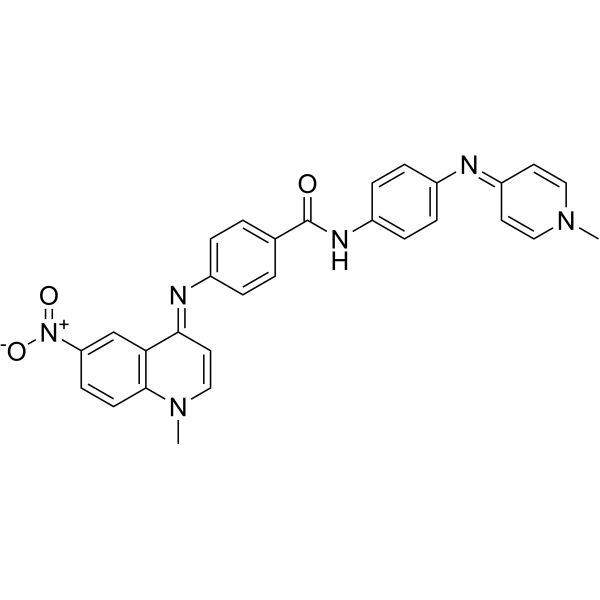 0 ImagesCat. No.: HY-112591CAS No.: 906718-66-9Synonyms: XMH95NSC260594 induces Apoptosis. NSC260594 binds the shallow groove of the Mcl-1 protein, and inhibits Mcl-1 expression through down-regulation of Wnt signaling proteins. NSC260594 can also recognize G9-G10-A11-G12 RNA tetraloop of HIV and prevent the binding of the Gag protein within the 5’-UTR. NSC260594 inhibits tumor growth, and can be used for research of Triple-negative breast cancers (TNBCs).
-
Tamoxifen-d5
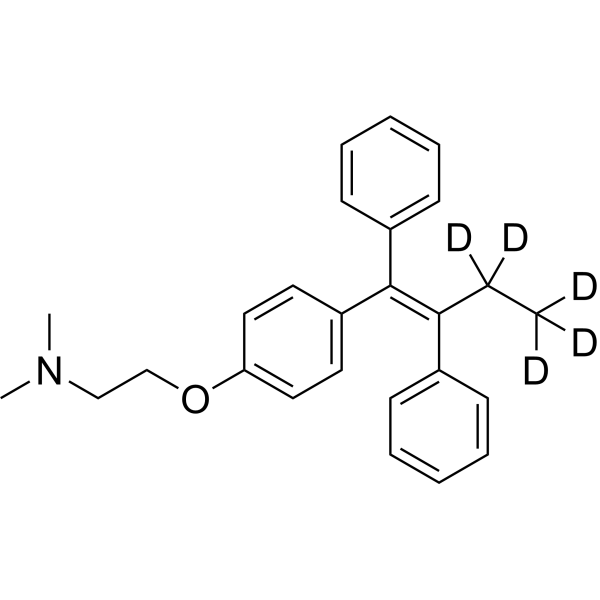 0 ImagesSynonyms: ICI 47699-d5; (Z)-Tamoxifen-d5; trans-Tamoxifen-d5Tamoxifen-d5 is a deuterium labeled Tamoxifen. Tamoxifen (ICI 47699) is an orally active, selective estrogen receptor modulator (SERM). Tamoxifen is a potent Hsp90 activator and enhances the Hsp90 molecular chaperone ATPase activity.
-
Prinomastat hydrochloride
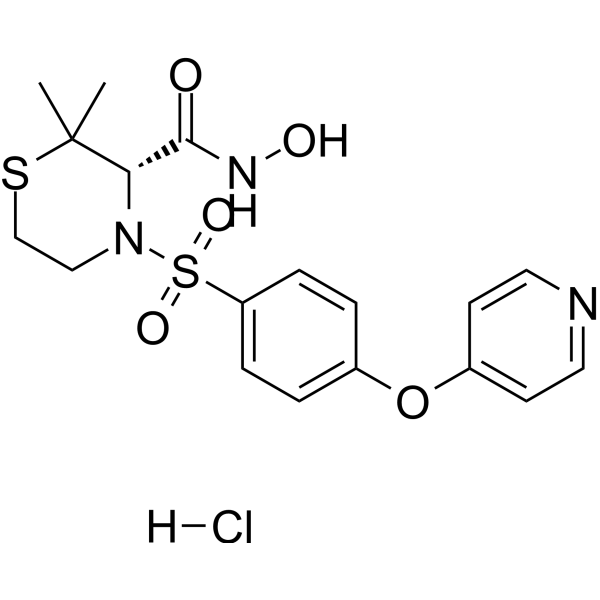 0 ImagesSynonyms: AG3340 hydrochloride; KB-R9896 hydrochloridePrinomastat hydrochloride (AG3340 hydrochloride) is a broad spectrum, potent, orally active metalloproteinase (MMP) inhibitor with IC50s of 79, 6.3 and 5.0 nM for MMP-1, MMP-3 and MMP-9, respectively. Prinomastat hydrochloride inhibits MMP-2, MMP-3, MMP-13 and MMP-9 with Kis of 0.05 nM, 0.3 nM, 0.03 nM and 0.26 nM, respectively. Prinomastat hydrochloride can cross blood-brain barrier. Antitumor avtivity.
-
Everolimus-d4
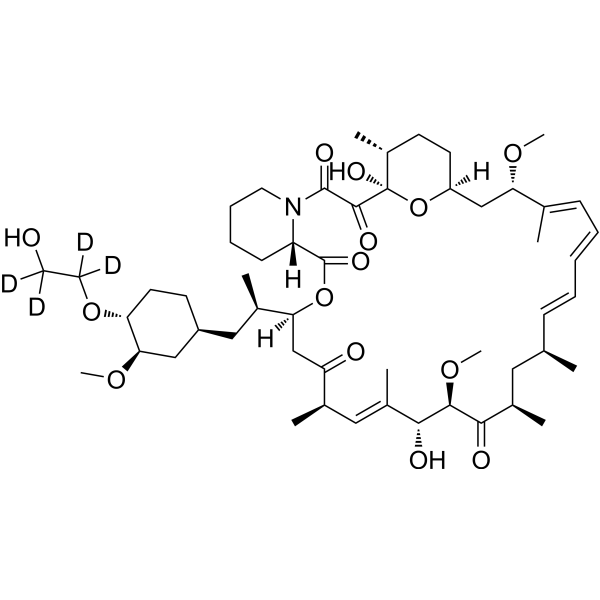 0 ImagesSynonyms: RAD001-d4; SDZ-RAD-d4Everolimus-d4 is the deuterium labeled Everolimus. Everolimus (RAD001) is a Rapamycin derivative and a potent, selective and orally active mTOR1 inhibitor. Everolimus binds to FKBP-12 to generate an immunosuppressive complex. Everolimus inhibits tumor cells proliferation and induces cell apoptosis and autophagy. Everolimus has potent immunosuppressive and anticancer activities.
-
L5-DA
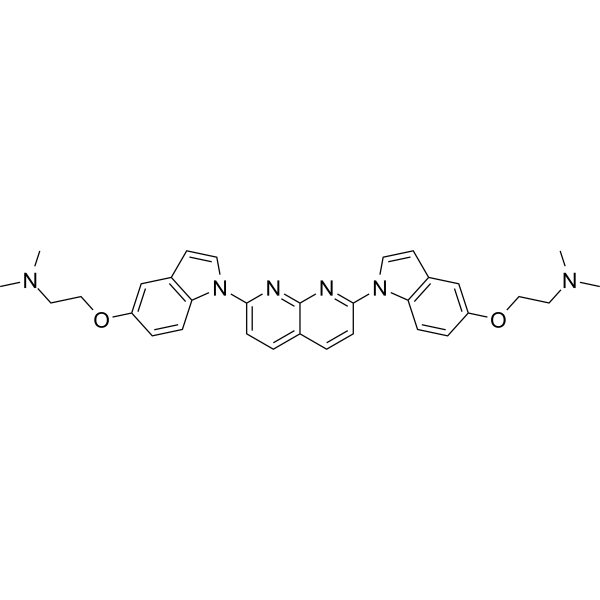 0 ImagesL5-DA is a G-quadruplex (G4) ligand and selectively stabilized for G4s over ds26. L5-DA exhibits significant cytotoxicity against HeLa cells (IC50=4.3 μM). L5-DA stabilizes G4s in HeLa cells, induces apoptosis, and cell cycle arrest.


-
L-Asparagine-d3 hydrate
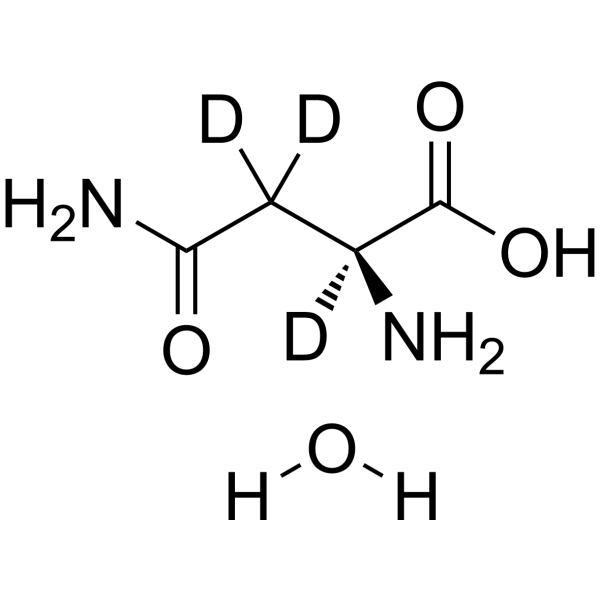 0 ImagesL-Asparagine-d3 hydrate is the deuterium labeled L-Asparagine (HY-N0667). L-Asparagine is an essential amino acid for leukemic cells and a substrate for L-Asparaginase. L-Asparaginase is a potent anti-leukemic enzyme that promotes asparagine (Asn) and glutamine (Gln) depletion and inhibits protein biosynthesis in lymphoblasts. Removal of L-asparagine from plasma by L-Asparaginase results in inhibition of RNA and DNA synthesis and subsequent apoptosis. L-Asparaginase has cell-killing ability in vitro and in vivo, and selectively inhibits the growth of cancer cells with low asparagine synthetase (AASNS) expression. L-Asparagine can be used as a biomarker and sensor for the study of childhood acute lymphoblastic leukemia.
-
Chrysosplenetin
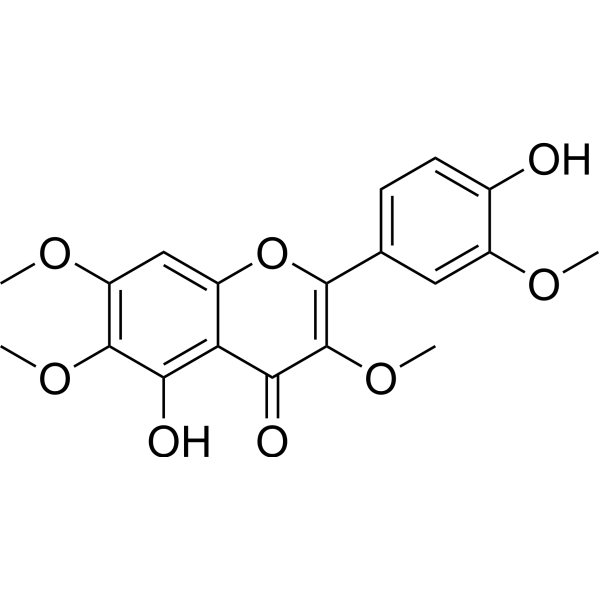 0 ImagesChrysosplenetin is an orally active polymethoxyflavone. Chrysosplenetin exerts anticancer effects by inhibiting topoisomerase, protecting DNA and inducing apoptosis. Chrysosplenetin acts as an antimalarial sensitizer, reverses Artemisinin (HY-B0094) resistance by inhibiting and downregulating P-glycoprotein, and enhances the efficacy of Artemisinin. Chrysosplenetin promotes bone formation by activating the Wnt/β-catenin pathway and exerts anti-osteoporotic effects.
-
ANT308 TFA
 0 ImagesCat. No.: HY-P11288APurity: 99.57%ANT308 TFA is a vasoactive intestinal polypeptide (VIP receptor) antagonist. ANT308 TFA significantly enhances the activation and proliferation of T cells. ANT308 TFA inhibits the migration and metastasis, induces apoptosis of melanoma tumor cells by inhibiting VIP-VPAC2 signaling and reducing the expression of MCAM and N-cadherin. ANT308 TFA can be used for the study of acute myeloid leukemia (AML) and uveal melanoma (UVM).
-
Lactoferrin (17-41) acetate
 0 ImagesSynonyms: Lactoferricin B acetate; Lfcin B acetateLactoferrin 17-41 (Lactoferricin B) acetate, a peptide corresponding to residues 17-41 of bovine lactoferrin, has antimicrobial activity against a wide range of microorganisms, including Gram-positive and Gramnegative bacteria, viruses, protozoa, and fungi. Lactoferrin 17-41 acetate has antitumor activities.
-
α-Amyrin acetate
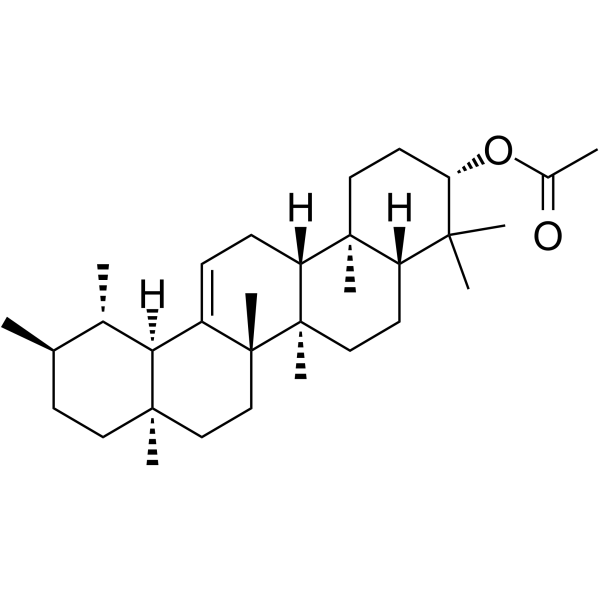 0 Imagesα-Amyrin acetate is a pentacyclic triterpenoid compound with oral activity. α-Amyrin acetate can inhibit cancer cells proliferation and induce apoptosis. α-Amyrin acetate can reduce blood glucose level. α-Amyrin acetate can be used for the researches of cancer and metabolic disease, such as breast cancer and diabetes.
-
α-Tocopherol phosphate disodium
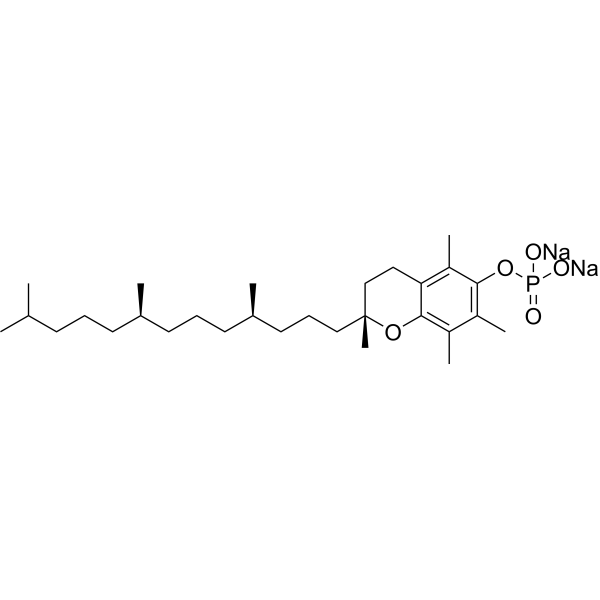 0 ImagesSynonyms: alpha-Tocopherol phosphate disodium; TocP disodium; Vitamin E phosphate disodiumα-Tocopherol phosphate disodium is an antioxidant that protects against long-wave UVA1 induced cell death and scavenge UVA1 induced ROS in a skin cell model. α-Tocopherol phosphate disodium exhibits angiogenesis-promoting activity.
-
K34c
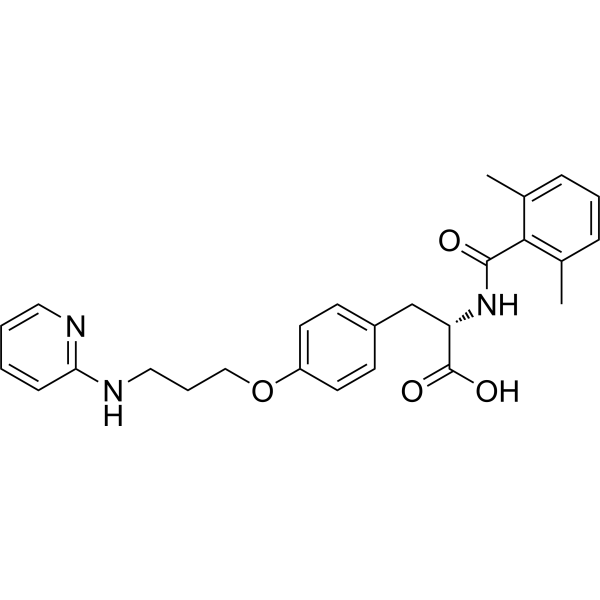 0 ImagesK34c is a potent and selective α5β1 integrin antagonist. By inhibiting α5β1 integrin, K34c reduces chemotherapy-induced premature senescence and promotes apoptosis. K34c can be used in glioblastoma research.
-
L-Histidine-13C hydrochloride hydrate
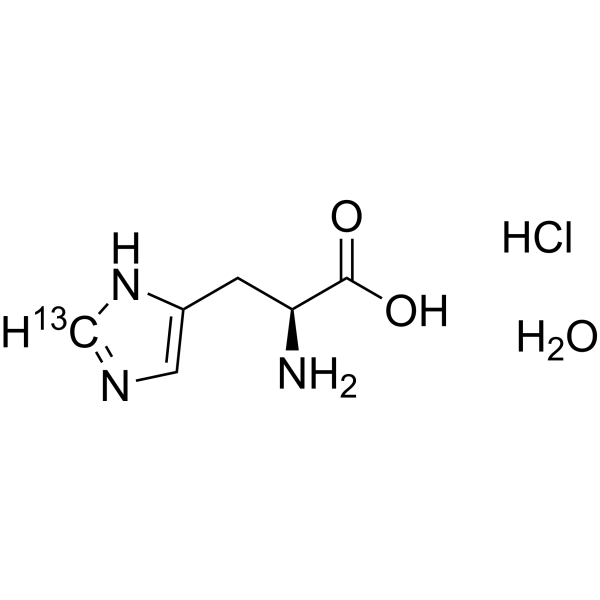 0 ImagesSynonyms: H-His-OH-13C hydrochloride hydrateL-Histidine-13C hydrochloride hydrate is the 13C-labeled L-Histidine hydrochloride hydrate (HY-W014423). L-Histidine hydrochloride hydrate is an endogenous metabolite. L-Histidine hydrochloride hydrate scavenges hydroxyl radicals and singlet oxygen, regulate the absorption of zinc, copper and iron, exhibits anti-inflammatory and antioxidant activities. L-Histidine hydrochloride hydrate is blood brain barrier penetrable.
-
4-Methyldaphnetin
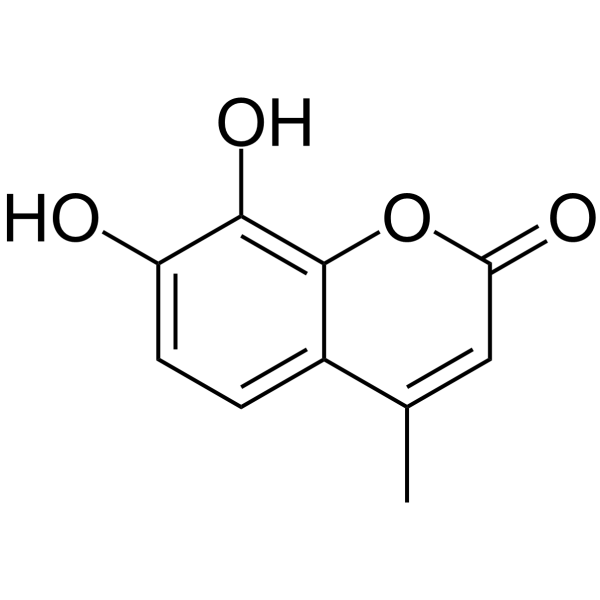 0 Images4-Methyldaphnetin is a precursor in the synthesis of derivatives of 4-methyl coumarin. 4-Methyldaphnetin has potent, selective anti-proliferative and apoptosis-inducing effects on several cancer cell lines. 4-Methyldaphnetin possesses radical scavenging property and strongly inhibits membrane lipid peroxidation.
-
Fomesafen
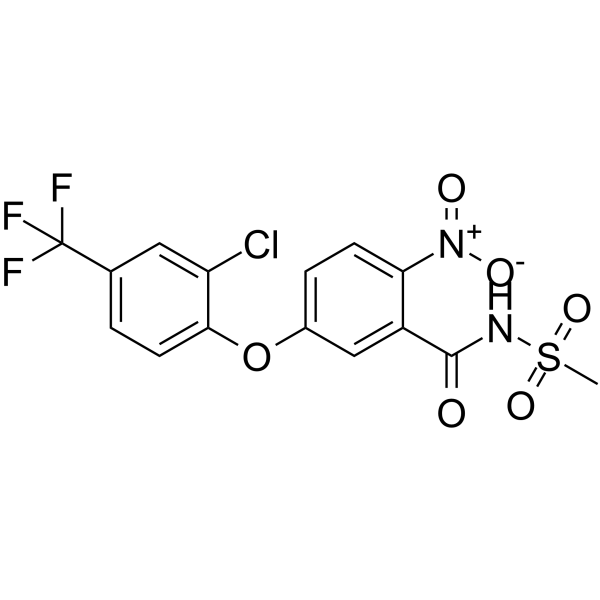 0 ImagesFomesafen is an orally active herbicide. Fomesafen inhibits protoporphyrinogen oxidase (PPO). Fomesafen induces Apoptosis and increases ROS. Fomesafen exhibits developmental toxicity, immunotoxicity, and neurotoxicity. It induces precancerous lesions in the liver and hepaturoporphyria in mice. Fomesafen is used to control broadleaf weeds in soybean fields, rubber plantations, and orchards.