



Apoptosis
Apoptosis
Apoptosis is a distinctive form of cell death exhibiting specific morphological and biochemical characteristics, including cell membrane blebbing, chromatin condensation, genomic DNA fragmentation, and exposure of specific phagocytosis signaling molecules on the cell surface. Cells undergoing apoptosis differ from those dying through necrosis. Necrotic cells are usually recognized by the immune system as a danger signal and, thus, resulting in inflammation; in contrast, apoptotic death is quiet and orderly.
There are two major pathways of apoptotic cell death induction: The intrinsic pathway, also called the Bcl-2-regulated or mitochondrial pathway, is activated by various developmental cues or cytotoxic insults, such as viral infection, DNA damage and growth-factor deprivation, and is strictly controlled by the BCL-2 family of proteins. The extrinsic or death-receptor pathway is triggered by ligation of death receptors (members of the tumor necrosis factor (TNF) receptor family, such as Fas or TNF receptor-1 (TNFR1)) that contain an intracellular death domain, which can recruit and activate caspase-8 through the adaptor protein Fas-associated death domain (FADD; also known as MORT1) at the cell surface. This recruitment causes subsequent activation of downstream (effector) caspases, such as caspase-3, -6 or -7, without any involvement of the BCL-2 family.
Studies suggest that alterations in cell survival contribute to the pathogenesis of a number of human diseases, including cancer, viral infections, autoimmune diseases, neurodegenerative disorders, and AIDS (acquired immunodeficiency syndrome). Treatments designed to specifically alter the apoptotic threshold may have the potential to change the natural progression of some of these diseases.
All Product Categories
-
Apoptosis Inhibitors
(901)
View all products
-
Apoptosis Agonists
(7)
View all products
-
Apoptosis Antagonists
(9)
View all products
-
Apoptosis Activators
(362)
View all products
-
Apoptosis Modulators
(60)
View all products
-
Apoptosis Inducers
(7887)
View all products
-
Apoptosis Degrader
(1)
View all products
-
Apoptosis Controls
(33)
View all products
-
Apoptosis Related Products (9821)
Related Products (9821)

-
Antibodies (120)
-
Antiproliferative agent-11
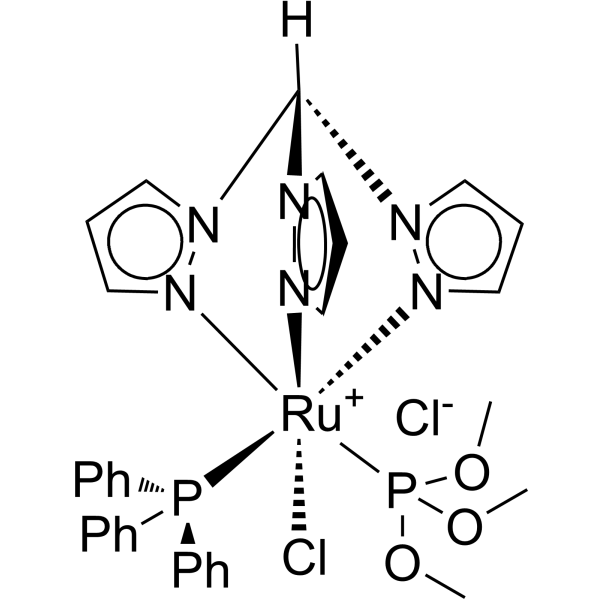 0 ImagesCat. No.: HY-150968Antiproliferative agent-11 (compound 7) is an antiproliferative and selective Ruthenium(II)-Tris-pyrazolylmethane complex. Antiproliferative agent-11 shows antiproliferative activity towards MCF-7, HeLa, 518A2, HCT116 and RD with IC50s of 6, 10, 6.8, 6.7 and 6 μM, respectively. Antiproliferative agent-11 can be used for the research of cancer.

-
NPD15261
 0 ImagesCat. No.: HY-181601CAS No.: 895901-42-5Synonyms: MI102NPD15261 (MI102) is a highly selective MYCN inhibitor. NPD15261 reduces the mRNA and protein levels of MYCN in liver cancer cells, inhibits cell proliferation and colony formation, and induces Apoptosis simultaneously. NPD15261 can be used in liver cancer research.
-
TAT-BH4 (Bcl-xL) TFA
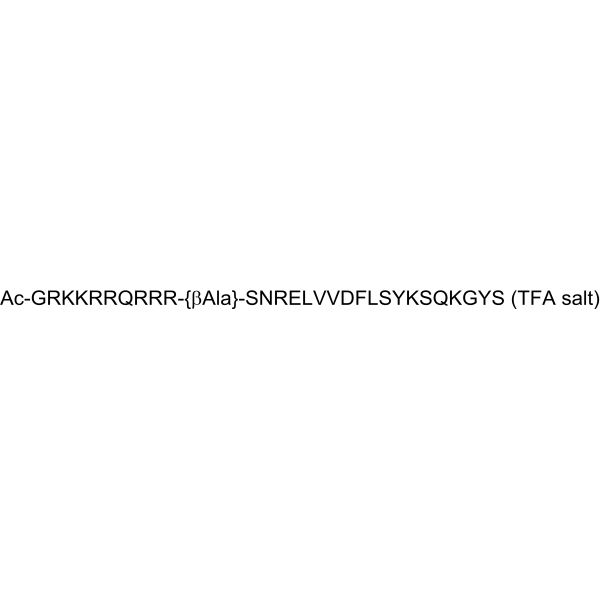 0 ImagesCat. No.: HY-P5320ATAT-BH4 (Bcl-xL) TFA is localized mainly at the mitochondria, prevents apoptotic cell death. TAT-BH4 (Bcl-xL) is a fusion peptide that combines the N-terminal cysteine conjugated protein transduction domain of HIV TAT protein (amino acids 49 to 57) with the Bcl-xL BH4 peptide. TAT-BH4 TFA can be used for research of diseases caused by accelerated apoptosis.
-
hCAIX/XII-IN-5
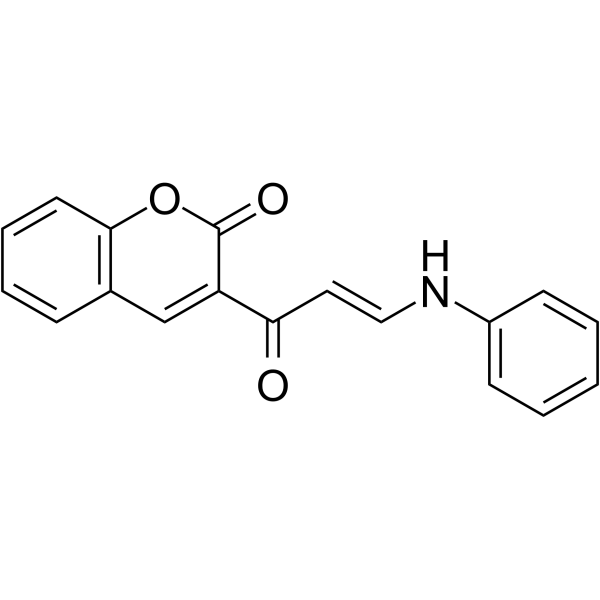 0 ImagesCat. No.: HY-150695CAS No.: 2421127-99-1hCAIX/XII-IN-5 (Coumarin 9a) a carbonic anhydrase (CA) inhibitor, and exhibits excellent hCA IX/XII selectivity (Ki=93.9 and 85.7 nM, respectively) over hCA I and hCA II. hCAIX/XII-IN-5 shows anti-proliferative activities to cancer cells. hCAIX/XII-IN-5 can delay cell cycle and induce apoptosis.
-
LD5097
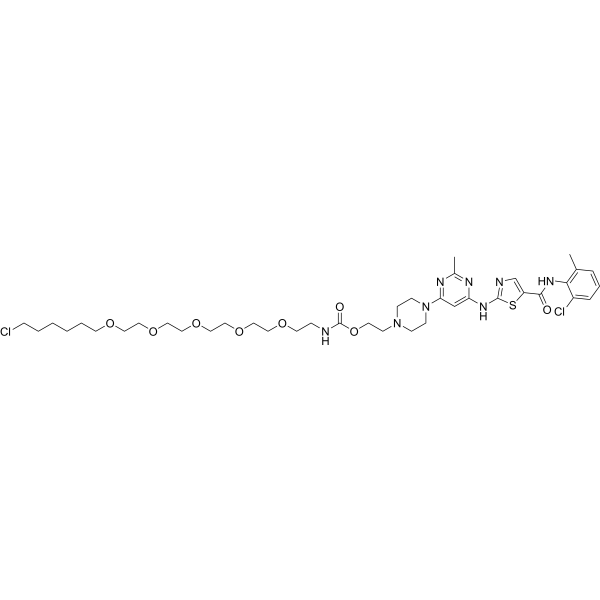
 0 ImagesCat. No.: HY-179234LD5097 is a highly effective and selective PROTAC degrader targeting RIPK1. LD5097 can rapidly and efficiently downregulate RIPK1 and significantly enhance TNFα-mediated apoptosis in Jurkat cells. LD5097 significantly increases the levels of cleaved caspase-3/7 and PARP. LD5097 can be used for the study of acute T-lymphoblastic leukemia.
-
Cholicamideβ (GMP)
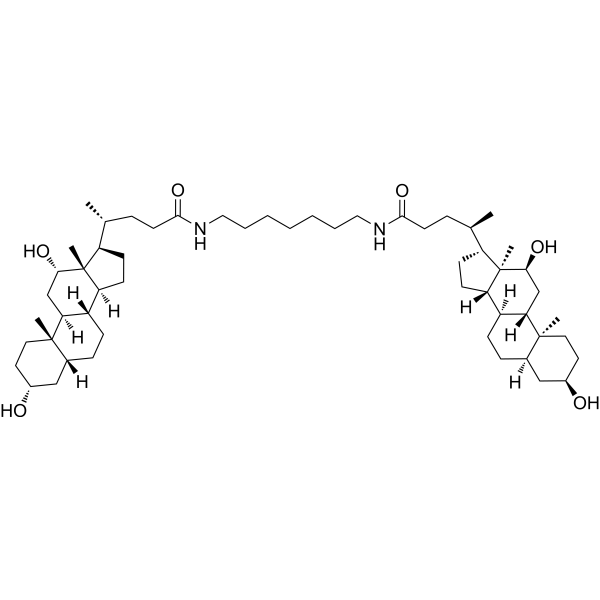 0 ImagesCat. No.: HY-156087GCAS No.: 3036578-71-6Cholicamideβ (GMP) is a GMP grade of Cholicamideβ. Cholicamideβ (compound 6) is a self-assembling, small molecule, cancer vaccine adjuvant. Cholicamideβ can form virus-like particles with low cytotoxicity. Cholicamideβ, upon binding to peptide antigens, enhances antigen presentation by dendritic cells and induces antigen-specific T cells. Cholicamideβ can induce apoptosis and necrosis.
-
Tubulin polymerization-IN-70
 0 ImagesCat. No.: HY-168565Tubulin polymerization-IN-70 (compound Q19) is a potent tubulin polymerization inhibitor. Tubulin polymerization-IN-70 shows antiproliferative activity. Tubulin polymerization-IN-70 target the colchicine binding site of tubulin and inhibited tubulin polymerization. Tubulin polymerization-IN-70 induces apoptosis and cell cycle arrest at G2/M phase. Tubulin polymerization-IN-70 induces mitochondrial membrane potential decrease and increases the levels of reactive oxygen species (ROS). Tubulin polymerization-IN-70 shows antiangiogenic and anticancer activity.
-
(R)-(+)-Pantoprazole-d6
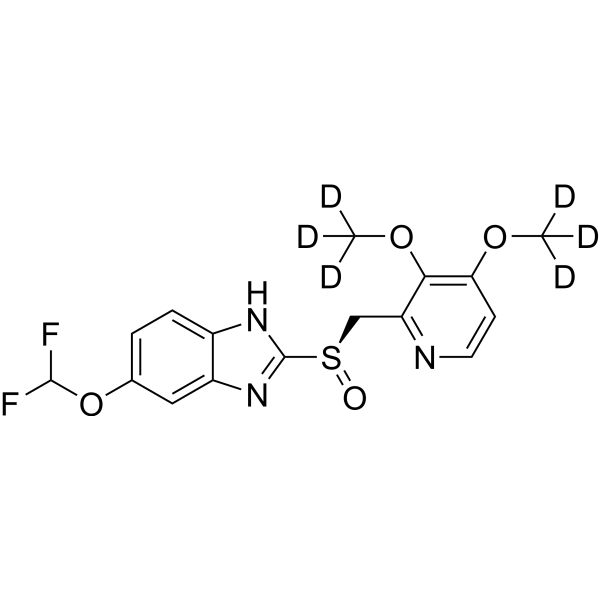 0 ImagesCat. No.: HY-17507CS(R)-(+)-Pantoprazole-d6 is deuterium labeled (R)-(+)-Pantoprazole.
-
Butein (Standard)
 0 ImagesButein (Standard) is the analytical standard of Butein. This product is intended for research and analytical applications. Butein is a cAMP-specific PDE inhibitor with an IC50 of 10.4 μM for PDE4. Butein is a specific protein tyrosine kinase inhibitor with IC50s of 16 and 65 μM for EGFR and p60c-src in HepG2 cells. Butein sensitizes HeLa cells to Cisplatin through AKT and ERK/p38 MAPK pathways by targeting FoxO3a. Butein is a SIRT1 activator (STAC).
-
Pemetrexed disodium-13C5
 0 ImagesCat. No.: HY-W769288Synonyms: LY231514 disodium-13C5Pemetrexed disodium-13C5 (LY231514 disodium-13C5) is the 13C-labeled Pemetrexed disodium (HY-10820A). Pemetrexed disodium (LY231514 disodium) is an antifolate, the Kis of the pentaglutamate of Pemetrexed disodium are 1.3, 7.2, and 65 nM for inhibits thymidylate synthase (TS), dihydrofolate reductase (DHFR), and glycinamide ribonucleotide formyltransferase (GARFT), respectively.
-
(±)-Dehydroaltenusin
 0 ImagesCat. No.: HY-100513CAS No.: 34279-44-2(±)-Dehydroaltenusin, an antibiotic, is a selective eukaryotic DNA polymerase α (pol α) inhibitor with an IC50 of 0.68 μM. (±)-Dehydroaltenusin can be isolated from fungus Alternaria tenuis. (±)-Dehydroaltenusin competitively inhibits the DNA template primer (Ki: 0.23 μM) and non-competitively suppresses the 2'-deoxyribonucleoside 5'-triphosphate substrate (Ki: 0.18 μM). (±)-Dehydroaltenusin induces the cancer cell S-phase cycle arrest and apoptosis. (±)-Dehydroaltenusin can be used for cancers like human adenocarcinoma research.
-
Sirt1/2-IN-3
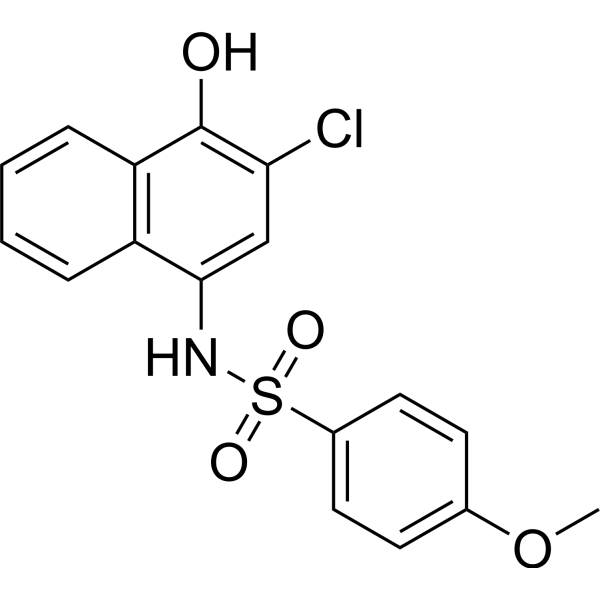 0 ImagesCat. No.: HY-155728CAS No.: 301313-42-8Sirt1/2-IN-3 (compound PS9) is a dual inhibitor of SIRT1/2 with IC50s of 1.4 μM (SIRT1) and 2.0 μM (SIRT2), respsectivley. Sirt1/2-IN-3 completely blocks p53 deacetylation, and increase of p53 and α-tubulin acetylation. Sirt1/2-IN-3 induces apoptosis and shows anti-proliferation activity against human leukemia cell lines.
-
FLT3-IN-35
 0 ImagesCat. No.: HY-178908FLT3-IN-35 (Compound 4K) is an orally active, covalent, irreversible FLT3 inhibitor. FLT3-IN-35 inhibits the phosphorylation of FLT3 and its downstream signaling factors, as well as induces cell cycle arrest and apoptosis. FLT3-IN-35 inhibits the phosphorylation of FLT3 and its downstream signaling factors, as well as induced cell cycle arrest and apoptosis. FLT3-IN-35 can be used for the study of acute myeloid leukemia (AML).
-
EGFR/VEGFR2-IN-7
 0 ImagesCat. No.: HY-179031EGFR/VEGFR2-IN-7 (Compound 3e) is a dual-target EGFR/VEGFR2 inhibitor, with IC50 values of 142 (EGFR) and 71 nM (VEGFR2). EGFR/VEGFR2-IN-7 exhibits broad-spectrum and potent anti-proliferative activity, especially being sensitive to breast cancer. EGFR/VEGFR2-IN-7 induces cell cycle arrest and apoptosis, inhibits cell migration and invasion. EGFR/VEGFR2-IN-7 can be used for research on breast cancer.
-
Apoptosis inducer 20
 0 ImagesCat. No.: HY-161814Apoptosis inducer 20 (12) causes G2/M cell cycle arrest and induction of apoptosis via caspase 3/7 activation, which occurred during M arrest. Apoptosis inducer 20 is a novel indolic benzenesulfonamide with anti-proliferative effect against a broad panel of cancer cell lines, which is proming for research of new anti-mitotic agents.

-
EGFR-IN-59
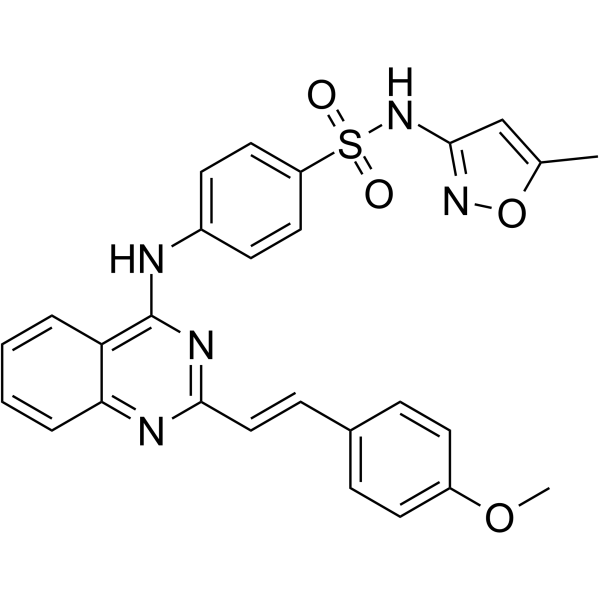 0 ImagesCat. No.: HY-147802CAS No.: 2529891-44-7EGFR-IN-59 (Compound 8c) is a EGFR inhibitor (IC50=190 nM) and apoptosis inducer. EGFR-IN-59 exhibits cytotoxicity against non-small lung cancer cell lines (A549) and normal lung fibroblasts (WI38) with IC50s of 8.62 and 52.6 µM, respectively. EGFR-IN-59 can be used for the research of various cancers such as non-small cell lung cancer (NSCLC), head and neck cancer, breast cancer and colorectal cancer.
-
Omtriptolide sodium
 0 ImagesCat. No.: HY-16362CAS No.: 195883-09-1Synonyms: PG 490-88NaOmtriptolide sodium (PG490-88Na) is a derivative of Triptolide (HY-32735). Omtriptolide sodium exhibits significant immunosuppressive, anti-fibrotic and anti-inflammatory properties. The mechanism of action of Omtriptolide sodium is diverse, including inhibiting T cell activation and proliferation, inducing T cell apoptosis (apoptosis), blocking fibroblast maturation/proliferation, inhibiting TGF-β mRNA expression, and suppressing pro-inflammatory cytokines (such as IL-2, IFN-γ, TNF-α) by blocking transcription factors such as NF-κB. Omtriptolide sodium can be used for research on obstructive airway diseases, pulmonary fibrosis and graft-versus-host disease.




