



CaMK
Calmodulin-dependent protein kinases; Calmodulin-dependent kinases
The Ca2+/calmodulin-dependent kinase (CaMK) family has been recognized as a key mediator in living organisms and various biological processes.
CaMK II is a multifunctional cytoplasmic calcium and calmodulin-dependent protein kinase that phosphorylates and alters the function of a variety of substrates. The CaMK II pathway has been found to regulate the RANKL-induced osteoclast formation via the cAMP-response element binding protein (CREB) pathway.
Among many signaling pathways of proliferation, intracellular calciumol/L has been extensively demonstrated to be very important. In cytoplasm, calciumol/L binds to calmodulin, and then activates the CaMKs which are a family of structurally related serine/threonine protein kinases including CaMKI-IV. CaMKII, a multi functional protein kinase, is ubiquitously involved in many physiological processes including control of cell cycle, apoptosis, gene expression, and neurotransmission.
CaMK Isoform Specific Products
All Product Categories
-
CaMK Related Products (124)
Related Products (124)

-
Antibodies (7)
-
CaMK Isoform Comparison
-
Syntide 2
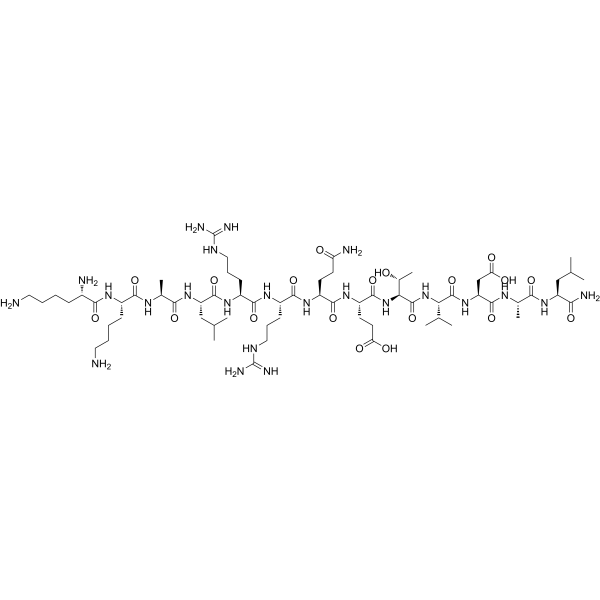
 0 ImagesCat. No.: HY-P0271CAS No.: 108334-68-5Syntide 2, a Ca2+- and calmodulin (CaM)-dependent protein kinase II (CaMKII) substrate peptide, selectively inhibits the gibberellin (GA) response, leaving constitutive and abscisic acid-regulated events unaffected.
-
Trifluoperazine dihydrochloride (Standard)
 0 ImagesTrifluoperazine (dihydrochloride) (Standard) is the analytical standard of Trifluoperazine (dihydrochloride). This product is intended for research and analytical applications. Trifluoperazine dihydrochloride, an antipsychotic agent, acts by blocking central dopamine receptors. Trifluoperazine dihydrochloride is a potent α1-adrenergic receptor antagonist. Trifluoperazine dihydrochloride is a potent NUPR1 inhibitor exerting anticancer activity. Trifluoperazine dihydrochloride is a calmodulin inhibitor, and also inhibits P-glycoprotein. Trifluoperazine dihydrochloride can be used for the research of schizophrenia. Trifluoperazine dihydrochloride acts as a reversible inhibitor of influenza virus morphogenesis.
-
A-3 hydrochloride
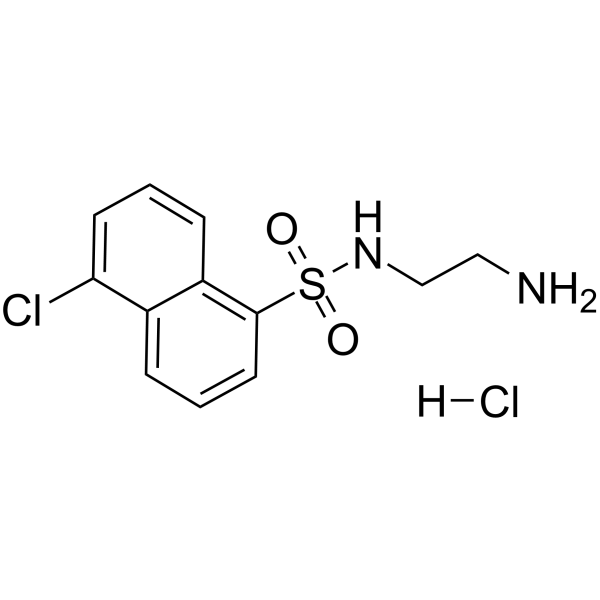 0 ImagesA-3 hydrochloride is a potent, cell-permeable, reversible, ATP-competitive non-selective antagonist of various kinases. It against PKA (Ki=4.3 µM), casein kinase II (Ki=5.1 µM) and myosin light chain kinase (MLCK) (Ki=7.4 µM). A-3 hydrochloride also inhibits PKC and casein kinase I with Ki values of 47 µM and 80 µM, respectively.
-
Bacoside A
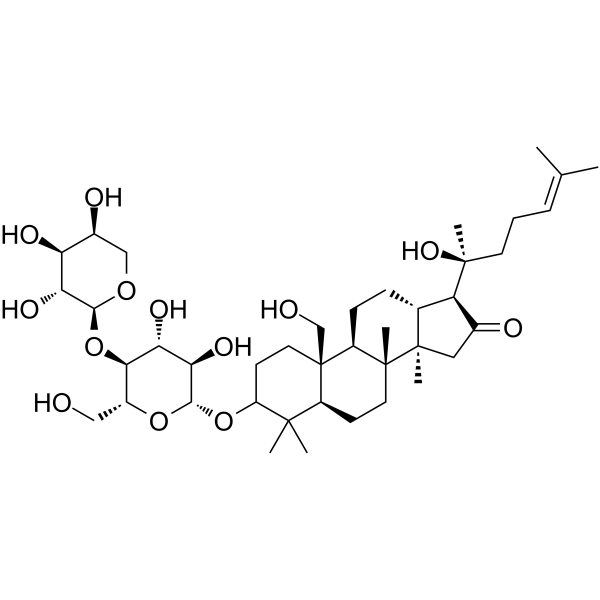 0 ImagesCat. No.: HY-N1989CAS No.: 11028-00-5Bacoside A is an orally active, blood-brain barrier-permeable triterpenoid saponin that modulates the activities of ATPases, AChE, CaMK2A and iNOS. Derived from Bacopa monniera. Bacoside A exerts significant antioxidant, anti-inflammatory and anti-apoptotic effects by maintaining ion balance, scavenging reactive oxygen species, stabilizing cell membranes, and regulating the expression of NF-κB and apoptosis-related proteins. Bacoside A counteracts morphine-induced reductions in Na+/K+-ATPase, Ca2+-ATPase and Mg2+-ATPase activities, increases mitochondrial membrane potential, and decreases intracellular reactive oxygen species levels. Bacoside A specifically binds to calcium/calmodulin-dependent protein kinase IIA to trigger endoplasmic reticulum calcium release. Bacoside A exhibits non-apoptotic cytotoxicity against glioblastoma cells while protecting normal nerve cells from stress-induced damage. Bacoside A is applicable to the research of Parkinson's disease and glioblastoma multiforme.

-
MRS2768 tetrasodium salt
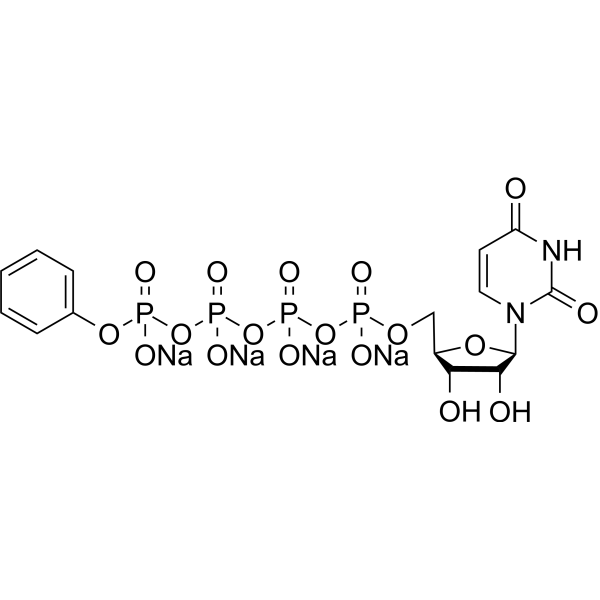 0 ImagesMRS2768 tetrasodium salt is a potent, selective, and metabolically stable P2Y2 receptor agonist with an EC50 of 1.89 μM for the human P2Y2 receptor. MRS2768 tetrasodium salt activates Gq/PLC/PKC signaling, leading to downstream phosphorylation of Akt, eNOS, and ERK, with effects varying by cell type. MRS2768 tetrasodium salt inhibits ENaC via Gq/PKC/Src/Akt to promote natriuresis and lower blood pressure in the kidney. MRS2768 tetrasodium salt activates eNOS to increase NO secretion in endothelial cells. MRS2768 tetrasodium salt drives proliferation via PI3K/Akt in fibroblasts and cancer cells. MRS2768 tetrasodium salt exerts anti-apoptotic effects through PKC/Src/Akt in cardiomyocytes. MRS2768 tetrasodium salt can be applied to investigate P2Y2-dependent pathological processes, including acute kidney injury, chronic kidney disease and renal fibrosis, DOCA-salt induced hypertension, myocardial infarction, pulmonary arterial hypertension, pancreatic cancer, cardiac fibrosis, dry eye disease, as well as shear stress-mediated vascular remodeling and atherosclerosis.
-
8-Br-ADPR disodium
 0 ImagesCat. No.: HY-134261ASynonyms: 8-Bromoadenosine-5'-O-diphosphoribose disodium8-Br-ADPR disodium (8-Bromoadenosine-5'-O-diphosphoribose) is a TRPM2 inhibitor and ADPR signaling pathway antagonist. 8-Br-ADPR disodium inhibits glucagon-mediated nuclear calcium signaling and downstream CaMKII/CREB phosphorylation by blocking ADPR-induced TRPM2 activation. 8-Br-ADPR disodium significantly reduces gluconeogenic gene expression and blood glucose levels in diabetic models. 8-Br-ADPR disodium effectively blocks ADPR-mediated calcium signal transduction in NK cells, inhibits immune synapse formation, granzyme B release and cytolytic activity against melanoma cells. 8-Br-ADPR disodium is widely used in studies related to diseases such as diabetes, melanoma and lymphoma.
-
STO-609 acetate
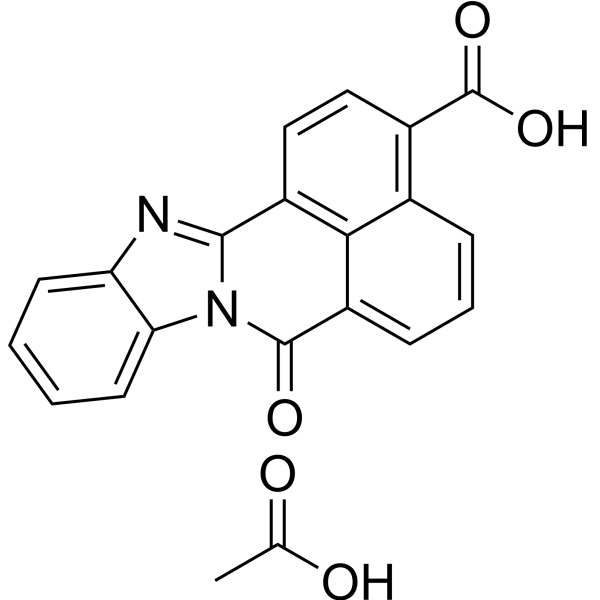 0 ImagesCat. No.: HY-19805ACAS No.: 1173022-21-3STO-609 acetate is a selective and cell-permeable inhibitor of the Ca2+/calmodulin-dependent protein kinase kinase (CaM-KK), with Ki values of 80 and 15 ng/mL for recombinant CaM-KKα and CaM-KKβ, respectively. STO-609 acetate inhibits AMP-activated protein kinase kinase (AMPKK) activity in HeLa cell lysates with an IC50 ~0.02 g/ml.
-
Ph-HTBA
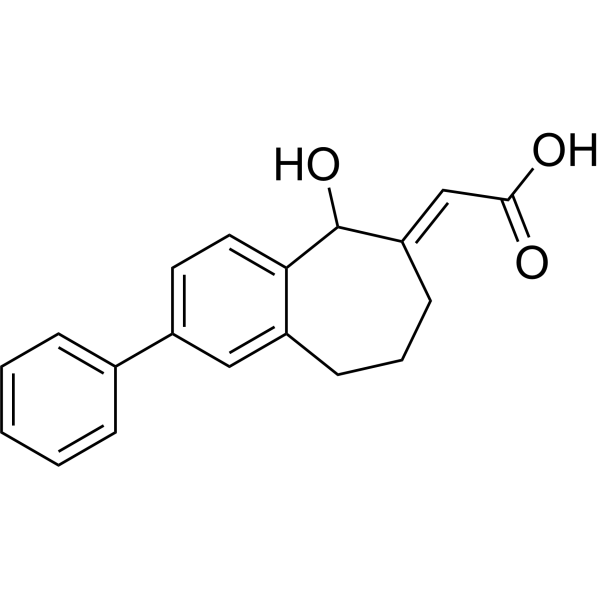 0 ImagesCat. No.: HY-151797CAS No.: 2368927-41-5Ph-HTBA is a high-affinity, brain-penetrating modulator for CaMKIIα. Ph-HTBA has binding affinity for CaMKIIα with a Kd value of 757 nM. Ph-HTBA can be used for the research of ischemia and neurodegenerative disorders.
-
Trifluoperazine dimaleate
 0 ImagesTrifluoperazine dimaleate, an antipsychotic agent, acts by blocking central dopamine receptors. Trifluoperazine dimaleate is a potent α1-adrenergic receptor antagonist. Trifluoperazine dimaleate is a potent NUPR1 inhibitor exerting anticancer activity. Trifluoperazine dimaleate is a calmodulin inhibitor, and also inhibits P-glycoprotein. Trifluoperazine dimaleate can be used for the research of schizophrenia. Trifluoperazine dimaleate acts as a reversible inhibitor of influenza virus morphogenesis.
-
Autocamtide-2-related inhibitory peptide
 0 ImagesCat. No.: HY-P0214CAS No.: 167114-91-2Autocamtide-2-related inhibitory peptide is a highly specific and potent inhibitor of CaMKII with an IC50 of 40 nM.
-
STK33 Recombinant Human Active Protein Kinase
 0 ImagesCat. No.: HY-E70864STK33 is clearly related to the canonical kinases from the CAMK group. STK33 could be involved in the normal development of heart and other organs in embryonic and fetal stages. STK33 Recombinant Human Active Protein Kinase is a recombinant STK33 protein that can be used to study STK33-related functions.
-
Prenylamine lactate (Standard)
 0 ImagesCat. No.: HY-A0257ARCAS No.: 69-43-2Prenylamine (lactate) (Standard) is the analytical standard of Prenylamine (lactate). This product is intended for research and analytical applications. Prenylamine lactate is a calcium-modulating protein (CaM) antagonist that inhibits CaM-dependent enzymes and can slowly relax smooth muscle preparations. The effect of Prenylamine lactate on smooth muscle is not inhibited by the calcium agonist Bay K 8644 (HY-10588). Reports suggest that under low heart rate conditions, Prenylamine seems to enhance voltage-dependent transmembrane calcium currents.
-
Calmodulin Dependent Protein Kinase Substrate
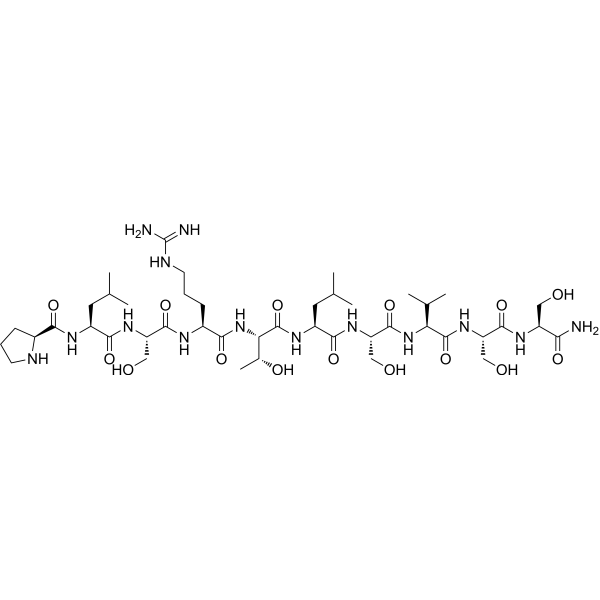 0 ImagesCat. No.: HY-P3944CAS No.: 82801-68-1Calmodulin Dependent Protein Kinase Substrate is a Ca2+- and calmodulin (CaM)-dependent protein kinase (CaMK) substrate peptide. Calmodulin Dependent Protein Kinase Substrate is a synthetic peptide substrate for protein kinases.
-
TX-1123
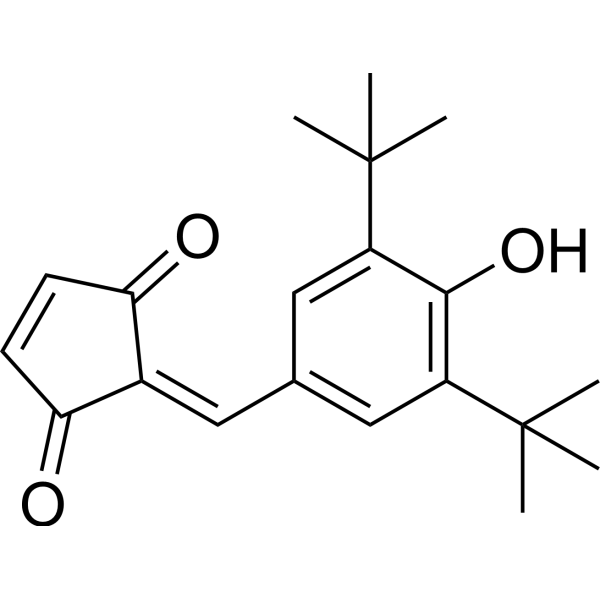 0 ImagesCat. No.: HY-121828CAS No.: 157397-06-3TX-1123 is a potent protein tyrosine kinase (PTK) inhibitor for Src, eEF2-K, and PKA, and EGFR-K/PKC. TX-1123 is a cyclo-oxygenase (COX) inhibitor with IC50 values of 1.16 μM and 15.7 μM for COX2 and COX1, respectively. TX-1123 has low mitochondrial toxicity. TX-1123 can be used in research of cancer.
-
Biotin-CaMK2δ CAMK2D Recombinant Human Active Protein Kinase
 0 ImagesCat. No.: HY-E70797CAMK2 is involved in the regulation of cellular processes in a variety of tissues. One member, CAMK2δ CAMK2D is involved in vasopressin signaling in the renal collecting duct, which controls water excretion through regulation of the water channel aquaporin-2 (AQP2). Biotin-CaMK2δ CAMK2D Recombinant Human Active Protein Kinase is obtained by expressing CaMK2δ CAMK2D proteins and is biotinylated.
-
CaMKI(299-320)
 0 ImagesCat. No.: HY-P10316CAS No.: 205598-38-5Synonyms: Calmodulin-Dependent Protein Kinase I (299-320) Binding DomainCaMKI (299-320) refers to a peptide consisting of residues 299-320 of Calcium/calmodulin-dependent protein kinase I (CaMKI). CaMKI (299-320), as a protein kinase, has a high affinity interaction with Ca2+-CAM (Kd≤1 nM≤1 nM), which can phosphorylate specific substrate proteins, thereby regulating their activity. CaMKI (299-320) contains the CAM-binding domain and the self-inhibition domain, and CaMKI (299-320) can be used to study cell physiological processes, including cell proliferation, differentiation, and apoptosis.
-
Oxoglaucine
 0 ImagesOxoglaucine (O-Methylatheroline) is a natural product with multiple activities including autophagy activation, anti-inflammation, antibacterial activity, and immunoregulation. Oxoglaucine inhibits the TRPV5/calmodulin/CAMK-II pathway, suppresses TGFβ-induced Smad2 phosphorylation by upregulating Smad7, blocks Ca2+ influx, activates autophagy, alleviates apoptosis and inflammation, inhibits ROS production and the expression of fibrosis markers in hepatocytes, and regulates immune cell populations and responses. Oxoglaucine protects against infections caused by Candida albicans and Klebsiella pneumoniae, and exerts effects on adjuvant-induced arthritis. Oxoglaucine can be used in studies related to arthritis, liver fibrosis, bacterial infections, and fungal infections.




