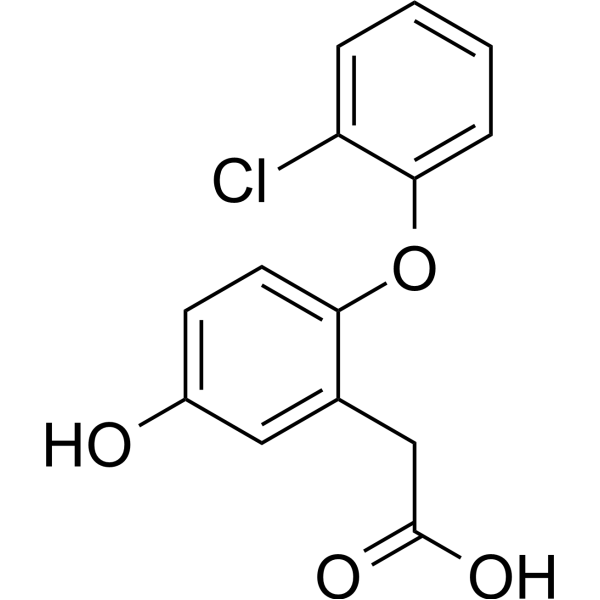
CaMK II
CaMKII is a Ca2+/calmodulin-dependent serine/threonine kinase that converts intracellular calcium signals into phosphorylation-dependent cellular responses[1]. In excitatory synapses, CaMKII is central to synaptic plasticity, learning, and memory, where it phosphorylates synaptic proteins that regulate receptor trafficking, localization, activity, actin dynamics, translation, and transcription[1]. Mechanistically, Ca2+/calmodulin binding activates the regulatory domain, and CaMKII tools now support studies across cell types and cellular functions[2]. In disease-relevant models, CaMKIIδ expression increases in human heart failure, and CaMKII inhibition acutely improves contractility by reducing sarcoplasmic-reticulum Ca2+ leak and increasing Ca2+ load[3]. Compared with related isoforms, CaMKIIα and CaMKIIβ are largely brain-specific, whereas CaMKIIγ and CaMKIIδ show broader tissue expression[4]. The α and β isoforms mediate synaptic functions underlying learning, memory, and cognition, but CaMKIIβ has high-affinity F-actin binding that distinguishes it from CaMKIIα[4]. Structural comparison of α, β, γ, and δ isoforms documented shared holoenzyme architecture with measurable enzymatic differences among gene products[5]. For experimental applications, KN-93 inhibits CaMKII activity by binding Ca2+/calmodulin, supporting its use as a mechanistic inhibitor with target-engagement considerations[6].
Références:
- [1]. Yasuda R, et al. CaMKII: a central molecular organizer of synaptic plasticity, learning and memory. Nat Rev Neurosci. 2022 Nov;23(11):666-682. [Content Brief]
- [2]. Brown CN, et al. Studying CaMKII: Tools and standards. Cell Rep. 2024 Apr 23;43(4):113982. [Content Brief]
- [3]. Sossalla S, et al. Inhibition of elevated Ca2+/calmodulin-dependent protein kinase II improves contractility in human failing myocardium. Circ Res. 2010 Oct 29;107(9):1150-61. [Content Brief]
- [4]. Cook SG, et al. Analysis of the CaMKIIα and β splice-variant distribution among brain regions reveals isoform-specific differences in holoenzyme formation. Sci Rep. 2018 Apr 3;8(1):5448. [Content Brief]
- [5]. Gaertner TR, et al. Comparative analyses of the three-dimensional structures and enzymatic properties of alpha, beta, gamma and delta isoforms of Ca2+-calmodulin-dependent protein kinase II. J Biol Chem. 2004 Mar 26;279(13):12484-94. [Content Brief]
- [6]. Wong MH, et al. The KN-93 Molecule Inhibits Calcium/Calmodulin-Dependent Protein Kinase II (CaMKII) Activity by Binding to Ca2+/CaM. J Mol Biol. 2019 Mar 29;431(7):1440-1459. [Content Brief]
-
CaMK II Produits associés (45)
Produits associés (45)

-
Anticorps (1)
-
KN-93
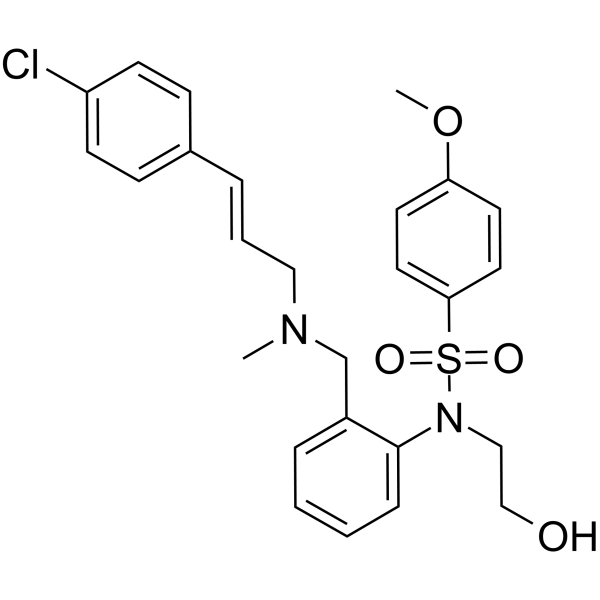 0 ImagesKN-93 is a cell-permeable, reversible and competitive inhibitor calmodulin-dependent kinase type II (CaMKII) with a Ki of 370 nM.
-
KN-93 phosphate
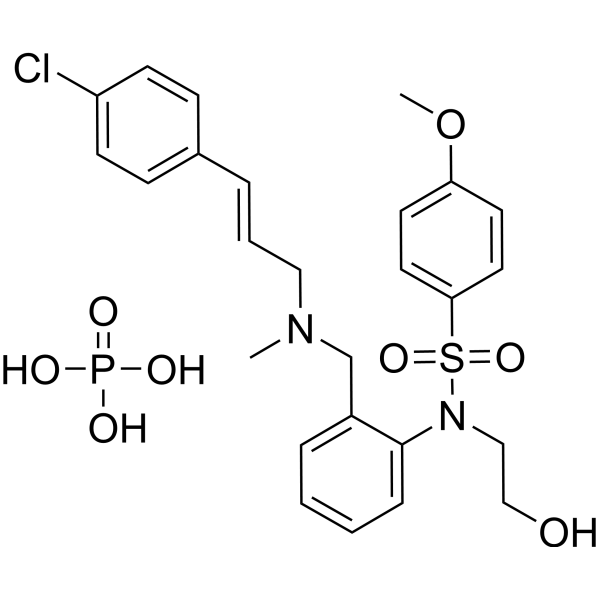 0 ImagesKN-93 phosphate is a cell-permeable, reversible and competitive inhibitor calmodulin-dependent kinase type II (CaMKII) with a Ki of 370 nM.
-
K-252a
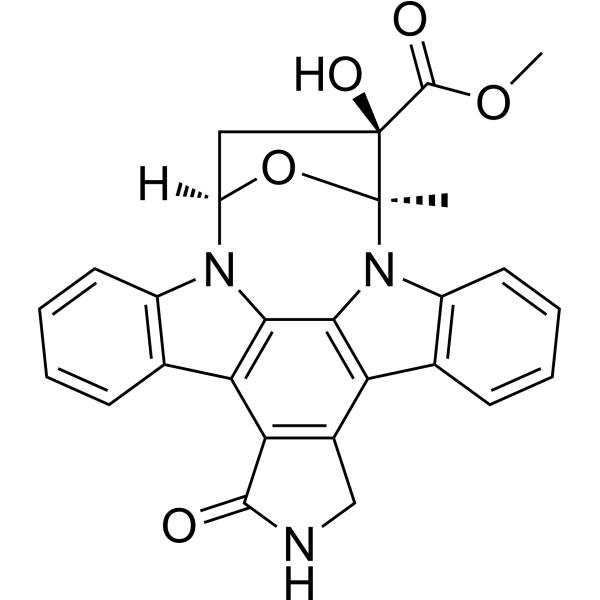 0 ImagesSynonyms: SF2370; Antibiotic K 252a; Antibiotic SF 2370K-252a, a staurosporine analog, inhibits protein kinase, with IC50 values of 470 nM, 140 nM, 270 nM, and 1.7 nM for PKC, PKA, Ca2+/calmodulin-dependent kinase type II, and phosphorylase kinase, respectively. K-252a is a potent inhibitor (IC50 of 3 nM) of the tyrosine protein kinase (TRK) activity of the NGF receptor gp140trk, the product of the trk protooncogene.
-
KN-62
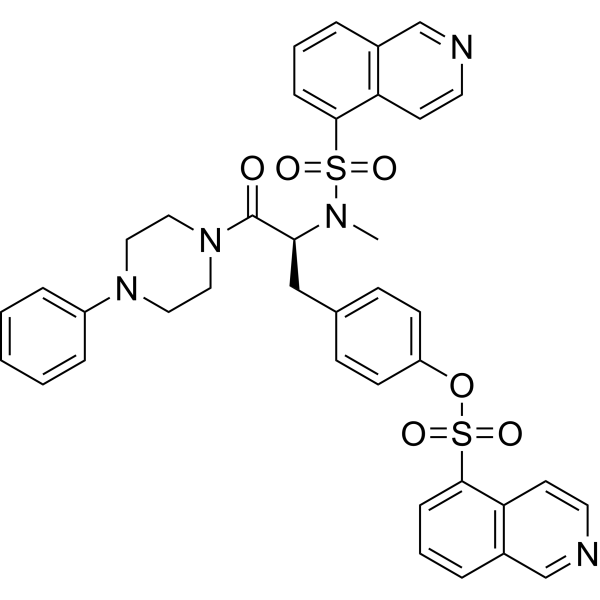 0 ImagesKN-62 is a selective and reversible inhibitor of calmodulin-dependent protein kinase II (CaMK-II) with a Ki of 0.9 μM for rat brain CaMK-II. KN-62 directly binds to the calmodulin binding site of CaMK-II. KN-62 displays noncompetitive antagonism at P2X7 receptors in HEK293 cells, with an IC50 value of approximately 15 nM.
-
DCP-LA
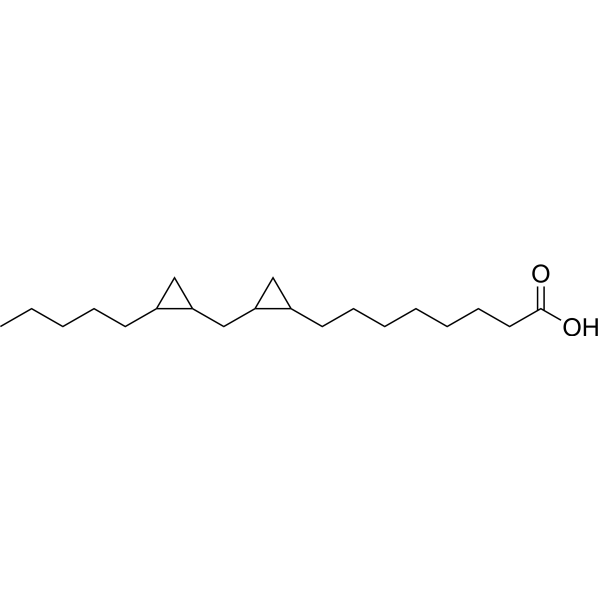 0 ImagesSynonyms: FR236924DCP-LA (FR236924), a linoleic acid derivative, selectively and directly activates PKCε. DCP-LA activates Ca(2+)/calmodulin-dependent protein kinase II (CaMKII) and inhibits protein phosphatase-1 (PP-1) to stimulate AMPA receptor exocytosis. DCP-LA inhibits activation of caspase-3/-9 and protects neurons at least in part from oxidative stress-induced apoptosis.
-
TAT-CN21
 0 ImagesCat. No.: HY-P10638Pureté: 99.38%TAT-CN21 is a potent CaMKII inhibitor with an IC50 of 77.2 nM. TAT-CN21 inhibits both calcium/calmodulin-dependent and autonomously activated CaMKII, blocks glutamate-induced translocation of CaMK IIα, and reverses the enhanced phosphorylation of CaMKII at Thr286 following excitotoxic injury. TAT-CN21 shows application potential in studies related to ischemic stroke by reducing neuronal excitotoxicity and exacerbating pre-existing long-term neuronal death prior to injury. TAT-CN21 improves definitive behaviors in rats with residual nerve injury without altering indicators such as mechanical/thermal hyperalgesia or spatial memory. TAT-CN21 can also be used in studies related to neuropathic pain.
-
4aα,7α,7aα-Nepetalactone
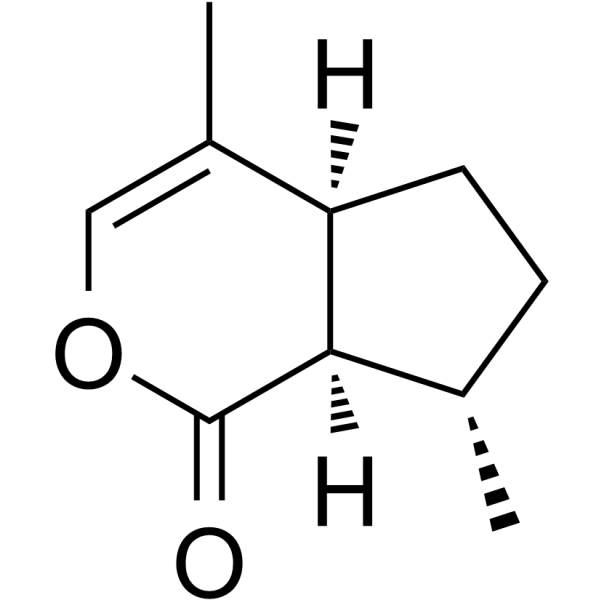 0 Images4aα,7α,7aα-Nepetalactone is an iridoid compound, a TRPA1 agonist, a repellent, and an attractant. 4aα,7α,7aα-Nepetalactone can be isolated from the oil of N. crispa. 4aα,7α,7aα-Nepetalactone induces repellent responses in three sap-sucking pests (Chinese psyllid, Asian citrus psyllid, and western flower thrips) via PKCα. Nepetalactone attracts two predatory lady beetles (Harmonia axyridis and Propylea japonica) through CaMKII. 4aα,7α,7aα-Nepetalactone causes mortality in Pogonomyrmex sp. ants. 4aα,7α,7aα-Nepetalactone can be used in studies related to bacterial infections and mandibulate pest infestations.
-
Oxoglaucine
 0 ImagesOxoglaucine (O-Methylatheroline) is a natural product with multiple activities including autophagy activation, anti-inflammation, antibacterial activity, and immunoregulation. Oxoglaucine inhibits the TRPV5/calmodulin/CAMK-II pathway, suppresses TGFβ-induced Smad2 phosphorylation by upregulating Smad7, blocks Ca2+ influx, activates autophagy, alleviates apoptosis and inflammation, inhibits ROS production and the expression of fibrosis markers in hepatocytes, and regulates immune cell populations and responses. Oxoglaucine protects against infections caused by Candida albicans and Klebsiella pneumoniae, and exerts effects on adjuvant-induced arthritis. Oxoglaucine can be used in studies related to arthritis, liver fibrosis, bacterial infections, and fungal infections.
-
Coniferyl ferulate
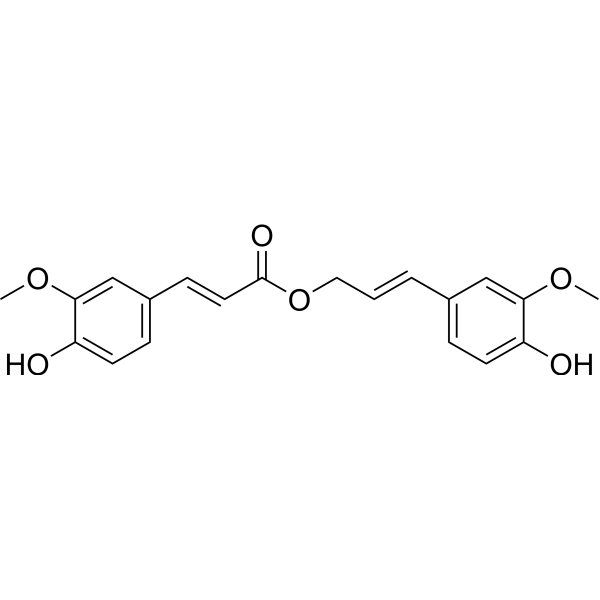 0 ImagesConiferyl ferulate is an orally active phenolic acid compound. Coniferyl ferulate is a potent inhibitor of glutathione S-transferase (GST) (IC50 = 0.3 μM), which downregulates P-gp expression, induces apoptosis in B-MD-C1 (ADR+/+) cells, and reverses multidrug resistance. Coniferyl ferulate blocks the NMDAR/NR2B-CaMKII-MAPKs signaling pathway, inhibits ROS production and mitochondrial apoptosis, while reshapes the intestinal microbiota and microbial metabolism, ameliorates colonic inflammation and alleviates depressive symptoms in mice. Coniferyl ferulate can alleviate the toxicity of xylene to hematopoietic stem and progenitor cells by targeting Mgst2. Coniferyl ferulate exhibits antibacterial activity against the Gram-positive Bacillus subtilis and Staphylococcus aureus.
-
KN-93 hydrochloride
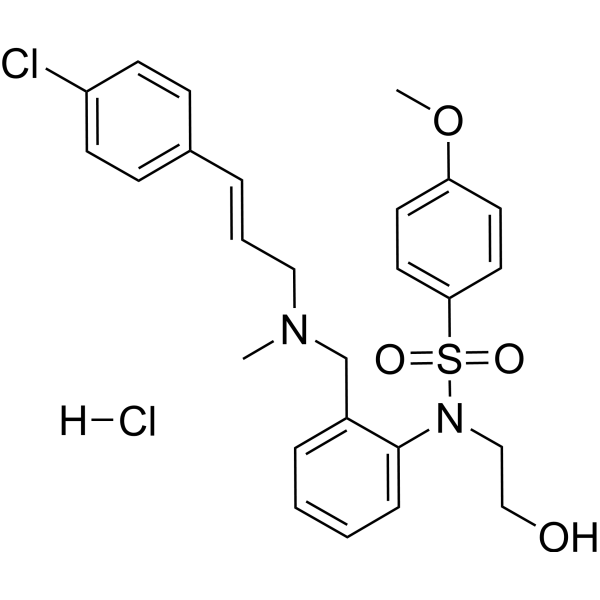 0 ImagesKN-93 hydrochloride is a cell-permeable, reversible and competitive inhibitor calmodulin-dependent kinase type II (CaMKII) with a Ki of 370 nM.
-
MLCK inhibitor peptide 18
 0 ImagesMLCK inhibitor peptide 18 is a myosin light chain kinase (MLCK) inhibitor with an IC50 of 50 nM, and inhibits CaM kinase II only at 4000-fold higher concentrations.
-
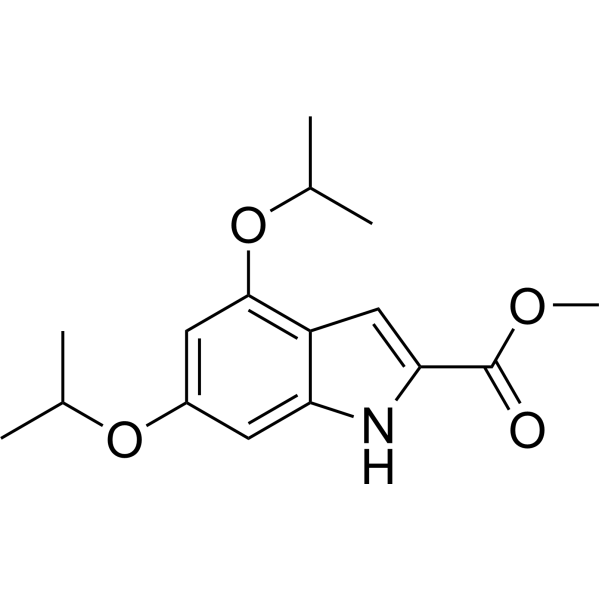
RA306
 0 ImagesCat. No.: HY-173117Pureté: 99.54%RA306 is an orally active CaMKIIδ/γ inhibitor with IC50 values of 15, 25, 61, and 420 nM against CaMKIIδ, γ, α, and β isoforms, respectively. RA306 reduces the serine/threonine phosphorylation level of PEAK1, inhibits PEAK1-mediated cancer cell migration and invasion, and attenuates the growth and metastasis of cancer xenografts. RA306 can be used in research related to triple-negative breast cancer and dilated cardiomyopathy.

-
(-)-Limonene
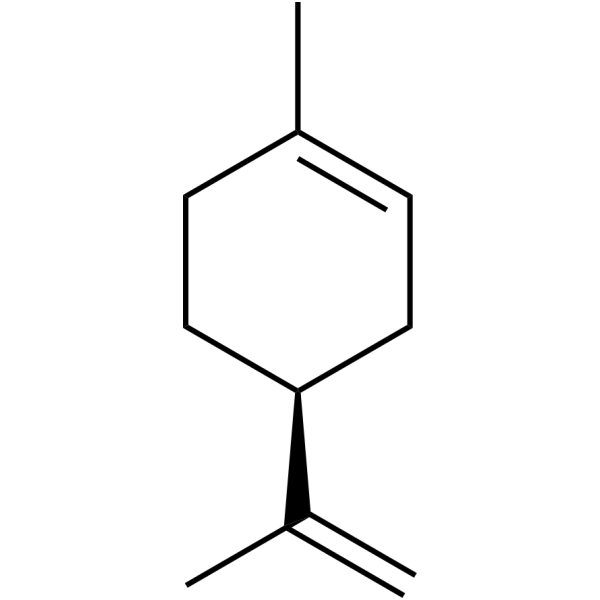 0 Images(-)-Limonene ((S)-(-)-Limonene) is orally active and can cause mild bronchoconstriction. (-)-Limonene alleviates cytosolic and mitochondrial oxidative stress by inhibiting the increase of calcium ions (Ca2+) and Ca2+/calmodulin-dependent protein kinase II (CaMKII). It also exerts anti-stress effects by inhibiting the activity of the hypothalamic-pituitary-adrenal (HPA) axis. Additionally, (-)-Limonene can be used as an antibacterial agent in aquaculture.
-
Autocamtide 2
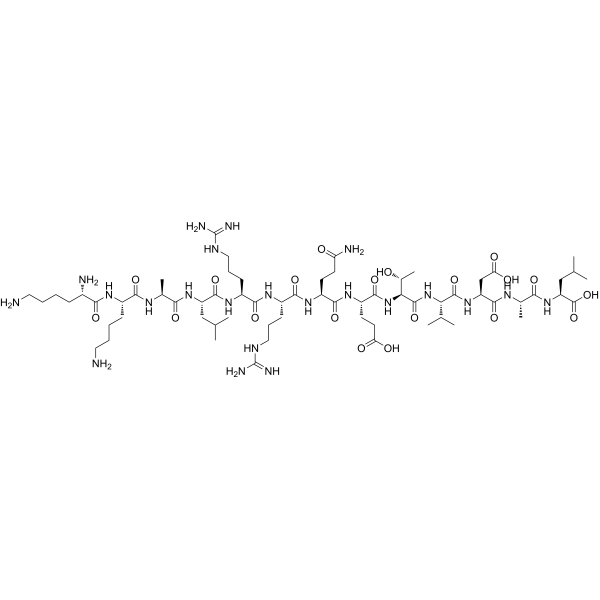 0 ImagesSynonyms: Autocamtide IIAutocamtide 2 is a highly selective peptide substrate of calcium/calmodulin-dependent protein kinase II (CaMKII). It can be used in the CaMKII activity assay.
-
Autocamtide-2-related inhibitory peptide, myristoylated
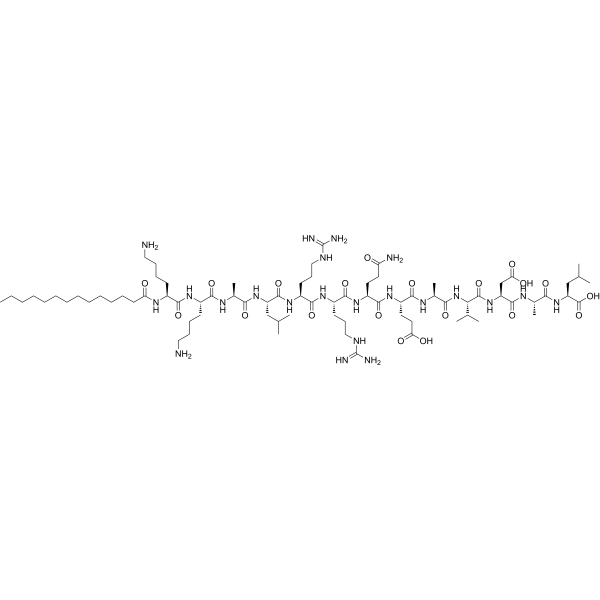 0 ImagesAutocamtide-2-related inhibitory peptide, myristoylated is the myristoylated Autocamtide-2-related inhibitory peptide. Autocamtide-2-related inhibitory peptide is a highly specific and potent inhibitor of CaMKII with an IC50 of 40 nM.
-
CaMKIIδ-IN-1
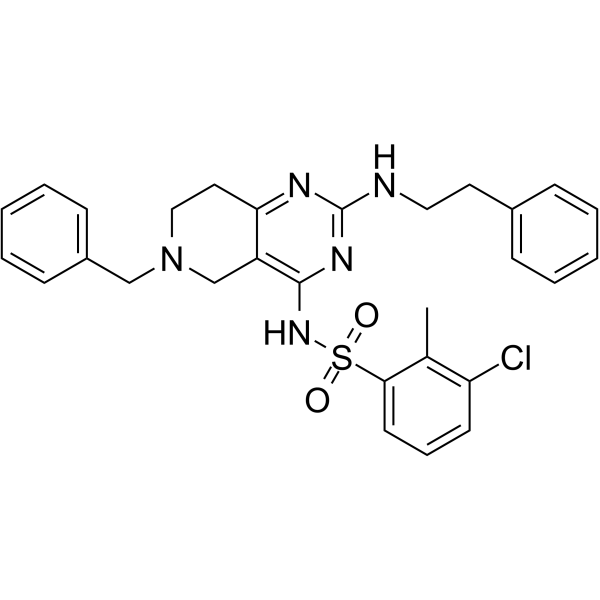
 0 ImagesCaMKIIδ-IN-1 (Compound 15e) is a pyrimidine-based inhibitor of CaMKIIδ with an IC50 of 12 nM.