



Glycosidase
Glycosidase
Glycosidase are a class of enzymes which catalyze the hydrolysis of glycosidic bonds. In living organisms, Glycosidase are involved in carbohydrate metabolism. They can degrade polysaccharides such as starch and glycogen into monosaccharides, providing energy for cells. Glycosidase also participate in the synthesis and modification of biological macromolecules such as glycoproteins and glycolipids, playing a crucial role in cell recognition and signal transduction. Additionally, in plants and microorganisms, Glycosidase are involved in the metabolism of cell wall polysaccharide components, affecting cell growth, differentiation, and morphogenesis. Gene mutations of Glycosidase can trigger genetic diseases, leading to abnormal metabolism in the body and damage to organ functions. Changes in their activity are associated with various diseases such as diabetes, infectious diseases, and tumors, and can influence the occurrence and development of diseases[1][2].
References:
- [1]. Wang X, et al. Metabolites extracted from microorganisms as potential inhibitors of glycosidases (α-glucosidase and α-amylase): A review. Front Microbiol. 2022 Nov 17;13:1050869.
- [2]. Ohtsubo K, et al. Glycosylation in cellular mechanisms of health and disease. Cell. 2006 Sep 8;126(5):855-67. [Content Brief]
All Product Categories
-
Glycosidase Inhibitors
(446)
View all products
-
Glycosidase Antagonist
(1)
View all products
-
Glycosidase Activators
(19)
View all products
-
Glycosidase Modulators
(8)
View all products
-
Glycosidase Chemical
(1)
View all products
-
Glycosidase Inducers
(2)
View all products
-
Glycosidase Degrader
(1)
View all products
-
Glycosidase Controls
(5)
View all products
-
Glycosidase Substrates
(23)
View all products
-
Glycosidase Ligands
(3)
View all products
-
Glycosidase Related Products (684)
Related Products (684)

-
Antibodies (3)
-
Hyaluronidase (human recombinant)
 0 ImagesCat. No.: HY-108903CAS No.: 37326-33-3Synonyms: Vorhyaluronidase alfa; rHuPH 20Hyaluronidase (human recombinant) (Vorhyaluronidase alfa; rHuPH 20) is an enzyme that catalyzes the degradation of hyaluronic acid. Hyaluronidase (human recombinant) is used to improve the absorption and dispersal of parenteral fluids, medications, and contrast media.
-
Ambroxol
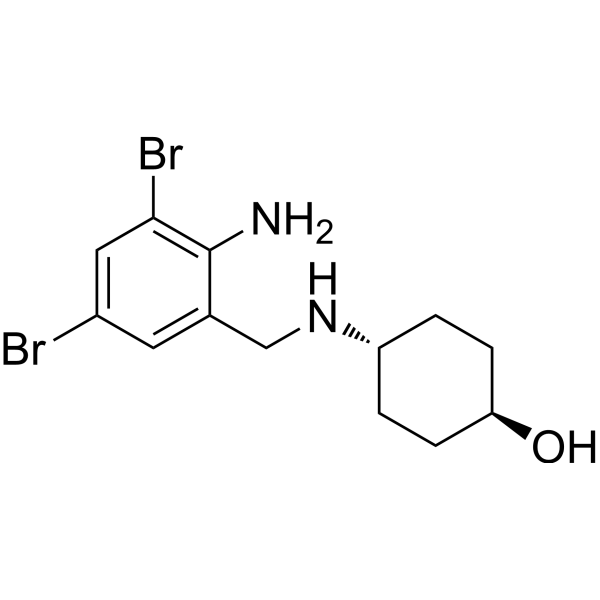 0 ImagesSynonyms: NA-872Ambroxol (NA-872), an active metabolite of the proagent Bromhexine, has potent expectorant effects. Ambroxol is a glucocerebrosidase (GCase) chaperone and increases glucocerebrosidase activity. Ambroxol induces lung autophagy and has the potential for Parkinson disease and neuronopathic Gaucher disease research.
-
Miglitol
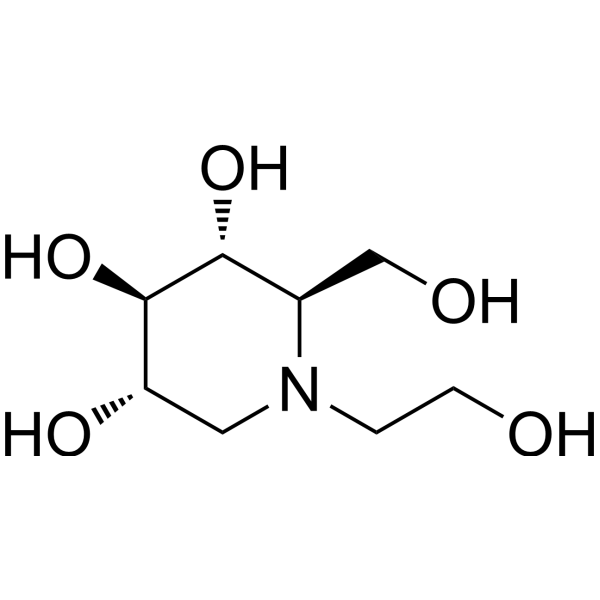 0 ImagesSynonyms: BAY1099; BAY-m1099Miglitol (BAY-m1099) is an orally active antidiabetic compound that inhibits the breakdown of glycoconjugates into glucose. Miglitol inhibits glycoside hydrolase enzymes called α-glucosidases. Miglitol inhibits oxidative stress-induced apoptosis and mitochondrial ROS over-production in endothelial cells by enhancement of AMP-activated protein kinase. Dietary supplementation with Miglitol from pre-onset stage in OLETF rats delays the onset and development of diabetes and preserves the insulin secretory function of pancreatic islets.
-
M-31850
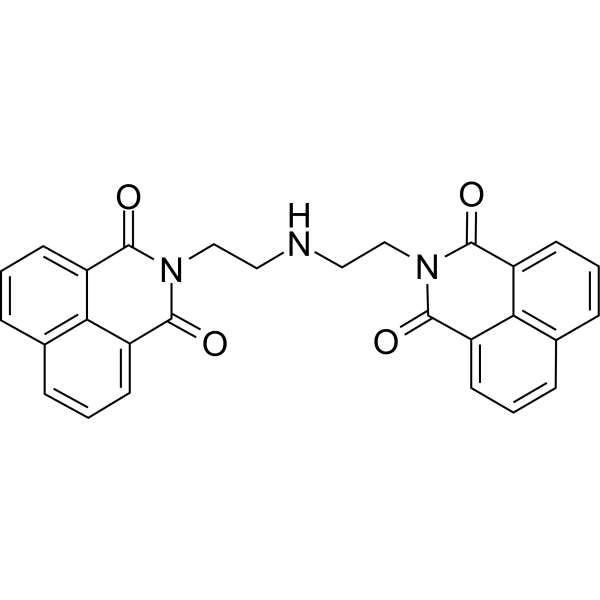 0 ImagesM-31850 is a potent, selective and competitive β-hexosaminidase (Hex) inhibitor with IC50s of 6.0 μM and 3.1 μM for human HexA and human HexB, respectively. M-31850 also competitively inhibits β-N-acetyl-D-hexosaminidase OfHex2 with a Ki of 2.5 μM.
-
Hyaluronidase, Ovine testes
 0 ImagesCat. No.: HY-108903ACAS No.: 37326-33-3Hyaluronidase, Ovine testes is an endoglycosidase. Hyaluronidase, Ovine testes specifically degrades Hyaluronic acid (HY-B0633A) and Chondroitin sulfate (HY-B2162) by hydrolyzing β-glycosidic bonds in acidic mucopolysaccharides. Hyaluronidase, Ovine testes disperses follicular cells during fertilization by breaking down the hyaluronic acid-rich cumulus. Hyaluronidase, Ovine testes can be used in the study of fertility-related diseases.
-
3,5-Dihydroxybenzaldehyde
 0 Images3,5-Dihydroxybenzaldehyde is an α-glucosidase inhibitor with an IC50 of 0.47 μg/mL. 3,5-Dihydroxybenzaldehyde exerts bactericidal activity against Campylobacter jejuni, Escherichia coli O157:H7, Listeria monocytogenes and Salmonella enterica. 3,5-Dihydroxybenzaldehyde can be used in glucose metabolism-related research.
-
Fagomine
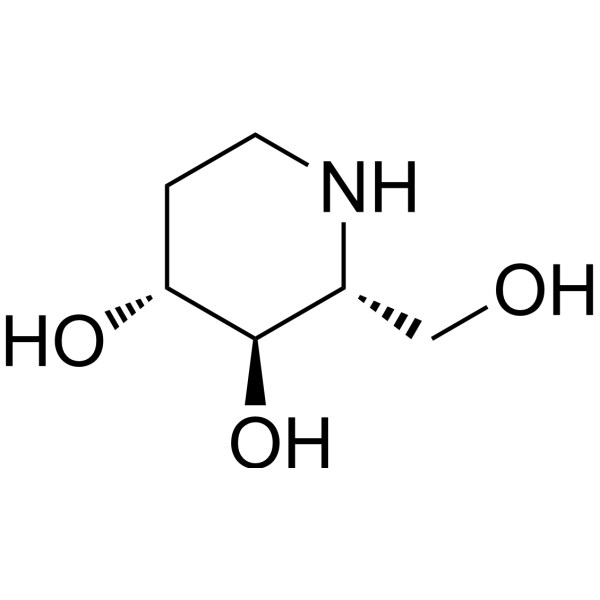 0 ImagesSynonyms: D-FagomineFagomine is a mild glycosidase inhibitor. The Ki of the iminosugar Fagomine is 4.8 μM, 39 μM, and 70 μM for Amyloglucosidase (A.niger), β-Glucosidase (bovine), and Isomaltase (yeast), respectively.
-
Heparitin sulfate lyase
 0 ImagesCat. No.: HY-P2953CAS No.: 37290-86-1Synonyms: Heparinase IIIHeparitin sulfate lyase (Heparinase III) is a glycosidic lyase targeting heparan sulfate and heparin. Heparitin sulfate lyase is promising for research of low-molecular-weight heparin production and cancers.
-
Pariceract
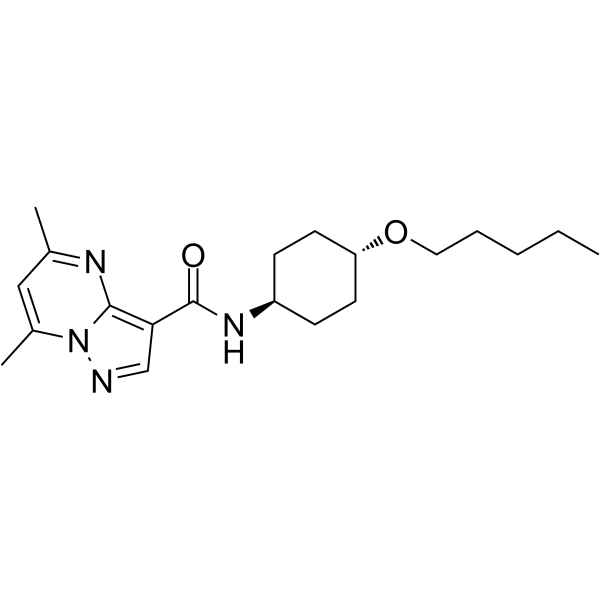 0 ImagesSynonyms: LTI-291; BIA 28-6156Pariceract (LTI-291) is an activator of glucocerebrosidase (Gcase), with activation rates of more than 60% (1 μM) and between 10%-20% (0.1 μM). Pariceract can be used for Parkinson's disease and endometriosis research.
-
UDP-GlcNAz disodium
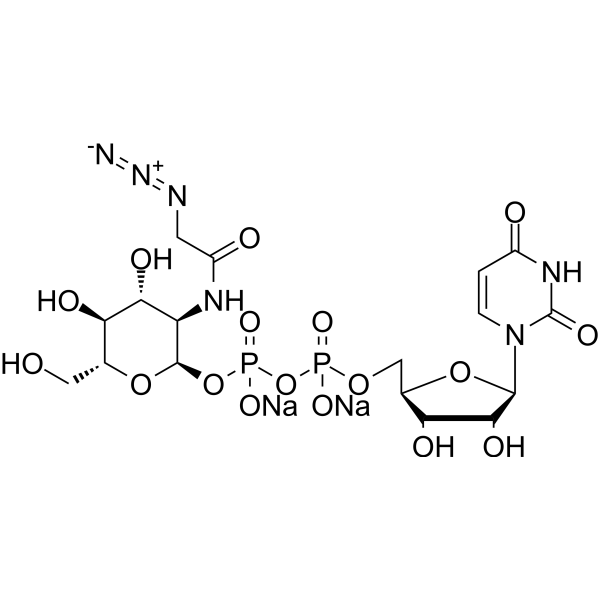 0 ImagesUDP-GlcNAz disodium is the analogue of UDP-GlcNAc disodium (HY-112174). UDP-GlcNAc disodium is the donor substrate of many N-acetylgalactosaminyltransferases, enzymes which transfer GlcNAc from the nucleotide sugar to a saccharide or peptide acceptor. UDP-GlcNAc disodium is a click chemistry reagent, it contains an Azide group and can undergo copper-catalyzed azide-alkyne cycloaddition reaction (CuAAc) with molecules containing Alkyne groups. It can also undergo strain-promoted alkyne-azide cycloaddition (SPAAC) reactions with molecules containing DBCO or BCN groups.
-
Lichenase, Microorganism
 0 ImagesCat. No.: HY-E70013CAS No.: 37288-51-0Synonyms: endo-1,3:1,4-β-D-GlucanaseLichenase, Microorganism (endo-1,3:1,4-β-D-Glucanase) is a specific, endo-(1-3),(1-4)-β-D-glucan 4-glucanohydrolase. Lichenase, Microorganism solubilizes β-glucans from cereal grains and gives gluco-oligosaccharides (GOS). Lichenase, Microorganism can be used in the degradation of polysaccharides in the cell walls.
-
Rebaudioside A
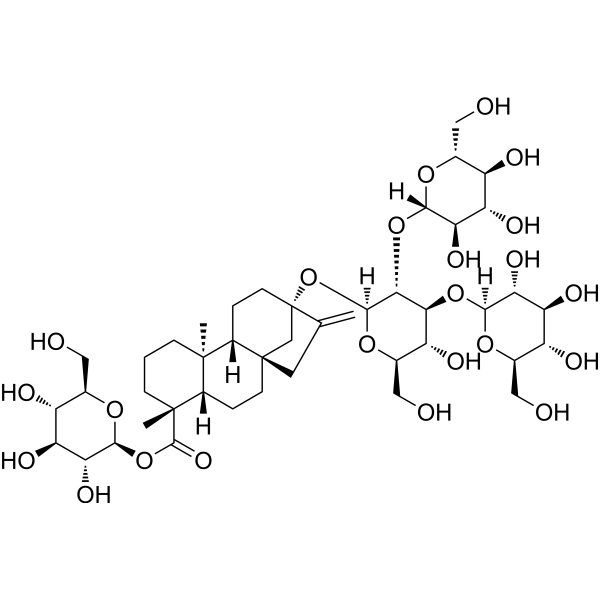 0 ImagesRebaudioside A is an orally effective steviol glycoside with high sweetness. Rebaudioside A acts as an inhibitor of α-glucosidase with an IC50 value of 35.01 μg/mL. Rebaudioside A increases the ATP/ADP ratio in β cells in a glucose-dependent manner, thereby inhibiting KATP channels, leading to membrane depolarization, calcium influx, and ultimately stimulating insulin secretion. Rebaudioside A activates the SREBP signaling pathway by inhibiting HMGCR, the rate-limiting enzyme in cholesterol synthesis, resulting in increased expression of LDLR on the cell surface, thus promoting the uptake of LDL-C in the blood. Rebaudioside A can be used for studies on blood glucose and lipid regulation as well as anti-obesity.
-
Docosapentaenoic acid (22n-3)
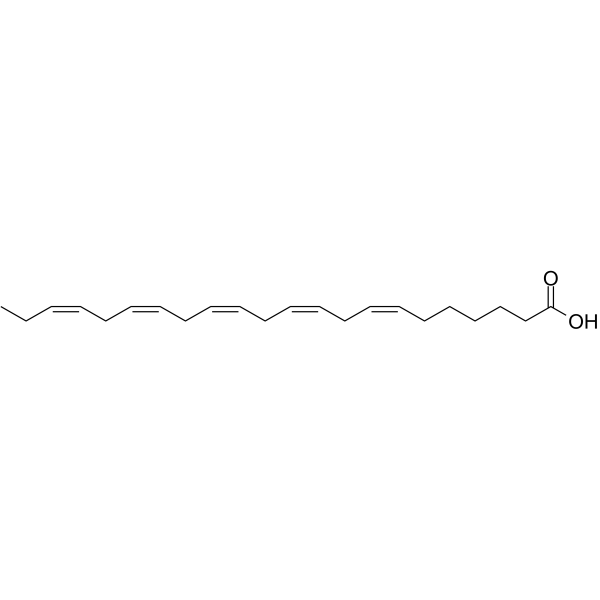 0 ImagesSynonyms: Clupanodonic acidDocosapentaenoic acid (22n-3) is a component of phospholipids. Docosapentaenoic acid 22n-3 has inhibitory activity against α-amylase and α-glucosidase, with IC50s value of 17 μg/mL and 22 μg/mL, respectively. Docosapentaenoic acid 22n-3 increases cell vitality. Docosapentaenoic acid 22n-3 has a weak anti-inflammatory effect.
-
Migalastat hydrochloride
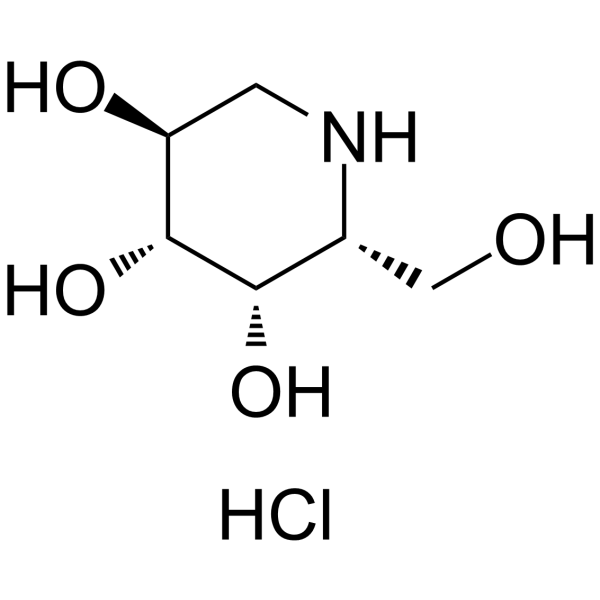 0 ImagesSynonyms: GR181413AMigalastat (GR181413A free base) hydrochloride is an orally active α-galactosidase A molecular chaperone, with an IC50 value of 0.04 μM for human α-Gal A. Migalastat binds to the active site of certain unstable mutant forms of α-galactosidase A, facilitating their transport to the lysosome. After dissociation in the acidic environment, Migalastat enables the mutant α-galactosidase A to exhibit biological activity.
-
4-Nitrophenyl a-D-glucopyranoside
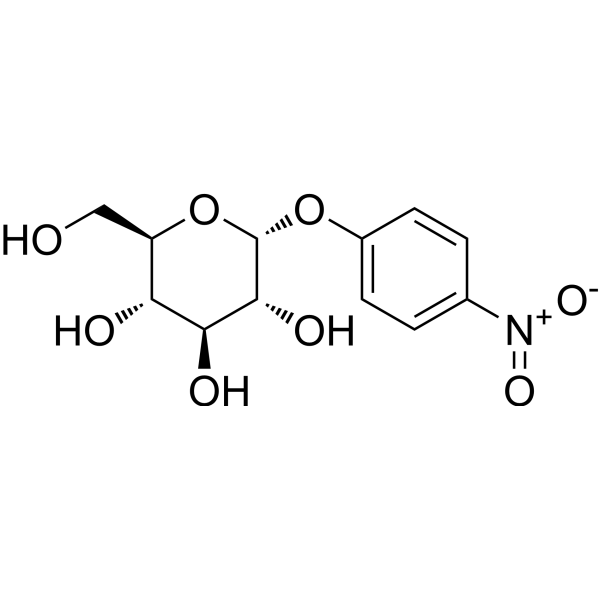 0 Images4-Nitrophenyl a-D-glucopyranoside is a chromogenic substrate for α-glucosidase. 4-Nitrophenyl a-D-glucopyranoside can be used to measure of α-glucosidase activity.
-
Ambroxol hydrochloride
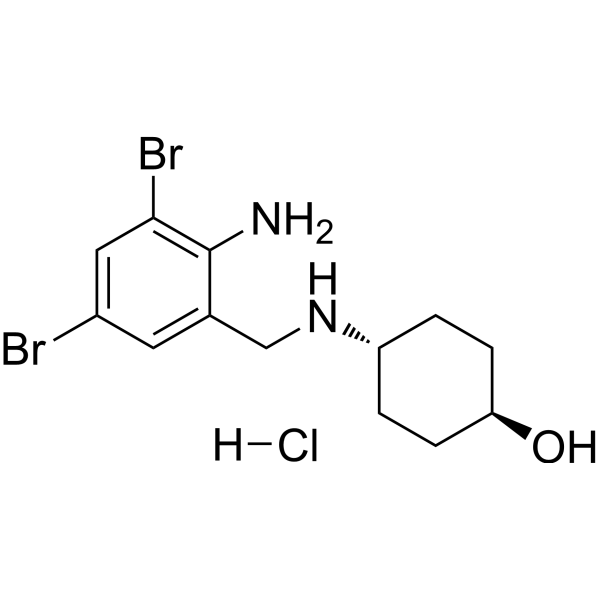 0 ImagesSynonyms: NA-872 hydrochlorideAmbroxol hydrochloride (NA-872 hydrochloride), an active metabolite of the proagent Bromhexine, has potent expectorant effects. Ambroxol hydrochloride is a glucocerebrosidase (GCase) chaperone and increases glucocerebrosidase activity. Ambroxol hydrochloride induces lung autophagy and has the potential for Parkinson disease and neuronopathic Gaucher disease research.
-
PFB-FDGlu
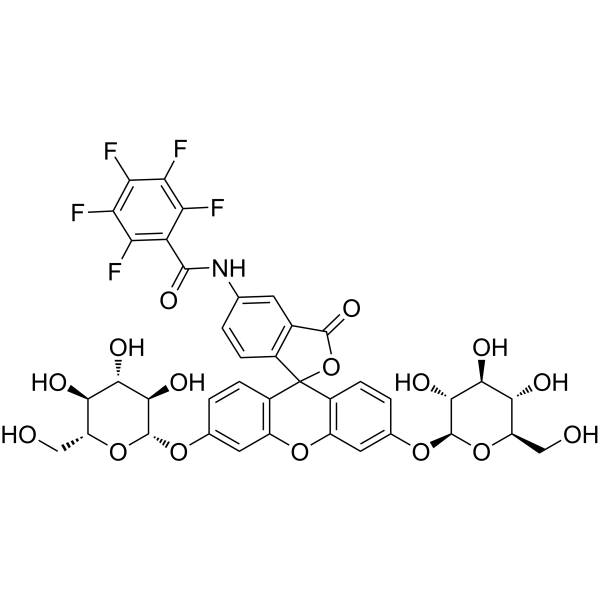 0 ImagesPFB-FDGlu is a selective lysosomal Glucocerebrosidase (GCase) substrate, which is metabolised by GCase to yield fluorescein. PFB-FDGlu is cell permeable and can be used with a flow cytometer to measure GCase activity in living cells on a single-cell basis.
-
Afegostat
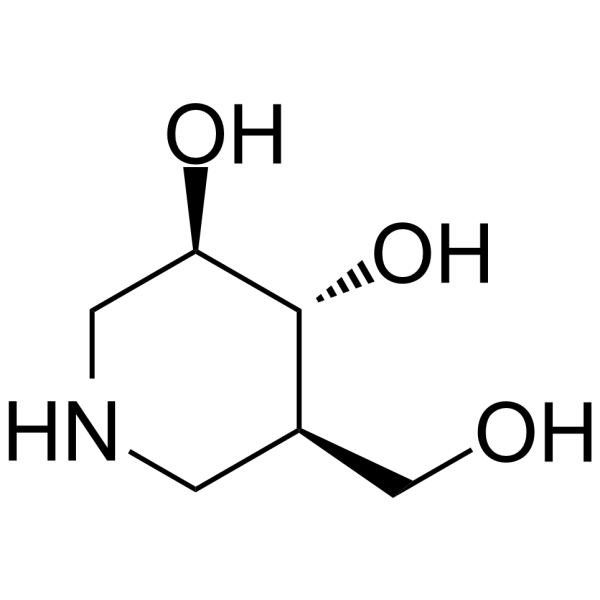 0 ImagesSynonyms: D-Isofagomine; IsofagomineAfegostat is a pharmacological chaperone, which specifically and reversibly binds acid-β-glucosidase (GCase) in the endoplasmic reticulum (ER) with high affinity.
-
β-Galactosidase, E. coli
 0 Imagesβ-Galactosidase, E. coli (EC 3.2.1.23; GAL) is a glycoside hydrolase that hydrolyzes the β-glycosidic bonds formed between galactose and its organic moieties. β-Galactosidase, E. coli can hydrolyze lactose to form glucose and galactose, and enter glycolysis; it can also catalyze the transgalactosylation of lactose into allolactose; allolactose can be cracked into monosaccharides.




