1. シグナル伝達
  2. Metabolic Enzyme/Protease
  3. HIF/HIF Prolyl-Hydroxylase

HIF/HIF Prolyl-Hydroxylase

Hypoxia-inducible factors; HIFs; HIF-PH

HIFs (Hypoxia-inducible factors) are transcription factors that respond to changes in available oxygen in the cellular environment, to be specific, to decreases in oxygen, or hypoxia. The HIF signaling cascade mediates the effects of hypoxia, the state of low oxygen concentration, on the cell. Hypoxia often keeps cells from differentiating. However, hypoxia promotes the formation of blood vessels, and is important for the formation of a vascular system in embryos, and cancer tumors. The hypoxia in wounds also promotes the migration of keratinocytes and the restoration of the epithelium. In general, HIFs are vital to development. In mammals, deletion of the HIF-1 genes results in perinatal death. HIF-1 has been shown to be vital to chondrocyte survival, allowing the cells to adapt to low-oxygen conditions within the growth plates of bones. HIF plays a central role in the regulation of human metabolism. Recently, several drugs that act as selective HIF prolyl-hydroxylase inhibitors have been developed.

製品番号 製品名 製品効果 純度 構造式
  • HY-106101
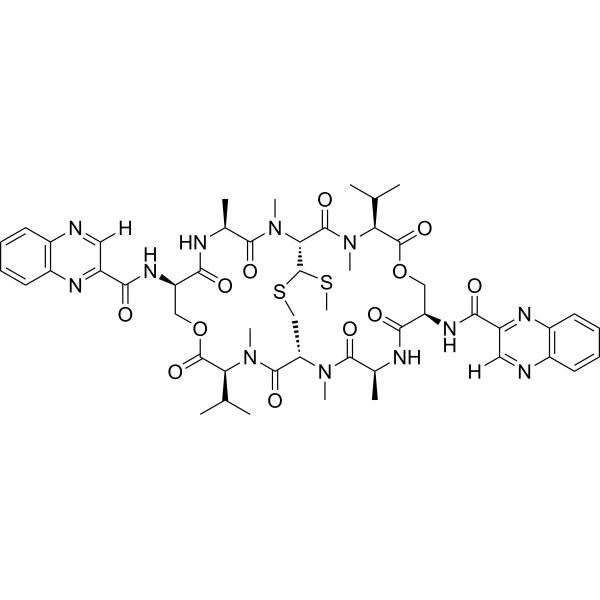
    Echinomycin

    Echinomycin

    Inhibitor 98.57%
    Echinomycin (Quinomycin A) is potent small-molecule and cell-permeable inhibitor of hypoxia-inducible factor-1 (HIF-1) DNA-binding activity. Echinomycin selectively inhibits the cancer stem cells (CSCs) with an IC50 of 29.4 pM.
    Echinomycin
  • HY-112144
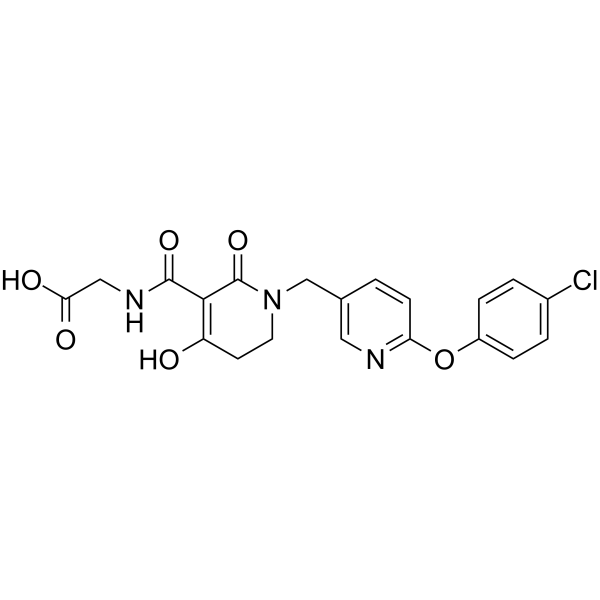
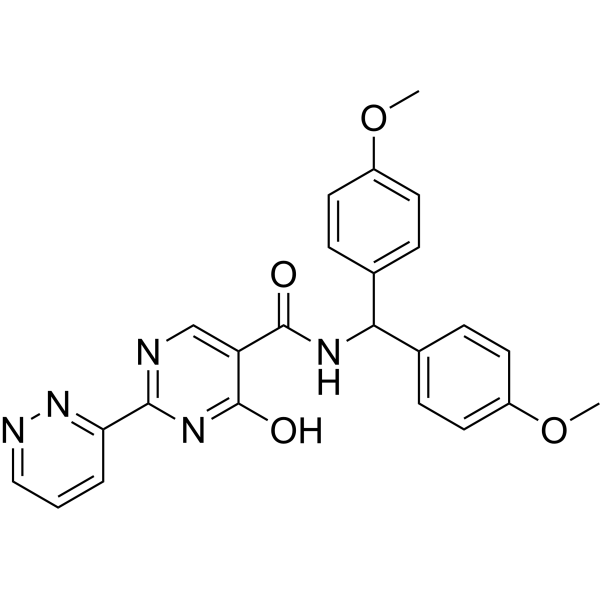
    TP0463518 Inhibitor 99.25%
    TP0463518 is an orally active, competitive pan-inhibitor of hypoxia-inducible factor prolyl hydroxylases PHD1/2/3. TP0463518 competitively inhibits human PHD1 (IC50=18 nM), PHD2 (Ki=5.3 nM), and PHD3 (IC50=63 nM), and targets monkey PHD2 with an IC50 of 22 nM. TP0463518 inhibits PHD-catalyzed hydroxylation to stabilize HIFα, thereby upregulating erythropoietin (EPO) expression and enhancing intestinal iron absorption (such as increased DMT-1 and dCYTb expression), improving anemia. TP0463518 is mainly used for the research of renal anemia and inflammatory anemia.
    TP0463518
  • HY-130413
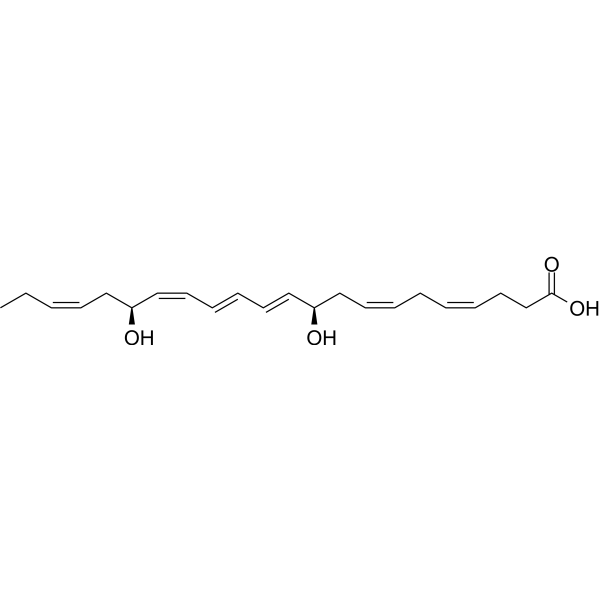
    Protectin D1 Inhibitor 99.10%
    Protectin D1, a neuroprotectin D1 produced by neuronal cells, is a member of a newly discovered family of bioactive products derived from docosahexaenoic acid. Protectin D1 also serves as a specialized pro-resolving mediator, exhibiting effective in vivo pro-resolving activity in various human disease models. Additionally, Protectin D1 is an inhibitor of NALP3 inflammasomes and regulates the PI3K/AKT and HIF-1α signaling pathways. Protectin D1 exerts anti-inflammatory effects by reducing ROS levels, inhibiting the expression of NALP3, ASC, and Caspase-1, and consequently decreasing the release of pro-inflammatory cytokines IL-1β and IL-18. Furthermore, Protectin D1 enhances miRNA-210 expression, activates the PI3K/AKT signaling pathway, and exerts cardioprotective effects. Protectin D1 holds promise for research in cardiovascular diseases and inflammatory disorders.
    Protectin D1
  • HY-W016409
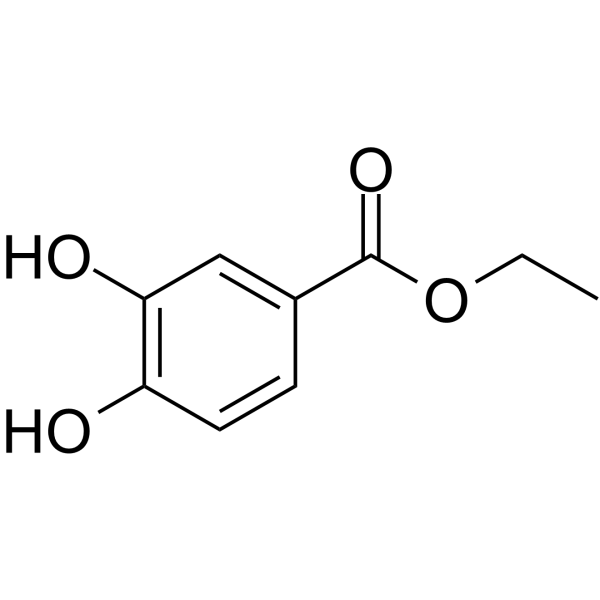
    Ethyl 3,4-dihydroxybenzoate

    Ethyl 3,4-dihydroxybenzoate

    Inhibitor 99.96%
    Ethyl 3,4-dihydroxybenzoate (Protocatechuic acid ethyl ester) is an orally effective, blood-brain barrier-permeable, competitive prolyl hydroxylase (PHD) inhibitor that inhibits the hydroxylation modification of hypoxia-inducible factor (HIF) by PHD. Ethyl 3,4-dihydroxybenzoate stabilizes HIF-1α by inhibiting PHD, activates downstream pathways to induce autophagy and apoptosis of tumor cells, and regulates inflammatory responses, inhibits the NF-κB pathway, improves vascular permeability, and promotes osteoblast differentiation. Ethyl 3,4-dihydroxybenzoate has anti-tumor, anti-hypoxic injury, and bone metabolism regulation effects. It can also be used in the research of cardiovascular protection (such as reducing myocardial ischemic damage), bone tissue engineering (promoting osteogenesis/inhibiting osteoclast differentiation), and prevention and treatment of high-altitude cerebral edema.
    Ethyl 3,4-dihydroxybenzoate
  • HY-N0493
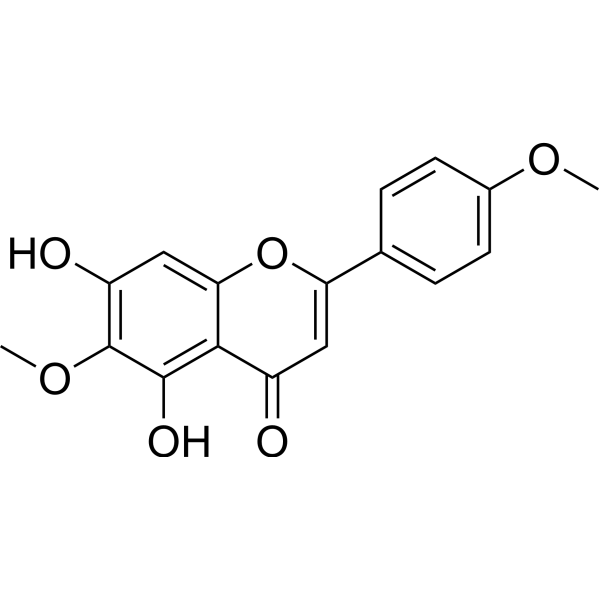
    Pectolinarigenin

    Pectolinarigenin

    Inhibitor 99.98%
    Pectolinarigenin is an orally active dual inhibitor of COX-2/5-LOX with anti-inflammatory, antioxidant, antitumor and neuroprotective activities. Pectolinarigenin exerts neuroprotective and anti-inflammatory effects on astrocyte inflammation via the NFκB and MAPK pathways. Pectolinarigenin inhibits LPS-induced phosphorylation of ERK1/2, N-FκB and p38MAPK, directly inhibits the enzymatic activity or binding of COX-2, 5-LOX and HIF-1α, and reduces the level of XIAP. Pectolinarigenin modifies Keap1 to promote nuclear accumulation of Nrf2, induces ARE-mediated antioxidant enzyme expression, and possesses direct free radical scavenging activity. Pectolinarigenin reduces the release of NO, proinflammatory mediators and leukotrienes, and increases the level of IL-10. Pectolinarigenin induces G2/M cell cycle arrest, apoptosis (Apoptosis) and autophagy (Autophagy) via the PI3K/AKT/mTOR signaling pathway. Pectolinarigenin reduces renal crystal deposition and inhibits melanin synthesis. Pectolinarigenin inhibits inflammation and alleviates allergy in mouse models of inflammation. Pectolinarigenin alleviates renal injury, inflammation and oxidative stress in mice by inhibiting HIF-1α activity. Pectolinarigenin can be used for the research of neurodegenerative diseases, inflammatory/allergic diseases, calcium oxalate nephrocalcinosis, gastric cancer, melasma, post-inflammatory diseases and chloasma.
    Pectolinarigenin
  • HY-111387
    IDF-11774 Inhibitor 99.30%
    IDF-11774 is a novel hypoxia-inducible factor α (HIFα)-1 inhibitor with an IC50 of 3.65 μM.
    IDF-11774
  • HY-103227
    Desidustat Inhibitor 99.10%
    Desidustat is an orally active HIF hydroxylase inhibitor. Desidustat can be used for the research of various disorders including anemia of different types and conditions associated with ischemia/hypoxia.
    Desidustat
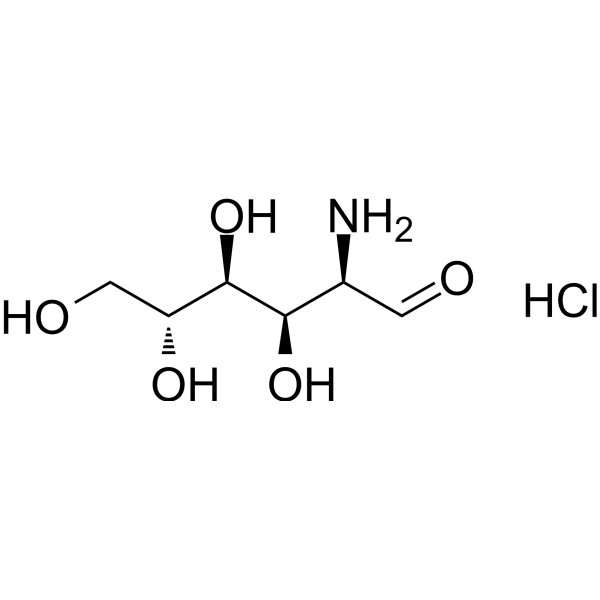
  • HY-N0733
    Glucosamine hydrochloride

    Glucosamine (hydrochloride)

    Inhibitor 98.0%
    Glucosamine hydrochloride (D-Glucosamine hydrochloride) is an amino sugar and a prominent precursor in the biochemical synthesis of glycosylated proteins and lipids, is used as a dietary supplement. Glucosamine hydrochloride also is a natural constituent of glycosaminoglycans in the cartilage matrix and synovial fluid, which when administered exogenously, exerts pharmacological effects on osteoarthritic cartilage and chondrocytes.
    Glucosamine hydrochloride
  • HY-101023
    MK-8617 Inhibitor 99.92%
    MK-8617 is an orally active pan-inhibitor of hypoxia-inducible factor prolyl hydroxylase 1-3 (HIF PHD1-3) with an IC50 of 1 nM for PHD2.
    MK-8617
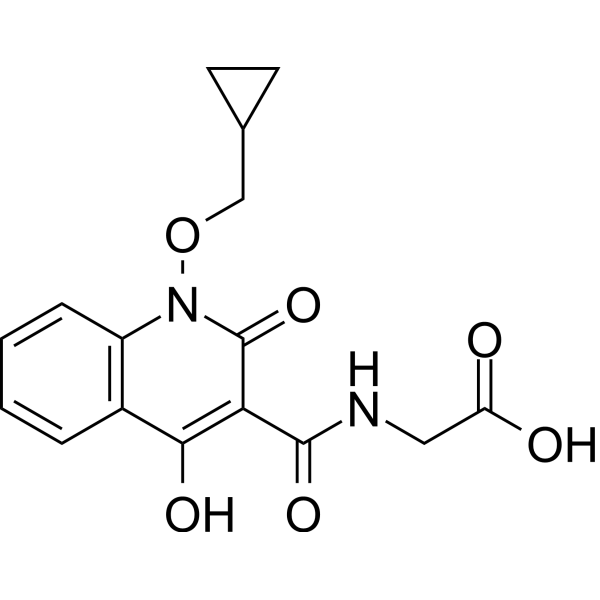
  • HY-137239
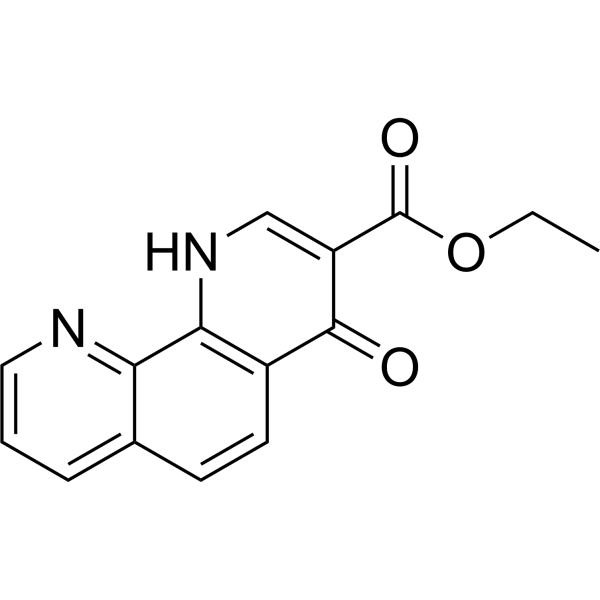
    1,4-DPCA ethyl ester Inhibitor 99.48%
    1,4-DPCA ethyl ester is the ethyl ester of 1,4-DPCA and can inhibit factor inhibiting HIF (FIH).
    1,4-DPCA ethyl ester
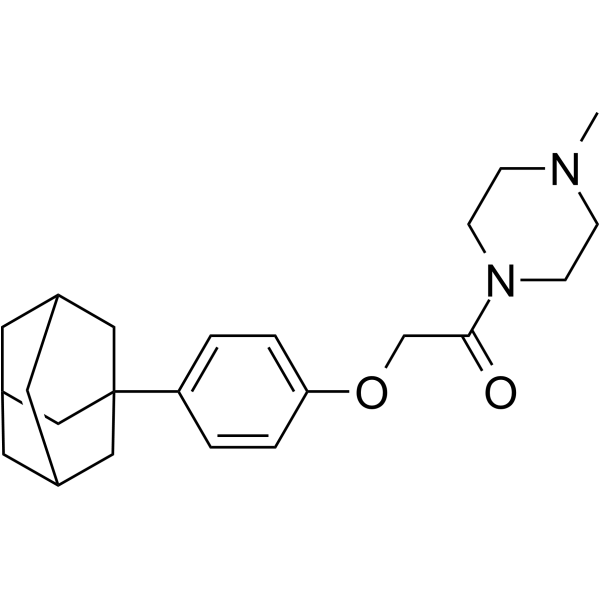
  • HY-121970
    iGP-1 Inhibitor 99.43%
    iGP-1 is a cell-permeable, selective mixed inhibitor of mitochondrial sn-glycerol-3-phosphate dehydrogenase (mGPDH), with IC50s of 6.3 μM and 13.6 μM for rat mGPDH activity and H2O2 production, respectively. iGP-1 specifically blocks the mitochondrial component of the glycerophosphate shuttle without affecting cytosolic GPDH. iGP-1 not only inhibits cell proliferation and glutaminolysis, and enhances glycolysis, but also significantly alters key cellular physiological processes such as apoptosis, ROS production, HIF-1α stability and mitochondrial membrane potential. iGP-1 remains active in neutrophil cultures under both normoxic and hypoxic conditions, and serves as an ideal probe for glycerol-3-phosphate metabolic mechanisms. iGP-1 has been applied to studies on prostate cancer and related metabolic pathways.
    iGP-1
  • HY-N0390S6
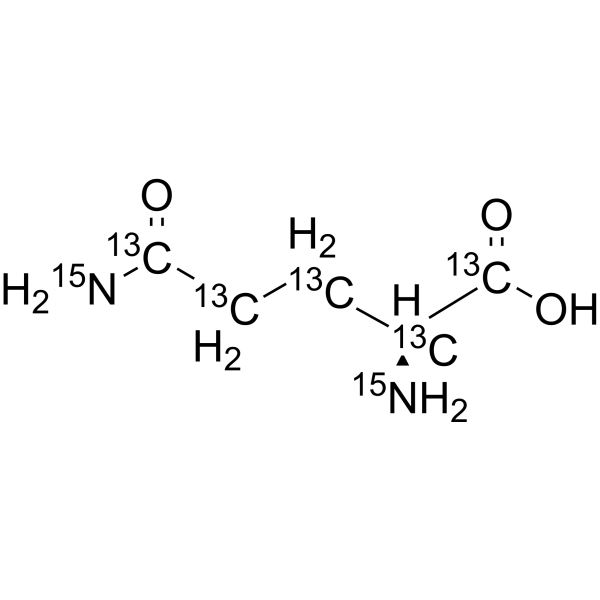
    L-Glutamine-13C5,15N2 Inhibitor 98.0%
    L-Glutamine-13C5,15N2 is the 13C- and 15N-labeled L-Glutamine (HY-N0390). L-Glutamine is an orally active nutritional agent and cellular metabolism regulator. L-Glutamine is taken up in a Na+-dependent manner and targets multiple key molecules including glutaminase, mTORC1, NF-κB, STAT-3 and HIF-1α. L-Glutamine enhances glutaminolytic catabolism, drives the conversion of glutamate to α-ketoglutarate, thereby regulating gene expression, integrating metabolic signals, mediating glutamine flux and maintaining redox homeostasis. L-Glutamine also promotes cell proliferation, osteogenic differentiation and fracture healing, exerts neuroprotective and cardioprotective effects, and inhibits osteoarthritis. L-Glutamine can be applied to research related to osteoporosis, osteoarthritis, ischemic stroke and acute cantharidin-induced cardiotoxicity.
    L-Glutamine-<sup>13</sup>C<sub>5</sub>,<sup>15</sup>N<sub>2</sub>
  • HY-N0433
    Astragaloside II

    Astragaloside II

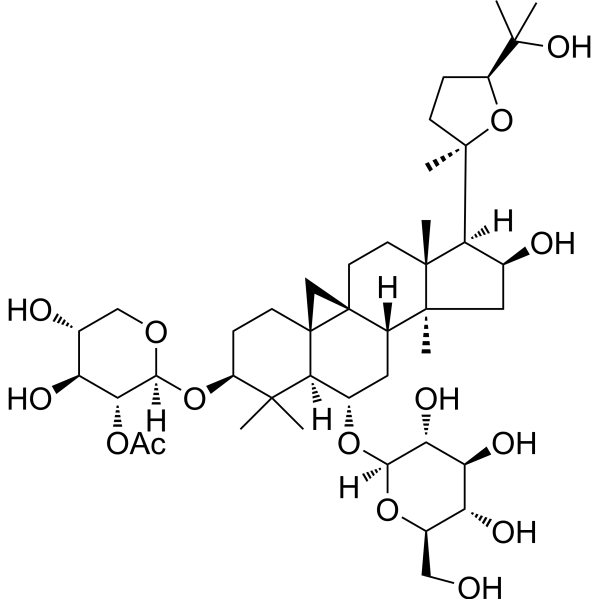
    Inhibitor 99.93%
    Astragaloside II is an orally active Cycloartane-type triterpene glycoside. Astragaloside II can be extracted from Astragalus membranaceus. Astragaloside II inhibits Autophagy, decreases pro-inflammatory cytokines (IL-6, IL-1β), HIF-α, p-p65, p-IκB and increases SOD. Astragaloside II regulates immunity and reduces inflammatory responses. Astragaloside II can be used in the research of diseases such as liver cancer, osteoporosis, immunosuppressive diseases, and ulcerative colitis.
    Astragaloside II
  • HY-101449
    Adaptaquin

    Adaptaquin

    Inhibitor 99.87%
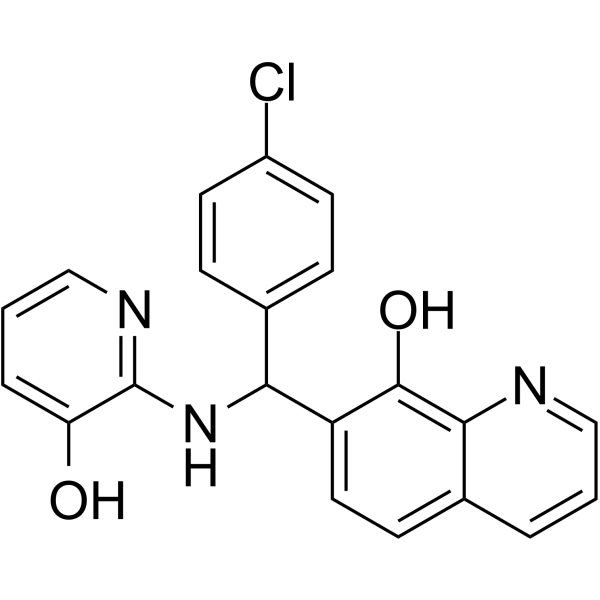
    Adaptaquin is a BBB-penetrable HIF-PHDs inhibitor. Adaptaquin has anti-inflammatory and neuroprotective effects. Adaptaquin can effectively inhibit lipid peroxidation, maintain mitochondrial function, and reduce neuronal death. Adaptaquin can be used in the research of nervous system diseases such as Parkinson's disease.
    Adaptaquin
  • HY-124586
    Streptonigrin

    Streptonigrin

    Inhibitor 99.20%
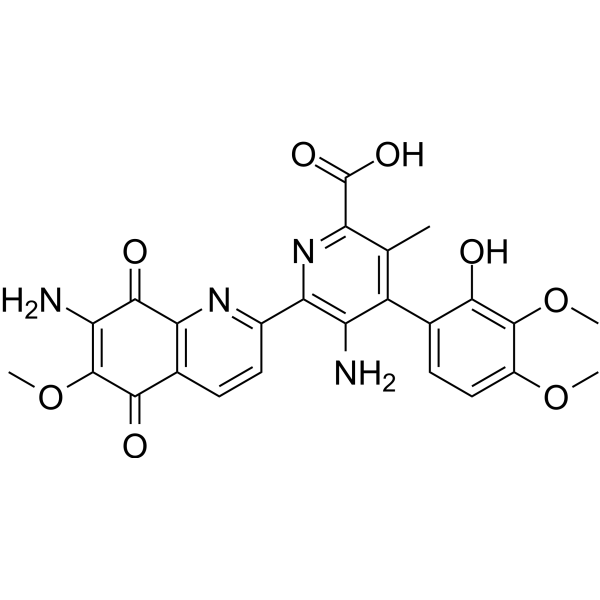
    Streptonigrin (Bruneomycin) is an orally active antibiotic and pan-PAD inhibitor, inhibiting PAD1, PAD2, PAD3 and PAD4 with IC50 of 48.3 μM, 26.1 μM, 0.43 μM and 2.5 μM, respectively. Streptonigrin inhibits SENP1 (IC50 of 0.518 μM) and reduces HIF1α. Streptonigrin increases p53 and Apoptosis. Streptonigrin shows antiviral activity against Rauscher murine leukemia virus. Streptonigrin has immunosuppressive effects. Streptonigrin has antitumor activity against osteosarcoma.
    Streptonigrin
  • HY-N0242
    Fraxinellone

    Fraxinellone

    Inhibitor 99.91%
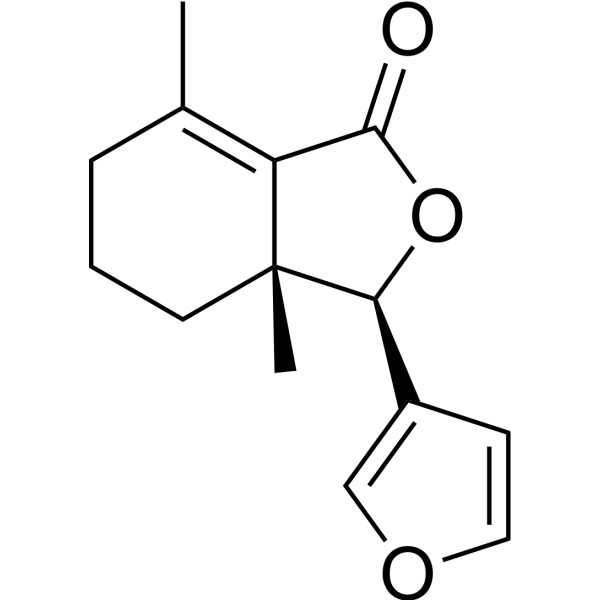
    Fraxinellone is isolated from the root bark of the Rutaceae plant, Dictamnus dasycarpus. Fraxinellone is a PD-L1 inhibitor and inhibits HIF-1α protein synthesis without affecting HIF-1α protein degradation. Fraxinellone has the potential to be a valuable candidate for cancer treatment by targeting PD-L1.
    Fraxinellone
  • HY-B0239R
    Chloramphenicol (Standard) Inhibitor
    Chloramphenicol (Standard) is the analytical standard of Chloramphenicol. This product is intended for research and analytical applications. Chloramphenicol is an orally active, potent and broad-spectrum antibiotic. Chloramphenicol shows antibacterial activity. Chloramphenicol represses the oxygen-labile transcription factor and hypoxia inducible factor-1 alpha (HIF-1α) in hypoxic A549 and H1299 cells. Chloramphenicol suppresses the mRNA levels of vascular endothelial growth factor (VEGF) and glucose transporter 1, eventually decreasing VEGF release. Chloramphenicol can be used for anaerobic infections and lung cancer research.
    Chloramphenicol (Standard)
  • HY-158341
    IOX5 Inhibitor 99.39%
    IOX5 is a selective prolyl hydroxylase (PHD) inhibitor with an IC50 of 0.19 μM for PHD2. IOX5 stabilizes HIF-1α in acute myeloid leukemia (AML) cells, inhibits cell proliferation and induces apoptosis. IOX5 has anti-leukemia activity.
    IOX5
  • HY-110036
    GW-405833

    GW-405833

    Inhibitor 98.91%
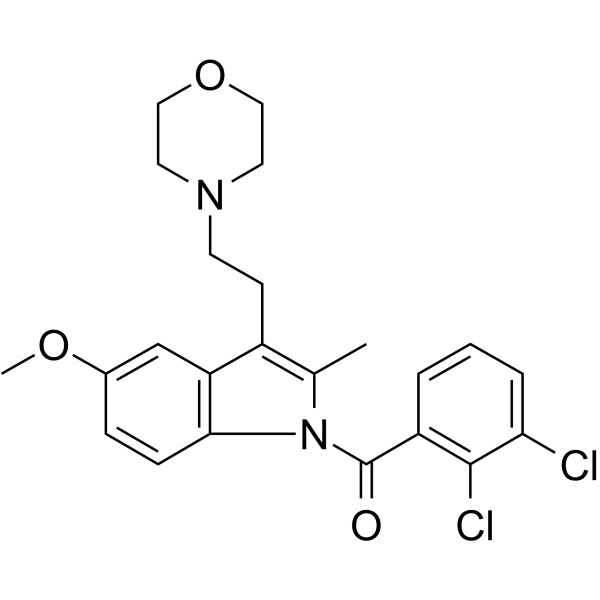
    GW-405833 (L768242) is a potent, selective cannabinoid receptor 2 (CB2) agonist. GW405833 has EC50 and Ki values ​​of 0.65 nM and 3.92 nM for CB2, and EC50 and Ki values ​​of 16.1 μM and 4772 nM for CB1. GW-405833 also exhibits non-competitive CB1 antagonist, exerting its analgesic and and anti-inflammatory effect through a CB1 receptor (rather than CB2) dependent mechanism. GW-405833 can significantly inhibit the production of cAMP stimulated by Forskolin (HY-15371). GW405833 inhibits glycolysis by down-regulating HIF-1α, thereby alleviating acute liver failure (ALF).
    GW-405833
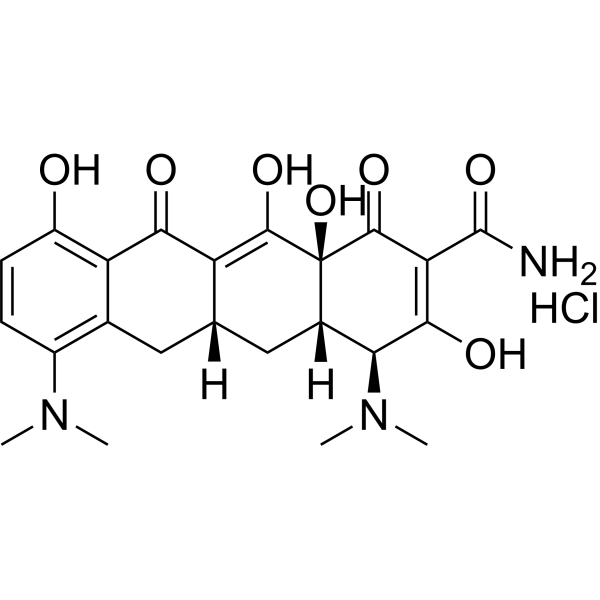
  • HY-17412R
    Minocycline hydrochloride (Standard) Inhibitor
    Minocycline (hydrochloride) (Standard) is the analytical standard of Minocycline (hydrochloride). This product is intended for research and analytical applications. Minocycline hydrochloride is an orally active, potent and BBB-penetrated semi-synthetic tetracycline antibiotic. Minocycline hydrochloride is a hypoxia-inducible factor (HIF)-1α inhibitor. Minocycline hydrochloride shows anti-cancer, anti-inflammatory, and glutamate antagonist effects. Minocycline hydrochloride reduces glutamate neurotransmission and shows neuroprotective properties and antidepressant effects. Minocycline hydrochloride inhibits bacterial protein synthesis through binding with the 30S subunit of the bacterial ribosome, resulting in a bacteriostatic effect.
    Minocycline hydrochloride (Standard)
製品番号 製品名 / Synonyms Application Reactivity

Your Search Returned No Results.

Sorry. There is currently no product that acts on isoform together.

Please try each isoform separately.