



SARS-CoV
SARS coronavirus
SARS-CoV is the coronavirus (CoV) that causes severe acute respiratory syndrome (SARS). CoVs are enveloped viruses with a positive-sense, single-stranded RNA and can cause health-threatening outbreaks by targeting human respiratory system, including not only SARS, but also Middle East respiratory syndrome (MERS) and SARS-CoV-2 (the cause of COVID-19).
CoVs have four main structural proteins: spike(S), membrane (M), envelope (E), and nucleocapsid (N) proteins. An S protein mediates the CoV entry into host cells by attaching to a cellular receptor (ACE2 for SARS-CoV and SARS-CoV-2, DPP4 for MERS-CoV), followed by fusion between virus and host cell membranes. Genome replication and subgenomic RNA transcription after entry carry on with the participation of many nonstructural proteins such as Mpro (main protease or 3CLpro), PLpro (papain-like protease) and RdRp (RNA-dependent RNA polymerase). Then the structural proteins are translated, assembled into mature virions, and released via vesicles by exocytosis. It is worth mentioning that a protease called TMPRSS2 (transmembrane protease, serine 2) play important roles throughout the whole life of CoVs (such as attachment, assembling and release) by cleaving S protein. All the proteins and subcellular structures participated in the life cycle of CoVs are promising targets for treatment of disease caused by CoVs.
All Product Categories
-
SARS-CoV Related Products (1182)
Related Products (1182)

-
Recombinant Proteins (195)
-
Glecaprevir
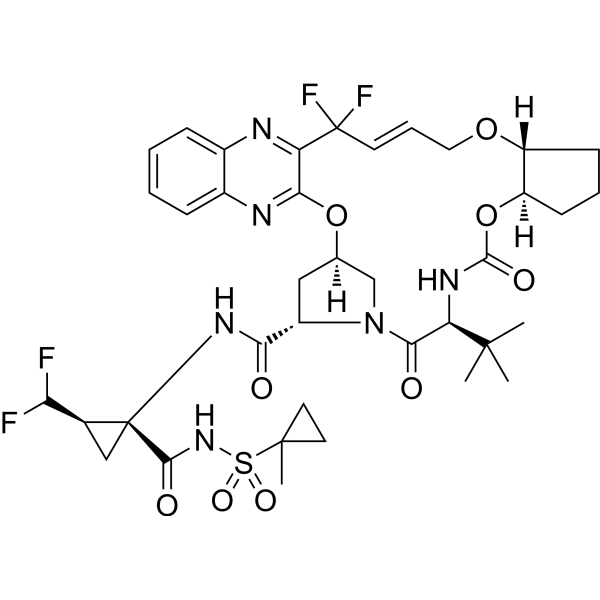 0 ImagesSynonyms: ABT-493
-
Plitidepsin
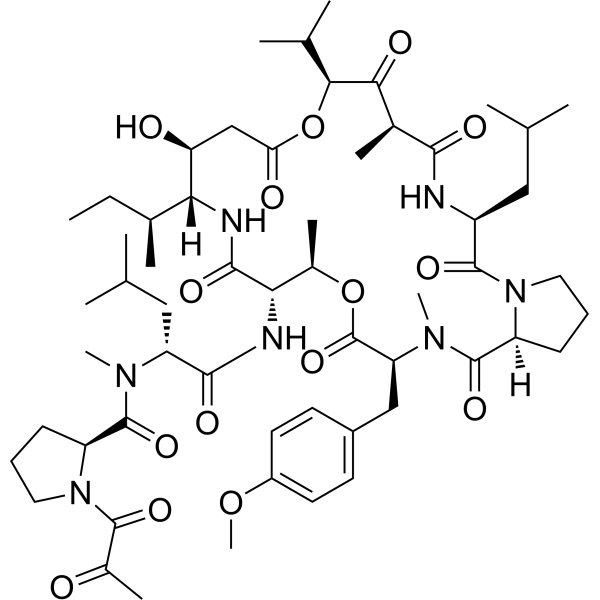 0 ImagesSynonyms: Aplidine; PM90001Plitidepsin (Aplidine) is a potent anti-cancer agent by targeting eEF1A2 ( KD=80 nM). Plitidepsin possesses antiviral activity and is against SARS-CoV-2 with an IC90 of 0.88 nM. Plitidepsin is usually used for multiple myeloma and advanced cancer research, and has the potential for COVID-19 research.
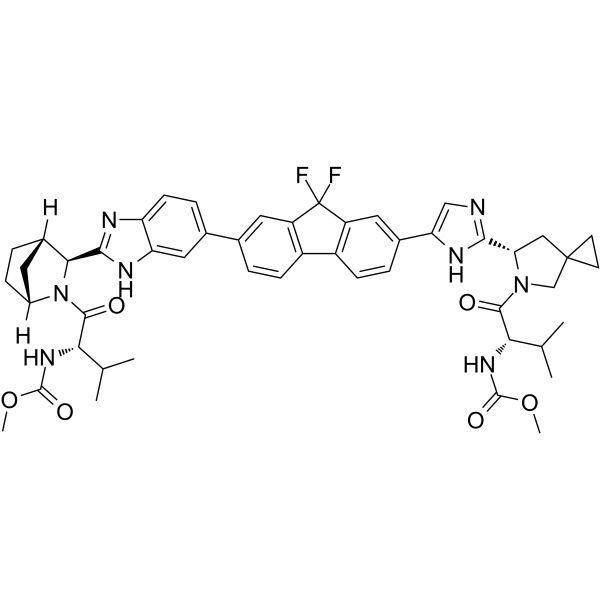
-
Velpatasvir
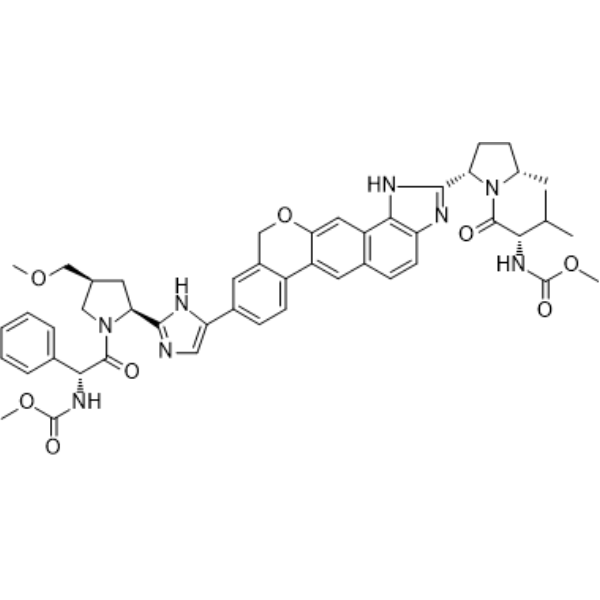 0 ImagesSynonyms: GS-5816
-
Paritaprevir
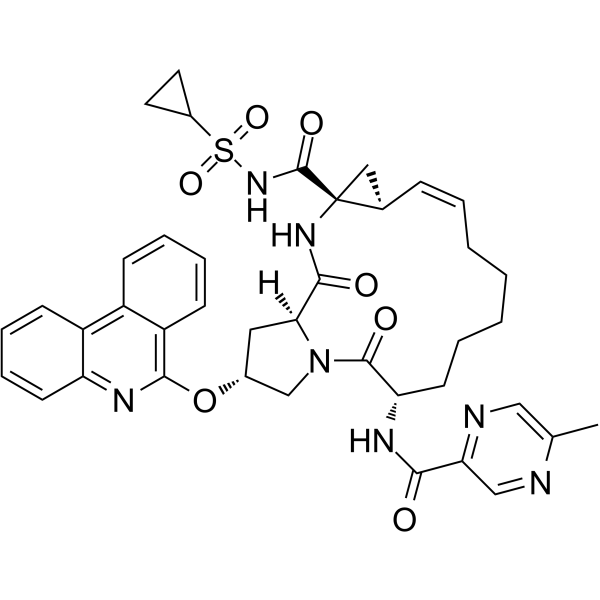 0 ImagesSynonyms: ABT-450; VeruprevirParitaprevir (ABT-450) is a potent, orally active and antiviral non-structural protein 3/4A (NS3/4A) protease inhibitor with EC50s of 1 and 0.21 nM against HCV 1a and 1b, respectively. Paritaprevir is also a SARS-CoV 3CLpro inhibitor with an IC50 of 1.31 μM. Paritaprevir is metabolized primarily by cytochrome P450 (CYP) 3A. The plasma concentration and half-life of Paritaprevir can be enhanced by Ritonavir (a CYP450 inhibitor).
-
Mizoribine
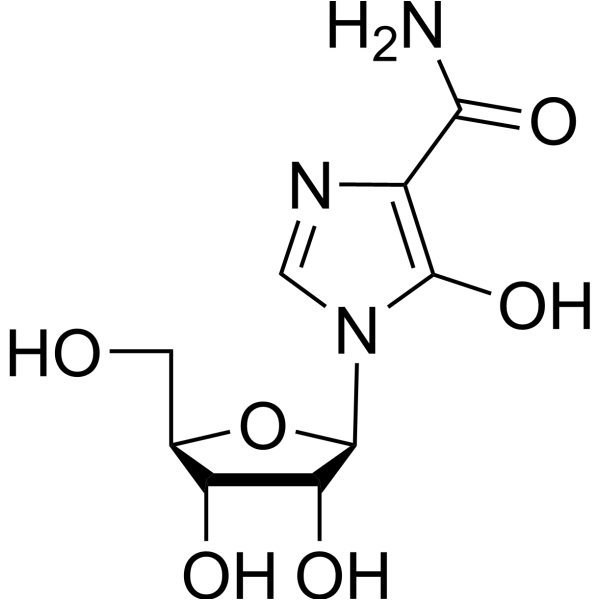 0 ImagesSynonyms: NSC 289637; HE 69Mizoribine (NSC 289637), an imidazole nucleoside, inhibits HCV RNA replication with IC50 of approximately 100 μM for anti-HCV activity. Immunosuppressant. Mizoribine, an IMPDH inhibitor, inhibits replication of SARS-CoV with IC50s of 3.5 μg/mL and 16 μg/mL for SARS-CoV Frankfurt-1 and SARS-CoV HKU39849, respectively.
-
XL177A
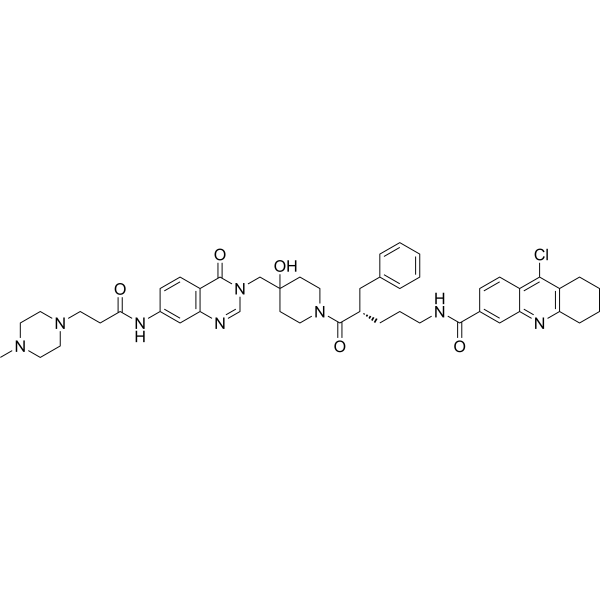 0 ImagesXL177A is a covalent USP7 inhibitor that blocks the deubiquitinase activity of USP7. XL177A destabilizes non-canonical PRC1 complexes or KDM6A and reduces chromatin deposition of H2AK119Ub, thereby relieving the repression of neuronal differentiation programs. Meanwhile, XL177A also regulates the ELOF1-UVSSA-USP7-nuclear β-catenin axis, decreasing the transcription levels of related proteins and the accumulation of nuclear β-catenin. XL177A exerts antiviral effects by reducing the expression levels of coronavirus receptors, and exhibits inhibitory activity against APC-mutated colorectal cancer cells, neuroblastoma, and coronaviruses including SARS-CoV-2 variants. XL177A is mainly used in studies related to colorectal cancer, neuroblastoma, and coronavirus infections.
-
Aviptadil
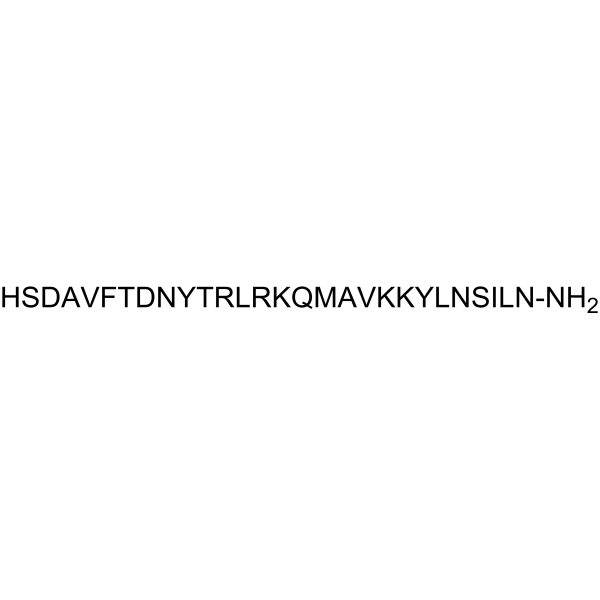 0 ImagesSynonyms: Vasoactive Intestinal Peptide (human, rat, mouse, rabbit, canine, porcine)Aviptadil is an analog vasoactive intestinal polypeptide (VIP) with potent vasodilatory effects. Aviptadil induces pulmonary vasodilation and inhibits vascular SMCs proliferation, platelet aggregation. Aviptadil can be used for the research of pulmonary fibrosis, pulmonary arterial hypertension (PAH) and SARS-CoV-2 caused respiratory failure, et al.
-
SH-42
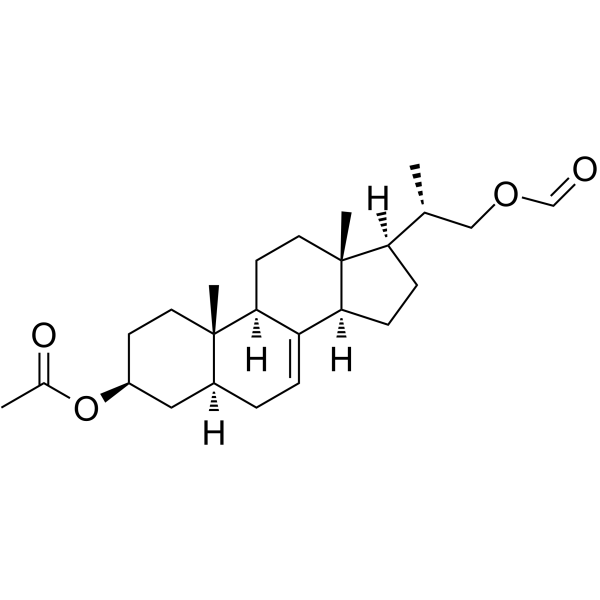 0 ImagesSH-42 is a potent and selective inhibitor of human Δ24-dehydrocholesterol reductase (DHCR24), with an IC50 of 42 nM. SH-42 can lead to a significant increase in plasma desmosterol levels of mice.
-
Acriflavine
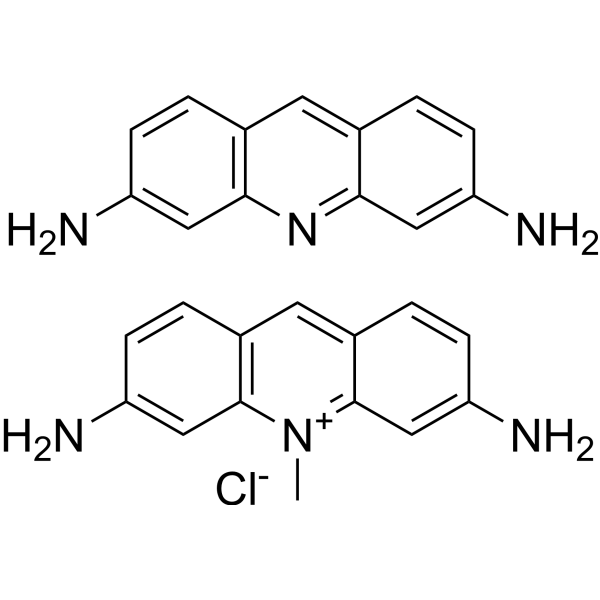 0 ImagesSynonyms: Acriflavinium chloride 3,6-Acridinediamine mixAcriflavine (Acriflavinium chloride) is a fluorescent acridine dye that can be used to label nucleic acid. Acriflavine is an antiseptic agent. Acriflavine is a potent HIF-1 inhibitor that prevents the dimerization of HIF-1α and HIF-1β subunits. Acriflavine inhibits the interaction between monocarboxylate transporter 4 (MCT4) and Basigin. Acriflavine is used in cancer research, such as breast cancer, brain tumor and chronic myeloid leukemia. Acriflavine is a potent papain-like protease (PLpro) inhibitor, which inhibits SARS-CoV-2.
-
Telaprevir
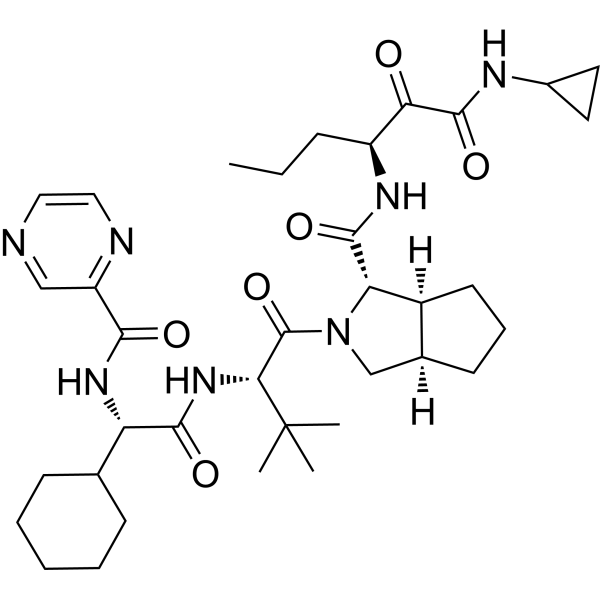 0 ImagesSynonyms: VX-950Telaprevir (VX-950) is a highly selective, reversible, and potent peptidomimetic inhibitor of the HCV NS3-4A protease, the steady-state inhibitory constant (Ki) of Telaprevir is 7 nM against a genotype 1 (H strain) NS3 protease domain plus a NS4A cofactor peptide. Telaprevir inhibits SARS-CoV-2 3CLpro activity.
-
Atazanavir
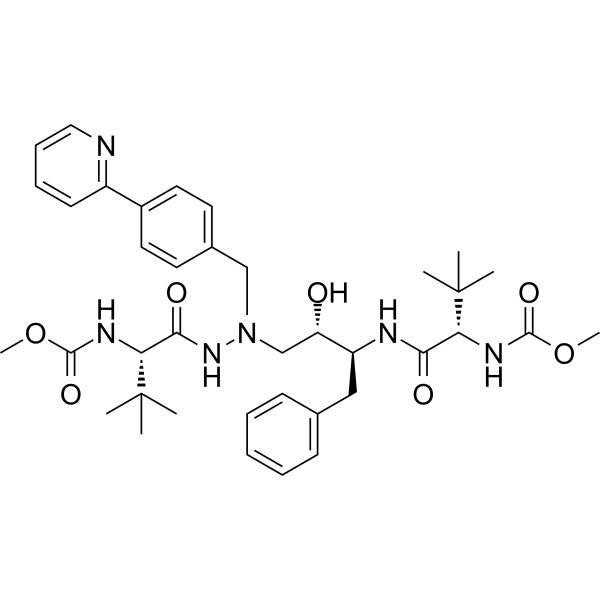 0 ImagesSynonyms: BMS-232632Atazanavir (BMS-232632) is a highly selective and orally active HIV-1 protease inhibitor . Atazanavir is a substrate and inhibitor of CYP3A4, and an inhibitor of P-glycoprotein (P-gp). Atazanavir is also a SARS-CoV 3CLpro inhibitor with an IC50 of 3.49 μM. Atazanavir inhibits cardiac fibrosis, hyperlipidemia and induces malignant glioma death.
-
TAPI-2
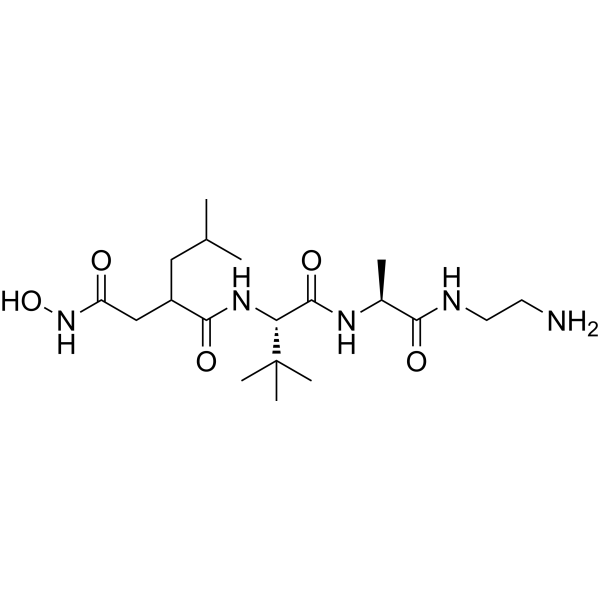 0 ImagesCat. No.: HY-100211CAS No.: 187034-31-7Synonyms: TNF Protease Inhibitor 2
-
Grazoprevir potassium salt
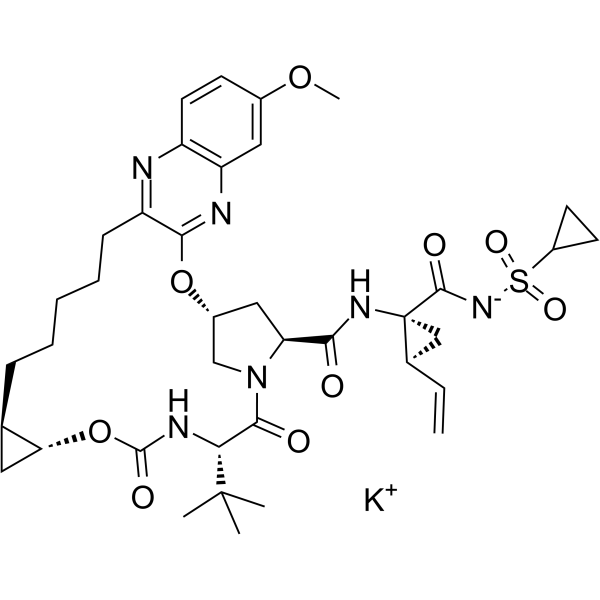 0 ImagesSynonyms: MK-5172 potassium saltGrazoprevir potassium salt (MK-5172 potassium salt) is a selective inhibitor of Hepatitis C virus NS3/4a protease with broad activity across genotypes and resistant variants, with Kis of 0.01 nM (gt1b), 0.01 nM (gt1a), 0.08 nM (gt2a), 0.15 nM (gt2b), 0.90 nM (gt3a), respectively. Grazoprevir potassium salt inhibits SARS-CoV-2 3CLpro activity.
-
THAL-SNS-032
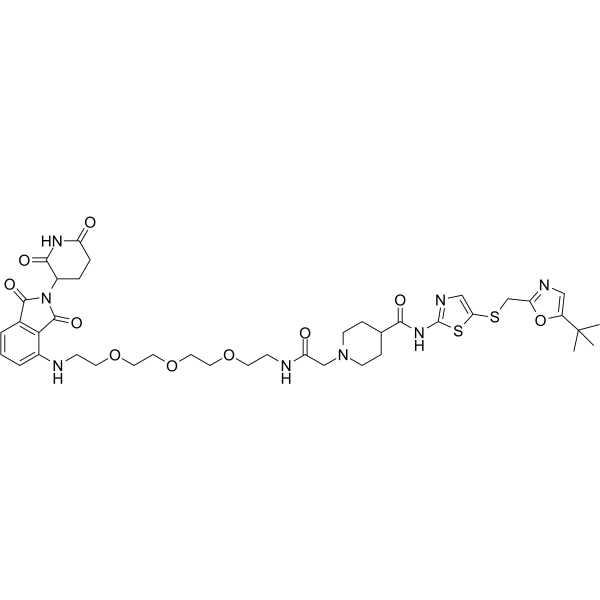 0 ImagesCat. No.: HY-123937CAS No.: 2139287-33-3THAL-SNS-032 is a selective CDK9 PROTAC degrader. THAL-SNS-032 recruits CRBN to form a ternary complex with CDK9, thereby triggering ubiquitination and proteasomal degradation of CDK9. THAL-SNS-032 also induces the degradation of CDK1, CDK2 and CDK7. THAL-SNS-032 elevates pH2AX levels, reduces MCL1s expression, and activates caspase-3. THAL-SNS-032 induces cancer cell apoptosis, regulates transcription, and inhibits the replication of human cytomegalovirus (CMV) and SARS-CoV-2. THAL-SNS-032 can be used in research related to breast cancer, leukemia, cytomegalovirus infection and SARS-CoV-2 infection.
-
Fluphenazine dihydrochloride
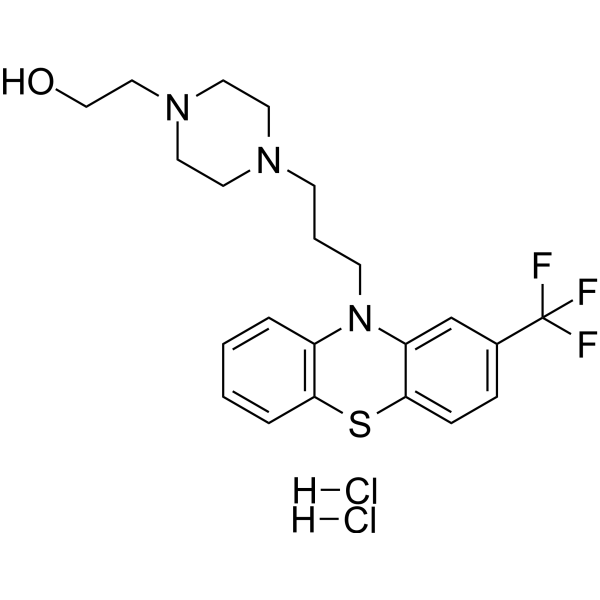 0 ImagesFluphenazine dihydrochloride is a potent, orally active phenothiazine-based dopamine receptor antagonist. Fluphenazine dihydrochloride blocks neuronal voltage-gated sodium channels. Fluphenazine dihydrochloride acts primarily through antagonism of postsynaptic dopamine-2 receptors in mesolimbic, nigrostriatal, and tuberoinfundibular neural pathways. Fluphenazine dihydrochloride can antagonize Methylphenidate-induced stereotyped gnawing and inhibit climbing behaviour in mice. Fluphenazine dihydrochloride can be used for researching psychosis and painful peripheral neuropathy associated with diabetes and has potential to inhibit SARS-CoV-2.
-
(Z)-Guggulsterone
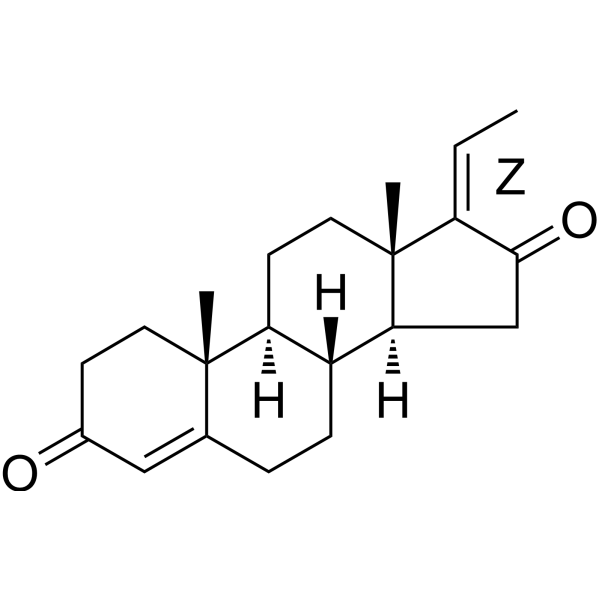 0 Images(Z)-Guggulsterone, a constituent of Indian Ayurvedic medicinal plant Commiphora mukul, inhibits the growth of human prostate cancer cells by causing apoptosis. (Z)-Guggulsterone inhibits angiogenesis by suppressing the VEGF–VEGF-R2–Akt signaling axis. (Z)-Guggulsterone is also a potent FXR antagonist. (Z)-Guggulsterone reduces ACE2 expression and SARS-CoV-2 infection.
-
Carmofur
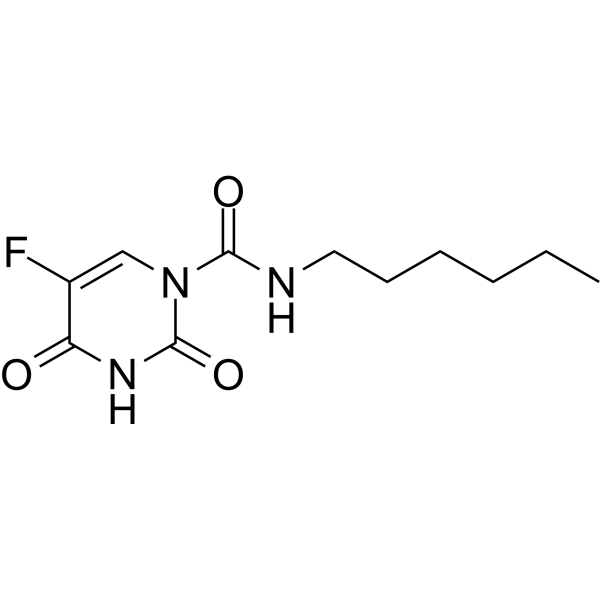 0 ImagesSynonyms: HCFUCarmofur (HCFU) is a rat recombinant acid ceramidase inhibitor with an IC50 of 29 nM. Carmofur is also a protease inhibitor of SARS-CoV-2 main protease (Mpro), fatty acid amide hydrolase (FAAH) and N-acylethanolamine acid amidase (NAAA). Carmofur has anti-cancer, anti-inflammatory and anti-virus activities, and can be used for the study of COVID-19 and acute lung injury (ALI).
-
Narsoplimab
 0 ImagesSynonyms: OMS 721; Anti-MASP2 Reference Antibody (narsoplimab)
-
Pyrrothiogatain
 0 ImagesPyrrothiogatain is a transcription factor GATA3 inhibitor with an IC50 of 54.7 μM. Pyrrothiogatain inhibits the DNA-binding activity of GATA3 and inhibits the T helper 2 (Th2) cell differentiation and expression of Th2 cytokines. Pyrrothiogatain shows anti-infection effect by inhibiting ACE2 expression. Pyrrothiogatain can be used for the researches of inflammation, immunology, infection and cancer, such as colon cancer and SARS-CoV-2 infection.




