TNF Receptor
Tumor Necrosis Factor Receptor; TNFR
Tumor necrosis factor (TNF) is a major mediator of apoptosis as well as inflammation and immunity, and it has been implicated in the pathogenesis of a wide spectrum of human diseases, including sepsis, diabetes, cancer, osteoporosis, multiple sclerosis, rheumatoid arthritis, and inflammatory bowel diseases.
TNF-α is a 17-kDa protein consisting of 157 amino acids that is a homotrimer in solution. In humans, the gene is mapped to chromosome 6. Its bioactivity is mainly regulated by soluble TNF-α–binding receptors. TNF-α is mainly produced by activated macrophages, T lymphocytes, and natural killer cells. Lower expression is known for a variety of other cells, including fibroblasts, smooth muscle cells, and tumor cells. In cells, TNF-α is synthesized as pro-TNF (26 kDa), which is membrane-bound and is released upon cleavage of its pro domain by TNF-converting enzyme (TACE).
Many of the TNF-induced cellular responses are mediated by either one of the two TNF receptors, TNF-R1 and TNF-R2, both of which belong to the TNF receptor super-family. In response to TNF treatment, the transcription factor NF-κB and MAP kinases, including ERK, p38 and JNK, are activated in most types of cells and, in some cases, apoptosis or necrosis could also be induced. However, induction of apoptosis or necrosis is mainly achieved through TNFR1, which is also known as a death receptor. Activation of the NF-κB and MAPKs plays an important role in the induction of many cytokines and immune-regulatory proteins and is pivotal for many inflammatory responses.
TNF Receptor Isoform Specific Products
-
TNF Receptor
(682)
View all products
-
TNFRSF1A/CD120a
(8)
View all products
-
TNFRSF3/CD18
(1)
View all products
-
TNFRSF4
(5)
View all products
-
TNFRSF5/CD40
(107)
View all products
-
TNFRSF6/Fas/CD95
(2)
View all products
-
TNFRSF7/CD27
(2)
View all products
-
TNFRSF8/CD30
(3)
View all products
-
TNFRSF9/4-1BB/CD137
(3)
View all products
-
TNFRSF10B/DR5/CD262
(1)
View all products
-
TNFRSF12A/TWEAK
(5)
View all products
-
TNFRSF16/NGF Receptor/CD271
(1)
View all products
-
TNFRSF18/GITR/CD357
(6)
View all products
All Product Categories
-
TNF Receptor Inhibitors
(844)
View all products
-
TNF Receptor Agonists
(35)
View all products
-
TNF Receptor Antagonists
(25)
View all products
-
TNF Receptor Activators
(72)
View all products
-
TNF Receptor Modulators
(8)
View all products
-
TNF Receptor Inducers
(9)
View all products
-
TNF Receptor Controls
(4)
View all products
-
TNF Receptor Ligands
(2)
View all products
-
TNF Receptor Superfamily Proteins
(282)
View all products
-
TNF Receptor Related Products (1185)
Related Products (1185)

-
Recombinant Proteins (282)
-
Antibodies (23)
-
TNF Receptor Signaling Pathway
-
TNF Receptor Isoform Comparison
-
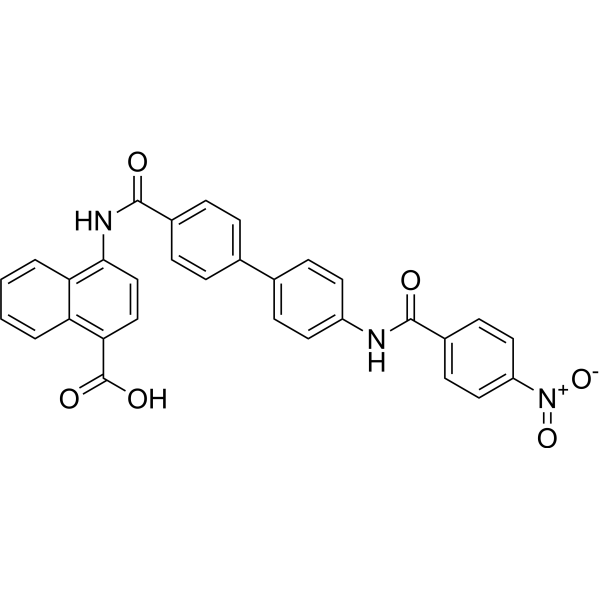
TNF-α-IN-1
 0 ImagesTNF-α-IN-1 (Compound I-7) is a TNF-α inhibitor. TNF-α-IN-1 can be studied in research for cancers, heart disease, autoimmune disease and infections.
-
Indole-4-carboxaldehyde
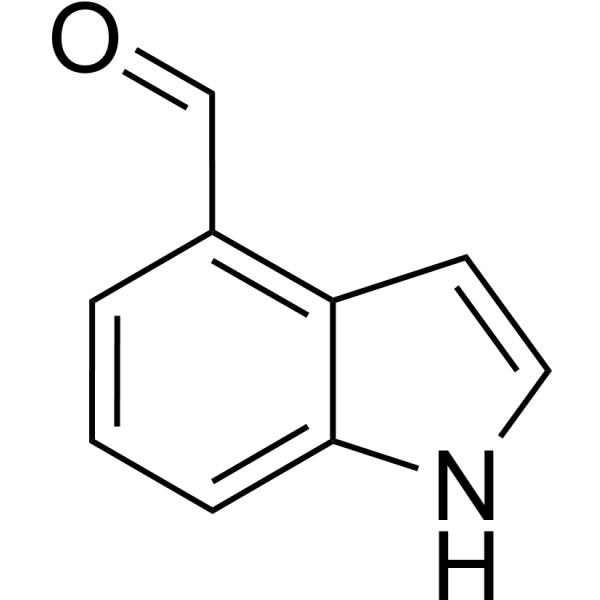 0 ImagesIndole-4-carboxaldehyde is an ergot alkaloid precursor that regulates glycosylation and inflammation. Indole-4-carboxaldehyde upregulates Glo-1, inhibits MGO-induced NF-κB activation, and suppresses MGO-induced expression of TNF-α and IFN-γ. Indole-4-carboxaldehyde inhibits MGO-induced formation of advanced glycation end products (AGE) and expression of their receptor (RAGE). Indole-4-carboxaldehyde is a core metabolite produced in the pedicels of Summer Black grapes after exogenous gibberellin treatment, and it directly promotes fruit enlargement and fruit set of Summer Black grapes. Indole-4-carboxaldehyde can be used in studies related to hepatic steatosis and plant growth regulation.
-
Ceftiofur
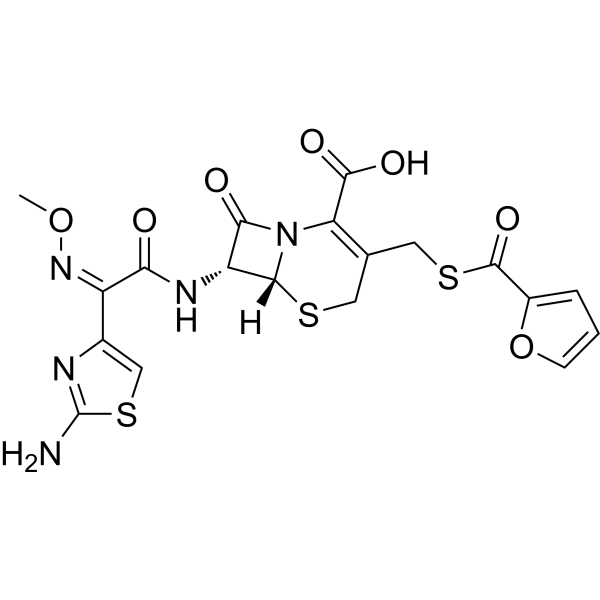 0 ImagesCeftiofur is a cell wall synthesis inhibitor that targets bacterial penicillin-binding proteins (PBPs) and has anti-inflammatory effects in endotoxemia. Ceftiofur exerts bactericidal effects by inhibiting the synthesis of bacterial cell wall peptidoglycan, leading to bacterial cell lysis. Ceftiofur also inhibits the activation of NF-κB and MAPKs, thereby reducing the secretion of pro-inflammatory cytokines such as TNF-α, IL-1β, and IL-6.
-
2,5-Dihydroxyterephthalic acid
 0 ImagesCat. No.: HY-W004616CAS No.: 610-92-42,5-Dihydroxyterephthalic acid is a carboxylic acid ligand with antioxidant properties, which serves as a building block for Zn2+-based metal-organic frameworks (MOFs). 2,5-Dihydroxyterephthalic acid forms stable coordination bonds with transition metal ions, inhibits metal center-water coordination to prevent MOF fluorescence quenching, and enhances the hydrophilicity of MOFs. 2,5-Dihydroxyterephthalic acid acts as a pharmaceutical intermediate to synthesize 2,5-dihydroxyterephthalamide derivatives. 2,5-Dihydroxyterephthalic acid is applicable to relevant research in fields such as organic synthesis.
-
Quin-C7
 0 ImagesQuin-C7 is an orally active FPR2/ALX antagonist. Quin-C7 binds to the orthosteric ligand-binding pocket of FPR2/ALX, modulates receptor activation, and inhibits pro-inflammatory ERK signaling mediated by serum amyloid A (SAA). Quin-C7 reduces pro-inflammatory mediators TNF-α levels, increases anti-inflammatory IL-10, decreases inflammatory neutrophils and pro-inflammatory M1 macrophages, downregulates ERK1/2 phosphorylation, and upregulates JNK1/2/3 phosphorylation. Quin-C7 blocks FPR2/mFpr2 signaling, reduces brain lesion volume. Quin-C7 can be used for the research of inflammatory bowel disease and neuromyelitis optica spectrum disorder.
-
TBPH
 0 ImagesCat. No.: HY-W018587CAS No.: 26040-51-7TBPH is a brominated flame retardant. TBPH enhances hepatic steatosis, inflammation, and fibrosis in mice with nonalcoholic steatohepatitis (NASH). TBPH induces dysregulation of phospholipid metabolism, reducing cardiolipin (CL) and phosphatidylserine (PS) levels. TBPH leads to impaired endoplasmic reticulum-mitochondria (ER-Mito) contacts, subsequently causing mitochondrial dysfunction. TBPH induces lung injury through an inflammatory response mediated by mitochondria-derived ds-DNA. TBPH can be used to study the role of MFN2-mediated ER-mitochondria contacts in lipid metabolism homeostasis.
-
(-)-Syringaresinol
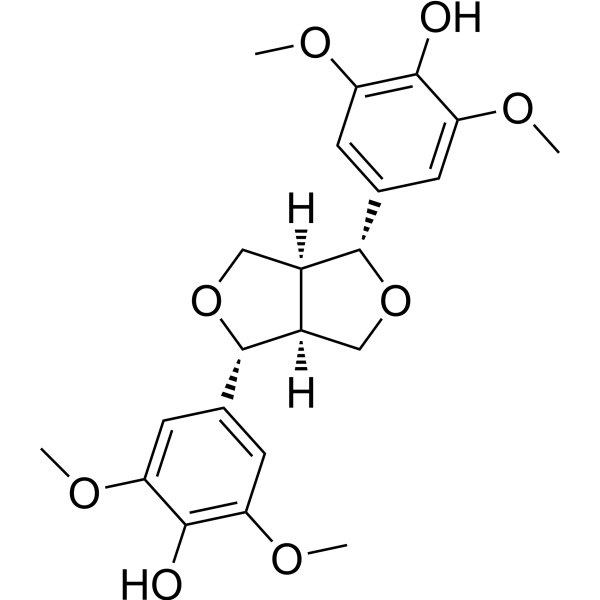 0 Images(-)-Syringaresinol is an orally active isomer of syringaresinol (HY-N8307) found in Annona Montana. (-)-Syringaresinol exhibits antioxidant, anti-inflammatory, and anticancer activities. (-)-Syringaresinol can alleviate ulcerative colitis via the PI3K-Akt/MAPK/Wnt signaling pathway. (-)-Syringaresinol inhibits HL-60 cell proliferation by arresting the G1 phase and inducing apoptosis. (-)-Syringaresinol inhibits LPS (HY-D1056)-induced microglial activation by downregulating the NF-κB p65 signaling pathway and its interaction with ERβ, exerting anti-neuroinflammatory effects.
-
12-Oxo phytodienoic acid
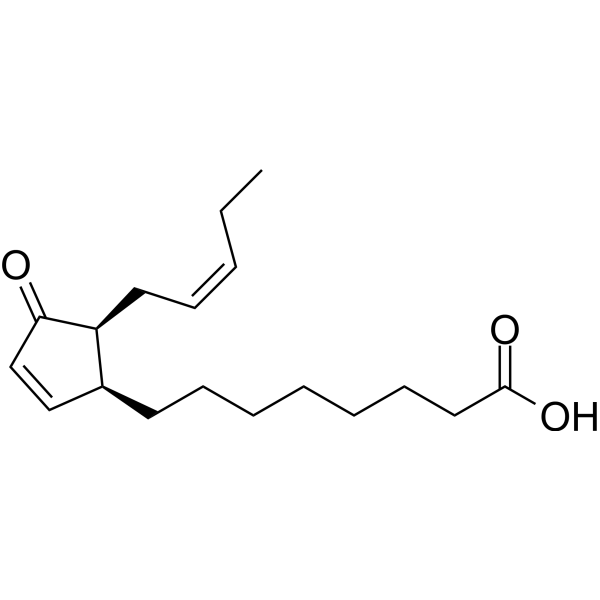 0 ImagesCat. No.: HY-118828CAS No.: 85551-10-6Synonyms: 12-OPDA12-Oxo phytodienoic acid (12-OPDA) is a plant lipid-derived anti-inflammatory compound. 12-Oxo phytodienoic acid suppresses neuroinflammation by inhibiting Nf-κB and p38 MAPK signaling in Lipopolysaccharides (LPS) (HY-D1056)-activated cells. 12-Oxo phytodienoic acid can be used for neurodegenerative diseases research.
-
GW405833 hydrochloride
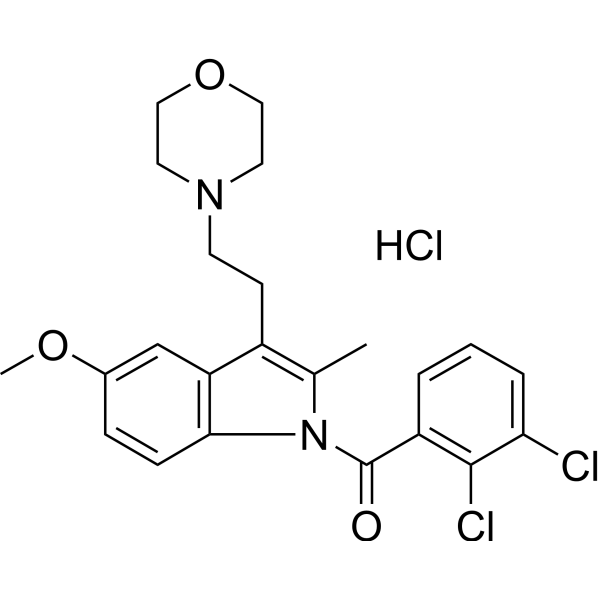 0 ImagesSynonyms: L768242 hydrochlorideGW405833 (L768242) hydrochloride is a potent, selective cannabinoid receptor 2 (CB2) agonist. GW405833 has EC50 and Ki values of 0.65 nM and 3.92 nM for CB2, and EC50 and Ki values of 16.1 μM and 4772 nM for CB1. GW405833 hydrochloride also exhibits non-competitive CB1 antagonist, exerting its analgesic effect through a CB1 receptor (rather than CB2) dependent mechanism. GW405833 hydrochloride can significantly inhibit the production of cAMP stimulated by Forskolin (HY-15371). GW405833 hydrochloride inhibits glycolysis by down-regulating HIF-1α, thereby alleviating acute liver failure (ALF).

-
GlcNAc-MurNAc
 0 ImagesCat. No.: HY-175222CAS No.: 41137-10-4GlcNAc-MurNAc, a disaccharide, is a TLR4 agonist with a Kd of 383 μM for murine TLR4. GlcNAc-MurNAc directly binds to TLR4 and activates its downstream NF-κB and IRF pathways. GlcNAc-MurNAc improves Dextran sulfate sodium salt (DSS) (HY-116282C)-induced colitis in mice through a TLR4-dependent mechanism. GlcNAc-MurNAc can be used for the study of inflammatory bowel disease.
-
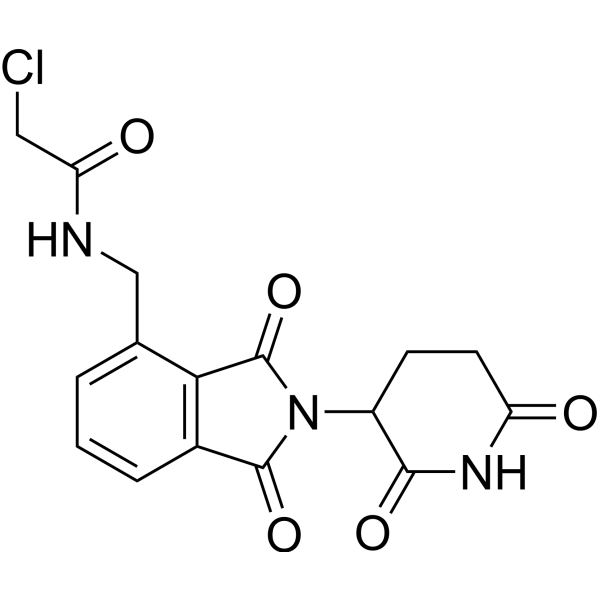
L18I
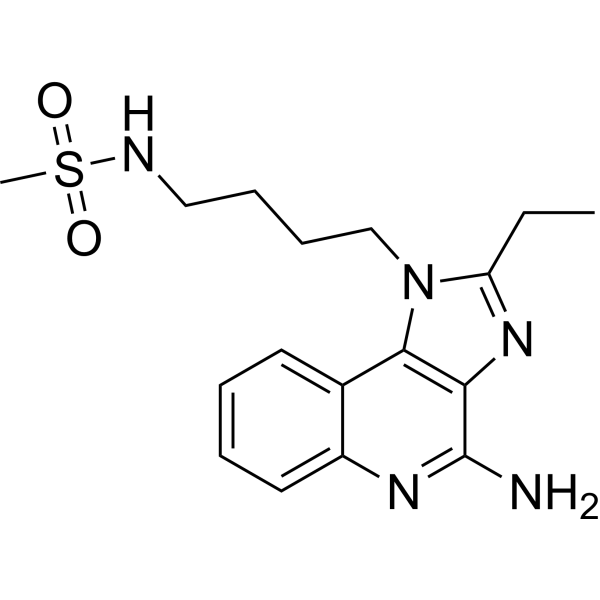
 0 ImagesL18I is a Bruton's tyrosine kinase (BTK) PROTAC degrader that targets wild-type and BTKC481, and recruits the cereblon E3 ligase to mediate proteasomal degradation. L18I regulates the BCR, TLR, FcγR and NLRP3 inflammasome signaling pathways, inhibits the phosphorylation of PLCγ-2, ERK1/2 and p38, and reduces the levels of B cell activation markers CD25, CD69 and CD86. L18I downregulates the NF-κB, TNF and TLR signaling pathways, reduces the production of pro-inflammatory cytokines, and decreases immune cell infiltration and immune complex deposition. L18I inhibits the proliferation of BTK-expressing lymphoma cells, induces tumor regression in xenograft models, and exhibits synergistic activity when combined with inhibitors of SYK, PI3K or Lyn. L18I can be used in research related to lupus, diffuse alveolar hemorrhage and B-cell lymphoma.
-
Belantamab (FUT8-KO)
 0 ImagesCat. No.: HY-P9980APurity: 98.10%Belantamab (FUT8-KO) is an anti-BCMA (TNFRSF17) monoclonal antibody expressed by CHO cells with the fucosyltransferase 8 gene (FUT8) knocked out. Fucose deficiency enhances the ADCC effect of the antibody. Belantamab (FUT8-KO) can be used to synthesize antibody-active molecule conjugate (ADC), Belantamab mafodotin.
-
Flixebrutinib
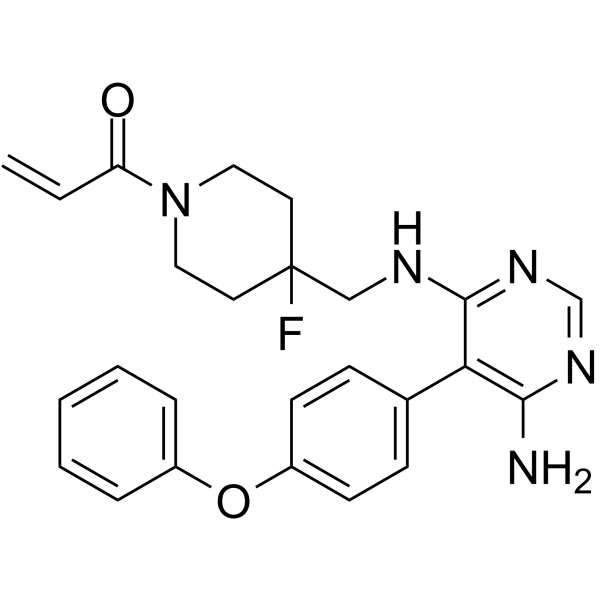 0 ImagesSynonyms: TL-895Flixebrutinib (TL-895) is a potent, orally active, ATP-competitive, and highly selective irreversible BTK inhibitor. Flixebrutinib is active against recombinant BTK (average IC50: 1.5 nM) and inhibits only three additional kinases BLK, BMX (IC50 = 1.6 nM) and TXK with IC50 within tenfold of BTK activity. Flixebrutinib inhibits BTK auto-phosphorylation at the Y223 phosphorylation site (IC50: 1-10 nM). The Flixebrutinib effectively inhibits the production of inflammatory factors such as IL-8, IL-1β, MCP-1 and TNF-α by monocytes or macrophages, and reduces the chemotactic migration of MF cells towards SDF-1. Flixebrutinib is used be for studies of chronic lymphocytic leukemia (CLL), myelofibrosis (MF), and B-cell malignancies.
-
Tavolixizumab
 0 ImagesSynonyms: MEDI 0562; TavolimabTavolixizumab (MEDI 0562; Tavolimab) is a human monoclonal antibody to TNFRSF4 (TNF receptor superfamily member 4) for use in cancer immunology research.
-
Theophylline monohydrate
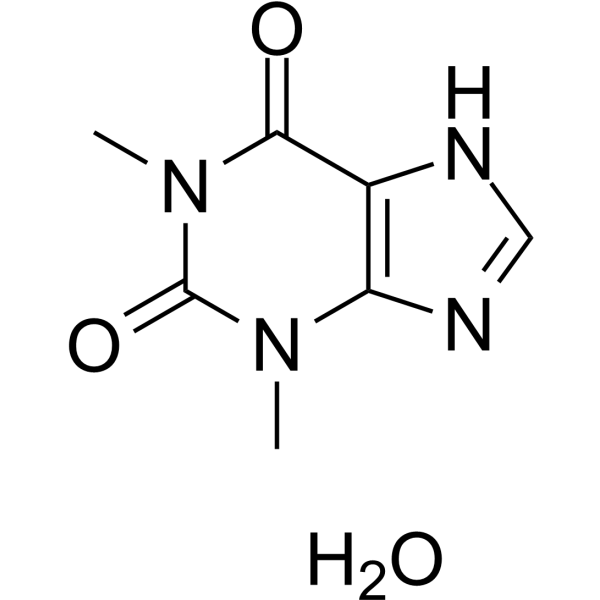 0 ImagesSynonyms: 1,3-Dimethylxanthine monohydrate; Theo-24 monohydrateTheophylline (1,3-Dimethylxanthine) monohydrate is a potent phosphodiesterase (PDE) inhibitor, adenosine receptor antagonist, and histone deacetylase (HDAC) activator. Theophylline (1,3-Dimethylxanthine) monohydrate inhibits PDE3 activity to relax airway smooth muscle. Theophylline (1,3-Dimethylxanthine) monohydrate has anti-inflammatory activity by increase IL-10 and inhibit NF-κB into the nucleus. Theophylline (1,3-Dimethylxanthine) monohydrate induces apoptosis. Theophylline (1,3-Dimethylxanthine) monohydrate can be used for asthma and chronic obstructive pulmonary disease (COPD) research.
-
PHA 408
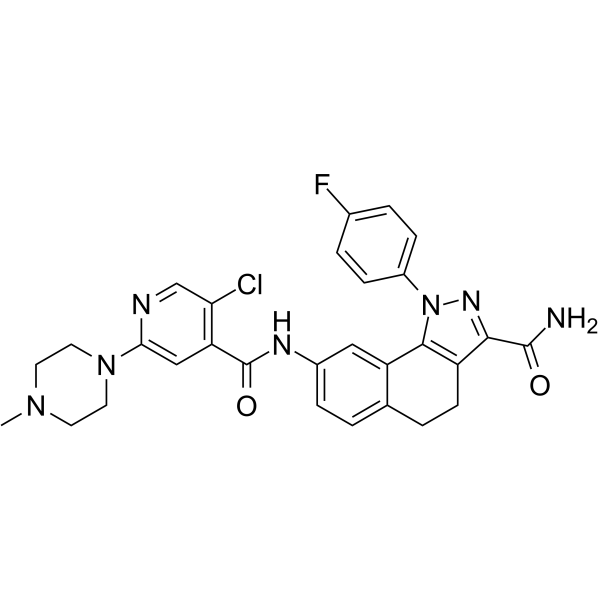 0 ImagesPHA-408 is a highly selective, orally active and ATP-competitive IKK-2 inhibitor with an IC50 of 40 nM. PHA-408 blocks NF-κB signaling by suppressing IκBα phosphorylation and degradation, p65 phosphorylation, and pro-inflammatory cytokine production, and prevents TNF-α-induced premature senescence in HUVECs. PHA-408 alleviates LPS-and cigarette smoke-triggered pulmonary inflammation, reduces LPS-stimulated serum TNF-α release, and ameliorates joint damage in SCW-induced arthritis in rats. PHA-408 is applicable for the research of rheumatoid arthritis, chronic obstructive pulmonary disease (COPD), and Duchenne muscular dystrophy.
-
CT-1
 0 ImagesCat. No.: HY-168894Purity: 99.90%CT-1 is a secreted protein belonging to the IL-6 cytokine family. Overexpression of CT-1 enhances cell proliferation, migration and angiogenesis via the ADMA/DDAH pathway. CT-1 inhibits the growth of triple-negative breast cancer cells by simultaneously inducing Ferroptosis in N2-type tumor-associated neutrophils and cancer cells. CT-1 activates the Jak/STAT-3, p42/p44 MAPK and AMPK pathways, and inhibits GSK-3β activity through phosphorylation to induce cardiomyocyte hypertrophy. CT-1 enhances the viability of cardiomyocytes and neurons, reduces cell Apoptosis, induces the expression of heat shock proteins (HSP) and BNP, and inhibits TNF levels. CT-1 exerts anti-tumor activity in mouse models of triple-negative breast cancer. CT-1 improves cognitive impairment in mice. CT-1 is applicable to the research of ischemic heart disease, triple-negative breast cancer, myocardial hypertrophy, Parkinson's disease, hypertensive heart disease, myocardial infarction, acute Chagas cardiomyopathy, high-fat diet-induced cognitive impairment and diabetes-related cognitive impairment.