



mGluR
Metabotropic glutamate receptors
mGluR (metabotropic glutamate receptor) is a type of glutamate receptor that are active through an indirect metabotropic process. They are members of thegroup C family of G-protein-coupled receptors, or GPCRs. Like all glutamate receptors, mGluRs bind with glutamate, an amino acid that functions as an excitatoryneurotransmitter. The mGluRs perform a variety of functions in the central and peripheral nervous systems: mGluRs are involved in learning, memory, anxiety, and the perception of pain. mGluRs are found in pre- and postsynaptic neurons in synapses of the hippocampus, cerebellum, and the cerebral cortex, as well as other parts of the brain and in peripheral tissues. Eight different types of mGluRs, labeled mGluR1 to mGluR8, are divided into groups I, II, and III. Receptor types are grouped based on receptor structure and physiological activity.
mGluR Isoform Specific Products
All Product Categories
-
mGluR Related Products (399)
Related Products (399)

-
Antibodies (8)
-
mGluR Isoform Comparison
-
mGluR2 antagonist 1
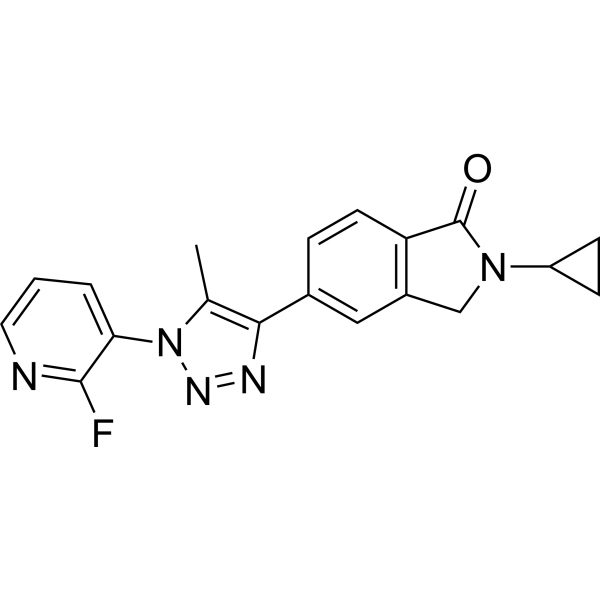
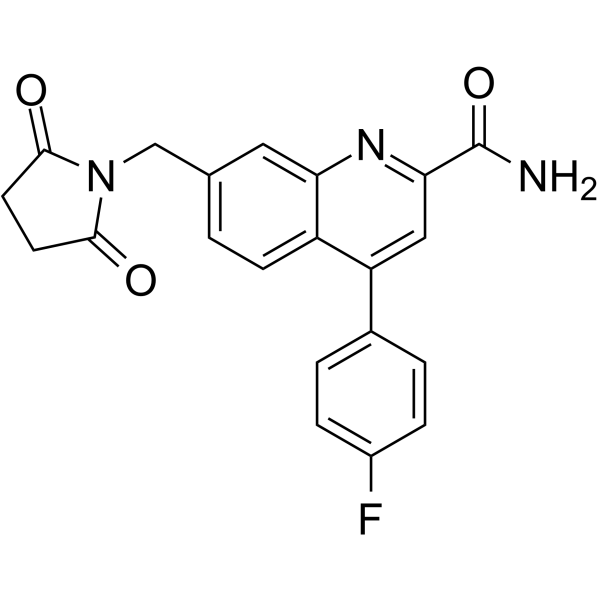 0 ImagesmGluR2 antagonist 1 is a highly potent, orally bioavailable and selective class of mGluR2 negative allosteric modulator (IC50 of 9 nM) with excellent brain permeability.

-
MMPIP
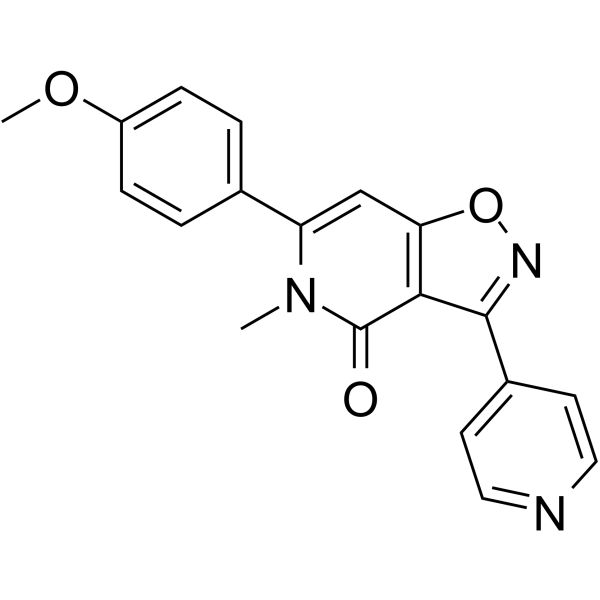 0 ImagesMMPIP is an allosteric metabotropic glutamate receptor 7 (mGluR7) selective antagonist (KB values 24 -30 nM). MMPIP acts as a pharmacological tool for elucidating the roles of mGluR7 on central nervous system functions. MMPIP alleviates pain and normalizes affective and cognitive behavior in neuropathic mice.
-
L-Glutamine-1,2-13C2
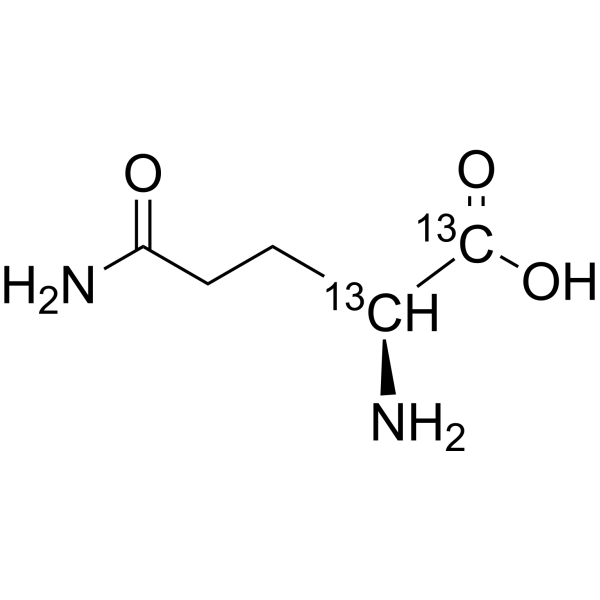 0 ImagesCat. No.: HY-N0390S10Purity: 98.0%Synonyms: L-Glutamic acid 5-amide-1,2-13C2L-Glutamine-1,2-13C2 is the 13C-labeled L-Glutamine. L-Glutamine (L-Glutamic acid 5-amide) is a non-essential amino acid present abundantly throughout the body and involved in many metabolic processes. L-Glutamine provides a source of carbons for oxidation in some cells.
-
LY2389575 hydrochloride
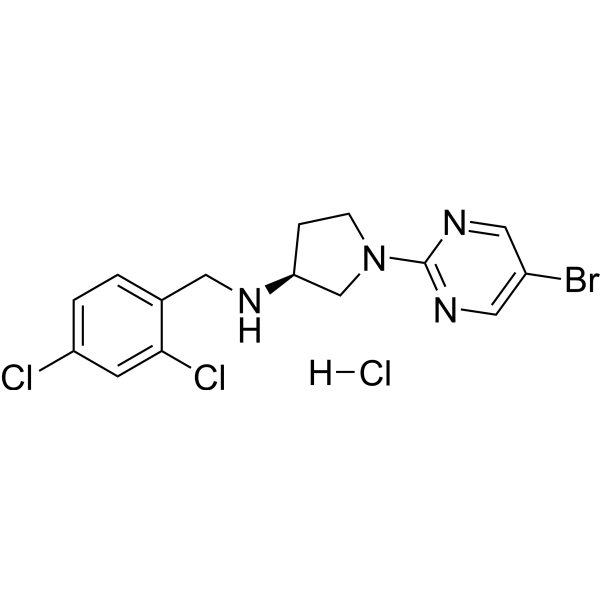 0 ImagesLY2389575 hydrochloride is a selective and noncompetitive mGlu3 negative allosteric modulator (NAM), with an IC50 value of 190 nM. LY2389575 hydrochloride induces an increase in Mrc1 levels. LY2389575 hydrochloride also independently amplifies Amyloid beta (Aβ) toxicity and can be used in study of Alzheimer's disease.
-
MNI137
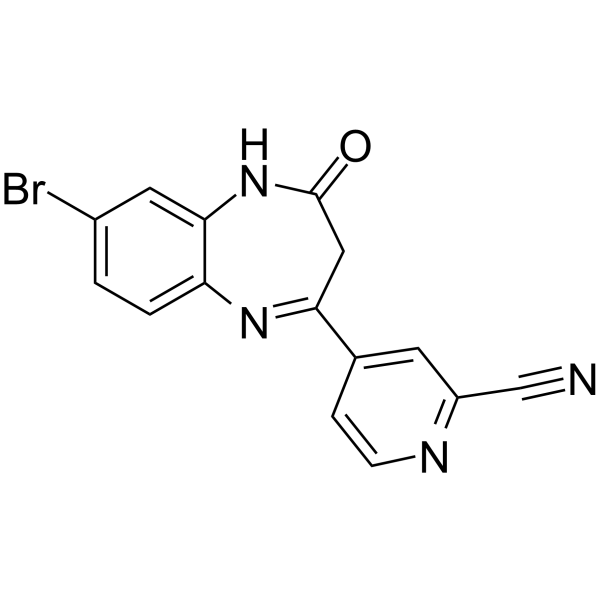 0 ImagesCat. No.: HY-103572CAS No.: 946619-21-2MNI137 is a potent and selective negative allosteric modulator for group II mGluRs. MNI137 has IC50s values of 8.3 and 12.6 nM for human and rat mGlu2 inhibition of glutamate-induced calcium mobilization.
-
VU0409106
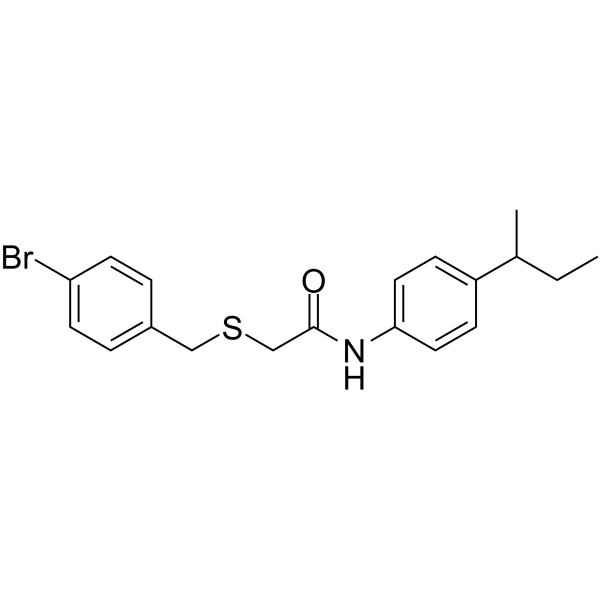
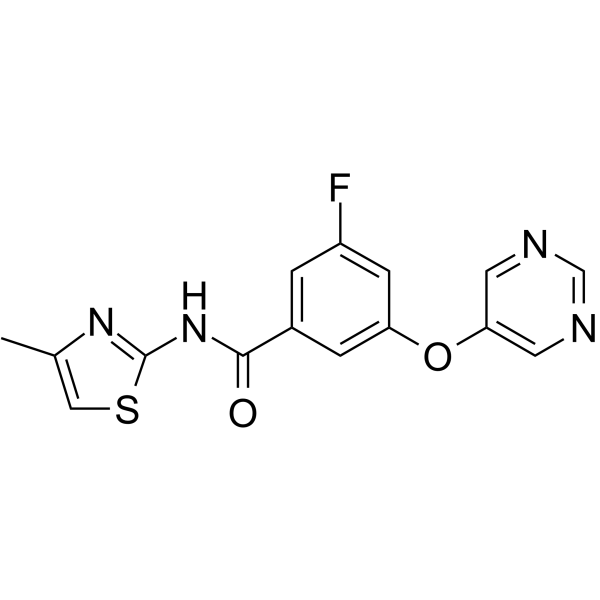 0 ImagesVU0409106 is a potent and selective mGlu5 negative allosteric modulator (NAM) with an IC50 of 24 nM. VU0409106 shows anxiolytic effects in rat models in a concentration-dependent manner. VU0409106 also penetrates the blood-brain barrier (BBB).
-
O-Phospho-L-serine-13C3,15N
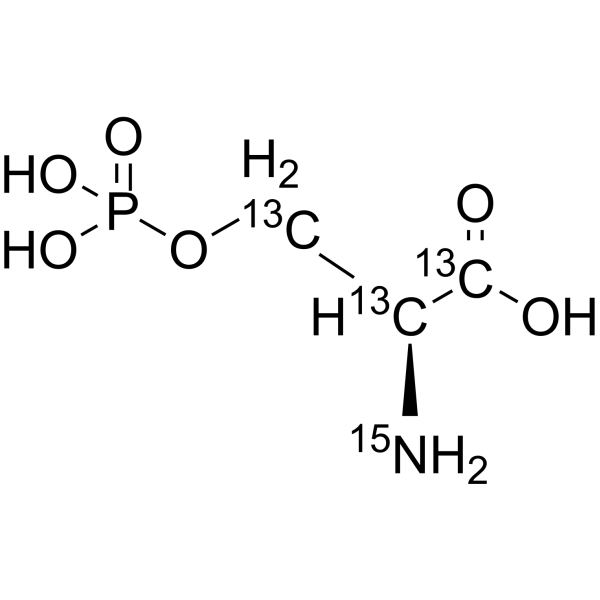 0 ImagesCat. No.: HY-15129SCAS No.: 2734706-69-3Synonyms: L-Serine O-phosphate-13C3,15N; L-SOP-13C3,15NO-Phospho-L-serine-13C3,15N is the 13C- and 15N-labeled O-Phospho-L-serine. O-Phospho-L-serine is the immediate precursor to L-serine in the serine synthesis pathway, and an agonist at the group III mGluR receptors (mGluR4, mGluR6, mGluR7, and mGluR8); O-Phospho-L-serine also acts as a weak antagonist for mGluR1 and a potent antagonist for mGluR2.
-
CBiPES
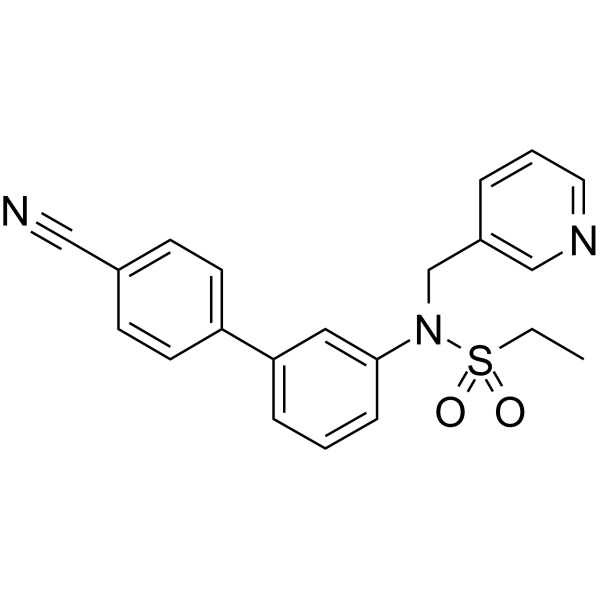 0 ImagesCBiPES is a potent mGlu2 positive allosteric modulator with an EC50 value of 92.8 nM. CBiPES attenuates stress-induced hyperthermia and Phencyclidine-induced hyperlocomotor activity. CBiPES can be used for research of neurological diseases, such as Parkinson's disease (PD).
-
LY456066
 0 ImagesLY456066 is a selective non-competitive metabotropic glutamate receptors (mGluR1) antagonist with an IC50 value of 52.0 nM. LY456066 is effective in rodent models of anxiolysis and nociception. LY456066 reduces hyperalgesia and the amount of licking and flinching following formalin injection, which is promising for research of analgesics for chronic pain.
-
(Rac)-LY341495
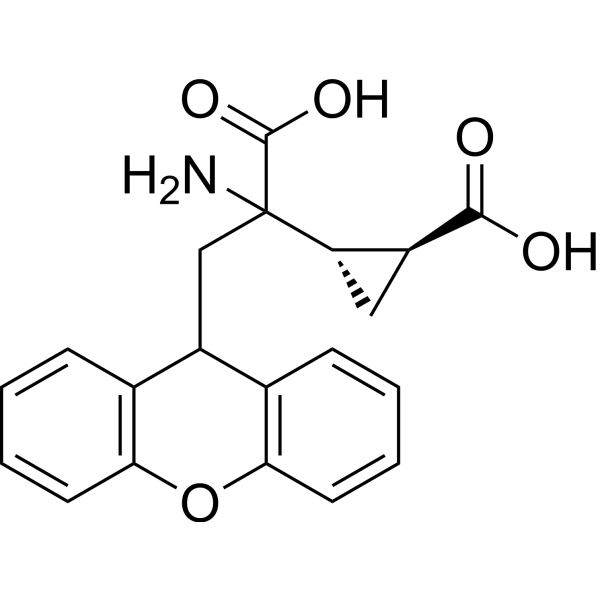 0 ImagesCat. No.: HY-70059ACAS No.: 2995269-83-3(Rac)-LY341495 is the isomers of LY341495 (HY-70059) can be used as control compounds in experiments. LY341495 is a metabotropic glutamate receptor (mGluR) antagonist with IC50s of 21 nM, 14 nM, 7.8 μM, 8.2 μM, 170 nM, 990 nM, 22 μM for mGlu2, mGlu3, mGlu1a, mGlu5a, mGlu8, mGlu7, and mGlu4 receptors, respectively.
-
MTEP
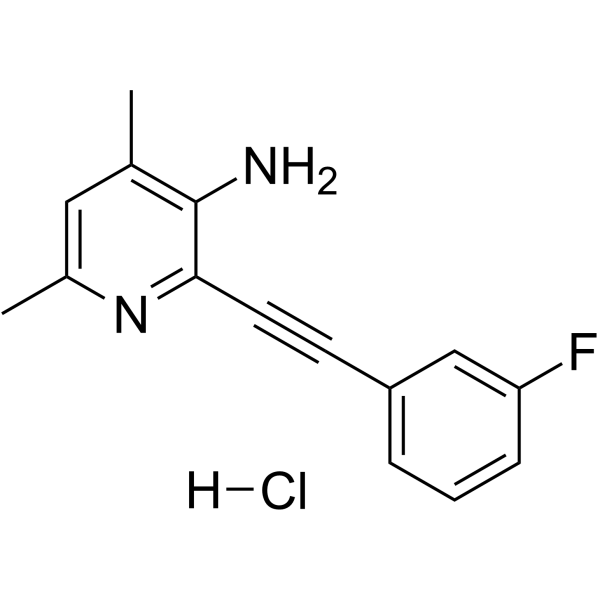
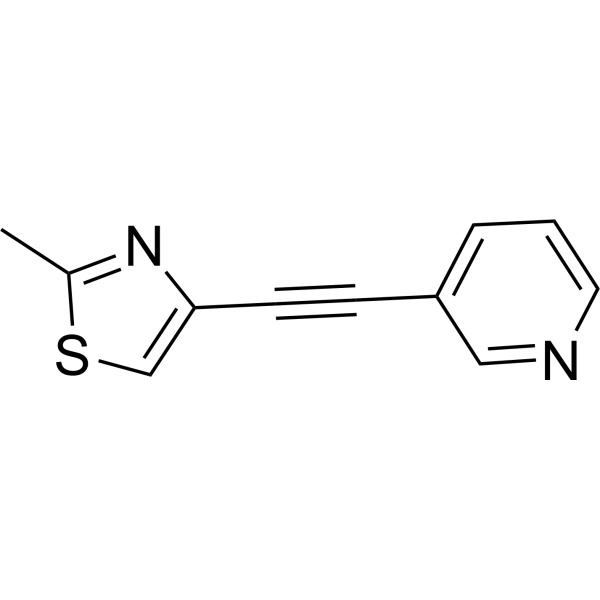 0 ImagesMTEP is a potent, non-competitive and highly selective mGluR5 antagonist, with an IC50 of 5 nM and a Ki of 16 nM. MTEP shows antidepressant and anxiolytic-like effects. MTEP can be used for Parkinson's disease research. MTEP is a click chemistry reagent, it contains an Alkyne group and can undergo copper-catalyzed azide-alkyne cycloaddition (CuAAc) with molecules containing Azide groups.
-
A-841720
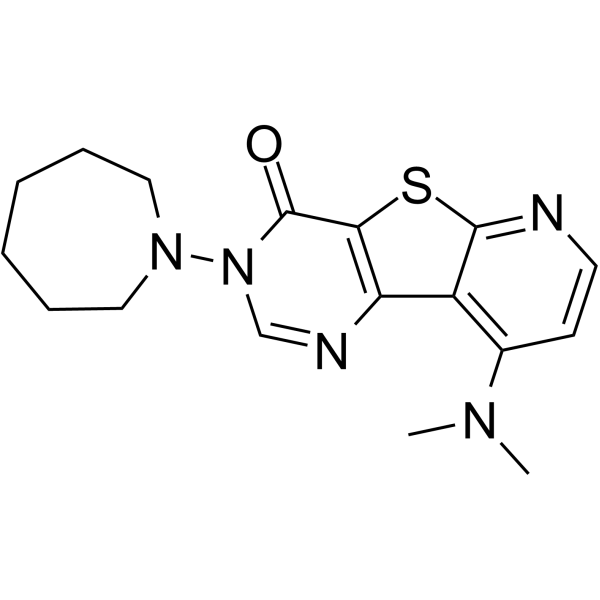 0 ImagesA-841720 is a potent, non-competitive and selective mGlu1 receptor antagonist with an IC50 of 10 nM for human mGlu1 receptor. A-841720 displays 34-fold selectivity over mGlu5 (IC50 of 342 nM), and no significant activity at a range of other neurotransmitter receptors, ion channels, and transporters. A-841720 has the potential for chronic pain research.
-
VU0361737
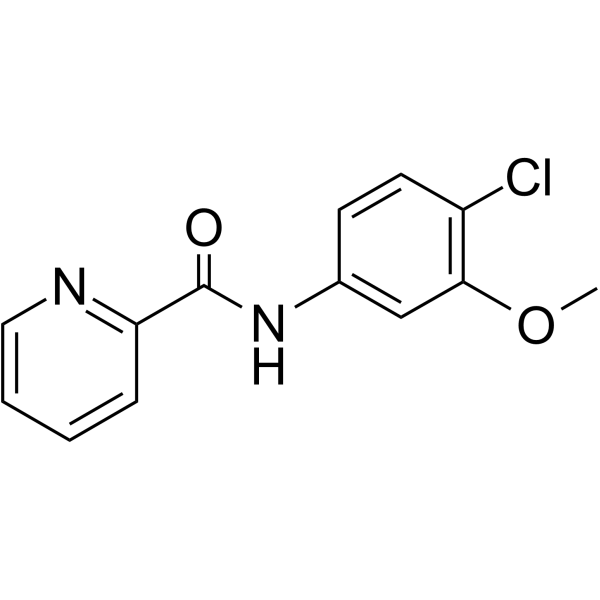 0 ImagesSynonyms: ML-128VU0361737 (ML-128) is a potent, selective and CNS penetrant positive allosteric modulator of metabotropic glutamate receptor 4 (mGluR4 PAM), with EC50s of 240 nM and 110 nM for human and rat mGluR4 receptors, respectively. VU0361737 has neuroprotective effect. VU0361737 is potential for Parkinson's disease research.
-
AMN082 free base
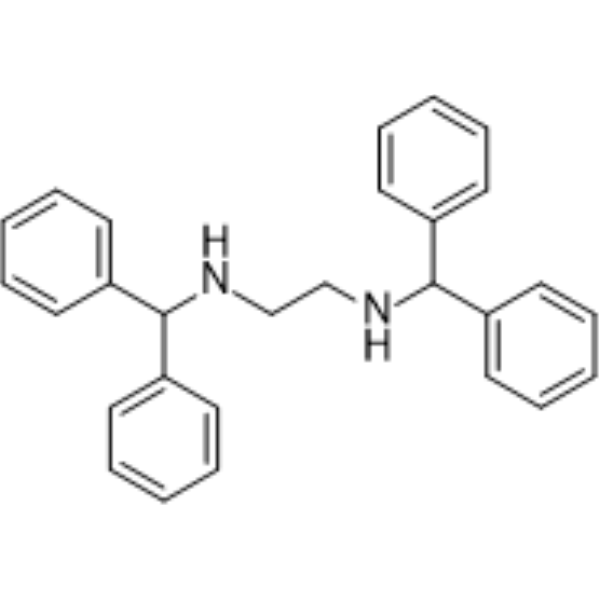 0 ImagesAMN082 free base, a selective, orally active, and brain penetrant mGluR7 agonist, directly activates receptor signaling via an allosteric site in the transmembrane domain. AMN082 free base potently inhibits cAMP accumulation and stimulates GTPγS binding (EC50 values, 64-290 nM) at transfected mammalian cells expressing mGluR7. AMN082 free base shows selectivity over other mGluR subtypes and selected ionotropic glutamate receptors. Antidepressant effects.
-
VU0477573
 0 ImagesCat. No.: HY-115483CAS No.: 1946021-40-4VU0477573 is a brain-penetrant partial negative allosteric modulator of metabotropic glutamate receptor subtype 5 (mGluR5). VU0477573 exhibits neuroprotective and anxiolytic effects. VU0477573 can be used for the research of neurological disease, such as Parkinson disease.




