



mGluR3
The metabotropic glutamate receptor 3 (mGluR3) is a Group II G-protein-coupled receptor that regulates glutamate neurotransmission and synaptic plasticity[1][2]. Mechanistically, mGluR3 is expressed on both glial cells and neurons, with a predominantly presynaptic localization, acting as an inhibitory autoreceptor and heteroceptor[1][2][3]. In contrast to its close isoform mGluR2, mGluR3 contributes specifically to long-term depression and glial-mediated neuroprotection[1][3]. Activation of mGluR3 modulates downstream signaling pathways involved in neurotrophic factor production, including TGF-β, GDNF, NGF, and BDNF, which are critical for neuronal survival in experimental neurodegenerative models. Genetic studies link GRM3 polymorphisms to schizophrenia-related endophenotypes, such as impaired cognition and altered cortical activation, highlighting disease relevance[1][2]. Pharmacologically, selective mGluR3 agonists and positive allosteric modulators promote neuroprotection and modulate presynaptic glutamate release, whereas non-selective Group II ligands affect both mGluR2 and mGluR3[3]. Compared with mGluR2, mGluR3 exhibits distinct presynaptic inhibitory functions and glial involvement, offering unique experimental and therapeutic opportunities[3][4]. Recent studies also explore mGluR3 antagonists in glioblastoma models, where blockade induces astroglial differentiation and enhances cytotoxic chemotherapy efficacy[5]. Collectively, these findings establish mGluR3 as a critical modulator of glutamatergic signaling, neuroprotection, and disease-specific pathways, distinct from other Group II metabotropic glutamate receptors[1][2][3][5].
Verweise:
- [1]. Harrison PJ, et al. The group II metabotropic glutamate receptor 3 (mGluR3, mGlu3, GRM3): expression, function and involvement in schizophrenia. J Psychopharmacol. 2008 May;22(3):308-22. [Content Brief]
- [2]. Li SH, et al. Targeting mGluR2/3 for treatment of neurodegenerative and neuropsychiatric diseases. Pharmacol Ther. 2022 Nov;239:108275. [Content Brief]
- [3]. Tyler RE, et al. Advances in translating mGlu2 and mGlu3 receptor selective allosteric modulators as breakthrough treatments for affective disorders and alcohol use disorder. Pharmacol Biochem Behav. 2022 Sep;219:173450. [Content Brief]
- [4]. Li ML, et al. Perspectives on the mGluR2/3 agonists as a therapeutic target for schizophrenia: Still promising or a dead end? Prog Neuropsychopharmacol Biol Psychiatry. 2015 Jul 3;60:66-76. [Content Brief]
- [5]. Pereira MSL, et al. Metabotropic glutamate receptors as a new therapeutic target for malignant gliomas. Oncotarget. 2017 Mar 28;8(13):22279-22298. [Content Brief]
-
mGluR3 Verwandte Produkte (36)
Verwandte Produkte (36)

- 1
- 2
-
Xanthurenic acid
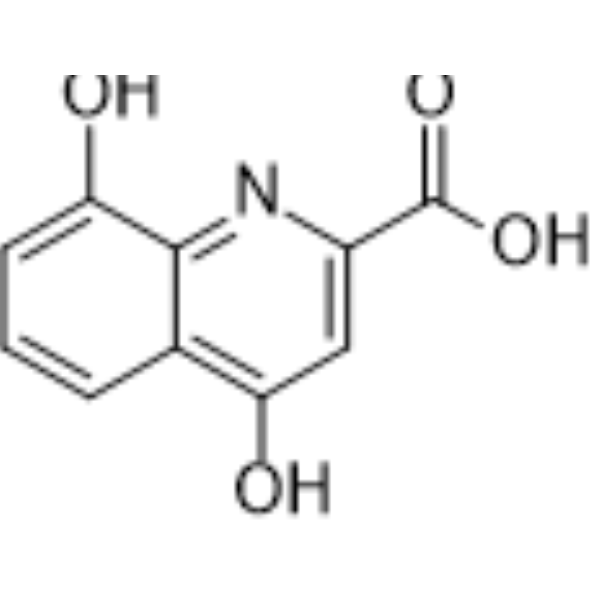 0 ImagesXanthurenic acid is a putative endogenous Group II metabotropic glutamate receptor agonist, on sensory transmission in the thalamus.
-
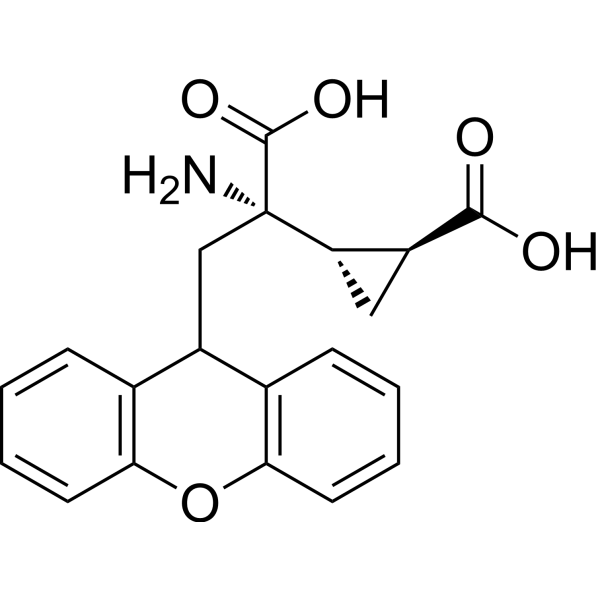
LY379268
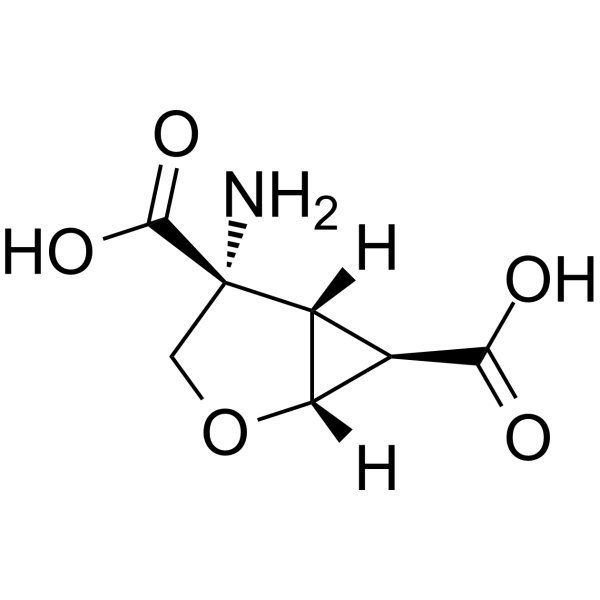 0 ImagesLY379268 is a potent, selective and brain-penetrant mGlu2/3R agonist with EC50 values of 2.69 nM (mGlu2) and 4.48 nM (mGlu3). LY379268 has no activity on human mGlu 1a, 4a, 5a or 7a receptors. LY379268 has antioxidant and neuroprotective effects.
-
β-N-methylamino-L-alanine hydrochloride
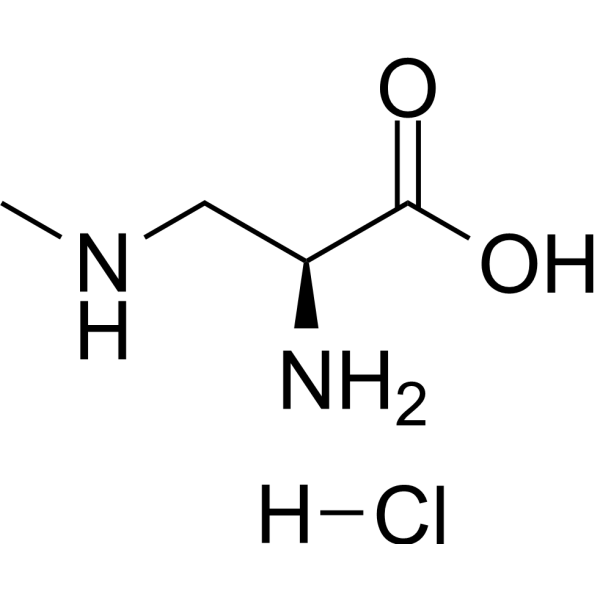 0 ImagesSynonyms: BMAA hydrochloride
-
Eglumegad
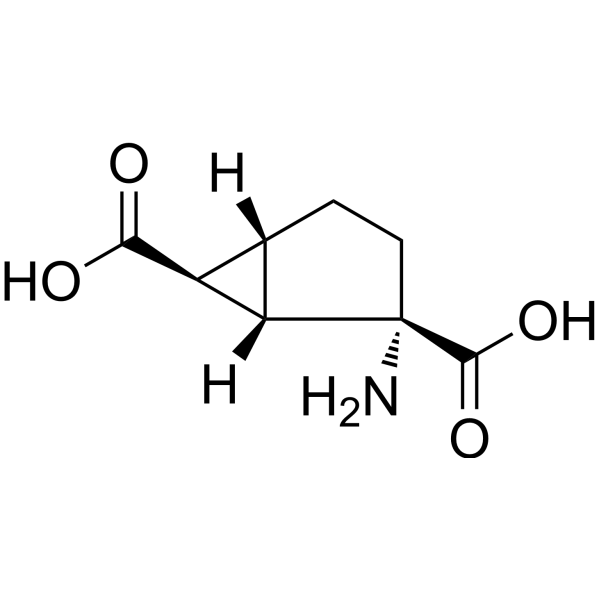 0 ImagesSynonyms: LY354740; EglumetadEglumegad (LY354740) is a highly potent and selective group II (mGlu2/3) receptor agonist with IC50s of 5 nM and 24 nM on transfected human mGlu2 and mGlu3 receptors, respectively.
-
Talaglumetad
 0 ImagesArt. -Nr.: HY-131286CAS. Nr.: 441765-98-6Synonyms: LY-544344Talaglumetad (LY-544344) is an orally active prodrug of Eglumegad (HY-18941) and a metabotropic glutamate receptor 2/3 (mGluR2/3) agonist. Talaglumetad undergoes transmembrane transport via the intestinal peptide transporter hPepT1, and is enzymatically hydrolyzed to produce L-alanine and the parent drug Eglumegad after entering the body. Talaglumetad can be used in research related to metabotropic glutamate receptor 2-associated neurological systems.
-
VU6053371
 0 ImagesArt. -Nr.: HY-184475Synonyms: BI03738809VU6053371 (BI03738809) is a first-in-class (FIC), selective, orally active, and brain-penetrant metabotropic glutamate receptor subtype 3 (mGlu3) positive allosteric modulator (PAM) with EC50s of 103 nM and 112 nM for human and rat mGlu3. VU6053371 exhibits selectivity for mGlu3 over other mGlu receptor subtypes. VU6053371 exhibits pro-cognitive effects in mouse models. VU6053371 can be used in research schizophrenia, Alzheimer’ s disease and other forms of dementia and cognitive impairment.
-
LY2794193
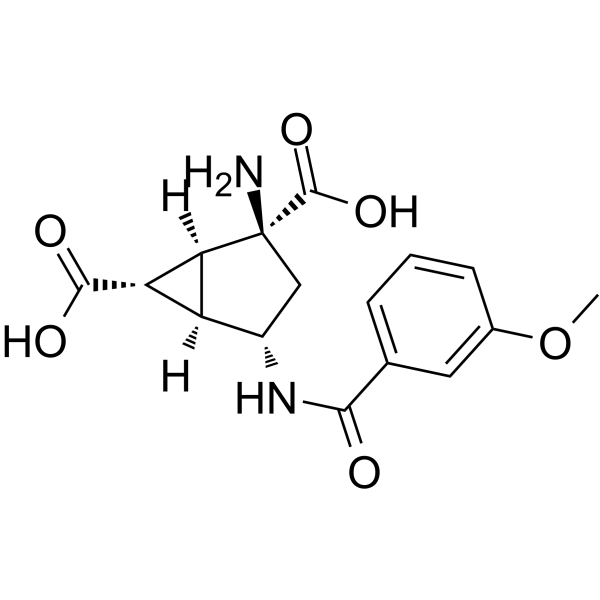 0 ImagesLY2794193 is a highly potent and selective mGlu3 receptor agonist (hmGlu3 Ki=0.927 nM,EC50=0.47 nM; hmGlu2 Ki=412 nM,EC50=47.5 nM).
-
VU0650786
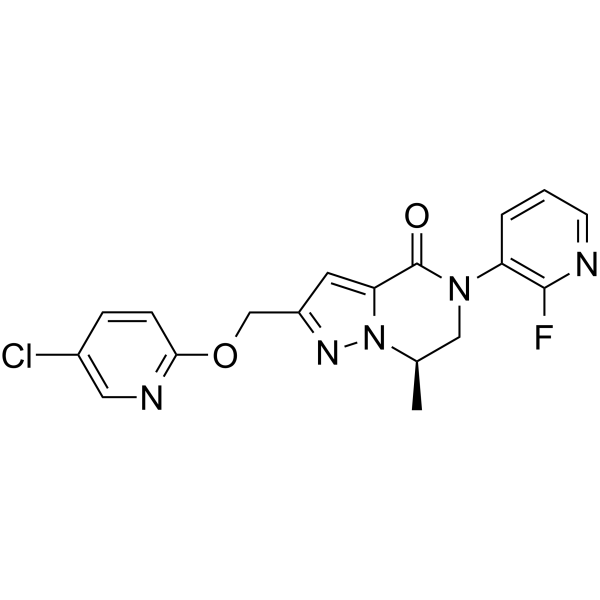 0 ImagesVU0650786 is a potent and selective CNS penetrant negative allosteric modulator of metabotropic glutamate receptor subtype 3 (mGlu3 NAM), with an IC50 of 392 nM. VU0650786 has antidepressant and anxiolytic activity in rodents.
-
VU6010572
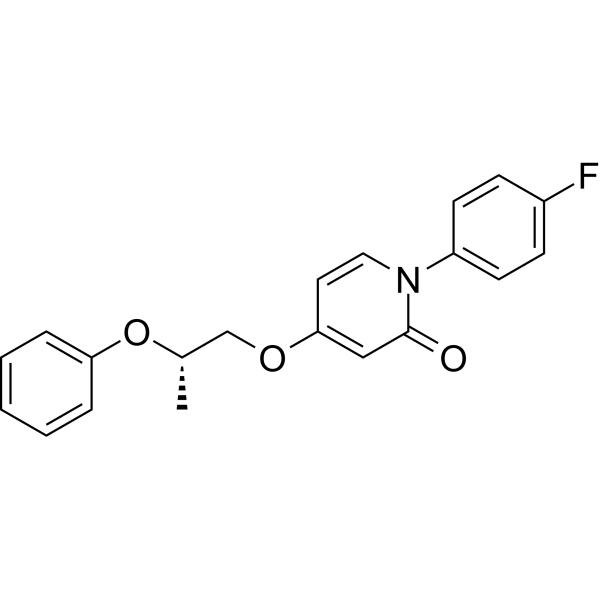 0 ImagesVU6010572 is a potent, selective and brain-penetrant mGlu3 negative allosteric modulator with IC50 of 245 nM. VU6010572 is highly CNS penetrant.
-
VU6001966
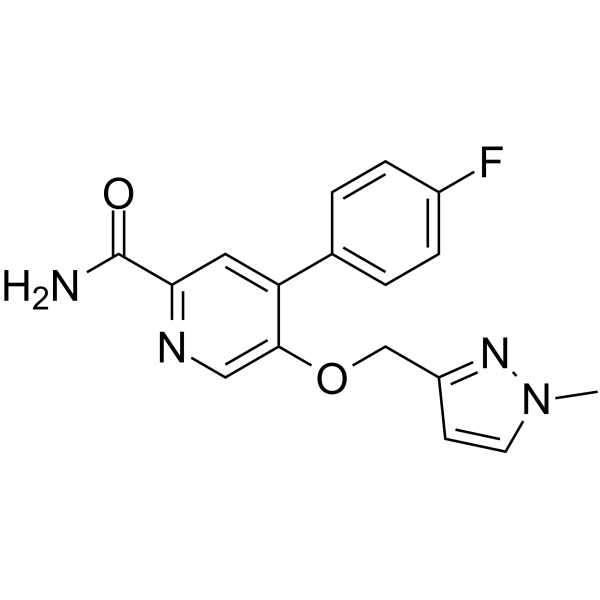 0 ImagesVU6001966 is a brain-penetrant and selective mGlu2 receptor inhibitor. VU6001966 blocks mGlu2 receptor activity, counteracts LY379268 (HY-103558)-mediated blood-brain barrier protection and inflammatory cytokine dampening in microglia under inflammatory conditions. VU6001966 enhances antidepressant effects when combined with Scopolamine (HY-N0296). VU6001966 can be used for the research of major depressive disorder.
-
LY404039
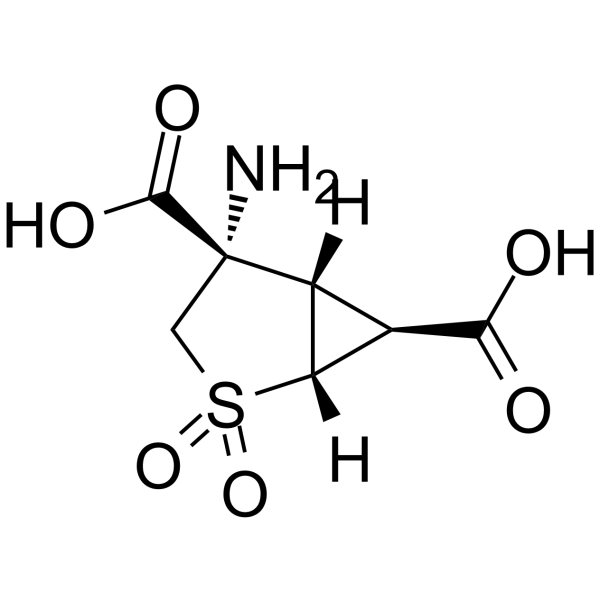 0 ImagesLY404039 is a potent, selective and orally active mGluR2 and mGluR3 agonist with Kis of 149 nM and 92 nM for recombinant human mGluR2 and mGluR3, respectively. LY404039 shows >100-fold selectivity for mGluR2/3 over other receptors/transproters. LY404039 has antipsychotic and anxiolytic effects.
-
DCG-IV
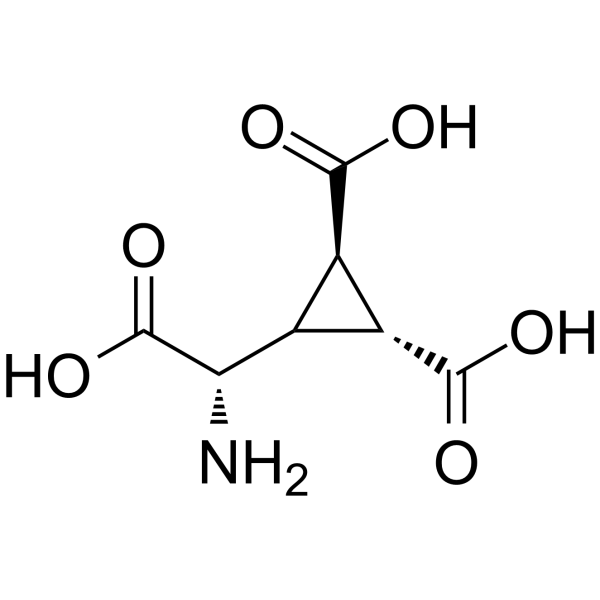 0 ImagesDCG-IV is a potent agonist of group II mGluRs with EC50s of 0.35 and 0.09 μM for mGlu2R and mGlu3R, reapectively. DCG-IV is also a competitive antagonist at group I (IC50: mGlu1R/5R=389/630 μM) and III receptors (IC50: mGlu4R/6R/7R/8R= 22.5/39.6/40.1/32 μM). DCG-IV has anticonvulsive and neuroprotective effects.
-
Pomaglumetad methionil hydrochloride
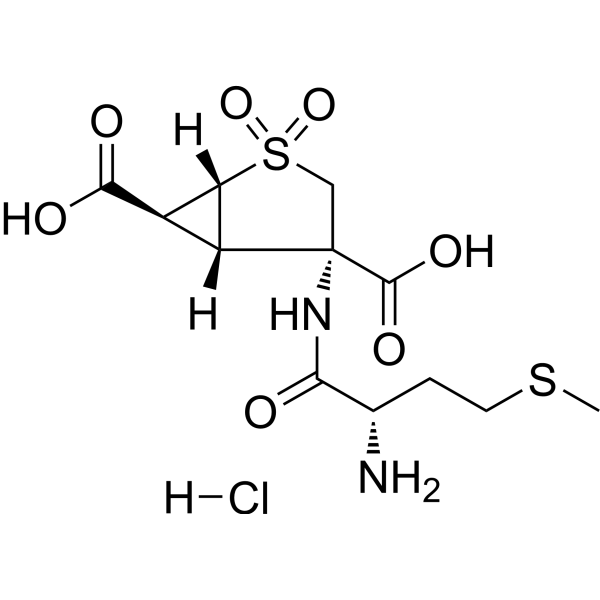 0 ImagesSynonyms: LY2140023 hydrochloridePomaglumetad methionil hydrochloride (LY2140023 hydrochloride) is an orally active, methionine prodrug of the selective mGlu2/3 receptor agonist LY404039. Pomaglumetad methionil hydrochloride has the potential for schizophrenia research.
-
Decoglurant
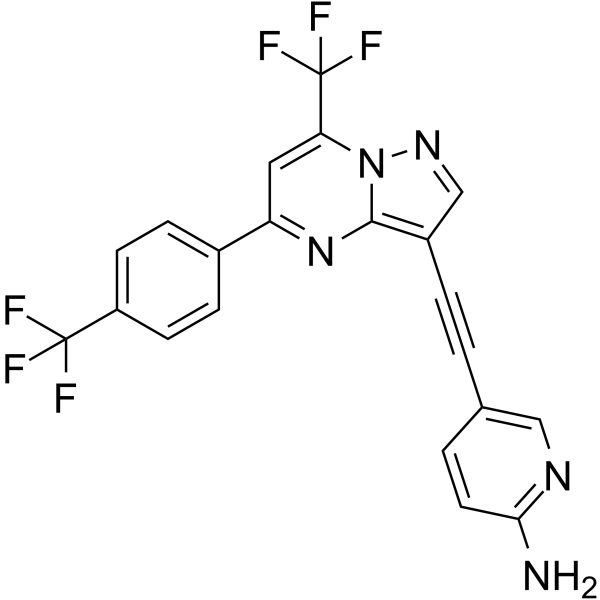 0 ImagesSynonyms: RO4995819
-
ML289
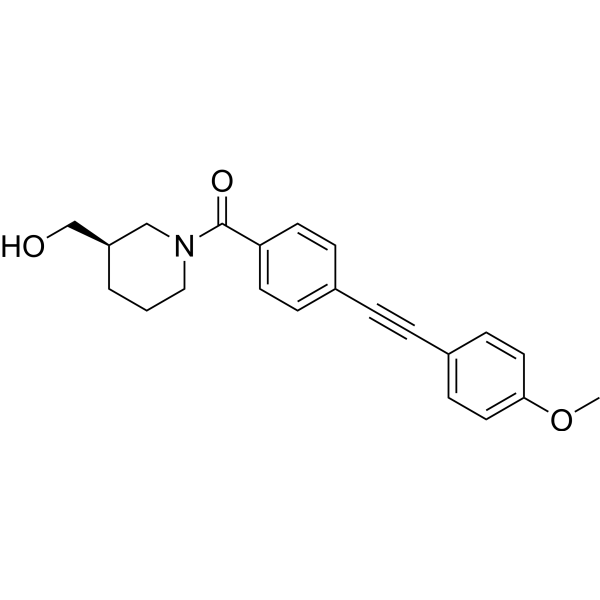 0 ImagesSynonyms: VU0463597ML289 (VU0463597) is a potent, selective, and CNS-penetrant mGlu3 (IC50=0.66 μM) negative allosteric modulator. ML289 displays >15-fold selectivity over mGlu2 and is inactive against mGlu5. ML289 is a click chemistry reagent, it contains an Alkyne group and can undergo copper-catalyzed azide-alkyne cycloaddition (CuAAc) with molecules containing Azide groups.
-
LY3020371 hydrochloride
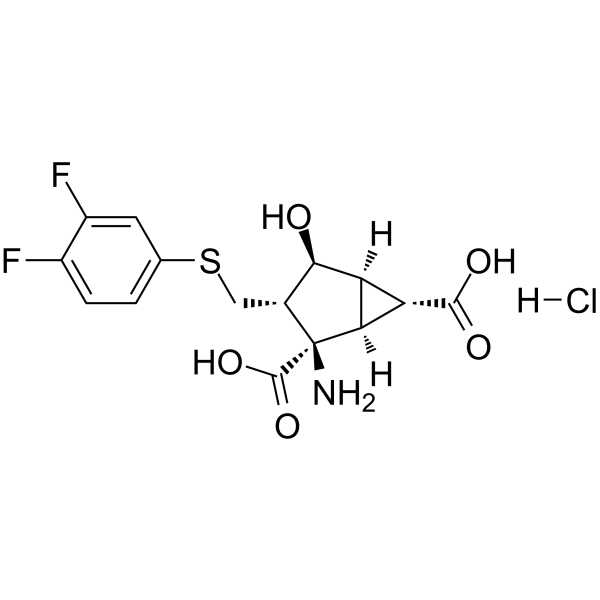 0 ImagesLY3020371 hydrochloride is a potent, selective metabotropic glutamate 2/3 receptor (mGlu2/3) antagonist with Ki of 5.3 and 2.5 nM, potently blocks cAMP formation with IC50 of 16.2 nM. LY3020371 hydrochloride exerts an antidepressant-like signature in vivo.
-
ML337
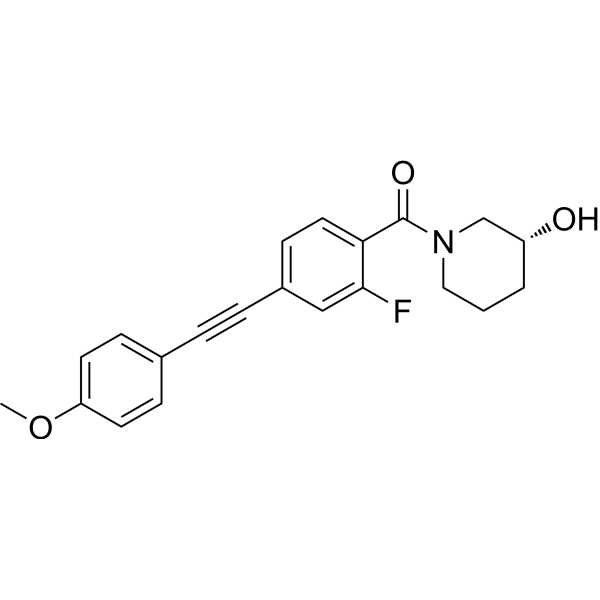 0 ImagesML337 is a selective and brain-penetrant negative allosteric modulator of mGlu3, with an IC50 of 593 nM. ML337 possesses a favorable dystrophia myotonica protein kinase (DMPK) and ancillary pharmacology profile. ML337 is a click chemistry reagent, it contains an Alkyne group and can undergo copper-catalyzed azide-alkyne cycloaddition (CuAAc) with molecules containing Azide groups.
-
Talaglumetad (hydrochloride)
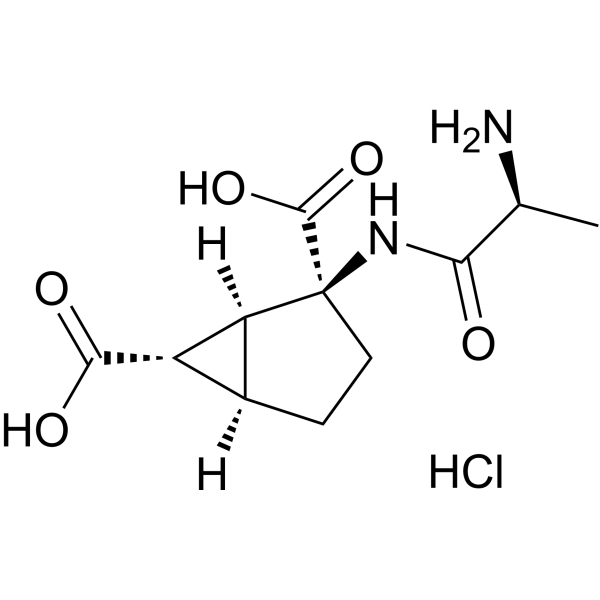 0 ImagesSynonyms: LY-544344 (hydrochloride)Talaglumetad hydrochloride (LY-544344 hydrochloride) is an orally active prodrug of Eglumegad (HY-18941) and a metabotropic glutamate receptor 2/3 (mGluR2/3) agonist. Talaglumetad hydrochloride undergoes transmembrane transport via the intestinal peptide transporter hPepT1, and is enzymatically hydrolyzed to produce L-alanine and the parent drug Eglumegad after entering the body. Talaglumetad hydrochloride can be used in research related to metabotropic glutamate receptor 2-associated neurological systems.
-
LY2389575 hydrochloride
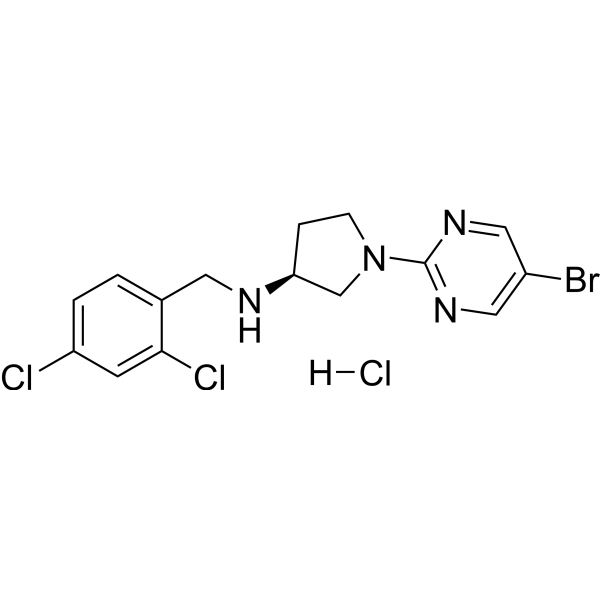 0 ImagesLY2389575 hydrochloride is a selective and noncompetitive mGlu3 negative allosteric modulator (NAM), with an IC50 value of 190 nM. LY2389575 hydrochloride induces an increase in Mrc1 levels. LY2389575 hydrochloride also independently amplifies Amyloid beta (Aβ) toxicity and can be used in study of Alzheimer's disease.
- 1
- 2



