Delivery of temperature sensitive items including proteins and kits will be paused on 6/19 for the Juneteenth holiday. For urgent orders please contact customer service.
Oxidized low density lipoprotein (mouse) (Mouse ox-LDL) is an oxidized low density lipoprotein (LDL). Oxidized low density lipoprotein (mouse) induces atherosclerosis (AS) by facilitating endothelial dysfunction and accelerating the VSMCs growth and migration. Oxidized low density lipoprotein (mouse) can be used to construct an in vitro model of AS .
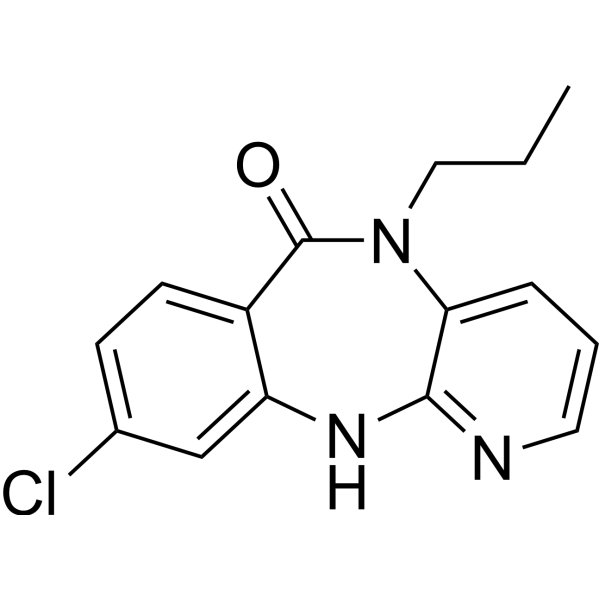
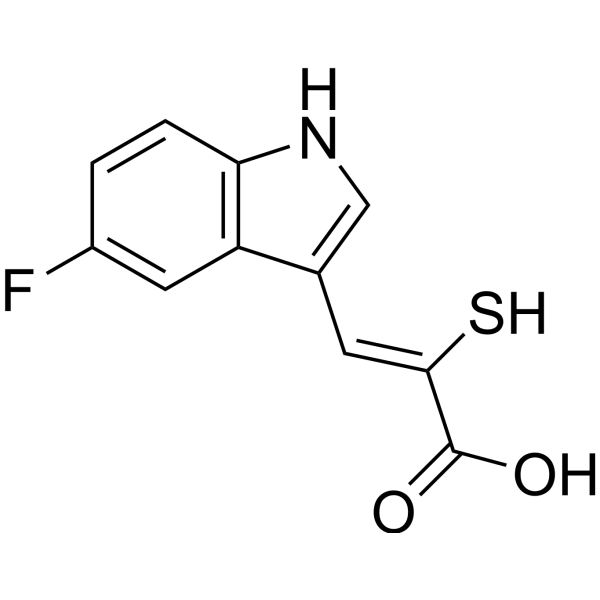
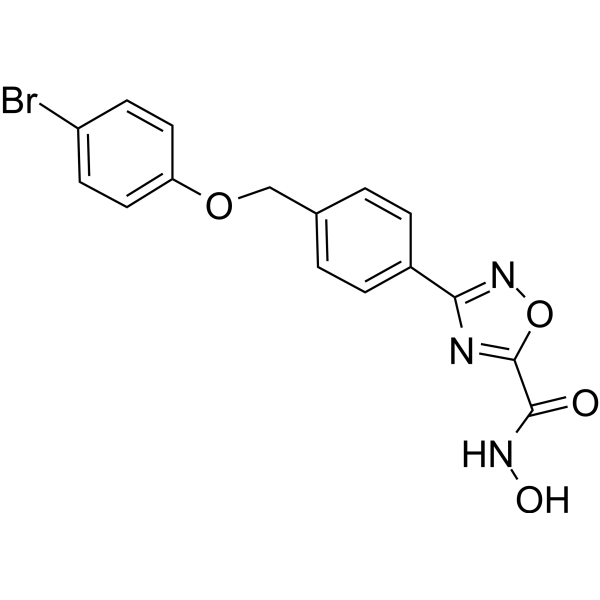
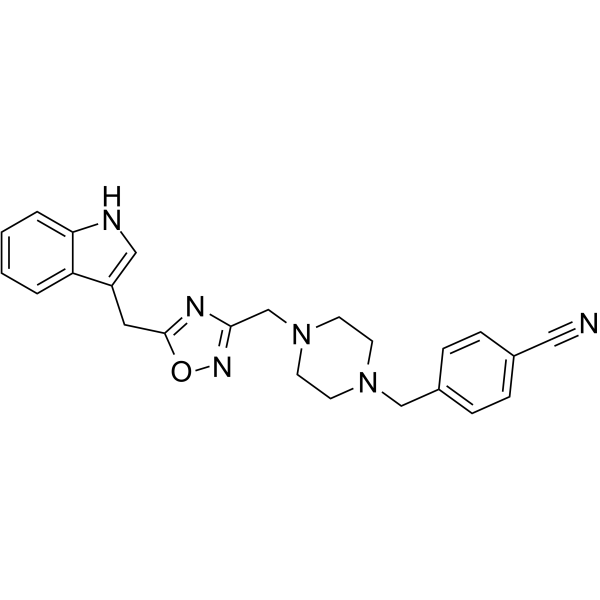
BI-0115 is a selective inhibitor of LOX-1 (IC50=5.4 μM) that blocks cellular uptake of oxLDL. BI-0115 binding triggers receptor inhibition by formation of dimers of the homodimeric ligand binding domain .
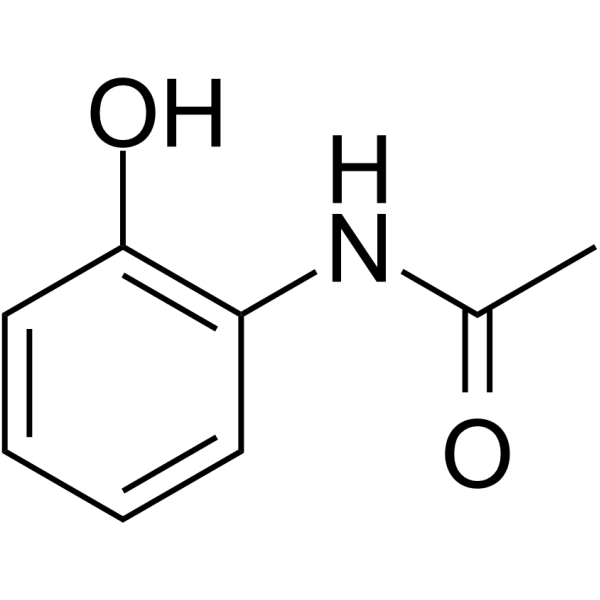
2-Acetamidophenol (Orthocetamol) is a regulator that targets ferroptosis and glutathione metabolic pathways, is the ortho-regioisomer of Paracetamol (HY-66005). 2-Acetamidophenol has anti-atherosclerotic activity, and inhibiting total cholesterol (TC) and triglyceride (TG) in a zebrafish hyperlipidemia model with IC50s for 30 μM and 40 μM, respectively. 2-Acetamidophenol upregulates the expression of glutathione synthesis-related genes (such as GCLC, GCLM, GSS) and iron ion transport genes (such as FPN1, FTH), reduces the accumulation of intracellular reactive oxygen species (ROS) and ferrous ions (Fe 2+), and enhances the activity of glutathione peroxidase GPX4, thereby inhibiting macrophage phagocytosis of oxidized low-density lipoprotein (ox-LDL) and foam cell formation .
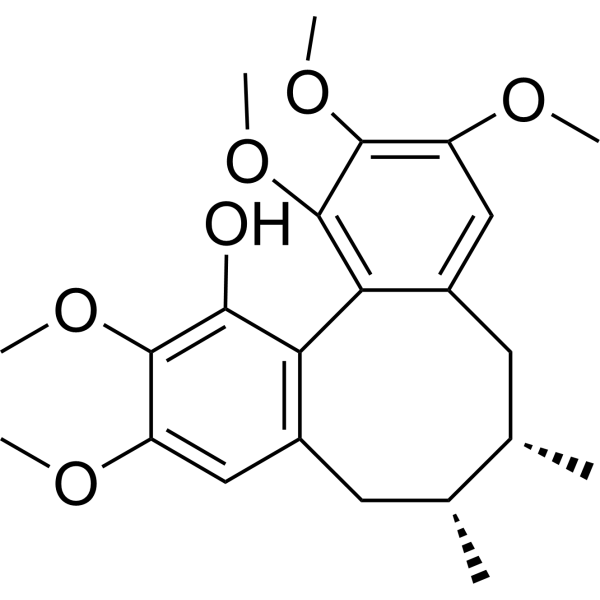
Schisanhenol (Schizanhenol), a lignan, is an orally active antioxidant. Schisanhenol reduces AChE activity, increases SIRT1 and PGC-1α expression, and decreases phosphorylated Tau (Ser 396) levels. Schisanhenol increases SOD and glutathione peroxidase activity, decreases malondialdehyde (MDA) content, and inhibits UGT2B7 activitY. Schisanhenol attenuates ox-LDL-induced apoptosis, intracellular reactive oxygen species generation, and cytotoxicity in endothelial cells. Schisanhenol inhibits LDL oxidation, brain mitochondrial and membrane peroxidative damage, and brain mitochondrial swelling and disintegration. Schisanhenol can be used for the research of Alzheimer’s disease, atherosclerosis, brain ischemia, and age-related brain deterioration .
ABCA1 inducer 2 is a non-lipotropic ABCA1 inducer. ABCA1 inducer 2 upregulates the expression of ABCA1 by targeting the LXR pathway. ABCA1 inducer 2 can reduce ox-LDL-induced lipid accumulation and thus inhibit foam cell formation. ABCA1 inducer 2 has anti-atherosclerotic potential .
Orticumab (MLDL1278A) is an antibody targeting to oxidized or malondialdehyde-modified lipoprotein (LDL). Orticumab specifically inhibits oxidized low-density lipoproteins(oxLDL). Orticumab involves in modulation of autoimmune responses against oxLDL, improves atherosclerosis in animal model. Orticumab also can be used for research of psoriasis improvement .
POVPC is an oxidized phospholipid can be found in in oxidatively modified low density lipoprotein (oxLDL). POVPC inhibits VSMC growth in high serum condition. POVPC induces apoptosis in low serum condition .
PD 151746 is a selective calpain-1 inhibitor with an IC50 of 260 nM. PD 151746 binds μ-calpain Ca 2+-binding sites, and shows selectivity over cathepsin B, papain, trypsin, thermolysin, and basal calcineurin. PD 151746 reduces Oxidized low-density lipoprotein (oxLDL)-induced cytotoxicity, apoptotic DNA fragmentation, and blocks IL-1α maturation. PD 151746 can be used for the research of atherosclerosis and psoriasis .
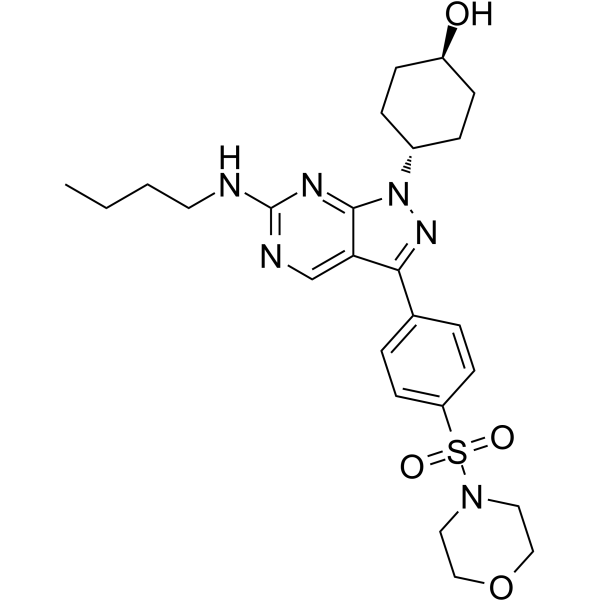
ASM-IN-1 is a potent and orally active acid sphingomyelinase (ASM) inhibitor with an IC50 value of 1.5 µM. ASM-IN-1 reduces lipid plaques in the aortic arch and aorta and reduces plasma ceramide concentration and Ox-LDL levels. ASM-IN-1 shows antiatherosclerotic and anti-inflammatory activity .
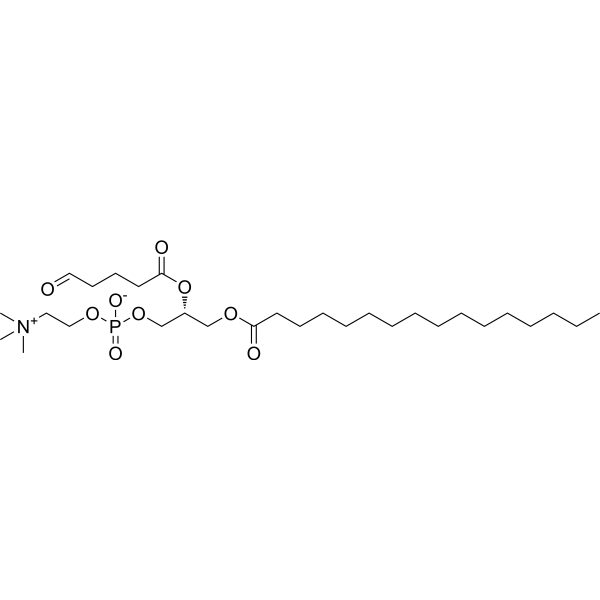
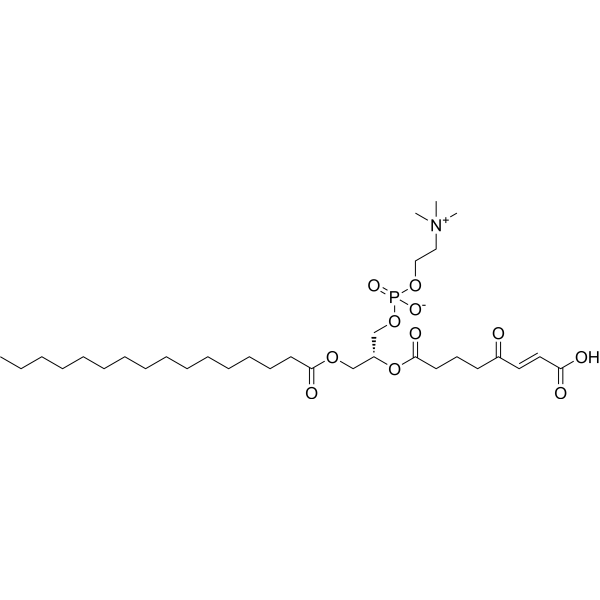
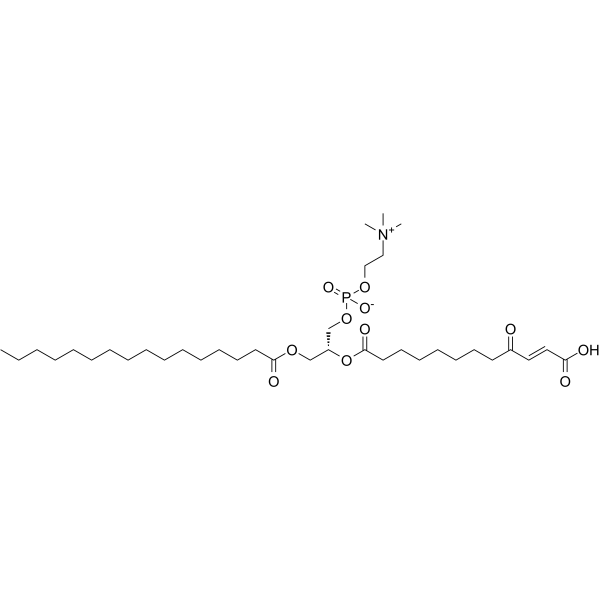
Oxidized low-density lipoprotein (oxLDL) particles contain low molecular weight species that are cytotoxic and proatherogenic. Many of these species were recently isolated and purified from oxLDL and identified as phosphatidylcholine species containing fragmented oxidized short-chain fatty acid residues at the sn-2 position. 1-(Palmitoyl)-2-(5-keto-6-octene-dioyl)phosphatidylcholine or KOdiA-PC is one of the most potent CD36 ligands of the oxLDL species. KOdiA-PC confers CD36 scavenger receptor binding affinity to LDL at a frequency of only 2 to 3 KOdiA-PC molecules/LDL particle and may be one of the more important structural determinants of oxLDL.
The Anti-oxLDL Antibody is a humanized antibody expressed in CHO cells that targets oxLDL. The Anti-oxLDL Antibody has a huIgG1 heavy chain and a huκ light chain, with a predicted molecular weight (MW) of 150 kDa. The isotype control for the Anti-oxLDL Antibody can be referenced as Human IgG1 kappa, Isotype Control (HY-P99001).
UNC1062 is a highly selective tyrosine kinase (MERTK) inhibitor with an IC50 of 1.1 nM (Morrison Ki = 0.33 nM). UNC1062 exhibits good selectivity for the TAM family (TYRO3 IC50 = 60 nM, AXL IC50 = 85 nM). UNC1062 exhibits significant anti-proliferative effects and induces apoptosis in various cancer models (such as melanoma, gastric cancer, and acute myeloid leukemia). UNC1062 inhibits multiple pathways, including MAPK/ERK, PI3K/AKT and JAK/STAT and affects the motility of head and neck squamous cell carcinoma (HNSCC) cells through the RhoA signaling pathway. UNC1062 inhibits macrophage efferocytosis, and it suitable for research on atherosclerosis .
2-Acetamidophenol (Standard) is the analytical standard of 2-Acetamidophenol. This product is intended for research and analytical applications. 2-Acetamidophenol (Orthocetamol) is a regulator that targets ferroptosis and glutathione metabolic pathways, is the ortho-regioisomer of Paracetamol (HY-66005). 2-Acetamidophenol has anti-atherosclerotic activity, and inhibiting total cholesterol (TC) and triglyceride (TG) in a zebrafish hyperlipidemia model with IC50s for 30 μM and 40 μM, respectively. 2-Acetamidophenol upregulates the expression of glutathione synthesis-related genes (such as GCLC, GCLM, GSS) and iron ion transport genes (such as FPN1, FTH), reduces the accumulation of intracellular reactive oxygen species (ROS) and ferrous ions (Fe 2+), and enhances the activity of glutathione peroxidase GPX4, thereby inhibiting macrophage phagocytosis of oxidized low-density lipoprotein (ox-LDL) and foam cell formation .
Oxidized low-density lipoprotein (oxLDL) particles contain low molecular weight species which are cytotoxic and pro-atherogenic. Many of these substances were isolated and purified from oxLDL and identified as phosphatidylcholine species containing a fragmented, oxidized short-chain fatty acid remnant at the sn-2 position. PAz-PC (Azelaoyl PC) is one of the predominant oxLDL species and may be one of the important structural determinants of oxLDL.
2-Acetamidophenol-d3 (Orthocetamol-d3) is the deuterium labeled 2-Acetamidophenol (HY-W015600). 2-Acetamidophenol (Orthocetamol) is a regulator that targets ferroptosis and glutathione metabolic pathways, is the ortho-regioisomer of Paracetamol (HY-66005). 2-Acetamidophenol has anti-atherosclerotic activity, and inhibiting total cholesterol (TC) and triglyceride (TG) in a zebrafish hyperlipidemia model with IC50s for 30 μM and 40 μM, respectively. 2-Acetamidophenol upregulates the expression of glutathione synthesis-related genes (such as GCLC, GCLM, GSS) and iron ion transport genes (such as FPN1, FTH), reduces the accumulation of intracellular reactive oxygen species (ROS) and ferrous ions (Fe2+), and enhances the activity of glutathione peroxidase GPX4, thereby inhibiting macrophage phagocytosis of oxidized low-density lipoprotein (ox-LDL) and foam cell formation .
Paeonolsilate (sodium) can inhibit ox-LDL-induced macrophage foam cell formation and inflammation in atherosclerosis. Paeonolsilate (sodium) inhibits NF-κB activation and oxidative stress response induced by ox-LDL. Paeonolsilate (sodium) can be studied in anti-atherosclerosis research .
Antioxidant agent-5 (compound D-6) is a potent antioxidant agent. Antioxidant agent-5 can inhibit oxLDL (oxidized low-density lipoprotein)-induced apoptosis and the expression of ICAM-1 and VCAM-1 in VECs. Antioxidant agent-5 suppresses oxLDL-induced increase of ROS level and nuclear translocation of NF-κB. Antioxidant agent-5 protects against oxLDL-induced endothelial injury by activating Nrf2/HO-1 anti-oxidation pathway .
Nrf2 activator-9 (compound D-36) is an Nrf2 activator that inhibits oxidized low-density lipoprotein (oxLDL) and high glucose (HG)-induced apoptosis in HUVEC cells. Nrf2 activator-9 inhibits oxLDL and HG-induced vascular endothelial cell (VEC) injury and can effectively prevent and treat atherosclerosis .
Schisanhenol (Standard) (Schizanhenol (Standard)) is the analytical standard of Schisanhenol (HY-N0859). This product is intended for research and analytical applications. Schisanhenol, a lignan, is an orally active antioxidant. Schisanhenol reduces AChE activity, increases SIRT1 and PGC-1α expression, and decreases phosphorylated Tau (Ser 396) levels. Schisanhenol increases SOD and glutathione peroxidase activity, decreases malondialdehyde (MDA) content, and inhibits UGT2B7 activitY. Schisanhenol attenuates ox-LDL-induced apoptosis, intracellular reactive oxygen species generation, and cytotoxicity in endothelial cells. Schisanhenol inhibits LDL oxidation, brain mitochondrial and membrane peroxidative damage, and brain mitochondrial swelling and disintegration. Schisanhenol can be used for the research of Alzheimer’s disease, atherosclerosis, brain ischemia, and age-related brain deterioration.
oxLig-1 (7-Ketocholesteryl-9-carboxynonanoate) is the lipid moiety of oxidized low-density lipoprotein (oxLDL) and is a key ligand for β-glycoprotein I (β(2)-GPI). oxLig-1 causes nuclear translocation by activating the NF-κB pathway. oxLig-1 can be used in the study of atherosclerosis (AS) .
(R)-DRF053 is a CDK inhibitor. (R)-DRF053 inhibits Cdk5 and promotes the formation of ductal precursor β cells. (R)-DRF053 inhibits Dil-ox-LDL uptake and CD36 gene expression induced by advanced glycation end products (AGEs) in U937 cells .
LM9 is a potent, orally active MyD88 inhibitor. LM9 blocks TLR4/MyD88 binding, MyD88 homodimer formation, and TLR4/MyD88/NF-κB signaling pathway activation. LM9 prevents atherosclerosis by regulating inflammatory responses and oxidative stress in macrophages. LM9 efficiently mitigates inflammatory responses and fibrosis in obesity-induced cardiomyopathy. LM9 can be used for fibrosis and atherosclerosis research .
Oxidized low density lipoprotein (mouse) (Mouse ox-LDL) is an oxidized low density lipoprotein (LDL). Oxidized low density lipoprotein (mouse) induces atherosclerosis (AS) by facilitating endothelial dysfunction and accelerating the VSMCs growth and migration. Oxidized low density lipoprotein (mouse) can be used to construct an in vitro model of AS .
Oxidized low-density lipoprotein (oxLDL) particles contain low molecular weight species that are cytotoxic and proatherogenic. Many of these species were recently isolated and purified from oxLDL and identified as phosphatidylcholine species containing fragmented oxidized short-chain fatty acid residues at the sn-2 position. 1-(Palmitoyl)-2-(5-keto-6-octene-dioyl)phosphatidylcholine or KOdiA-PC is one of the most potent CD36 ligands of the oxLDL species. KOdiA-PC confers CD36 scavenger receptor binding affinity to LDL at a frequency of only 2 to 3 KOdiA-PC molecules/LDL particle and may be one of the more important structural determinants of oxLDL.
Orticumab (MLDL1278A) is an antibody targeting to oxidized or malondialdehyde-modified lipoprotein (LDL). Orticumab specifically inhibits oxidized low-density lipoproteins(oxLDL). Orticumab involves in modulation of autoimmune responses against oxLDL, improves atherosclerosis in animal model. Orticumab also can be used for research of psoriasis improvement .
The Anti-oxLDL Antibody is a humanized antibody expressed in CHO cells that targets oxLDL. The Anti-oxLDL Antibody has a huIgG1 heavy chain and a huκ light chain, with a predicted molecular weight (MW) of 150 kDa. The isotype control for the Anti-oxLDL Antibody can be referenced as Human IgG1 kappa, Isotype Control (HY-P99001).
Schisanhenol (Schizanhenol), a lignan, is an orally active antioxidant. Schisanhenol reduces AChE activity, increases SIRT1 and PGC-1α expression, and decreases phosphorylated Tau (Ser 396) levels. Schisanhenol increases SOD and glutathione peroxidase activity, decreases malondialdehyde (MDA) content, and inhibits UGT2B7 activitY. Schisanhenol attenuates ox-LDL-induced apoptosis, intracellular reactive oxygen species generation, and cytotoxicity in endothelial cells. Schisanhenol inhibits LDL oxidation, brain mitochondrial and membrane peroxidative damage, and brain mitochondrial swelling and disintegration. Schisanhenol can be used for the research of Alzheimer’s disease, atherosclerosis, brain ischemia, and age-related brain deterioration .
Schisanhenol (Standard) (Schizanhenol (Standard)) is the analytical standard of Schisanhenol (HY-N0859). This product is intended for research and analytical applications. Schisanhenol, a lignan, is an orally active antioxidant. Schisanhenol reduces AChE activity, increases SIRT1 and PGC-1α expression, and decreases phosphorylated Tau (Ser 396) levels. Schisanhenol increases SOD and glutathione peroxidase activity, decreases malondialdehyde (MDA) content, and inhibits UGT2B7 activitY. Schisanhenol attenuates ox-LDL-induced apoptosis, intracellular reactive oxygen species generation, and cytotoxicity in endothelial cells. Schisanhenol inhibits LDL oxidation, brain mitochondrial and membrane peroxidative damage, and brain mitochondrial swelling and disintegration. Schisanhenol can be used for the research of Alzheimer’s disease, atherosclerosis, brain ischemia, and age-related brain deterioration.
The LOX-1/OLR1 protein is a receptor on vascular endothelial cells that promotes the recognition, internalization, and degradation of oxidatively modified low-density lipoprotein (oxLDL). This process is indicative of atherosclerosis and triggers endothelial cell activation, pro-inflammatory responses, oxidative conditions, and apoptosis. LOX-1/OLR1 Protein, Mouse (HEK293, His) is the recombinant mouse-derived LOX-1/OLR1 protein, expressed by HEK293 , with N-His labeled tag.
The OLR1 protein is a receptor on vascular endothelial cells that plays a key role in the recognition, internalization, and degradation of oxidatively modified low-density lipoprotein (oxLDL). As a marker of atherosclerosis, oxLDL induces activation of vascular endothelial cells, leading to proinflammatory responses, oxidative conditions, and apoptosis. OLR1 Protein, Human (HEK293, His) is the recombinant human-derived OLR1 protein, expressed by HEK293 , with C-6*His labeled tag.
2-Acetamidophenol-d3 (Orthocetamol-d3) is the deuterium labeled 2-Acetamidophenol (HY-W015600). 2-Acetamidophenol (Orthocetamol) is a regulator that targets ferroptosis and glutathione metabolic pathways, is the ortho-regioisomer of Paracetamol (HY-66005). 2-Acetamidophenol has anti-atherosclerotic activity, and inhibiting total cholesterol (TC) and triglyceride (TG) in a zebrafish hyperlipidemia model with IC50s for 30 μM and 40 μM, respectively. 2-Acetamidophenol upregulates the expression of glutathione synthesis-related genes (such as GCLC, GCLM, GSS) and iron ion transport genes (such as FPN1, FTH), reduces the accumulation of intracellular reactive oxygen species (ROS) and ferrous ions (Fe2+), and enhances the activity of glutathione peroxidase GPX4, thereby inhibiting macrophage phagocytosis of oxidized low-density lipoprotein (ox-LDL) and foam cell formation .
Western blot analysis of extracts from THP-1(lane 2(20μg), Jurkat (lane 3(20μg) and NIH3T3(lane 4(20μg) using FOXO1A (HY-P80132) Rabbit mAb. Proteins were transferred
to a PVDF membrane and blocked with 5% non-fat milk in TBST for 2 hour at room temperature. The primary antibody (1/1000) and Loading control antibody (Beta Actin, HY-P80438, 1/10000) was
used in 5% non-fat milk in TBST at 4°C overnight. Goat Anti-Mouse/Rabbit IgG-HRP Secondary Antibody (1/10000) was used for 1 hour at room temperature.
Western blot analysis of extracts from THP-1(lane 2(20μg), Jurkat (lane 3(20μg) and NIH3T3(lane 4(20μg) using FOXO1A (HY-P80132) Rabbit mAb. Proteins were transferred
to a PVDF membrane and blocked with 5% non-fat milk in TBST for 2 hour at room temperature. The primary antibody (1/1000) and Loading control antibody (Beta Actin, HY-P80438, 1/10000) was
used in 5% non-fat milk in TBST at 4°C overnight. Goat Anti-Mouse/Rabbit IgG-HRP Secondary Antibody (1/10000) was used for 1 hour at room temperature.
Western blot analysis of extracts from THP-1(lane 2(20μg), Jurkat (lane 3(20μg) and NIH3T3(lane 4(20μg) using FOXO1A (HY-P80132) Rabbit mAb. Proteins were transferred
to a PVDF membrane and blocked with 5% non-fat milk in TBST for 2 hour at room temperature. The primary antibody (1/1000) and Loading control antibody (Beta Actin, HY-P80438, 1/10000) was
used in 5% non-fat milk in TBST at 4°C overnight. Goat Anti-Mouse/Rabbit IgG-HRP Secondary Antibody (1/10000) was used for 1 hour at room temperature.
Western blot analysis of extracts from THP-1(lane 2(20μg), Jurkat (lane 3(20μg) and NIH3T3(lane 4(20μg) using FOXO1A (HY-P80132) Rabbit mAb. Proteins were transferred
to a PVDF membrane and blocked with 5% non-fat milk in TBST for 2 hour at room temperature. The primary antibody (1/1000) and Loading control antibody (Beta Actin, HY-P80438, 1/10000) was
MedchemExpress Validation 03
Western blot analysis of extracts from THP-1(lane 2(20μg), Jurkat (lane 3(20μg) and NIH3T3(lane 4(20μg) using FOXO1A (HY-P80132) Rabbit mAb. Proteins were transferred
MedchemExpress Validation 04
Western blot analysis of extracts from THP-1(lane 2(20μg), Jurkat (lane 3(20μg) and NIH3T3(lane 4(20μg) using FOXO1A (HY-P80132) Rabbit mAb. Proteins were transferred
to a PVDF membrane and blocked with 5% non-fat milk in TBST for 2 hour at room temperature. The primary antibody (1/1000) and Loading control antibody (Beta Actin, HY-P80438, 1/10000) was
used in 5% non-fat milk in TBST at 4°C overnight. Goat Anti-Mouse/Rabbit IgG-HRP Secondary Antibody (1/10000) was used for 1 hour at room temperature.
MedchemExpress Validation
Western blot analysis of extracts from THP-1(lane 2(20μg), Jurkat (lane 3(20μg) and NIH3T3(lane 4(20μg) using FOXO1A (HY-P80132) Rabbit mAb. Proteins were transferred
to a PVDF membrane and blocked with 5% non-fat milk in TBST for 2 hour at room temperature. The primary antibody (1/1000) and Loading control antibody (Beta Actin, HY-P80438, 1/10000) was
used in 5% non-fat milk in TBST at 4°C overnight. Goat Anti-Mouse/Rabbit IgG-HRP Secondary Antibody (1/10000) was used for 1 hour at room temperature.
Western blot analysis of extracts from THP-1(lane 2(20μg), Jurkat (lane 3(20μg) and NIH3T3(lane 4(20μg) using FOXO1A (HY-P80132) Rabbit mAb. Proteins were transferred
to a PVDF membrane and blocked with 5% non-fat milk in TBST for 2 hour at room temperature. The primary antibody (1/1000) and Loading control antibody (Beta Actin, HY-P80438, 1/10000) was
used in 5% non-fat milk in TBST at 4°C overnight. Goat Anti-Mouse/Rabbit IgG-HRP Secondary Antibody (1/10000) was used for 1 hour at room temperature.
MedchemExpress Validation
Western blot analysis of extracts from THP-1(lane 2(20μg), Jurkat (lane 3(20μg) and NIH3T3(lane 4(20μg) using FOXO1A (HY-P80132) Rabbit mAb. Proteins were transferred
to a PVDF membrane and blocked with 5% non-fat milk in TBST for 2 hour at room temperature. The primary antibody (1/1000) and Loading control antibody (Beta Actin, HY-P80438, 1/10000) was
used in 5% non-fat milk in TBST at 4°C overnight. Goat Anti-Mouse/Rabbit IgG-HRP Secondary Antibody (1/10000) was used for 1 hour at room temperature.
MedchemExpress Validation
Western blot analysis of extracts from THP-1(lane 2(20μg), Jurkat (lane 3(20μg) and NIH3T3(lane 4(20μg) using FOXO1A (HY-P80132) Rabbit mAb. Proteins were transferred
to a PVDF membrane and blocked with 5% non-fat milk in TBST for 2 hour at room temperature. The primary antibody (1/1000) and Loading control antibody (Beta Actin, HY-P80438, 1/10000) was
used in 5% non-fat milk in TBST at 4°C overnight. Goat Anti-Mouse/Rabbit IgG-HRP Secondary Antibody (1/10000) was used for 1 hour at room temperature.
MedchemExpress Validation
Western blot analysis of extracts from THP-1(lane 2(20μg), Jurkat (lane 3(20μg) and NIH3T3(lane 4(20μg) using FOXO1A (HY-P80132) Rabbit mAb. Proteins were transferred
to a PVDF membrane and blocked with 5% non-fat milk in TBST for 2 hour at room temperature. The primary antibody (1/1000) and Loading control antibody (Beta Actin, HY-P80438, 1/10000) was
used in 5% non-fat milk in TBST at 4°C overnight. Goat Anti-Mouse/Rabbit IgG-HRP Secondary Antibody (1/10000) was used for 1 hour at room temperature.
MedchemExpress Validation
Western blot analysis of extracts from THP-1(lane 2(20μg), Jurkat (lane 3(20μg) and NIH3T3(lane 4(20μg) using FOXO1A (HY-P80132) Rabbit mAb. Proteins were transferred
to a PVDF membrane and blocked with 5% non-fat milk in TBST for 2 hour at room temperature. The primary antibody (1/1000) and Loading control antibody (Beta Actin, HY-P80438, 1/10000) was
used in 5% non-fat milk in TBST at 4°C overnight. Goat Anti-Mouse/Rabbit IgG-HRP Secondary Antibody (1/10000) was used for 1 hour at room temperature.
MedchemExpress Validation
Western blot analysis of extracts from THP-1(lane 2(20μg), Jurkat (lane 3(20μg) and NIH3T3(lane 4(20μg) using FOXO1A (HY-P80132) Rabbit mAb. Proteins were transferred
to a PVDF membrane and blocked with 5% non-fat milk in TBST for 2 hour at room temperature. The primary antibody (1/1000) and Loading control antibody (Beta Actin, HY-P80438, 1/10000) was
used in 5% non-fat milk in TBST at 4°C overnight. Goat Anti-Mouse/Rabbit IgG-HRP Secondary Antibody (1/10000) was used for 1 hour at room temperature.
MedchemExpress Validation
Western blot analysis of extracts from THP-1(lane 2(20μg), Jurkat (lane 3(20μg) and NIH3T3(lane 4(20μg) using FOXO1A (HY-P80132) Rabbit mAb. Proteins were transferred
to a PVDF membrane and blocked with 5% non-fat milk in TBST for 2 hour at room temperature. The primary antibody (1/1000) and Loading control antibody (Beta Actin, HY-P80438, 1/10000) was
used in 5% non-fat milk in TBST at 4°C overnight. Goat Anti-Mouse/Rabbit IgG-HRP Secondary Antibody (1/10000) was used for 1 hour at room temperature.
MedChemExpress values your privacy and your trust is important to us. We use cookies to enhance your website experience. Some cookies are necessary to run the website.
Privacy and Cookie Policy