1. Search Result
Search Result
Results for "

B1204

" in MedChemExpress (MCE) Product Catalog:

32

Inhibitors & Agonists

1

Biochemical Assay Reagents

1

Peptides

3

Natural
Products

8

Isotope-Labeled Compounds

Cat. No. Product Name Target Research Areas Chemical Structure
  • HY-B1204
    Histamine
    15+ Cited Publications

    Ergamine

    Histamine Receptor p38 MAPK Akt Reactive Oxygen Species (ROS) Apoptosis Endogenous Metabolite Neurological Disease Inflammation/Immunology Endocrinology Cancer
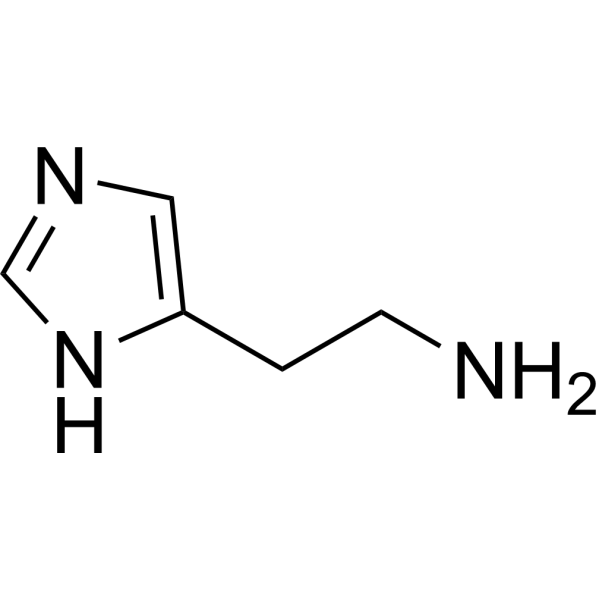
    Histamine is the agonist for histamine receptor and a vasodilator. Histamine is an organic nitrogen compound that participates in local immune responses, regulates intestinal physiological functions, and acts as a neurotransmitter. Histamine affects p38 MAPK/Akt signaling pathway, exhibits antitumor, antioxidant and anti-inflammatory activities. Histamine can be used in the research of acute myeloid leukemia, malignant melanoma, and renal cell carcinoma .
    Histamine
  • HY-B1204S

    Ergamine-α,α,β,β-d4 dihydrochloride

    Histamine Receptor Endogenous Metabolite Neurological Disease Endocrinology Cancer
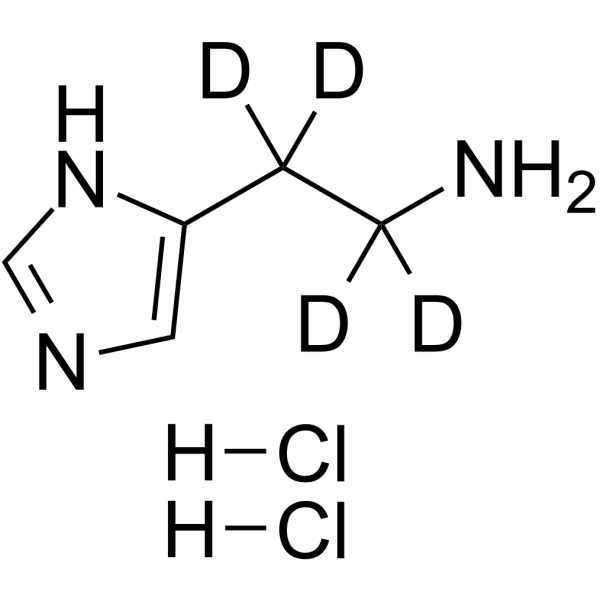
    Histamine-α,α,β,β-d4 (dihydrochloride) is the deuterium labeled Histamine. Histamine is an organic nitrogenous compound involved in local immune responses as well as regulating physiological function in the gut and acting as a neurotransmitter.
    Histamine-α,α,β,β-d4 dihydrochloride
  • HY-B1204R

    Ergamine (Standard)

    Reference Standards Histamine Receptor p38 MAPK Akt Reactive Oxygen Species (ROS) Apoptosis Endogenous Metabolite Neurological Disease Inflammation/Immunology Endocrinology Cancer
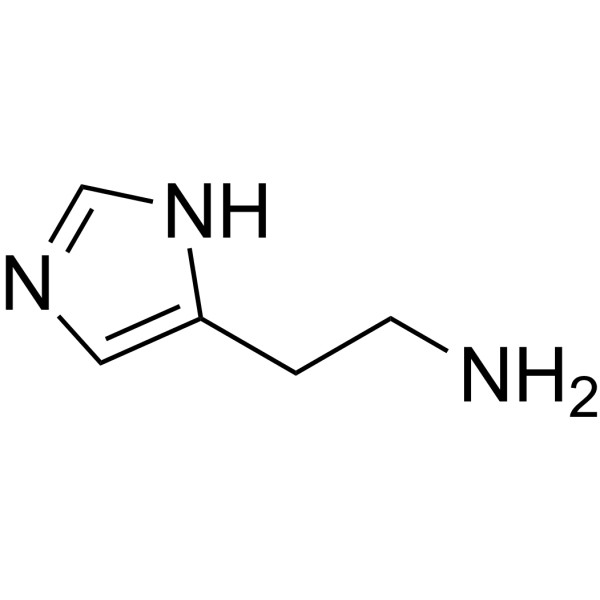
    Histamine (Standard) is the analytical standard of Histamine (HY-B1204). This product is intended for research and analytical applications. Histamine is the agonist for histamine receptor and a vasodilator. Histamine is an organic nitrogen compound that participates in local immune responses, regulates intestinal physiological functions, and acts as a neurotransmitter. Histamine affects p38 MAPK/Akt signaling pathway, exhibits antitumor, antioxidant and anti-inflammatory activities. Histamine can be used in the research of acute myeloid leukemia, malignant melanoma, and renal cell carcinoma .
    Histamine (Standard)
  • HY-B1204S1

    Ergamine-d4

    Isotope-Labeled Compounds Histamine Receptor p38 MAPK Akt Reactive Oxygen Species (ROS) Apoptosis Endogenous Metabolite Neurological Disease Inflammation/Immunology Endocrinology Cancer
    Histamine-d4 (Ergamine-d4) is deuterium labeled Histamine (HY-B1204). Histamine is the agonist for histamine receptor and a vasodilator. Histamine is an organic nitrogen compound that participates in local immune responses, regulates intestinal physiological functions, and acts as a neurotransmitter. Histamine affects p38 MAPK/Akt signaling pathway, exhibits antitumor, antioxidant and anti-inflammatory activities. Histamine can be used in the research of acute myeloid leukemia, malignant melanoma, and renal cell carcinoma .
    Histamine-d4
  • HY-B1204S2

    Ergamine-13C5, 15N3

    Isotope-Labeled Compounds Histamine Receptor p38 MAPK Akt Reactive Oxygen Species (ROS) Apoptosis Endogenous Metabolite Neurological Disease Inflammation/Immunology Endocrinology Cancer
    Histamine- 13C5, 15N3 (Ergamine- 13C5, 15N3) is the 13C and 15N labeled isotope of Histamine (HY-B1204). Histamine is the agonist for histamine receptor and a vasodilator. Histamine is an organic nitrogen compound that participates in local immune responses, regulates intestinal physiological functions, and acts as a neurotransmitter. Histamine affects p38 MAPK/Akt signaling pathway, exhibits antitumor, antioxidant and anti-inflammatory activities. Histamine can be used in the research of acute myeloid leukemia, malignant melanoma, and renal cell carcinoma .
    Histamine-13C5, 15N3
  • HY-B1204S4

    Ergamine-15N3

    Isotope-Labeled Compounds Histamine Receptor p38 MAPK Akt Reactive Oxygen Species (ROS) Apoptosis Endogenous Metabolite Neurological Disease Inflammation/Immunology Endocrinology Cancer
    Histamine- 15N3 is the 15N3-labeled Histamine (HY-B1204). Histamine is the agonist for histamine receptor and a vasodilator. Histamine is an organic nitrogen compound that participates in local immune responses, regulates intestinal physiological functions, and acts as a neurotransmitter. Histamine affects p38 MAPK/Akt signaling pathway, exhibits antitumor, antioxidant and anti-inflammatory activities. Histamine can be used in the research of acute myeloid leukemia, malignant melanoma, and renal cell carcinoma .
    Histamine-15N3
  • HY-B0693
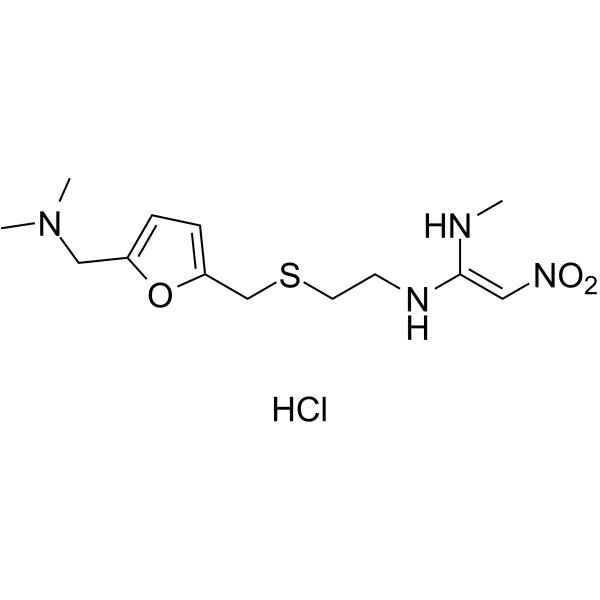
    Ranitidine
    3 Publications Verification

    Histamine Receptor Metabolic Disease Cancer
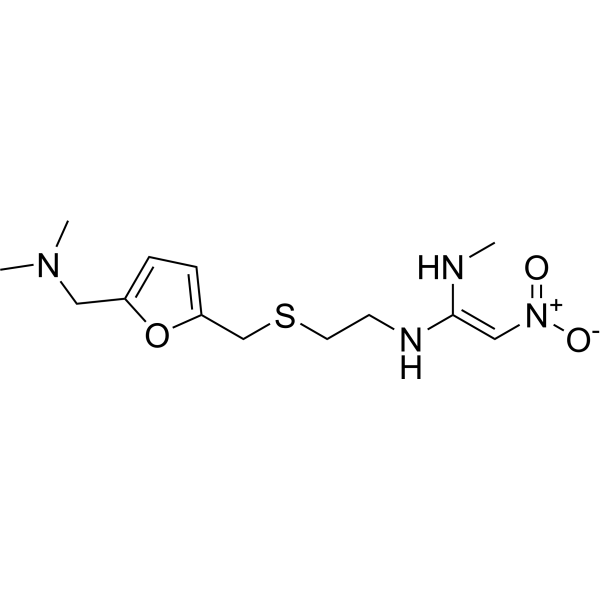
    Ranitidine is a potent, selective and orally active histamine H2-receptor antagonist that inhibits gastric secretion. Ranitidine antagonizes Histamine (HY-B1204)-induced increases of the guinea-pig isolated rat atrium and Histamine-induced relaxations of the rat isolated uterine horn, with pA2 values of 7.2 and 6.95, respectively. Ranitidine inhibits breast tumor development and spread in mice .
    Ranitidine
  • HY-B0281A
    Ranitidine hydrochloride
    3 Publications Verification

    Histamine Receptor Metabolic Disease Cancer
    Ranitidine hydrochloride is a potent, selective and orally active histamine H2-receptor antagonist that inhibits gastric secretion. Ranitidine hydrochloride antagonizes Histamine (HY-B1204)-induced increases of the guinea-pig isolated rat atrium and Histamine-induced relaxations of the rat isolated uterine horn, with pA2 values of 7.2 and 6.95, respectively. Ranitidine hydrochloride inhibits breast tumor development and spread in mice .
    Ranitidine hydrochloride
  • HY-141582

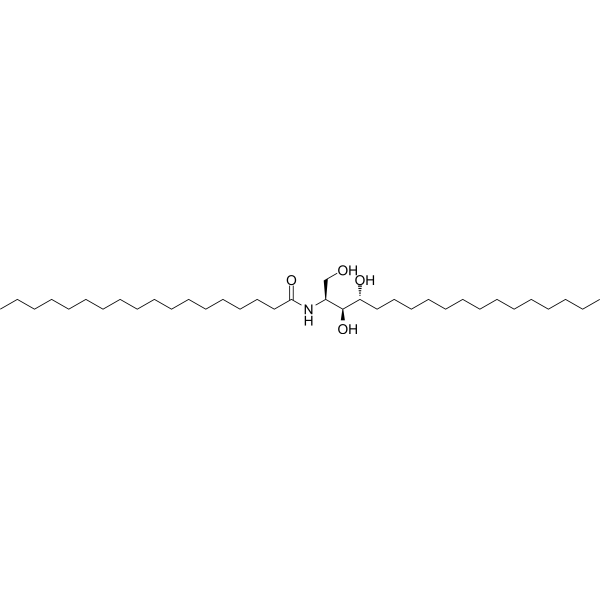
    N-Stearoyl phytosphingosine

    JNK NF-κB Interleukin Related TNF Receptor Inflammation/Immunology
    Ceramide 3 (N-Stearoyl phytosphingosine) is an orally active major component of intercellular lipids in the stratum corneum of the skin, and belongs to the ceramide family. Ceramide 3 inhibits c-jun and NF-κB activation induced by Histamine (HY-B1204), and suppresses the expression of IL-4 and TNF-α. Ceramide 3 inhibits scratching behavior and vascular permeability in mice, and exhibits antihistamine effects in guinea pig ileum. Ceramide 3 improves skin barrier function, reduces transepidermal water loss, erythema and the number of circulating epidermal cells, and accelerates barrier repair of irritated or dysfunctional skin .
    Ceramide 3
  • HY-Y0047

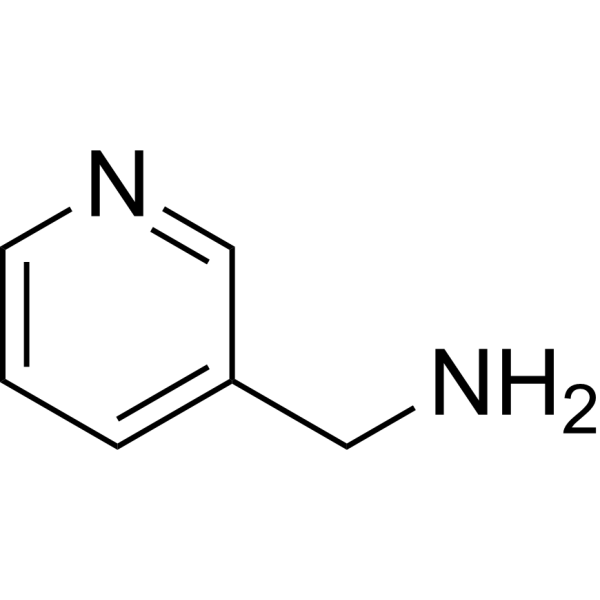
    Picolamine; 3-Pyridinemethanamine; Pyridin-3-ylmethanamine

    Biochemical Assay Reagents Inflammation/Immunology
    3-Picolylamine is a primary amine compound containing a pyridine ring structure. 3-Picolylamine inhibits histaminase (diamine oxidase) activity in pig kidneys. 3-Picolylamine significantly enhances the contractile response of isolated guinea pig ileum to Histamine (HY-B1204). 3-Picolylamine can be used to study histamine-related physiological mechanisms or allergic diseases (such as histamine-mediated inflammatory responses) .
    3-Picolylamine
  • HY-N3320

    Others Neurological Disease
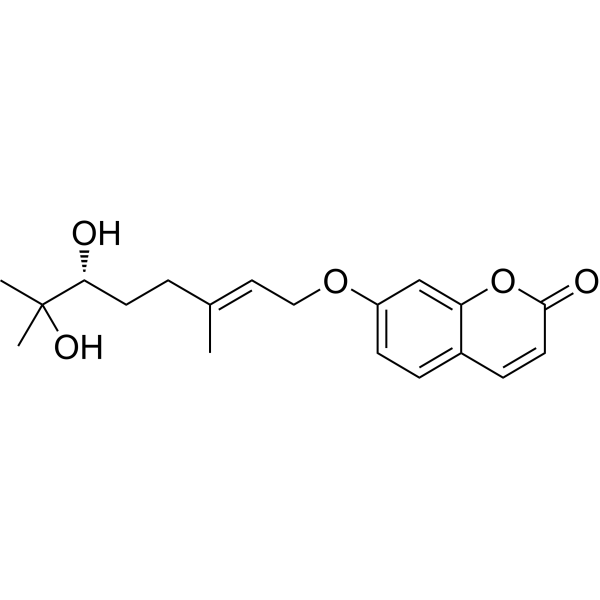
    Marmin is a coumarin, that can be isolated from the immature bark of Aegle marmelos Correa. Marmin antagonizes the Histamine (HY-B1204)-induced contraction in competitive manner .
    Marmin
  • HY-W021450A

    Biochemical Assay Reagents Neurological Disease
    DL-Fluorocitric acid barium is a glial cell metabolic inhibitor. DL-Fluorocitric acid barium inhibits mechanical hyperalgesia induced by subcutaneous injection of complete Freund's adjuvant in rats. DL-Fluorocitric acid barium inhibits nociceptive behaviors induced by Histamine (HY-B1204) in mice and blocks the phosphorylation of the NMDA receptor NR1 subunit in the lumbar spinal cord of mice. DL-Fluorocitric acid (barium) can be used in the research of mechanical hyperalgesia and nociceptive pain .
    DL-Fluorocitric acid barium
  • HY-W060470

    Histamine Receptor Neurological Disease
    1-Methyl-4-imidazoleacetic acid hydrochloride is a stable metabolite of Histamine (HY-B1204) that is produced by the oxidation of the primary metabolite, N-methylhistamine .
    1-Methyl-4-imidazoleacetic acid hydrochloride
  • HY-B0693A

    Histamine Receptor SARS-CoV Bacterial Infection Metabolic Disease Cancer
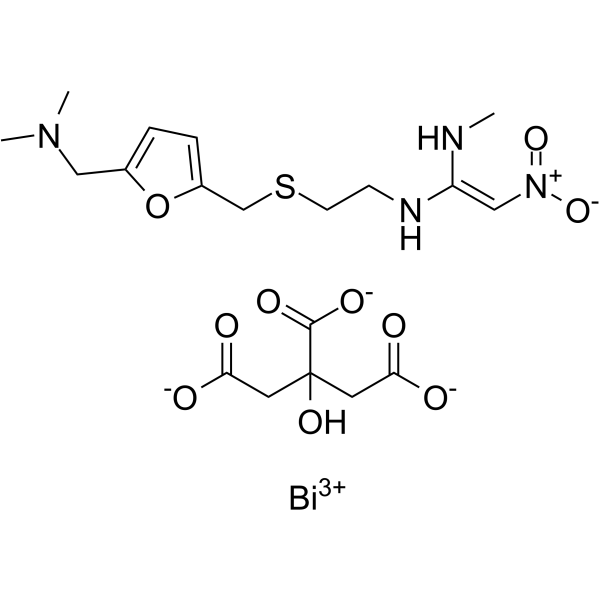
    Ranitidine bismuth citrate is a potent, selective and orally active histamine H2-receptor antagonist that inhibits gastric secretion. Ranitidine bismuth citrate antagonizes Histamine (HY-B1204)-induced increases of the guinea-pig isolated rat atrium and Histamine-induced relaxations of the rat isolated uterine horn, with pA2 values of 7.2 and 6.95, respectively. Ranitidine bismuth citrate has selectivity for SARS-CoV-2-infected cells. Ranitidine bismuth citrate also has anti-Helicobacter pylori infection. Ranitidine bismuth citrate inhibits breast tumor development and spread in mice .
    Ranitidine bismuth citrate
  • HY-141582S

    N-Stearoyl phytosphingosine-d3

    Isotope-Labeled Compounds Interleukin Related TNF Receptor NF-κB JNK Inflammation/Immunology
    Ceramide 3-d3 (N-Stearoyl phytosphingosine-d3) is deuterium labeled Ceramide 3. Ceramide 3 is an orally active major component of intercellular lipids in the stratum corneum of the skin, and belongs to the ceramide family. Ceramide 3 inhibits c-jun and NF-κB activation induced by Histamine (HY-B1204), and suppresses the expression of IL-4 and TNF-α. Ceramide 3 inhibits scratching behavior and vascular permeability in mice, and exhibits antihistamine effects in guinea pig ileum. Ceramide 3 improves skin barrier function, reduces transepidermal water loss, erythema and the number of circulating epidermal cells, and accelerates barrier repair of irritated or dysfunctional skin.
    Ceramide 3-d3
  • HY-106870

    Histamine Receptor Inflammation/Immunology
    Pibaxizine is an orally active anti-inflammatory agent. Pibaxizine shows antagonist effect on the Histamine (HY-B1204) induced bronchoconstriction. Pibaxizine can be used for the researches of inflammation and immunology, such as asthma .
    Pibaxizine
  • HY-148533

    mAChR Adrenergic Receptor Neurological Disease
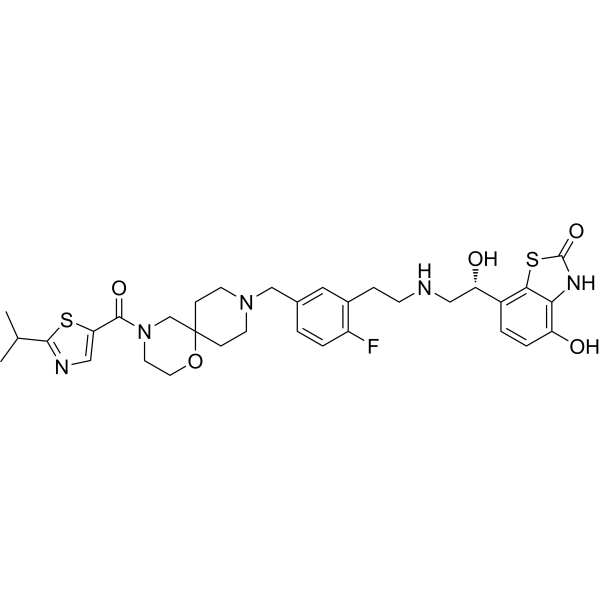
    β2AR agonist /M-receptor antagonist-1 is a potent dual muscarinic antagonist/beta 2 agonist (MABA). β2AR agonist /M-receptor antagonist-1 potently relaxes either Carbachol?(HY-B1208)-induced contraction, in the absence (MABA) or presence of Propranolol?(HY-B1208), or Histamine(HY-B1204)-induced contraction (β2) .
    β2AR agonist /M-receptor antagonist-1
  • HY-105505

    Phosphodiesterase (PDE) Histamine Receptor Inflammation/Immunology
    KF-17625 is an orally active bronchodilator. KF-17625 can inhibit bronchoconstriction induced by Carbachol (HY-B1208), Histamine (HY-B1204), or Leukotriene D4 (HY-113456). KF-17625 can inhibit canine tracheal phosphodiesterase (PDE) IV (IC50 = 12 μM) and Concanavalin-A (HY-P2149)-induced histamine release from rat mast cells (44% inhibition at 10 mM). KF-17625 can be used for the researches of immunology and inflammation .
    KF-17625
  • HY-P10619

    Neurokinin Receptor Inflammation/Immunology
    [Tyr6,D-Phe7,D-His9]-Substance P (6-11) is a tachykinin NK1 receptor antagonist that antagonizes Histamine (HY-B1204) induced hyperalgesia .
    [Tyr6,D-Phe7,D-His9]-Substance P (6-11)
  • HY-13936R

    1-Methylimidazole-4-acetic acid (Standard)

    Reference Standards Endogenous Metabolite Others
    1-Methylimidazoleacetic acid (1-Methylimidazole-4-acetic acid) (Standard) is the analytical standard of 1-Methylimidazoleacetic acid. This product is intended for research and analytical applications. 1-Methylimidazoleacetic acid is a Histamine (HY-B1204) metabolite. 1-Methylimidazoleacetic acid serves as a biomarker for the detection of mastocytosis .
    1-Methylimidazoleacetic acid (Standard)
  • HY-13936S

    1-Methylimidazole-4-acetic acid-d3

    Isotope-Labeled Compounds Endogenous Metabolite Others
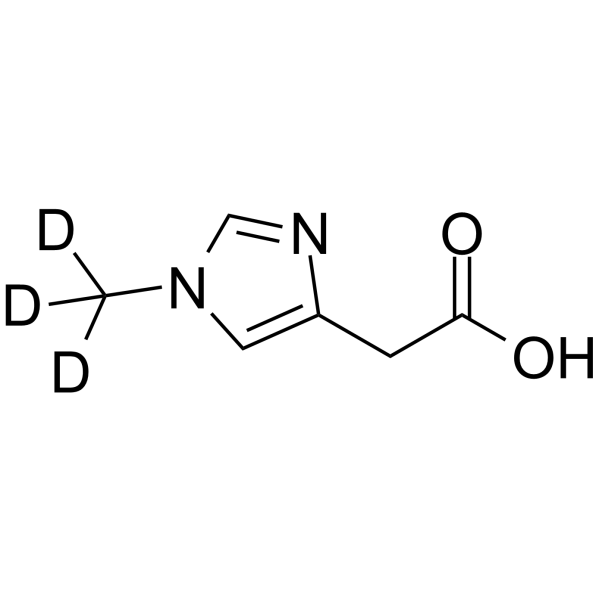
    1-Methylimidazoleacetic acid (1-Methylimidazole-4-acetic acid)-d3 is deuterium labeled 1-Methylimidazoleacetic acid (HY-13936). 1-Methylimidazoleacetic acid is a Histamine (HY-B1204) metabolite. 1-Methylimidazoleacetic acid serves as a biomarker for the detection of mastocytosis .
    1-Methylimidazoleacetic acid-d3
  • HY-19641

    Biochemical Assay Reagents Prostaglandin Receptor Others
    AH13205 is a selective prostanoid EP2-receptor agonist. AH13205 causes concentration-related relaxations of Carbachol (HY-B1208)-contracted trachea. AH13205 causes dose-related protection against Histamine (HY-B1204)-induced increases in respiratory rate .
    AH13205
  • HY-123421

    Histamine Receptor Metabolic Disease
    UK-9040, a derivative of the antihistamine Triprolidine (HY-B1808), is an orally active inhibitor of gastric secretory. UK-9040 reduces gastric acid, pepsin, and volume output in response to food, Insulin (HY-P0035), Histamine (HY-B1204), N-methyl histamine, and Pentagastrin (HY-A0261) .
    UK-9040
  • HY-125050

    Phosphodiesterase (PDE) Inflammation/Immunology
    KCA-1490 is a dual PDE3/4 inhibitor with IC50 values of 369 nM and 42 nM, respectively. KCA-1490 exhibits potent bronchodilatory and anti-inflammatory activity. KCA-1490 suppresses Histamine (HY-B1204)-induced bronchoconstriction in vivo, which is promising for research of asthma and chronic obstructive pulmonary disease (COPD) .
    KCA-1490
  • HY-19244

    Potassium Channel Cardiovascular Disease
    JTV-506 is a potent ATP-sensitive potassium channel opener. JTV-506 inhibits Histamine (HY-B1204)-induced contraction of tracheal smooth muscle by activation of KATP channels. JTV-506 attenuates pulmonary vascular tone through its direct action on vascular smooth muscle cells. JTV-506 can be used for pulmonary hypertension research .
    JTV-506
  • HY-153219A

    Potassium Channel Endocrinology
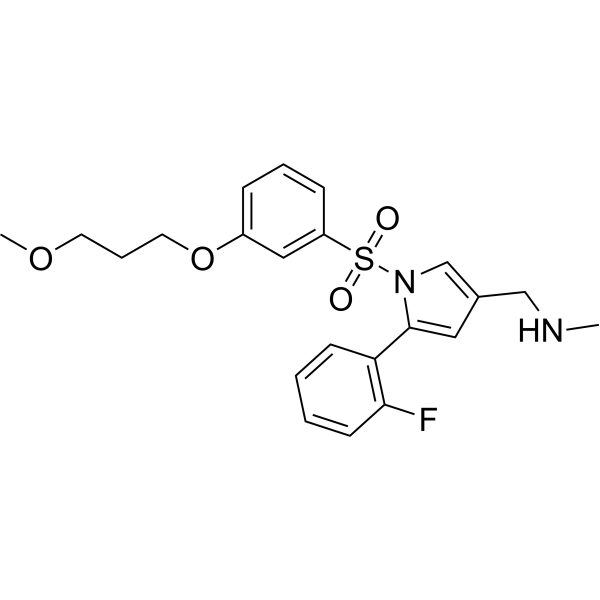
    P-CAB agent 2 is a potent and orally active potassium-competitive acid blocker and a gastric acid secretion inhibitor. P-CAB agent 2 inhibits H +/K +-ATPase activity with an IC50 value of <100 nM. P-CAB agent 2 inhibits the hERG potassium channel with an IC50 value of 18.69 M. P-CAB agent 2 shows no acute toxicity and inhibits histamine (HY-B1204)-induced gastric acid secretion .
    P-CAB agent 2
  • HY-153219

    Potassium Channel Endocrinology
    P-CAB agent 2 hydrochloride is a potent and orally active potassium-competitive acid blocker and a gastric acid secretion inhibitor. P-CAB agent 2 hydrochloride inhibits H +/K +-ATPase activity with an IC50 value of <100 nM. P-CAB agent 2 hydrochloride inhibits the hERG potassium channel with an IC50 value of 18.69 M. P-CAB agent 2 hydrochloride shows no acute toxicity and inhibits histamine (HY-B1204)-induced gastric acid secretion .
    P-CAB agent 2 hydrochloride
  • HY-B0281AS

    Isotope-Labeled Compounds Histamine Receptor Metabolic Disease Cancer
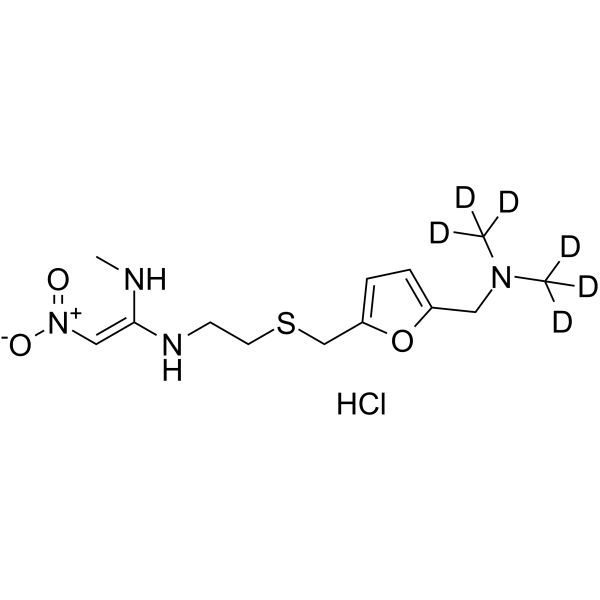
    Ranitidine-d6 hydrochloride is the deuterium labeled Ranitidine hydrochloride (HY-B0281A) . Ranitidine hydrochloride is a potent, selective and orally active histamine H2-receptor antagonist that inhibits gastric secretion. Ranitidine hydrochloride antagonizes Histamine (HY-B1204)-induced increases of the guinea-pig isolated rat atrium and Histamine-induced relaxations of the rat isolated uterine horn, with pA2 values of 7.2 and 6.95, respectively. Ranitidine hydrochloride inhibits breast tumor development and spread in mice .
    Ranitidine-d6 hydrochloride
  • HY-B0693S

    Isotope-Labeled Compounds Histamine Receptor Cancer
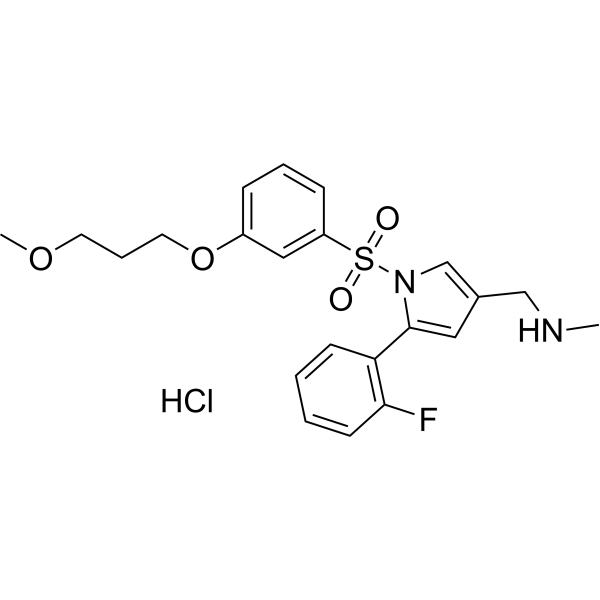
    Ranitidine-d6 is the deuterium labeled Ranitidine (HY-B0693). Ranitidine is a potent, selective and orally active histamine H2-receptor antagonist that inhibits gastric secretion. Ranitidine antagonizes Histamine (HY-B1204)-induced increases of the guinea-pig isolated rat atrium and Histamine-induced relaxations of the rat isolated uterine horn, with pA2 values of 7.2 and 6.95, respectively. Ranitidine inhibits breast tumor development and spread in mice .
    Ranitidine-d6
  • HY-B0281AR

    Reference Standards Histamine Receptor Metabolic Disease Cancer
    Ranitidine hydrochloride (Standard) is the analytical standard of Ranitidine hydrochloride (HY-B0281A). This product is intended for research and analytical applications. Ranitidine hydrochloride is a potent, selective and orally active histamine H2-receptor antagonist that inhibits gastric secretion. Ranitidine hydrochloride antagonizes Histamine (HY-B1204)-induced increases of the guinea-pig isolated rat atrium and Histamine-induced relaxations of the rat isolated uterine horn, with pA2 values of 7.2 and 6.95, respectively. Ranitidine hydrochloride inhibits breast tumor development and spread in mice.
    Ranitidine hydrochloride (Standard)
  • HY-19055

    Drug Derivative Inflammation/Immunology
    FK-613 is an orally active antiallergic agent. FK-613 can inhibit the intradermal Histamine (HY-B1204)-induced skin reaction .
    FK-613
  • HY-106074

    MDL 646

    Drug Derivative Inflammation/Immunology
    Mexiprostil (MDL 646) is an orally active gastric protectant, being a synthetic analogue of Prostaglandin E1 (HY-B0131). Mexiprostil exhibits significant inhibition of gastric acid secretion caused by Histamine (HY-B1204) and Bethanechol (HY-B0406) in rats, dogs, and cats. Mexiprostil can also inhibit the increase in gastric acid secretion caused by Pentagastrin (HY-A0261) in cats, while it does not have this effect in dogs and rats. Mexiprostil does not cause pregnancy termination. Mexiprostil can be used for research on gastric ulcers .
    Mexiprostil

Inquiry Online

Your information is safe with us. * Required Fields.

Salutation


Country or Region *

Applicant Name *


Organization Name *

Department *


Email Address *


Product Name *

Cat. No.


Requested quantity *

Phone Number *


Remarks

Inquiry Online

Inquiry Information

Product Name:
Cat. No.:
Quantity:
MCE Japan Authorized Agent: