Search Result
Results for "
Carbon_dioxide
" in MedChemExpress (MCE) Product Catalog:
15
Biochemical Assay Reagents
| Cat. No. |
Product Name |
Target |
Research Areas |
Chemical Structure |
-
- HY-P2995
-
|
|
Biochemical Assay Reagents
Heme Oxygenase (HO)
|
Others
|
|
Hemoglobin is a iron-containing protein in red blood cells with oxygen binding properties. Hemoglobin is an inducer of HO-1. Hemoglobin consits of heme, which binds to oxygen. Hemoglobin also transports other gases, such as carbon dioxide, nitric oxide, hydrogen sulfide and sulfide. Hemoglobin absorbs unneeded oxygen in tissues, as an antioxidant .
|
-

-
- HY-D0227
-
THAM
1 Publications Verification
Tris; Tris(hydroxymethyl)aminomethane
|
Biochemical Assay Reagents
|
Metabolic Disease
|
|
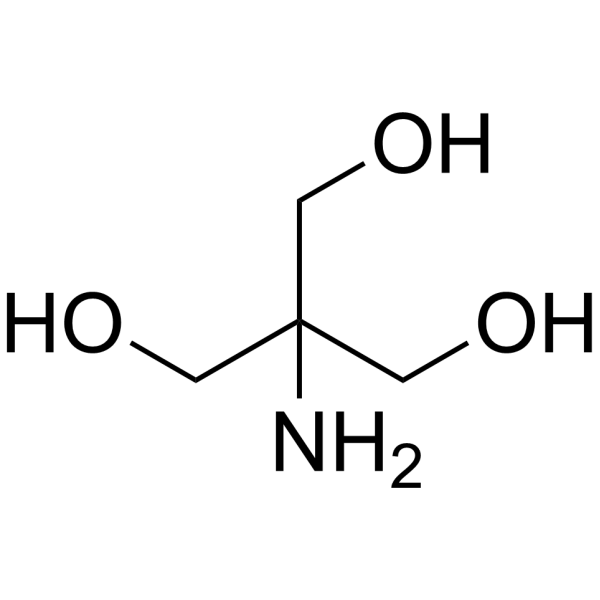
THAM (Tris) is a low-toxicity amino alcohol buffer, a specific CO2-consuming proton acceptor that buffers carbon dioxide and acid both in vitro and in vivo. THAM binds protons to form bicarbonate, reduces PaCO2, and induces intracellular alkalization, thereby ameliorating hypercapnia-induced elevation of pulmonary blood vessels and pulmonary arterial pressure. THAM may cause PaCO2 rebound, hypoglycemia, and respiratory depression. THAM removes amniotic epithelium and preserves the basement membrane, but depletes extracellular matrix and reduces the adhesion rate of limbal epithelial cells. THAM can act as a CO2 carrier to enhance the productivity and carbon utilization rate of Scenedesmus obliquus. THAM is a key component of buffer solutions used in various biological, cell culture, biochemical, and molecular biology applications .
|
-
-
- HY-D0227A
-
|
Tris HCl; Tris(hydroxymethyl)aminomethane hydrochloride
|
Biochemical Assay Reagents
|
Metabolic Disease
Cancer
|
|
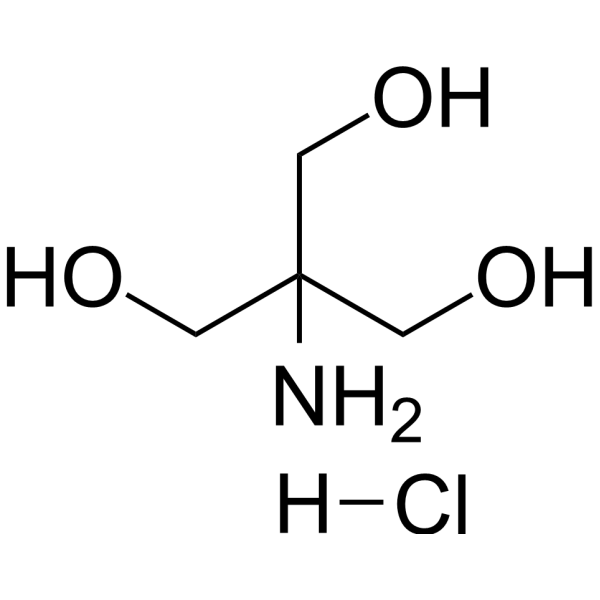
THAM hydrochloride (Tris HCl) is a biologically inert amino alcohol of low toxicity, which buffers carbon dioxide and acids in vitro and in vivo. THAM hydrochloride is an effective amine compound for pH control in the physiological range .
|
-
-
- HY-P2907
-
|
|
Endogenous Metabolite
|
Others
|
|
Formate dehydrogenase is a class of oxidoreductases widely distributed in bacteria, fungi, plants and animals. Formate dehydrogenase catalyzes the reversible conversion between formic acid and carbon dioxide, accompanied by redox reactions of the coenzyme NAD +/NADH or other electron carriers .
|
-
-
- HY-P2767
-
|
|
Bacterial
|
Others
|
|
Urease, Jack bean is derived from jack bean and Catalyzes hydrolysis of urea to carbon dioxide and ammonia. Urease, Jack bean is useful in the determination of urea in body fluids.
|
-

-
- HY-W088065
-
|
|
Environmental Pollutants
DNA/RNA Synthesis
|
Others
|
Sodium formate acts as a key promoter for heterogeneous nucleation of ZIF crystals and thin film synthesis. It is also recognized as a GRAS substance by the FDA, and serves as a cosmetic preservative and food additive. Sodium formate has low acute oral toxicity (acute oral LD50=7410 mg/kg and acute intravenous LD50=807 mg/kg in mice), with no heritable or carcinogenic effects, but exhibits embryonic developmental toxicity and teratogenicity at high concentrations. Sodium formate may cause moderate irritation to rabbit eyes, is relatively safe to the skin, and does not induce tumor formation in rats in vivo. Sodium formate is rapidly absorbed and oxidized to carbon dioxide in vivo, and forms DNA adducts in specific metabolic deficiency models or upon high-dose exposure .
|
-

-
- HY-P1775
-
|
EC 4.2.1.1
|
Carbonic Anhydrase
|
Neurological Disease
Metabolic Disease
Cancer
|
Carbonic anhydrase, Bovine erythrocytes (EC 4.2.1.1) is ubiquitous zinc-containing metalloenzyme present in prokaryotes and eukaryotes. Carbonic anhydrase can catalyze reversible conversion of carbon dioxide to bicarbonate and protons. Carbonic anhydrase can be used for the research of cancer, glaucoma, obesity and epilepsy .
|
-
-
- HY-W035903
-
|
2-Aminoethanol hydrochloride
|
Biochemical Assay Reagents
|
Others
|
|
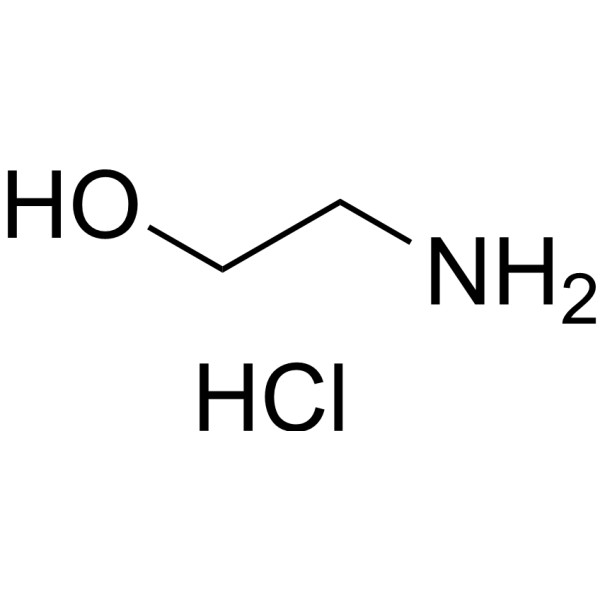
Ethanolamine hydrochloride, is an organic compound used in various industrial applications. It is a white or colorless solid that is soluble in water and has a faint odor. One of the major uses of Ethanolamine hydrochloride is in the production of detergents and surfactants. Used as a raw material in the manufacture of compounds such as ethylenediaminetetraacetic acid (EDTA) and diethanolamine, which are commonly used in household and industrial cleaning products. Ethanolamine hydrochloride is also used in the synthesis of pharmaceuticals, agrochemicals and rubber processing agents. It acts as a buffer in certain chemical reactions, helping to adjust pH and maintain stability. Ethanolamine hydrochloride can be used for gas purification and metal corrosion inhibitor. Its ability to react with acid gases such as carbon dioxide and sulfur dioxide makes it useful for removing impurities from natural gas and other industrial gases. Overall, Ethanolamine hydrochloride is a multifunctional compound with many potential industrial applications. Its ability to act as a buffer, chelating agent, and corrosion inhibitor makes it an important tool in a variety of industries.
|
-
-
- HY-W013027
-
-
-
- HY-141466
-
|
|
Endogenous Metabolite
Histone Acetyltransferase
|
Infection
Metabolic Disease
Inflammation/Immunology
|
|
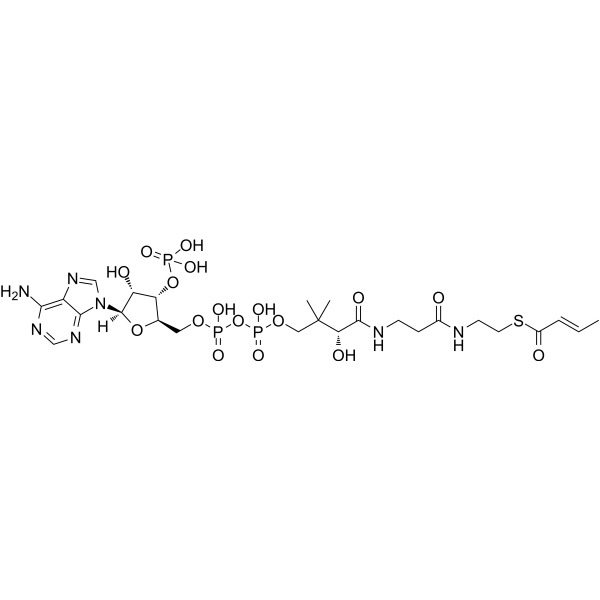
Crotonyl-CoA, a high-energy acyl donor, is an intermediate in the fermentation of butyric acid, and in the metabolism of lysine and tryptophan. Crotonyl-CoA is important in the metabolism of fatty acids and amino acids. Crotonyl-CoA acts as a substrate for p300’s histone crotonyltransferase activity, competing with acetyl-CoA for p300-mediated histone acylation reactions. Crotonyl-CoA regulates global and gene-specific histone crotonylation levels in cells, with cellular concentration changes altering histone crotonylation at regulatory elements of activated genes. Crotonyl-CoA serves as the substrate for crotonyl-CoA reductase/carboxylase (CCRC)-catalyzed NADPH-mediated reduction and carbon dioxide trapping to form unusual alkylmalonyl-CoA polyketide synthase extender units. Crotonyl-CoA can be used for the research of LPS-induced inflammatory response .
|
-
-
- HY-141466A
-
|
|
Endogenous Metabolite
Histone Acetyltransferase
|
Infection
Metabolic Disease
Inflammation/Immunology
|
|
Crotonyl-CoA tetrasodium, a high-energy acyl donor, is an intermediate in the fermentation of butyric acid, and in the metabolism of lysine and tryptophan. Crotonyl-CoA tetrasodium is important in the metabolism of fatty acids and amino acids. Crotonyl-CoA tetrasodium acts as a substrate for p300’s histone crotonyltransferase activity, competing with acetyl-CoA for p300-mediated histone acylation reactions. Crotonyl-CoA tetrasodium regulates global and gene-specific histone crotonylation levels in cells, with cellular concentration changes altering histone crotonylation at regulatory elements of activated genes. Crotonyl-CoA tetrasodium serves as the substrate for crotonyl-CoA reductase/carboxylase (CCRC)-catalyzed NADPH-mediated reduction and carbon dioxide trapping to form unusual alkylmalonyl-CoA polyketide synthase extender units. Crotonyl-CoA tetrasodium can be used for the research of LPS-induced inflammatory response .
|
-

-
- HY-W540000
-
|
|
Biochemical Assay Reagents
|
Others
|
|
Graphitic carbon nitride is a metal-free photocatalyst with a semiconductor absorption wavelength of 460 nm. Graphitic carbon nitride can be applied to photocatalytic water splitting, degradation of organic pollutants, and carbon dioxide reduction .
|
-

-
- HY-W393372
-
-

-
- HY-E70385
-
|
|
Endogenous Metabolite
|
Others
|
|
Oxalate Oxidase, or oxalate oxidase, catalyzes the oxidation of oxalic acid to hydrogen peroxide and carbon dioxide in the presence of oxygen. Oxalate Oxidase can be found in a variety of plants (such as barley) and microorganisms and can be used to treat wastewater and filtrates containing oxalic acid .
|
-

-
- HY-P1775A
-
|
|
Carbonic Anhydrase
|
Neurological Disease
Metabolic Disease
Cancer
|
|
Carbonic anhydrase isoenzyme is the isoenzyme of Carbonic anhydrase (HY-P1775). Carbonic anhydrase isoenzyme is ubiquitous zinc-containing metalloenzyme present in prokaryotes and eukaryotes. Carbonic anhydrase isoenzyme catalyzes reversible conversion of carbon dioxide to bicarbonate and protons, and can be used for the research of cancer, glaucoma, obesity and epilepsy .
|
-

-
- HY-D0227J
-
|
Tris HCl (≥99%, for cell culture); Tris hydrochloride (≥99%, for cell culture)
|
Biochemical Assay Reagents
|
Metabolic Disease
|
|
THAM hydrochloride (≥99%, for cell culture) is a low-toxicity amino alcohol buffer, a specific CO2-consuming proton acceptor that buffers carbon dioxide and acid both in vitro and in vivo. THAM hydrochloride (≥99%, for cell culture) binds protons to form bicarbonate, reduces PaCO2, and induces intracellular alkalization, thereby ameliorating hypercapnia-induced elevation of pulmonary blood vessels and pulmonary arterial pressure. THAM hydrochloride (≥99%, for cell culture) may cause PaCO2 rebound, hypoglycemia, and respiratory depression. THAM hydrochloride (≥99%, for cell culture) removes amniotic epithelium and preserves the basement membrane, but depletes extracellular matrix and reduces the adhesion rate of limbal epithelial cells. THAM hydrochloride (≥99%, for cell culture) can act as a CO2 carrier to enhance the productivity and carbon utilization rate of Scenedesmus obliquus. THAM hydrochloride (≥99%, for cell culture) is a key component of buffer solutions used in various biological, cell culture, biochemical, and molecular biology applications .
|
-

-
- HY-P2891
-
|
PoxB
|
Pyruvate Oxidase
|
Others
|
|
Pyruvate Oxidase, Microorganisms (PoxB) is a thiamine pyrophosphate-dependent oxidase that catalyzes the oxidative decarboxylation of pyruvate to acetyl phosphate, carbon dioxide and water. Pyruvate oxidase is an important enzyme in bacterial metabolism and is often used in biochemical research .
|
-

-
- HY-E70015
-
|
PEPC
|
Others
|
Others
|
|
Phosphoenolpyruvate carboxylase, Microorganism (PEPC) is a carbon dioxide fixing enzyme that in an irreversible manner and in the presence of Mg 2+, converts phosphoenolpyruvate and bicarbonate into oxaloacetate and inorganic phosphorus. Phosphoenolpyruvate carboxylase catalyses the primary assimilation of CO(2) in Crassulacean acid metabolism plants. Phosphoenolpyruvate carboxylase plays a major role in setting the day-night pattern of metabolism in plants .
|
-
-
- HY-B1713A
-
|
DL-(±)-Ornithine hydrochloride
|
Endogenous Metabolite
|
Metabolic Disease
|
|
DL-Ornithine (DL-(±)-Ornithine) hydrochloride is an amino acid and also a urea cycle promoter. DL-Ornithine hydrochloride has the characteristics of low metabolic rate and rapid excretion, and only the L-enantiomer undergoes decarboxylation. In mice inoculated with L-1210 leukemia cells, DL-Ornithine hydrochloride is excreted in urine in its original form, and its conversion to carbon dioxide within 24 h is negligible. DL-Ornithine hydrochloride is mainly used in the urea cycle to eliminate excess nitrogen in the body and protect the kidneys .
|
-

-
- HY-W157376
-
|
|
Bacterial
Antibiotic
Drug Intermediate
|
Infection
Cancer
|
|
PAMAM Dendrimer G0.0 amine is a pore-forming channel antagonist, including anthrax toxin protective antigen 63 (PA63, IC50 = 231 nM) and C. botulinum C2 toxin subunit (C2IIa, IC50 = 940 nM). At concentrations of 10 and 20 µM, PAMAM Dendrimer G0.0 amine reduces C2 toxin-induced death in HeLa cells. Additionally, PAMAM Dendrimer G0.0 amine is a chelator of nickel. In complexes with polysulfone membrane-bound chitosan, PAMAM Dendrimer G0.0 amine selectively captures and stores carbon dioxide (CO2) in a gas-feed system. PAMAM Dendrimer G0.0 amine has been used in the synthesis of PAMAM Dendrimer G0.5 Carboxylate (CAS 339334-01-9) and PAMAM Dendrimer G1.0 Amine (CAS 142986-44-5). PAMAM Dendrimer G0.0 amine can be used in research related to infections, cancer, and drug delivery systems .
|
-

-
- HY-W004297
-
|
|
Drug Intermediate
|
Others
|
|
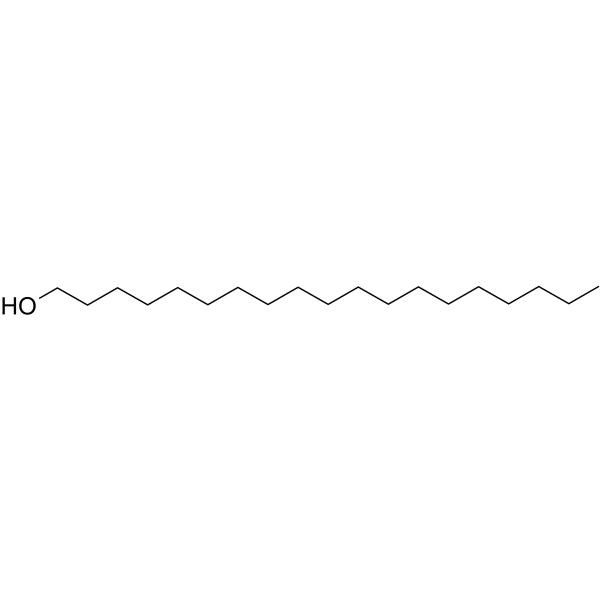
1-Nonadecanol is one of the compositions of supercritical carbon dioxide (SC-CO2) essential oil of Heracleum thomsonii. 1-Nonadecanol is also an important aroma compound in Neotinea ustulata .
|
-
-
- HY-P2995B
-
|
|
Biochemical Assay Reagents
Heme Oxygenase (HO)
|
Others
|
|
Mouse Hemoglobin is a hemoglobin derived from mouse. Hemoglobin is a iron-containing protein in red blood cells with oxygen binding properties. Hemoglobin is an inducer of HO-1. Hemoglobin consits of heme, which binds to oxygen. Hemoglobin also transports other gases, such as carbon dioxide, nitric oxide, hydrogen sulfide and sulfide. Hemoglobin absorbs unneeded oxygen in tissues, as an antioxidant .
|
-

-
- HY-155908
-
|
DSPE-PEG10000-NH2 ammonium
|
Liposome
|
Others
|
|
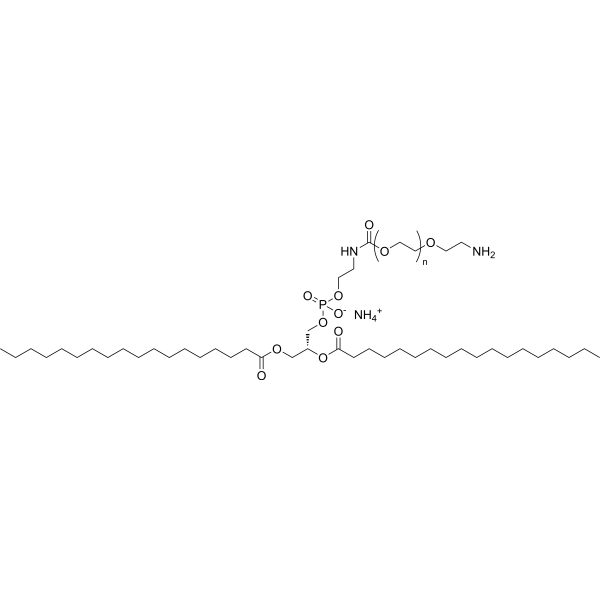
DSPE-PEG10000-Amine ammonium is a phosphoethanolamine involved in the synthesis of liposomes for delivery systems. The amino group of DSPE-PEG10000-Amine ammonium can be converted into aromatic aldehydes by reacting with acetone-protected aromatic hydrazines on the surface of bovine carbonic anhydrase (BCA) molecules. Liposomes form a liposome-BAH-BCA conjugate by forming a bisarylhydrazone (BAH) with the target enzyme molecule. The conjugate catalyzes the hydration of carbon dioxide to bicarbonate.
|
-
-
- HY-155907
-
|
DSPE-PEG5000-NH2 ammonium
|
Liposome
|
Others
|
|
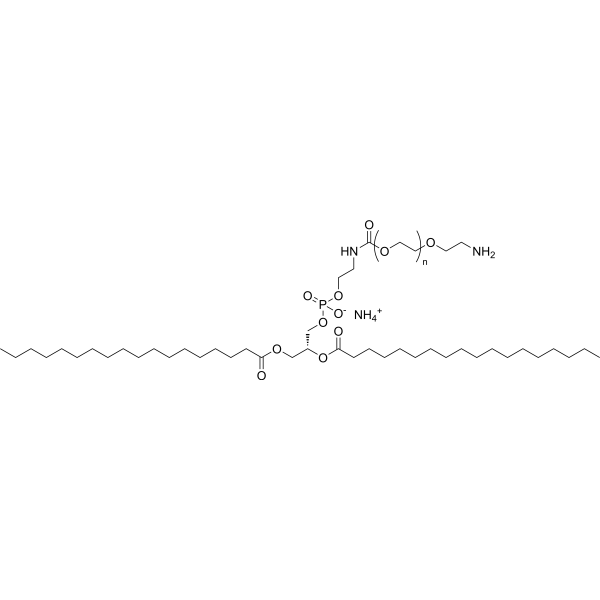
DSPE-PEG5000-Amine ammonium is a phosphoethanolamine involved in the synthesis of liposomes for delivery systems. DSPE-PEG5000-Amine ammonium amino group can be converted to aromatic aldehydes that react with acetone-protected aromatic hydrazides on the surface of the bovine carbonic anhydrase (BCA) molecule. Liposomes produce liposome-Bah-BCA conjugates by forming diaryl hydrazone (BAH) with target enzyme molecules. The conjugate catalyzes the hydration of carbon dioxide to bicarbonate.
|
-
-
- HY-D0227B
-
|
Tris acetate; Tris(hydroxymethyl)aminomethane acetate
|
Biochemical Assay Reagents
|
Metabolic Disease
|
|
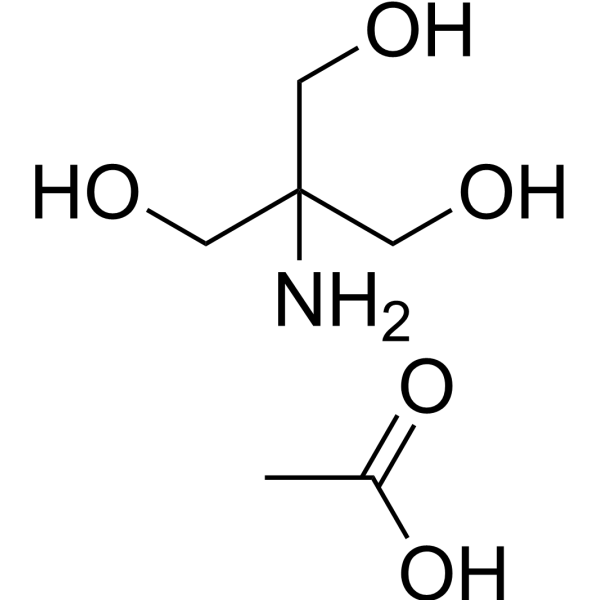
THAM acetate is a low-toxicity amino alcohol buffer, a CO2-consuming proton acceptor that buffers carbon dioxide and acid both in vitro and in vivo. THAM acetate binds protons to form bicarbonate, reduces PaCO2, and induces intracellular alkalization, thereby ameliorating hypercapnia-induced elevation of pulmonary blood vessels and pulmonary arterial pressure. THAM acetate may cause PaCO2 rebound, hypoglycemia, and respiratory depression. THAM acetate removes amniotic epithelium and preserves the basement membrane, but depletes extracellular matrix and reduces the adhesion rate of limbal epithelial cells. THAM acetate can act as a CO2 carrier to enhance the productivity and carbon utilization rate of Scenedesmus obliquus. THAM acetate is a key component of buffer solutions used in various biological, cell culture, biochemical, and molecular biology applications .
|
-
-
- HY-166309
-
|
|
Endogenous Metabolite
Histone Acetyltransferase
|
Infection
Metabolic Disease
Inflammation/Immunology
|
|
Crotonyl-CoA tetralithium, a high-energy acyl donor, is an intermediate in the fermentation of butyric acid, and in the metabolism of lysine and tryptophan. Crotonyl-CoA tetralithium is important in the metabolism of fatty acids and amino acids. Crotonyl-CoA tetralithium acts as a substrate for p300’s histone crotonyltransferase activity, competing with acetyl-CoA for p300-mediated histone acylation reactions. Crotonyl-CoA tetralithium regulates global and gene-specific histone crotonylation levels in cells, with cellular concentration changes altering histone crotonylation at regulatory elements of activated genes. Crotonyl-CoA tetralithium serves as the substrate for crotonyl-CoA reductase/carboxylase (CCRC)-catalyzed NADPH-mediated reduction and carbon dioxide trapping to form unusual alkylmalonyl-CoA polyketide synthase extender units. Crotonyl-CoA tetralithium can be used for the research of LPS-induced inflammatory response .
|
-

-
- HY-W013767
-
|
|
Insecticide
|
Infection
|
|
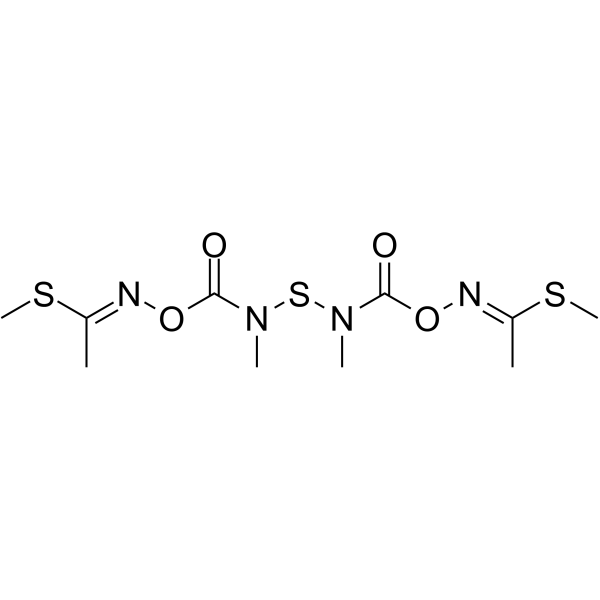
Thiodicarb is a carbamate insecticide used to control flies in animal and poultry houses and dairies. Thiodicarb is metabolized into methomyl in animals and plants, and subsequently degraded into carbon dioxide and acetonitrile .
|
-
-
- HY-Y1783
-
|
N-Methylethanolamine
|
Environmental Pollutants
|
Others
|
|
2-(Methylamino)ethanol (N-Methylethanolamine) is an alkaloid that can be isolated from lentil seeds. 2-(Methylamino)ethanol is used as an organic building block in chemical synthesis and as a solvent for removing carbon dioxide from gas streams .
|
-

-
- HY-D0227R
-
|
Tris (Standard); Tris(hydroxymethyl)aminomethane (Standard)
|
Biochemical Assay Reagents
Reference Standards
|
Metabolic Disease
Cancer
|
|
THAM (Standard) is the analytical standard of THAM. This product is intended for research and analytical applications. THAM (Tris) is a biologically inert amino alcohol of low toxicity, which buffers carbon dioxide and acids in vitro and in vivo. THAM is an effective amine compound for pH control in the physiological range .
|
-

-
- HY-W284557
-
|
2-Hydroxydecane; Methyl octyl carbinol
|
Biochemical Assay Reagents
|
Others
|
|
2-Decanol can be used to develop a miniature catalytic reactor for the oxidation of alcohols with oxygen in supercritical carbon dioxide. 2-Decanol can be used in research on the substrate spectrum of phytanoyl-CoA hydroxylase with regard to the length of both the acyl chain and the branch at position .
|
-

-
- HY-E70570
-
|
|
GABA Receptor
|
Metabolic Disease
|
|
Glutamate decarboxylase is an enzyme that catalyzes the decarboxylation of glutamate to gamma-aminobutyric acid (GABA) and carbon dioxide (CO2). Many gut microbes can metabolize glutamate via their Glutamate decarboxylase in a pyridoxal-5′-phosphate (PLP) dependent manner .
|
-

-
- HY-D0227AR
-
|
Tris HCl (Standard); Tris(hydroxymethyl)aminomethane hydrochloride (Standard)
|
Biochemical Assay Reagents
Reference Standards
|
Metabolic Disease
Cancer
|
|
THAM (hydrochloride) (Standard) is the analytical standard of THAM (hydrochloride). This product is intended for research and analytical applications. THAM hydrochloride (Tris HCl) is a biologically inert amino alcohol of low toxicity, which buffers carbon dioxide and acids in vitro and in vivo. THAM hydrochloride is an effective amine compound for pH control in the physiological range .
|
-

-
- HY-W127787
-
|
L-(+)-Tartaric acid sodium hydrate
|
Endogenous Metabolite
|
Others
|
|
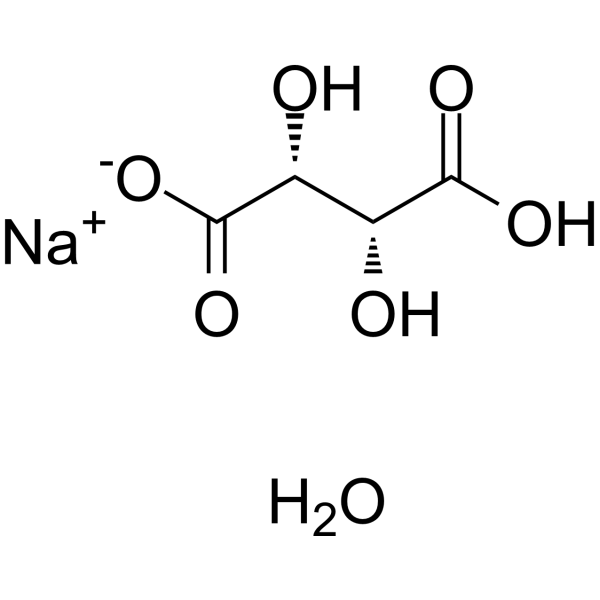
L-Tartaric acid (L-(+)-Tartaric acid) sodium hydrate is the enantiomer of D-tartaric acid. L-Tartaric acid (HY-Y0293) is a white crystalline dicarboxylic acid found in many plants, such as grapes, and is one of the main organic acids in wine. L-Tartaric acid sodium hydrate which acts as a flour bulking agent and as a food additive can interact with sodium bicarbonate to produce carbon dioxide .
|
-
-
- HY-W004297R
-
|
|
Reference Standards
Others
|
Others
|
|
1-Nonadecanol (Standard) is the analytical standard of 1-Nonadecanol. This product is intended for research and analytical applications. 1-Nonadecanol is one of the compositions of supercritical carbon dioxide (SC-CO2) essential oil of Heracleum thomsonii. 1-Nonadecanol is also an important aroma compound in Neotinea ustulata .
|
-

-
- HY-P2891A
-
|
PoxB, Aerococcus viridans
|
Endogenous Metabolite
|
Others
|
|
Pyruvate oxidase, Aerococcus viridans (PoxB) is a thiamine pyrophosphate-dependent oxidase that catalyzes the oxidative decarboxylation of pyruvate to produce acetyl phosphate, carbon dioxide, and water. Pyruvate oxidase, Aerococcus viridans is an important enzyme in bacterial metabolism and can enhance ATP production. Additionally, Pyruvate oxidase, Aerococcus viridans can be used for the determination of aspartate aminotransferase and alanine aminotransferase activities .
|
-

-
- HY-P2995C
-
|
|
Biochemical Assay Reagents
Heme Oxygenase (HO)
|
Others
|
|
Rabbit Hemoglobin is a hemoglobin derived from rabbit. Hemoglobin is a iron-containing protein in red blood cells with oxygen binding properties. Hemoglobin is an inducer of HO-1. Hemoglobin consits of heme, which binds to oxygen. Hemoglobin also transports other gases, such as carbon dioxide, nitric oxide, hydrogen sulfide and sulfide. Hemoglobin absorbs unneeded oxygen in tissues, as an antioxidant .
|
-

-
- HY-P2995E
-
|
|
Biochemical Assay Reagents
Heme Oxygenase (HO)
|
Others
|
|
Guinea Pig Hemoglobin is a hemoglobin derived from guinea pigs. Hemoglobin is a iron-containing protein in red blood cells with oxygen binding properties. Hemoglobin is an inducer of HO-1. Hemoglobin consits of heme, which binds to oxygen. Hemoglobin also transports other gases, such as carbon dioxide, nitric oxide, hydrogen sulfide and sulfide. Hemoglobin absorbs unneeded oxygen in tissues, as an antioxidant .
|
-

-
- HY-19698R
-
|
4-CPA (Standard); p-Chlorophenoxyacetic acid (Standard)
|
Biochemical Assay Reagents
Reference Standards
|
Others
|
|
4-Chlorophenoxyacetic acid (4-CPA) (Standard) is the analytical standard of 4-Chlorophenoxyacetic acid (4-CPA). This product is intended for research and analytical applications. 4-Chlorophenoxyacetic acid (4-CPA) is a widely used herbicide for weed control in agriculture. 4-Chlorophenoxyacetic acid can be degraded in aqueous media through an electrochemical oxidation process. The end products of 4-Chlorophenoxyacetic acid degradation are harmless, such as carbon dioxide, water, and chloride ions .
|
-

-
- HY-P1775B
-
|
|
Endogenous Metabolite
|
Metabolic Disease
|
|
Carbonic Anhydrase, Human (EC 4.2.1.1) is a zinc metalloenzyme that catalyzes the hydration of carbon dioxide to form carbonic acid. Carbonic Anhydrase participates in a variety of important physiological processes, such as the maintenance of pH and carbon dioxide homeostasis, the transport of bicarbonate and carbon dioxide, biosynthetic reactions, bone resorption, calcification, and tumorigenesis.
|
-

-
- HY-E70986
-
|
|
Endogenous Metabolite
|
Metabolic Disease
|
|
Carbonic Anhydrase I, Human (EC 4.2.1.1) is a zinc metalloenzyme that catalyzes the hydration of carbon dioxide to form carbonic acid. Carbonic Anhydrase I participates in a variety of important physiological processes, such as the maintenance of pH and carbon dioxide homeostasis, the transport of bicarbonate and carbon dioxide, biosynthetic reactions, bone resorption, calcification, and tumorigenesis.
|
-

-
- HY-E71035
-
|
|
Carbonic Anhydrase
|
Others
|
|
Carbonic anhydrase II, Bovine (EC 4.2.1.1) catalyzes the rapid interconversion of carbon dioxide and water to bicarbonate and protons (or vice versa) , a reversible reaction that occurs relatively slowly in the absence of a catalyst.
|
-

-
- HY-P1775C
-
|
|
Carbonic Anhydrase
|
Others
|
|
Carbonic anhydrase, E. coli (EC 4.2.1.1) catalyzes the rapid interconversion of carbon dioxide and water to bicarbonate and protons (or vice versa) , a reversible reaction that occurs relatively slowly in the absence of a catalyst.
|
-

-
- HY-E71035A
-
|
|
Carbonic Anhydrase
|
Others
|
|
Carbonic anhydrase II, Human (EC 4.2.1.1) catalyzes the rapid interconversion of carbon dioxide and water to bicarbonate and protons (or vice versa) , a reversible reaction that occurs relatively slowly in the absence of a catalyst.
|
-

-
- HY-W013767R
-
|
|
Insecticide
Reference Standards
|
Infection
|
|
Thiodicarb (Standard) is the analytical standard of Thiodicarb. This product is intended for research and analytical applications. Thiodicarb is a carbamate insecticide used to control flies in animal and poultry houses and dairies. Thiodicarb is metabolized into methomyl in animals and plants, and subsequently degraded into carbon dioxide and acetonitrile .
|
-

-
- HY-E70938
-
|
|
Endogenous Metabolite
|
Metabolic Disease
|
|
L-Tyrosine Decarboxylase Apoenzyme, Streptococcus faecalis (EC 4.1.1.25), is a carboxyl lyase capable of cleaving carbon-carbon bonds. L-Tyrosine Decarboxylase Apoenzyme participates in tyrosine metabolism and alkaloid biosynthesis. L-Tyrosine Decarboxylase Apoenzyme uses a cofactor—pyridoxal phosphate. L-Tyrosine Decarboxylase Apoenzyme has one substrate, L-tyrosine, and two products: tyramine and carbon dioxide.
|
-

-
- HY-P2825A
-
|
|
Endogenous Metabolite
|
Metabolic Disease
|
|
L-Tyrosine Decarboxylase, Streptococcus faecalis (EC 4.1.1.25), is a carboxyl lyase capable of cleaving carbon-carbon bonds. L-Tyrosine Decarboxylase Apoenzyme participates in tyrosine metabolism and alkaloid biosynthesis. L-Tyrosine Decarboxylase Apoenzyme uses a cofactor—pyridoxal phosphate. L-Tyrosine Decarboxylase Apoenzyme has one substrate, L-tyrosine, and two products: tyramine and carbon dioxide.
|
-

-
- HY-Y1783R
-
|
|
Others
Reference Standards
|
Others
|
|
2-(Methylamino)ethanol (Standard) is the analytical standard of 2-(Methylamino)ethanol (HY-Y1783). This product is intended for research and analytical applications. 2-(Methylamino)ethanol (N-Methylethanolamine) is an alkaloid that can be isolated from lentil seeds. 2-(Methylamino)ethanol is used as an organic building block in chemical synthesis and as a solvent for removing carbon dioxide from gas streams .
|
-

-
- HY-W127787R
-
|
L-(+)-Tartaric acid sodium hydrate (Standard)
|
Endogenous Metabolite
Reference Standards
|
Others
|
|
Tartaric acid (sodium hydrate) (Standard) is the analytical standard of Tartaric acid (sodium hydrate) (HY-W127787). This product is intended for research and analytical applications. L-Tartaric acid (L-(+)-Tartaric acid) sodium hydrate is the enantiomer of D-tartaric acid. L-Tartaric acid (HY-Y0293) is a white crystalline dicarboxylic acid found in many plants, such as grapes, and is one of the main organic acids in wine. L-Tartaric acid sodium hydrate which acts as a flour bulking agent and as a food additive can interact with sodium bicarbonate to produce carbon dioxide .
|
-

-
- HY-W009690
-
|
Tetraacetylethylenediamine; TAED
|
|
Others
|
|
N,N,N',N'-Tetraacetylethylenediamine (Tetraacetylethylenediamine; TAED) is a disinfectant and bleach activator. N,N,N',N'-Tetraacetylethylenediamine is a common bleach activator in phosphorus-free laundry detergent formulations, which acts to activate sodium perborate and improve bleaching efficiency at low temperatures. N,N,N',N'-Tetraacetylethylenediamine reacts with sodium percarbonate in water to produce peracetic acid with strong oxidative bactericidal activity. This reaction is environmentally friendly, and the final degradation products are sodium carbonate, acetic acid, ammonia, carbon dioxide, oxygen and water .
|
-

| Cat. No. |
Product Name |
Type |
-
- HY-P2995
-
|
|
Biochemical Assay Reagents
|
|
Hemoglobin is a iron-containing protein in red blood cells with oxygen binding properties. Hemoglobin is an inducer of HO-1. Hemoglobin consits of heme, which binds to oxygen. Hemoglobin also transports other gases, such as carbon dioxide, nitric oxide, hydrogen sulfide and sulfide. Hemoglobin absorbs unneeded oxygen in tissues, as an antioxidant .
|
-
- HY-W088065
-
|
|
Biochemical Assay Reagents
|
Sodium formate acts as a key promoter for heterogeneous nucleation of ZIF crystals and thin film synthesis. It is also recognized as a GRAS substance by the FDA, and serves as a cosmetic preservative and food additive. Sodium formate has low acute oral toxicity (acute oral LD50=7410 mg/kg and acute intravenous LD50=807 mg/kg in mice), with no heritable or carcinogenic effects, but exhibits embryonic developmental toxicity and teratogenicity at high concentrations. Sodium formate may cause moderate irritation to rabbit eyes, is relatively safe to the skin, and does not induce tumor formation in rats in vivo. Sodium formate is rapidly absorbed and oxidized to carbon dioxide in vivo, and forms DNA adducts in specific metabolic deficiency models or upon high-dose exposure .
|
-
- HY-W035903
-
|
2-Aminoethanol hydrochloride
|
Biochemical Assay Reagents
|
|
Ethanolamine hydrochloride, is an organic compound used in various industrial applications. It is a white or colorless solid that is soluble in water and has a faint odor. One of the major uses of Ethanolamine hydrochloride is in the production of detergents and surfactants. Used as a raw material in the manufacture of compounds such as ethylenediaminetetraacetic acid (EDTA) and diethanolamine, which are commonly used in household and industrial cleaning products. Ethanolamine hydrochloride is also used in the synthesis of pharmaceuticals, agrochemicals and rubber processing agents. It acts as a buffer in certain chemical reactions, helping to adjust pH and maintain stability. Ethanolamine hydrochloride can be used for gas purification and metal corrosion inhibitor. Its ability to react with acid gases such as carbon dioxide and sulfur dioxide makes it useful for removing impurities from natural gas and other industrial gases. Overall, Ethanolamine hydrochloride is a multifunctional compound with many potential industrial applications. Its ability to act as a buffer, chelating agent, and corrosion inhibitor makes it an important tool in a variety of industries.
|
-
- HY-W540000
-
|
|
Biochemical Assay Reagents
|
|
Graphitic carbon nitride is a metal-free photocatalyst with a semiconductor absorption wavelength of 460 nm. Graphitic carbon nitride can be applied to photocatalytic water splitting, degradation of organic pollutants, and carbon dioxide reduction .
|
-
- HY-W393372
-
|
Tris maleate; Tris(hydroxymethyl)aminomethane maleate
|
Biochemical Assay Reagents
|
|
THAM (Tris) maleate is a biologically inert amino alcohol of low toxicity, which buffers carbon dioxide and acids in vitro and in vivo. THAM maleate is an effective amine compound for pH control in the physiological range .
|
-
- HY-D0227J
-
|
Tris HCl (≥99%, for cell culture); Tris hydrochloride (≥99%, for cell culture)
|
Biochemical Assay Reagents
|
|
THAM hydrochloride (≥99%, for cell culture) is a low-toxicity amino alcohol buffer, a specific CO2-consuming proton acceptor that buffers carbon dioxide and acid both in vitro and in vivo. THAM hydrochloride (≥99%, for cell culture) binds protons to form bicarbonate, reduces PaCO2, and induces intracellular alkalization, thereby ameliorating hypercapnia-induced elevation of pulmonary blood vessels and pulmonary arterial pressure. THAM hydrochloride (≥99%, for cell culture) may cause PaCO2 rebound, hypoglycemia, and respiratory depression. THAM hydrochloride (≥99%, for cell culture) removes amniotic epithelium and preserves the basement membrane, but depletes extracellular matrix and reduces the adhesion rate of limbal epithelial cells. THAM hydrochloride (≥99%, for cell culture) can act as a CO2 carrier to enhance the productivity and carbon utilization rate of Scenedesmus obliquus. THAM hydrochloride (≥99%, for cell culture) is a key component of buffer solutions used in various biological, cell culture, biochemical, and molecular biology applications .
|
-
- HY-B1713A
-
|
DL-(±)-Ornithine hydrochloride
|
Biochemical Assay Reagents
|
|
DL-Ornithine (DL-(±)-Ornithine) hydrochloride is an amino acid and also a urea cycle promoter. DL-Ornithine hydrochloride has the characteristics of low metabolic rate and rapid excretion, and only the L-enantiomer undergoes decarboxylation. In mice inoculated with L-1210 leukemia cells, DL-Ornithine hydrochloride is excreted in urine in its original form, and its conversion to carbon dioxide within 24 h is negligible. DL-Ornithine hydrochloride is mainly used in the urea cycle to eliminate excess nitrogen in the body and protect the kidneys .
|
-
- HY-P2995B
-
|
|
Biochemical Assay Reagents
|
|
Mouse Hemoglobin is a hemoglobin derived from mouse. Hemoglobin is a iron-containing protein in red blood cells with oxygen binding properties. Hemoglobin is an inducer of HO-1. Hemoglobin consits of heme, which binds to oxygen. Hemoglobin also transports other gases, such as carbon dioxide, nitric oxide, hydrogen sulfide and sulfide. Hemoglobin absorbs unneeded oxygen in tissues, as an antioxidant .
|
-
- HY-155908
-
|
DSPE-PEG10000-NH2 ammonium
|
Biochemical Assay Reagents
|
|
DSPE-PEG10000-Amine ammonium is a phosphoethanolamine involved in the synthesis of liposomes for delivery systems. The amino group of DSPE-PEG10000-Amine ammonium can be converted into aromatic aldehydes by reacting with acetone-protected aromatic hydrazines on the surface of bovine carbonic anhydrase (BCA) molecules. Liposomes form a liposome-BAH-BCA conjugate by forming a bisarylhydrazone (BAH) with the target enzyme molecule. The conjugate catalyzes the hydration of carbon dioxide to bicarbonate.
|
-
- HY-155907
-
|
DSPE-PEG5000-NH2 ammonium
|
Biochemical Assay Reagents
|
|
DSPE-PEG5000-Amine ammonium is a phosphoethanolamine involved in the synthesis of liposomes for delivery systems. DSPE-PEG5000-Amine ammonium amino group can be converted to aromatic aldehydes that react with acetone-protected aromatic hydrazides on the surface of the bovine carbonic anhydrase (BCA) molecule. Liposomes produce liposome-Bah-BCA conjugates by forming diaryl hydrazone (BAH) with target enzyme molecules. The conjugate catalyzes the hydration of carbon dioxide to bicarbonate.
|
-
- HY-W127787
-
|
L-(+)-Tartaric acid sodium hydrate
|
Biochemical Assay Reagents
|
|
L-Tartaric acid (L-(+)-Tartaric acid) sodium hydrate is the enantiomer of D-tartaric acid. L-Tartaric acid (HY-Y0293) is a white crystalline dicarboxylic acid found in many plants, such as grapes, and is one of the main organic acids in wine. L-Tartaric acid sodium hydrate which acts as a flour bulking agent and as a food additive can interact with sodium bicarbonate to produce carbon dioxide .
|
-
- HY-P2995C
-
|
|
Biochemical Assay Reagents
|
|
Rabbit Hemoglobin is a hemoglobin derived from rabbit. Hemoglobin is a iron-containing protein in red blood cells with oxygen binding properties. Hemoglobin is an inducer of HO-1. Hemoglobin consits of heme, which binds to oxygen. Hemoglobin also transports other gases, such as carbon dioxide, nitric oxide, hydrogen sulfide and sulfide. Hemoglobin absorbs unneeded oxygen in tissues, as an antioxidant .
|
-
- HY-P2995E
-
|
|
Biochemical Assay Reagents
|
|
Guinea Pig Hemoglobin is a hemoglobin derived from guinea pigs. Hemoglobin is a iron-containing protein in red blood cells with oxygen binding properties. Hemoglobin is an inducer of HO-1. Hemoglobin consits of heme, which binds to oxygen. Hemoglobin also transports other gases, such as carbon dioxide, nitric oxide, hydrogen sulfide and sulfide. Hemoglobin absorbs unneeded oxygen in tissues, as an antioxidant .
|
-
- HY-19698R
-
|
4-CPA (Standard); p-Chlorophenoxyacetic acid (Standard)
|
Biochemical Assay Reagents
|
|
4-Chlorophenoxyacetic acid (4-CPA) (Standard) is the analytical standard of 4-Chlorophenoxyacetic acid (4-CPA). This product is intended for research and analytical applications. 4-Chlorophenoxyacetic acid (4-CPA) is a widely used herbicide for weed control in agriculture. 4-Chlorophenoxyacetic acid can be degraded in aqueous media through an electrochemical oxidation process. The end products of 4-Chlorophenoxyacetic acid degradation are harmless, such as carbon dioxide, water, and chloride ions .
|
-
- HY-W127787R
-
|
L-(+)-Tartaric acid sodium hydrate (Standard)
|
Biochemical Assay Reagents
|
|
Tartaric acid (sodium hydrate) (Standard) is the analytical standard of Tartaric acid (sodium hydrate) (HY-W127787). This product is intended for research and analytical applications. L-Tartaric acid (L-(+)-Tartaric acid) sodium hydrate is the enantiomer of D-tartaric acid. L-Tartaric acid (HY-Y0293) is a white crystalline dicarboxylic acid found in many plants, such as grapes, and is one of the main organic acids in wine. L-Tartaric acid sodium hydrate which acts as a flour bulking agent and as a food additive can interact with sodium bicarbonate to produce carbon dioxide .
|
| Cat. No. |
Product Name |
Category |
Target |
Chemical Structure |
| Cat. No. |
Product Name |
|
Classification |
-
- HY-155908
-
|
DSPE-PEG10000-NH2 ammonium
|
|
Pegylated Lipids
|
|
DSPE-PEG10000-Amine ammonium is a phosphoethanolamine involved in the synthesis of liposomes for delivery systems. The amino group of DSPE-PEG10000-Amine ammonium can be converted into aromatic aldehydes by reacting with acetone-protected aromatic hydrazines on the surface of bovine carbonic anhydrase (BCA) molecules. Liposomes form a liposome-BAH-BCA conjugate by forming a bisarylhydrazone (BAH) with the target enzyme molecule. The conjugate catalyzes the hydration of carbon dioxide to bicarbonate.
|
-
- HY-155907
-
|
DSPE-PEG5000-NH2 ammonium
|
|
Pegylated Lipids
|
|
DSPE-PEG5000-Amine ammonium is a phosphoethanolamine involved in the synthesis of liposomes for delivery systems. DSPE-PEG5000-Amine ammonium amino group can be converted to aromatic aldehydes that react with acetone-protected aromatic hydrazides on the surface of the bovine carbonic anhydrase (BCA) molecule. Liposomes produce liposome-Bah-BCA conjugates by forming diaryl hydrazone (BAH) with target enzyme molecules. The conjugate catalyzes the hydration of carbon dioxide to bicarbonate.
|
Your information is safe with us. * Required Fields.
Inquiry Information
- Product Name:
- Cat. No.:
- Quantity:
- MCE Japan Authorized Agent:








