
1. Search Result
Search Result
Results for "

Eicosapentaenoic acid

" in MedChemExpress (MCE) Product Catalog:

48

Inhibitors & Agonists

2

Biochemical Assay Reagents

9

Natural
Products

8

Isotope-Labeled Compounds

Cat. No. 상품명 Target 연구분야 Chemical Structure
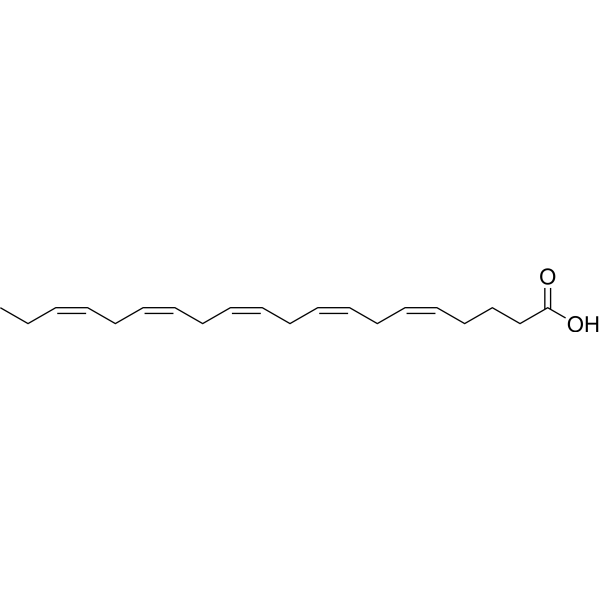
  • HY-B0660
    Eicosapentaenoic Acid
    Maximum Cited Publications
    30 Publications Verification

    EPA; Timnodonic acid

    Endogenous Metabolite Histone Demethylase Neurological Disease Cancer
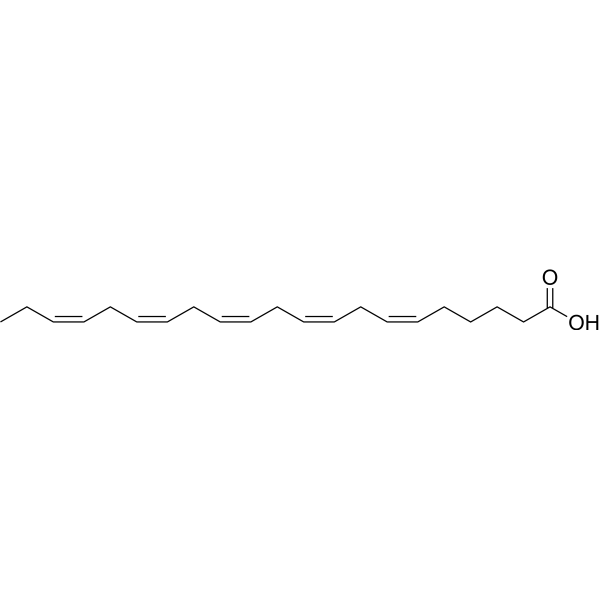
    Eicosapentaenoic Acid (EPA) is an orally active Omega-3 long-chain polyunsaturated fatty acid (ω-3 LC-PUFA). Eicosapentaenoic Acid exhibits a DNA demethylating action that promotes the re-expression of the tumor suppressor gene CCAAT/enhancer-binding protein δ (C/EBPδ). Eicosapentaenoic Acid activates RAS/ERK/C/EBPβ pathway through H-Ras intron 1 CpG island demethylation in U937 leukemia cells. Eicosapentaenoic Acid can promote relaxation of vascular smooth muscle cells and vasodilation .
    Eicosapentaenoic Acid
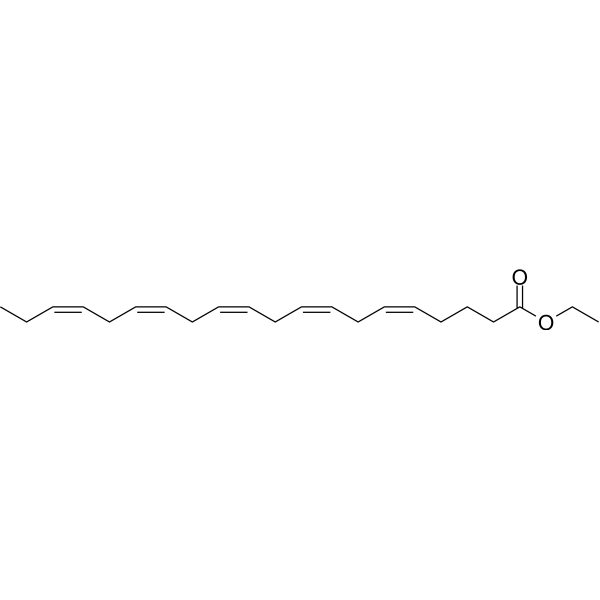
  • HY-B0747

    EPA ethyl ester; Ethyl eicosapentaenoate; AMR101

    Endogenous Metabolite Metabolic Disease
    Eicosapentaenoic acid ethyl ester (EPA ethyl ester) is an orally active ω-3 fatty acid agent. Eicosapentaenoic acid ethyl ester could improve the activity of liver β-oxidase in vitro, reduce the level of liver total triglyceride, increase the content of liver triglyceride and phospholipid ω-3 fatty acid, and increase the total ω-3 fatty acid level in rats .
    Eicosapentaenoic acid ethyl ester
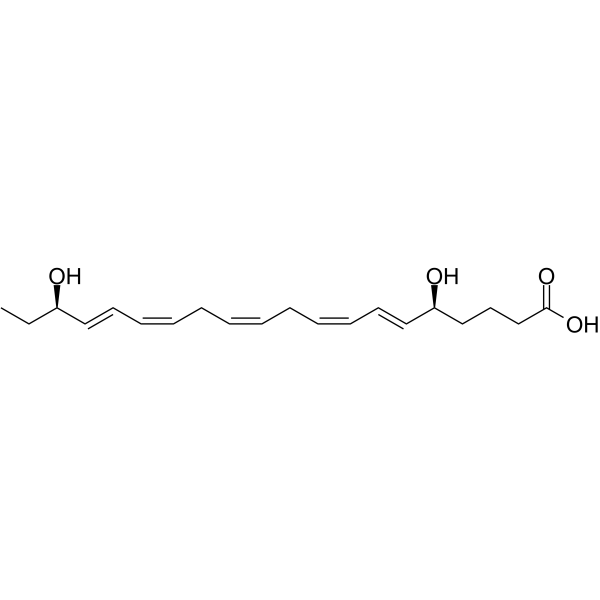
  • HY-114041
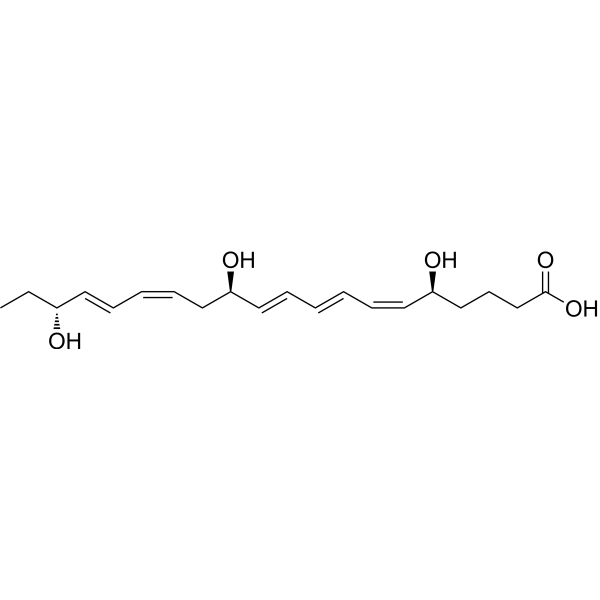
    Resolvin E1
    2 Publications Verification

    RvE1

    Endogenous Metabolite Inflammation/Immunology
    Resolvin E1 (RvE1), a potent endogenous pro-resolving mediator of inflammation, is derived from omega-3 fatty acid eicosapentaenoic acid (EPA). Resolvin E1 is endogenously biosynthesized from EPA in the presence of Aspirin during the spontaneous resolution phase of acute inflammation, where specific cell-cell interactions occur. Resolvin E1 possesses unique counterregulatory actions that inhibit polymorphonuclear leukocyte (PMN) transendothelial migration. Resolvin E1 also acts as a potent inhibitor of leukocyte infiltration, dendritic cell migration, and IL-12 production .
    Resolvin E1
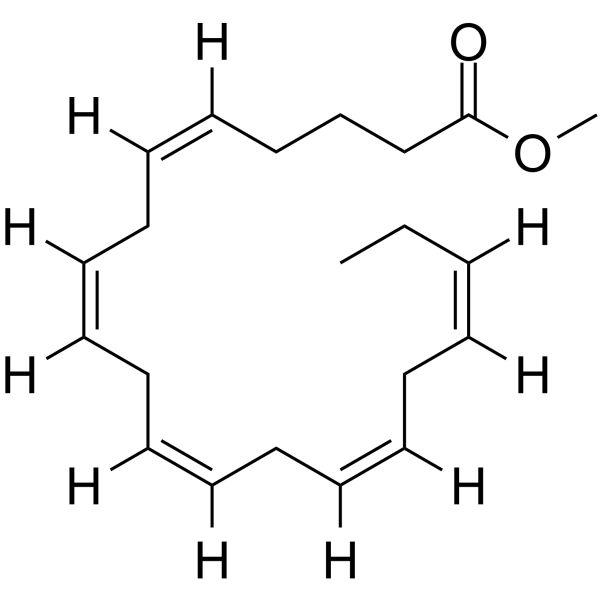
  • HY-W011311

    Drug Metabolite Others Cancer
    Eicosapentaenoic acid methyl ester is a degradant of a monogalactosyl diacylglycerol (an anticancer compound by inducing apoptosis) .
    Eicosapentaenoic acid methyl ester
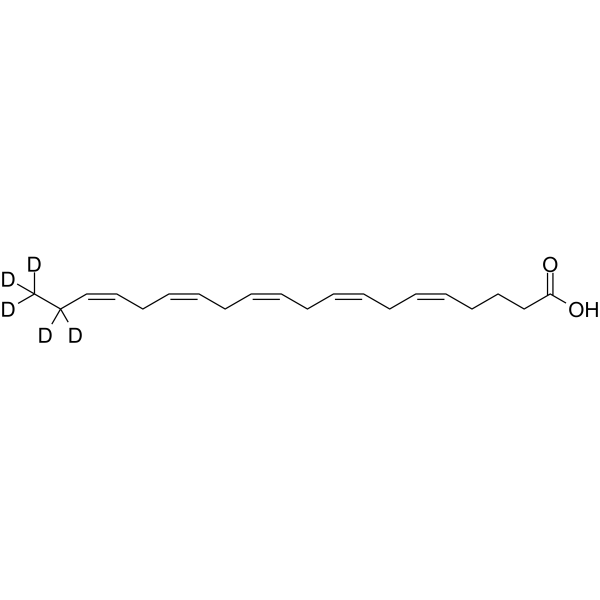
  • HY-B0660S

    EPA-d5; Timnodonic acid-d5

    Endogenous Metabolite Histone Demethylase Neurological Disease Cancer
    Eicosapentaenoic Acid-d5 is the deuterium labeled Eicosapentaenoic Acid. Eicosapentaenoic Acid (EPA; Timnodonic acid) is an omega-3 fatty acid.
    Eicosapentaenoic Acid-d5
  • HY-113120

    6Z,9Z,12Z,15Z-Octadecatetraenoic acid

    Lipoxygenase Metabolic Disease
    Stearidonic acid (6Z,9Z,12Z,15Z-Octadecatetraenoic acid) is an orally active polyunsaturated fatty acid found in blackcurrant seed oil. Stearidonic acid can inhibit 5-lipoxygenase and reduce leukotriene and 5-HETE synthesis. Stearidonic acid can increase the content of eicosapentaenoic acid (EPA) in red blood cells. Stearidonic acid can be used for the research of metabolic disease .
    Stearidonic acid
  • HY-B0660R

    EPA (Standard); Timnodonic acid (Standard)

    Reference Standards Endogenous Metabolite Histone Demethylase Neurological Disease Cancer
    Eicosapentaenoic Acid (Standard) is the analytical standard of Eicosapentaenoic Acid. This product is intended for research and analytical applications. Eicosapentaenoic Acid (EPA) is an orally active Omega-3 long-chain polyunsaturated fatty acid (ω-3 LC-PUFA). Eicosapentaenoic Acid exhibits a DNA demethylating action that promotes the re-expression of the tumor suppressor gene CCAAT/enhancer-binding protein δ (C/EBPδ). Eicosapentaenoic Acid activates RAS/ERK/C/EBPβ pathway through H-Ras intron 1 CpG island demethylation in U937 leukemia cells. Eicosapentaenoic Acid can promote relaxation of vascular smooth muscle cells and vasodilation .
    Eicosapentaenoic Acid (Standard)
  • HY-130675A

    15(S)-hydroxy-Eicosapentaenoic acid; 15(S)-hydroxy EPA

    Lipoxygenase Inflammation/Immunology
    15(S)-HEPE is a monohydroxy fatty acid. 15(S)-HEPE is biosynthesized from eicosapentaenoic acid by 15-lipoxygenase (15-LO). Serum levels of 15(S)-HEPE are elevated in patients with asthma.
    15(S)-HEPE
  • HY-101495

    18-Hydroxy-5(Z),8(Z),11(Z),14(Z),16(E)-Eicosapentaenoic acid

    Drug Derivative Metabolic Disease
    18-HEPE (18-Hydroxy-5(Z),8(Z),11(Z),14(Z),16(E)-eicosapentaenoic acid) is an ester product.
    18-HEPE
  • HY-133159

    (-)-Resolvin E2

    Endogenous Metabolite Leukotriene Receptor Chemerin Receptor COX Lipoxygenase Neurological Disease Inflammation/Immunology
    Resolvin E2 ((-)-Resolvin E2) is an endogenous lipid mediator produced from eicosapentaenoic acid (EPA) under the catalysis of 5-lipoxygenase (5-LOX), and its production increases in hypoxic environments. Resolvin E2 antagonizes BLT1, partially activates ChemR23, and promotes ubiquitin-proteasome-mediated degradation of COX-2. Resolvin E2 reduces the production of prostaglandin E2, blocks polymorphonuclear leukocyte infiltration, and promotes the resolution of airway inflammation. Resolvin E2 ameliorates lipopolysaccharide (LPS) (HY-D1056)-induced depressive-like behaviors . Resolvin E2 can be used in research related to depression, murine peritonitis, neonatal asthma, and other conditions .
    Resolvin E2
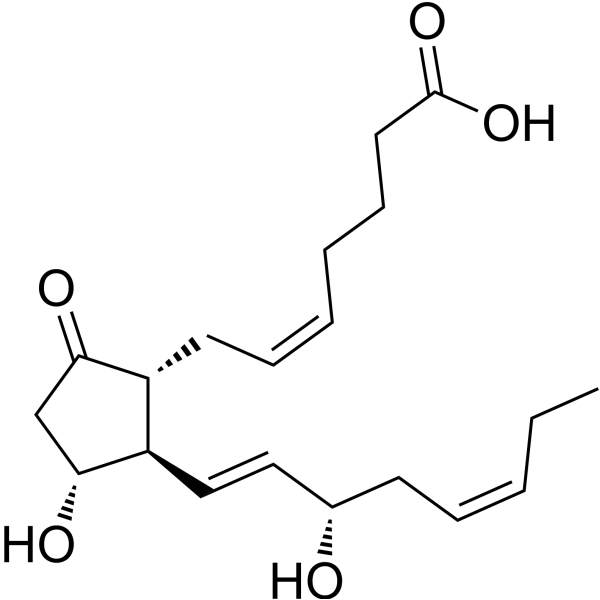
  • HY-113481

    Transmembrane Glycoprotein COX PKA Prostaglandin Receptor Inflammation/Immunology Cancer
    Prostaglandin E3 is an eicosanoid derived from eicosapentaenoic acid. Prostaglandin E3 inhibits polarization towards M1 but promotes polarization of M2a macrophages. Prostaglandin E3 shows anti-inflammatory and anti-tumor activity .
    Prostaglandin E3
  • HY-113040A

    17(R),18(S)-EETeTr

    Calcium Channel Cardiovascular Disease
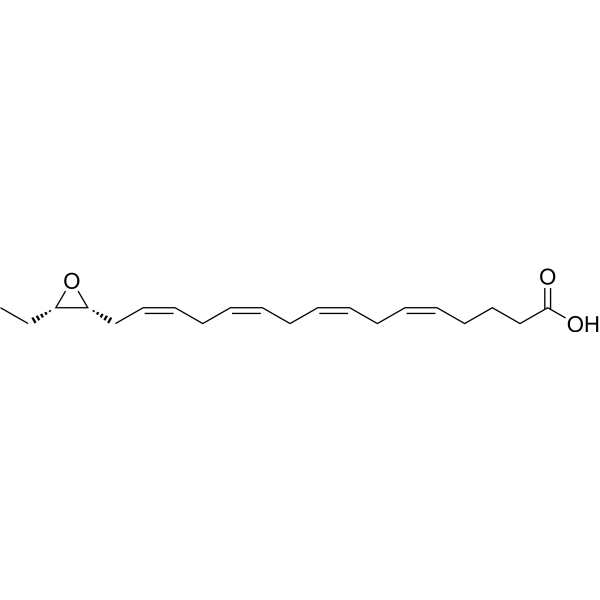
    (17R,18S)-Epoxyeicosatetraenoic acid (17 (R),18 (S)-EETeTr) is a physiologically active fatty acid metabolite and also a vasodilator targeting BKα. (17R,18S)-Epoxyeicosatetraenoic acid activates the outward potassium current mediated by BK channels, and this effect is independent of the BKβ1 subunit, intracellular/extracellular calcium levels, and sarcoplasmic reticulum calcium release regulated by RyR3. (17R,18S)-Epoxyeicosatetraenoic acid is produced by the epoxidation of eicosapentaenoic acid mediated by CYP1A1 variants. (17R,18S)-Epoxyeicosatetraenoic acid is applicable to research related to arrhythmia .
    (17R,18S)-Epoxyeicosatetraenoic acid
  • HY-130138C

    Calcium Channel Inflammation/Immunology
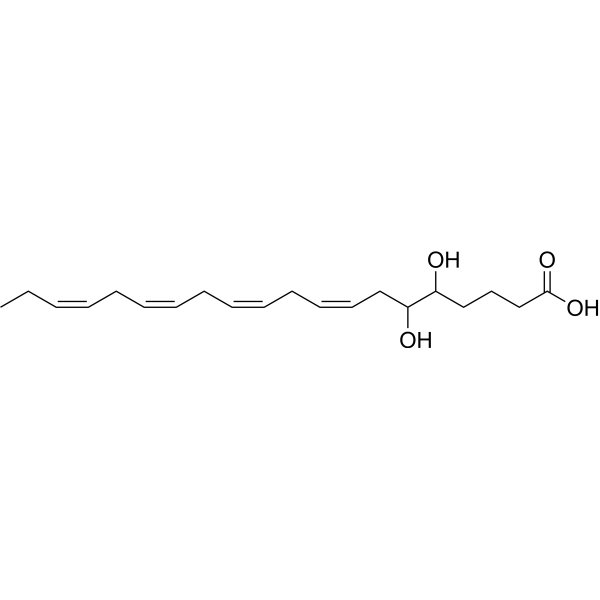
    5,6-DiHETE is an anti-inflammatory lipid mediator derived from eicosapentaenoic acid (EPA). 5,6-DiHETE has the ability to suppress vascular hyperpermeability during inflammation and is used in the research of inflammatory diseases .
    5,6-DiHETE
  • HY-114041S

    RvE1-d4

    Isotope-Labeled Compounds Endogenous Metabolite Inflammation/Immunology
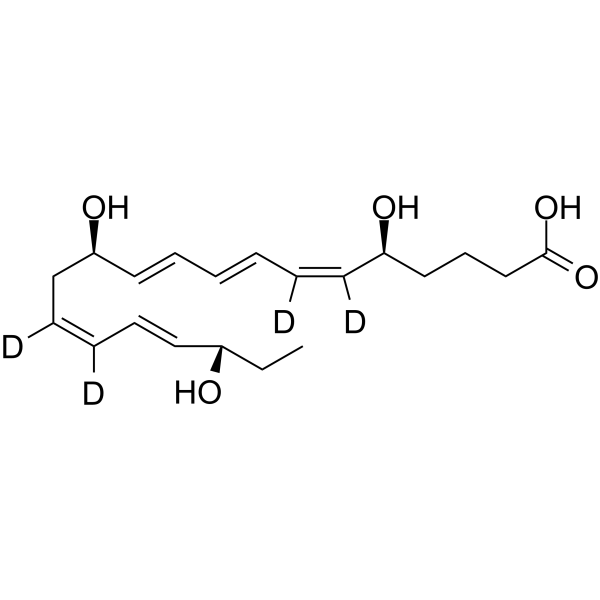
    Resolvin E1-d4 (RvE1-d4) is deuterium labeled Resolvin E1. Resolvin E1 (RvE1), a potent endogenous pro-resolving mediator of inflammation, is derived from omega-3 fatty acid eicosapentaenoic acid (EPA). Resolvin E1 is endogenously biosynthesized from EPA in the presence of Aspirin during the spontaneous resolution phase of acute inflammation, where specific cell-cell interactions occur. Resolvin E1 possesses unique counterregulatory actions that inhibit polymorphonuclear leukocyte (PMN) transendothelial migration. Resolvin E1 also acts as a potent inhibitor of leukocyte infiltration, dendritic cell migration, and IL-12 production .
    Resolvin E1-d4
  • HY-158812

    Drug Derivative Metabolic Disease
    Eicosapentaenoyl-L-carnitine chloride is a long-chain acylcarnitine composed of Eicosapentaenoic Acid (HY-B0660) and L-Carnitine (HY-B0399). The levels of Eicosapentaenoyl-L-carnitine chloride are increased in the eyes of mice fed a diet high in n-3/n-6 polyunsaturated fatty acids (PUFAs) in a mouse model of myopia induced by out-of-focus lenses .
    Eicosapentaenoyl-L-carnitine chloride
  • HY-113445

    COX Endogenous Metabolite Endocrinology
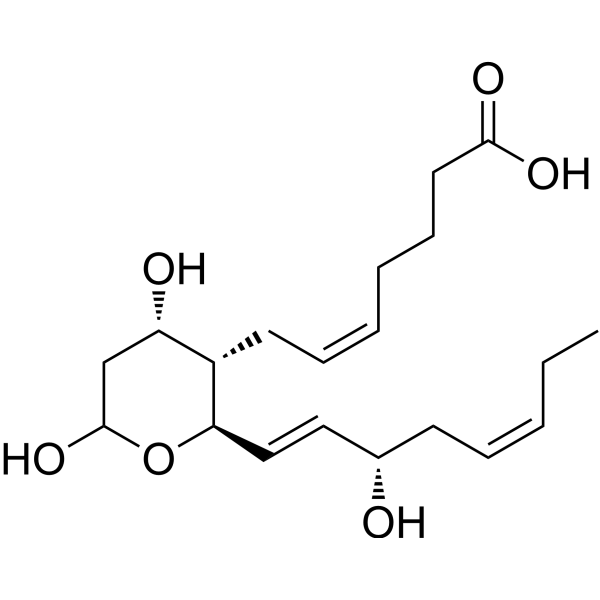
    Thromboxane B3 is a prostaglandin analog derived from arachidonic acid (AA) in the cyclooxygenase (COX) metabolic pathway. Thromboxane B3 is generated from arachidonic acid (AA) in platelets and vascular endothelial cells through the catalysis of cyclooxygenase (COX) and thromboxane synthase (TXS). Thromboxane B3 has been reported to be formed by human platelets upon ingestion of eicosapentaenoic acid (C20: 5ω3) .
    Thromboxane B3
  • HY-N7833

    Biochemical Assay Reagents Others
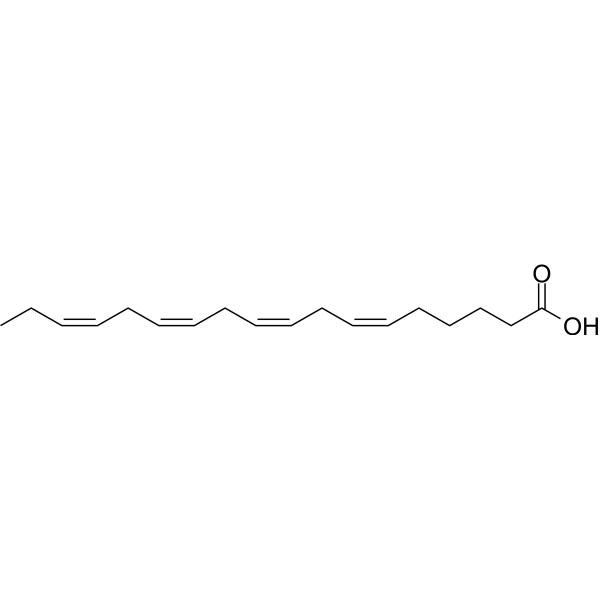
    Heneicosapentaenoic Acid (HPA) is a 21:5 omega-3 fatty acid found in trace amounts in the green alga B. pennata and in fish oils. Its chemical composition is similar to eicosapentaenoic acid (EPA), except that a carbon is extended at the carboxy terminus, placing the first double bond at the δ6 position. HPA can be used to study the importance of double bond position in omega-3 fatty acids. It incorporates phospholipids and triacylglycerols in vivo with the same efficiency as EPA and docosahexaenoic acid, and exhibits a strong inhibitory effect on the synthesis of arachidonic acid from linoleic acid. HPA is a poor substrate for prostaglandin H synthase (PGHS) (cyclooxygenase) and 5-lipoxygenase, but retains the ability to rapidly inactivate PGHS.
    Heneicosapentaenoic acid
  • HY-W011269
    Eicosapentaenoic Acid sodium
    Maximum Cited Publications
    30 Publications Verification

    EPA sodium; Timnodonic acid sodium

    Endogenous Metabolite Histone Demethylase Cardiovascular Disease Metabolic Disease Cancer
    Eicosapentaenoic Acid (EPA)sodium is an orally active Omega-3 long-chain polyunsaturated fatty acid (ω-3 LC-PUFA). Eicosapentaenoic Acid sodium exhibits a DNA demethylating action that promotes the re-expression of the tumor suppressor gene CCAAT/enhancer-binding protein δ (C/EBPδ). Eicosapentaenoic Acid sodium activates RAS/ERK/C/EBPβ pathway through H-Ras intron 1 CpG island demethylation in U937 leukemia cells. Eicosapentaenoic Acid sodium can promote relaxation of vascular smooth muscle cells and vasodilation .
    Eicosapentaenoic Acid sodium
  • HY-130319A

    PPAR Cardiovascular Disease Metabolic Disease
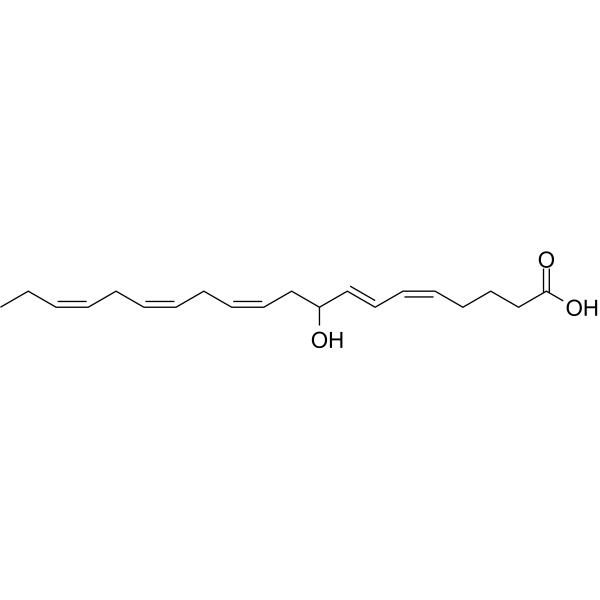
    9-HEPE, a oxidation product of Eicosapentaenoic acid, is a racemic mixture of 9(R)-HEPE and 9(S)-HEPE. 9-HEPE induces fatty acid oxidation, adipogenesis, and glucose uptake via activation of PPARs in vivo .
    9-HEPE
  • HY-114041S1

    RvE1-d4-1

    Isotope-Labeled Compounds Endogenous Metabolite Inflammation/Immunology
    Resolvin E1-d4-1 is the deuterium labeled Resolvin E1. Resolvin E1 (RvE1), a potent endogenous pro-resolving mediator of inflammation, is derived from omega-3 fatty acid eicosapentaenoic acid (EPA). Resolvin E1 is endogenously biosynthesized from EPA in the presence of Aspirin during the spontaneous resolution phase of acute inflammation, where specific cell-cell interactions occur. Resolvin E1 possesses unique counterregulatory actions that inhibit polymorphonuclear leukocyte (PMN) transendothelial migration. Resolvin E1 also acts as a potent inhibitor of leukocyte infiltration, dendritic cell migration, and IL-12 production .
    Resolvin E1-d4-1
  • HY-B0660S1

    EPA 1,2,3,4,5-13C, FA 20:5-13C5

    Isotope-Labeled Compounds Endogenous Metabolite Histone Demethylase Neurological Disease Cancer
    Eicosapentaenoic acid 1,2,3,4,5- 13C5 (EPA 1,2,3,4,5- 13C, FA 20:5- 13C5) is 13C labeled Eicosapentaenoic Acid. Eicosapentaenoic Acid (EPA) is an orally active Omega-3 long-chain polyunsaturated fatty acid (ω-3 LC-PUFA). Eicosapentaenoic Acid exhibits a DNA demethylating action that promotes the re-expression of the tumor suppressor gene CCAAT/enhancer-binding protein δ (C/EBPδ). Eicosapentaenoic Acid activates RAS/ERK/C/EBPβ pathway through H-Ras intron 1 CpG island demethylation in U937 leukemia cells. Eicosapentaenoic Acid can promote relaxation of vascular smooth muscle cells and vasodilation .
    Eicosapentaenoic acid 1,2,3,4,5-13C5
  • HY-157910

    Drug Metabolite Metabolic Disease
    (±)17(18)-EpETE methyl ester is an analog of the eicosapentaenoic acid (EPA) metabolite (±)17(18)-EpETE .
    (±)17(18)-EpETE methyl ester
  • HY-120978

    ω-3 Arachidonic acid methyl ester; (all-Z)-8,11,14,17-Eicosatetraenoic acid methyl ester

    Biochemical Assay Reagents Others
    omega-3 Arachidonic Acid methyl ester, mainly docosahexaenoic acid, eicosapentaenoic acid and α-Linoleic acid, represented by linoleic acid, is an essential dietary nutrient required for normal growth and development.Omega-3Methyl arachidonic acid is a rare fatty acid Omega-3Neutral fat-soluble form of arachidonic acid. Omega-3Fatty acids, as a group, were associated with reduced inflammation and autoimmune activity, as well as reduced thrombosis and platelet activation.
    Omega-3 arachidonic acid methyl ester
  • HY-W011311R

    Drug Metabolite Reference Standards Others
    Eicosapentaenoic acid methyl ester (Standard) is the analytical standard of Eicosapentaenoic acid methyl ester. This product is intended for research and analytical applications. Eicosapentaenoic acid methyl ester is a degradant of a monogalactosyl diacylglycerol (an anticancer compound by inducing apoptosis) .
    Eicosapentaenoic acid methyl ester (Standard)
  • HY-113484

    LTB5

    Leukotriene Receptor Cancer
    Leukotriene B5 (LTB5) is a leukotriene with diverse biological activities. It is a metabolite of eicosapentaenoic acid formed through the 5-lipoxygenase (5-LO) pathway. LTB5 increases contraction of bullfrog lung strips ex vivo in a concentration-dependent manner. In vivo, LTB5 (100 nM) reduces tumor volume in mice injected with Tm1 murine melanoma cells. LTB5 also elicits chemokinesis and lysosomal enzyme release from polymorphonuclear leukocytes (PMNLs) 20- to 30-fold less, and induces platelet aggregation 8-fold less, potently than LTB4.
    Leukotriene B5
  • HY-B0747S

    Endogenous Metabolite Metabolic Disease
    Eicosapentaenoic acid ethyl ester-d5 is the deuterium labeled Eicosapentaenoic acid ethyl ester. Eicosapentaenoic acid ethyl ester is an omega-3 fatty acid agent.
    Eicosapentaenoic acid ethyl ester-d5
  • HY-W011311S

    Isotope-Labeled Compounds Apoptosis Others
    Eicosapentaenoic acid methyl ester-d5 is the deuterium labeled Eicosapentaenoic acid methyl ester. Eicosapentaenoic acid methyl ester is a degradant of a monogalactosyl diacylglycerol (an anticancer compound by inducing apoptosis) .
    Eicosapentaenoic acid methyl ester-d5
  • HY-175098

    Drug Metabolite Metabolic Disease
    (±)14(15)-DiHETE, an oxylipin, is a metabolite of Eicosapentaenoic Acid (HY-B0660). Eicosapentaenoic Acid is an orally active Omega-3 long-chain polyunsaturated fatty acid (ω-3 LC-PUFA) .
    (±)14(15)-DiHETE
  • HY-127139

    Eicosapentaenoic acid Chloride; EPA Chloride

    Endogenous Metabolite Metabolic Disease
    Eicosapentaenoyl chloride is a derivative of eicosapentaenoic acid. It has been used in the synthesis of fatty acid conjugates to enhance lipophilicity and cell permeability of bioactive compounds such as (–)-epigallocatechin gallate and salicylic acid.
    Eicosapentaenoyl Chloride
  • HY-B0747R

    EPA ethyl ester(Standard); Ethyl eicosapentaenoate (Standard); AMR101 (Standard)

    Reference Standards Endogenous Metabolite Metabolic Disease
    Eicosapentaenoic acid ethyl ester (Standard) is the analytical standard of Eicosapentaenoic acid ethyl ester. This product is intended for research and analytical applications. Eicosapentaenoic acid ethyl ester is an omega-3 fatty acid agent.
    Eicosapentaenoic acid ethyl ester (Standard)
  • HY-B0660A

    EPA metformin; Timnodonic acid metformin

    Endogenous Metabolite Histone Demethylase Neurological Disease Cancer
    Eicosapentaenoic Acid (EPA) metformin is an orally active Omega-3 long-chain polyunsaturated fatty acid (ω-3 LC-PUFA). Eicosapentaenoic acid metformin exhibits a DNA demethylating action that promotes the re-expression of the tumor suppressor gene CCAAT/enhancer-binding protein δ (C/EBPδ). EEicosapentaenoic acid metformin activates RAS/ERK/C/EBPβ pathway through H-Ras intron 1 CpG island demethylation in U937 leukemia cells. Eicosapentaenoic acid metformin can promote relaxation of vascular smooth muscle cells and vasodilation .
    Eicosapentaenoic acid metformin
  • HY-175079

    Drug Metabolite Metabolic Disease
    (±)17(18)-DiHETE is an oxidized lipid and a metabolite of Eicosapentaenoic Acid (HY-B0660), an orally active omega-3 long-chain polyunsaturated fatty acid (ω-3 LC-PUFA) .
    (±)17(18)-DiHETE
  • HY-W740449

    EPA ethyl ester-d5; Ethyl eicosapentaenoate-d5; AMR101-d5

    Isotope-Labeled Compounds Others
    Eicosapentaenoic acid ethyl ester-d5-1 (EPA ethyl ester-d5) is deuterium labeled Eicosapentaenoic acid ethyl ester .
    Eicosapentaenoic acid ethyl ester-d5-1
  • HY-130319

    Drug Metabolite Metabolic Disease
    9(S)-HEPE, a hydroxy fatty acid, is a metabolite of Eicosapentaenoic acid .
    9(S)-HEPE
  • HY-115421A

    Endogenous Metabolite Metabolic Disease
    11-HEPE is a monohydroxy fatty acid derived from EPA (eicosapentaenoic acid) .
    11-HEPE
  • HY-115421B

    Endogenous Metabolite Others
    11(S)-HEPE is a monohydroxy fatty acid derived from EPA (eicosapentaenoic acid) .
    11(S)-HEPE
  • HY-115421

    Drug Derivative Metabolic Disease
    11(R)-HEPE is a monohydroxy fatty acid derived from EPA (eicosapentaenoic acid) .
    11(R)-HEPE
  • HY-145522

    MEM; 1,3-Myristin-2-Eicosapentaenoin; 14:0/20:5/14:0-TG

    Biochemical Assay Reagents Metabolic Disease
    1,3-Dimyristoyl-2-eicosapentaenoyl glycerol (MEM) is a triacylglycerol that contains myristic acid (HY-N2041) at the sn-1 and sn-3 positions and eicosapentaenoic acid at the sn-2 position. The myristoyl groups in MEM do not affect the oxidative stability of eicosapentaenoic acid (EPA) during long-term storage at 25°C.
    13-Dimyristoyl-2-Eicosapentaenoyl Glycerol
  • HY-129764

    PGF3α

    P-glycoprotein Metabolic Disease Inflammation/Immunology Cancer
    Prostaglandin F3α (PGF3α) is an eicosapentaenoic acid (EPA)-derived bioactive lipid mediator that has anti-cancer and anti-inflammatory effects. Prostaglandin F3α is a substrate of ABCC4 with a Km of 12.1 μM. Prostaglandin F3α can be used for the research of diabetes .
    Prostaglandin F3α
  • HY-139272

    Drug Derivative Cancer
    Eicosapentaenoyl 1-propanol-2-amide is an amide derivative of Eicosapentaenoic Acid (HY-B0660). Eicosapentaenoyl 1-propanol-2-amide inhibits the 98.4% proliferation of cancer cell A549 at 3 μM. Eicosapentaenoyl 1-propanol-2-amide can be used in cancer research .
    Eicosapentaenoyl 1-propanol-2-amide
  • HY-115381

    Endogenous Metabolite Cardiovascular Disease
    Lipoxin A5 is an eicosapentaenoic acid derived from pig white blood cells. Lipoxin A5 slowly contracted the guinea pig lung parenchymal strips with a contractile force similar to that of LXA4 and LXB4.2, but LXA5 did not have the vasodilating effect on the aortic smooth muscle shown by LXA4 and LXB4.2 .
    Lipoxin A5
  • HY-130309

    (±)8,9-EEQ; (±)8,9-epoxy Eicosatetraenoic acid

    Angiotensin-converting Enzyme (ACE) Cardiovascular Disease
    Eicosapentaenoic acid (EPA) is converted to epoxyeicosatetraenoic acids (EpETEs) by several cytochrome P450 isoforms. The major product of this epoxygenase pathway, (±)17(18)-EpETE, relaxes vascular and airway smooth muscle by activating large conductance Ca 2+-activated K + (BKCa) channels by directly interacting with BKα channel subunits. (±)8(9)-EpETE is an epoxygenase pathway product produced from EPA by CYP450 both in vitro and in vivo.
    (±)8(9)-EpETE
  • HY-121888

    PPAR Metabolic Disease
    20-HEPE is a metabolite of eicosapentaenoic acid formed by ω-oxidation of EPA by cytochrome P450 (CYP) ω-oxidases, including human CYP4F3B. At 10 μM, it activates peroxisome proliferator-activated receptor α (PPARα) in COS-7 cells expressing a luciferase reporter gene. 20-HEPE also activates mouse transient receptor potential vanilloid receptor 1 (mTRPV1) in vitro but lacks analgesic activity in rats.
    20-HEPE
  • HY-118652

    ω-3 6-keto PGF2α

    Prostaglandin Receptor Metabolic Disease
    Δ17-6-keto Prostaglandin F1α (Δ17-6-keto PGF1α) is a cyclooxygenase (COX) product of eicosapentaenoic acid (EPA) in various tissues such as seminal vesicles, lung, Polymorphonuclear leukocytes, and ocular tissues. Δ17-6-keto PGF1α and other 3-series COX products from EPA, such as PGF3α, PGE3, and thromboxane B3, may be involved in the reduced incidence of glaucoma in patients on a marine-rich (EPA-rich) diet.
    Δ17-6-keto Prostaglandin F1α
  • HY-113513

    Others Cancer
    5(S)-HEPE is an active metabolite of eicosapentaenoic acid. It is formed from EPA by 5-lipoxygenase (5-LO). 5(S)-HEPE is an agonist of G protein-coupled receptor 119 (GPR119). It increases cAMP accumulation in CHO-K1 cells expressing human GPR119 when used at a concentration of 10 μM. 5(S)-HEPE increases glucose-induced insulin secretion from MING6 insulinoma pancreatic islets and glucagon-like peptide 1 (GLP-1) secretion from HuTu 80 adenocarcinoma cells when used at a concentration of 10 μM. Serum levels of 5(S)-HEPE are elevated in patients with hyperlipidemia.
    5-HEPE
  • HY-B0660S2

    EPA-d10; Timnodonic acid-d10

    Isotope-Labeled Compounds Endogenous Metabolite Histone Demethylase Neurological Disease Cancer
    Eicosapentaenoic acid-d10 (EPA-d10) is the deuterium labeled Eicosapentaenoic acid (HY-B0660). Eicosapentaenoic Acid (EPA) is an orally active Omega-3 long-chain polyunsaturated fatty acid (ω-3 LC-PUFA). Eicosapentaenoic Acid exhibits a DNA demethylating action that promotes the re-expression of the tumor suppressor gene CCAAT/enhancer-binding protein δ (C/EBPδ). Eicosapentaenoic Acid activates RAS/ERK/C/EBPβ pathway through H-Ras intron 1 CpG island demethylation in U937 leukemia cells. Eicosapentaenoic Acid can promote relaxation of vascular smooth muscle cells and vasodilation .
    Eicosapentaenoic acid-d10
  • HY-168787

    Biochemical Assay Reagents Metabolic Disease
    1,3-Dieicosapentaenoyl glycerol is a diacylglycerol that contains Eicosapentaenoic acid (HY-B0660) at the sn-1 and sn-3 positions.
    1,3-Dieicosapentaenoyl glycerol
  • HY-113040B

    (±)-17(S),18(R)-EETeTr

    Drug Isomer Others
    (±)-(17S,18R)-Epoxyeicosatetraenoic acid ((±)-17 (S),18 (R)-EETeTr) is one of the constituent enantiomers of (±) 17 (18)-EpETE. (±) 17 (18)-EpETE is an active metabolite of the ω-3 fatty acid eicosapentaenoic acid, and also an agonist of sphingosine-1-phosphate receptor 1 (S1P1) .
    (±)-(17S,18R)-Epoxyeicosatetraenoic acid

온라인 문의

Your information is safe with us. * Required Fields.

호칭


Country or Region *

고객명 *


회사명 *

Department *


메일주소 *


상품명 *

Cat. No.


Requested quantity *

전화번호 *


비고

온라인 문의

Inquiry Information

상품명:
Cat. No.:
수량:
MCE Japan Authorized Agent:

