1. Search Result
Search Result
Pathways Recommended: MAPK/ERK Pathway
Results for "

Erk/P38/Jnk Mapk pathway

" in MedChemExpress (MCE) Product Catalog:

19

Inhibitors & Agonists

1

Screening Libraries

3

Peptides

1

Inhibitory Antibodies

11

Natural
Products

Cat. No. Product Name Target Research Areas Chemical Structure
  • HY-N0852

    p38 MAPK NF-κB Interleukin Related JNK PERK CXCR Cardiovascular Disease Inflammation/Immunology
    Benzoylpaeoniflorin is an orally active monoterpene glycoside compound. Benzoylpaeoniflorin exerts anti-inflammatory, anti-allergic, psoriasis-improving and sepsis-improving effects by inhibiting signaling pathways such as TNF/NF-κB and MAPK, as well as regulating immune homeostasis. Benzoylpaeoniflorin can be used in research related to immune, allergic and inflammatory diseases .
    Benzoylpaeoniflorin
  • HY-N2375

    Wnt β-catenin p38 MAPK Metabolic Disease
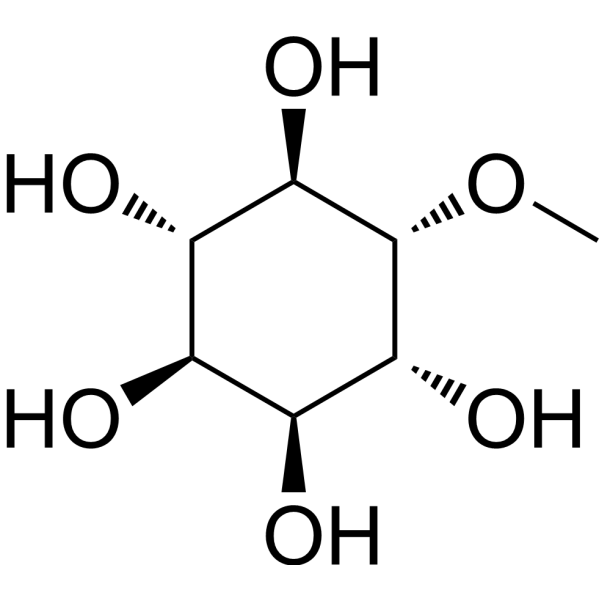
    L-Quebrachitol is a methoxy analog of inositol that can be isolated from plants. L-Quebrachitol has free-radical scavenging, gastroprotection, anti-platelet aggregation and anti-diabetic activity. L-Quebrachitol promotes osteoblastogenesis by uppregulation of BMP-2, runt-related transcription factor-2 (Runx2), MAPK (ERK, JNK, p38α), and Wnt/β-catenin signaling pathway .
    L-Quebrachitol
  • HY-N4205

    Cytochrome P450 Cancer
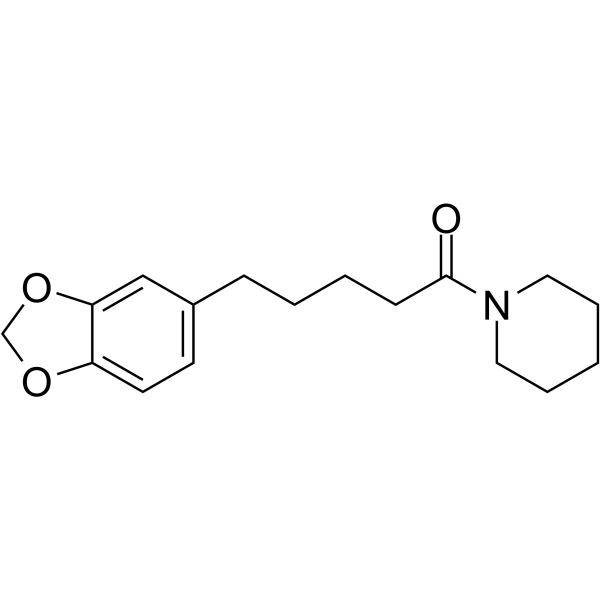
    Tetrahydropiperine is an orally effective, selective inhibitor of NF-κB and MAPKs<、b>, and an activator of the PI3K/Akt/mTOR<、b> pathway. Tetrahydropiperine reduces the production of pro-inflammatory cytokines such as TNF-α, IL-6, and nitric oxide (NO) by inhibiting the nuclear translocation of NF-κB and the phosphorylation of MAPKs such as ERK, JNK, and p38. At the same time, Tetrahydropiperine inhibits excessive autophagy by activating the PI3K/Akt/mTOR pathway, protecting neurons from oxidative damage. Tetrahydropiperine has anti-inflammatory, anti-apoptotic, and neuroprotective effects, and is mainly used in the study of inflammatory diseases (such as endotoxemia, arthritis) and neurological diseases such as ischemic stroke .
    Tetrahydropiperine
  • HY-N6826
    Asatone
    3 Publications Verification

    NF-κB Inflammation/Immunology
    Asatone is an active component isolated from Radix et Rhizoma Asari, with anti-inflammatory effect via activation of NF-κB and donwn regulation of p-MAPK (ERK, JNK and p38) pathways .
    Asatone
  • HY-N6576

    p38 MAPK ERK JNK IAP PARP Apoptosis Caspase Cancer
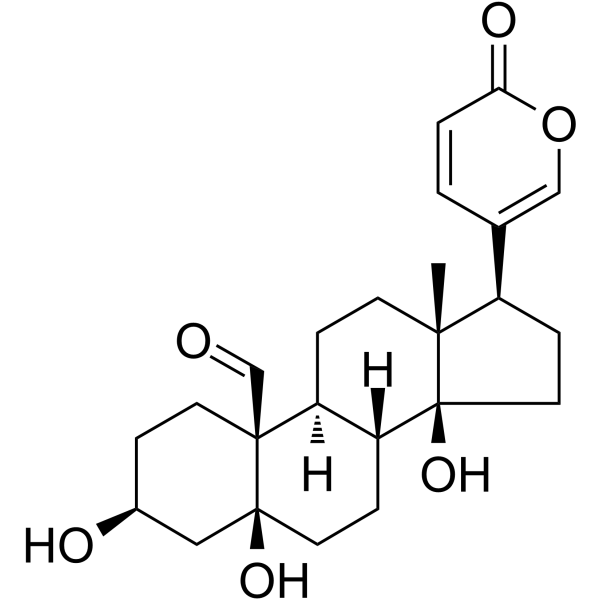
    Hellebrigenin is an inhibitor that selectively targets the MAPK signaling pathway (ERK, p38, JNK) and XIAP, and can inhibit Akt expression and phosphorylation. Hellebrigenin can activate endogenous apoptosis pathways (such as mitochondrial membrane potential disruption, Caspase family activation, PARP cleavage), downregulate anti-apoptotic proteins (Bcl-2, Bcl-xL) and upregulate pro-apoptotic proteins (Bax, Bak). Hellebrigenin can also induce DNA double-strand breaks to activate the ATM pathway. Hellebrigenin can inhibit tumor cell proliferation and clone formation, and is mainly used in the study of oral squamous cell carcinoma, liver cancer and other cancers .
    Hellebrigenin
  • HY-N8712

    p38 MAPK JNK ERK TNF Receptor Interleukin Related PI3K Akt Inflammation/Immunology
    Umckalin is Coumarin (HY-N0709) derivative that exhibits anti-inflammatory properties. Umckalin reduces phosphorylation of p38 MAPK, JNK, and ERK, lowers TNF-α, IL-6, IL-1β, NO, and PGE2 production. Umckalin can be used for the research of chronic inflammatory diseases .
    Umckalin
  • HY-119420

    Antibiotic Apoptosis Caspase JNK p38 MAPK TNF Receptor ERK NF-κB Mitochondrial Metabolism Inflammation/Immunology Cancer
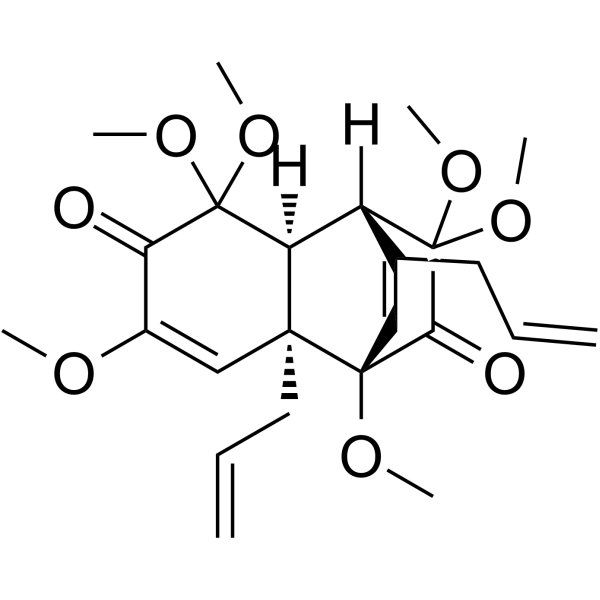
    Acetoxycycloheximide is an antibiotic with antitumor activity. Acetoxycycloheximide a protein synthesis inhibitor. Acetoxycycloheximide significantly induces activation of procaspase-3 and subsequent apoptosis mediated by the Cytochrome c from mitochondria via activation of JNK pathway. Acetoxycycloheximide triggers the downregulation of cell surface TNF-R1 via the activation of ERK and p38 MAPK, thereby preventing activation of the NF-κB signaling pathway by TNF-α. Acetoxycycloheximide is much more toxic to female rats than to males. Acetoxycycloheximide can be used for inflammatory and immune diseases and cancers research .
    Acetoxycycloheximide
  • HY-123647

    Endogenous Metabolite p38 MAPK JNK Caspase PARP ERK Apoptosis Reactive Oxygen Species (ROS) Infection Cancer
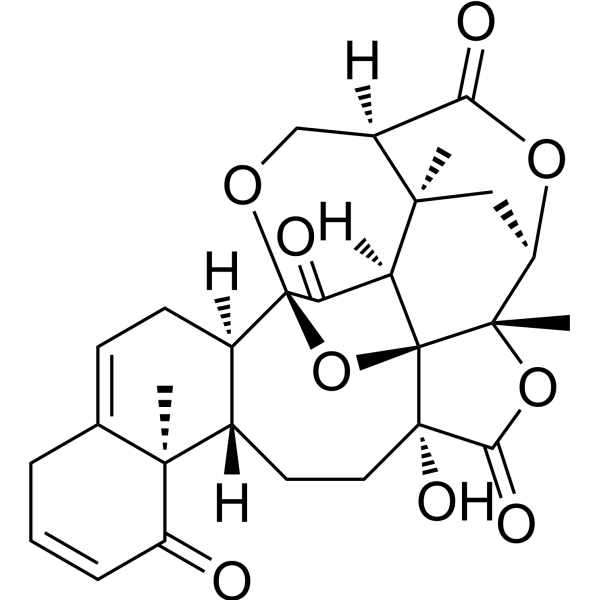
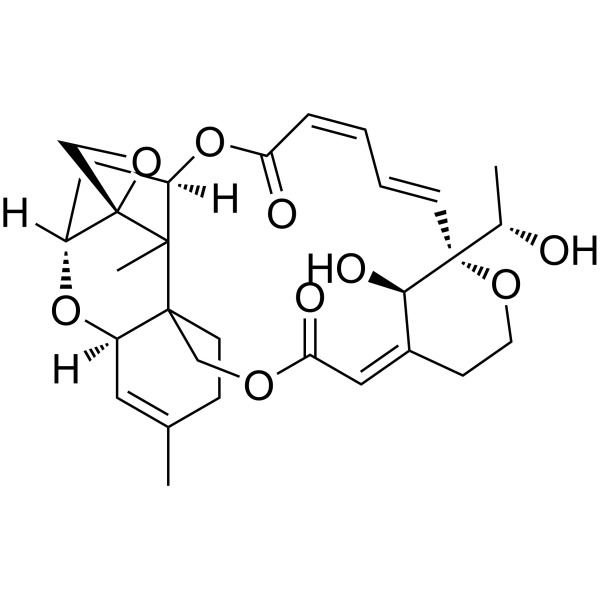
    Satratoxin H is a toxic metabolite of Stachybotrys atra. Satratoxin H induces caspase-3 and PARP cleavage via p38 MAPK and JNK pathways, stimulates JNK, ERK, and p38 MAPK phosphorylation, and activates JNK and p38 MAPK in a glutathione-sensitive manner. Satratoxin H induces DNA double-stranded breaks, apoptotic body formation, intracellular reactive oxygen species generation, and endoplasmic reticulum stress via ATF6, PERK, and IRE1 pathways. Satratoxin H can be used for the research of central nervous system disorders and melanoma .
    Satratoxin H
  • HY-P11250

    Bacterial NO Synthase Interleukin Related Reactive Oxygen Species (ROS) Toll-like Receptor (TLR) ERK JNK p38 MAPK Infection Inflammation/Immunology
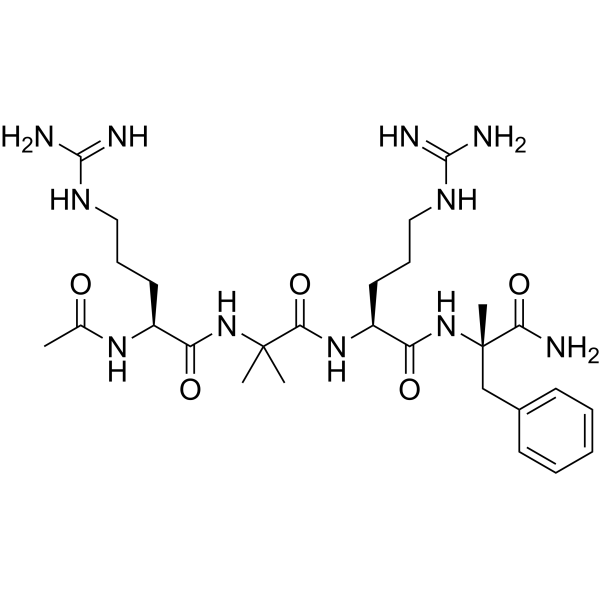
    HVF18-a3-d is an antimicrobial peptide. HVF18-a3-d reduces NO production. HVF18-a3-d inhibits the production of TNF-α and IL-6, reduces ROS production, and suppresses the TLR4 signaling pathway, as well as LPS-induced phosphorylation of ERK, JNK, and p38 MAPK. HVF18-a3-d exhibits antimicrobial activity against a variety of bacteria by disrupting their outer and inner membranes. HVF18-a3-d protects mice from fatal septic shock induced by Acinetobacter baumannii resistant to Carbapenem. HVF18-a3-d shows anti-inflammatory and antioxidant effects .
    HVF18-a3-d
  • HY-N19215

    p38 MAPK ERK JNK NO Synthase PGE synthase Interleukin Related COX Inflammation/Immunology
    Arnicolide B is a sesquiterpene lactone. Arnicolide B is isolated from Centipeda minima. Arnicolide B inhibits the phosphorylation of ERK, JNK and p38 proteins in the MAPK signaling pathway. Arnicolide B reduces the production of inflammatory mediators NO, PGE2 and IL-6. Arnicolide B downregulates the overexpression of inflammatory proteins iNOS and COX-2. Arnicolide B has no effect on IκB-α degradation or NF-κB pathway activation. Arnicolide B is applicable to inflammation-related research .
    Arnicolide B
  • HY-169412

    MDM-2/p53 CDK Caspase Bcl-2 Family Reactive Oxygen Species (ROS) p38 MAPK ERK JNK Cancer
    MAPK-IN-3 (Compound 4a) is an anti-proliferative agent that shows particularly strong inhibitory effects on KYSE 30, HCT 116, and HGC 27, with IC50 values of 0.57 μM, 3.27 μM, and 2.28 μM, respectively. MAPK-IN-3 blocks the cell cycle via a p53-dependent mechanism and induces cell apoptosis through a p53-independent mechanism. MAPK-IN-3 downregulates the expression of cell cycle-related proteins like Cyclin D1 and cyclin B1, upregulates pro-apoptotic proteins such as cleaved PARP, cleaved caspase-7, and cleaved caspase-9, and reduces the expression of anti-apoptotic proteins like Bcl-2. Additionally, MAPK-IN-3 increases the intracellular level of ROS in KYSE 30 cells and upregulates the expression of members of the MAPK signaling pathway associated with ROS, such as p-ERK, p-p38 and p-JNK .
    MAPK-IN-3
  • HY-N2375R

    Reference Standards Wnt β-catenin p38 MAPK Metabolic Disease
    L-Quebrachitol is a methoxy analog of inositol that can be isolated from plants. L-Quebrachitol has free-radical scavenging, gastroprotection, anti-platelet aggregation and anti-diabetic activity. L-Quebrachitol promotes osteoblastogenesis by uppregulation of BMP-2, runt-related transcription factor-2 (Runx2), MAPK (ERK, JNK, p38α), and Wnt/β-catenin signaling pathway .
    L-Quebrachitol (Standard)
  • HY-P11242

    Bacterial NF-κB p38 MAPK JNK ERK TNF Receptor Interleukin Related Infection
    Cm-CATH2 is an antimicrobial peptide discovered from Chelonia mydas. Cm-CATH2 has a potent, broad-spectrum and rapid bactericidal ability by rapidly destroying the integrity of bacterial cell membranes. It shows strong activity against Gram-positive bacteria (such as VREF, Staphylococcus aureus), Gram-negative bacteria (such as Escherichia coli, Klebsiella pneumoniae), and fungi (such as Candida albicans) with MICs ranges from 1.17 to 18.75 μg/mL. Cm-CATH2 is also effective against various aquatic pathogenic bacteria. Cm-CATH2 not only inhibits biofilm formation but can also remove the formed biofilms. Cm-CATH2 has immunomodulatory functions and chemotactic effects on immune cells, and can inhibit the production of pro-inflammatory cytokines by macrophages stimulated by LPS (HY-D1056). Cm-CATH2 prevents the activation of NF-κB by inhibiting the degradation of IκBα, and also inhibits the phosphorylation of MAPK signaling pathways (p38, JNK, ERK). Cm-CATH2 demonstrates strong anti-infective ability in mouse peritonitis models and pneumonia models .
    Cm-CATH2
  • HY-180807

    p38 MAPK Reactive Oxygen Species (ROS) Mitochondrial Metabolism ERK JNK Cardiovascular Disease Neurological Disease
    MAPK-IN-6 (compound 116B) is a CNS-penetrant compound that inhibits the MAPK signaling pathway. MAPK-IN-6 reduces oxidative stress in SH-SY5Y neuronal cells by reducing ROS, restoring mitochondrial function, and inhibiting MAPK-driven inflammation. MAPK-IN-6 demonstrates profound neuroprotective efficacy in a rat tBCCAO/R model via ERK-P38-JNK signaling. MAPK-IN-6 can be used as a neuroprotective agent in ischemic stroke research .
    MAPK-IN-6
  • HY-118817

    Reactive Oxygen Species (ROS) Calcium Channel JNK ERK p38 MAPK Apoptosis Neurological Disease
    Evariquinone is an anthraquinone compound isolated from the endophytic fungus Colletotrichum sp. JS-0367 of mulberry. Evariquinone possesses direct antioxidant activity. It inhibits excessive phosphorylation of the JNK, ERK1/2 and p38 MAPK signaling pathways by suppressing ROS and Ca 2+, thereby reducing neuronal apoptosis. Evariquinone can be used to study glutamate excitotoxicity-related neurological disorders (such as Alzheimer's disease, Parkinson's disease, cerebral ischemia, etc.) .
    Evariquinone
  • HY-N9541

    Others Inflammation/Immunology
    Chaetoglobosin Vb is a novel cytotoxic alkaloid with anti-inflammatory and antioxidant activities. Chaetoglobosin Vb can inhibit oxidative stress induced by LPS stimulation, reduce the production of reactive oxygen species and increase the expression of the antioxidant enzyme superoxide dismutase (SOD). Chaetoglobosin Vb significantly reduced the gene and protein expression of inducible nitric oxide synthase (iNOS) and cyclooxygenase-2 (COX-2) induced by LPS, and alleviated the production of proinflammatory cytokines such as TNF-α, IL-6 and IL-1β. Chaetoglobosin Vb exerts its biological activity through the TLR4-mediated MyD88-dependent signaling pathway and the TRIF-dependent signaling pathway, which is specifically manifested by inhibiting the phosphorylation of p38, ERK, and JNK MAPK and the translocation of NF-κB p65 subunit to the nucleus. Chaetoglobosin Vb showed no cytotoxic effect in the concentration range of 25-100 μM and promoted SOD enzyme activity and phosphorylation of p38, ERK1/2 and JNK in a dose-dependent manner .
    Chaetoglobosin Vb
  • HY-W714183

    Herbicide ERK p38 MAPK JNK PI3K Akt Apoptosis Microtubule/Tubulin Metabolic Disease
    Dinitramine is a herbicide. Dinitramine activates the Erk/P38/JNK/MAPK pathway and inactivates the PI3k/Akt pathway in testicular cells. Dinitramine induces endoplasmic reticulum stress, dysregulation of calcium homeostasis in the cytoplasm and mitochondria, apoptosis, and downregulated expression of cell cycle genes in testicular cells. Dinitramine reduces the viability and proliferation capacity of testicular cells, and inhibits cell division by suppressing the synthesis of tubulin. Dinitramine induces abnormal heart development, inhibited angiogenesis, inflammatory responses, apoptosis, and impaired embryonic growth in zebrafish embryos .
    Dinitramine
  • HY-P11467

    Bacterial p38 MAPK NF-κB PERK JNK Cardiovascular Disease Infection
    Gy-CATH is an anionic antimicrobial peptide. Gy-CATH activates MAPK and NF-κB signaling pathways (elevated levels of phospho-ERK, -p38, -JNK, -p65, and -IκBα). Gy-CATH upregulates the expression levels of three physiological anticoagulant pathways. Gy-CATH inhibits ADP-, Collagen-, and PMA-induced platelet aggregation. Gy-CATH has no direct antimicrobial activity, but shows significant preventive abilities against mice infected with Staphylococcus aureus, Escherichia coli, and Methicillin (HY-121544)-resistant Staphylococcus aureus. Gy-CATH exhibits potent immunomodulatory activity, enhancing macrophage-and neutrophil-mediated bactericidal functions. Gy-CATH significantly reduces the extent of pulmonary fibrin deposition and prevents thrombosis in mice .
    Gy-CATH
  • HY-P991744

    CXCR Cancer
    Anti-Mouse CXCR4 Antibody is a monoclonal antibody that specifically recognizes murine CXCR4 (C-X-C chemokine receptor 4), also known as fusin or CD184. CXCR4 is a seven-transmembrane G protein–coupled receptor whose principal endogenous ligand is CXCL12 (stromal cell–derived factor-1α, SDF-1α) and is widely expressed in hematopoietic cells, endothelial cells, neurons, as well as embryonic and adult stem cells. The CXCR4–CXCL12 signaling axis activates multiple downstream pathways, including ERK1/2, Ras, p38 MAPK, PLC/MAPK, and SAPK/JNK, thereby regulating cell survival, proliferation, migration, and stemness maintenance. Aberrant overexpression of CXCR4 is closely associated with poor prognosis and metastasis in various cancers, with CXCR4-positive tumor cells preferentially home to CXCL12-rich tissues such as the liver, bone marrow, lung, and lymph nodes. Accordingly, CXCR4 and its CXCL12-related antagonists emerge as attractive targets for experimental anticancer therapy. Anti-Mouse CXCR4 Antibody is generated using a cell-based immunization and screening strategy and exhibits high affinity for both endogenous and exogenous murine CXCR4. Anti-Mouse CXCR4 Antibody can be used for thestudy of chronic lymphocytic leukemia and multiple myeloma .
    Anti-Mouse CXCR4 Antibody (Cx4Mab-1)

Inquiry Online

Your information is safe with us. * Required Fields.

Salutation


Country or Region *

Applicant Name *


Organization Name *

Department *


Email Address *


Product Name *

Cat. No.


Requested quantity *

Phone Number *


Remarks

Inquiry Online

Inquiry Information

Product Name:
Cat. No.:
Quantity:
MCE Japan Authorized Agent:

