1. Search Result
Search Result
Results for "

HIT

" in MedChemExpress (MCE) Product Catalog:

33

Inhibitors & Agonists

22

Screening Libraries

2

Biochemical Assay Reagents

1

Natural
Products

1

Recombinant Proteins

1

Isotope-Labeled Compounds

2

Antibodies

Cat. No. Product Name Target Research Areas Chemical Structure
  • HY-W011927

    Bisphenol S; Bis(4-hydroxyphenyl) sulfone

    Estrogen Receptor/ERR Histone Methyltransferase Thyroid Hormone Receptor PI3K Akt mTOR Androgen Receptor Drug Derivative Cardiovascular Disease Neurological Disease Metabolic Disease Inflammation/Immunology Cancer
    4,4'-Sulfonyldiphenol (Bisphenol S; Bis(4-hydroxyphenyl) sulfone), a substitute for Bisphenol A (HY-18260), is widely used in industrial and consumer products. 4,4'-Sulfonyldiphenol is an oally ative estrogen receptor (ER) agonist and can competitively bind to thyroid hormone receptors (TR) with IC50 values for TRα and TRβ are 2650 μM and 2294 μM respectively, thereby affecting breast development and reducing the expression of androgen receptor (AR) in fetal testes. 4,4'-Sulfonyldiphenol promotes the progression of glioblastoma by upregulating the EZH2 mediated PI3K/AKT/mTOR pathway. Under chronic exposure, 4,4'-Sulfonyldiphenol can cause significant lipid deposition and dyslipidemia in the mouse liver by upregulating JunB and Atf3, and has a role in causing obesity at low doses. 4,4'-Sulfonyldiphenol induces intestinal inflammation by altering the intestinal microbiome. 4,4'-Sulfonyldiphenol accelerates the progression of atherosclerosis in zebrafish embryo larvae .
    4,4'-Sulfonyldiphenol
  • HY-103019
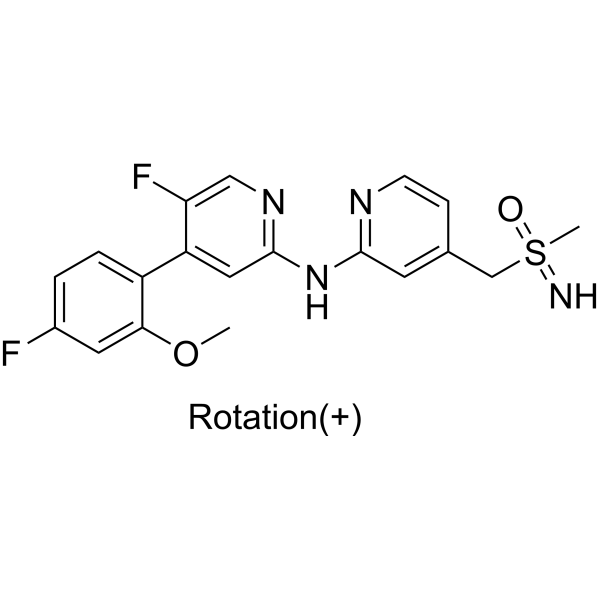
    Enitociclib
    2 Publications Verification

    (+)-BAY-1251152; (+)-VIP152; (S)-Enitociclib

    Drug Isomer CDK Apoptosis DNA/RNA Synthesis Inflammation/Immunology Cancer
    Enitociclib ((+)-BAY-1251152; (+)-VIP152) is a selective CDK9 inhibitor (IC50=3 nM) that inhibits transcriptional elongation by blocking Ser2/Ser5 phosphorylation of RNA polymerase II. Enitociclib specifically depletes key short-lived proteins such as c-MYC, MCL-1 and induces tumor cell apoptosis. Enitociclib also interferes with the production of enhancer RNAs (eRNA) and enhancer-promoter interactions, and downregulates oncogene expression at the epigenetic level. Enitociclib exerts synergistic effects with agents including Bortezomib (HY-10227), Lenalidomide (HY-A0003), Pomalidomide (HY-10984), Venetoclax (HY-15531) and Paclitaxel (HY-B0015), and even reverses paclitaxel resistance. Enitociclib serves as a vital research tool for various malignancies such as double-hit diffuse large B-cell lymphoma, multiple myeloma and pancreatic ductal adenocarcinoma .
    Enitociclib
  • HY-144776
    NAT
    4 Publications Verification

    NAMPT Cancer
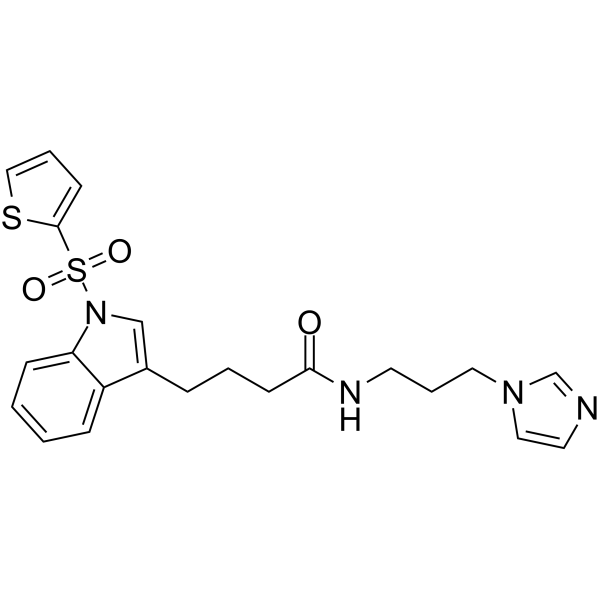
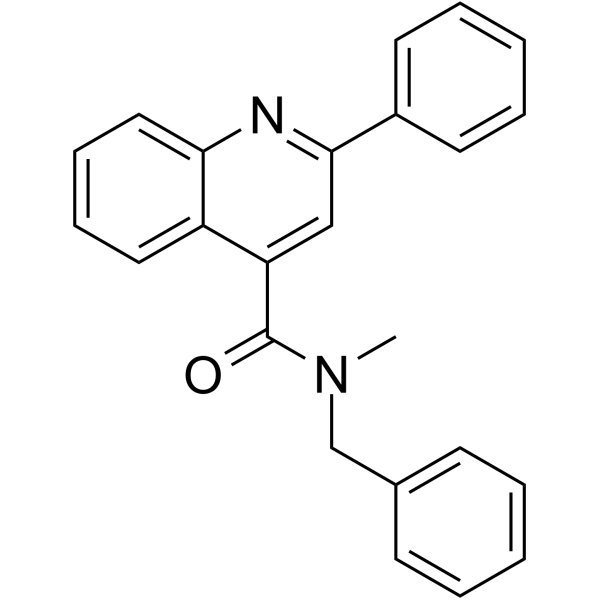
    NAT is an initial hit of NAMPT activator with an EC50 of 5.7 μM and a KD of 379 nM. NAMPT is the rate-limiting enzyme in the NAD salvage pathway, which makes it an attractive target for the research of many diseases associated with NAD exhaustion such as neurodegenerative diseases .
    NAT
  • HY-W011927S
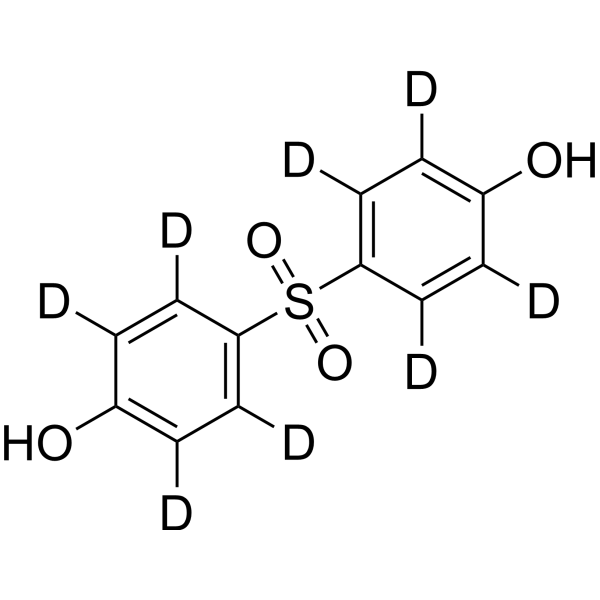
    4,4'-Sulfonyldiphenol-d8
    1 Publications Verification

    Bisphenol S (4,4'-Sulfonyldiphenol)-d8

    Isotope-Labeled Compounds Estrogen Receptor/ERR Histone Methyltransferase Thyroid Hormone Receptor PI3K Akt mTOR Androgen Receptor Cardiovascular Disease Metabolic Disease Inflammation/Immunology Endocrinology Cancer
    4,4'-Sulfonyldiphenol-d8 (Bisphenol S (4,4'-Sulfonyldiphenol)-d8) is the deuterium labeled 4,4'-Sulfonyldiphenol (HY-W011927).4,4'-Sulfonyldiphenol (Bisphenol S; Bis(4-hydroxyphenyl) sulfone), a substitute for Bisphenol A (HY-18260), is widely used in industrial and consumer products. 4,4'-Sulfonyldiphenol is an estrogen receptor (ER) agonist and can competitively bind to thyroid hormone receptors (TR) with IC50 values for TRα and TRβ are 2650 μM and 2294 μM respectively, thereby affecting breast development and reducing the expression of androgen receptor (AR) in fetal testes. 4,4'-Sulfonyldiphenol promotes the progression of glioblastoma by upregulating the EZH2 mediated PI3K/AKT/mTOR pathway. Under chronic exposure, 4,4'-Sulfonyldiphenol can cause significant lipid deposition and dyslipidemia in the mouse liver by upregulating JunB and Atf3, and has a role in causing obesity at low doses. 4,4'-Sulfonyldiphenol induces intestinal inflammation by altering the intestinal microbiome. 4,4'-Sulfonyldiphenol accelerates the progression of atherosclerosis in zebrafish embryo larvae.
    4,4'-Sulfonyldiphenol-d8
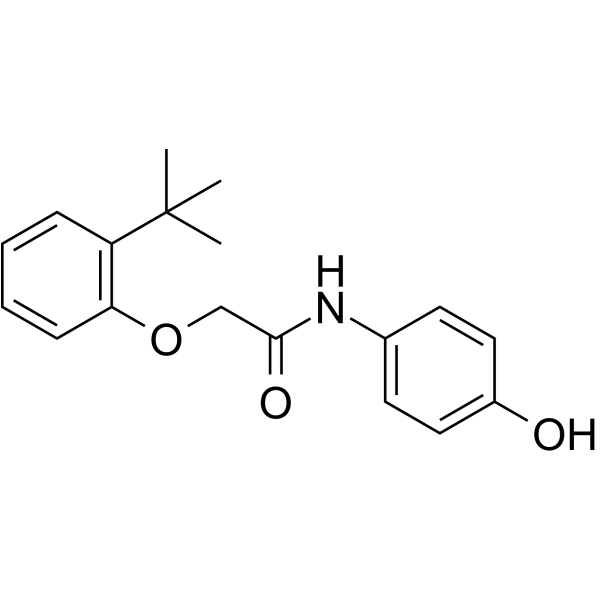
  • HY-153021

    Parasite Infection
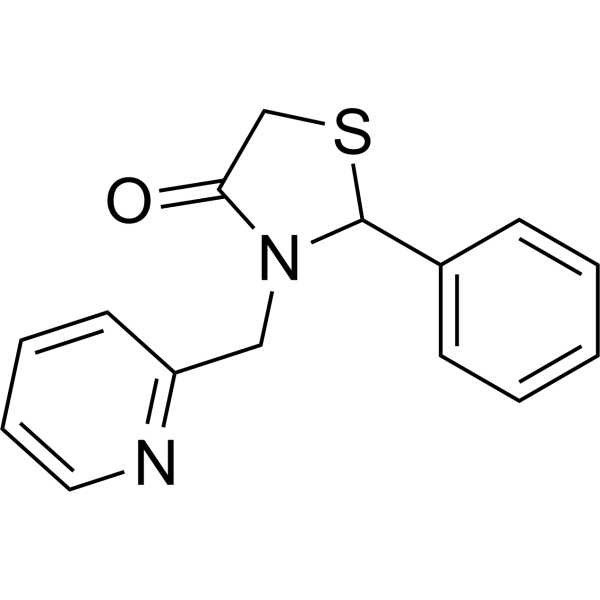
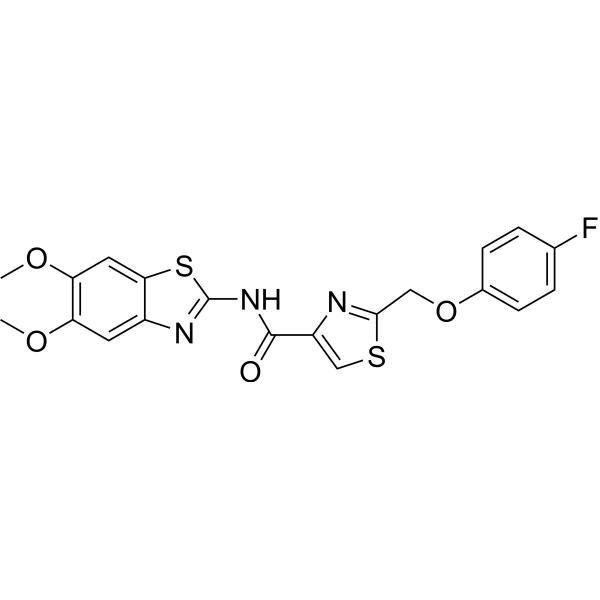
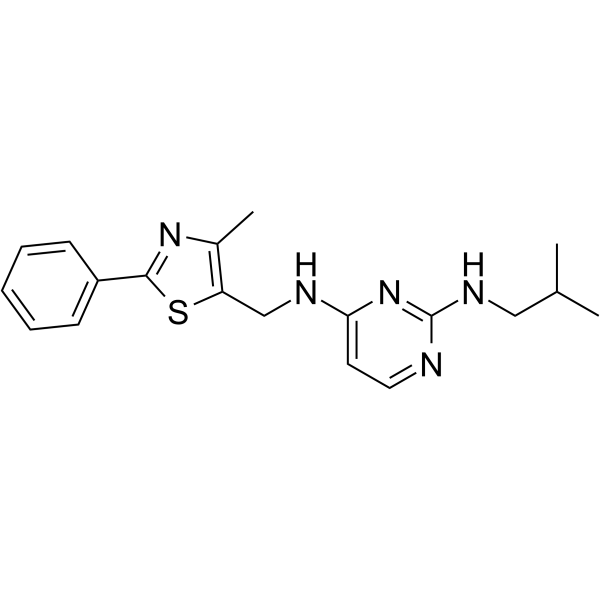
    NMT-IN-1 is a Trypanosoma brucei N-myristoyltransferase (TbNMT) inhibitor, with an IC50 of 31 μM against TbNMT and an IC50 of 66 μM against hNMT. As a thiazolidinone hit compound identified via virtual screening, NMT-IN-1 exerts enzymatic inhibitory effects by binding to the active site of TbNMT. NMT-IN-1 adopts a binding mode distinct from that of pyrazole sulfonamide inhibitors and can inhibit the myristoyl transfer reaction catalyzed by TbNMT. NMT-IN-1 is mainly used in the research of anti-parasitic lead compounds for human African trypanosomiasis (African sleeping sickness). It provides a structural basis for the subsequent optimization of TbNMT inhibitors with high activity, high selectivity and blood-brain barrier permeability .
    NMT-IN-1
  • HY-176813

    LAG-3 Cancer
    LAG-3 Hit II is a LAG-3 inhibitor with a KD of 4.32  μM. LAG-3 Hit II can be used for cancers like ovarian cancer, colon adenocarcinoma and melanoma research .
    LAG-3 Hit II
  • HY-162632

    Akt CXCR Inflammation/Immunology
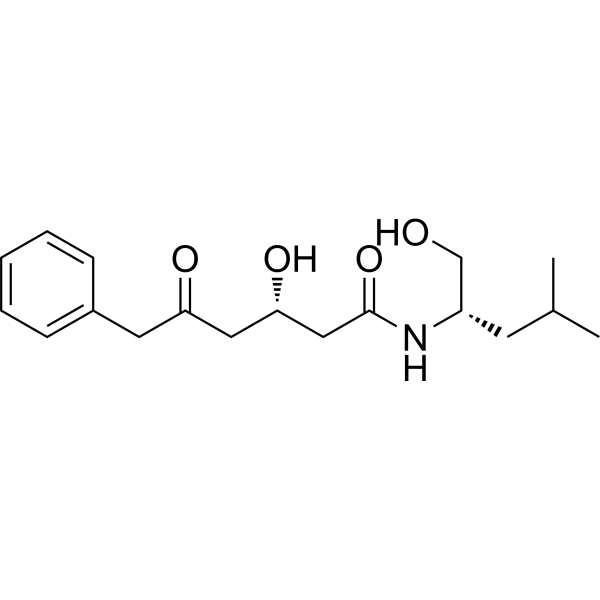
    Hit 14 is an inhibitor for C-X-C chemokine receptor type 4 (CXCR4) with IC50 of 254 nM. Hit 14 inhibits the migration and invasion of cell MDA-MB-231. Hit 14 inhibits the Akt phosphorylation, exhibits anti-inflammatory activity, and ameliorateds the ear swelling and damage in mouse models .
    Hit 14
  • HY-173233

    Polo-like Kinase (PLK) Cancer
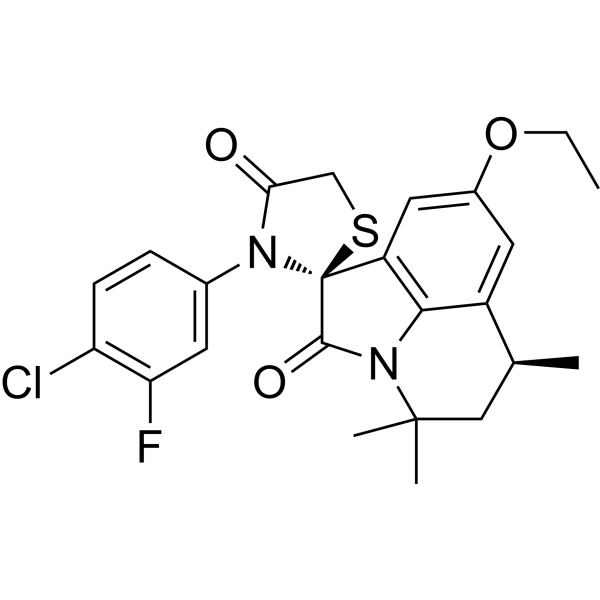
    PLK1-IN-14 (Compound Hit-4) is a selective PLK1 inhibitor. It has an IC50 of 22.61 pM against PLK1 and an IC50 of 0.09 nM for inhibiting the proliferation of DU - 145 prostate cancer cells. PLK1-IN-14 can be used in the research of prostate cancer .
    PLK1-IN-14
  • HY-148545

    SHMT Cancer
    SHMT-IN-3 (Hit 1) is a SHMT1 and SHMT2 inhibitor with an IC50 of 0.53 µM for human SHMT1. SHMT-IN-3 exhibits noncompetitive inhibition against serine .
    SHMT-IN-3
  • HY-143401

    IDE Metabolic Disease
    Hit 1 is an activator of ansulin degrading enzyme (IDE), with an EC50 of 5.5 μM. Hit 1 can decrease glucose-stimulating insulin secretion .
    Hit 1
  • HY-W011927R

    Bisphenol S (Standard); Bis(4-hydroxyphenyl) sulfone (Standard)

    Reference Standards Estrogen Receptor/ERR Histone Methyltransferase Thyroid Hormone Receptor PI3K Akt mTOR Androgen Receptor Drug Derivative Cardiovascular Disease Metabolic Disease Inflammation/Immunology Endocrinology Cancer
    4,4'-Sulfonyldiphenol (Bisphenol S; Bis(4-hydroxyphenyl) sulfone) (Standard) is the analytical standard of 4,4'-Sulfonyldiphenol (HY-W011927). This product is intended for research and analytical applications. 4,4'-Sulfonyldiphenol, a substitute for Bisphenol A (HY-18260), is widely used in industrial and consumer products. 4,4'-Sulfonyldiphenol is an estrogen receptor (ER) agonist and can competitively bind to thyroid hormone receptors (TR) with IC50 values for TRα and TRβ are 2650 μM and 2294 μM respectively, thereby affecting breast development and reducing the expression of androgen receptor (AR) in fetal testes. 4,4'-Sulfonyldiphenol promotes the progression of glioblastoma by upregulating the EZH2 mediated PI3K/AKT/mTOR pathway. Under chronic exposure, 4,4'-Sulfonyldiphenol can cause significant lipid deposition and dyslipidemia in the mouse liver by upregulating JunB and Atf3, and has a role in causing obesity at low doses. 4,4'-Sulfonyldiphenol induces intestinal inflammation by altering the intestinal microbiome. 4,4'-Sulfonyldiphenol accelerates the progression of atherosclerosis in zebrafish embryo larvae.
    4,4'-Sulfonyldiphenol (Standard)
  • HY-160875

    Glutathione S-transferase Metabolic Disease
    GST-FH.1 is a GST-FH compound, a complex that produces frequent false positive hits (FH) in the interaction between glutathione S-transferase (GST) and glutathione (GSH) . GST-FH.4 inhibits glutathione S-transferase (GST) activity with an IC50 of 0.32 μM .
    GST-FH.1
  • HY-161462

    ERK p38 MAPK Cancer
    ERK2/p38α MAPK-IN-1 (Compound 1, In silico Hit-2) is a potent and selective ERK2 and p38α MAPK inhibitor, with an IC50 of 82 μM for ERK2. ERK2/p38α MAPK-IN-1 binds to the allosteric site of ERK2 and p38α MAPK in distinct manners. ERK2/p38α MAPK-IN-1 can be used for the research of type 2 diabetes .
    ERK2/p38α MAPK-IN-1
  • HY-147361

    Apoptosis Lactate Dehydrogenase Cancer
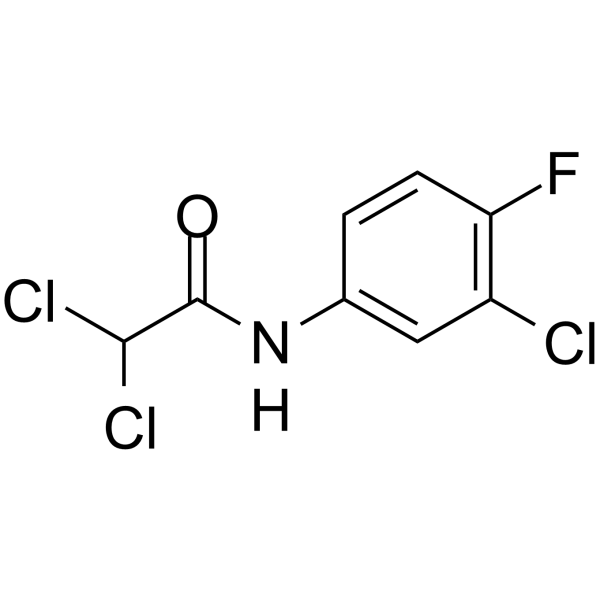
    LDCA is a dual-hit metabolic modulator and inhibits LDH-A enzyme activity to stimulate apoptosis in the malignant population. LDCA can be used for the research of oncogenic progression .

    LDCA
  • HY-173615

    DYRK Neurological Disease Metabolic Disease
    KTD-092 is a hit for DYRK1A inhibition, with an IC50 of 22 nM for human DYRK1A. KTD-092 can be used in the research for Down syndrome (DS), Alzheimer's disease (AD), autism spectrum disorder (ASD), diabetes and other neurodegenerative diseases .
    KTD-092
  • HY-153141

    RNA MTase Cancer
    MP-1 is a potent Fumarate hydratase-dependent hit. MP-1 engages an array of functional cysteines, including one lying in the Zn-finger domain of the tRNA methyltransferase enzyme TRMT1. MP-1 causes fumarate hydratase-dependent synthetic lethality in a metastatic hereditary leiomyomatosis and renal cell carcinoma cell line .
    MP-1
  • HY-144435

    ATM/ATR Cancer
    ATR-IN-11 (Compound Hit01) is a potent inhibitor of ataxia telangiectasia and Rad3-related (ATR) kinase. ATR kinase is a key regulating protein within the DNA damage response (DDR), responsible for sensing replication stress (RS). ATR-IN-11 is a promising lead compound for subsequent agent discovery targeting ATR kinase. ATR-IN-11 has the potential for the research of cancer disease .
    ATR-IN-11
  • HY-160874

    Glutathione S-transferase Metabolic Disease
    GST-FH.4 is a GST-FH compound, a complex that produces frequent false positive hits (FH) in the interaction between glutathione S-transferase (GST) and glutathione (GSH) . GST-FH.4 inhibits glutathione S-transferase (GST) activity with an IC50 of 24.38 μM .
    GST-FH.4
  • HY-123412

    Bacterial Inflammation/Immunology
    FOL7185, an antibacterial agent, is a hit against IspD and IspE enzymes isolated from bacteria .
    FOL7185
  • HY-174842

    Macrophage migration inhibitory factor (MIF) Inflammation/Immunology
    HTS05585 (Compound Hit-1) is a selective macrophage migration inhibitory factor (MIF) inhibitor with a Kd value of 0.29 μM measured by microscale thermophoresis (MST) and 0.32±0.01 μM verified by isothermal titration calorimetry (ITC). HTS05585 inhibits the release of pro-inflammatory factors (TNF-α, IL-6, IL-1β) from LPS-induced macrophages. HTS05585 is promising for research of inflammation-related diseases such as sepsis .
    HTS05585
  • HY-143250

    Microtubule/Tubulin Cancer
    Tubulin inhibitor 12 (Hit 9) is a novel tubulin inhibitor (IC50=25.3 μM). Tubulin inhibitor 12 shows anti-tumor activity and anti-proliferative activity .
    Tubulin inhibitor 12
  • HY-158700

    Bacterial Infection
    DprE1-IN-10 (hit 2) is a Decaprenylphosphoryl-β-D-ribose-2′-epimerase (DprE1) inhibitor. DprE1-IN-10 can be used for tuberculosis research .
    DprE1-IN-10
  • HY-146400

    Bacterial Infection
    Antibacterial agent 97 (hit compound) is a potent antibacterial agent. Antibacterial agent 97 shows antibacterial activities with MIC of 16 and 16 µg/mL for Escherichia coli (E. coli) and Staphylococcus aureus (S. aureus), respectively .
    Antibacterial agent 97
  • HY-N15655

    Bacterial Infection
    Ravenelin is a xanthone that can be isolated from the endophytic fungus Exserohilum rostratum. Ravenelin exhibits antiprotozoal and antibacterial activity. Ravenelin is active against gram-positive bacterial strains. Ravenelin can be studied for hit-to-lead development, especially for Chagas Disease .
    Ravenelin
  • HY-181171

    Estrogen Receptor/ERR Cancer
    HIT-2 is an estrogen receptor alpha (ERα) inhibitor that can bind to the ERα ligand binding domain. HIT-2 forms stable interactions including hydrogen bonds, π-π stacking, and hydrophobic contacts to disrupt ERα-driven signaling. HIT-2 exhibits antineoplastic activity against breast cancer. HIT-2 can be used for the research of breast cancer .
    HIT-2
  • HY-163412

    IKK Inflammation/Immunology
    IKKβ-IN-3 (Compound hit4) is a IKKβ inhibitor with an IC50 value of 30.4 nM. IKKβ is a key enzyme in the NF-κB signaling pathway and is involved in the development of many diseases. IKKβ-IN-3 can be used in the study of CAF-induced arthritis .
    IKKβ-IN-3
  • HY-161010

    Dihydrofolate reductase (DHFR) Infection
    DHFR-IN-13 (Compd Hit8) is an active R. solani DHFR inhibitor with an IC50 value of 10.2 μM. DHFR-IN-13 has selectivity of inhibition against human DHFR with an IC50 value of 227.7 μM. DHFR-IN-13 also is a fungicide. DHFR-IN-13 has high antifungal activity against R. solani with EC50 value of 38.2 mg/L .
    DHFR-IN-13
  • HY-181541

    HDAC Apoptosis Wnt β-catenin MDM-2/p53 c-Myc Cancer
    HIT211504993 is a selective histone deacetylase 6 (HDAC6) inhibitor with an IC50 of 0.070 μM. HIT211504993 suppresses cancer cell proliferation, cause G1 phase cell cycle arrest and induces apoptosis. HIT211504993 inhibits Myc-driven tumorigenesis via nucleocytoplasmic acetylation, p53 modulation, and Wnt/β-catenin signaling modulation. HIT211504993 inhibits tumor growth in a colon cancer xenograft mouse model. HIT211504993 can be used for the research of colon cancer .
    HIT211504993
  • HY-181150

    PI3K Cancer
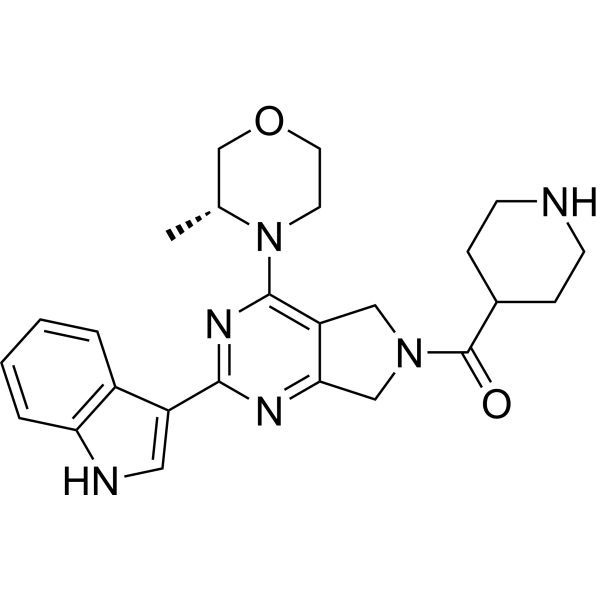
    Hit20 is a PI3Kα selective inhibitor, inhibits PI3Kα kinase activity, suppresses PI3Kα phosphorylation. Hit20 suppresses proliferation, colony formation, migration, and invasion of colon cancer cells. Hit20 can be used for the research of colon cancer .
    Hit20
  • HY-181573

    PDI Apoptosis Neurological Disease Cancer
    TC8026 is an allosteric-covalent inhibitor targeting protein disulfide isomerase (PDI), with an IC50 of 7 μM against human PDI. TC8026 induces endoplasmic reticulum stress-mediated apoptosis. TC8026 is a hit compound with PDI inhibitory activity identified via high-throughput screening, and it can be used for the research of glioblastoma .
    TC8026
  • HY-182486

    Histone Methyltransferase Cancer
    LEM-06 is an NSD2 inhibitor with a human IC50 of 890 μM and 0.8 mM. LEM-06 binds to the histone-tail binding groove of NSD2-SET, inhibiting NSD2-mediated H3K36 histone methyltransferase activity and H3K36 mono-methylation. LEM-06 serves as a hit molecule for further optimization or derivation to explore NSD2 biology. LEM-06 can be used for the research of multiple myeloma .
    LEM-06
  • HY-161032

    IPK Superfamily Inflammation/Immunology
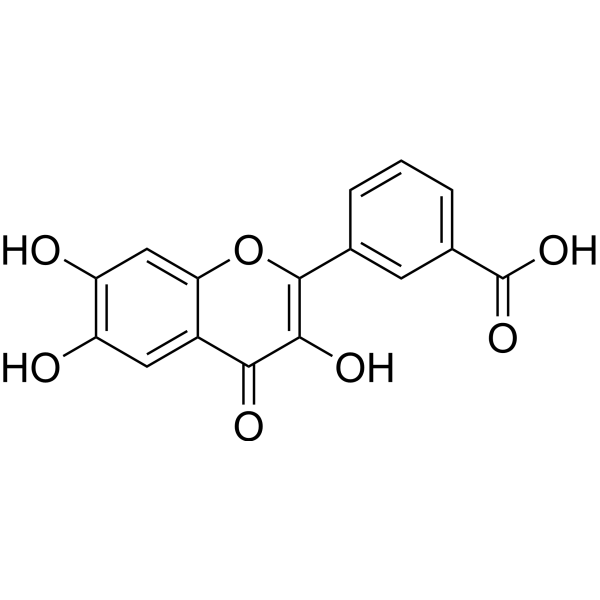
    IP6K2-IN-1 is a selective flavonoid-based IP6K2 inhibitor with an IC50 value of 0.55 μM . IP6K2-IN-1 shows higher inhibitory potency against IP6K2 than IP6K1 and IP6K3. IP6K2-IN-1 can be utilised as a hit compound for further structural modifications of IP6K2 inhibitors .
    IP6K2-IN-1
  • HY-103019R

    (+)-BAY-1251152 (Standard); (+)-VIP152 (Standard); (S)-Enitociclib (Standard)

    Reference Standards Drug Isomer Apoptosis DNA/RNA Synthesis CDK Cancer
    Enitociclib (Standard) is the analytical standard of Enitociclib (HY-103019). This product is intended for research and analytical applications. Enitociclib ((+)-BAY-1251152; (+)-VIP152) is a selective CDK9 inhibitor (IC50=3 nM) that inhibits transcriptional elongation by blocking Ser2/Ser5 phosphorylation of RNA polymerase II. Enitociclib specifically depletes key short-lived proteins such as c-MYC, MCL-1 and induces tumor cell apoptosis. Enitociclib also interferes with the production of enhancer RNAs (eRNA) and enhancer-promoter interactions, and downregulates oncogene expression at the epigenetic level. Enitociclib exerts synergistic effects with agents including Bortezomib (HY-10227), Lenalidomide (HY-A0003), Pomalidomide (HY-10984), Venetoclax (HY-15531) and Paclitaxel (HY-B0015), and even reverses paclitaxel resistance. Enitociclib serves as a vital research tool for various malignancies such as double-hit diffuse large B-cell lymphoma, multiple myeloma and pancreatic ductal adenocarcinoma .
    Enitociclib (Standard)

Inquiry Online

Your information is safe with us. * Required Fields.

Salutation


Country or Region *

Applicant Name *


Organization Name *

Department *


Email Address *


Product Name *

Cat. No.


Requested quantity *

Phone Number *


Remarks

Inquiry Online

Inquiry Information

Product Name:
Cat. No.:
Quantity:
MCE Japan Authorized Agent: