1. Search Result
Search Result
Pathways Recommended: Immunology/Inflammation
Results for "

Joint inflammation

" in MedChemExpress (MCE) Product Catalog:

32

Inhibitors & Agonists

2

Screening Libraries

1

Biochemical Assay Reagents

2

Peptides

1

Inhibitory Antibodies

5

Natural
Products

1

Isotope-Labeled Compounds

1

Oligonucleotides

Cat. No. Product Name Target Research Areas Chemical Structure
  • HY-108910
    Chymotrypsin
    2 Publications Verification

    EC 3.4.21.1; Chymotrypsin A

    Toll-like Receptor (TLR) NF-κB MMP Others Inflammation/Immunology
    Chymotrypsin (EC 3.4.21.1; Chymotrypsin A) is an orally effective inhibitor targeting molecules such as TLR4, NF-κB, MMP-1, TNF-α, IL-1β, and IL-6. Chymotrypsin downregulates the TLR4/NF-κB signaling pathway, inhibiting the release of inflammatory factors, reducing cell infiltration and tissue damage. It also reduces the expression of tumor cell adhesion molecules (such as CD44 and CD54) and can be specifically detected by fluorescent probes (such as NBD-3). Chymotrypsin has anti-inflammatory, hepatoprotective, joint damage-reducing, liver protection against lipotoxicity, and anti-tumor metastasis functions. It can be used in research on diseases such as rheumatoid arthritis, non-alcoholic fatty liver disease, and melanoma metastasis. Chymotrypsin can be used in studies of inflammation, edema, and expectoration .
    Chymotrypsin
  • HY-P10136
    IA9
    2 Publications Verification

    human TREM-2 182-190

    TREM receptor Inflammation/Immunology
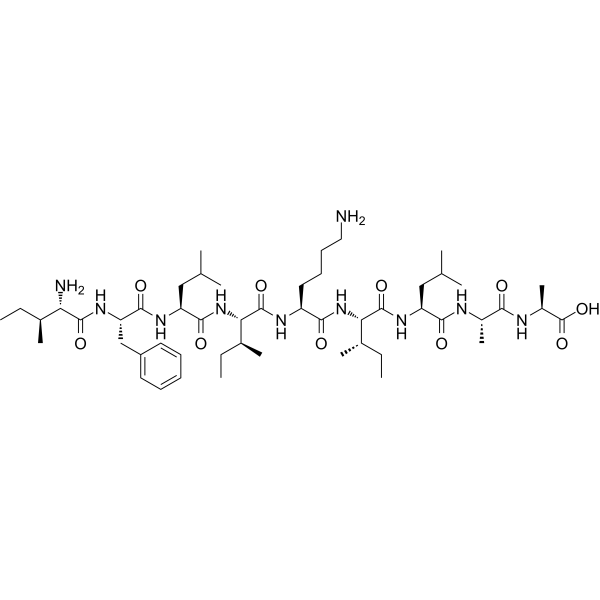
    IA9 (human TREM-2 182-190) is a potent, CNS-penetrant TREM-2 inhibitor. IA9 can diminish the release of proinflammatory cytokines and suppress joint inflammation and damage in a Collagen (HY-P5003)-induced arthritis (CIA) mouse model. IA9 can be used for neuroinflammation PET imaging. IA9 can be used for Rheumatoid arthritis (RA) and neuroinflammation research .
    IA9
  • HY-B1456A
    Fenoprofen
    2 Publications Verification

    LILLY-53858

    COX Melanocortin Receptor ERK Inflammation/Immunology
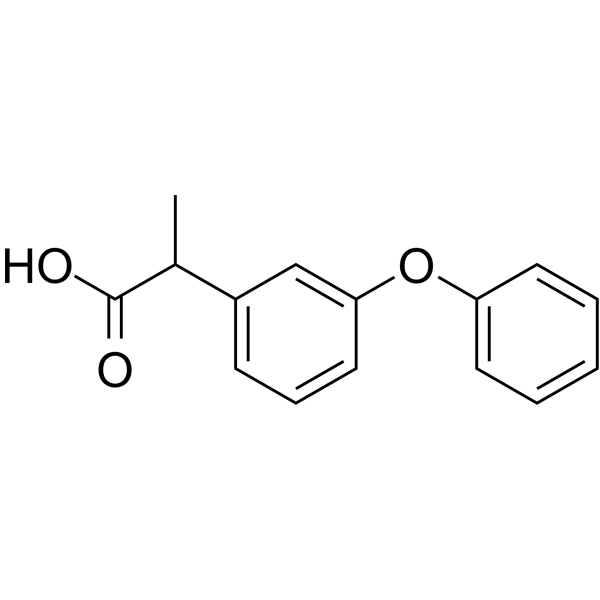
    Fenoprofen (LILLY-53858) is a nonsteroidal anti-inflammatory agent (NSAID) and inhibits cyclooxygenase (COX). Fenoprofen is a melanocortin receptors (MCRs) positive allosteric modulator (PAM). Fenoprofen also increases ERK1/2 activation in HEK293T cells. Fenoprofen has anti-arthritic activities and can be used for the study of rheumatoid arthritis and osteoarthritis .
    Fenoprofen
  • HY-W003969

    Ascensil; 2-Amino-4-methylpyridine

    NO Synthase Inflammation/Immunology
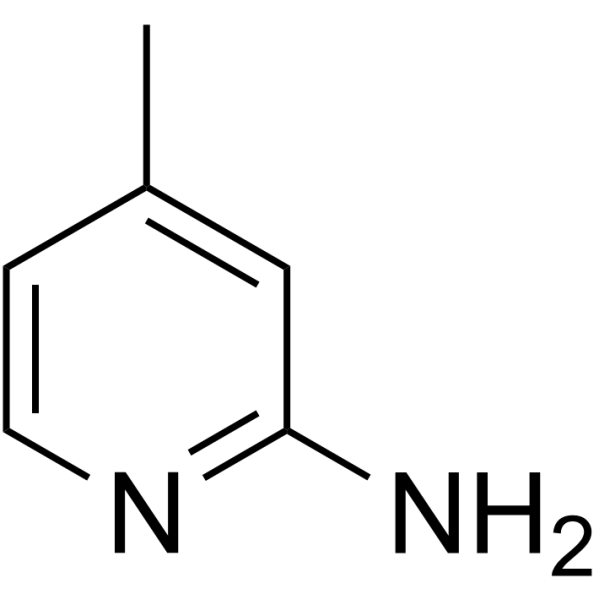
    Aminopicoline (Ascensil) is a potent and non-selective inhibitor of nitric oxide synthase (NOS) isoenzymes (iNOS, nNOS, eNOS). Aminopicoline competes with arginine at the substrate-binding site of nitric oxide synthase, reduces cellular nitric oxide production, inhibits the elevation of plasma nitrate, increases mean arterial pressure at high doses, and also serves as a basis for radiolabeled ligands to localize nitric oxide synthase binding sites. Aminopicoline can be used in the research of diseases associated with septic shock, joint inflammation, intestinal inflammation, and CNS inflammation .
    Aminopicoline
  • HY-114495
    Caerulomycin A
    3 Publications Verification

    Cerulomycin; Caerulomycin

    Fungal Antibiotic Infection Inflammation/Immunology
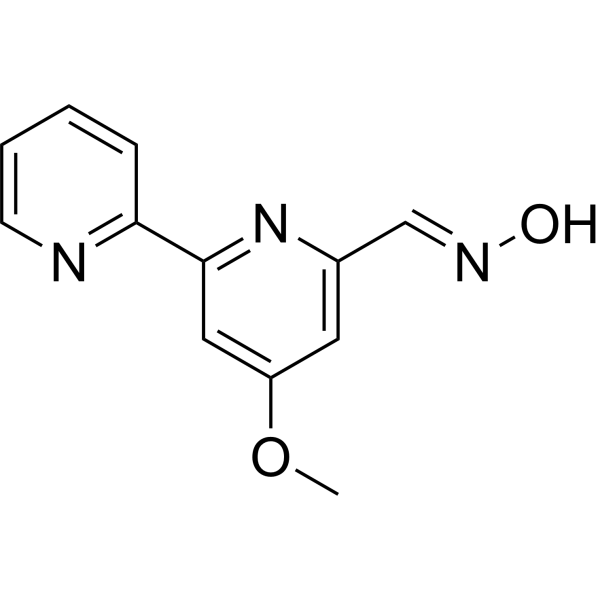
    Caerulomycin A is an orally active immunomodulator and antimicrobial agent. Caerulomycin A targets Smad3, STAT1 and GATA-3. Caerulomycin A downregulates GATA-3 expression, inhibits Th2 cell differentiation and Th2 cytokine production, reduces IgE levels, and alleviates pulmonary inflammatory responses and eosinophil infiltration. Caerulomycin A ameliorates collagen-induced arthritis symptoms, reduces joint inflammation and synovitis, and decreases the levels of proinflammatory cytokines in joints. Caerulomycin A inhibits the growth of some filamentous fungi, yeasts and specific bacteria. Caerulomycin A can be used in research related to arthritis and asthma .
    Caerulomycin A
  • HY-108910A
    Chymotrypsin (MS grade)
    2 Publications Verification

    EC 3.4.21.1 (MS grade); Chymotrypsin A (MS grade)

    Toll-like Receptor (TLR) NF-κB MMP Others Inflammation/Immunology
    Chymotrypsin (EC 3.4.21.1; Chymotrypsin A) (MS grade) is an orally effective inhibitor targeting molecules such as TLR4, NF-κB, MMP-1, TNF-α, IL-1β, and IL-6. Chymotrypsin (MS grade) downregulates the TLR4/NF-κB signaling pathway, inhibits the release of inflammatory factors, reduces cell infiltration and tissue damage, and also reduces the expression of tumor cell adhesion molecules (such as CD44 and CD54). It can also be specifically detected by fluorescent probes (such as NBD-3). Chymotrypsin (MS grade) has anti-inflammatory, hepatoprotective, joint damage-reducing, liver protection against lipotoxicity, and anti-tumor metastasis functions, and can be used in the research of diseases such as rheumatoid arthritis, non-alcoholic fatty liver disease, and melanoma metastasis. Chymotrypsin (MS grade) can be used in studies of inflammation, edema, and expectoration .
    Chymotrypsin (MS grade)
  • HY-B0072
    Tropisetron
    4 Publications Verification

    SDZ-ICS-930 free base

    5-HT Receptor nAChR p38 MAPK NF-κB AP-1 Nuclear Factor of activated T Cells (NFAT) JAK Neurological Disease Inflammation/Immunology Cancer
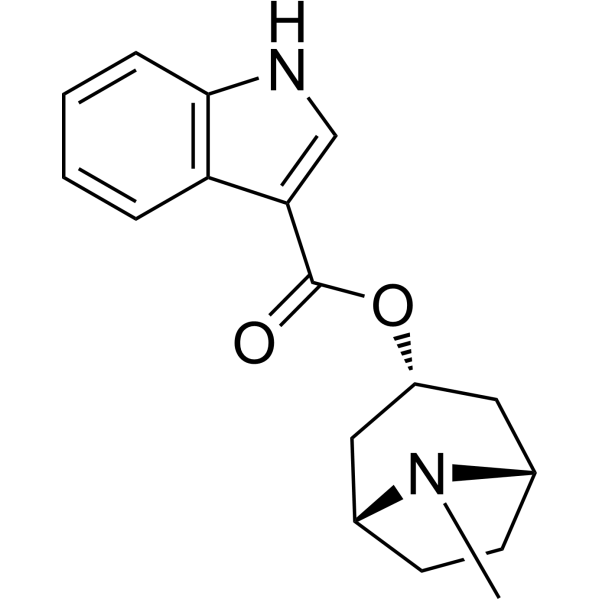
    Tropisetron is an orally active 5-HT3R antagonist (Ki = 5.3 nM) as well as being a potent and selective α7 nicotinic partial agonist (EC50 = 1.3 μM). Tropisetron prevents phosphorylation and activation of the p38 MAPK. Tropisetron inhibits both IL-2 gene transcription and IL-2 synthesis in stimulated T cells. Tropisetron inhibits the binding to DNA and the transcriptional activity of NFAT and AP-1. Tropisetron is anti-inflammatory and antiemetic. Tropisetron has antitumor and neuroprotective effects. Tropisetron can be studied in research for diseases including hemorrhagic cystitis, chronic joint inflammation, lung cancer and chronic cerebral hypoperfusion .
    Tropisetron
  • HY-120012
    Mizacorat
    Maximum Cited Publications
    7 Publications Verification

    AZD9567

    Glucocorticoid Receptor Inflammation/Immunology Endocrinology
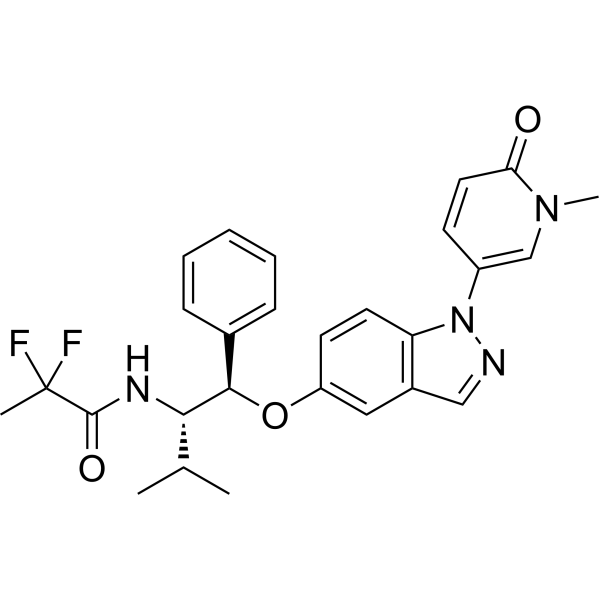
    Mizacorat (AZD9567; compound 15) is a potent, oral active, non-steroidal and selective glucocorticoid receptor modulator (SGRM), with an IC50 of 3.8 nM. Exhibits excellent efficacy in the streptococcal cell wall (SCW) reactivation model of joint inflammation .
    Mizacorat
  • HY-P10136A
    IA9 TFA
    2 Publications Verification

    human TREM-2 182-190 TFA

    TREM receptor Inflammation/Immunology
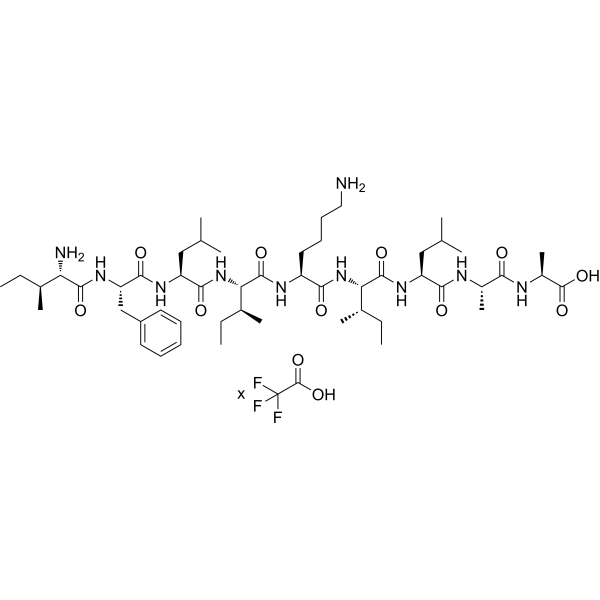
    IA9 TFA (human TREM-2 182-190 TFA) is a potent, CNS-penetrant TREM-2 inhibitor. IA9 TFA can diminish the release of proinflammatory cytokines and suppress joint inflammation and damage in a Collagen (HY-P5003)-induced arthritis (CIA) mouse model. IA9 TFA can be used for neuroinflammation PET imaging. IA9 TFA can be used for Rheumatoid arthritis (RA) and neuroinflammation research .
    IA9 TFA
  • HY-B1173
    (+)-Camphor
    1 Publications Verification

    D-(+)-Camphor; (1R)-(+)-Camphor

    Environmental Pollutants Bacterial Neurological Disease Inflammation/Immunology Cancer
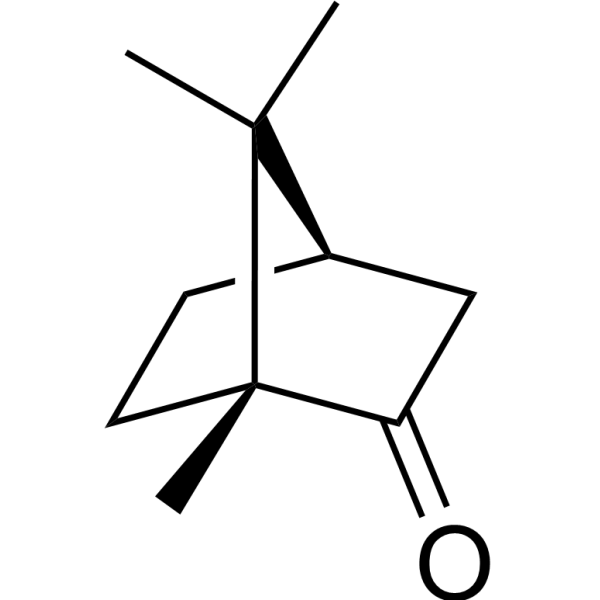
    (+)-Camphor (D-(+)-Camphor; (1R)-(+)-Camphor) is an isomer of Camphor. Camphor is an agonist of monoterpenoid transient receptor potential (TRP) channels (such as TRPV1, TRPV3, TRPM8) and an inhibitor of TRPA1 channels. Camphor's derivatives have multiple biological activities, including antibacterial, antiviral, antioxidant, analgesic and anticancer. Camphor can selectively activate cold-sensitive TRP channels and inhibit TRPA1-mediated nociceptive signals. Camphor stimulates the cold-sensing nerve endings in the skin and regulates the activity of ion channels to exert analgesic, anti-inflammatory and anti-itching effects. It also has anti-proliferative and anti-mutagenic activities on tumor cells, which may be related to inhibiting ribosome function or inducing cell apoptosis. Camphor can be absorbed through the skin and (+)-Camphor can be used in the study of muscle and joint pain and inflammation .
    (+)-Camphor
  • HY-169949

    MAP3K NF-κB MMP Leukotriene Receptor Inflammation/Immunology
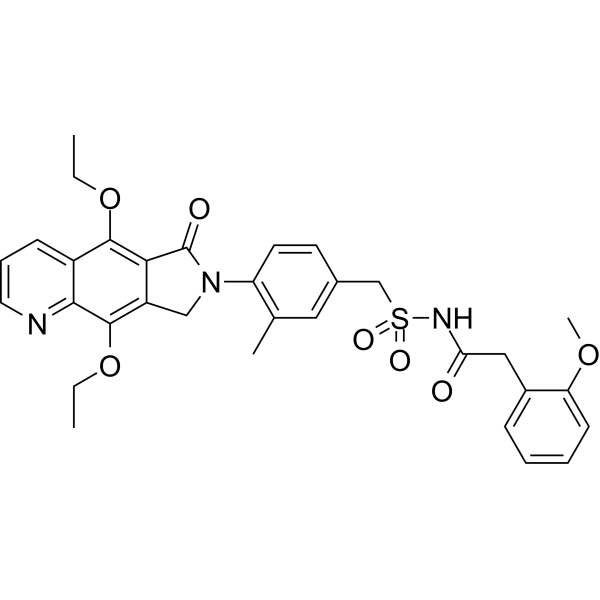
    TAK-756 is a selective transforming growth factor β-activated kinase 1 (TAK1) inhibitor with a target pIC50 of 8.6. TAK-756 can inhibit TAK1 autophosphorylation and downstream NF-κB phosphorylation, suppress the production of inflammatory and catabolic factors such as MMP-3 and IL-6. TAK-756 exhibits anti-inflammatory effects in a rat joint inflammation model. TAK-756 can be used for the research of inflammatory joint disease, osteoarthritis .
    TAK-756
  • HY-N9794

    Others Inflammation/Immunology
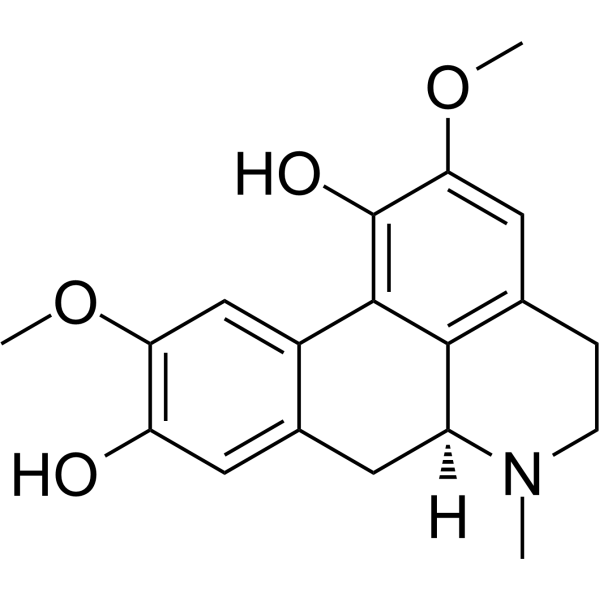
    Isoboldine is a pyridine alkaloid. Isoboldine effectively alleviates inflammation and joint destruction in collagen-induced arthritis in mice .
    Isoboldine
  • HY-119447

    COX Inflammation/Immunology
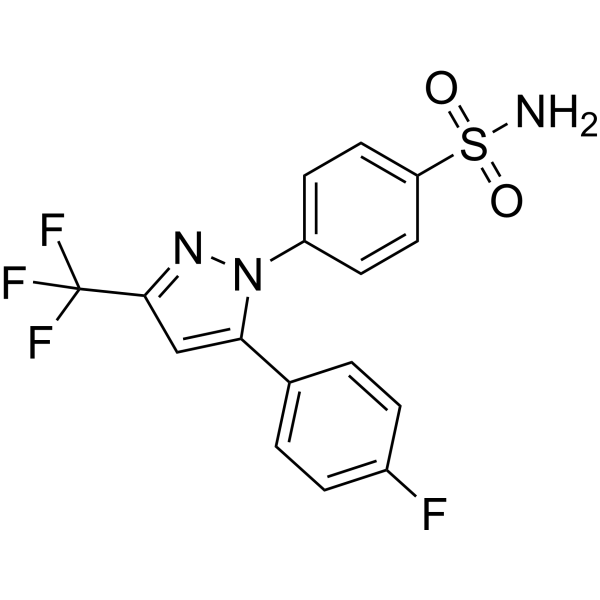
    Mavacoxib is a selective, oral long-acting cyclooxygenase-2 (COX-2) inhibitor and a long-acting non-steroidal anti-inflammatory drug (NSAID). Mavacoxib is used to treat pain and inflammation associated with degenerative joint disease in dogs .
    Mavacoxib
  • HY-10794
    MF498
    1 Publications Verification

    Prostaglandin Receptor Metabolic Disease Inflammation/Immunology Cancer
    MF498 is a selective and orally active E prostanoid Receptor 4 (EP4) antagonist with a Ki value of 0.7 nM. MF498 can be used in the research of inflammation, such as rheumatoid and osteoarthritis .
    MF498
  • HY-177435

    FAP Inflammation/Immunology
    FAPI-800CW is a near-infrared (NIR) fluorescent-labeled fibroblast activation protein (FAP) inhibitor. FAPI-800CW shows specific uptake in inflamed paws in collagen-induced arthritis (CIA) model mice. FAPI-800CW can be used for in vivo molecular imaging of FAP expression in inflammatory diseases such as rheumatoid arthritis (RA) to monitor joint inflammation and disease activity .
    FAPI-800CW
  • HY-126252

    ROR Interleukin Related Inflammation/Immunology
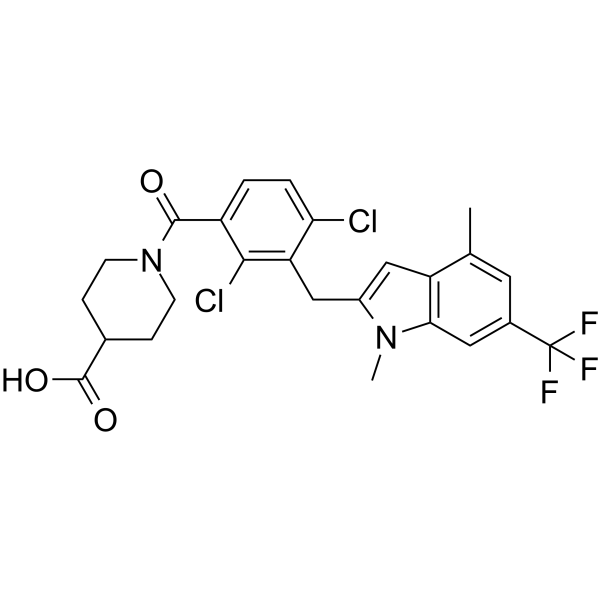
    A-9758 is a RORγ ligand and a potent, selective RORγt inverse agonist (IC50=5 nM), and exhibits robust potency against IL-17A release. A-9758 is effective in suppressing both Th17 differentiation and Th17 effector function. A-9758 significantly attenuates IL-23 driven psoriasiform dermatitis and is effective in blocking skin and joint inflammation .
    A-9758
  • HY-119447S

    Isotope-Labeled Compounds COX Inflammation/Immunology
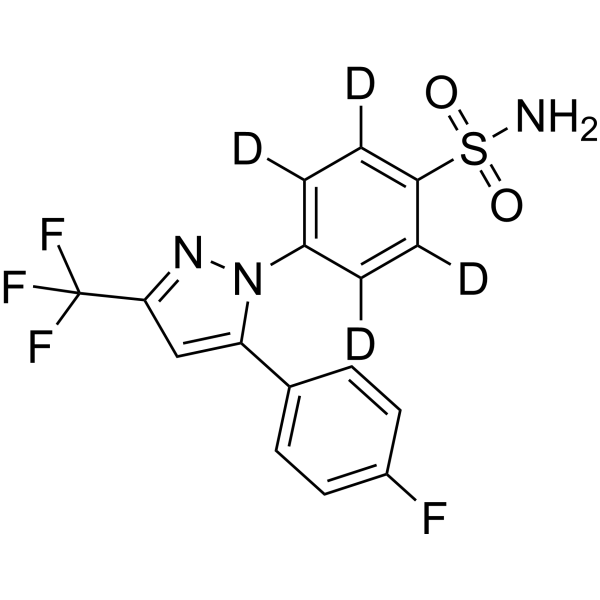
    Mavacoxib-d4 is the deuterium labeled Mavacoxib. Mavacoxib is a selective, oral long-acting cyclooxygenase-2 (COX-2) inhibitor and a long-acting non-steroidal anti-inflammatory drug (NSAID). Mavacoxib is used to treat pain and inflammation associated with degenerative joint disease in dogs .
    Mavacoxib-d4
  • HY-177091

    PIKfyve Interleukin Related MHC Inflammation/Immunology
    AS2795440 is a PIKfyve inhibitor. AS2795440 selectively inhibits proinflammatory cytokine such as IL-12p40 and IL-6 production and B cell activation without affecting Ca 2+ signaling. AS2795440 significantly reduces joint inflammation and bone loss in adjuvant-induced arthritis (AIA) mice model. AS2795440 can be used for inflammatory and autoimmune diseases like rheumatoid arthritis, psoriasis and inflammatory bowel disease research .
    AS2795440
  • HY-B1173R

    D-(+)-Camphor (Standard); (1R)-(+)-Camphor (Standard)

    Reference Standards Bacterial Neurological Disease Inflammation/Immunology Cancer
    (+)-Camphor (Standard) is the analytical standard of (+)-Camphor. This product is intended for research and analytical applications. (+)-Camphor (D-(+)-Camphor; (1R)-(+)-Camphor) is an isomer of Camphor. Camphor is an agonist of monoterpenoid transient receptor potential (TRP) channels (such as TRPV1, TRPV3, TRPM8) and an inhibitor of TRPA1 channels. Camphor's derivatives have multiple biological activities, including antibacterial, antiviral, antioxidant, analgesic and anticancer. Camphor can selectively activate cold-sensitive TRP channels and inhibit TRPA1-mediated nociceptive signals. Camphor stimulates the cold-sensing nerve endings in the skin and regulates the activity of ion channels to exert analgesic, anti-inflammatory and anti-itching effects. It also has anti-proliferative and anti-mutagenic activities on tumor cells, which may be related to inhibiting ribosome function or inducing cell apoptosis. Camphor can be absorbed through the skin and (+)-Camphor can be used in the study of muscle and joint pain and inflammation .
    (+)-Camphor (Standard)
  • HY-122049

    Protease Activated Receptor (PAR) Inflammation/Immunology
    ENMD-1068 hydrobromide is a potent PAR2 antagonist. ENMD-1068 hydrobromide attenuates joint inflammation in a dose-dependent manner. ENMD-1068 hydrobromide can be used in research of joint inflammation .
    ENMD-1068 hydrobromide
  • HY-142123

    Glucocorticoid Receptor Inflammation/Immunology
    Fluocortolone is an orally active anti-inflammatory agent that effectively reduces plasma fibrinogen levels. Fluocortolone inhibits Mycobacterium butyricum-induced foot edema in a rat model of adjuvanted joint inflammation (3-12 mg/kg) .
    Fluocortolone
  • HY-163412

    IKK Inflammation/Immunology
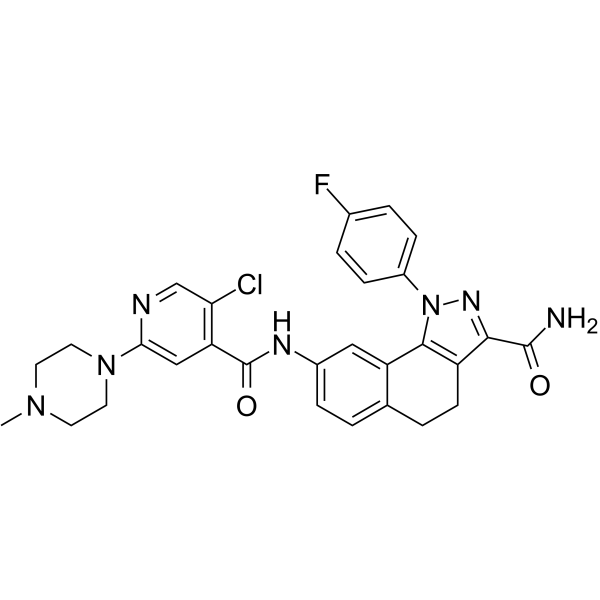
    IKKβ-IN-3 (Compound hit4) is a IKKβ inhibitor with an IC50 value of 30.4 nM. IKKβ is a key enzyme in the NF-κB signaling pathway and is involved in the development of many diseases. IKKβ-IN-3 can be used in the study of CAF-induced arthritis .
    IKKβ-IN-3
  • HY-142123R

    Glucocorticoid Receptor Reference Standards Inflammation/Immunology
    Fluocortolone (Standard) is the analytical standard of Fluocortolone. This product is intended for research and analytical applications. Fluocortolone is an orally active anti-inflammatory agent that effectively reduces plasma fibrinogen levels. Fluocortolone inhibits Mycobacterium butyricum-induced foot edema in a rat model of adjuvanted joint inflammation (3-12 mg/kg) .
    Fluocortolone (Standard)
  • HY-119447R

    COX Inflammation/Immunology
    Mavacoxib (Standard) is the analytical standard of Mavacoxib. This product is intended for research and analytical applications. Mavacoxib is a selective, oral long-acting cyclooxygenase-2 (COX-2) inhibitor and a long-acting non-steroidal anti-inflammatory drug (NSAID). Mavacoxib is used to treat pain and inflammation associated with degenerative joint disease in dogs .
    Mavacoxib (Standard)
  • HY-W003969R

    Ascensil (Standard); 2-Amino-4-methylpyridine (Standard)

    Reference Standards NO Synthase Others
    Aminopicoline (Standard) is the analytical standard of Aminopicoline. Aminopicoline (Ascensil) is a potent and non-selective inhibitor of nitric oxide synthase (NOS) isoenzymes (iNOS, nNOS, eNOS). Aminopicoline competes with arginine at the substrate-binding site of nitric oxide synthase, reduces cellular nitric oxide production, inhibits the elevation of plasma nitrate, increases mean arterial pressure at high doses, and also serves as a basis for radiolabeled ligands to localize nitric oxide synthase binding sites. Aminopicoline can be used in the research of diseases associated with septic shock, joint inflammation, intestinal inflammation, and CNS inflammation
    Aminopicoline (Standard)
  • HY-168841

    MAPKAPK2 (MK2) p38 MAPK Inflammation/Immunology
    p38α-MK2-IN-1 (Compound 36) is a p38α-MK2 complex inhibitor (IC50: 5 nM). p38α-MK2-IN-1 has a robust inflammation inhibitory effect and joint repair ability .
    p38α-MK2-IN-1
  • HY-P990214

    Interleukin Related Parasite Infection Inflammation/Immunology
    Anti-Mouse IL-3 Antibody (MP2-8F8) is an anti-mouse IL-3 IgG1 monoclonal antibody. Anti-Mouse IL-3 Antibody (MP2-8F8) relieves joint inflammation by reducing synovial leukocyte infiltration and cytokine levels. Anti-Mouse IL-3 Antibody (MP2-8F8) can reduce the accumulation of basophils. Anti-Mouse IL-3 Antibody (MP2-8F8) can be used for researches on inflammation or infection conditions such as arthritis and parasitic infections .
    Anti-Mouse IL-3 Antibody (MP2-8F8)
  • HY-B1456AR

    LILLY-53858 (Standard)

    Reference Standards COX Melanocortin Receptor ERK Inflammation/Immunology
    Fenoprofen (Standard) (LILLY-53858 (Standard)) is the analytical standard of Fenoprofen (HY-B1456A). This product is intended for research and analytical applications. Fenoprofenc is a nonsteroidal anti-inflammatory agent (NSAID) and inhibits cyclooxygenase (COX). Fenoprofen is a melanocortin receptors (MCRs) positive allosteric modulator (PAM). Fenoprofen also increases ERK1/2 activation in HEK293T cells. Fenoprofen has anti-arthritic activities and can be used for the study of rheumatoid arthritis and osteoarthritis.
    Fenoprofen (Standard)
  • HY-10794R

    Reference Standards Prostaglandin Receptor Metabolic Disease Inflammation/Immunology Cancer
    MF498 (Standard) is the analytical standard of MF498 (HY-10794). This product is intended for research and analytical applications. MF498 is a selective and orally active E prostanoid Receptor 4 (EP4) antagonist with a Ki value of 0.7 nM. MF498 can be used in the research of inflammation, such as rheumatoid and osteoarthritis .
    MF498 (Standard)
  • HY-181513

    Interleukin Related TNF Receptor Inflammation/Immunology
    DPP-1-IN-2 is a DPP-I inhibitor with a human IC50 of 36.8 nM and oral efficacy. DPP-1-IN-2 binds to intracellular DPP-I, increases its thermal stability, and reduces the activity and expression levels of downstream neutrophil serine proteases by inhibiting its enzymatic activity. DPP-1-IN-2 regulates the secretion of inflammatory factors and chemokines to exert anti-inflammatory effects. DPP-1-IN-2 reverses joint inflammation and tissue damage in adjuvant-induced arthritis rat models. DPP-1-IN-2 is applicable to research related to arthritis .
    DPP-1-IN-2
  • HY-N18649

    Others Inflammation/Immunology
    Rosa canina extract, derived from the wild rose (often known as rose hip), is rich in vitamin C, flavonoids, carotenoids, and essential fatty acids, contributing to its numerous health benefits. The extract is primarily known for its anti-inflammatory, antioxidant, and immune-boosting properties. Rosa canina extract is commonly used to boost the immune system, particularly during cold and flu seasons, due to its high vitamin C content. It also has joint health benefits, as it helps reduce inflammation and pain in conditions like arthritis. The extract's antioxidant properties help protect cells from oxidative stress and may contribute to skin health by promoting collagen synthesis, reducing the appearance of wrinkles, and supporting overall skin elasticity.
    Rosa canina extract
  • HY-181488

    NOD-like Receptor (NLR) Caspase Interleukin Related Metabolic Disease Inflammation/Immunology
    NLRP3-IN-87 is a selective and orally active NLRP3 inhibitor with a Kd of 0.23 μM. NLRP3-IN-87 binds directly to the NLRP3 NACHT domain, disrupts NLRP3-NEK7 and NLRP3-ASC interactions, inhibits ASC oligomerization, and blocks inflammasome assembly. NLRP3-IN-87 suppresses caspase-1 activation and IL-1β secretion. NLRP3-IN-87 exhibits anti-inflammatory and analgesic activity, reducing joint swelling, inflammation, and pain in an MSU (HY-B2130A)-induced acute gout mouse model. NLRP3-IN-87 can be used for the research of gout .
    NLRP3-IN-87

Inquiry Online

Your information is safe with us. * Required Fields.

Salutation


Country or Region *

Applicant Name *


Organization Name *

Department *


Email Address *


Product Name *

Cat. No.


Requested quantity *

Phone Number *


Remarks

Inquiry Online

Inquiry Information

Product Name:
Cat. No.:
Quantity:
MCE Japan Authorized Agent:

