



Mizacorat
Based on 7 publication(s) in Google Scholar
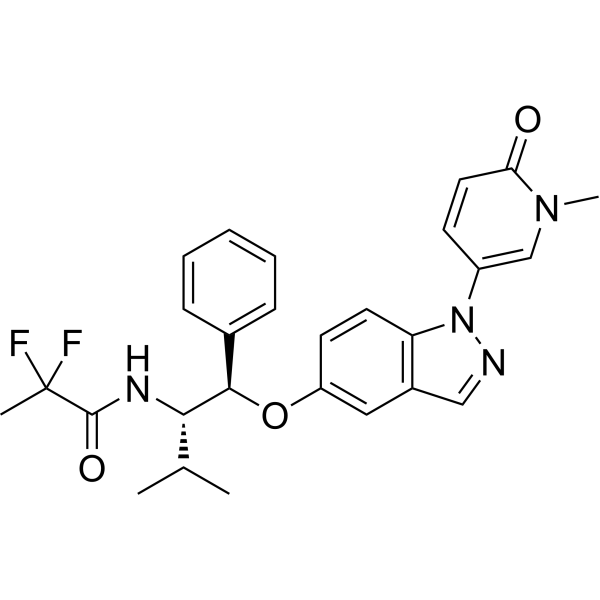
Mizacorat (AZD9567; compound 15) is a potent, oral active, non-steroidal and selective glucocorticoid receptor modulator (SGRM), with an IC50 of 3.8 nM. Exhibits excellent efficacy in the streptococcal cell wall (SCW) reactivation model of joint inflammation.
Nur für Forschungszwecke. Wir verkaufen nicht an Patienten.
- Reinheit : 99.27%
- CAS. Nr.: 1893415-00-3
- Formel: C27H28F2N4O3
- Molecular Weight:494.53
-
Speicherung:Powder -20°C, 3 years , 4°C, 2 years ; In solvent -80°C, 2 years , -20°C, 1 year

To place orders, for customer services and technical support, please contact: MedChemExpress USA
Tel: 609-228-6898 E-mail: [email protected] [email protected]


-
 Biologische Aktivität
-
Chemical Information
-
Lösungsmittel & Löslichkeit
- Protokoll
- Reinheit & Dokumentation
- Verweise
-
 Help & FAQs


-
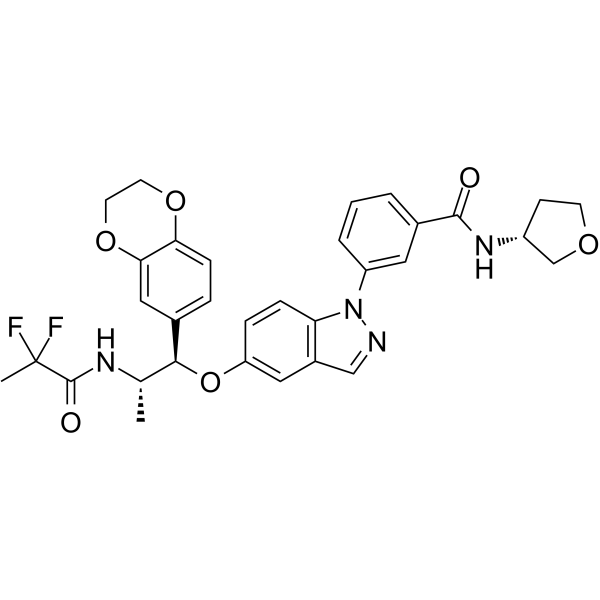
HY-111453
Velsecorat -
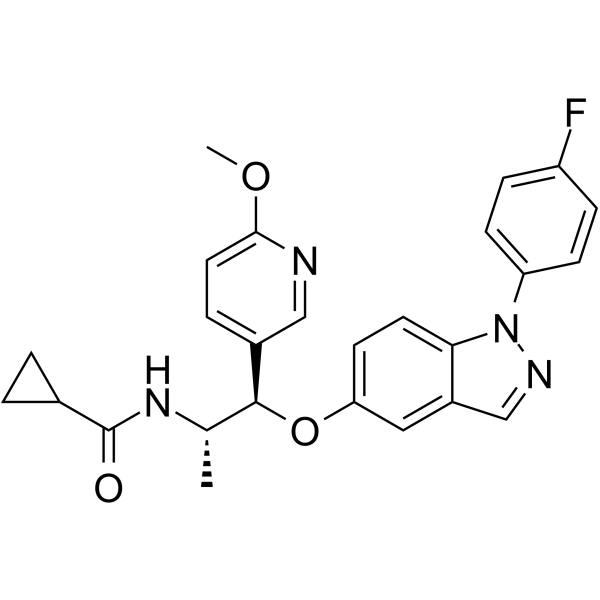
HY-113854
AZD2906Glucocorticoid Receptor Agonist -
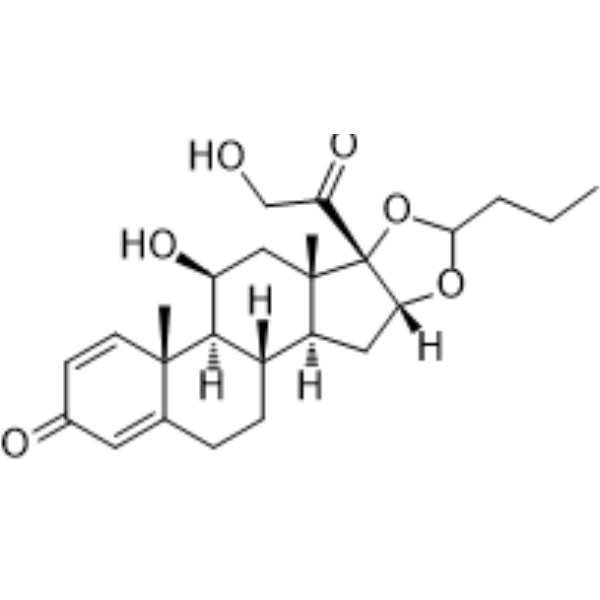
HY-13580
BudesonideGlucocorticoid Receptor Agonist -
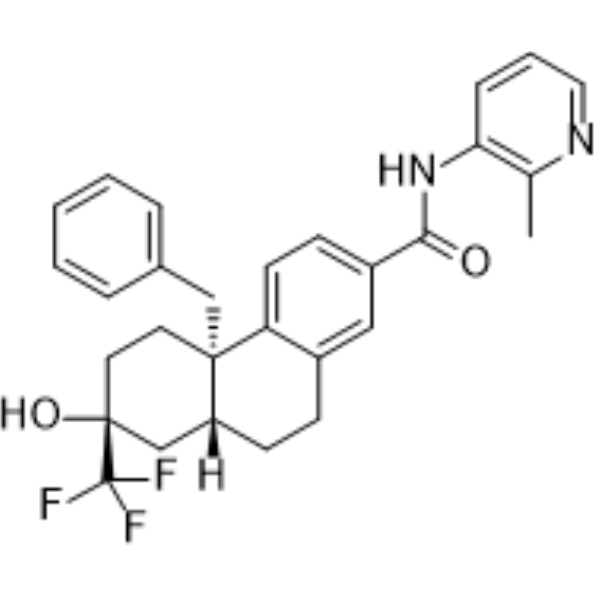
HY-16718
DagrocoratGlucocorticoid Receptor Agonist -
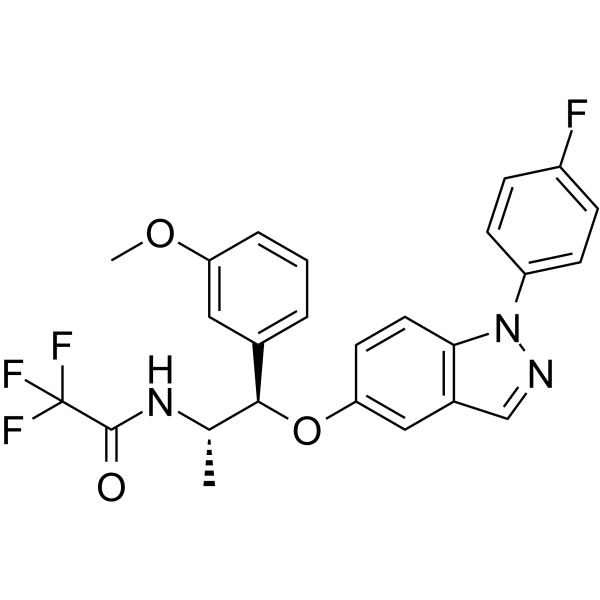
HY-108243
AZD5423Glucocorticoid Receptor Modulator -
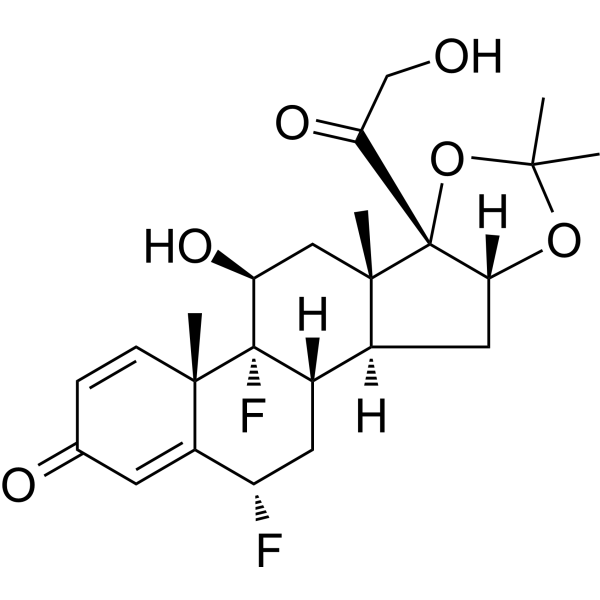
HY-B0415
Fluocinolone (Acetonide)Glucocorticoid Receptor Agonist -
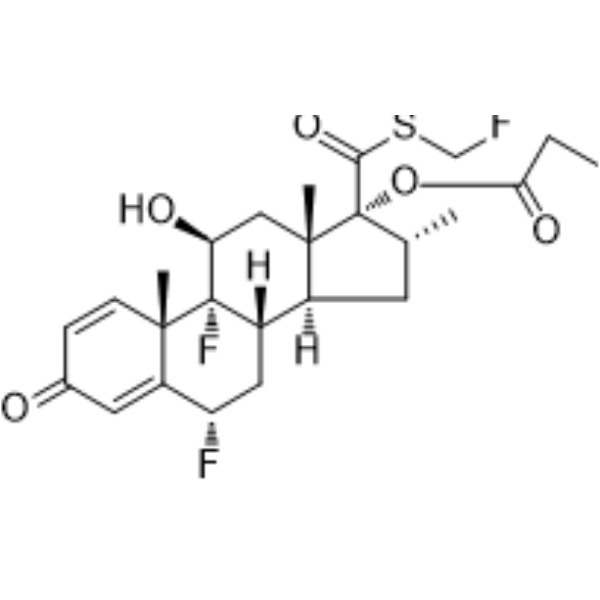
HY-B0154
Fluticasone propionateGlucocorticoid Receptor Agonist -
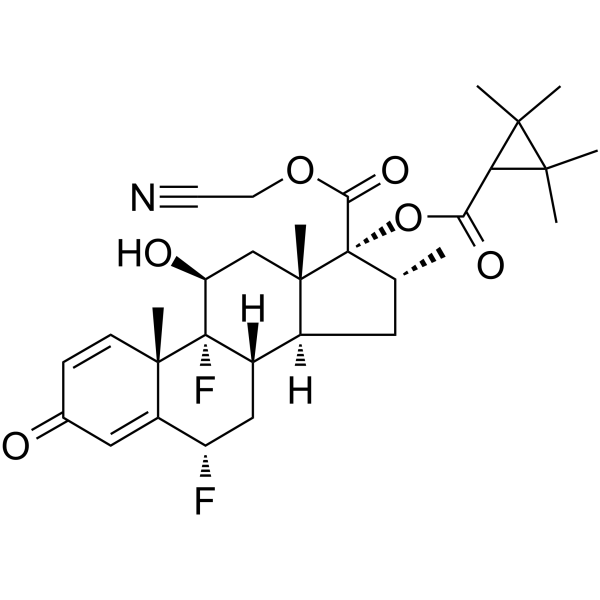
HY-103662
GW-870086Glucocorticoid Receptor Agonist -
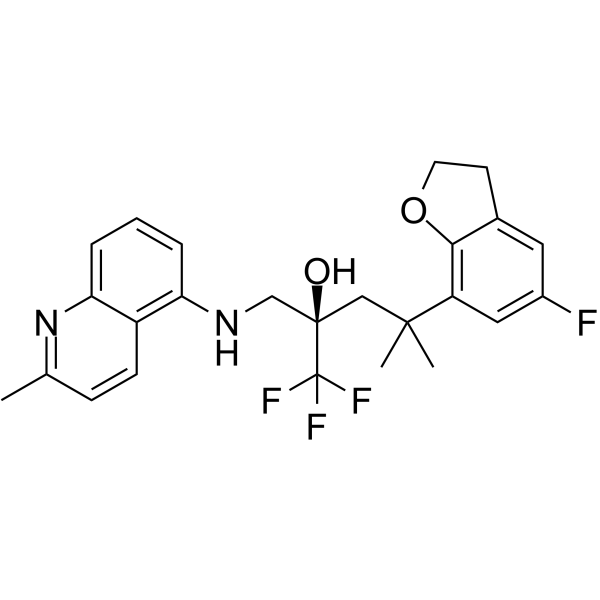
HY-14864
MapracoratGlucocorticoid Receptor Agonist -
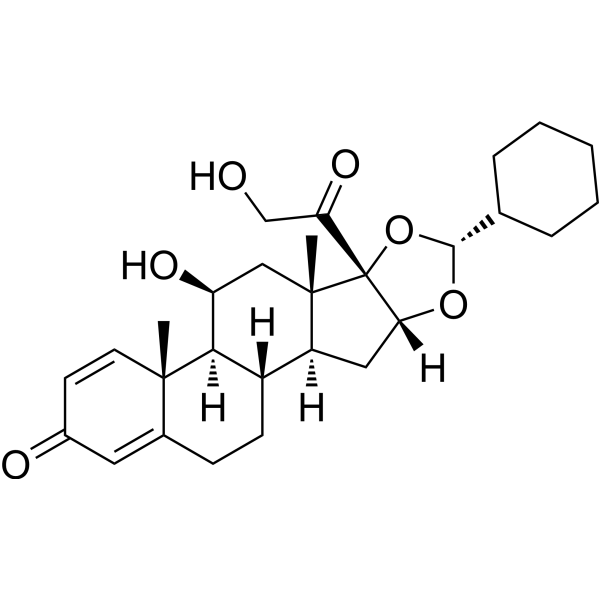
HY-111490
Desisobutyryl-ciclesonideGlucocorticoid Receptor Modulator -
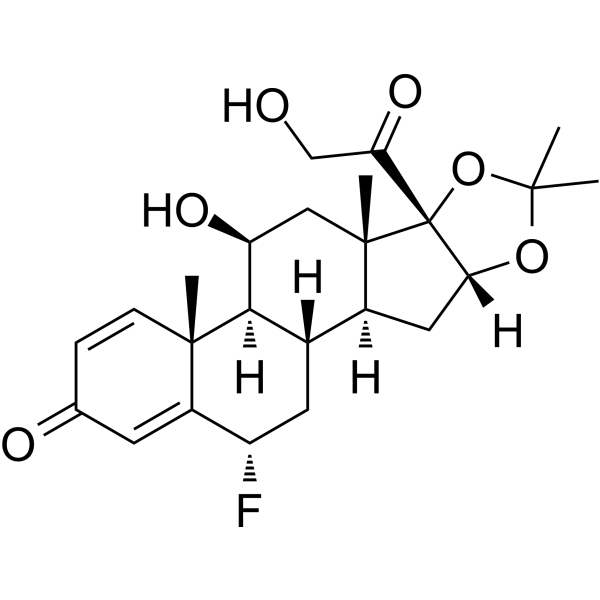
HY-B1121
FlunisolideGlucocorticoid Receptor Activator -
HY-B1616
Clobetasone butyrateGlucocorticoid
Publications Citing Use of MedChemExpress (MCE) Mizacorat
More- Adv Sci (Weinh). 2022 Jan;9(3):e2102435. [Abstract]
- Acta Pharmacol Sin. 2022 Sep;43(9):2429-2438. [Abstract]
- J Med Chem. 2026 Jan 22;69(2):1507-1529. [Abstract]
- J Med Chem. 2022 Dec 8;65(23):15710-15724. [Abstract]
- Eur J Med Chem. 2022 Jul 5:237:114382. [Abstract]
- J Virol. 2025 Feb 25;99(2):e0188624. [Abstract]
- Mayo Clinic. 2025.


Biologische Aktivität
Beschreibung
IC50 & Target
IC50: 3.8 nM (Glucocorticoid receptor)[1].
In Vivo
MedChemExpress (MCE) has not independently confirmed the accuracy of these methods. They are for reference only.
-
Animal Model:Antigen-induced joint inflammation model in female Lewis rats (175-200 g), sensitized by an intra-articular injection of 5 μg of SCW[1].
-
Dosage:15 mg/kg/day.
-
Administration:Oral gavage daily for 8 days.
-
Result:Inhibited ankle swelling in the rat SCW model.
Clinical Trial
| NCT Number | Sponsor | Condition | Start Date |
Phase

|
|---|---|---|---|---|
| NCT01329991 | Plexxikon| | 2011-05 | PHASE1 |


Chemical Information
-
CAS. Nr. 1893415-00-3
-
Appearance Solid
-
Molecular Weight 494.53
-
Formel C27H28F2N4O3
-
Color Off-white to light brown
-
SMILES
CC(F)(F)C(N[C@H]([C@H](OC1=CC2=C(N(C(C=C3)=CN(C)C3=O)N=C2)C=C1)C4=CC=CC=C4)C(C)C)=O
-
Synonyms
AZD9567
-
Versand
Room temperature in continental US; may vary elsewhere.
-
Speicherung
Powder -20°C 3 years 4°C 2 years In solvent -80°C 2 years -20°C 1 year


Publications (7)
-
Journal Impact Factor
-
Most Recent
-
Adv Sci (Weinh)
Discovery of Novel GR Ligands toward Druggable GR Antagonist Conformations Identified by MD Simulations and Markov State Model Analysis. [Abstract]2022 Jan;9(3):e2102435. PMID: 34825505 -
Acta Pharmacol Sin
Discovery of a novel nonsteroidal selective glucocorticoid receptor modulator by virtual screening and bioassays. [Abstract]2022 Sep;43(9):2429-2438. PMID: 35110698 -
J Med Chem
Discovery of Novel Nonsteroidal SGRMs of Sulfonamide-2-Oxo-Tetrahydroquinoline Derivatives by Carbonyl Migration. [Abstract]2026 Jan 22;69(2):1507-1529. PMID: 41490153 -
J Med Chem
Discovery and Optimization of N-Acyl-6-sulfonamide-tetrahydroquinoline Derivatives as Novel Non-Steroidal Selective Glucocorticoid Receptor Modulators. [Abstract]2022 Dec 8;65(23):15710-15724. PMID: 36399795 -
Eur J Med Chem
Discovery of novel non-steroidal selective glucocorticoid receptor modulators by structure- and IGN-based virtual screening, structural optimization, and biological evaluation. [Abstract]2022 Jul 5:237:114382. PMID: 35483323 -
J Virol
2025 Feb 25;99(2):e0188624. PMID: 39817774 -


Lösungsmittel & Löslichkeit
In Vitro:
DMSO : 100 mg/mL (202.21 mM; Need ultrasonic; Hygroscopic DMSO has a significant impact on the solubility of product, please use newly opened DMSO)
H2O : < 0.1 mg/mL (insoluble)
Please refer to the solubility information to select the appropriate solvent. Once prepared, please aliquot and store the solution to prevent product inactivation from repeated freeze-thaw cycles.
Storage method and period of stock solution: -80°C, 2 years; -20°C, 1 year. When stored at -80°C, please use it within 2 years. When stored at -20°C, please use it within 1 year.
Please refer to the solubility information to select the appropriate solvent. Once prepared, please aliquot and store the solution to prevent product inactivation from repeated freeze-thaw cycles.
Storage method and period of stock solution: -80°C, 2 years; -20°C, 1 year. When stored at -80°C, please use it within 2 years. When stored at -20°C, please use it within 1 year.
Konzentration (Stammlösung) × Volumen (Stammlösung) = Konzentration (Ziellösung) × Volumen (Ziellösung)
In Vivo:
Select the appropriate dissolution method based on your experimental animal and administration route.
- For the following dissolution methods, please ensure to first prepare a clear stock solution using an In Vitro approach and then sequentially add co-solvents:
- To ensure reliable experimental results, the clarified stock solution can be appropriately stored based on storage conditions. As for the working solution for In Vivo experiments, it is recommended to prepare freshly and use it on the same day.
- The percentages shown for the solvents indicate their volumetric ratio in the final prepared solution. If precipitation or phase separation occurs during preparation, heat and/or sonication can be used to aid dissolution.
Add each solvent one by one: 10% DMSO 40% PEG300 5% Tween-80 45% Saline
Solubility: ≥ 2.5 mg/mL (5.06 mM); Clear solution
This protocol yields a clear solution of ≥ 2.5 mg/mL (saturation unknown).
Taking 1 mL working solution as an example, add 100 μL DMSO stock solution (25.0 mg/mL) to 400 μL PEG300, and mix evenly; then add 50 μL Tween-80 and mix evenly; then add 450 μL Saline to adjust the volume to 1 mL.
Preparation of Saline: Dissolve 0.9 g sodium chloride in ddH₂O and dilute to 100 mL to obtain a clear Saline solution.
Add each solvent one by one: 10% DMSO 90% (20% SBE-β-CD in Saline)
Solubility: ≥ 2.5 mg/mL (5.06 mM); Clear solution
This protocol yields a clear solution of ≥ 2.5 mg/mL (saturation unknown).
Taking 1 mL working solution as an example, add 100 μL DMSO stock solution (25.0 mg/mL) to 900 μL 20% SBE-β-CD in Saline, and mix evenly.
Preparation of 20% SBE-β-CD in Saline (4°C, storage for one week): 2 g SBE-β-CD powder is dissolved in 10 mL Saline, completely dissolve until clear.
In Vivo Dissolution Calculator
Please enter the basic information of animal experiments:
-
-
-
-
Recommended: Prepare an additional quantity of animals to account for potential losses during experiments.
Please enter your animal formula composition:
-
%DMSO +
Recommended: Keep the proportion of DMSO in working solution below 2% if your animal is weak.
-
%+
-
+%Tween-80 + +
-
%Saline +
The co-solvents required include: DMSO, . All of co-solvents are available by MedChemExpress (MCE). , Tween 80. All of co-solvents are available by MedChemExpress (MCE).
Working solution concentration: 0.22 mg/mL
Method for preparing stock solution: mg drug dissolved in μL DMSO. Stock solution concentration: mg/mL.
1. Take μL DMSO stock solution;
2. Add μL .
μL , mix evenly;
3. Then add μL Tween 80, mix evenly;
4. Then add μL
Please ensure that the stock solution in the first step is dissolved to a clear state, and add co-solvents in sequence. You can use ultrasonic heating (ultrasonic cleaner, recommended frequency 20-40 kHz), vortexing, etc. to assist dissolution.

Protokoll
-
Collagen-Induced Arthritis
Collagen-induced arthritis (CIA) is an autoimmune murine model of rheumatoid arthritis in which immunization with type II collagen (CII) emulsified in an adjuvant induces a T cell- and autoantibody-driven inflammatory arthritis characterized by synovial hyperplasia, immune cell infiltration, and joint destruction. The model typically relies on genetically susceptible mouse strains (e. g. , DBA/1) and reproduces key features of human rheumatoid arthritis, including anti-collagen immune responses and progressive joint inflammation. Disease onset generally occurs within ~3-4 weeks after immunization, depending on antigen/adjuvant combinations and protocol variation. The immunopathology is driven by adaptive immune activation against CII, leading to systemic and local joint inflammation mediated by pro-inflammatory cytokines and effector immune cells, making CIA a standard preclinical platform for evaluating immunomodulatory and anti-arthritic interventions.
-
Cell Cytotoxicity Assay
Cytotoxicity assays are usually based on the assessment of cell membrane damage, which can also be indirectly detected by measuring cell viability. Detection methods include MTT assay, CKK-8 assay, LDH assay and ATP assay, etc.
-
Research Protocol for Endocrine Diseases
Endocrine diseases often arise from disrupted hormone production, hormone signaling, or target-tissue responsiveness; for diabetes-focused endocrine disease models, insulin signaling regulates glucose uptake, hepatic glucose output, lipid metabolism, and β-cell compensation. Type 2 diabetes develops through interacting defects in insulin resistance, β-cell dysfunction, adipose inflammation, hepatic glucose overproduction, altered incretin signaling, and ectopic lipid metabolism. A major unresolved question is whether endocrine dysfunction is driven primarily by target-tissue insulin resistance, intrinsic β-cell failure, immune/inflammatory stress, or combined multi-organ failure that differs by disease stage.
-
Research Protocol for Inflammation-related Diseases
The NLRP3 inflammasome is a cytosolic innate immune signaling platform that integrates priming signals and danger-signal activation to promote caspase-1 activation, maturation of IL-1β and IL-18, and gasdermin D-mediated pyroptotic cell death. The core experimental logic is to determine whether inflammatory disease phenotypes are driven by increased NLRP3 expression, ASC-containing inflammasome assembly, caspase-1 cleavage, GSDMD cleavage, and extracellular release of IL-1β/IL-18 rather than by nonspecific cell injury alone. The pathway is strongly linked to inflammation-related disease phenotypes because monosodium urate crystals activate NALP3/NLRP3 inflammasome signaling in gout-like crystal inflammation, cholesterol crystals activate NLRP3 inflammasomes in atherogenesis models, and DSS-induced intestinal inflammation has been reported to involve NLRP3 inflammasome activity. However, experimental colitis studies also show context-dependent protective effects of NLRP3 inflammasome co


Reinheit & Dokumentation
-
Data Sheet (277 KB)
-
SDS (252 KB)
- English - EN (252 KB)
- Français - FR (252 KB)
- Deutsch - DE (252 KB)
- Norwegian - NO (252 KB)
- Español - ES (252 KB)
- Swedish - SV (252 KB)
- Italian - IT (252 KB)
- Korean - KR (252 KB)
- Portuguese - PT (252 KB)
-
Handling Instructions (2659 KB)
Verweise


Complete Stock Solution Preparation Table
Please refer to the solubility information to select the appropriate solvent. Once prepared, please aliquot and store the solution to prevent product inactivation from repeated freeze-thaw cycles.
Storage method and period of stock solution: -80°C, 2 years; -20°C, 1 year. When stored at -80°C, please use it within 2 years. When stored at -20°C, please use it within 1 year.
| Optional Solvent | Concentration Solvent Mass | 1 mg | 5 mg | 10 mg | 25 mg |
|---|---|---|---|---|---|
| DMSO | 1 mM | 2.0221 mL | 10.1106 mL | 20.2212 mL | 50.5531 mL |
| 5 mM | 0.4044 mL | 2.0221 mL | 4.0442 mL | 10.1106 mL | |
| 10 mM | 0.2022 mL | 1.0111 mL | 2.0221 mL | 5.0553 mL | |
| 15 mM | 0.1348 mL | 0.6740 mL | 1.3481 mL | 3.3702 mL | |
| 20 mM | 0.1011 mL | 0.5055 mL | 1.0111 mL | 2.5277 mL | |
| 25 mM | 0.0809 mL | 0.4044 mL | 0.8088 mL | 2.0221 mL | |
| 30 mM | 0.0674 mL | 0.3370 mL | 0.6740 mL | 1.6851 mL | |
| 40 mM | 0.0506 mL | 0.2528 mL | 0.5055 mL | 1.2638 mL | |
| 50 mM | 0.0404 mL | 0.2022 mL | 0.4044 mL | 1.0111 mL | |
| 60 mM | 0.0337 mL | 0.1685 mL | 0.3370 mL | 0.8426 mL | |
| 80 mM | 0.0253 mL | 0.1264 mL | 0.2528 mL | 0.6319 mL | |
| 100 mM | 0.0202 mL | 0.1011 mL | 0.2022 mL | 0.5055 mL |


Mizacorat Related Classifications
HY-120012 Related Classifications
 Powered by Bioz