Search Result
Results for "
LXR beta
" in MedChemExpress (MCE) Product Catalog:
2
Isotope-Labeled Compounds
| Cat. No. |
Product Name |
Target |
Research Areas |
Chemical Structure |
-
- HY-10627A
-
|
|
LXR
|
Cardiovascular Disease
Cancer
|
|
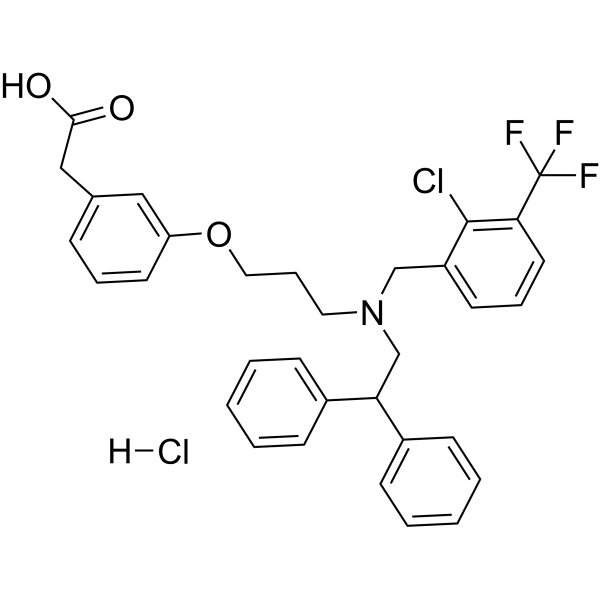
GW3965 hydrochloride is a potent and selective liver X receptor (LXR) agonist with EC50s of 190 nM and 30 nM for hLXRα and hLXRβ, respectively .
|
-
-
- HY-10629
-
|
WAY 252623
|
LXR
|
Metabolic Disease
Cancer
|
|
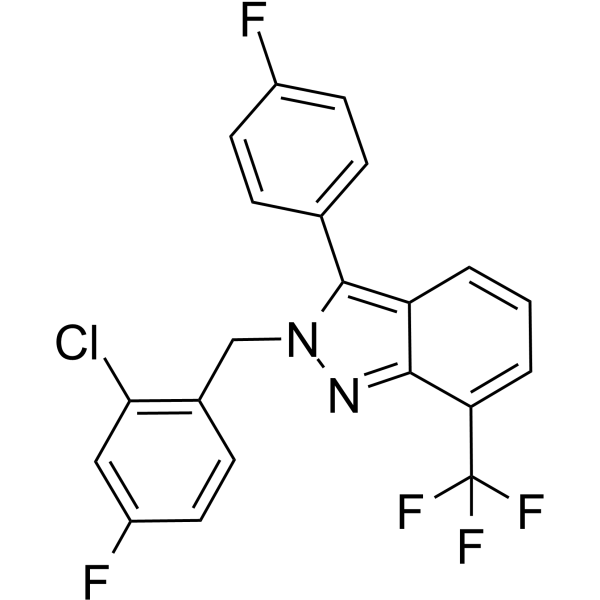
LXR-623 is a brain-penetrant partial LXRα and full LXRβ agonist, with IC50s of 24 nM and 179 nM, respectively.
|
-
-
- HY-10627
-
|
|
LXR
|
Cardiovascular Disease
|
|
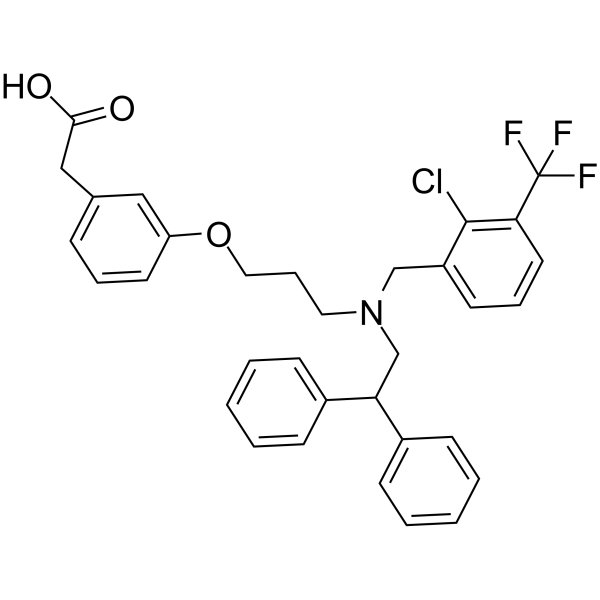
GW3965 is a potent, selective liver X receptor (LXR) agonist with EC50s of 190 nM and 30 nM for hLXRα and hLXRβ, respectively .
|
-
-
- HY-108688
-
GSK2033
Maximum Cited Publications
34 Publications Verification
|
LXR
|
Metabolic Disease
|
|
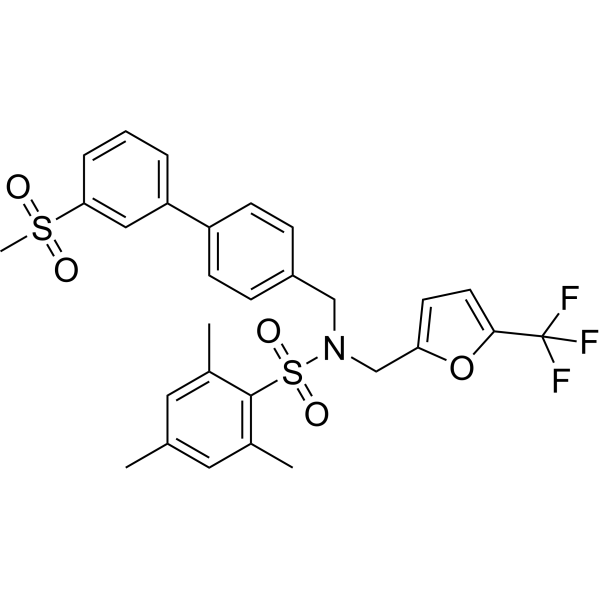
GSK2033 is a LXR antagonist with pIC50s of 7 and 7.4 for LXRα or LXRβ, respectively.
|
-
-
- HY-19919
-
|
EXEL04286652; XL-652; BMS-788
|
LXR
|
Metabolic Disease
|
|
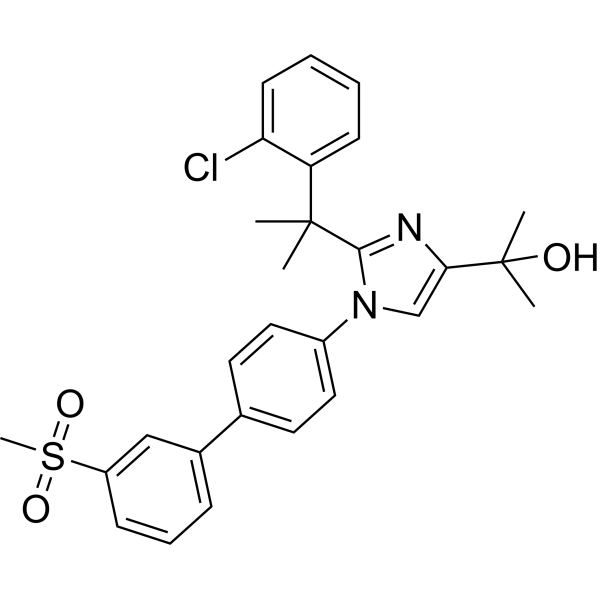
BMS-779788 is a LXR partial agonist with IC50 values of 68 nM for LXRα and 14 nM for LXRβ.
|
-
-
- HY-112813
-
-
-
- HY-18282
-
|
|
LXR
|
Cardiovascular Disease
Metabolic Disease
Cancer
|
|
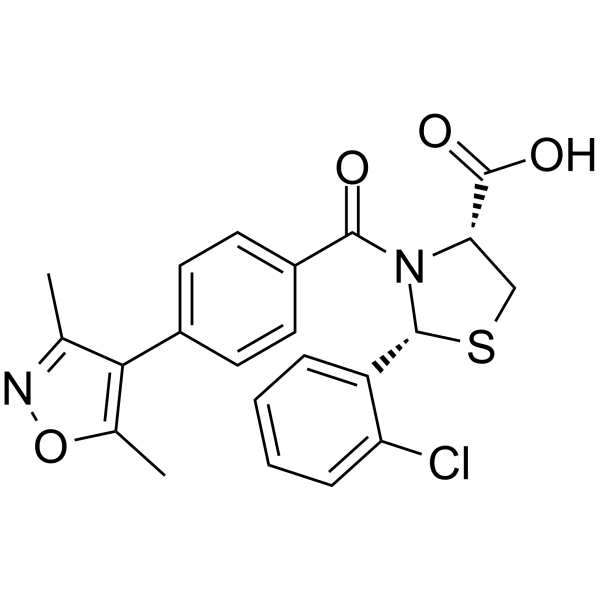
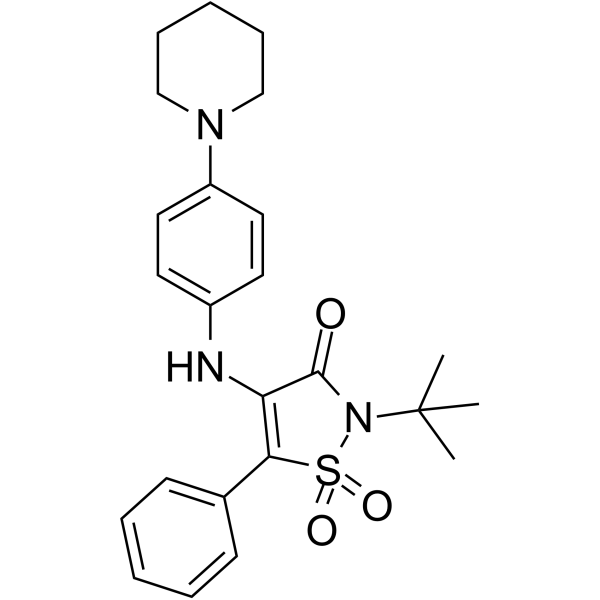
AZ876 is a selective, orally active agonist of liver X receptor (LXRα/β) (Ki=0.007 μM [LXRα, human], 0.011 μM [LXRβ, human]. AZ876 induces the expression of target genes such as ABCA1 and ABCG1, promotes reverse cholesterol transport (RCT) and regulates lipid metabolism and anti-inflammatory effects. AZ876 increases cardiac polyunsaturated fatty acid levels, reduces myocardial fibrosis, and reduces lesion area and monocyte adhesion in atherosclerosis models. AZ876 can be used in cardiovascular disease research, such as preventing and treating β-adrenergic-induced cardiac diastolic dysfunction and inhibiting the progression of atherosclerosis .
|
-
-
- HY-W014589
-
|
2,4-DTBP
|
Endogenous Metabolite
Fungal
Apoptosis
RAR/RXR
Amyloid-β
|
Infection
Neurological Disease
Inflammation/Immunology
Cancer
|
|
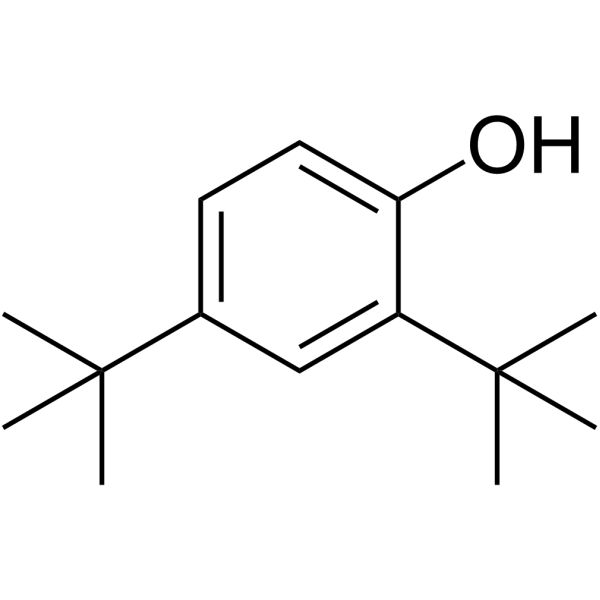
2,4-Di-tert-butylphenol (2,4-DTBP) is an orally active RXRα activator and a human estrogen receptor ligand with anti-inflammatory and antioxidant activities, which can induce apoptosis in tumor cells. 2,4-Di-tert-butylphenol can activate the RXRα subtype in LXRα/RXRα, PPARγ/RXRα, and hormone receptor β/RXRα. 2,4-Di-tert-butylphenol also has antiviral and antifungal activities and has the potential to inhibit Aβ-induced neurotoxicity. 2,4-Di-tert-butylphenol can be used as an intermediate in the preparation of antioxidants and UV stabilizers, and is also used in the manufacture of drugs and fragrances .
|
-
-
- HY-101442
-
SR9238
2 Publications Verification
|
LXR
|
Metabolic Disease
|
|
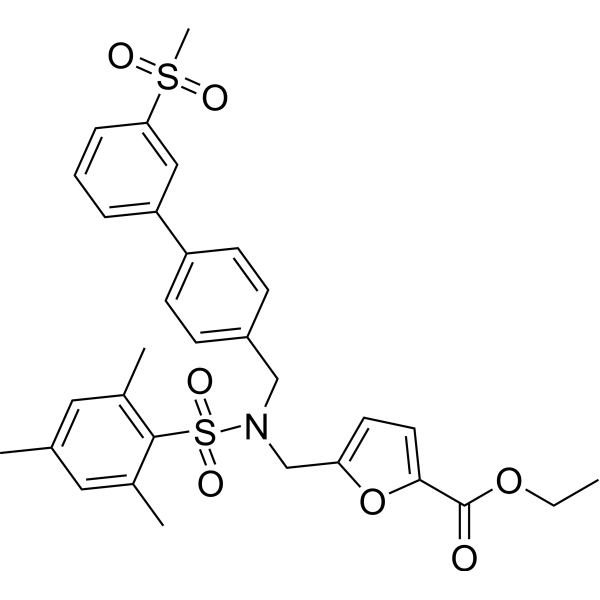
SR9238 is a synthetic liver X receptor (LXR) inverse agonist with IC50s of 214 nM and 43 nM for LXRα and LXRβ, respectively.
|
-
-
- HY-144549
-
|
|
LXR
|
Cardiovascular Disease
|
|
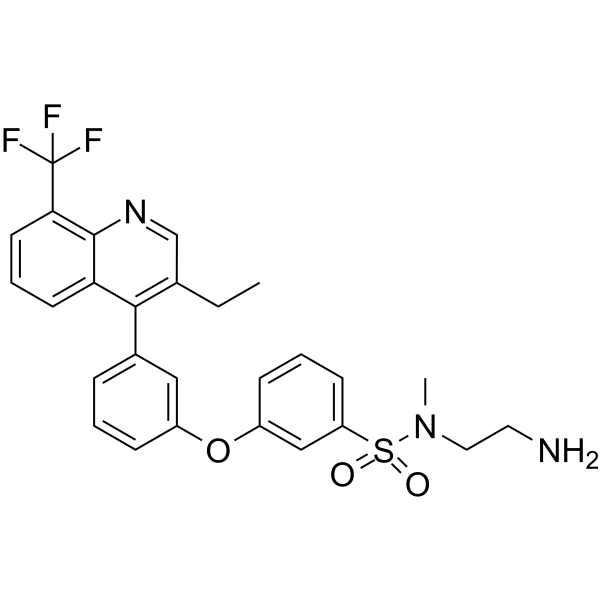
LXR (Liver X receptor) agonist 1 is potent LXR agonist with AC50s of 1.5 nM and 12 nM for LXR-α and LXR-β, respectively. LXR agonist 1 has the potential for the research of atherosclerosis .
|
-
-
- HY-101973
-
-
-
- HY-123148
-
|
|
LXR
|
Inflammation/Immunology
|
|
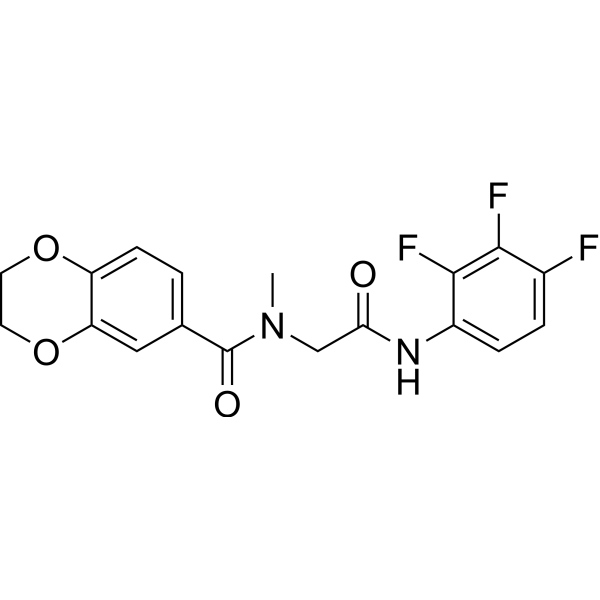
IMB-808 is a potent LXRα/β dual agonist with EC50 values of 0.53 μM and 0.15 μM (0.15 μM, using GAL4-pGL4-luc reporter plasmid) for LXRβ and LXRα, respectively. IMB-808 promotes expression of genes related to reverse cholesterol transport (ABCA1 and ABCG1). IMB-808 can be used for the study of atherosclerosis research .
|
-
-
- HY-W002314
-
|
|
Environmental Pollutants
Drug Intermediate
Phosphatase
|
Cardiovascular Disease
|
|
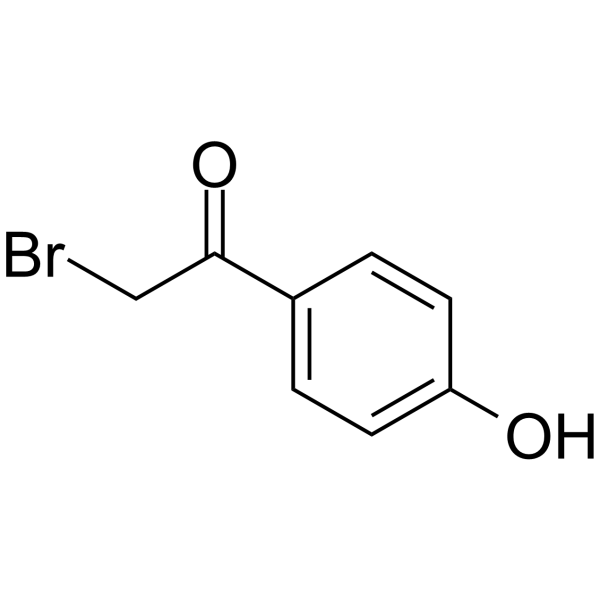
2-Bromo-4'-hydroxyacetophenone is a PTP1B inhibitor with a Ki value of 42 μM. 2-Bromo-4'-hydroxyacetophenone is also an intermediate. 2-Bromo-4'-hydroxyacetophenone can be used in the synthesis of LXRα/β antagonists. 2-Bromo-4'-hydroxyacetophenone can be used in research on hematological diseases .
|
-
-
- HY-N2509
-
|
Iristectrigenin B
|
LXR
|
Cardiovascular Disease
|
|
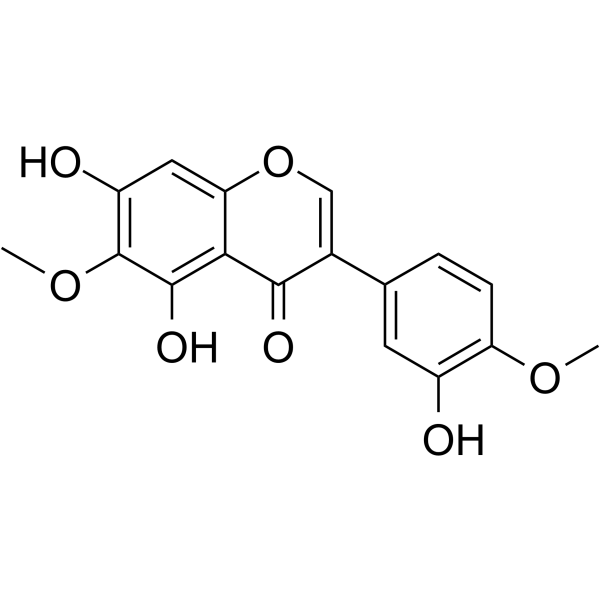
Iristectorigenin B (Iristectrigenin B) is a liver X receptor (LXR) modulator. Iristectrigenin B stimulates the transcriptional activity of both LXR-α and LXR-β .
|
-
-
- HY-123402
-
GSK3987
2 Publications Verification
|
LXR
|
Metabolic Disease
|
|
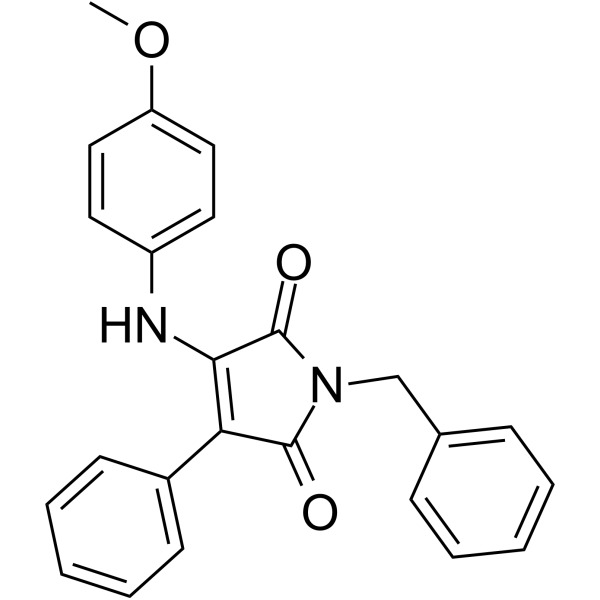
GSK3987 is a pan LXRα/β agonist with EC50s of 50 nM, 40 nM for LXRα-SRC1 and LXRβ-SRC1, respectively. GSK3987 increases the expression of ABCA1 and SREBP-1c. GSK3987 induces cellular cholesterol efflux and triglyceride accumulation .
|
-
-
- HY-77278
-
|
|
VD/VDR
Aryl Hydrocarbon Receptor
LXR
PPAR
|
Others
|
|
25-Hydroxytachysterol3 is the metabolite of Vitamin D3 (HY-15398). 25-Hydroxytachysterol3 inhibits the proliferation of epidermal keratinocytes and dermal fibroblasts, stimulates the expression of differentiation- and antioxidant-related genes in keratinocytes. 25-Hydroxytachysterol3 activates vitamin D receptor (VDR) and aryl hydrocarbon receptor (AhR), liver X receptor α/β (LXR α/β) and peroxisome proliferator-activated receptor γ (PPARγ), stimulates the expression of CYP24A1 .
|
-

-
- HY-P5189A
-
|
|
Endogenous Metabolite
Cholinesterase (ChE)
|
Others
|
|
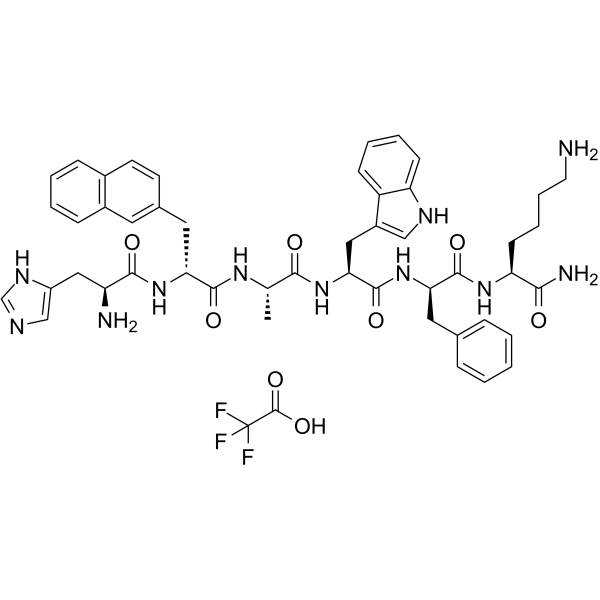
His-D-beta-Nal-Ala-Trp-D-Phe-Lys-NH2 TFA, is a growth hormone releasing peptide, as well as a metabolite of GHRP-1. GHRP-1, or Ala-His-D-beta Nal-Ala-Trp-D-Phe-Lys-NH2, has the effect of promoting the release of growth hormone (GH). GHRP-1 increases GH release and increases [Ca2+]i levels in static monolayer cells of rat pituitary gland, but does not affect cAMP levels .
|
-
-
- HY-100469
-
|
|
LXR
|
Inflammation/Immunology
|
|
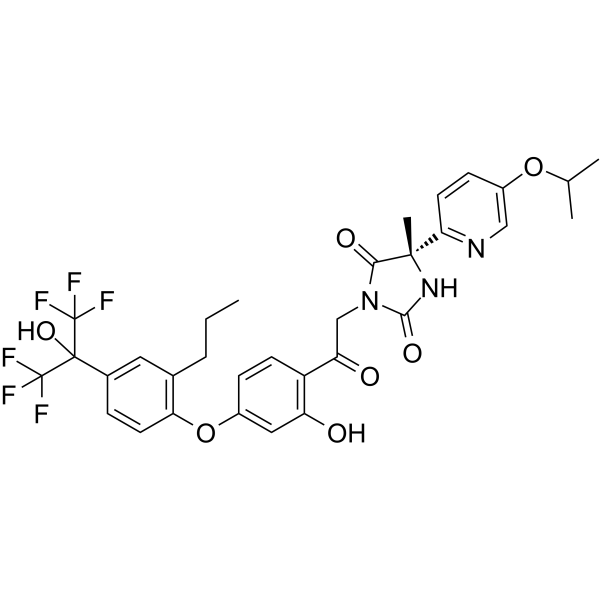
LXRβ agonist-2 is an orally active and selective LXRβ agonist. LXRβ agonist-2 increases high-density lipoprotein cholesterol levels without elevating plasma triglyceride levels. LXRβ agonist-2 decreases lipid accumulation area in the aortic arch. LXRβ agonist-2 can be used for the research of atherosclerosis .
|
-
-
- HY-160038
-
|
|
LXR
|
Cancer
|
|
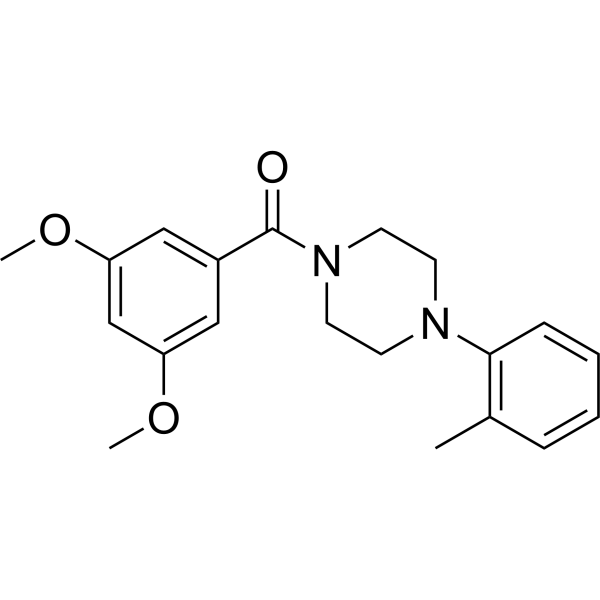
GAC0003A4 is an LXR inverse agonist that inhibits LXR transcriptional activity. GAC0003A4 also efficiently degrades LXRβ protein. GAC0003A4 has the potential to be used in advanced pancreatic cancer and other refractory malignancies .
|
-
-
- HY-W014589R
-
|
2,4-DTBP (Standard)
|
Reference Standards
Endogenous Metabolite
Fungal
Apoptosis
RAR/RXR
Amyloid-β
|
Infection
Neurological Disease
Inflammation/Immunology
Cancer
|
|
2,4-Di-tert-butylphenol (Standard) is the analytical standard of 2,4-Di-tert-butylphenol (HY-W014589). This product is intended for research and analytical applications. 2,4-Di-tert-butylphenol (2,4-DTBP) is an orally active RXRα activator and a human estrogen receptor ligand with anti-inflammatory and antioxidant activities, which can induce apoptosis in tumor cells. 2,4-Di-tert-butylphenol can activate the RXRα subtype in LXRα/RXRα, PPARγ/RXRα, and hormone receptor β/RXRα. 2,4-Di-tert-butylphenol also has antiviral and antifungal activities, and has the potential to inhibit Aβ-induced neurotoxicity. 2,4-Di-tert-butylphenol can be used as an intermediate in the preparation of antioxidants and UV stabilizers, and is also used in the manufacture of pharmaceuticals and fragrances .
|
-

-
- HY-W749327
-
|
2,4-DTBP-d21
|
Isotope-Labeled Compounds
RAR/RXR
Amyloid-β
Fungal
Apoptosis
Endogenous Metabolite
|
Infection
Neurological Disease
Inflammation/Immunology
Cancer
|
|
2,4-Di-tert-butylphenol-d21 (2,4-DTBP-d21) is the deuterium labeled 2,4-Di-tert-butylphenol (HY-W014589). 2,4-Di-tert-butylphenol (2,4-DTBP) is an orally active RXRα activator and a human estrogen receptor ligand with anti-inflammatory and antioxidant activities, which can induce apoptosis in tumor cells. 2,4-Di-tert-butylphenol can activate the RXRα subtype in LXRα/RXRα, PPARγ/RXRα, and hormone receptor β/RXRα. 2,4-Di-tert-butylphenol also has antiviral and antifungal activities and has the potential to inhibit Aβ-induced neurotoxicity. 2,4-Di-tert-butylphenol can be used as an intermediate in the preparation of antioxidants and UV stabilizers, and is also used in the manufacture of drugs and fragrances .
|
-

-
- HY-D1734
-
|
|
LXR
|
Cardiovascular Disease
|
|
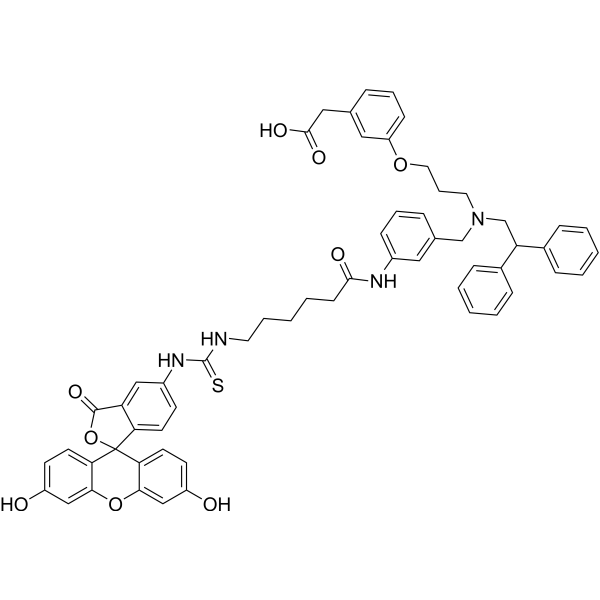
FITC-GW3965 is a fluorescence-labelled liver X receptor β (LXRβ) agonist GW3965 (HY-10627). FITC-GW3965 is a tracer, that can be designed by replacing the trifluoromethyl of GW3965 with an amide to link the FITC. FITC-GW3965 can be used to study the function of LXRβ .
|
-
-
- HY-33821
-
|
|
LXR
|
Others
|
|
LXRβ ligand 1 is a LXR β ligand-binding domain agonist, with an EC50 of 57 μM and a Ki of 28 μM against human LXR β. LXRβ ligand 1 forms hydrogen bonds with His435, stabilizes the His-Trp activation switch, and locks the ligand-binding domain in an agonist conformation; its tert-butyl moiety occupies a hydrophobic subpocket, while its phenyl moiety forms a π-π stacking interaction with Phe329. LXRβ ligand 1 serves as a structural unit for the development of LXRβ modulators .
|
-

-
- HY-143259
-
|
|
LXR
|
Cancer
|
|
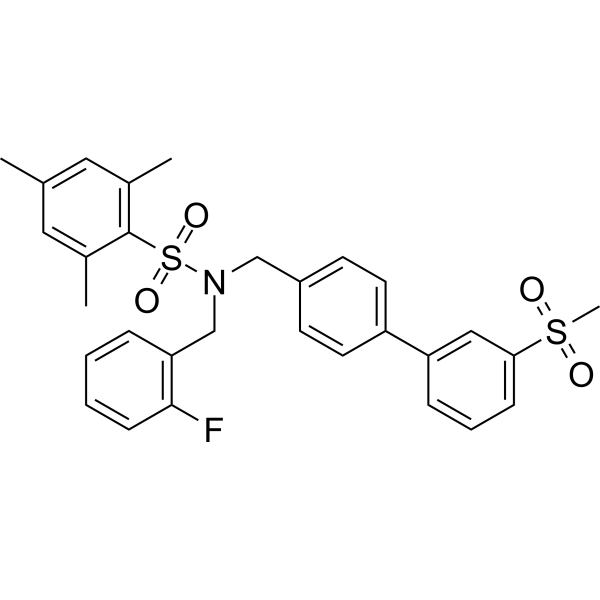
BE1218 is a liver X receptor (LXR) inverse agonist with IC50 values of 9 nM and 7 nM against LXRα and LXRβ, respectively .
|
-
-
- HY-133830
-
|
(3β,7α,24S)-Cholest-5-ene-3,7,24-triol
|
Endogenous Metabolite
|
Others
|
|
7α,24(S)-Dihydroxycholesterol ((3β,7α,24S)-Cholest-5-ene-3,7,24-triol) serves as a ligand for liver X receptor (LXR), binding specifically to the ligand binding domains of both LXRα and LXRβ. This compound is synthetically produced from E-α,β-enone, utilizing Arsonium ylide and J-tert-butyldimethylsilyloxy-bisnor-5-cholenaldehyde as starting materials, followed by a series of transformations to yield 7α,24(S)-dihydroxycholesterol.
|
-

-
- HY-146275
-
|
|
LXR
|
Cancer
|
|
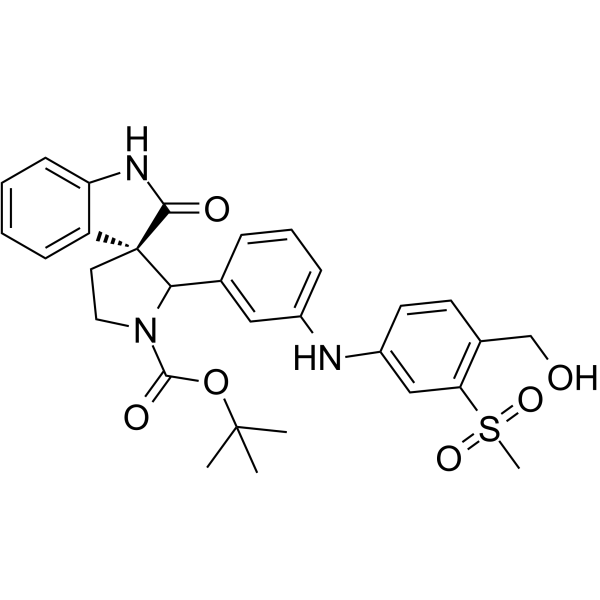
LXRβ agonist-3 (compound 4-13) is a potent and selective LXRβ (liver X receptor β) agonist, with an EC50 of 0.095 μM. LXRβ agonist-3 efficiently inhibits U87EGFRvIII cell, with an IC50 of 3.75 μM. LXRβ agonist-3 shows antitumor activity, and can inhibit glioblastoma .
|
-
-
- HY-179278
-
|
|
LXR
|
Cardiovascular Disease
Metabolic Disease
Endocrinology
|
|
LXR agonist 4 is a selective LXR inverse agonist with IC50 values of 7.6 (LXRα) and 2.9 μM (LXRβ), respectively. LXR agonist 4 exhibits selectivity over RORα and FXR. LXR agonist 4 robustly suppresses SREBP1c expression without altering ABCA1 or APOE. LXR agonist 4 displays antilipogenic properties and resolves fatty acid-induced steatosis. LXR agonist 4 can be used for the research of atherosclerosis and metabolic dysfunction-associated steatotic liver disease (MASLD) .
|
-

-
- HY-N2273
-
|
|
LXR
|
Metabolic Disease
|
|
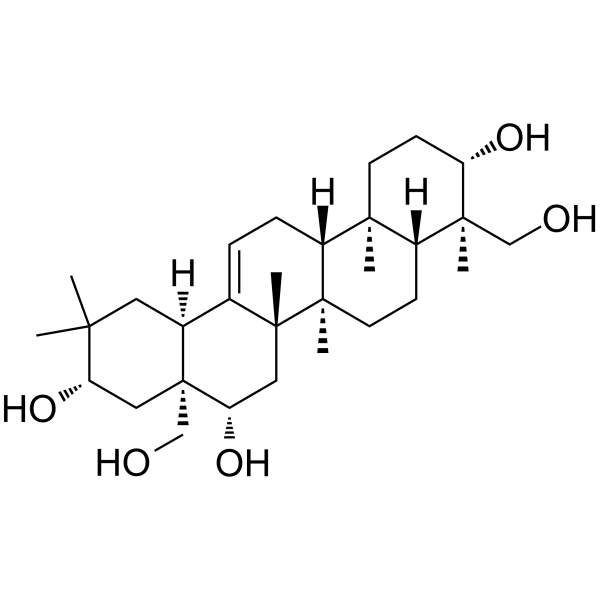
Gymnestrogenin is a pentahydroxytriterpene from the leaves of Gymnema sylvestre R.Br . Gymnestrogenin is a LXR antagonist with IC50s of 2.5 and 1.4 μM for LXRα and LXRβ transactivation, respectively. Gymnestrogenin reduces the transcriptional activity of LXR even on its own promoter, thus reducing the mRNA expression .
|
-
-
- HY-170570
-
|
|
LXR
Stearoyl-CoA Desaturase (SCD)
Fatty Acid Synthase (FASN)
|
Cancer
|
|
PFM046 is the antagonist for liver X receptor (LXR), that inhibits the activation of LXRα and LXRβ with IC50 of 2.04 μM and 1.58 μM. PFM046 inhibits the expression of SCD1 and FASN, upregulates the expression of ABCA1, and exhibits antitumor efficacy in mouse models .
|
-

-
- HY-185104
-
|
|
LXR
|
Cardiovascular Disease
|
|
Ginsenoside C-K hexapropionate ester (Structure 2) is a selective agonist of LXRα, with no significant activation effect on LXRβ. Ginsenoside C-K hexapropionate ester upregulates the expression of downstream genes such as ABCA1 by activating LXRα, promoting reverse cholesterol transport, and reducing lipid deposition in macrophage-derived foam cells. It can be used in the research of atherosclerosis. Ginsenoside C-K hexapropionate ester is a derivative synthesized from ginsenoside Compound K, an active metabolite of Panax notoginseng saponins, by modification with propionic anhydride .
|
-

-
- HY-18282R
-
|
|
LXR
|
Cardiovascular Disease
Metabolic Disease
Cancer
|
|
AZ876 (Standard) is the analytical standard of AZ876. This product is intended for research and analytical applications. AZ876 is a selective, orally active agonist of liver X receptor (LXRα/β) (Ki=0.007 μM [LXRα, human], 0.011 μM [LXRβ, human]. AZ876 induces the expression of target genes such as ABCA1 and ABCG1, promotes reverse cholesterol transport (RCT) and regulates lipid metabolism and anti-inflammatory effects. AZ876 increases cardiac polyunsaturated fatty acid levels, reduces myocardial fibrosis, and reduces lesion area and monocyte adhesion in atherosclerosis models. AZ876 can be used in cardiovascular disease research, such as preventing and treating β-adrenergic-induced cardiac diastolic dysfunction and inhibiting the progression of atherosclerosis .
|
-

-
- HY-10629R
-
|
WAY 252623 (Standard)
|
Reference Standards
LXR
|
Metabolic Disease
Cancer
|
|
LXR-623 (Standard) is the analytical standard of LXR-623. This product is intended for research and analytical applications. LXR-623 is a brain-penetrant partial LXRα and full LXRβ agonist, with IC50s of 24 nM and 179 nM, respectively.
|
-

-
- HY-RS26222
-
|
|
Small Interfering RNA (siRNA)
|
Others
|
|
Nr1h2 Rat Pre-designed siRNA Set A contains three designed siRNAs for Nr1h2 gene (Rat), as well as a negative control, a positive control, and a FAM-labeled negative control.
|
-
Nr1h2 Rat Pre-designed siRNA Set A
Nr1h2 Rat Pre-designed siRNA Set A
-
- HY-173393
-
|
|
LXR
|
Cancer
|
|
LXRα agonist 1 (Compound 40) is a selective LXRα agonist (EC50: 42 nM). LXRα agonist 1 also has a certain agonistic effect on LXRβ (EC50: 266 nM). LXRα agonist 1 promotes target gene transcription by stabilizing the ligand binding domain (LBD) of LXRα. LXRα agonist 1 exhibits potent antitumor effects in hepatocellular carcinoma cells when combined with the Raf inhibitor Sorafenib (HY-10201). LXRα agonist 1 can be used in the study of lipotoxic cancers .
|
-

-
- HY-101442R
-
|
|
Reference Standards
LXR
|
Metabolic Disease
|
|
SR9238 (Standard) is the analytical standard of SR9238. This product is intended for research and analytical applications. SR9238 is a synthetic liver X receptor (LXR) inverse agonist with IC50s of 214 nM and 43 nM for LXRα and LXRβ, respectively.
|
-

-
- HY-14353
-
|
|
LXR
|
Neurological Disease
Inflammation/Immunology
|
|
GSK-9772 is a Liver X Receptor (LXR) modulator of the N-phenyl tertiary amine class (NPTAs) with high affinity for LXR β ligand (IC50=30 nM). GSK-9772 has anti-inflammatory activity by binding to LXR, specifically by interacting with the region associated with the transcriptional repression function of the receptor, thereby inhibiting the expression of pro-inflammatory genes. GSK-9772 can be used in the study of inflammatory and neurodegenerative diseases .
|
-

-
- HY-10627AR
-
|
|
Reference Standards
LXR
|
Cardiovascular Disease
Cancer
|
|
GW3965 (hydrochloride) (Standard) is the analytical standard of GW3965 (hydrochloride). This product is intended for research and analytical applications. GW3965 hydrochloride is a potent and selective liver X receptor (LXR) agonist with EC50s of 190 nM and 30 nM for hLXRα and hLXRβ, respectively .
|
-

-
- HY-121671
-
|
|
RAR/RXR
|
Neurological Disease
|
|
TBTC is a selective agonist with the activity of improving behavioral deficits in Alzheimer's disease model mice. TBTC can effectively activate the heterodimerization of RXRα with LXRα or PPARγ. TBTC stimulates the expression of apoE, ABCA1, and ABCG1 genes and reduces Aβ content in cells and animal models .
|
-

-
- HY-177890
-
|
|
LXR
RAR/RXR
Wnt
β-catenin
|
Cancer
|
|
UAB116 is a Liver X Receptor (LXR)/Retinoid X Receptor (RXR) agonist. UAB116 can decreases metastatic phenotype in hepatoblastoma by inhibiting the Wnt/β-Catenin pathway via upregulation of TRIM29. UAB116 can reduce proliferation, stemness and invasiveness of metastatic hepatoblastoma cells .
|
-

-
- HY-115780
-
|
|
LXR
ATP-binding cassette (ABC) transporters
|
Cardiovascular Disease
|
|
E17110 is a liver X receptor β (LXRβ) agonist with an EC50 of 0.72 μM. E17110 can increase the expression of ATP-binding cassette transporter A1 (ABCA1) and G1 (ABCG1) in RAW264.7 macrophages. E17110 also reduce cellular lipid accumulation and promoted cholesterol efflux. E17110 can be used for the research of cardiovascular disease, such as atherosclerosis .
|
-

-
- HY-178959
-
|
|
FXR
|
Metabolic Disease
Inflammation/Immunology
|
|
FXR agonist 13 is a selective, orally active, potent FXR agonist (EC50 = 0.097 μM) and has favorable hepatic microsomal metabolic stability. FXR agonist 13 exhibits moderate affinity for FXR-LBD upon direct binding (KD = 14.74 μM). FXR agonist 13 displays good selectivity against related nuclear receptors, including LXRα/β, PPARα/γ/δ, PXR, and TGR5. FXR agonist 13 can be used for the study of metabolic-associated steatohepatitis (MASH) .
|
-

-
- HY-W014589S
-
|
2,4-DTBP-d19
|
Isotope-Labeled Compounds
RAR/RXR
Amyloid-β
Fungal
Apoptosis
Endogenous Metabolite
|
Infection
Neurological Disease
Inflammation/Immunology
Cancer
|
|
2,4-Di-tert-butylphenol-d19 (2,4-DTBP-d19) is the deuterium labeled 2,4-Di-tert-butylphenol (HY-W014589). 2,4-Di-tert-butylphenol (2,4-DTBP) is an orally active RXRα activator and a human estrogen receptor ligand with anti-inflammatory and antioxidant activities, which can induce apoptosis in tumor cells. 2,4-Di-tert-butylphenol can activate the RXRα subtype in LXRα/RXRα, PPARγ/RXRα, and hormone receptor β/RXRα. 2,4-Di-tert-butylphenol also has antiviral and antifungal activities and has the potential to inhibit Aβ-induced neurotoxicity. 2,4-Di-tert-butylphenol can be used as an intermediate in the preparation of antioxidants and UV stabilizers, and is also used in the manufacture of drugs and fragrances .
|
-

-
- HY-108688R
-
|
|
Reference Standards
LXR
|
Metabolic Disease
|
|
GSK2033 (Standard) is the analytical standard of GSK2033 (HY-108688). This product is intended for research and analytical applications. GSK2033 is a LXR antagonist with pIC50s of 7 and 7.4 for LXRα or LXRβ, respectively.
|
-

-
- HY-181226
-
|
|
LXR
|
Metabolic Disease
|
|
LXR modulator-1 (Compound 21/3) is a LXR modulator with an EC50 of less than 100 nM. LXR modulator-1 can be used for studying LXR-mediated diseases such as non-alcoholic fatty liver disease .
|
-

-
- HY-182014
-
|
|
LXR
|
Cardiovascular Disease
Metabolic Disease
|
|
TLC-2716 is an orally available, gut- and liver-restricted inhibitor against LXRα and LXRβ, with EC50 values of 7 nM and 15 nM, respectively. TLC-2716 represses LXRα/β transcriptional activity, downregulates genes involved in lipogenesis, lipid absorption and lipoprotein metabolism, and preserves peripheral reverse cholesterol transport. TLC-2716 reduces lipid accumulation, suppresses inflammation and fibrotic gene expression, enhances triglyceride-rich lipoprotein clearance, and improves glucose homeostasis and insulin sensitivity. TLC-2716 lowers serum and hepatic triglycerides, plasma cholesterol and other atherogenic lipid profiles in experimental models and humanized liver mice. TLC-2716 can be used for the research of dyslipidemia and related cardiometabolic disorders .
|
-

-
- HY-10627R
-
|
|
Reference Standards
LXR
|
Cardiovascular Disease
|
|
GW3965 (Standard) is the analytical standard of GW3965 (HY-10627). This product is intended for research and analytical applications. GW3965 is a potent, selective liver X receptor (LXR) agonist with EC50s of 190 nM and 30 nM for hLXRα and hLXRβ, respectively .
|
-

-
- HY-RS19726
-
|
|
Small Interfering RNA (siRNA)
|
Others
|
|
Nr1h2 Mouse Pre-designed siRNA Set A contains three designed siRNAs for Nr1h2 gene (Mouse), as well as a negative control, a positive control, and a FAM-labeled negative control.
|
-
Nr1h2 Mouse Pre-designed siRNA Set A
Nr1h2 Mouse Pre-designed siRNA Set A
-
- HY-179703
-
|
|
FXR
|
Inflammation/Immunology
|
|
FXR agonist 15 is a selective, potent and orally active farnesoid X receptor (FXR) agonist with EC50 of 0.76 μM. FXR agonist 15 exhibits no obvious activation on other nuclear receptors including LXRα/β, PXR, PPARα/β/γ, THR-β, with EC50 values all >10 μM. FXR agonist 15 can alleviate steatosis, lobular inflammation, hepatocyte ballooning and liver fibrosis. FXR agonist 15 can be used for the research of nonalcoholic steatohepatitis (NASH) .
|
-

| Cat. No. |
Product Name |
Type |
-
- HY-D1734
-
|
|
Fluorescent Dye
|
|
FITC-GW3965 is a fluorescence-labelled liver X receptor β (LXRβ) agonist GW3965 (HY-10627). FITC-GW3965 is a tracer, that can be designed by replacing the trifluoromethyl of GW3965 with an amide to link the FITC. FITC-GW3965 can be used to study the function of LXRβ .
|
| Cat. No. |
Product Name |
Target |
Research Area |
-
- HY-P5189A
-
|
|
Endogenous Metabolite
Cholinesterase (ChE)
|
Others
|
|
His-D-beta-Nal-Ala-Trp-D-Phe-Lys-NH2 TFA, is a growth hormone releasing peptide, as well as a metabolite of GHRP-1. GHRP-1, or Ala-His-D-beta Nal-Ala-Trp-D-Phe-Lys-NH2, has the effect of promoting the release of growth hormone (GH). GHRP-1 increases GH release and increases [Ca2+]i levels in static monolayer cells of rat pituitary gland, but does not affect cAMP levels .
|
| Cat. No. |
Product Name |
Category |
Target |
Chemical Structure |
-
- HY-W014589
-
|
2,4-DTBP
|
Monophenols
Microorganisms
Classification of Application Fields
Phenols
Metabolic Disease
Endogenous metabolite
Disease Research Fields
Source Classification
|
Endogenous Metabolite
Fungal
Apoptosis
RAR/RXR
Amyloid-β
|
|
2,4-Di-tert-butylphenol (2,4-DTBP) is an orally active RXRα activator and a human estrogen receptor ligand with anti-inflammatory and antioxidant activities, which can induce apoptosis in tumor cells. 2,4-Di-tert-butylphenol can activate the RXRα subtype in LXRα/RXRα, PPARγ/RXRα, and hormone receptor β/RXRα. 2,4-Di-tert-butylphenol also has antiviral and antifungal activities and has the potential to inhibit Aβ-induced neurotoxicity. 2,4-Di-tert-butylphenol can be used as an intermediate in the preparation of antioxidants and UV stabilizers, and is also used in the manufacture of drugs and fragrances .
|
-
-
- HY-N2509
-
-
-
- HY-W014589R
-
|
2,4-DTBP (Standard)
|
Structural Classification
Monophenols
Microorganisms
Phenols
Endogenous metabolite
Source Classification
|
Reference Standards
Endogenous Metabolite
Fungal
Apoptosis
RAR/RXR
Amyloid-β
|
|
2,4-Di-tert-butylphenol (Standard) is the analytical standard of 2,4-Di-tert-butylphenol (HY-W014589). This product is intended for research and analytical applications. 2,4-Di-tert-butylphenol (2,4-DTBP) is an orally active RXRα activator and a human estrogen receptor ligand with anti-inflammatory and antioxidant activities, which can induce apoptosis in tumor cells. 2,4-Di-tert-butylphenol can activate the RXRα subtype in LXRα/RXRα, PPARγ/RXRα, and hormone receptor β/RXRα. 2,4-Di-tert-butylphenol also has antiviral and antifungal activities, and has the potential to inhibit Aβ-induced neurotoxicity. 2,4-Di-tert-butylphenol can be used as an intermediate in the preparation of antioxidants and UV stabilizers, and is also used in the manufacture of pharmaceuticals and fragrances .
|
-
-
- HY-N2273
-
-
| Cat. No. |
Product Name |
Chemical Structure |
-
- HY-W749327
-
|
|
|
2,4-Di-tert-butylphenol-d21 (2,4-DTBP-d21) is the deuterium labeled 2,4-Di-tert-butylphenol (HY-W014589). 2,4-Di-tert-butylphenol (2,4-DTBP) is an orally active RXRα activator and a human estrogen receptor ligand with anti-inflammatory and antioxidant activities, which can induce apoptosis in tumor cells. 2,4-Di-tert-butylphenol can activate the RXRα subtype in LXRα/RXRα, PPARγ/RXRα, and hormone receptor β/RXRα. 2,4-Di-tert-butylphenol also has antiviral and antifungal activities and has the potential to inhibit Aβ-induced neurotoxicity. 2,4-Di-tert-butylphenol can be used as an intermediate in the preparation of antioxidants and UV stabilizers, and is also used in the manufacture of drugs and fragrances .
|
-
-
- HY-W014589S
-
|
|
|
2,4-Di-tert-butylphenol-d19 (2,4-DTBP-d19) is the deuterium labeled 2,4-Di-tert-butylphenol (HY-W014589). 2,4-Di-tert-butylphenol (2,4-DTBP) is an orally active RXRα activator and a human estrogen receptor ligand with anti-inflammatory and antioxidant activities, which can induce apoptosis in tumor cells. 2,4-Di-tert-butylphenol can activate the RXRα subtype in LXRα/RXRα, PPARγ/RXRα, and hormone receptor β/RXRα. 2,4-Di-tert-butylphenol also has antiviral and antifungal activities and has the potential to inhibit Aβ-induced neurotoxicity. 2,4-Di-tert-butylphenol can be used as an intermediate in the preparation of antioxidants and UV stabilizers, and is also used in the manufacture of drugs and fragrances .
|
-
| Cat. No. |
Product Name |
|
Classification |
-
- HY-RS26222
-
|
|
|
siRNAs
Rat Pre-designed siRNA Sets
|
|
Nr1h2 Rat Pre-designed siRNA Set A contains three designed siRNAs for Nr1h2 gene (Rat), as well as a negative control, a positive control, and a FAM-labeled negative control.
|
-
- HY-RS19726
-
|
|
|
siRNAs
Mouse Pre-designed siRNA Sets
|
|
Nr1h2 Mouse Pre-designed siRNA Set A contains three designed siRNAs for Nr1h2 gene (Mouse), as well as a negative control, a positive control, and a FAM-labeled negative control.
|
Your information is safe with us. * Required Fields.
Inquiry Information
- Product Name:
- Cat. No.:
- Quantity:
- MCE Japan Authorized Agent:








