Search Result
Results for "
MRP1 inhibitor
" in MedChemExpress (MCE) Product Catalog:
1
Biochemical Assay Reagents
7
Isotope-Labeled Compounds
| Cat. No. |
Product Name |
Target |
Research Areas |
Chemical Structure |
-
- HY-10010
-
Ko 143
Maximum Cited Publications
49 Publications Verification
|
BCRP
|
Cancer
|
|
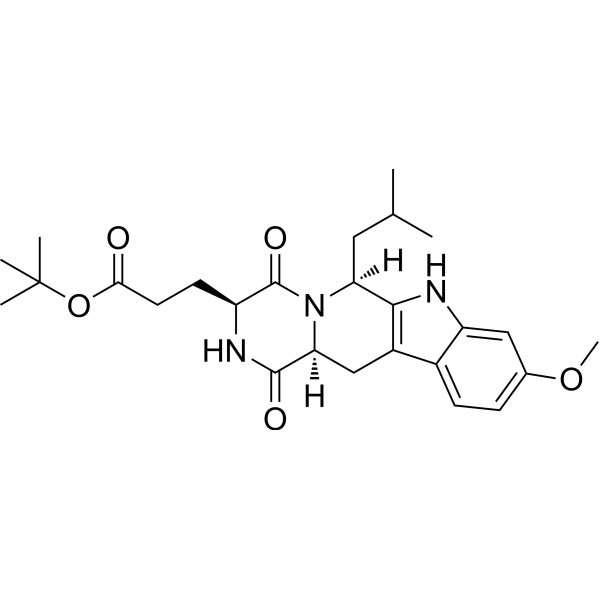
Ko 143 is a potent and selective ATP-binding cassette subfamily G member 2 (ABCG2/BCRP) inhibitor. Ko 143 displays >200-fold selectivity over P-gp and MRP-1 transporters .
|
-
-
- HY-N1423
-
|
|
P-glycoprotein
Bcl-2 Family
G protein-coupled Bile Acid Receptor 1
Endogenous Metabolite
Bacterial
Apoptosis
FXR
Caspase
MDM-2/p53
LPL Receptor
|
Metabolic Disease
Inflammation/Immunology
Cancer
|
|
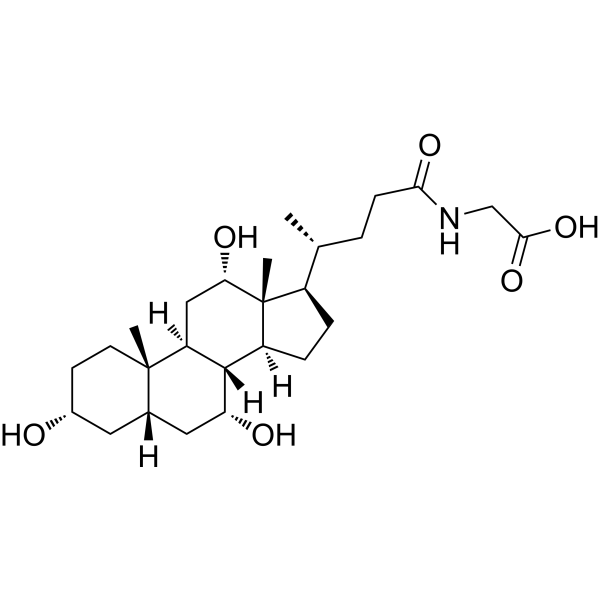
Glycocholic acid is a bile acid derivative. Glycocholic acid downregulates MDR1, Bcl-2, MRP1, MRP2 and FXR, upregulates Bax, p53, caspase-9, caspase-3, TGR5 and S1PR2. Glycocholic acid inhibits multidrug resistance and efflux pumps, induces mitochondrial apoptosis, and enhances chemosensitivity. Glycocholic acid modulates related bile acid receptor signaling. Glycocholic acid suppresses growth and conjugation of Enterobacteriaceae and increases their antibiotic susceptibility. Glycocholic acid can be used for the research of colon adenocarcinoma and cholangiocarcinoma (CCA) .
|
-
-
- HY-19989
-
|
L-660711
|
P-glycoprotein
LPL Receptor
Leukotriene Receptor
|
Inflammation/Immunology
|
|
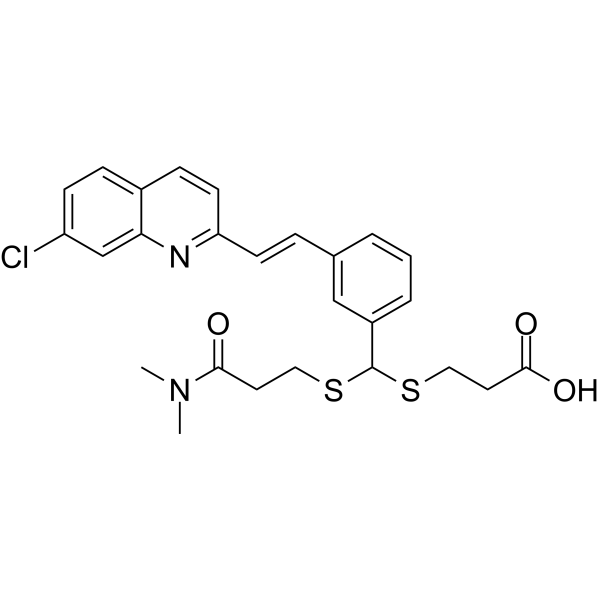
MK-571 (L-660711) is an orally active, potent and selective competitive leukotriene D4 (LTD4) receptor antagonist, with Ki values of 0.22 and 2.1 nM in guinea pig and human lung membranes, respectively. MK-571 is also a MRP4 and ABCC1 (MRP1) inhibitor. MK-571 inhibits constitutive and antigen-stimulated S1P (sphingosine-1-phosphate) release .
|
-
-
- HY-19989A
-
|
L-660711 sodium
|
P-glycoprotein
LPL Receptor
Leukotriene Receptor
|
Inflammation/Immunology
|
|
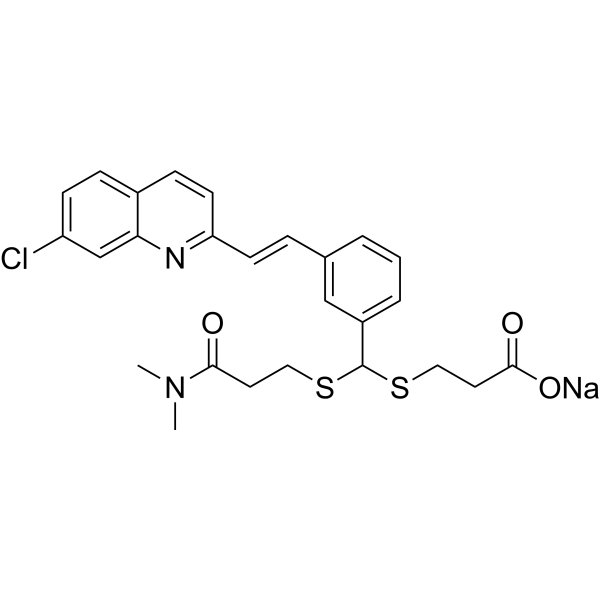
MK-571 (L-660711) sodium is an orally active, potent and selective competitive leukotriene D4 (LTD4) receptor antagonist, with Ki values of 0.22 and 2.1 nM in guinea pig and human lung membranes, respectively. MK-571 sodium is also a inhibitor of multidrug resistance-associated protein MRP4 (ABCC4) and ABCC1 (MRP1). MK-571 sodium inhibits constitutive and antigen-stimulated S1P (sphingosine-1-phosphate) release .
|
-
-
- HY-107643
-
|
CBLC4H10
|
P-glycoprotein
|
Cancer
|
|
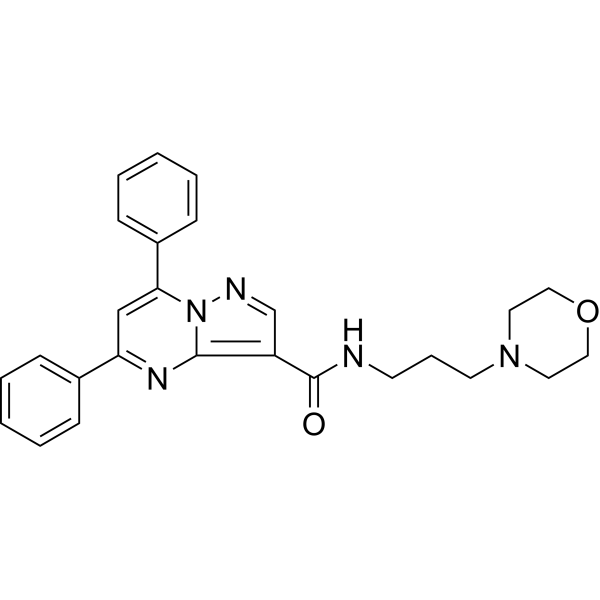
Reversan (CBLC4H10) inhibits drug efflux mediated by P-glycoprotein (Pgp) and multidrug resistance protein 1 (MRP1), and exhibits oral activity. Reversan shows activity against glioblastoma multiforme and neuroblastoma models .
|
-
-
- HY-N1423A
-
|
|
P-glycoprotein
Bcl-2 Family
G protein-coupled Bile Acid Receptor 1
Bacterial
Apoptosis
FXR
Caspase
MDM-2/p53
LPL Receptor
Endogenous Metabolite
|
Metabolic Disease
Cancer
|
|
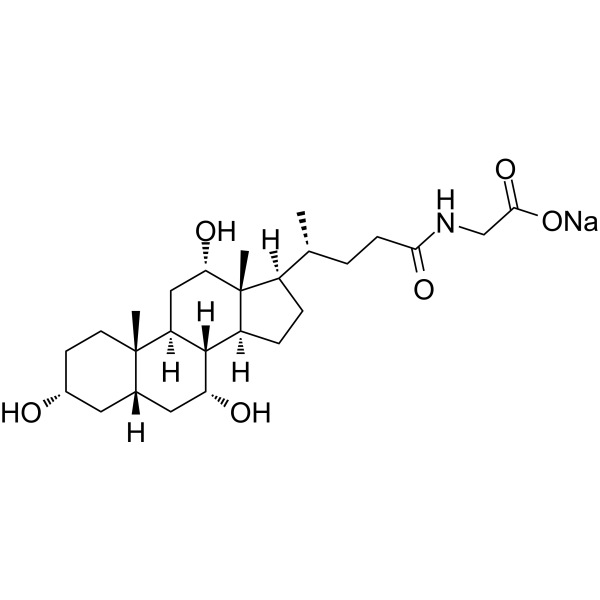
Glycocholic acid sodium is a bile acid derivative. Glycocholic acid downregulates MDR1, Bcl-2, MRP1, MRP2 and FXR, upregulates Bax, p53, caspase-9, caspase-3, TGR5 and S1PR2. Glycocholic acid sodium inhibits multidrug resistance and efflux pumps, induces mitochondrial apoptosis, and enhances chemosensitivity. Glycocholic acid sodium modulates related bile acid receptor signaling. Glycocholic acid sodium suppresses growth and conjugation of Enterobacteriaceae and increases their antibiotic susceptibility. Glycocholic acid sodium can be used for the research of colon adenocarcinoma and cholangiocarcinoma (CCA) .
|
-
-
- HY-N1423S
-
|
|
Isotope-Labeled Compounds
P-glycoprotein
Bcl-2 Family
G protein-coupled Bile Acid Receptor 1
Endogenous Metabolite
Bacterial
Apoptosis
FXR
Caspase
MDM-2/p53
LPL Receptor
|
Metabolic Disease
Cancer
|
|
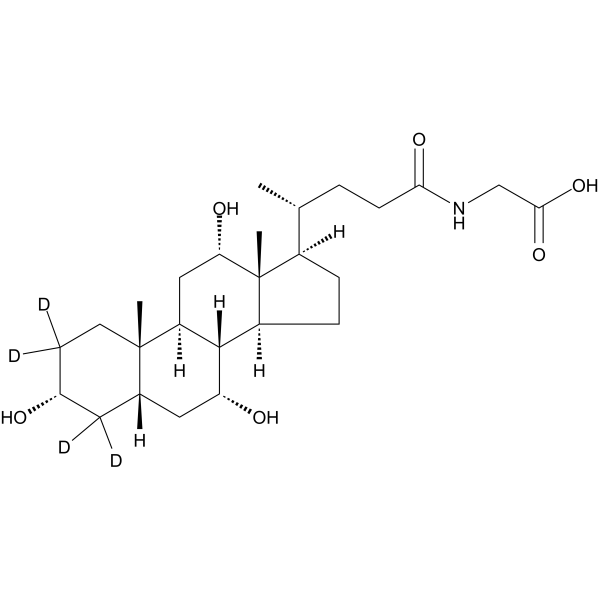
Glycocholic acid-d4 is the deuterium labeled Glycocholic acid (HY-N1423). Glycocholic acid is a bile acid derivative. Glycocholic acid downregulates MDR1, Bcl-2, MRP1, MRP2 and FXR, upregulates Bax, p53, caspase-9, caspase-3, TGR5 and S1PR2. Glycocholic acid inhibits multidrug resistance and efflux pumps, induces mitochondrial apoptosis, and enhances chemosensitivity. Glycocholic acid modulates related bile acid receptor signaling. Glycocholic acid suppresses growth and conjugation of Enterobacteriaceae and increases their antibiotic susceptibility. Glycocholic acid can be used for the research of colon adenocarcinoma and cholangiocarcinoma (CCA).
|
-
-
- HY-P10856
-
|
|
P-glycoprotein
|
Cancer
|
|
CPI1 is a multidrug resistance protein 1 (MRP1) inhibitor with a Ki value of 100 nM. CPI1 binds to the same substrate-binding site as leukotriene C4, stabilizes MRP1 in an apo-like inward-facing conformation, blocks the conformational changes required for ATP hydrolysis and substrate transport, and inhibits the ATPase activity of human and bovine MRP1. CPI1 serves as a tool for investigating the substrate transport mechanism of MRP1. CPI1 is applicable to research related to cancer multidrug resistance .
|
-
-
- HY-135336A
-
-
-
- HY-135336
-
|
(R)-(+)-Verapamil hydrochloride
|
P-glycoprotein
Apoptosis
Calcium Channel
|
Infection
Metabolic Disease
|
|
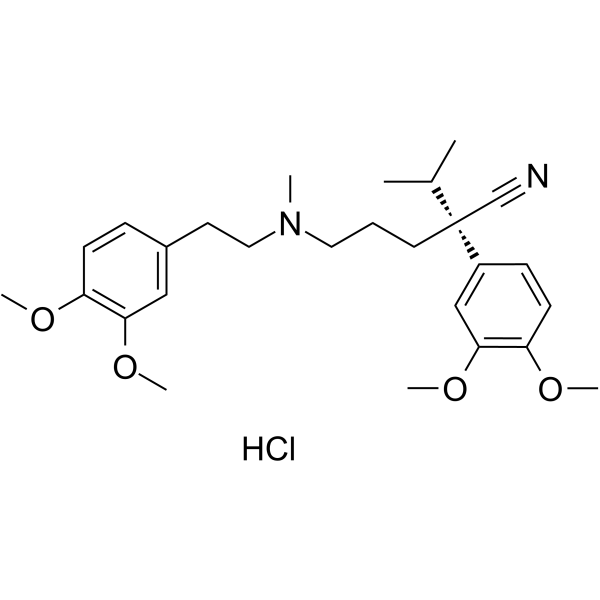
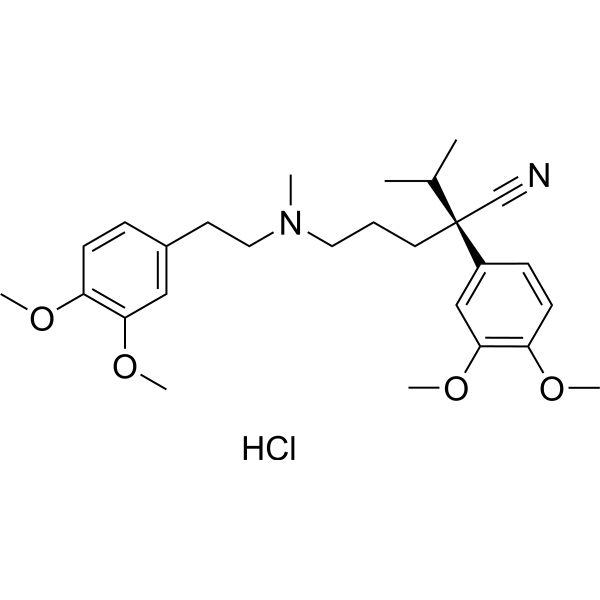
(R)-Verapamil hydrochloride ((R)-(+)-Verapamil hydrochloride) is an orally active P-Glycoprotein inhibitor. (R)-Verapamil hydrochloride blocks MRP1 mediated transport. (R)-Verapamil hydrochloride induces Apoptosis and inhibits L-type calcium channels BZPcc, DHPcc and PLLcc. (R)-Verapamil hydrochloride has anti-septic shock and anti-diabetic effects .
|
-
-
- HY-14942A
-
|
RTA 744; WP 744; WP 769 hydrochloride
|
NF-κB
Apoptosis
Caspase
Drug Derivative
|
Neurological Disease
Cancer
|
|
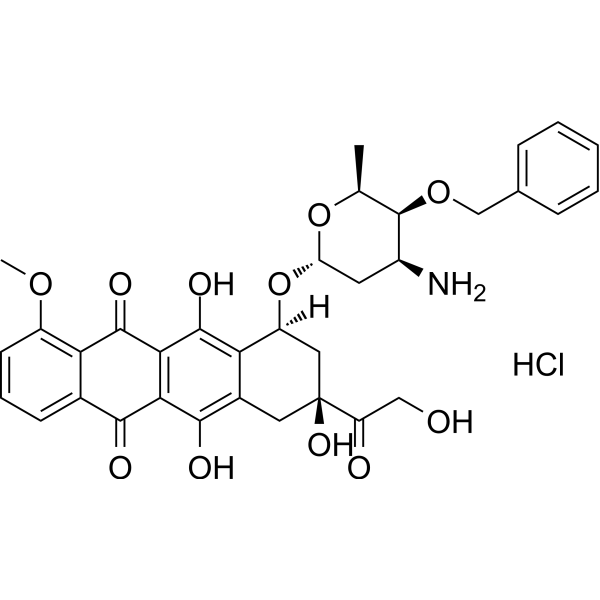
Berubicin (RTA 744) hydrochloride is a Doxorubicin (HY-15142A) analog that can cross the blood-brain barrier. Berubicin hydrochloride inhibits P-gp and MRP1-mediated efflux and suppresses glioblastoma multiforme (GBM). Berubicin hydrochloride exerts toxic effects on leukemia cells by activating nuclear factor κB (NF-κB) and induces apoptosis in neuroblastoma cells. Berubicin hydrochloride can be used in the study of tumors related to the nervous system .
|
-
-
- HY-17013
-
|
MS-209 free base
|
P-glycoprotein
|
Cancer
|
|
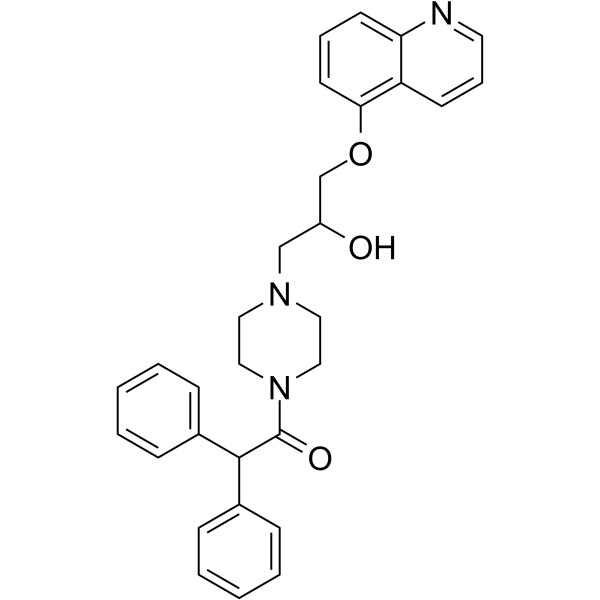
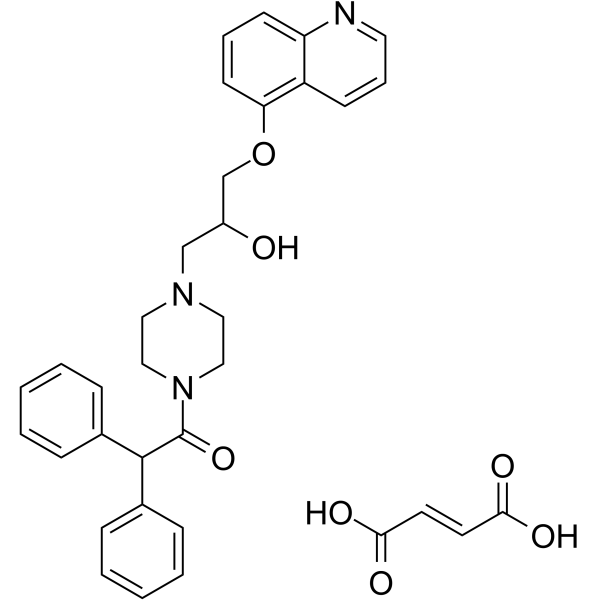
Dofequidar (MS-209 free base) is an orally active quinoline compoundthat blocks P-glycoprotein (P-gp) and multidrug resistance-associated protein-1 (MDR-1). Dofequidar has highly potent reversing effect on multidrug-resistant tumor cells. Dofequidar competitively inhibits ABCB1/P-gp, ABCC1/MRP-1, blocks the efflux of chemotherapeutic agents, increases the drug concentration in cancer cells, and enhances the chemotherapeutic effect .
|
-
-
- HY-N0248
-
|
|
HCV
P-glycoprotein
|
Infection
Cancer
|
|
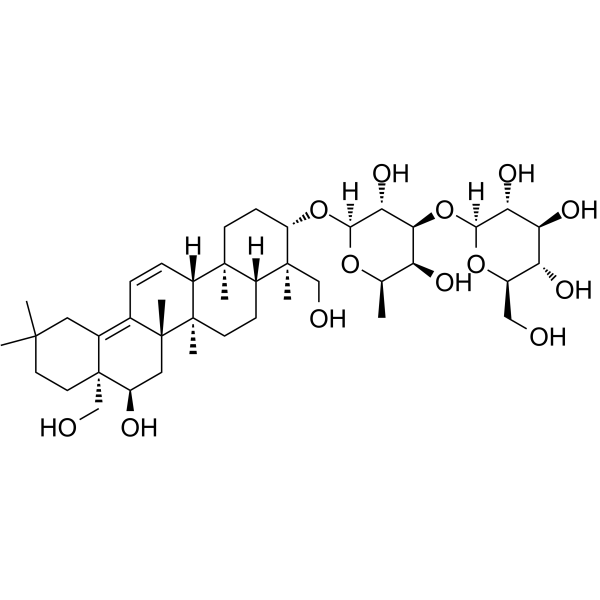
Saikosaponin B2 is an antiviral and anticancer agent that regulates multiple transporters (such as various solute carriers and ATP-binding cassette transporters including MRP1, MRP2, and OCT2). Saikosaponin B2 is isolated from the plant glycoside component of the roots of Bupleurum scorzonerifolium. Saikosaponin B2 enhances the liver targeting of anticancer drugs via vinegar-baked Radix Bupleuri. Saikosaponin B2 inhibits HCV entry, replication, and translation, is effective against Daclatasvir (HY-10466)-resistant strains, and exerts a synergistic effect when used in combination with Daclatasvir. Saikosaponin B2 is commonly used in studies related to hepatocellular carcinoma and HCV infection .
|
-
-
- HY-128878
-
|
|
Cholecystokinin Receptor
P-glycoprotein
|
Metabolic Disease
Endocrinology
|
|
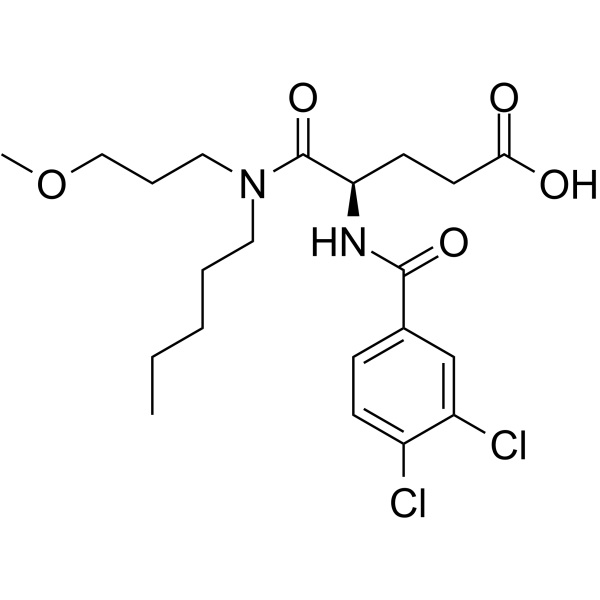
Dexloxiglumide is an orally active and selective cholecystokinin type A (CCKA) receptor antagonist. Dexloxiglumide is the active enantiomer of Loxiglumide, inhibits smooth muscle cell contractions induced by cholecystokinin-octapeptide (CCK-8). Dexloxiglumide exhibits moderate Caco-2 permeability that is polarized, concentration dependent, and pH dependent. Dexloxiglumide increases MRP1-substrate fluorescein uptake. Dexloxiglumide can be studied in research for gastrointestinal diseases and tumors .
|
-
-
- HY-W010649
-
|
|
HSP
Epigenetic Reader Domain
ATP-binding cassette (ABC) transporters
Bacterial
Fungal
Antibiotic
|
Infection
Metabolic Disease
Inflammation/Immunology
Cancer
|
|
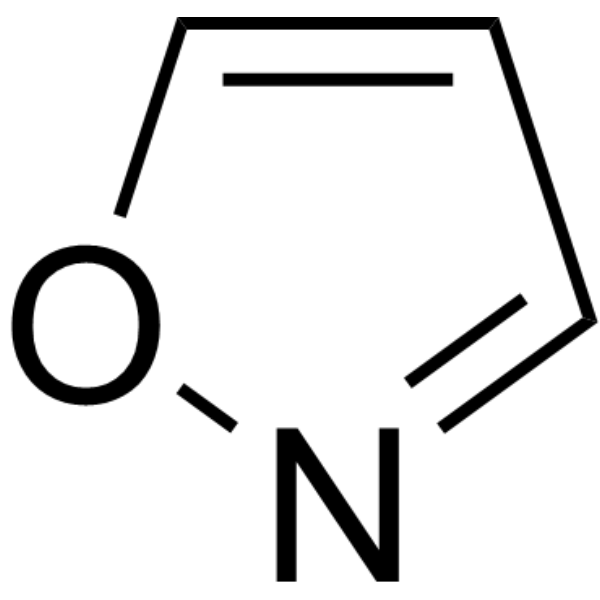
Isoxazole is a member of the five-membered heterocycle drug scaffold. Isoxazole has been used as a BET bromodomain inhibitor and can improve β-cell function in a diabetic mouse model. Isoxazole and its derivatives exhibit broad biological activities (such as antimicrobial, antibacterial, antifungal, antiviral, anticancer, anti-inflammatory, immunomodulatory, analgesic, anti-tuberculosis, and anti-diabetic effects). For example, the bicyclic Isoxazole can act as an HSP90 inhibitor, and the tricyclic Isoxazole is promising as a selective multidrug resistance protein (MRP1) inhibitor .
|
-
-
- HY-W013105
-
|
N-Cholylglycine sodium salt, 98%
|
Bcl-2 Family
Caspase
Endogenous Metabolite
Bacterial
MDM-2/p53
P-glycoprotein
LPL Receptor
FXR
G protein-coupled Bile Acid Receptor 1
Apoptosis
|
Others
|
|
Sodium glycocholate hydrate, 98% is a bile acid derivative. Sodium glycocholate hydrate, 98% downregulates MDR1, Bcl-2, MRP1, MRP2 and FXR, upregulates Bax, p53, caspase-9, caspase-3, TGR5 and S1PR2. Sodium glycocholate hydrate, 98% inhibits multidrug resistance and efflux pumps, induces mitochondrial apoptosis, and enhances chemosensitivity. Sodium glycocholate hydrate, 98% modulates related bile acid receptor signaling. Sodium glycocholate hydrate, 98% suppresses growth and conjugation of Enterobacteriaceae and increases their antibiotic susceptibility. Sodium glycocholate hydrate, 98% can be used for the research of colon adenocarcinoma and cholangiocarcinoma (CCA) .
|
-
-
- HY-162753
-
|
|
P-glycoprotein
|
Cancer
|
|
ZW-1226 is a dual Tyrosyl DNA phosphodiesterase 2 (TDP2) and Multidrug resistance-associated protein 1 (MRP1) inhibitor with IC50 values of 0.2 and 0.5 μM, respectively. ZW-1226 exhibits selectivity over other ABC transporters. ZW-1226 elevates intracellular GSH levels, and reverses MRP1-mediated drug resistance. ZW-1226 can be used for the research of leukemia, non-small-cell lung cancer, and multidrug resistant small-cell lung cancer .
|
-
-
- HY-17013A
-
|
MS-209
|
P-glycoprotein
|
Cancer
|
|
Dofequidar fumarate (MS-209) is an orally active quinoline compoundthat blocks P-glycoprotein (P-gp) and multidrug resistance-associated protein-1 (MDR-1). Dofequidar fumarate has highly potent reversing effect on multidrug-resistant tumor cells. Dofequidar fumarate competitively inhibits ABCB1/P-gp, ABCC1/MRP-1, blocks the efflux of chemotherapeutic agents, increases the drug concentration in cancer cells, and enhances the chemotherapeutic effect .
|
-
-
- HY-N1423B
-
|
|
Endogenous Metabolite
Caspase
G protein-coupled Bile Acid Receptor 1
LPL Receptor
MDM-2/p53
Bcl-2 Family
P-glycoprotein
FXR
Bacterial
Apoptosis
|
Metabolic Disease
Inflammation/Immunology
Cancer
|
|
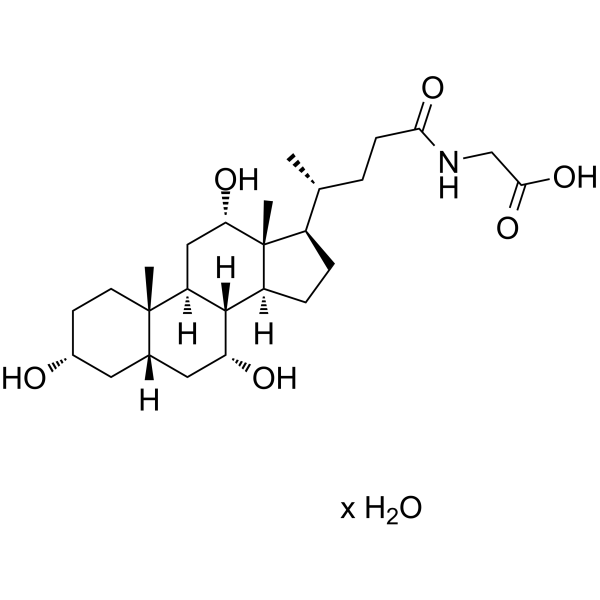
Glycocholic acid hydrate is a bile acid derivative. Glycocholic acid hydrate downregulates MDR1, Bcl-2, MRP1, MRP2 and FXR, upregulates Bax, p53, caspase-9, caspase-3, TGR5 and S1PR2. Glycocholic acid hydrate inhibits multidrug resistance and efflux pumps, induces mitochondrial apoptosis, and enhances chemosensitivity. Glycocholic acid hydrate modulates related bile acid receptor signaling. Glycocholic acid hydrate suppresses growth and conjugation of Enterobacteriaceae and increases their antibiotic susceptibility. Glycocholic acid hydrate can be used for the research of colon adenocarcinoma and cholangiocarcinoma (CCA) .
|
-
-
- HY-117452
-
-
-
- HY-14942
-
|
RTA 744 free base; WP 744 free base; WP 769
|
NF-κB
Apoptosis
Caspase
Drug Derivative
|
Neurological Disease
Cancer
|
|
Berubicin (RTA 744 free base) is a Doxorubicin (HY-15142A) analog that can cross the blood-brain barrier. Berubicin inhibits P-gp and MRP1-mediated efflux and suppresses glioblastoma multiforme (GBM). Berubicin exerts toxic effects on leukemia cells by activating nuclear factor κB (NF-κB) and induces apoptosis in neuroblastoma cells. Berubicin can be used in the study of tumors related to the nervous system .
|
-
-
- HY-16773
-
|
GS-9451
|
HCV Protease
BCRP
P-glycoprotein
|
Infection
|
|
Vedroprevir (GS-9451) is an inhibitor for HCV NS3/4A protease with an IC50 of 3.2 nM. Vedroprevir is also an inhibitor for breast cancer resistant protein (BCRP) with an IC50 of 1.4 μM. Vedroprevir inhibits P-gp, MRP1 and MRP2 with IC50 of 34, 14.9 and 12 μM, respectively. Vedroprevir exhibits good pharmacokinetic characteristics in rats and dogs .
|
-
-
- HY-120931
-
|
|
P-glycoprotein
Leukotriene Receptor
|
Cancer
|
|
LY329146, a Raloxifene (HY-13738) analog, is multidrug resistance protein (MRP1) inhibitor. LY329146 inhibits leucotriene C4 ( LTC4) transport with an IC50 of 0.8 μM .
|
-
-
- HY-17648
-
|
|
BCRP
|
Cancer
|
|
MBL-II-141 is potent ABCG2 inhibitor with an IC50 of 0.11 μM. MBL-II-141 inhibits the transport function of ABCG2 in a non-competitive manner, preventing ABCG2 from pumping substrates (such as Irinotecan (HY-16562)) out of the cells, thereby increasing the accumulation of drugs within the cells. MBL-II-141 has no effect on ABCB1 (P-gp) and ABCC1 (MRP1) and has extremely low cytotoxicity (IG50 > 100 μM). MBL-II-141 can be used for the study of multidrug resistance (MDR) cancers .
|
-
-
- HY-N1423S1
-
|
|
Isotope-Labeled Compounds
P-glycoprotein
Bcl-2 Family
G protein-coupled Bile Acid Receptor 1
Endogenous Metabolite
Bacterial
Apoptosis
FXR
Caspase
MDM-2/p53
LPL Receptor
|
Metabolic Disease
Cancer
|
|
Glycocholic acid-d5 is the deuterium labeled Glycocholic acid (HY-N1423). Glycocholic acid is a bile acid derivative. Glycocholic acid downregulates MDR1, Bcl-2, MRP1, MRP2 and FXR, upregulates Bax, p53, caspase-9, caspase-3, TGR5 and S1PR2. Glycocholic acid inhibits multidrug resistance and efflux pumps, induces mitochondrial apoptosis, and enhances chemosensitivity. Glycocholic acid modulates related bile acid receptor signaling. Glycocholic acid suppresses growth and conjugation of Enterobacteriaceae and increases their antibiotic susceptibility. Glycocholic acid can be used for the research of colon adenocarcinoma and cholangiocarcinoma (CCA).
|
-
-
- HY-164683
-
|
|
P-glycoprotein
|
Cancer
|
|
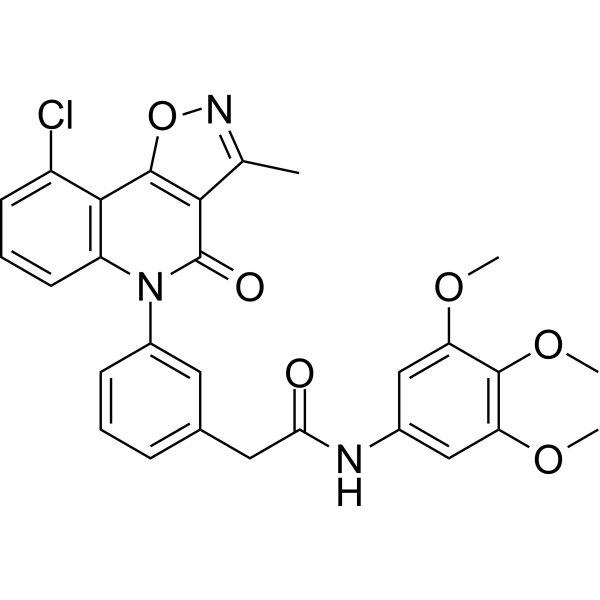
MRP1-IN-1 (Compound 9h) is a MRP1 inhibitor with an EC50 of 0.90 μM in HeLa-T5 cells .
|
-
-
- HY-135336S
-
|
(R)-(+)-Verapamil-d7 (hydrochloride)
|
P-glycoprotein
Isotope-Labeled Compounds
Apoptosis
|
Cancer
|
|
(R)-Verapamil-d7 (hydrochloride) is a deuterium labeled (R)-Verapamil hydrochloride. (R)-Verapamil hydrochloride ((R)-(+)-Verapamil hydrochloride) is a P-Glycoprotein inhibitor. (R)-Verapamil hydrochloride blocks MRP1 mediated transport, resulting in chemosensitization of MRP1-overexpressing cells to anticancer agents .
|
-
-
- HY-W702292
-
|
|
Isotope-Labeled Compounds
Apoptosis
P-glycoprotein
|
Cancer
|
|
(R)-(+)-Verapamil-d6 (hydrochloride) is deuterium labeled (R)-Verapamil (hydrochloride). (R)-Verapamil hydrochloride ((R)-(+)-Verapamil hydrochloride) is a P-Glycoprotein inhibitor. (R)-Verapamil hydrochloride blocks MRP1 mediated transport, resulting in chemosensitization of MRP1-overexpressing cells to anticancer agents .
|
-
-
- HY-13574
-
|
VX 710-3
|
P-glycoprotein
|
Cancer
|
|
Biricodar dicitrate (VX 710-3) is the dicitrate salt form of Biricodar (HY-13574A). Biricodar dicitrate is an inhibitor for P-glycoprotein and multidrug resistance-associated protein 1 (MRP-1), which increases the accumulation of chemotherapy drugs within cancer cells and shows effective chemosensitizing activity in multidrug resistant cells .
|
-
-
- HY-135336AS
-
|
(S)-(-)-Verapamil-d7 (hydrochloride)
|
Isotope-Labeled Compounds
Leukotriene Receptor
Calcium Channel
Apoptosis
|
Cancer
|
|
(S)-Verapamil-d7 (hydrochloride) is a deuterium labeled (S)-Verapamil hydrochloride. (S)-Verapamil hydrochloride (S(-)-Verapamil hydrochloride) inhibits leukotriene C4 (LTC4) and calcein transport by MRP1. (S)-Verapamil hydrochloride leads to the death of potentially resistant tumor cells .
|
-
-
- HY-135336AS1
-
|
(S)-(-)-Verapamil-d6 (hydrochloride)
|
Isotope-Labeled Compounds
Apoptosis
Leukotriene Receptor
Calcium Channel
|
Cancer
|
|
(S)-Verapamil-d6 ((S)-(-)-Verapamil-d6) hydrochloride is the deuterium labeled (S)-Verapamil hydrochloride. (S)-Verapamil hydrochloride (S(-)-Verapamil hydrochloride) inhibits leukotriene C4 (LTC4) and calcein transport by MRP1. (S)-Verapamil hydrochloride leads to the death of potentially resistant tumor cells .
|
-
-
- HY-168711
-
|
|
P-glycoprotein
|
Cancer
|
|
P-gp inhibitor 27 (Compound D2) is an inhibitor for P-glycoprotein (P-gp), that downregulates the expression of P-gp and MRP1, increases the Rh123 accumulation in A2780/T cell, and reverses multidrug resistance to Paclitaxel (HY-B0015) (EC50 is 88 nM) and Cisplatin (HY-17394) .
|
-
-
- HY-161353
-
|
|
P-glycoprotein
c-Met/HGFR
|
Cancer
|
|
c-Met-IN-23 (Compound 12g) is a c-Met inhibitor (IC50 = 0.052 μM for c-Met). c-Met-IN-23 also inhibits MDR1 and MRP1/2 pumps in the cancerous HepG2 and BxPC3 cells. c-Met-IN-23 is an anticancer agent .
|
-
-
- HY-128878R
-
|
|
Cholecystokinin Receptor
P-glycoprotein
Reference Standards
|
Metabolic Disease
Endocrinology
|
|
Dexloxiglumide (Standard) is the analytical standard of Dexloxiglumide. This product is intended for research and analytical applications. Dexloxiglumide is an orally active and selective cholecystokinin type A (CCKA) receptor antagonist. Dexloxiglumide is the active enantiomer of Loxiglumide, inhibits smooth muscle cell contractions induced by cholecystokinin-octapeptide (CCK-8). Dexloxiglumide exhibits moderate Caco-2 permeability that is polarized, concentration dependent, and pH dependent. Dexloxiglumide increases MRP1-substrate fluorescein uptake. Dexloxiglumide can be studied in research for gastrointestinal diseases and tumors .
|
-
-
- HY-179683
-
|
|
P-glycoprotein
|
Cancer
|
|
MRP1-IN-2 (Compound 21) is a selective MRP1 inhibitor with a relatively weak inhibitory effect on P-gp. MRP1-IN-2 exhibits a strong accumulation effect of calcein, with its EC50 value being 177 nM. MRP1-IN-2 enhances the activity of Doxorubicin (HY-15142A) on drug-resistant cells. MRP1-IN-2 can be used for the study of multidrug-resistant cancers .
|
-
-
- HY-N1423AR
-
|
|
Reference Standards
P-glycoprotein
Bcl-2 Family
G protein-coupled Bile Acid Receptor 1
Bacterial
Apoptosis
FXR
Caspase
MDM-2/p53
LPL Receptor
Endogenous Metabolite
|
Metabolic Disease
Cancer
|
|
Glycocholic acid (sodium) (Standard) is the analytical standard of Glycocholic acid sodium (HY-N1423A). This product is intended for research and analytical applications. Glycocholic acid sodium is a bile acid derivative. Glycocholic acid downregulates MDR1, Bcl-2, MRP1, MRP2 and FXR, upregulates Bax, p53, caspase-9, caspase-3, TGR5 and S1PR2. Glycocholic acid sodium inhibits multidrug resistance and efflux pumps, induces mitochondrial apoptosis, and enhances chemosensitivity. Glycocholic acid sodium modulates related bile acid receptor signaling. Glycocholic acid sodium suppresses growth and conjugation of Enterobacteriaceae and increases their antibiotic susceptibility. Glycocholic acid sodium can be used for the research of colon adenocarcinoma and cholangiocarcinoma (CCA).
|
-
-
- HY-W754548
-
|
|
Isotope-Labeled Compounds
Endogenous Metabolite
P-glycoprotein
Bcl-2 Family
G protein-coupled Bile Acid Receptor 1
Bacterial
Apoptosis
FXR
Caspase
MDM-2/p53
LPL Receptor
|
Metabolic Disease
Cancer
|
|
Glycocholic acid- 13C2,d4 is the deuterium labeled and 13C-labeled Glycocholic acid (HY-N1423). Glycocholic acid is a bile acid derivative. Glycocholic acid downregulates MDR1, Bcl-2, MRP1, MRP2 and FXR, upregulates Bax, p53, caspase-9, caspase-3, TGR5 and S1PR2. Glycocholic acid inhibits multidrug resistance and efflux pumps, induces mitochondrial apoptosis, and enhances chemosensitivity. Glycocholic acid modulates related bile acid receptor signaling. Glycocholic acid suppresses growth and conjugation of Enterobacteriaceae and increases their antibiotic susceptibility. Glycocholic acid can be used for the research of colon adenocarcinoma and cholangiocarcinoma (CCA).
|
-
-
- HY-N0248R
-
|
|
Reference Standards
P-glycoprotein
HCV
|
Infection
Cancer
|
|
Saikosaponin B2 (Standard) is the analytical standard of Saikosaponin B2. This product is intended for research and analytical applications. Saikosaponin B2 is an antiviral and anticancer agent that regulates multiple transporters (such as various solute carriers and ATP-binding cassette transporters including MRP1, MRP2, and OCT2). Saikosaponin B2 is isolated from the plant glycoside component of the roots of Bupleurum scorzonerifolium. Saikosaponin B2 enhances the liver targeting of anticancer drugs via vinegar-baked Radix Bupleuri. Saikosaponin B2 inhibits HCV entry, replication, and translation, is effective against Daclatasvir (HY-10466)-resistant strains, and exerts a synergistic effect when used in combination with Daclatasvir. Saikosaponin B2 is commonly used in studies related to hepatocellular carcinoma and HCV infection .
|
-
-
- HY-10010R
-
|
|
BCRP
Reference Standards
|
Cancer
|
|
Ko 143 (Standard) is the analytical standard of Ko 143 (HY-10010). This product is intended for research and analytical applications. Ko 143 is a potent and selective ATP-binding cassette subfamily G member 2 (ABCG2/BCRP) inhibitor. Ko 143 displays >200-fold selectivity over P-gp and MRP-1 transporters .
|
-
-
- HY-17013D
-
|
MS-209 sesquifumarate
|
P-glycoprotein
|
Cancer
|
|
Dofequidar (MS-209) sesquifumarate is an orally active quinoline compoundthat blocks P-glycoprotein (P-gp) and multidrug resistance-associated protein-1 (MDR-1). Dofequidar sesquifumarate has highly potent reversing effect on multidrug-resistant tumor cells. Dofequidar sesquifumarate competitively inhibits ABCB1/P-gp, ABCC1/MRP-1, blocks the efflux of chemotherapeutic agents, increases the drug concentration in cancer cells, and enhances the chemotherapeutic effect .
|
-
-
- HY-107643R
-
|
CBLC4H10 (Standard)
|
Reference Standards
P-glycoprotein
|
Cancer
|
|
Reversan (Standard) is the analytical standard of Reversan (HY-107643). This product is intended for research and analytical applications. Reversan (CBLC4H10) inhibits drug efflux mediated by P-glycoprotein (Pgp) and multidrug resistance protein 1 (MRP1), and exhibits oral activity. Reversan shows activity against glioblastoma multiforme and neuroblastoma models .
|
-
-
- HY-118083
-
|
MRS923
|
BCRP
|
Cancer
|
|
Pentamethoxymorin (MRS923) is a selective breast cancer resistance protein (BCRP/ABCG2) inhibitor. Pentamethoxymorin shows selectivity for BCRP over P-gp and MRP1. Pentamethoxymorin inhibits MDCK BCRP cells with IC50 vaues of 5.98 μM and 5.94 μM in Hoechst 33342 (HY-15559) assay and Pheophorbide A (HY-125665) assay, respectively. Pentamethoxymorin can be used for the study of ccancer .
|
-
-
- HY-183143
-
|
|
Topoisomerase
Apoptosis
TNF Receptor
PARP
STAT
P-glycoprotein
|
Cancer
|
|
Lss-11 is a topoisomerase inhibitor. LSS-11 enhances cell death in cancer cells by inducing apoptosis through increasing the DR5 protein level and PARP1 cleavage. LSS-11 dose-dependently reduces STAT3 phosphorylation, downregulates its target genes MDR1 and MRP1, reduces P-gp protein expressionwithout affecting P-gp transport function. Lss-11 is a chemosensitizer and shows synergistic anticancer effect with Paclitaxel (HY-B0015). Lss-11 can be used for the research of paclitaxel-resistant lung cancer .
|
-
-
- HY-17013AR
-
|
MS-209 (Standard)
|
P-glycoprotein
Reference Standards
|
Cancer
|
|
Dofequidar (fumarate) (Standard) is the analytical standard of Dofequidar (fumarate). This product is intended for research and analytical applications. Dofequidar fumarate (MS-209) is an orally active quinoline compoundthat blocks P-glycoprotein (P-gp) and multidrug resistance-associated protein-1 (MDR-1). Dofequidar fumarate has highly potent reversing effect on multidrug-resistant tumor cells. Dofequidar fumarate competitively inhibits ABCB1/P-gp, ABCC1/MRP-1, blocks the efflux of chemotherapeutic agents, increases the drug concentration in cancer cells, and enhances the chemotherapeutic effect .
|
-
| Cat. No. |
Product Name |
Type |
-
- HY-W013105
-
|
N-Cholylglycine sodium salt, 98%
|
Biochemical Assay Reagents
|
|
Sodium glycocholate hydrate, 98% is a bile acid derivative. Sodium glycocholate hydrate, 98% downregulates MDR1, Bcl-2, MRP1, MRP2 and FXR, upregulates Bax, p53, caspase-9, caspase-3, TGR5 and S1PR2. Sodium glycocholate hydrate, 98% inhibits multidrug resistance and efflux pumps, induces mitochondrial apoptosis, and enhances chemosensitivity. Sodium glycocholate hydrate, 98% modulates related bile acid receptor signaling. Sodium glycocholate hydrate, 98% suppresses growth and conjugation of Enterobacteriaceae and increases their antibiotic susceptibility. Sodium glycocholate hydrate, 98% can be used for the research of colon adenocarcinoma and cholangiocarcinoma (CCA) .
|
| Cat. No. |
Product Name |
Target |
Research Area |
-
- HY-P10856
-
|
|
P-glycoprotein
|
Cancer
|
|
CPI1 is a multidrug resistance protein 1 (MRP1) inhibitor with a Ki value of 100 nM. CPI1 binds to the same substrate-binding site as leukotriene C4, stabilizes MRP1 in an apo-like inward-facing conformation, blocks the conformational changes required for ATP hydrolysis and substrate transport, and inhibits the ATPase activity of human and bovine MRP1. CPI1 serves as a tool for investigating the substrate transport mechanism of MRP1. CPI1 is applicable to research related to cancer multidrug resistance .
|
| Cat. No. |
Product Name |
Category |
Target |
Chemical Structure |
-
- HY-N1423
-
|
|
Structural Classification
Human Gut Microbiota Metabolites
Classification of Application Fields
Endogenous metabolite
Disease Research Fields
Steroids
Source Classification
Cancer
|
P-glycoprotein
Bcl-2 Family
G protein-coupled Bile Acid Receptor 1
Endogenous Metabolite
Bacterial
Apoptosis
FXR
Caspase
MDM-2/p53
LPL Receptor
|
|
Glycocholic acid is a bile acid derivative. Glycocholic acid downregulates MDR1, Bcl-2, MRP1, MRP2 and FXR, upregulates Bax, p53, caspase-9, caspase-3, TGR5 and S1PR2. Glycocholic acid inhibits multidrug resistance and efflux pumps, induces mitochondrial apoptosis, and enhances chemosensitivity. Glycocholic acid modulates related bile acid receptor signaling. Glycocholic acid suppresses growth and conjugation of Enterobacteriaceae and increases their antibiotic susceptibility. Glycocholic acid can be used for the research of colon adenocarcinoma and cholangiocarcinoma (CCA) .
|
-
-
- HY-N1423A
-
|
|
Triterpenes
Structural Classification
Terpenoids
Endogenous metabolite
Source Classification
|
P-glycoprotein
Bcl-2 Family
G protein-coupled Bile Acid Receptor 1
Bacterial
Apoptosis
FXR
Caspase
MDM-2/p53
LPL Receptor
Endogenous Metabolite
|
|
Glycocholic acid sodium is a bile acid derivative. Glycocholic acid downregulates MDR1, Bcl-2, MRP1, MRP2 and FXR, upregulates Bax, p53, caspase-9, caspase-3, TGR5 and S1PR2. Glycocholic acid sodium inhibits multidrug resistance and efflux pumps, induces mitochondrial apoptosis, and enhances chemosensitivity. Glycocholic acid sodium modulates related bile acid receptor signaling. Glycocholic acid sodium suppresses growth and conjugation of Enterobacteriaceae and increases their antibiotic susceptibility. Glycocholic acid sodium can be used for the research of colon adenocarcinoma and cholangiocarcinoma (CCA) .
|
-
-
- HY-N0248
-
-
-
- HY-N1423B
-
|
|
Structural Classification
Classification of Application Fields
Metabolic Disease
Endogenous metabolite
Disease Research Fields
Steroids
Source Classification
|
Endogenous Metabolite
Caspase
G protein-coupled Bile Acid Receptor 1
LPL Receptor
MDM-2/p53
Bcl-2 Family
P-glycoprotein
FXR
Bacterial
Apoptosis
|
|
Glycocholic acid hydrate is a bile acid derivative. Glycocholic acid hydrate downregulates MDR1, Bcl-2, MRP1, MRP2 and FXR, upregulates Bax, p53, caspase-9, caspase-3, TGR5 and S1PR2. Glycocholic acid hydrate inhibits multidrug resistance and efflux pumps, induces mitochondrial apoptosis, and enhances chemosensitivity. Glycocholic acid hydrate modulates related bile acid receptor signaling. Glycocholic acid hydrate suppresses growth and conjugation of Enterobacteriaceae and increases their antibiotic susceptibility. Glycocholic acid hydrate can be used for the research of colon adenocarcinoma and cholangiocarcinoma (CCA) .
|
-
-
- HY-N1423AR
-
|
|
Structural Classification
Endogenous metabolite
Steroids
Source Classification
|
Reference Standards
P-glycoprotein
Bcl-2 Family
G protein-coupled Bile Acid Receptor 1
Bacterial
Apoptosis
FXR
Caspase
MDM-2/p53
LPL Receptor
Endogenous Metabolite
|
|
Glycocholic acid (sodium) (Standard) is the analytical standard of Glycocholic acid sodium (HY-N1423A). This product is intended for research and analytical applications. Glycocholic acid sodium is a bile acid derivative. Glycocholic acid downregulates MDR1, Bcl-2, MRP1, MRP2 and FXR, upregulates Bax, p53, caspase-9, caspase-3, TGR5 and S1PR2. Glycocholic acid sodium inhibits multidrug resistance and efflux pumps, induces mitochondrial apoptosis, and enhances chemosensitivity. Glycocholic acid sodium modulates related bile acid receptor signaling. Glycocholic acid sodium suppresses growth and conjugation of Enterobacteriaceae and increases their antibiotic susceptibility. Glycocholic acid sodium can be used for the research of colon adenocarcinoma and cholangiocarcinoma (CCA).
|
-
-
- HY-N0248R
-
|
|
Triterpenes
Structural Classification
Terpenoids
Umbelliferae
Plants
Carphephorus corymbosus (Nutt.) Torr. & A.Gray
Source Classification
|
Reference Standards
P-glycoprotein
HCV
|
|
Saikosaponin B2 (Standard) is the analytical standard of Saikosaponin B2. This product is intended for research and analytical applications. Saikosaponin B2 is an antiviral and anticancer agent that regulates multiple transporters (such as various solute carriers and ATP-binding cassette transporters including MRP1, MRP2, and OCT2). Saikosaponin B2 is isolated from the plant glycoside component of the roots of Bupleurum scorzonerifolium. Saikosaponin B2 enhances the liver targeting of anticancer drugs via vinegar-baked Radix Bupleuri. Saikosaponin B2 inhibits HCV entry, replication, and translation, is effective against Daclatasvir (HY-10466)-resistant strains, and exerts a synergistic effect when used in combination with Daclatasvir. Saikosaponin B2 is commonly used in studies related to hepatocellular carcinoma and HCV infection .
|
-
| Cat. No. |
Product Name |
Chemical Structure |
-
- HY-N1423S
-
|
|
|
Glycocholic acid-d4 is the deuterium labeled Glycocholic acid (HY-N1423). Glycocholic acid is a bile acid derivative. Glycocholic acid downregulates MDR1, Bcl-2, MRP1, MRP2 and FXR, upregulates Bax, p53, caspase-9, caspase-3, TGR5 and S1PR2. Glycocholic acid inhibits multidrug resistance and efflux pumps, induces mitochondrial apoptosis, and enhances chemosensitivity. Glycocholic acid modulates related bile acid receptor signaling. Glycocholic acid suppresses growth and conjugation of Enterobacteriaceae and increases their antibiotic susceptibility. Glycocholic acid can be used for the research of colon adenocarcinoma and cholangiocarcinoma (CCA).
|
-
-
- HY-N1423S1
-
|
|
|
Glycocholic acid-d5 is the deuterium labeled Glycocholic acid (HY-N1423). Glycocholic acid is a bile acid derivative. Glycocholic acid downregulates MDR1, Bcl-2, MRP1, MRP2 and FXR, upregulates Bax, p53, caspase-9, caspase-3, TGR5 and S1PR2. Glycocholic acid inhibits multidrug resistance and efflux pumps, induces mitochondrial apoptosis, and enhances chemosensitivity. Glycocholic acid modulates related bile acid receptor signaling. Glycocholic acid suppresses growth and conjugation of Enterobacteriaceae and increases their antibiotic susceptibility. Glycocholic acid can be used for the research of colon adenocarcinoma and cholangiocarcinoma (CCA).
|
-
-
- HY-135336S
-
|
|
|
(R)-Verapamil-d7 (hydrochloride) is a deuterium labeled (R)-Verapamil hydrochloride. (R)-Verapamil hydrochloride ((R)-(+)-Verapamil hydrochloride) is a P-Glycoprotein inhibitor. (R)-Verapamil hydrochloride blocks MRP1 mediated transport, resulting in chemosensitization of MRP1-overexpressing cells to anticancer agents .
|
-
-
- HY-W702292
-
|
|
|
(R)-(+)-Verapamil-d6 (hydrochloride) is deuterium labeled (R)-Verapamil (hydrochloride). (R)-Verapamil hydrochloride ((R)-(+)-Verapamil hydrochloride) is a P-Glycoprotein inhibitor. (R)-Verapamil hydrochloride blocks MRP1 mediated transport, resulting in chemosensitization of MRP1-overexpressing cells to anticancer agents .
|
-
-
- HY-135336AS
-
|
|
|
(S)-Verapamil-d7 (hydrochloride) is a deuterium labeled (S)-Verapamil hydrochloride. (S)-Verapamil hydrochloride (S(-)-Verapamil hydrochloride) inhibits leukotriene C4 (LTC4) and calcein transport by MRP1. (S)-Verapamil hydrochloride leads to the death of potentially resistant tumor cells .
|
-
-
- HY-135336AS1
-
|
|
|
(S)-Verapamil-d6 ((S)-(-)-Verapamil-d6) hydrochloride is the deuterium labeled (S)-Verapamil hydrochloride. (S)-Verapamil hydrochloride (S(-)-Verapamil hydrochloride) inhibits leukotriene C4 (LTC4) and calcein transport by MRP1. (S)-Verapamil hydrochloride leads to the death of potentially resistant tumor cells .
|
-
-
- HY-W754548
-
|
|
|
Glycocholic acid- 13C2,d4 is the deuterium labeled and 13C-labeled Glycocholic acid (HY-N1423). Glycocholic acid is a bile acid derivative. Glycocholic acid downregulates MDR1, Bcl-2, MRP1, MRP2 and FXR, upregulates Bax, p53, caspase-9, caspase-3, TGR5 and S1PR2. Glycocholic acid inhibits multidrug resistance and efflux pumps, induces mitochondrial apoptosis, and enhances chemosensitivity. Glycocholic acid modulates related bile acid receptor signaling. Glycocholic acid suppresses growth and conjugation of Enterobacteriaceae and increases their antibiotic susceptibility. Glycocholic acid can be used for the research of colon adenocarcinoma and cholangiocarcinoma (CCA).
|
-
Your information is safe with us. * Required Fields.
Inquiry Information
- Product Name:
- Cat. No.:
- Quantity:
- MCE Japan Authorized Agent:

