1. Search Result
Search Result
Results for "

Mycobacterium Tuberculosis-IN-2

" in MedChemExpress (MCE) Product Catalog:

22

阻害剤およびアゴニスト

1

蛍光色素

7

天然物

製品番号 製品名 Target 研究分野 構造式
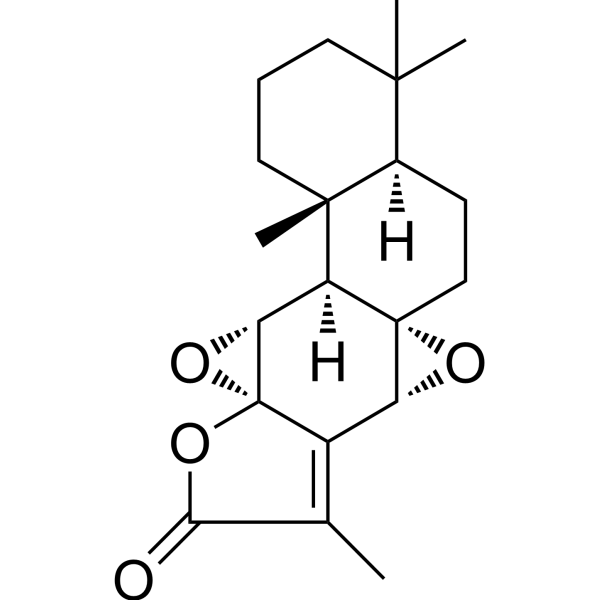
  • HY-N0732
    Jolkinolide B
    1 Publications Verification

    IAP Akt Caspase NF-κB TGF-beta/Smad JAK Bacterial Apoptosis Infection Metabolic Disease Inflammation/Immunology Cancer
    Jolkinolide B is a bioactive diterpene isolated from the roots of Euphorbia fischeriana Steud with oral activity. Jolkinolide B downregulates XIAP, cIAP1, cIAP2, and phosphorylated Akt, upregulates Smac, activates caspase-3 and caspase-9, and inhibits NF-κB, TGFβ/smad3 and JAK/STAT3 pathways. Jolkinolide B exerts comprehensive biological effects including inducing cancer cell apoptosis, suppressing inflammatory responses, improving lung function, alleviating hepatic steatosis and eliminating intracellular Mycobacterium tuberculosis. Jolkinolide B can be used for the research of leukemia, histiocytic lymphoma, asthma, metabolic dysfunction-associated steatotic liver disease and tuberculosis .
    Jolkinolide B
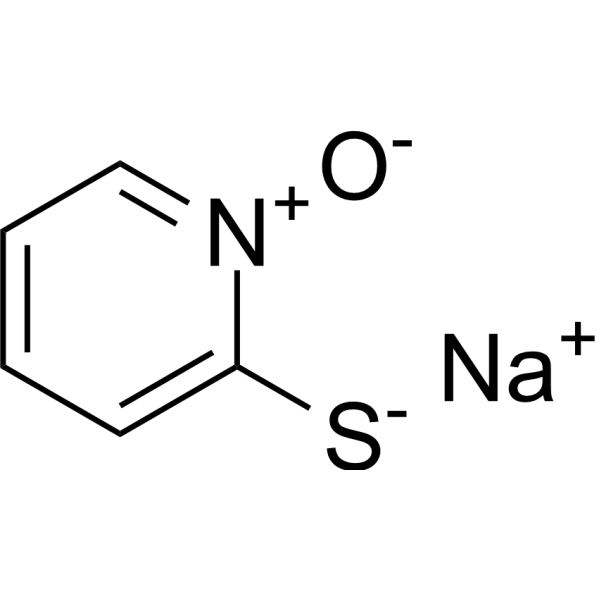
  • HY-125785A

    Bacterial Infection
    2-Mercaptopyridine N-oxide sodium has bactericidal effect and is against a standard strain of Mycobacterium tuberculosis H37Rv (ATCC 27294) with MIC90 of 7.20 μM. 2-Mercaptopyridine N-oxide sodium and its complex with iron, gallium, and bismuth have good anti-M. tuberculosis activity. 2-Mercaptopyridine N-oxide sodium has potential for the treatment of tuberculosis .
    2-Mercaptopyridine N-oxide sodium
  • HY-D2919

    Fluorescent Dye Infection
    DMN-Tre is a conjugate of a solvatochromic fluorescent dye and trehalose. DMN-Tre takes advantage of the substrate promiscuity of the endogenous antigen 85 protein complex in mycobacteria to be metabolically integrated into the hydrophobic mycobacterial membrane. Once entering this hydrophobic environment, the linked DMN dye fluorescence is "turned on", enabling specific labeling . DMN-Tre can be used to reflect bacterial metabolic activity and support physiological studies of Mycobacterium tuberculosis .
    DMN-Tre
  • HY-10393

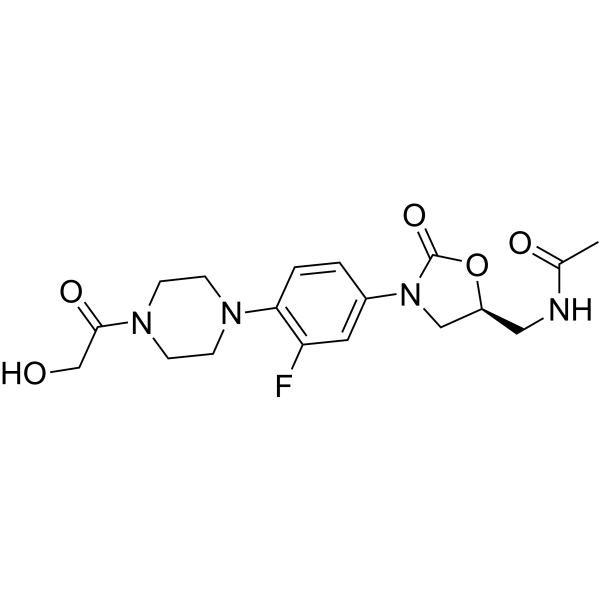
    PNU-100592

    Bacterial Antibiotic Infection
    Eperezolid (PNU-100592) is an orally active protein synthesis inhibitor that targets the bacterial 50S ribosomal subunit. Eperezolid competitively binds to a specific site on the ribosomal 50S subunit (overlapping with the binding sites of chloramphenicol (HY-B0239) and lincomycin (HY-117660)) to inhibit the translation initiation stage and exert antibacterial activity. Eperezolid can induce host cell autophagy to enhance the clearance of intracellular mycobacteria, and its MIC90 for Staphylococcus aureus and Enterococcus is 1-4 μg/mL. Eperezolid is mainly used for antibacterial research on infections with Gram-positive bacteria such as methicillin-resistant (HY-121544) Staphylococci and vancomycin-resistant (HY-B0671) Enterococci, as well as infections with intracellular bacteria such as Mycobacterium tuberculosis .
    Eperezolid
  • HY-139398
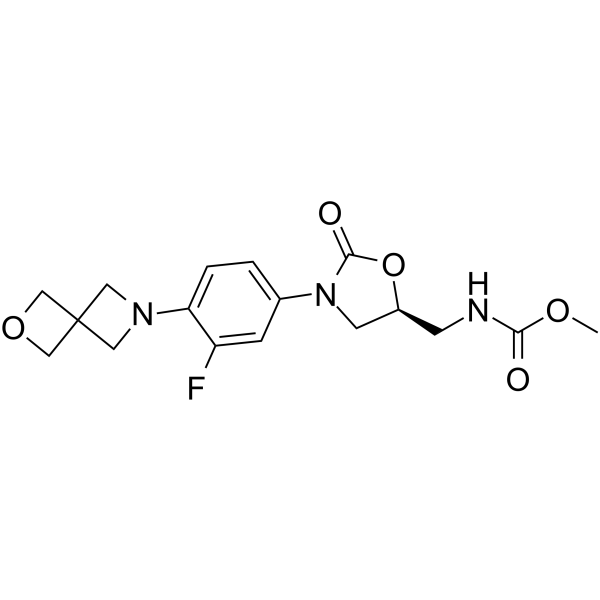
    TBI-223
    1 Publications Verification

    Antibiotic Bacterial Infection
    TBI-223 is an orally active oxazolidinone antibiotic and an antimicrobial. TBI-223 shows activity against Mycobacterium tuberculosis (Mtb). TBI-223 exhibits an IC50 of 68 μg/mL for inhibiting mitochondrial protein synthesis (MPS) in HepG2 cells. TBI-223 is effective in three mouse models (bloodstream infection, skin infection, and bone infection) of methicillin-resistant staphylococcus aureus infection. TBI-223 can be used for the study of tuberculosis .
    TBI-223
  • HY-N6005

    Bacterial Fungal Apoptosis Bcl-2 Family Infection Metabolic Disease Cancer
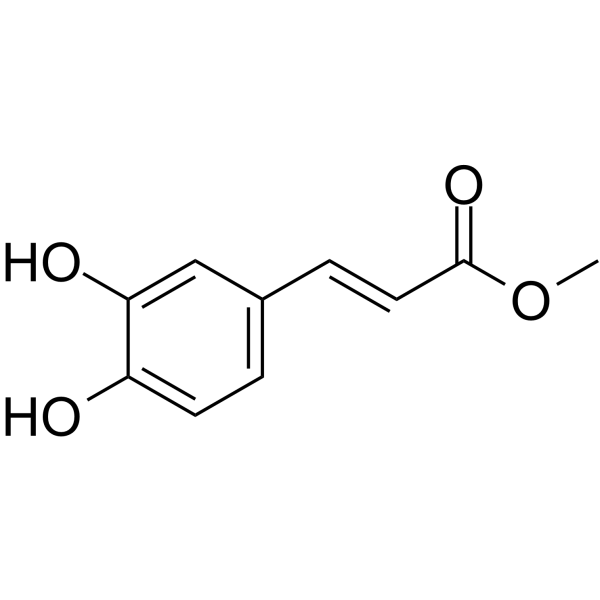
    Methyl caffeate is a phenylpropanoid, antibacterial agent, and Apoptosis-inducing agent. Methyl caffeate can be isolated from the flowers of peach Prunus persica (L.). Methyl caffeate upregulates the expression of pro-apoptotic proteins Bid, Bax and p53, and downregulates the expression of anti-apoptotic protein BCL-2. Methyl caffeate downregulates SASP factors. Methyl caffeate enhances glucose-stimulated insulin secretion. Methyl caffeate inhibits the growth of Gram-positive bacteria, Gram-negative bacteria, fungi, and Mycobacterium tuberculosis strains. Methyl caffeate can be used in studies related to breast cancer, type 2 diabetes, and tuberculosis .
    Methyl caffeate
  • HY-157431

    Bacterial Infection
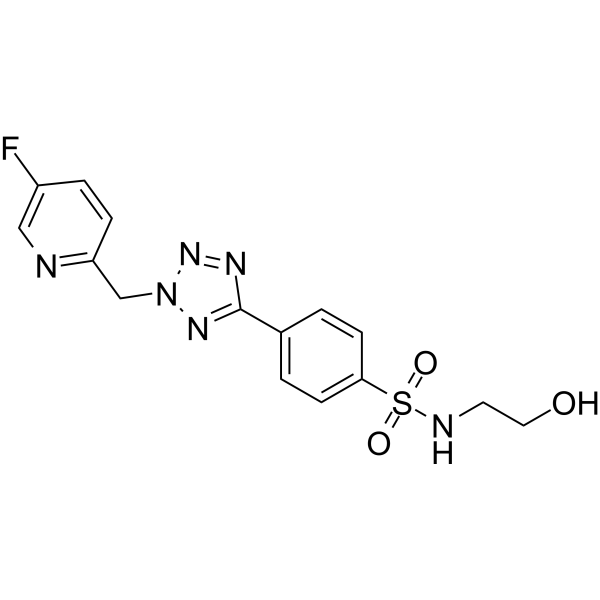
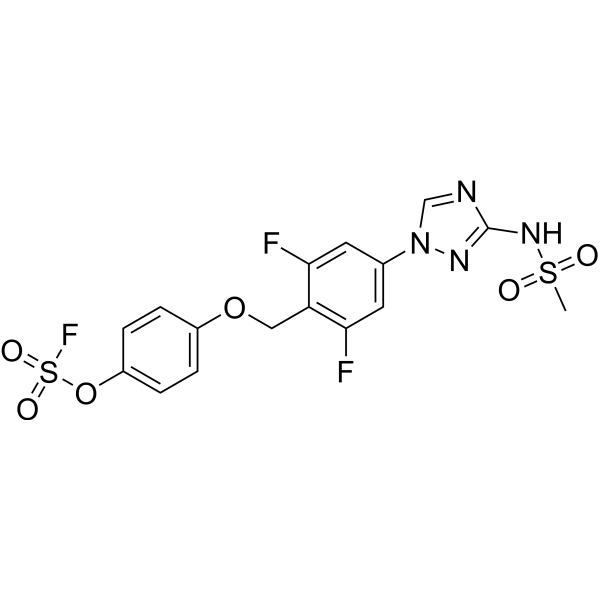
    Mycobacterium Tuberculosis-IN-2 (Compound 29) is a bacterial inhibitor that effectively inhibits Mycobacterium Tuberculosis. Mycobacterium Tuberculosis-IN-2 can be used in tuberculosis research (MIC = 0.07-0.16 μM) .
    Mycobacterium Tuberculosis-IN-2
  • HY-P2848A

    Toll-like Receptor (TLR) Infection Metabolic Disease
    Cholesterol oxidase, Rhodococcus sp. is a key enzyme in the cholesterol degradation process. It catalyzes the isomerization and oxidation of cholesterol mediated by the coenzyme FAD. Research indicates that cholesterol oxidase plays a crucial role in the pathogenicity of Mycobacterium tuberculosis by modulating the host macrophage immune response through inhibition of the Toll-like receptor 2 (TLR2) signaling pathway, thereby enhancing the survival of Mycobacterium tuberculosis. Cholesterol oxidase, from Rhodococcus sp., shows potential for research in the field of tuberculosis .
    Cholesterol oxidase, rhodococcus sp
  • HY-W064918

    Bacterial Infection
    NITD-304 is an orally active anti-tuberculosis agent. NITD-304 exerts inhibitory and bactericidal activities gainst Mycobacterium tuberculosis and multidrug-resistant Mycobacterium tuberculosis. NITD-304 inhibits mycobacterial cell wall biosynthesis and demonstrates synergistic or additive growth inhibitory activity with select antibacterial agents. NITD-304 shows low risk of cardiotoxicity and drug-drug interactions, with no inhibition of major cytochrome P-450 enzymes or hERG channel. NITD-304 can be used for the research of tuberculosis and multidrug-resistant tuberculosis .
    NITD-304
  • HY-111402

    ErizomycIN; NSC 246134

    Bacterial Antibiotic Infection
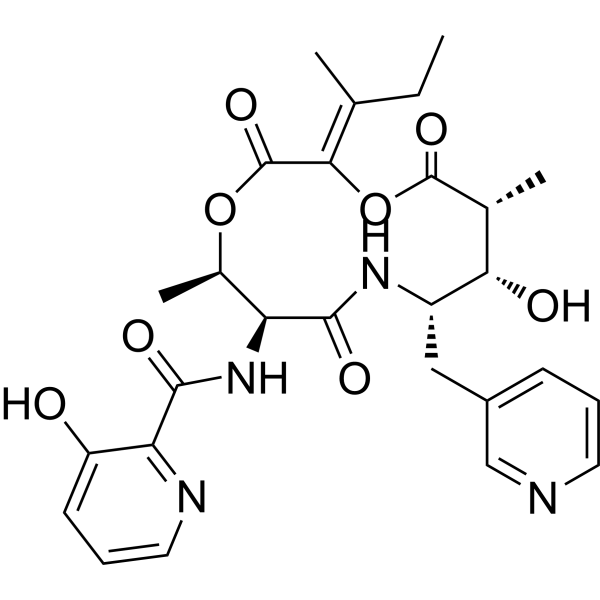
    Pyridomycin (Erizomycin) is a selective and low cytotoxic inhibitor of Mycobacterium tuberculosis that effectively targets InhA. Pyrdomycin is also an antibiotic that can be obtained from metabolites of Dactylosporangium fulvum. Pyrdomycin can be used in the study of bacterial infections such as tuberculosis .
    Pyridomycin
  • HY-W012813

    Bacterial Infection
    2-Acetyl-5-methylfuran is a growth inhibitor of Mycobacterium tuberculosis, exhibiting an in vitro anti-tubercular activity with an MIC of 322.58 μM. 2-Acetyl-5-methylfuran demonstrates high safety and can be used for research related to tuberculosis .
    2-Acetyl-5-methylfuran
  • HY-14881B

    (Rac)-TMC207; (Rac)-R207910

    Bacterial Infection
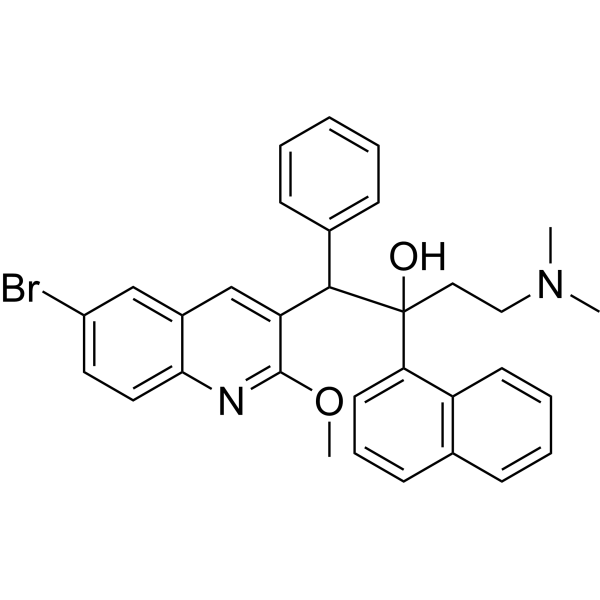
    (Rac)-Bedaquiline is the racemate of Bedaquiline. Bedaquiline (TMC207) is a diarylquinoline agent and inhibits Mycobacterium tuberculosis (Mtb) F1FO-ATP synthase through targeting both the c- and the ε-subunit. Bedaquiline has uncoupler activity. Bedaquiline is used for the multi-agent resistant tuberculosis .
    (Rac)-Bedaquiline
  • HY-131597

    8-HydroxyguanosINe triphosphate

    Reactive Oxygen Species (ROS) Infection Cancer
    8-Oxo-GTP is an oxidized guanine nucleotide, produced by reactive oxygen species (ROS). 8-Oxo-GTP serves as a substrate for MutT protein, GTP cyclohydrolase II, Mycobacterium tuberculosis MutT1, and Mycobacterium tuberculosis Rv1700, which hydrolyze it to corresponding nucleoside monophosphates or diphosphates. 8-Oxo-GTP causes detrimental effects including mutations and mistranslation when incorporated into nucleic acids. 8-Oxo-GTP can be used for the research of cancer and tuberculosis .
    8-Oxo-GTP
  • HY-162094

    Acyltransferase Bacterial Infection
    CMX410 is an orally active and selective Mycobacterium tuberculosis Pks13 acyltransferase domain inhibitor and anti-bacterial agent. CMX410 reacts with the catalytic serine of the Pks13-AT domain to form a stable β-lactam ring, disables the enzyme’s active site, reduces trehalose monomycolate and trehalose dimycolate levels, triggers cell lysis, and reduces intracellular bacterial burden. CMX410 can be used for the research of tuberculosis .
    CMX410
  • HY-115883

    Bacterial Infection Inflammation/Immunology
    PptT-IN-2 (compound 5k) is a potent inhibitor of with phosphopantetheinyl phosphoryl transferase (PptT) an IC50 of 2.5 μM. Phosphopantetheinyl transferase, an essential enzyme that plays a critical role in the biosynthesis of cellular lipids and virulence factors in Mycobacterium tuberculosis. PptT-IN-2 has the potential for the research of tuberculosis .
    PptT-IN-2
  • HY-12770R

    MebeverINe metabolite MebeverINe alcohol (Standard)

    Reference Standards Drug Metabolite Neurological Disease
    Mebeverine alcohol (Standard) is an analytical standard for Mebeverine alcohol. This product is intended for research and analytical applications. Eperezolid (PNU-100592) is an orally active protein synthesis inhibitor that targets the bacterial 50S ribosomal subunit. Eperezolid competitively binds to a specific site on the ribosomal 50S subunit (overlapping with the binding sites of Chloramphenicol (HY-B0239) and Lincomycin (HY-117660)) to inhibit the translation initiation stage and exert antibacterial activity. Eperezolid can induce host cell autophagy to enhance the clearance of intracellular mycobacteria, and its MIC90 for Staphylococcus aureus and Enterococcus is 1-4 μg/mL. Eperezolid is mainly used for antibacterial research on infections with Gram-positive bacteria such as methicillin-resistant (HY-121544) Staphylococci and vancomycin-resistant (HY-B0671) Enterococci, as well as infections with intracellular bacteria such as Mycobacterium tuberculosis .
    Mebeverine alcohol (Standard)
  • HY-N0732R

    Reference Standards IAP Akt Caspase NF-κB TGF-beta/Smad JAK Bacterial Apoptosis Infection Inflammation/Immunology Cancer
    Jolkinolide B (Standard) is the analytical standard of Jolkinolide B (HY-N0732). This product is intended for research and analytical applications. Jolkinolide B is a bioactive diterpene isolated from the roots of Euphorbia fischeriana Steud with oral activity. Jolkinolide B downregulates XIAP, cIAP1, cIAP2, and phosphorylated Akt, upregulates Smac, activates caspase-3 and caspase-9, and inhibits NF-κB, TGFβ/smad3 and JAK/STAT3 pathways. Jolkinolide B exerts comprehensive biological effects including inducing cancer cell apoptosis, suppressing inflammatory responses, improving lung function, alleviating hepatic steatosis and eliminating intracellular Mycobacterium tuberculosis. Jolkinolide B can be used for the research of leukemia, histiocytic lymphoma, asthma, metabolic dysfunction-associated steatotic liver disease and tuberculosis .
    Jolkinolide B (Standard)
  • HY-E70909

    Endogenous Metabolite Metabolic Disease
    Phosphopantetheine adenylyltransferase, Mycobacterium tuberculosis (EC 2.7.7.3) catalyzes the fourth stage of coenzyme A biosynthesis. Coenzyme A is involved in a great number of metabolic pathways, in particular it participates in the synthesis of the cell wall components of mycobacteria.
    Phosphopantetheine adenylyltransferase, Mycobacterium tuberculosis
  • HY-165540

    Bacterial DNA/RNA Synthesis Infection
    BDM31343 is an Ethionamide (HY-B0276) synergist. BDM31343 inhibits the transcriptional repressor EthR in Mycobacterium tuberculosis, thereby relieving the inhibition of the EthA activator by Ethionamide, and enhancing the efficacy of Ethionamide. BDM31343 effectively inhibits the binding of EthR to DNA, with its IC₅₀ being 3.3 μM. BDM31343 can be used in the research of anti-Mycobacterium tuberculosis .
    BDM31343
  • HY-E71200C

    Biochemical Assay Reagents Others
    16S rRNA (cytidine1409-2'-O)-Methyltransferase (EC 2.1.1.227) from Mycobacterium tuberculosis 2'-O-methylates cytidine1409 in helix 44 of 16S rRNA and cytidine1920 in helix 69 of 23S rRNA.
    16S rRNA (cytidine1409-2'-O)-Methyltransferase
  • HY-165396

    Bacterial Infection
    HC103A is an Antibacterial agent and a DosS/DosT histidine sensor kinase inhibitor, with an IC50 of 0.5 μM against DosS and ~5 μM against DosT of *Mycobacterium tuberculosis*. HC103A inhibits the autophosphorylation of DosS/DosT. HC103A suppresses hypoxia-induced triacylglycerol synthesis and the viability of Mtb. HC103A can be used in the research of tuberculosis .
    HC103A
  • HY-N16435

    Bacterial Apoptosis Keap1-Nrf2 NF-κB Aryl Hydrocarbon Receptor STAT Cardiovascular Disease Infection Inflammation/Immunology Endocrinology
    Plumericin is an anti-inflammatory, antioxidant, and antibacterial agent. Plumericin reduces Apoptosis, promotes Nrf-2 and inhibits NF-κB and AhR activation, blocks STAT3 signaling. Plumericin inhibits Mycobacterium tuberculosis growth. Plumericin can be used for the research of chronic kidney disease, vascular diseases, inflammatory bowel diseases, peritonitis, and tuberculosis .
    Plumericin

オンラインお問い合わせ

入力情報は安全に管理されます. 必須入力項目.

タイトル


国或いは地域 *

お名前 *


組纖名 *

デパートメント *


メールアドレス *


製品名 *

製品番号


カスタマ需要量 *

電話番号 *


必ず会社名を記載ください。個人への返信は行いません。

備考

バルクお問い合わせ

Inquiry Information

製品名:
製品番号:
数量:
MCE 日本正規代理店: