

1. Search Result
Search Result
Results for "

Neurokinin P

" in MedChemExpress (MCE) Product Catalog:

46

Inhibitors & Agonists

16

Peptides

5

Natural
Products

3

Isotope-Labeled Compounds

2

Antibodies

Targets Recommended:
Cat. No. Product Name Target Research Areas Chemical Structure
  • HY-P0201
    Substance P
    Maximum Cited Publications
    31 Publications Verification

    Neurokinin P

    Neurokinin Receptor Endogenous Metabolite Infection Neurological Disease Metabolic Disease Cancer
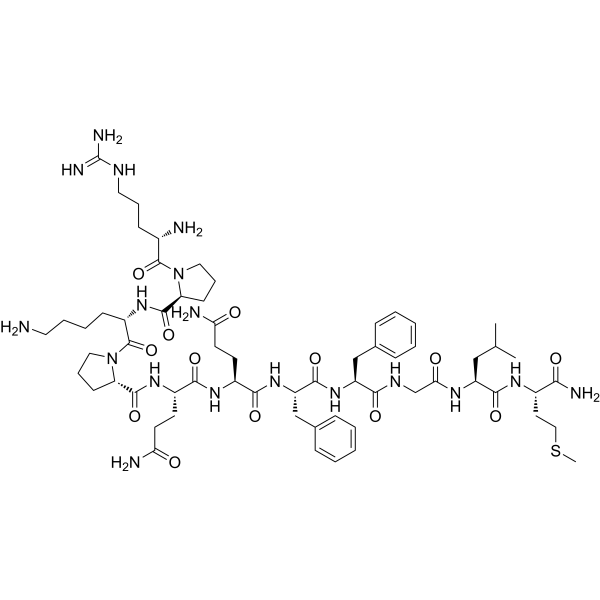
    Substance P (Neurokinin P) is a CNS-penetrant neuropeptide, acting as a neurotransmitter and as a neuromodulator in the CNS. The endogenous receptor for substance P is neurokinin 1 receptor (NK1-receptor, NK1R).
    Substance P
  • HY-W013375
    Thiorphan
    3 Publications Verification

    Neprilysin Neurological Disease
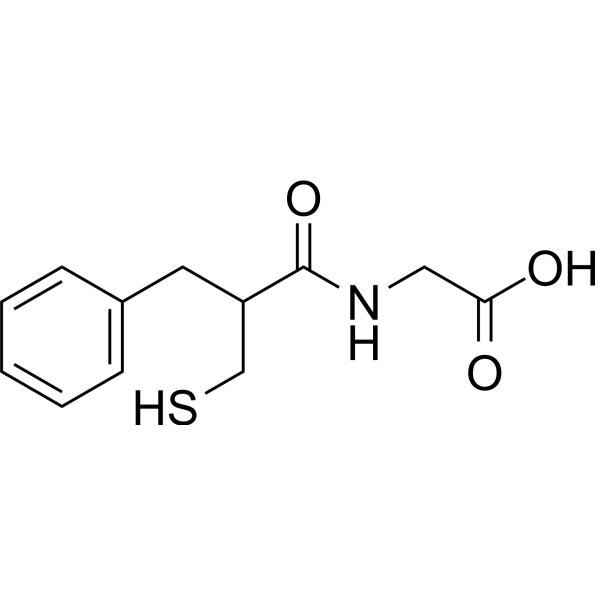
    Thiorphan is a selective neprilysin (NEP) inhibitor with an IC50 of 6.9 nM. Thiorphan competitively binds to NEP and blocks its activity, preventing the degradation of neuropeptides such as substance P (SP) and neurokinin NKA. In the field of neonatal brain injury research, Thiorphan can increase the levels of SP and NKA, activate NK1 and NK2 receptors and downstream transduction pathways, and inhibit excessive activation of NMDA receptors. Thus, Thiorphan can protect neocortical neurons from excitotoxic cell death. Thiorphan may also inhibit NEP from enhancing bronchoconstriction and can be used in the study of respiratory diseases .
    Thiorphan
  • HY-W011978

    Endogenous Metabolite Mitochondrial Metabolism Neurokinin Receptor Caspase Interleukin Related Neurological Disease Inflammation/Immunology
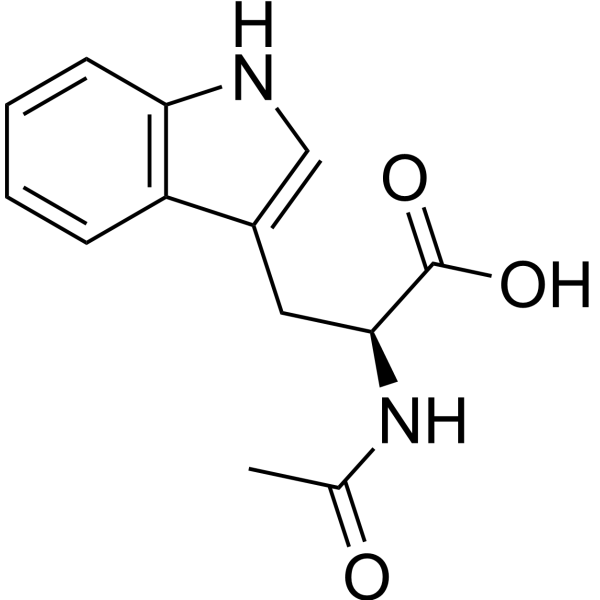
    N-Acetyl-L-tryptophan is an antagonist of the neurokinin-1 receptor (NK-1R), disrupting the binding of substance P (SP) to NK-1R. This action provides neuroprotective effects, improving memory deficits and motor impairments. N-Acetyl-L-tryptophan is also an inhibitor of cytochrome c (Cytochrome c), and it exerts antioxidant and anti-inflammatory effects by inhibiting the expression of IL-1β and the activation of caspase-1. N-Acetyl-L-tryptophan holds promise for research in neurodegenerative and inflammatory diseases .
    N-Acetyl-L-tryptophan
  • HY-14406A
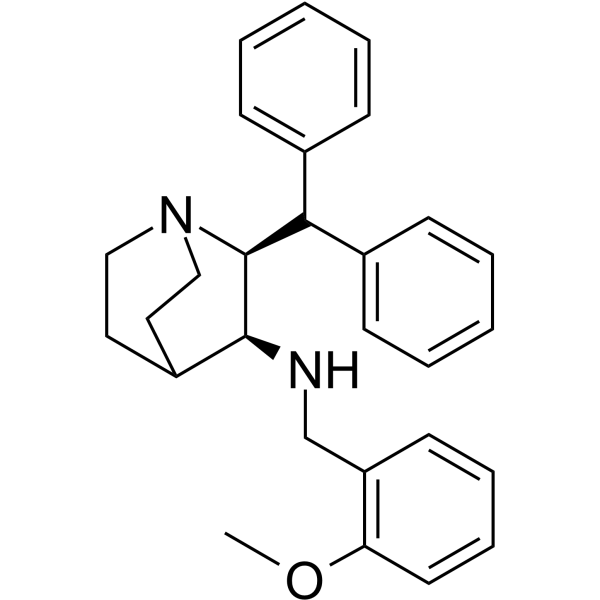
    L-733060 hydrochloride
    1 Publications Verification

    Neurokinin Receptor Neurological Disease Cancer
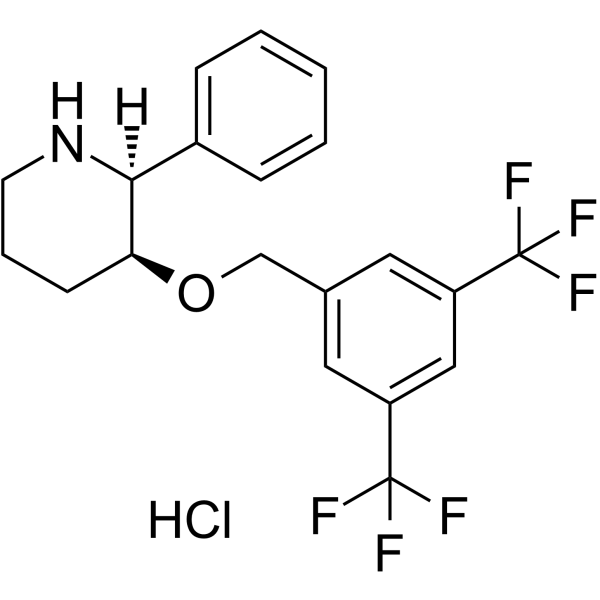
    L-733060 hydrochloride is a selective neurokinin-1 (NK-1) receptor antagonist. L-733060 hydrochloride mainly regulates pain transmission and neural plasticity by blocking the binding of Substance P (P substance) to the NK-1 receptor. L-733060 hydrochloride blocks the promoting effect of Substance P on long-term potentiation (LTP) in the hippocampus. L-733060 hydrochloride reverses the orofacial hyperalgesia induced by experimental occlusal interference (EOI) in rats. L-733060 hydrochloride hydrochloride inhibits neurogenic plasma extravasation at a dose that does not cause adverse cardiovascular effects in rodents, and also acts as an anti-tumor agent. L-733060 hydrochloride can be used for the study of chronic orofacial pain .
    L-733060 hydrochloride
  • HY-108483

    Neurokinin Receptor Neurological Disease Inflammation/Immunology
    RP 67580 is a non-peptide antagonist of substance P (SP), competitively inhibits the binding of [3H]SP to neurokinin receptor 1 (NK1 receptor) in rat brain membranes with a Ki value of 4.16 nM. RP 67580 is a specific antagonist of NK1 receptors and can be used in the research of pain and neurogenic inflammation .
    RP 67580
  • HY-P0201A
    Substance P TFA
    Maximum Cited Publications
    31 Publications Verification

    Neurokinin P TFA

    Neurokinin Receptor Endogenous Metabolite Neurological Disease Metabolic Disease Cancer
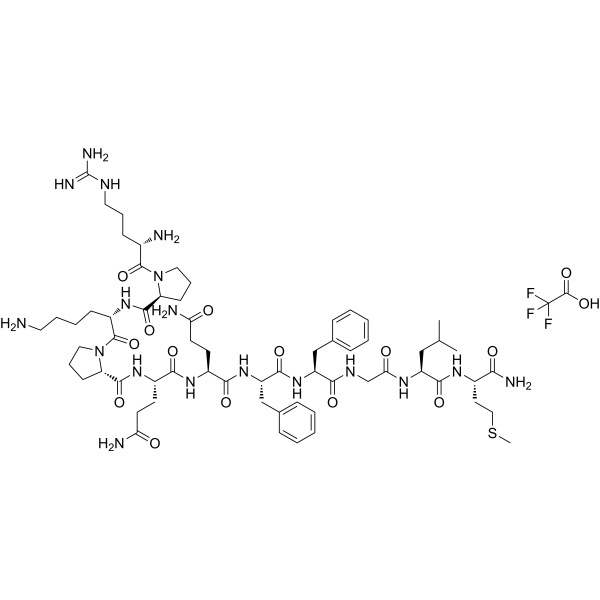
    Substance P TFA (Neurokinin P TFA) is a CNS-penetrant neuropeptide, acting as a neurotransmitter and as a neuromodulator in the CNS. The endogenous receptor for substance P is neurokinin 1 receptor (NK1-receptor, NK1R) .
    Substance P TFA
  • HY-P2546

    Neurokinin Receptor Neurological Disease
    Biotin-Substance P is the biotin tagged Substance P. Substance P (Neurokinin P) is a neuropeptide, acting as a neurotransmitter and as a neuromodulator in the CNS. The endogenous receptor for substance P is neurokinin 1 receptor (NK1-receptor, NK1R) .
    Biotin-Substance P
  • HY-108482

    Neurokinin Receptor Cardiovascular Disease Neurological Disease Inflammation/Immunology
    CP-96,345 is a specific, highly potent, and orally active tachykinin and substance P receptor non-peptide inhibitor. CP-96,345 prevents the drop in blood pressure evoked by substance P and neurokinin A. CP-96,345 can be used for researching neurogenic inflammation .
    CP-96,345
  • HY-14405A

    GW679769B

    Neurokinin Receptor Cytochrome P450 Neurological Disease Cancer
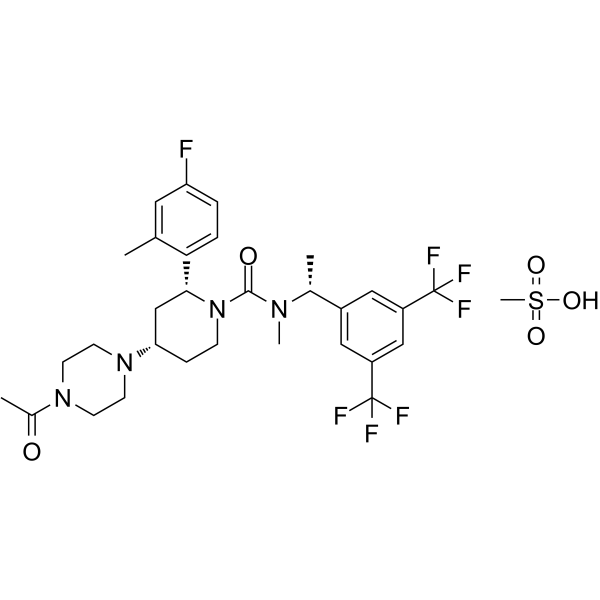
    Casopitant mesylate (GW679769B) is a potent, selective, brain permeable and orally active neurokinin 1 (NK1) receptor antagonist. Casopitant mesylate is a second in the class of antiemetics that acts to antagonise the emetogenic effect of Substance P (HY-P0201). Casopitant mesylate is also a substrate and a weak-to-moderate inhibitor of CYP3A4. Casopitant mesylate can be used for chemotherapy-induced nausea and vomiting (CINV) and postoperative nausea and vomiting (PONV) .
    Casopitant mesylate
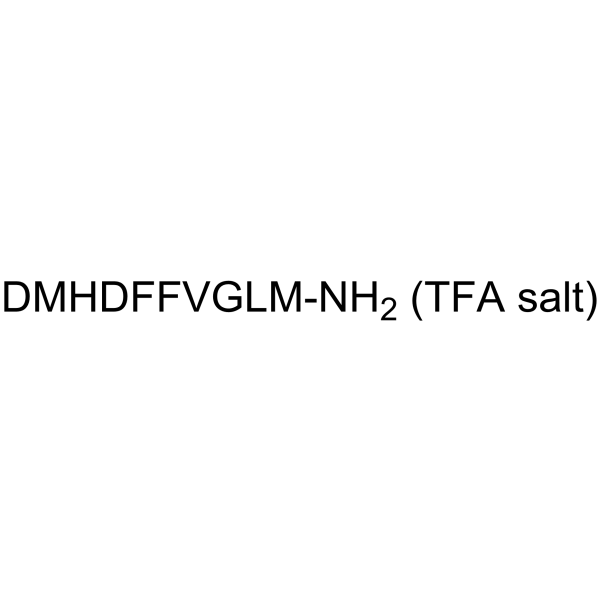
  • HY-P0201AF

    Fluorescent Dye Endogenous Metabolite Cancer
    Substance P, FAM-labeled (TFA) is Substance P TFA (HY-P02101A) labeled with FAM fluorophore. Substance P TFA (Neurokinin P TFA) is a neuropeptide that acts as a neurotransmitter and neuromodulator in the central nervous system. The endogenous receptor of Substance P is neurokinin 1 receptor (NK1R) .
    Substance P, FAM-labeled TFA
  • HY-P1722
    Spantide II
    1 Publications Verification

    Neurokinin Receptor Inflammation/Immunology
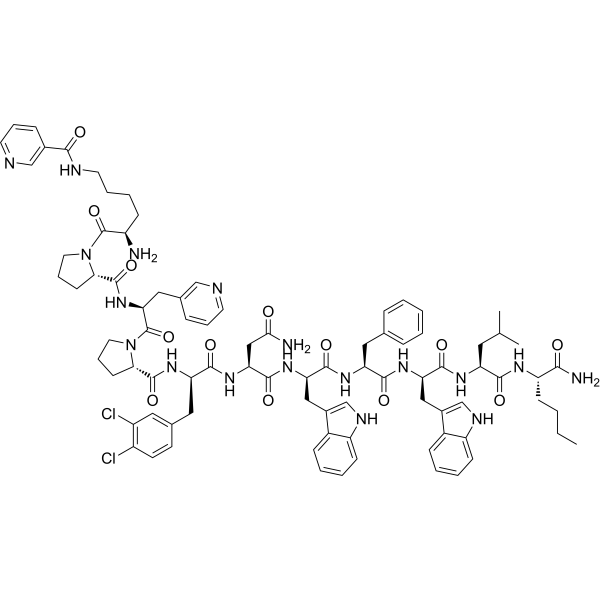
    Spantide II, an undecapeptide substance P (SP) analog, is a potent neurokinin-1 receptor (NK-1R) antagonist. Spantide II binds with NK-1R and blocks proinflammatory activities associated with SP. Spantide II can be used in the research of inflammatory skin disorders, such as psoriasis and contact dermatitis .
    Spantide II
  • HY-P3801

    DiMe-C7

    Neurokinin Receptor Neurological Disease Metabolic Disease
    [Glp5,(Me)Phe8,Sar9] Substance P (5-11) (DiMe-C7) is a Substance P (HY-P0201) analogue that has approximately the same effects as Substance P (HY-P0201) on neurokinin 1 receptor (NK1R) in rat brain, but with a much longer duration of action. [Glp5,(Me)Phe8,Sar9] Substance P (5-11) selectively activates dopamine metabolism in the mesencephalon and midbrain cortex of the rat brain. [Glp5,(Me)Phe8,Sar9] Substance P (5-11) also increases motor activity and induces recovery of addictive agent-seeking behavior in rats .
    [Glp5,(Me)Phe8,Sar9] Substance P (5-11)
  • HY-P3850

    Neurokinin Receptor Neurological Disease
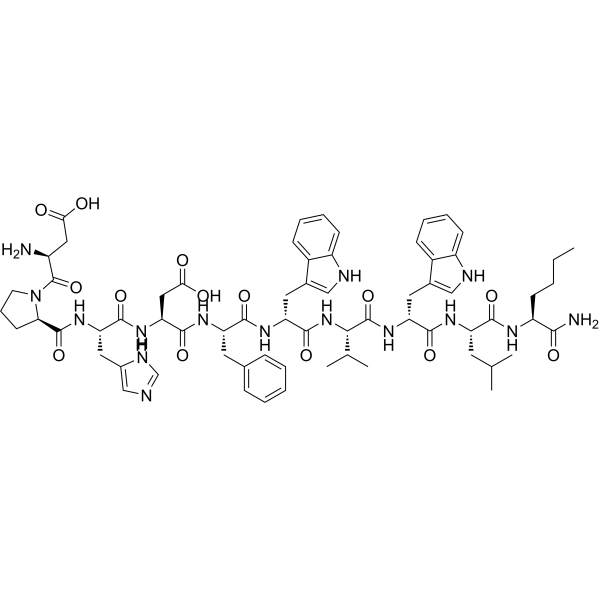
    (D-Pro2,D-Trp6,8,Nle10)-Neurokinin B is a competitive antagonist of Neurokinin B (Neurokinin Receptor) with a pA2 of 5.5. (D-Pro2,D-Trp6,8,Nle10)-Neurokinin B shows no influence on Substance P or Neurokinin A .
    (D-Pro2,D-Trp6,8,Nle10)-Neurokinin B
  • HY-P11312

    Neurokinin Receptor Neurological Disease
    [S5K, F6Y, L9mL, M10Mox] neurokinin A (4-10) is a neuropeptide A analog and a peptide fragment of EB1002 (HY-P10746). [S5K, F6Y, L9mL, M10Mox] neurokinin A (4-10) is highly selective for mouse tachykinin receptors and human tachykinin receptor NK1R .
    [S5K, F6Y, L9mL, M10Mox] neurokinin A (4-10)
  • HY-P3852

    SPR393-407

    Neurokinin Receptor Neurological Disease Inflammation/Immunology
    Neurokinin Receptor (393-407), rat (SPR393–407) is a rat neurokinin 1 receptor (NK1R) fragment. NK1R is rapidly internalized by endocytosis and recycled to the plasma membrane when binding to substance P (SP). Neurokinin Receptor (393-407), rat can be used in the research of neurogenic inflammation .
    Neurokinin Receptor (393-407), rat
  • HY-P1738

    Neurokinin Receptor Neurological Disease Endocrinology
    [Sar9] Substance P is a potent and selective neurokinin (NK)-1 receptor agonist .
    [Sar9] Substance P
  • HY-19665

    LY303870

    Neurokinin Receptor Neurological Disease Inflammation/Immunology
    Lanepitant (LY303870) is a selective neurokinin-1 (NK-1) receptor antagonist. Lanepitant blocks neurogenic inflammation and pain transmission by preventing the binding of substance P to NK-1 receptors on both neuronal and non-neuronal tissues. Lanepitant can be used to study osteoarthritis .
    Lanepitant
  • HY-P3598

    Neurokinin Receptor Cancer
    Substance P(1-4) is a potent neurokinin receptors (NK-R) antagonist. Substance P(1-4) has regulation of normal hematopoiesis and inhibits endogenous erythroid colony (EEC) formation .
    Substance P(1-4)
  • HY-14406

    Neurokinin Receptor Neurological Disease Cancer
    L-733060 is a selective neurokinin-1 (NK-1) receptor antagonist. L-733060 mainly regulates pain transmission and neural plasticity by blocking the binding of Substance P (P substance) to the NK-1 receptor. L-733060 blocks the promoting effect of Substance P on long-term potentiation (LTP) in the hippocampus. L-733060 reverses the orofacial hyperalgesia induced by experimental occlusal interference (EOI) in rats. L-733060 hydrochloride inhibits neurogenic plasma extravasation at a dose that does not cause adverse cardiovascular effects in rodents, and also acts as an anti-tumor agent. L-733060 can be used for the study of chronic orofacial pain .
    L-733060
  • HY-128537

    Neurokinin Receptor Inflammation/Immunology
    DNK-333 is a potent and balanced dual NK1 and NK2 receptor antagonist with IC50 values of 4.8 nM and 5.5 nM, respectively. DNK-333 blocks the Neurokinin A (NKA) (HY-P0197)-induced bronchoconstriction in asthma .
    DNK-333
  • HY-10053S

    Isotope-Labeled Compounds Neurokinin Receptor Neurological Disease Endocrinology
    Maropitant-d3 is the deuterium labeled Maropitant. Maropitant is a selective and orally active neurokinin (NK1) receptor antagonist. Maropitant acts by blocking the binding of substance P within the emetic center and the chemoreceptor trigger zone (CRTZ). Maropitant is highly effective in preventing vomiting .
    Maropitant-d3
  • HY-W011978S

    Isotope-Labeled Compounds Endogenous Metabolite Mitochondrial Metabolism Neurokinin Receptor Caspase Interleukin Related Neurological Disease Inflammation/Immunology
    N-Acetyl-L-tryptophan-d3 is the deuterium labeled N-Acetyl-L-tryptophan (HY-W011978). N-Acetyl-L-tryptophan is an antagonist of the neurokinin-1 receptor (NK-1R), disrupting the binding of substance P (SP) to NK-1R. This action provides neuroprotective effects, improving memory deficits and motor impairments. N-Acetyl-L-tryptophan is also an inhibitor of cytochrome c (Cytochrome c), and it exerts antioxidant and anti-inflammatory effects by inhibiting the expression of IL-1β and the activation of caspase-1. N-Acetyl-L-tryptophan holds promise for research in neurodegenerative and inflammatory diseases .
    N-Acetyl-L-tryptophan-d3
  • HY-12144

    Neurokinin Receptor p38 MAPK Neurological Disease
    CP-99994 is a Tachykinin neurokinin 1 (NK-1) receptor antagonist with a Ki of 0.25 nM. CP-99994 prevents colorectal sensitization in the context of visceral hypersensitivity. CP-99994 reduces colorectal hypersensitivity induced by acetic acid injections in a model of bladder-colon cross-sensitization. CP-99994 hydrochloride attenuates the neuroglial interactions and MAPK-p38 phosphorylation associated with visceral hypersensitivity .
    CP-99994
  • HY-118463

    (-)-Benzomalvin A

    Neurokinin Receptor Neurological Disease
    Benzomalvin A is a potent antagonist of neurokinin receptor isolated from Penicillium sp. Benzomalvin A shows inhibitory activity against substance P with Ki values of 12, 42 and 43 μM at the guinea pig, rat and human neurokinin NK1 receptors, respectively .
    Benzomalvin A
  • HY-129931

    H-Phe-Phe-NH2

    Neurokinin Receptor Neurological Disease
    Phenylalanylphenylalanylamide (H-Phe-Phe-NH₂) is a ligand for the substance P 1–7 (SP1-7) binding site with a Ki value of 1.5 nM. Phenylalanylphenylalanylamide exerts significant anti-allodynic and anti-hyperalgesic effects in animal models of neuropathic pain following central administratio. Phenylalanylphenylalanylamide shows no distinct effect after peripheral (intraperitoneal) administration. Phenylalanylphenylalanylamide can be used for research on pain-related diseases .
    Phenylalanylphenylalanylamide
  • HY-P3861

    Neurokinin Receptor Neurological Disease
    Biotin-Neurokinin A is a biotinylated Neurokinin A (HY-P0197). Neurokinin A (Substance K), a peptide neurotransmitter of the tachykinin family, acts via the NK-2 receptor. Neurokinin A acts as a major mediator in human airway and gastrointestinal tissues .
    Biotin-Neurokinin A
  • HY-19429A

    Neurokinin Receptor Neurological Disease
    SLV-317 is an antagonist of the neurokinin-1 receptor with oral activity. SLV-317 can effective antagonist of substance P-induced effects .
    SLV-317
  • HY-19429

    Neurokinin Receptor Metabolic Disease
    SLV-317 (free base) is an antagonist of the neurokinin-1 receptor with oral activity. SLV-317 (free base) can effective antagonist of substance P-induced effects .
    SLV-317 free base
  • HY-19633A

    Endogenous Metabolite Neurological Disease
    CS-003 is a triple neurokinin receptor antagonist with activity in inhibiting neurokinin-related respiratory diseases. CS-003 exhibits high affinity for human neurokinin 1, 2 and 3 receptors, withKi values of 2.3 nM, 0.54 nM and 0.74 nM respectively. The Ki values of CS-003 on the guinea pig neurokinin receptor are 5.2 nM, 0.47 nM and 0.71 nM respectively, showing superior inhibitory effect. CS-003 significantly inhibits the formation of inositol phosphate involving substance P, neurokinin A and neurokinin B through competitive antagonism. CS-003 significantly inhibits citric acid-induced cough, and its effect is better than other selective neurokinin receptor antagonists .
    CS-003
  • HY-105436

    Neurokinin Receptor Neurological Disease
    FR 113680 is a tripeptide substance P antagonist that interacts selectively with the NK1 neurokinin receptor .
    FR 113680
  • HY-12140

    GW597599

    Neurokinin Receptor Neurological Disease
    Vestipitant (GW597599) is a neurokinin-1 receptor antagonist (pKi: 9.4, hNK1) with hypnotic effects and the ability to suppress primary insomnia. Vestipitant can effectively block substance P-mediated extracellular regulated kinase phosphorylation and relieve anxiety and possible depression induced by the agonist GR73632 (HY-P1192) in gerbils. Vestipitant can also improve functional dyspnea, anxiety, insomnia, irritable bowel disease, gastroesophageal reflux disease, tinnitus and antiemetic effects .
    Vestipitant
  • HY-116620

    Neurokinin Receptor Infection
    Benzomalvin C is a weak antagonist of the neurokinin-1 (NK1) receptor inhibiting binding of substance P by 46% when used at 100 μg/mL in vitro. It is also a weak inhibitor of indolamine 2,3-dioxygenase (IDO) with an IC50 value of 130 μM for recombinant IDO. It is isolated from Penicillium and contains an epoxide group at C-19 and C-20, which is not present in benzomalvins A, B, or E.
    Benzomalvin C
  • HY-P3802

    Neurokinin Receptor Neurological Disease
    [D-Trp2,7,9] Substance P is a tachykinin (Neurokinin Receptor) antagonist with Ki values of 1 μM, 1.3 μM, and ~9 μM for NK-1, NK-2,and NK-3 receptor, respectively .
    [D-Trp2,7,9] Substance P
  • HY-P3805

    Neurokinin Receptor Cardiovascular Disease Neurological Disease
    [D-Pro4,D-Trp7,9,Nle11] Substance P (4-11) is a potent neurokinin NK1 antagonist. [D-Pro4,D-Trp7,9,Nle11] Substance P (4-11) inhibits the effects of gold-protein-substance P (GPSP) and substance P (SP) .
    [D-Pro4,D-Trp7,9,Nle11] Substance P (4-11)
  • HY-17012

    RPR 100893

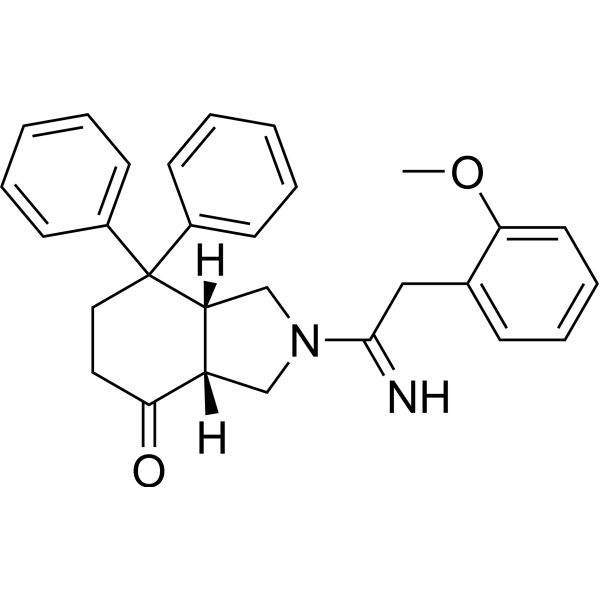
    Neurokinin Receptor Inflammation/Immunology
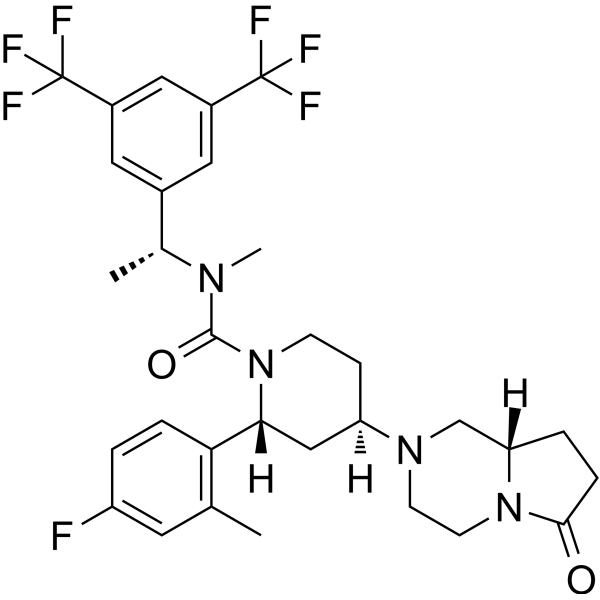
    Dapitant (RPR 100893) is a non-peptide Substance P antagonist with high affinity for the human NK1 receptor. It belongs to the 7,7,4-trimethylperhydroisoindole class of compounds. Dapitant inhibits the binding of Substance P to NK1 receptors, thereby blocking its neurokinin-mediated effects. This novel antagonist represents a potential therapeutic option for conditions involving Substance P, such as neurogenic inflammation and pain modulation .
    Dapitant
  • HY-14405

    GW679769

    Neurokinin Receptor Cytochrome P450 Neurological Disease
    Casopitant (GW679769) is a potent, selective, brain-penetrant and orally active neurokinin 1 (NK1) receptor antagonist. Casopitant antagonizes the emetic effects of Substance P (HY-P0201). Casopitant is also a substrate and weak to moderate inhibitor of CYP3A4. Casopitant is indicated for chemotherapy-induced nausea and vomiting (CINV) and postoperative nausea and vomiting (PONV) .
    Casopitant
  • HY-120167

    Neurokinin Receptor Neurological Disease Inflammation/Immunology
    YM-44778 is a neurokinin receptor antagonist. The pKi values for NK1, NK2 and NK3 are 8.08, 8.55 and 8.24, respectively. YM-44778 inhibits the increase of bladder pressure induced by substance [Sar9,Met(O2)11] -P (HY-P1012) in anestheticized rats .
    YM-44778
  • HY-10053R

    Reference Standards Neurokinin Receptor Neurological Disease Endocrinology
    Maropitant (Standard) is the analytical standard of Maropitant. This product is intended for research and analytical applications. Maropitant is a selective and orally active neurokinin (NK1) receptor antagonist. Maropitant acts by blocking the binding of substance P within the emetic center and the chemoreceptor trigger zone (CRTZ). Maropitant is highly effective in preventing vomiting .
    Maropitant (Standard)
  • HY-P1379A

    Neurokinin Receptor Neurological Disease
    C14TKL-1 acetate is the acetate salt form of C14TKL-1 (HY-P1379). C14TKL-1 acetate is a tachykinin-like peptide and exhibits an agonistic activity for neurokinin receptor 1 (NK-1) .
    C14TKL-1 acetate
  • HY-10053S1

    Isotope-Labeled Compounds Neurokinin Receptor Neurological Disease Endocrinology
    Maropitant- 13C,d3 is the 13C- and deuterium labeled Maropitant. Maropitant is a selective and orally active neurokinin (NK1) receptor antagonist. Maropitant acts by blocking the binding of substance P within the emetic center and the chemoreceptor trigger zone (CRTZ). Maropitant is highly effective in preventing vomiting .
    Maropitant-13C,d3
  • HY-12145

    Endogenous Metabolite Neurokinin Receptor p38 MAPK Neurological Disease
    CP-99994 hydrochloride is a Tachykinin neurokinin 1 (NK-1) receptor antagonist with a Ki of 0.25 nM. CP-99994 hydrochloride prevents colorectal sensitization in the context of visceral hypersensitivity. CP-99994 hydrochloride reduces colorectal hypersensitivity induced by acetic acid injections in a model of bladder-colon cross-sensitization. CP-99994 hydrochloride attenuates the neuroglial interactions and MAPK-p38 phosphorylation associated with visceral hypersensitivity .
    CP-99994 hydrochloride
  • HY-116268

    Neurokinin Receptor Neurological Disease
    GSK256471 is a non-peptide tachykinin NK3 receptor antagonist with a pKi of 8.9 for the human recombinant NK3 receptor and 8.4 for the guinea pig native receptor. GSK256471 exhibits >100-fold selectivity for NK1 (pKi = 5.2) and NK2 (pKi = 7.3) receptors. GSK256471 noncompetitively inhibits neurokinin B (NKB) (HY-P0242)-induced inositol phosphate accumulation, and this inhibition is irreversible. GSK256471 inhibits wet dog shaking behavior and suppresses dopamine release. GSK256471 could be used to study schizophrenia .
    GSK256471
  • HY-123497

    Neurokinin Receptor Neurological Disease
    R116031 is a selective Neurokinin-1 (NK-1) receptor antagonist with a Ki of 0.45 nM for human NK-1 receptor. R116031 inhibits Substance P (HY-P0201)-induced peripheral effects (skin reactions and plasma extravasation in guinea pigs) and a central effect (thumping in gerbils).R116031 labeled with 3H significantly accumulate in the striatum, olfactory tubercule, olfactory bulb and locus coeruleus in gerbils models. R116031 can be used as a positron emission tomography (PET) ligand for PET imaging .
    R116031
  • HY-180376

    Neurokinin Receptor Inflammation/Immunology
    TAC 363 is a selective tachykinin NK-2 receptor antagonist. TAC 363 shows a rightward shift in the contractile response curve induced by Neurokinin A (HY-P0197) with a pA2 of 9.82. TAC 363 has a weak antagonistic effect on NK-1 receptors. TAC 363 can inhibit Neurokinin A-induced bronchoconstriction in guinea pigs with an ED50 of 0.3 mg/kg. TAC 363 can be used for the research of bronchial asthma .
    TAC 363
  • HY-N9554

    Neurokinin Receptor Endogenous Metabolite Calcium Channel Neurological Disease Inflammation/Immunology
    WIN-64821 is a secondary metabolite produced by Aspergillus species, and acts as a Neurokinin Receptor antagonist. The Ki values of WIN-64821 for NK1, NK2 and NK3 receptors are 0.24 (human astrocytoma cells), 0.26 (rat duodenum) and 15.2 (guinea pig forebrain) μM, respectively. WIN-64821 inhibits apamin-induced contraction of rat vas deferens, blocks substance P-induced contraction of guinea pig ileum and Ca 2+ efflux in human astrocytoma cells. WIN-64821 is applicable to analgesic and anti-inflammatory research .
    WIN-64821
  • HY-182423

    Neurokinin Receptor Neurological Disease
    RO5328673 is an orally active, blood-brain barrier permeable neurokinin receptor antagonist that effectively targets human NK3 receptors (Ki=0.4 nM, Ka=0.1 nM), human NK2 receptors (Ki=1.1 nM, Ka=0.9 nM), and guinea pig NK3 receptors (Ka=0.1 nM and 0.13 nM). RO5328673 acts as an insurmountable antagonist of NK3 receptors with a slow dissociation rate, while it shows rapid association and dissociation rates at human NK2 receptors. RO5328673 potently inhibits senktide (HY-P0187)-induced enhancement of spontaneous activity in dopaminergic neurons and reverses senktide-induced changes in motor activity of gerbils. RO5328673 is widely applicable to research related to schizophrenia .
    RO5328673

Inquiry Online

Your information is safe with us. * Required Fields.

Salutation


Country or Region *

Applicant Name *


Organization Name *

Department *


Email Address *


Product Name *

Cat. No.


Requested quantity *

Phone Number *


Remarks

Inquiry Online

Inquiry Information

Product Name:
Cat. No.:
Quantity:
MCE Japan Authorized Agent: