1. Search Result
Search Result
Results for "

Opiates

" in MedChemExpress (MCE) Product Catalog:

39

Inhibitors & Agonists

1

Biochemical Assay Reagents

11

Peptides

3

Natural
Products

2

Isotope-Labeled Compounds

Cat. No. Product Name Target Research Areas Chemical Structure
  • HY-148905
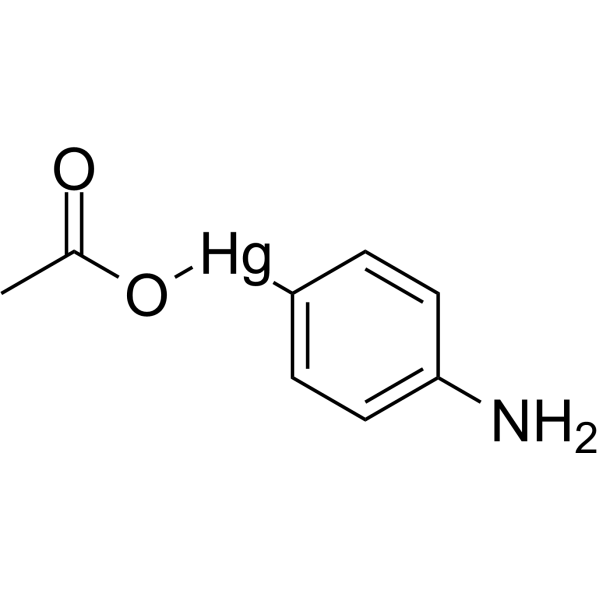
    p-Aminophenylmercuric acetate
    5+ Cited Publications

    Cathepsin MMP Infection
    p-Aminophenylmercuric acetate is an organomercurial activator of matrix metalloproteinases (MMP). P-Aminophenylmercuric acetate participates in the activation and inhibition of MMP-8 by attacking protein sulfhydryl or inducing cysteine switching reaction. p-Aminophenylmercuric acetate promotes the shedding of betacellulin precursor (pro-BTC). p-Aminophenylmercuric acetate influences the binding of agonists and antagonists to the opiate receptor .
    p-Aminophenylmercuric acetate
  • HY-17001A
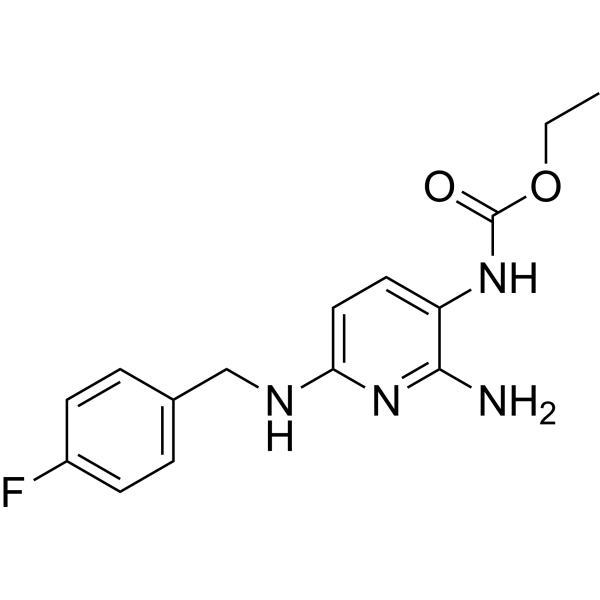
    Flupirtine
    1 Publications Verification

    D 9998

    Potassium Channel iGluR GABA Receptor Neurological Disease Inflammation/Immunology
    Flupirtine (D 9998) is an orally active, blood-brain barrier-crossing non-opioid analgesic and neuroprotective agent. Flupirtine is a neuronal potassium channel opener (Kv7 activator), a NMDA receptor antagonist and a GABA receptor activator. Flupirtine stabilizes blood-brain-barrier integrity, reduces oxidative stress and brain leukocyte infiltration, enhances angioneurogenesis, suppresses calcium influx, stabilizes neuronal resting membrane potential, and counteracts focal cerebral ischemia. Flupirtine exhibits analgesic, muscle relaxant properties, protects neurons from excitotoxic, ischemic, or cytokine-mediated death. Flupirtine functions as a non-opioid analgesic without antipyretic or antiphlogistic properties, shows no relevant affinity to opiate receptor. Flupirtine can be used for the research of focal cerebral ischemia, pain, Alzheimer’s disease, or multiple sclerosis .
    Flupirtine
  • HY-17001
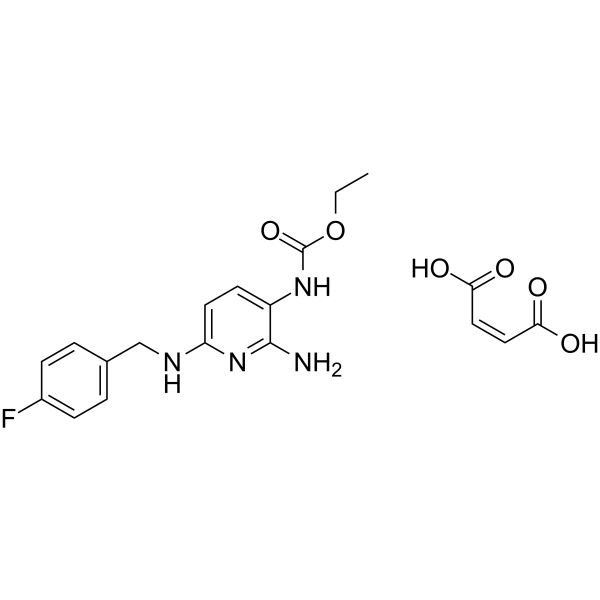
    Flupirtine Maleate
    1 Publications Verification

    D 9998 Maleate

    Potassium Channel iGluR GABA Receptor Neurological Disease Inflammation/Immunology
    Flupirtine (D 9998) Maleate is an orally active, blood-brain barrier-crossing non-opioid analgesic and neuroprotective agent. Flupirtine Maleate is a neuronal potassium channel opener (Kv7 activator), a NMDA receptor antagonist and a GABA receptor activator. Flupirtine Maleate stabilizes blood-brain-barrier integrity, reduces oxidative stress and brain leukocyte infiltration, enhances angioneurogenesis, suppresses calcium influx, stabilizes neuronal resting membrane potential, and counteracts focal cerebral ischemia. Flupirtine Maleate exhibits analgesic, muscle relaxant properties, protects neurons from excitotoxic, ischemic, or cytokine-mediated death. Flupirtine Maleate functions as a non-opioid analgesic without antipyretic or antiphlogistic properties, shows no relevant affinity to opiate receptor. Flupirtine Maleate can be used for the research of focal cerebral ischemia, pain, Alzheimer’s disease, or multiple sclerosis .
    Flupirtine Maleate
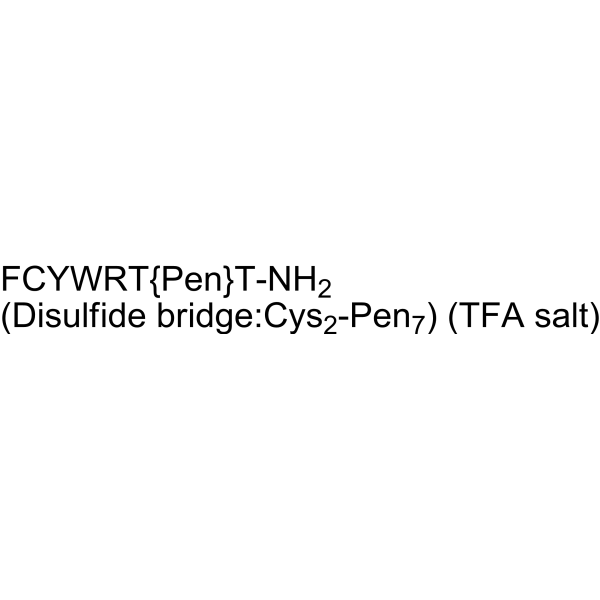
  • HY-P1335
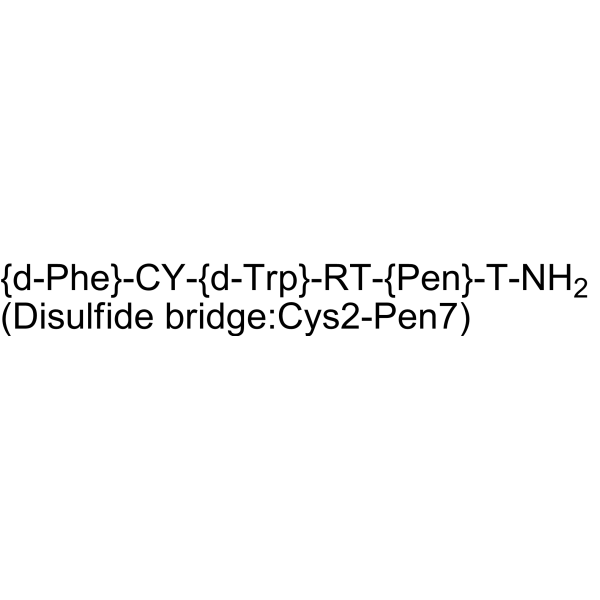
    CTAP
    2 Publications Verification

    Opioid Receptor Neurological Disease
    CTAP is a potent, highly selective, and BBB penetrant μ opioid receptor antagonist, with an IC50 of 3.5 nM. CTAP displays over 1200-fold selectivity over δ opioid (IC50=4500 nM) and somatostatin receptors. CTAP can be used for the study of L-DOPA-induced dyskinesia (LID) and opiate overdose or addiction .
    CTAP
  • HY-P1248

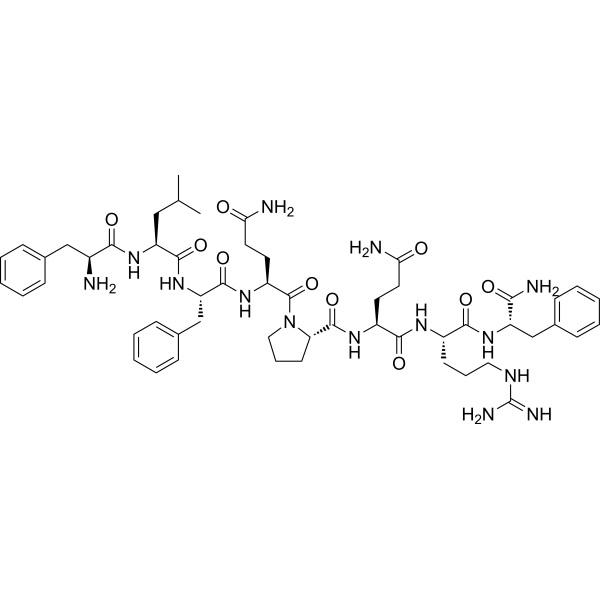
    NPFF

    Neuropeptide FF Receptor Cardiovascular Disease Neurological Disease
    Neuropeptide FF (NPFF), an octapeptide belonging to the RF-amide family of peptides, is a NPFF1 and NPFF2 receptors agonist with Ki values of 2.82 nM and 0.21 nM, respectively. Neuropeptide FF induces abstinence syndrome, exerts antiopioid and analgesic effects, releases via calcium-dependent mechanisms from rat spinal cord, regulates memory, autonomic function, and neuroendocrine function, modulates pain and opioid antinociception, reduces food intake, stimulates water intake, alters cardiovascular parameters, and shows differential activity in hypothalamic paraventricular nucleus neurons. Neuropeptide FF is present in mammalian central nervous system and periphery, with NPFF-immunoreactivity increases in rat cerebrospinal fluid during opiate tolerance, and its NPFF gene and NPFF-R2 gene are up-regulated in rat spinal cord and dorsal root ganglia during peripheral inflammation. Neuropeptide FF can be used for the research of opioid tolerance, morphine-induced analgesia, abstinence syndrome, pain, hypertension, nociception, inflammatory pain, and neuropathic pain .
    Neuropeptide FF
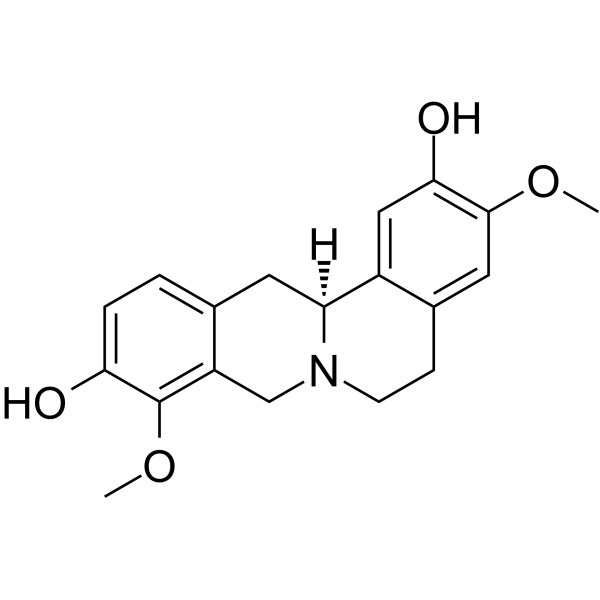
  • HY-N6960

    Stepholidine; (-)-Stepholidine; L-SPD

    Dopamine Receptor Neurological Disease
    L-Stepholidine (Stepholidine) is an alkaloid. L-Stepholidine exhibits mixed dopamine D1 receptor agonist and D2 antagonist properties. L-Stepholidine has neuroprotective effect. L-Stepholidine can be used for the researches of neurological disease, such as Parkinson disease, Alzheimer's disease and opiate addiction .
    L-Stepholidine
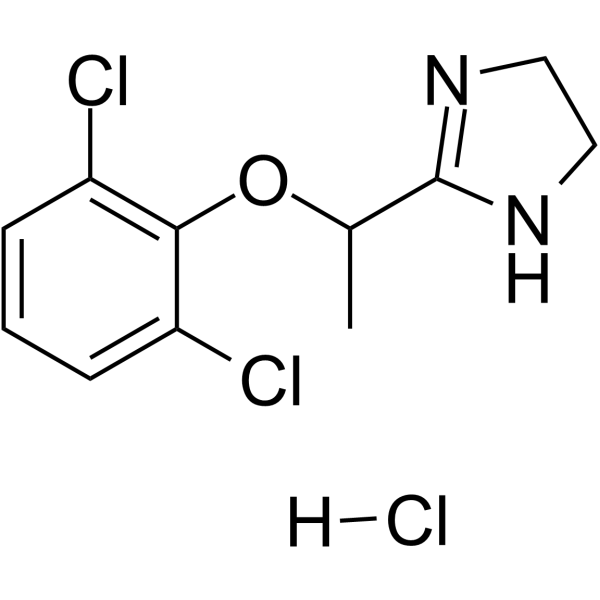
  • HY-B1052

    Baq-168; MDL-14042

    Adrenergic Receptor Imidazoline Receptor Neurological Disease Metabolic Disease
    Lofexidine hydrochloride (Baq-168) is an orally active agonist of the imidazoline I1 receptor (imidazoline I1 receptor) (Ki: 1.9 nM) and α2-adrenergic receptor (α2-adrenergic receptor). Lofexidine hydrochloride binds to the α2A-adrenergic receptor, reduces sympathetic outflow, lowers blood pressure, and exhibits vasoconstrictive effects. Lofexidine hydrochloride regulates the expression of c-fos and alleviates opioid withdrawal symptoms. Lofexidine hydrochloride is applicable to research on opioid addiction and withdrawal .
    Lofexidine hydrochloride
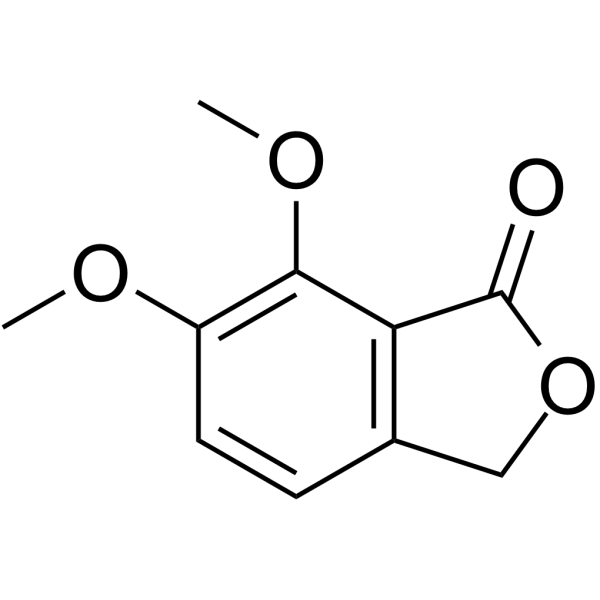
  • HY-W019151

    Endogenous Metabolite Metabolic Disease
    Meconine is an endogenous metabolite of Noscapine (HY-13716). Meconine is the major metabolite in all three species, accounting for about 3, 8 and 2% of the dose in the first 24 h urines of rats, rabbits and humans, respectively. Meconine can be used as a marker to detect illicit opiate use .
    Meconine
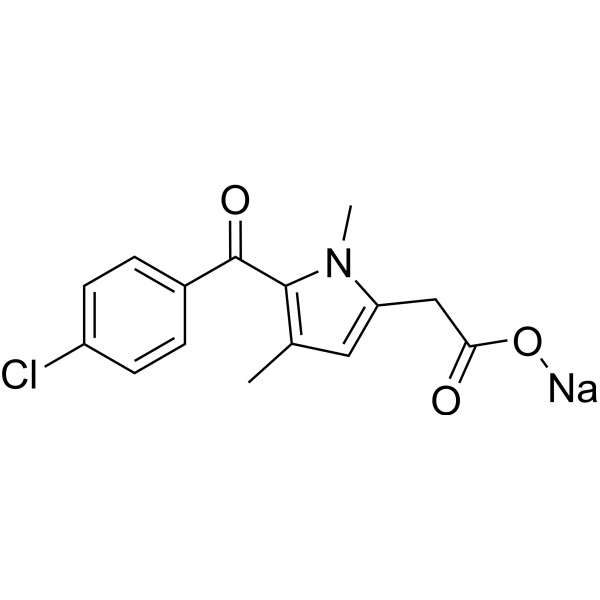
  • HY-B0890

    McN-2783-21-98

    PGE synthase Neurological Disease Inflammation/Immunology
    Zomepirac sodium salt (McN-2783-21-98) is an orally active prostaglandin synthetase inhibitor. Zomepirac sodium salt blocks prostaglandin synthesis and inhibits Collagen (HY-P72147)- or Epinephrine (HY-B0447)-induced platelet aggregation. Zomepirac sodium salt can be used for the research of postoperative pain and osteoarthritis .
    Zomepirac sodium salt
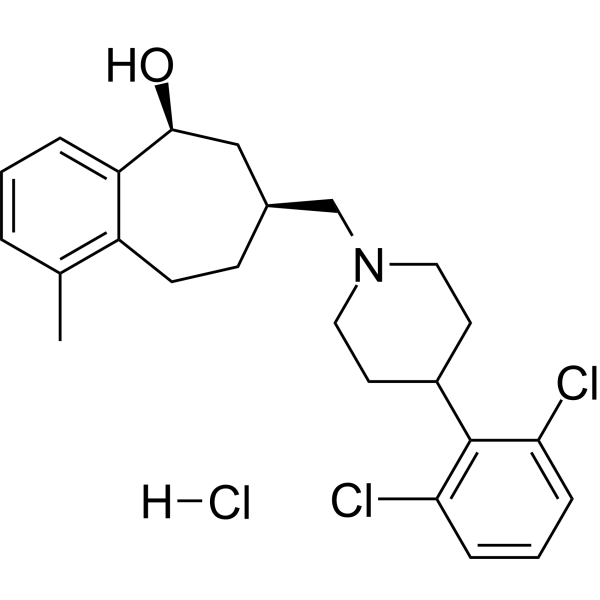
  • HY-18618A
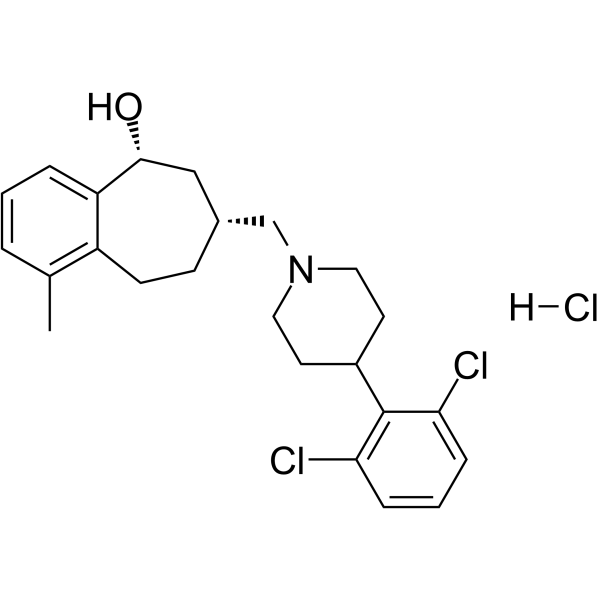
    SB-612111 hydrochloride
    2 Publications Verification

    Opioid Receptor Neurological Disease Inflammation/Immunology
    SB-612111 hydrochloride hydrochloride is a novel and potent opiate receptor-like orphan receptor (ORL-1) antagonist with a high affinity for hORL-1 (Ki=0.33 nM). SB-612111 hydrochloride exhibits selectivity for μ-,?κ- and?δ-receptors with Ki values of?57.6 nM, 160.5 nM and 2109 nM, respecticely. SB-612111 hydrochloride effectively antagonizes the pronociceptive action of Nociceptin (HY-P0183) in an acute pain model .
    SB-612111 hydrochloride
  • HY-168366

    Opioid Receptor Neurological Disease
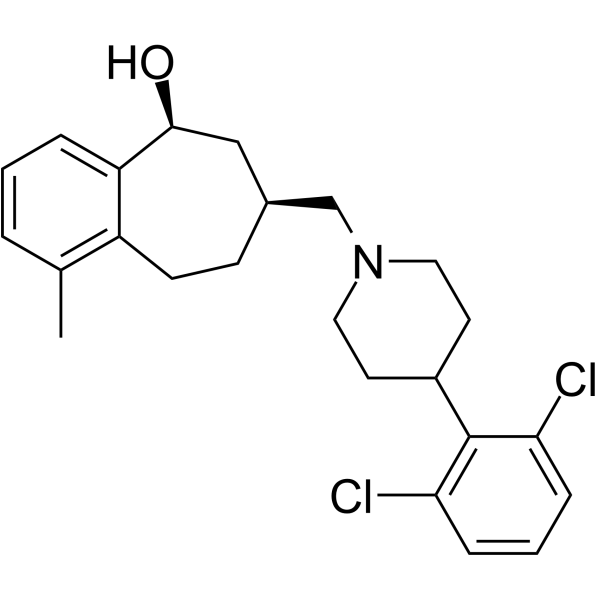
    R-6890 is a Brorphine-related opioid receptor antagonist that exhibits differential binding activities toward rat opioid receptors (IC50=4.6 nM (0.05 M Tris; pH 7.4) and 170 nM (0.05 M Tris+0.1 M NaCl)). R-6890 displaces bound labeled opioids from receptors, and its binding affinity is affected by environmental factors, decreasing in the presence of NaCl. R-6890 crosses the blood-brain barrier (BBB) and exerts analgesic effects in the warm water-induced tail-flick reflex model of male Wistar rats .
    R-6890
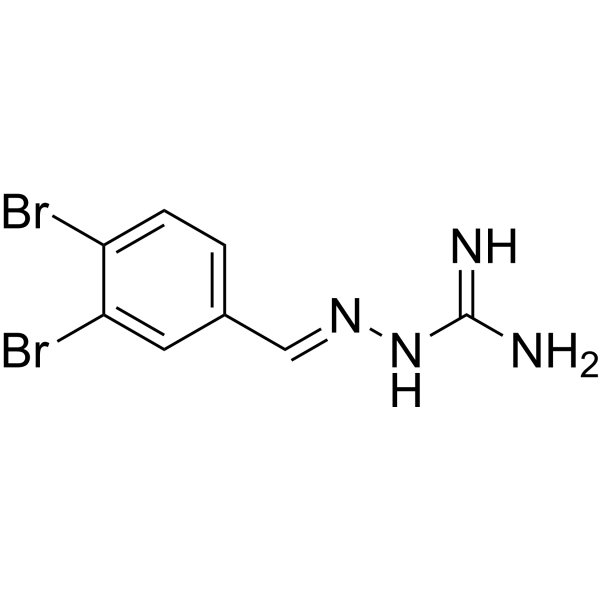
  • HY-124680

    AC-093

    Neuropeptide FF Receptor Inflammation/Immunology
    AC-263093 free base (AC-093) functionally activates NPFFR2 and blocks activation of NPFFR1 with pKis of 6.9 and 7.0, respectively. AC-263093 free base has the potential for reversing opiate tolerance research .
    .
    AC-263093 free base
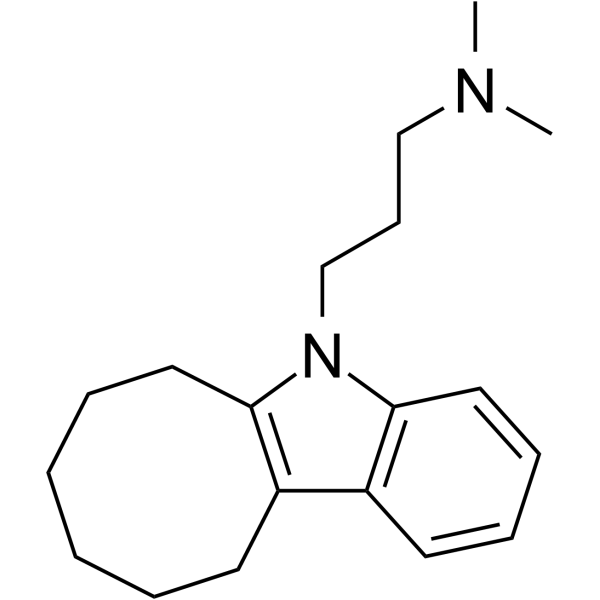
  • HY-12392

    Opioid Receptor Neurological Disease
    Iprindole, an opioid receptor agonist, is a tricyclic antidepressant. Iprindole shortens the immobility time in mice forced swimming test, which can be reversed by the opiate antagonist Naloxone (HY-17417A). Iprindole induces lamellar body formation but devoid of lamellar bodies. Iprindole can be used for the research of depression .
    Iprindole
  • HY-P1335A
    CTAP TFA
    2 Publications Verification

    Opioid Receptor Neurological Disease
    CTAP TFA is a potent, highly selective, and BBB penetrant μ opioid receptor antagonist, with an IC50 of 3.5 nM. CTAP TFA displays over 1200-fold selectivity over δ opioid (IC50=4500 nM) and somatostatin receptors. CTAP TFA can be used for the study of L-DOPA-induced dyskinesia (LID) and opiate overdose or addiction .
    CTAP TFA
  • HY-W019151R

    Reference Standards Endogenous Metabolite Metabolic Disease
    Meconine (Standard) is the analytical standard of Meconine (HY-W019151). This product is intended for research and analytical applications. Meconine is an endogenous metabolite of Noscapine (HY-13716). Meconine is the major metabolite in all three species, accounting for about 3, 8 and 2% of the dose in the first 24 h urines of rats, rabbits and humans, respectively. Meconine can be used as a marker to detect illicit opiate use.
    Meconine (Standard)
  • HY-B0505
    Moguisteine
    1 Publications Verification

    BBR-2173

    Opioid Receptor Neurological Disease Cancer
    Moguisteine???(BBR-2173) is an antitussive compound but has no significant affinity for opiate receptors.
    Moguisteine
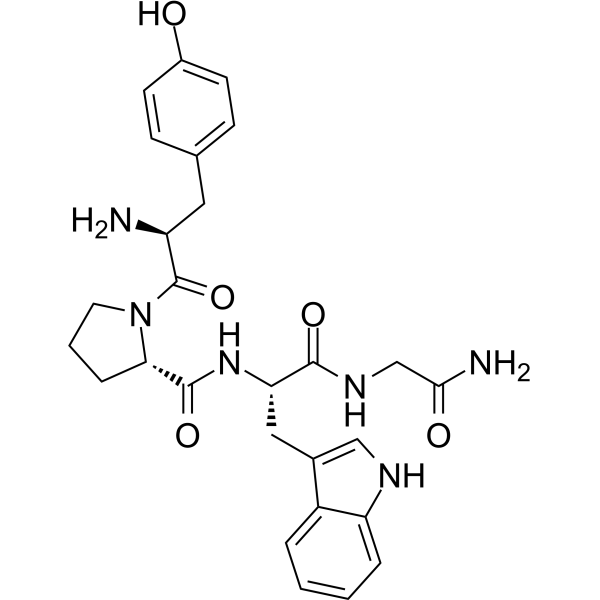
  • HY-P3087

    Opioid Receptor Neurological Disease
    Tyr-W-MIF-1 is an opioid tetrapeptide with opiate and antiopiate activity. Tyr-W-MIF-1 can induce analgesia .
    Tyr-W-MIF-1
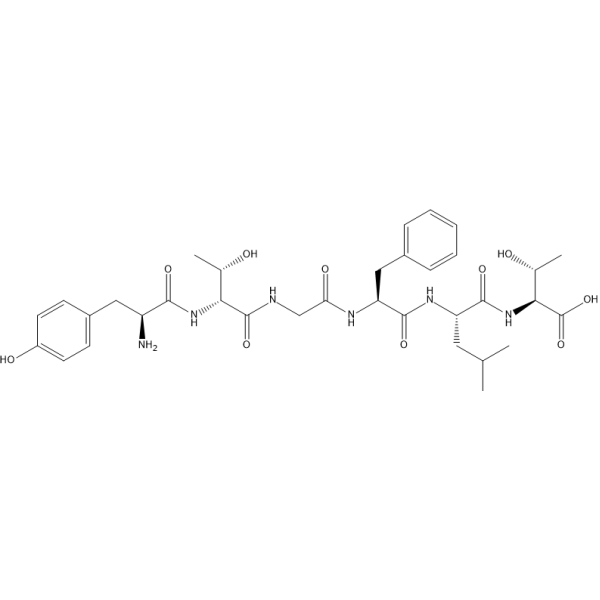
  • HY-P2572

    Opioid Receptor Neurological Disease
    Deltakephalin is a potent, selective opiate δ-receptor agonist. Deltakephalin has analgesic properties .
    Deltakephalin
  • HY-P3555

    Opioid Receptor Others
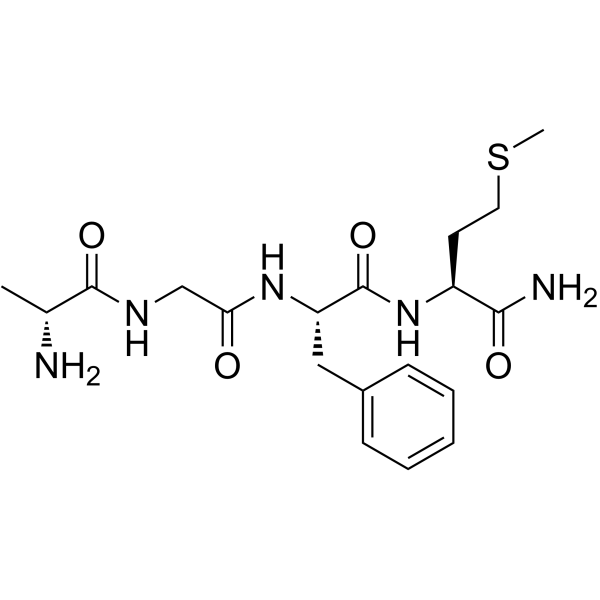
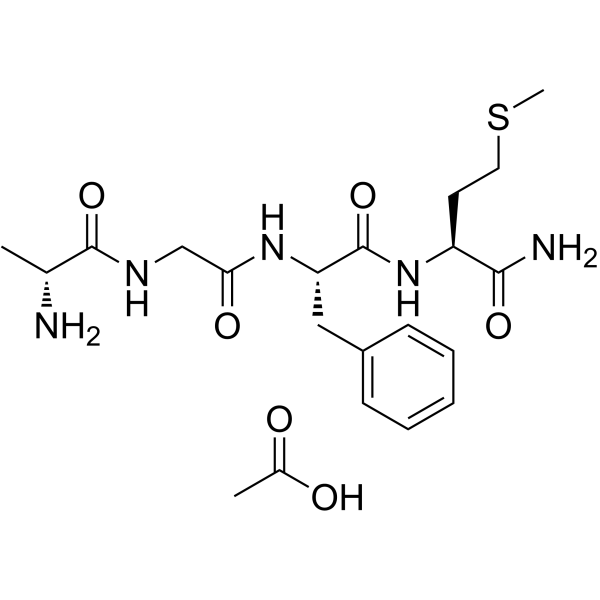
    D-Ala-Gly-Phe-Met-NH2, an opioid peptide, is a potent opiate δ-receptor agonist .
    D-Ala-Gly-Phe-Met-NH2
  • HY-P3547

    Opioid Receptor Others
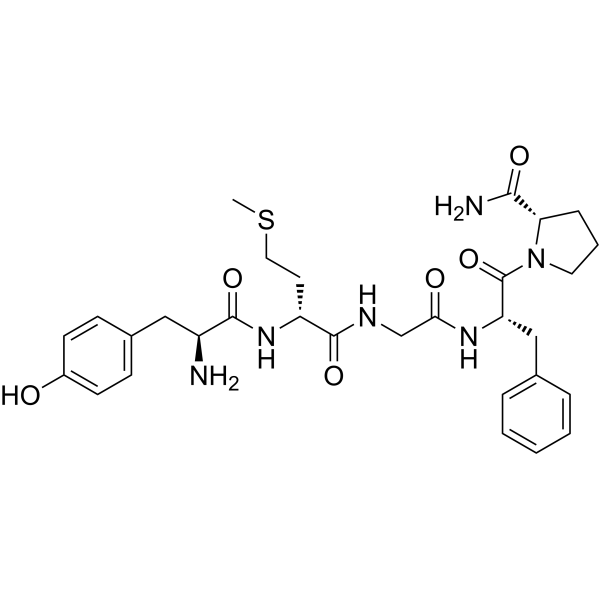
    (D-Met2,Pro5)-Enkephalinamide is a highly potent opiate agonist, and shows antinociceptive activity .
    (D-Met2,Pro5)-Enkephalinamide
  • HY-W019151S

    Isotope-Labeled Compounds Endogenous Metabolite Metabolic Disease
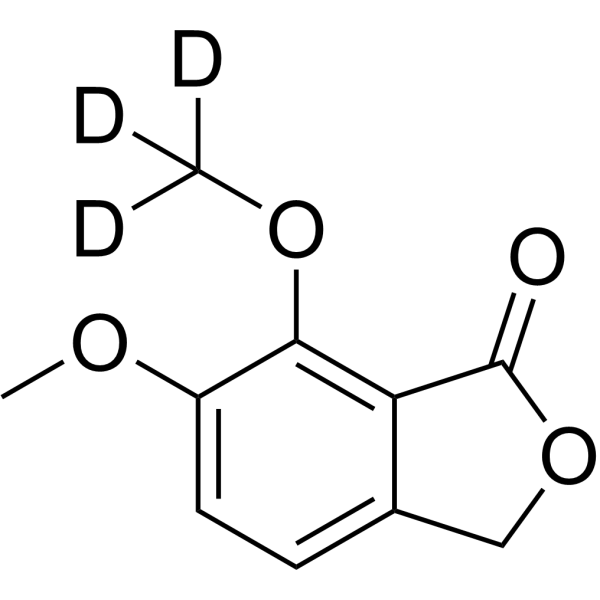
    Meconin-d3 is the deuterium labeled Meconine (HY-W019151). Meconine is an endogenous metabolite of Noscapine (HY-13716). Meconine is the major metabolite in all three species, accounting for about 3, 8 and 2% of the dose in the first 24 h urines of rats, rabbits and humans, respectively. Meconine can be used as a marker to detect illicit opiate use.
    Meconin-d3
  • HY-P3843

    Mas-related G-protein-coupled Receptor (MRGPR) Neuropeptide Y Receptor Neurological Disease
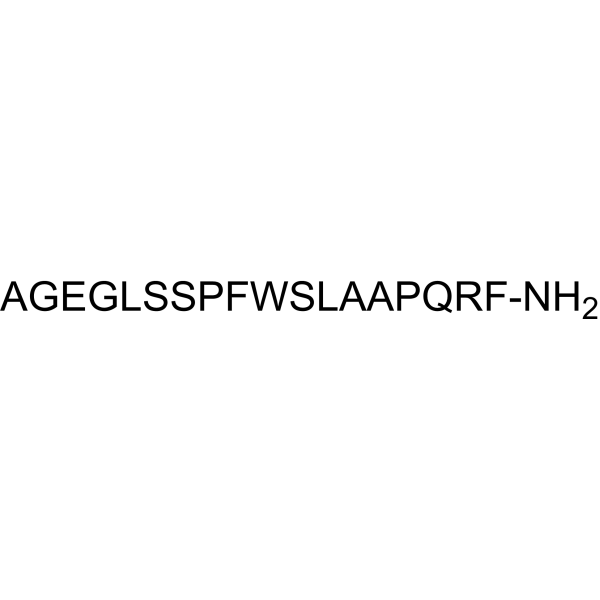
    Neuropeptide AF (cattle), an amidated octadecapeptide, is RFamide neuropeptide. Neuropeptide AF (cattle) acts as a ligand of Mas-related gene receptor A4 (MrgprA4) (Mas-related G-protein-coupled Receptor (MRGPR)) (EC50 of ~60 nM) and MrgprC11 (EC50 of ~300 nM). Neuropeptide AF (cattle) also activate to the G protein-coupled receptors NPFF1 (Neuropeptide Y Receptor) (EC50 of ~25-325 nM) and NPFF2 (EC50 of ~1-5 nM). Neuropeptide AF (cattle) shows anti-opiate and related pain modulation effects .
    Neuropeptide AF (cattle)
  • HY-110230

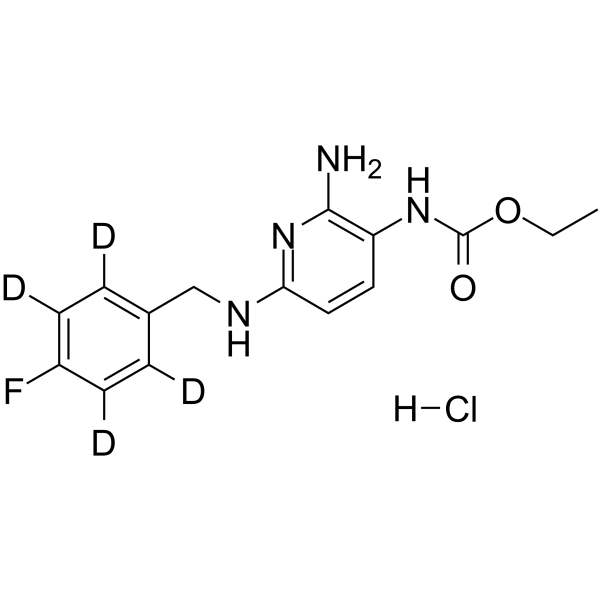
    D 9998-d4 hydrochloride

    Isotope-Labeled Compounds Potassium Channel iGluR GABA Receptor Neurological Disease Inflammation/Immunology
    Flupirtine-d4 (D 9998-d4) hydrochloride is the deuterium labeled Flupirtine hydrochloride (HY-W709349). Flupirtine hydrochloride is an orally active, blood-brain barrier-crossing non-opioid analgesic and neuroprotective agent. Flupirtine hydrochloride is a neuronal potassium channel opener (Kv7 activator), a NMDA receptor antagonist and a GABA receptor activator. Flupirtine hydrochloride stabilizes blood-brain-barrier integrity, reduces oxidative stress and brain leukocyte infiltration, enhances angioneurogenesis, suppresses calcium influx, stabilizes neuronal resting membrane potential, and counteracts focal cerebral ischemia. Flupirtine hydrochloride exhibits analgesic, muscle relaxant properties, protects neurons from excitotoxic, ischemic, or cytokine-mediated death. Flupirtine hydrochloride functions as a non-opioid analgesic without antipyretic or antiphlogistic properties, shows no relevant affinity to opiate receptor. Flupirtine hydrochloride can be used for the research of focal cerebral ischemia, pain, Alzheimer’s disease, or multiple sclerosis .
    Flupirtine-d4 hydrochloride
  • HY-P3874

    Opioid Receptor Neurological Disease
    Peptide E is a potent kappa opiate receptor agonist. Peptide E has opiate receptor binding activity with IC50 value of 0.39 μM. Peptide E can be used for the research of central nervous system .
    Peptide E
  • HY-18617

    Opioid Receptor Neurological Disease Inflammation/Immunology
    rel-SB-612111 hydrochloride is a novel and potent human opiate receptor-like orphan receptor (ORL-1) antagonist with a high affinity for hORL-1 (Ki=0.33 nM). rel-SB-612111 hydrochloride exhibits selectivity for μ-, κ- and δ-receptors with Ki values of 57.6 nM, 160.5 nM and 2109 nM, respecticely. rel-SB-612111 hydrochloride effectively antagonizes the pronociceptive action of Nociceptin (HY-P0183) in an acute pain model .
    rel-SB-612111 hydrochloride
  • HY-123492

    Opioid Receptor Neurological Disease Endocrinology
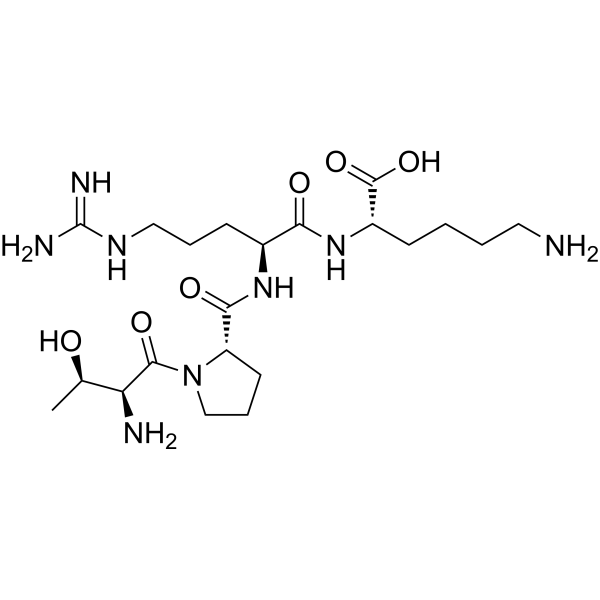
    Kentsin (Thr-Pro-Arg-Lys), a contraceptive tetrapeptide, is originally extracted from hamster embryos. Kentsin prevents the maturation of Graafian follicles and consequently inhibits ovulation, without binding to opioid receptors. Kentsin has opiate properties on gastrointestinal motility .
    Kentsin
  • HY-120846

    Opioid Receptor Neurological Disease
    CHIR 4531, a trimer peptide, is a opiate ligand that binds to the mu-opiate receptor with a Ki of 6 nM .
    CHIR 4531
  • HY-P3555A

    Opioid Receptor Others
    D-Ala-Gly-Phe-Met-NH2 monoacetate, an opioid peptide, is a potent opiate δ-receptor agonist .
    D-Ala-Gly-Phe-Met-NH2 monoacetate
  • HY-137180

    Opioid Receptor Parasite Infection Neurological Disease
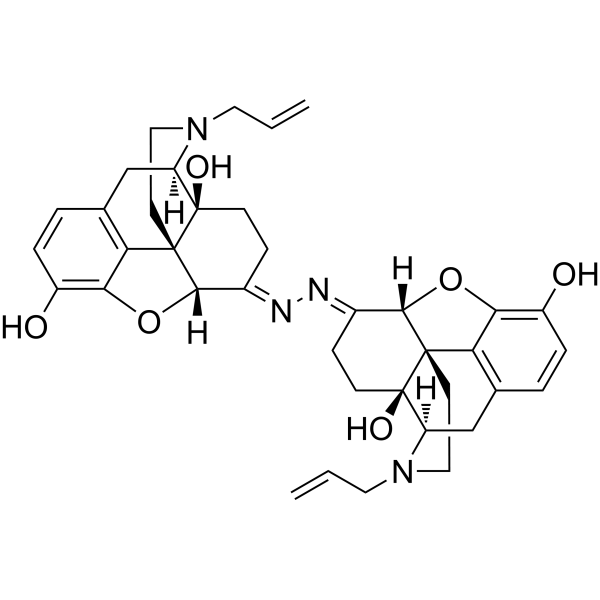
    Naloxonazine is a potent and selective opiate mu-1 antagonist that can also affect leishmania by regulating host coding function .
    Naloxonazine
  • HY-12392R

    Reference Standards Opioid Receptor Neurological Disease
    Iprindole (Standard) is the analytical standard of Iprindole. This product is intended for research and analytical applications. Iprindole, an opioid receptor agonist, is a tricyclic antidepressant. Iprindole shortens the immobility time in mice forced swimming test, which can be reversed by the opiate antagonist Naloxone (HY-17417A). Iprindole induces lamellar body formation but devoid of lamellar bodies. Iprindole hydrochloride can be used for the research of depression .
    Iprindole (Standard)
  • HY-18618

    Opioid Receptor Neurological Disease Inflammation/Immunology
    SB-612111 is a novel and potent opiate receptor-like orphan receptor (ORL-1) antagonist with a high affinity for hORL-1 (Ki=0.33 nM). SB-612111 exhibits selectivity for μ-, κ- and δ-receptors with Ki values of 57.6 nM, 160.5 nM and 2109 nM, respecticely. SB-612111 effectively antagonizes the pronociceptive action of Nociceptin (HY-P0183) in an acute pain model .
    SB-612111
  • HY-W709349

    D 9998 hydrochloride

    Potassium Channel iGluR GABA Receptor Neurological Disease Inflammation/Immunology
    Flupirtine (D 9998) hydrochloride is an orally active, blood-brain barrier-crossing non-opioid analgesic and neuroprotective agent. Flupirtine hydrochloride is a neuronal potassium channel opener (Kv7 activator), a NMDA receptor antagonist and a GABA receptor activator. Flupirtine hydrochloride stabilizes blood-brain-barrier integrity, reduces oxidative stress and brain leukocyte infiltration, enhances angioneurogenesis, suppresses calcium influx, stabilizes neuronal resting membrane potential, and counteracts focal cerebral ischemia. Flupirtine hydrochloride exhibits analgesic, muscle relaxant properties, protects neurons from excitotoxic, ischemic, or cytokine-mediated death. Flupirtine hydrochloride functions as a non-opioid analgesic without antipyretic or antiphlogistic properties, shows no relevant affinity to opiate receptor. Flupirtine hydrochloride can be used for the research of focal cerebral ischemia, pain, Alzheimer’s disease, or multiple sclerosis .
    Flupirtine hydrochloride
  • HY-17001R

    D 9998 Maleate (Standard)

    Reference Standards Potassium Channel iGluR GABA Receptor Neurological Disease Inflammation/Immunology
    Flupirtine Maleate (Standard) is the analytical standard of Flupirtine Maleate (HY-17001). This product is intended for research and analytical applications. Flupirtine Maleate is an orally active, blood-brain barrier-crossing non-opioid analgesic and neuroprotective agent. Flupirtine Maleate is a neuronal potassium channel opener (Kv7 activator), a NMDA receptor antagonist and a GABA receptor activator. Flupirtine Maleate stabilizes blood-brain-barrier integrity, reduces oxidative stress and brain leukocyte infiltration, enhances angioneurogenesis, suppresses calcium influx, stabilizes neuronal resting membrane potential, and counteracts focal cerebral ischemia. Flupirtine Maleate exhibits analgesic, muscle relaxant properties, protects neurons from excitotoxic, ischemic, or cytokine-mediated death. Flupirtine Maleate functions as a non-opioid analgesic without antipyretic or antiphlogistic properties, shows no relevant affinity to opiate receptor. Flupirtine Maleate can be used for the research of focal cerebral ischemia, pain, Alzheimer’s disease, or multiple sclerosis .
    Flupirtine Maleate (Standard)
  • HY-17001AR

    D 9998 (Standard)

    Reference Standards Potassium Channel iGluR GABA Receptor Neurological Disease Inflammation/Immunology
    Flupirtine (Standard) (D 9998 (Standard)) is the analytical standard of Flupirtine (HY-17001A). This product is intended for research and analytical applications. Flupirtine is an orally active, blood-brain barrier-crossing non-opioid analgesic and neuroprotective agent. Flupirtine is a neuronal potassium channel opener (Kv7 activator), a NMDA receptor antagonist and a GABA receptor activator. Flupirtine stabilizes blood-brain-barrier integrity, reduces oxidative stress and brain leukocyte infiltration, enhances angioneurogenesis, suppresses calcium influx, stabilizes neuronal resting membrane potential, and counteracts focal cerebral ischemia. Flupirtine exhibits analgesic, muscle relaxant properties, protects neurons from excitotoxic, ischemic, or cytokine-mediated death. Flupirtine functions as a non-opioid analgesic without antipyretic or antiphlogistic properties, shows no relevant affinity to opiate receptor. Flupirtine can be used for the research of focal cerebral ischemia, pain, Alzheimer’s disease, or multiple sclerosis .
    Flupirtine (Standard)
  • HY-B0890R

    McN-2783-21-98 (Standard)

    PGE synthase Reference Standards Neurological Disease Inflammation/Immunology
    Zomepirac sodium salt (Standard) is the analytical standard of Zomepirac sodium salt (HY-B0890). This product is intended for research and analytical applications. Zomepirac sodium salt (McN-2783-21-98) is an orally active prostaglandin synthetase inhibitor. Zomepirac sodium salt blocks prostaglandin synthesis and inhibits Collagen (HY-P72147)- or Epinephrine (HY-B0447)-induced platelet aggregation. Zomepirac sodium salt can be used for the research of postoperative pain and osteoarthritis .
    Zomepirac sodium salt (Standard)
  • HY-B0890A

    McN-2783-21-98 free acid

    PGE synthase Neurological Disease Inflammation/Immunology
    Zomepirac (McN-2783-21-98 free acid) is an orally active prostaglandin synthetase inhibitor. Zomepirac blocks prostaglandin synthesis and inhibits Collagen (HY-P72147)- or Epinephrine (HY-B0447)-induced platelet aggregation. Zomepirac can be used for the research of postoperative pain and osteoarthritis .
    Zomepirac
  • HY-12392A

    Opioid Receptor Neurological Disease
    Iprindole hydrochloride, an opioid receptor agonist, is a tricyclic antidepressant. Iprindole hydrochloride shortens the immobility time in mice forced swimming test, which can be reversed by the opiate antagonist Naloxone (HY-17417A). Iprindole hydrochloride induces lamellar body formation but devoid of lamellar bodies. Iprindole hydrochloride can be used for the research of depression .
    Iprindole hydrochloride
  • HY-182388

    Others Inflammation/Immunology
    Cinflumide is an orally active muscle relaxant. Cinflumide shows antiinflammatory activity .
    Cinflumide
  • HY-W709349S

    D 9998-d6 hydrochloride

    Isotope-Labeled Compounds Potassium Channel iGluR GABA Receptor Neurological Disease
    Flupirtine-d6 (D 9998-d6) hydrochloride is the deuterium labeled Flupirtine hydrochloride (HY-W709349). Flupirtine hydrochloride is an orally active, blood-brain barrier-crossing non-opioid analgesic and neuroprotective agent. Flupirtine hydrochloride is a neuronal potassium channel opener (Kv7 activator), a NMDA receptor antagonist and a GABA receptor activator. Flupirtine hydrochloride stabilizes blood-brain-barrier integrity, reduces oxidative stress and brain leukocyte infiltration, enhances angioneurogenesis, suppresses calcium influx, stabilizes neuronal resting membrane potential, and counteracts focal cerebral ischemia. Flupirtine hydrochloride exhibits analgesic, muscle relaxant properties, protects neurons from excitotoxic, ischemic, or cytokine-mediated death. Flupirtine hydrochloride functions as a non-opioid analgesic without antipyretic or antiphlogistic properties, shows no relevant affinity to opiate receptor. Flupirtine hydrochloride can be used for the research of focal cerebral ischemia, pain, Alzheimer’s disease, or multiple sclerosis .
    Flupirtine-d6 hydrochloride

Inquiry Online

Your information is safe with us. * Required Fields.

Salutation


Country or Region *

Applicant Name *


Organization Name *

Department *


Email Address *


Product Name *

Cat. No.


Requested quantity *

Phone Number *


Remarks

Inquiry Online

Inquiry Information

Product Name:
Cat. No.:
Quantity:
MCE Japan Authorized Agent: