

Search Result
Results for "
amino acid concentration
" in MedChemExpress (MCE) Product Catalog:
1
Biochemical Assay Reagents
8
Isotope-Labeled Compounds
| Cat. No. |
Product Name |
Target |
Research Areas |
Chemical Structure |
-
- HY-B0351
-
|
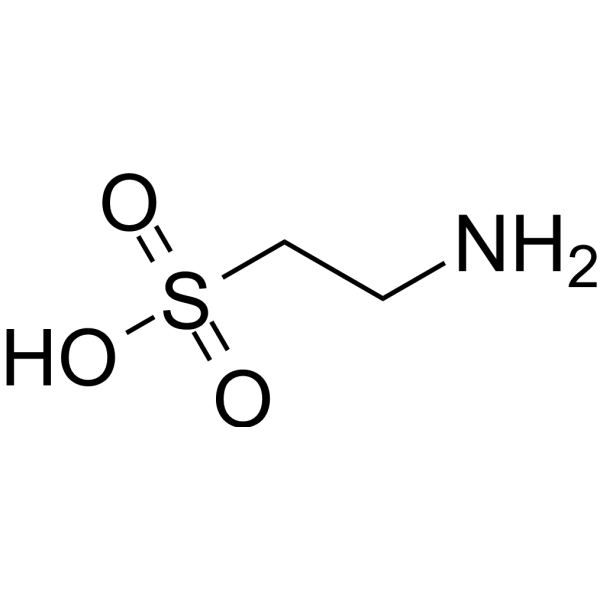
2-aminoethanesulfonic acid
|
Autophagy
Endogenous Metabolite
|
Metabolic Disease
Cancer
|
|
Taurine, a sulphur-containing amino acid and an organic osmolyte involved in cell volume regulation, provides a substrate for the formation of bile salts, and plays a role in the modulation of intracellular free calcium concentration. Taurine has the ability to activate autophagy in adipocytes .
|
-
-
- HY-101037
-
|
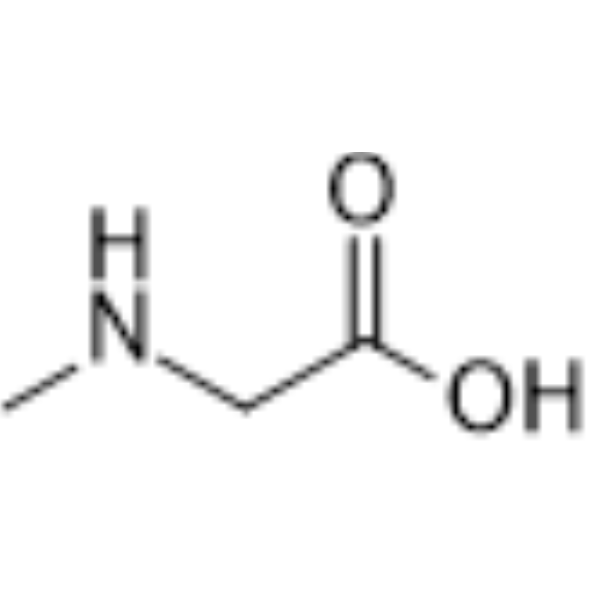
N-Methylglycine; Sarcosin
|
Endogenous Metabolite
GlyT
|
Cancer
|
|
Sarcosine (N-Methylglycine), an endogenous amino acid, is a competitive glycine transporter type I (GlyT1) inhibitor and N-methyl-D-aspartate (NMDA) receptor co-agonist. Sarcosine increases the glycine concentration, resulting in an indirect potentiation of the NMDA receptor. Sarcosine is commonly used for the research of schizophrenia .
|
-
-
- HY-120139
-
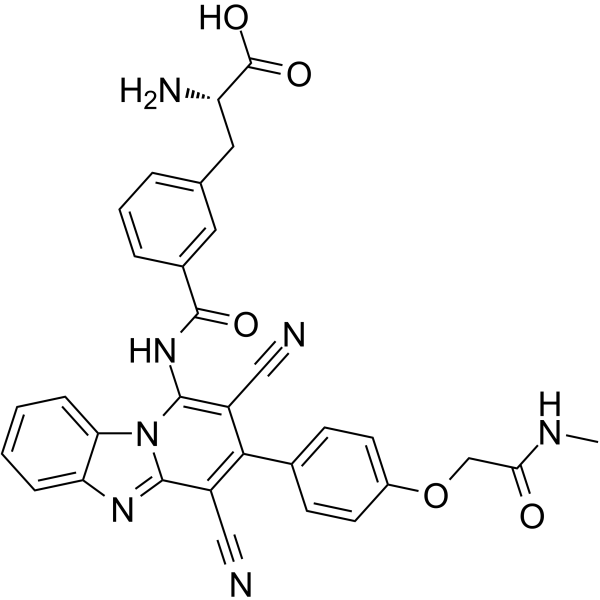
KMH-233
1 Publications Verification
|
Amino acid Transporter
|
Cancer
|
|
KMH-233, a potent, reversible and selective inhibitor of l-type amino acid transporter LAT1/SLC7A5, inhibits the uptake of LAT1 substrate, l-leucin (IC50=18 μM) as well as cell growth. KMH-233 significantly potentiates the efficacy of Bestatin and Cisplatin even at low concentrations (25 μM) .
|
-
-
- HY-113166
-
|
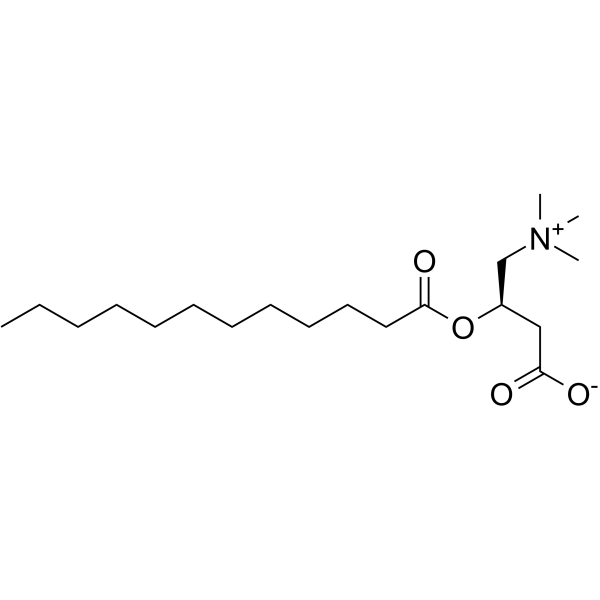
(-)-Lauroylcarnitine
|
Endogenous Metabolite
|
Metabolic Disease
Inflammation/Immunology
|
|
Dodecanoylcarnitine ((-)-Lauroylcarnitine) is a medium long-chain acylcarnitine, an intermediate product in key energy metabolic pathways of fatty acid β-oxidation and amino acids catabolism. The abnormal decrease in the Dodecanoylcarnitine levels indicats that mitochondrial fuel metabolism, including fatty acid oxidation is significantly disturbed. Changes in plasma concentrations of Dodecanoylcarnitine are not only associated with type II diabetes, but also with pre-diabetes status. Dodecanoylcarnitine is present in fatty acid oxidation disorders such as long-chain acyl CoA dehydrogenase deficiency, carnitine palmitoyltransferase I/II deficiency, and is also associated with celiac disease. Dodecanoylcarnitine deomonstrates high sensitivities and specificities in predicting asthma. Combined model of Decanoylcarnitine (HY-113069), Dodecanoylcarnitine, PC (16:0/0:0), and Asp Arg Pro can be used as a potential biomarker for the diagnosis of Yin-deficiency-heat syndrome .
|
-
-
- HY-P5423
-
|
|
Exosomes
Liposome
|
Cancer
|
|
GALA is a pH-responsive amphipathic peptide consisting of 30 amino acids, which acts as a lung endothelium-targeting ligand. GALA undergoes a conformational transition from random coil to α-helix in an acidic environment at pH 5.0, thereby inducing endosomal membrane destabilization and fusion. GALA-modified liposomes traverse lung endothelial cells via clathrin-dependent endocytosis and transcytosis, and specifically accumulate in the lungs after intravenous injection. GALA significantly promotes the cytosolic release of cargos carried by exosomes, plasmids and liposomes, effectively enhances gene transfection efficiency, and drives gene knockdown of functional macromolecules (such as siRNA) in alveolar epithelial cells (with no significant cytotoxicity at effective concentrations). GALA serves as a critical tool for studies on lung cancer metastasis (e.g., melanoma lung metastasis) and lung-targeted drug delivery systems .
|
-
-
- HY-145442
-
|
|
Adenosine Deaminase
|
Others
|
|
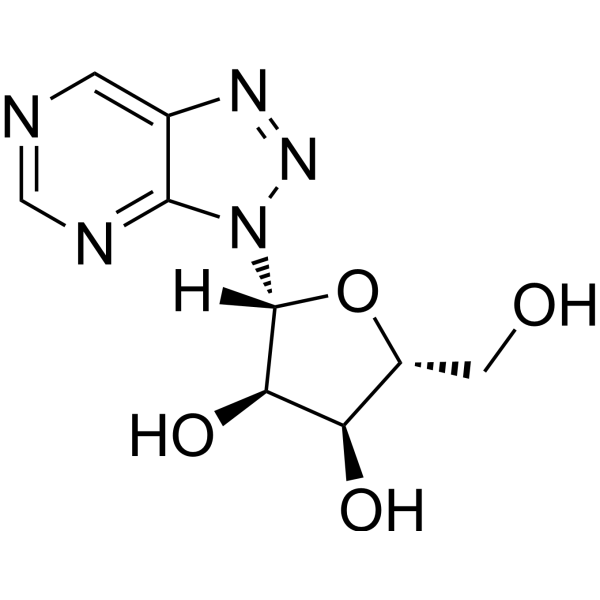
8-Azanebularine, a compound with hydrogen in place of the C6 amino group, inhibits the ADAR2 reaction at high concentrations (IC50=15 mM). 8-Azanebularine is incorporated into an RNA structure recognized by human ADAR2 results in high-affinity binding (KD=2 nM). 8-Azanebularine can be used for the research of ADAR-catalyzed RNA-editing reaction .
|
-
-
- HY-B0351S
-
|
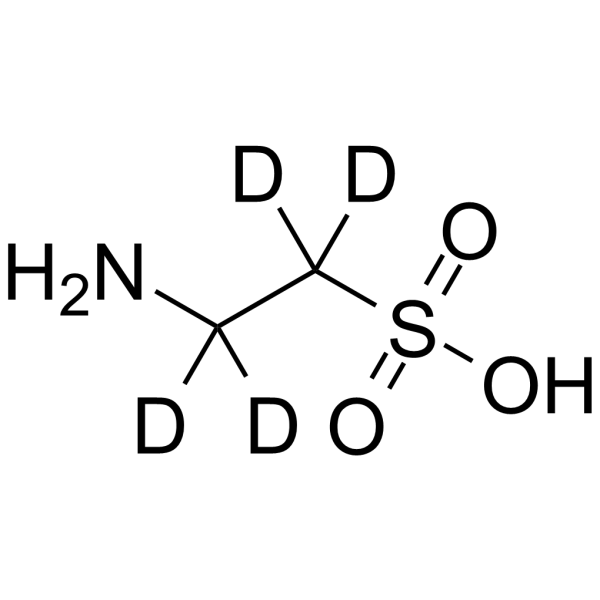
2-aminoethanesulfonic acid-d4
|
Autophagy
Endogenous Metabolite
|
Metabolic Disease
|
|
Taurine-d4 is the deuterium labeled Taurine. Taurine, a sulphur-containing amino acid and an organic osmolyte involved in cell volume regulation, provides a substrate for the formation of bile salts, and plays a role in the modulation of intracellular free calcium concentration. Taurine has the ability to activate autophagy in adipocytes .
|
-
-
- HY-A0282
-
|
|
Amino Acid Derivatives
|
Metabolic Disease
Inflammation/Immunology
|
|
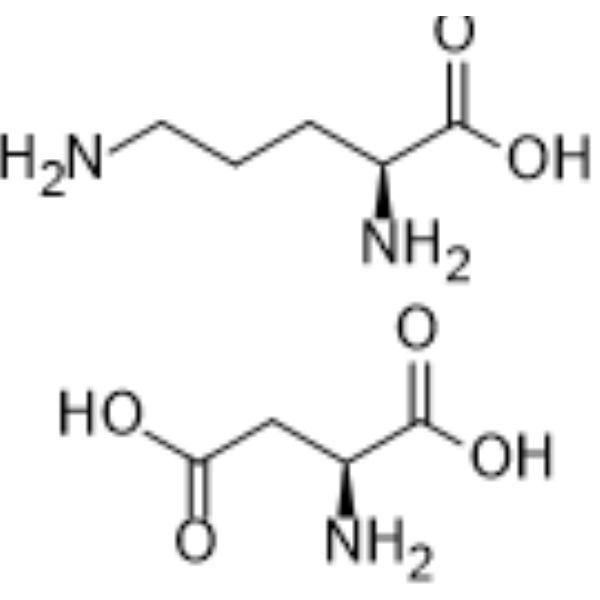
L-Ornithine L-aspartate is a stable salt of two natural nonessential L-amino acids with oral activity: ornithine and aspartic acid. L-Ornithine L-aspartate lowers blood ammonia concentration and to eliminate symptoms of hepatic encephalopathy associated with liver cirrhosis. L-Ornithine L-aspartate also improves mitochondrial functions .
|
-
-
- HY-B1876
-
|
|
Environmental Pollutants
Acetolactate Synthase (ALS)
|
Others
|
|
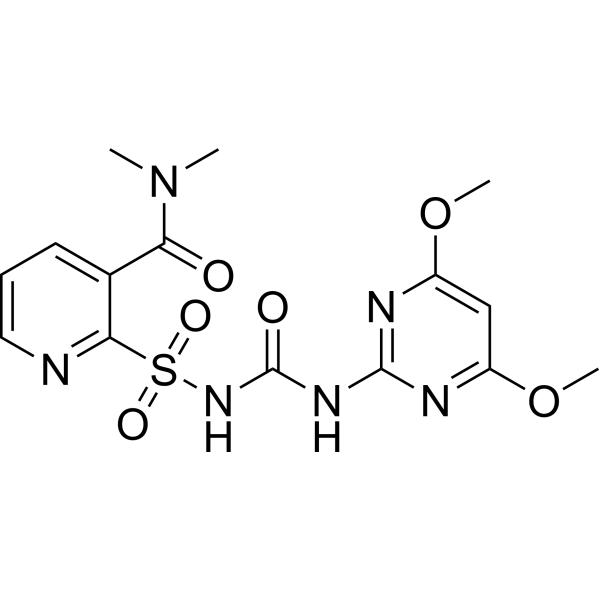
Nicosulfuron is efficient, harmless, antifungal and selective herbicide belonging to the sulfonylurea family. Nicosulfuron is also a photosynthetic system inhibitor and inhibits acetolactate synthase (ALS) enzyme activity. Nicosulfuron degradation by Plectosphaerella cucumerina AR1 is glucose concentration dependent in planktonic lifestyle. Nicosulfuron enhances the glycolysis pathway and tricarboxylic acid cycle to improve the adaptability of sweet maize. Nicosulfuron reduces the synthesis of branched-chain amino acids (BCAAs), which is proming for maize cultivation .
|
-
-
- HY-N13356
-
|
gamma-Glutamylthreonine; H-γ-Glu-Thr-OH; γ-Glu-Thr
|
Bacterial
Peptide-Drug Conjugates (PDCs)
Drug Metabolite
|
Infection
Inflammation/Immunology
|
|
L-gamma-Glutamyl-L-threonine (gamma-Glutamylthreonine; H-γ-Glu-Thr-OH; γ-Glu-Thr) is a dipeptide obtained through the formal condensation of the L-glutamic acid side chain carboxyl group and the L-threonine amino group. L-gamma-Glutamyl-L-threonine is present in high concentrations in human urine and exhibits antibacterial activity against Gram-negative bacterial. L-gamma-Glutamyl-L-threonine is also a flavor compound. Gamma-Glutamylthreonine is a metabolite catalyzed by γ-glutamyl transpeptidase and is associated with immune regulation. Gamma-Glutamylthreonine can be used in research on inflammation and bacterial infections .
|
-
-
- HY-141466
-
|
|
Endogenous Metabolite
Histone Acetyltransferase
|
Infection
Metabolic Disease
Inflammation/Immunology
|
|
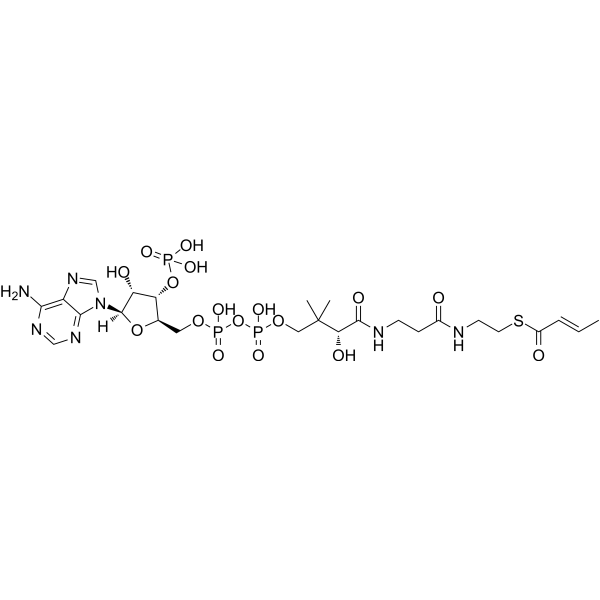
Crotonyl-CoA, a high-energy acyl donor, is an intermediate in the fermentation of butyric acid, and in the metabolism of lysine and tryptophan. Crotonyl-CoA is important in the metabolism of fatty acids and amino acids. Crotonyl-CoA acts as a substrate for p300’s histone crotonyltransferase activity, competing with acetyl-CoA for p300-mediated histone acylation reactions. Crotonyl-CoA regulates global and gene-specific histone crotonylation levels in cells, with cellular concentration changes altering histone crotonylation at regulatory elements of activated genes. Crotonyl-CoA serves as the substrate for crotonyl-CoA reductase/carboxylase (CCRC)-catalyzed NADPH-mediated reduction and carbon dioxide trapping to form unusual alkylmalonyl-CoA polyketide synthase extender units. Crotonyl-CoA can be used for the research of LPS-induced inflammatory response .
|
-
-
- HY-141466A
-
|
|
Endogenous Metabolite
Histone Acetyltransferase
|
Infection
Metabolic Disease
Inflammation/Immunology
|
|
Crotonyl-CoA tetrasodium, a high-energy acyl donor, is an intermediate in the fermentation of butyric acid, and in the metabolism of lysine and tryptophan. Crotonyl-CoA tetrasodium is important in the metabolism of fatty acids and amino acids. Crotonyl-CoA tetrasodium acts as a substrate for p300’s histone crotonyltransferase activity, competing with acetyl-CoA for p300-mediated histone acylation reactions. Crotonyl-CoA tetrasodium regulates global and gene-specific histone crotonylation levels in cells, with cellular concentration changes altering histone crotonylation at regulatory elements of activated genes. Crotonyl-CoA tetrasodium serves as the substrate for crotonyl-CoA reductase/carboxylase (CCRC)-catalyzed NADPH-mediated reduction and carbon dioxide trapping to form unusual alkylmalonyl-CoA polyketide synthase extender units. Crotonyl-CoA tetrasodium can be used for the research of LPS-induced inflammatory response .
|
-
-
- HY-DY1007
-
|
|
Fluorescent Dye
|
Inflammation/Immunology
|
FITC (Fluorescein Isothiocyanate) (solution) , is one of the green fluorescein derivatives widely used in biology. FITC has the characteristics of high absorptivity and excellent fluorescence quantum yield. The isothiocyanate group of FITC can be combined with amino, sulfhydryl, imidazole, tyrosyl, carbonyl and other groups on the protein, so as to achieve protein labeling including antibodies and lectins. In addition to its use as a protein marker, FITC can also be used as a fluorescent protein tracer to rapidly identify pathogens by labeling antibodies, or for microsequencing of proteins and peptides (HPLC). The maximum excitation wavelength of FITC is 494 nm. Once excited, it fluoresces yellow-green at a maximum emission wavelength of 520 nm. In addition, FITC is also a hapten that can induce contact hypersensitivity (CHS) and induce an atopic dermatitis model . Solvent and concentration: DMSO: 20 mM The 1 mL volume is defined as the base specification. All larger sizes correspond to incremental volumes of this base.
|
-
-
- HY-DY1044
-
|
|
Bacterial
|
Infection
|
HADA hydrochloride (HCC-Amino-D-alanine hydrochloride) is a blue (λem~450 nm) fluorescent D-amino acid (FDAA). FDAAs are efficiently incorporated into the peptidoglycans (PGs) of diverse bacterial species at the sites of PG biosynthesis, allowing specific and covalent probing of bacterial growth with minimal perturbation . Solvent and concentration: DMSO: 50 mM
|
-
-
- HY-B0351S2
-
|
2-aminoethanesulfonic acid-13C2,15N
|
Isotope-Labeled Compounds
Autophagy
Endogenous Metabolite
|
Metabolic Disease
|
|
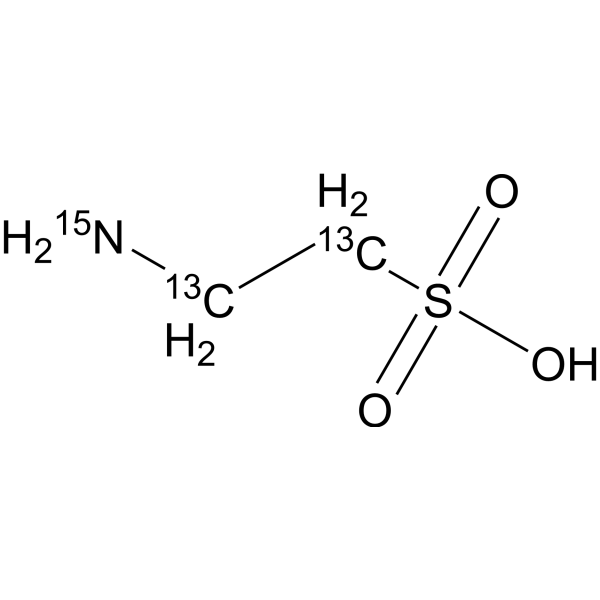
Taurine- 13C2, 15N is the 13C- and 15N- labeled Taurine. Taurine, a sulphur-containing amino acid and an organic osmolyte involved in cell volume regulation, provides a substrate for the formation of bile salts, and plays a role in the modulation of intracellular free calcium concentration. Taurine has the ability to activate autophagy in adipocytes .
|
-
-
- HY-101037S1
-
|
N-Methylglycine-d3; Sarcosin-d3
|
Isotope-Labeled Compounds
Endogenous Metabolite
GlyT
|
Cancer
|
|
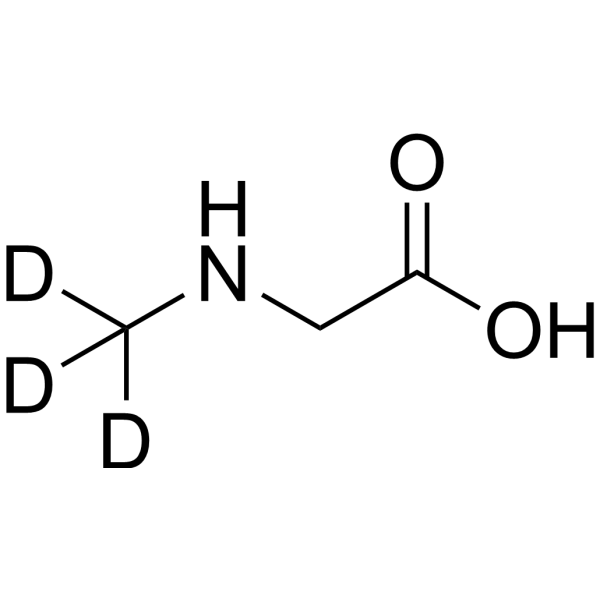
Sarcosine-d3 is the deuterium labeled Sarcosine. Sarcosine (N-Methylglycine), an endogenous amino acid, is a competitive glycine transporter type I (GlyT1) inhibitor and N-methyl-D-aspartate (NMDA) receptor co-agonist. Sarcosine increases the glycine concentration, resulting in an indirect potentiation of the NMDA receptor. Sarcosine is commonly used for the research of schizophrenia .
|
-
-
- HY-B0351R
-
|
2-aminoethanesulfonic acid (Standard)
|
Reference Standards
Autophagy
Endogenous Metabolite
|
Metabolic Disease
Cancer
|
|
Taurine (Standard) is the analytical standard of Taurine. This product is intended for research and analytical applications. Taurine, a sulphur-containing amino acid and an organic osmolyte involved in cell volume regulation, provides a substrate for the formation of bile salts, and plays a role in the modulation of intracellular free calcium concentration. Taurine has the ability to activate autophagy in adipocytes .
|
-
-
- HY-B0351S1
-
|
2-aminoethanesulfonic acid-13C2
|
Autophagy
Endogenous Metabolite
|
Metabolic Disease
|
|
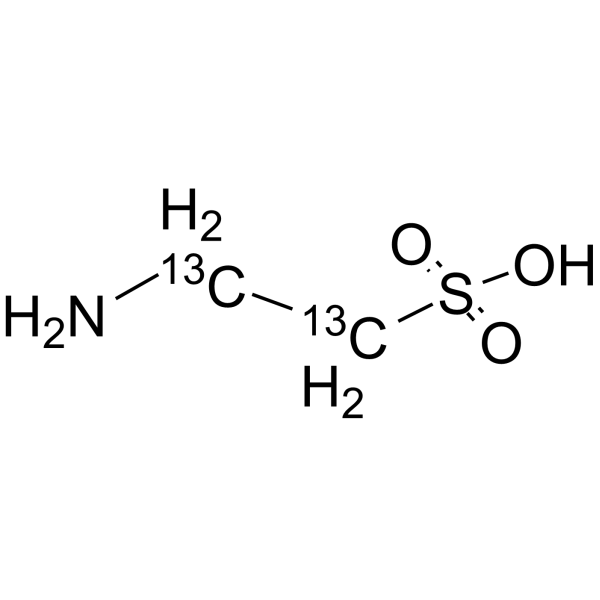
Taurine- 13C2 is the 13C-labeled Taurine. Taurine, a sulphur-containing amino acid and an organic osmolyte involved in cell volume regulation, provides a substrate for the formation of bile salts, and plays a role in the modulation of intracellular free calcium concentration. Taurine has the ability to activate autophagy in adipocytes .
|
-
-
- HY-P2997
-
|
GGT, Porcine kidney
|
Endogenous Metabolite
|
Cancer
|
|
γ-glutamyltransferase, Porcine kidney (GGT, Porcine kidney) is an enzyme located on the outer surface of the cell membrane. γ-glutamyltransferase, Porcine kidney maintains the physiological concentration of cytoplasmic glutathione and the cell's defense against oxidative stress by cleaving extracellular glutathione and increasing the availability of amino acids. γ-glutamyltransferase, Porcine kidney is used for pancreatic cancer research .
|
-
-
- HY-108659
-
|
|
P2Y Receptor
|
Inflammation/Immunology
|
|
NF340 is a P2Y11 receptor inhibitor with a pIC50 of 7.3-7.7 against human P2Y11 receptor, and it exhibits high selectivity over other P2Y family receptors. NF340 binds to the ATP-binding amino acid residues of the P2Y11 receptor to inhibit its activity, block nociceptive activity, and reduce spinal dorsal horn P2Y11 receptor upregulation induced by spinal cord injury. NF340 attenuates the NFκB signaling pathway activated by IL-1β by decreasing IκBα phosphorylation, nuclear p65 accumulation and NFκB promoter activity. NF340 inhibits IL-1β-induced pro-inflammatory cytokine expression, reduces intracellular ROS and 4-HNE levels, and suppresses IL-1β-induced matrix metalloproteinase expression in primary fibroblast-like synoviocytes. NF340 inhibits ATP-induced elevation of intracellular calcium 2+ concentration and cell migration in human hepatocellular carcinoma cells. NF340 is applicable to the research of neuropathic pain, myocardial ischemia/reperfusion injury, inflammatory pain, rheumatoid arthritis and hepatocellular carcinoma .
|
-
-
- HY-DY1070
-
|
|
Fluorescent Dye
|
Others
|
AQC (6-Aminoquinolyl-N-hydroxysccinimidyl carbamate) (solution) is a reagent used for amino acid or protein sequence analysis by HPLC with fluorescence detection. AQC reacts with primary and secondary amino acids to yield fluorescent derivates, allowing amino acid detection at under-picomolar levels . Solvent and concentration: DMSO: 10 mM The 1 mL volume is defined as the base specification. All larger sizes correspond to incremental volumes of this base.
|
-
-
- HY-101037R
-
|
N-Methylglycine (Standard); Sarcosin (Standard)
|
Reference Standards
Endogenous Metabolite
GlyT
|
Cancer
|
|
Sarcosine (Standard) is the analytical standard of Sarcosine. This product is intended for research and analytical applications. Sarcosine (N-Methylglycine), an endogenous amino acid, is a competitive glycine transporter type I (GlyT1) inhibitor and N-methyl-D-aspartate (NMDA) receptor co-agonist. Sarcosine increases the glycine concentration, resulting in an indirect potentiation of the NMDA receptor. Sarcosine is commonly used for the research of schizophrenia .
|
-
-
- HY-DY1063
-
|
|
Fluorescent Dye
|
Others
|
Cy5-SE (Cy5 NHS Ester) (solution) is a reactive dye for the labeling of amino-groups in peptides, proteins, and oligonucleotides. This dye requires small amount of organic co-solvent (such as DMF or DMSO) to be used in labeling reaction. This reagent is ideal for very cost-efficient labeling of soluble proteins, as well as all kinds of peptides and oligonucleotides. This reagent also works well in organic solvents for small molecule labeling.
Excitation (nm) :649, Emission (nm) : 670. Solvent and concentration: DMSO: 10 mM
|
-
-
- HY-N0229R
-
|
L-2-aminopropionic acid (Standard)
|
Reference Standards
Endogenous Metabolite
|
Neurological Disease
Metabolic Disease
|
|
L-Alanine (Standard) is the analytical standard of L-Alanine. This product is intended for research and analytical applications. L-Alanine is a non-essential amino acid, involved in sugar and acid metabolism, increases immunity, and provides energy for muscle tissue, brain, and central nervous system.
In Vitro: The viability of both hiPSCs, 201B7 cells and ehiPSCs decrease with an increase in L-Alanine concentration, and reach 7.5±1.3% and 3.7±0.7% respectively at 1.2 M of L-Alanine. On the other hand, no decrease in the viability of hFBs and hSkMCs are observed. Although the viability of iCMs slightly decreases along with the increase of the L-Alanine concentration, viability of iCMs at 1.2 M concentration of L-Alanine, 49.4±6.9%, is significantly higher than that of undifferentiated iPSCs, 201B7 cells and ehiPSCs (p< 0.01). The viability of hiPSCs, 201B7 cells and ehiPSCs, drastically decrease even after 2 or 4 h treatment. In contrast, the viability of hFBs fails to decrease at 1, 2, and 4 h and shows a small decrease at 24 h treatment. The viability of 201B7 cells in suspension culture decreases to 11.8±6.0% following treatment with 1.2 M L-Alanine for 2 h, whereas that of hFBs is 72.9±14.2% .
|
-
-
- HY-W007671
-
|
|
Endogenous Metabolite
Tyrosinase
|
Others
|
|
H-Tyr-OMe is an endogenous metabolite. H-Tyr-OMe quenches the fluorescence of carbon dots by oxidizing the phenolic hydroxyl group to quinone under the catalysis of Tyrosinase, and its amino and thiol binding ability can respond to changes in the concentration of biothiols .
|
-
-
- HY-101037S
-
|
N-Methylglycine-15N; Sarcosin-15N
|
Endogenous Metabolite
GlyT
|
Cancer
|
|
Sarcosine- 15N is the 15N-labeled Sarcosine. Sarcosine (N-Methylglycine), an endogenous amino acid, is a competitive glycine transporter type I (GlyT1) inhibitor and N-methyl-D-aspartate (NMDA) receptor co-agonist. Sarcosine increases the glycine concentration, resulting in an indirect potentiation of the NMDA receptor. Sarcosine is commonly used for the research of schizophrenia .
|
-
-
- HY-N11848R
-
|
Glucosamine-6-phosphate (Standard)
|
Endogenous Metabolite
Reference Standards
|
Metabolic Disease
|
|
D-Glucosamine 6-phosphate (Glucosamine-6-phosphate; D-GlcN-6-P) (Standard) is an analytical standard for D-Glucosamine 6-phosphate. This product is used for research and analytical applications. D-Glucosamine 6-phosphate is a phosphorylated amino sugar synthesized by glutamine fructose-6-phosphate aminotransferase (GFAT). The expression level of D-Glucosamine 6-phosphate is regulated by glucose and glutamine concentrations .
|
-
-
- HY-W142117
-
|
|
Fluorescent Dye
|
Others
|
|
H-Asp(AMC)-OH, a amino acid derivative, is a fluorescent dye. H-Asp(AMC)-OH dose not inhibit glycine transport at a concentration of 0.25 mM .
|
-
-
- HY-166309
-
|
|
Endogenous Metabolite
Histone Acetyltransferase
|
Infection
Metabolic Disease
Inflammation/Immunology
|
|
Crotonyl-CoA tetralithium, a high-energy acyl donor, is an intermediate in the fermentation of butyric acid, and in the metabolism of lysine and tryptophan. Crotonyl-CoA tetralithium is important in the metabolism of fatty acids and amino acids. Crotonyl-CoA tetralithium acts as a substrate for p300’s histone crotonyltransferase activity, competing with acetyl-CoA for p300-mediated histone acylation reactions. Crotonyl-CoA tetralithium regulates global and gene-specific histone crotonylation levels in cells, with cellular concentration changes altering histone crotonylation at regulatory elements of activated genes. Crotonyl-CoA tetralithium serves as the substrate for crotonyl-CoA reductase/carboxylase (CCRC)-catalyzed NADPH-mediated reduction and carbon dioxide trapping to form unusual alkylmalonyl-CoA polyketide synthase extender units. Crotonyl-CoA tetralithium can be used for the research of LPS-induced inflammatory response .
|
-
-
- HY-W748519
-
|
N-Methylglycine-13C3; Sarcosin-13C3
|
Isotope-Labeled Compounds
GlyT
Endogenous Metabolite
|
Cancer
|
|
Sarcosine- 13C3 (N-Methylglycine- 13C3; Sarcosin- 13C3) is the 13C-labeled Sarcosine (HY-101037). Sarcosine (N-Methylglycine), an endogenous amino acid, is a competitive glycine transporter type I (GlyT1) inhibitor and N-methyl-D-aspartate (NMDA) receptor co-agonist. Sarcosine increases the glycine concentration, resulting in an indirect potentiation of the NMDA receptor. Sarcosine is commonly used for the research of schizophrenia .
|
-
-
- HY-120139A
-
|
|
ASCT
|
Cancer
|
|
(R)-KMH-233 is the isomer of KMH-233 (HY-120139), and can be used as an experimental control. KMH-233, a potent, reversible and selective l-type amino acid transporter 1 (LAT1) inhibitor, inhibits the uptake of LAT1 substrate, l-leucin (IC50=18 μM) as well as cell growth. KMH-233 significantly potentiates the efficacy of Bestatin and Cisplatin even at low concentrations (25 μM) .
|
-
-
- HY-W010902
-
|
Dicalcium 1,6-di-O-phosphonato-L-tagatose
|
Endogenous Metabolite
ATP Synthase
|
Metabolic Disease
|
|
Calcium fructose diphosphate (Dicalcium 1,6-di-O-phosphonato-L-tagatose) is a crucial intermediate in the glycolysis process and is closely related to ATP synthesis. Calcium fructose diphosphate can be used to regulate calcium and phosphorus balance, protect myocardial tissue from ischemia/reperfusion injury, counteract the effects of alcohol, and serve as a safer source of phosphate in parenteral nutrition .
|
-
-
- HY-121709
-
|
amino-An-Fol
|
Bacterial
Antibiotic
|
Infection
|
|
4-Aminopteroylaspartic acid (Amino-An-Fol) inhibits the growth of psittacosis virus (6BC) in tissue cultures at concentrations which were not toxic. 4-Aminopteroylaspartic acid inhibts growth of meningopneumonitis virus in embryonated eggs or tissue culture .
|
-
-
- HY-134561
-
|
6A-8tFP
|
Prion Protein
|
Infection
|
|
6-Amino-8-trifluoromethylphenanthridine (6A-8tFP) is an antiprion agent and a derivative of 6-aminophenanthridine (HY-135189). It inhibits protein folding activity of the ribosome (PFAR) when used at a concentration of 150 μM.2 6A-8tFP directly competes with protein substrates for the ribosomal active site.
|
-
-
- HY-W007671R
-
|
|
Reference Standards
Endogenous Metabolite
Tyrosinase
|
Others
|
|
H-Tyr-OMe is an endogenous metabolite. H-Tyr-OMe quenches the fluorescence of carbon dots by oxidizing the phenolic hydroxyl group to quinone under the catalysis of Tyrosinase, and its amino and thiol binding ability can respond to changes in the concentration of biothiols .
|
-
-
- HY-W726390
-
|
|
Adrenergic Receptor
|
Neurological Disease
|
|
2-(4-(2-Hydroxy-3-(isopropyl(nitroso)amino)propoxy)phenyl)acetamide is a genotoxic derivative of Atenolol (HY-17498) that can induce DNA fragmentation in rat hepatocytes when used at concentrations ranging from 0.1 to 1 mM.
|
-
-
- HY-W441002R
-
|
|
Liposome
Reference Standards
|
Others
|
|
Taurine (Standard) is the analytical standard of Taurine. This product is intended for research and analytical applications. Taurine, a sulphur-containing amino acid and an organic osmolyte involved in cell volume regulation, provides a substrate for the formation of bile salts, and plays a role in the modulation of intracellular free calcium concentration. Taurine has the ability to activate autophagy in adipocytes .
|
-
-
- HY-W727893
-
|
2-aminoethanesulfonic acid-15N
|
Isotope-Labeled Compounds
Endogenous Metabolite
Autophagy
|
Metabolic Disease
Cancer
|
|
Taurine- 15N (2-Aminoethanesulfonic acid- 15N) is 15N labeled Taurine. Taurine, a sulphur-containing amino acid and an organic osmolyte involved in cell volume regulation, provides a substrate for the formation of bile salts, and plays a role in the modulation of intracellular free calcium concentration. Taurine has the ability to activate autophagy in adipocytes .
|
-
-
- HY-130280
-
|
|
Bacterial
|
Infection
|
|
Ianthelliformisamine A TFA is an antibiotic enhancer with activity against resistant Gram-negative bacteria. Ianthelliformisamine A TFA exhibits bactericidal activity against Staphylococcus aureus with an IC50 value of 3.8 μM (minimum inhibitory concentration = 25 μM). The biological activity of Ianthelliformisamine A TFA is derived from the structural variation of its synthetic derivatives and its coupling reaction with different amino ester derivatives .
|
-
-
- HY-147101
-
|
|
PARP
|
Cancer
|
|
SK-575-NEG (compound 28), a methylation counterpart of SK-575, is synthesized by methylation of the amino group of piperidine-2,6-dione in SK-575 as an control compound. SK-575-NEG is strongly bound to PARP1, with an IC50 of 2.64 nM. SK-575-NEG was completely ineffective in inducing PARP1 degradation in MDA-MB-436 and Capan-1 cells at concentrations up to 1 μM .
|
-
-
- HY-W700491
-
|
2-amino-α-carboline-15N3; AαC-15N3
|
Isotope-Labeled Compounds
Endogenous Metabolite
|
Cancer
|
|
AalphaC- 15N3 (2-Amino-α-carboline- 15N3) is 15N labeled AalphaC. AalphaC (AαC) is a potential carcinogen with carcinogenic activity. AalphaC is an important biomarker in tobacco smoke and is associated with tobacco smoke exposure. Urinary concentrations of AalphaC are significantly higher in dedicated smokers than in non-smokers, indicating its importance in monitoring tobacco exposure. AalphaC levels increase significantly with increasing serum nicotine levels, indicating its close relationship with tobacco use. In addition, consuming high-temperature cooked beef significantly increases the amount of AalphaC in urine, while consuming vegetables is associated with a decrease in AalphaC concentrations. Smoking half a pack of cigarettes is associated with a significant increase in the amount of AalphaC, which further confirms the biological activity of AalphaC and its association with dietary habits .
|
-
-
- HY-113166R
-
|
(-)-Lauroylcarnitine (Standard)
|
Reference Standards
Endogenous Metabolite
|
Metabolic Disease
Inflammation/Immunology
|
|
Dodecanoylcarnitine (Standard) is the analytical standard of Dodecanoylcarnitine (HY-113166). This product is intended for research and analytical applications. Dodecanoylcarnitine ((-)-Lauroylcarnitine) is a medium long-chain acylcarnitine, an intermediate product in key energy metabolic pathways of fatty acid β-oxidation and amino acids catabolism. The abnormal decrease in the Dodecanoylcarnitine levels indicats that mitochondrial fuel metabolism, including fatty acid oxidation is significantly disturbed. Changes in plasma concentrations of Dodecanoylcarnitine are not only associated with type II diabetes, but also with pre-diabetes status. Dodecanoylcarnitine is present in fatty acid oxidation disorders such as long-chain acyl CoA dehydrogenase deficiency, carnitine palmitoyltransferase I/II deficiency, and is also associated with celiac disease. Dodecanoylcarnitine deomonstrates high sensitivities and specificities in predicting asthma. Combined model of Decanoylcarnitine (HY-113069), Dodecanoylcarnitine, PC (16:0/0:0), and Asp Arg Pro can be used as a potential biomarker for the diagnosis of Yin-deficiency-heat syndrome .
|
-
-
- HY-113203A
-
|
|
Endogenous Metabolite
|
Neurological Disease
|
|
Putreanine dihydrochloride is an alkaline diamino monocarboxylic acid amino acid that exists exclusively in the central nervous system of mammals and birds. Putreanine dihydrochloride reaches its highest concentration in the caudal region of the brain. Putreanine dihydrochloride appears in the brain tissue of rats 2 weeks after birth, and its concentration gradually increases to adult levels over several months .
|
-
-
- HY-E70949
-
|
|
PKC
|
Metabolic Disease
|
|
Protein Kinase C,Rat (EC 2.7.1.37) is a family of protein kinase enzymes that are involved in controlling the function of other proteins through the phosphorylation of hydroxyl groups of serine and threonine amino acid residues on these proteins. Protein Kinase C in turn are activated by signals such as increases in the concentration of diacylglycerol (DAG) or calcium ions (Ca 2+).
|
-
| Cat. No. |
Product Name |
Type |
-
- HY-DY1007
-
|
|
Fluorescent Dyes
|
FITC (Fluorescein Isothiocyanate) (solution) , is one of the green fluorescein derivatives widely used in biology. FITC has the characteristics of high absorptivity and excellent fluorescence quantum yield. The isothiocyanate group of FITC can be combined with amino, sulfhydryl, imidazole, tyrosyl, carbonyl and other groups on the protein, so as to achieve protein labeling including antibodies and lectins. In addition to its use as a protein marker, FITC can also be used as a fluorescent protein tracer to rapidly identify pathogens by labeling antibodies, or for microsequencing of proteins and peptides (HPLC). The maximum excitation wavelength of FITC is 494 nm. Once excited, it fluoresces yellow-green at a maximum emission wavelength of 520 nm. In addition, FITC is also a hapten that can induce contact hypersensitivity (CHS) and induce an atopic dermatitis model . Solvent and concentration: DMSO: 20 mM The 1 mL volume is defined as the base specification. All larger sizes correspond to incremental volumes of this base.
|
-
- HY-DY1044
-
|
|
Fluorescent Dyes
|
HADA hydrochloride (HCC-Amino-D-alanine hydrochloride) is a blue (λem~450 nm) fluorescent D-amino acid (FDAA). FDAAs are efficiently incorporated into the peptidoglycans (PGs) of diverse bacterial species at the sites of PG biosynthesis, allowing specific and covalent probing of bacterial growth with minimal perturbation . Solvent and concentration: DMSO: 50 mM
|
-
- HY-DY1070
-
|
|
Fluorescent Dyes
|
AQC (6-Aminoquinolyl-N-hydroxysccinimidyl carbamate) (solution) is a reagent used for amino acid or protein sequence analysis by HPLC with fluorescence detection. AQC reacts with primary and secondary amino acids to yield fluorescent derivates, allowing amino acid detection at under-picomolar levels . Solvent and concentration: DMSO: 10 mM The 1 mL volume is defined as the base specification. All larger sizes correspond to incremental volumes of this base.
|
-
- HY-DY1063
-
|
|
Fluorescent Dyes
|
Cy5-SE (Cy5 NHS Ester) (solution) is a reactive dye for the labeling of amino-groups in peptides, proteins, and oligonucleotides. This dye requires small amount of organic co-solvent (such as DMF or DMSO) to be used in labeling reaction. This reagent is ideal for very cost-efficient labeling of soluble proteins, as well as all kinds of peptides and oligonucleotides. This reagent also works well in organic solvents for small molecule labeling.
Excitation (nm) :649, Emission (nm) : 670. Solvent and concentration: DMSO: 10 mM
|
-
- HY-W142117
-
|
|
Fluorescent Dyes
|
|
H-Asp(AMC)-OH, a amino acid derivative, is a fluorescent dye. H-Asp(AMC)-OH dose not inhibit glycine transport at a concentration of 0.25 mM .
|
| Cat. No. |
Product Name |
Type |
-
- HY-W441002R
-
|
|
Biochemical Assay Reagents
|
|
Taurine (Standard) is the analytical standard of Taurine. This product is intended for research and analytical applications. Taurine, a sulphur-containing amino acid and an organic osmolyte involved in cell volume regulation, provides a substrate for the formation of bile salts, and plays a role in the modulation of intracellular free calcium concentration. Taurine has the ability to activate autophagy in adipocytes .
|
| Cat. No. |
Product Name |
Target |
Research Area |
-
- HY-P5423
-
|
|
Exosomes
Liposome
|
Cancer
|
|
GALA is a pH-responsive amphipathic peptide consisting of 30 amino acids, which acts as a lung endothelium-targeting ligand. GALA undergoes a conformational transition from random coil to α-helix in an acidic environment at pH 5.0, thereby inducing endosomal membrane destabilization and fusion. GALA-modified liposomes traverse lung endothelial cells via clathrin-dependent endocytosis and transcytosis, and specifically accumulate in the lungs after intravenous injection. GALA significantly promotes the cytosolic release of cargos carried by exosomes, plasmids and liposomes, effectively enhances gene transfection efficiency, and drives gene knockdown of functional macromolecules (such as siRNA) in alveolar epithelial cells (with no significant cytotoxicity at effective concentrations). GALA serves as a critical tool for studies on lung cancer metastasis (e.g., melanoma lung metastasis) and lung-targeted drug delivery systems .
|
-
- HY-N13356
-
|
gamma-Glutamylthreonine; H-γ-Glu-Thr-OH; γ-Glu-Thr
|
Bacterial
Peptide-Drug Conjugates (PDCs)
Drug Metabolite
|
Infection
Inflammation/Immunology
|
|
L-gamma-Glutamyl-L-threonine (gamma-Glutamylthreonine; H-γ-Glu-Thr-OH; γ-Glu-Thr) is a dipeptide obtained through the formal condensation of the L-glutamic acid side chain carboxyl group and the L-threonine amino group. L-gamma-Glutamyl-L-threonine is present in high concentrations in human urine and exhibits antibacterial activity against Gram-negative bacterial. L-gamma-Glutamyl-L-threonine is also a flavor compound. Gamma-Glutamylthreonine is a metabolite catalyzed by γ-glutamyl transpeptidase and is associated with immune regulation. Gamma-Glutamylthreonine can be used in research on inflammation and bacterial infections .
|
-
- HY-P4708
-
|
|
Peptides
|
Neurological Disease
|
|
Excitin 1 is an orally active and CNS-penetrated peptide, alters behavior and brain monoamine and amino acid concentrations in rats .
|
-
- HY-W142117
-
|
|
Fluorescent Dye
|
Others
|
|
H-Asp(AMC)-OH, a amino acid derivative, is a fluorescent dye. H-Asp(AMC)-OH dose not inhibit glycine transport at a concentration of 0.25 mM .
|
| Cat. No. |
Product Name |
Category |
Target |
Chemical Structure |
-
- HY-B0351
-
-
-
- HY-101037
-
-
-
- HY-113166
-
|
(-)-Lauroylcarnitine
|
Structural Classification
Immune System Disorder
Classification of Application Fields
Ketones, Aldehydes, Acids
Disease markers
Endocrine diseases
Metabolic Disease
Endogenous metabolite
Disease Research Fields
Source Classification
|
Endogenous Metabolite
|
|
Dodecanoylcarnitine ((-)-Lauroylcarnitine) is a medium long-chain acylcarnitine, an intermediate product in key energy metabolic pathways of fatty acid β-oxidation and amino acids catabolism. The abnormal decrease in the Dodecanoylcarnitine levels indicats that mitochondrial fuel metabolism, including fatty acid oxidation is significantly disturbed. Changes in plasma concentrations of Dodecanoylcarnitine are not only associated with type II diabetes, but also with pre-diabetes status. Dodecanoylcarnitine is present in fatty acid oxidation disorders such as long-chain acyl CoA dehydrogenase deficiency, carnitine palmitoyltransferase I/II deficiency, and is also associated with celiac disease. Dodecanoylcarnitine deomonstrates high sensitivities and specificities in predicting asthma. Combined model of Decanoylcarnitine (HY-113069), Dodecanoylcarnitine, PC (16:0/0:0), and Asp Arg Pro can be used as a potential biomarker for the diagnosis of Yin-deficiency-heat syndrome .
|
-
-
- HY-141466
-
|
|
Structural Classification
Natural Products
Classification of Application Fields
Metabolic Disease
Endogenous metabolite
Disease Research Fields
Source Classification
|
Endogenous Metabolite
Histone Acetyltransferase
|
|
Crotonyl-CoA, a high-energy acyl donor, is an intermediate in the fermentation of butyric acid, and in the metabolism of lysine and tryptophan. Crotonyl-CoA is important in the metabolism of fatty acids and amino acids. Crotonyl-CoA acts as a substrate for p300’s histone crotonyltransferase activity, competing with acetyl-CoA for p300-mediated histone acylation reactions. Crotonyl-CoA regulates global and gene-specific histone crotonylation levels in cells, with cellular concentration changes altering histone crotonylation at regulatory elements of activated genes. Crotonyl-CoA serves as the substrate for crotonyl-CoA reductase/carboxylase (CCRC)-catalyzed NADPH-mediated reduction and carbon dioxide trapping to form unusual alkylmalonyl-CoA polyketide synthase extender units. Crotonyl-CoA can be used for the research of LPS-induced inflammatory response .
|
-
-
- HY-B0351R
-
-
-
- HY-101037R
-
-
-
- HY-N0229R
-
|
L-2-aminopropionic acid (Standard)
|
Structural Classification
Human Gut Microbiota Metabolites
Microorganisms
Disease markers
Amino acids
Endogenous metabolite
Cancer
Source Classification
|
Reference Standards
Endogenous Metabolite
|
|
L-Alanine (Standard) is the analytical standard of L-Alanine. This product is intended for research and analytical applications. L-Alanine is a non-essential amino acid, involved in sugar and acid metabolism, increases immunity, and provides energy for muscle tissue, brain, and central nervous system.
In Vitro: The viability of both hiPSCs, 201B7 cells and ehiPSCs decrease with an increase in L-Alanine concentration, and reach 7.5±1.3% and 3.7±0.7% respectively at 1.2 M of L-Alanine. On the other hand, no decrease in the viability of hFBs and hSkMCs are observed. Although the viability of iCMs slightly decreases along with the increase of the L-Alanine concentration, viability of iCMs at 1.2 M concentration of L-Alanine, 49.4±6.9%, is significantly higher than that of undifferentiated iPSCs, 201B7 cells and ehiPSCs (p< 0.01). The viability of hiPSCs, 201B7 cells and ehiPSCs, drastically decrease even after 2 or 4 h treatment. In contrast, the viability of hFBs fails to decrease at 1, 2, and 4 h and shows a small decrease at 24 h treatment. The viability of 201B7 cells in suspension culture decreases to 11.8±6.0% following treatment with 1.2 M L-Alanine for 2 h, whereas that of hFBs is 72.9±14.2% .
|
-
-
- HY-W007671
-
-
-
- HY-N11848R
-
-
-
- HY-W007671R
-
-
-
- HY-113166R
-
|
(-)-Lauroylcarnitine (Standard)
|
Structural Classification
Immune System Disorder
Microorganisms
Ketones, Aldehydes, Acids
Disease markers
Endocrine diseases
Endogenous metabolite
Source Classification
|
Reference Standards
Endogenous Metabolite
|
|
Dodecanoylcarnitine (Standard) is the analytical standard of Dodecanoylcarnitine (HY-113166). This product is intended for research and analytical applications. Dodecanoylcarnitine ((-)-Lauroylcarnitine) is a medium long-chain acylcarnitine, an intermediate product in key energy metabolic pathways of fatty acid β-oxidation and amino acids catabolism. The abnormal decrease in the Dodecanoylcarnitine levels indicats that mitochondrial fuel metabolism, including fatty acid oxidation is significantly disturbed. Changes in plasma concentrations of Dodecanoylcarnitine are not only associated with type II diabetes, but also with pre-diabetes status. Dodecanoylcarnitine is present in fatty acid oxidation disorders such as long-chain acyl CoA dehydrogenase deficiency, carnitine palmitoyltransferase I/II deficiency, and is also associated with celiac disease. Dodecanoylcarnitine deomonstrates high sensitivities and specificities in predicting asthma. Combined model of Decanoylcarnitine (HY-113069), Dodecanoylcarnitine, PC (16:0/0:0), and Asp Arg Pro can be used as a potential biomarker for the diagnosis of Yin-deficiency-heat syndrome .
|
-
| Cat. No. |
Product Name |
Chemical Structure |
-
- HY-B0351S
-
1 Publications Verification
|
|
Taurine-d4 is the deuterium labeled Taurine. Taurine, a sulphur-containing amino acid and an organic osmolyte involved in cell volume regulation, provides a substrate for the formation of bile salts, and plays a role in the modulation of intracellular free calcium concentration. Taurine has the ability to activate autophagy in adipocytes .
|
-
-
- HY-B0351S2
-
|
|
|
Taurine- 13C2, 15N is the 13C- and 15N- labeled Taurine. Taurine, a sulphur-containing amino acid and an organic osmolyte involved in cell volume regulation, provides a substrate for the formation of bile salts, and plays a role in the modulation of intracellular free calcium concentration. Taurine has the ability to activate autophagy in adipocytes .
|
-
-
- HY-101037S1
-
|
|
|
Sarcosine-d3 is the deuterium labeled Sarcosine. Sarcosine (N-Methylglycine), an endogenous amino acid, is a competitive glycine transporter type I (GlyT1) inhibitor and N-methyl-D-aspartate (NMDA) receptor co-agonist. Sarcosine increases the glycine concentration, resulting in an indirect potentiation of the NMDA receptor. Sarcosine is commonly used for the research of schizophrenia .
|
-
-
- HY-B0351S1
-
|
|
|
Taurine- 13C2 is the 13C-labeled Taurine. Taurine, a sulphur-containing amino acid and an organic osmolyte involved in cell volume regulation, provides a substrate for the formation of bile salts, and plays a role in the modulation of intracellular free calcium concentration. Taurine has the ability to activate autophagy in adipocytes .
|
-
-
- HY-101037S
-
|
|
|
Sarcosine- 15N is the 15N-labeled Sarcosine. Sarcosine (N-Methylglycine), an endogenous amino acid, is a competitive glycine transporter type I (GlyT1) inhibitor and N-methyl-D-aspartate (NMDA) receptor co-agonist. Sarcosine increases the glycine concentration, resulting in an indirect potentiation of the NMDA receptor. Sarcosine is commonly used for the research of schizophrenia .
|
-
-
- HY-W748519
-
|
|
|
Sarcosine- 13C3 (N-Methylglycine- 13C3; Sarcosin- 13C3) is the 13C-labeled Sarcosine (HY-101037). Sarcosine (N-Methylglycine), an endogenous amino acid, is a competitive glycine transporter type I (GlyT1) inhibitor and N-methyl-D-aspartate (NMDA) receptor co-agonist. Sarcosine increases the glycine concentration, resulting in an indirect potentiation of the NMDA receptor. Sarcosine is commonly used for the research of schizophrenia .
|
-
-
- HY-W727893
-
|
|
|
Taurine- 15N (2-Aminoethanesulfonic acid- 15N) is 15N labeled Taurine. Taurine, a sulphur-containing amino acid and an organic osmolyte involved in cell volume regulation, provides a substrate for the formation of bile salts, and plays a role in the modulation of intracellular free calcium concentration. Taurine has the ability to activate autophagy in adipocytes .
|
-
-
- HY-W700491
-
|
|
|
AalphaC- 15N3 (2-Amino-α-carboline- 15N3) is 15N labeled AalphaC. AalphaC (AαC) is a potential carcinogen with carcinogenic activity. AalphaC is an important biomarker in tobacco smoke and is associated with tobacco smoke exposure. Urinary concentrations of AalphaC are significantly higher in dedicated smokers than in non-smokers, indicating its importance in monitoring tobacco exposure. AalphaC levels increase significantly with increasing serum nicotine levels, indicating its close relationship with tobacco use. In addition, consuming high-temperature cooked beef significantly increases the amount of AalphaC in urine, while consuming vegetables is associated with a decrease in AalphaC concentrations. Smoking half a pack of cigarettes is associated with a significant increase in the amount of AalphaC, which further confirms the biological activity of AalphaC and its association with dietary habits .
|
-
| Cat. No. |
Product Name |
|
Classification |
-
- HY-B0351
-
|
2-aminoethanesulfonic acid
|
|
Cosolvents
pH Modifiers
|
|
Taurine, a sulphur-containing amino acid and an organic osmolyte involved in cell volume regulation, provides a substrate for the formation of bile salts, and plays a role in the modulation of intracellular free calcium concentration. Taurine has the ability to activate autophagy in adipocytes .
|
-
- HY-113166
-
|
(-)-Lauroylcarnitine
|
|
Cationic Lipids
|
|
Dodecanoylcarnitine ((-)-Lauroylcarnitine) is a medium long-chain acylcarnitine, an intermediate product in key energy metabolic pathways of fatty acid β-oxidation and amino acids catabolism. The abnormal decrease in the Dodecanoylcarnitine levels indicats that mitochondrial fuel metabolism, including fatty acid oxidation is significantly disturbed. Changes in plasma concentrations of Dodecanoylcarnitine are not only associated with type II diabetes, but also with pre-diabetes status. Dodecanoylcarnitine is present in fatty acid oxidation disorders such as long-chain acyl CoA dehydrogenase deficiency, carnitine palmitoyltransferase I/II deficiency, and is also associated with celiac disease. Dodecanoylcarnitine deomonstrates high sensitivities and specificities in predicting asthma. Combined model of Decanoylcarnitine (HY-113069), Dodecanoylcarnitine, PC (16:0/0:0), and Asp Arg Pro can be used as a potential biomarker for the diagnosis of Yin-deficiency-heat syndrome .
|
Your information is safe with us. * Required Fields.
Inquiry Information
- Product Name:
- Cat. No.:
- Quantity:
- MCE Japan Authorized Agent:

